
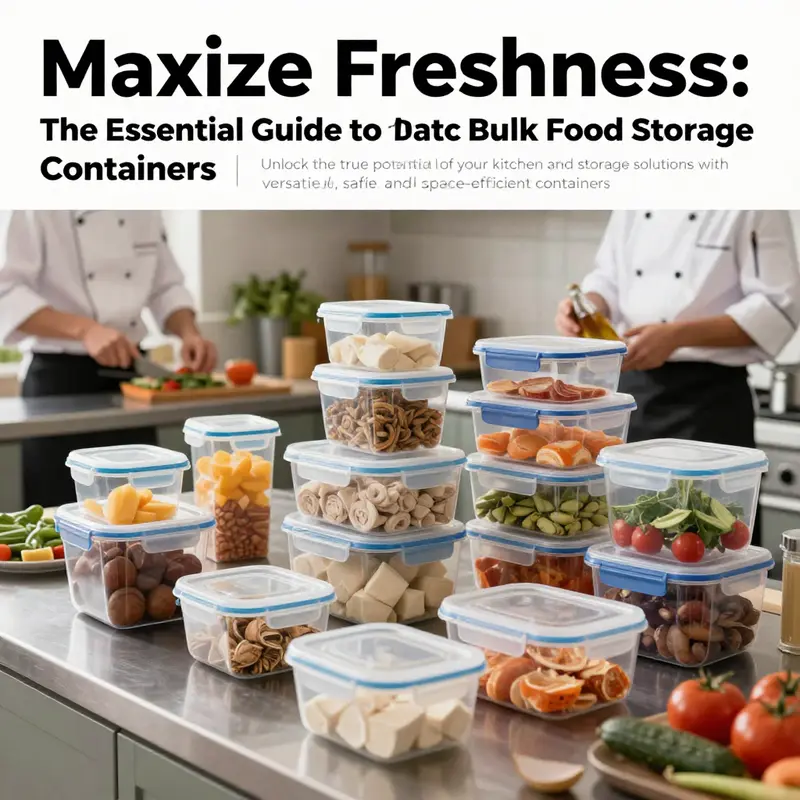
Plastic bulk food storage containers are indispensable allies for professionals in bubble tea shops, restaurants, catering services, and event planning. These containers enhance operational efficiency while ensuring food safety, all crucial for any food-related business. From maintaining freshness to optimizing space, understanding key features, types, and challenges related to these containers can streamline your kitchen operations. This guide delves into the advantages of bulk food storage containers, explores their diverse applications, and discusses crucial aspects of quality assurance you need to consider when sourcing them. Together, we’ll uncover how these containers can transform the way you manage your food storage needs.
Guardians of Freshness: How Plastic Bulk Food Storage Containers Shape Modern Kitchens
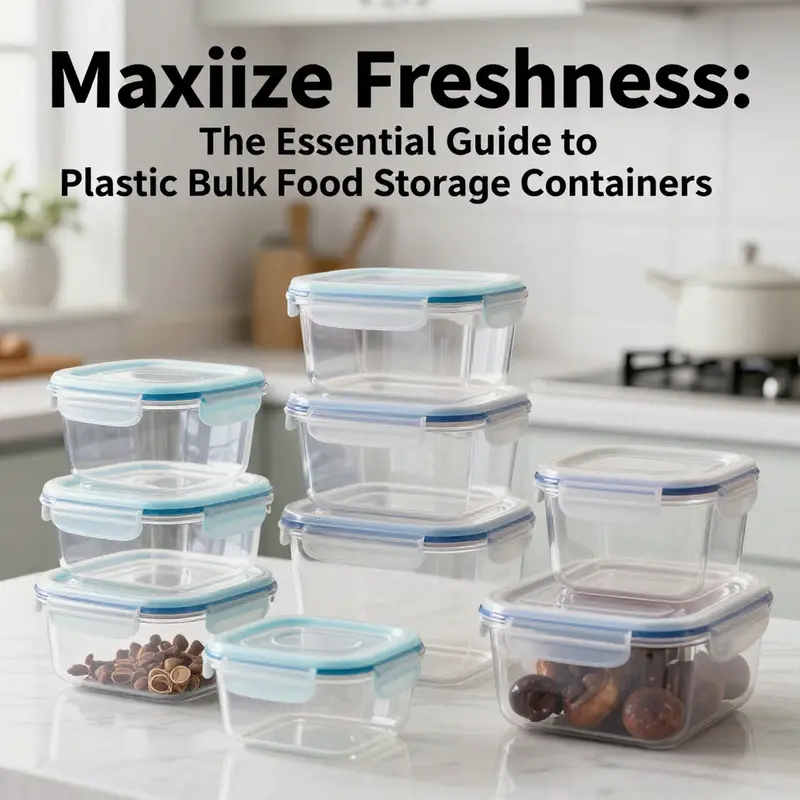
Plastic bulk food storage containers are more than simple receptacles; they are instruments of discipline in the kitchen and the storefront alike. When arranged with intention, they transform chaos into order, moisture into predictability, and time into a quiet ally in the ongoing effort to keep food safe, accessible, and appetizing. This chapter delves into the core features that make these containers reliable workhorses in homes, cafés, and warehouses, weaving together material science, design philosophy, and practical considerations into a cohesive understanding of why plastic bulk storage has become a standard in the modern food system. The discussion asserts that the value of these containers rests not on one standout attribute but on a carefully calibrated combination of safety, durability, ease of use, and space efficiency that together minimize waste and maximize efficiency. It is the alignment of these factors that allows a pantry to be both orderly and agile, a kitchen to function like a well-run operation, and a retail display to present efficiency in every grain it holds.
At the heart of any dependable plastic bulk storage container is the choice of material and the assurances that come with it. Contemporary containers are typically manufactured from food-grade polymers such as polypropylene (PP) or high-density polyethylene (HDPE), and even polystyrene (PS) in some specialized formats. A defining trend in modern production is BPA-free certification, a standard that reassures users that the material has been formulated to minimize potential health risks during long-term contact with foods ranging from dry grains to cooking oils. The safety profile of these plastics is not merely a marketing claim; it is anchored in widely recognized standards such as FDA 21 CFR and European Union guidelines (often referenced as EU 10/2011 in supplier documentation). The emphasis on food-grade status, migration testing, and robust documentation reflects the industry’s commitment to traceability and consumer protection. In practice, this means that chefs, home cooks, and retailers can select containers with confidence that the materials themselves will not introduce contaminants or flavors into stored foods. When one considers the functional environment of bulk storage—fluctuating temperatures, occasional exposure to oils or acidic ingredients, repeated wash cycles, and long storage horizons—the importance of a transparent, well-documented material story becomes obvious. The choice of PP or HDPE, and the verification of BPA-free status, becomes a foundational trust signal that permeates every use scenario.
Airtight sealing is the feature that converts simple storage into real preservation. The most effective plastic bulk containers employ secure snap-on or locking lids that create an airtight seal, sometimes leveraging double-sided press mechanisms or quadrant-lock interfaces to distribute pressure evenly. The practical impact of this design is twofold: it minimizes exposure to air, which slows oxidative processes and moisture exchange, and it keeps out contaminants and pests that can compromise the integrity of stored goods. In a pantry or retail display, this means rice, flour, sugar, pasta, nuts, and pet foods stay fresher longer, with fewer trips to the back of the cabinet to check for staleness or infestation. The airtight design is particularly valuable for bulk packaging used in commercial settings where goods may be transported, stored, and rotated on schedules that demand consistent quality. The seal’s performance is a product of engineering precision—tight tolerances, durable lid gaskets, and materials that resist compression over time—ensuring that the gas barrier remains effective through repeated use and washing cycles. The net effect is a tangible reduction in waste and a straightforward path to predictable shelf life, which is essential in both home kitchens and shop floors.
Material choice also informs durability without burdening users with heavy handling requirements. Modern containers are crafted to be sturdy enough to withstand daily use while remaining light enough to move easily when full. The durability profile often hinges on wall thickness and structural geometry. Thicker constructions, such as walls around the 2 mm range in some PS variants or similarly robust formulations in PP and HDPE, offer improved rigidity and resistance to deformation under load. Yet the emphasis remains on maintaining a weight that does not tax routine handling, whether a homeowner lifts a 5-liter bin or a staff member wheels a 10-liter bulk container across a busy kitchen. The balance between strength and weight is further enhanced by design features like reinforced corners, ribbed sides for extra rigidity, and smooth interior surfaces that resist abrasion and simplify cleaning. These considerations matter not only in daily use but also in the life cycle of the container, influencing how long it will perform as new without cracking, warp, or clouding from heat or chemicals.
Transparency is another cornerstone of effective storage. The clear or translucent plastic used in many bulk containers enables immediate content recognition at a glance. In a busy kitchen, this eliminates the need to open every canister to confirm what lies inside, saving time and reducing waste from forgotten items. Visibility supports consistent rotation, a practice that drives freshness while reducing the likelihood of stale staples lingering on shelves. For operators who manage inventory in bulk, the ability to see content levels quickly translates into better purchasing decisions and less spillover from overstocked bins. In retail contexts, clear containers also contribute to consumer trust by allowing shoppers to inspect the product’s appearance before purchase, reinforcing the perception of cleanliness and quality.
Space efficiency is a defining practical advantage of plastic bulk storage, and it is no accident that the shapes and configurations of these containers are chosen with stacking and modularity in mind. Most designs favor rectangular or square footprints to maximize drawer and shelf utility and to enable neat, vertical organization. An interesting design variation found in some markets is the octagonal box, which can improve stacking stability and save space compared with traditional round containers. In real-world terms, this can translate into meaningful gains in storage density—reports and supplier observations suggest that octagonal configurations can contribute up to roughly 15% more usable space in tight pantry drawers and shelving. The geometric properties are not just about aesthetics; they translate into tangible throughput benefits in busy environments, where every centimeter of display or cabinet space counts. The result is a more scalable storage solution that can grow with a kitchen’s or a retailer’s needs while preserving access and readability of contents.
The spectrum of plastic bulk storage is broad enough to accommodate a variety of applications, and designers have responded with an array of formats to meet diverse workflows. Rectangular containers are a staple for refrigerators and freezers, where they align with the flat planes of shelves and drawers, enabling efficient organization of leftovers, chopped vegetables, or pre-cooked grains. Square or octagonal boxes add robustness to stacking, a feature that is particularly valuable in busy kitchens and during supply chain handling where containers may be moved repeatedly. Containers with dividers provide a modular approach for organizing small items such as spices, snack portions, or craft supplies, reducing clutter and preventing cross-contamination when multiple products share a single bin. Large-capacity bins with wheels are the go-to option for industrial use, capable of holding substantial quantities of dry goods like flour or sugar and designed to move bulky loads with ease. Each variant embodies a deliberate design decision aimed at balancing accessibility with containment, ensuring that users can retrieve what they need quickly while preserving the integrity of the stored material.
Beyond these core shapes, practical features play a decisive role in everyday use. Built-in scoops, for instance, streamline portioning and transfer, reducing the need for extra utensils and making bulk handling cleaner and more efficient. Wheels on larger units are a thoughtful touch for commercial environments, enabling staff to relocate significant volumes with less effort and less risk of injury. The combination of clear visibility, airtight sealing, and modular geometry makes these containers adaptable to a wide range of scenarios—from the disciplined routines of home meal prep to the logistical demands of a busy café, bakery, or warehouse display. In short, the design language of plastic bulk storage is about enabling smooth, repeatable, and clean workflows, not merely about holding ingredients.
Of course, no storage solution is without challenges. Heat sensitivity remains an important consideration, particularly for dishwashers or ovens where prolonged exposure to high temperatures can cause warping or degrade performance over time. While many plastics are microwave-safe or freezer-compatible, the continued care and adherence to manufacturer guidelines are essential to sustaining performance. Durability under heavy loads is another axis of concern; thinner walls may bend or bow under pressure, though thicker constructions offer improved resilience. Cleaning can also pose difficulties, especially where dividers or intricate internal structures create nooks that accumulate residue. The best practice is to establish a routine that respects the container’s design—top-rack dishwasher cycles where appropriate, warm-water washing, and thorough drying to prevent moisture buildup that could compromise seals and transparency. Acknowledging these limitations does not diminish the containers’ value; it reinforces the need for careful use and appropriate application, ensuring long service life and consistent performance.
Sourcing these containers for bulk or business-to-business use introduces a broader landscape of quality assurance and regulatory compliance. Reputable manufacturers often operate within ISO-certified environments and supply documentation that attests to safety and performance. BPA-free certification is a baseline for credibility, followed by material safety data sheets (MSDS), SGS test reports, and migration testing results that quantify any potential transfer of substances from plastic into foods. Passivation reports may be relevant for metal components used in lids or hinges, ensuring that any reactive interfaces are stabilized prior to assembly. The supplier ecosystem is global, with production clusters in major hubs where materials, components, and final packaging are integrated to deliver both scale and consistency. This ecosystem supports competitive pricing and rapid scalability for buyers who need reliable supply across multiple locations or lines of business. The practical upshot is that procurement decisions become a matter of aligning safety credentials, performance data, and logistical capabilities with the specific needs of a kitchen, bakery, or retail floor.
For those evaluating suppliers in bulk, it is useful to anchor the decision in a clear set of criteria that reflect both safety and operational efficiency. A packaging and storage program should prioritize: documented BPA-free status, complete material composition, and a transparent chain of custody for raw materials; robust seal designs that meet your expectations for moisture and air barriers; demonstrable durability under typical load conditions and handling procedures; clear, abrasion-resistant interiors that resist staining and facilitate cleaning; and a range of sizes and configurations that support modular growth and rotation practices. When possible, request samples to assess fit and function in real-world workflows, observe sealing performance through simulated use, and verify that the chosen formats align with existing shelving geometries and freezer or fridge dimensions. In parallel, verify the supplier’s quality assurance protocols, response times, and after-sales support, since even the best containers require timely service if issues arise in a busy operation. The outcome of this evaluative process is not merely a choice of container; it is a strategic alignment that enhances storage reliability, optimizes space, and supports consistent product quality from storage to service.
A final note on the broader research context ties these practicalities to the marketplaces where bulk storage containers are commonly sourced. The literature and supplier guides consistently underscore safety, documentation, and performance at the core of credible offerings. For readers seeking a consolidated reference on standards, certifications, and supplier due diligence, external resources provide a structured panorama of what to look for and how to validate claims. In the real-world procurement process, the convergence of material science, seal engineering, ergonomic design, and rigorous QA creates a reliable pathway from raw material to ready-to-use storage solution. The resulting products empower kitchens to operate efficiently, reduce waste, and present a clean, organized, and trustworthy image to both staff and customers. And because space, clarity, and safety are constantly in demand, the best plastic bulk storage solutions remain agile enough to adapt to evolving needs while maintaining a consistent baseline of performance.
For readers who want a concrete starting point in the supplier landscape, one can explore a representative example of bulk storage offerings and their documented features through related supplier resources. This includes product guides and supplier information that discuss material safety, seal design, tolerances, and practical applications in both commercial and consumer contexts. For a broader view on supplier standards and product coverage, see the Alibaba Bulk Food Storage Containers Supplier Guide. This reference complements the discussion here by offering a snapshot of how manufacturers present certifications, test results, and compliance information to buyers seeking reliable, scalable packaging solutions. The link provides a gateway to data that can inform your internal QA checks and help align your procurement with international safety and performance benchmarks. External resource: https://www.alibaba.com/product-detail/Bulk-Food-Storage-Containers-Supplier_1600587364825.html?spm=a2700.1.women.1
In sum, plastic bulk food storage containers stand at the intersection of material science, thoughtful design, and disciplined operations. They embody a practical philosophy: preserve freshness through intelligent seals, protect integrity with safe, compliant polymers, and maximize space with geometry that respects human workflows. They are the quiet enablers of a kitchen’s efficiency, the backbone of a well-organized pantry, and the visible confidence of a retail display that promises quality from shelf to table. As the market continues to evolve, these containers will likely incorporate even more sophisticated barrier technologies, improved cleaning compatibility, and smarter modular systems that further streamline storage while keeping safety and usability at the fore. The ongoing conversation among manufacturers, buyers, and end users will continue to refine what it means to store bulk foods effectively, with the goal of doing more with less—less waste, less guesswork, and less downtime spent managing ingredients. The result is a storage ecosystem that not only holds food but also upholds the standards of modern food management: safety, clarity, and efficiency in every grain.
Practical Shapes, Features, and Uses: Choosing the Right Plastic Bulk Food Storage Container
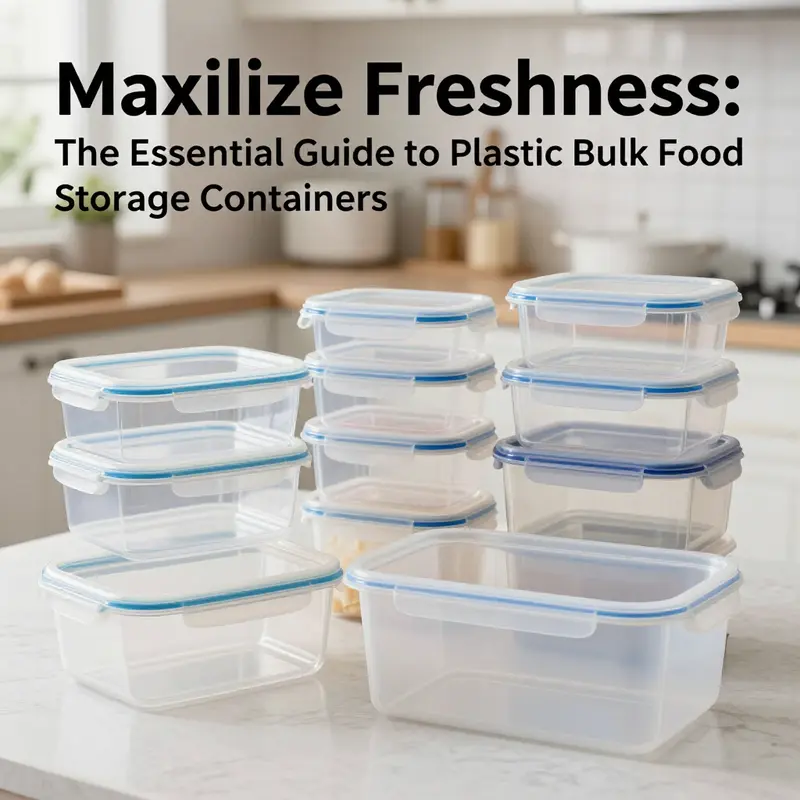
Plastic bulk food storage containers come in many shapes and configurations, and each variation answers a specific need in home kitchens, commercial pantries, and supply chains. Understanding those types and their typical applications helps you choose containers that save space, protect food, simplify handling, and reduce waste. This chapter walks through the common forms — foldable bins, stackable crates, vented carriers, jars, bento-style boxes, rice dispensers, and general bulk sets — while tying design features to real-world uses so decisions are practical and purpose-driven.
Foldable or collapsible containers are a strategic choice where return logistics and seasonal storage matter. These units collapse flat when empty, cutting the cubic volume needed for returns by a large margin. For distributors and retailers that move stock between warehouses and storefronts, the savings in transport cost and warehouse space are tangible. The panels and hinges are engineered for repeated cycles. When full, these containers lock into a rigid, load-bearing form that withstands stacking and handling. For businesses that use reusable packaging loops, the environmental benefits add up: fewer single-use packs, fewer disposal costs, and lower material throughput.
In domestic settings, foldable containers are useful when bulk buys are occasional or seasonal. A collapsed container slips behind a pantry shelf or into a deep cabinet when not in use. Look for models with reinforced corners and sturdy locking clips to ensure the container performs like a solid bin when deployed. Materials such as polypropylene provide the right balance of flexibility and fatigue resistance for repeated folding.
Stackable containers are the backbone of organized storage. Their design focuses on vertical efficiency and stability. Reinforced bases, interlocking rims, and support feet allow secure vertical piles without slipping or crushing lower units. In commercial kitchens and warehouses, stackable boxes improve pick-and-pack flow and make inventory easier to audit visually. In residential pantries, they transform crowded shelves into neat, accessible stacks where labels are visible and items are within reach.
The difference between a mediocre stackable container and a high-performing one often lies in subtle details. A recessed lid that mates precisely with the base above reduces lateral movement. Ribbed walls resist bowing under heavy loads. A small lip for finger clearance makes it easier to separate tightly nested units. For heavier bulk items such as sacks of flour or large volumes of cereal, look for thicker walls and a robust lid-locking mechanism to prevent accidental collapse when stacks are shifted.
Vented plastic containers are a specialist solution for perishable goods that need airflow. Perforations, mesh panels, or controlled-vent channels reduce condensation, lower the risk of mold, and extend the shelf life of produce and baked goods. For fruit and vegetables, ventilation helps maintain a dry microclimate that keeps quality high without sacrificing containment or transportability. For bakeries and deli counters, vented carriers keep crusts crisp and prevent soggy packaging.
Designs vary from simple side perforations to fully meshed panels and adjustable vents that can be opened or closed depending on contents. Consider the balance between airflow and protection: highly ventilated boxes work well for items that benefit from constant air exchange, while partial venting helps when the goal is to avoid excess moisture but still protect goods from contaminants. For multi-purpose use, adjustable vent panels provide flexibility across different product types and seasons.
Cylindrical jars and jar-shaped containers combine a wide mouth with screw-top or snap lids for reliable sealing. They are optimal for liquids and semi-liquids such as soups, dressings, sauces, and some wet preparations. The wide opening simplifies filling and cleaning. Threaded lids with good gasket design prevent leaks and allow safe storage and transport.
In retail and food-service contexts, jars provide a clean presentation and easy portioning. In institutional kitchens, they support batching and safe refrigeration of prepared components. The key attribute is the lid seal: a well-designed closure must resist pressure changes during stacking and transport while remaining easy to open. Clear walls help identify contents quickly, reducing the need to open containers and thus limiting exposure to air and contaminants.
Bento-style containers bring modular organization into compact, portable meal systems. These multi-compartment boxes keep components separate, preserving texture and flavor until serving. For packed lunches and meal-prep plans, compartments prevent sauces from mixing with dry items and let cold and hot elements be stored side-by-side. Multi-tiered configurations add capacity without increasing footprint, making layered transport efficient for catering, school meals, and office lunches.
Design details that matter include secure interlocks between tiers, leak-resistant seals for wet compartments, and easy-to-clean divider geometry. For cultural cuisines that emphasize variety and presentation, bento containers allow each item to retain its intended taste and appearance. For meal-prep workflows, they support portion control and predictable reheating behavior when sections are sized for specific nutritional requirements.
Rice storage containers are engineered for long-term, high-volume dry storage. They focus on moisture control, pest prevention, and convenient dispensing. Popular features include rollable lids with integrated spouts, spigots for measured release, or removable bottoms for bottom-up dispensing. These features support first-in, first-out usage and limit the amount of rice exposed to air during retrieval.
In households that buy rice in bulk, a dispenser with a measured spigot prevents spills and helps portioning. In commercial kitchens, hopper-style bins and bins with caster wheels make it easy to move large quantities. Material selection and lid fit are important here: airtight or near-airtight closures reduce humidity ingress, and opaque options shield contents from light that can degrade stored items in some climates.
General bulk food containers and wholesale sets offer modularity and broad utility. Multi-piece sets with compatible lids support a range of foods — dry powders, grains, snacks, and prepared foods. Screw-on lids are common because of their versatility with liquids and semi-solids. These sets are the go-to choice when a single, adaptable system is needed across different storage tasks.
Designers of general bulk systems focus on interchangeability, stackability, and clarity. Clear walls allow instant inventory recognition. Uniform lid sizes and stack profiles simplify stacking and nesting of unused lids. For retail environments that sell dry goods in bulk or dispensable formats, modular sets speed up restocking and offer predictable merchandising.
Across all types, material choice plays a heavy role. Polypropylene and polyethylene are common for their food safety profiles, durability, and resistance to cold. Thicker walls improve durability but increase material cost and weight. Transparent polymers such as PET provide clarity for content visibility while meeting safety and regulatory standards when properly formulated and certified.
Every container type has trade-offs. Vented boxes cannot protect fully against pests or moisture. Collapsible bins save space but usually carry lower static load limits than solid crates. Bento boxes provide separation but can complicate thorough cleaning if poorly designed. Understanding these compromises helps match container selection to the specific challenge: whether it is long-term dry storage, frequent opening and closing, heavy stacking loads, or safe transport of liquids.
Maintenance and cleaning considerations are essential to maintain food safety. Smooth internal corners, removable gaskets, and accessible crevices reduce residue buildup and simplify sanitization. Some designs include dishwasher-safe ratings, though prolonged exposure to high temperatures or harsh detergents can warp or degrade plastic components. For complex divider systems, choose designs that either permit full disassembly or have radiused edges and open profiles that cleaning tools can reach.
Operational benefits are best realized when container choice dovetails with process. In a production kitchen, stackable reinforced crates placed in standardized shelving speeds retrieval and reduces breakage. In a retail refill program, lightweight collapsible bins reduce return freight and storage expense. For meal-prep entrepreneurs, bento-style containers improve portioning and customer satisfaction while protecting product presentation.
When sourcing containers in bulk, prioritize suppliers who provide clear compliance documentation. Look for food-grade material certification, migration testing, and third-party verification that demonstrates safety under intended use. In large-scale procurement, consider manufacturers that can provide consistent dimensional tolerances, custom printing options for labeling, and scalable production to match seasonal demand.
A practical procurement checklist includes a review of material safety data sheets, sample testing for lid seals and stacking stability, and validation of cleaning protocols. If dispensing mechanics are involved — such as spigots or roll-top lids — test for wear over repeated cycles. For vented containers, evaluate airflow performance with representative products to ensure the venting strategy suits the perishables in question.
One internal resource that offers complementary packaging options for serving and portioning small items is a supplier of clear sauce jars and small sauce containers with lids. These units illustrate how specialized small-format containers integrate with larger bulk systems to provide measured portions and secure transport for condiments and toppings: https://ecocupbowl.com/product/plastic-sauce-jars-with-lids-plastic-clear-food-small-sauce-container-box-with-lids-kitchen-organizer-disposable-sauce-pot/.
For technical and commercial specifications on bulk food storage containers, a comprehensive external resource describes material compliance, dimensional tolerance, and examples of containers used in commercial kitchens and retail displays. This source helps link design features to performance expectations in real-world settings: https://www.alibaba.com/product-detail/Bulk-Food-Storage-Containers-Airtight-Reusable_1600871253438.html
Choosing the right plastic bulk food storage container depends on matching container geometry, closure type, and material to the storage challenge. Whether the priority is transport efficiency, ventilation for perishables, reliable liquid sealing, or high-capacity rice dispensing, the goal is the same: keep food safe, minimize waste, and streamline handling. Thoughtful selection based on the types described here turns storage systems into an operational advantage rather than a limitation.
Guardians of Freshness: Navigating Material Limits and Quality Assurance in Plastic Bulk Food Storage Containers
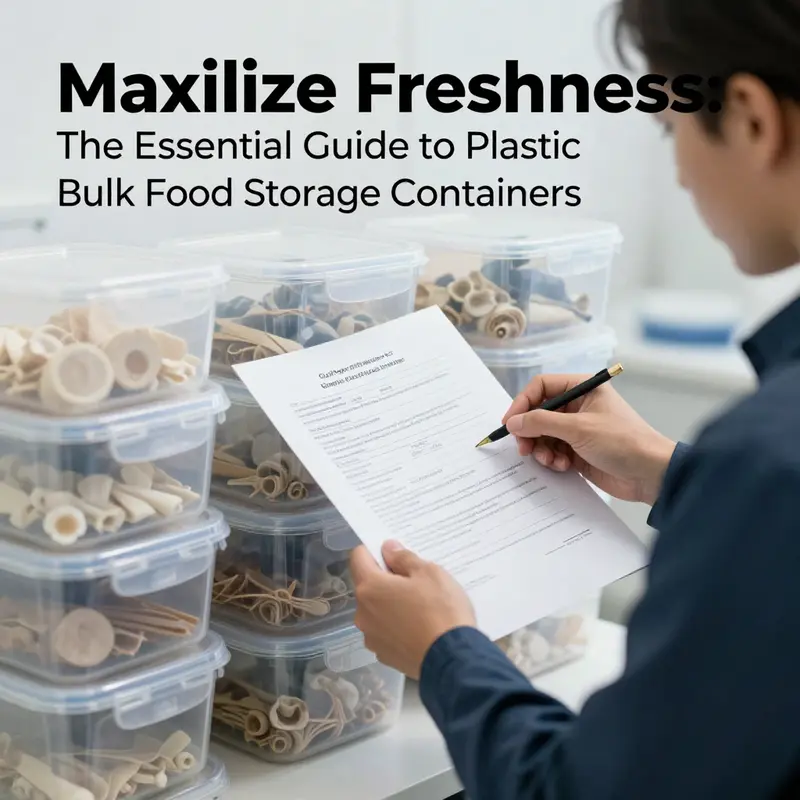
In kitchens and warehouses where pace and predictability define success, plastic bulk food storage containers behave like silent guardians of freshness. They are more than receptacles for dry goods; they are interfaces between raw ingredients and the disciplined systems that keep them safe, accessible, and economical over time. The chapter that follows traces how material choice, manufacturing discipline, and rigorous quality assurance converge to deliver containers that perform under pressure, from the humid chill of a walk-in to the demanding cycles of a busy dishwashing station. At the core of this narrative lies a simple truth: the shelf life of a product begins long before the lid is snapped shut. It begins with the materials that touch the food, the seams where lids meet walls, the surfaces that withstand cleaning and repeated use, and the certifications that prove safety rather than promise it. The most common materials in bulk storage are polypropylene and polyethylene, with polystyrene still found in some cost sensitive applications. Each has a distinct profile in terms of weight, rigidity, clarity, and thermal tolerance. They are lightweight, versatile, and surprisingly durable when engineered with correct wall thickness and appropriate mold geometry. But lightweight is not the same as indestructible, and every design carries a balance between cost and performance. In reputable manufacturing and procurement ecosystems, the aim is to use food grade formulations that are BPA free and fully compliant with global standards such as the FDA in the United States and EFSA in the European Union, along with national and regional requirements in major production hubs. This framework is not merely regulatory theater; it establishes a baseline of evidence that the materials can safely contact foods, resist migration of chemicals under normal use, and remain stable through the diverse cycles of microwaving, freezing, and dishwashing that modern households and operations demand. For teams evaluating options in bulk, the presence of BPA free certification and documented MSDS data is not a luxury but a practical necessity. Material safety data sheets begin a conversation about how a container will behave during heat exposure, how pigments used to color the plastic will interact with stored foods, and how the container will perform after repeated flexing and impact during transit. The conversation extends to regulatory attestations and independent testing that verify that the plastic does not release substances in quantities that could pose risks to consumers. In many markets, this assessment is accompanied by migration testing results and passivation records for metallic components of integrated units, ensuring a holistic view of safety that extends beyond the polymer alone. The design tradeoffs extend into how the container engages with the contents. Airtight and snap-on locking lids transform a simple jar into a preservation system by reducing air exchange and moisture ingress. This is not merely about prolonging shelf life; it is about protecting flavor, texture, aroma, and nutritional integrity across days, weeks, or even months of storage. Visually, the advantage is twofold. Transparent walls enable quick visual audits of what sits on a shelf or in a cold room, reducing the time teams spend searching for ingredients. A built in scoop can add precision to portioning, reducing waste and helping to standardize recipes in professional settings. For larger bulk needs, wheels and ergonomic handles turn heavy loads into manageable tasks, lowering the risk of injury and facilitating the organization of crowded storage zones. Yet even with airtight designs and clever form factors, real world use reveals a series of challenges that must be anticipated and mitigated through informed material choices and rigorous testing. Material integrity is a primary concern. Prolonged exposure to certain foods can interact with plastics, especially when acidic ingredients are involved or when containers are subjected to sustained high temperatures in dishwashers or industrial ovens. In such cases, physical degradation can manifest as warping, loss of opacity, or microcracking that accelerates pigment migration and surface staining. The risk of chemical leaching, while often overstated in popular discourse, is a legitimate concern in high risk environments such as commercial kitchens and meal prep services where containers cycle through hot and cold, and where acidic components like tomatoes or citrus can come into contact with the walls. The result is a practical emphasis on selecting materials with robust chemical resistance and ensuring that migration tests accompany product data sheets. Material usage also demands ongoing scrutiny. The standard pallets of PP and PE deliver an efficient blend of rigidity and flexibility, but repeated cycles of heating and chilling can fatigue thinner walls. Thicker constructions, such as two millimeters or more in wall thickness for certain PS formulations, offer improved resilience but add weight and cost. The design must therefore balance rigidity with resilience, optimizing the mold design, wall geometry, and ribbing that provide taut, warp resistant performance without excessive material consumption. Surface finish and porosity emerge as subtler but consequential agents of performance. A smooth surface resists staining and makes cleaning more effective, yet minor porosity or micro-scratches can become invitation channels for pigmented substances from foods like tomatoes, turmeric, or berries. Over time, lycopene and anthocyanins can settle into these micro-structure recesses, leaving stubborn traces that are difficult to remove with standard cleaning cycles. In high throughput contexts, where containers go through frequent dishwasher cycles, even small defects in surface finish can magnify staining and odor retention if not addressed by formulation and manufacturing controls. Cleaning itself is a distinct challenge. Dividers, built in compartments, or intricate internal geometries can create shadowed crevices where residues cling. Without meticulous post production inspection and thoughtful design that minimizes complex interior corners, cleanliness becomes variable and cross contamination becomes a real concern. The cleaning regime must be aligned with the container design. This alignment often requires clear labeling of dishwasher suitability, temperature tolerance, and recommended cleaning agents, as well as user education about potential limits of heat exposure that could compromise seals or structural integrity. The QA journey for plastic bulk storage containers therefore begins with regulatory compliance. Suppliers must demonstrate conformance with international food safety standards, most notably FDA requirements for products shipped into the United States, EFSA standards in Europe, and GB standards in major manufacturing regions such as China. These regulatory frameworks establish a floor for safety and provide a unified language for auditors, customers, and manufacturers. Compliance is reinforced by advanced manufacturing practices that emphasize precision and repeatability. Injection molding remains the central technique, with precision tooling that shapes walls, corners, and seals to strict tolerances. Post production inspection protocols then validate that every unit meets dimensional, surface, and functional criteria. The use of a vertical integration model is particularly impactful in production corridors such as Guangdong and Zhejiang, where a company can tightly control raw material sourcing, mold development, and final assembly. Tight control reduces variability, speeds the introduction of new designs, and improves traceability—an important feature when audits demand lineage from resin supplier to finished container. In terms of cost and durability, supply chain managers face a chronic balancing act. The most economical option may appear attractive in the short term, but if the product fails after a handful of cycles or requires frequent replacement, the lifecycle cost can eclipse initial savings. Durable constructions, appropriate wall thickness, and robust seals can deliver lower total cost of ownership even when the upfront price is higher. Independent testing and third party certifications further strengthen market credibility. ISO 22000, a standard for food safety management systems, and BRCGS, a globally recognized standard for food safety, provide frameworks for systematic control of processes, from supplier selection and incoming material checks to finished product audits. These certifications do not merely satisfy regulatory curiosity; they demonstrate to customers that a supplier adheres to a documented, verifiable program that minimizes risk and protects brand reputation. In practice, meeting these standards requires a combination of regulatory documentation, MSDS data, migration testing results, and passivation or surface treatment records for any metal components included in hinged or spring loaded lids. The vertical integration trend is powered by a cluster approach to manufacturing where clusters within regions coordinate to deliver consistent quality. In specific districts, this model fosters tighter control of raw materials, faster iteration of molds, and enhanced traceability for every batch. The result is a portfolio of products that can scale from small boutique operations to large multinational distributors, all while maintaining predictable performance across thousands of cycles. At the same time, the market must address the inevitable tension between cost effectiveness and durability. The drive for scalable e commerce and retail distribution can tempt buyers toward cheaper options, but the long term reliability of containers hinges on robust design, reliable materials, and a culture of QA that prioritizes safety over speed. Independent testing and certification programs offer a critical counterbalance to cost pressure, delivering independent verification that the product can withstand real world conditions. This is precisely where the broader ecosystem around bulk containers intersects with packaging strategies in adjacent categories. A container may be designed to store rice, pasta, or flour with an airtight seal that keeps moisture at bay, while a partitioned box with dividers may hold smaller ingredients or spices with controlled cross contamination. Visible clarity across the walls supports inventory management, allowing staff to gauge stock levels at a glance. The shape of the container itself can influence how efficiently space is utilized. Rectangular and square designs, sometimes with octagonal corners, offer superior stacking stability and denser packing compared with round containers. The octagonal geometry, in particular, has been acknowledged for enabling more efficient stacking in drawers and shelves, which translates into tangible space savings in cramped storage environments. For larger scale operations, the combination of wheels on bulk bins and sturdy handles supports mobile efficiency, enabling teams to reorganize stores and move heavy loads with less physical strain. The ultimate objective in all of these considerations is not a singular ideal but a well-balanced system. A system that pairs the most appropriate material selection with a robust design, supported by a transparent chain of custody, that can be trusted by home cooks and professional operators alike. It is a system that recognizes that a container is a small but critical element in a broader food safety and supply chain narrative. For designers and buyers alike, this means thinking beyond a single product and toward a family of products that share common performance characteristics, standardized labeling, and consistent testing protocols. And it means embracing packaging options that complement bulk storage while remaining compatible with retail display and consumer education. In this way, the conversation returns to where it began: with the tools that help people manage the everyday realities of food storage. A well chosen container, backed by rigorous QA, becomes a reliable steward of freshness, a practical ally in the kitchen, and a durable workhorse in a bustling retail or food service operation. It also becomes part of a broader packaging ecosystem that includes solution sets such as foldable bakery packaging that blends into display strategies and supports a wide range of product lines. To illustrate a practical linkage within this ecosystem, consider the concept of foldable cake boxes with windows for bakery packaging. While not a bulk storage container in the strict sense, these packaging options exemplify how designers address visibility, protection, and presentation across different segments of the same supply chain. In an environment where every component from bulk storage to consumer facing packaging contributes to perceived quality, such cross category design thinking reinforces why QA disciplines are indispensable. The goal is not merely to produce containers that look good on a shelf but to ensure that every part of the storage and display chain operates within a disciplined safety framework. The result is a coherent narrative of quality in which the container becomes an integral, dependable part of the food system rather than a marginal commodity. This perspective is reinforced when organizations examine supplier selection through a rigorous lens. They look for ISO certified environments, transparent documentation, and evidence of third party testing. They seek evidence of BPA free certification and material safety data sheets that align with the actual materials in use. They expect migration testing results to be available and verifiable. They demand that any metal components in the design are properly passivated and that the entire product meets global safety expectations. The business case for this approach is not merely about compliance; it is about reducing risk, protecting brand integrity, and building trust with customers who rely on the containers to safeguard the foods they purchase and prepare. In the end, quality assurance in plastic bulk food storage containers is a continuous process rather than a one off audit. It evolves with new materials, new production techniques, and new regulatory expectations. It requires close collaboration among resin suppliers, mold makers, manufacturers, auditors, and end users. It requires a shared vocabulary of safety, performance, and durability so that a container can be assessed not only for what it can hold today but for how it will perform in tomorrow’s kitchens and delivery networks. As the landscape shifts toward greater transparency, greater emphasis on traceability, and a growing demand for efficient, space saving designs, the role of QA becomes increasingly central. This is not simply about meeting a standard; it is about cultivating a culture that treats every container as a trusted device that protects ingredients, preserves flavors, and supports the people who rely on it to do their jobs well. The world of plastic bulk food storage containers, with its material choices, its manufacturing precision, and its testing rigor, is a quiet ecosystem whose value reveals itself only when performance aligns with safety and efficiency. In that alignment, customers gain confidence that the products they reach for are designed to withstand time, temperature, and handling. They gain certainty that what they store will stay fresh, uncontaminated, and ready for cooking, baking, or service. And they gain peace of mind that the packaging and storage systems they depend on are built to endure as long as the food within them remains essential to their daily routines. External resource: https://www.alibaba.com/product-detail/Bulk-Food-Storage-Containers-Airtight-Reusable_1600871253438.html
Final thoughts
Understanding the critical aspects of plastic bulk food storage containers helps enhance operational efficiency and food safety for your business. By maximizing the advantages, recognizing different container types, and ensuring rigorous quality checks, you can streamline your food storage processes and keep your operations running smoothly. Investing in high-quality, compliant containers is essential for any food service, enabling not just successful food management but also promoting a healthy environment for consumers.