
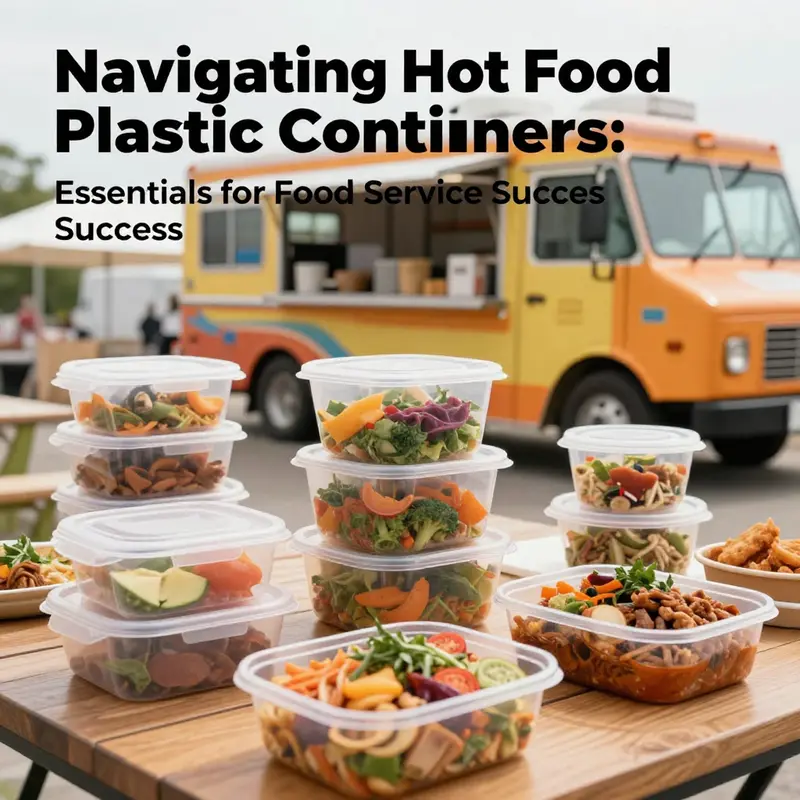
Hot food plastic containers are vital in the food service industry, catering to the needs of bubble tea shops, restaurants, and catering services alike. Choosing the right container impacts not only operational efficiency but also consumer safety. This article delves into the various types available and their economic advantages, followed by an examination of the potential safety risks associated with certain plastics. We will then explore how material quality affects longevity and performance. Finally, we’ll discuss innovative alternatives that ensure both safety and practical use in food storage and service, allowing businesses to make informed decisions in their operations.
Heat, Hold, and Hazards: Navigating the Economics and Engineering of Hot Food Plastic Containers
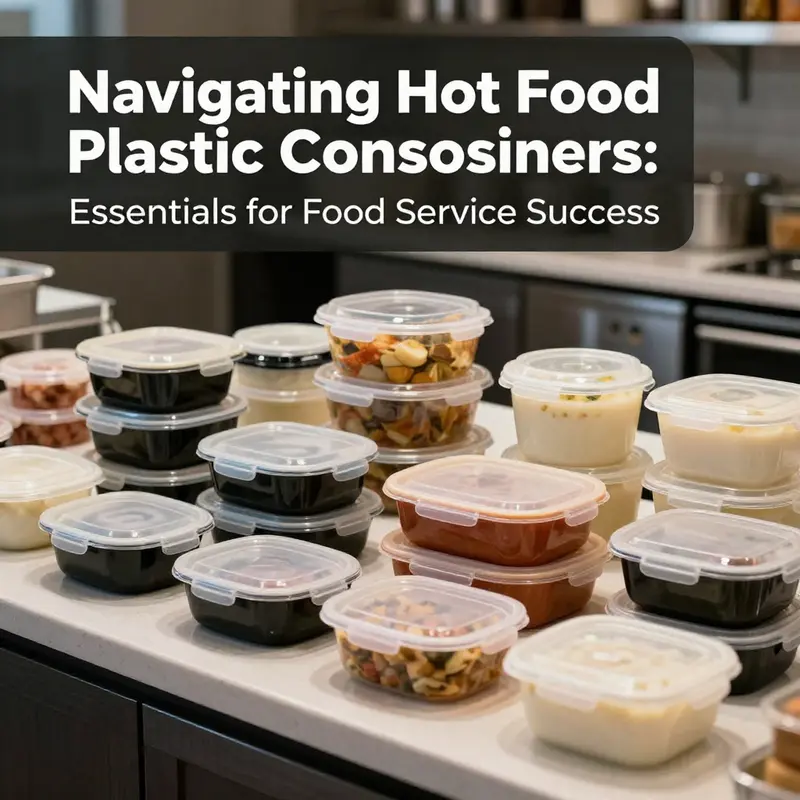
In the fast-paced world of foodservice, hot food plastic containers sit at the intersection of convenience, safety, and cost. They are not mere wrappers; they are critical components of service design. They influence how long a meal stays hot, how reliably it travels from kitchen to customer, and how much a business can scale its operations without compromising quality. The conversation around these containers moves beyond a simple choice between disposable and reusable. It entails a careful balance of material science, regulatory compliance, supply chain dynamics, and evolving consumer expectations about safety and sustainability. To understand their role, one must follow the thread from material selection to market realities, and then to how those choices ripple through menus, pricing, and even environmental stewardship.
At their core, hot food plastic containers are engineered to withstand heat without losing form or seal integrity. The most common workhorse materials are polypropylene (PP), polycarbonate (PC), and specialized high-temperature copolymers such as PETG. Each material brings a distinct profile of heat tolerance, chemical resistance, clarity, and cost. PP is the workhorse of the industry. It provides a favorable balance of heat resistance, durability, and manufacturing efficiency. PC offers higher heat tolerance and clarity, but it carries higher costs and, in some markets, regulatory scrutiny due to concerns over additives and potential migration. PETG supplies excellent clarity and robust heat resistance with smoother processing, yet it remains pricier than PP and may require more refined conversion techniques for certain shapes and lids.
The temperature envelope these containers are designed to handle typically spans from roughly 80°C to 120°C (176°F to 248°F). That range accommodates hot soups, stews, sauces, and other ready-to-eat meals that transit from kitchen to car trunk or buffet line to plate. The real engineering magic lies not just in surviving heat but in preserving flavor and preventing cross-contamination. Divided compartments, tight seals, and sometimes integrated heating cores in certain designs aim to maintain culinary integrity while minimizing leakage and sogginess. The design philosophy also favors stackability and light weight, because every gram saved translates into reduced shipping costs, easier handling in busy kitchens, and improved energy efficiency in storage.
From a product-design perspective, there are recognizable families of containers that service different operational needs. Insulated stackable configurations chase longer hold times, using an air gap or vacuum layer to trap heat and reduce heat exchange with the environment. Heated display trays incorporate plastic components rated for continuous exposure to higher temperatures, supporting front-of-house service models in fast-food restaurants and hotel buffets where hot appeal must be maintained under bright display lights and constant traffic. Microwave-safe single-use containers are ubiquitous in meal-prep and corporate catering, offering convenience for reheating and serving with minimal cleanup. Then there are divided meal containers with heat-retention features, which preserve multiple flavors and textures in one package while guarding against cross-contamination. A subset, though not exclusively plastic, includes leak-resistant variants that can carry warm sides or gravies with greater confidence than standard lids.
Beyond the kitchen, the economics of these containers hinge on scale, material mix, and regulatory compliance. Material cost is a central lever. PP remains the most cost-effective choice, favored for balance and resilience. PC, while more heat-tolerant, carries a premium and, in many markets, regulatory concerns about additives and migration—especially when fatty or acidic foods are involved. PETG can deliver clarity for transparent lids or bodies, which helps in product presentation and customer reassurance, but its higher price tag shifts the economics for high-volume operations. For large fleets and venues that require consistent performance, the premium may be justified by lower failure rates and simpler return-to-service cycles.
Production scale dramatically shifts per-unit economics. Bulk purchases can drive down the unit cost through economies of scale. For containers produced in large volumes, suppliers can offer lower base costs, more favorable lead times, and opportunities for customization such as branding or tuned locking lids. In many supplier ecosystems, particularly where manufacturing capacity remains concentrated in a few regional hubs, volume orders—think tens of thousands of pieces—translate into meaningful savings per unit. The economics becomes a calculus: does the cost premium for higher-heat materials translate into fewer returns, less spoilage, and better customer experience? The answer often hinges on the specific use-case—whether meals travel long distances, whether the product will be reheated, and how aggressively a brand manages waste and sustainability goals.
Regulatory compliance adds another layer of economics and risk management. Food-safety standards—such as FDA oversight in the United States, LFGB in parts of Europe, and GB/T 4806.6-2016 in China—impose certification and testing requirements that drive up upfront costs but offer long-term market access and consumer trust. Certifications related to BPA exposure, phthalate migration, and overall chemical safety are more than formalities; they shape how menus are marketed, how retailers communicate safety, and what substitutions may be necessary for certain markets. Brands that pursue BPA-free formulations and robust migration testing often command a price premium, yet they also gain access to health-conscious segments and regulatory clearance for wider distribution.
The lifecycle of hot food containers further influences the economics. Many are designed as single-use items for convenience and speed. Yet institutions—schools, corporate cafeterias, and large catering operations—often explore reusable, stackable options to cut long-term waste and procurement costs. Reusability requires a parallel investment in cleaning and sanitation infrastructure, as well as more durable materials that can withstand multiple washing cycles without warping, cracking, or losing seal performance. The compliance footprint expands here as well, since reusable systems must align with cleaning validation, sanitization protocols, and staff training programs. In practice, the choice between single-use and reusable configurations is rarely binary. Hybrid strategies exist, such as reusable outer shells with disposable liners or inserts that simplify portion control and reduce total energy and water use per service.
Market dynamics are shaped by demand across catering, meal-kit delivery, quick-service, and workplace dining. Catering and buffet services rely on insulated and heated containers to carry the heat over two to four hours, which requires robust insulation and reliable lids. Meal-kit and delivery services favor microwave-safe, divided containers that reheat uniformly and prevent cross-flavor contamination. Fast-food chains leverage heated display trays with plastic inserts to support self-serve hot stations, while corporate cafeterias increasingly embrace reusable, branded systems as a sustainability statement and cost-control measure. Industry reports for the current era point to a growing global market for foodservice plastic containers, with a projected CAGR of about 5.2% and a target approaching $28 billion by 2030. China remains a dominant manufacturing hub, supplying a substantial share of the world’s plastic food packaging and continuing to shape global pricing and availability with its export capacity to North America and Europe.
Against this backdrop, cost transparency becomes essential. In the marketplace, a range of unit prices can reflect the diversity of design, material, and function. For instance, high-volume procurement can push per-unit costs toward a few cents, while specialty designs with enhanced heat tolerance, tamper-evident seals, or integrated warming features may command a higher price point. The tradeoffs extend to certification costs: brands that invest in BPA-free materials, migration testing, and microwave-safe validations may accept a 15–30% premium in exchange for consumer confidence, broader market access, and alignment with sustainability narratives. It is also worth noting that demand for biodegradable and compostable alternatives—such as PLA-based or other bio-based composites—has grown as governments and brands pursue plastic-reduction goals. These materials, while appealing to sustainability-minded consumers, typically come at two to three times the cost of conventional PP and require careful processing and disposal infrastructure to realize their environmental benefits. Even so, incentives in some regions—especially in the EU and certain U.S. states—can help offset these costs through subsidies, diversion programs, and waste-management credits.
As the market evolves, so do safety concerns that accompany heat and packaging chemistry. The U.S. FDA acknowledges that microwave-safe labeling does not guarantee safety under all cooking conditions. The heat-induced migration of substances, including phthalates and NIAS (non-intentionally added substances), can occur when containers are subjected to heat, fatty foods, or repeated use. A growing body of research urges caution and underscores the importance of avoiding damaged containers—cracks, cloudiness, warping, or degraded seals that compromise barrier integrity and potentially increase leaching risk. In practical terms, this means more robust inspection regimes in kitchens and more conservative guidelines for reusing and recycling containers. For consumers who heat meals in home or office settings, this underscores the value of following manufacturer guidance and avoiding the reuse of single-use containers that are not designed for repeated heating.
The environmental angle adds another dimension to the economics. Single-use plastic containers contribute to microplastic pollution and waste streams that challenge municipal recycling systems. In response, many operators are transitioning toward recyclable or compostable options, and some are adopting reusable systems that align with circular economy principles. The cost calculus shifts accordingly: higher upfront costs or more complex logistics may be offset by reduced waste disposal fees and the reputational and regulatory benefits of sustainable practices. Yet the transition is not uniform. In regions with robust recycling infrastructure and clear guidelines for compostable plastics, the incentives are stronger. In others, the financial burden remains a hurdle, prompting ongoing innovation in material science and collection systems.
Looking to the future, the fabric of hot food plastic containers is likely to weave together improved material formulations, smarter lid designs, and smarter packaging ecosystems. Innovations may include improved heat barriers, next-generation coatings that reduce fat migration, and seals engineered to resist multiple dishwasher cycles without losing integrity. The push toward safer materials will continue to be paired with smarter recycling and take-back schemes designed to close the loop on plastic packaging. For operators, this means that the decision to adopt a particular container is not a one-off purchase but an ongoing strategic choice that touches sourcing, menu engineering, and sustainability reporting. The most resilient operators will view packaging not as a cost center but as a strategic enabler of consistent service quality, safer food handling, and accountable environmental stewardship.
For readers seeking a broader perspective on technical specifications and sourcing, see the external reference that reviews the landscape of hot food display containers. This resource offers detailed discussions of performance metrics, regulatory considerations, and market dynamics that shape what ends up on the shelf and in the cart. It complements the practical, in-kitchen considerations described here by framing how production capabilities, certification regimes, and macroeconomic forces converge to determine what hot food packaging looks like in different regions and seasons.
In pursuing balance, some teams also consider alternative paths that reduce reliance on traditional plastics. One avenue is to explore hybrid designs that combine insulated outer shells with inner inserts crafted from safer, more heat-resistant materials. Another is to adopt hybrid service models that use reusable containers for longer-term operations, paired with disposable inserts for peak demand or special events. The goal is not simply to minimize risk or cost in isolation but to craft a packaging strategy that sustains food quality, protects consumer health, and aligns with a brand’s environmental commitments. When done thoughtfully, the choice of container design and material becomes a visible signal of a business’s values and a practical lever for operational excellence.
For readers who want to probe deeper into the packaging ecosystem, a relevant internal resource offers insights into sustainable takeout packaging options and design considerations. eco-friendly takeout boxes for food packaging provides a bridge between conventional hot-food containers and more sustainable alternatives, illustrating how packaging choices can reflect taste, safety, and responsibility without compromising on service speed. While these alternatives are often paper-based rather than purely plastic, their growth signals the hunger in the market for safer, better-performing, and more responsibly sourced options that still meet the demands of high-volume operations. As the packaging landscape continues to evolve, the best decisions will be those that integrate material science, regulatory awareness, and a clear read on consumer expectations.
External reading can further illuminate how the industry benchmarks performance and safety. For those who wish to explore technical specifications and industry standards beyond the kitchen floor, consider reviewing the broader literature on hot food display containers and related packaging systems. https://www.foodserviceequipment.com/hot-food-display-containers
Under Heat and Hidden Hazards: The Health Risks of Hot Food in Plastic Containers
Containers designed to hold hot foods have become a backbone of modern food service and home meal exchange. They carry soups, stews, grains, and culinary leftovers from kitchen to table and beyond, promising convenience with a quick, affordable answer to heat, transport, and short-term storage. Yet the very function that makes them indispensable—exposure to heat—also triggers a cascade of chemical and physical processes inside the container walls. When hot foods touch plastics, heat can accelerate the migration of substances from the container into the food and, ultimately, into the body that consumes it. This is not merely a theoretical concern. Across multiple lines of inquiry, scientists have documented how heating certain plastics can release a chorus of potentially harmful compounds, among them plasticizers like phthalates, residual additives that are not intended as part of the final food product (NIAS), and known hazards such as bisphenol A in some contexts. Those warnings carry practical implications that extend from the lab to the kitchen, from the food-prep station to the dining table, and into the daily routines of millions who rely on hot, single-use, or reusable plastic vessels for meals on the go.
The core safety issue centers on chemical leaching. Plastics encompass a broad spectrum of polymers, each with its own heat tolerance and risk profile. Polyethylene terephthalate (PET, sometimes labeled as #1) and polystyrene (PS, sometimes labeled #6) are widely used for disposable food containers and bags. These materials are not designed to endure sustained high heat. When temperatures climb above thresholds near 65°C (149°F), the likelihood increases that certain compounds will migrate into the surrounding food. Among the concerns are styrene, a substance classified as a possible carcinogen in some contexts, and other degradation products stemming from the breakdown of polymer chains. The practical takeaway is straightforward: the hotter the food and the longer it sits in contact with a plastic surface, the greater the chance of migration. In kitchens where oil-heavy sauces or fatty foods are heated, the risk can be amplified, because fats can carry and solubilize certain chemical residues more effectively than water alone.
But the risk spectrum does not end with simple leaching. Heating also facilitates microplastic formation and release. As plastics absorb heat, the polymer matrix can fragment into increasingly small particles. Microplastics, once released, may be ingested with food and then interact with biological tissues in ways we are only beginning to understand. From there, concerns widen to inflammation, oxidative stress, and disturbances in metabolic processes that link to chronic conditions. The idea that microplastics could travel from ingested material to human organs, though continually researched, remains a topic of deep scientific interest and debate. The more plastic that comes into contact with hot food, the larger the potential for microplastics to enter the digestive system, and the more attention scientists pay to the downstream health implications of long-term exposure.
Endocrine disruption is another central thread in this narrative. Phthalates and bisphenol A (BPA) have garnered particular attention because of their potential to interfere with hormonal systems. When exposed to heat, certain plastics that have incorporated these substances may release them into food or beverages more readily. Endocrine disruptors do not act in isolation; their effects unfold across development, reproduction, metabolism, and cancer risk in nuanced and sometimes subtle ways. While the full scope of human health outcomes remains under study, mounting evidence cautions against routine exposure through heating plastic containers, especially when safer alternatives exist. The precautionary principle suggests minimizing exposure to these substances whenever possible, particularly for vulnerable populations such as pregnant individuals, children, and people with preexisting health concerns.
Another dimension emerges when we consider the materials landscape of food-service packaging, especially in settings where cost pressures and high-volume demand converge. A broad category includes low-quality or non-food-grade plastics used by some street vendors and smaller restaurants. In these scenarios, the risk profile can be amplified by the presence of additives, stabilizers, or heavy metals that were not intended to come into contact with food. The integrity of seals can degrade after repeated wash cycles, leaving gaps through which heat, moisture, and microbes can interact with the contents. In short, cheap or hastily sourced containers may deliver greater convenience, but they can also compromise safety at multiple points along the supply chain.
Against this backdrop, researchers are exploring safer design and material choices. Alternatives such as insulated stainless steel containers with internal linings or inserts, and other durable hybrids, hold appeal for reducing chemical exposure while preserving convenience. These designs aim to improve heat retention and minimize direct contact between hot contents and potentially reactive plastics. They also offer a path toward longer-term sustainability, since reusables, when properly cared for, can reduce waste and minimize the cumulative chemical load associated with single-use plastics. It is important to view these options not as a panacea, but as part of a broader risk-management strategy that weighs safety, durability, and environmental considerations in concert.
What does this mean for everyday decisions around hot foods and plastics? The science points to a few practical guidelines that can help reduce risk without sacrificing the benefits of convenient, ready-to-eat meals. First, avoid heating hot or oily foods in plastic containers whenever possible. Transferring the meal to glass, ceramic, or stainless steel at the point of reheating or serving limits direct exposure of the food to heated plastics. Second, scrutinize labeling and be wary of the simplicity of a microwave-safe claim. A container marked as microwave-safe may still allow meaningful chemical migration under heat stress. Look for certifications that reflect food-grade standards and avoid containers that show signs of wear, warping, or cracks, particularly after multiple dishwashing cycles. Third, be mindful of recycling codes and the materials they signify. Polymers identified as numbers 3 (PVC), 6 (PS), or 7 (other) may carry higher risks in hot-use scenarios, especially when not clearly labeled as microwave-safe. While a code alone is not a guarantee of safety, it provides a heuristic many households and businesses rely on when making rapid decisions in busy environments.
The chapter’s most compelling message centers on the tension between convenience and cumulative exposure. The modern food ecosystem thrives on speed, portability, and short-term storage solutions. Yet the same system that feeds success in a bustling kitchen can also contribute to long-term health concerns if the wrong container meets the wrong heat conditions repeatedly. This is not about doom-laden predictions but about informed decision-making rooted in science and practical choices. The evidence invites a cautious stance toward heating hot foods in plastics, especially when done repeatedly or at high temperatures, and it invites exploration of safer packaging ecosystems that align with both health priorities and sustainability goals.
Some of the latest research adds depth to this discussion by highlighting how even short-term exposure can accumulate significance over time. A 2024 study in Ecotoxicology and Environmental Safety examined the effects of heating water stored in plastic containers and consuming it in animal models. The results suggested heart and vascular impacts that, while observed in animals, signal potential pathways for human exposure to concern. The study does not claim a direct, proven causal chain for humans, but it underscores a plausible mechanism by which daily habits—microwaving beverages or meals in plastic—could contribute to cardiovascular stress if exposure accumulates across years. In a field where humans do not volunteer to carry risk, such evidence serves as a sober reminder: the habit of heating plastic should be reexamined in light of evolving knowledge about health outcomes.
Incorporating these insights into practice requires a blend of vigilance, choice, and design thinking. Vigilance means asking questions about the safety of containers, especially when handling hot or oily foods. Are the plastics truly food-grade? Have they maintained their integrity after repeated use or washing? Is there visible wear, cracking, or warping that could signal accelerated leaching or compromised seals? Choice means selecting safer materials where possible. Glass, ceramic, or stainless steel containers—whether for home use or in commercial kitchens—offer robust alternatives with lower risk of chemical migration under heat. For organizations and individuals who must rely on disposables for logistical reasons, the emphasis shifts to finding products designed to minimize risk, ideally with clear certifications, non-toxic additives, and better heat-resilience profiles. Design thinking adds a crucial layer: it invites packaging developers to pursue formulations that reduce chemical migration and support safer use scenarios without sacrificing the advantages of portability and warmth.
There is also a cultural and regulatory dimension to consider. In many regions, certifications and standards for food-contact materials emphasize safety, but enforcement and interpretation can vary. Consumers, chefs, and managers benefit from education that translates laboratory findings into practical safeguards. For instance, recognizing that a microwave-safe label is not a universal shield against all heat-related risks can motivate more careful handling, such as transferring meals to safer vessels before reheating, or choosing reusable, food-grade options that maintain their integrity longer under heat. The broader mandate is to align everyday practice with evolving science in a way that protects health without erasing the convenience that many people rely upon daily.
For those who are seeking alternative packaging solutions that still support efficient service, a growing segment offers eco-friendly and safer options for hot foods. The idea of a packaging system that prioritizes heat retention and minimizes chemical exposure is not merely about replacing plastic with another material. It is about integrating a holistic approach that includes sustainable materials, improved durability, and compatibility with safe reheating practices. In practical terms, this means considering containers that are explicitly designed for hot foods, labeling that clearly communicates safety features, and a preference for materials that have established food-grade credentials. As with any material choice, cost, performance, and environmental impact must be balanced against health considerations. The path forward lies in informed procurement and thoughtful usage patterns that reduce risk while supporting sustainable operation.
For readers who want to explore safer, more environmentally conscious packaging options in a concrete way, one relevant resource highlights the broader category of eco-conscious takeout packaging that balances style, safety, and durability. This approach emphasizes containers designed to resist leaks and grease while being more compatible with reheating and disposal practices that minimize health risks. eco-friendly takeout boxes for food packaging
The science is not a monolith, and the path to safer daily use is not a single-day decision. It is a continuum that invites consumers and professionals to reassess heating practices, to favor materials with stronger food-contact assurances, and to push for packaging ecosystems that reduce reliance on plastics where feasible. The practical takeaway remains clear: whenever safe alternatives exist, they should be preferred, and whenever plastics are used, it is prudent to minimize heat exposure, ensure airtight seals, and monitor container condition over time. The goal is not to eliminate convenience but to optimize it in ways that protect health across one’s lifetime. As researchers continue to illuminate the nuanced effects of heat on plastics and food, the importance of cautious, informed choices becomes more pronounced. The discussion here, grounded in current evidence and evolving understanding, points toward a future in which hot foods can travel and be enjoyed with less risk to health, through a combination of safer materials, smarter handling, and smarter design.
External reference for further reading: https://www.ncbi.nlm.nih.gov/pmc/articles/PMC10889270/
Durability in the Heat: Material Quality and Longevity of Hot Food Plastic Containers
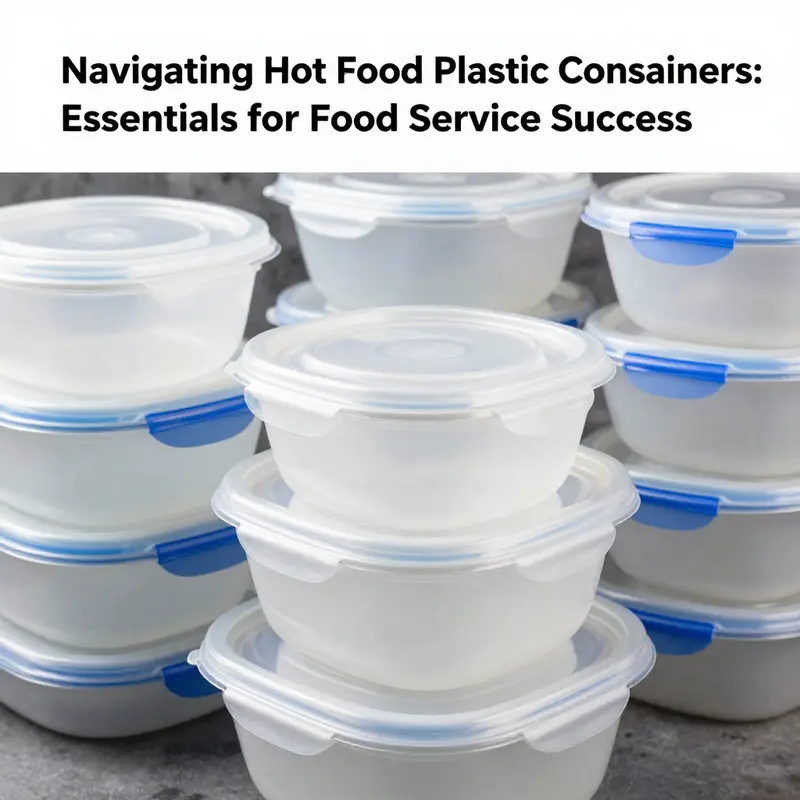
When kitchens, cafeterias, and delivery services move hot meals from pot to plate to doorstep, the choice of container does more than hold a meal together. It shapes safety, taste, waste, and even the economics of service. The chapter titled here follows a path from raw polymer science to practical outcomes in everyday use, weaving together heat tolerance, structural integrity, and long-term performance. It is a narrative of how material decisions—whether polypropylene, a high-clarity copolyester, or expanded polystyrene—drive reliability in the short term and resilience over a container’s life cycle. In the world of hot foods, the container is not merely a vessel but a performance envelope that must withstand repeated heating, frequent handling, and the roughness of real-world use, from crowded takeout lines to late-night meal prep fridges. The alignment of material properties with handling practices determines not just how well a dish travels but how safely it does so and for how long the container remains fit for purpose.
At the heart of material choice are a few essential properties: heat resistance, dimensional stability, chemical inertness, and resistance to deformation under the temperatures reached in microwaves and dishwashers. Polypropylene often takes center stage for hot-food packaging because of its high heat tolerance. It can endure repeated microwaving and dishwasher cycles with less warping than many other plastics, making it a reliable workhorse for a busy service operation. The durability of polypropylene is not simply about surviving temperature; it is about maintaining performance across many use cycles. Containers made from this material generally resist sagging and deformation during heating, preserving seal integrity and preventing leaks that could compromise both safety and food quality. Yet there is a caveat. Even high-quality polypropylene can gradually lose clarity when subjected to repeated high-temperature exposure. In transparent designs this optical change signals cumulative wear, but beyond appearance it can be a signal of evolving microstructure at the polymer surface that may influence grip, lid seal behavior, and perceived quality by the user. For institutions that rely on visibility of contents to expedite service, this is more than cosmetic; it can affect inventory management and customer perception.
A second material class—an unbranded but real-world copolyester that is known for its resilience and lightness—offers a different balance of properties. Copolyesters designed for food-contact applications often exhibit excellent impact resistance and substantially reduced odor and stain retention, which helps them stay cleaner over repeated use. They tend to be more resistant to shattering than glass or rigid high-impact plastics, a valuable trait for on-the-go service where containers are dropped or stacked. Importantly, these copolyesters frequently claim compatibility with both microwave reheating and dishwasher cycles, reducing concerns about warping and creep under heat. The trade-off, however, emerges in cost and sometimes in clarity. While this family can stay clearer for longer than some alternatives, prolonged exposure to the extremes of heat can still stage subtle changes in transparency and surface feel. In practice, this means a user might notice a container that remains sturdy and easy to clean but no longer looks as pristine as when new. The overall message is simple: material choice matters, but the real test is how the product design accounts for repeated use in hot applications and the realities of cleaning regimes.
A third material often encountered is expanded polystyrene, a cousin in the insulation family. EPS provides lightness and relatively good insulation, which is valuable to keep hot foods hot during transit. In the short term, EPS boxes can be cost-effective and perform well for single-use or short-duration takeout. But for long-duration or repeated heating situations, EPS shows clear limitations. The insulating properties do not compensate for deformation or surface brittleness under heat. When subjected to extended microwaving, EPS containers can become misshapen, compromising seal integrity and increasing the risk of leaks. Moreover, while EPS excels at keeping a meal warm, it does little to shield the food from contamination through micro-cracks or compromised seals that can occur with any plastic under thermal stress. The lifespan of EPS-centric packaging is therefore more constrained in higher-heat workflows or in environments with frequent re-heating cycles.
As the chapter turns from material properties to practical outcomes, a larger picture emerges: longevity is not defined by one property alone but by how the entire design harmonizes heating tolerance, seal performance, and cleaning durability. In high-volume environments such as fast-casual kitchens or meal-prep operations, the economics of container choice hinge on the total life cycle cost. A polypropylene-based container that resists deformation through dozens of microwave sessions and dishwasher cycles may bear costs that look higher at purchase but pay off in reduced waste, fewer product losses, and a steadier service experience. On the other hand, a cheaper option that performs well for a handful of uses but quickly fails—warping lids, developing micro-cracks, or losing elasticity—can accumulate a hidden price. Each failure mode has its own consequences: compromised seals invite spillage and microbial exposure; surface wear invites staining and consumer dissatisfaction; color fading or clarity loss can signal to staff and customers that a container is nearing the end of its useful life. The message for practitioners is clear: assess not just the initial performance but the expected degradation trajectory under the actual operating conditions of heating, washing, stacking, and handling.
Chemical safety is a continuing thread through this discussion. The heat-induced migration of chemicals from plastic surfaces into food remains a topic of active scientific and regulatory interest. Even containers labeled microwave-safe are not immune to leaching under heat stress. A 2023 study highlighted the measurable release of phthalates and NIAS—non-intentionally added substances—when takeout containers are heated, with exposure that compounds over daily habits like repeated microwaving. The concern is not only the presence of such substances but how cumulative exposure might contribute to endocrine-disrupting effects over time. This evidence invites a measured approach to material selection and use. It suggests that higher-quality materials, better seal design, and thoughtful handling practices can meaningfully reduce risk by limiting both the frequency of heating cycles and the duration of exposure to high temperatures. It also underscores why brands and operators need robust testing and transparent certification for the plastics used in hot-food packaging.
In practice, the interplay of material quality and usage patterns often dictates whether a container becomes a durable workhorse or a disposable with a short shelf life. For instance, consider how repeated dishwasher cycles can affect lid elasticity. Lids that warp or lose their elasticity can no longer form a tight seal, accelerating spoilage and increasing the likelihood of leakage during transport. Similarly, repeated microwaving can test the structural stability of the container walls and rims. Creep, a slow deformation under sustained load, can gradually undermine fit and sealing performance, even when labels promise microwave safety. The result is a chain reaction: deformed lids lead to leaks, leaks lead to contamination risk or product loss, and product loss compounds waste and cost. The smarter path is to design for resilience, selecting materials with known heat resistance and implementing testing protocols that simulate the exact heating and washing cycles typical of a given operation. For example, a heavyweight polypropylene formulation with a precisely engineered lid geometry can maintain a secure seal after dozens of dishwashing cycles, while preserving acceptable clarity for inventory and quality checks.
The lifecycle perspective also invites consideration of alternative designs that reduce long-term risk without sacrificing convenience. Some operators explore hybrid solutions—insulated stainless steel casseroles with plastic inserts—to balance heat retention, durability, and chemical exposure concerns. Such hybrids can offer superior heat retention and a reduction in chemical migration potential compared with some all-plastic options. They also open the possibility of reusing containers across a longer period, which can lower waste while maintaining safety and performance. A luxury end of the market has experimented with insulated hot container sets that can deliver a strong balance of performance and sustainability, with pricing that reflects the added durability and design focus. In scenarios where a business prioritizes longevity and a premium user experience, investing in higher-quality materials and thoughtful designs can yield dividends in reliability, customer satisfaction, and a lower environmental footprint over time.
From an operational perspective, there is a practical sequence operators can follow to maximize both safety and longevity. First, prioritize material integrity by selecting containers manufactured from polypropylene or a robust copolyester rather than cheaper plastics that may deform or scratch easily under heat. This is not only about resistance to temperature but also about resisting the micro-cracking that can harbor bacteria and undermine seal performance. Second, implement a routine to inspect seals and lids after a set number of wash cycles. A simple visual check can catch warping, elasticity loss, or small cracks before they lead to spoilage or leaks. Third, educate staff and suppliers about the importance of loading weights and stacking patterns that minimize stress on rims and lids during transport and storage. Even the strongest material can fail if the container is jammed into a stack or forced into a space that promotes flexing at the seal plane. Fourth, consider the total cost of ownership rather than the sticker price alone. When many meals depend on reliable packaging, the cost of waste, product spoilage, and customer dissatisfaction can dwarf the initial savings achieved by choosing cheaper containers. Finally, stay informed about the evolving science of food-contact materials. The fact that regulatory agencies publish updated guidance reminds us that safety is not a static target; it requires ongoing vigilance and adaptation as new data emerges.
The narrative above converges on a practical principle: material quality, heat exposure, and handling practices must be considered together as a system. If one element is weak, the others cannot fully compensate. A container may be technically capable of withstanding a microwave cycle, but if its lid warps after the second wash, or if micro-cracks accumulate on the walls, the effective safety and usability are compromised. The most resilient packaging emerges from a thoughtful blend of material science and process discipline—selecting the right polymer, designing for durable seals, and enforcing cleaning and handling practices that minimize stress on critical interfaces. In this way, hot food plastic containers can offer not only convenience and cost efficiency but also reliability and safety that endure across countless meals and many months of service.
For readers who want to explore this landscape further, a closer look at the broader range of takeout packaging options can illuminate how different materials and design choices align with particular use cases. A broader overview of eco-friendly takeout boxes—encompassing materials, microwave compatibility, and grease resistance—can provide a useful contrast to all-plastic solutions and serve as a reference point for evaluating trade-offs. See here for more detail: eco-friendly takeout boxes for food packaging.
The journey through material quality and longevity is not only about choosing the right polymer but about building a packaging system that respects heat, maintains safety, and supports sustainable practices. It is about anticipating how a container will behave from the moment it leaves the kitchen to the moment it is discarded or recycled. In a world where every meal travels through many hands, the container’s endurance matters as much as the meal’s flavor. By prioritizing robust materials, vigilant handling, and informed choices, operators can improve safety, reduce waste, and deliver consistent quality that endures across countless hot meals.
For authoritative information on material standards and performance metrics related to plastic food containers, refer to the FDA Guidance on Food Contact Substances – Plastics, which provides comprehensive, up-to-date technical standards and regulatory insights into the safety and suitability of plastics used in food packaging, including hot-food applications: https://www.fda.gov/food/food-contact-materials-industry/fda-guidance-food-contact-substances-plastics
From Plastic to Purpose: Safer, Smarter Alternatives for Hot-Food Carrying and Storage
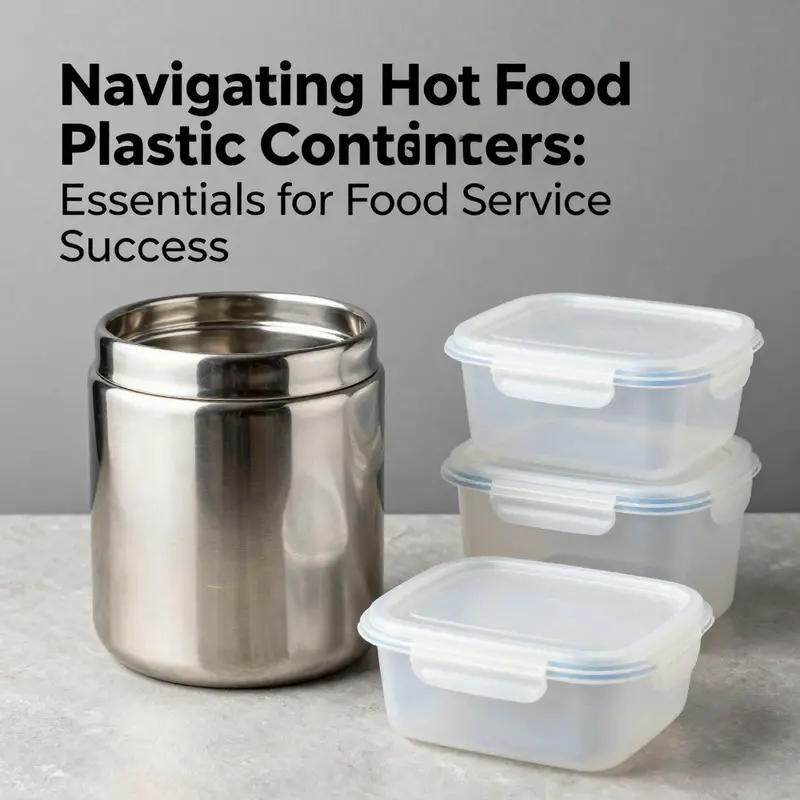
When hot meals travel from kitchen to customer or to a storage shelf, the container carrying them becomes a critical ally or a potential risk. The research that underpins this chapter begins with a simple observation: plastics designed for hot foods can behave differently under heat stress. Even containers labeled microwave-safe may release microplastics or trace chemicals when exposed to the sustained heat of a heated meal. A growing body of work, including a 2023 study published in Environmental Science & Technology, shows measurable leaching of phthalates and NIAS—non-intentionally added substances—during microwaving, even in containers that appear undamaged. The implication is not only about the integrity of the meal itself but about the cumulative exposure that can occur with everyday takeout, reheating, and short-term storage. These findings push operators and households alike to reassess the conventional reliance on disposable plastics for hot foods and to seek alternatives that reduce health risks without sacrificing safety, convenience, or cost. The underlying challenge is not simply about one material failing a test; it is about rethinking the entire lifecycle and performance profile of a container when heat, fats, and acidic ingredients come into contact with it, repeatedly and often for short windows of time.
In this light, the search for safer and more reliable options naturally extends beyond a single material class. It invites a holistic view of how heat behaves in a container, how migration occurs on contact surfaces, and how different materials respond to the rigors of daily use in kitchens, delis, meal-prep operations, and home settings. The presence of micro-cracks in some lower-quality plastics can create micro-environments that harbor bacteria and undermine the seal, while lids that warp after dishwasher cycles can let in air, leading to faster spoilage and uneven temperatures. These practical concerns matter just as much as the chemistry behind them. An effective alternative must balance two core needs: it must safely withstand heat long enough to transport or re-heat a meal, and it must do so with minimal risk of chemical transfer, flavorful taint, or contamination through repeated use and washing.
Among the most enduring challenges is the tension between safety, performance, and convenience. For many operators, the instinct to cut costs by choosing readily available plastic packaging remains strong. Yet the pieces of evidence accumulated in recent years—ranging from migration studies to lifecycle assessments—underscore that a material choice is never neutral. The container is part of the meal’s safety profile, taste profile, and even its environmental footprint. With this awareness, a spectrum of alternatives has gained traction, each with its own strengths and caveats. Glass, ceramic, and stainless steel containers offer inertness and durability, reducing or even eliminating chemical migration under heat. Plant-based and compostable options provide a path toward lower environmental impact, particularly when responsibly managed in appropriate industrial composting systems. Silicone and other non-plastic materials contribute to reusability and heat tolerance, expanding the toolkit beyond disposable plastics. Across these options, the guiding principle is clear: prioritize materials that minimize exposure to contaminants while delivering reliable heat management and easy, repeatable use.
The first and perhaps most intuitive alternative set centers on glass. Glass is notably inert and non-porous, qualities that make it exceptionally resistant to chemical leaching, even when heated. When a hot dish finds its way into a glass container, flavors are less likely to be influenced by the container and migration is minimized. Borosilicate glass, in particular, stands out for its durability and higher resistance to thermal shock, which becomes relevant when reheating in microwaves or transferring from oven to table. The downside, of course, is fragility and the weight that comes with glass. In a busy service environment or a home kitchen where containers are stacked, transported, and frequently washed, the risk of chips or cracks cannot be ignored. Yet for long-term storage or for meals that will be reheated multiple times, glass offers a level of stability that plastic cannot easily match. Cooks and operators who adopt glass wisely often pair it with careful handling—keeping glass containers away from direct flame or sudden temperature shifts and ensuring that lids, if used, are compatible with microwave reheating where applicable.
Ceramics form another compelling option, especially when the meal is presented in a dish that blends aesthetics with function. Food-grade ceramics, certified as microwave-safe and lead-free, offer good heat retention and a pleasing dining experience. They have a reputation for preserving the integrity of the meal’s moisture and texture, and they do not impart flavors that can sometimes occur with plastic or metal. The caveat with ceramic is a susceptibility to cracking under rapid temperature changes and impact. In a service setting, that translates to careful handling and appropriate storage practices. But when a ceramic container is designed for repeated use, it can become a reliable workhorse for hot meals, particularly in contexts where presentation matters and where meals are prepared in advance and heated just before serving.
Stainless steel stands as perhaps the most versatile non-plastic option for hot foods. It is durable, lightweight, highly resistant to corrosion, and fully resistant to chemical leaching. It is also recyclable, aligning with broader sustainability goals that many operators are embracing. For hot foods, stainless steel provides robust heat tolerance and even distribution, which helps maintain temperature during transport. However, there is a nuance that deserves attention: some types of stainless steel can interact with highly acidic foods over long storage, potentially imparting trace metals if used inappropriately. The best practice is to opt for higher-grade stainless steel, such as 304 or 316, for containers intended to hold hot and potentially acidic meals and to avoid prolonged contact with acidic sauces. Cleaning and drying thoroughly also helps minimize any risk of residual corrosion or contamination. In daily use, stainless steel containers shine in terms of durability and safety, especially for meal-prep operations that prioritize repeated reuse and a long service life.
Another path toward safer hot-food packaging lies in plant-based and compostable alternatives. Materials such as bagasse pulp—sugarcane fiber—and molded fibers have advanced significantly in terms of heat tolerance and barrier properties. They are designed for single-use convenience but with a smaller environmental footprint compared with traditional petroleum-based plastics. The research on industrial compostability indicates that, under the right conditions, these materials can decompose within a practical timeframe, offering a viable end-of-life option for takeout packaging. It is important to distinguish between industrial composting environments and home composting, where degradation rates can vary dramatically. For businesses, industrial composting infrastructure and consumer education about disposal are critical to realizing the environmental benefits. For households, these options can still offer a way to minimize plastic waste while maintaining adequate performance under moderate heat. The growing availability of bagasse-based and molded-fiber containers demonstrates a broader consumer shift toward packaging that reduces chemical exposure and waste generation, though it may require adjustments in how meals are stored, transported, and recycled or composted.
Silicone-based solutions add another layer to the alternatives landscape. Silicone is highly heat-resistant and reusable, often used in baking mats, wraps, and some clam-shell concepts for storage. While not always a direct substitute for a traditional takeout container, silicone components can complement other containers by providing additional heat resistance or a flexible, sealable option for short-term storage. The safety profile of silicone is generally favorable for kitchen applications, with good stability under heat. However, as a long-term container material, silicone must be chosen with attention to vendor quality, silicone purity, and any potential additives that could migrate under prolonged exposure to high temperatures. The takeaway is to view silicone as a useful adjunct in a broader safe-storage strategy rather than a universal replacement for all hot-food transport needs.
Within this broader landscape, a practical principle emerges: avoid relying on plastic containers marked with the typical hot-food caution flags—such as PET, LDPE, or PS—when heat is involved in storage or reheating. Even though certain polypropylenes may perform better in some scenarios, the risk profile for oil-based or acidic foods remains a reason for caution. A conservative guideline is to transfer hot foods into glass, ceramic, or stainless steel containers for heating or extended storage whenever feasible. The aim is to reduce chemical exposure, minimize migration, and optimize food quality over the meal’s lifecycle.
For operators who must balance safety with cost and convenience, one practical strategy is to diversify container types rather than rely on a single material. A light, durable stainless-steel option can handle high-heat meals and reduce leaching risk, while glass or ceramic versions can be used for serving and presentation. In contexts where single-use packaging remains essential, plant-based and compostable options should be chosen with attention to end-of-life infrastructure. The notion of a truly sustainable takeout system, therefore, sits at the intersection of material science, kitchen workflow, and consumer behavior. It requires thoughtful procurement, staff training, and clear labeling that helps customers understand how to reuse, recycle, or dispose of containers appropriately. The goal is not simply to replace plastic with another material but to design a system in which the container supports safety, preserves taste and texture, and aligns with broader environmental and health considerations.
The social and regulatory environment also matters. National and international guidelines increasingly shape what is permitted in contact with hot foods and how materials should perform under expected usage conditions. For instance, authoritative guidance from regulatory bodies emphasizes the importance of minimizing migration of chemicals under real-use conditions, including the potential for heat and repeated handling. While these guidelines vary by jurisdiction, the underlying principles—transparency, safety, and accountability—are universal. In practice, this means that businesses should verify certifications, avoid overheating, and be prepared to switch to safer materials when evidence or labeling indicates concerns. Consumers, too, benefit from clear information about what a container is made of, how hot food should be handled, and when to transfer meals into different containers for reheating. It is a shared responsibility across the supply chain from facility to consumer.
Within this broader narrative, an actionable pathway for many operations is to embrace a mixed-ecosystem approach. For some meals, glass or ceramic containers may be preferable for serving and consumer dining experiences; for others, high-quality stainless steel or plant-based options may be more practical in transport or meal-prep contexts. The key is to assess the typical temperature exposure, the expected duration of heating or storage, and the most likely end-of-life scenario for the packaging. In all cases, it remains essential to verify that the chosen materials are compatible with the intended reheating methods and that they comply with relevant safety standards. This approach helps reduce the likelihood of heat-related migration while maintaining the practical demands of fast service, bulk catering, and home meal-delivery operations.
For readers seeking a concrete, practical touchpoint in this transition, there is a path that blends safety with convenience in takeout contexts. Consider eco-friendly takeout boxes designed for hot foods that balance performance with responsible materials. These options illustrate how a packaging system can maintain heat, resist leaks, and minimize plastic exposure without sacrificing the speed and efficiency of modern takeout culture. For a practical option that blends safety with convenience in takeout contexts, see this option: eco-friendly takeout boxes for food packaging. The aim is not to replace every plastic container overnight but to shift toward safer, more robust solutions that align with evolving health considerations and environmental goals. This shift also offers an opportunity for restaurants, delis, and meal-prep services to differentiate themselves through packaging that communicates care for customers and the planet.
In sum, hot-food packaging is a field where safety, performance, and sustainability must travel together. The best path forward is not a single miracle material but a thoughtful blend of inert, heat-tolerant containers complemented by well-designed disposal and reuse systems. Glass, ceramic, and stainless steel provide strong safety profiles for repeated use and heating, while plant-based and compostable options hold promise for reducing environmental impact when supported by appropriate infrastructure. Silicone and other reusable non-plastic components can fill gaps in heat resistance and flexibility. Above all, users should adopt practices that minimize heat exposure to plastics, verify material certifications, and favor systems that reduce exposure to potentially harmful compounds. The evolving research landscape reinforces that choices matter, and that responsible packaging design requires ongoing evaluation as new evidence emerges. This is not merely a matter of compliance; it is a matter of safeguarding health, preserving taste and texture, and stewarding resources for future meals.
For authoritative guidance on food contact materials and safety standards, refer to regulatory resources such as the National Market Supervision Administration (China) at https://www.samr.gov.cn. This source offers up-to-date assessments and regulatory considerations that influence the global conversation around safe packaging and material migration under extreme conditions.
Final thoughts
In the ever-evolving landscape of food service, understanding the right hot food plastic containers can significantly enhance operational efficiency and customer safety. By being informed about the types available, their economic impact, and the health risks involved, food service operators can make better choices for their business. Exploring alternatives like insulated containers not only fosters safety but also attracts health-conscious consumers. Ultimately, prioritizing quality and safety leads to sustained success and consumer satisfaction in a competitive industry.