
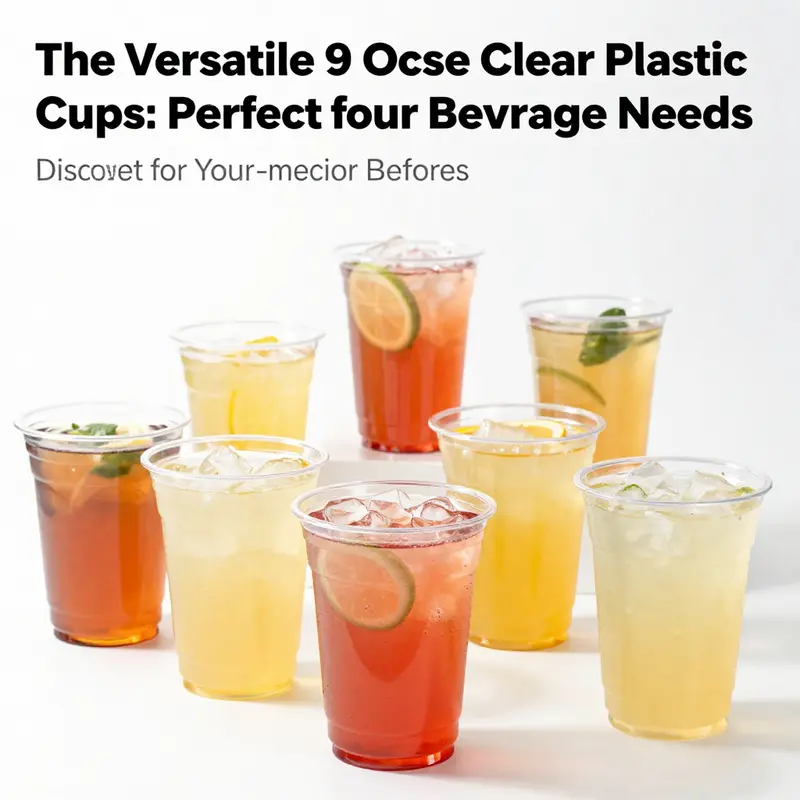
9-ounce clear plastic cups have become a staple in restaurants, food trucks, and event planning. Their versatility makes them ideal for serving a variety of beverages, from wine to refreshing bubble tea. These cups are not just functional; they are crafted from PET material, which combines clarity and strength, appealing to businesses that prioritize quality and customer experience. In the following chapters, we will explore practical usage scenarios, delve into the material composition, evaluate environmental impacts, analyze market trends, and share user feedback to provide you with a comprehensive understanding of why 9-ounce clear plastic cups should be your go-to choice for beverage service.
Seeing the Light: How 9-Ounce Clear Plastic Cups Shape Everyday Moments

The 9-ounce clear plastic cup occupies a quiet, essential role in modern life. It is small enough to keep a table neat and large enough to carry a satisfying portion, roughly 266 milliliters, which aligns with a sensible balance between portion control and enjoyment. Yet the real strength of this humble vessel lies not just in capacity but in what its transparent surface invites us to observe. Clarity turns the act of drinking into an on-page experience: the hue of the beverage, the way light catches ice, the visual layering that hints at ingredients and preparation. In a world saturated with disposable tableware, the 9-ounce cup acts as a dependable canvas, letting the drink itself tell its story without competing with an overly decorative exterior. The material—clear, sturdy PET—offers a rare combination of rigidity and lightness, providing a solid grip and a confident feel in hand. The result is a cup that feels sturdy enough for quick service and light enough to handle with ease, a small but meaningful efficiency in busy environments and bustling households alike.
The design details reinforce this efficiency while subtly enhancing the user experience. The rolled rim, a modest but tangible feature, improves grip and makes sipping more comfortable. It also helps the cup maintain its form when stacked or carried, which matters for both servers in a café lineup and families packing a car for a weekend outing. Where the format allows, lids add another layer of practicality. Flat lids minimize bulk while offering leak protection, and dome lids create a little headspace for beverages with toppings or foam. These attributes—grip, stackability, and adaptable lid options—are not flashy; they are the kinds of features that reduce spills, speed up service, and make self-serve moments feel smoother. When combined, they help transform a disposable item into a reliable tool for everyday use.
In dining and café settings, the cup serves a versatile purpose without demanding a specialized vessel for every drink. It handles hot or cold beverages with equal facility, though its strength shines with cold drinks—iced coffee, juice blends, herbal brews, and cold foams that revel in their color and contrast. The clear walls allow customers to gauge ice content and dilution visually, which is especially helpful for drinks that rely on layered components or syrup artistry. This visibility also benefits staff, who can quickly assess beverage volume and presentation on a busy line. The consistency of 9-ounce cups across a menu contributes to operational efficiency: servers stock, wash, and rotate ware with predictable patterns, reducing breakage and mis-pours and enabling a smoother customer flow. In practice, a café can maintain a coherent aesthetic while serving a variety of beverages, strengthening brand cohesion through a familiar, dependable vessel.
Parties and events reveal another facet of the cup’s adaptability. The transparent surface blends with any décor, from minimalist white-ballrooms to rustic, gold-accented receptions. The simplicity of the cup becomes a neutral backdrop for a broader design scheme. When decorative touches are introduced—such as rims with metallic accents, or subtle branding applied around the cup’s exterior—the cup becomes a tasteful vehicle rather than a competing feature. This is where the 9-ounce size shines: it is ample enough to hold a celebratory drink, yet compact enough to allow a host to circulate among guests without carrying heavy wares. The ease of distribution is a practical perk, letting staff and volunteers manage service with minimal effort and waste. A well-chosen cup supports a balanced experience—one that feels polished without becoming precious—and it leaves guests free to focus on the moment and the company rather than on logistics.
For households, the cup translates into everyday reliability. It is well suited for children’s juices, water at mealtimes, yogurt assortments, or a quick, cool treat on a warm afternoon. The rolled rim and light weight reduce the risk of accidental drops or slips, a small but meaningful safety advantage for caregivers and seniors alike. In busy homes with multiple meal routines, the cup’s straightforward handling and predictable volume help minimize spills during transitions between tasks. The clear material provides a quick, visual check of contents, which can be especially helpful when managing dietary needs or allergies. The cup’s compatibility with a range of lids also comes into play for snack-time snacks-on-the-go: a sealed lid turns a simple drink into a portable companion for car rides or outdoor play without sacrificing accessibility for curious little ones.
Outdoor and recreational use further reveals the cups’ practical strengths. Picnics, park outings, camping trips, and sporting events demand lightweight, break-resistant serviceware that travels well and is easy to dispose of or recycle. The cup’s modest size keeps the load manageable in a group setting, while its transparency preserves the sensory cues that make beverages appealing. When a sealing lid is appropriate, the risk of leaks during transport drops noticeably, a factor that matters when bags, coolers, and tote-like carriers are involved. The ability to distribute drinks without the fragility of glass or the weight of heavier alternatives makes these cups a reliable choice for days spent outdoors, where simplicity, safety, and speed often determine the success of a gathering. The visual clarity of the cup reinforces the perception of freshness and cleanliness—an important psychological cue that can influence guests’ expectations and overall satisfaction with the experience.
The takeout and delivery landscape has also embraced 9-ounce clear cups as part of a scalable ware strategy. In kitchens and cafés that rely on quick turnover, a standard, stackable cup minimizes handling complexity and speeds up throughput. The cup’s durable wall resists deformation during transit, helping preserve the drink’s integrity from pour to pickup. A consistent size across a menu means fewer SKUs to manage, fewer storage compartments to organize, and a simpler training process for new staff. The uniform silhouette facilitates efficient packing into bags or sleeves, and it helps maintain a neat, professional presentation even when drivers are handling multiple orders across a route. From a branding perspective, the cup’s plain surface offers a low-risk platform for logo placement or seasonal artwork that can be added with light touches, ensuring the beverage remains the focal point rather than the container.
Visual appeal and sensory cues knit together with practicality to form a compelling case for the 9-ounce clear cup. When a beverage is poured, the color, thickness, and translucency of the liquid become part of the overall drinking experience. Ice catches light, froth holds its shape, and the color gradient tells a story about ingredients and preparation. In a world where every touchpoint counts, a simple cup can elevate the perception of a drink, making the act of consumption more deliberate and enjoyable. The cup thus performs a quiet alchemy: it transforms a basic vessel into a vehicle for visual, tactile, and sensory enjoyment without requiring the user to invest in anything more elaborate.
That holistic value sits within a system of sustainability and responsible consumption. PET’s recyclability is widely supported in many regions, and cups that are destined for recycling can contribute to a circular economy if the local infrastructure supports it. Material properties and production methods matter, but so do the choices made after use. Some materials marketed as biodegradable or compostable carry caveats about how and where they can be processed; the reality is that end-of-life outcomes hinge on local facilities and consumer adherence to disposal guidelines. The practical takeaway remains straightforward: choose the cup for its reliability and reuse opportunities where possible, participate in recycling programs where available, and be mindful of waste in settings ranging from a casual kitchen to a bustling event space. In doing so, the 9-ounce clear cup serves as a bridge between convenience and responsibility, a small but meaningful piece of daily life that supports efficient service, thoughtful design, and mindful consumption.
Finally, practical procurement considerations anchor the chapter’s broader narrative. Consistency in size and shape supports predictable stacking, storage, and compatibility with lids or sleeves. The 9-ounce capacity accommodates a wide spectrum of beverages, delivering versatility without sacrificing efficiency or space in a bar, café, or home cabinet. Relative affordability adds another practical edge, especially for venues that service a high volume of drinks or households that entertain frequently. The clarity of the cup plays a central role in presenting layered drinks or dessert portions that commonly accompany takeout orders, maintaining an appealing, shop-quality appearance even after transit. For branding or event customization, the cups offer a restrained, supportive surface that can carry a subtle mark or color that aligns with a theme without dominating the drink itself.
The 9-ounce clear plastic cup is, in some ways, a paradox of simplicity and impact. It is not a statement piece, yet it enables a wide range of experiences—each one anchored in clarity, reliability, and efficiency. It functions as a practical tool in kitchens and cafés, as a reliable companion at gatherings, and as a thoughtful, everyday option for households seeking dependable, easy-to-use ware. In a world of evolving service models and shifting consumer expectations, this cup remains a steady, adaptable choice—capable of supporting the beverage—and the moment, with equal grace.
For outdoor use, consider the disposable clear plastic cup for parties and outdoor use that pairs well with sealing lids when needed. This pairing highlights how a simple cup can support both casual, unstructured moments and more organized events with equal ease. external reference: https://www.alibaba.com/product-detail/Fuling-9oz-Disposable-Plastic-Cups-with-Lids_1601374819292.html
Clear by Design: The PET DNA of 9-Ounce Clear Plastic Cups

On party tables, in coffee shops, and at casual gatherings, the humble 9-ounce clear plastic cup operates with a quiet efficiency that often goes unnoticed. Yet its reliability is not accidental. At the core of its everyday usefulness is a material identity—PET, or polyethylene terephthalate—that has become a standard bearer for disposable beverage containers. The choice of PET as the material for these cups is not merely a matter of tradition; it is a deliberate alignment of properties—clarity, strength, safety, and recyclability—that makes the 9-ounce cup a versatile tool for serving a wide range of drinks, from crisp white wines and fresh juices to iced coffee and chilling waters. When we consider the full arc from production to disposal, PET emerges as a material that supports both convenience and a thoughtful approach to resource use, at least when systems and consumer habits cooperate to keep it within responsible recycling streams.
The material composition of these cups is predominantly PET, a thermoplastic polymer prized for its ability to transmit light with remarkable clarity. That transparency is not a cosmetic feature; it is a functional advantage. A clear cup allows the color, texture, and visual appeal of a drink to be judged at a glance, which matters for beverage presentation and consumer experience alike. PET’s glass-like clarity also reduces the perceived heaviness of a drink, a factor that can influence how guests perceive a beverage’s freshness and quality. Beyond aesthetics, PET’s rigidity contributes to an ergonomic and user-friendly experience. The cups maintain their shape when held by the rim, resisting deformation that could spill a cold beverage or undermine a guest’s confidence as they lift the cup for a sip. In practice, this means a cup that feels dependable in the hand—a small but meaningful aspect of service efficiency at a busy event or during a late-night office gathering.
The science behind PET’s appeal includes a resilient molecular structure that supports a durable yet lightweight form. The polymer’s arrangement yields strong intermolecular interactions that resist cracking under typical handling scenarios, such as stacking, passing from one person to another, or sitting on a crowded table. This combination of sturdiness and low weight helps keep transportation costs and energy use relatively low, which is part of why PET cups remain a cost-effective option for both large-scale catering and everyday home use. Importantly, PET’s surface chemistry is compatible with a broad spectrum of beverages without imparting off-flavors, a critical criterion for consumer satisfaction. Whether the cup is filled with tart cranberry juice, a citrus-forward lemonade, or a creamy iced coffee, PET tends to stay out of the drink’s way, preserving the drink’s character rather than competing with it. In this sense, the material’s properties align with a broader design philosophy: let the beverage shine in a container that nearly disappears visually while performing reliably in practice.
From a manufacturing perspective, these cups are typically produced through thermoforming processes that convert PET resin into thin-walled, hollow vessels of uniform wall thickness. The raw polymer is melted and formed into cup shapes using carefully controlled heat and draw forces. The result is a 9-ounce vessel with smooth interior surfaces that minimize residue retention and make cleaning or disposal straightforward for the user. The precise wall thickness is a deliberate balance: thick walls enhance durability and heat resistance, while thin walls preserve lightness and reduce material use. This balance is particularly important given that the cups are designed for single-use contexts—from quick-service settings to at-home gatherings—where rapid, reliable production is essential. The manufacturing choreography also emphasizes consistent clarity; any cloudiness or surface imperfection can detract from the drink’s presentation and the cup’s perceived quality, especially in premium or festive settings.
A central aspect of the PET story is food safety. PET has long been regarded as suitable for contact with foods and beverages, a designation supported by regulatory review in many jurisdictions. In the context of 9-ounce clear cups, the material’s inertness in cold-to-room-temperature beverages is especially relevant. The cups are designed to minimize the migration of residual additives into drinks, a consideration that reassures both vendors and consumers about safety during typical usage. An added consumer-facing note often appears in product literature and marketing—one that aligns with growing consumer awareness: many PET cups are BPA-free. This BPA-free attribute reflects a broader industry push to reduce any potential exposure to bisphenol compounds while preserving the material’s core performance characteristics. While the broader debate around BPA continues in other domains, PET cups used for beverages generally align with safety expectations for everyday use when produced to standard food-contact specifications.
The practical performance of PET cups also hinges on temperature compatibility. While PET handles cold and cool beverages exceptionally well, it is not designed for high-heat contents. Pouring boiling water or serving piping hot liquids in these cups can lead to deformation, warping, or safety concerns for the user. This limitation aligns with the cups’ typical role in iced drinks, juices, wines, and cold brews, rather than hot coffee or tea served at extreme temperatures. Understanding this boundary helps vendors and consumers make better choices about when to use these cups and when to pivot to heat-tolerant alternatives. In everyday life, that knowledge translates into smarter service decisions—choosing PET cups for cold beverages at picnics or brunches, while reserving more heat-resistant containers for hot beverages or soups.
The environmental footprint of PET cups is a nuanced topic that sits at the intersection of material science and public policy. PET is widely recyclable in many municipal programs, recognized by its resin code and its ability to be sorted and processed by modern recycling systems. The clearest path to minimizing environmental impact lies in ensuring that cups are kept within appropriate recycling streams rather than discarded with general waste. Clear, colorless PET helps recyclers separate cups from other plastics and to reprocess them into new materials with relatively high clarity, which preserves the value of the post-consumer stream. However, the actual recyclability of these cups depends on local infrastructure, collection practices, and consumer participation. In some regions, the infrastructure is well aligned with PET cup recycling, enabling a clean loop back into new products. In others, cups may end up in landfills or non-recycled streams because of gaps in collection or sorting capacity. The upshot is that PET’s environmental promise is strongest when users actively participate in recycling programs, and when manufacturers design products with end-of-life considerations in mind, such as minimizing coloring and additives that complicate sorting.
This is where the social aspect of material choice comes into view. The decision to use PET cups is not only about immediate convenience; it is also about how those cups integrate with broader systems for waste reduction and resource recovery. As consumers and event organizers navigate the trade-offs between single-use convenience and environmental responsibility, the clear PET cup becomes a focal point for education and action. When people rinse and place cups into the appropriate recycling stream, when events provide accessible recycling bins, and when municipal programs maintain robust PET recycling capabilities, the practical benefits of PET—clarity, safety, and light weight—can align with sustainable outcomes. The design strategy thus evolves from “how to make a good cup” to “how to fit a cup into a system that values resource stewardship.”
Beyond these practical considerations lies the broader possibility for presentation and versatility. The same transparent, food-safe material that gives a drink its visual appeal can also support diverse display contexts. For instance, dessert and pastry presentations often leverage the same optical physics that make a beverage look inviting. The packaging and display of sweets, fruit, or bite-sized treats in clear cups can echo the beverage’s emphasis on clarity and cleanliness, creating a cohesive sensory experience across foods and drinks at events. This cross-application perspective highlights how the PET cup serves not only as a container but as a flexible element of event design—one that blends safety, aesthetics, and functionality.
For readers seeking practical references that illustrate dessert presentation and other uses, consider exploring examples of clear cake cups for desserts, which demonstrate how the same material supports diverse display needs while maintaining safety and ease of use. clear cake cups for desserts
In sum, the 9-ounce clear PET cup is not merely a disposable vessel. It embodies a balance of material science, manufacturing practicality, consumer safety, and environmental consideration. Its clarity and rigidity enable reliable presentation and handling. Its safety profile and BPA-free tendencies reinforce trust in everyday consumption. Its recyclability, while dependent on local systems, offers a path to reduced waste when paired with effective collection and sorting. And its design flexibility supports a spectrum of beverage and presentation contexts, from a simple toast to an elegant catering display. As with all packaging choices, the full value of these cups emerges when their use is guided by an understanding of trade-offs and opportunities—between convenience and sustainability, between immediate needs and long-term resources, and between the visual appeal of a drink and the practical realities of disposal.
External resource for regulatory context and PET safety: https://www.fda.gov/food-packaging-guidance-compliance/food-contact-substances-fcs
The Clear Footprint: Unraveling the Environmental Journey of 9-Ounce Clear Plastic Cups

The appeal of a 9-ounce clear plastic cup lies in its simplicity. A transparent wall reveals color, fizz, and foam with pristine honesty, inviting a beverage to take center stage at casual gatherings as well as more formal occasions. The combination of clarity, light weight, and low cost makes these cups a staple in homes, workplaces, and event spaces. Yet beneath the familiar shimmer there is a complex environmental narrative that stretches from the raw materials in the plastic resin to the long afterlife of discarded cups. To understand the true footprint of these cups, it helps to trace their material backbone, how they are handled after use, and what the broader system might do to reduce harm without sacrificing the practical advantages that people expect from single-use drinkware. In many regions, these cups are made from polypropylene (PP) or polystyrene (PS). Both polymers offer the same benefits that make them popular for disposable products: they are clear enough to showcase beverages, sturdy enough to survive a cold drink, and inexpensive to manufacture at scale. But they also share a common vulnerability: they do not biodegrade in a meaningful sense, persisting in the environment for centuries if not properly managed. When we speak of the environmental impact of 9-ounce clear plastic cups, we are really talking about a chain. The chain begins with extraction and processing of fossil fuels, moves through resin production, shaping into cups, distribution to retailers and venues, accumulation in waste streams, and finally disposal in landfills, incinerators, or recycling facilities. Each link contributes a distinct set of challenges that accumulate into a broad, sometimes invisible, environmental burden. The strength of PP and PS in the short term becomes a liability when we consider their long-term fate. The same properties that confer rigidity and a glossy surface also hinder degradation. In landfills, where oxygen is limited and waste is compacted, plastics fragment gradually but do not disintegrate as organic matter does. Small fragments turn into microplastics that can migrate into soil and water, potentially entering food webs. This microplastics dimension has become a focal point for researchers, policymakers, and environmental groups as they try to quantify exposure pathways and ecological effects. The problem is not only about aesthetics or litter; it is about accumulation, persistence, and the need for a system that can close the loop around these materials rather than allowing them to accumulate indefinitely in the natural world. The question then becomes: how can a consumer’s choice of a 9-ounce clear cup be part of a larger, more responsible consumption pattern without losing the conveniences that make these cups attractive in the first place?
A critical area is end-of-life disposal. Some cups are labeled as recyclable, but recycling rates for PP and PS vary widely by region and by the complexity of the local infrastructure. Contamination is a recurring obstacle. Dreg from drinks, food residues, or even a mix of other plastics can render a batch unrecyclable. In some places, the recycling stream lacks the technologies or markets to convert PP and PS back into high-value resin, so even when a product is technically recyclable, the practical outcome may be that it ends up in a landfill or as litter. The economic realities of recycling add another layer of complexity. When the price of virgin plastic is low, it becomes less economically viable for recyclers to process and sort collected cups. This market dynamic can depress recycling rates even when a diversion program exists on paper. The result is a paradox: households and venues may be doing their part to segregate waste, while the broader system struggles to capture the value of that material.
Compostable alternatives are often pitched as a cleaner, greener path. Polylactic acid (PLA) and other compostable plastics promise a more favorable end-of-life story because they can theoretically break down under industrial composting conditions. In practice, the picture is more nuanced. While industrial composting facilities can accelerate the breakdown of PLA, home composting environments rarely reach the necessary temperatures or moisture conditions. Even in industrial facilities, the success of compostable cups depends on avoiding cross-contamination with non-compostable plastics. If PLA cups find their way into a conventional waste stream designed for municipal solid waste rather than composting, their degradation is far less efficient and methane—a potent greenhouse gas—can be produced under anaerobic conditions. This highlights a larger point: the environmental benefits of a given material are tightly linked to the entire waste-management system in which it is embedded. If that system is not designed to process the material efficiently, the theoretical gains may not materialize in the real world.
To evaluate environmental performance more comprehensively, researchers often turn to life cycle assessments (LCAs). These studies illuminate that the production phase—especially the extraction and processing of virgin plastics—can contribute substantial greenhouse gas emissions. Even if a product offers advantages in weight or transport efficiency, those gains may be offset when the raw-material burden is large and the waste-management pathway is not optimized. In some comparative studies, even cups made from alternative materials can carry substantial environmental costs once scale and end-of-life logistics are considered. The broader implication is sobering: there is no single “silver bullet” solution. The best path depends on a holistic view that incorporates material choice, manufacturing practices, waste infrastructure, and consumer behavior in a circular economy framework.
Mitigation strategies emphasize shifts in how we design, use, and recover single-use cups. A growing segment of organizations and researchers alike are exploring reusable strategies, arguing that reusables—when properly cleaned and circulated—can dramatically reduce overall material throughput and waste, particularly in events and venues with high turnover. Reusable cups often incorporate post-consumer recycled content or are designed to be repairable and durable, extending their life and reducing the need for virgin resin. Design innovations also explore how to minimize material use without sacrificing performance, including thinner walls and modular components that can be returned, cleaned, and reintroduced into the supply stream. In some contexts, 3D-printed, custom-made cups or shells are proposed to reduce material usage or to optimize local production and distribution logistics. These approaches illustrate a broader shift: the transition from a linear “make-use-dispose” model toward a circular system in which cups, once used, return to a production loop rather than the trash can.
On the consumer side, clear messaging and labeling can help households and venues make better choices. Certifications indicating industrial compostability, curbside recyclability, or recycled-content can guide selection and disposal practices. Yet certifications must be accurate and transparent to prevent greenwashing, and they must align with local waste capabilities. The role of policy also matters. Municipal and national policies that invest in advanced recycling facilities, improve sorting technologies, and create markets for recycled resins can shift the economics in favor of recycling rather than landfilling. Such policy signals also stimulate product designers to pursue materials and formats that perform well under real-world waste-management conditions. The interaction among policy, industry, and consumer behavior determines whether a given cup is a short-lived convenience or a building block of a more sustainable consumption pattern.
Despite the challenges, there is room for optimism. The environmental narrative of 9-ounce clear plastic cups is not a fixed verdict but a living framework subject to improvement through better materials science, smarter design, and more efficient waste systems. Even incremental improvements—such as reducing the amount of resin per cup, improving the clarity and recyclability of the base polymers, or securing better collection streams—can accumulate into meaningful reductions in emissions, pollution, and ecological disruption over time. And as consumers grow more aware of the chain of impacts, markets tend to reward products and services that demonstrate responsible stewardship from cradle to grave. This awareness creates space for collaborations among researchers, waste managers, and manufacturers to test, measure, and scale options that minimize harm while preserving the practical benefits users expect from a reliable, clear, and affordable cup.
For readers who want to explore this topic further, the broader literature on life-cycle assessment and environmental performance of disposable cups offers a rigorous lens into how small everyday items contribute to climate and resource-use dynamics. A representative study in this field provides detailed comparisons across materials and end-of-life pathways, highlighting the trade-offs and the potential for improvement when the entire system is aligned toward circularity. See the external reference for a deeper dive into the data and methods that underlie these assessments: https://www.sciencedirect.com/science/article/pii/S095965262500487X.
Internal link note: for a practical look at how disposable clear plastic cups are positioned within current product ecosystems and packaging options, you can examine related disposable solutions that emphasize clarity, lightweight design, and user convenience in contexts ranging from casual gatherings to larger events. disposable clear plastic cup. This link illustrates how such products are presented and marketed, while the environmental considerations discussed here invite a critical look at how such designs could evolve toward more sustainable use cycles.
Clarity, Cost, and Compliance: The Market, Pricing, and Sustainability of 9-Ounce Clear Plastic Cups

The market for 9-ounce clear plastic cups sits at an intersection where everyday practicality meets the rising expectations of sustainability and accountability. These cups, widely used in foodservice, hospitality, and event settings, occupy a sweet spot: they are inexpensive enough for single-use convenience, yet sturdy enough to carry a range of beverages from chilled wine to iced coffee. Their popularity is not merely about transparency and convenience; it reflects a broader commercial logic in which operators seek reliable performance at scale. In practice, this means that buyers want cups that stay clear under cold beverages, resist cracking during transport, and present a clean, dish-like appearance that can elevate the perceived quality of a service, even when the cup is disposable. The demand is robust because the use cases are diverse: a hotel bar offering a quick glass of lemonade, a festival stand serving juice, a coffee shop needing a take-away cup for an iced beverage, or a catered wedding where guests expect a seamless experience from drink to departure. Across these environments, the 9-ounce size has become a default for many operators who balance portion control with presentation, ensuring that the cup doubles as a compact, portable footprint for the beverage while keeping handling simple for staff and vendors.
Material choice underpins much of this dynamic. The majority of cups in this segment are formed from PET, prized for its high clarity, light weight, and rigidity. PET’s transparency ensures that colors and textures of the beverage remain visually appealing, a factor that matters in marketing photography, in-store displays, and consumer perception. Yet the sustainability conversation has sharpened over time. The market increasingly values recyclable materials and certified sustainable packaging. Polypropylene (PP) is frequently discussed as an alternative due to its recyclability and potential for lower environmental impact in certain supply chains. Suppliers increasingly highlight the recyclability credentials of their cups, and buyers, especially those with brand commitments to sustainability or those facing corporate governance standards, scrutinize material choices alongside performance.
This shift toward responsible materials is often accompanied by a broader set of compliance considerations. Buyers must navigate a web of standards that extend beyond the cup itself. Food-contact compliance remains central: many buyers seek assurance that cups meet FDA Title 21 CFR for food-contact safety, while European customers look for alignment with EU Food Contact Materials Regulation. In some markets, other regulatory considerations, such as RoHS compliance when applicable to packaging components or accessory parts, enter the decision matrix as part of a broader supply-chain risk assessment. Germany and California, as influential market regions, exemplify how regional expectations—ranging from labeling to end-of-life stewardship—shape supplier capability claims and the due diligence buyers perform before committing to a supplier. The practical upshot is that buyers increasingly view a cup as more than a simple vessel; it is a packaging decision with implications for safety, sustainability, branding, and regulatory compliance across borders.
Pricing in this segment remains intensely competitive and highly scale-dependent. For bulk orders of standard 9-ounce cups made from PET or PP, landed prices can dip to the neighborhood of a penny per unit when shipments move through well-structured supply chains that link resin suppliers, producers, and distributors near major logistics hubs. The economics hinge on volume, proximity to raw materials, and the efficiency of automated production lines that can produce millions of units per month. Lead times, typically ranging from 15 to 25 days after order confirmation, reflect the maturation of fully automated lines, inventory management, and the ability to respond to demand swings in hospitality and events. For buyers, this combination—low unit cost, scalable production, and reasonable lead times—translates into predictable budgeting and the capacity to plan promotions, seasonal menus, or large-scale events with confidence.
Beyond base cups, enhanced functionality adds a layer of value linked to user experience and transport safety. Cups with vented dome lids or snap-on lids designed to resist spills during transit bring incremental costs, but these are often justified for high-volume operators such as coffee chains, smoothie bars, and catering services that expect busy periods and multi-stop deliveries. The price premium for such variants tends to be modest in the context of per-unit costs, especially when viewed against the potential savings from reduced spillage, product waste, and customer dissatisfaction. In practice, the added manufacturing complexity—lids, closures, and the tolerances required to maintain leak resistance—entails slightly higher unit costs and sometimes longer lead times. Still, the economics of scale tend to keep the overall price-per-service acceptable for large operators who can leverage consistent demand and supply guarantees.
Customization has emerged as a meaningful differentiator within this market. Branding through color accents, logo printing, or eco-certifications can boost a cup’s appeal to discerning buyers who want to reinforce their brand identity or communicate sustainability claims directly on the product. Customization, however, can affect both price and lead time. Small runs or specialized finishes may require longer production timelines and higher setup costs, while standardized branding on a large run can leverage the same automated lines that deliver base cups. The trend toward customizable packaging aligns with broader consumer expectations that brands be able to reinforce their messaging throughout the consumer journey, from the initial reach in an online menu to the tactile, in-hand experience of the cup itself. In the supply chain, this means buyers must balance the desire for differentiation with the realities of procurement risk, schedule alignment, and the need to meet compliance standards for any printed or labeled materials.
Market dynamics in 9-ounce clear plastic cups also reflect reliability and verification as core buying criteria. Suppliers increasingly compete on a combination of performance metrics—clarity, thickness uniformity, rigidity, and resistance to cracking—as well as on traceability, safety certifications, and documentation that supports audits. Buyers, particularly those operating under corporate governance or public sector procurement, demand clear evidence of regulatory compliance, quality control processes, and consistent on-time delivery. Sourcing strategies in this space therefore favor suppliers who can demonstrate robust manufacturing capabilities, transparent material sourcing, and proactive communication about regulatory changes that could affect product eligibility in different jurisdictions. The literature on this topic emphasizes the importance of aligning supplier capabilities with a buyer’s risk tolerance and compliance posture, especially in cross-border contexts where standards and labeling practices may differ.
For practitioners looking to translate these market signals into actionable procurement decisions, the practical reference point is to look not only at price per unit but also at the total cost of ownership. This includes lead-time reliability, the potential for customization, and the downstream savings from reduced waste and spill protection. A cup may carry a nominal price tag, but the value chain around it—whether that value lies in consistent flavor integrity at a venue, in brand coherence across an event, or in compliance confidence for a retailer’s supply chain—determines the ultimate return on investment. In the real world, buyers often weigh resin pricing, automation capability, and the supplier’s ability to certify materials for specific regulatory regimes. They also assess near-term supply risks, such as resin market volatility or disruptions at logistics hubs, and longer-term considerations like the availability of recyclable materials and the environmental footprint of the cup throughout its life cycle.
As a practical touchstone, readers can explore a representative product page that mirrors this category’s typical features and options. It offers a concrete sense of the standard, unbranded version and how customization might appear in a production run. For a concrete example of a typical product line, see the disposable clear plastic cup page, which illustrates the core attributes discussed here and shows how a basic, clear-cup profile can be packaged with optional lid configurations and branding opportunities. disposable clear plastic cup product page
In this landscape, the strategic takeaway for buyers is to anchor decisions in three pillars: current demand trends and beverage service profiles, the material and regulatory landscape that governs safety and sustainability, and the economics of scale that drive true cost efficiency. Demand continues to be steadier than many might assume, buoyed by the enduring need for convenient, reliable serving solutions in both high-volume venues and everyday settings. Materials are evolving to meet environmental expectations, with recyclability and certification becoming more than a once-in-a-while differentiator. Finally, pricing remains a function of volume, proximity to resin supply, and the efficiency of automated production lines, but a growing emphasis on customization and brand storytelling means that buyers can extract additional value from a seemingly simple product when they pair it with deliberate supplier partnerships and a disciplined approach to compliance. For procurement teams, this combination of factors means that the 9-ounce clear plastic cup will likely continue to occupy a central position in menus, takeout packaging, and event logistics for the foreseeable future, while suppliers will respond with more transparent specifications, better traceability, and increasingly sustainable material options.
External resources that illuminate the broader sourcing context for these cups emphasize not only the mechanics of price and supply but also the governance frameworks that help buyers benchmark reliability and compliance. For those seeking deeper strategic guidance, a comprehensive B2B resource offers a structured view of suppliers, customization options, and compliance verification across varied markets: https://www.supplychain247.com/strategic-sourcing-9-oz-plastic-cups-b2b-guide/.
Clear Confidence: How 9-Ounce Cups Shape Style, Durability, and Eco-Conscious Choices in Modern Drinkware
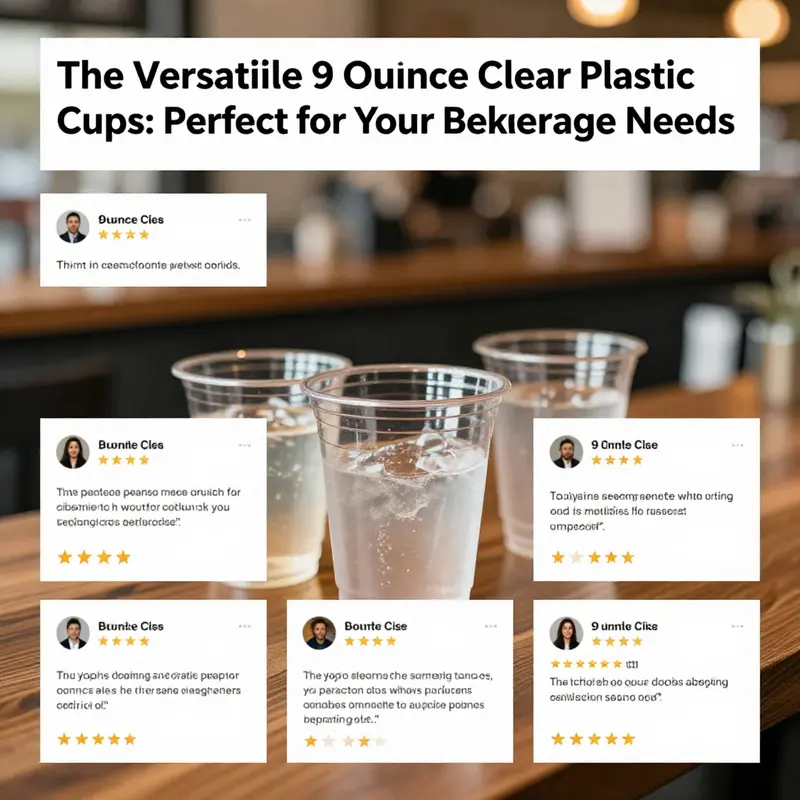
The 9-ounce clear plastic cup sits at a curious intersection of everyday practicality and evolving consumer expectations. It is a small vessel that carries a surprising amount of meaning: clarity about contents, confidence in performance, and a quiet invitation to consider how we consume, celebrate, and dispose of single-use plastics. When you observe the spectrum of use cases that revolve around this modest container—coffee shop takeaways, party trays, and casual home gatherings—the cup becomes more than a mere receptacle. It is a touchpoint for design priorities, from the material science that governs transparency and strength to the packaging decisions that shape convenience and safety. In recent market conversations, a significant thread of user feedback centers on 9-ounce clear plastic cups that are not only visually appealing but also mindful of environmental impact, durability under transport, and the ability to tailor a cup to a specific event or brand narrative. The convergence of these concerns helps explain why consumer reviews on popular marketplaces frequently highlight three intertwined advantages: eco-forward materials, practical design features, and customization potential that adds value for businesses and hosts alike.
Material choice sits at the heart of the conversation about environmental stewardship and everyday performance. The typical material behind many 9-ounce clear cups is PET, a transparent polymer prized for its light weight and high clarity. In some cases, products are promoted as using biodegradable or industrially compostable PET materials, a distinction that resonates with eco-conscious buyers who want to minimize long-term plastic waste without sacrificing the crisp, glass-like appearance that helps beverages look appealing in photos and in person. Reviewers often discuss how a cup’s clarity contributes to the overall sensory experience of a drink—the rich color of fruit juice, the amber glow of iced tea, or the creamy hue of a latte—while also weighing the environmental claims presented by vendors. When a product carries certification or explicit statements about composting standards, it strengthens consumer trust and guides purchase decisions, especially for cafés that are building sustainability into their brand story or venues that aim to minimize environmental footprint during large events.
Beyond the raw materials, the design details of a 9-ounce cup frequently surface in user feedback as decisive factors for real-world use. A segment of favorable reviews gravitates toward models that pair a secure snap-on lid with a leak-prevention design, a feature particularly valued by mobile vendors, catering teams, and event organizers who must tote beverages across busy rooms or streets. The ability to open with one hand, even while juggling a tray, keys, or a cash register, is more than a convenience; it reduces spill risk and supports smoother service during peak hours. For venues like coffee shops and tasting events, such functionality translates into a tangible improvement in service speed and customer satisfaction. Reviewers who test different lid configurations often note that a snug seal coupled with a convenient sipping mechanism encourages customers to take their time with a drink and, in some cases, to order a second beverage without worrying about leaks or drips during transit.
The capacity itself—nine ounces—meets a specific niche in beverage service. It is large enough to hold a customary single-serving drink, yet compact enough to pair with a flight of beverages or to fit into standard take-away sleeves and carriers. Several reviewers appreciate the flexibility that comes with a range of variants, including smaller 8-ounce options and much larger sizes like 32 ounces, which enables cafés and event planners to offer a spectrum of options without switching between multiple cup families. The practical implication is clear: a single line of cups can serve a broad set of needs, simplifying inventory management for small businesses and hosts who must balance variety with cost controls. The trade-offs here are subtle but meaningful. While larger or more robust options may offer enhanced durability or insulation, they can also introduce heavier packaging and higher material costs. Reviews often reflect a balanced appraisal—buyers appreciate cups that resist cracking under cold beverages and are comfortable to hold, while noting that explicit hot-drink compatibility or dishwasher-safe certification may vary by product and should be confirmed before purchase.
Customization emerges as a potent value proposition for both commercial buyers and private hosts. Some reviews spotlight the option to print branding or personalized messages on the cups, a feature that adds marketing value and helps event organizers reinforce a theme, sponsor recognition, or a seasonal promotion. For businesses, customized cups become a mobile billboard, expanding brand visibility beyond the bar or table and into social media posts when customers photograph their beverages. The aesthetic layer matters as well: a refined design, such as a cup with a gold rim or other tasteful accents, can elevate the perceived quality of a casual drink and signal a higher-end experience to guests. Yet customization is not solely about decoration. It often comes with practical considerations, including readability of the print, placement compatibility with the lid and sleeve, and the overall balance between branding and the cup’s primary function: to keep the beverage at a drinkable temperature and to serve safely. Reviews frequently praise brands that integrate customization without compromising clarity or structural integrity, reinforcing the idea that tailored packaging can coexist with reliable everyday performance.
Nevertheless, consumer cautions surface with equal emphasis, reminding buyers to evaluate usage scenarios with precision. Several products caution against hot liquids or advise against microwave or dishwasher cleaning, signaling that not every 9-ounce clear cup is designed for hot beverages or post-service reheating. This caveat matters for cafés that serve hot drinks seasonally or for events where guests may prefer hot beverages in the same cup used for cold drinks. It also underscores the importance of reading product specifications and certifications. In some cases, even cups marketed as sturdy and shatter-resistant may be unsuitable for hot liquids, while others may tolerate brief heat exposure but recommend hand washing. Reviewers who plan to use cups in a mixed-service environment—hot coffee in the morning, cold juice at lunch, a buffet station in the afternoon—often create a short list of must-have features to avoid mismatches between expectation and reality. The result is a practical buyer’s mindset: prioritize clear visibility, reliable leak prevention, and a lid that fits snugly, then layer on eco-credentials and branding capabilities if they align with project goals.
A distinct thread in the discourse relates to the shopping and sourcing landscape itself. The presence of multiple supplier ecosystems, including global marketplaces and regional distributors, has encouraged a broader range of options. Consumers frequently compare material claims, lid designs, and certificate verifications across listings. The best-reviewed cups tend to be those that transparently communicate their environmental attributes—whether through certified compostability, recycled content, or end-of-life guidance—and that provide clear instructions about suitable cleaning and usage. The discourse also reveals a market preference for items that offer a coherent package: a dependable product that ships securely, arrives on time, and aligns with the host’s event timeline. In the end, the customer who reads through a handful of product notes and then tests a single, well-reviewed option often emerges with a robust sense of confidence about their choice. This is the core of what these reviews convey: the 9-ounce clear cup is not merely a disposable container, but a practical instrument that can support careful planning, thoughtful branding, and responsible consumption.
For readers seeking an illustrative snapshot of the kinds of options that generate favorable feedback, a notable line includes models that combine eco-forward materials with a practical lid system and a range of sizes. The design language tends toward clarity and simplicity, ensuring the contents are visually foregrounded while maintaining reliability during transport. A subset of users also values the opportunity to customize, recognizing that a well-printed cup can reinforce a theme, coordinate with venue décor, or deliver a memorable guest experience. In many cases, the reviews converge on a pragmatic conclusion: the best 9-ounce clear cups deliver a balanced mix of transparency, durability, and practical features, while also offering choices that align with sustainability goals and branding ambitions. This alignment—between what etiquette and aesthetics require and what logistics and lifecycle considerations permit—defines the contemporary expectations around 9-ounce clear plastic cups.
As you consider these insights, the practical takeaway for operators and hosts is not to chase a single best attribute. Instead, it is to define a shopping brief that reflects how you will use the cups most: the anticipated beverage types, whether hot or cold, the intensity of transport and crowd flow, the importance of branding, and the end-of-life plan for your service. When suppliers meet those criteria, the resulting cup can deliver a consistent, dependable experience that guests recognize and remember. For readers attracted to options that emphasize clarity, secure dispensing, and eco-conscious messaging, there is a growing body of listings that not only satisfy immediate practical needs but also support broader commitments to responsible consumption and corporate or event branding. If you want to explore a representative example of the type of product these reviews discuss—particularly those that stress a leak-resistant lid, one-handed operation, and compostable material chemistry—you can examine a catalog entry that highlights 9-ounce disposable cups with lids designed for eco-friendly use and customization. For more context on similar offerings that emphasize clear visibility and event-ready presentation, see this internal resource: disposable clear plastic cups for parties and events.
From a practical standpoint, today’s buyers are balancing three pillars: performance, environmental responsibility, and brand or event amplification. The best-reviewed cups rise to the top by delivering consistent clarity and strong physical feel, resisting leakage, and offering meaningful customization options without compromising the user experience. The ongoing conversation in reviews reinforces a simple truth: a small cup can carry a big story. It journeys from the point of sale to the table, through a moment of celebration or daily routine, and finally into a lifecycle that increasingly respects the planet. In that arc, the 9-ounce clear plastic cup remains a flexible, widely adopted tool, capable of adapting to new materials, new lid technologies, and new ways of presenting beverages to the world. The chapter you have read wires together consumer sentiment, material science, and design pragmatism into a cohesive picture of why these cups remain popular, how they meet diverse needs, and where hosts and vendors can focus their diligence to ensure every serving is as clear in intention as it is in appearance.
External resource: For further product-specific details and examples of the kinds of listings discussed, see the external catalog entry here: https://www.alibaba.com/product-detail/Fuling-9oz-Disposable-Plastic-Cups-with1600574858918.html?src=1000&albcat=plasticcups
Final thoughts
In summary, 9-ounce clear plastic cups offer an array of benefits for businesses in the beverage industry, from their versatility in usage to their environmental benefits and market trends favoring their use. They are not only an attractive choice for serving drinks but also a sustainable option that enhances the customer experience. Businesses can confidently adopt these cups knowing they meet safety standards while being eco-friendly, ensuring that quality and care for the environment go hand in hand.