
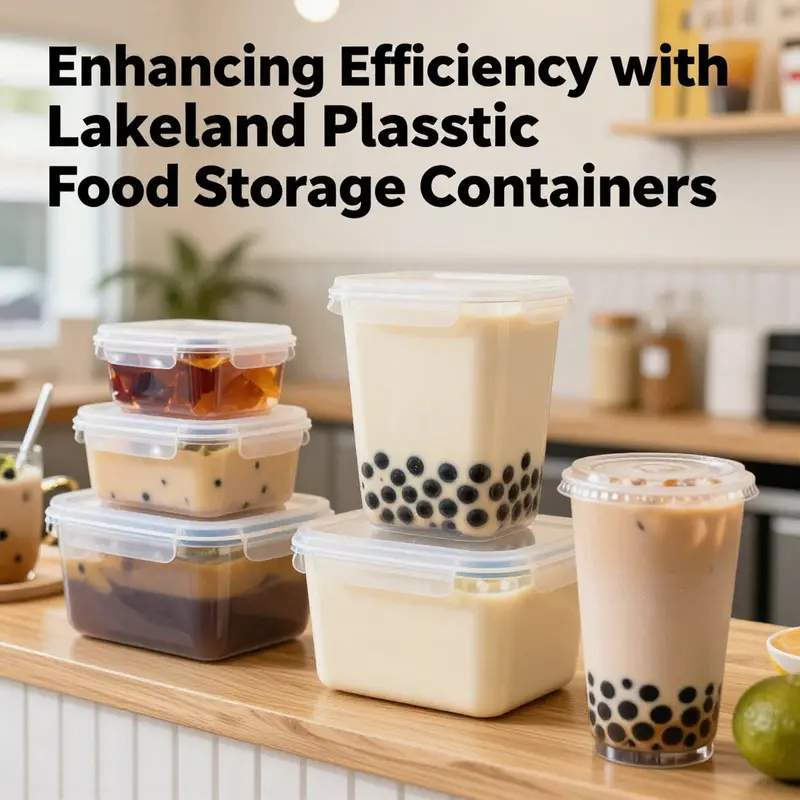
In the competitive food and beverage industry, having reliable storage solutions is vital. Lakeland’s Stack-a-Boxes plastic food storage containers offer durability, practicality, and organization, tailored for bubble tea shops, restaurants, food trucks, and catering services. From exploring their remarkable durability and thoughtful design to understanding user satisfaction and market performance, we delve into how these containers can elevate your business operations. We will also discuss their safety standards, versatility in usage, and space efficiency, giving you a well-rounded view of why Lakeland containers could be the right choice for your culinary needs.
Stacked for Space and Freshness: A Close Look at Durable, User-Focused Plastic Food Storage Containers
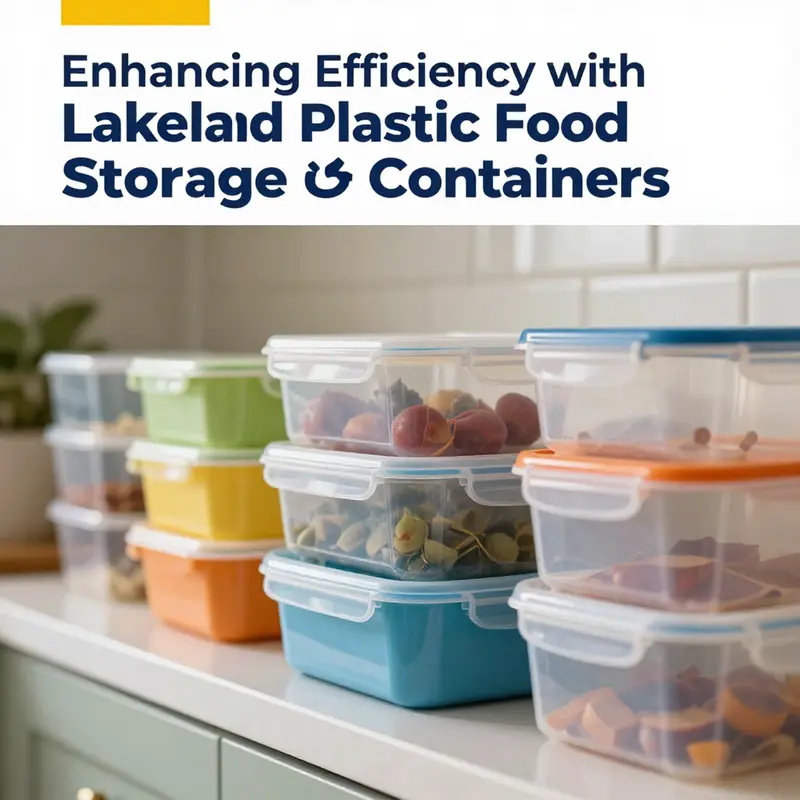
When a kitchen balances limited counter space with the daily demands of fresh meals, the design of a storage container becomes more than a practical choice. It becomes a quiet ally in the routine of meal prep, leftovers, snacks, and baby foods. The containers in question are built with durability and practicality at their core. They use a high quality, BPA-free plastic that promises safety for food storage while resisting the everyday wear and tear that a busy family kitchen imposes. The material choice matters not only for safety but for how well the containers hold up to repeated use, heat, cold, and the occasional rough handling that comes with a full household. In this context, the emphasis on robust construction is not a luxury; it is a foundation for long term usability and reliability, time after time.
Design-wise, the lids are a standout feature. They are sturdy and airtight, providing a practical barrier against spills and helping to lock in the flavor and moisture of the contents. This means less worry when the containers ride through a busy fridge door or a crowded lunch bag. Airtight seals also contribute to a longer perceived freshness, which is especially important for prepped lunches and baby foods. The interplay between lid integrity and container walls matters because it translates into confidence for the user. You can pack a portion for the day, knowing it will remain contained and ready to heat or serve when needed, without the risk of leaks or odors mingling with other foods in the fridge.
Capacity options are a practical reflection of the needs a modern kitchen encounters. The range includes a larger 750ml container as a workhorse for substantial portions of leftovers, meals prepared in advance, or bulk snacks. At the same time, a smaller 400ml size serves well for single servings, baby food, or snacks that need portion control. This breadth of size options supports a flexible approach to meal planning and storage. The packaging often comes in sets, such as a 12-pack, which reinforces a mindset of consistency in storage—uniform containers that nest and stack predictably. This predictability in size and shape is not merely about aesthetics; it streamlines fridge organization, shelf labeling, and even the steps in a weekly meal-prep routine. When every box shares the same footprint, stacking becomes a straightforward exercise in space efficiency, and the pantry becomes easier to navigate at a glance.
One of the most tangible advantages of these containers is their stackable design. The boxes are shaped to nest when not in use, and their lids are designed to align securely with the base, enabling compact storage in shelves, drawers, and refrigerator crisper bins. This stacking capability addresses a common kitchen pain point: the challenge of keeping a tight space neat and accessible without sacrificing accessibility. In a life where every inch of kitchen real estate counts, a set that stacks neatly reduces the visual clutter of clutter itself. The result is a kitchen that feels calmer and more organized, even when it is in the thick of the week’s routines. In practical terms, stackability translates to fewer toppled containers, fewer misaligned lids, and less time spent searching for the right box during a busy morning—or a late-night reheating session after a long day.
Beyond space efficiency, the design is guided by everyday usability. The containers are described as dishwasher-safe for convenience, microwave-safe for quick reheating, and freezer-safe for long-term storage. This triad of compatibility supports a seamless movement from shopping to prep to storage to steam or heat. It means you can reheat a portion directly in its container without transferring to another dish, which reduces the risk of spills and simplifies cleanup. The ease of cleaning extends to the interior and exterior surfaces, where smooth walls and simple edges minimize food residue and make wiping down or washing by machine a straightforward task. These features are not about luxury; they represent a thoughtful response to the rhythm of modern life, where speed and safety often share the same shelf space as taste and nutrition.
Visibility is another understated but powerful advantage. The containers leverage a transparent, clear design that lets you identify contents at a glance. This clarity reduces the number of times you open and close containers in search of the right item, saving time and preventing the small waste of energy that comes with repeatedly moving items to check labels. Clear containers also help with inventory awareness, enabling better planning around leftovers and pantry staples. When you can see what’s inside without opening every lid, you can make quicker decisions in the middle of a hectic day, whether you are a parent coordinating lunch boxes or a meal-prep enthusiast batching meals for the week.
The lid system itself embodies user convenience. Snap-on lids lock into place securely, creating a seal that resists accidental pops open during fridge movement or in a packed lunch bag. The seal is designed to minimize odor transfer and maintain the integrity of the contents, which is especially valuable for items with strong smells or for those who plan ahead for several days. The lids’ design also considers stacking friendliness; when closed, the lids line up cleanly with the containers, enabling neat, uniform stacks that maximize vertical storage in a fridge, pantry, or cabinet. Such attention to details that may seem small—like the alignment of ridges, the firmness of the snap, and the smoothness of the lid’s underside—has a measurable impact on daily ease of use and long-term satisfaction with a storage system.
In practice, these attributes come together in a way that supports a broad array of uses. For everyday meals, they are ideal for portioning and reheating. They handle hot and cold foods with steady performance, resisting deformation that can otherwise make containers feel cheap or unreliable after repeated exposure to heat. For leftovers, batch cooking, or bulk snacks, the combination of durable walls, reliable lids, and clear visibility helps ensure that what you prepared stays fresh and easy to access. For families with young children, the ability to heat baby foods directly in the same container offers a practical convenience that saves time and reduces the number of dishes to wash. For those who enjoy meal-prep artistry, the uniform sizes and shapes simplify the process of portioning a week’s worth of meals into a coherent storage system that fits neatly in a standard refrigerator.
A further, underappreciated benefit is the sense of control these containers lend to daily routines. When you have a dependable set that consistently performs across environments—refrigerator, freezer, microwave, and dishwasher—you gain confidence in your planning. You can prepare meals with precision, knowing the container won’t warp under heat, won’t spill if tipped, and will reveal its contents instantly when you reach for it. This reliability is not merely technical; it changes how you approach cooking and storage. It encourages you to plan ahead, to batch meals, and to minimize waste because you trust that the containers will handle whatever you put inside with dignity and ease.
For readers who want to explore options closely aligned with these design principles, there are related packaging formats that emphasize clarity and lid performance. For example, you can investigate paper-based storage solutions designed with transparent lids that also prioritize secure sealing and straightforward stacking. These analogous designs highlight how the interplay of material choice, lid engineering, and shape compatibility is central to creating storage systems that feel reliable from the first use. See an example here: paper sandwich boxes with transparent lids.
In sum, the durable, user-focused approach behind this popular plastic storage line blends safety, practicality, and everyday elegance. The choice of BPA-free material ensures that safety is built into daily use, while the combination of airtight lids, clear visibility, and thoughtful stacking offers tangible advantages in organization and efficiency. Size versatility supports a range of needs, from single servings to family-sized portions, and the ability to use the containers across microwaves, freezers, and dishwashers makes them a versatile backbone for weeknight cooking and weekend meal prep alike. The result is not merely a set of containers but a coherent storage system that helps maintain freshness, minimize waste, and keep kitchens orderly in a way that feels effortless every day.
External reference for further context on the specific product range that inspired these observations can be found on the official product page: https://www.lakeland.co.uk/stack-a-boxes-plastic-food-storage-containers-lids-750ml-clear-12-pack.html
Stacked for Success: Market Pulse and User Satisfaction in a Leading Plastic Storage Line
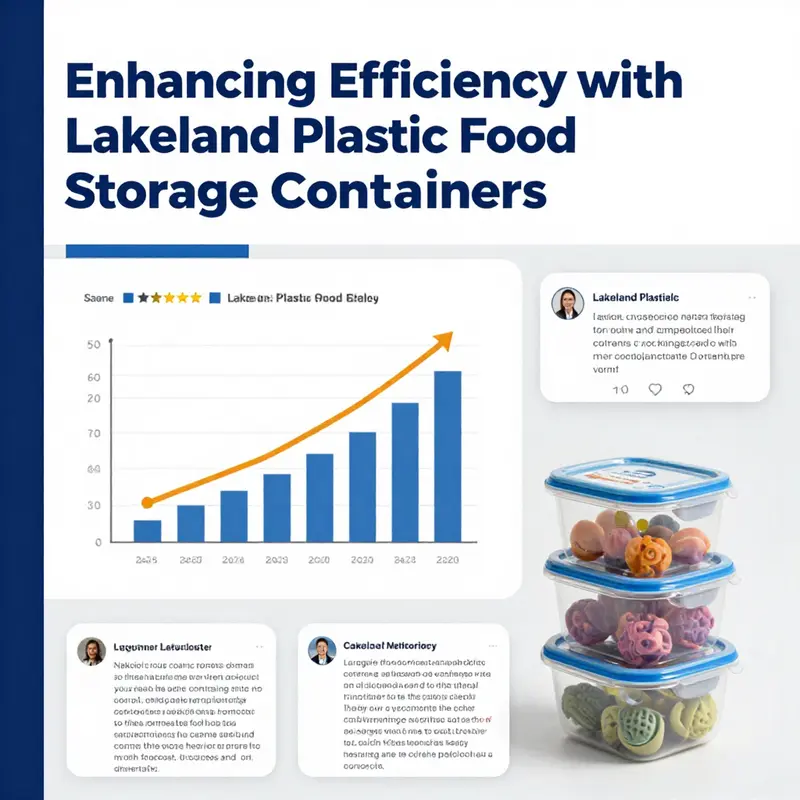
In the world of kitchen organization, a line of stackable, BPA-free plastic storage containers has become a bellwether for how households approach meal planning, leftovers, and snacks. This is about reliability, space efficiency, and everyday ease as families juggle busy schedules. Across markets, demand for practical and durable containers remains steady, reflecting broad consumer priorities: containers that withstand daily use, stack neatly, and transition from fridge to microwave to dishwasher without friction. The category is poised to capture a meaningful share of the plastic storage market, with standout lines translating these needs into tangible benefits. Recent observations point to strong, sustained demand through the mid-2020s, underscoring how universal this storage logic has become. A flagship line has differentiated itself not just by features but by how users actually talk about it in daily routines. Praise often centers on three themes: intuitive portioning through thoughtful sizes, materials chosen for safety and cleanliness, and construction built to endure repeated use without losing seal or stability. The result is a product family defined by consistency—a quality families rely on for kid-friendly lunches, batch cooking, and organized pantry storage.
That consistency is echoed in real-world feedback: easy-to-use lids, dependable seals, resistance to staining and lingering odors, and confidence that a single lid fit can cover multiple containers in the same range. This isn’t mere sentiment; it maps to tangible advantages that influence what people buy, how they store, and how they plan meals. The design language favors efficient use of space: stackable architectures that reduce decision fatigue and simplify cabinet organization. In households where weekly meal prep is routine, these containers streamline routines, enabling pre-portioned meals, simple rotation, and easier cleanup. Materials chosen for safety and easy cleaning address two common concerns at once: minimizing chemical exposure and avoiding stubborn residues that cling to containers after washing.
From a usability standpoint, reliable seals and robust hinges translate to confidence when packing leftovers or lunch for school and work. When a lid’s fit wears over time, frustration grows; durable memory in the lids and a compatible lid-to-container ecosystem help prevent that drift. The ease of cleaning, stain resistance, and odor control contribute to long-term satisfaction, offering a durable storage solution that stays relevant amid shifting trends toward minimalism and practical convenience. In sum, successful lines don’t chase novelty; they deliver dependable performance, compact storage, and a clear value proposition for busy families.
Price positioning also matters. In many markets, a well-considered multi-pack offers compelling value, balancing quality and affordability. The same set that handles daily meals, portioning, leftovers, and snacks can span a family’s various storage needs, reducing the temptation to buy multiple, incompatible options. Buyers tend to reward lines that integrate seamlessly with daily life, support healthier eating habits through better organization, and stand up to the rigors of freezer, fridge, and dishwasher use.
For readers seeking deeper context, official specifications and user feedback pages provide a practical reference point. The core takeaway remains straightforward: a well-designed, durable, and space-efficient line that aligns with modern routines tends to earn strong, lasting consumer satisfaction.
Material Safety in Plastic Food Storage Containers

Material safety in plastic food storage containers is essential for everyday meals. It begins with careful material selection and continues through manufacturing, labeling, and user guidance. Consumers rely on BPA-free labeling, heat and cold performance, and clear instructions for cleaning and use. A BPA-free label signals that the product avoids a chemical of concern and is often paired with regulatory compliance and testing to demonstrate safety during typical use. In practice, safe containers should resist leaching under normal temperatures and avoid reactions that could affect flavor, odor, or texture. Design elements like a tight seal, durable base polymer, and stable additives all contribute to safety by reducing contamination risk and food-contact migration. Guidance for buyers emphasizes looking for explicit statements about food-contact safety, dishwasher-safe and microwave-safe claims, and freezer tolerance, along with third-party testing or certifications when available. It is also wise to follow the manufacturer’s directions for cleaning, heating, and storage to preserve seal integrity and hygiene. Ultimately, material safety is a systems problem: safe materials, transparent labeling, reliable performance, and responsible manufacturing standards all work together to help households store and reheat food with confidence.
Stacked for Space and Everyday Use: The Broad Utility of Durable Plastic Storage Containers
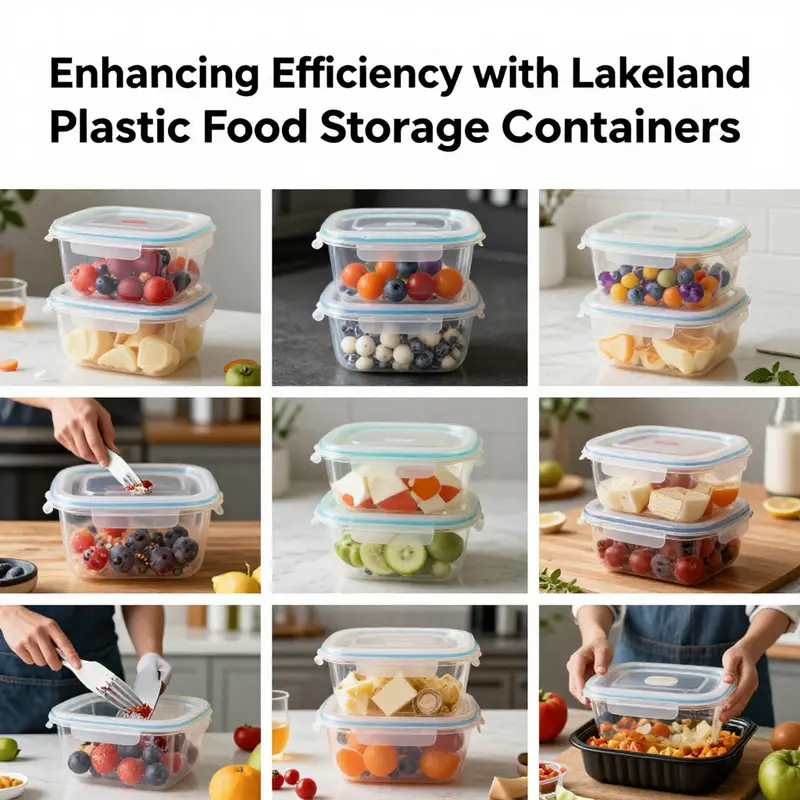
In many kitchens, space is at a premium and clutter is a quiet winner in the daily tug-of-war over drawers and cupboards. The appeal of a stackable, BPA-free plastic storage line lies precisely in how it translates this space into calm, predictable order. These containers—sold in sets that prioritize uniformity and ease of stacking—are more than a tidy solution; they are a practical system for managing meals, ingredients, and even surprising non-food uses. A typical set, often found at sensible price points, provides a handful of uniform vessels that can adapt as needs shift from a busy weekday lunch lineup to a quiet, organized pantry on the weekend. Although sizes vary across lines, a common feature is the ability to fit more into the same cabinet footprint thanks to a thoughtful, nested profile. In real-world terms, this translates to fewer trips to the back of the shelf, fewer mismatched lids, and fewer pots and containers rattling around when the drawer is opened. The design ethos is simple: durable plastic that holds up under daily wear, with lids that seal rather than slip, and walls that stay straight under refrigeration or in the microwave.
What makes these containers particularly powerful in everyday use is their versatility. They are well suited to dry goods such as grains, cereal, pasta, and flour—the kind of pantry staples that tend to spill or lose their freshness when left in loose bags. Airtight seals extend shelf life and preserve aroma, a small but meaningful advantage when you are stocking up for a week of family meals or preparing ingredients for a weekly batch cook. The same principle applies when the containers are used for leftovers. Cook a dinner and portion it into several sealed compartments; you can simply reheat portions in the container itself, which reduces dishwashing and minimizes the number of containers that have to be tracked down afterward. For those who keep pet food on hand, a sealed, stackable option helps prevent spoilage and keeps odors contained, a practical feature for households with multiple animals or a space-limited kitchen.
Durability is another cornerstone of the value proposition. The containers are designed to withstand the rigors of daily life—sliding into a fridge, being jostled by a busy family, or being stacked for compact storage. The plastic is chosen not just for its light weight but for its resistance to staining and odor retention. In practical terms, that means less discoloration from tomato sauce or curry and an easier time maintaining a tidy fridge or cupboard. An important note for households that lean on convenience is that many of these containers are microwave-safe, enabling hot meals to be warmed directly in the same vessel in which they are stored. This reduces transfer steps and helps maintain the integrity of portioned meals, which can be especially valuable for busy mornings or for planning lunches for the week. They are also typically dishwasher-safe, allowing for easy cleanup after a busy day. The reassurance that they can go from fridge to microwave to dishwasher without losing shape or sealing performance is a subtle, but widely appreciated, benefit in day-to-day meal management.
Safety and cleanliness are at the heart of why families reach for these containers repeatedly. The BPA-free construction provides reassurance that meals remain free from unwanted chemical exposure, a concern many households weigh when choosing storage solutions. The airtight seals deserve particular attention because they directly impact freshness. When a container seals tightly, it reduces the rate at which air interacts with food, helping to preserve flavor and texture. This becomes more relevant as leftovers accumulate and the desire to reheat or repurpose meals grows. The seals, designed to be resilient over repeated cycles, are part of a system that keeps the kitchen organized and the food tasting its best, even when plans shift and the schedule becomes unpredictable.
Beyond the kitchen, the same philosophy of versatility applies. The containers excel in portions for meal planning—a practice that is increasingly common as families seek to cut waste and maintain consistent nutrition. They can also be employed for non-food tasks that benefit from controlled storage, such as organizing small hardware, art supplies, or children’s craft bits. The stackable form invites a disciplined approach to organization where everything has a defined place, and every place is easy to reach. In spaces like a shared fridge or a compact freezer, this simple architecture makes it easier to label and rotate items, which is especially helpful when planning a week of meals or when preparing for a family trip. The combination of sturdiness, ease of cleaning, and reliable sealing makes them a familiar choice for households that value predictability and order in daily routines.
The practical uses extend to specific cooking and baking workflows as well. For bakers and cooks who measure out ingredients for a week’s worth of recipes, these containers offer an efficient method to store dry goods and spice blends. A designated bin for flour or sugar within a labeled cabinet is more than a convenience; it becomes part of a system that reduces the mental load of meal planning. Capable of handling spices and aromatics, they also help in reducing cross-contamination of flavors when multiple cooks share a kitchen space. In this respect, the containers function as a quiet backbone for a kitchen workflow—one that supports consistent results without the friction of rummaging through mismatched shelves looking for the right lid or the right size.
In a broader sense, the appeal of such a storage line lies in its potential to transform how a family uses time and space. The more efficiently a kitchen is organized, the more predictable the daily routines become, and that predictability translates into less waste, more nourishment, and a calmer home environment. It is not merely about keeping food fresh; it is about fostering habits that align with healthier meal planning and responsible consumption. The containers’ ability to go from fridge to microwave and back into the cabinet again without fuss is an understated but meaningful aspect of modern kitchen life. When family members learn to trust the system, they are more likely to prep meals in advance, store leftovers safely, and take advantage of bulk purchases that would otherwise sit unused in the back of a shelf.
As with any practical solution, there is a price point and a balance to consider. In many markets, sets that offer reliable performance, airtight sealing, and dishwasher compatibility are accessible to households without requiring a premium budget. The sense of value comes from the cumulative effect: less food waste, fewer containers, and a kitchen that functions more smoothly on a daily basis. The design strength is not only in the single container but in the compatibility of the entire lineup. When you can mix and match sizes, stack them neatly, and rely on a consistent, durable material, a kitchen evolves from a place of raw functionality to a space that supports better cooking, better preparation, and better organization.
For readers curious about how these containers fit into broader packaging and storage ecosystems, consider the way some households integrate eco-conscious packaging solutions that emphasize convenience without compromising safety. A practical example is using sealed, stackable containers for takeout leftovers or meal-prep portions, paired with a separate system for dry goods. The idea is to maintain separation between fresh ingredients and prepared foods while preserving the integrity of each item. In practice, this can look like a dedicated set for grains, another for leftovers, and a third for snacks or baby foods. The effect is a kitchen that breathes more easily, where items are easier to locate, reheat, and refresh as plans change.
For readers who want to explore related options or expand their storage repertoire, a useful resource is available online under a family of eco-friendly takeout boxes for food packaging. These containers demonstrate a broader trend toward durable, safe, and microwave-ready solutions that complement home storage systems. If you click through to that resource, you’ll find products designed to keep contents secure and temperatures stable while offering a similar footprint in terms of stackability and ease of cleaning. This alignment between home storage and external packaging options highlights a shared design language focused on minimizing waste, maximizing reuse, and simplifying everyday routines. To learn more, you can follow this link: eco-friendly takeout boxes for food packaging.
In sum, the appeal of durable, stackable plastic storage containers rests on their blend of practicality and adaptability. They simplify the choreography of daily meals, support disciplined meal prep, and offer a flexible toolkit for a kitchen that aims to be both efficient and welcoming. While the exact sizes may vary, the underlying strengths—sturdiness, airtight seals, and dishwasher-safe convenience—remain constant. They are a reminder that good design in the home often looks quiet and unassuming, yet quietly reshapes how we plan, cook, and share food with those we care about. As you consider next steps for your own kitchen organization, you may find that investing in a well-chosen set of containers is less about a single purchase and more about creating a lasting framework for healthier meals and calmer days. External reference: https://www.lakeland.co.uk/
Space-Smart Storage: Transforming Small Kitchens with Stackable Plastic Containers
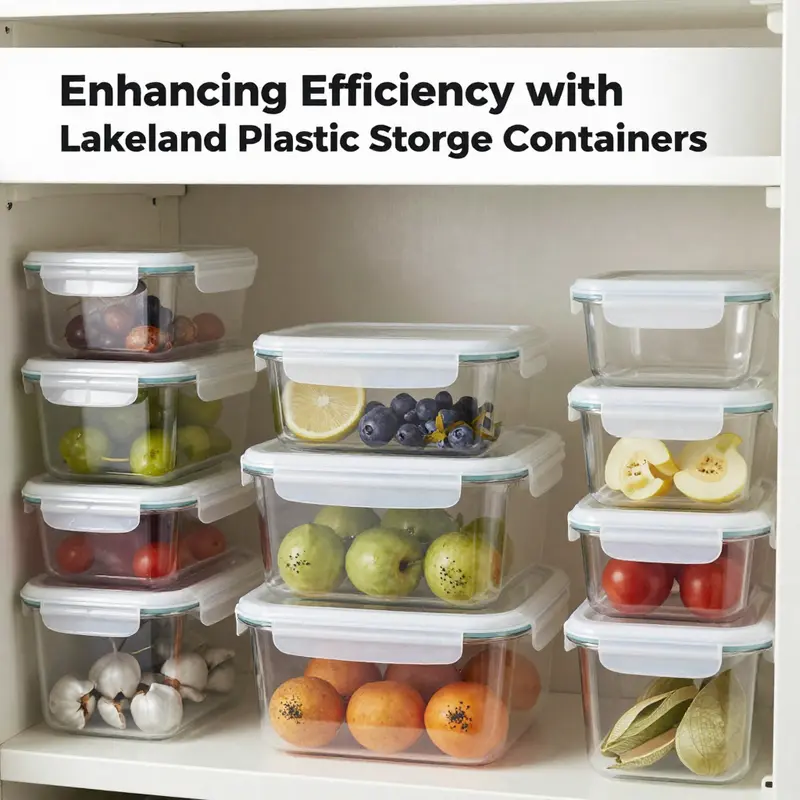
In kitchens where every inch of counter and cupboard space counts, the right storage approach can feel like adding square footage. Stackable plastic food storage containers offer a practical answer to the clutter and chaos that often come with meal prep, leftovers, and a busy family routine. They are designed not just to hold food, but to organize it in a way that makes a small kitchen feel larger and more navigable. The core idea is simple: create vertical storage where possible, and reduce the footprint of what you own by letting the containers nest when they are empty and stack when they’re full. When a family moves through the week with fresh lunches, snacks, and baby foods, this design philosophy translates into real, tangible benefits. It’s not merely about having more containers; it is about having a system that minimizes searching, speeds preparation, and preserves the quality of the foods you store. The result is a kitchen that works with you, not against you, every day.
Consider the capacity that a single container can offer. A standard unit in this family of products holds about 750 milliliters, a size that fits well for portions of grains, vegetables, or leftovers. That specific capacity is not accidental. It mirrors common meal sizes and snack portions, enabling clearer portion control without forcing strict dieting or rigid meal plans. When you fill these containers for the week, you can line up a row of stacks in the fridge or on a pantry shelf, turning what used to be a teetering tower of mismatched tubs into a tidy column that invites quick access. This vertical organization is particularly valuable in smaller kitchens where shelves are shallow or crowded with other essentials. The design principle is not to cram more things into a space, but to use the space you already have more intelligently.
The containers’ stacking feature is twofold: practical when full and economical when empty. When full, a set of containers can form a neat column or stack that stays stable on a shelf, reducing the risk of tipping and spilling. When empty, they nest together with minimal space between them, meaning you can store an entire dozen or more units in the same footprint that one or two would occupy otherwise. This nesting capability becomes a quiet hero in a kitchen where every inch of cupboard real estate matters. It also means you can pull the containers apart and reassemble them quickly as plans change—say, you decide to batch-cook a couple of meals and then switch back to more varied daily meals. Each adjustment becomes simpler when the physical footprint of your storage system remains predictable and compact.
Visual clarity is another subtle but powerful aspect of these containers. Lids are often color-coded, a thoughtful detail that turns organization into a daily time saver. In a busy morning rush or a late-night kitchen raid for a snack, being able to identify the contents at a glance reduces the mental load. Color coding helps everyone in the household—parents, kids, roommates—follow the same labeling logic without having to open each tub. This kind of quick recognition translates into less rummaging, fewer wasted minutes, and more consistent meal planning across the week. The lids themselves are designed to seal securely, helping to prevent leaks and odors from lingering in the fridge or on the shelf. That seal becomes especially valuable when you store sauces, reheated dishes, or items prone to cross-contamination, giving you confidence that what’s inside stays fresh and contained.
Durability and ease of care matter as much as clever design. These containers are crafted from BPA-free plastics that resist staining and odors, a factor that matters when you regularly store different types of foods—from vibrant curries to lighter greens. They are dishwasher-safe, a practical feature that saves time on busy days and makes cleanup straightforward. The combination of a robust body and a dependable lid means you can load them into the dishwasher without worrying about warping or losing the seal. This ease of cleaning encourages you to consistently reuse containers rather than reaching for one-off options, which in turn reinforces a tidier kitchen and a more sustainable approach to food storage.
Beyond the practicalities, there is a quiet elegance to a well-organized kitchen. The stacking and nesting behavior reduces clutter on shelves, allowing you to see more of what you own and plan more effectively. When you can access a clearly labeled container for the week’s meals or snacks, you gain momentum in your routines. You can prepare portions for several days in one go, store them in the same system, and then simply grab what you need without rummaging through a jumble of mismatched boxes or rummaging through the back of the fridge for yesterday’s leftovers. A well-chosen system also helps with pantry management: you can consolidate similar items, rotate stock according to usage, and keep an eye on what is running low. The result is a kitchen that feels calmer and more capacious even when space is limited.
For those who enjoy experimenting with different storage ideas, the design language of these containers offers a flexible canvas. The base shapes and clear bodies allow you to see contents at a glance, while the snug lids make it easy to stack in a way that is stable but not brittle. The color-coded lids add a layer of quick-reference organization that reduces the time you spend hunting for snacks, baby foods, or particular batch-cooked meals. In practice, that translates to smoother weekdays and more predictable meal pacing. You can plan a week of lunches with fewer last-minute decisions and more deliberate preparation, which in turn reduces waste and supports better budgeting for groceries. The system also adapts well to different storage environments—from the fridge to the freezer to the microwave—so you can move items through your kitchen workflow without switching containers or bags.
If you are curious about related packaging concepts that emphasize lids and stackability, a related resource offers a practical perspective on how containers with reliable lids can streamline organization in busy settings. A related example can be found here: disposable kraft paper soup containers with lids. While it explores a different material family, the principle remains: a secure seal, thoughtful lid design, and adaptable sizing extend the life and usefulness of storage systems. This cross-reference helps illuminate how the broader ecosystem of practical packaging solutions reinforces the value of a well-thought-out storage strategy in smaller kitchens.
All of these design choices come together to support a kitchen that is easy to navigate, even during the busiest weeks. You gain more control over portions, you reduce the time spent organizing, and you promote a cleaner, more efficient cooking environment. The system’s emphasis on vertical storage and minimal footprint aligns with a philosophy of mindful abundance: you do not need to house more containers to live well; you need the right containers organized in the right way. The result is a kitchen that feels more generous, not because the room has grown, but because the way you store food has become smarter, cleaner, and more predictable. And when the day ends, the sight of a neatly stacked row of containers is a small but satisfying reminder that thoughtful design can tame even the most demanding domestic spaces.
External resource: https://www.lakeland.com/
Final thoughts
Adopting Lakeland plastic food storage containers in your beverage shop or catering service offers a blend of durability, safety, and versatility. Their high ratings and user satisfaction reflect their reliability in various settings—be it organizing ingredients for bubble tea or storing meals for events. With their space-efficient design, these containers not only streamline your operations but also enhance overall kitchen aesthetics. Making the switch to Lakeland could ultimately transform how your business approaches food storage, catering to both quality and practicality.