
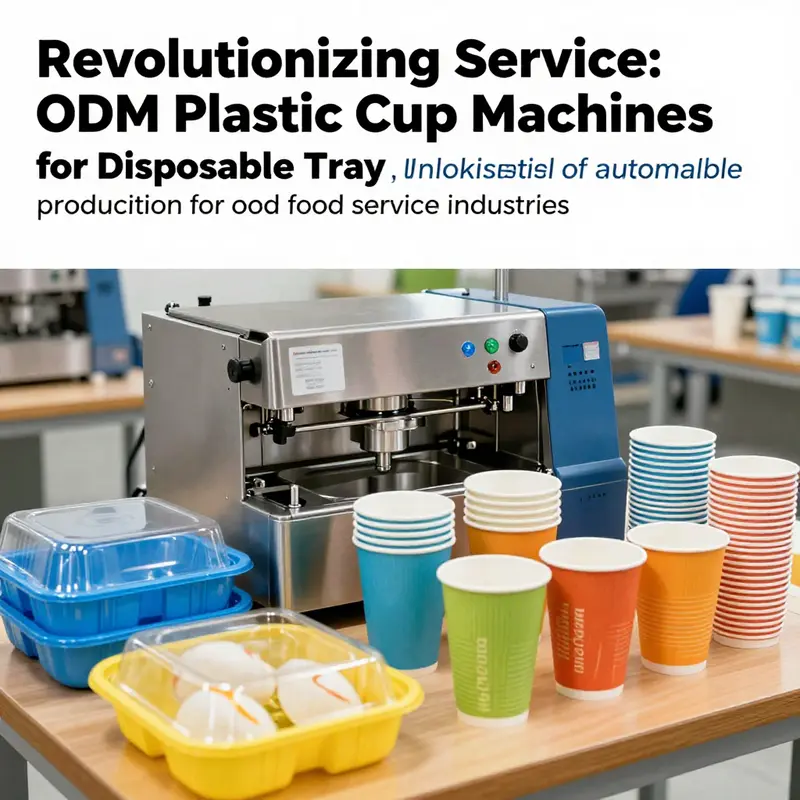
In an era where convenience must meet quality, the demand for disposable trays has surged, especially among bubble tea shops, beverage chains, restaurants, and catering services. The role of Original Design Manufacturer (ODM) plastic cup machines in this space is pivotal. These advanced machines not only streamline production but also enable businesses to respond effectively to market trends and consumer demands. This article explores the current market trends affecting ODM plastic cup machines for disposable trays, examines technological innovations in their manufacturing processes, and analyzes the economic impact these machines have on the disposable tray industry. By delving into these subjects, we aim to provide a comprehensive understanding of how ODM solutions can enhance operational efficiency and product offerings across various sectors involving disposable foodware.
ODM Thermoforming Lines for Disposable Trays: Trends, Technology, and the Pursuit of Sustainable Throughput
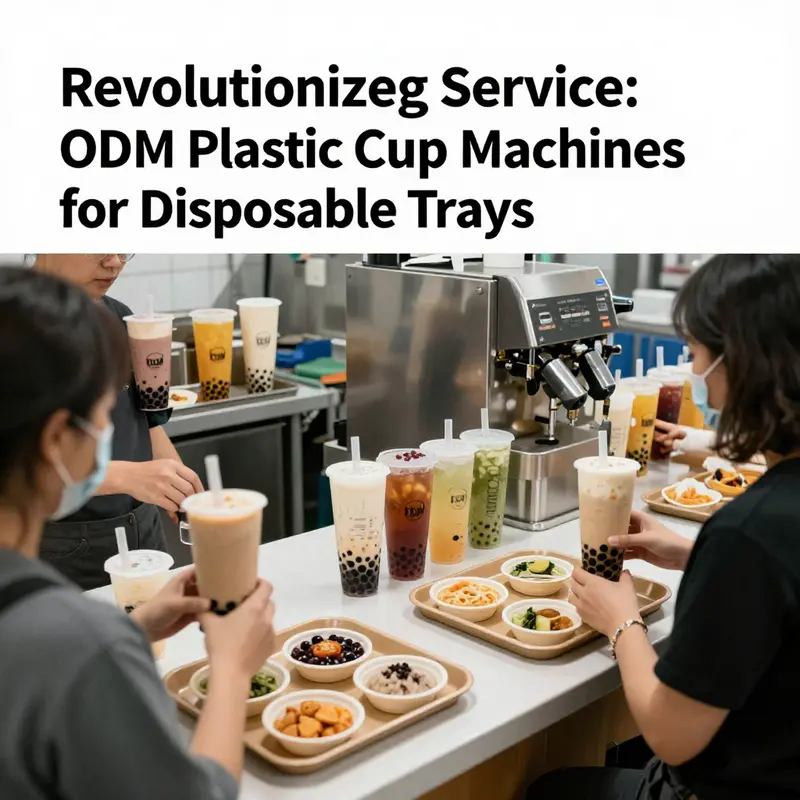
The modern landscape of ODM (Original Design Manufacturer) plastic cup and disposable tray production sits at a crossroads where design ingenuity, automated precision, and policy-driven responsibility must converge. The machines that form, trim, and finish single-use foodware have evolved from simple, manually tuned presses into integrated lines that blend thermoforming, servo-driven motion, intelligent control, and modularity. In this evolving market, the ability to customize, to switch quickly between product formats, and to do so with lower energy consumption and reduced waste is no longer a differentiator; it is a baseline expectation. As brands seek faster time-to-market, more intricate shapes, and packaging that aligns with sustainability goals, ODM lines designed for cups, lids, and disposable trays are becoming more capable, more flexible, and more connected. The narrative around these machines is less about a single device and more about a production philosophy: a philosophy that treats materials, tooling, and process parameters as an integrated system whose outputs are measured not only in pieces per minute but in consistency, reliability, and environmental performance over the life of a facility.
A first-surface truth in this space is that the core technology remains thermoforming—the heating of sheet stock followed by forming in a mold, with subsequent trimming, hole punching or cross punching, and finished product handling. This flow, when executed on an ODM line, demands close alignment between material properties and tool design, between heating profiles and mold geometry, and between the control software and the mechanical drive system. The ability to handle multiple materials—PP, PS, PET, and increasingly PLA and other bio-based polymers—without sacrificing cycle times or part quality has become a defining capability. In practice, this means lines must accommodate the divergent characteristics of these polymers: crystallinity, glass transition temperatures, forming temperatures, and the need for precise vacuum and pressure control. These requirements push manufacturers toward more sophisticated servo-driven clamping, more precise heating zones, and more intelligent vacuum and gas assist strategies. The result is a production line that can form a lid, a tray, or a combination thereof with the same foundational platform, aided by modular mold sets and adaptive control logic.
Technological progress in this domain is not only about hardware but about software and data. Modern ODM lines increasingly integrate real-time monitoring, predictive maintenance, and remote diagnostics. A controller that provides a clear visualization of heat distribution, forming force, and material flow enables operators to detect early signs of wear or misalignment before a part fails the inspection camera or post-form trim. This capability, while seemingly incremental, translates into meaningful gains in uptime. It reduces unplanned downtime, minimizes scrap, and ensures that repeat runs—whether the line is producing standard disposable trays or custom seasonal designs—are predictable and reliable. For manufacturers serving the foodservice sector, such predictability is priceless: it underpins just-in-time production, reduces inventory risk, and helps conserve energy by limiting unnecessary heating cycles and idle time.
In the broader sense, automation today extends beyond the machine itself. The value proposition for ODM lines now rests on a chain that begins with material availability, moves through process control, and ends with post-form processes such as punching, trimming, and quality inspection. Some lines offer automatic sheet roll feeding, integrated heating zones tuned to each material, precise mold opening and closing, and automated transfer of formed parts to downstream handling or stacking equipment. Controllers implement intuitive interfaces that reduce operator training time while maintaining strict process reproducibility. The ability to program multiple product families with minimal tool changes is especially important in markets that demand both high throughput and the flexibility to launch new shapes rapidly. In practice, a single line can switch from producing standard, stackable disposable trays to more intricate clamshell formats or multi-compartment trays with minimal downtime, provided the mold sets and the associated forming parameters are properly aligned.
A continuing thread through the ODM space is the material shift toward sustainability. The push toward bio-based and compostable materials is not a passing trend but a structural change in the feedstock mix for single-use packaging. PLA, PBAT, and other bio-based or biodegradable polymers are increasingly able to meet the performance requirements of everyday trays and lids. The economic and regulatory catalysts are pointing in the same direction: tightening restrictions on conventional petroleum-based plastics, tighter end-of-life management, and consumer preference for more responsible packaging. For lines that process PLA or similarly compostable materials, process windows can be narrower than for PP or PS, and the equipment must accommodate different melting and forming behavior. This has driven ODM manufacturers to offer lines with more versatile heating control, better venting and gas control, and more exacting mold-closure dynamics. It also pushes suppliers to provide guidance on barrier properties, seal integrity, and compatibility with downstream recycling or composting streams. Incorporating these capabilities does not necessarily mean sacrificing throughput; rather, it means engineering the line to optimize heat transfer and sheet flow for each material class, so cycle times remain competitive while quality and regulatory compliance stay robust.
The market geography for disposable trays and related thermoformed products continues to expand, powered by the growth of takeaway food and beverage services, as well as by new formats that demand compact, user-friendly packaging. Across Southeast Asia, the Middle East, and Africa, growth in urban centers is translating into rising demand for modular, scalable ODM lines that can expand with order volumes and accommodate a broader range of product geometries. Domestic demand in major producer regions remains strong as urbanization and rising disposable incomes drive consistency in packaging requirements. The environmental and economic rationale for regional manufacturing is compelling: closer proximity to customers reduces logistics risk, shortens supply cycles, and helps manage the total cost of ownership for a line that must remain efficient and compliant across multiple markets. As lines become more modular, operators can assemble production footprints that reflect local demand while preserving the option to scale by adding mold sets, heating zones, or downstream trimming and inspection modules.
In practice, the competitive landscape in ODM machinery for disposable trays rewards those who can add value beyond the machine itself. With price competition still a factor, top performers differentiate themselves through in-house design capabilities for mold and material compatibility, the breadth of turnkey solutions, and the ability to couple the equipment with digital platforms for performance analytics and remote service. Suppliers that offer comprehensive support—from mold design and material testing to after-sales engineering services and remote diagnostics—tend to stand out. For buyers, the choice often comes down to a balance between upfront machine cost, the expected lifetime yield, and the quality of the support ecosystem that surrounds the line. The value of a provider, in this framework, is not only measured by the speed of production but by the ability to keep the line running, the quality of the finished trays, and the ease with which a facility can adjust to evolving product specifications.
The sustainability narrative permeates all of these considerations. Three intertwined forces are shaping the near to medium term outlook. First is environmental compliance. Governments and regional blocs are tightening rules around single-use plastics. The EU’s Single-Use Plastics Directive has accelerated the adoption of recyclable and compostable packaging solutions, while national programs in other regions push for better waste management and higher recycling rates. In this context, ODM lines that can reliably process PLA and other bio-based materials while delivering tray geometry and seal performance that meet brand and regulatory standards are increasingly preferred. Second is digital integration. The spread of Industry 4.0 concepts—IoT-enabled machines, cloud-based performance monitoring, and AI-assisted yield optimization—means lines are not standalone assets but nodes in a broader manufacturing network. Operators can observe energy use, track mold wear, predict component failures, and schedule maintenance during planned downtimes, thereby reducing disruptions to production schedules. The net effect is a more resilient, data-driven operation that can adapt to the volatile demand patterns typical of the foodservice sector. Third is customization and agility. Brands are seeking packaging that can align with campaigns, seasonal flavors, and region-specific preferences. Modular, reconfigurable ODM lines are well suited to support these shifts without requiring large capital expenditures or long downtimes for tooling changes. The result is a production environment where lines can deliver smaller batch runs with high precision, enabling foodservice operators to test new concepts and respond quickly to consumer feedback.
Within this evolving context, supplier ecosystems and market data converge to provide practical guidance for manufacturers evaluating ODM lines. Market intelligence from large industrial marketplaces highlights typical price ranges, which, while not the sole determinant of value, offer a baseline for planning. Contemporary offerings commonly fall in the mid-to-upper price brackets for what is essentially turnkey thermoforming capacity, including mold sets, hydraulic components, and integrated control systems. The total cost of ownership, however, hinges on the extent of after-sales support, the ease of mold changes, the reliability of the remote monitoring suite, and the vendor’s ability to provide training and local service. This is especially relevant when considering the shift toward bio-based materials; the equipment must be adaptable to the different thermal and mechanical demands of PLA and similar polymers, which may influence energy consumption, cycle times, and tool wear patterns over the line’s lifetime.
For businesses entering or expanding in the disposable foodware market, the decision to invest in an ODM line is as much about understanding the supply ecosystem as it is about the machine specifications. The market signal is clear: buyers value not only the capacity to produce lids and trays with speed but the assurance that the line will continue to perform as materials evolve and regulations tighten. The best outcomes arise when manufacturers select lines that can be upgraded with newer mold technology and smarter control software, ensuring that the initial investment remains relevant as demand grows and product requirements shift. Alongside this, service models that include turnkey installation, operator training, and ongoing technical support are increasingly seen as essential rather than optional, because the learning curve for new materials and new product geometries can be significant. In this way, the ODM line becomes not simply a machine, but a platform for ongoing product development and market expansion.
From a practical perspective, operators often confront the challenge of balancing throughput with quality and environmental performance. Ensuring consistent forming quality across a variety of materials requires tight control of forming temperatures, dwell times, and vacuum profiles. Molds must be designed to allow for clean release and repeatable trimming, while downstream conveyors and stackers must handle trays and lids without marring their surfaces. When introducing PLA or other compostables, the line may need adjustments to keep moisture and heat build-up within acceptable limits to avoid warping or surface defects. In this sense, the ODM provider’s role extends into materials testing and process optimization. The collaboration might involve upfront trials with the client using representative material samples and product geometries, followed by iterative tuning of heating zones, mold clamping force, and punching sequences. The outcome is a line that can deliver high-quality trays and lids with less downtime, lower energy use, and an ability to switch to new formats with minimal tool changes.
The social and environmental implications of these developments are not abstract. Disposable packaging is under scrutiny for its end-of-life consequences, and the industry is actively seeking ways to reduce waste and improve recyclability. ODM lines that can accommodate multi-material lamination patterns, barrier coatings, or integrated sealing strategies open opportunities for trays that resist moisture and grease while remaining compatible with recycling streams. In markets where compostable materials are mandated or strongly encouraged, the ability to process biopolymers with reliable performance becomes a strategic capability. Suppliers are responding by tailoring line configurations to optimize biopolymer flow, reducing cycle times where feasible, and offering process control software that accounts for the distinctive characteristics of these materials. The end goal is not merely to produce a tray or a lid, but to deliver a packaged experience that is consistent with a brand’s sustainability commitments and with regulatory expectations across export markets.
In addition to technical and material considerations, the ODM ecosystem is increasingly shaped by service-led strategies. High-performing suppliers emphasize a continuum of support that begins with material testing and mold design and extends through installation, training, and long-term maintenance. This holistic approach helps manufacturers avoid costly downtime and ensures that the equipment remains aligned with evolving product specifications. Digital platforms that provide remote monitoring, performance dashboards, and predictive maintenance alerts are no longer luxuries but standard expectations for sophisticated buyers. The visibility these tools provide is invaluable when a facility introduces multiple product sizes or shifts to new materials, because operators can anticipate wear and tear on molds, heating elements, and cutting tools and schedule maintenance during low-demand periods. The cumulative effect is a more resilient production network, one that can deliver stable quality while also enabling faster responsiveness to market shifts.
One practical implication of these trends is a growing emphasis on design for manufacturability in mold and product development. ODM partners frequently assist with mold design and material compatibility, enabling clients to achieve the best possible forming results for each material class. This collaboration extends into downstream processes such as trimming and finishing, where tolerances must be tightly controlled to ensure consistent stacking, packaging, and branding alignment. The relationship between mold design, material choice, and downstream handling is crucial; getting this triad right reduces scrap, improves yield, and minimizes the need for rework. As lines become more capable, they also become more forgiving of modest deviations in raw material quality, but the best outcomes still arise when the client and ODM partner align early on the expected material properties and end-use conditions. In practice, this means early-stage trials, clear acceptance criteria, and a shared roadmap for process optimization as new materials or packaging formats are introduced.
The trajectory for ODM lines in disposable tray production also highlights the importance of regional supply chains and localized service networks. For buyers in fast-growing regions, the availability of on-the-ground expertise for installation, training, and ongoing maintenance can determine whether a capital investment delivers the expected return. Vendors that combine a broad catalog of line configurations with robust regional service footprints tend to be favored, especially when customers anticipate frequent product changes or need to service a wide geographical area. The combined effect of global product portfolios and local service networks helps ensure that the technology remains accessible, supportable, and aligned with local regulatory expectations. In this sense, the ODM journey resembles a long-term partnership rather than a one-off equipment purchase.
To summarize the current climate, ODM plastic cup machines for disposable trays are increasingly intelligent, modular, and material-agnostic. They are built to support a spectrum of polymers—from conventional to biodegradable—while delivering consistent product quality and energy efficiency. They incorporate automation features that reduce labor costs and contamination risk, yet they also embrace customization and rapid changeover to meet shifting consumer preferences and branding needs. The business case for these lines rests on more than a single throughput metric; it rests on a holistic optimization of material selection, process control, mold design, and after-sales service. In the face of stricter environmental regulations and rising consumer demand for responsible packaging, the lines that survive and thrive will be those that couple technical sophistication with practical, on-the-ground support for manufacturers worldwide.
For readers seeking concrete context on sourcing and supplier offerings within this dynamic market, the broader market data and vendor profiles circulating on industrial marketplaces provide a baseline. These sources report typical price bands and note the availability of customization options and overseas technical support, reflecting a growing expectation that ODM partners will act as end-to-end packaging system developers rather than mere equipment vendors. The reality is that buyers enter a relationship with an ODM partner who can help translate a brand’s packaging brief into a scalable production line, capable of producing tray and lid formats with predictable quality, while also accommodating the evolving materials landscape. This requires a mindset oriented toward continuous improvement, with open channels for collaboration across material science, mechanical design, and process engineering. In practice, that means both sides invest in trial runs, data-driven optimization, and a shared path toward greater efficiency, reduced waste, and stronger alignment with sustainability targets.
As the sector continues to mature, the vocabulary around these lines expands to include not just the mechanics of forming and trimming but the broader implications for brand differentiation, supply chain resilience, and environmental stewardship. The most successful ODM partnerships are no longer defined solely by machine speed or price, but by the ability to deliver a dependable platform that can adapt to changing consumer expectations, regulatory landscapes, and regional market conditions. In this sense, the ongoing evolution of thermoforming lines for disposable trays reflects a broader evolution in manufacturing—one that recognizes packaging as a strategic interface between brand promise, consumer convenience, and responsible material science. The chapters ahead will further explore specific case studies and regional dynamics, but the through-line remains clear: the ODM approach, when executed with foresight and technical sophistication, can unlock a future where single-use packaging is both efficient and increasingly aligned with the imperatives of sustainability and circularity.
Internal link for related exploration: custom-takeaway-packaging-supplies-disposable-tableware-for-theme-party. This reference helps illustrate how brands leverage customization capabilities within ODM lines to achieve cohesive, theme-based packaging programs without sacrificing throughput or cost efficiency. It underscores the market expectation that lines designed for disposables will increasingly support design versatility as a core service proposition rather than a peripheral feature.
External resource for broader industry context: https://www.alibaba.com/showroom/disposal-trays-machine.html. This external reference provides a snapshot of current supplier capabilities, typical price ranges, and the breadth of customization and regional support seen in the market today, complementing the trends and technologies discussed in this chapter.
Shaping Convenience: The Unified Craft of ODM Thermoforming Machines for Disposable Cups and Trays
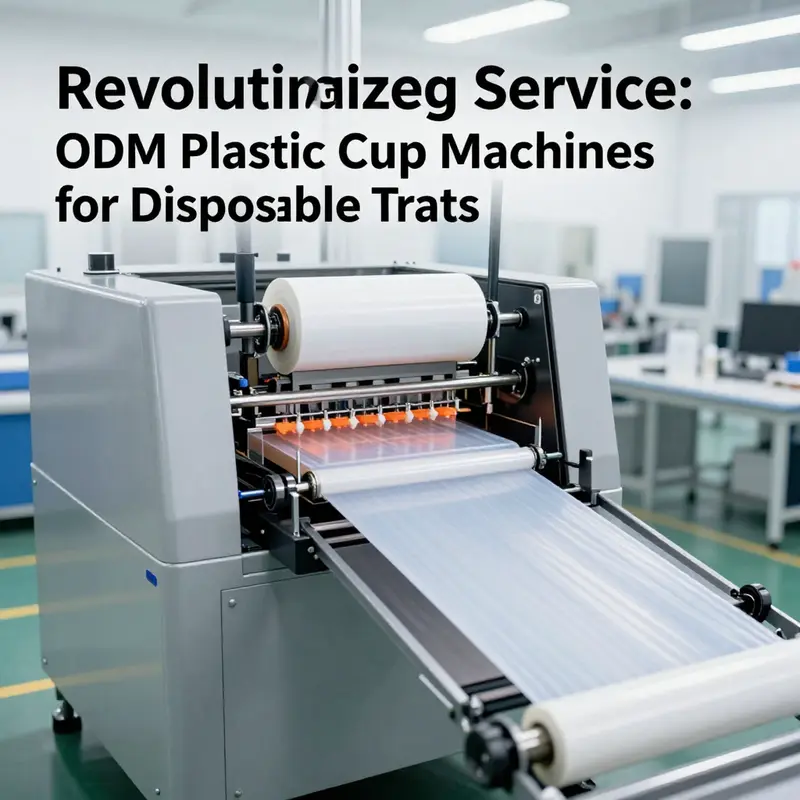
The production of disposable cups and trays through ODM thermoforming is less about a single machine than about a carefully choreographed system where design intent, material science, and automated control converge. In a market increasingly oriented toward efficiency, flexibility, and sustainability, the ODM approach to plastic cup machines for forming disposable trays represents a deliberate shift from bespoke, one-off equipment to modular lines that can be scaled, retooled, and upgraded with minimum downtime. The core of this shift is the recognition that the true value in modern packaging lies not just in throughput, but in the speed, predictability, and adaptability with which a line can respond to shifting design requirements, evolving materials, and the demand for higher standards of hygiene and environmental responsibility. The resulting narrative is one of integration: of advanced control systems, intelligent tooling, energy-aware architectures, and supplier ecosystems that together enable manufacturers to meet ever-changing consumer expectations without sacrificing quality or profitability.
A central pillar of ODM machinery for disposable cups and trays is the programmable logic controller (PLC) and its human–machine interface (HMI). In practice, these control systems translate the complex choreography of thermoforming into a set of reliable, repeatable steps. Operators interact with an accessible interface that presents forming depth, mold alignment, cycle speed, and auxiliary actions—such as trimming, hole punching, or cross punching—in a way that minimizes guesswork. The PLC coordinates the entire sequence: sheet roll feeding, heating, forming, trimming, and finished product transmission. The result is an environment where a single operator can switch quickly from one tray size to another, adjusting the journey range and aligning mold sets with the same precision every time. When the journey range is adjustable, say within a typical 30–160 mm window, a line gains the flexibility to produce a range of shapes and sizes without a lengthy downtime for mold changeovers. This agility is not merely convenience; it translates into a competitive advantage for small to mid-size production facilities that must respond to a broad spectrum of client requirements while maintaining lean labor costs and minimal material waste.
Materials play a decisive role in the performance envelope of ODM tray machines. The landscape includes HIPS, PVC, PET, PS, and increasingly PLA-based materials as manufacturers seek compostable or biodegradable options. The machinery must accommodate these materials with consistent heating profiles and forming parameters. High-efficiency heating systems—often dual units with substantial wattage like six to eight kilowatts per unit—deliver rapid, uniform heat to the plastic sheet. This uniformity reduces cycle time and improves part quality by minimizing thinning or wrinkling at the forming edges. In an integrated ODM line, the heater configuration is not a standalone feature; it is tuned in concert with the mold geometry, the clamping system, and the in-mold cutting apparatus. When forming conditions are optimized, the resulting products exhibit clean, precise edges and consistent wall thickness, which are essential for containers that must withstand hot contents, greases, or rapid temperature changes during transport.
In-mold cutting, particularly with laser knives, has emerged as a transformative technology for end-use quality. By performing edge trimming and feature creation inside the mold, laser-based in-mold cutting minimizes post-forming handling, reduces the risk of edge burrs, and yields a seam-free finish on lids and containers. The precision of laser cutting also enables tighter tolerances for features like vent holes, locking tabs, and ridges that contribute to seal integrity and stackability. This capability is especially valuable when ODM lines are configured to output a variety of lid and tray geometries for different service formats, from clamshells to simple two-piece containers. The net effect is a cleaner product with fewer defects, less material waste, and improved downstream performance in filling lines, labeling, and consumer handling.
Energy efficiency remains a defining constraint in modern thermoforming. An ODM line must deliver high output without prohibitive power draw. Contemporary systems frequently achieve impressive production rates—up to hundreds of thousands of pieces per day—while maintaining modest energy footprints. This balance is achieved through a combination of optimized cycle timing, intelligent power management, and streamlined material handling. For example, a typical line might operate within a target range of less than ten kilowatts per hour, even as it runs multiple forming stations, conveyors, and automated trimming units. The economics extend beyond electricity alone: reduced idle times, minimized scrap, and lower cooling demands all contribute to a lower total cost of ownership. In practice, that efficiency translates into a broader feasibility for line expansion, higher per-shift output, and the capacity to offer more competitive quotes to customers who require rapid prototyping, limited-run production, or seasonal campaigns.
Automation in ODM lines is more than mechanization; it is a carefully engineered workflow that reduces contamination risk and labor costs while increasing throughput. Automated sheet roll feeding eliminates the bottleneck of manual material handling, while automated trimming and finished product transmission ensure that the downstream packaging, stacking, and palletizing steps can proceed without interruption. These capabilities are especially important in food-contact applications where cleanliness standards matter. A well-designed ODM line reduces human touchpoints, thereby lowering the probability of particulates, oil residues, or finger smudges finding their way into finished trays or lids. The synthesis of automation with hygienic engineering practices yields products that meet stringent safety expectations of global markets, supported by certifications such as CE and ISO. The operational routine becomes a symphony where sensors, drives, and actuators coordinate seamlessly, providing immediate feedback if a tool run deviates from nominal parameters and enabling rapid corrections before defective parts move forward in the line.
The modular tooling design embedded in many ODM thermoforming systems forms the practical backbone of customization. If a client requires a new tray shape or size, the route to production involves selecting a compatible mold set and replacing it with minimal downtime. The modular approach extends beyond the molds themselves; it includes interchangeable heating elements, drive belts, transfer arms, and cutting units. The design philosophy here emphasizes quick-change capability, productive even for small shops that must frequently pivot to accommodate new customers or regulatory requirements. This flexibility is critical as packaging ecosystems evolve to accommodate environmentally friendly materials or new service formats such as compact clamshells for single-serve meals or micro-trays for portion-controlled assortments. In such ecosystems, the ODM machine becomes a platform rather than a single-purpose device, capable of supporting a spectrum of tray and lid geometries with minimal reconfiguration.
From a materials science perspective, the ODM approach supports a lifecycle of experimentation and refinement. PLA-based materials, for instance, present unique processing characteristics: different melting points, viscosity, and shrinkage compared with conventional petroleum-based polymers. An ODM line’s heating strategy and mold temperatures must be tuned to leverage these properties without compromising cycle efficiency. The process window must account for material variability, batch-to-batch differences, and even environmental conditions within the manufacturing facility. When operators gain experience with several resin families, the equipment becomes better at anticipating and compensating for minor deviations in sheet thickness or resin color, which can influence forming behavior and optical quality. The result is a robust process window in which trial lots quickly converge toward repeatable results, enabling predictable yields and consistent part-to-part performance.
The design of an ODM line also reflects a commitment to quality and safety through certifications and warranties. A production system built for international markets aligns with CE and ISO standards, ensuring that electrical safety, material compatibility, and process controls meet recognized benchmarks. A one-year warranty, often included with ODM equipment, signals a trust in both the hardware and the service framework. Yet the warranty is only part of the story; robust after-sales support, readily available spare parts, and a track record of timely maintenance visits are equally important. In practice, this means a vendor ecosystem that offers both advanced service options and flexible financing, enabling customers to scale their operations with confidence. The practical impact of such a framework is felt in the reliability of the line, the steadiness of uptime, and the confidence of customers who rely on timely deliveries to support their own production schedules.
The business logic of ODM thermoforming extends into supply chain considerations. The capacity to customize, retool, and upgrade means manufacturers can respond rapidly to client demand across regions with differing packaging mandates or consumer preferences. It is no accident that ODM lines are often promoted as turnkey solutions, complete with hydraulic systems, multiple molds, and comprehensive after-sales support. What this really represents is a modular strategy that aligns equipment capabilities with market opportunities. In a climate where sustainability is no longer optional, the ability to switch materials—from conventional plastics to biodegradable options—without incurring heavy downtime becomes a decisive advantage. The interplay between engineering choices and market demands is therefore not merely technical; it is strategic, enabling small and mid-sized producers to participate more fully in global supply chains that reward speed, adaptability, and responsible packaging design.
The consumer-facing implications of these engineering decisions are subtle but meaningful. A well-tuned ODM line can produce lids and trays with consistent edge quality, enabling reliable sealing and fewer product losses due to leakage or misfit closures. It can also support a broader palette of designs—colorfast finishes, clear viewing windows, or embossed branding—without sacrificing throughput. The integration of laser-cutting technology within the forming process supports a higher standard of finish, which translates to a cleaner aesthetic and improved stacking stability during distribution. For end users, this translates into packaging that feels robust, looks polished, and performs predictably under real-world handling, from the point of sale to the consumer’s kitchen. In a market where first impressions matter, the quality of the packaging can influence perceived product freshness, safety, and convenience.
A practical example of how ODM lines accomplish these outcomes can be understood through the lens of the final products and their service formats. Take, for instance, the tray and lid combinations used for fast-food or fresh-prepared meals, where the container must contend with hot contents, grease resistance, and microwave viability. The production line must deliver not only dimensional accuracy but also material compatibility with heat transfer and sealing technologies. The mold geometry, in-mold cutting pattern, and forming depth collaborate to create trays that hold their shape under thermal stress while presenting clean, leak-tight surfaces. The automation ensures that every cycle produces a part within tight tolerances, while the modular tooling supports rapid adaptation to alternate sizes or different lid configurations for other brands or product lines. The overarching result is a manufacturing system that can pivot across business opportunities with speed, while maintaining the reliability that customers depend on in high-volume environments.
In exploring ODM thermoforming through this lens, one cannot overlook the environmental considerations shaping contemporary line design. The movement toward PLA and other biodegradable options has created new requirements for process stability and variance control. ODM machines must accommodate potential differences in material flow, crystallinity, and heat absorption without compromising cycle times. In practice, this means enhanced monitoring of temperature zones, more precise clamping force control, and tighter tolerances on the transfer mechanism so that delicate biodegradable sheets do not suffer edge damage during forming. The ability to explore sustainable packaging without crippling efficiency is a testament to the maturity of modern ODM lines. As consumer demand shifts toward eco-friendly options, the capability to switch or blend materials within a line—while preserving throughput and quality—becomes a strategic capability rather than a mere feature.
For practitioners and students of packaging technology, the ODM model also offers a compelling study in how value creation occurs in manufacturing beyond the mere accumulation of parts. It is about the orchestration of design intent and process control to yield products that satisfy functional requirements while aligning with environmental and economic objectives. The journey from sheet to sheet, from mold to finished tray, is a dance of timing, force, heat, and precision. Each stage of the process contributes to the ultimate performance of the tray or lid in consumer hands. The operator’s role shifts from performing repetitive tasks to overseeing a dynamic, data-driven system that detects deviations, adapts in real time, and records insights for continuous improvement. In this sense, the ODM thermoforming line becomes a living platform—an instrument that can be tuned to the demands of a market that prizes convenience and responsibility in equal measure.
From a business development perspective, ODM capabilities lower the barriers to entry for manufacturers seeking to participate in the disposable foodware market. The modular nature of these lines means that a startup can commence with a lean configuration and gradually extend the footprint as demand grows, rather than committing to a high-capital, single-purpose asset. The ability to source molds and tooling in a scalable, interchangeable fashion opens opportunities for customization at a lower risk. It also fosters collaboration with suppliers who can provide a broader ecosystem of compatible materials, coatings, and ancillary equipment. As a result, ODM lines contribute to a more resilient, responsive manufacturing environment, where firms can pilot new packaging concepts, test consumer responses, and iterate based on real-world feedback without being overwhelmed by capital constraints or long lead times for tooling and reconfiguration.
The consumer packaging landscape is not static, and neither are the engineering briefs that drive ODM lines. The trend toward personalized, seasonally themed packaging, coupled with the push for sustainable materials, means product developers must be prepared to adapt molds, heating strategies, and cutting architectures quickly. The best ODM lines anticipate these shifts by providing a design framework that makes compliance with evolving standards feasible rather than a disruptive hurdle. In practice, this means robust documentation, clear process parameters, and a traceable data stream that enables manufacturers to reproduce successful runs, diagnose anomalies, and demonstrate compliance to customers and auditors with confidence.
For readers seeking practical pathways to implementation, the following synthesis may help connect theory and practice. Start with a clear product brief that defines the target tray or lid geometry, material family, service conditions (hot-fill, cold, microwave compatibility), and maximum tolerance bands. Map these requirements to a modular tooling plan that emphasizes quick-change mold sets, flexible heater arrangements, and an in-mold cutting strategy that aligns with the chosen material and finish. Establish a control architecture that enables easy parameter tuning via the HMI, with fail-safes and alarms that trigger at defined thresholds. Build a testing regimen that captures cycle times, scrap rates, and edge quality across multiple material runs and environmental conditions. Use these data to calibrate a process window that remains robust across shifts and factory floors. Finally, ensure the supplier ecosystem provides ongoing support, spare parts, and the capability to upgrade the line as new materials and designs emerge. The result is not merely a machine but a platform that empowers a business to deliver consistent, high-quality disposable cups and trays with speed and responsibility.
In closing, the ODM thermoforming paradigm for disposable cups and trays embodies a holistic approach to modern packaging manufacturing. It is an approach that recognizes the inseparability of design, process control, materials science, and market dynamics. Through integrated PLC-based control, adjustable tooling, high-efficiency heating, in-mold cutting, and energy-aware operation, these lines deliver the reliability, flexibility, and sustainability that contemporary packaging demands. The chaptered complexity of a modern ODM line should not overwhelm but rather inspire confidence: a confident workflow that can adapt to evolving consumer needs, regulatory landscapes, and environmental imperatives without sacrificing the performance and cost-effectiveness that keep products moving from factory to consumer in a seamless, reliable loop. The spectrum of opportunities is broad, and the path to success lies in treating the line as a coordinated system, where each subsystem—control, heating, cutting, molding, and materials—speaks the same technical language and serves the same strategic goals. When this alignment occurs, ODM plastic cup machines for disposable trays become not just equipment, but enablers of consistent quality, responsible packaging choices, and sustained competitiveness in a crowded marketplace.
Internal link example for applied reference: For examples of the end-use products that result from such lines, consider the disposable clear plastic cup for parties and events available online as a representative case of consumer-facing packaging design and functionality. Disposable clear plastic cup for parties and events.
External reference for deeper technical context and supplier perspectives: https://www.polyprintmachine.com/
Economic Impact of ODM Plastic Cup Machines on the Disposable Tray Industry
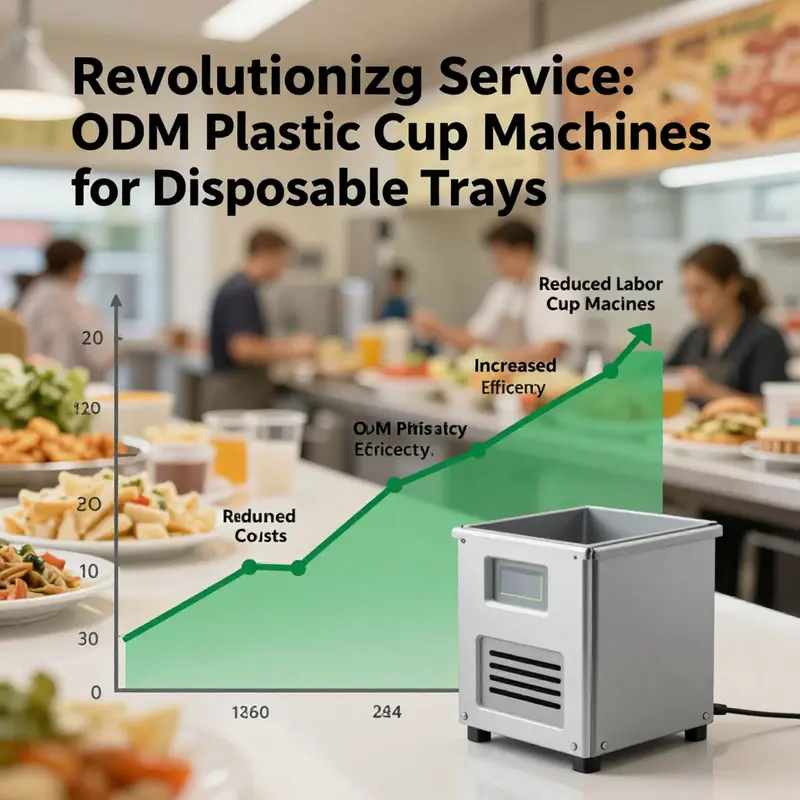
In the evolving world of disposable foodware, the economics of production sits at the nexus of design, material science, and automation. ODM plastic cup machines, when applied to the creation of disposable trays and related lids, do more than streamline manufacturing; they recalibrate cost structures, supply chains, and competitive dynamics. The chapter that follows explores how these machines influence profitability, market access, and resilience for a wide spectrum of players—from lean startups to mid-sized manufacturers—without demanding a prescriptive blueprint. It is a narrative about capability and consequence, where the right thermoforming setup can convert a small workshop into a scalable operation capable of sustained growth in a crowded market.
The economic logic begins with efficiency. Modern thermoforming lines, designed to handle a range of commonly used packaging plastics—PP, PS, PET, PVC, and even PLA—are engineered to minimize latency between a new job and the first good part. They accomplish this through a combination of automation and process control that reduces manual intervention. A typical production cycle on a well-configured line involves continuous sheet roll feeding, a precise heating phase, forming or molding, any necessary hole punching or trimming, and a streamlined finished-product transfer. The automation reduces labor costs, limits human-induced variability, and lowers contamination risk, which translates into lower waste and fewer rejects. The net effect is a more predictable cost per unit, which directly improves cash flow and margins, especially when production runs are long and demand is steady.
Across the industry, a central economic advantage is the ability to scale output without a linear rise in overhead. When a tray or cup design can be produced on an ODM-enabled line with the same base equipment, the incremental cost of adding a new size or shape is modest compared with commissioning a dedicated tooling run or purchasing a separate line. ODM offers a design-to-manufacture pathway that avoids large upfront investments in tooling and molds for every variation. Instead, manufacturers can leverage flexible tooling and modular molds that are swapped with relative ease, enabling a swift response to market shifts. In practical terms, this means a business can roll out a new consumer trend—say, a larger beverage cup for iced drinks or a compact clamshell for a fruit salad—without waiting months for new tooling, and without incurring the prohibitive expense usually associated with changeovers. Such agility is a direct contributor to improved return on investment (ROI) and a reduction in time-to-market for new packaging concepts.
The presence of advanced ODM capabilities also expands economic accessibility. The economics of scale are not confined to marque producers; many suppliers now offer ODM services that tailor trays and lids to specific consumer or retailer requirements. By decoupling design from manufacturing constraints, ODM-enabled lines empower smaller firms to compete with larger incumbents. The result is a democratization of capacity: more firms can enter the aseptic or ready-to-eat segment, test a new concept with a controlled pilot, and ramp up production if the concept proves viable. This democratization is particularly meaningful in regions where import dependency for packaging materials or finished products creates cost volatility. Localized, ODM-driven production can stabilize price points, improve lead times, and reduce exposure to international logistics disruptions.
Consistency and quality are more than operational metrics; they are competitive levers with clear economic consequences. When a thermoforming machine is integrated with PLC-based control and robust servo or hydraulic systems, the repeatability of the forming process improves markedly. Consistency reduces batch variance, lowers scrap rates, and simplifies downstream quality assurance. These improvements translate into lower warranty and returns costs for manufacturers who serve retailers with stringent packaging standards. A reliable process also supports longer production runs with less downtime, which improves asset utilization—the ratio of productive time to total time a machine is available for work. In an ODM framework, the ability to standardize core process steps while permitting design flexibility means that you can maintain a stable baseline of cost efficiency even as you introduce small but meaningful design improvements to the trays and lids you produce. This is the kind of operational discipline that sustains margins in competitive markets and cushions the business against price-driven market shocks.
Material choice—an essential economic variable—also plays a decisive role in the profitability equation. The family of plastics commonly used for disposable cups, trays, and lids includes PP, PS, PET, PVC, and increasingly PLA in efforts to align with sustainability demands. Each material carries its own cost profile, processing characteristics, and end-of-life considerations. PLA, for example, offers a biodegradation narrative that can unlock premium pricing in markets that prize compostable packaging, but it may require specific processing conditions and post-use handling. ODM-capable lines can be tuned to handle this spectrum of materials, enabling manufacturers to optimize for cost per unit while also enabling a shift toward greener packaging when the market signals a premium for sustainability. The breadth of material compatibility also reduces supplier risk, since producers are not locked into a single supply chain. This resilience is a business asset in turbulent times, when raw material prices swing and supply reliability becomes a strategic concern.
Market accessibility is a crucial, often overlooked, economic driver. The availability of used plastic cup thermoforming machines—through global marketplaces and industrial broker networks—lowers the barrier to entry for startups and SMEs. This access matters not just for cost of entry, but for risk management. A new line represents a larger upfront commitment and exposure to depreciation risk; a used line offers a tested platform that buyers can retool and upgrade incrementally. For businesses experimenting with new formats or limited-run promotions, a used machine can be a practical stepping-stone that preserves capital while delivering reliable performance. As with any investment, due diligence remains essential, but the broader market for second-hand equipment broadens the spectrum of potential entrants into the disposable tray production space. It is economic evidence of a healthy market that supports experimentation and entrepreneurship, rather than a lock-in to a few dominant suppliers.
The competitive landscape is another decisive economic force. When more players compete effectively on price, performance, and customization, prices trend toward equilibrium while innovation accelerates. ODM-enabled lines catalyze this dynamic by lowering the cost of iteration. Small and mid-sized producers can test small production runs of novel tray shapes or new lid geometries without incurring prohibitive tooling costs. This not only expands the catalog of products available to retailers and food-service operators but also inspires suppliers to refine processes and materials in ways that generate incremental value for end customers. In practical terms, this competition manifests as shorter lead times, better after-sales support, enhanced process transparency, and improved energy efficiency across lines that are optimized for a broad material set. The economic consequence is a healthier market where the total value delivered to customers—through better packaging, better service, and better pricing—outpaces the sum of individual parts.
Beyond pure cost and competition, ODM plastic cup machines influence workforce dynamics in meaningful ways. As automation level rises, the labor composition of the plant shifts toward supervisory, maintenance, and process optimization roles. This does not equate to displacing workers; rather, it reframes the labor demand toward higher-skill tasks that command higher wages and provide opportunities for training and advancement. The resulting wage dynamics, coupled with the reduced labor intensity of production, improve overall labor productivity. For SMEs especially, this means more consistent hiring and retention in a sector historically prone to high turnover. The downstream effect is a steadier production pipeline, stronger product quality, and improved planning accuracy—factors that compound the financial returns of investing in ODM-enabled equipment.
One must also acknowledge the environmental and regulatory context in which these machines operate. In many markets, packaging manufacturers are navigating a mosaic of certifications, including CE-compliance and other regional standards. ODM-capable lines that come with validated safety and control systems simplify compliance for producers who aim to scale without compromising governance. While cost considerations remain central, there is a growing expectation that packaging solutions align with environmental goals and consumer expectations for responsible manufacturing. The ability to process biodegradable materials, and to switch between conventional and eco-friendly formats with relative ease, adds a meaningful dimension to the economics: it creates a route to premium positioning, potential subsidies or incentives for sustainable packaging, and resilience against policy shifts that might later penalize non-sustainable materials. The interplay between machine capability, material selection, and regulatory alignment is a nuanced but powerful driver of long-run profitability and market relevance.
Customization, a recurring theme in ODM discussions, represents both opportunity and risk from an economic perspective. The capacity to tailor product shapes and sizes without large upfront tooling investments means a business can capture niche markets with relatively modest capital risk. Niche formats—such as specialized lids for premium beverages, or trays designed for stacked presentation in grocery or cafe environments—can be developed and tested quickly. When the ODM pathway is paired with a robust supply chain and dependable after-sales service, the business model shifts away from mass production for its own sake toward value-driven, customer-specific packaging solutions. The value proposition extends beyond the tray: the same machinery can support a family of products, including cup lids and integrated food containers, which broadens the potential revenue streams and amortizes the capital expenditure across multiple SKUs. The result is a more resilient business model that can adapt to consumer preferences without accelerating capital intensity.
The integration of these machines into a production line also has implications for revenue stability and customer partnerships. For many manufacturers, a reliable, scalable packaging solution is a strategic enabler for retailers and foodservice operators who seek consistent quality, predictable sourcing, and compliant packaging. ODM-enabled equipment supports this by delivering repeatable performance and the flexibility to customize at the design level while maintaining a high degree of process stability. The end result is a reliable supply chain partner that can deliver both standard trays and customized formats with the same core infrastructure. In markets where contract manufacturing for packaging is a growth engine, these capabilities translate into longer-term agreements, predictable volumes, and price discipline that benefits the entire value chain—from raw material suppliers to equipment manufacturers to end customers.
To illustrate the practical consequences of these dynamics, consider the lifecycle of a small-to-medium enterprise entering the disposable packaging arena. Initially, the company may opt for a used thermoforming line to test demand, especially for formats associated with beverages and ready-to-eat meals. The equipment provides a working baseline, while the business hones its product offering and supplier relationships. As demand stabilizes, the company can transition to an ODM-enabled line that supports broader customization, faster changeovers, and improved process control. The investment is phased: first capital, then capability, then market expansion. In this trajectory, the ODM approach does more than enable growth; it enables deliberate, data-informed expansion with manageable financial risk. The economics of this path are favorable precisely because the machinery is designed to accommodate both scale and specificity, a combination that is particularly effective in the disposable tray ecosystem where consumer tastes can shift quickly and retailers demand reliable packaging performance.
A topic that often enters the discussion at this point concerns the role of after-sales support and warranties. In practical terms, a one-year warranty or longer is a meaningful economic assurance for a business that is navigating a high-stakes production environment. When machines come with strong after-sales service, responsive parts supply, and operator training, the cost of unscheduled downtime declines and the overall asset life increases. The value of such support compounds over time, contributing to a lower total cost of ownership (TCO). From an ODM perspective, standardized service offerings and modular upgrades provide a path to continuous improvement without the disruption of capital-intensive overhauls. The synergy between a robust service network and the flexibility of the line underpins sustained profitability, particularly for SMEs that may lack deep in-house engineering resources.
The broader industry narrative also includes considerations about market access through digital platforms. The accessibility of platforms that connect buyers with used equipment, plus the growing ecosystem of ODM providers, creates a powerful information environment. Prospective buyers can compare configurations, estimate payback periods, and model changeover time for different tray formats. This transparency supports more informed investment decisions and accelerates the adoption of ODM-enabled lines across diverse geographies. It is in this context that the economic benefits described above become tangible for a wider range of firms, including those operating in regions where procurement constraints once limited the ability to modernize packaging operations.
To bring this discussion full circle, it is useful to consider a concrete example of how customization and flexibility translate into market opportunities. A small bakery or cafe network might require a line that can quickly produce a family of tray formats for different menu lines—dessert portions, salads, hot meals, and beverages. With an ODM-enabled machine, the company can adjust the tooling and mold configurations in response to seasonal promotions, retailer campaigns, or changing consumer preferences without incurring the cost of new tooling for each variation. The savings accrue not only from lower upfront tooling costs but also from shorter lead times and reduced risk of inventory obsolescence. Such a capability reshapes the company’s competitive posture, enabling it to offer value-driven packaging solutions on par with larger producers while maintaining lean operations. It is in these micro- and mid-scale deployments that the economic impact of ODM plastic cup machines becomes especially pronounced, reinforcing the thesis that automation, designed with flexibility in mind, is a catalyst for growth across the disposable tray sector.
The discussion would not be complete without acknowledging the potential downsides and trade-offs. Capital intensity remains a reality, even with ODM-enabled lines. While the price per unit can drop as volumes increase and waste declines, the initial outlay for a capable line is non-trivial. Companies must also invest in operator training, preventive maintenance, and spare parts inventory to ensure uptime. The availability of integrated after-sales support can influence the total cost of ownership and the speed with which a business can realize ROI. Finally, while customization unlocks new revenue streams, it can also complicate forecasting and production planning. Managing a portfolio of tray formats requires precise capacity planning and a reliable data backbone to avoid bottlenecks. These are not fatal obstacles, but they are real considerations that shape the economic trajectory of ODM adoption. In the hands of capable leadership and disciplined execution, they become manageable elements of a broader growth strategy.
Within this context, the economic impact of ODM plastic cup machines on the disposable tray industry emerges as a multi-faceted story. It is not merely about cutting costs or boosting output; it is about enabling smarter product design, faster market testing, and more equitable access to sophisticated manufacturing technology. The result is a packaging ecosystem that can respond to consumer demand with greater speed, resilience, and adaptability. The chapter has traced the threads of efficiency, customization, accessibility, competition, and sustainability to reveal how these machines influence the financial health and strategic options of a wide range of producers. In doing so, it points toward a future in which ODM-enabled lines are not a marginal advantage but a core capability for any business seeking to thrive in the dynamic world of disposable packaging.
For readers seeking practical avenues to explore ODM-enabled production in this space, one example of how customization can translate into tangible market opportunities is found in collaborative supplier content that highlights themed packaging solutions. A representative resource demonstrates how businesses can adapt takeaway packaging to event-driven needs, menus, and brand storytelling. This kind of insight underscores the value of ODM in enabling rapid, design-led manufacturing that aligns with evolving consumer experiences. Accessing such resources can help firms chart a path from concept to compliant production while maintaining economic discipline.
As a practical note for practitioners and researchers alike, it is worth acknowledging that the landscape of available equipment and services is dynamic. The development of new materials, control technologies, and eco-friendly formats continues to influence the cost and capability balance of ODM lines. Firms that stay closely connected with material suppliers, tooling partners, and automation integrators are better positioned to seize opportunities as they arise. In this sense, the ODM model is not a fixed template but a living framework that adapts to market signals, regulatory requirements, and consumer preferences. The most successful entrants into the disposable tray arena will be those who manage this adaptability with disciplined capital planning, robust process control, and a clear value proposition that resonates with retailers, food-service operators, and end consumers alike.
Internal link for further exploration: for practitioners considering themed or customized packaging solutions, see this resource on customizable takeaway packaging designs and its implications for supply chains and branding. custom takeaway packaging supplies disposable tableware for theme party.
External reference for broader market dynamics: readers seeking a broader context on the availability and cost considerations of used forming equipment can consult market listings and supplier analyses. See Used Plastic Cup Thermoforming Machine – Alibaba for additional perspective on capital options and operator considerations.
Final thoughts
The integration of ODM plastic cup machines within the disposable tray manufacturing sector signifies a substantial move towards enhanced efficiency and sustainability for businesses in the beverage and food industry. These machines not only allow for customized solutions that meet specific needs but also respond to the growing demand for eco-friendly alternatives. By investing in these advanced manufacturing technologies, companies can improve their productivity, reduce costs, and cater to their clientele effectively. As trends towards convenience and quality continue to evolve, understanding and leveraging ODM plastic cup machines will be key to staying competitive and meeting the expectations of modern consumers.