
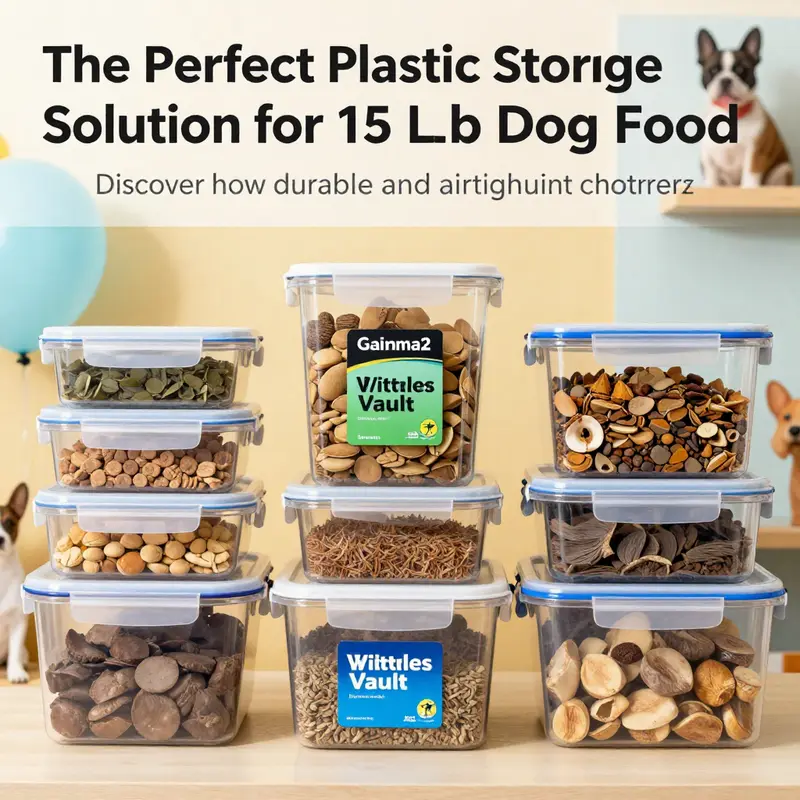
Efficient food storage is essential for beverage chains, restaurants, and catering services. When it comes to storing dog food for your furry clientele, the choice of storage containers can impact both quality and service. The Gamma2 Vittles Vault Outback Pawprint Pet Food Storage Container offers an airtight and stylish solution for storing 15 pounds of dry dog food. In this article, we’ll explore the container’s features, the benefits of using airtight storage, and the economic considerations for ensuring your business operates smoothly and efficiently.
Smart, Safe, Stylish: The Essential Features of a 15 lb Dog Food Plastic Storage Container
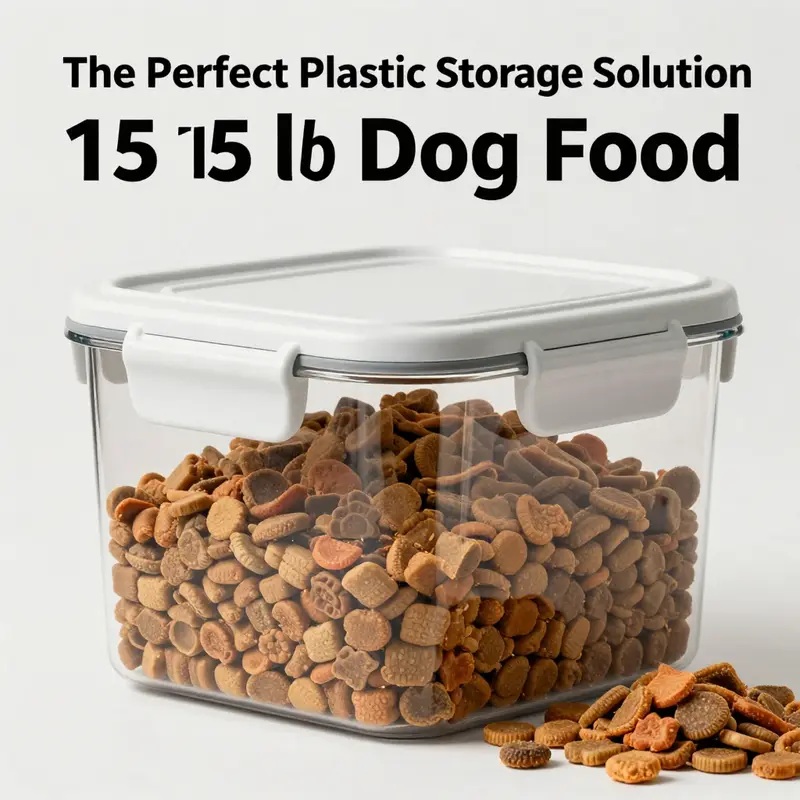
A well-designed plastic storage container for a 15 lb bag of dry dog food must balance several demands at once: it must preserve freshness, protect health, fit into the home, and make daily feeding simple. This chapter walks through those demands as a continuous narrative, describing the features that matter and why they matter. The goal is to give a clear, practical sense of what to look for when choosing a container that will hold roughly 15 pounds of kibble, and how each design element works together to deliver consistent performance.
Start with the single most important functional need: keeping air, moisture, and pests away from the kibble. An airtight seal is the centerpiece of effective dry food storage. Containers use a gasket or rubber-lined lid to form a secure seal that blocks exchange with room air. That matters because exposure to oxygen and humidity accelerates rancidity and flavor loss in fat-containing kibble. It also invites insects and encourages the growth of mold if humidity is high. A gasket-style seal compresses when the lid closes, creating a near-vacuum barrier against outside air. Some lids add a simple mechanical advantage: a push-and-turn or latch mechanism that pulls the lid tight with a single motion. That keeps freshness in without adding complexity to daily feeding routines. The airtight lid also reduces odor transfer, keeping pet food smells contained. For homes with open-plan kitchens or limited pantry space, that containment makes the difference between a usable and a bothersome storage choice.
Closely tied to sealing is material safety. High-quality plastic that is explicitly food-grade and BPA-free is non-negotiable for pet food storage. Food-grade plastics pass tests for contaminants and for leaching under typical use conditions. BPA-free materials remove the concern about bisphenol A migration into food for both human and pet safety. Look for containers that state food-grade certification or list specific resins used. These plastics should be durable but also stable, without additives that can break down with time or exposure to sunlight. A BPA-free, food-grade container keeps both the kibble and the pet safe, and it provides confidence that daily exposure over long periods won’t introduce unwanted chemicals into the diet.
Capacity and shape matter next. A container designed to hold about 15 pounds of kibble needs to balance interior volume with an exterior footprint that fits modern homes. The practical answer is a shape that maximizes internal space while maintaining a narrow profile for easy placement. Rectangular bins with flat backs allow the container to sit flush against walls or inside pantry shelves, reducing wasted space. Cylindrical designs can be compact, but they often require more shelf depth. The right container will fit a 15 lb bag with a bit of headroom so the lid can close properly and the gasket can work effectively. More headroom also means easier scooping. Conversely, a container too tall or too wide can be awkward to reach into or move. Designers usually aim for an external form that supports convenient placement in kitchens, laundry rooms, mudrooms, or under counters where pet food is commonly kept.
Daily convenience is critical. Feeding routines become simpler when the container includes practical features that reduce friction. One common convenience is an integrated measuring scoop. A scoop sized to one cup or another standard measure often nests in the lid or clips inside the bin, removing the need to hunt for a separate scoop. A locking scoop prevents it from falling into the food or getting lost under the kibble. Another convenience feature is a wide opening that makes scooping and refilling straightforward. Some bins include a recessed lid or wide mouth for pouring compared with narrow openings that cause spillage. Easy-open mechanisms that still maintain an airtight seal help older hands or busy mornings, while stackable lids or flat tops allow multiple containers to be stacked securely in small spaces.
Durability under everyday wear is a practical must. Thick, impact-resistant plastic stands up to being bumped, dropped, or jostled when moving a heavy container. Durability also includes resistance to warping when placed near heat sources or in direct sunlight. A sturdy container should not crack from repeated lid removals, nor should it develop permanent dents that interfere with the sealing surface. Reinforced edges, thicker walls, and resilient hinges all contribute to long-term integrity. Durability also influences hygiene: a container that resists scratches will not trap food residues in crevices, making it easier to clean and less likely to harbor bacteria over time.
Ease of cleaning ties directly to hygiene and longevity. Smooth interior walls and rounded corners allow leftover crumbs and oil residues to be wiped away easily. Containers designed to be dishwasher-safe relieve the chore of hand washing. Dishwasher-safe plastics are formulated to resist high-temperature cycles and detergent, meaning the container can be sanitized without risking deformation. Removable lids and detachable gaskets make deep cleaning easier. A lid that opens fully or detaches lets you access every surface without contorting your wrist. These details matter because residual oils in kibble can oxidize over time, building off-flavors and potential rancidity. Regular cleaning prevents that buildup and ensures each refill begins with a clean environment.
Pest resistance is another functional hallmark. Airtight seals keep out pantry moths, ants, and other insects. A robust latch system prevents curious pets and rodents from gaining access. For households with pets that like to investigate or with small children, a locking lid is a useful safety feature. The physical design of the container matters here, too: a recessed grip or flat top that hides latches from eager paws can prevent accidental spills. Pest resistance also benefits from smaller design touches, like a lip or ledge inside the top rim that prevents insects from crawling in around the gasket.
Material choices increasingly include eco-conscious alternatives. Many modern containers are made with recycled or recyclable plastics, or with minimal additives to reduce environmental impact. Eco-friendly materials are chosen without sacrificing the food-safety and durability standards discussed earlier. An eco-conscious container may use less virgin plastic or incorporate post-consumer recycled content while still meeting the rigidity and stability required for long-term storage. This approach reduces the product’s life-cycle footprint and makes it easier to responsibly retire or recycle the bin at the end of its life.
Aesthetics are rarely purely decorative when it comes to storage solutions. An attractive exterior encourages owners to keep the container in a visible spot rather than hidden away, which in turn supports regular use and easier monitoring of food levels. Subtle patterns, neutral colors, or modern motifs allow the container to blend with kitchen cabinetry or living spaces. A design that looks tidy reduces the temptation to transfer kibble to less suitable containers. Visual cues, like transparent panels or measurement markings, provide useful functional feedback: a translucent side strip lets you see food levels at a glance, while molded measurement marks indicate remaining weight or volume without a scale.
Portability and handling are practical concerns often overlooked. When a container holds 15 pounds of kibble, it must be easy to move. Integrated handles or recessed grips should be ergonomically positioned to distribute the load without causing strain. A secure base and a relatively low center of gravity prevent tipping when the container is partially emptied. Lightweight plastics make the unit easy to shift while still being thick enough to resist accidental damage. If stacking is part of the storage plan, the lid should lock in place so stacked bins do not slide off one another.
Versatility in placement helps a bin fit multiple home environments. Flat backs for wall-facing placement, stackable shapes for narrow spaces, and removable lids for under-counter storage all expand where the container can live. A container designed for both freestanding use and shelf storage offers the most flexibility. For those who prefer to transfer kibble into a smaller daily-use dispenser, a bin with a spout or an invert-and-pour design provides quick transfer without a mess. Some designs include accessory compatibility—slots for scoop storage or attachment points for smaller dispensers—so the bin adapts to various feeding styles.
Safety features beyond materials can include rounded lid corners to prevent bumps, secure closure mechanisms to keep children and pets out, and smooth finishes to avoid sharp edges. Labels or writable surfaces let owners mark purchase dates or flavor types, aiding rotation and freshness checks. A tight seal combined with a visible fill indicator makes it simple to implement a first-in, first-out rotation to reduce the risk of stale food being served.
Performance under different environmental conditions is an often-underestimated factor. Kitchens and garages experience temperature and humidity swings. A quality container maintains seal integrity through those fluctuations. Gaskets should remain flexible in cold and not become tacky or brittle in heat. UV-stable plastics resist discoloration and structural weakening in bright rooms or incidental sun exposure. The container should also tolerate typical cleaning chemicals used in kitchens without leaching or dulling.
Cost and value are practical considerations that tie all features together. A higher upfront price can be justified by better materials, longer life, and more thoughtful design. Conversely, very cheap containers often skimp on sealing, material safety, and durability. When evaluating cost, think of the container as part of the pet food system: a good bin reduces food waste from spoilage, decreases pest-related losses, and simplifies feeding. Over time, these savings can outweigh a modest initial investment.
Finally, consider the small details that reflect design maturity. A removable gasket that snaps into place simplifies replacement if wear occurs. A lid that clicks audibly when sealed gives immediate feedback. A scoop that nests neatly or clips to the interior prevents contamination and loss. Measurement markings help with portion control. A transparent strip or a small viewing window reveals supply levels without opening the container. These details may appear insignificant, but together they create a user experience that supports consistent, hygienic feeding habits.
Choosing a storage container for 15 pounds of dog food comes down to matching features to daily life. The airtight seal and food-grade materials protect the kibble. Durable construction and ease of cleaning ensure long-term use. Thoughtful shape and handling details make the container fit your space and routine. And aesthetic choices affect placement and ease of monitoring. Look for a container that integrates these elements rather than excelling in only one area; the best options solve multiple needs at once.
If you want a practical example to examine design choices and features in more detail, consider checking product categories that emphasize compact, eco-conscious food packaging and storage solutions, such as the range of eco-conscious takeout and food packaging options. These collections highlight durable, food-safe plastics and smart, space-efficient design choices that translate well to home pet food storage: https://ecocupbowl.com/product/eco-friendly-takeout-boxes-for-food-packaging-stylish-food-containers-safe-microwave-craft-paper-lunch-boxes-leak-grease-resistant/.
For guidance on safe materials and regulatory context around food-contact plastics, consult authoritative sources that discuss standards for animal food containers and food-grade materials. A reliable resource is the animal food and feed section of the U.S. regulatory body that oversees food safety: https://www.fda.gov/animal-veterinary/animal-food-feeds.
This chapter outlined the underlying logic of the features that make a plastic container well suited for holding 15 pounds of dry dog food. When those features are aligned—airtight sealing, food-safe materials, manageable capacity, ease of cleaning, durable construction, pest resistance, and user-friendly details—the container does more than store food: it preserves quality, protects health, and simplifies daily life.
null
null
Guarding Freshness and Saving Money: Practical Storage Solutions for 15 Pounds of Dog Food
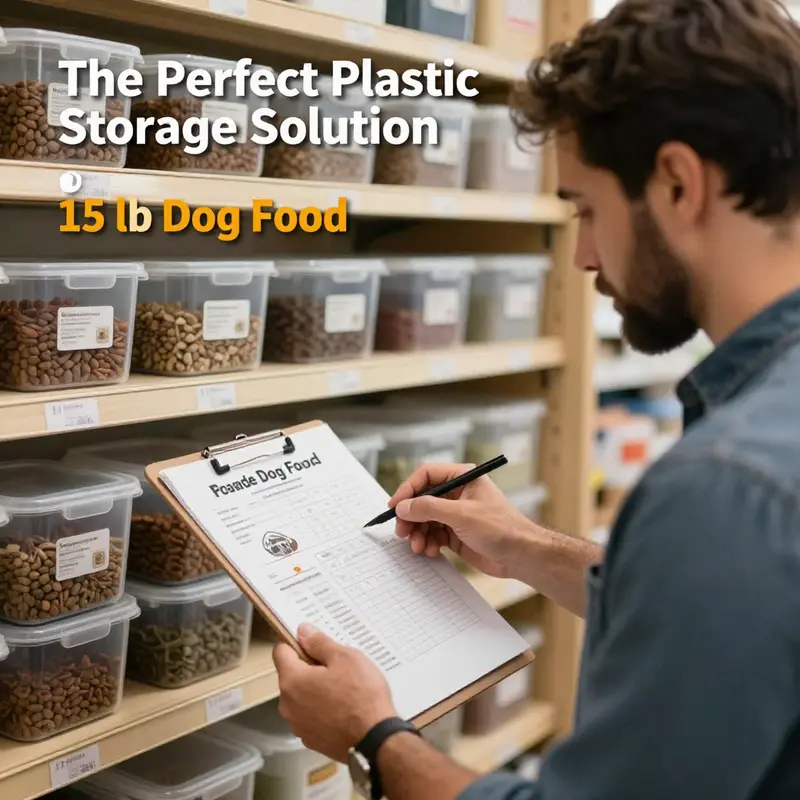
Choosing a storage solution for 15 pounds of dry dog food is not just about tucking a bag away. It is about sustaining nutrition, simplifying daily routines, and making a smart investment that pays off in fewer wasteful trips to the store and fewer spoilage losses. The practical path blends the science of food protection with everyday household economics. A high-quality airtight container made from BPA-free plastic offers a simple, reliable way to extend freshness. It acts as a barrier against moisture that can soften and break down kibble, against odors that can attract pests, and against the gradual oxidation that can dull palatability and nutritional value over time. For many households, the aim is to keep roughly 50 cups of kibble on hand with minimal refills, so the container’s capacity becomes a meaningful determinant of shopping cadence and budget. In tangible terms, an effective 15-pound storage solution should be able to hold over 50 cups of kibble, enabling weeks between fills in a normal household feeding schedule. This capacity minimizes the amount of time spent transferring food from bag to bin and reduces the environmental footprint created by multiple smaller bags and plastic liners. It also supports a more organized pantry, where measuring and portioning can occur with a simple, consistent routine rather than ad hoc shoveling from bag to bowl. The practical dimension of this design is not merely about numbers; it is about fit. A container that sits comfortably on a kitchen shelf or in a pantry corner should not dominate the space or disturb the room’s flow. The commonly referenced footprint for a capable 15-pound bin includes dimensions around 12.3 inches in height, 16 inches in length, and 7 inches in width. Those measurements offer a balance: enough interior volume to hold the kibble securely while remaining slim enough to slide into a typical cabinet or pantry alcove. When a storage unit adopts this kind of form, it becomes less of a chore to access feeding times and more of a seamless part of the daily routine. Its design should also respect the cluttered realities of a busy home. A container with a secure, resealable lid helps ensure that food remains fresh between meals and between washes of the kitchen’s weekly rhythms. A reliable seal is one of the most practical defenses against pests, which are not just a nuisance but a health concern for any household with pets. The seal’s integrity matters because even a minor lapse can invite tiny visitors or allow humid air to creep into the container, bringing moisture that accelerates spoilage and encourages mold growth on kibble’s surface. A robust lid that locks tightly and remains easy to operate is essential. Beyond the lid, thoughtful features can make a meaningful difference in daily life. A built-in measuring cup, tucked neatly into the lid or molded into the container’s side, can streamline portion control. Feeding times then become about consistent routines rather than improvisation, which supports both the owner’s schedule and the dog’s health. The ability to sweep portions from a single measuring device adds a level of discipline that can improve overall pet care without turning feeding into a stepwise annoyance. Materials play a central role in this equation. BPA-free plastic is a common choice because it offers a pragmatic combination of light weight, affordability, and resistance to staining and odor retention. It is durable enough for daily use and generally easy to clean, including dishwasher safety in many models. While plastic is practical for most households, stainless steel presents an alternative that some owners prefer for its heft and perceived long-term durability. Stainless steel bins resist denting and are highly resistant to staining, and some pet owners associate them with a higher-end aesthetic. However, steel can be heavier and sometimes more challenging to maintain in a busy kitchen where space and weight matter. The economic logic behind choosing a single 15-pound storage container is straightforward: it reduces the cost and hassle of purchasing multiple smaller bags or disposable transfer bags. A well-chosen container reduces waste—both in packaging and in food spoilage—by providing a stable, consistent storage environment. When the kibble is kept dry and free from pests, its shelf life remains closer to what the bag’s manufacturer estimates, which means fewer premature replacements and wasted food. In many homes, the cost of spoilage can quietly eclipse the price of the container itself over a few months. The economic perspective extends beyond the initial price tag. A sturdy container often ships with a long warranty, giving owners confidence that the investment will endure through years of use. It also makes daily routines more predictable. When feeding times are anchored by a clear, reusable measuring implement and a reliable lid, there is less temptation to overfill bowls or to introduce spoilage by exposing kibble to air for extended periods. In addition to these practical considerations, there is value in the idea that the right container can reduce packaging waste. A single 15-pound storage bin helps minimize the accumulation of multiple, smaller bags of food and their associated packaging. This aligns with broader environmental goals many households adopt without sacrificing convenience or pet health. The role of accessibility and choice also matters. In today’s market, retailers and online shops offer a spectrum of options that balance durability, price, and design. The goal is to find a container that not only protects the dog’s food but also harmonizes with the home’s aesthetic and the owner’s budget. A well-informed buyer will consider not just the inner chemistry of a container’s seal but also its outer design. A modern, clean appearance that avoids an industrial feel can blend with a kitchen’s contemporary décor, ensuring that the container remains unobtrusive yet practical. A pawprint motif might seem playful, but the underlying value is that form can support function. The container should present a quiet, non-ornamental presence in the home, while its practical attributes quietly serve as the backbone of daily care. When a fixture is both functional and aesthetically pleasing, it is easier to keep it in sight and in use, which is a small but meaningful factor in sustaining good storage habits. The availability of options is an important practical consideration. Retailers like major home and pet stores provide a curated range of 15-pound storage bins that balance capacity, durability, and price. The ability to compare models side by side—looking at sealing mechanisms, interior volume, weight, and ease of cleaning—enables a shopper to pick a solution that matches both how the food is used and the layout of the kitchen. This spectrum of choices is valuable because not all households have the same space or the same feeding routine. For instance, a small apartment kitchen may benefit from a compact, slender design that slides under a countertop, while a larger pantry may accommodate a wider, taller unit with a larger base footprint for easier access. In scenarios where space is at a premium, the height and depth of the container are just as critical as its volume. A taller unit could offer more internal space for kibble, but if it obstructs a doorway or interferes with a shelf’s clearance, it defeats the purpose. The 12.3 by 16 by 7 inch configuration is a common reference point for these considerations. It represents a practical compromise between storage density and accessibility. Owners must also weigh the ease of cleaning. A dinner-plate-sized interior surface, smooth corners, and dishwasher-safe design can significantly reduce the maintenance burden. Spending a little time at the start to choose a container that cleans quickly will pay off with every subsequent wash. A dishwasher-friendly bin reduces the likelihood of grime buildup that can trap odors and harbor bacteria after repeated exposure to kibble. From a maintenance standpoint, the container’s structural integrity matters as well. A rigid, dent-resistant plastic or a stainless steel exterior helps keep the seal intact and the lid aligned over time. Wariness about minor warps or loosening seals is not about aesthetics alone but about consistent freshness. A misaligned lid can allow moisture or pests to bypass the barrier, negating the entire purpose of choosing a high-quality container. In weighing the economic and practical considerations, it is worth examining the broader shopping landscape. A single, well-chosen 15-pound container is more economical than multiple small containers and countless plastic bags that accumulate in a pantry and then in landfills. The purchase is not simply about this month’s groceries; it is about optimizing a long-term habit of responsible storage that respects the dog’s dietary needs and the household’s budget. In this sense, the container becomes part of a well-run pet care routine rather than a one-off purchase. To broaden the perspective beyond the shelves, consider how packaging and storage concepts cross into other areas of daily life. For example, materials designed for durable, easy-to-clean use in one context can inform choices in another. A plastic storage bin built for pet food can share the same principles that guide choosing durable containers for human food or for takeout packaging. The essential idea is that thoughtful design—tight seals, clear volume indicators, and robust construction—translates into fewer wasteful decisions, a smoother daily rhythm, and a more efficient household. This is the practical payoff of bringing together the science of food protection with the realities of modern life. For readers seeking a broader sense of how durable, easy-clean packaging concepts translate into everyday storage, consider this example of eco-friendly takeout boxes for food packaging. It demonstrates how materials designed to resist leaks and grease can inform consumer expectations for any storage solution, including containers used for pet food. eco-friendly takeout boxes for food packaging.
The conversation about storage is not only about keeping kibble dry; it is about creating a reliable, repeatable process. In practice, owners often develop a simple routine around a 15-pound container: pour the open bag into the bin, check the lid’s seal, confirm the built-in measure, and place the container in a consistent spot. Over weeks and months, this routine becomes almost automatic, reducing the cognitive load on busy mornings when every second counts. One of the more subtle but practical benefits of such a setup is the improved portion control it enables. With a dedicated measuring cup, owners can schedule meals with greater confidence, avoiding the temptation to overfeed. This aligns with responsible pet care and can help manage both weight and appetite across different dogs or life stages. It also reduces the risk of waste from overfeeding—food that is scooped and unused can attract pests and lose nutritional value more quickly when exposed to air. The end result is a more predictable feeding schedule, a happier dog, and a household that uses food resources more efficiently. In terms of material choice, the debate between plastic and metal is not merely about weight or aesthetics. It also touches on cleanability and longevity. Plastic containers are lighter and often less intimidating to clean, yet stainless steel can offer superior durability and resist staining. For many homes, the benefits of BPA-free plastic—ease of use, lower cost, and surprisingly robust durability—make it the default choice for a 15-pound storage solution. When the time comes to evaluate alternatives, it is helpful to consider how the container’s use-case looks in real life: a family with a busy schedule, a pet with a sensitive stomach, a pantry with limited space, or a kitchen that doubles as a workspace. Each scenario can tilt the decision toward different design specifics, such as the presence of interior shelves, a nested lid design to reduce clutter, or a more compact footprint that makes the bin easier to reach in cramped spaces. Although the focus here is on 15 pounds of dry dog food, the same principles apply to other pet foods and other dry goods stored in similar containers. When you examine the design in light of kitchen layout, daily routine, and environmental impact, the choice becomes less about chasing the latest feature and more about selecting a robust, reliable tool that supports the household’s goals for health, economy, and ease of use. The practical takeaway is that a single, well-constructed container can meet multiple needs at once: it protects freshness, supports portion control, reduces waste, fits the space, and remains friendly to daily cleaning routines. In short, investing in a 15-pound storage solution is not just about convenience; it is about safeguarding your dog’s nutrition while making the day-to-day management of pet care more efficient and sustainable. For readers who want to explore further options that align with a packaging-conscious approach to storage, this example of eco-friendly takeout boxes for food packaging illustrates the broader applicability of durable, easy-clean materials to everyday storage challenges. eco-friendly takeout boxes for food packaging.
External resource: For those exploring comparable product sets and price points, a broad retailer collection showcases a variety of 15-pound dog food storage bins that emphasize durability, seal integrity, and cost-effectiveness. This external reference helps place the discussion in a real-world shopping context and can guide readers toward practical comparisons and informed purchasing decisions: https://www.wayfair.com/pet-storage/15-lb-dog-food-storage-bins-f419817.html
Final thoughts
Plastic storage containers designed for 15 lb dog food not only keep the food fresh but also offer an array of benefits for businesses like restaurants and catering services. The combination of functionality, safety, and aesthetics makes them a desirable choice for modern operations. By understanding their features, benefits, and economic considerations, businesses can effectively streamline their pet food storage strategies. Adding these containers to your inventory could enhance your service and elevate customer satisfaction, ensuring furry patrons are always well-fed.