
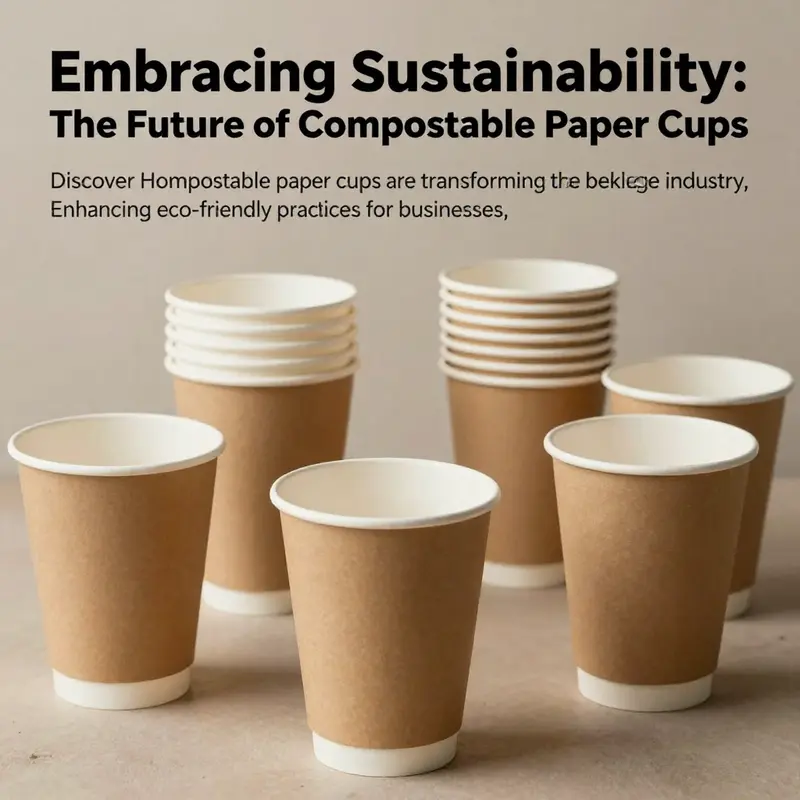
As the global focus shifts towards sustainability, compostable paper cups emerge as a vital solution for businesses looking to reduce their environmental impact. Offering a practical alternative to traditional plastic-lined cups, these innovative products are designed to break down naturally in composting facilities. In the following chapters, we will explore the criteria that make a paper cup truly compostable, highlight the key features that benefit beverage shops and food service providers, and examine the common uses of these cups across various industries. From coffee shops to corporate events, understanding compostable paper cups can enhance your business’s sustainability efforts while meeting customer expectations.
From Fiber to Finish: Unraveling What Makes a Paper Cup Truly Compostable
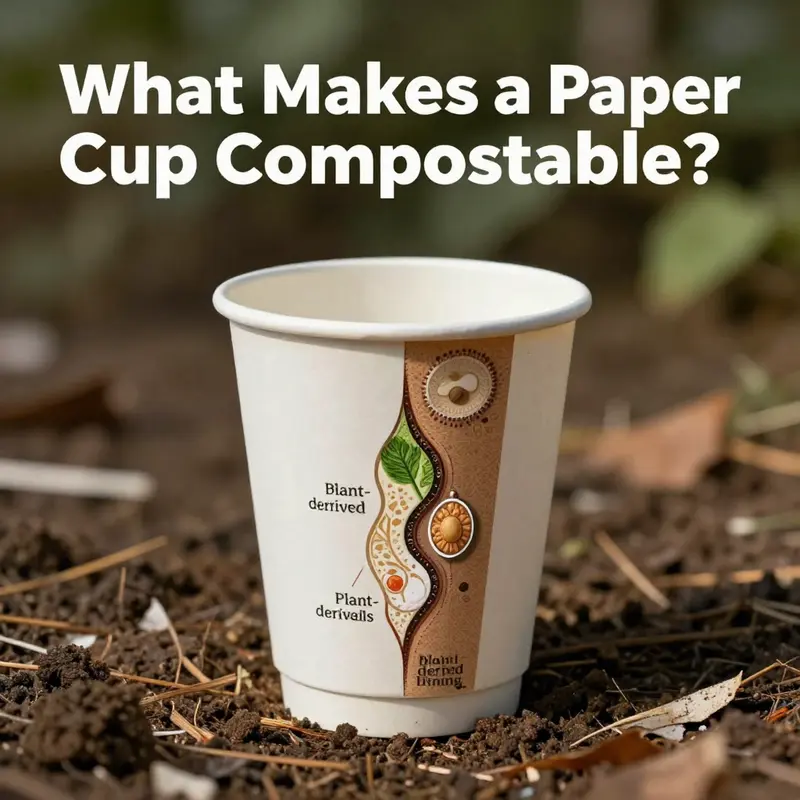
Every time a consumer lifts a cup of coffee or tea, there is more than a warm beverage at stake. A paper cup that seems simple on the outside carries a careful orchestration of materials, standards, and end-of-life processes designed to minimize environmental impact. The leap from conventional single-use cups to compostable ones is not merely a marketing twist; it reflects a rethinking of how packaging can function within a circular economy. What makes a paper cup truly compostable begins with the materials at its core and extends through the coating, the adhesive, and the way the product is disposed of after use. At the heart of this transformation is the shift from petroleum-based plastics to plant-derived, renewable alternatives that can break down under controlled composting conditions without leaving behind harmful residues. The science behind compostable cups rests on a simple promise: a cup should return to the earth as water, carbon dioxide, and organic matter within a defined timeframe, not linger as a stubborn fragment in a landfill or as microplastics in soils and waterways.
That promise begins with the choice of materials. The outer structure of a compostable paper cup is typically formed from recycled paperboard or plant-based fibers. This base provides the familiar stiffness and insulating properties that diners expect. The crucial difference, though, lies in the interior lining. Instead of a traditional plastic coating derived from polyethylene, compostable cups employ a plant-derived lining such as polylactic acid (PLA), which is produced from fermentation of corn starch or other botanical sources. PLA is designed to work in tandem with the paper in hot and cold applications, offering a barrier that helps prevent leaks while keeping petroleum-based plastics out of the equation. The result is a cup whose entire composition is intended to break down in a composting facility rather than persist in the environment.
Yet compostability is not an elemental property of the cup’s components alone. It hinges on meeting internationally recognized standards that define what “compostable” truly means in practice. Standards like ASTM D6400 in the United States and EN 13432 in Europe specify that the product must be biodegradable and fragmentable to the point where, under controlled industrial composting conditions, it will fully disintegrate within a defined period—typically between 90 and 180 days. Those conditions usually involve elevated temperatures, steady moisture, and active microbial activity. The standards also require that the product, once composted, leaves no toxic residues that could harm soil or plant life. Certifications such as OK Compost INDUSTRIAL or related indicators from credible bodies serve as formal attestations that a cup has undergone the appropriate testing and meets the criteria observers rely on to trust the label.
The practical features of a compostable cup extend beyond the lining. A well-designed cup must be able to withstand the thermal demands of hot beverages while maintaining structural integrity during transport and use. The coating, while plant-based, must resist softening or leaking under heat, yet remain compatible with the composting process. The adhesives used to hold the cup together also matter; they must not impede disintegration or introduce problematic residues. In short, the cup is an engineered system where every layer—paperboard, coating, adhesive—works in concert to enable a responsible end-of-life outcome without compromising performance in a cafe, at a catered event, or during takeout service.
Alongside the material science, there is a vital logistical layer: the end-of-life infrastructure. Compostable cups are designed with industrial composting facilities in mind, where the combination of heat, moisture, and microbial activity accelerates the breakdown process. Home composting, by contrast, rarely achieves the conditions required for these materials to degrade efficiently. This distinction is not merely academic; it informs consumer guidance and municipal waste programs. Packaging that announces itself as compostable must clearly indicate whether it is appropriate for home composting or industrial facilities. Misalignment between product claims and local composting capabilities can undermine the environmental benefits the cups are meant to deliver. In practice, many facilities equipped to handle compostable cups rely on a steady stream of properly separated organic waste; littering with non-compostable items or mixing non-compostable plastics with the compost stream can derail the process and contaminate finished compost.
When a cup meets certification standards, what does that imply for the lifecycle of the product and its environmental footprint? It implies a behavioral and systemic alignment: materials chosen to be renewable, manufacturing methods that minimize fossil fuel dependence, and end-of-life systems that convert current waste streams into a resource. The lifecycle assessment of a compostable cup often shows a tangible advantage over traditional plastic-lined cups, particularly when the composting system is efficient and well-managed. The reduction in plastic resin usage, the avoidance of polyethylene coatings, and the opportunity to recover nutrients in compost all contribute to a lower overall environmental burden. However, the footprint is not a one-way tally of emissions saved; it must account for the energy and resources required to produce the plant-based coatings, the supply chain logistics of obtaining renewable inputs, and the efficiency of the composting facility receiving the cups after their brief but busy service life.
This is where the consumer-facing message becomes critical. Compostable cups are not just about product design; they are about clarity in disposal. The labeling needs to communicate two essential points: first, that the cup is compostable under regulated conditions, and second, that it should go to industrial composting facilities where available. When a cup carries a certification mark, it provides a verifiable signal to waste handlers and consumers alike that it has met rigorous standards. In cafes and at events, staff training and signage can guide customers to the right disposal streams, reducing contamination and increasing the likelihood that a cup will reach the right end-of-life channel. The ecological promise of compostable cups depends as much on user behavior as on material science and certification.
The decision to source compostable cups also intersects with supply-chain strategy and brand positioning. Many operators adopt compostable cups not only to reduce waste but to signal a broader commitment to sustainability. The alignment between product design and corporate values can influence customer perception, credibility, and loyalty. At the same time, procurement choices must be pragmatic: availability, price parity with conventional options, and consistent certification across batches. Reputable suppliers often provide documentation that validates the compostability claims and the conditions under which the cups will perform as intended. Those conditions include testing for heat resistance, barrier protection, and compatibility with common beverage temperatures. The goal is to deliver a reliable experience to the customer—no leaks, no soggy sleeves, and, crucially, a credible pathway to composting that closes the loop rather than shifting the problem elsewhere.
In practice, a cup’s compostability is a reflection of a broader engineering principle: reducing reliance on non-renewable materials while preserving the usability that foodservice environments require. The plant-derived lining, commonly PLA, replaces the petroleum-based barrier that once defined many disposable cups. PLA, derived from renewable resources like cornstarch, is designed to biodegrade in industrial facilities without leaving behind plastic fragments. Yet it is essential to recognize that PLA is not universally compatible with all composting streams. Some facilities may mix PLA with other plastics or lack the temperature thresholds needed for complete breakdown. This reality underscores the necessity for accurate certification and for waste-management programs to coordinate with foodservice operators so that compostable cups actually reach the facilities equipped to compost them.
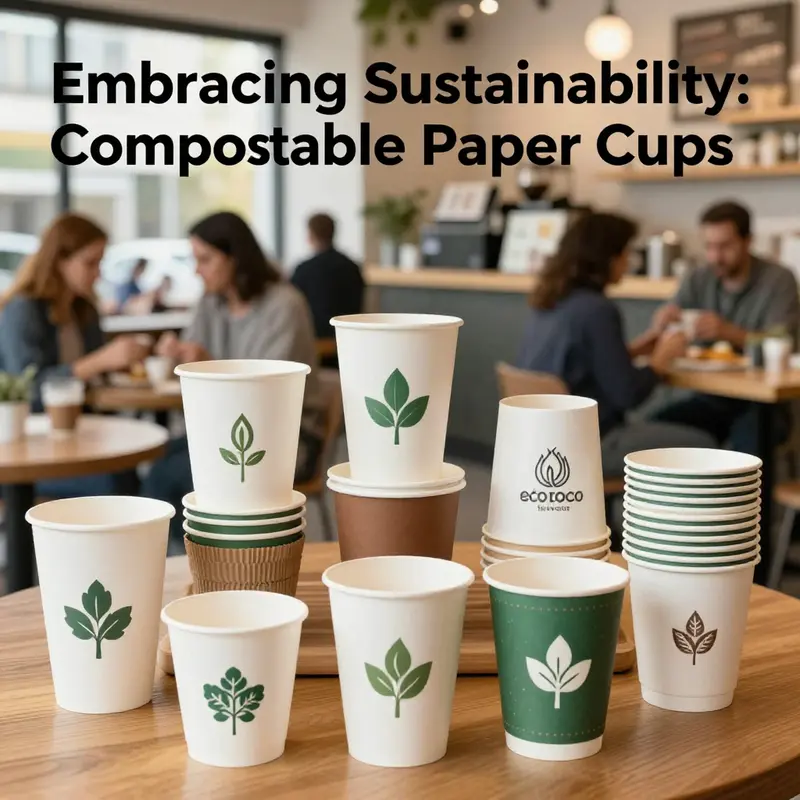
For those who want to connect the technical side with practical choices, consider the range of options available in the market today. Compostable paper cups span a spectrum—from those with simple, single-use convenience to those that combine extra strength for hot beverages with robust barrier properties. The decorative possibilities often emphasize earth-friendly aesthetics, signaling commitment to sustainability while maintaining the consumer experience. Yet beneath these design choices lies the core engineering: a sustainment of performance under use, and a predictable, verifiable end-of-life outcome through composting. Brands and institutions that want to communicate responsibility need to be transparent about the standards they meet, the type of composting facility that can process their cups, and the expected timeline for decomposition. The clarity of these messages helps prevent greenwashing and builds trust with customers who are increasingly attentive to waste governance.
Disposal guidance is not a mere afterthought; it is a practical component of the cup’s lifecycle. Do not assume home composting will handle the product. The conditions required for industrial composting—high heat and controlled moisture—are difficult to replicate in a typical backyard heap. Instead, customers should be directed toward municipal or commercial facilities that accept compostable packaging. In some cases, facilities will specify that the cups be separated from other recyclables, ensuring that the organic stream remains uncontaminated. The interaction between consumer behavior and facility capabilities is a dynamic element of the modern compostable-cup ecosystem. When waste streams are managed effectively, the environmental gains multiply: the cups return to the soil as organic matter rather than persisting as waste, and the energy and resources embedded in the cup’s life cycle are recaptured in a circular process.
From a design and supply perspective, there is an ongoing push to refine materials further. Researchers and manufacturers continue to seek plant-based coatings with improved heat resistance, moisture management, and compostability performance that remains consistent across a wide range of beverage types—hot coffee, cold tea, or specialty drinks with fats or oils. Each refinement aims to minimize any potential disruption to composting streams while preserving cup integrity during use. The broader goal is a robust, scalable solution that can meet the demand of busy cafés and large events without compromising the timelines and quality expected by consumers. In this sense, compostable paper cups are not a static product but part of a living technology ecosystem that evolves with certification standards, waste infrastructure, and consumer expectations.
For those who need a practical entry point into choosing compostable cups without losing sight of the science, consider looking for official certifications rather than simply marketing claims. Certifications function as an independent verification that the cup has been tested under controlled conditions and meets the defined criteria for industrial compostability. The presence of a certification mark gives operators confidence that their disposal guidance aligns with real-world composting facilities. It also sends a clear message to customers that their waste is being managed responsibly. As with any sustainable packaging option, the path to impact is not walked alone. It hinges on a concerted effort among designers, manufacturers, retailers, waste managers, and policy makers who recognize that compostability is a system property as much as a material property.
In weaving together the materials, standards, and end-of-life realities, the chapter on what makes a paper cup compostable reveals a broader truth: sustainability is achieved not by a single breakthrough but by the disciplined alignment of product design, certification, and waste-management practices. This alignment enables real, measurable improvements in how packaging returns to the earth. It also invites a deeper conversation about the role of consumer behavior and municipal infrastructure in realizing the full potential of compostable cups. As supply chains adapt to demand and facilities expand to process more compostable packaging, the cup is slowly becoming a participant in a circular system rather than a barrier to one. For readers who want to explore further details about the science and certification landscape, a comprehensive guide offers additional context and nuance to the standards and processes that govern compostable paper cups. If you follow the trail to practical talks about availability and selection, you may encounter a familiar face in the marketplace—the simple yet significant option of a compostable cup that checks the boxes for materials, performance, and responsibly managed end-of-life.
To connect this broader understanding with concrete choices, one practical reference point is the option to source compostable cups that adhere to recognized standards and provide clear disposal guidance. For example, suppliers often offer disposable paper cups crafted with kraft paper stock and plant-based coatings designed for hot and cold beverages, available in assorted sizes. When choosing, it is prudent to consult product specifications and the accompanying certification documents to confirm industrial-compostability and to verify the intended disposal stream. For practitioners, this means asking suppliers for documentation that demonstrates compliance with ASTM D6400 or EN 13432, and for facilities, ensuring that composting lines can accept this category of packaging. The interplay of design, certification, and infrastructure is what ultimately makes a cup truly compostable in practice, not merely in theory.
The broader takeaway is that compostable paper cups represent a deliberate, science-backed response to the waste challenges posed by single-use packaging. They embody a commitment to renewable inputs, waste valorization, and the integrity of disposal streams. While the journey from fiber to finish involves careful material selection, rigorous testing, and disciplined waste management, the payoff is a packaging option that aligns with a circular vision of consumption. By understanding the standards, acknowledging the need for appropriate facilities, and promoting informed disposal, businesses and individuals can participate in a system where a cup consumed today can become part of tomorrow’s soil, nutrients, and recovery rather than yesterday’s waste. For readers seeking a deeper dive into the science behind compostable cups, a comprehensive external resource provides detailed explanations of the standards, testing methods, and practical considerations, enriching the conversation beyond the surface of sustainability claims: https://www.anhuinature.com/compostable-paper-cups-guide/.
Further reading and practical exploration can be aided by exploring product options that align with compostable principles while offering clear pathways for end-of-life management. A representative option in the market demonstrates how a compostable cup can balance hot-beverage performance with a responsible disposal profile, supporting operators who want to maintain service quality while reducing environmental impact. 20-50-200pcs-disposable-paper-cups-kraft-paper-cups-coffee-milk-cup-paper-cup-for-hot-drinking-party-supplies-8-10-12-16oz-cups
The journey toward truly compostable cups reflects a broader movement in packaging toward materials that can be recovered and reintegrated into natural cycles. It is a movement that requires collaboration across supply chains, a willingness to invest in robust certification, and a commitment to educating consumers about how to dispose of these products properly. When these elements come together, compostable paper cups become more than a green label. They become an integral part of a sustainable breakfast, lunch, or event experience—an everyday object that contributes to a world where waste streams are redesigned as resources rather than as an unavoidable byproduct of consumption.
null
null
Everyday Impact: Compostable Paper Cups in Modern Dining and Events
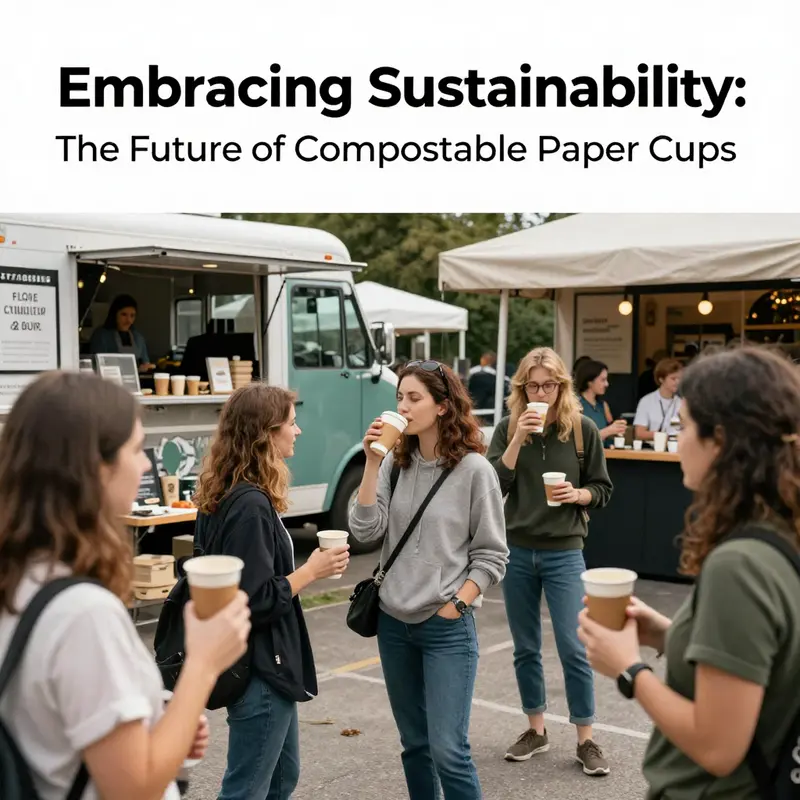
Sustainability has moved from trend to daily choice and compostable paper cups occupy a practical position at that crossroads. They are designed to be convenient for service while offering an end of life that aligns with composting systems. These cups are usually made from renewable or recycled fibers and use plant derived coatings rather than petroleum based plastics. The inner lining, often a PLA type, provides a barrier for heat while allowing the cup to be processed in facilities that can compost it. Certification standards such as ASTM D6400 or EN 13432 specify that the product will biodegrade and disintegrate within a defined timeframe under industrial composting conditions. The practical result is a cup that can return to the earth as water, carbon dioxide, and organic matter when disposed of properly.
In practical terms, institutions retailers and event organizers look for several attributes beyond certification. They want cups that perform under heat and stay leak resistant, whether for a steaming latte a cold smoothie or a citrusy drink. They also value clear end of life messaging and confidence that the waste stream will feed a composting facility rather than ending up in a landfill or in recycling streams that cannot take mixed materials. This is why the discussion of common uses must acknowledge the broader waste infrastructure that makes compostable cups meaningful. Without access to industrial composting many products lose much of their environmental promise.
Food service and cafes represent the widest and most visible use. In coffee shops and fast service settings these cups handle hot drinks and a range of cold beverages. Plant based linings resist leakage while preserving heat stewardship and the absence of a traditional polyethylene lining means the cup is intended for composting rather than recycling as a plastic coated item. Staff can guide customers toward proper disposal with clearly labeled compostable cups and bin stations, reinforcing a brand image that signals commitment to waste reduction.
Events and catering present a slightly different calculus. Large gatherings generate substantial single use waste in a short time frame. Compostable cups help organizers balance service speed with a lower waste footprint. In venues with multiple waste streams clearly marked cups and dedicated collection bins enable effective separation. The range of beverages from hot coffee to chilled drinks is supported by durable design so servers can deliver a positive guest experience without compromising sustainability goals.
Offices and institutions have integrated compostable cups into broader programs. Workplaces schools and healthcare facilities seek daily convenience together with responsible waste management. The cups contribute to a zero waste ethos and support educational efforts that demonstrate a tangible commitment to reducing plastic rich waste streams. When paired with clear labeling and accessible composting options they become part of a simple system that makes sustainable choices easier for everyone involved.
Outdoor and sporting venues pose distinct challenges and opportunities. Parks stadiums and outdoor events may operate with limited recycling infrastructure making compostable cups a practical end of life option. Durability and leak resistance in open air conditions matter, and the ability to handle a range of hot and cold beverages is important. When facilities are designed to support compostable waste streams these cups can contribute to meaningful waste diversion rather than littered waste.
Retail and takeout channels have increasingly adopted compostable cups. Grocery stores convenience stores and meal prep services see shoppers seeking responsible packaging. The cups offer a familiar way to enjoy beverages on the go while staying aligned with sustainability goals. Retailers often pair cups with compostable lids sleeves or other components to reinforce a cohesive package that communicates responsible waste management.
Hospitality sectors including hotels and resorts are also adopting compostable cups in guest rooms at breakfast buffets and on site cafes. The approach emphasizes supply chain ethics from renewable fibers to plant based linings and service design that supports busy work flows. The result is a hospitality experience that feels both convenient and responsible.
What underpins these uses is a shared understanding that compostable cups are designed to work within industrial composting systems. Their environmental promise relies on the existence of high heat facilities capable of processing the cups within a defined timeframe. In that sense the cups are part of a larger system that includes the infrastructure that makes end of life meaningful. This is why operators invest in clear signage staff training and customer education around disposal.
From a materials perspective the plant based coatings are chosen for heat resistance and leakage control while being compatible with composting streams. The performance of the coating can vary with the type of beverage and its fat content or acidity, so operators may guide customers toward appropriate use cases. It is also important to note that many compostable cups are not intended for microwave use because high temperatures can affect the coating.
As with any packaging option the lifecycle costs deserve careful consideration. Compostable cups may carry a premium price yet the value extends beyond per cup cost into brand image and waste management simplicity. In markets with rising demand for responsible packaging the incremental cost can be offset by consumer goodwill and easier waste sorting. Some operators explore partnerships with local composters to ensure a clear path from bin to compost and smooth operational realities.
Certification plays a crucial role in maintaining trust. Marks such as designated compostability standards give customers confidence that the cups will behave as promised when processed in the right facilities. Certifications anchor the sustainability narrative in measurable criteria and reinforce that the cups are designed to meet real world waste processing outcomes.
The broader ecosystem matters too. Cups do not exist in isolation but with lids sleeves stirrers and other takeout packaging that can be compatible with compostable waste streams and help move toward a closed loop model. By designing cups and related components as a family of products businesses can craft a coherent sustainability story and improve overall waste performance.
In closing the everyday uses of compostable cups reflect a practical balance between service quality and environmental responsibility. They are not a wasted attempt but a deliberate choice that aligns with modern expectations around waste reduction and responsible consumption. When connected to a robust waste infrastructure clear labeling and ongoing user education these cups can contribute to meaningful reductions in landfill waste and a more sustainable dining and events landscape.
Final thoughts
Compostable paper cups are more than just a trend; they represent a critical step towards sustainable practices within the beverage industry. By understanding what makes these cups compostable and the features that set them apart, businesses can seamlessly integrate them into their operations. The versatility of compostable cups allows for their use across various settings, from coffee shops to corporate events. Ultimately, shifting to compostable paper cups not only promotes a positive environmental impact but also resonates with an increasingly eco-conscious customer base. Embracing these innovations can elevate your business’s standing and contribute to a greener future.