
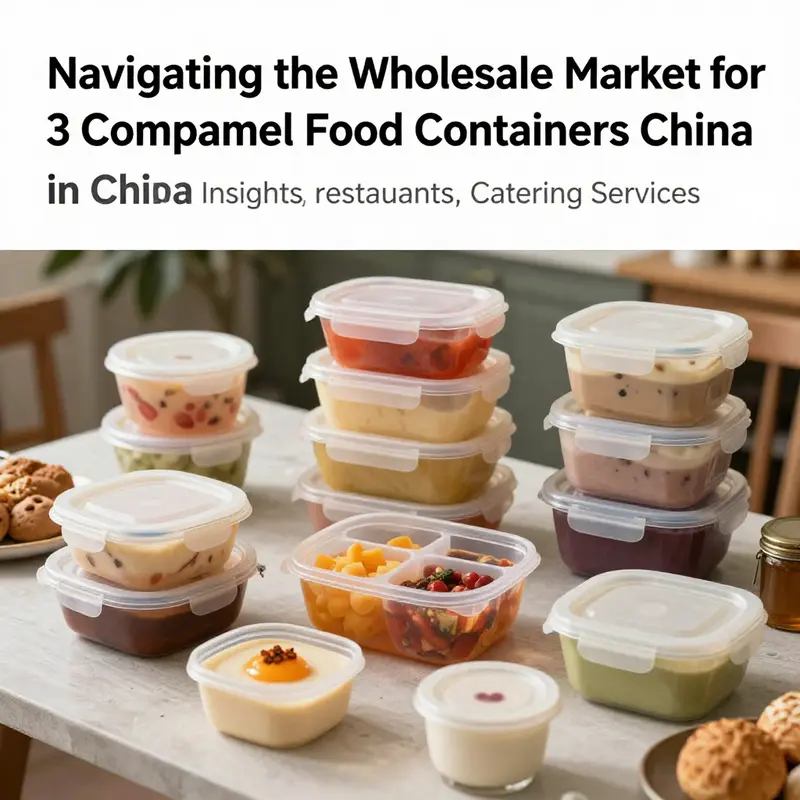
As the demand for efficient, versatile food packaging continues to soar, understanding the wholesale market for 3 compartment food containers in China is essential. This article delves into the core production regions known for their manufacturing excellence, the variety of materials used in these containers, and effective procurement platforms to access them. Furthermore, we will explore current market trends and consumer preferences influencing packaging choices, alongside the environmental impact and sustainability practices shaping the future of food packaging. By the end of this exploration, businesses in the beverage and food sectors will be well-equipped to make informed decisions that align with both market demands and ecological responsibility.
Vital Corridors: Guangdong and Zhejiang as the Engine of China’s Wholesale 3-Compartment Food Containers
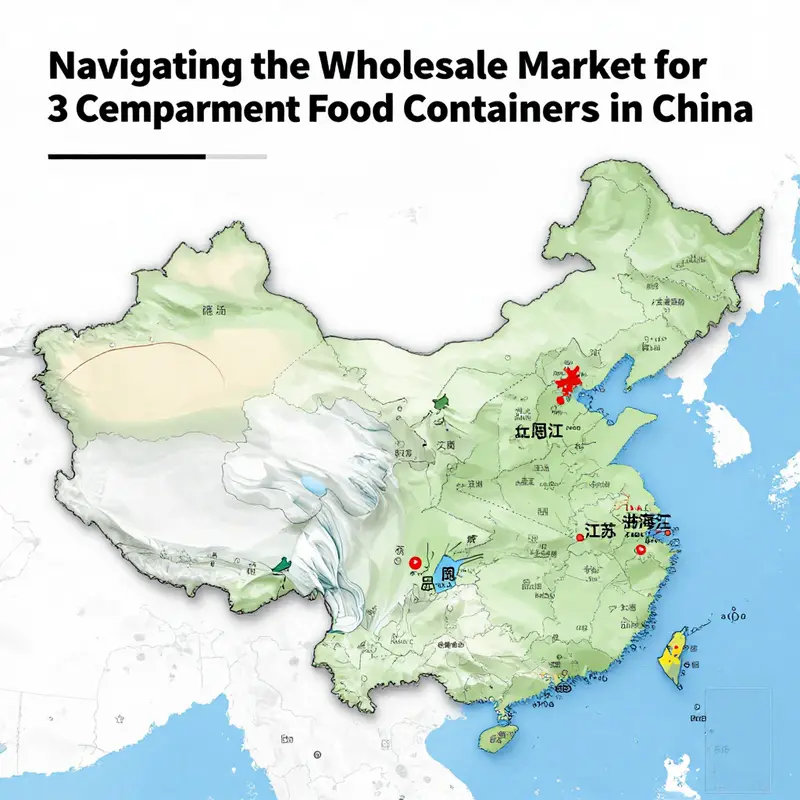
The wholesale market for three-compartment food containers in China is not a scattered, opportunistic scene. It is a tightly woven ecosystem concentrated in a few powerful production corridors where scale, speed, and sustainability converge. Among these, two provinces stand out for their depth of capability and their ability to sustain a flow of goods that moves from factory floors to global distribution networks with remarkable efficiency. Guangdong and Zhejiang together form the central backbone of China’s disposable food packaging industry for three-compartment designs. Their influence extends beyond mere output; it shapes material choices, drives innovation, and aligns product capabilities with the evolving expectations of both domestic and international buyers.
In Guangdong, the concentration of manufacturing activity near major ports and logistics hubs creates a liquidity of supply that few regions can match. Cities such as Guangzhou, Shenzhen, and Foshan cluster a spectrum of suppliers—from high-volume injection molders to thermoforming specialists—allowing a seamless transition from simple, economical containers to more sophisticated variants designed for cold storage, reheating, and even airline service concepts in the broader sense of packaged meals. The province’s industrial culture emphasizes speed without sacrificing consistency; lead times are shortened by proximity to both raw material channels and a dense network of mold makers, auxiliaries, and testing facilities. This is not merely a matter of volume; it is about the reliability of multimaterial capabilities that include traditional plastic formulations such as polypropylene, but also increasingly sophisticated, more sustainable options that speak to global mandates for responsible packaging.
Sustainability in Guangdong has moved beyond slogans. The market now quietly prioritizes a blend of cost efficiencies and environmental considerations. For CPET and polypropylene products, the supply chains weave together resin availability, mold durability, and process optimization to produce containers that perform under microwaves, cold storage, or hot-fill conditions. The region’s strength in extrusion and thermoforming is complemented by a mature network of suppliers who offer bio-based alternatives—materials sourced from plant-derived feedstocks that reduce life-cycle impacts. Bagasse and PLA-based solutions, while still a smaller portion of the market, are gaining traction among brands that want to signal environmental responsibility without compromising performance or cost. The Guangdong ecosystem also emphasizes quality systems and traceability, aligning with international standards to support exports to markets with strict regulatory expectations.
Zhejiang adds a different but equally vital energy to the three-compartment packaging landscape. Anchored by Hangzhou and Ningbo, the province combines engineering sophistication with a relentless focus on eco-friendly packaging and process innovation. Zhejiang suppliers are often at the forefront of technology adoption, integrating smart manufacturing concepts, lean operations, and tighter environmental controls into daily practice. This translates into a robust capability to handle higher-end variants and sophisticated configurations that appeal to brands seeking more sustainable credentials without sacrificing the safety and stability of the packaging used for ready-to-eat products.
Ningbo’s port-centric logistics enhance the efficiency of the supply chain in ways that matter to buyers who require just-in-time capabilities or rapid replenishment for regional distributors. Hangzhou, with its concentration of research and development, accelerates the pace at which new materials—such as biodegradable alternatives and recycled-content resins—move from concept to mass production. The Zhejiang cluster’s strength is often expressed in the complexity of its offerings: multi-layer barrier structures, improved seal integrity, and compatibility with a broader spectrum of environmental regulations. This combination makes Zhejiang an attractive partner for brands pursuing a more sustainable image and for buyers who value the alignment of packaging properties with product quality and shelf-life requirements.
Together, these two provinces create advantages that extend into Jiangsu and other nearby regions. Jiangsu’s centers, such as Wuxi and Suzhou, contribute a different but complementary strength: high-precision injection molding and tight process control that underpin the most demanding tolerances and long-term reliability needed for international contract manufacturing. The synergy between Guangdong’s scale, Zhejiang’s innovation, and Jiangsu’s precision is a powerful triad that enables a steady supply of three-compartment containers across a broad price and performance spectrum. Buyers seeking a specific balance of cost, performance, and environmental profile often find that engaging multiple hubs within this regional matrix yields the best outcomes in terms of lead times, quality consistency, and product customization options.
From a materials perspective, the market has diversified beyond the traditional PP options to include CPET with enhanced heat resistance for microwaving and freezing. The CPET family remains versatile, delivering clear, durable, and heat-tolerant solutions that appeal to both consumer takeout segments and foodservice providers. At the same time, the push for lower-cost, widely recyclable solutions keeps PP in a central role, especially for daily-use containers that demand durability under repeated use and frequent washing, or households that favor affordable, widely available packaging. Biobased materials—such as PLA and bagasse—reflect a broader global shift toward sustainability. The market in these provinces has matured to a point where supply chain partners can offer a credible mix of materials that meet varied regulatory standards without imposing prohibitive price elevations. Glass-based three-compartment designs are carving out a niche in higher-end markets where premium sealing performance and minimal chemical migration are crucial. While glass remains a smaller portion of the overall market, its visibility in premium segments signals a maturing, diverse ecosystem capable of meeting ever-more nuanced consumer demands.
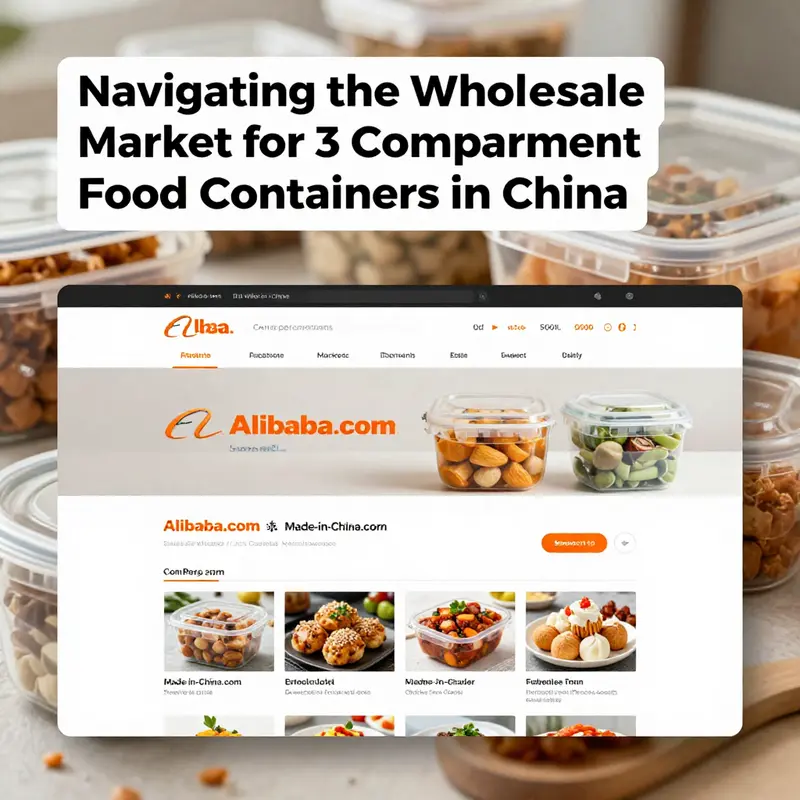
Procurement channels for buyers seeking scale and reliability are well established in these regions. Platforms that aggregate verified manufacturers, facilitate factory audits, and support sample testing play a decisive role in accelerating decisions for international buyers. Alibaba.com, Made-in-China.com, and domestic platforms such as 1688.com offer distinct value propositions, depending on whether a buyer needs international reach or domestic sourcing networks. The Guangdong and Zhejiang hubs benefit from these platforms because their suppliers often maintain dual capabilities: they can meet the strict hygiene and safety standards expected in Western markets while also delivering the cost efficiency demanded by regional buyers. This dual capability is the product of decades of exposure to global brands and a continuous feedback loop that informs design, tooling, and process improvements.
The materials story in these corridors also mirrors the evolving regulatory landscape. To support global trade, suppliers align with standards such as FDA and LFGB where applicable, and they implement rigorous traceability and labeling practices. This alignment is not incidental; it is a deliberate outcome of the way these hubs operate. Contracts are structured around measurable performance indicators, and suppliers invest in quality assurance that travels with the goods from mold to shipment. For buyers, this means more predictable quality, less risk of noncompliance, and faster onboarding of new SKUs across markets with diverse regulatory expectations.
Within this ecosystem, the strategic decision often reduces to choosing the right mix of suppliers, materials, and processing capabilities that align with a brand’s positioning. A consumer-focused brand that emphasizes premium, sustainable packaging may lean into Zhejiang’s eco-friendly materials and advanced seal technologies, while a cost-conscious foodservice operator might favor Guangdong’s ability to scale with polypropylene and CPET solutions, with rapid access to a broad supplier base. The option to source from both provinces—sometimes through the same contract manufacturer or through closely integrated tiered suppliers—can yield the most favorable balance of cost, lead time, and environmental alignment. That is the essence of the Guangdong–Zhejiang axis: it enables buyers to tailor a supply chain that matches product strategy with market expectations while maintaining the flexibility to adapt to fluctuations in demand or shifts in regulatory regimes.
For buyers seeking to begin or optimize sourcing from these corridors, the most practical approach is to engage with platforms that provide verified supplier information, factory audits, samples, and transparent pricing. The reputable pathways include global and regional B2B marketplaces that host manufacturers from these exact regions. A practical takeaway is to focus on suppliers who can demonstrate end-to-end capabilities—from resin selection and mold design to packaging testing and packaging certification. This reduces the risk of misalignment between product performance and regulatory compliance across markets and supports smoother, faster go-to-market timelines for three-compartment packaging lines. The choice between CPET, PP, or bio-based solutions is more than a cost decision; it is a strategic signal about brand positioning, lifecycle considerations, and supply chain resilience in a world where demand patterns can shift rapidly.
The heart of the matter is straightforward: Guangdong and Zhejiang are not merely production centers. They are the two catalytic forces that have shaped a mature, adaptable, and export-ready ecosystem for wholesale three-compartment containers. They enable a spectrum of configurations, from simple, economical stackable designs to advanced, multi-material structures that prioritize heat resistance, sealing integrity, and sustainable content. They empower buyers to align product properties with consumer expectations and regulatory requirements while sustaining efficient operations in an increasingly complex global market. In a landscape defined by scale, innovation, and environmental accountability, these provinces demonstrate how proximity to ports, supplier networks, and a culture of continuous improvement translates into tangible competitive advantage for wholesale packaging.
For readers seeking practical routes into this ecosystem, an established entry point remains through the major sourcing platforms that connect buyers with Chinese manufacturers operating in these hubs. On the supplier side, a rigorous due-diligence process—covering factory capacity, quality management systems, and compliance records—often precedes trial orders and larger allocations. The interplay of Guangdong’s throughput, Zhejiang’s innovation, and Jiangsu’s precision defines a sourcing language that buyers can learn and apply to secure resilient supply agreements. In a market where lead times, material performance, and regulatory expectations can be interdependent, the Guangdong–Zhejiang corridor stands out as a model of coherence and capability that continues to attract international attention and investment.
InternalLinkNote: For readers exploring environmentally focused three-compartment designs, a detailed look at eco-friendly disposable packaging options can be found here: eco-friendly-disposable-3-compartment-food-grade-packaging-box-for-fast-food-high-quality-takeout-boxes-for-fried-chicken-french-fries-packaging.
External resource for procurement metrics and supplier guidance: https://www.alibaba.com/supplier/wholesale-take-out-containers-supplier-guide-china-manufacturers-b2b-sourcing-metrics
Material Currents and Market Footprint: The Making of China’s Wholesale 3-Compartment Food Containers
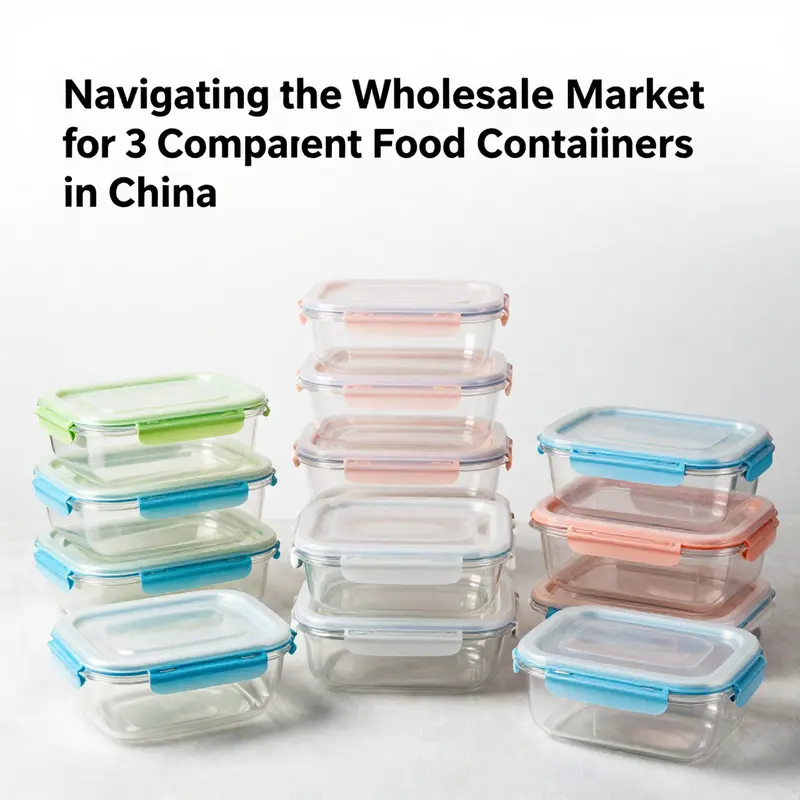
Across China’s vast manufacturing landscape, the wholesale 3-compartment food container is more than a simple packing solution; it is a living map of regional strengths, raw material access, and the orchestration of supply chains that connect raw pellets to ready-to-serve meals around the world. In the most mature markets, the container ecosystem has evolved from basic plastic boxes into an array of materials and designs that meet a spectrum of performance, sustainability, and cost criteria. The story of this category starts in three interlocking production hubs—Guangdong in the south, Zhejiang along the coast, and Jiangsu in the lower Yangtze—each contributing a different dimension to the whole. This triad, underpinned by sophisticated logistics networks, creates a dynamic where scale, precision, and material science converge to shape what buyers can source and what brands can offer to their customers.
In Guangdong, the density of manufacturers translates into a deep, end-to-end ecosystem that can deliver everything from base plastic trays to highly specialized, high-clarity CPET solutions. The province’s strength lies not only in capacity but in the sophistication of its supply chains. Local suppliers often boast integrated flows from polymer suppliers to mold makers and converting facilities, enabling rapid iteration on tray geometry, lid fit, and sealing technology. For buyers seeking rapid ramp-up for new line extensions or large export allocations, Guangdong’s manufacturing tempo provides the ability to move from concept to mass production with relatively short lead times and a high degree of process stability. The region’s proximity to ports and its well-oiled logistics corridors also reduce the time-to-market for international shipments, a critical factor for brands juggling seasonal menus and promotional events.
Moving north along the coastline, Zhejiang offers a parallel but distinct set of capabilities, especially in the realm of eco-friendly packaging and more sustainable materials. Here, clusters around cities such as Ningbo and Shaoxing have nurtured a strong green packaging culture, advancing the adoption of biobased and compostable options alongside traditional plastics. This emphasis aligns with a growing consumer and regulatory emphasis on environmental responsibility. For wholesale buyers, Zhejiang-based suppliers can be a reliable source of CPET and bagasse-based solutions that balance performance with sustainability claims. The region’s emphasis on environmental packaging often translates into more aggressive development cycles for compostable or recyclable designs, as well as more transparent materials sourcing and end-of-life considerations.
江苏省的角色则在于技术工艺的精细化与稳定的品质控制。在无锡、苏州等地,注塑和模具制造的高精度水平让批发商能获得尺寸一致、密封性更强的容器,特别是在需要复杂夹层结构或高强度承载的产品线。对于国际品牌的代工需求,江苏的代工厂通常以稳定的品质、可追溯的制造过程和可扩展的产能安排著称。这些优势在大规模外卖和餐饮配送的应用场景中尤其重要,因为它们直接影响到单件成本的可控性、批量生产中的良品率,以及品牌对一致性和可重复性的承诺。
在材料选择上,中国的供应体系已经形成明显分工,并通过对用途、热性能和食品安全标准的综合考量来驱动设计。聚丙烯 PP,作为最广泛使用的基础材料之一,以其成本效益、耐用性和耐热性而著称。PP 3隔间容器通常具备良好的耐热性,适合家庭日常使用、外卖以及微波炉加热场景。它们往往重量轻、可叠放、且具备可靠的防漏性能,成为可重复使用的餐盒和一次性外卖盒的常见选择。对品牌而言,PP 的可靠性和低单位成本,使其成为大批量生产的常备选项。
而 CPET(结晶聚对苯二甲酸乙二醇酯)则以更高的热稳定性闻名,适用于 ovenable 与 microwaveable 的一次性容器。CPET 的耐温范围通常覆盖-40°C到200°C,能够承受冷却保存到加热再现的完整循环,成为热食配送、餐厅包材以及需要直接在烤箱内加热的场景的首选之一。这类材料的透明度通常较高,外观上更接近塑料玻璃感,能增强食品的视觉呈现,同时在某些市场中也被视为高端、专业的外卖包装解决方案。对于追求直接加热便利性的品牌, CPET 提供了一个功能丰富的选项,但成本通常高于 PP,需在性能与价格之间进行权衡。
PLA 与 Bagasse(甘蔗渣/Bagasse)代表了中国可持续包装的快速成长分支。PLA 是从玉米淀粉等可再生资源中提取的生物基聚乳酸材料,具备可生物降解和可堆肥性,越来越受那些希望呈现“绿色形象”的品牌青睐。PLA 的耐热性通常低于 PP 或 CPET,安全工作温度大体在100°C左右,适合冷食或室温储存、以及短时热食容器的轻量化应用。Bagasse则来自糖蔗榨汁后的纤维残渣,属于天然纤维材料,具有良好的抗热性和较强的施工稳定性,非常适合一次性外卖包装和三格托盘,且自然风格与环保诉求高度契合。Bagasse 在市场中通常给人“天然、可降解”的联想,且在高热食品场景中表现稳定,成为环保导向品牌的常用选择。
此外,铝箔材料则在需要极强热保留、屏障性能和高温兼容性的领先或高端场景中占有一席之地。虽然成本高、可重复使用性相对有限,但在某些 premium 或特定配送场景中,铝箔可以提供更强的保温效果和更严格的食品安全屏障。对于希望在口味与温度维持之间达到极致平衡的客户,铝箔解决方案提供了一个可选路径。
在产品类型层面,市场上广泛存在可重复使用的塑料容器、一次性外卖托盘,以及可堆叠、密封性更强的设计。重复使用的 PP 容器往往采用耐用的封口和密封结构,强调在家庭或办公环境中的耐久性、洗涤后再使用的可靠性,以及在微波炉安全标签下的便捷性。 disposable(一次性)线则以 CPET、PLA 或 Bagasse 为主,设计多样,覆盖常见容量如300ml、450ml、750ml、1000ml等,以匹配不同餐品分配和配送时段的需求。许多制造商也提供模块化和定制化的解决方案,允许企业在材料、颜色、品牌化和包装箱方面实现 OEM/ODM 服务,从而打造与品牌策略相匹配的外观与功能性。
在一个高度竞争的市场中,设计的可操作性同样重要。可堆叠、防漏、并具备微波安全标识的设计,是塑料盒在日常使用中的核心诉求。对于 CPET 和某些 PP 产品,允许在微波炉或烤箱内直接加热的需求推动了材料配方和结构设计的持续创新。此外,饰面、透明度、热冲击强度和密封结构的改良也让批发买家更易实现品牌个性化和用户体验提升。
当谈及可持续性和合规性时,中国的材料与加工行业正逐步将生产过程透明化。可追溯的材料来源、符合食品接触安全标准,以及对环境声明的清晰表达,成为企业在全球市场中的信任基础。对买家而言,了解供应商的认证、生产工艺、检验流程和批量质量控制,是评估长期合作潜力的关键因素。这个过程通常伴随小样测试和工厂验厂的阶段性评估,以降低供应链风险并确保在放大生产时保持一致性与稳定性。
在采购与供应链层面,行业的数字化跃迁也在加速。大量的供应商通过结构化的生产计划、条码化仓储、以及可追溯的批次管理来提升可控性。OEM/ODM 能够让品牌方在设计、规模和包装上获得高度定制,同时保持成本优势与供应稳定性。对于外部买家而言,选择合适的材料组合与制造商网络,往往决定了产品在不同区域市场的表现:热食保温、冷藏运输、再加热便利性、以及对环保诉求的回应。企业在评估供应商时,也会关注塑料与生物基材料之间的生命周期分析、回收渠道的可用性以及本地法规对包装材料的限制。
为了帮助读者更清晰地理解行业的对比与选择,本文呈现一个聚焦点——材料与类型的组合如何映射到不同的市场需求与品牌策略。一个核心要素在于对热性能、环境责任和成本结构的综合平衡。例如,在快餐供应链中,CPET 的耐热性和可直接放入微波炉的特性,使其成为需要热保鲜和高端形象的场景的理想选择。对于强调环保的品牌,Bagasse 与 PLA 提供了更具市场传播力的叙事,但需要对热稳定性、存储温度和运输条件进行更精细的管理。PP 则以成本效益与通用性著称,是大规模日常使用的经济型选择。
在设计与采购的交叉点上,一条成功的路径往往包括从区域集群中选取合适的材料组合、结合可定制的形状与封口技术、以及利用可追溯的生产流程来满足全球买家的质量与合规要求。为读者提供一个实践性的导航,本文在内部链接中引入一个关于灵活、环保 3 段包装盒的资源,供进一步探讨设计与材料的具体实现。 eco-friendly-disposable-3-compartment-food-grade-packaging-box-for-fast-food-high-quality-takeout-boxes-for-fried-chicken-french-fries-packaging 这个示例强调了如何在同一包装系统中兼顾可持续性、性能与成本效益。
在全球供应链的视角下,供应商选择不再只是看单一材料的性能,更是对整个生态链的考量。区域集群的协同效应、模具与自动化水平、原材料价格波动、以及出口与仓储的成本结构共同决定了最终的批发价格与交付周期。对于希望在中国批发市场中获得稳定供给的国际买家而言,理解这些区域的不同优势尤为关键。稳定的品质、可预见的产能、以及对环境与法规日益严格的适应性,将成为未来几年市场竞争的新分水岭。
外部参考:随着全球包装趋势向更高标准的可持续性和安全性迈进,行业研究与平台信息相互印证,帮助买家在海量供应商中做出更明智的选择。External reference: https://www.made-in-china.com/products/3-Compartment-Food-Containers.html
Mapping China’s Wholesale 3-Compartment Food Container Supply Chain: Regions, Materials, and the Platforms that Connect Buyers and Factories
In China, the market for wholesale 3-compartment food containers is deeply embedded in a dense web of regional clusters, mature manufacturing ecosystems, and well-prioritized logistics. The triad of Guangdong, Zhejiang, and Jiangsu stands out not merely for volume, but for the sophistication of their supplier networks. In Guangdong, the largest concentration of food packaging production creates an ecosystem where extrusion, thermoforming, and injection molding converge with export readiness. Cities like Guangzhou, Dongguan, Shenzhen, and Chaohu—collectively forming a dense high-tech corridor—offer not only a broad supplier base but also robust export and freight infrastructures. The advantages extend beyond capacity; they include a proven track record of meeting strict food-safety standards and delivering on time to international customers. In Zhejiang, the emphasis tends to be on environmental packaging and innovative materials. Ningbo and Shaoxing have built clusters that push the boundaries of sustainable designs, with demand from brands that seek credible green credentials. Jiangsu, anchored by cities such as Wuxi and Suzhou, provides high-precision injection molding and dependable quality, earning a place as a preferred contract manufacturer for many international brands seeking consistent, repeatable performance. Taken together, these regions illustrate how the supply chain for 3-compartment containers has matured from a collection of small workshops into a coordinated, capacity-focused manufacturing network. The market advantages are not limited to scale; they extend to the breadth of materials and the agility of production systems that can adapt to rising demand for both standard and specialized designs. The evolution of this sector aligns with broader shifts in packaging, where performance, safety, and sustainability are no longer optional add-ons but essential criteria for buyers and end users alike. The typical product palette reflects this, spanning conventional CPET and PP formulations to more eco-conscious options such as plant-based or recycled-content materials, and even high-end glass variants for premium segments. The CPET category, with its crystalline structure, is particularly valued for microwave heating, deep freezing, and even air travel packaging. It offers durable transparency that helps brands convey product integrity, an important consideration when competing in crowded foodservice channels. PP remains a workhorse material, favored for its low cost, durability, and suitability for daily use in takeout formats. Yet the market is increasingly diverse: bio-based materials like PLA and bagasse-based composites align with a sustainability narrative that many brands now insist upon. These options enable a brand story that resonates with health-conscious consumers while maintaining practical performance in temperature extremes, sealing, and rigidity. Glass, though more niche in the wholesale space, has found a carefully curated high-end foothold. It promises excellent sealing and migration control, qualities that appeal to health-forward meal service and prepped-diet delivery models. The Chinese supply chain’s evolution toward glass reflects a broader trend where premium segments seek durability and perceived purity, even as mass-market demand continues to rely on CPET and PP for cost efficiency and reliability. For buyers, this material mix translates into a spectrum of choices, each with distinct cost profiles, performance envelopes, and sustainability footprints. The interplay between material selection and manufacturing capability is not merely theoretical. It shapes how quickly a buyer can move from concept to samples, and then to a tested, scalable production run. In practice, this means sellers must offer robust technical data, including heat resistance, filling and sealing tests, and migration assessments, to support decisions that often hinge on regulatory compliance and long-term supply security. The regional clusters also bring a practical advantage in terms of supply chain resilience. When a supplier base is concentrated in a few provinces, the logistics of sourcing, testing, and scaling up become more predictable. Buyers can tap into a single, integrated ecosystem for design iterations, tooling, and post-production services such as sterilization, labeling, and packaging customization. The result is a more efficient procurement journey, particularly for wholesale orders that require consistent quality at a predictable price point. In parallel with material and process maturity, the procurement landscape has grown more sophisticated. Buyers seeking wholesale 3-compartment containers increasingly navigate a triad of platforms designed to connect factories with purchasing teams. The first strand involves broad, globally oriented marketplaces that aggregate hundreds of suppliers and provide mechanisms for verification, samples, and trade assurances. The second strand favors domestic and regional B2B networks that emphasize speed, language compatibility, and local payment terms, catering to buyers who place frequent, smaller-volume orders or pilots. The third strand, more specialized in nature, centers on procurement matching and direct buyer-supplier cohorts. Within this sphere, real-time purchase requests connect manufacturers with buyers from large-scale foodservice operators, quick-service brands, or institutional caterers seeking immediate pricing and capacity alignment. For a buyer, employing a balanced approach means leveraging both breadth and depth. General marketplaces, often supported by rigorous verification processes, help identify a broad pool of potential suppliers and allow for initial negotiations on price, MOQs, and lead times. Regional platforms, by contrast, can cut through international friction, offering local language support, localized logistics planning, and insights into domestic sourcing conditions. The most dynamic opportunities, however, arise from procurement matching groups that bring together verified buyers with pre-qualified suppliers who understand the nuances of wholesale dynamics. Buyers can issue real-time requests for 3-compartment containers, while suppliers respond with capacity, spec sheets, and sample terms. This kind of direct line of communication often shortens the cycle from concept to quotation and helps ensure that the chosen partner can scale to meet batch production and ongoing demand. Recognizing this, many sourcing professionals combine the two strategies: they begin with general platform discovery to build a longlist, then narrow down to groups that offer procurement matching, where actual purchase requests circulate. In many cases, this combination yields faster solutions for brands that require both standardization and customization. The value proposition for buyers extends beyond price alone. A mature wholesale market in these Chinese clusters allows for greater control over design iteration, packaging integrity, and compliance with food-contact safety standards. Suppliers can provide documentation such as material specifications, heat-resistance data, and migration test results, along with certificates that underpin foreign-market acceptance. For brands contemplating sustainability credentials, the move toward bio-based or recycled-content materials is not just a marketing theme but a practical plan supported by a network of suppliers who can tailor formulations and thicknesses to balance cost with performance. The procurement journey, however, benefits from knowing where to look and how to engage. A practical starting point is to explore supplier directories on well-established platforms that serve as early-filter engines for compatibility, capability, and traceability. These platforms enable buyers to test the waters with samples and to verify factory credentials before committing to a broader engagement. The most effective approach in wholesale contexts is to blend supplier discovery with active participation in procurement-matching communities. On the one hand, you search for capable factories and test samples to verify quality and consistency. On the other hand, you participate in a resource-sharing group that connects the buyers with live purchase opportunities, often hosted by industry associations or event organizers. This dual-track approach helps ensure that a buyer is not merely chasing the lowest price but securing a reliable partner who can consistently deliver across multiple SKUs, seasonal demand spikes, and evolving regulatory expectations. For readers seeking a quick reference to current sourcing pathways, consider the widely used industry portals that aggregate supplier information and support international trade processes. These platforms typically provide vendor verification, sampling workflows, and pragmatic support for international shipments, including documentation and payment terms. In the broader context of sourcing, it is worth acknowledging how this ecosystem translates to practical decision-making. The cost structure for wholesale 3-compartment containers in China reflects the interaction of material choice, tooling investments, and the scale of production. CPET and PP options tend to offer favorable unit costs at higher volumes, with price stability influenced by resin markets and energy costs. Biobased materials, while aligning with sustainability goals, can command a premium but may unlock a growing segment of buyers who prioritize environmental stewardship. When budgeting for a new line, buyers should incorporate not only the base material costs but also tooling depreciation, quality-control testing, and potential certifications required by target markets. The design phase is equally important. Buyers often need to iterate on wall thickness, lid fit, and sealing geometry to achieve robust performance in microwaves and freezers, while maintaining a thickness profile that yields efficient packing densities for transport. In this sense, the regional clusters’ strength lies not only in raw capacity but in the depth of engineering expertise that supports design-for-manufacture practices. The result is a more predictable path from concept to shipment, with fewer unexpected manufacturing delays and clearer timelines for samples and mass production. As buyers map their sourcing strategies, a practical tip emerges: cultivate relationships with suppliers who can demonstrate a track record of stability, provide transparent data, and respond with speed to testing requests. This is especially critical when the buyer needs to align with fast-moving foodservice brands or institutional programs that require reliable, repeatable performance across regions. For those who want a tangible starting point, a convenient route is to consider a broad search on recognized procurement platforms while simultaneously engaging with targeted groups that offer real-time purchase requests. A practical option is to explore eco-friendly disposable 3-compartment packaging options from a supplier that highlights such designs, such as this resource eco-friendly disposable 3-compartment packaging box for fast food. This kind of sample-oriented engagement helps buyers assess fit without committing to large orders early in the process. In parallel, maintain a watchful eye on the international landscape. Platforms that support verification and export documentation will continue to be essential as brands build global supply networks. The resulting procurement mix—global discovery, domestic efficiency, and real-time matching—offers a robust framework for navigating price, lead times, and quality expectations. It is a framework that aligns with the realities of a mature Chinese market where regional specialization, material diversification, and digital integration intersect to create reliable pathways from factory to fork. For those who want to explore further, industry resources and community networks continue to evolve, bringing together buyers, associations, and suppliers in ways that accelerate decision-making while preserving the flexibility needed for customized packaging solutions. External resources reinforce this picture and provide practical avenues for engagement, such as procurement-matching groups that connect professional buyers with suppliers actively seeking packaging solutions. External resource: https://www.rxglobal.com/zh-cn/industry-news/8897.html
Three Compartments, One Market: Charting China’s Wholesale 3-Compartment Food Containers toward 2030
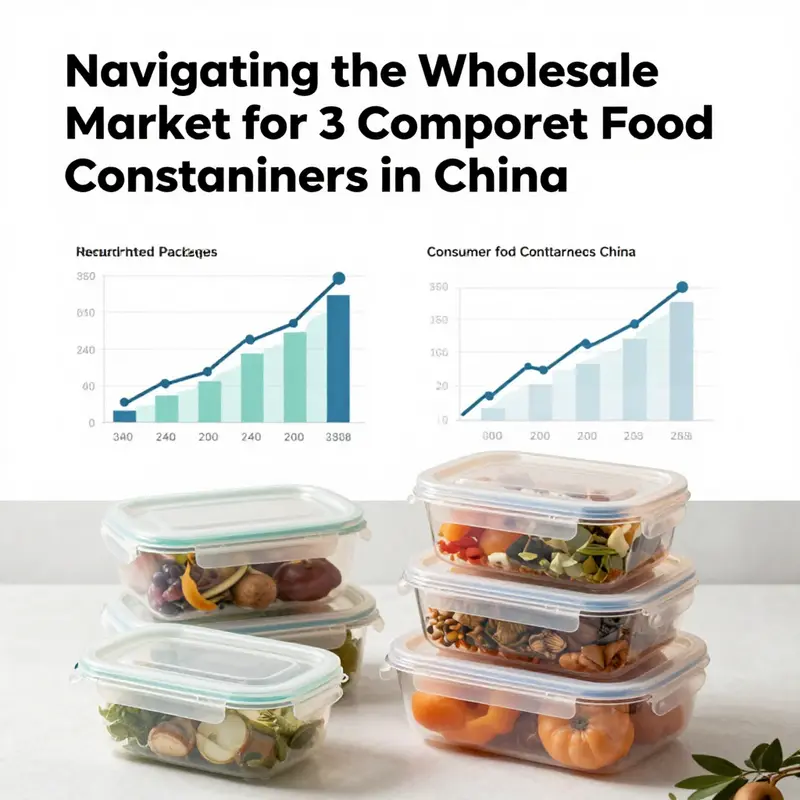
China’s wholesale market for 3-compartment food containers sits at a crossroads of scale, efficiency, and evolving consumer expectations. Long since established as a mature and concentrated sector, it centers in three major provinces—Guangdong, Zhejiang, and Jiangsu—where an intricate web of suppliers, manufacturers, and logistics networks converges to meet the demands of a vast foodservice ecosystem and a thriving consumer-packaged goods industry. In Guangdong, the epicenter of the country’s plastics and related packaging production, factories cluster around coastal cities that synchronize manufacturing with export logistics. The province’s strength goes beyond volume; it lies in the ability to coordinate rapid product iterations, respond to shifting demands, and provide a conduit to international buyers who require consistent quality, documented compliance for food contact materials, and reliable lead times. Zhejiang shares this capacity with a distinct emphasis on environmental stewardship. The clusters here have nurtured a reputation for eco-conscious packaging development, translating global sustainability trends into practical, market-ready solutions. In Jiangsu, particularly around cities known for precision molding and high-quality injection processes, the focus often turns to tight tolerances, leak-proof performance, and the durability necessary for both retail takeout and institutional catering. Taken together, these regions form a supply chain that balances cost discipline with quality, enabling sellers to offer a spectrum of materials—from traditional CPET and PP to increasingly bio-based and fully compostable options, and even glass variants that target premium segments.
The growth trajectory for wholesale 3-compartment containers is being propelled by decisive shifts in end-use demand. The fast-food takeaway sector and the expanding ready-made meals market have become the primary engines of volume. When a consumer orders a multi-component meal, the container’s design—its ability to separate items, maintain presentation, and minimize cross-contamination—becomes a critical element in the perceived value of the brand. As a result, wholesale buyers are looking not just for a container, but for a packaging solution that supports efficiency in kitchens, accuracy in portioning, and consistency in serving. Industry forecasts project a compound annual growth rate surpassing 10% through 2030, a signal that scale and innovation can coexist in a market that is intensively price-sensitive yet increasingly discerning about performance and safety.
One of the most consequential trends shaping supplier strategies is the accelerated pivot from conventional plastics toward sustainable materials. The national imperative to meet carbon reduction targets, alongside tightening environmental regulations, is reshaping procurement choices at every tier of the market. Bio-based materials—PLA, PBAT, and other renewable feedstocks—are no longer niche options but mainstream candidates that wholesale buyers actively seek. Bagasse, a fiber derived from sugarcane waste, also appears in increasingly popular configurations for multi-compartment designs. The shift is not merely about substituting materials; it is about aligning packaging with a brand’s sustainability narrative and consumer expectations for responsible sourcing. Taking a longer view, the share of eco-friendly containers is forecast to rise from roughly one-third of the market in the mid-2020s to more than 60% by 2030. That trajectory has a direct bearing on supplier portfolios, requiring investments in new molds, certifications for food contact safety, and stronger traceability practices that demonstrate a transparent environmental footprint from production to end-of-use.
Technology and functionalization are gradually moving from the periphery toward the core of the 3-compartment packaging conversation. For basic takeout and meal-prep containers, the benchmark remains straightforward: reliable heat resistance, secure sealing, leak resistance, and compatibility with common reheating and cleaning regimes. Yet forward-looking buyers increasingly weigh additional features. Temperature indicators, which can signal whether a container has exceeded safe storage temperatures, and traceability systems that document batch provenance and shelf-life data, are beginning to influence purchasing decisions. Even more advanced ideas—integrated sensors, smart labels, or digital links for replenishment planning—signal a future where the container is part of a broader food safety and supply-chain ecosystem. While these innovations are not yet the norm across all price tiers, they are resonating with premium brands and large-scale distributors that see benefits in reduced spoilage, improved recall readiness, and enhanced consumer trust.
Market evolution is also reshaping business models in meaningful ways. A notable development is the emergence of Container as a Service (CaaS) concepts, where restaurants or retailers lease containers and rely on a service network to manage sanitation, redistribution, and lifecycle tracking. This approach aligns with circular economy principles and helps operators manage costs and avoid heavy capital expenditure on packaging assets. The model complements established practices like deposit-return schemes that encourage reuse and reduce waste, a direction that resonates with provincial clusters where recycling infrastructure and municipal regulations support such programs. Wholesale suppliers who can blend product availability with logistical services—cleaning, logistics coordination, and reverse flows—stand to gain sticky relationships with customers who prioritize sustainability alongside price and performance.
Regional dynamics within China’s market further shape how wholesalers strategize distribution and manufacturing footprints. East China, including Shanghai and Zhejiang, serves as a hub of high-end production and export orientation. The region attracts buyers seeking premium materials, sophisticated designs, and stringent quality controls, and it often acts as a staging ground for innovations that later filter into other markets. South China, anchored by Guangdong, exhibits dense local demand linked to a large ecosystem of eateries, shopping districts, and industrial manufacturers. This proximity creates robust, near-market demand that can shorten supply cycles and temper volatility in freight. The clustering effect—where suppliers, converters, component suppliers, and logistics players co-locate—helps reduce cycle times, lower costs, and enable more responsive customization options for wholesale buyers.
From a consumer perspective, the wholesale market for 3-compartment containers is increasingly shaped by a triad of priorities: value, practicality, and sustainability. Price sensitivity remains a defining reality in a market characterized by “consumption downgrade” pressures, where buyers seek cost-efficient solutions without sacrificing essential performance. Yet practicality—how easily a container stacks, stores, and serves—continues to differentiate products in crowded portfolios. The three-compartment format is inherently practical for separating foods, but buyers also look for secure lids, reliable seals, and compatibility with microwaves and dishwashers, especially for brands that promise convenience for everyday meals or for batch-prepared offerings in food-service operations.
Sustainability-driven preferences are increasingly aligned with consumer awareness of environmental responsibility. Buyers favor containers that are certified for food contact safety, free from harmful chemicals, and designed for recyclability or biodegradability. Eco-certification and verifiable supply-chain credentials are becoming non-negotiable for many international and domestic buyers who want to align with sustainability commitments, attract younger consumers, and demonstrate corporate responsibility. In practice, this means a growing emphasis on material transparency, life-cycle analysis data, and clear labeling that communicates end-of-life pathways to end-users and to waste-management systems. Quality and safety remain the universal baseline; materials that can demonstrate BPA-free status and strong performance under heat, cold, and mechanical stress tend to command greater trust from retailers and foodservice operators who rely on consistent outcomes.
Brand trust and supplier reliability carry increasing weight in purchasing decisions. In a market driven by large, multinational buyers and a burgeoning group of mid-sized distributors, the reputational capital of a supplier becomes a practical guarantee of continuity. Buyers weigh not only the price per unit but also the risk associated with supply delays, inconsistent quality, and compliance gaps. For wholesalers, this translates into a dual mandate: invest in process control and certification programs that reassure customers, while maintaining lean, responsive operations that can accommodate short-notice orders or special runs. The ability to demonstrate stable supply, clear product specifications, and effective after-sales support differentiates durable partnerships from transactional transactions.
As the market progresses toward 2030, successful wholesalers will likely blend product breadth with service intensity. They will offer a portfolio that covers CPET for heat tolerance and clarity, PP for economy and durability, and eco-based materials that meet regulatory expectations and consumer preferences. They will pair these products with value-added services—customization, quick-turn prototyping, and supply-chain analytics that help buyers optimize packaging in tandem with menu changes or seasonal promotions. The conversation will increasingly rotate around life-cycle value: how to minimize waste, maximize reuse where feasible, and align packaging choices with broader corporate sustainability goals.
For buyers exploring the landscape of suppliers and product options, the wholesale channels are well served by established e-marketplaces and B2B platforms that curate supplier databases, verify factory capabilities, and streamline the procurement process. A primary resource for accessing Chinese manufacturers and comparing offerings across materials, sizes, and features remains a comprehensive showroom that aggregates 3-compartment containers from across the region, providing real-time quotes, sample testing, and order management capabilities. This platform embodies the convergence of scale, transparency, and speed that wholesale buyers need to navigate the evolving market efficiently. For suppliers keen to illustrate the breadth of sustainable and standard options, the path forward is clear: offer a mix of established and innovative materials, back your claims with robust safety and environmental certifications, and pair product development with service models that reduce total cost of ownership for customers.
For readers seeking direct exposure to eco-friendly and service-oriented packaging options, a concrete reference point is available here: eco-friendly 3-compartment packaging. This page highlights how suppliers are configuring multi-compartment designs with sustainable materials, clear labeling, and practical features that align with the broader market shifts described above.
In sum, China’s wholesale 3-compartment container market is evolving toward a balanced blend of scale and sophistication. Regions that leverage clustering to accelerate production and shorten supply chains will be well-positioned to respond to the rising demand for sustainable, functional, and traceable packaging. Buyers who value reliability, safety, and total cost of ownership will reward suppliers who can demonstrate consistent performance across materials, designs, and service models. The next phase will likely see greater integration of digital tools, more explicit life-cycle data, and increasingly circular packaging practices that redefine how three compartments can serve not just food, but a broader commitment to responsible consumption.
External resource for broader market context and supplier breadth: Alibaba’s 3-compartment containers showroom provides a comprehensive view of available materials, configurations, and pricing across suppliers and regions. See https://www.alibaba.com/showroom/3-compartment-food-containers.html for a global snapshot that complements the regional focus outlined here.
Portion by Portion, Footprint by Footprint: Sustainability in China’s Wholesale 3-Compartment Food Containers
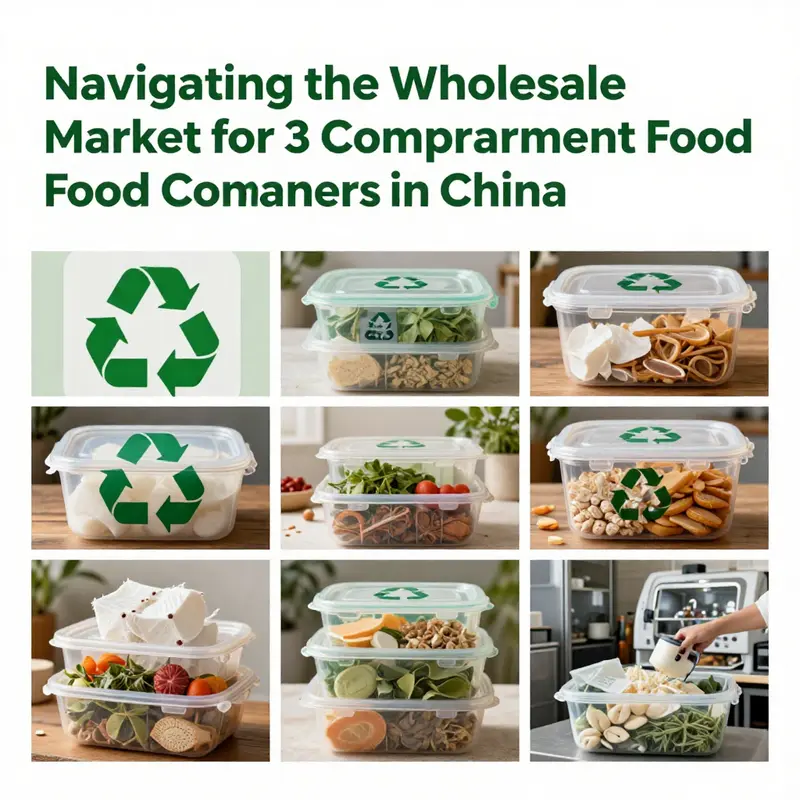
China’s position as a global manufacturing hub means that wholesale 3 compartment food containers are not only plentiful but also deeply embedded in a complex supply chain that touches every corner of the food service ecosystem. The practical advantages of these containers—precise portioning for meal prep, secure separation of components, and streamlined transport—are matched by a growing urgency to minimize environmental impact. The chapter that follows moves beyond price, performance, and availability to ask how material choice, production practices, waste management, and consumer behavior intersect to shape the sustainability profile of these ubiquitous packaging solutions. It is a portrait of a mature yet still evolving sector, where scale and innovation meet policy and public expectations in real time. In such a landscape, the route to greener outcomes is neither simple nor single-minded; it is a sequence of deliberate choices made at the point of design, in the factory, and along the post-consumer journey.
The most visible sustainability tensions in wholesale 3 compartment containers arise from material selection. PP and PS have long dominated because they offer low cost, adequate durability, and familiar compatibility with microwaving and cold storage. Yet their environmental footprints are not trivial. Production involves energy-intensive polymerization and, in many systems, the end-of-life path relies on recycling streams that are not universally robust. When plastics leak into landfills or ecosystems, the consequences multiply across litter, wildlife exposure, and greenhouse gas emissions from incineration. In response, some manufacturers are shifting toward biobased alternatives such as polylactic acid and other renewably sourced polymers. PLA, for example, can offer attractive clarity and heat tolerance in certain formats, but it is not a universal solution. Its performance in real-world conditions often hinges on access to industrial composting facilities, which remain unevenly distributed. Ambient conditions do not guarantee rapid or complete degradation, complicating claims of sustainability when infrastructure is missing. The push toward compostable materials sits alongside a broader imperative to design for end-of-life separation, so that monomaterial streams can be recovered with minimal contamination. This is not a minor detail; it is a design principle that affects the entire lifecycle of the container—from how it is molded to how it is disposed of by end users or municipal programs.
In parallel with plastic alternatives, there is a notable and growing interest in paper-based options such as bagasse and molded pulp. Bagasse, derived from agricultural residues like sugarcane fiber, presents a compelling narrative: it uses waste material, reduces reliance on fossil fuels, and aligns with consumer demand for Earth-friendly packaging. The environmental benefits, however, are not automatic. Paper-based containers still require significant energy and water in production, and their biodegradability depends on local waste infrastructure and composting practices. When properly managed, these materials can offer a lower carbon footprint over their entire life cycle, particularly where recycling streams are well established and consumer behavior supports proper sorting. In a market that often values cost and performance above all, the durability and moisture resistance of paper-based options must be engineered to meet the functional demands of takeout and batch-prepared meals without compromising compostability or recycling compatibility.
Within the manufacturing clusters in Guangdong, Zhejiang, and Jiangsu, the sustainability story is also a story of process efficiency and supply chain maturity. Guangdong remains the largest and most dynamic hub, with dense clusters of producers, exporters, and logistics players that enable mass production and rapid delivery. Zhejiang’s strengths in environmentally conscious packaging reflect a regional emphasis on greener materials and certifications, while Jiangsu is widely recognized for precision injection molding that can produce tight tolerances with lower scrap rates. Each region’s strengths feed a market that is increasingly sensitive to total cost of ownership, a balance of upfront material costs, processing energy, water use, and end-of-life handling. In practice, this translates into factories investing in energy-efficient presses, advanced cooling systems, and waste heat recovery where the scale and logistics justify the investment. It also means suppliers are exploring mono-material designs or separable components that facilitate recycling, rather than mixed-material constructs that complicate reprocessing.
The regional and material variety has important implications for end users—large wholesalers, foodservice chains, and institutional buyers who want to balance functionality with environmental responsibility. Three compartment designs must deliver reliable sealing to prevent leaks, maintain separation of foods with different moisture and fat contents, and withstand the rigors of microwaving, freezing, or cold-chain distribution. Achieving these performance targets while reducing environmental impact prompts a holistic look at the life cycle: from resin sourcing to the energy profile of the molding shop, to the fate of the container after it serves its purpose. Design decisions tied to end-of-life can unlock downstream benefits. For example, opting for a single polymer system rather than a composite with barriers can improve recyclability, provided local streams are equipped to sort and process such materials. Conversely, multi-layer or laminated structures, while sometimes necessary for performance, can hinder material recovery and increase the likelihood of mixed waste streams that end up in landfills or incinerators.
The broader sustainability context is not limited to material science and production methods. It extends into waste management infrastructure, regulatory environments, and consumer expectations. In China, a growing emphasis on green packaging and circular economy principles is reshaping how packaging is designed, produced, and treated after use. Regulators, customers, and the public increasingly demand transparent information about materials, recyclability, and the true environmental costs of packaging choices. Suppliers respond with certifications, lifecycle assessments, and more openly shared data about energy intensity and water use. This information ecosystem helps buyers compare options not only on price and performance but also on strategic alignments with corporate sustainability goals and consumer-facing branding that highlights environmental stewardship. The collaboration among manufacturers, waste managers, and policymakers is essential to making meaningful progress, and it is happening in real time as market pressures intensify and infrastructure evolves.
One practical evolution in response to these pressures is the diversification of supplier portfolios toward greener offerings, including the aforementioned biobased options and paper-based alternatives. In the wholesale market, buyers increasingly seek a balance between cost, performance, and environmental profile. A growing segment of suppliers is responding with options that pair the reliability of traditional plastics with the environmental credentials of renewables or recyclability-focused designs. These offerings often come with documentation about material sourcing and end-of-life handling, enabling buyers to meet corporate sustainability commitments and to communicate those commitments to customers. The result is a marketplace where environmental considerations become a standard dimension of procurement rather than a niche feature.
This broader shift is mirrored in the procurement platforms that connect Chinese manufacturers with global buyers. Platforms such as Alibaba and Made-in-China play a pivotal role in disseminating information about material options, processing capabilities, and sustainable credentials. For buyers, these platforms provide access to verified suppliers, product specifications, and testing samples that support due diligence and risk assessment. The ability to test samples and verify performance before committing to larger orders is crucial when evaluating tradeoffs between cost, functionality, and environmental impact. These digital marketplaces also facilitate conversations about customization, enabling brands to align packaging with sustainability storytelling without sacrificing operational practicality. Access to a broad supplier base helps buyers balance scale with responsibility, ensuring that the push toward greener packaging is compatible with the realities of wholesale distribution and meal-prep workflows.
From a practical perspective, the path toward greater sustainability in wholesale 3 compartment containers is best pursued through incremental, design-driven improvements. Designers can prioritize material compatibility with existing waste streams, minimize adhesives and coatings that complicate recycling, and optimize geometry to reduce resin usage without compromising strength. Process improvements in molding, such as energy-efficient cooling and closed-loop water systems, can reduce environmental impact even when production volumes are high. Waste management partnerships with local recycling facilities or composting programs can close the loop, provided the facility capabilities match the material choices. While no single intervention resolves the entire sustainability challenge, a portfolio of small, well-integrated decisions can yield measurable reductions in energy use, greenhouse gas emissions, and landfill burden over time.
For researchers, practitioners, and market watchers, the Chinese wholesale 3 compartment container sector offers a lens into how large-scale manufacturing, packaging engineering, and circular economy principles converge. It highlights the tension between the economics of mass production and the moral economy of waste, then shows how innovative material science, smarter design, and robust waste infrastructure can align. It also underscores the importance of clear communication about environmental performance. When buyers demand data on recyclability, compostability, energy intensity, and end-of-life options, producers have an incentive to invest in transparent reporting and credible certifications. The outcome is a more resilient supply chain that can adapt to evolving consumer expectations and regulatory climates without sacrificing the efficiency and reliability that wholesalers rely on.
As this market continues to mature, one can anticipate a continued tilt toward greener materials and smarter packaging design, complemented by stronger post-consumer waste networks. The interplay between policy, industry practice, and consumer behavior will shape the speed and scale of this transition. Companies that succeed will be those that treat sustainability not as a compliance checkbox but as a strategic driver—an element that influences product development, manufacturing choices, and partner ecosystems. In the end, the stewardship of packaging is inseparable from the stewardship of the meals it protects. The trajectory is clear: portion control and logistics will remain essential strengths of wholesale 3 compartment containers, while the environmental footprint attached to each unit will be increasingly scrutinized, reduced, and communicated with honesty and clarity.
To explore related shifts in the packaging landscape, readers may encounter supplier profiles and product lines that emphasize greener options and clearer end-of-life pathways. For a closer look at a representative category within this broader movement, see a selection of eco-conscious takeout packaging offerings from leading suppliers here: eco-friendly disposable 3-compartment packaging. This kind of portfolio expansion signals a market willing to experiment with materials and designs that honor both performance and planet.
External resources that broaden the policy and environmental context are also instructive. A prominent overview of China’s green packaging initiatives and their implications for food packaging can be found in industry-relevant coverage: https://www.china.org.cn/environment/2025/12/18/content_7946565.htm
Final thoughts
The wholesale market for 3 compartment food containers in China presents a wealth of opportunities for beverage shops, restaurants, and catering services. Understanding the production regions, material choices, procurement platforms, market trends, and sustainability efforts is invaluable for making informed decisions. As the industry shifts toward more environmentally friendly practices, staying abreast of these changes will not only enhance your business’s efficiency but also align it with consumer expectations for sustainability. Take advantage of the insights gleaned here to improve your sourcing strategy and ultimately provide better service to your customers.