

In the food service industry, especially within bubble tea shops, restaurants, and catering services, ensuring food freshness is paramount for customer satisfaction and operational efficiency. Plastic containers play a pivotal role in achieving this by utilizing a variety of mechanisms that preserve food quality over time. In the chapters ahead, we’ll explore how these containers create a sealed, low-oxygen environment, prevent moisture loss and gain, protect against contaminants and odors, maintain optimal temperature and humidity, and leverage material choice for both safety and performance. By understanding these concepts, businesses can enhance their food storage practices, leading to happier customers and reduced waste.
Locking Freshness: How Plastic Containers Create a Sealed, Low-Oxygen Environment to Keep Food Taste, Texture, and Nutrition Intact

A plastic container is not merely a passive vessel for holding food. It is an engineered microclimate that, when paired with a well-designed lid and the right materials, slows down the clock of spoilage. The central idea is simple in principle but powerful in practice: by shaping a sealed, low-oxygen environment, these containers limit the factors that drive deterioration. Oxygen, moisture, and contaminants all operate more slowly inside a tightly closed box, so the food remains closer to its fresh state for longer. The story unfolds in layers, with the lid doing more than simply snapping shut. It forms a barrier that curtails the exchange of air and moisture between the food inside and the world outside. The container, in turn, provides the physical shell that sustains that barrier under everyday handling, storage, and transport. The effect is not a single magical moment but a sustained, carefully balanced state that preserves flavor, texture, and color from the moment of packing to the moment of consumption.
At the heart of freshness is oxygen management. When a lid is closed properly, the seal becomes a tight closure that reduces the amount of oxygen inside the cavity. This is crucial because oxidation is a major driver of spoilage. Fats and oils in meat or nuts can turn rancid when exposed to air, while fruits and vegetables may lose color and flavor as oxygen-promoted reactions proceed. A sealed environment slows these oxidative processes, allowing the natural flavors and aromas to linger longer. The barrier is not absolute vacuum, but a significant drop in exchange with the surrounding air. In practical terms, this means that the moment you snap a lid shut, you initiate a pause on the chemical reactions that dull freshness. That pause is most effective when the lid, the container walls, and the sealing mechanism cooperate to minimize micro-leaks. Some designs use silicone gaskets or precisely engineered threads to extend that airtight quality, ensuring that oxygen ingress remains minimal throughout typical refrigeration or pantry storage.
Moisture behavior inside a container is equally important, and it varies with the type of food being stored. Dry foods such as crackers, cookies, or dried herbs benefit from reduced moisture loss. The same seal that protects against air intrusion also keeps humidity from escaping, helping these items stay crisp longer. Conversely, for foods that release moisture or are sensitive to humidity, the container can provide a controlled environment that prevents excessive drying or sogginess. Leafy greens and berries illustrate this balance well. They require enough humidity to stay hydrated, yet too much moisture can encourage condensation and microbial growth. In some container designs, small venting features or micro-perforations exist to enable a measured air exchange. These features prevent the buildup of condensation that can promote mold without defeating the overall seal. In other words, the container can adapt to different moisture needs by balancing a strong barrier with momentary, controlled exchange when appropriate.
The seal’s protective role extends beyond oxygen and moisture to the realm of contaminants and odors. A properly closed lid acts as a shield against dust, dirt, and airborne microbes that could hitch a ride into the food. By isolating the interior from the surrounding environment, the container reduces exposure to pathogens that might compromise safety, especially for perishable items. Equally important is odor control. Storing onions, garlic, or strong-smelling foods next to milder items can spread aromas and alter perceived freshness. The sealed environment helps contain those odors, preserving the intended flavor profile of the food inside. This is not merely about smell for scent’s sake; it also helps maintain sensory clarity. When you open the container, you encounter the food as intended, rather than a composite of neighboring aromas that might distract from its natural taste.
Material choice is the silent partner to the sealing action. Food-grade plastics such as polypropylene (PP) and polyethylene terephthalate (PET) are selected for their inertness and safety. They are less likely to react with acidic foods like tomato sauce or oily items, which is crucial when containers are used across a range of dishes. Importantly, these materials are designed to resist temperature fluctuations, making them suitable for refrigeration, freezing, and even microwave use in many cases. The safety aspect is not only about preventing reactions with food but also about avoiding the leaching of substances. Modern PP and PET plastics are formulated to minimize this risk, with particular attention given to avoiding substances like BPA or phthalates. The plastic’s molecular structure also plays a role in barrier performance; some advanced designs explore micro-structural modifications that enhance the seal’s integrity and reduce permeability to gases, further extending the freshness window. In addition to barrier performance, material engineers consider durability and user experience. A container must withstand everyday handling, resist cracking under cold, and remain stable when subjected to brief heating. The combination of inert, stable materials with a well-engineered seal creates a practical platform for keeping food fresh over days rather than hours.
Beyond the core mechanisms of oxygen reduction, moisture maintenance, and contamination exclusion, there is a richer ecosystem of design nuances that influence real-world freshness. Some containers deploy venting strategies tuned to specific foods. For items that crave a bit of air, a controlled release can prevent condensation while still preserving the rest of the seal. Others rely on multilayer designs that slow gas diffusion through the walls themselves, providing an extra line of defense against oxygen ingress. There are even specialized configurations, such as completely sealed, controlled-environment systems used in more advanced supply chains, where temperature and humidity are actively managed inside the container. These configurations illustrate a shared truth: maintaining freshness is about more than stopping air from getting in. It is about shaping a micro-environment that slowly evolves in a way that matches the food’s needs, slowing down respiration rates for produce or curbing moisture migration in baked goods. The science behind these choices is practical and accessible, aligning with how households store leftovers or how markets prepare prepackaged meals.
In everyday practice, the way a lid is designed and how the container is assembled influence how spare oxygen, moisture, and odors behave once the product lands in the fridge or on the pantry shelf. The art lies in choosing materials and closures that perform reliably across a range of foods. When the system works well, you gain not only longer shelf life but preserved texture and flavor. A crisp cracker stays crisp, a leafy green retains its bite, and a tomato’s brightness remains more like a fresh slice than a week-old memory. The design challenge is to deliver that stability while also providing convenience, safety, and cost-effectiveness for households and commercial kitchens alike. In short, plastic containers keep food fresh because they are not just containers; they are carefully engineered micro-environments that leverage a sealed, low-oxygen paradigm, balanced with moisture control, contamination resistance, and smart material choices.
Designers and manufacturers often ground their choices in a spectrum of practical trade-offs. A container intended for daily use in a busy kitchen will emphasize a robust seal and dishwasher-microwave compatibility, while another aimed at long-term storage in a cooler or freezer may prioritize enhanced barrier properties and low-temperature resilience. The common thread is a willingness to optimize not one property but a combination of factors—seal integrity, moisture management, barrier strength, and material safety. The result is packaging that, over time, helps keep foods tasting closer to their original state, not by miracle but by disciplined engineering that respects the needs of diverse foods. This is why the simple act of closing a lid can feel like a small technical triumph: it is the first step in creating that protective environment that slows spoilage at every point from packaging to plate.
For those curious about how this translates into real-world packaging design, consider how everyday takeout and home storage solutions balance barrier performance with usability. Designers calibrate sealing force, gasket materials, and closure geometry to minimize oxygen transfer while allowing easy opening and re-sealing. They also consider how the container communicates freshness to the consumer—through visibility of contents, stability of shape, and resistance to odors. When these elements align, a container becomes more than a receptacle; it becomes a steward of quality, enabling people to enjoy a meal with its intended texture and flavor even after days of storage.
In practice, this means that the act of storing food in plastic containers is a small, repeatable experiment in managing a fragile balance of air, moisture, and microbes. The sealed environment slows oxidation, preserves moisture where needed, blocks contaminants, and prevents odor cross-talk. The chosen materials supply safety and resilience under temperature changes, while thoughtful design features accommodate a variety of foods and storage scenarios. The upshot is clear: plastic containers contribute to freshness by creating a controlled, low-oxygen habitat where the food’s intrinsic properties can endure longer than they would in open air. This is the practical essence of how modern packaging supports taste, texture, and safety from the moment of sealing to the moment of consumption.
A practical takeaway for readers is to recognize that the longevity of freshness hinges as much on correct use as on the container’s construction. Ensuring a proper seal, avoiding prolonged exposure to warm temperatures, and minimizing repeated openings all help maintain the optimized micro-environment. When these practices are followed, the container’s engineered advantages are realized, turning everyday leftovers into meals that feel closer to freshly prepared. For a glimpse at how packaging designers balance these priorities in real-world products, see how certain packaging lines emphasize a combination of airtight sealing with practical venting and safe materials—an approach that illustrates the broader point: the science of freshness lives in the fuse between design intent and everyday use. To explore a concrete example of such packaging principles in action, you can examine eco-friendly takeout boxes for food packaging that prioritize safety, moisture management, and leak resistance, reflecting the broader goals described here.
External resource: https://www.fda.gov/food-safety
The Moisture Gatekeepers: How Plastic Containers Keep Food Fresh by Balancing Humidity
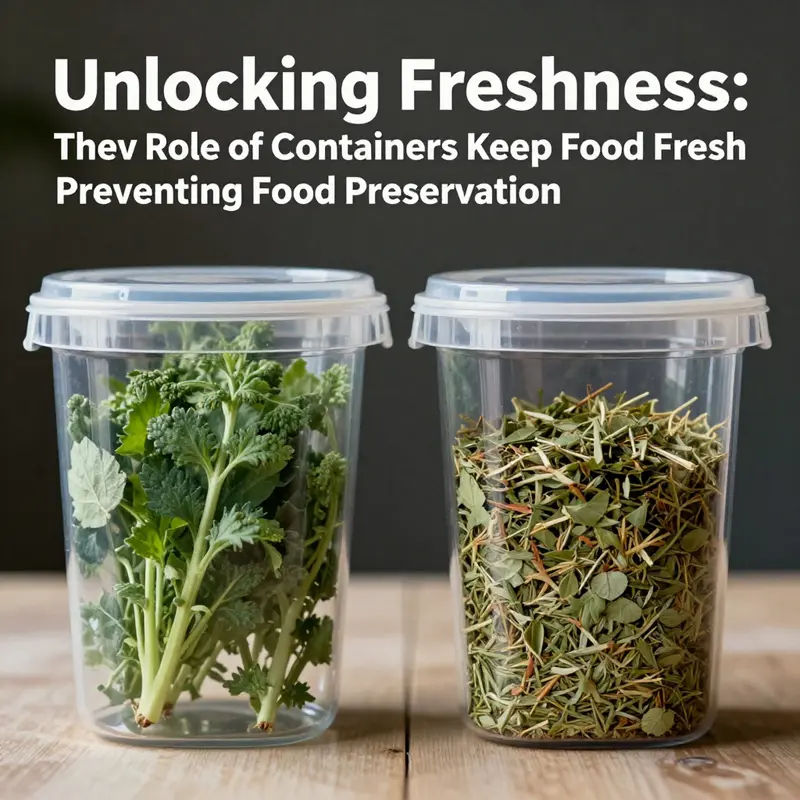
Each time you close a plastic food container, you are signing a quiet pact with the food inside. The lid becomes more than a cover; it is the gatekeeper of a tiny, controlled world where moisture, air, and flavor converge. The core of freshness hinges on this microclimate. It is not simply about keeping foods from spilling or looking neat on a shelf. It is about shaping the rate at which water moves, in and out, and managing the oxygen that circulates in the surrounding air. When designed and used well, plastic containers slow down the processes that degrade texture, aroma, color, and taste. When misused, they can unintentionally hasten spoilage through condensation, moisture loss, or unwanted moisture gain. The balance is delicate, rooted in physical barriers, material choices, and practical design features that work together to preserve what matters most: the food’s freshness and your sense of quality at the moment you open the container again.
At the heart of moisture control is the barrier created by the container walls and, crucially, by the lid’s sealing mechanism. A tight seal minimizes the exchange of water vapor between the inside and outside environments. In foods rich in fats, such as meats or nuts, oxidation is a slow but inexorable foe. Oxygen exposure drives rancidity, color fading, and flavor loss, even when you cannot see it with the naked eye. By reducing the oxygen that slips in through a crack or a poorly fitting lid, plastic containers limit those oxidative changes. Yet oxygen is part of a broader story about moisture. Water does not merely exist as a static thing inside the container; it moves. It migrates toward regions of lower vapor pressure. When you trap moisture inside, you raise the air’s relative humidity within the container. This has both benefits and potential pitfalls, depending on the food.
Dry foods—crackers, cookies, dehydrated herbs—depend on a seal that prevents the tiny, opportunistic drying that can creep into a bag or an open box. In practice, airtight or resealable lids slow the outward diffusion of moisture that would otherwise leach the crispness from starches and sugars. The same barrier helps maintain aroma by dampening the rapid exchange of ambient air, which could carry away volatile compounds that give flavor its vivid edge. The effect is a practical one: the surface texture remains closer to its freshly packaged state, making a biscuit crackle when you bite into it rather than bending and crumbling under dry air stress. For these items, the moisture barrier is a straightforward safeguard. The container behaves as a shield against the environmental dryness that would pull moisture from the interior and make the food feel stale.
For fresh produce or items with high water content, the moisture story becomes more nuanced. Leafy greens, berries, or chopped vegetables release moisture into the surrounding air as they respire. If the container seals too tightly and the humidity inside climbs, condensation can form on the inner walls and on the food’s surface. When condensation appears, droplets can become reservoirs for mold and rot, and the nutrients within can deteriorate more quickly due to microbial activity. Here, the most successful designs strike a balance: they seal to reduce rapid moisture loss but provide controlled pathways for air or vapor to escape, or even incorporate venting features that allow a measured exchange of air to prevent excess condensation. This is especially true for berries and delicate greens, where a small vent can prevent the build-up of moisture that would otherwise waterlog the product. The result is a longer, crisper shelf life because the interior humidity remains high enough to preserve texture but not so high that it becomes a playground for moisture-loving spoilage organisms.
The material choice behind these seals matters, too. In most kitchens, the typical workhorses are food-grade plastics such as polypropylene (PP) or polyethylene terephthalate (PET). These materials boast chemical inertness and stability, meaning they won’t react with acidic or oily foods. They also avoid substances that could migrate into the food, a reassurance that matters as containers are subjected to freezing, refrigeration, heating, and repeated washings. The robustness of these plastics allows lids to maintain a tight fit across a broad range of temperatures, from the chill of a refrigerator to the warmth of a microwave, though you should always check the specific container’s guidelines for heating. This combination of chemical safety and mechanical resilience makes the barrier not only effective but predictable. It is the difference between a container that keeps moisture in or out effectively and one that lets the balance slip toward premature spoilage.
In more advanced designs, additional tools accompany the basic barrier to push freshness even further. Some containers deploy vacuum-seal mechanisms that draw air out of the cavity before locking the lid in place. Vacuum conditions reduce oxygen levels and lower the respiration rate of fruits and vegetables, which slows enzymatic activity and microbial growth. Others incorporate tiny desiccants or specialized seals that actively manage moisture levels inside the container, pulling excess humidity away when it’s too high and releasing minimal humidity when it’s needed by the food. While not all households use these features, they illustrate the underlying principle: moisture control is a proactive practice, not a passive one. The goal is to create a stable microenvironment where water moves slowly and predictably, preserving the sensory attributes that make food appealing—the snap of a crisp crust, the sheen of fresh greens, the aroma of a well-preserved tomato, the way a berry’s surface still glistens with its natural moisture.
Another practical advantage of the moisture-centric design is visibility. Transparent plastic lets you observe moisture signs without repeatedly opening the container. You can catch early cues of condensation, fogging, or wilting before the entire batch begins to suffer. This visual feedback allows you to decide when to reseal, drain, or adjust storage practices, thereby reducing unnecessary exposure to air and moisture fluctuations. The visibility feature complements the seal by enabling users to act with care rather than relying on guesswork.
Even with a robust barrier, human behavior remains a critical variable. How you store a container in the fridge or pantry influences its effectiveness. Storing items in a cooler zone of the refrigerator, away from the door where fluctuations in temperature and humidity are common, reduces the burden on the container’s seal. If you frequently open a container, condensation inside can become more common, so allowing for occasional small releases of vapor can help maintain equilibrium. On the other hand, leaving foods in a sealed environment for too long can trap moisture around delicate products, accelerating spoilage rather than preventing it. The interplay between container design and user habits, therefore, is not a small footnote but a central factor in how long freshness lasts.
The broader context of freshness also includes safety and quality standards. Food-grade plastics are chosen not just for their barrier properties but for their inertness and resistance to temperature extremes. They resist leaching under normal use, preventing any unwanted flavors or chemicals from migrating into foods. Sound packaging design recognizes this dual role: it keeps moisture and air in check while also ensuring the food remains true to its intended taste and texture. This alignment of barrier performance with safety and convenience helps explain why plastic containers have endured as a staple in households and kitchens around the world.
For readers who want to explore related packaging approaches beyond plastics, consider sources that discuss how modern packaging design balances moisture, ventilation, and protection in practical terms. One example highlights a broader family of containers designed for microwave-safe, leak-resistant transport and storage—an example of how the industry is evolving toward holistic moisture management without sacrificing usability. You can explore this approach here: eco-friendly takeout boxes for food packaging. This example underscores how moisture control is not limited to one material but is a design philosophy that informs a range of container systems.
To anchor these considerations in real-world guidelines, it helps to reference established food-safety practices. Proper storage, including keeping perishable items refrigerated when required and avoiding cross-contamination, remains essential. The U.S. Department of Agriculture provides practical guidelines on safe storage and handling that complement the science of moisture control in containers. For readers seeking authoritative guidance, see the USDA’s storage recommendations at https://www.fsis.usda.gov/food-safety/safe-food-handling-and-preparation-for-you/storage-and-safe-handling-of-food. These guidelines reinforce that the best moisture management in containers works in concert with careful handling and timely consumption.
In sum, plastic containers preserve freshness by shaping a microclimate that gently tilts the balance of water movement toward stability. A tight seal minimizes unwanted exchange of air and water vapor; thoughtful venting or advanced technologies prevent condensation from becoming a spoilage accelerant; material choice ensures safety and durability; and visibility plus mindful handling enables users to sustain freshness over time. The result is not a single magic feature but a coordinated system that keeps textures crisp, flavors bright, and aromas recognizable for longer. The next chapter will build on this foundation by exploring how oxygen barriers and temperature management complement moisture control, weaving together the full spectrum of strategies that plastic containers use to keep food fresh.
External resource for further reading: For additional guidance on safe storage practices, you can consult the USDA’s food safety guidelines at https://www.fsis.usda.gov/food-safety/safe-food-handling-and-preparation-for-you/storage-and-safe-handling-of-food.
The Barrier Within: How Sealed Plastic Containers Guard Freshness by Blocking Contaminants and Odors
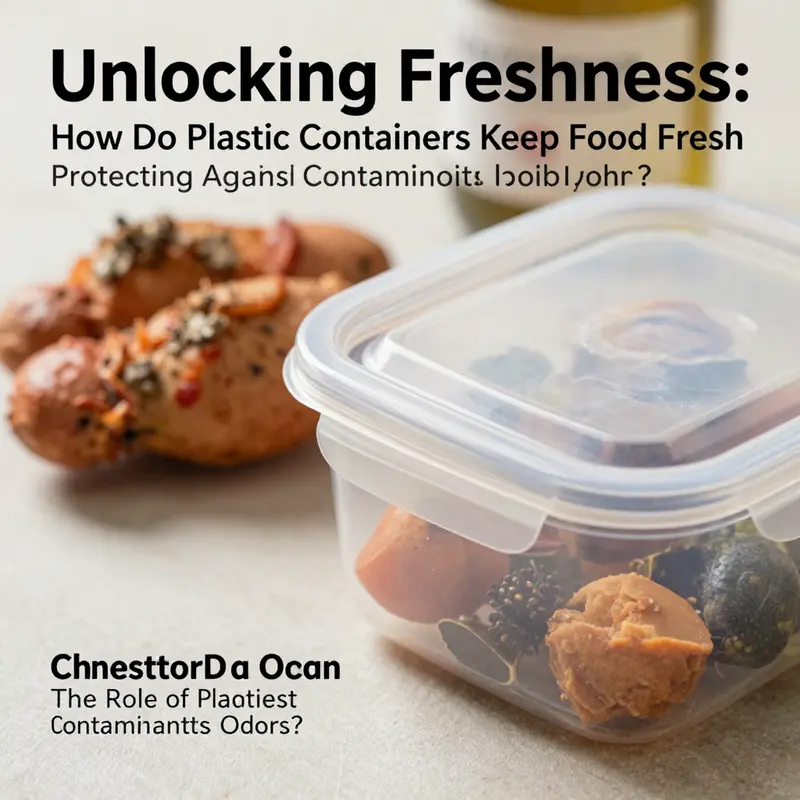
A sealed container is more than a simple lid and a plastic shell. It is the frontline of a quiet, ongoing effort to preserve freshness. When you place food inside a plastic container and snap the lid shut, you start shaping a tiny, engineered climate. That climate is defined by what enters and what is kept out—air, moisture, odors, and all the tiny invaders that can haste spoilage. The chapter on plastic containers and freshness often begins with a focus on the seal, yet the story runs far deeper. It is a narrative about barriers, materials, and design choices that together decide how long a crisp cracker stays crisp, how long herbs retain their scent, and how long a chopped tomato keeps its color without turning mushy or metallic-tasting. In this larger arc of keeping food safe and vibrant, protecting against contaminants and odors is a core mechanism that threads through every other dimension of freshness, from moisture control to temperature stability and, crucially, the chemistry of oxidation that quietly changes flavor and texture over time.
At the heart of this protective function is the sealed environment. A well-sealed lid minimizes the ingress of airborne particles, dust, and microbes that drift with the air at room temperature. When air is blocked, oxygen—the gas most responsible for many forms of spoilage—has fewer opportunities to interact with the fats and oils in foods. Oxidative reactions slow, color fades less, aromas stay closer to their original state, and fats like those found in nuts, meats, and certain cheeses resist the rancid notes that come with exposure. This is not simply a matter of keeping air out; it is about curbing the very chemical reactions that erode flavor, aroma, and nutritional value. The result is not a dramatic, instantaneous change but a gradual, detectable delay in quality loss, a delay that matters in everyday food handling and in the logistics of storing prepared meals.
Yet the sealed barrier serves another essential purpose: controlling moisture. The two-way interaction with humidity is delicate. For dry foods such as crackers or cookies, a barrier to dry air helps maintain crisp texture by preventing rapid moisture loss. Exposed dry goods can become stale as their surface moisture equilibrates with a room’s dry air. In turn, for fresh produce, a sealed environment helps preserve hydration and minimize wilting. Leaves, berries, and herbs lose water not only through transpiration but also via the surrounding air; by reducing evaporation, containers help keep produce firmer and more hydrated for longer than would otherwise be possible on a kitchen shelf. Some plastic containers even incorporate micro-venting features designed for berries or other high-moisture produce. These vents permit a controlled exchange of air to prevent condensation that would foster mold or rot, a subtle balance that prevents both dehydration and sogginess. The lesson is clear: moisture management within the container is as critical as the containment of contaminants, because moisture itself is a key driver of microbial growth and textural change.
Contaminants and odors form a second, equally important axis of protection. In a kitchen or pantry, dust, kitchen vapors, and incidental odors float in the air, and a sealed system acts as a shield. The barrier prevents particulate ingress that could nudge foods beyond their safe shelf life, especially for items stored for a few days. A good seal also curtails the transfer of odors between foods. On a crowded shelf or in a packed refrigerator, a pungent onion can influence the flavor perception of adjacent foods if odors migrate. Plastic containers with tight, well-fitted lids help preserve each item’s integrity by limiting cross-odor transfer. The same barrier that keeps out odors also helps prevent the absorption of odors by the container walls themselves. When the container’s interior surface is inert and non-reactive, it does not readily attract or release smells, so a stored curry or fish dish does not leave a lasting, peppery reminder in a container that later holds fruit or bread.
Material choice amplifies these protective benefits. Food-grade plastics such as polypropylene (PP) and polyethylene terephthalate (PET) are popular for their chemical inertness, resistance to a wide range of temperatures, and stability under refrigeration, freezing, and microwaving. These materials are designed to avoid leaching harmful substances into food. They are also engineered to resist odor absorption and emission, which means they do not become silent reservoirs for smells that could alter the taste of later meals. The absence of reactive additives is crucial here; BPA and certain phthalates have been scrutinized for potential health concerns, so many containers are formulated to be BPA-free and phthalate-free while maintaining the structural integrity needed for a durable seal and reliable performance at different temperatures.
This material robustness interacts with the design of the container to produce the best possible protective effect. A simple, well-made lid forms the most basic barrier, yet more advanced configurations can further improve freshness. Multi-layered constructions, designed to lower permeation of gases and slow the diffusion of odors, add extra resilience. Some systems employ vacuum-seal technology or negative-pressure interiors that reduce the gaseous partial pressures inside the container. These advanced approaches slow the respiration rates of ripening fruits and vegetables, inhibit the growth of some microorganisms, and extend shelf life beyond what a conventional lid can achieve. It is not just about blocking what comes in; it is also about actively managing what remains inside, so the internal microclimate remains stable over time.
A practical upshot of this barrier theory is evident in everyday choices. When selecting containers for leftovers, for instance, a tight-fitting lid and a smooth, inert interior surface help preserve both texture and aroma. Foods that rely on moisture retention—like leafy greens, berries, and other delicate produce—benefit when the interior humidity remains stable, mitigating the stress that dehydration imposes on plant tissues. Foods that are prone to oxidation or flavor loss—such as nuts and fatty meats—benefit when oxygen exposure is constrained. The container acts as a mediator, shaping how fast or slow the relevant freshness processes unfold. The design matters just as much as the material; the combination determines how long the product stays within an acceptable range of taste, texture, and safety. This is why good container choices consider both the seal’s quality and the plastic’s chemistry, not just price or appearance.
In recognizing that barrier performance hinges on more than just a lid, it is helpful to think of storage as a microenvironment management task. The container is a tiny, controllable space where oxygen transfer rates, relative humidity, and temperature stability are part of a single, managed system. Oxygen transmission rates, often called OTR in engineering terms, describe how quickly oxygen passes through a plastic film. A lower OTR means the interior remains less oxidizing for longer, which translates into better preservation of fats, colors, and aromas. The same principle applies to moisture vapor transmission rates; a lower rate helps keep the interior from drying out or becoming excessively humid, reducing condensation that could promote microbial growth or texture changes. When a packaging system combines a low-O2 barrier with moisture control, it becomes a more effective guardian of freshness.
The design and material story also intersects with consumer handling. Containers meant for home kitchens are selected not only for their barrier properties but also for ease of use, stackability, and reusability. Handling ease reduces the chance that the seal becomes compromised during everyday use. A misaligned lid or a dented container can disrupt the seal and undermine the entire freshness strategy. Consumers also play a role in optimizing barrier performance through simple practices: letting hot foods cool briefly before sealing, labeling containers with dates, and keeping containers properly closed when stored. Such practices preserve the integrity of the microenvironment inside the container and extend the time before noticeable quality decline occurs.
To illustrate how the pieces come together, some packaging concepts push performance even further. For example, a system might couple a tight-sealing lid with a gasket or liner that enhances the seal’s effectiveness and reduce the likelihood of air leakage. A non-absorbent interior surface helps prevent odor carryover while also making cleaning easier, reducing residual buildup that could harbor microbes. In some cases, a multi-layer construction reduces gas permeability and enhances barrier properties beyond what a single-layer polymer could achieve. And where high humidity or temperature fluctuations are expected, containers might be engineered to maintain a relatively stable interior climate, sometimes through vacuum or pressure-adjusted mechanisms that keep the contents in a more controlled state for longer.
In the broader arc of this topic, it is useful to connect these internal dynamics to practical guidance. The material science behind plastics is a tool; it is complemented by how users interact with containers. Choosing a container with a proven seal, a smooth interior, and materials that are truly inert to food helps ensure that the barrier remains effective through freezing, refrigeration, and even microwave use, if the particular design supports it. While not every container is created equal, understanding the core idea—that freshness is preserved by limiting what enters and leaves the interior—gives shoppers a lens for evaluating options. It also clarifies why some containers outperform others in long-term storage or when dealing with potent flavors and odors.
For readers seeking a practical nod to packaging options that embody these principles, consider exploring eco-friendly packaging solutions that emphasize sealed, layered construction designed to protect contents across a variety of foods. You can find examples such as an eco-friendly disposable 3-compartment packaging box, which reflects a broader principle: combining a tight seal with multi-layer material barriers to optimize freshness and convenience. Such designs illustrate how barrier principles translate into real-world containers that keep flavors true, textures intact, and odors contained. This approach aligns with a growing emphasis on safe, food-grade materials that minimize odors transfer while resisting contamination during storage and transport. As you plan how to store leftovers, batch-cooked meals, or pantry staples, remember that the barrier inside the container is a quiet ally in the ongoing effort to keep food fresh longer.
For deeper context on safety and handling, a trusted external reference provides a concise overview of how plastics in food containers relate to food safety basics. This resource offers practical guidance on selecting, cleaning, and using plastic food containers in a way that supports freshness and safety over time. Visit the link below to learn more about safe handling and material considerations for plastic containers:
External resource: https://www.foodsafety.gov/food-safety-basics/safe-food-handling/plastic-food-containers
Sealed Shields: How Plastic Containers Preserve Freshness Through Barriers, Not Active Climate Control

Plastic containers keep food fresh not by actively reheating or cooling, but by acting as quiet barriers that shape the environment inside and around the food. Their success rests on a trio of core functions: limiting exposure to oxygen, managing moisture, and preventing intrusion by contaminants and odors. In practice, these functions unfold as a tightly sealed pocket where air exchange is minimized, moisture transfer is controlled, and the risk of outside intrusion is reduced. The result is a slowed pace of spoilage that hinges on the container’s ability to regulate the most immediate influences on freshness. This chapter unfolds that logic in a way that connects the science of barriers to the everyday habit of storing food, showing how even small differences in design and use can translate into meaningful gains in shelf life and texture. The narrative is not about flashy mechanisms but about the steady, almost invisible work of a good seal and a thoughtful interface with the surrounding environment.
The oxygen barrier is perhaps the most fundamental aspect of freshness. Oxygen is a driver of oxidation, a chemical process that affects fats, oils, pigments, and flavors. In foods rich in fats—meats, nuts, certain cheeses—oxygen exposure accelerates rancidity, leading to off-flavors and duller colors. In fruits and vegetables, oxidation can dull color and degrade nutrients over time. A plastic container with a reliable lid forms a tight seal that limits how much external air can seep in. This is a physical shield, not a magical generator of a protective atmosphere. The seal reduces the container’s exposure to oxygen, which slows both oxidative reactions and the cascade of microbial activity that relies, in part, on available oxygen. The result is a calmer, more gradual decline in quality, giving foods a longer window of peak freshness.
Moisture is another central lever. For many foods, the right moisture balance is a matter of texture as much as taste. Bread and fresh produce stay pliant and crisp when their internal moisture remains stable, but they suffer quickly when moisture escapes or when ambient humidity leaks in. A sealed plastic container traps the bread’s natural moisture, keeping it from drying into a stale crumb, while it prevents ambient humidity from creeping in and making flour, pasta, or rice feel damp and clump together. The sealed environment thus promotes the texture that defines freshness for dry goods and for produce kept at home. Yet, moisture balance is nuanced. Some foods are prone to condensation inside a closed container, especially when warm items are placed in a cooler fridge. Condensation can foster mold or soggy textures. For delicate produce like berries or leafy greens, container designs sometimes incorporate small vents or micro-porous features to allow a measured exchange of air. The goal is not to starve moisture completely but to prevent the unhelpful extremes—excessive drying for dry items and unwanted condensation for produce.
The third pillar is protection from contaminants and odors. Freshness includes not only the food’s own state but its ability to hold onto aroma and flavor without cross-contamination. A tight lid acts as a shield against dust, scents from neighboring foods, and airborne particles. It also prevents strong odors from escaping to nearby foods, which can be especially important in mixed-storage situations where the take-out onion, garlic, or strong cheeses might otherwise transfer their notes. In practical terms, the lid and sealing surface are as much about keeping outside influences out as about keeping inside moisture in. When a container is damaged or the seal is compromised, even high-quality contents lose their protective edge, and the delicate balance that preserves freshness can quickly falter.
Temperature and humidity are closely linked to how long a stored item remains at its best, but plastic containers do not actively regulate those conditions. Their primary job is to act as passive insulators that are best leveraged when placed in an appropriate environment. In a refrigerator or freezer, the container helps maintain the cool, stable temperatures that slow bacterial growth and biochemical changes. It reduces the heat exchange that would otherwise speed up spoilage. The effect is indirect but meaningful: the container does not create a perfect climate, yet it preserves the existing climate by limiting heat influx or outflux. It is essential, however, to avoid placing hot food directly into a plastic container, which can cause the material to soften or release unwanted substances into the food. Allowing hot items to cool before sealing and refrigerating is a simple practice that protects both the food and the container.
In some discussions, you may encounter references to specialized packaging systems that actively manage internal environments. The concept is not common in everyday household storage, but in certain controlled settings, sealed, negative-pressure containers and high-performance crates are used to suppress respiration rates and regulate temperature and humidity inside a controlled microclimate. In these contexts, the aim is to extend shelf life beyond what a passive seal could achieve alone. The takeaway for most home cooks is straightforward: standard consumer plastic containers do not actively regulate temperature or humidity. They rely on the surrounding climate—your fridge, your pantry, your freezer—to provide the proper conditions. The container’s job remains the simple, robust one of isolation, moisture retention, and odor control, complemented by careful handling to avoid temperature shocks and condensation.
Material choices further shape how well a container performs its protective tasks. Food-grade plastics such as polypropylene and certain forms of PET are chosen for several reasons. They tend to be chemically inert with respect to a broad range of foods, including acidic and oily substances, reducing the risk of unwanted reactions or flavor changes. They are designed to resist leaching of substances that might be harmful, and they maintain their integrity across typical kitchen temperatures, from freezing to reheating in some cases. Not all plastics are created equal in this regard, and the specifics of a container’s heat resistance or microwave suitability depend on the exact material and design. The emphasis remains on materials that do not interact with food in adverse ways and that maintain a stable barrier over the container’s expected life. In parallel, safety-conscious design also means avoiding additives that could migrate into food, such as BPA or related compounds, especially in older or poorly labeled products. The modern standard emphasizes inertness, barrier performance, and a reasonable range of temperature tolerance so the container can be used in the fridge, freezer, or microwave where appropriate.
All this points to a practical truth: plastic containers preserve freshness through a combination of barrier properties and context. The barrier keeps the external environment from intruding and the internal environment from escaping, while the surrounding storage conditions supply the temperature and humidity that create an environment where microbial growth and biochemical changes are slowed. When these pieces work in harmony, the food maintains its texture, aroma, color, and flavor longer than it would in a less protective vessel. How you use the container matters as much as the container’s design. A clean lid, a properly sized container, and a careful approach to filling—neither overstuffing nor leaving large air gaps—enhance the seal and, with it, the freshness.
The narrative of barrier-based freshness also becomes clearer when we examine real-world examples. Consider bread stored in a sealed container. The enclosure traps the bread’s own moisture, slowing crumb drying and keeping slices soft for a longer period. For leafy greens or berries, the same principle applies, but design nuances matter. A container without aeration can trap moisture that promotes mold, while a container with overly aggressive vents can let in dry air that wilts greens or dehydrates fruit. The art lies in designing a container that protects the delicate balance: enough seal to prevent excessive evaporation, yet enough controlled exchange to prevent condensation from becoming a breeding ground for mold. Even simple innovations, such as a well-fitted lid and smooth sealing surface, have a measurable impact on freshness by reducing the frequency and intensity of moisture-related texture changes and off-odors.
In the broader ecosystem of food storage, containers act as small, repeatable tools. They are designed to be cleanable, durable, and adaptable to a variety of foods, yet their core value remains the same: a predictable barrier that supports the food’s natural state. This predictability is what makes plastic containers a reliable standard in households and kitchens. When used consistently, they minimize the loss of moisture from dry goods, reduce the impact of ambient humidity on produce, and protect against the unavoidable drift of odors and contaminants in the storage environment. That steady performance is what allows meals to stay inviting from the moment they are prepared to the moment they are reheated or repurposed.
To illustrate the principle in a more concrete way, consider how a typical household might approach storage with a focus on the barrier function. A small, tight seal can make the difference between a loaf staying fresh for an extra day and becoming stale. A container that fits its lid well is less prone to slow leaks of air that carry odors across the refrigerator. A design that minimizes condensation on the inner walls prevents mold growth in produce that would otherwise degrade supplies more rapidly. In this light, the chapter’s core idea—freshness is preserved by barrier properties and the context in which the barrier operates—becomes a practical guide for everyday use.
For readers seeking a vivid example of how container design intersects with barrier performance, note how even a simple, accessible example such as plastic sauce jars with lids showcases the principle. The lid’s seal is the first line of defense; the jar’s material is the second; and the way the jar is stored—upright, away from heat, away from direct sunlight—completes the triad. That is the essence of how plastic containers keep food fresh: a physical barrier that, when respected, reduces exposure to the forces that drive spoilage.
In sum, the story of plastic containers and freshness is not about creating a perfect microclimate, but about enabling a stable, predictable state in which food can remain close to its best for longer. The barrier makes the internal conditions less variable, and the surrounding environment supplies the temperature and humidity into which that barrier is placed. The result is a practical, reliable standard for preservation that is easy to implement in daily life. With careful selection of materials, mindful sealing, and thoughtful storage practices, plastic containers offer a simple yet powerful way to extend freshness without complicated climate control. External factors—air quality in the kitchen, the initial quality of the food, the way it was handled before storage—still influence the outcome. But the container’s barrier approach remains a central, enduring principle behind keeping foods like bread, greens, and snacks tasting their best for longer.
External resource for further reading on packaging safety and food contact substances can be found here: https://www.fda.gov/food/packaging-food-contact-substances. This resource provides a broader perspective on how packaging design, materials, and regulatory considerations come together to support safe, effective storage practices across different environments.
Guardians of Freshness: The Material Science Behind Keeping Food Safe and Tasting New in Plastic Containers
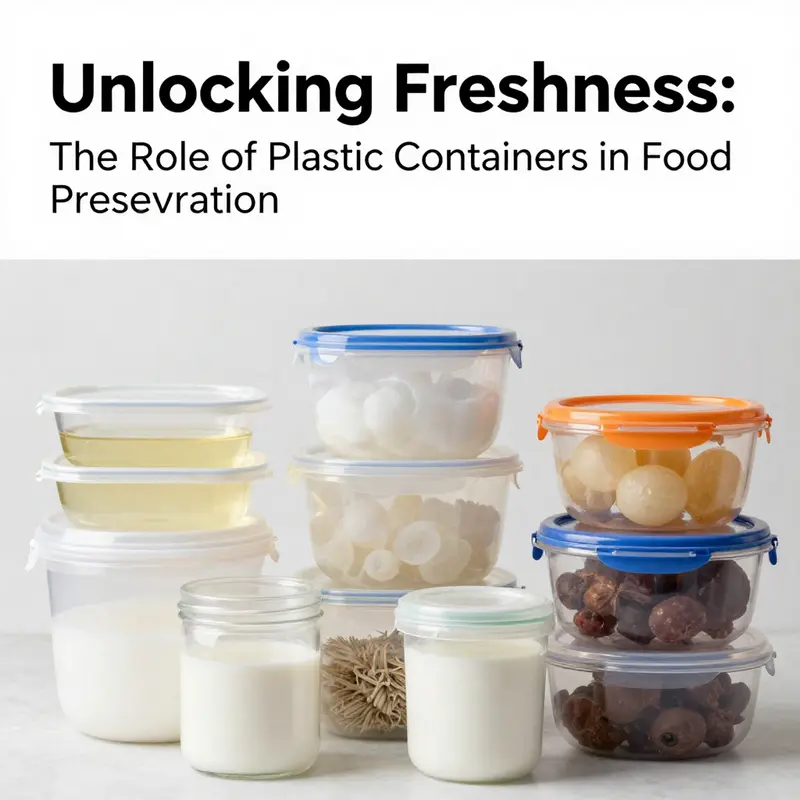
Plastic containers do more than hold food; they orchestrate a fragile balance of chemistry, physics, and practicality that keeps flavors bright and textures intact. When you lift a lid and catch a whiff of yesterday’s leftovers, you’re witnessing the results of material choices, precise sealing, and thoughtfully engineered barriers working together. The chapter that follows dives into how the right plastic, in the right form, can slow the clock on spoilage without breaking the bank or compromising safety. It is a story of how science translates into everyday convenience, and why the everyday kitchen container deserves a bit of design wizardry.
At the heart of freshness is the sealed environment. A tight lid forms a physical barrier that minimizes the container’s exposure to ambient air. Oxygen is a principal culprit in oxidation, the slow chemical reaction that dulls fats and oils in meat and nuts, turning them rancid and muting aromas. When air is kept out, the pace of oxidation slows, and color, scent, and flavor linger longer. This is not mere containment; it is a deliberate restriction of an enemy that travels in every breath that passes by the container’s rim. The barrier also reduces the exchange of moisture, which is equally crucial to preserving quality. For dry foods such as crackers or cookies, the sealed environment curtails moisture loss, helping maintain crispness and texture. For delicate produce like berries or leafy greens, the same seal helps keep surface moisture, reducing wilting and limpness that come with dry air. Yet the design isn’t always about a perfect no-vent world. Some containers incorporate small, controlled ventilation to prevent excess condensation that could invite mold or soggy produce. The challenge is to strike a balance: enough exchange to prevent condensation or vacuum pull, but not so much that moisture, odors, or gases rush in uncontrolled. This nuanced approach shows up in the everyday lid—an ingenious little component that transforms a simple box into a micro-environmental control system.
Contamination is another threat that plastic containers confront with every seal. Airborne dust, dirt, and other particulates can settle on food during storage, and strong-smelling items can transfer odors to nearby foods. The lid’s barrier reduces both the risk of contamination and cross-odor transfer, helping preserve the food’s intrinsic flavors. In practice, this means that a well-sealed container helps keep a tomato sauce from reeking up a pantry full of delicate herbs, or prevents an onion’s pungency from tainting a nearby yogurt. It also means fewer surprises when you open the container later—less musty smell, less visible moisture migration, and less chance that a previously stored item will taste like the item next to it. The lid’s integrity, then, is a practical safeguard for both safety and sensory quality.
But filtration of air and moisture is not the only job a container performs. Temperature and humidity, though often moderated by household refrigeration, still play a role in shelf life. Standard plastic containers thrive in cool to moderate environments, but some systems take this a step further. The concept of an eco-friendly, sealed, negative-pressure environment hints at a more active approach: a tightly controlled interior climate that can slow produce respiration and suppress the growth of spoilage microorganisms. While most household containers do not create truly negative pressure on their own, the principle reminds us that the interplay of seal, material, and design shapes how long food remains usable. In commercial or research settings, such active control systems emphasize that the choice of container is not just about trapping air; it is about managing the micro-climate inside the vessel as a functional part of storage.
The choices begin with the material itself. Food-grade polymers are selected for a range of performance traits—chemical stability, thermal resistance, and barrier properties—that together determine how well a container preserves flavor and safety. Polypropylene stands out for its heat resistance and broad compatibility with both hot and cold items. It remains usable in the oven or microwave if designed for reheating (and always with the user’s safety in mind). For many, PP’s stability with acidic, fatty, or aromatic foods reduces the risk of chemical interactions that could alter taste or integrity. This makes PP a versatile option for meals that require reheating after cooling, as well as for leftovers stored in the fridge. Polyethylene, especially its low-density variant, is treasured for moisture resistance and durability. It is well-suited for wrapping inserts, produce, and baked goods where pliability and a strong moisture barrier are valuable. However, LDPE’s heat resistance is lower, which explains why it is less commonly recommended for microwave use. The trade-off between flexibility, moisture protection, and heat tolerance is why different items often live in different plastics.
Polystyrene brings rigidity and clarity into play. It is appropriate for specific, often single-use applications where stiffness and presentable appearance matter. Yet its heat tolerance and long-term durability do not match PP or Tritan in all use cases, limiting its appeal for containers intended for hot foods or repeated cycles. Then there is Tritan, a newer copolyester celebrated for its clarity, toughness, and BPA-free status. Tritan can handle higher temperatures and frequent dishwasher cycles, making it a reliable choice for reusable containers that demand consistent performance without compromising safety. In practice, Tritan’s combination of transparency and durability makes it a popular choice for laboratory-like reliability and household convenience alike.
Safety and regulations provide the guardrails that assure consumers that these materials stay within acceptable boundaries. Reputable manufacturers label products with recycling codes, temperature-use guidance, and claims about leaching and safety. The codes, such as PP’s number five or HDPE’s number two, communicate the material family at a glance. More important, labeling informs users when a container is microwave-safe, freezer-safe, or suitable for fatty or acidic foods. The absence of harmful substances, including BPA or phthalates, is a central concern in modern design. In the practical mindset of home storage, it matters that a container is described as non-reactive with the kind of foods it will hold and that it remains stable under the temperatures to which it will be exposed during storage, reheating, or freezing.
All these considerations—barrier quality, moisture management, and material safety—are not independent; they are a synergistic triad. The way a container is sealed, the properties of the plastic, and the container’s actual use scenario converge to determine how fresh food stays fresh. A rigid, crystal-clear container might showcase a crisp salad, but if the seal is flawed or if the material leaches flavor, the very reason to choose a plastic container is compromised. Conversely, a flexible LDPE wrapper offers a great moisture barrier for certain products, yet it may not survive reheating or dishwasher cycles as well as a sturdier PP or Tritan container. The best containers are designed with the intended life cycle in mind—from cold storage to reheating to long-term freezing—and the material choice aligns with those needs.
This practical science extends to the everyday act of choosing the right lid and its compatibility with the container body. The lid’s fit, seal, and any venting mechanism influence oxygen ingress, moisture exchange, and odor migration. A robust seal with a well-engineered gasket can dramatically reduce oxygen exposure, which in turn slows oxidation and preserves color and aroma. A venting feature, when thoughtfully implemented, helps regulate moisture buildup in high-humidity environments or prevents condensation on the inside of the lid that could water down exposed foods. In short, the container’s interior environment is not a passive space; it is an active ongoing negotiation between material properties and user behavior.
For cooks and families alike, this science translates into practical guidance. When reheating leftovers, selecting a PP- or Tritan-based container labeled microwave-safe minimizes the risk of chemical interaction and helps preserve texture. For fresh produce, containers that minimize air exchange while preventing condensation reduce wilting and spoilage. For dry goods and snacks, a tight seal that manages humidity can preserve crispness and flavor for longer periods. And for sauces or moist dips, a container with a reliable lid and a material that does not leach flavors ensures that the intended taste remains intact when opened later.
Within this narrative of materials and purpose lies an important reminder about the role of design in safety. The very act of preventing contamination hinges on the container’s barrier integrity. Misdirected storage—that is, placing hot foods directly into a plastic container not rated for high temperatures, or using a container with unclear labeling for microwave heating—can invite safety risks and flavor changes. The careful labeling of microwave safety and the avoidance of materials that could shed harmful substances are not decorative add-ons; they are essential safeguards that help maintain both health and taste.
Even as this chapter highlights the science behind safe containers, it also nods to the broader ecosystem of packaging. Containers do not exist in isolation; they are part of a chain from production to use to disposal. The right material may offer excellent barrier properties and heat resistance, but if it cannot be recycled or or if its production carries an environmental cost, the decision to choose it becomes more nuanced. Thoughtful consumers help push the industry toward safer formulations, more durable designs, and better end-of-life options. The result is not just fresher food; it is a packaging approach that respects health, convenience, and the environment.
In the spirit of practical insight, consider the small but meaningful choice of how to reference a common storage scenario: sauces and condiments. The same principles apply to these items, too. The barrier must protect delicate flavors from oxidation; the seal must minimize leakage; and the material must be chemically inert enough to preserve taste without introducing off-flavors. A simple, well-sealed plastic sauce jar with a lid illustrates how thoughtful design helps keep sauces vibrant from bottle to bowl. For further reading on how lid and jar combinations influence storage outcomes, you can explore a practical example of plastic sauce jars with lids.
For readers seeking a concrete, real-world example of how container design adapts to usage, a related pick demonstrates how everyday packaging choices intersect with consumer needs: plastic sauce jars with lids. This example shows how a simple component—the lid—can steer the container’s performance in ways that matter to freshness, safety, and taste. It is one thing to talk about barrier properties in abstract terms; it is another to see how a lid’s fit, groove design, and gasket material translate into fewer spoiled items and more dependable storage. The principle is consistent across many storage scenarios: materials do their job best when the product’s intended life cycle is understood and the container is designed accordingly.
To broaden the perspective beyond plastics, it is also instructive to compare how alternative packaging approaches handle the same challenges. Some packaging families prioritize recyclability, others emphasize barrier performance, and a few merge both into durable, reusable forms. The evolving landscape reminds us that the science behind keeping food fresh is not static. It grows with new polymers, new additive packages, and smarter design features that together expand the ways we preserve quality without compromising safety. The moral of the story remains simple: the best plastic containers keep the food’s interior environment stable, shield it from outside forces, and stay faithful to safety standards, all while aligning with how we actually store and use food in our daily lives.
For readers who want to explore packaging options that extend beyond plastics while retaining a practical focus, an external resource discusses eco-friendly takeout boxes and how design choices affect performance in real-world applications. This broader view treats packaging as an ecosystem, where materials, seals, and compatibility all influence freshness, usability, and sustainability. eco-friendly takeout boxes for food packaging
Final thoughts
The innovative design of plastic containers provides essential benefits to food businesses. By creating a sealed, low-oxygen environment, they slow down spoilage while preventing moisture fluctuations, ensuring every ingredient remains fresh and appealing. Additionally, these containers protect food from external contaminants and odors, maintaining original flavors. Maintaining optimal temperatures and humidity further elevates their effectiveness, and the choice of safe, high-performance materials ensures that food safety is never compromised. By fully utilizing these advantages, bubble tea shops, restaurants, food trucks, and catering services can enhance their offerings and minimize wastage, leading to increased customer satisfaction and loyalty.