

As businesses in the food and beverage industry seek enhanced solutions for packaging, the choice of food containers becomes crucial. Plastic food containers with lids offer a versatile and efficient option for restaurants, beverage chains, catering services, and event planners. This article delves into the multifaceted advantages of using polypropylene (PP) materials, analyzes market products, provides practical purchasing tips, and discusses the environmental impact of these containers, ensuring every stakeholder understands their importance in today’s culinary landscape.
为何聚丙烯是带盖食品容器的首选材料:性能、设计与使用策略
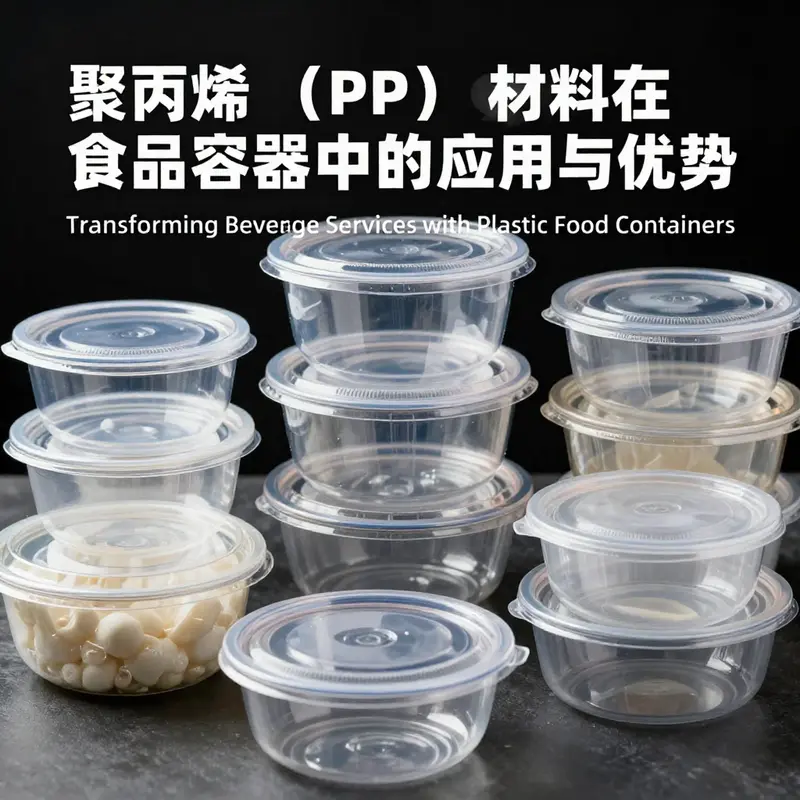
聚丙烯(PP)凭借其均衡的性能,已成为带盖食品容器的主流材料。 这种材料既满足日常储存和加热的需求,又支持重复使用,从而降低一次性塑料的消耗。聚丙烯的低密度和良好韧性,使容器既轻便又耐用。它能承受经常性的弯曲和跌落,不易裂开。这一基础性能直接决定了容器在家用、办公以及快餐配送场景的长期适用性。
聚丙烯在热性能上表现突出。食品级PP能在高温下保持尺寸稳定,不易软化或变形。一般可安全用于微波加热、沸水消毒和蒸煮,前提是遵循厂家的温度限制和操作建议。微波使用时推荐短时间间隔加热,并在加热前打开或半开盖通气,以避免压力积聚。热稳定性也意味着容器在洗碗机的高温程序下不会发生明显变形,便于清洁和消毒。正因如此,聚丙烯容器适合需要反复清洗、重复使用的场景。
在化学稳定性方面,聚丙烯显示出对多数酸碱和氧化剂的惰性。这种惰性减小了容器与食物之间发生反应的风险,从而保障食品风味与安全。食品级PP通常不含双酚A等争议性添加剂,市场上许多产品标注为BPA Free。尽管如此,选择时仍应确认制造商的检测报告或合规标识。对于含有大量油脂或香辛料的食物,建议避免在高温下长期密闭存放,以降低任何微量迁移的可能性。
聚丙烯的机械性能也为容器设计提供了广阔空间。其低密度(约0.90–0.91 g/cm³)意味着相同体积的容器更轻,利于携带和堆叠。良好的抗冲击性与耐弯曲疲劳特性,使得薄壁设计成为可能,从而节省材料和成本。通过成核剂改性或共聚改性,生产者可以进一步提升结晶速率、耐热性与刚性。这些改性技术让微波专用容器和可反复使用的便当盒,同时具备密封性能与结构强度。
密封设计在带盖容器中同样重要,通常采用卡扣结构或旋盖搭配柔软密封圈。PP本身可以用于盖子主体,但密封垫往往选用硅胶,以保证气密性与耐温性能的平衡。良好的密封不仅防漏,还延缓氧气和水汽对食物的影响,从而延长保鲜期。对于需要携带液体或汁多食物的场景,优先选择带有可拆卸密封圈的盖型,便于清洗并降低异味残留的可能。
透明度和外观也是消费者关心的方面。聚丙烯可以通过控制结晶度实现从半透明到不透明的外观。高透明度设计便于观察内部食物,适合厨房分类和冰箱管理;而着色或不透明的PP则能更好地遮光,适合对灯光或氧化敏感的食品。表面处理技术能增加耐划伤性或给予摩砂质感,提升手感和耐用性。模具设计上,刻度线和分隔格口成为提高实用性的常见功能,使容器既可用于食材分装,也适合烘焙原料或午餐便当的管理。
从使用习惯和清洁维护角度看,聚丙烯容器具有明显优势。日常清洗通常只需温水和中性洗涤剂即可。对于残留油污,温水浸泡和软性刷洗能有效去除。避免使用强腐蚀性清洁剂或钢丝球,以防划伤和细微裂纹的形成。容器如出现明显变形、深度刮痕或异味难以清除,应考虑更换以保证食品安全。日常使用中留意盖圈的完整性,發現老化或损坏及时更换,能够维持良好的密封性能。
可回收性是聚丙烯的另一个重要议题。PP通常标识为回收编码5,许多地区接受这一塑料回收。但回收管道和率因地区而异。相比一些一次性材料,耐用的PP容器通过延长使用寿命,可显著减少总体一次性塑料消耗。在无法进入回收体系的地方,推广重复使用同样是降低环境负担的有效路径。选择可拆解设计和同质材料的结构,有助于提高可回收性并降低拆解成本。
在实务应用上,聚丙烯的应用范围非常广。家庭常见的餐盒、保鲜盒、便当盒等多采用PP材料。餐饮配送和预制菜分装也常使用PP容器,便于微波加热和冷链运输。实验室和食品工业中,PP器皿用于短期保存和搬运固体或液体样品,因其化学惰性而备受青睐。对于注重便捷和重复使用的场景,PP为成本效益与功能性的平衡提供了可靠基础。
选择带盖PP食品容器时,有几项实用建议值得采纳。首先,确认产品标签是否标注为食品级材料和BPA Free,并查看可用的温度范围。其次,评估密封结构是否可拆洗,是否使用高弹性密封圈以及卡扣强度。再次,关注厚度与壁型设计,薄壁虽轻便但在高温或重压下可能失稳。还应关注透明度与刻度功能,以满足储存与计量需求。最后,选择便于堆叠与标签管理的外形,提升冰箱和储物空间的使用效率。
在对比一次性塑料包装时,带盖PP容器提供了更多可持续价值。一次性容器虽然方便,但长期成本和环境影响更高。耐用PP容器通过重复使用分摊了材料和能源成本。企业和餐饮从业者若采用可重复使用的PP方案,可以同时减少废弃物产生与运营开销。对家庭用户而言,选择耐热且可微波的PP容器,可以简化餐前准备和余菜保存流程。
作为补充说明,市面上也存在大量一次性透明或小容量酱料杯。对于短期或外卖使用,这些一次性方案提供了便利。然而,在可行的情况下,推荐使用可重复清洗的带盖PP容器。不仅能实现更稳固的密封与耐热性,还能减少废弃包装。下面给出一个例子,便于理解一次性与可重复方案的差异:透明带盖酱料盒(一次性塑料)。
关于健康与安全问题的官方资料和权威解读可以为选择提供参考。聚丙烯作为食品容器材料的安全性已有大量研究支撑。若想深入了解食品级PP的健康结论和权威评述,可参考下列外部资源以获取更多科学信息。
外部参考资料:
https://www.bohe.cn/health/food-grade-pp-never-causes-cancer.html
市场典型塑料带盖食品容器:种类、材质与实用选择指南
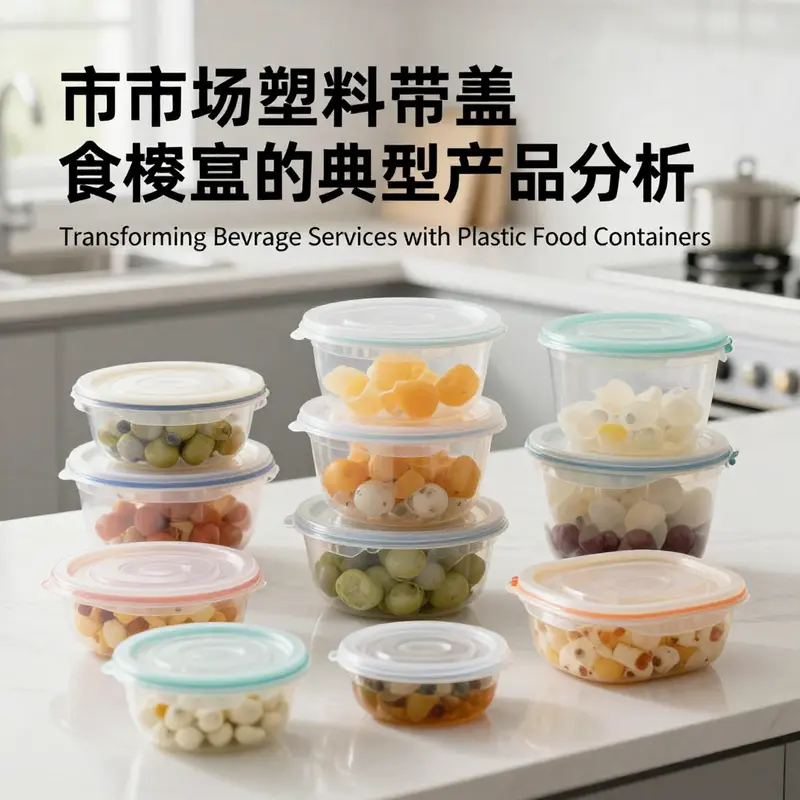
塑料带盖食品容器的市场轮廓与核心差异
塑料带盖食品容器已从单一储存工具演变为集合功能、安全与设计的家居与商用必需品。消费场景从家庭冰箱与便当,到餐饮物流与食品加工车间,各类容器在形态与细节上展现显著差异。理解这些差异,有助于在购买或定制时做出理性选择。本文围绕主流类型、材质与密封技术展开,提供实践性选购建议,并分析当前市场趋势。
在功能层面,市面产品可粗略分为三类:用于批量周转与运输的加厚周转箱、面向家庭日常储存的透明保鲜盒,以及注重长期保鲜与防潮的密封储物罐。周转箱强调承重和堆码稳定性,通常采用加厚壁体与稳固的翻盖或斜插式盖;透明保鲜盒以高透明度为主,便于在冰箱或收纳柜中快速识别内容物;密封罐侧重气密与防潮,多配硅胶密封圈或旋合式结构,适合谷物、坚果、咖啡豆等易受潮食品。不同类型在设计取向与工艺细节上有明显侧重,这直接影响到使用体验和保存效果。
材质始终是选择的核心因素之一。当前市场主流材料为食品级聚丙烯(PP)与聚对苯二甲酸乙二醇酯(PET)。聚丙烯以其良好的耐热性和化学稳定性著称,可安全用于微波加热和洗碗机清洗,适合需要频繁加热或重复使用的场景。聚对苯二甲酸乙二醇酯则更适合对透明度要求高的应用,例如展示型容器或大口径透明罐。消费者应优先选择标注“BPA Free”(不含双酚A)或明确的食品级认证产品,以降低潜在健康风险。
密封技术直接决定保鲜与防漏性能。部分高端产品采用双重密封结构:硅胶密封圈配合扣合或旋合盖,再辅以一定的负压或一体化卡扣,能在搬运或倾斜时有效防止泄漏。对于需要外带或液体收纳的场景,优先选择带弹性密封圈与卡扣的盖型。对于长时间干货保存,旋合式或带真空功能的罐子在防潮方面优势明显。
产品设计的细节也在不断进化。人性化设计包括便于开启的小扣、上下互叠的节省空间结构、以及扁平化形身以匹配窄柜或小冰箱。厂商常通过套装销售满足多样需求,三件或五件套能提供不同容量组合,提升收纳灵活性与性价比。商用领域更注重抗冲击与防滑设计,便于堆码运输并减少破损率。
品牌与渠道因素同样影响购买决策。市场中排名靠前的品牌通常在质感、密封性和售后上占优。电商平台的销量与评价数据是普遍参考依据,快速发货和灵活的退换货服务也成为吸引消费者的重要环节。对于企业采购,供应链稳定性与批量定制能力是更实质的考量点。
在实际选购时,可以从用途出发,按四个维度进行比对:材质安全、密封性能、耐热与耐冷范围、以及适配的容量与形状。若频繁微波加热,应优先选用标明微波安全的PP容器,并避免长期在高温环境中空载加热。若需冷藏或冷冻,确认材质的低温韧性,避免在零下温度下出现脆裂。若存放带气味的食物,选择密封性强且不易吸附气味的材质和内壁处理。
对商用或批量使用者,还应关注承重、堆码效率与盖子的牢固性。大型周转箱通常有专门的抗压测试标准,应优先选取符合工业承载规范的型号。运输过程中的盖型稳定至关重要,斜插或锁扣结构能在频繁搬运中保持盖体不脱落,降低污染风险。
关于环保与可持续性,市场正在平衡一次性与可重复使用产品的矛盾。可重复使用的高质量塑料容器,若能提供更长使用寿命,则在整体碳与垃圾成本上相对更优。与此同时,塑料回收的实际可行性也取决于本地回收体系和材料的可分离性。透明或统一材质的容器在回收分选上更容易处理。消费者在选择时,可考虑产品的耐用年限与当地回收政策。
对于设计师与品牌方,创新点主要集中在材料改良、密封结构和模块化组合设计。新的添加剂与改性技术能提升材料的抗冲击与耐高低温性能。同时,更简洁的卡扣设计或一体化盖体,能降低泄漏风险并提高用户开盖体验。在保鲜功能方面,部分产品尝试引入二次密封或替换式密封圈,便于维护与更换,延长容器的使用寿命。
消费者使用习惯也在影响产品形态。更多家庭倾向于购买透明、可叠放且标注容量的套装。这类设计便利了食物分装与冰箱整理,也更利于剩余食品管理。此外,对于便当与外带用户,带有稳固密封与分隔设计的便当盒需求持续增长,尤其在需要防止汁液串味的场景中表现突出。
在挑选过程中,实用的比对清单包括如下要点:一、确认材质标识及是否有食品级认证;二、检查盖子与容器的接合处,评估密封圈与卡扣的质量;三、根据使用场景选择耐热或耐冷的材料;四、评估产品是否易于叠放与清洗;五、优先考虑透明度较高的型号,便于识别内容物;六、若在线购买,仔细阅读用户评价中的密封性与耐用性反馈。
综合来看,塑料带盖食品容器市场呈现出功能化与品质化的双重趋势。不同产品在材质、密封结构与外形设计上不断细化,以满足更明确的使用场景。理性的选择应基于用途和长期成本,而非单纯价格比较。关注材质安全、密封细节和适配性,能显著提升使用体验与保存效果。
了解具体小分类或配件时,像用于调味或分装的小容量塑料罐也值得一并考虑。此类小罐往往采用透明材质,配合密封盖,适合酱料、调味品或少量剩菜的短期保存。如果你的需求包括此类小容量收纳,可以参考产品页面了解样式与容量选择。更多关于小型塑料酱料容器的信息请见:plastic sauce jars with lids.
在阅读本章内容后,下一步是将需求具体化。列出常用容量、预计加热与冷冻需求、是否需要外带防漏功能,以及是否优先考虑可叠放或展示型透明外观。明确这些要素后,比较几款满足条件的产品样本,将有助于迅速锁定最合适的容器类型。
更多参考资料与系列样式,可在品牌或官方产品页面进一步确认技术参数与使用建议。外部参考链接示例: https://www.ikea.cn/cn/zh/products/365-food-container-with-lid-90497802/
Choosing Plastic Lidded Food Containers: Practical Guidance for Safe, Reusable Storage
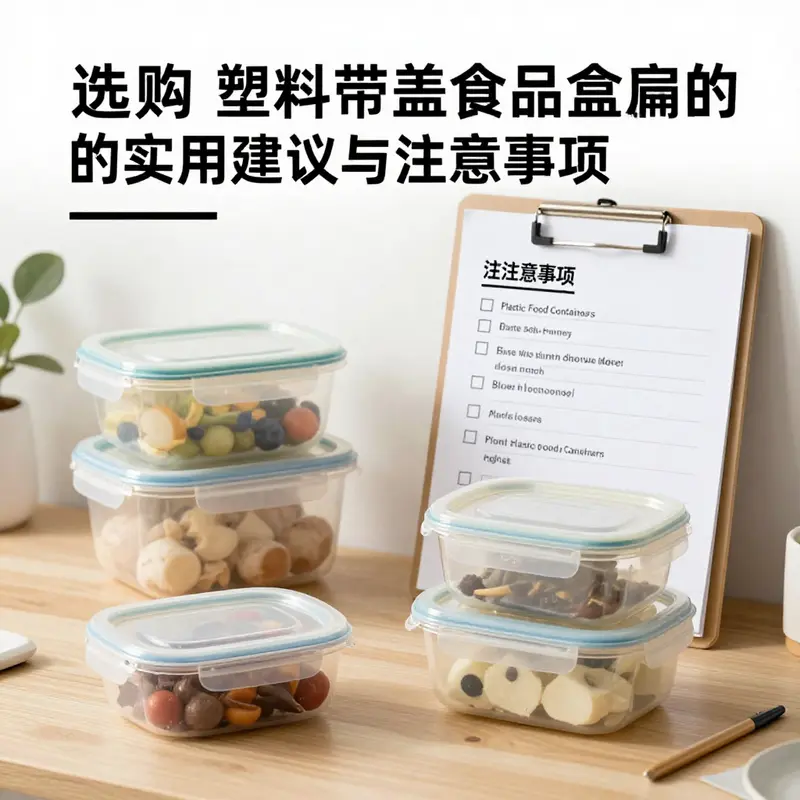
Selecting plastic containers with lids for food storage is more than a matter of convenience. It is a decision that touches safety, durability, and how we manage waste in daily life. When you approach the task with a clear framework, you can evaluate containers not just by size or shape, but by how their materials behave under real-world use. This chapter unfolds that framework, weaving together material science, practical handling, and long-term considerations to help you choose containers that keep food fresh, reduce risk, and encourage ongoing reuse rather than disposability.
At the heart of any solid choice is the material. In the realm of plastic food containers, two polymers stand out for their balance of safety, heat tolerance, and mechanical resilience: polypropylene and high-density polyethylene. Polypropylene, commonly abbreviated as PP, is widely favored in cookware and storage because it resists heat well and remains stable when in contact with food. It can be used for meals that are refrigerated or reheated briefly, provided the product labeling confirms suitability for such use. HDPE, another stalwart in food contact applications, shares similar safety credentials and a robust resistance to impact, making it less prone to cracking during everyday handling. Both materials tend to offer good clarity in certain formulations, allowing you to see what’s inside without opening the container, which speeds up daily routines in kitchens and offices alike.
Understanding the material is essential because it sets expectations about where and how long you can use a container. A key distinction to note is temperature tolerance. While PP and HDPE can withstand typical household heating scenarios, they are not universal microwaving containers. Many products explicitly state whether they are microwave-safe, and some warn against high-heat use altogether. The distinction matters: heating plastics can alter their structure, potentially affecting sealing performance and the likelihood of material migration. When in doubt, treat heating as a potential risk and follow the label’s instructions to the letter.
Labels matter as much as the material. Look for clear indications that the container is intended for food contact, such as “food-grade” markings or explicit references to food safety standards. In many regions, there are mandatory or strongly recommended markings that certify conformity to safety regulations. These labels function as a quick, practical check—especially when shopping in a crowded aisle or online where product descriptions can be lengthy and promotional. If a label also notes BPA-free or bisphenol-A-free, that adds another layer of reassurance, given ongoing consumer concerns about leaching chemicals. While not every chemical is dangerous in every context, choosing BPA-free options reduces uncertainty about potential exposure.
Beyond the label, the visual and tactile quality of a container is a reliable proxy for durability and hygiene. The surface should be smooth and uniform, free of cracks, air bubbles, or rough patches that could harbor bacteria or abrade the seals with use. Color should be even across the entire piece, with no unexpected tint that might indicate improper material blends or aging. A discerning eye can spot a container that is likely to degrade under normal conditions—excessively soft walls, brittle edges, or a lid that sits unevenly on the rim—all of which undermine usability and safety over time.
One practical facet often overlooked is the sealing mechanism. The best long-term storage solutions rely on tight, dependable seals that resist leaks and keep odors contained. Seals may be in the form of a gasket or silicone ring integrated into the lid, delivering a level of airtightness that helps preserve flavor and prevent cross-contamination. Even when the lid appears secure, a quick check is worthwhile: twist the lid firmly to test the seal, then tip the container to make sure nothing escapes. If the lid feels loose or if you can hear a faint hiss when you press the center of the lid, the seal may be compromised. In such cases, replacing the lid or the entire container is prudent, especially when storage involves perishables or items stored for longer periods.
Another subtle, but important, consideration is the practical compatibility of the container with common kitchen tasks. A user-friendly container tends to integrate seamlessly with a typical fridge or freezer, a standard dishwasher cycle, and, where appropriate, a microwave. When selecting, verify if the container is labeled as dishwasher-safe or microwave-safe. Some designs permit brief microwave heating with the lid removed or the lid vent opened, while others are explicitly not suitable for microwaving at all. These nuances matter in a busy household where speed and convenience often dictate usage patterns.
Practical usage guidelines, drawn from authoritative safety standards and common sense, can extend the life of your containers and protect your health. First, avoid exposing plastic containers to extreme heat, open flames, or direct contact with hot surfaces unless the labeling confirms it is safe. Prolonged exposure to high temperatures can warp walls, degrade seals, and encourage the leaching of additives. Second, keep containers away from prolonged direct sun exposure. UV light can hasten material aging and may cause discoloration, brittleness, or changes in mechanical properties over time. Third, consider the acidity of foods. Highly acidic substances, such as vinegar or citrus-based marinades, can erode certain plastics during extended contact, potentially altering flavor and, in some cases, increasing the likelihood of leaching. If you routinely store acidic items, opt for more resistant formulations or, where possible, glass or stainless steel for long-term storage.
Cleansing and maintenance deserve careful attention as well. Use mild, neutral detergents and warm water to wash containers. Harsh cleaners, solvents, or abrasive tools can scratch surfaces, compromising the integrity of the walls and the seals. Air dry or towel dry to prevent moisture from lingering in seams. It is wise to inspect containers regularly for signs of wear: faded colors, discoloration, microripples, cracks, or a degradation of the seal. Such indicators suggest the container has aged and may no longer perform reliably. When any of these signs appear, replacing the item is the safer course. Reuse should be encouraged where it remains practical and safe, but not at the expense of food safety.
The sizing and stacking behavior of containers also plays a crucial role in everyday use. A 500 ml or 750 ml size is often a practical anchor for portions, leftovers, and ingredients for batch cooking. These sizes typically provide a balance between compact storage and adequate capacity, enabling efficient organization of the fridge and freezer without wasting space. A high-quality lid should maintain a stable placement even when stacked with other containers, a feature that reduces the risk of accidental spills and makes efficient use of vertical space in crowded storage areas. The ability to nest or stack containers gracefully is a subtle but meaningful factor in purchasing decisions because it reduces clutter and makes cleaning easier over time.
Of course, the choice of container does not occur in a vacuum. Consumer preferences, environmental considerations, and personal risk tolerance all shape the final decision. From an environmental standpoint, the emphasis on reusability means selecting durable containers that resist cracking and maintain their integrity after repeated use. A container designed to withstand frequent washing and occasional heating with proper labeling is preferable to a fragile alternative that cracks after a few cycles. In the broader context of plastic waste, choosing containers that can be reused many times helps curb the accumulation of single-use plastics in homes and landfills. While no material is perfect, polypropylene and HDPE offer a pragmatic balance of safety, durability, and reusability for most daily tasks.
In the realm of practical examples, consider how a lided container can serve multiple roles—from storing meals for lunch at work to portioning ingredients for a week of cooking. A well-sealed, microwave-compatible PP or HDPE container can simplify meal prep, enabling you to heat portions directly in the same container after a brief check of the label. This kind of versatility reduces the need for multiple storage vessels and supports a leaner, more organized kitchen routine. It also aligns with a growing ethos of mindful consumption: choose items you will actually use repeatedly rather than buying into trendy one-off solutions. To visualize how a generic lided container might look in use, imagine a clear, smooth-bodied design that makes contents easy to identify at a glance, with a lid that snaps on securely and a silicone seal that stays pliant after repeated wash cycles. In practice, such a design helps minimize food waste by making leftovers easy to see and access, while also reducing the chance of leaks that can ruin lunch bags or shelves.
For readers who want a concrete illustration without naming brands, a useful reference point is a category of general, lid-equipped food containers that prioritize visibility and reliable sealing. These designs typically feature clear or lightly tinted bodies so you can monitor food without opening the lid, a snug lid with a silicone ring for enhanced sealing, and a venting mechanism or simple, user-friendly closure. Such attributes support a broad range of culinary activities, from storing soups and stews to housing dry pantry staples like grains, nuts, and snacks. When assessing these features, you are not just judging aesthetics; you are evaluating the container’s life cycle, including how easy it is to clean, how well it resists staining, and how many reuse cycles you can realistically expect before replacement becomes prudent.
In practice, the process of choosing begins with a clear sense of what you store, how long you store it, and where the container will live in your daily routine. If your goal is to reduce waste and maintain food quality across several days, invest in a set of durable PP or HDPE containers with standardized sizes that fit comfortably in your refrigerator and freezer. If convenience and visibility are paramount, select containers with lids designed for easy alignment and secure sealing. And if you anticipate frequent microwaving, ensure you understand the heating guidelines exactly as written on the label, including any restrictions about the lid or venting features. Taken together, these considerations form a cohesive approach to selecting plastic lidded containers that are safe, practical, and sustainable over time.
To help translate these guidelines into a concrete step, consider this practical shopping tip: when you encounter a product that emphasizes a robust seal and heat tolerance, don’t assume safety by appearance alone. Read the label closely for the exact materials, the intended use, and any heat or cleaning restrictions. Check for a BPA-free claim if that matters in your region, and confirm whether the product is approved for the specific temperatures you expect to encounter. If possible, test the lid’s fit with the container by twisting, pressing, and gently lifting to ensure a tight seal before committing to a purchase. The small investment of time at the point of purchase can pay off with years of reliable use and reduced waste compared to lower-quality alternatives.
In closing, the pathway to making wise choices about plastic lid containers lies in balancing material science, practical usage, and responsible consumption. PP and HDPE provide a robust foundation for safe, reusable storage, but the ultimate value of any container comes from fit-for-purpose design, clear labeling, and attentive care. When you evaluate containers through these lenses, you build a storage system that supports fresh meals, protects flavors, and minimizes environmental impact. For readers seeking a visual example that aligns with these principles while avoiding brand-specific recommendations, consider exploring general packaging options that emphasize a transparent body, secure lid, and durable seal. A representative example can be found at this product category page: paper-sandwich-box-square-food-box-with-transparent-lid-square-white-bread-box-cookie-paper-boxes-cake-roll-packaging-boxes. This kind of packaging demonstrates how visibility, seal, and form factor come together to support practical everyday storage. For further guidance on regulatory and safety standards that underpin these recommendations, see the external resource linked below.
External resource for deeper understanding: https://www.gov.cn/zhengce/content/2025-08/28/content_6789012.htm
From Seal to System: Rethinking the Environmental Footprint of Plastic-Lidded Food Containers
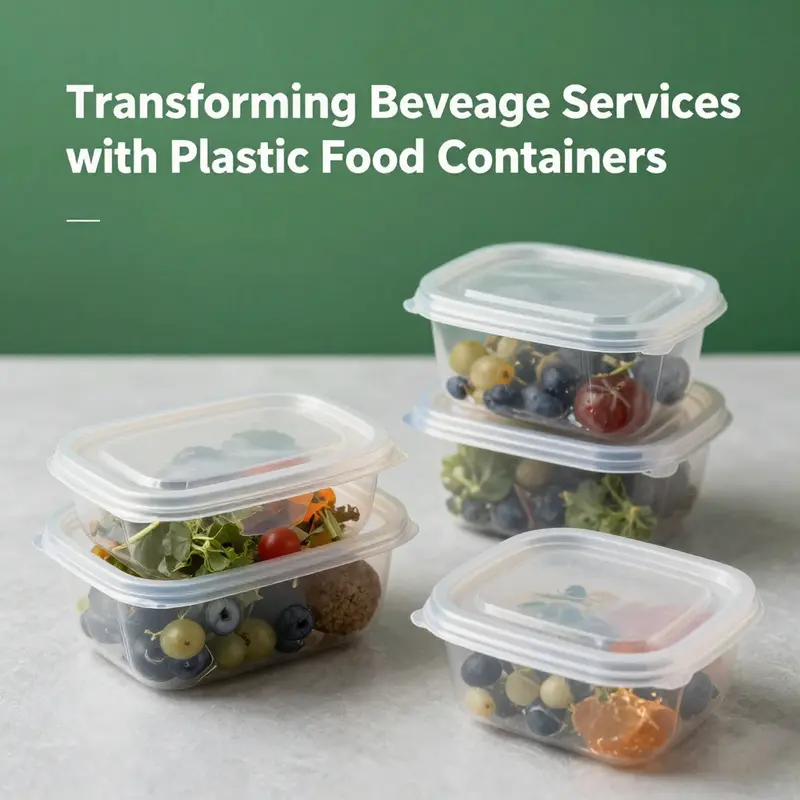
Plastic lid containers shape daily life by delivering seal, portability, and safety, but their footprint extends through production, use, and end of life. This chapter examines how polypropylene enables performance while demanding energy and care in recycling. It looks at how recycling systems, consumer habits, and policy choices affect whether used containers are recovered, reused, or released into land or air.
The discussion covers design directions to reduce material intensity, ease cleaning, and support reuse, as well as the ways households heat, store, and dispose of food and how these choices influence longevity and risk. It also considers the role of labeling, safety standards, and market incentives in steering packaging toward reuse and better end of life. The goal is a practical, balanced view that respects the benefits of convenience while highlighting pathways to lower environmental impact through better materials, smarter use, and stronger recycling networks.
The chapter closes with a brief look at actions readers can take, from selecting durable, reusable options to following local guidance on disposal and supporting policies that improve recycling infrastructure.
Final thoughts
The choice of plastic food containers with lids, particularly those made from polypropylene, is a key factor in enhancing the efficiency and safety of food and beverage operations. Their versatility, combined with practical recommendations for selection and the consideration of environmental impact, provides a comprehensive approach for businesses. By prioritizing these factors, companies can improve their service offerings while contributing to sustainability.