
Introduction to Composting Paper Coffee Cups
As the global consciousness shifts towards sustainable practices, the burden of waste disposal looms larger than ever, particularly for businesses in the beverage industry. One prevalent environmental challenge is the disposal of paper coffee cups, which are often lined with plastic to prevent leakage but are not easily recyclable. This fact has led to an ongoing crisis in waste management, as these cups frequently end up in landfills, contributing to pollution and environmental degradation.
For bubble tea shops, coffee chains, restaurants, and catering services, embracing composting methods for paper coffee cups is not only an environmentally responsible choice but also an opportunity to elevate brand reputation and customer loyalty. By integrating sustainable practices such as composting, these businesses can reduce their ecological footprint and cater to the growing consumer demand for eco-friendly options. From event planners to corporate procurement teams, understanding the potential of composting paper coffee cups is essential for creating a more sustainable future.
This article aims to shed light on how composting can be effectively implemented in the beverage sector, providing you with practical insights and encouraging actionable changes that align with modern sustainability goals. Join us on this journey toward a greener tomorrow, and find out how your establishment can lead the way in eco-innovation. For a deeper dive into sustainable packaging options, check out our guide to non-plastic disposable food containers and explore the benefits of adopting eco-friendly practices!
The Lifecycle of Paper Coffee Cups and Their Impact on Sustainability
Paper coffee cups, while often perceived as a greener alternative to plastic, have a complex lifecycle that significantly impacts sustainability.
1. Production
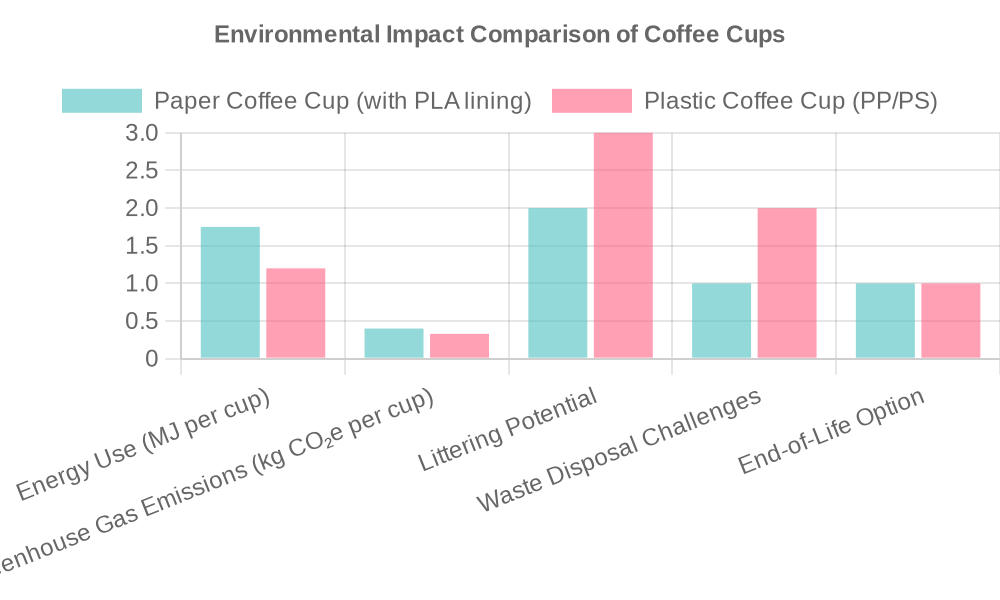
The production of paper coffee cups begins with the harvesting of wood, which is processed into pulp and then formed into cups. This process consumes substantial amounts of energy, typically between 1.5 to 2.0 MJ per cup. Additionally, the production generates greenhouse gas emissions ranging from 0.35 to 0.45 kg CO2e per cup. This energy-intensive process underlines a significant environmental concern despite the biodegradable nature of paper.
2. Usage and Transportation
Once produced, these cups are transported to various vendors. The usage phase is minimal in terms of environmental impact, but the widespread acceptance and convenience lead to single-use scenarios, often resulting in higher waste generation.
3. Disposal Challenges
The disposal of paper coffee cups poses challenges. Most of these cups are lined with polylactic acid (PLA) or polyethylene (PE) for waterproofing, making them not widely compostable and often leading them to landfill instead of recycling facilities. This creates a moderate littering potential, especially if not disposed of properly.
Environmental Impact Comparison
An overview of the comparative environmental impacts of paper and plastic cups is illustrated in the chart below:
Conclusion: A Call for Sustainable Practices
As a proactive measure, coffee businesses and suppliers should consider enhancing recycling systems and ensuring that consumers are educated about proper disposal to mitigate these adverse impacts.
If you want to explore more sustainable packaging options, check out our article on non-plastic disposable food containers. Through collective efforts, industry members can contribute to a more sustainable future by prioritizing greener choices in disposable products.
Insights on Composting Methods for Paper Coffee Cups
As the demand for sustainable practices grows, composting paper coffee cups has become a topic of interest, especially for businesses like bubble tea shops, restaurants, and catering services that generate significant waste. There are two primary methods for composting these cups: industrial composting and backyard composting. Both have their unique advantages and challenges, and understanding them can help businesses effectively manage waste.
Industrial Composting
Industrial composting is a highly controlled process that takes place in large-scale facilities. It involves specific conditions such as high temperatures, optimal moisture levels, and ample aeration which enhance the decomposition of organic materials, including paper coffee cups. To effectively compost paper cups, these facilities usually require them to be made from compostable materials without plastic liners, although some modern facilities are equipped to handle cups lined with polyethylene.
- Efficacy: According to a study published in The Journal of Sustainable Waste Management, industrial composting can achieve significant breakdown of cellulose-based materials within weeks, producing high-quality compost. This method minimizes landfill waste and creates a beneficial soil amendment, making it a viable choice for companies looking to enhance sustainability efforts.
- For further insights into disposable products, you might want to learn more about plastic containers in the food industry.
Backyard Composting
On the other hand, backyard composting is a more accessible method for individual consumers or small businesses. While it may not be as efficient as industrial composting, it can still yield excellent results if done correctly. Paper coffee cups can be decomposed in a backyard setup, provided they are free from non-compostable materials. Here are some key points for effective backyard composting:
- Shred the Cups: Cutting or tearing the cups into smaller pieces can significantly speed up the decomposition process.
- Maintain a Balanced Mix: Combine brown materials (like cardboard) with green materials (like kitchen scraps) for effective composting.
While backyard composting may take longer, it empowers businesses and individuals to contribute to composting efforts at a local level. For those interested in sustainable packaging solutions, consider exploring eco-friendly options for food containers.
In conclusion, whether you opt for industrial or backyard composting, both methods can substantially reduce waste and promote environmental responsibility in your business operations. Understanding these methods will help streamline how paper coffee cups are effectively recycled and composted, contributing to a greener future.
Understanding the Composting Process for Paper Coffee Cups
Composting is an excellent way to reduce waste and contribute to a healthier environment. Paper coffee cups, once considered non-compostable due to their plastic linings, can now be effectively composted thanks to advancements in material science and technology. Here’s a friendly guide to the composting process, especially focusing on these everyday items.
-
Collecting Food Waste: Start by gathering your paper coffee cups along with other compostable food waste. Ensure they are free from significant amounts of leftover coffee or sugary drinks.
-
Mixing Green and Brown Materials: In composting, green materials (like food scraps) provide nitrogen, while brown materials (like paper coffee cups) offer carbon. Layer them in a compost bin to create the right balance.
-
Layering: Typically, the ratio is one part green to two parts brown. Coffee cups break down over time, adding nutrients to your compost.
-
Decomposition: With the right aeration and moisture, the composting process transforms waste into rich, dark compost ready to nourish your plants.
Understanding and practicing composting can greatly benefit not just your garden but the environment as a whole! To learn more about using compostable products, check out why composting is important.
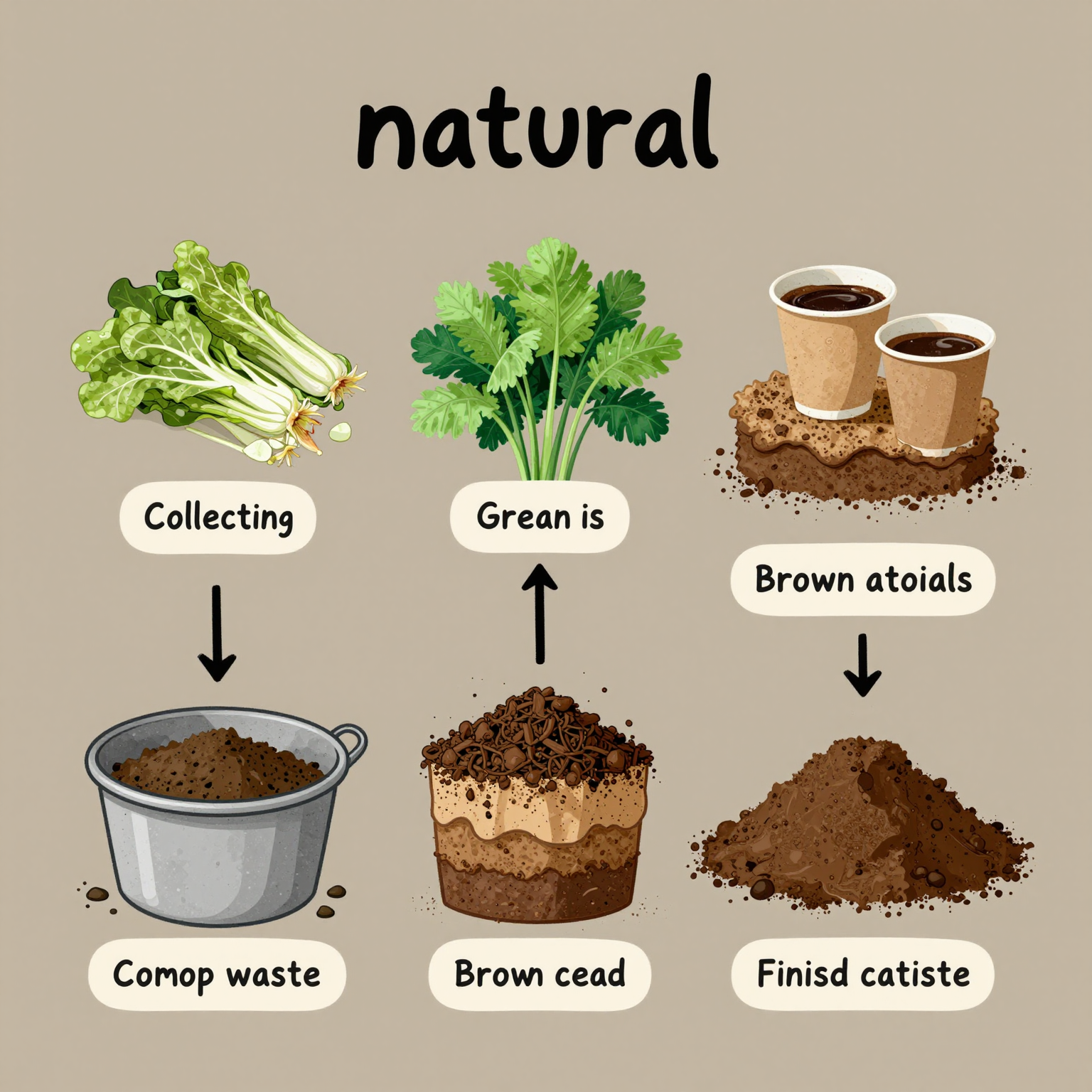
Image depicting the composting process, including paper coffee cups.
Comparing Compostable vs. Non-Compostable Paper Coffee Cups
As beverage businesses like bubble tea shops, coffee chains, and catering services become more aware of their environmental footprint, the choice between compostable and non-compostable paper coffee cups is gaining attention. Understanding the differences can lead to more sustainable practices.
Key Features
The table below highlights the fundamental differences between compostable and non-compostable paper coffee cups:
| Feature/Aspect | Compostable Cups | Non-Compostable Cups |
|---|---|---|
| Material Composition | Made from renewable resources, often using plant-based materials like PLA (polylactic acid). | Typically made from plastic-lined paper or Styrofoam, often non-renewable. |
| Decomposition Time | Break down naturally in composting conditions within 90-180 days, depending on the facility. | Can take hundreds to thousands of years to decompose in landfills. |
| Recycling Options | Can often be composted if facilities are available, reducing landfill waste. | Frequently not recyclable; ends up in landfills contributing to waste. |
| Carbon Footprint | Generally lower due to renewable resource usage and effective disposal methods. | Higher due to the production and long decomposition time. |
| Impact on Environment | Reduces landfill waste and carbon emissions if composted properly. | Contributes to pollution and has a significant environmental footprint. |
As shown in the table, compostable cups not only contribute to less waste in landfills but also help in reducing your business’s carbon footprint. Composting these cups can lead to rich soil, benefiting the environment, while non-compostable cups add to the plastic crisis.
Why Choose Compostable?
Investing in compostable options supports sustainable practices and shows commitment to environmental responsibility. They are perfect for businesses aiming to enhance their eco-friendly image while appealing to environmentally conscious customers.
For more information on sustainable packaging solutions, check out our blog on non-plastic disposable food containers.
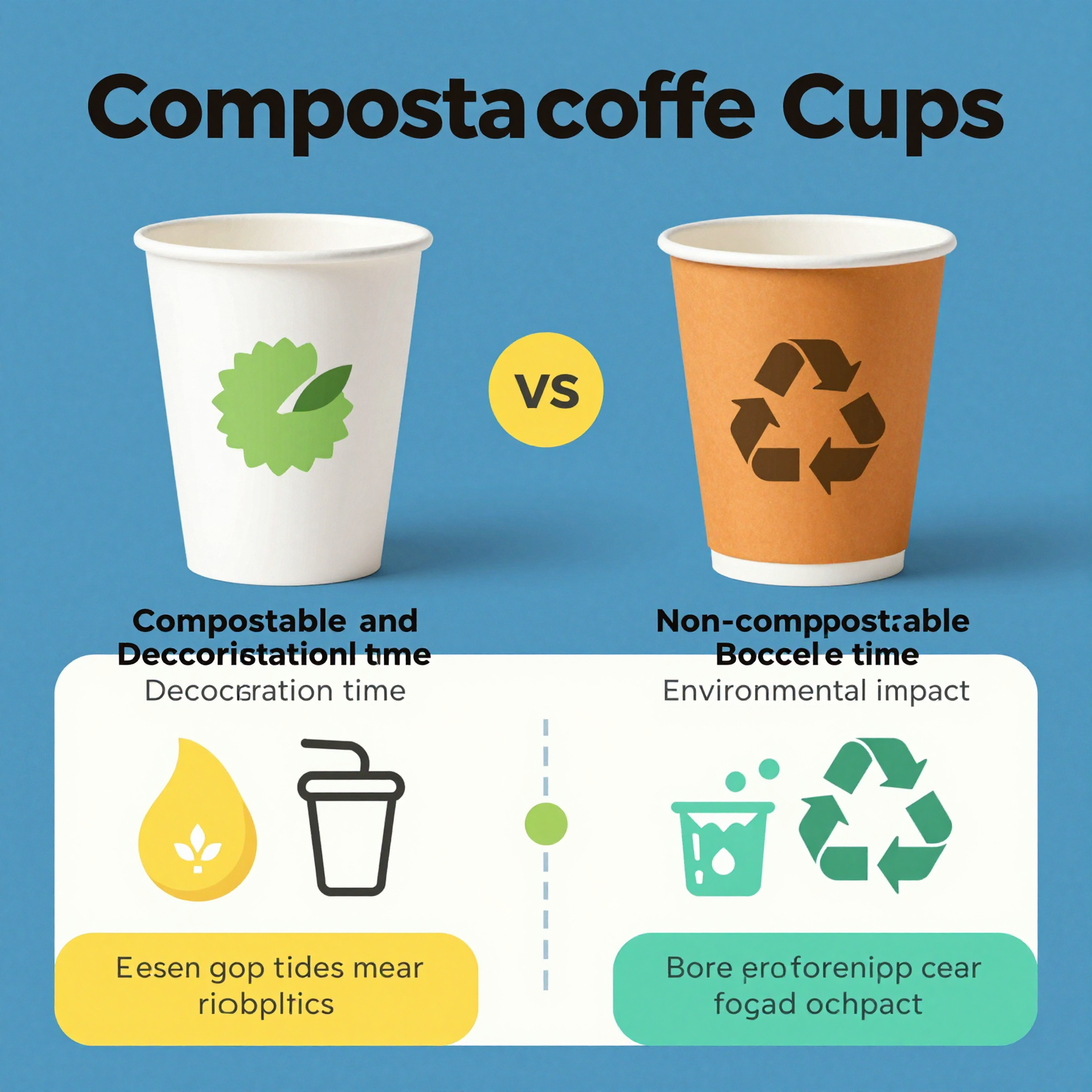
Infographic comparing compostable and non-compostable paper coffee cups, highlighting their features and sustainability aspects.
Benefits of Composting Paper Coffee Cups for Businesses
-
Cost Savings on Waste Disposal:
-
By composting, businesses can significantly reduce their waste disposal costs. Landfills charge for the volume of waste disposed, and composting minimizes the amount sent there. This leads to lower fees over time.
-
Enhanced Sustainable Image:
-
Adopting eco-friendly practices through composting improves a brand’s image. Consumers are increasingly looking for sustainability in their purchasing decisions, and demonstrating a commitment to composting can attract environmentally-conscious customers. Learn more about sustainable practices.
-
Improved Soil Quality:
-
Composting helps produce nutrient-rich compost, which can be used for landscaping or selling, enhancing the quality of local soil. This can also lead to potential marketing campaigns showcasing the use of compost in local gardens or landscaping.
-
Reduction of Greenhouse Gas Emissions:
-
Composting paper coffee cups instead of landfilling them helps reduce methane emissions, a potent greenhouse gas produced in landfills. This contributes positively to a business’s environmental footprint and shows a commitment to combating climate change.
-
Community Engagement and Education:
-
Implementing composting programs allows businesses to engage with their community-whether through workshops, collaborations with local farms, or school programs. This reinforces customer loyalty and encourages community members to support the business.
-
Increased Customer Loyalty:
-
Customers appreciate businesses that are environmentally responsible. By promoting composting efforts, businesses can foster loyalty, drive repeat business, and even benefit from positive word-of-mouth marketing.
-
Potential for Partnerships:
-
Businesses engaging in composting can forge partnerships with local farms or community gardens. This not only enhances business relations but could provide additional revenue streams or marketing opportunities.
-
Regulatory Compliance and Competitive Advantage:
-
With increasing regulations around waste and organic materials, composting can help businesses stay ahead of compliance requirements and demonstrate leadership in environmental responsibility in a competitive market.
By integrating composting into daily operations, businesses in the beverage industry can enjoy not only operational benefits but also contribute positively to their communities and the environment. For more insights into sustainable practices in the industry, check out this guide on non-plastic containers.
With these advantages, adopting composting of paper coffee cups becomes more than just a waste management strategy; it transforms into an opportunity to enhance overall business strategy and community engagement.
Benefits of Composting Paper Coffee Cups
Composting paper coffee cups not only helps reduce waste in landfills but also contributes to a healthier environment. Here are some key benefits:
- Waste Reduction: Composting minimizes the amount of waste sent to landfills.
- Sustainable Practices: Embracing composting practices aligns your business with eco-friendly values.
- Nutrient-Rich Compost: Decomposed coffee cups provide valuable nutrients to the soil, enhancing plant growth.
- Customer Appeal: Demonstrating your commitment to sustainability can attract conscientious customers.
For businesses like bubble tea shops and food trucks, implementing composting practices can make a significant impact!
The Importance of Composting Paper Coffee Cups
Composting is not just about reducing waste; it is a vital process that contributes to a healthier planet. By composting paper coffee cups, businesses in the beverage industry can take significant steps towards sustainability.
As sustainability expert Dr. Jane Goodwin once stated:
“Composting is the cornerstone of a sustainable lifestyle. By returning organic matter back to the earth, we close the loop of waste, enriching the soil and supporting our ecosystems.”
Dr. Goodwin’s insight underscores the importance of composting in everyday practices. Many bubble tea shops, restaurants, food trucks, and catering services can adopt composting as a standard operating procedure. This not only helps manage waste effectively but also contributes to creating nutrient-rich soil, which can be used for growing new plants and crops.
With the rising awareness regarding the environmental impact of single-use items, composting paper coffee cups provides a pathway for companies to lessen their carbon footprint. According to Treehugger, composting these cups leads to reduced landfill waste, improved soil health, and supports local gardening efforts.
Incorporating composting into daily operations can also enhance brand reputation, demonstrating a commitment to environmental responsibility and innovation. For businesses looking to enhance their sustainability practices, composting paper coffee cups could be an excellent first step.
Customer Expectations on Sustainability
Consumer preferences in the food and beverage industry are undergoing a significant transformation, with a notable shift towards sustainability. Today’s customers are more informed about the environmental impacts of their choices, and this awareness is driving demand for sustainable products and practices. A recent survey indicated that 71% of consumers are willing to pay more for goods that are produced and packaged sustainably, while 63% actively seek products that support local communities and sustainable livelihoods.
For businesses like bubble tea shops, restaurants, and catering services, aligning with these consumer expectations can be crucial. Implementing eco-friendly practices, such as using compostable packaging, helps create a positive brand image and fosters customer loyalty. Moreover, as customers increasingly prioritize sustainability, opting for products like non-plastic disposable food containers can meet both customer demands and environmental responsibilities. This evolving landscape underscores the importance of adapting to sustainable practices to remain competitive.
In conclusion, composting paper coffee cups offers a myriad of benefits not just for the environment but also for businesses that embrace sustainable practices. By diverting waste from landfills and enriching soil health, composting contributes to a healthier ecosystem while allowing businesses to demonstrate their commitment to sustainability. As studies highlight, composting reduces the overall environmental footprint, making it a sound choice for restaurants, beverage chains, and food service providers alike.
Moreover, choosing disposable packaging solutions can enhance operational efficiency and customer satisfaction. As noted in articles from Newsweek and Entrepreneur, businesses are increasingly turning to disposable packaging for its cost-effectiveness and convenience. This shift not only aligns with consumer preferences for eco-friendly choices but also supports businesses in achieving sustainability goals while optimizing their operations.
We encourage you to join the movement towards a greener future by opting for our eco-friendly disposable tableware and packaging solutions at EcoCup Bowl. Explore how our innovative products can enhance your service while reducing environmental impact. Let’s work together to make a positive change, one cup at a time!