
Introduction
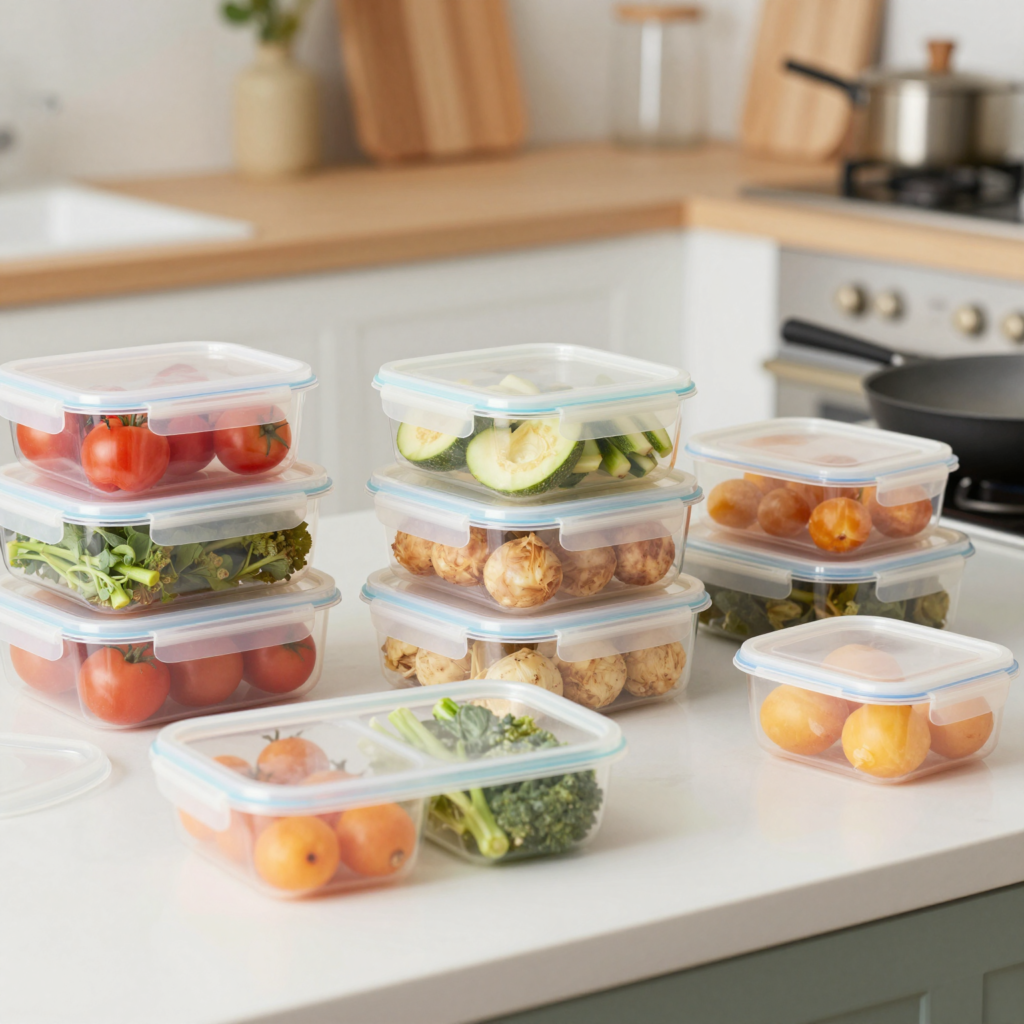
In the bustling food industry, where efficiency and presentation are paramount, the choice of containers for reheating food can be both a practical necessity and a source of concern. As bubble tea shops, restaurants, and food trucks seek to serve their customers delicious meals quickly, the convenience of plastic containers often comes into play. However, many food service professionals and event planners grapple with questions surrounding the safety and suitability of reheating food in these plastic vessels. The concerns range from the potential leaching of harmful chemicals into their food to the impact of high temperatures on container integrity.
Understanding the specific safety standards of plastic materials, coupled with consumer health considerations, is crucial when navigating this complex topic. For example, some plastics are designed to withstand microwave heating, while others can melt or release toxins when exposed to high temperatures. It’s also essential to differentiate between disposable and reusable plastic containers, each with its own set of guidelines and challenges.
As we dive deeper into the subject, we’ll explore common practices and outline safety protocols to help your establishment make informed choices when it comes to reheating food. If you want to learn more about the implications of using plastic in the food industry, check out our article on plastic containers in the food industry.
Common Types of Plastic Containers in Food Services
In the food services industry, plastic containers are vital for packaging and storing food. Various types of plastics are used, each with distinct properties that make them suitable for specific applications. Here’s a detailed look at some common types of plastic containers:
1. Polypropylene (PP)
- Use Cases: Commonly used for yogurt cups, take-out containers, and frozen food packaging.
- Properties: PP is known for its resistance to moisture, chemicals, and heat; it can be safely used in microwaves and dishwashers, making it ideal for takeaway food items.
- Example: To learn more about the different types of plastic containers, check out this detailed guide.
2. Polyethylene Terephthalate (PET or PETE)
- Use Cases: Frequently used for soft drink and juice bottles, as well as some food containers.
- Properties: PET is transparent, lightweight, and has excellent barrier properties against oxygen and moisture, ensuring food stays fresh.
3. High-Density Polyethylene (HDPE)
- Use Cases: Commonly found in milk jugs, juice bottles, and some food storage containers.
- Properties: HDPE is durable and resistant to impact, making it suitable for heavy food items.
4. Low-Density Polyethylene (LDPE)
- Use Cases: Typically used for grocery bags, bread bags, and squeezable bottles.
- Properties: LDPE is flexible and has a low-density structure; however, it is less eco-friendly than other options.
5. Polystyrene (PS)
- Use Cases: Widely used in disposable cups, food service trays, and take-out containers.
- Properties: PS is lightweight and provides insulation, making it ideal for hot takeout food but raises environmental concerns due to its non-biodegradable nature.
- Insight: For more on the health risks of plastic containers, read this article on hot food plastic container health risks.
Understanding the various types of plastic containers and their applications helps businesses in the food service industry choose the right materials for their needs while considering environmental impact and safety.
Safety Concerns Regarding Reheating Food in Plastic Containers
Reheating food in plastic containers is a common practice in the food service sector, but it raises several safety concerns that professionals must be aware of. Primarily, the risk of toxic leaching from plastics into food poses potential health risks. Chemicals found in some plastics can migrate into food when exposed to high temperatures, especially certain types of plastic identified by their recycling codes.
Understanding Toxic Leaching
When plastic containers are heated, particularly those labeled with recycling codes 3, 6, or 7, they can release harmful chemicals such as bisphenol A (BPA) and phthalates. These substances are known to disrupt endocrine functions and may influence a range of health issues, including reproductive health and certain cancers. Foods that are high in fat or acid, like tomato-based sauces or citrus items, are particularly potent in causing increased leaching, as these conditions can exacerbate the breakdown of plastic chemicals.
Guidelines to Mitigate Safety Concerns
To navigate the risks associated with reheating food in plastic, professionals in the hospitality and food service sectors should follow these crucial guidelines:
-
Choose Safer Plastics: Opt for containers marked with recycling symbols 1, 2, 4, or 5, as these are less likely to leach harmful substances when heated. Avoid using containers with codes 3, 6, or 7, as these are typically associated with higher risks.
-
Avoid High-Temperature Heating: Whenever possible, avoid using plastic containers in microwave ovens. Instead, transfer food to glass or ceramic containers, which do not have the same leaching risks and can withstand higher temperatures without breaking down.
-
Check for Damage: Always inspect plastic containers for any signs of wear and tear, such as scratches or discoloration, before using them to reheat food. Damaged containers can leach more chemicals than those in good condition.
-
Consider Alternative Materials: The food industry is increasingly shifting towards safer options like glass, silicone, and certain types of non-plastic disposable food containers. For more insights on alternatives, you can learn more about non-plastic disposable containers.
-
Educate Staff: Ensure that all food service employees are educated on the risks of reheating food in plastic containers and understand the safety protocols involving the use of plastics.
By adhering to these guidelines, food service establishments can significantly reduce the risks associated with reheating food in plastic containers while ensuring that their offerings remain safe and healthy for consumers. For a deeper insight into the implications of plastic in the food industry, check out our detailed guide on plastic containers in the food industry.
Proper Reheating Methods for Food in Plastic Containers
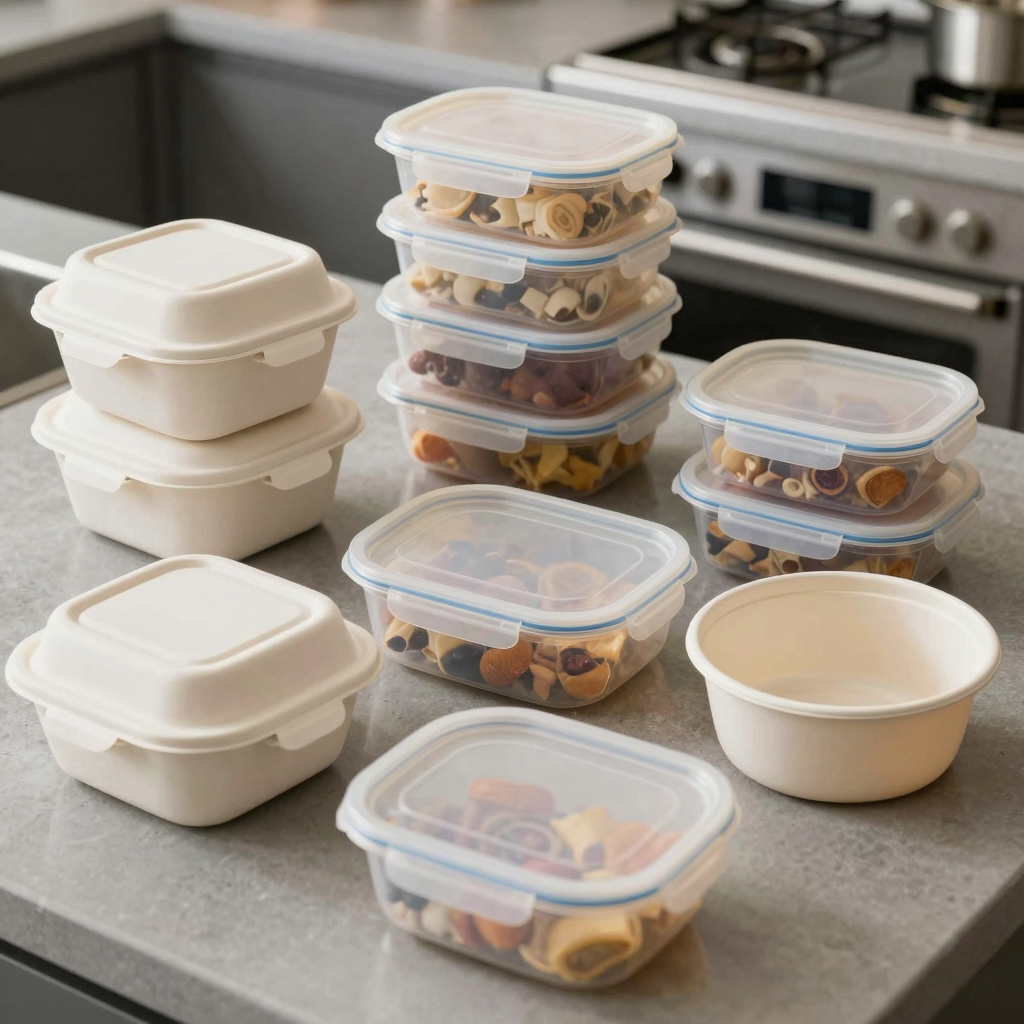
Reheating food safely in plastic containers requires attention to both the type of plastic used and the heating method applied. This is particularly crucial for professionals in the food service industry, including bubble tea shops, restaurants, food trucks, and event planners. The right practices ensure not only food safety but also the integrity of the container and the quality of the food.
Understanding Plastic Types and Safety
Before diving into reheating methods, it’s essential to understand the types of plastic commonly used in food containers and their safety when heated.
- Polyethylene Terephthalate (PET) – Often used for containers and bottles; generally not recommended for reheating.
- High-Density Polyethylene (HDPE) – Commonly used for milk jugs; can withstand moderate heat but is not typically used in microwaves.
- Polypropylene (PP) – Often labeled as microwave-safe; it can handle higher temperatures, making it suitable for reheating in the microwave.
- Low-Density Polyethylene (LDPE) – Used for bags and containers that do not usually get reheated.
- Polystyrene (PS) – Typically used for disposable cutlery and foam containers; it’s not recommended for heating due to potential chemical leaching.
For a detailed overview of safe plastics in food containers, the FDA’s information on types of plastic provides helpful insights.
Microwave Guidelines
Microwaving is one of the quickest methods to reheat food, but it comes with specific guidelines to follow for safety:
- Choose the Right Container:
- Always opt for containers labeled as microwave-safe. These are typically made from polypropylene (PP) or certain types of glass.
- Avoid using plastic containers that are scratched or worn, as they may leach harmful chemicals when heated.
- Avoid Overheating:
- Heat food in short intervals (e.g., 30 seconds) and stir in between to promote even heating and prevent hot spots that can cause burns.
- Cover the container with a microwave-safe lid or vented cover to maintain moisture and ensure even heating.
- Transfer if Necessary:
- For containers that are not labeled microwave-safe, it’s best to transfer food to a microwave-safe dish. Glass and ceramic are excellent options that resist heat well.
For more in-depth guidelines, you can refer to Consumer Reports on microwave-safe plastics.
Oven Guidelines
Reheating foods in an oven can enhance texture and flavor, especially for baked goods. Here are vital tips for using plastic containers in an oven setting:
- Select Oven-Safe Plastics:
- Only use plastics marked with numbers 1, 2, 4, and 5, as these types are generally safe for oven use (e.g., some types of polypropylene).
- Always check for any manufacturer guidelines. Containers may have specific instructions regarding maximum temperature limits.
- Avoid Extreme Heat:
- Like microwaves, avoid overheating plastic in the oven. Keep temperatures below 350°F (175°C) when reheating in plastic.
- Be cautious of using any plastic lids or covers, as they may not withstand the heat and could warp or melt.
- Check for Ventilation:
- If you’re reheating foods with high moisture content in plastic, ensure the containers are vented to prevent steam buildup, which can cause explosions.
For comprehensive insights on oven-safe plastics, you can check out guidelines from Good Housekeeping.
Conclusion
Properly reheating food in plastic containers demands an understanding of the material’s properties and the correct techniques. Such practices not only maintain food quality but also ensure safety for consumers, which is paramount in food service operations. Following the guidelines outlined in this article can help prevent health risks and preserve the integrity of the containers used in your establishment.
For additional information on safety practices and materials used in plastic containers, visit our blog on plastic containers in the food industry.
| Container Type | Features | Reusability | Safety Ratings |
|---|---|---|---|
| PET (Polyethylene Terephthalate) | Lightweight, clear, good for cold/room temp. | Yes | Generally safe for food contact (low migration) |
| HDPE (High-Density Polyethylene) | Strong, opaque, good heat resistance | Yes | Safe for food contact; considered one of the safer plastics |
| PVC (Polyvinyl Chloride) | Flexible, used for cling film | Limited | May leach harmful chemicals; not recommended for food heating |
| LDPE (Low-Density Polyethylene) | Soft, typically used for bags | Yes | Safe for food, but low heat resistance |
| PS (Polystyrene) | Rigid, used in disposable containers | Limited | Not safe for microwave; potential health risks |
| PP (Polypropylene) | Durable, high heat resistance | Yes | Safe for food, good for reheating food in microwave |
For a deeper dive into the safety ratings and features, check out this article on plastic containers in the food industry and learn more about disposable plastic bowls for hot food.
When it comes to reheating food in plastic containers, food industry professionals express a range of experiences and perspectives, highlighting both the benefits and concerns surrounding this practice.
Positive Perspectives on Reheating Food
Many professionals appreciate the convenience that plastic containers offer. According to a piece from The New York Times, reheating food in plastic can help preserve the flavor and texture of the dishes, making them more appealing to customers. Furthermore, studies have shown that certain chemicals in plastic can inhibit bacterial growth, potentially making the reheating process safer. The accessibility and lightweight nature of these containers make them a go-to option for food professionals in settings like food trucks and catering services, where efficiency is critical. You can read more about this in the article from The New York Times on the benefits of reheating food in plastic containers.
Concerns Raised by Industry Experts
Despite these benefits, there are significant safety concerns that many food industry professionals can’t ignore. A recent study highlighted by Food Safety Magazine indicates that reheating food in plastic containers can lead to harmful chemical leaching, particularly at high temperatures. Chemicals like bisphenol A (BPA) and phthalates may seep into the food, which are known to pose health risks when consumed regularly. As a result, some professionals suggest opting for glass or stainless steel containers for reheating. Articles emphasizing these concerns can be found in publications like Healthline and Consumer Reports.
Balancing Convenience and Safety
Ultimately, food industry professionals recognize the necessity of balancing convenience with safety. While plastic containers serve practical purposes in the fast-paced food environment, care must be taken to prevent potential health risks. Many suggest reviewing the types of plastic used and adhering to recommended heating practices, such as avoiding high temperatures and ensuring that containers are labeled as microwave-safe.
In conclusion, it’s clear that the experiences with reheating food in plastic containers vary widely. Professionals in the food industry must weigh both the convenience and the possible health implications of using plastic containers. As trends and safety recommendations evolve, staying informed will help ensure the best choices are made for the health and satisfaction of consumers.
For further insights into the challenges and practices related to plastic containers in the food industry, feel free to visit this informative article on the Eco Cup Bowl blog!
In conclusion, reheating food in plastic containers can be safe and efficient when following essential practices. It’s crucial to ensure that the containers used are microwave-safe and free from any damages, such as cracks. Avoid overheating your food to prevent the leaching of harmful chemicals that can be released from defective plastics. Instead, reheating in short intervals and stirring the food ensures an even temperature, minimizing any risks associated with reheating in plastic containers. As we’ve explored, the guidelines for safe reheating from various experts underscore the importance of food safety and maintaining food quality.
For professionals in the food industry, ensuring these practices are in place can not only enhance food safety but also promote customer satisfaction. Ultimately, adopting these practices can help ensure that the delicious food you prepare is served to your customers at optimal quality. As you consider your options for food storage and serving, remember to check out the range of high-quality plastic containers offered by EcoCupBowl to meet your catering needs and maintain the safety standards your customers appreciate.
“The FDA recommends avoiding the use of plastic containers for reheating food, as the heat can cause chemicals to leach into the food. Instead, opt for glass or ceramic containers that are oven-safe.”
Choose EcoCup Bowl for Your Disposable Tableware and Packaging Solutions!
In the fast-paced world of food service, the choice of tableware can make a significant impact on your operations. Businesses like bubble tea shops, restaurants, food trucks, and catering services benefit immensely from high-quality disposable tableware and packaging solutions. At EcoCup Bowl, our commitment to safety, quality, and sustainability will help elevate your food service game.
Why Choose EcoCup Bowl?
-
Safety First: Our disposable tableware is designed with your customers’ health in mind. According to the FDA, using disposable utensils can significantly reduce the risk of foodborne illnesses by eliminating the hassle of washing and sanitizing reusable items. This is especially crucial in high-traffic areas where cleanliness is paramount.
-
Uncompromised Quality: Our products not only adhere to safety standards but also offer unparalleled durability and reliability. With EcoCup Bowl, you’re assured that your tableware will stand up to the challenges of every busy service without compromising on functionality. Explore our high-quality options that cater to diverse culinary needs.
-
Cost-Effective and Efficient: Partnering with EcoCup Bowl means you can streamline your operations. Disposable tableware reduces labor costs associated with cleaning, allowing your staff to focus on what they do best – serving delicious food! As highlighted by Food Service Magazine, switching to disposables can increase your efficiency and reduce operating costs.
-
Sustainability Matters: EcoCup Bowl is dedicated to providing eco-friendly options that help you reduce your environmental footprint. Our products are designed to minimize water and energy usage during the cleaning process and include alternatives that are biodegradable or recyclable, supporting your commitment to sustainability.
Benefits of Partnering with Us
- Comprehensive Product Range: Whether you need disposable plastic bowls for hot soup or attractive food packaging solutions, we have you covered with a wide selection tailored for your unique needs.
- Reliability and Support: Our dedicated team provides continuous support, helping you choose the best products that fit your event or menu requirements.
- Responsive Service: We understand that time is of the essence in the food industry. Expect quick turnaround times for orders and efficient delivery to ensure you never run out.
Get Started Today!
Think of EcoCup Bowl as your go-to partner in disposable tableware solutions that prioritize safety, quality, and sustainability. Take the first step in transforming your food service experience – contact us today to discuss your needs and request a quote. Together, let’s create a safe and delightful dining experience for your customers!
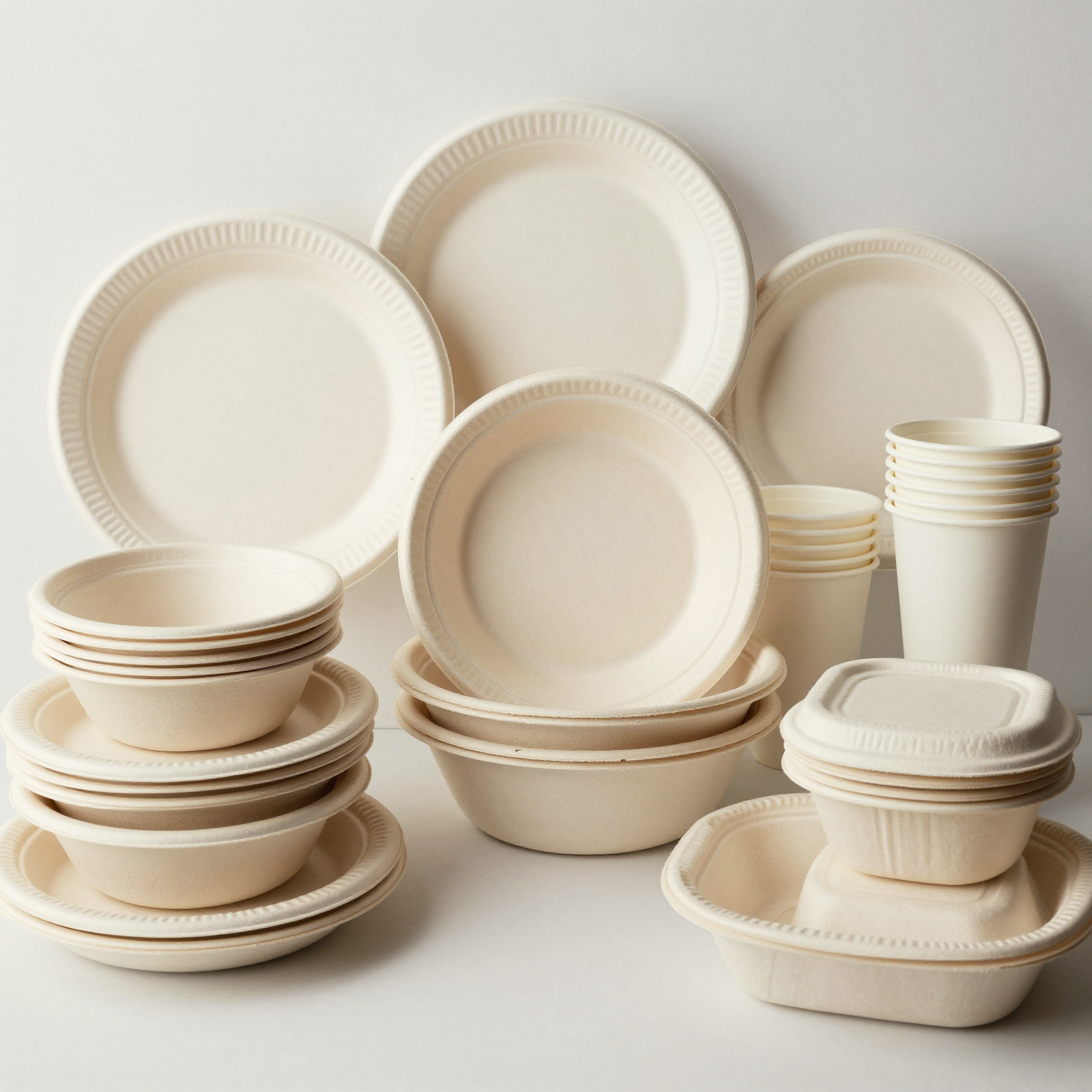
Image Caption: A variety of eco-friendly disposable tableware and packaging solutions by EcoCup Bowl.