
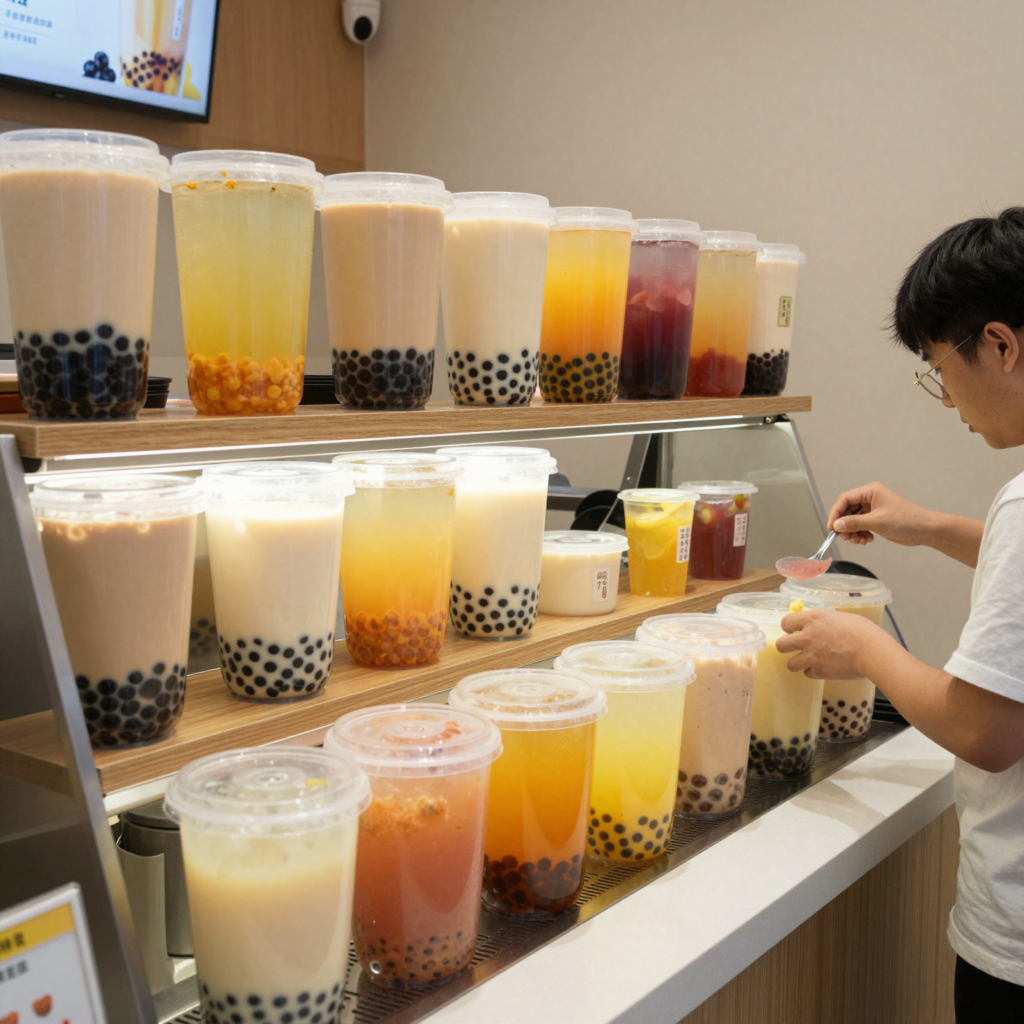
In the dynamic world of bubble tea shops and beverage chains, the role of plastic containers in food preparation cannot be overstated. These containers have emerged as crucial tools not only for serving some of the most popular drinks but also for ensuring that ingredients remain fresh and safe for consumption. Plastic containers are designed to maintain the quality of beverages by providing airtight seals, which help preserve flavors and reduce spoilage. For businesses in the food service industry, adhering to stringent safety standards is also paramount, and using food-grade plastic containers ensures compliance with health regulations.
Moreover, the variety of sizes and shapes available makes it easy for beverage chains to find solutions tailored to their specific needs. Whether it’s for serving bubble teas, smoothies, or other refreshing drinks, the versatility of plastic containers allows for a seamless experience from preparation to serving. Businesses can also customize containers to enhance branding and attract customers. As the beverage industry continues to evolve, staying up-to-date with the best practices in food preparation becomes essential-learn more about plastic containers in the food industry. With their significance in ensuring freshness and compliance, plastic containers are an indispensable asset for bubble tea shops and beverage chains alike.
Benefits of Using Plastic Containers for Food Prep
Plastic containers have become essential for food prep in restaurants and food trucks, offering numerous advantages tailored to the fast-paced culinary environment. Here are some of the key benefits:
-
Lightweight and Durable: Plastic containers are significantly lighter than glass or metal alternatives, making them easier to handle and transport. Their durable nature prevents breakage, minimizing the risk of accidents in busy kitchens.
-
Cost-Effective: Affordable and available in bulk, plastic containers help food service businesses save on storage and replacement costs, particularly beneficial for catering and food trucks where budget constraints are common.
-
Versatile Options: They come in various sizes and shapes, accommodating different food types and presentation needs. Many plastic containers are microwave-safe, dishwasher-safe, and recyclable, allowing for flexibility in food preparation and storage.
-
Eco-Friendly Options: With advances in bioplastics, there are now eco-friendly plastic containers that are compostable or recyclable, helping businesses maintain sustainability goals while reducing their ecological footprint. You can learn more about these eco-friendly solutions.
-
Increased Efficiency: Transparent designs enable easy content identification, streamlining workflow in the kitchen. Sealed lids preserve freshness and minimize contamination risk, enhancing food safety.
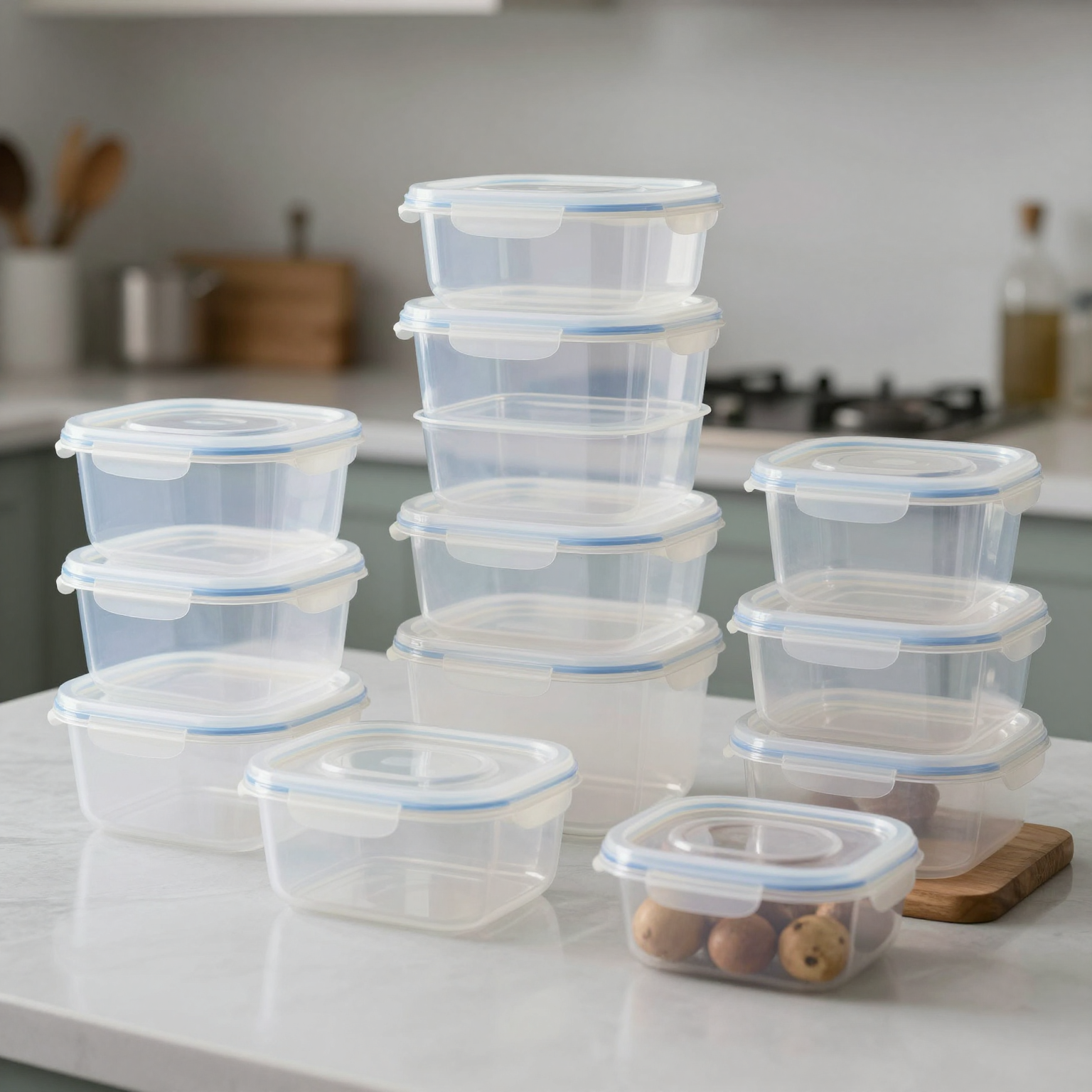
Using plastic containers in food preps not only caters to practical needs but also aligns with modern sustainability practices.
Understanding Safety Standards for Food Contact Plastics
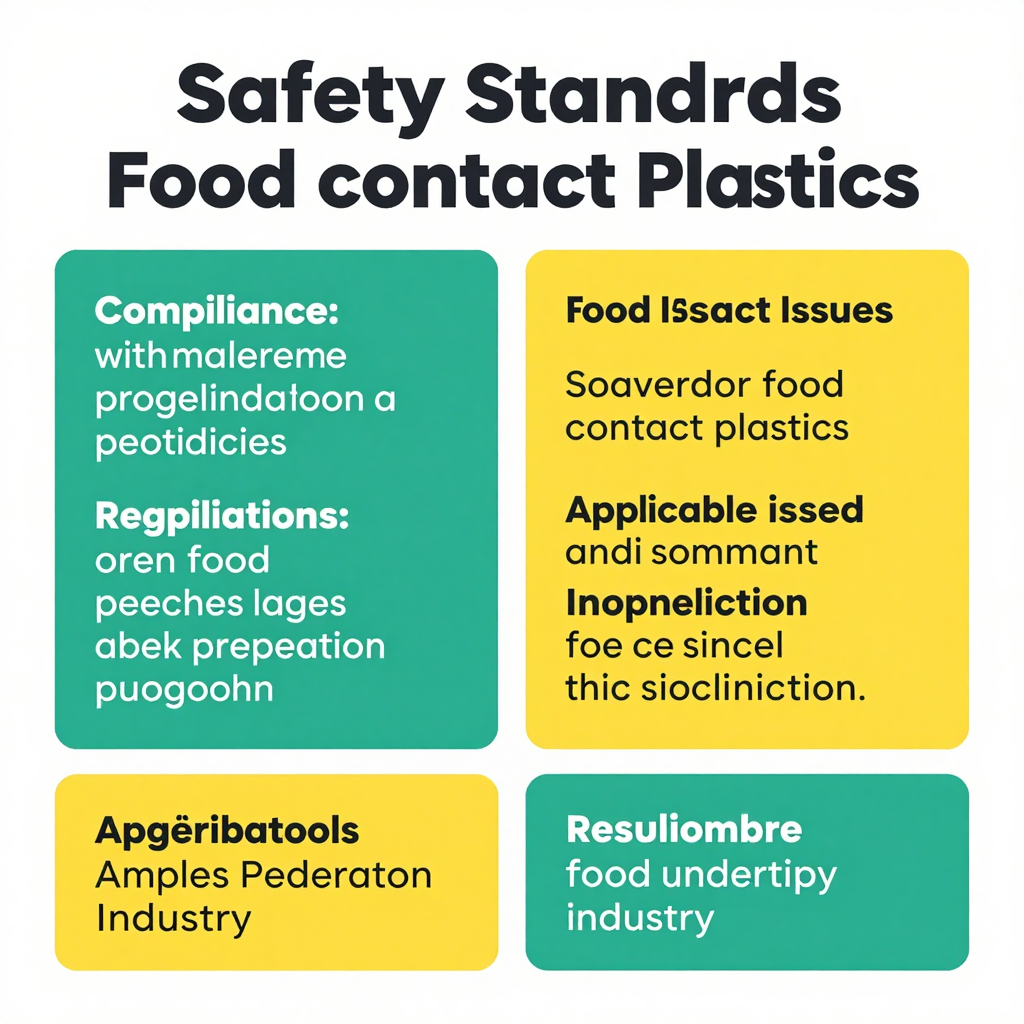
As a bubble tea shop owner, restaurant manager, or food truck operator, keeping up with safety standards for food contact plastics is paramount to ensure both compliance and the health of your customers. In recent months, significant updates have been made that you should be aware of, particularly focusing on compliance issues affecting your business.
Key Regulatory Updates
- GB 4806.7-2023 – A new standard released by the National Health Commission of China on September 25, 2023, replacing GB 4806.6-2016. Effective from September 6, 2024, this regulation applies to various food contact plastics, including thermoplastic elastomers and starch-based plastics. Key changes include:
- Enhanced control over harmful substances migration to food.
- Updated requirements for additives and raw materials, including specific guidelines for plant fiber fillers.
- A requirement for broader testing of heavy metals, increasing to thirteen types, to ensure materials do not leach dangerous substances into food (learn more about food contact plastic regulations).
- Strengthening EU Regulations – The European Union is also ramping up its regulations to prevent the use of recycled materials in contexts that may expose food to hazardous chemicals. New amendments to existing regulations are being introduced, emphasizing:
- Stringent testing procedures and new guidelines for safe packaging materials.
- Enhanced monitoring of compliance for recycled and bio-based plastics, which is crucial for food safety (read further about EU regulations).
Compliance Issues to Consider
Staying compliant isn’t just about following rules; it’s about ensuring customer trust and safety. Some common compliance issues include:
- Testing Protocols: Ensure that all food contact plastic items are tested for chemical migration using specified food simulants under regulated conditions. This is critical in avoiding potential health risks associated with leaching chemicals.
- Documentation: Keep comprehensive records of compliance, including safety data sheets (SDS) for all materials used. Documentation is vital during inspections and can also assist in product liability claims if issues arise.
- Labeling Requirements: Adhere to labeling guidelines that provide consumers with appropriate information regarding the safe use and disposal of your plastic products. Clear communication can prevent misuse and improve consumer confidence.
Conclusion
Understanding and adhering to the latest safety standards for food contact plastics is fundamental for businesses in the food service industry. Regular updates to regulations underscore the need for continuous monitoring and compliance to protect customer health and your business’s reputation. Stay informed and ensure your preparations are in line with the latest safety standards to thrive in the competitive food industry.
Feel free to check our detailed articles on the importance of food contact plastics and how to comply effectively with these standards: Plastic Containers in the Food Industry and Food Storage Container Safety.
Eco-Friendly Plastic Options for Bubble Tea Shops and Food Services
As the drive for sustainability intensifies, bubble tea shops, catering services, and food trucks have a unique opportunity to align their packaging choices with eco-friendly practices. Utilizing sustainable materials not only supports environmental goals but also meets the growing customer demand for responsible business practices.
1. PLA (Polylactic Acid) Plastics
PLA is a compostable plastic made from renewable resources like corn starch. It’s ideal for creating cups, lids, and food containers that mimic traditional plastic but degrade naturally in industrial composting facilities. This aligns perfectly with the eco-conscious branding many businesses strive for. Bubble tea shops can consider PLA cups for their tasty beverages, as these can withstand both cold and warm temperatures.
2. Recyclable PET Plastics
Using plastics that are easily recyclable – such as PET (Polyethylene Terephthalate) – helps to foster a circular economy. These containers can be collected and reprocessed into new products. Many customers appreciate knowing that their used containers are part of a recycling program. Opt for labels that clearly state the recyclability of the products.
3. Biodegradable Paper and Plant-Based Options
In addition to traditional plastic, biodegradable paper options or containers made from plant fibers are gaining traction. These are particularly useful for hot meals and salads in catering setups. For instance, using biodegradable food containers can help minimize plastic waste.
4. Customization for Eco-Conscious Brand Identity
Customization of eco-friendly containers can further appeal to the customer base. Businesses can use printed designs that highlight their commitment to sustainability, turning packaging into a marketing tool. This strategy not only promotes the product but also establishes a brand ethos that resonates with environmentally aware consumers.
By focusing on these eco-friendly plastic options, bubble tea shops and food services can effectively contribute to a more sustainable future while enhancing their appeal to environmentally conscious customers.
Comparison Table of Plastic Containers
| Container Type | Size Range | Material Types | Common Uses | Average Cost ($) |
|---|---|---|---|---|
| Bottles | 50ml – 2L | PET, HDPE, PP | Beverages, cosmetics, pharmaceuticals | $0.10 – $1.50 |
| Jars | 500ml – 5L | HDPE, PP | Dry goods, condiments, bulk storage | $0.50 – $3.00 |
| Cans | 300ml – 1.5L | HDPE, PP | Sauces, powders, liquid storage | $0.30 – $4.00 |
| Drums | 5L – 200L | HDPE, PE, EVA mixtures | Industrial chemicals, food storage | $10.00 – $250.00 |
| Food Containers | 100ml – 30L | PP, PS, HDPE | Takeout food, meal prep | $0.40 – $20.00 |
Key Insights:
- Bottles are versatile and commonly used for beverages and personal care items.
- Jars are ideal for storing dry goods, and their sizes can cater from small snacks to larger items.
- Cans serve various food applications, frequently found in kitchen settings.
- Drums are used primarily in industrial contexts, suitable for bulk storage of various liquids and solids.
- Food Containers come in varying sizes to assist with meal prep and takeout services, providing convenience for catering operations.
For more insights into choosing the right containers for your business, consider reading our article on plastic containers in the food industry and exploring disposable food packaging options.
With this table, you can easily compare different types of containers to find the best fit for your business needs. If you would like to delve deeper into specific container types or their applications, feel free to ask!
Storage and Transportation Tips for Plastic Containers
To ensure food safety and convenience in your bubble tea shop, restaurant, or during catering events, it’s essential to follow effective storage and transportation practices for plastic food containers. Here are some helpful tips:
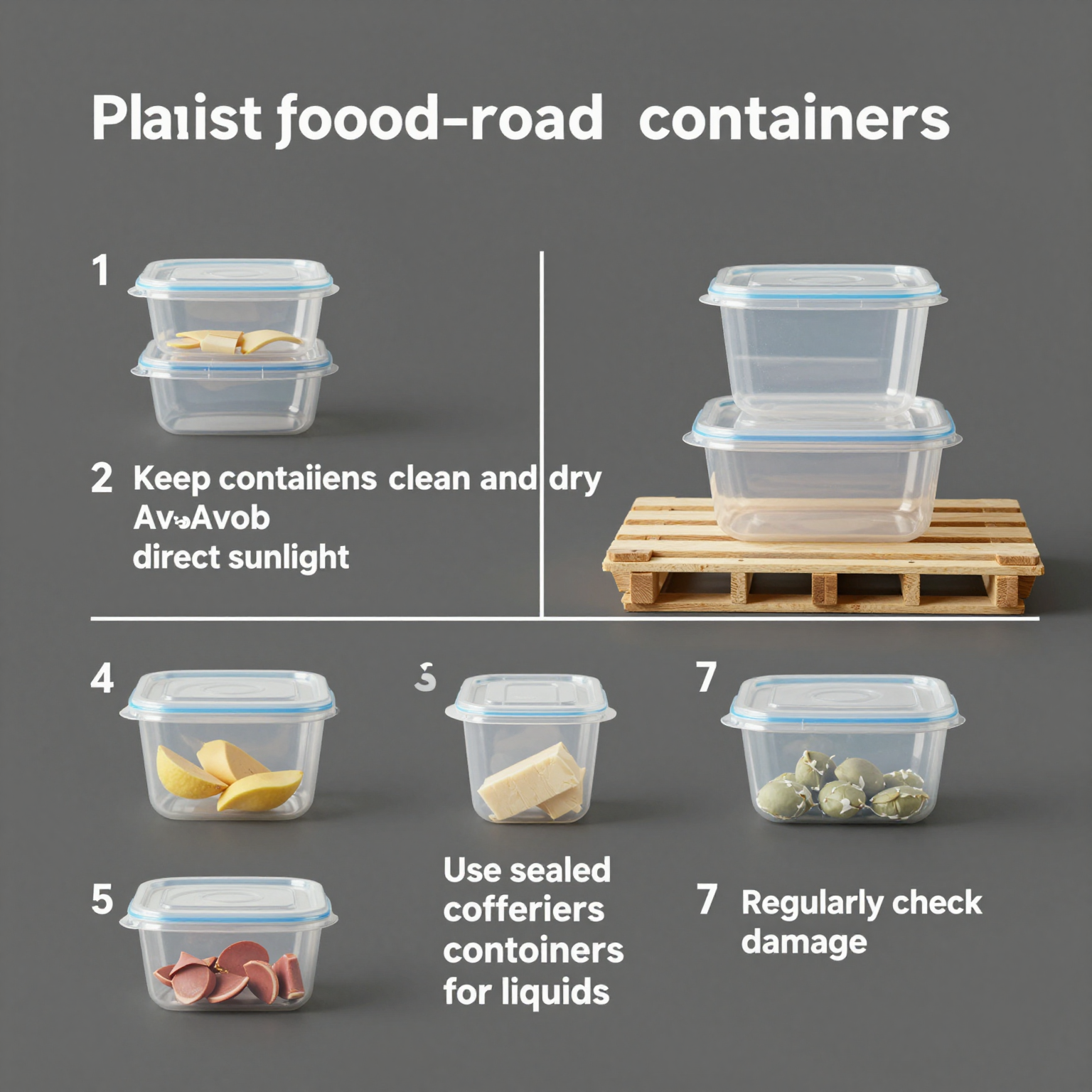
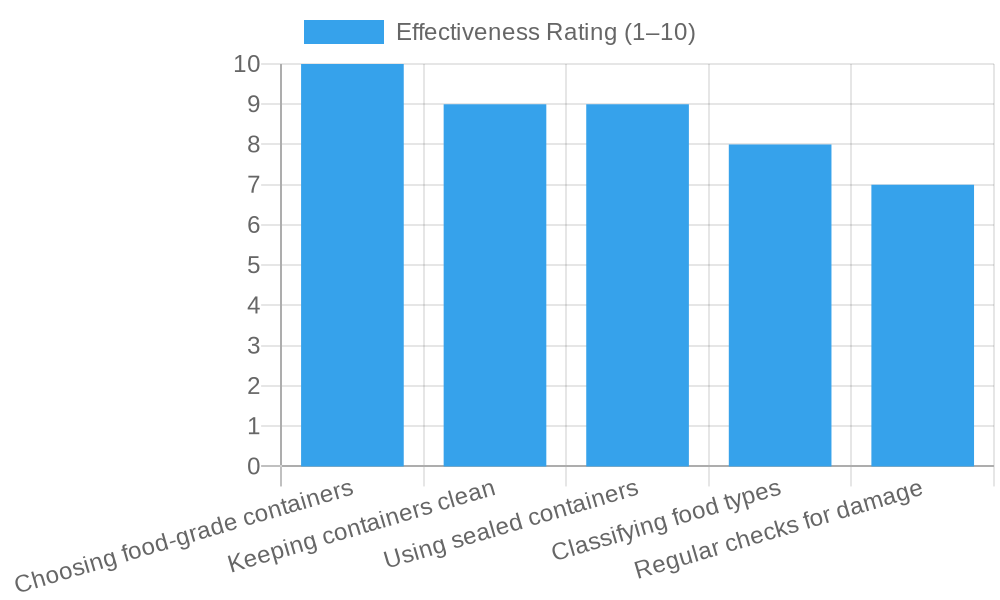
1. Choose Food-Grade Containers
Select containers made from materials that are certified food-safe, such as polypropylene (PP) or high-density polyethylene (HDPE). These materials are non-toxic and suitable for food storage. For more information on suitable materials, check here.
2. Keep Containers Clean and Dry
Before storing food, ensure that containers are thoroughly cleaned and dried. This prevents bacterial growth and maintains food quality. Regular cleaning prevents odors and stains from lingering in the containers.
3. Avoid Direct Sunlight
Store containers in a cool, shaded area to protect them from the harmful effects of UV rays, which can cause degradation of the plastic over time.
4. Use Proper Transportation Techniques
When transporting containers, use pallets and foam wrapping to protect them from scratches and impacts. Ensure that food items are balanced to avoid tipping during transport. A well-organized delivery will promote efficiency and safety.
5. Classify Different Food Types
To avoid cross-contamination, categorize food based on type (e.g., raw, cooked, and liquid). Use labeled containers for easy identification.
6. Utilize Sealed Containers for Liquids
For liquid or semi-solid foods, choose containers with tight-fitting lids to prevent leaks. This is especially important for beverages and sauces.
7. Regularly Check for Damage
Inspect containers frequently for cracks or deformities. Damaged containers pose risks of leaks or contamination and should be replaced as needed.
These tips will help maintain the integrity of your food products while ensuring compliance with food safety regulations. For a visual representation of the effectiveness of these practices, check out the bar chart below.
Effectiveness of Practices for Storage and Transportation
“Since switching to EcoCup’s disposable tableware, our service efficiency has improved remarkably! We’re able to prep and serve our bubble tea faster than ever, and cleanup has never been easier. Not only do the plastic containers withstand heat, allowing us to serve hot and cold beverages, but they also make it easy to store leftovers, reducing waste significantly. Our customers are impressed by the quality, and we appreciate how streamlined our operations have become. I can’t recommend EcoCup enough-it’s a game-changer for our beverage shop!”
- Jamie L., Owner of Boba Bliss Beverages
At EcoCup, we take pride in providing high-quality disposable tableware tailored for the food service industry. To explore how our products can optimize your operations, read more about plastic containers in the food industry and find the perfect solutions for your needs!
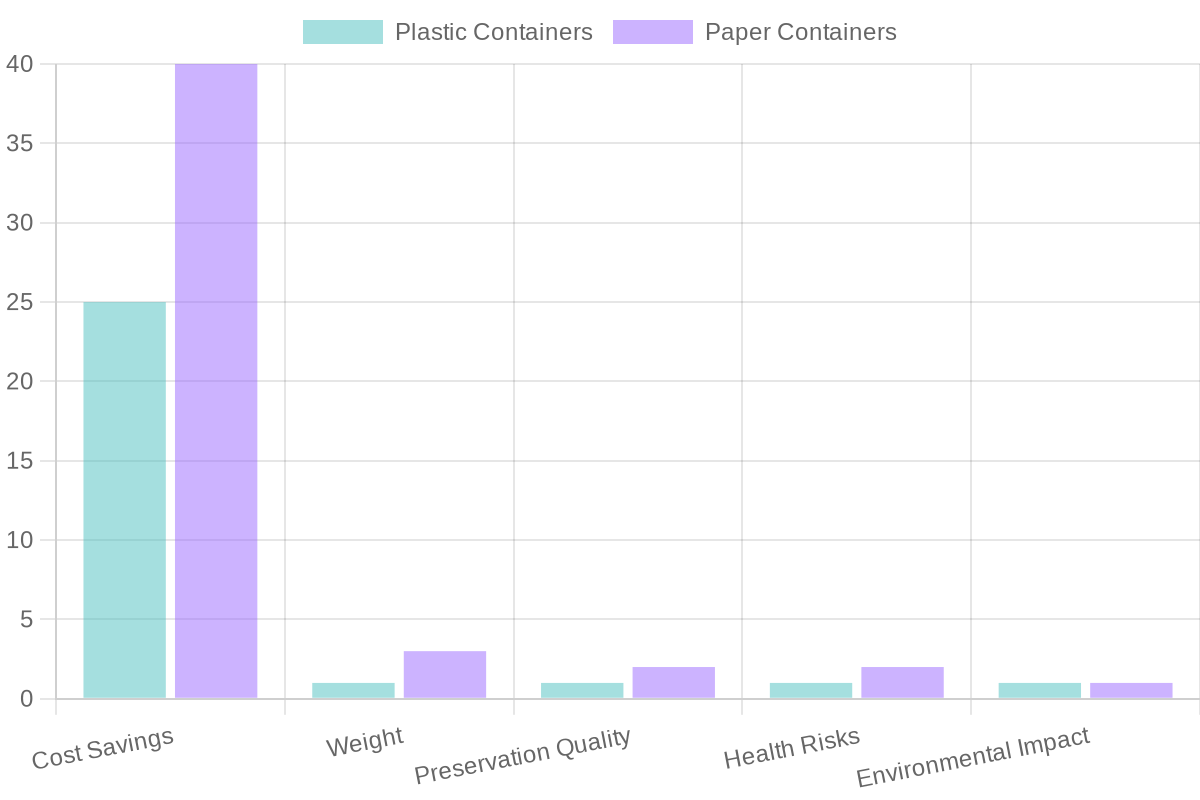
This chart provides a visual comparison of the costs and benefits of using plastic containers for food preparation versus paper containers. Key points include:
- Cost Savings: Plastic containers are 25-40% less expensive to produce compared to their paper counterparts.
- Weight Efficiency: They are significantly lighter, weighing only 1/3 to 1/5 of what paper containers do, which greatly reduces shipping costs.
- Preservation Quality: Plastic containers offer excellent moisture and oxygen barriers, extending food shelf life and reducing waste.
- Health Risks: There are potential risks of toxic substance leaching when plastic containers are heated or damaged, particularly BPA and phthalates.
- Environmental Impact: While plastic is non-biodegradable, thus posing disposal challenges, paper has a higher carbon footprint in terms of production.
In today’s fast-paced food service industry, the choice of tableware is not just about aesthetics; it’s about efficiency, safety, and satisfaction. As discussed, reliable disposable tableware offers numerous benefits, especially for businesses such as bubble tea shops, restaurants, food trucks, and event planners. These benefits include:
- Enhanced Hygiene: Disposable tableware minimizes the risk of cross-contamination and ensures a hygienic dining experience for customers. This is critical in quick-service environments where time is of the essence and maintaining cleanliness standards is paramount.
- Operational Efficiency: Utilizing disposable products means less time spent on washing and managing inventory for reusable items. According to recent surveys, over 65% of quick-service restaurants have increased their usage of disposables primarily due to the convenience and operational savings they provide. This shift not only allows staff to focus more on customer service but also speeds up service times, leading to higher customer satisfaction.
- Cost-effectiveness: The disposable tableware market is thriving, valued at approximately USD 15.2 billion in 2023, with expectations to grow significantly. By investing in quality disposable solutions, businesses can reduce overhead expenses related to dishwashing and enhance their service capabilities efficiently.
Choosing the right disposable tableware is crucial for maintaining quality, efficiency, and customer satisfaction. Therefore, if you’re looking to elevate your food service operations with reliable and hygienic disposable options, we invite you to contact our team for a tailored quote. Our experts are ready to assist you in selecting the best products to meet your specific needs.
Explore our blog on disposable tableware trends for more insights, and ensure your business stays ahead in this competitive landscape. Let’s make your food service experience remarkable together!