

In today’s visually driven landscape, having access to high-quality digital assets is vital for industries like beverage chains, restaurants, food trucks, and event planning. ‘Plastic plates container food PNG’ brings exceptional value, allowing these businesses to enhance their marketing and culinary presentations effortlessly. This article explores the many facets of utilizing PNG images related to plastic food containers and plates, emphasizing their benefits, current trends, and their impact on the culinary experience. Learn how leveraging these resources can elevate your services and engage your audience with vibrant, professional imagery.
Seeing Through Design: High-Quality PNG Resources for Plastic Plates and Food Containers
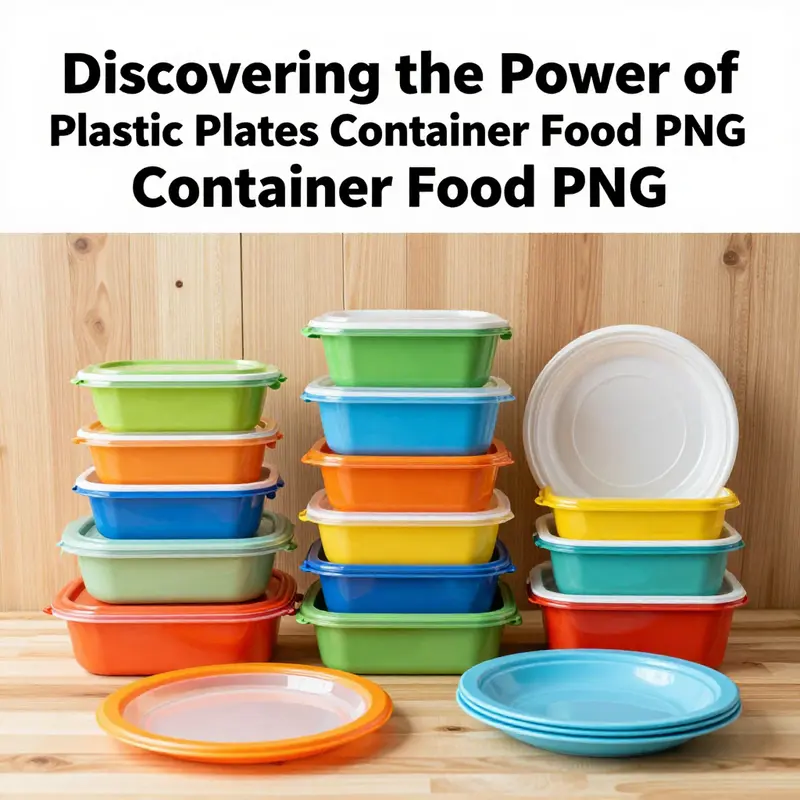
In the evolving world of design for food, packaging, and digital menus, the demand for high-quality PNG assets that depict plastic plates, takeout containers, and food-packaging visuals is not just about aesthetics. It is about enabling memory-friendly, scalable, and instantly composable imagery that can sit across websites, social feeds, product catalogs, and culinary presentations. The PNG format, with its ability to preserve crisp colors and, crucially, its transparent backgrounds, has become a practical tool for designers who need to layer images, adjust lighting, or drop in a plate or container onto any surface without fighting with a white box around every corner. This capability reduces the friction between concept and execution. It is why PNG assets featuring plastic plates and food containers have become a staple in digital workflows, especially when speed and visual clarity matter as much as the message itself.
The landscape around these assets is not random. It is a curated ecosystem where resources are continually refreshed to reflect evolving packaging aesthetics, environmentally conscious design cues, and the practical needs of marketing teams that must communicate appetite, convenience, and reliability at a glance. A leading repository of graphic resources emphasizes that high-resolution PNGs with transparent backgrounds are ideal for a wide range of applications—design prototypes, social media visuals, e-commerce product galleries, and digital menus that must be legible at a variety of scales. The value of these assets lies not only in their image quality but in their flexibility. A single PNG can be dropped into multiple contexts—on a website hero banner, within a printed menu, or as part of a multi-layer packaging mockup—without the burden of clipping paths or background removal. In fast-paced creative environments, this flexibility translates into shorter production cycles and more consistent brand language across channels.
When designers consider what makes a PNG asset truly effective, the criteria extend beyond resolution. Color fidelity is paramount; the subtlety of plastics’ reflectance, the way light plays off a lid’s glossy surface, or the gentle translucence of a clear container must read correctly whether the image is viewed on a bright retail site or a dimly lit kitchen display. The PNG format preserves those nuances better than many other formats after compression, provided the source image is captured with proper lighting and color profiling. Transparency matters as well. A transparent background unlocks the possibility of composing a plate or container into a layered scene that includes textures like wood grain, ceramic plates, or bold brand graphics. This is crucial for marketers who want to place the container beside a dish or among a set of plain or patterned backdrops without fighting an awkward edge around the object.
A practical implication of this capability surfaces in the design-to-market workflow. Graphic designers often begin with a broad visual concept—a reusable takeout concept, a set of reusable meal-prep trays, or a family of disposable plates in varying shapes and sizes. The PNG assets then serve as modular pieces in a larger mosaic. They can be scaled, recolored, or recontextualized with different sauces, garnishes, or labels, all while preserving the plastic forms’ crisp contours. For example, a designer might drop a PNG of a plastic clamshell container into a digital mockup alongside a text block describing a food-grade claim. The transparent background ensures that only the container silhouette and its details show up, keeping the focus on the product rather than on extraneous layout elements. In packaging design, this ease of integration translates into faster iterations on box fronts, front-of-pack visuals, and in-store display concepts where the container’s geometry must communicate capacity, closure mechanism, and stackability at a glance.
The sourcing of such PNGs matters as well. In today’s market, credible resources often advertise licenses that are “free for commercial use,” accompanied by straightforward terms about attribution. That framing is essential for marketing teams that publish materials across multiple channels and require consistent reuse without negotiating licenses for every asset. The practical outcome is a smoother handoff between design and production teams, a reduced risk of licensing disputes, and the confidence to scale visuals across campaigns. The quality bar set by these sources is nontrivial: assets must be crisp at large formats for print brochures, yet retain their integrity when downsized for mobile screens. They should also render accurately in both light and dark themed layouts, where subtle shading could otherwise vanish or distort the plate’s profile.
For practitioners who want to sample a spectrum of packaging visuals without compromising velocity, a strategic approach is to assemble a digital library of PNGs that includes food containers, disposable plates, and related packaging elements such as trays and lids. The combination of plastic forms with a transparent backdrop encourages a consistent treatment across product lines, enabling a single cohesive catalog that can be re-styled for different campaigns—from seasonal promotions to new cuisine releases. The act of curating such a library is not merely about collecting images; it is about building a design system of visual building blocks. A robust collection supports the creation of cohesive visuals that tell a brand story—clean, modern, and reliable—without requiring a bespoke photoshoot for every new project.
In practice, the search for high-quality PNGs often begins with regard to the specific subject matter: plastic food containers, takeout boxes, disposable plates, and the like. The value of well-made PNGs in this space extends to many sub-use cases. A PNG of a clear, rectangular food container can serve as a hero element in a packaging layout, while a PNG of a disposable plate can anchor a product page or a menu card. A set of PNGs that include side-by-side views—one with a lid, one without—helps illustrate product variation without demanding multiple product photographs. The transparency allows designers to juxtapose different textures and colors, such as a vibrant salad or a creamy dessert, on top of a patterns-based or color-blocked background to communicate mood, seasonality, or dietary categories.
Beyond aesthetics, there is a practical dimension to PNG usage that relates to accessibility and legibility. For digital menus, the ability to place a plastic container image over a controlled background ensures that color contrast remains high. It also reduces the risk that the container’s details—such as a molded lid seam or a three-compartment layout—get lost against a busy page. In educational or instructional contexts, PNGs can be layered with overlays to explain packaging choices, such as leak resistance, microwave safety, or recyclable materials. With transparent backgrounds, these overlays can be added and removed without reflowing the entire design, making it easier to experiment with different messaging and layout arrangements.
The sources that curate these PNG assets frequently emphasize real-time updates. The digital design ecosystem rewards platforms that refresh their libraries to reflect evolving packaging trends, environmental considerations, and user feedback. For designers, this means that a library is not a static snapshot but a living resource. It is common to find new formats and shapes, such as compact takeaway trays, multi-compartment boxes, or inserts designed to cradle utensils alongside plates. When a library updates its catalog, it often introduces variations that respond to seasonal campaigns or regional preferences, creating opportunities to stay culturally relevant while preserving a consistent visual language. This ongoing refresh cycles into the designer’s workflow, allowing faster alignment with current consumer expectations without sacrificing the integrity of the brand’s visual identity.
For those who want to explore practical examples of packaging visuals in action, consider the case of foldable cake boxes with windows as a visual reference. These images illustrate how a translucent window can reveal the product while still maintaining a clean, product-focused composition. The concept of a windowed package resonates with the broader principle of showing food and container synergy—where the container holds the food, and the design communicates care, quality, and convenience. Such visuals demonstrate how an asset that simply depicts a container can become part of a storytelling toolkit, guiding the viewer’s eye toward the product and the experience of unboxing, sharing, or gifting. Within a larger catalog, this type of image can be referenced quickly to prototype marketing scenes that feature product assortments, while ensuring that every asset remains versatile enough to slot into multiple layouts.
To support this narrative with a concrete pathway, designers can locate suitable PNGs by searching for terms like “food containers png” and “disposable plate png.” The results typically yield high-resolution images with transparent backgrounds that cover a spectrum of plastics—from sturdy meal-prep boxes to sleek, single-use plates. The outcomes often include images with consistent lighting and edge definition, which reduce the need for extensive post-processing. As a practice tip, it is advantageous to review the licensing on each asset to ensure it aligns with project requirements. While many assets are labeled as free for commercial use, some may require attribution or have restrictions on redistribution in certain contexts. Keeping a simple ledger of licensing terms beside the asset folder can prevent missteps during production and help teams scale their visual libraries with confidence.
In the broader narrative of design outcomes, the value of these PNG assets rests in their ability to harmonize form and function. A designer can orchestrate a set of images that shows how different plastic plates and containers interact with a dish, a sauce, or a garnish. The transparent background supports creative freedom—the plate need not compete with a busy backdrop; instead, it can become a focal frame that elevates the dish and the packaging story. This capability aligns with contemporary design principles that favor clarity, modularity, and reusability. When a marketing team prepares a new campaign, the same PNGs can be repurposed across product pages, social posts, and email banners, ensuring a cohesive visual narrative without repeatedly sourcing new photography. The net effect is a more efficient, scalable design process that leaves room for experimentation with color palettes, typography, and layout while preserving a consistent, professional look.
In sum, high-quality PNG resources featuring plastic plates and food containers are more than decorative assets. They are strategic tools that empower designers to compose, compare, and communicate with speed and precision. They enable the deployment of consistent visuals across touchpoints, support accessibility and legibility in digital contexts, and adapt to the evolving aesthetics of packaging design. The combination of transparent backgrounds, high resolution, and flexible licensing makes these assets a practical cornerstone for teams that aim to tell compelling food stories with cleanliness, order, and trust. For practitioners who want to broaden their visual toolkit, exploring a curated repository of PNGs offers a path to richer, more flexible design ecosystems—where every plate, lid, or container can be placed precisely where it serves the message best.
For those who want to see a concrete example of how such visuals can be integrated into a packaging concept, consider a packaging-focused exploration that highlights foldable cake boxes with windows as a visual anchor. The concept demonstrates how a consumer can glimpse the product through a window while appreciating the container’s form and function. This not only supports product storytelling but also helps marketers convey quality and care through imagery that remains versatile enough to adapt to different foods, occasions, and branding themes. As the design process advances, the PNG library becomes a trusted partner—an adaptable toolkit that reduces the friction between creative intent and production reality, enabling teams to move from concept to publishable material with greater confidence and consistency.
Internal link note: For designers seeking to visualize packaging visuals similar to the foldable cake boxes with a window concept, see this resource: foldable cake boxes with window. It exemplifies how transparent packaging elements can be integrated into a broader visual suite without sacrificing clarity or cohesion. This approach complements the broader PNG asset strategy by offering a tangible reference point for how container-focused imagery can support a complete packaging narrative.
As you curate and deploy high-quality PNGs, remember that the end goal is not just pretty pictures but a coherent visual system that communicates convenience, reliability, and appetite. The assets should serve as a bridge between product reality and consumer perception, helping audiences understand what the packaging promises and how it enhances the dining experience. When used thoughtfully, these PNGs become more than stand-ins for photography; they become enablers of storytelling that can travel across platforms, translate across languages, and scale with the growth of a brand’s food and packaging portfolio.
External resource note: For a broader overview of image assets, licensing models, and the practical realities of sourcing high-quality PNGs for commercial use, you can consult a leading global graphic resources library available at https://www.freepik.com. This external reference offers a landscape view of how such assets are curated, licensed, and packaged for professional use, underscoring the practical considerations designers weigh when building a versatile library of plastic-plate-and-container visuals.
Crystal-Clear Imagery: Elevating Plastic Plates and Food Containers with PNG Graphics in the Digital Marketplace
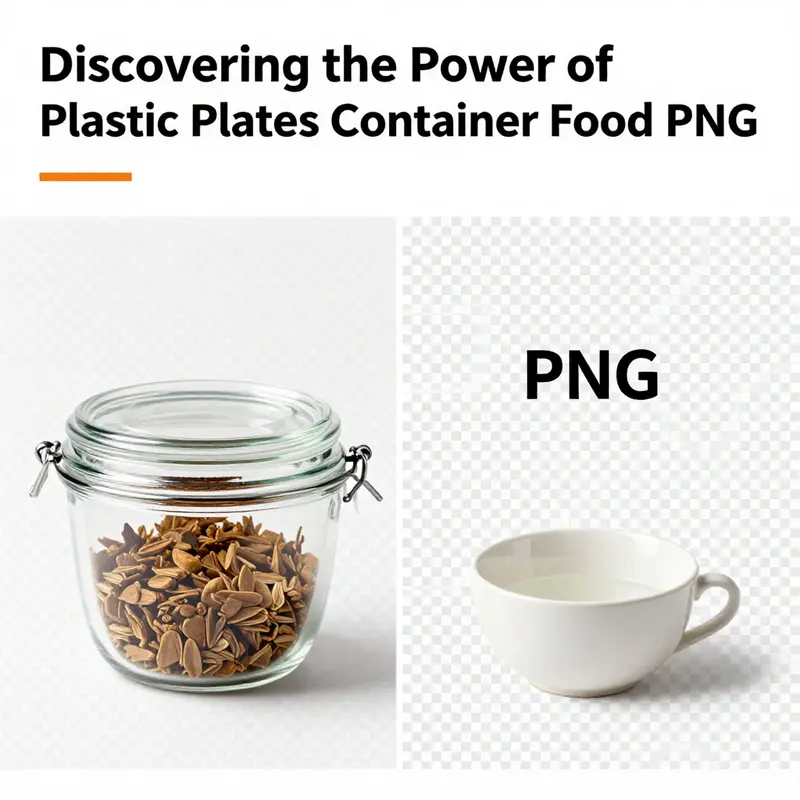
In a marketplace where meals travel from kitchen to screen in a blink, the visuals that accompany a product can be as decisive as the product itself. Imagery of plastic plates and food containers does not merely decorate a page; it communicates safety, scale, texture, and usability. The PNG format stands out in this context because it preserves every line, edge, and nuance of those images without sacrificing flexibility for digital design. When a designer needs a shot of a transparent, glossy lid resting on a sleek container, or a white edge that must stay crisp against a variable background, PNG offers a balance of fidelity and adaptability that other formats struggle to match. The result is a set of images that remains faithful at any zoom level, on any device, and across a spectrum of marketing channels—from a product catalog panel to a social media banner and a dynamic e-commerce hero image. The PNG format thus becomes less a technical detail and more a strategic choice that underwrites trust and clarity for a product category where presentation is inseparable from perception.
The core benefits of PNG in this niche are not about the material properties of the container itself but about how the image of that container is captured, stored, and shown. Lossless compression is the first pillar. In practice, that means every pixel in the shot—whether it is the gleam of a polished plastic rim, the slight translucence of a lid, or the subtle speckle of a textured surface—remains intact after compression. For packaging photography, where even a minor artifact around a lettered logo or a tiny edge glow can distract a viewer, lossless preservation ensures that the design language remains legible and credible. This is especially important when typography appears in tiny print on the side of a package or when a brand’s emblem sits on a translucent portion of the container. With PNG, designers can trust that the original editorial intent—the sharpness of the label, the curvature of the rim, the boundary between lid and container—will survive the journey from camera to canvas without introducing the blurring or blockiness that a lossy format might impose.
Transparency is the second pillar and perhaps the most practical virtue for a product lineup that often appears on pages with busy backgrounds or layered design elements. PNG’s native alpha channel makes it effortless to render a plastic plate or a takeout container against any backdrop, from a pure white catalog page to a textured table setting or a vibrant food photograph. For designers, that means a single image file can be dropped into a project without the need for awkward clipping paths or background-bleed issues. The result is a cleaner, more cohesive visual language across an assortment of marketing assets. A product shot can be placed over a hero background that matches the season or the campaign mood, with edges that remain precisely defined and no unsightly halos. The transparency also simplifies the workflow for digital editors who routinely composite images into multi-item scenes, such as a tray of assorted containers arranged in a playful, colorful layout. The ability to layer and recombine assets without re-shoots saves time and preserves the integrity of the original photography.
But transparency is only part of the advantage. PNG’s high color depth and precise color representation play a crucial role in how accurately a consumer perceives a container’s material properties. Plastics come in a spectrum—from crystal-clear to frosted to opaque—along with subtle reflections, highlights, and color tints caused by lighting and packaging design. PNG supports deep color depths, enabling a faithful rendition of those subtleties. This fidelity matters when a brand uses a product image to convey quality or to differentiate a family of containers by hue or finish. A slight shift in shade can misrepresent a product in a way that erodes consumer confidence; PNG minimizes that risk by delivering data-rich, artifact-free imagery that remains consistent across devices and platforms. For online shoppers who rely solely on visuals to assess suitability—whether they want a container that shows off the food inside or one that mirrors a clean, modern aesthetic—this fidelity translates into clearer decisions and fewer returns.
The web’s voracious demand for versatile asset formats further reinforces PNG’s appeal. While it is true that PNG files can be larger than their lossy counterparts, the quality-to-size ratio remains compelling when you consider what is gained: crisper text, sharper edges, and the flexibility of transparency that allows images to live in a broader ecosystem of digital environments. For product pages and digital catalogs, PNG-24 often provides the best balance of edge definition and color accuracy, especially for graphics that include logos, text, or detailed labeling on the container itself. PNG-8, with its smaller footprint, remains useful for simple images with limited color palettes or for icons and interface elements where file size is a premium and color fidelity is less critical. In practice, designers select between PNG-8 and PNG-24 based on the image’s content and the project’s performance targets, ensuring that the final deliverable preserves legibility and visual impact across screens ranging from a mobile device to a 4K monitor.
A well-considered PNG workflow begins long before export. It starts with capturing the product in controlled lighting that reveals the container’s translucence, texture, and any labeling with minimal glare. During post-production, editors typically apply precise masking to isolate the container while preserving subtle reflections that convey realism. They ensure color management is consistent—often working in sRGB to align with most web and digital publishing workflows—so that the on-screen colors match the physical product as closely as possible. When text appears on packaging, the lossless nature of PNG guarantees that small type remains legible after scaling, cropping, or overlaying on promotional materials. This is particularly vital for campaigns that juxtapose the container with nutrient information or usage instructions, where readability is non-negotiable.
Another practical consideration concerns licensing and attribution, which can influence how PNG imagery is used in marketing and packaging. In many cases, images found on stock platforms or design repositories may require attribution or place restrictions on modification. While PNG is a neutral file format, the legal and ethical handling of the source images remains essential. Designers often curate a library of images that they can reuse across campaigns while observing licensing terms. The transparency and lossless characteristics of PNG ensure that once a licensed image is turned into a versatile digital asset, it can be repurposed across catalogs, banners, and social media without compromising quality or alignment with brand guidelines. This flexibility is particularly valuable for food service and packaging brands that run frequent promotions and seasonal campaigns, enabling a consistent visual language with minimal re-shoots.
In the world of layout and branding, the ability to drop a plate or container image into a wide array of contexts without geometry or edge issues is transformative. The PNG format supports a clean integration into layouts that employ layered composition, grid-based design, or dynamic, image-driven storytelling. A hero banner featuring a lineup of containers can leverage transparency to reveal a textured background or a color wash behind the product, reinforcing mood while keeping the focus sharp and legible. A product comparison section—where multiple containers are shown side by side—benefits from quick, artifact-free edge transitions that prevent visual noise. Even more, PNG’s robust color accuracy helps ensure that the subtleties in lid color, plastic translucence, and rim shading carry through every phase of the design pipeline, from initial concept to final web production.
For designers seeking themed packaging visuals, one source offers custom takeaway packaging supplies tailored to events. The integration of such visuals into a PNG workflow makes it easier to present coherent, packaging-forward narratives across a campaign. The power of a transparent background means a themed box or container can sit naturally within a festive or corporate setting without fighting with a busy backdrop. This capability is not a mere convenience; it is a strategic advantage that enables consistent storytelling and faster iteration. By providing ready-made assets that can be layered, recolored, or paired with complementary imagery, these visuals support a design system that scales across channels—from digital storefronts to print catalogs. The combination of PNG’s transparency and the ability to tailor visuals for specific themes helps maintain a disciplined, brand-aligned appearance even as campaigns evolve.
Beyond the gallery of product images, PNG’s role extends to the broader ecosystem of marketing assets. Packaging designers often employ PNGs in brand guidelines, where the container imagery is used to illustrate product lines, usage scenarios, or sustainability narratives. The crisp edges and faithful rendering of plastics and labels support a more credible portrayal of materials and processes, which in turn reinforces consumer trust. In social media, where images compete for attention in a crowded feed, the clarity of PNG can be decisive. A static post that features a close-up of a container’s lid can convey durability and hygiene more convincingly when the outlines are pristine and the color gradations are true to life. In banners and interactive ads, the versatility of PNG allows designers to composite scenes that showcase containers in use—stacked on a shelf, lined up at a café takeout counter, or presented in a kitchen setting—without sacrificing realism or polish.
The arguments for PNG are not limited to aesthetics. They intersect with practical concerns like accessibility and usability. Text embedded within a PNG image remains legible at typical viewing scales, which helps in contexts where packaging information or brand cues must be conveyed directly within the image. In accessibility-conscious environments, transparent PNGs enable designers to create high-contrast composite visuals when layered over backgrounds chosen for readability. This is especially relevant for online menus or gallery pages where legibility and quick recognition of product features—such as containment capacity, microwave compatibility, or eco-friendly attributes—are important to the user experience. In short, PNG’s technical features translate into tangible advantages for presenting plastic plates and food containers to a digital audience that increasingly expects clear, reliable, and adaptable imagery.
As this chapter threads through the landscape of digital presentation, it becomes clear that PNG is not a mere file format but a design instrument. It empowers packaging imagery to behave like a flexible design element rather than a static photograph. The result is a more compelling, consistent, and professional visual language for plastic plates and food containers—one that aligns with the expectations of modern e-commerce, marketing automation, and brand storytelling. For designers navigating the intersection of food presentation and packaging aesthetics, embracing PNG means investing in image integrity, design flexibility, and scalable visuals that perform across platforms and campaigns. The small decisions—whether to export as PNG-24 for maximum fidelity or to reserve PNG-8 for lightweight icons—accumulate into a more credible digital storefront. And when these images are combined with thematically tailored visuals, such as customized packaging assets for events, the impact multiplies, producing a cohesive narrative that resonates with audiences and sustains brand trust.
For readers who want a deeper dive into the technicalities of the PNG standard and its broad use in digital media, consider exploring external resources that detail the history and capabilities of Portable Network Graphics, including transparency, color depth, and compression behavior. Such background enhances the practical choices designers make when selecting formats for specific project requirements and helps explain why PNG remains a cornerstone of high-quality product imagery in the packaging sphere. As the digital landscape evolves, the continued relevance of PNG lies in its ability to keep images sharp, backgrounds clean, and branding consistent across an ever-expanding array of devices, platforms, and creative contexts.
External resource for further reading: https://en.wikipedia.org/wiki/PortableNetworkGraphics
null
null
How Plastic Plates and Container PNGs Shape Culinary Presentation and Social Sharing
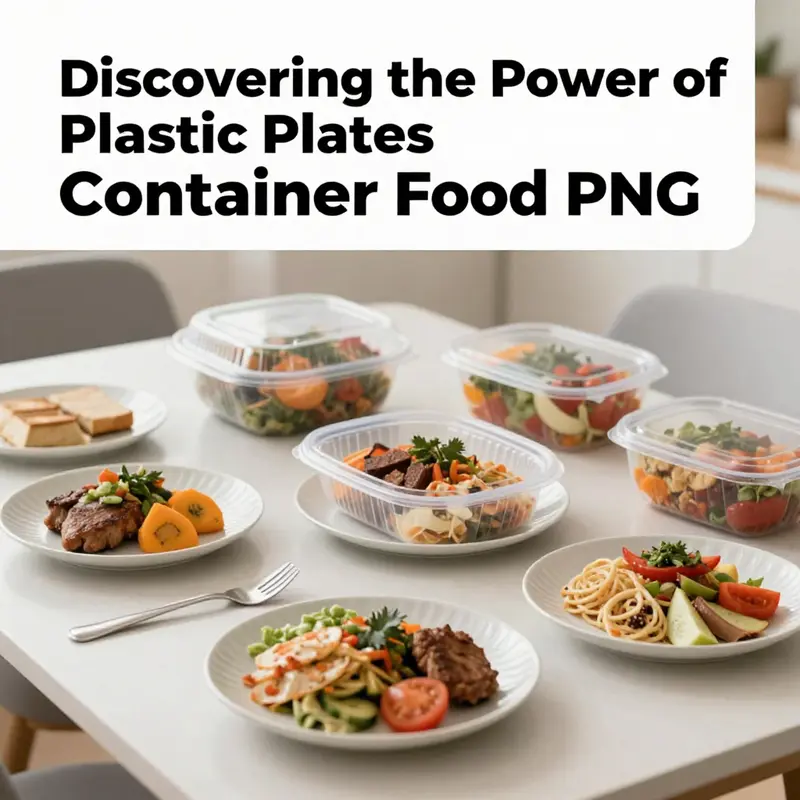
Plastic plates and clear containers have a visible influence on how food is perceived, photographed, and shared. That influence starts at the plate and continues through lighting, framing, and the exported PNGs that designers use. When digital assets of plates and containers are high quality, they expand creative options. When they are low quality, they undermine styling efforts and damage perception.
Professional food presentation is part craft and part psychology. The plate acts as a stage. Its color, edge, and weight guide the eye. Plastic plates and containers change that stage in distinct ways. They offer cost efficiency and convenience, and they also introduce visual challenges. Clear plastic can showcase ingredients. It can also reveal fingerprints, smudges, and condensation. Translucent surfaces throw highlights that distract from textures. Thin edges may bend under heat. Bending alters composition and introduces the sense of impermanence. For many projects, these simple behaviors are decisive.
Designers and culinary artists rely on PNG images of plates and containers when mockups are required. PNG format matters because it supports transparency. Transparent backgrounds let stylists place food over any backdrop. They enable layering in photo and layout software. A clean PNG of a heavy-duty plastic plate can be dropped into a menu mockup. It preserves the illusion of solidity and supports real-looking shadows. Poor PNGs, by contrast, retain unwanted backgrounds or halos. Those flaws pull attention from the dish. They create extra work and risk misrepresenting the finished product.
Visual imperfection is not only technical. It is perceptual. A well-plated salad on a slightly warped plastic bowl feels less deliberate than the same salad on a rigid base. When audiences see subtle warping or surface residue, they judge carelessness. That evaluation happens fast. On social media, where scrolling time is brief, images must register quality instantly. PNGs used in posts or ads should therefore reflect the intended premium level. If the project plans to convey elegance, choose PNGs of plates with glossy, china-like finishes. If the aim is casual and fun, lighter textures and vibrant colors can work. The key is coherence between the physical plate and its digital representation.
From a culinary art perspective, stability is crucial. Complex plating relies on rigid support. Food sculptures, layered parfaits, and elaborate garnishes need a steady base. Plastic of insufficient rigidity compromises those ideas. When photographing, a flexible container may sag. Sauces spread unevenly. Heat can warp thin plastic and alter the dish’s geometry. These mechanical effects also change how light falls on the food. Shadows shift, highlights move, and textures become less flattering. That visual change reduces appetite appeal, which matters for both menus and social sharing.
Flavor perception also links to the container. Some plastics can interact with hot or fatty foods, releasing subtle off-notes. Though not always detectable by everyone, these chemical impressions influence the overall dining experience. When images suggest packaging that might affect taste, viewers imagine the taste too. The mind fills in sensory information from visual cues. Designers should therefore avoid PNGs that hint at low-grade materials when the food must feel fresh and flavorful.
Material science has responded to these demands. New heavy-duty plastics resist bending and keep consistent form. Some premium polymers mimic ceramic glazing. Their glossy sheen and refined edges read as upscale. PNGs of these items convey solidity and elegance. For event planners and catering brands, these alternatives provide the best of both worlds: the durability of plastic and the appearance of fine tableware. When selecting PNG assets for marketing, look for images that show structural detail. Thick rims, textured undersides, and consistent highlights indicate a plate that can hold complex plating. Such cues reassure viewers and maintain appetite appeal.
The relationship between physical containers and digital sharing also raises staging considerations. Clear containers can improve visibility, but they require immaculate cleaning. Fingerprints, watermarks, and adhesive residue stand out against transparent backgrounds. During a shoot, keep microfiber cloths and compressed air on hand. For digital assets, retouching helps. Remove small marks, refine edges, and correct halos in the PNG exports. When a PNG retains a soft halo or incorrect alpha channel, the plate will float against backgrounds. That break in realism reduces professional polish.
Lighting choices amplify or hide flaws. Strong side light will illuminate texture and reveal surface residue. Soft, diffused light mutes reflections and masks minor scuffs. Photographers must decide whether to emphasize texture or conceal it. When using plastic plates to photograph oily or glossy foods, control specular highlights carefully. PNG images should preserve those highlights without exaggeration. Overexposed catchlights in the PNG create unnatural glare when combined with other design elements.
Social media and online menus have raised standards for imagery. Food photography now serves as both documentation and advertisement. PNG assets play an outsized role in this evolution. Transparent PNGs enable layered compositions, allowing brands to swap backgrounds without restaging food. They speed up design workflows for social campaigns, where rapid iteration is essential. Yet, rapid iteration must not sacrifice quality. A single low-resolution PNG can undermine an entire campaign, because viewers expect clarity and realism. Investing time in sourcing sharp, properly masked PNGs pays off repeatedly.
Choosing the right PNG requires evaluating scale and detail. Close-up shots rely on high pixel density. Wide shots depend more on composition. When a PNG will be used across formats, select the largest original file available. Avoid upscaling smaller PNGs, which introduces artifacts. If multiple angles are needed, obtain PNGs showing the plate from slightly different perspectives. This flexibility allows designers to match the plate to the food’s natural geometry. Also consider color profiles. PNGs exported with correct color space preserve the plate’s true appearance across devices.
Beyond static images, PNGs support animated presentations. They serve as layers in short animated loops and in video overlays. For motion projects, choose PNG sequences with consistent lighting. Inconsistent light between frames creates jitter and undermines the illusion. For packaging previews and mockups, transparent PNGs of containers let clients visualize labels and inserts. This capability simplifies approvals and reduces wasteful physical prototypes.
Sustainability concerns shape perception too. Many audiences prefer eco-friendly materials. Even if plastic plates provide convenience, consumers often read packaging choices as ethical signals. Designers should therefore balance the use of plastic imagery with alternatives in promotional materials. When the brand emphasizes environmental responsibility, accompanying PNGs should reflect that stance. Consider using PNGs of recyclable or compostable containers where appropriate. For examples of eco-focused packaging options, explore this resource on eco-friendly takeout boxes for food packaging. That link highlights how material choices communicate values through visual language.
Finally, assemble a reference library of reliable PNG assets. Curate images that match the brand’s visual identity and the project’s intended tone. Tag assets with notes about rigidity, finish, and ideal use cases. For shoot planning, list cleaning steps and lighting setups that succeeded. When a PNG is needed for a premium campaign, choose plates that read as refined. For casual or outdoor events, favor colorful, sturdy options that photograph well even in imperfect light.
The interplay between physical plates and digital PNGs determines how food is read by viewers. Plastic plates and containers present both opportunities and constraints. Their convenience supports logistics. Their imperfections demand greater care in staging and digital preparation. Selecting higher-grade plastics, refining PNG exports, and aligning visuals with brand values all help maintain both aesthetics and credibility. For technical standards and further details on performance and material composition, consult the comprehensive guide on plastic party containers: https://www.plasticpartycontainers.com/guide
Final thoughts
The integration of high-quality plastic plates container food PNG images into your business operations can greatly enhance your marketing strategies and culinary presentation. By utilizing these images, food service establishments can draw in customers with appealing visuals that highlight their offerings. The transparency and flexibility of PNG images not only contribute to professional aesthetics but also keep your branding consistent across multiple platforms. Embracing this resource empowers you to stand out in a competitive market while delivering an appetizing experience to your audience.