

As the demand for convenient beverage solutions rises, disposable paper cups with lids have become a staple for businesses, from bustling bubble tea shops to event planners organizing large gatherings. Their versatility in accommodating both hot and cold beverages makes them a go-to choice across the food and beverage industry. This article delves into the latest market trends influencing disposable paper cups, explores the environmental implications of their use, unveils branding opportunities through customization, outlines safety regulations governing their production, and compares them to other beverage packaging options. Each chapter offers insights tailored for beverage chains, restaurants, food trucks, catering services, and corporate procurement teams, ensuring you are well-equipped to make informed choices in your beverage presentation and intake.
How Market Forces, Sustainability, and Design Are Reshaping Disposable Paper Cups with Lids
Rising Demand, Rising Standards
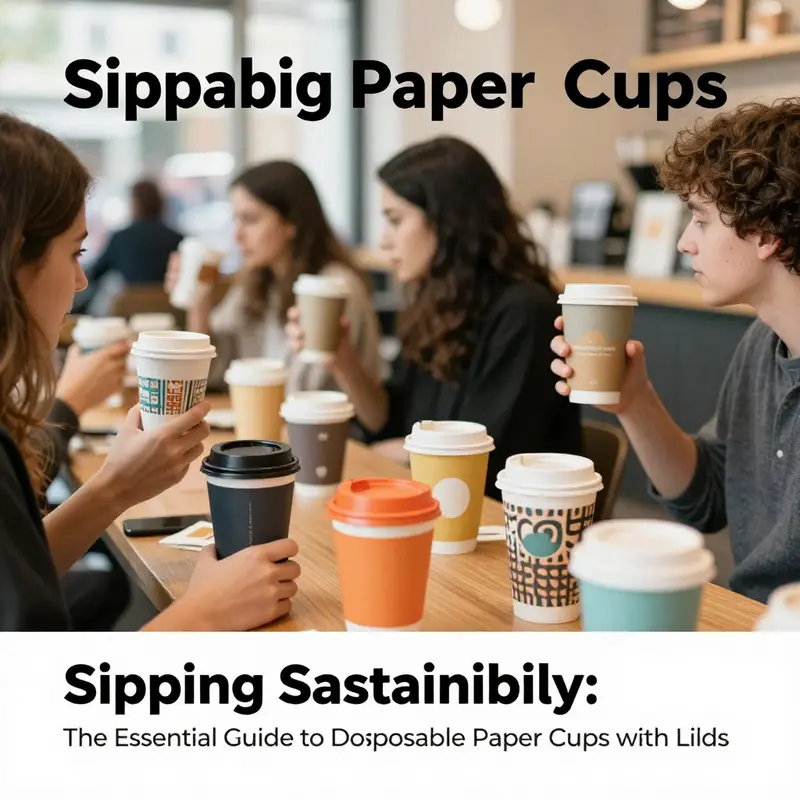
The disposable paper cup with lid market is expanding and maturing. Sales growth reflects more than convenience. It shows changing preferences, policy shifts, and brand strategy. Analysts project steady gains over the coming decade. This growth is driven by coffee culture, on-the-go dining, and year-round beverage consumption. Consumers expect safe, leak-resistant containers that protect beverage quality. Businesses want packaging that supports branding and operational efficiency. Regulators and waste managers push for materials that reduce landfill impact. The result is a market that moves quickly from commodity toward considered packaging.
Sustainability now shapes purchasing and product development. Buyers demand compostable and recyclable options. Manufacturers respond with cups made from renewable fibers, recycled content, and plant-based coatings. Bagasse and bamboo are gaining traction as alternatives to virgin paper. These materials meet composting requirements and lower carbon intensity. At the same time, recycled paper offers a direct route to circularity when paired with effective recycling systems. Certification schemes provide clarity. Labels like compostable certification and recycled content verification help buyers make informed choices and meet corporate environmental goals.
Customization is another major force. A plain cup is no longer enough for many operators. Businesses see cups as a walking advertisement and an extension of their atmosphere. Printing full-wrap graphics, applying spot colors, and offering premium finishes give brands direct visibility. Custom lids and secure sealing options also serve practical and marketing goals. Customization increases order complexity. Suppliers that handle variable print runs, color matches, and timely delivery win repeat business. For venues with peak volume, consistent supply and on-time shipments are non-negotiable. This combination of performance and visual identity raises the bar for suppliers.
Functionality and materials science are advancing in parallel with aesthetics. Improved double-wall constructions and corrugated sleeves increase thermal performance without adding bulky sleeves. For cold beverages, thicker sidewalls and reinforced rims preserve structure when filled with ice. Lids are evolving too. Spill-resistant designs, integrated straw ports, and venting systems support drink integrity and user comfort. These refinements matter for takeaway coffee, milk tea, and specialty cold drinks. They reduce returns, spills, and negative customer experiences. Engineers and designers now balance tactile feel, heat transfer, and stackability when developing new cup families.
Size and format variety continue to expand. Retailers and cafes order across a wide range of capacities. Typical offerings span from single-serve 8-ounce cups to large 24-ounce containers. Single-wall and double-wall options coexist to satisfy both price-sensitive and premium segments. Bulk buyers often seek flexible packaging and assortments that fit multiple beverage programs. Accessories such as cardboard carriers, insulating sleeves, and ancillary items add value. For example, insulated carriers that hold two to four cups make transport safer. These extras help operators manage peak-hour flows and reduce customer complaints.
Cost and supply chain dynamics still influence choices. Many manufacturers operate efficient production networks and export globally. Sourcing remains price-sensitive, yet buyers accept small premiums for certified or compostable materials. Lead times, minimum order quantities, and logistic reliability determine supplier selection. Transparency about production capabilities, quality control, and on-time delivery gives procurement teams the confidence to place larger orders. Widespread manufacturing capacity in several regions supports competitive pricing and diverse material sourcing.
Regulatory pressure and waste infrastructure shape both markets and product design. Bans or fees on certain disposable plastics drive demand for alternatives. At the same time, municipal composting programs and advanced recycling streams create pathways for paper-based packaging to be recovered, processed, and diverted from landfills. Where compost systems exist, compostable fiber-based containers complete a circular loop. Without proper infrastructure, even compostable items can become waste. This interplay between regulation and collection systems influences where certain materials are practical and financially viable.
Brand owners and foodservice operators are responding by thinking holistically. Packaging decisions now factor in end-of-life outcomes, procurement complexity, and customer perception. Many hospitality and retail brands use cups as part of broader sustainability stories. They combine material choices with messaging to educate customers. Operationally, staff training on separating waste streams and using the right lids helps ensure intended outcomes. Measurement and reporting of packaging impacts are increasingly common in corporate sustainability programs.
Innovation continues toward smarter, lower-impact solutions. New surface treatments reduce the need for plastic linings. Bio-based coatings and water-based barriers are promising. These alternatives maintain liquid resistance while improving recyclability and compostability. Additionally, modular design approaches prioritize reuse where appropriate. Refillable cup schemes and targeted return programs are emerging in urban centers. Even when reuse is not feasible, product design aims to simplify material types so waste processors can manage them more easily.
For businesses evaluating suppliers, operational reliability, product performance, and environmental credentials rank high. Fast, predictable delivery schedules support high-volume outlets. Clear documentation for certifications and material specifications helps buyers meet procurement and reporting requirements. Pilot runs and sample testing reduce risk when switching products. Well-managed suppliers provide consistent print quality and structural performance, which preserves brand image and reduces service interruptions. Practical concerns such as lid fit, stack integrity, and heat retention inform final selection.
Consumer expectations will continue to evolve. People want cups that protect beverage taste and temperature. They also want visible evidence that choices are responsible. Packaging that balances tactile quality, environmental claims, and cost will win. This creates space for specialty products that offer both premium feel and low environmental impact. At the same time, mainstream operators will seek reliable, cost-effective options that satisfy regulatory standards and reduce waste costs.
Overall, the disposable paper cup with lid market is shifting from basic commodity supply toward integrated packaging solutions. These solutions combine material innovation, design flexibility, and supply chain reliability. They respond to shifting regulation, stronger sustainability commitments, and brand-driven marketing needs. For buyers, success depends on aligning product attributes with operational realities and end-of-life outcomes. Suppliers that deliver consistent quality, transparent sourcing, and practical sustainability will shape market leadership.
For operators exploring insulated options and brand-ready stock, consider the double-layer disposable paper cups available for testing. For broader supplier and compliance guidance, refer to the industry sourcing guide: https://www.alibaba.com/showroom/bulk-disposable-cups-with-lids.html
Weighing the Footprint: How Disposable Paper Cups with Lids Affect the Environment
Weighing the Footprint: How Disposable Paper Cups with Lids Affect the Environment
Disposable paper cups with lids are often presented as a greener choice than single-use plastic. Their paper exterior and paper-like feel suggest a simple end-of-life story: biodegrade, return to nature. The reality is more complex. The environmental impact starts long before a cup reaches a consumer. It continues through manufacturing, distribution, and disposal. Understanding that full arc helps businesses and individuals make choices that reduce harm.
The lifecycle begins with raw materials. Paper for cups comes from trees, and producing pulp requires logging and intensive processing. In regions with weak forest management, logging can lead to habitat loss and reduced biodiversity. Even with sustainable forestry, pulping consumes large volumes of water and energy. Mills use high heat and chemical agents to separate fibers and bleach the pulp. These processes create effluents that require treatment. If untreated, they can contaminate rivers and harm aquatic life.
Manufacturing a paper cup involves more than shaping paper. To hold liquids, cups receive barrier coatings. Many manufacturers use thin plastic films, such as polyethylene, or waxes. These coatings make cups leak-resistant and heat-proof. They also complicate recycling and composting. A coated cup becomes a composite material, difficult to separate into recyclable streams. Some factories apply mineral or chemical additives that help printability and heat resistance. Those additives increase the product’s chemical footprint and can create problematic residues during processing or disposal.
Energy use and greenhouse gas emissions are significant parts of the footprint. Producing pulp and shaping cups consumes fossil-fuel-based energy in many regions. Transporting raw materials and finished cups adds emissions too. For businesses ordering large volumes, consolidated shipping reduces the per-cup transport footprint. Yet, the global supply chain still moves heavy, low-value packaging items long distances. The cumulative effect of energy and transport often makes the carbon footprint of a single-use cup non-trivial.
End-of-life outcomes determine much of the long-term impact. Many people assume that a paper cup will simply break down in a landfill. In anaerobic landfill conditions, organic materials degrade slowly and emit methane, a potent greenhouse gas. If cups are littered, they can release chemical residues into soil and waterways. Lids add complexity: common lids are molded from polypropylene or polystyrene. When lids remain attached, their plastics complicate recycling and often cause the entire cup to be rejected by sorting systems. Even when lids are removed, the thin plastic film inside many cups resists recycling technology designed for single-material paper.
Composting is often suggested as a solution. Some cups are labeled ‘compostable.’ But most require industrial composting facilities with high heat and managed conditions. Home compost piles rarely reach the temperatures needed to fully break down coatings. As a result, many compostable-labeled cups do not degrade properly in domestic settings. Where industrial composting is unavailable, these cups end up in general waste and produce little environmental benefit.
Recycling systems vary widely by region. Paper mills that accept mixed paper rarely take coated cups. The composite of paper and polyethylene poses a separation challenge. In single-stream recycling, contamination by lids and food residues leads to rejection. When cups are clean and collected separately, specialized recycling programs can recover fibers. Yet such collection schemes are rare outside localized programs. A pragmatic approach for businesses is to evaluate local waste infrastructure before claiming recyclability.
Toxic elements are another concern. Recent analyses have found traces of heavy metals in some coatings. Lead and cadmium have been detected in unexpected concentrations in a small number of samples. These elements can leach into soil and water over time if cups are discarded improperly. While most manufacturers adhere to safety limits, inconsistent regulation and testing across markets create variability in product composition. For organizations prioritizing safety, specifying low-toxicity certifications and independent testing is prudent.
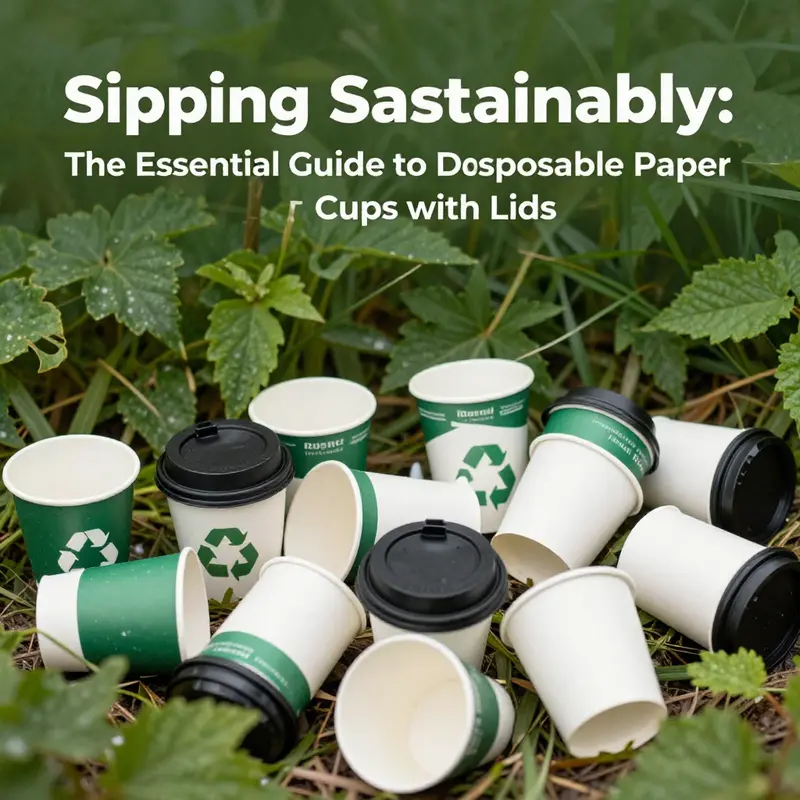
Littering amplifies visible and ecological harm. Disposable cups are lightweight and prone to becoming urban and marine litter. They can clog drains, smother vegetation, and harm wildlife. The single-use culture encourages convenience over responsibility. Even the best-designed cup with a secure lid becomes an environmental problem if it is discarded carelessly. Reducing litter requires both product design changes and social behavior shifts.
Lifecycle analyses provide a useful way to compare options. Studies show that paper cups can have lower manufacturing emissions than some plastic alternatives. However, that advantage can be offset by resource extraction, coating materials, and disposal outcomes. A comprehensive assessment weighs raw material sourcing, energy use, transportation, and end-of-life scenarios. Businesses should request full lifecycle data from suppliers and consider regional disposal realities when choosing cup types.
Design and supply choices can reduce impact. Thicker, double-wall or corrugated cups improve insulation and reduce reliance on separate sleeves. Selecting lids that are recyclable in your local system helps. Where industrial composting exists, specifying certified compostable cups and arranging proper collection closes the loop. For events and offices, encouraging reusable mugs or offering incentives for returns cuts waste drastically. For suppliers and large buyers, consolidating orders and specifying sustainable sourcing standards supports improved practices upstream.
Transparency is critical. Labels like ‘compostable’ or ‘recyclable’ are meaningful only when matched to available infrastructure. Businesses should communicate clearly with customers about proper disposal. Onsite signage, available bins, and staff training reduce contamination. Bulk purchasers should ask for material declarations and testing reports. When switching to alternative materials, they should pilot small orders to confirm real-world performance and end-of-life handling.
Small product-level changes can also help. Replacing thin plastic lids with versions that use less polymer, or designing lids meant to separate easily, reduces contamination. Using water-based inks and limiting heavy-metal pigments lowers toxic risks. Choosing paper sourced from certified forests reduces pressure on sensitive ecosystems. Such choices collectively move the market toward lower-impact solutions.
For buyers seeking ready-made options that reduce the need for extra sleeves, consider double-layer cup styles. These designs offer insulation and stronger fiber constructions that reduce accessory waste. A practical supplier page for double-layer paper cups provides details on sizes and materials, useful when comparing specifications and certifications: double-layer paper cups.
Informed procurement and responsible use are the most effective levers. No single material is universally perfect. Paper cups with lids offer convenience and familiarity, but they also carry hidden environmental costs. By understanding production impacts, disposal constraints, and certification limits, businesses can choose options that align with local waste systems. Customers and event planners who pair product choices with clear disposal pathways will see the greatest environmental benefit.
For a detailed lifecycle comparison and analysis of environmental trade-offs, refer to the comprehensive study in the Journal of Environmental Management: https://www.sciencedirect.com/science/article/pii/S030147972400856X
Turning Cups into Conversations: Strategic Customization and Branding with Disposable Paper Cups and Lids
Design as a Mobile Advertisement
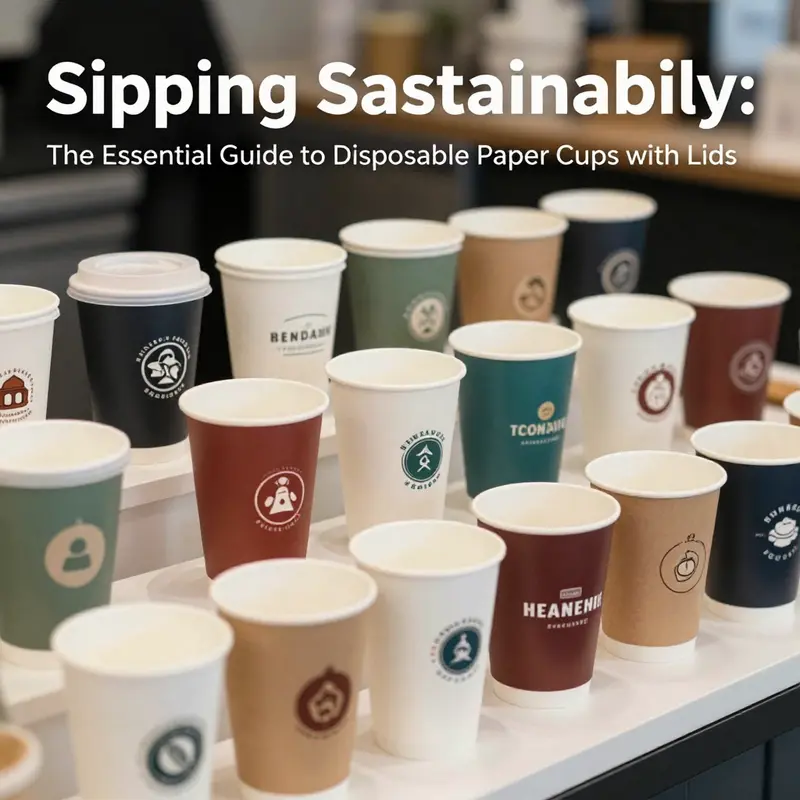
Disposable paper cups with lids offer more than a vessel for drinks. They become moving brand touchpoints, carried through streets, offices, and events. A well-executed custom cup delivers a clear logo, consistent color, or a clever message that sticks in sight long after the beverage is gone. Printing choices shape that impact. Flexographic printing delivers crisp logos and two- to three-color runs on food-grade paperboard. It holds up to daily handling and resists smudging when paired with proper coatings. For brands seeking bold palettes, hot-stamping and spot UV treatments create tactile highlights that draw attention without overwhelming the cup’s functional role.
Size and lid selection further refine the message a cup carries. Sizes from small tasting portions to larger servings allow the same design system to appear across product ranges. Lids tailored for hot drinks, cold beverages, or desserts maintain the cup’s usability while reinforcing brand intent. A leak-resistant lid keeps heat inside and coffee spill-free, preserving the printed design and the user’s experience. When lids match the cup visually, the whole package reads as intentional and professional.
Sleeves are more than insulation. A custom sleeve gives extra space for storytelling and offers a tactile layer that improves grip. Brands can use sleeves to carry promotional copy, QR codes, or loyalty prompts. A sleeve in a contrasting color can spotlight a seasonal campaign. When produced in kraft or corrugated materials, sleeves emphasize craft and sustainability. For a practical example of printed sleeves available in small packs, consider the product page for 50pcs brown coffee cup sleeves as a reference point for size and style.
OEM and ODM services make distinct concepts feasible. Manufacturers that offer OEM services replicate a brand’s specific specifications, including unique shapes and sizes. ODM capabilities allow brands to select from ready-made templates and adapt them. Both services support packaging choices like sleeve types, bundled carriers, or customized multipacks that match retail or cafe environments. By leveraging these services, a small coffee shop can achieve a signature cup design similar to larger chains.
Sustainability is increasingly central to brand identity. Choosing recyclable paperboard, biodegradable coatings, or pulp fibers made from sugarcane aligns packaging with environmental values. These materials let brands announce commitments directly on the cup. Statements such as recyclable or compostable, when backed by certification, earn trust. Certifications from recognized bodies confirm compliance with food safety and environmental claims. Prominently displayed marks reassure customers and support green marketing narratives.
Quality and compliance matter as much as aesthetics. Certifications that confirm food-grade safety are essential. They also protect the brand from liability and reinforce consumer confidence. Durable printing and proper coatings prevent oil or moisture from degrading printed graphics. Lids and joins should undergo leak and heat tests. When vendors offer samples and lab documentation, buyers gain confidence before large orders.
Strategic design choices drive return on investment. A minimalist logo approach can work well on high-volume runs by keeping printing simple and cost-effective. Limited color palettes reduce setup costs for flexographic printing. Conversely, a seasonal or limited-edition campaign may justify additional finishes. Short-run digital printing supports complex graphics and vibrant imagery at a higher per-unit cost. Brands should balance graphic complexity with projected lifetime exposure to maximize impact.
Integrating cups into broader campaigns multiplies their value. QR codes printed near the lid can link to menus, loyalty programs, or seasonal pages. A short, scannable code invites engagement while the cup is in use. Social media handles and hashtags encourage user-generated content. When customers post photos, the cup becomes a visual ambassador. For in-store activations, matching takeout boxes or napkins create a unified experience. That unity helps customers remember the brand and prompts repeat visits.
Operational considerations influence final decisions. Minimum order quantities and lead times affect campaign timing. Proofing stages, from design mockups to physical samples, should be built into the schedule. Shipping and packaging choices impact the condition of cups on arrival. Bulk buyers often prefer inner sleeves and outer cartons sized to minimize movement in transit. When cups and lids arrive neatly nested, staff handling is faster and waste decreases.
Cost management remains practical and precise. Unit costs fall with volume, but storage and cash flow must be factored. Many suppliers provide tiered pricing and sample orders for testing. Comparing single-wall and double-wall constructions helps align costs with product needs. Double-wall or corrugated options add insulation at a modest premium. For hot beverages sold in busy urban areas, this can reduce refunds and improve customer comfort.
A brand’s tone should guide every design decision. Playful illustrations work for family-focused cafés, while clean, subdued palettes suit premium outlets. Including a concise sustainability message can speak to eco-aware consumers without overshadowing the main visual identity. Consider contrast and readability when placing logos near the rim or on textured cups. The printed area should avoid domed lid regions where visibility is limited.
Measuring the impact of custom cups is straightforward when tracked intentionally. Include unique promo codes or QR links on cup sleeves to measure direct conversions. Track social impressions linked to a campaign hashtag. Monitor repeat purchase metrics to see if branded packaging correlates with increased visits. Small investments in tracking yield clear data about how much brand exposure converts to sales.
Scaling a program requires clear internal processes. Standardize artwork files, color codes, and dielines so repeat orders run smoothly. Maintain a single design master to avoid inconsistencies across production batches. Build relationships with suppliers who provide reliable proofing and compliance documentation. Regularly review material innovations that reduce cost or environmental footprint.
Well-designed disposable cups with lids are more than functional. They are portable billboards, experience enhancers, and proof points for brand values. When combined with thoughtful printing strategies, sleeve integration, consistent sizing, and eco-friendly materials, they convert everyday transactions into memorable brand moments. Strategic planning, precise production partners, and clear measurement turn a simple cup into a long-term marketing asset.
https://www.alibaba.com/product-detail/Custom-Printed-Disposable-Corrugated-Ripple_1601179348931.html?spm=a2700.153007.0.0.1f2a3e1c9e2d5i&scm=1007.13291.1007.13291&src=productDetail
null
null
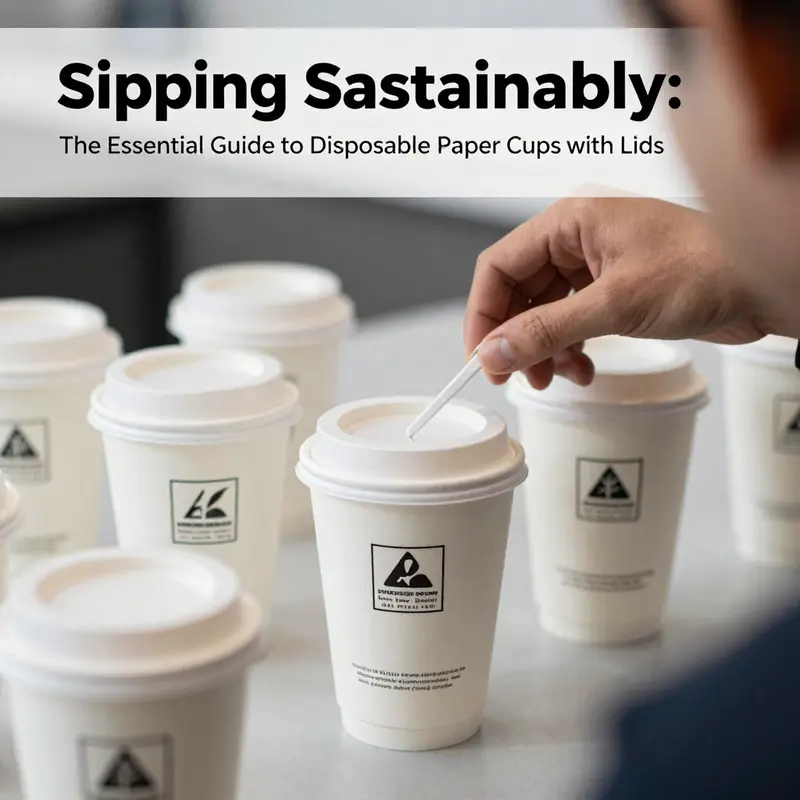
Carrying Brand, Keeping It Clean: The Real Story of Disposable Paper Cups with Lids in Modern Beverage Packaging
External resource: https://www.un.org/sustainabledevelopment/sustainable-consumption-and-production/
Final thoughts
The growing reliance on disposable paper cups with lids in the beverage industry highlights their importance in creating convenient, safe, and sustainable consumer experiences. Understanding market trends, embracing customization for brand visibility, acknowledging environmental impacts, ensuring adherence to safety standards, and actively comparing packaging options will empower businesses to make informed decisions. By implementing these insights, businesses can enhance customer satisfaction while aligning with eco-friendly practices, catering to the consumers’ desires for convenience and sustainability. Start utilizing disposable paper cups with lids today to propel your beverage service into the future, ensuring each sip is enjoyed responsibly and stylishly.