
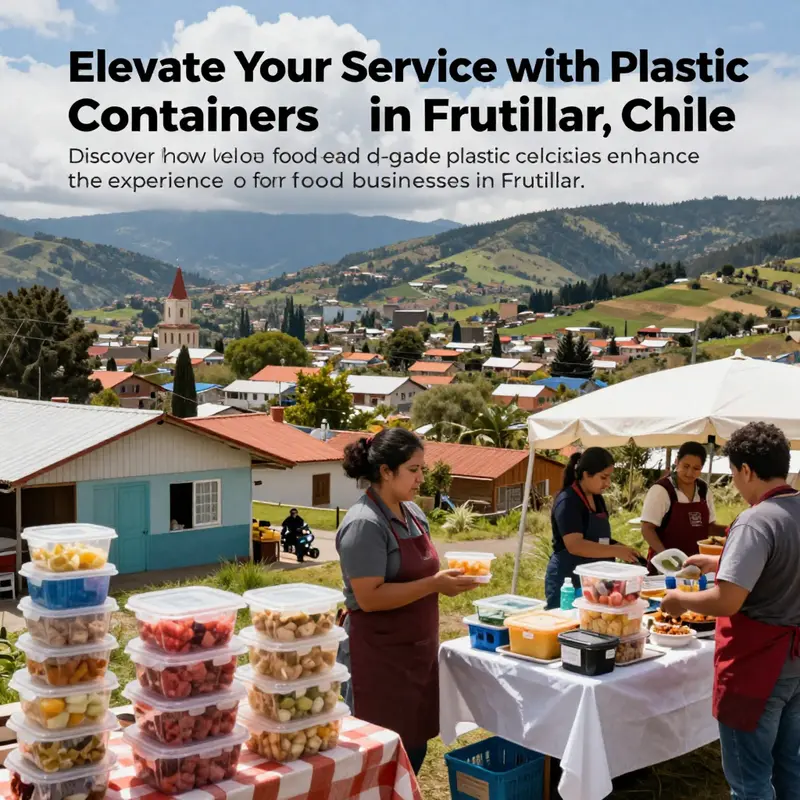
In the picturesque town of Frutillar, Chile, the food industry thrives with its unique blend of culture and culinary experiences. As bubble tea shops, restaurants, food trucks, catering services, and event planners cater to discerning customers, the choice of food packaging plays a crucial role in service delivery. This article delves into the world of plastic containers for food, exploring their types, compliance with safety standards, emerging market trends, and effective sourcing strategies in Frutillar. With insights tailored for businesses ranging from cozy cafes to bustling food trucks, this guide aims to provide valuable knowledge that aligns with local needs and global standards.
Clear Choice, Clear Conscience: Plastic Food Containers and Frutillar’s Path Toward Sustainable Storage
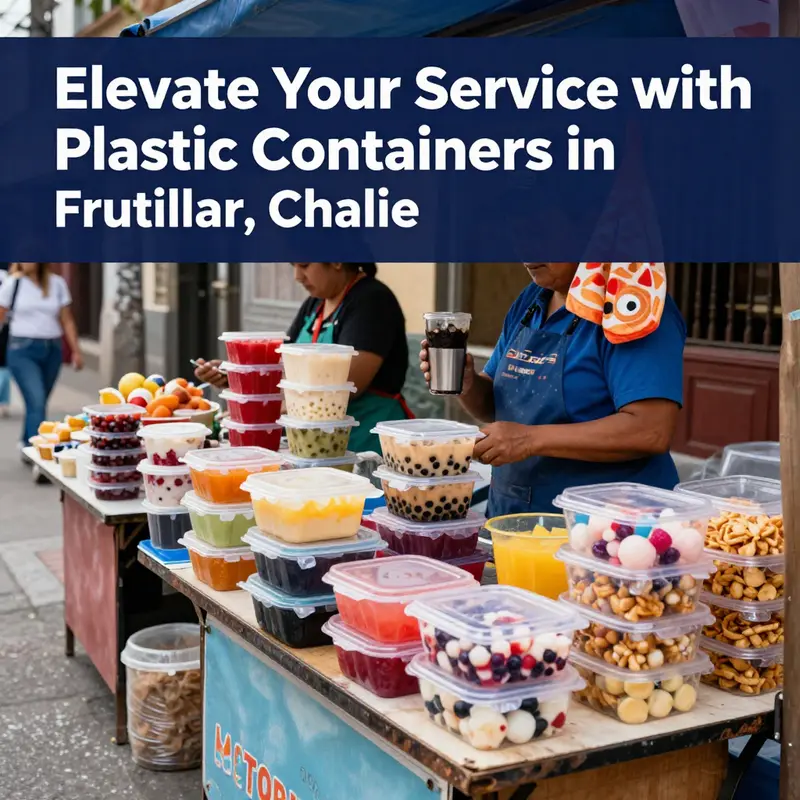
Frutillar, a lakeside town edged by the Andean foothills and a history threaded with German-influenced architecture, sits at a crossroads where daily routines meet a broader environmental responsibility. The choice of containers for food storage and display may seem small, yet in a place shaped by fresh markets, seasonal produce, and a community that values stewardship, it becomes part of a larger conversation about waste, reuse, and the stability of local life. Chile’s nationwide push to curb plastic waste—anchored by a ban on most single-use plastics—creates a backdrop against which Frutillar’s shops, households, and producers navigate packaging choices. While the exact local regulations in Frutillar may echo the national framework rather than sit as a distinct document, the effect is tangible: a shift away from disposable, throwaway containers toward systems that prioritize reusability, recyclability, and a lighter environmental footprint. In practical terms, that shift reshapes how food is stored on shelves, how it travels from farm to table, and how visitors experience Frutillar’s artisanal and everyday foods. The textures of the shoreline town—its cool, humid air and the cadence of markets by the lake—make the visibility and integrity of packaging more than a matter of aesthetics. They influence perceptions of freshness, quality, and trust. Clear plastic containers, especially those that allow a consumer to see the product from the outside, have a natural advantage here. They enable the vibrant colors of local fruits, candies, cakes, and dried goods to speak for themselves, while the robust seals and rigid walls protect against condensation, crushing, and the gusts of wind that can sweep through market lanes. Yet even as visibility matters, durability, reusability, and the capacity to fit into a circular economy shape the long-term viability of any container in Frutillar. The national agenda toward reduced plastic waste encourages two parallel trajectories: the adoption of higher-quality, reusable storage systems and the introduction of packaging that is easier to recycle or compost when disposal becomes unavoidable. For households storing bulk items like hard candies, mints, gummies, or fresh fruit, the appeal of a sturdy, clear container is clear. It is not merely a jar that keeps fruit crisp; it is a durable vessel that can be cleaned, refilled, and stored for months. The same logic extends to small retailers hoping to present products attractively in a way that reduces waste and speaks to local values about responsible consumption. In this setting, plastic containers are evolving from single-use devices to components of a longer life cycle. They are increasingly designed with airtight seals, stackable shapes, and compatibility with domestically available recycling streams. However, the conversation is not limited to look and resilience. Cost, supply chain flexibility, and the pace of change must also be weighed. Innovations in packaging show up in Frutillar as they do elsewhere: clamshell-style packaging for fruit and bulk items, with clear visibility and a hinged lid, offers a practical middle ground that marries protection with ease of use. The price point, as observed in January 2026, demonstrates the balancing act between affordability and sustainability—clamshells can be delivered at roughly sixteen to seventeen cents per unit, depending on size and material, illustrating how retailers weigh price against durability and reuse potential. Even at modest unit costs, the economics of local procurement drive decisions. Suppliers recognize the demand for small-batch orders and rapid sampling, enabling local businesses to pilot packaging ideas without committing to large runs. This flexibility matters in a town where seasonal crops, festival flavors, and periodic tourism exert different pressures on packaging needs. In Frutillar, as elsewhere, the path to sustainability often runs through materials that can survive repeated handling and that resist leakage under variable temperatures. Clear plastic containers crafted from food-grade polymers—such as polypropylene or certain clear plastics used in transparent packaging—are favored for their combination of rigidity, clarity, and seal integrity. These properties help retailers maintain product freshness and reduce spoilage, an outcome that supports both consumer satisfaction and waste reduction. The design philosophy moving through the market echoes a broader trend: containers that mimic traditional glass in appearance while offering the resilience of plastic, augmented by reliable airtight seals and easy-clean surfaces. This convergence of form and function matters in both home kitchens and storefront displays. It also aligns with an emerging culture of reuse, where containers are washed, sterilized, and reused to minimize the household’s or store’s plastic footprint. Yet the conversation remains nuanced. The national policy environment has spurred innovations in how packaging is produced, labeled, and recycled. In Frutillar, this translates into a preference for containers that can be integrated into recycling streams or repurposed within the home and shop, rather than ending in landfills after a single use. The emphasis on endurance, recyclability, and traceability shapes product selection—from the most visible fruit clamshells on a rustic market stall to the smaller jars used for dried fruits and confections in a neighborhood café. Local retailers are increasingly evaluating container systems that balance cost with the life cycle of the product. The idea of reuse extends beyond mere washing and reusing; it encompasses the entire supply chain where containers travel from producer to consumer and return to origin for refilling, reconditioning, or repurposing. This circular perspective weaves into Frutillar’s broader environmental aims, which seek to minimize waste generation while supporting small-scale producers who depend on predictable packaging costs and reliable delivery. The practical implications for a town like Frutillar are clear. Containers must be food-grade and compliant with safety standards that apply in the region, ensuring that materials do not compromise product quality or consumer health. While specific standards vary by country, the core requirement remains: plastics must be safe for contact with food, resistant to staining and odors, and capable of withstanding the rigors of cold storage, refrigeration, and routine washing. For retailers and households looking to source appropriate packaging, the landscape is increasingly navigable through B2B platforms and local suppliers that offer small minimums and quick samples. This capability supports experimentation with different shapes, sizes, and sealing mechanisms, allowing Frutillar’s food businesses to tailor their packaging to the season, the product, and the customer base without overcommitting to costly runs. In practice, a local supplier or regional distributor can provide a catalog of options that suits the town’s needs—from simple, clear jars for bulk items to more complex, multi-compartment boxes designed for take-home desserts or gift assortments. The demand for convenience coexists with a desire for responsibility. Consumers appreciate packages that are easy to reuse in the home, easy to store in the cooler or pantry, and easy to recycle at the end of their life. The balance between clarity and durability, between low cost and sustainable performance, remains the central challenge for Frutillar’s packaging ecosystem. Within this balance, the idea of transitional solutions—containers that are clearly not one-time-use but rather intended for repeated use—gains traction. While the market continues to experiment with different materials and configurations, the guiding principle remains steady: packaging should protect product integrity, support efficient handling, and minimize environmental impact across its entire life cycle. This is not merely a theoretical posture. It translates into practical choices in markets, bakeries, and households: choosing containers that can be reused many times, that are easy to clean, and that contribute less waste when they eventually reach a recycling facility. For those seeking concrete examples of packaging options that align with these values, a representative online resource demonstrates how practical, reusable, and safe packaging can look in real-world settings. eco-friendly takeout boxes for food packaging. This example underscores a broader point: modern packaging is not only about keeping food fresh; it is about ensuring that freshness travels with dignity—from producer to consumer to the next stage of reuse or recycling. As Frutillar continues to implement and interpret national policy at a local level, the container choices made by shops and households will reflect a shared commitment to quality, safety, and responsibility. The transition will not be instantaneous, and it will not be uniform across every storefront, but the direction is clear. Containers that offer visibility, reliable seals, and a design for reuse will define how Frutillar stores and serves its treats, whether in the market by the lake or in a home kitchen that prepares gifts for visiting friends and travelers. And as retailers experiment with small runs, quick sampling, and flexible orders, the town’s packaging landscape becomes a living barometer of how sustainability can coexist with practicality, affordability, and everyday convenience. For those who want to explore broader regulatory and policy context, external resources summarize how Chile’s single-use plastic ban shapes packaging strategies nationwide and, by extension, in frontier towns like Frutillar. External resource: https://www.ulsolutions.com/insights/ban-on-single-use-plastics-in-chile
Choosing the Right Food-Grade Plastic Containers for Frutillar: Practical Types and Local Uses
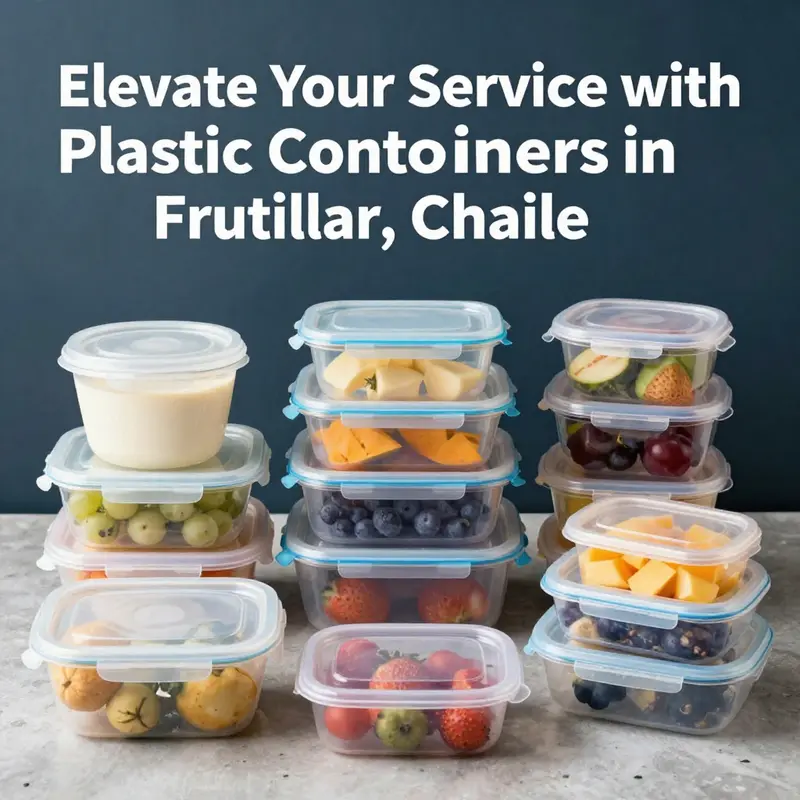
Understanding common container types and what local businesses need
Frutillar’s food scene blends small cafés, tourist kiosks, and takeaway kitchens. Each operation needs packaging that protects taste, meets safety rules, and suits transport on winding roads. In this context, several types of plastic containers appear most often. They differ by material, temperature limits, sealing method, and environmental profile. Knowing these differences helps chefs, caterers, and shop owners pick containers that keep food fresh, safe, and presentable.
One widely used style is the high-heat fry container made for hot fried snacks. These are molded from polypropylene or rigid polystyrene to handle high surface temperatures without warping. Their design promotes airflow to preserve crispness and reduce steam buildup. For businesses serving chips, fried fish, or empanadas, these containers save on waste and help deliver food that still feels fresh on arrival. They are usually stackable and compatible with standard takeaway trays. For more technical details on fry-specific packaging types and standards, consult industry resources on fry container materials and uses: https://www.plasticcontainerpros.com/french-fries-plastic-container-types-material-standards-and-common-industrial-uses/
For cold meals and salads, food-grade storage boxes are common. These typically use high-density polyethylene or polypropylene. Their strengths are tight seals and reusability. Many offer snap-fit lids and gasket seals to prevent leaks. For cafés that sell salads, sandwiches, or poke bowls, these boxes provide a practical balance of cost and durability. They perform well at room temperature and in refrigeration, and many withstand brief reheating when made from microwave-safe polypropylene.
Takeaway meal boxes remain essential across Frutillar’s eateries. These single-use or compostable boxes come with fitted lids. Some are still conventional plastic, while others use bio-based plastics such as polylactic acid. Boxes with compartments reduce cross-contamination and maintain portioning. They work well for mixed plates and multi-component meals. Businesses often prefer leak-resistant designs that travel well on winding routes and prevent spills during long beach or lakeside excursions.
Transparent cups and small condiment pots are staples for drinks and side servings. Clear PET cups let customers see contents and are lightweight for long walks. Small sauce pots with snap lids are indispensable for dressings and dipping sauces. They help control portions and avoid soggy deliveries. For dessert counters and kiosks, clear dessert cups highlight layers and colors, increasing impulse purchases.
Beyond material and shape, practical features influence selection. Microwave-safe ratings, stackability, tamper-evident seals, and vented lids for hot foods all matter. Vented lids release steam so hot food stays crisp. Tamper-evident seals support traceability and build customer trust. Stackable designs reduce storage space and simplify logistics for small kitchens.
Sustainability considerations now shape choices. Many vendors offer bio-based or compostable alternatives for single-use needs. These options appeal to environmentally conscious customers and tourism-driven businesses. Still, compostability depends on local industrial facilities. If municipal composting is unavailable, compostable items may not break down as intended. Therefore, some Frutillar businesses choose reusable containers for dine-in and offer a discounted return program for reusable takeout boxes.
Sourcing through the national distribution network is straightforward. Local suppliers and national wholesalers deliver most container types to the region. Small-batch customization is frequently available, including printed logos and adapted lid fits. When ordering, check minimum order quantities and sample lead times. Many manufacturers supply quick samples so businesses can test fit and function before committing to larger orders.
Compliance and food safety are non-negotiable. Choose containers made from food-grade materials that meet local regulatory standards. Seek products that align with recognized food safety frameworks and relevant certification schemes. Proper labeling, including material identification and safe-use symbols, helps staff handle containers correctly and avoids misuse that could compromise food safety.
Practical selection advice for operators in Frutillar focuses on matching container properties to use cases. For hot fried items, prefer rigid, vented polypropylene designs. For salads and refrigerated items, choose HDPE or PP boxes with tight seals. For mixed dishes, select compartmentalized boxes that maintain separation. For beverages and clear-visual desserts, PET or similar transparent plastics work best. Where environmental messaging matters, prioritize recyclable or certified compostable options and communicate disposal guidelines to customers.
Design choices influence customer perception and functionality. Clear lids allow quick visual checks in busy counters. Windowed packaging elevates presentation for baked goods and desserts. Ergonomic shapes make handling simpler for market stalls. Lightweight, thin-walled cups reduce material cost but may sacrifice perceived quality. Thicker, sturdier plastics boost perceived value and can be reused.
Operational practices maximize container performance. Train staff on proper lid closure and stacking rules. Store containers away from heat and direct sunlight to avoid warping. For reusable systems, establish a reliable cleaning routine and proper drying to prevent odors. Track container returns with a simple labeling system to reduce losses when offering reusable programs.
Disposal and recycling pathways matter. In Chile, municipal recycling infrastructure varies by locality. Businesses should confirm which plastics local facilities accept. When channels are limited, consider take-back programs or shifting to materials accepted by local recyclers. Partnering with community recycling initiatives can reduce landfill contributions and align with tourism-sector sustainability goals.
Finally, test before committing. Order samples and simulate service conditions. Check lids under transport, test microwave performance if required, and observe how products present to customers. Small tests save money and protect brand reputation. For businesses seeking a ready-made option with multiple compartments and an eco-minded profile, consider an available eco-friendly disposable 3-compartment food-grade packaging box as a reference for portion control and presentation (eco-friendly disposable 3-compartment food-grade packaging box).
Matching container type to menu, transport conditions, and sustainability goals produces the best results. Thoughtful choices keep food safe, tasting right, and visually appealing. They also control costs and support responsible disposal. In Frutillar’s mixed tourism and local market, the right container helps small businesses deliver consistent, satisfying meals to residents and visitors alike.
Safe, Local, and Sustainable: Navigating Compliance for Plastic Food Containers in Frutillar, Chile
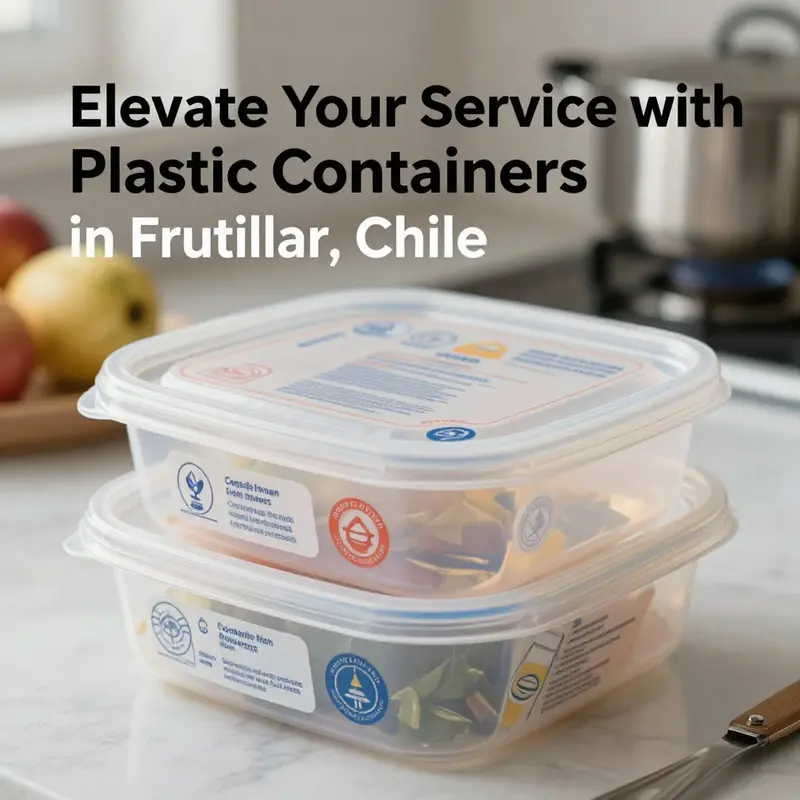
Frutillar, with its timbered hues of the lakeside and a community built around craft, cuisine, and careful stewardship of the landscape, presents a unique backdrop for discussing plastic food containers. The town’s openness to visitors and its reliance on local producers create a shared imperative: packaging that protects food, respects health standards, and aligns with Frutillar’s environmental sensibilities. In this context, compliance and safety standards are not abstract requirements but practical tools for building trust with customers, safeguarding public health, and supporting a resilient local economy. The core questions center on what materials are appropriate for food contact, how containers must be labeled, what safety tests are essential, and how design choices can reduce risk while supporting sustainable practices in a region that values pristine surroundings and reliable supply chains.
At the heart of material choice is a clear, evidence-based understanding of food-grade plastics. In many markets, including Chile, the regulatory framework steers toward resins that minimize chemical migration and maintain stability under typical handling conditions. For plastic containers intended to hold food, resin categories such as high-density polyethylene (HDPE, commonly associated with code #2), low-density polyethylene (LDPE, code #4), and polypropylene (PP, code #5) are frequently recommended. These materials offer a combination of chemical inertness, good heat resistance, and a relatively favorable migration profile compared with other plastics. In Frutillar’s climate, where products may experience varied ambient temperatures and longer distribution windows during peak tourist seasons, selecting materials with robust chemical stability helps prevent unwanted substances from migrating into foods or beverages.
Compliance, however, goes beyond the choice of resin. It begins with a labeling and documentation routine that communicates clearly to buyers and end users what they are handling. Containers should bear a visible declaration that they are suitable for food contact, along with the manufacturer’s name, production batch codes, and material identification such as the resin code (#2, #4, #5). The presence of a statement about microwave or freezer suitability is not merely a convenience; it reduces the likelihood that consumers will misuse a container in ways that could compromise safety or compromise the packaging’s integrity. In a tourist town like Frutillar, where small cafes, bakeries, and markets mingle with craft shops, simple, unambiguous labeling helps staff and visitors alike understand how to use packaging correctly, which in turn minimizes risk for both business operators and customers.
From a regulatory standpoint, the Chilean health and standards landscape emphasizes that containers for food contact undergo both microbiological screening and chemical migration assessments. Microbiological safety tests typically screen for organisms such as Escherichia coli and Salmonella to ensure that the container itself does not pose a contamination risk during handling, storage, or transport. Chemical safety, especially with respect to heavy metals like lead and cadmium, aims to verify that any substances potentially migrating into food stay within accepted limits. For Frutillar’s producers who serve a mix of local residents and visitors, these tests translate into verifiable assurances that the packaging can withstand repeated use or extended display without compromising food safety.
In practice, this means that a plastic container designed for Frutillar’s food market should be built with durability in mind. The structural design must avoid sharp edges, have secure lids, and resist leakage during typical handling, stacking, and transit in cool to moderate environments. When doors or lids seal tightly, they not only protect contents from external contamination but also help prevent cross-contamination between different foods when containers are stored together in display cases or transport vessels. This is particularly important for pastry boxes, fruit containers, or snack cups that may be reused or repurposed by vendors who operate in a compact, busy setup along the lakeside promenade or inside smaller marketplaces.
Beyond inertness and integrity, environmental considerations have become an integral part of the purchasing decision in Frutillar. Chile has seen rising emphasis on reducing single-use plastics and promoting recyclable or reusable packaging, especially in ecotourism hubs. Local businesses are increasingly inclined toward packaging solutions that can be recovered, recycled, or reused with minimal environmental impact. For this reason, compliance frameworks often highlight not only the material’s safety profile but also its end-of-life characteristics. Containers designed for Frutillar should ideally be compatible with recycling streams available in the region and, where feasible, should be easy to clean and reuse. Such attributes align with the town’s stewardship ethos and with customers who value a packaging system that supports a clean, sustainable environment around the lake and among the community markets.
The practical upshot for local buyers is straightforward: seek containers that carry a clear “Certificado de Seguridad Alimentaria” or equivalent recognition, and confirm that the product aligns with internationally recognized standards such as ISO 11607 or EU 1935/2004. These references are not merely bureaucratic checkmarks; they provide a framework for ongoing assurance as products move through the supply chain—from producer to distributor to cafe counter to consumer table. In Frutillar’s context, where small batches and quick turnarounds are common, suppliers that can demonstrate conformity through credible documentation and accessible testing results become valuable partners rather than distant manufacturers. A transparent supply chain matters, because it offers local operators greater confidence when introducing new packaging lines or expanding product offerings to meet seasonal demand.
Interweaving these considerations is a practical awareness of regional dynamics. Frutillar’s tourism-driven economy means that many packaging decisions must balance freshness, safety, and presentation. Visual clarity—clear labeling, clean graphics that signal food safety, and straightforward usage instructions—helps non-native speakers and visitors alike understand how to handle containers responsibly. In addition, the design of lids and shoulders should minimize the risk of food spillage during windy lake-weather or crowded market days, which are common in a town that welcomes travelers year-round. The goal is not only to comply with regulations but to deliver a packaging experience that reinforces trust. When a local bakery or fruit seller can point to consistent testing and reliable labeling, customers feel assured that the bag or tub they choose is both safe and suitable for the moment they plan to enjoy their snack or dessert.
A critical piece of the Frutillar picture is the connection between compliance and local procurement practices. The supply chain in smaller, tourism-oriented towns often hinges on close relationships and short logistics cycles. For retailers and caterers, the ability to source in small lots and receive prompt samples can be as important as meeting the letter of the law. This is where B2B platforms and regional distributor networks can play a meaningful role, enabling vendors to compare materials, verify certifications, and request materials that fit their specific use cases—whether it is a pastry box designed to showcase a cake slice, a fruit cup that travels from market to café, or a multi-compartment container for a grab-and-go snack. In Frutillar, the synergy between safety compliance and rapid responsiveness supports a packaging ecosystem that can scale with seasonal peaks while preserving the town’s distinctive vibe.
For operators who want a tangible reference point while evaluating options, practical considerations often center on a few core questions. Is the container material compatible with the food it will hold, and is there an explicit statement about food contact on the product? Are the migration and microbial safety tests documented and publicly accessible, or at least verifiable through a supplier’s certification package? Does the lid seal effectively, and is the container resilient to a few rounds of handling and display? Can the packaging be integrated into recycling or reuse programs that the town supports? In areas with vibrant ecotourism, the answers to these questions help ensure that packaging choices do not undermine the environmental ideals that attract visitors to Frutillar in the first place.
To bridge theory with practice, consider a practical example that illustrates how these standards come alive in local shops and markets. A cafe near the lake might choose a set of containers made from HDPE or PP that meet food-contact standards and carry a clear “for food contact” label. The same supplier can provide documentation showing microbial testing results and heavy metal migration data, along with batch traceability. The cafe then pairs these containers with a simple, readable set of usage instructions, including whether the container is microwave-safe or freezer-safe. A shelf label or insert can remind staff about appropriate storage conditions and how to recycle or reuse after use. In Frutillar’s environment, where the consumer base includes both residents and visitors, such clarity reduces the cognitive load on staff and customers alike, fostering smoother operation and greater satisfaction. The overall effect is a packaging system that feels stable, responsible, and aligned with the town’s values while satisfying safety rules that protect public health.
As a practical note for ongoing learning, readers may find value in exploring related resources that discuss broader safety considerations for plastic food containers and how different resin types perform under real-world conditions. For global context and more formal guidance on standards and safety testing, see the external resource linked at the end of this chapter. Within the local frame of Frutillar, the emphasis remains on selecting materials thoughtfully, labeling transparently, and designing packaging that withstands the region’s climate and commerce without compromising health or the environment. Keeping these priorities in balance helps ensure that plastic containers serve as reliable, safe, and sustainable enablers of Frutillar’s culinary and cultural experiences, today and into the future.
For a practical glimpse into packaging options that foreground sustainability in food packaging—while maintaining a focus on safe, compliant designs—the following resource offers a concise view of eco-minded, takeout-ready packaging solutions: eco-friendly-takeout-boxes-for-food-packaging-stylish-food-containers-safe-microwave-craft-paper-lunch-boxes-leak-grease-resistant.
External reference: Global science and safety perspectives on plastic food container safety, including material migration and microbe considerations, are summarized in peer-reviewed research accessible at https://www.ncbi.nlm.nih.gov/pmc/articles/PMC8818877/. This source reinforces the idea that while material choices like HDPE, LDPE, and PP offer favorable safety profiles, rigorous testing and clear labeling remain essential components of any compliant packaging program in Frutillar and beyond.
In sum, Frutillar’s path to compliant, safe, and sustainable plastic food containers lies in a deliberate alignment of material selection, labeling discipline, microbiological and chemical safety testing, durable and leakage-resistant design, and thoughtful environmental considerations. When local businesses invest in containers that meet documented standards, communicate clearly, and fit into a recycling or reuse framework, they not only protect consumers but also enhance the town’s reputation as a responsible, welcoming destination. The result is a packaging ecosystem that supports gastronomy and tourism while honoring the integrity of the lake district and the people who call Frutillar home.
Frutillar’s Packaging Pulse: Navigating Plastic Food Container Trends in Chile’s Lakeside Town
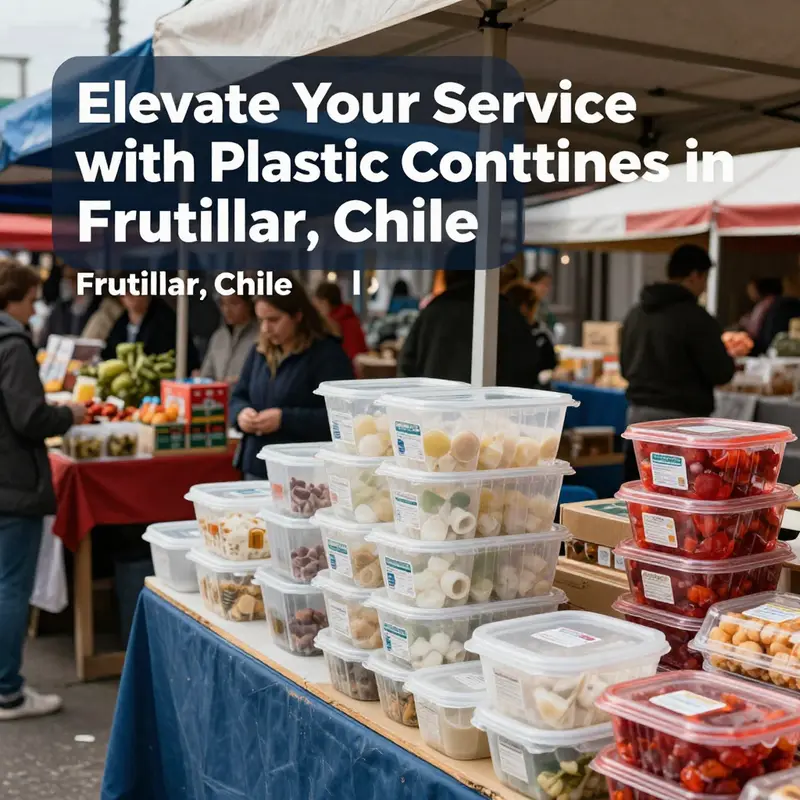
Frutillar sits beside the gleaming waters of a southern lake, its jagged mountains and quiet streets telling a story of heritage, agriculture, and a growing appetite for convenient food experiences. In this setting, the plastic food container market moves not as a single wave but as a series of currents that reflect global pressures and local personalities. While Frutillar itself may not boast a market report written about every shop and bakery, the wider Chilean and South American packaging landscape provides a reliable compass. Producers and retailers in this town increasingly balance the practical needs of fruit, pastry, and prepared foods with a rising sensitivity to environmental impact. The result is a market that resembles a dialogue between durability and responsibility, between the demand for sturdy, spill-resistant packaging and the insistence that such packaging be recyclable, reusable, or compostable where feasible. In this space, plastic containers for food are not merely containers; they are carriers of trust, freshness, and a promise of less waste over time.
Sustainability has risen from a buzzword to a core criterion for decisions about packaging in Frutillar. Across Chile, consumers and businesses alike are paying closer attention to what materials are used, how they are sourced, and what happens to them after use. Recyclability has become a baseline expectation, and interest in biodegradable or bio-based options—such as plant-derived polymers and compostable blends—has grown as part of a broader shift toward circular economy principles. Local producers, especially those who work with fruit, dairy, or ready-to-eat goods, recognize that packaging can be a competitive advantage. A label about “local origin” or “low environmental footprint” can tip the balance for a wary traveler in search of a snack or a shopper selecting fruit for the week. The material conversation thus extends beyond cost and durability; it touches on narrative, location, and the story a business wants to tell about its community.
In practice, the market in Frutillar and similar towns favors flexible packaging forms alongside the traditional rigid options. Flexible formats—pouches, bags, and sealable liners—offer notable advantages for shipping and display, particularly for berries, dried fruits, and baked goods that travel well and require quick, convenient portioning. These formats typically use less material than rigid boxes and plates, which aligns with efficiency goals that many local suppliers and retailers pursue. Yet flexibility does not mean compromise on preservation. Modern flexible packaging leverages barrier properties to protect aroma, moisture, and freshness, which matters for seasonal produce and freshly prepared items sold through small retailers, markets, and takeout venues. In Frutillar, where tourism rises during peak seasons and local farms provide a steady stream of seasonal products, packaging must support both inventory management and the sensory appeal of the product—the crispness of a pastry, the color of fruit, and the cleanliness of a serve-at-table experience. The result is a market that embraces adaptability, allowing small batches and rapid turnover to move through shops with minimal waste and maximum impact.
External demand, particularly from the takeout and delivery segment, remains a powerful driver in Frutillar’s packaging decisions. The town’s hospitality and food service sector relies on containers that can transition from the kitchen to the street, cafe terrace, or lakeside picnic without incident. One-off, disposable options still hold substantial share because they deliver speed, convenience, and reduced labor for dishwashing, which is especially valuable in seasonal peaks. However, the pressure to reduce single-use plastics is intensifying. Restaurants and vendors are experimenting with multi-use or recyclable systems, aiming to balance operational simplicity with ecological goals. The evolving preference is not a rejection of plastic containers but a call for smarter materials and smarter systems—containers designed for higher recycling rates, easier collection, and clearer end-of-life pathways. In a place like Frutillar, where the tourism economy intertwines with local agriculture, the packaging strategy is increasingly about telling a sustainable story as part of the guest experience. A well-communicated sustainability narrative can differentiate a business, turning packaging into a value proposition rather than a mere afterthought.
Regulatory and policy developments in Chile shape many decisions about plastic food containers in Frutillar. Government efforts to curb plastic pollution have translated into tighter rules around single-use plastics and stronger incentives for alternatives. For local shops and producers, this environment creates a practical impetus to explore materials that meet both safety standards and environmental expectations. The conversation extends to compliance with food-contact safety norms, which govern how containers are manufactured, used, and labeled. While the specifics of standards may evolve, the underlying principle remains constant: packaging must preserve food quality while minimizing risk to health and the environment. In this climate, businesses increasingly view packaging not as a fixed choice but as a dynamic component of product development. They test and iterate on materials, seek suppliers with transparent sourcing, and prioritize packaging that aligns with regulatory timelines and regional waste management capabilities. Frutillar’s packaging ecosystem thus becomes a living snapshot of how compliance, sustainability, and practical needs converge in a small but growing market.
Another layer of complexity comes from supply chain realities and the availability of customization in a regional context. While large-scale suppliers can offer a broad matrix of options, small towns like Frutillar often rely on a mix of local manufacturers and regional distributors to meet demand for fruit, confections, and prepared foods. The ability to customize—color, size, and labeling—becomes a meaningful differentiator, enabling local brands to reinforce their identity while keeping costs within reason. Small-batch production and quick prototyping are essential features in this landscape, allowing shops to adjust packaging formats as seasons shift or as new products enter the lineup. The market tends to reward suppliers who can offer flexible minimum order quantities and rapid sample delivery, because these capabilities reduce risk and accelerate time-to-market for new offerings. For Frutillar’s producers, this means that packaging decisions are not solely about the container but about the entire go-to-market rhythm: how quickly a new fruit basket or pastry line can be introduced, tested with customers, and scaled in response to demand.
In light of these forces, the strategic path for Frutillar’s plastic food container market points toward durability, recyclability, and clear value propositions. Businesses increasingly frame packaging not just around product protection but around a broader sustainability story that resonates with visitors and locals alike. This is especially important in a tourism-driven town where guests often seek experiences that feel authentic and responsible. Packaging designed to minimize waste, enable easy separation for recycling, and leverage bio-based or recycled content can become part of the brand’s allure. At the same time, practical considerations persist: cost control, logistic simplicity, and compatibility with existing kitchen workflows. The challenge is to harmonize these factors without losing the benefits of modern packaging technology. The result is a market that thrives on informed choices, supplier collaboration, and a willingness to adopt new materials and systems that align with both local needs and regional trends.
For those seeking to explore local sources or deepen their understanding of the broader market context, consider pathways that connect Frutillar’s producers with takeout-friendly packaging options while preserving the town’s unique character. One practical route is to assess the flexibility and lifecycle of materials in use, from food-grade plastics to renewable blends, and to map these against end-of-life infrastructure available in the region. Transparent supplier partnerships can help ensure that packaging choices meet safety standards, reflect a commitment to environmental responsibility, and support small-batch production. In this sense, Frutillar’s packaging decisions become a collaborative endeavor—between farmers, bakers, restaurateurs, and suppliers—built on shared values and a common aim: to deliver high-quality food experiences with containers that protect, perform, and travel well to the lakefront and beyond. For readers seeking a concrete example of how packaging options can align with takeaway needs, a takeaway-focused supplier profile demonstrates how customization and speed can coexist with sustainability goals (see custom-takeaway-packaging-supplies-disposable-tableware-for-theme-party).
External reference: South America plastic packaging market insights underscore how regional dynamics shape local choices, including in Chile’s markets and tourism hubs. https://www.marketsandmarkets.com/Market-Reports/south-america-plastic-packaging-market-5985.html
Navigating Safe, Sustainable Plastic Packaging for Frutillar’s Food Trade
In Frutillar, a town where timbered storefronts meet the calm surface of Lake Llanquihue, the packaging decisions of small food businesses ripple outward. A bakery preparing for weekend markets, a fruit co-op distributing locally sourced berries, and a dairy producer aiming to extend shelf life must think beyond the contents of their trays. The container is the first handshake with a customer, the initial guarantee of safety, and often the last mile of a product’s journey. In this setting, sourcing plastic containers for food becomes less about chasing the cheapest price and more about balancing compliance, quality, and speed. The path from supplier floors in distant regions to a market in southern Chile requires a disciplined approach that respects local regulations while leveraging global capabilities. What unfolds is a narrative of careful evaluation, clear standards, and practical logistics that together determine whether a Frutillar product can travel from lakefront shelves to regional supermarkets with confidence intact.
The central premise for any importer in Frutillar who wants to scale is straightforward: food-contact packaging must protect safety and preserve quality while remaining compatible with consumer expectations. International markets increasingly recognize that a container is not merely a vessel but a component of food safety management. Producers in Frutillar must ensure that their chosen containers meet stringent safety and performance criteria, including migration limits and thermal stability for microwave and freezer use. To operate across borders, suppliers should provide up-to-date third-party test reports from accredited laboratories, confirming a BPA-free composition and compliance with migration limits. Certifications such as OK compost or TÜV add another layer of credibility for brands seeking to appeal to eco-conscious shoppers. In practice, this means asking suppliers for evidence, not promises, about how a plastic container will perform under real-world conditions—from a bustling market stall to a refrigerated distribution chain.
Material choice lies at the heart of this decision. Polypropylene emerges as the favored workhorse for food-contact applications due to its balance of microwave safety, chemical resistance, and recyclability. For Frutillar’s producers, this translates into packaging that can safely carry ready-to-eat items or heat-and-serve meals without compromising safety or taste. The emphasis on recyclability also aligns with broader sustainability goals that many local brands are starting to embrace. When a brand wants to emphasize environmental responsibility, it can pursue certifications that attest to the material’s end-of-life properties, such as compostability standards where applicable or at least validated recyclability. While the focus remains on safety and performance, the marketing narrative can reflect a commitment to responsible design, helping Frutillar’s producers differentiate themselves in a competitive regional market.
Beyond material selection, the sourcing framework must evaluate supplier capability with a breadth that extends well past unit price. A robust partner is one that can demonstrate technical capability, including in-house mold design and CNC tooling, enabling rapid customization without sacrificing quality. Production capacity matters too; reliable suppliers operate on semi-automated lines capable of producing hundreds of thousands to millions of units monthly. This capacity is essential for Frutillar’s growing demand during peak harvests or festival periods when packaging needs can surge. Customization flexibility—color matching, logo embossing, graphic printing, and rapid mold modifications (often within 15 to 25 days)—becomes a practical advantage for brands seeking distinctive packaging that travels well across the region. Yet even these capabilities are only valuable if the supplier’s MOQs align with market realities. Some suppliers now accommodate flexible MOQs, a development that can support startups or smaller distributors testing the Chilean market without carrying excessive inventory.
Logistical considerations form the second pillar of a sound sourcing strategy. Lead times from major manufacturing hubs to Chile typically range from 30 to 45 days, depending on order size, transport mode, and customs processing. For Frutillar, geographic distances are an added factor: the final destination is a city nestled in the Los Lagos region, with logistical routes that must be carefully choreographed to ensure timely delivery and minimal spoilage risk. Proximity to southern ports can help shorten export handling times and reduce freight costs, but buyers should still plan for potential customs delays and the need for a capable freight forwarder who understands South American routes and the intricacies of local import regulations. A well-structured plan also anticipates the need for urgent manufacturing options when market opportunities arise, balancing speed with the need for certification and quality control.
Adopting a risk-conscious mindset is an essential habit in this process. Long-term partnerships tend to deliver better outcomes than one-off purchases. Buyers who invest in supplier credibility—through factory audits, requesting client references, and leveraging verified platforms—often gain more reliable lead times, consistent quality, and better after-sales support. In markets like Frutillar, where supply disruptions can translate into missed festival deadlines or empty shelves, the ability to rely on a trusted supplier becomes a strategic advantage. The evaluation framework should consider not only the technical capability and capacity of the supplier but also their willingness to collaborate on design changes, packaging innovations, and improvements to a packaging line that respect both safety and branding. A transparent communication loop, supported by shared quality documentation and traceability records, helps establish lasting confidence between buyer and supplier.
For those exploring supplier avenues, the landscape of B2B platforms offers practical routes to vetted partners. Verified supplier platforms provide a layer of assurance, particularly for buyers seeking food-grade plastics with documented compliance. The process often begins with a clear specification of needs: material type, intended use, regulatory targets, and required certifications. Once a shortlist forms, a direct dialogue tends to clarify production timelines, MOQs, and customization options. A helpful starting point in the broader sourcing journey is to explore examples of packaging that demonstrate how form meets function in real-market contexts, such as foldable cake boxes with windows that combine visibility with compact storage. For designers and purchasing teams in Frutillar, a ready reference is to see one such example that bridges aesthetics and practicality: Pure color foldable cake boxes with window bakery boxes pastry box for cake chocolates cupcakes gift packaging paper boxes. This link offers a tangible sense of how bold branding pairs with reliable performance in a package that travels far, from production floors to market stalls.
Of course, practical sourcing decisions must also align with regional and international regulatory expectations. Chile’s regulatory environment shares alignment with broad international standards, and buyers should seek evidence of conformity with FDA 21 CFR guidelines, EU Regulation (EC) No 1935/2004 and (EU) No 10/2011, and Chile’s own NCh 278:2007 where applicable. Requesting up-to-date third-party test reports is not optional; it is a standard requirement for building trust with retailers and consumers. When testing confirms BPA-free composition and stable performance under migration limits, brands can communicate confidence to their customers—a factor that becomes increasingly important in markets where freshness and safety are central to a product’s value proposition.
The sourcing journey is not a solitary walk but a collaborative process that benefits from thoughtful planning and a clear understanding of the market context. Frutillar’s producers operate within a Chilean consumer landscape that values safety, quality, and responsible packaging. A sustainable narrative—one that emphasizes recyclable materials, responsible design, and transparent testing—will resonate with both local retailers and regional buyers. The right container supports, rather than compromises, a product’s sensory experience: it protects aroma, preserves texture, and travels without compromising the hand feel that consumers expect from well-made goods. As the supply chain becomes more complex and interconnected, the ability to coordinate product design, regulatory compliance, and logistics into a unified plan distinguishes resilient brands from those that merely chase the cheapest deal.
In the broader context of global packaging, the conversation also points toward practical, scalable sourcing strategies. For Frutillar, that means leveraging established international manufacturers who can deliver consistent quality at a competitive price while offering the customization flexibility that brand builders crave. It means building a supplier relationship founded on audit-ready processes, shared quality metrics, and a mutual commitment to delivery reliability. And it means staying anchored to the essentials: safety first, performance second, and sustainability as a guiding principle that keeps the packaging narrative honest as it travels from lakefront kitchens to regional stores. For teams navigating the complexities of cross-border packaging, these principles translate into a rational, repeatable approach that reduces risk, accelerates market entry, and supports long-term growth.
External resource for additional context on international options and product examples can be found here: https://www.alibaba.com/product-detail/Plastic-Pet-Cake-Dim-Sum-Biscuit-Dried-Fruit_1600795866724.html
Final thoughts
As the culinary scene continues to flourish in Frutillar, the importance of reliable and safe food packaging cannot be overstated. From bubble tea shops to catering services, utilizing high-quality plastic containers enhances the customer experience while ensuring compliance with safety standards. By staying informed about market trends and seeking out trusted suppliers, businesses can position themselves competitively in this vibrant market. Ultimately, integrating the right food packaging solutions can significantly impact the growth and reputation of your food business in Frutillar.