
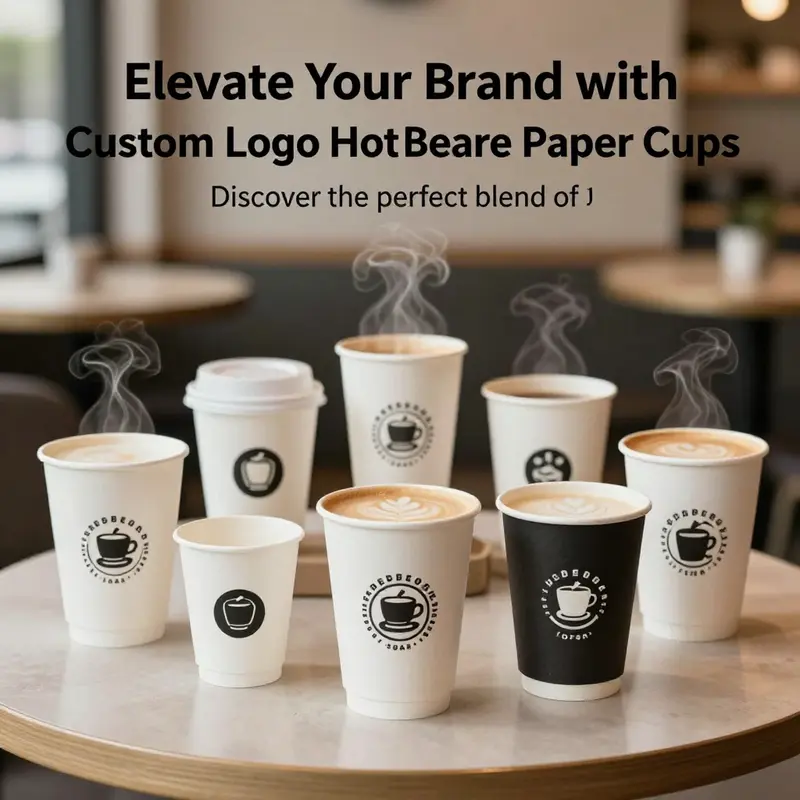
Custom logo hot beverage paper cups are not just containers; they are a statement of your brand’s commitment to quality and sustainability. In an era where consumer preferences gravitate towards eco-conscious choices, these cups offer an innovative way to serve hot beverages while enhancing brand visibility. From bubble tea shops to food trucks, every beverage vendor has unique needs that can be addressed through tailored solutions in materials, design options, and environmental certification. The following chapters will walk you through the essential aspects of these cups, exploring their construction, customization options, sustainability considerations, and current market trends—ensuring you make informed decisions that align with your business goals.
From Paper to Perception: The Material Science Behind Custom Logo Hot Beverage Cups
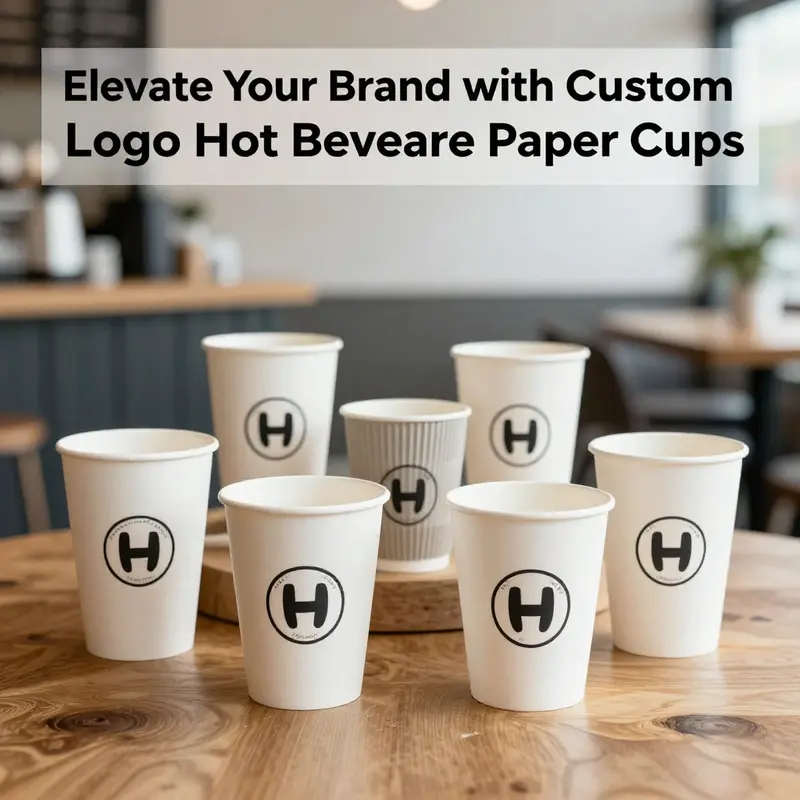
From the moment a cup leaves the printer, it becomes part of a brand’s physical language. The materials and construction do more than hold a beverage; they convey values, performance expectations, and a promise of reliability. In the market for custom logo hot beverage paper cups, the material choice begins with food-grade paperboard. This base must be stiff enough to resist deformation and able to receive a high-fidelity print while maintaining a smooth exterior. The board’s thickness and density influence both the tactile feel and the cup’s insulating performance. A standard approach combines paperboard with a thin barrier layer that resists moisture and heat. The most common barrier is polyethylene, selected for its proven performance in hot beverages. Its presence is often invisible to the user, yet it is central to ensuring the cup does not soak through and that the beverage remains warm without compromising the cup’s integrity. In markets that stretch sustainability claims, alternative barrier materials like PLA have gained traction. PLA is compostable in industrial facilities and derives from renewable feedstocks, aligning with environmental narratives. But the use of such coatings opens questions about end-of-life handling, as home composters may not achieve the temperatures or conditions necessary to degrade PLA completely. The result is a family of materials that must balance heat resistance, leakage protection, recyclability, and the brand’s environmental stance. Insulation is achieved through a range of wall designs, with double-wall construction standing out for its effectiveness and consumer familiarity. In a double-wall cup, an air gap forms between two layers of paperboard, slowing heat transfer and reducing the risk of painful contact with the hot cup. This design is often called double-wall, double-layer, or inflated, and it has become particularly popular in coffee shop settings where a premium experience is expected. The inflated air pocket is not just a safety feature; it also contributes to a consistent hand feel and improved grip, helping to prevent slips on damp or glossy surfaces. For some operators, ripple-wall or single-wall configurations may be preferable, especially when the goal is to minimize material usage or to emphasize a lighter, more economical customer experience. Each option carries trade-offs: while double-wall excels in insulation and comfort, ripple-wall can provide a tactile texture and a distinct aesthetic that aligns with a brand’s design language. The choice of insulation must be aligned with the intended beverage category, service speed, and the store’s overall sustainability strategy. Printing and branding are central to the cup’s role as a mobile marketing tool. Flexographic printing enables vibrant graphics on curved surfaces and supports multi-color designs, commonly up to six hues per cycle. The opportunity to reproduce logos in high fidelity allows a brand to achieve instant recognition, a factor that often translates into stronger customer loyalty and repeated visits. The printing process itself must contend with the cup’s heat exposure and moisture during use, demanding inks and coatings that resist fading or running. As a corollary, the external finish can influence perceived quality. Premium accents such as foil stamping in metallic tones can elevate a cup from a simple vessel to a premium carrier of branding. Matte finishes can soften color contrasts and reduce glare, while gloss coatings can intensify color depth and give the design a modern shine. The combination of a robust print, a tactile surface, and a reliable barrier gives the cup the dual job of function and brand storytelling. The cup thus becomes a walking advertisement, a conversation piece in a line that moves quickly through crowds and into the daily routines of customers. The range of sizes—from eight ounces up to twenty-four ounces—reflects how beverage service has evolved to accommodate varying consumption habits. An eight-ounce cup suits concentrated beverages and small on-site servings, while the mid-range twelve to sixteen ounces fit the everyday coffee and tea order that customers carry across streets and sidewalks. The larger twenty-ounce and twenty-four-ounce cups address the demand for larger servings on the go, as well as catering or event provisioning where one cup is expected to cover a significant share of the consumer’s thirst. The different volumes are not simply about capacity; they also interact with insulation thickness, lid geometry, and the balance between portability and heat retention. For brands aiming to maintain a consistent visual presence across a menu, offering a standard set of sizes helps preserve proportional branding and color rhythm on the cup surface. In practice, operators may pair double-wall cups with specific sizes to maximize how long a beverage stays hot while still keeping handling comfortable, while single-wall cups might be selected for quick-service contexts where speed is paramount. In parallel with performance, the safety and environmental narratives around the cup shape the selection criteria for buyers. Certification schemes such as FDA recognition for food-contact materials and ISO-based quality management systems provide a framework for evaluating supplier capabilities. SGS testing and verification add a layer of third-party assurance that the product conforms to defined standards for safety, consistency, and performance. These certifications are especially important for operators who supply beverages to schools, corporate campuses, or healthcare facilities, where compliance is integral to day-to-day operations. The coatings and adhesives used in cups must also be compatible with recycling or composting streams in the markets where the cups will be used. This compatibility is not a universal constant; it depends on the local waste management infrastructure, which can vary significantly from one country or region. In some places, PLA-based coatings are designed to support industrial composting, but this requires access to appropriate facilities. In others, traditional PE-based cups may be accepted by standard paper recycling streams, depending on the degree of barrier required. The packaging decision must therefore incorporate a regional end-of-life plan, not just a theoretical environmental claim. Opaque is not always synonymous with sustainable, and translucence about disposal pathways can enhance trust and reduce the risk of greenwashing. Within this complex matrix, commercial considerations play a non-trivial role. Price points for custom cups are influenced by material selection, printing complexity, and the scope of customization. Bulk production tends to yield favorable per-unit costs, which gives brands room to invest in more expressive branding without destabilizing the business case. The typical economic formula in bulk supply favors durability and design fidelity; thus, a double-wall construction with an elaborate branding program often appears more cost-effective than a fragile single-wall option when the aim is to achieve a meaningful brand impact across thousands of outlets. The economics also reflect the supply chain’s geography. In many factories, manufacturing hubs serve regional markets with strong logistics networks, and the costs are shaped by the scale and speed of production. The regional concentration of capacity in parts of East Asia has historically driven competitive pricing while maintaining consistent quality; this means brands can access high standards without sacrificing lead times, although it also means lead time planning and forecasting must accommodate the realities of cross-border shipping and demand fluctuations. The presence of a minimum order quantity around the fifty-thousand-piece mark is a practical threshold that helps suppliers amortize the equipment and setup costs associated with printing and die-cutting, as well as the cleaning and packaging processes required for shipping. For new entrants to the market or for smaller campaigns, it is helpful to work with suppliers who can provide tiered programs, smaller run experiments, or digital printing options that preserve design flexibility with shorter lead times while still enabling a strong brand footprint. Branding strategy is inseparably linked to materials and construction. The cup is a narrative object; the material choices convey the core message of the brand, and the way those materials come together in the final product communicates a sense of craftsmanship, reliability, and modernity. A premium double-wall cup can signal that a brand cares about comfort and experience, turning the simple act of drinking into a moment of attention and pleasure. A more minimalist single-wall cup with a bold color palette and tight typography can project energy, economy, and accessibility. The tactile feel—the feel of the coating, the weight of the cup, even the ease with which the cup is gripped—contributes to the overall perception of quality. This is why brand teams often involve designers early in the process to ensure that the cup fibers, the ink laydown, and the embodied color system align with the broader visual language of the brand. The end result is not just a container, but a portable component of the brand’s story, a brief interaction that can shape a customer’s memory of the product and, by extension, the company’s image. From a design and operational perspective, it is important to consider the practical steps that translate this knowledge into action. The first step is clear characterization of the target service scenario: the typical beverage profile, the expected service pace, and the environment in which the cup will be used. If a business emphasizes premium service with a focus on presentation, double-wall cups with luxe finishes may be the right choice and the branding program can leverage the extra surface area for intricate graphic work. If the priority is high-volume throughput in a fast-casual setting, robust color branding on a reliable single-wall cup may deliver the needed performance at a lower cost. The design team should also be mindful of the end-user experience. The packaging must be comfortable to hold when hot, visually coherent with the store’s interior, and easy to stack and store for staff, while also being compatible with existing lids and carriers. Lids, sleeves, and handles can be designed to fit the cup’s exterior dimensions and to reinforce the same color story or branding concept. The ultimate aim is to achieve a seamless, integrated experience where the material properties, the visual design, and the service logistics all reinforce the brand promise. To complete the circle, preserving the integrity of the branding while advocating responsible packaging remains a central challenge for the industry. The push toward more sustainable materials and clearer environmental labeling requires brands to ensure that what they claim aligns with actual performance and disposal options. Transparency about end-of-life steps—whether the cup is intended for recycling, composting, or disposal—helps nurture consumer trust and reduces confusion at the point of waste. The material story, from the paperboard base to the surface finish and the barrier layer, provides a foundation for this transparency. It also frames the conversation about whether a given cup can carry the brand across an entire lifecycle—from production to use to disposal. As a practical takeaway, brands should engage with suppliers who can articulate the trade-offs between barrier protection, print fidelity, and end-of-life pathways in a way that is actionable for merchandising, operations, and sustainability teams. The story is not only about a product specification but about the relationship between a brand and its customers—the moment a hot beverage is held in a cup that has a voice, a design, and a purpose. For instance, double-wall construction is often paired with distinctive textures and color accents that reinforce a premium feel; see this example of a double-layer disposable cup for home and office use, which demonstrates how form and function converge in a single vessel: double-layer-disposable-thickened-paper-cup-suitable-for-home-office-simple-style-disposable-craft-paper-colored-milk-tea-cups. External resource: https://www.alibaba.com/product-detail/Custom-Logo-Hot-Beverage-Paper-Cups_1601437958298.html
null
null
From Forest to Foam: How Certifications, Materials, and End‑Of‑Life Standards Shape Custom Logo Hot Beverage Cups
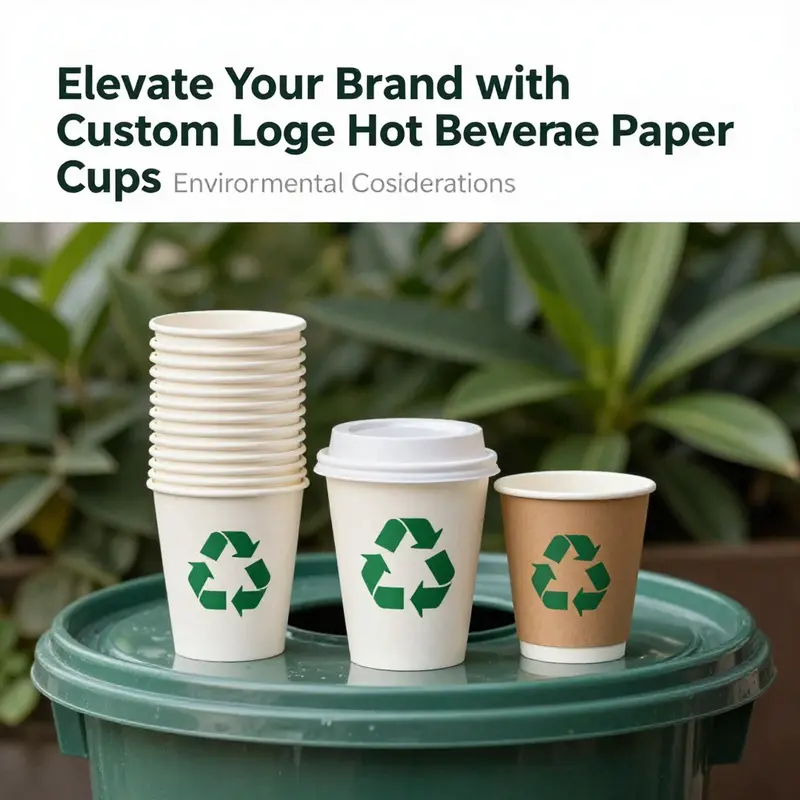
When a café or event pushes a brand forward with a custom logo on a hot beverage cup, the impact goes far beyond color, font, or a clever slogan. The cup becomes a mobile ambassador—yet its power rests not only in visibility but in a careful alignment of materials, manufacturing discipline, and a transparent end‑of‑life story. In markets increasingly driven by eco‑conscious choices, buyers of custom logo hot beverage paper cups are learning to read the cup’s life cycle as a code for trust. Certifications, material choices, and end‑of‑life claims are no longer afterthoughts. They are the framework through which brands claim credibility, meet regulatory expectations, and persuade consumers who increasingly weigh environmental responsibility alongside product quality. This chapter weaves together the core threads of what to look for when selecting these cups, and why each thread matters for a brand that wants to be both memorable and accountable.
A central strand in this tapestry is the assortment of certifications that accompany modern paper cups. The Forest Stewardship Council (FSC) certification, for example, serves as a compass pointing back to responsibly managed forests. When a supplier can show FSC certification for the pulp and paper used in a cup, a buyer gains a verifiable link to forest stewardship. It isn’t merely about sourcing; it is about maintaining a supply chain that respects biodiversity, protects watersheds, and supports local communities that depend on forests. FSC is not just a label; it is a signal that a brand is making a deliberate choice to favor long‑term ecological health over short‑term convenience. For a consumer, seeing FSC on packaging can reassure that the product aligns with a broader commitment to sustainability even before the design is considered.
Beyond FSC, the landscape of end‑of‑life responsibility grows more nuanced. Industrial compostability claims, backed by OK Compost INDUSTRIAL and the Biodegradable Products Institute (BPI), indicate that the cup is designed to break down under controlled composting conditions rather than languish in landfills. These certifications acknowledge a specific infrastructure reality: industrial compost facilities, not home compost piles, typically manage the process. This distinction matters because it shapes how a cup should be disposed of. A brand that promotes industrial‑compostable cups signals a willingness to direct customers toward a path where organic waste becomes valuable feedstock for compost rather than inert residue. BPI certification, in particular, provides a widely recognized benchmark for compostability that many retailers and municipalities understand, helping to align consumer expectations with actual end‑of‑life performance.
Quality management and safety are equally essential in the governance of these cups. ISO 9001 certification signals a disciplined approach to quality management across production lines. It is the assurance, at a system level, that processes consistently produce cups that meet predefined specifications—thickness, heat resistance, coating integrity, and print durability—despite fluctuations in demand, raw material variability, or shifts in production tempo. In parallel, the British Retail Consortium (BRC) Global Standards set a high bar for food safety and quality management within the supply chain. When a cup manufacturer demonstrates BRC compliance, it communicates that the design, materials, and manufacturing environment adhere to standards that minimize contamination risks and maximize consumer safety. TÜV certifications, depending on the regional market, can reflect environmental performance, product safety, or technical reliability. Together, these certifications form a layered map that a brand can consult to ensure not only a visually compelling cup but one that holds up to rigorous quality and safety expectations.
The material story itself deserves careful unpacking. The default architecture of most custom logo hot beverage cups rests on food‑grade paperboard engineered to withstand hot liquids and provide insulation. The construction choices—single‑wall, double‑wall, or ripple‑wall—play a practical role in thermal retention and user comfort. A single‑wall cup, for example, relies on the paperboard alone for insulation, and it may be lighter and simpler to recycle in some streams. A double‑wall cup, with a secondary air gap, offers enhanced heat protection, enabling a more comfortable grip even where beverage temperatures run high. Ripple or corrugated walls introduce another layer of insulation and stiffness that can improve heat retention while maintaining a svelte exterior suitable for branding. The selection among these options is rarely about aesthetics alone; it is a balance of customer experience, beverage temperature, environmental impact, and end‑of‑life feasibility.
Material decisions extend to the coatings and the recyclability story. The paperboard used in many cups is often described as food‑grade and designed to resist liquid penetration. A common approach is to apply a barrier coating—frequently a polyethylene (PE) layer or another protective coating—that prevents liquid seepage while maintaining the ability to hold a hot drink. The presence of PE can complicate recycling in some municipal streams, so many manufacturers are moving toward materials and coatings that are compatible with widely established recycling pathways or that enable separation of constituents during processing. In parallel, there is increasing exploration of sustainably sourced alternatives, including papers from sources like Sun Paper or APP Paper, paired with barrier technologies that aim to preserve integrity during use while enhancing recyclability or compostability at end of life. The push toward 100% recyclable or biodegradable materials aligns with consumer expectations and regulatory directions that increasingly favor circular economy principles.
Brand managers are well aware that a cup is a fleeting medium, but its impact endures in memory and perception. The design itself—logo treatment, color, and typography—works in tandem with the material and certification story to shape how a consumer views a brand. A logo printed with high fidelity on a cup that is backed by credible environmental claims can strengthen recognition and loyalty while signaling responsibility. A well‑communicated chain of custody, from responsibly sourced paper through certified manufacturing to end‑of‑life options, helps brands avoid the perception of greenwashing. In practice, this means not only investing in a visually striking cup but also maintaining documentation and transparency about the cup’s journey from pulp to disposal. For marketers, the value is dual: a stronger brand experience and a credible environmental narrative that can be shared across digital and physical touchpoints.
The practical implications for buyers extend beyond certification banners. Verification becomes a routine part of supplier evaluation. Buyers should request certificates and statements of conformity that cover the full value chain: FSC for fiber sourcing, OK Compost INDUSTRIAL and BPI for compostability, ISO 9001 for process quality, BRC for food safety, and TÜV for any region‑specific environmental or safety requirements. It is not enough to accept a single certificate at face value; capable buyers look for a robust portfolio that shows how each claim aligns with the cup’s design, coating, and end‑of‑life pathway. They also examine the supply chain for traceability: where the pulp originates, how it is transformed into cup stock, how inks and coatings are applied, and what happens to cups after use in different waste streams.
The alignment of these elements is not merely technical; it is strategic. A brand that can point to FSC sourcing, combined with compostability credentials where feasible, invites a more nuanced engagement with consumers who care about the forest, the soil, and the air. The environmental narrative then becomes a competitive differentiator, especially in markets where customers demand accountability as part of the dining experience. Yet this advantage must be earned with honest communication. Vague or contradictory environmental claims invite skepticism and can negate the credibility built through design excellence. As such, a coherent story that ties together forest stewardship, responsible manufacturing, and end‑of‑life outcomes is more valuable than any single certification badge.
From a procurement perspective, the economics of certified cups are an important consideration. Certifications and sustainability features can influence price, MOQs, and lead times. While the typical base price range for these cups is moderate, buyers should anticipate that more stringent sourcing requirements or premium coatings designed to improve recyclability or compostability may affect costs. MOQs remain a practical reality for bulk production, but the long‑term savings often emerge through waste reduction, improved customer perception, and the avoidance of environmental risk that might otherwise accompany a brand with a less rigorous sustainability program. For many operators, the investment pays for itself in the form of customer loyalty, more favorable regulatory alignment, and the added flexibility to participate in sustainability reporting and third‑party audits.
As this narrative unfolds, it becomes clear that the choice of a custom logo hot beverage cup is not a simple design decision. It is a strategic decision that shapes a company’s environmental profile, brand credibility, and the practical realities of waste management. The interplay between materials, printing capabilities, and end‑of‑life considerations creates a spectrum of options. Each cup form factor—whether it is a thinner, single‑wall cup for a fast, high‑volume coffee program or a more robust double‑wall design for beverages served at outdoor events—carries with it a cascade of implications for sustainability and consumer perception. The ability to print a compelling logo at multiple colors via flexographic printing further adds to the value proposition, enabling strong brand presence while the cup itself remains a vessel of environmental storytelling.
Incorporating an internal perspective into this broader conversation helps illuminate how these choices translate in real business contexts. Consider a scenario in which a brand seeks to reinforce its commitment to sustainability while preserving a premium feel for its beverages. The FSC pathway can demonstrate responsible fiber sourcing, while ISO 9001 underscores reliability in production. BRC ensures that every batch aligns with food safety standards, giving operators confidence in serving hot drinks in a sealed, branded container. If a market supports industrial composting, the OK Compost INDUSTRIAL and BPI certifications can be essential in guiding customers toward appropriate disposal streams. If not, the emphasis might shift toward optimizing recyclability through barrier coatings and paperboard selection that aligns with local recycling programs. In every case, the certifications serve not as mere ornaments but as an integrated framework for decision making that permeates product development, supplier selection, and consumer communication.
To situate these considerations within a broader package ecosystem, one may explore how eco‑friendly packaging options relate to cups. For instance, a broader category of packaging solutions that prioritizes sustainability can provide context for cup choices and inform branding strategies. This perspective helps brands see the cup not as an isolated object but as part of a larger environmental commitment that includes containers, wrappers, and service ware. A practical takeaway for readers is to view certification and material choices as a unified portfolio rather than discrete checkboxes. When a cup combines credible forest stewardship, durable printability, appropriate heat resistance, and a clearly defined end‑of‑life route, it elevates the entire brand experience rather than just the beverage experience.
Within this integrated framework, an internal link to a related discussion on eco‑friendly packaging can serve as a useful reference point for readers seeking a broader understanding of sustainable packaging ecosystems. For a broader look at sustainable packaging options that complement a branded cup, you can explore this resource: eco-friendly disposable packaging boxes. This link helps contextualize how a brand can extend its environmental narrative across multiple packaging formats while maintaining alignment with sustainability standards and consumer expectations.
If the chapter’s reflections spark a desire to verify and deepen understanding of forest stewardship and responsible sourcing, the I‑level takeaway remains straightforward: certifications matter because they translate into trust. The FSC framework, in particular, has become a widely recognized baseline for brands seeking to demonstrate that their paper stocks are derived from forests managed with ecological prudence. Industry readers will recognize that FSC is not a single standard but a forest‑to‑cup traceability system that can be corroborated by audits, certificates, and supply chain documentation. The additional layer of industrial compostability, backed by OK Compost INDUSTRIAL and BPI, adds a practical disposal narrative for customers who separate waste in dedicated facilities. Taken together, these elements help brands articulate a coherent, credible story that meets both regulatory expectations and the values of environmentally engaged consumers.
The journey from forest to cup is also a journey through governance, a reminder that quality, safety, and environmental stewardship are inseparable. The presence of ISO 9001 and BRC standards on a supplier’s portfolio signals more than compliance; it signals operational discipline that reduces the risk of defects, contamination, and inconsistent performance. In hot beverage contexts, where customers are often handling cups by the sleeve or lid, the tactile experience of a cup that remains intact under heat and pressure contributes to brand confidence. It is not simply about keeping a drink hot; it is about delivering a reliable, safe, and aesthetically pleasing product that reflects a company’s broader commitments. TÜV certifications, depending on regional expectations, can further reassure stakeholders about environmental performance or product reliability.
For readers navigating the complexities of certification claims, a prudent approach is to request a complete set of certifications and a short narrative explaining how each one applies to the cup’s design and end‑of‑life pathway. A well‑documented case that links pulp origin, production processes, print finishes, and disposal options helps prevent misinterpretation and supports transparent marketing. It also equips sales teams with credible talking points that harmonize the visual appeal of the logo with the ethical appeal of the product. In short, a custom logo hot beverage cup today is best regarded as a microcosm of a company’s sustainability posture—a tangible artifact that captures the values, standards, and responsibilities a brand accepts in exchange for consumer trust.
In closing, the chapter’s synthesis is clear. The allure of a branded cup lies not just in its capacity to carry a drink and showcase a logo, but in its ability to embody a responsible relationship with the material world. The careful alignment of FSC sourcing, compostability signals, quality and safety certifications, and material choices creates a cup that performs well, communicates clearly, and fits into a broader sustainability strategy. This is the essence of a modern cup: a small but powerful instrument that can reinforce a brand’s reputation, help build consumer loyalty, and support the transition toward a more circular economy. The cup thus becomes a narrative device—one that can tell a story of forests and factories, of careful ink and careful disposal, of a brand that not only serves coffee but also serves a broader environmental truth.
For readers seeking a concise entry point into the broader landscape of sustainable packaging, the FSC Official Website offers foundational context and official criteria that illuminate why these certifications matter in practice. Visit the official FSC site to explore their standards and certified products, and to understand how forest stewardship intersects with everyday consumer goods: https://www.fsc.org.
Brand at the Rim: Market Currents and Economic Realities of Custom Logo Hot Beverage Paper Cups
The beverage-serve landscape is a proving ground for how a simple vessel can carry more than warmth. In markets around the world, custom logo hot beverage paper cups have evolved into a quiet yet powerful engine of brand visibility and consumer trust. They are not just containers; they are ongoing touchpoints that travel with each cup, connecting a brand to the moment a customer chooses a drink. The market for these cups has shifted from a peripheral packaging consideration to a strategic branding opportunity, guided by a blend of design capability, material science, and the economics of scale. Recent industry dynamics show a steady expansion, with the global disposable paper cup market anticipated to grow at a modest, resilient pace over the next several years. Within that larger market, custom-printed cups occupy a significant and increasingly influential niche, driven by the desire of cafes, restaurants, and event organizers to reinforce identity and cultivate loyalty through cohesive, memorable packaging.
At the core of this market are choices in materials and construction that balance performance with sustainability. Premium custom cups rely on food-grade paperboard that not only withstands hot liquids but also provides a reliable canvas for branding. The standard range of constructions—single-wall, double-wall, and ripple-wall—speaks to varying needs for insulation and user experience. Single-wall cups are lightweight and economical, ideal for straightforward service flows; double-wall designs offer enhanced insulation and a more comfortable grip, particularly for longer drinks or cooler climates; ripple-wall structures provide a tactile, textured grip that can also improve heat management. Across these options, material science enables performance that keeps the beverage hot while the cup remains comfortable to hold, a balance that is crucial for consumer satisfaction. The market has settled on high-quality, food-grade options such as Solid Bleached Sulfate (SBS) in premium lines, where a bright white surface enhances print fidelity and color vibrancy. That brightness matters, because the visual impact of a logo or brand motif on a cup can be as potent as the logo itself in prompting recognition and recall.
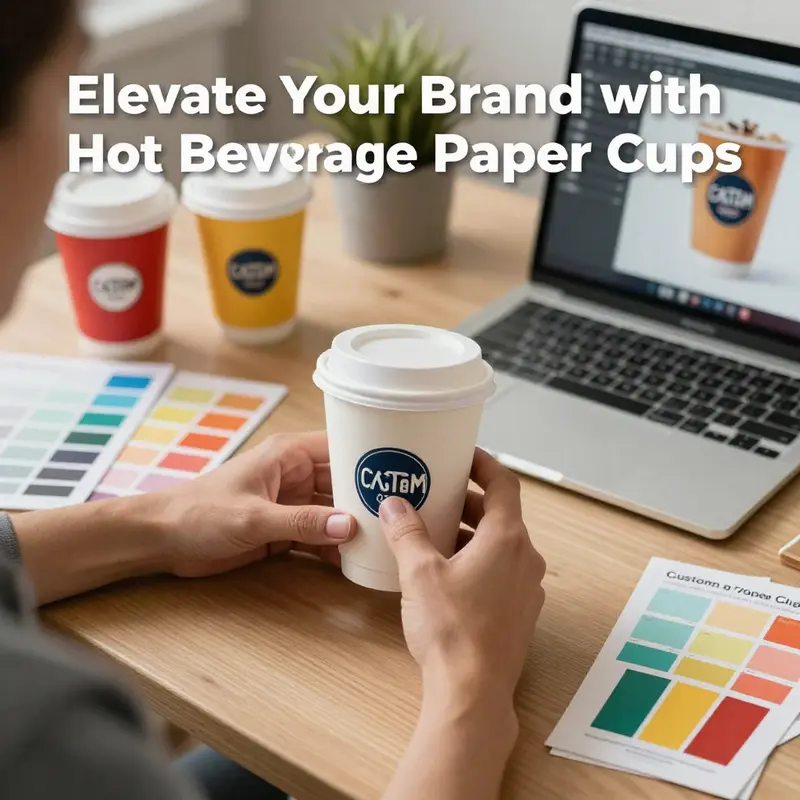
Printing and customization are the other sides of the same coin. Flexographic printing, with its ability to reproduce bold colors across curved surfaces, remains the primary vehicle for brand graphics on these cups. The ability to print up to six colors per design provides ample latitude for branding elements such as logos, taglines, and color blocks that align with a company’s identity. In many cases, color accuracy is crucial, and suppliers work through digital proofs and color matching to ensure that the final product on a cup looks precisely as envisioned. This emphasis on fidelity is integral to brand consistency, especially for brands rolling out multi-location campaigns where uniform appearance across cups reinforces a cohesive consumer experience. The result is not merely a piece of packaging; it is a portable billboard that accompanies the beverage from the cup through the consumer’s day, and possibly onto social media when moments of brand harmony are captured and shared.
Capacity and size options add another layer of versatility. Cups range from 8 ounces to 24 ounces, a spectrum that accommodates everything from a modest espresso to a generously sized serving of hot chocolate or seasonal specialty drinks. This breadth allows operators to select the optimal vessel for their beverage lineup, enabling precise menu engineering and better control over portion perception. Size, in turn, interacts with insulation performance and the perceived value of the drink. A well-matched cup size paired with a strong brand print can influence perceived warmth, quality, and value, which can translate into repeat orders during busy periods.
Environmental considerations have become a central axis around which product development and purchasing decisions rotate. The market has witnessed an increasing emphasis on eco-friendly packaging, a trend driven by rising consumer awareness and regulatory expectations. To respond, manufacturers have gravitated toward paperboard that supports robust performance while exploring barrier coatings and lining options that reduce environmental impact. Many suppliers have adopted single or double PE-lined configurations that maintain barrier properties and practical usability while addressing the broader push for recyclability and lower ecological footprints. In practice, these choices reflect a careful negotiation between functionality and end-of-life outcomes. While some coatings continue to be scrutinized in the context of compostability or recyclability, the trend toward enhanced environmental credentials remains strong, with many cups carrying certifications and traceable quality claims that reassure buyers and end-users alike.
Certification and safety are not afterthoughts but foundational assurances that underpin consumer confidence. The cups commonly bear credentials such as SGS, ISO, and FDA recognition, signaling adherence to international food safety and quality standards. In an era where shoppers often evaluate a brand by its entire lifecycle, these certifications help distill risk and provide a reliable baseline for brand promises. The presence of such certifications is especially important for operators seeking to project a responsible image to a broad audience, including families and environmentally conscious customers who may scrutinize packaging claims before making a purchase.
Pricing and order dynamics reveal the economic architecture behind these branding opportunities. On a per-piece basis, common price bands tend to fall within a tight range, with bulk calculations showing substantial savings as quantities rise. Typical unit costs sit in a modest window that enables cost-conscious marketing while preserving margin for the supplier. In practical terms, bulk orders—often in the neighborhood of 500,000 units or more—can yield meaningful per-piece reductions, making large-scale branding campaigns financially viable for multiple outlets or events. Industry players report the potential for competitive pricing as low as roughly $0.17 per cup at scale, a figure that reflects the efficiencies gained from specialized production lines, optimized logistics, and standardized processes. For buyers, these economics translate into more flexible budgeting for seasonal campaigns, franchise rollouts, or event-driven promotions where a uniform, branded look across dozens or hundreds of locations is a strategic objective.
Technology integration in production facilities further strengthens the market’s competitive edge. Advances in printing technology, automation, and supply-chain coordination have reduced lead times, improved color consistency, and lowered waste levels. Modern production lines enable faster turnarounds for proofed artwork becoming finished cups while maintaining strict quality control. This capability is especially valuable for brands that run time-limited campaigns or that frequently update artwork for seasonal themes. The synergy between design flexibility and manufacturing efficiency makes it easier for brands to refresh their visuals without sacrificing consistency or increasing costs disproportionately. It also supports more frequent updates to align with marketing calendars, product launches, or regional promotions, ensuring the branded cup remains a dynamic element of the customer experience rather than a static backdrop.
The consumer and brand experience around these cups is not a fixed formula but a living practice that evolves with tastes, trends, and broader sustainability discourse. A growing portion of buyers now expects packaging to reflect responsible sourcing, recyclability, and minimal environmental impact while preserving usability. This expectation motivates a continuous evaluation of materials, coatings, and production practices. It also encourages experimentation with coatings and liner technologies that improve barrier performance without compromising end-of-life options. As a result, the market is not just about selling more cups; it is about offering a credible packaging solution that aligns with corporate responsibility goals, customer values, and the practical realities of hot-beverage service. In such an environment, a brand’s ability to tell a coherent story through a cup—clear brand signals, legible typography, and harmonious color palettes—becomes as important as the drink it contains.
For buyers navigating this landscape, supplier relationships and supply chain resilience matter. The interplay between MOQs, pricing, lead times, and customization capabilities shapes decision-making. The typical minimum order quantities, often around the 50,000-piece mark, provide a threshold that helps suppliers amortize fixed costs while offering a compelling unit price at scale. Yet, for smaller operators or ad-hoc campaigns, the market also supports shorter runs and pilot programs through adaptable production lines, digital proofs, and flexible ordering systems. The result is a spectrum of options that can accommodate a bakery’s daily rituals as well as a convention center’s large, time-bound branding needs.
To illustrate how these forces come together, consider the broader economic and market context. The shift toward eco-conscious consumer choices intersects with branding ambitions in a way that magnifies the importance of an eye-catching, well-printed cup. While the cup itself serves a functional purpose, the real leverage comes from brand consistency across touchpoints. A cup that mirrors a café’s color language, tone, and messaging contributes to a cohesive customer journey—from the moment the drink is purchased to the moment it is consumed and remembered. In this sense, custom logo cups operate as miniature ambassadors for a brand, traveling through neighborhoods and social feeds with a degree of fidelity and reach that is difficult to achieve through other packaging forms.
From the supplier side, scale and efficiency are critical drivers of ongoing viability. The economics of large-volume production enable competitive pricing while preserving design quality. Efficient production lines, coupled with advanced printing techniques, allow suppliers to maintain tight tolerances and reproduce complex hues with accuracy. This combination of scale and precision helps ensure that even highly intricate logos maintain legibility when wrapped around a curved surface. For brands, this means a reliable replication of their identity across thousands of cups, a factor that reduces the risk of brand dilution and helps cultivate a stable visual footprint in the market. The end result is a packaging solution that supports not only the beverage experience but also the broader marketing strategy, enabling campaigns to deploy consistent branding in a cost-effective manner.
As the market continues to mature, informed buyers are likely to look beyond the cup’s surface to its lifecycle. Recyclability, potential for composting, and the environmental footprint of coatings and liners become differentiators. While single and double PE-lined options address practical performance concerns, there is a growing appetite for coatings that balance barrier properties with end-of-life outcomes. Suppliers who can articulate a clear story about how their cups contribute to circular economy goals—without compromising performance or print quality—will be well positioned in a market that increasingly values transparency and accountability. In this context, the value proposition extends beyond a striking logo to an assurance that branding materials align with responsible consumption patterns. The cup thus becomes part of a broader narrative about how foodservice brands manage resource use, waste, and sustainable design while preserving customer delight and operational efficiency.
Market forecasts in credible industry analyses reinforce the momentum described here. The global disposable paper cup market is projected to grow at a rate of roughly 5 to 6 percent annually over the next five years, with custom-printed cups representing a meaningful and expanding segment of that growth. This trajectory reflects growing demand for personalized packaging, the expanding footprint of coffee culture into new regions, and the increasing willingness of businesses to invest in branding as a differentiator. The narrative is not merely one of rising demand; it is one of smarter demand—where brands demand higher print fidelity, longer-lasting impressions, and better alignment with sustainability goals, all while maintaining the practicalities of hot beverage service.
In this evolving landscape, the practical takeaway for practitioners is clear. Thoughtful choices about materials, printing processes, and environmental considerations should be integrated into a holistic branding plan. The decision to adopt a particular cup construction or coating is not just about immediate cost but about long-term brand equity, customer perceptions, and compliance with evolving environmental standards. Brands must balance the desire for bold, colorful artwork with the need for reliable performance in real-world service environments. They must also weigh the economics of scale against the agility required to respond to changing consumer tastes and promotional calendars. The right combination of design, materials, and process discipline allows a brand to deliver a cup that does more than hold a drink; it reinforces a story, signals quality, and travels far beyond the counter into the consumer’s daily life.
For readers seeking deeper data on supplier dynamics and market forecasts, authoritative external sources offer extended forecasts and sector analyses. As the industry evolves, staying attuned to these broader insights can help brands calibrate their packaging strategies to align with longer-term market trajectories. External resource: Statista Paper Packaging Statistics, a trusted reference for global packaging trends and forecasts. https://www.statista.com/statistics/
Internally, brands who want to explore practical examples of how packaging suppliers translate branding ambitions into tangible materials can review related case studies and product ranges that illustrate the breadth of customization options available for theme-based campaigns and event-driven branding. In particular, the broad ecosystem of custom takeaway packaging and disposable tableware provides a template for how brands can extend their identity across multiple touchpoints, ensuring a coherent, memorable experience from the first sight of the cup to the final sip. For those exploring such avenues, see an example that highlights how custom takeaway packaging supplies and disposable tableware for theme party can be integrated into a cohesive packaging program. This approach underscores the practical reality that packaging choices are not isolated design features but strategic assets that support marketing goals, customer engagement, and sustainable practice alike.
Final thoughts
Custom logo hot beverage paper cups offer businesses a unique opportunity to showcase their brand while prioritizing quality and sustainability. By understanding the materials, customization options, environmental considerations, and market dynamics, your business can leverage these cups to boost customer loyalty and establish a distinctive presence in the competitive beverage landscape. As consumer demand continues to rise for eco-friendly products, investing in well-designed custom cups becomes essential. Embrace this simple yet effective branding tool to not only serve beverages but also narrate your brand story.