
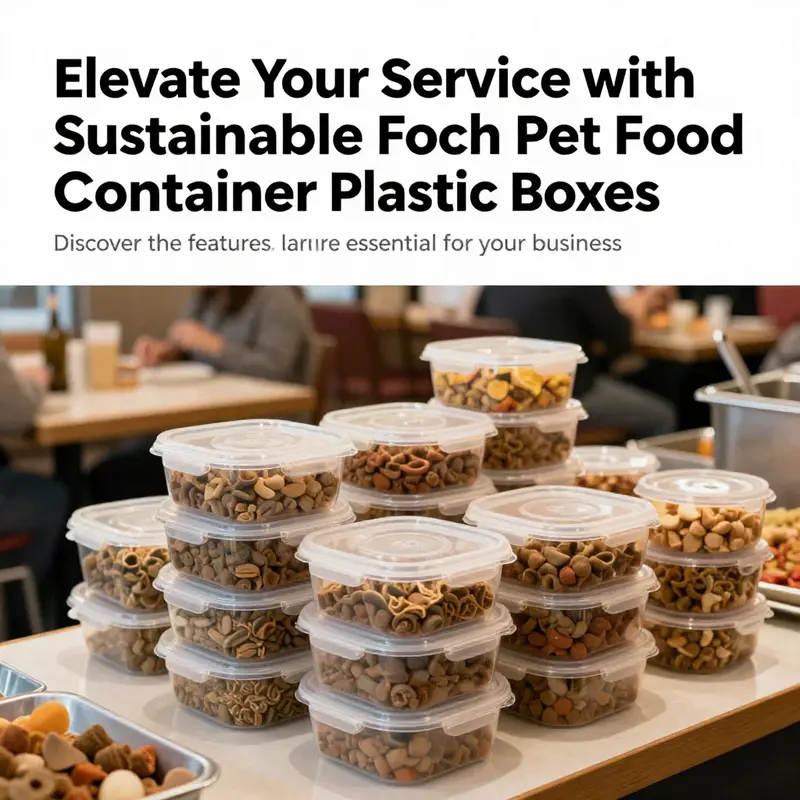
As bubble tea shops, restaurants, food trucks, catering services, and corporate procurement teams continually seek efficient storage solutions, durable pet food container plastic boxes have emerged as a versatile option. These containers not only maintain the quality of food but also cater to various consumer needs in a sustainable manner. Throughout this article, we will explore the key features and materials that make these containers standout options, delve into their innovative designs and functionalities, and discuss the sustainability trends that are leading the market. By the end, you’ll understand how integrating these containers into your service can enhance operational efficiency while aligning with eco-friendly practices.
Preserving Paws: The Materials, Features, and Future of Pet Food Container Plastics
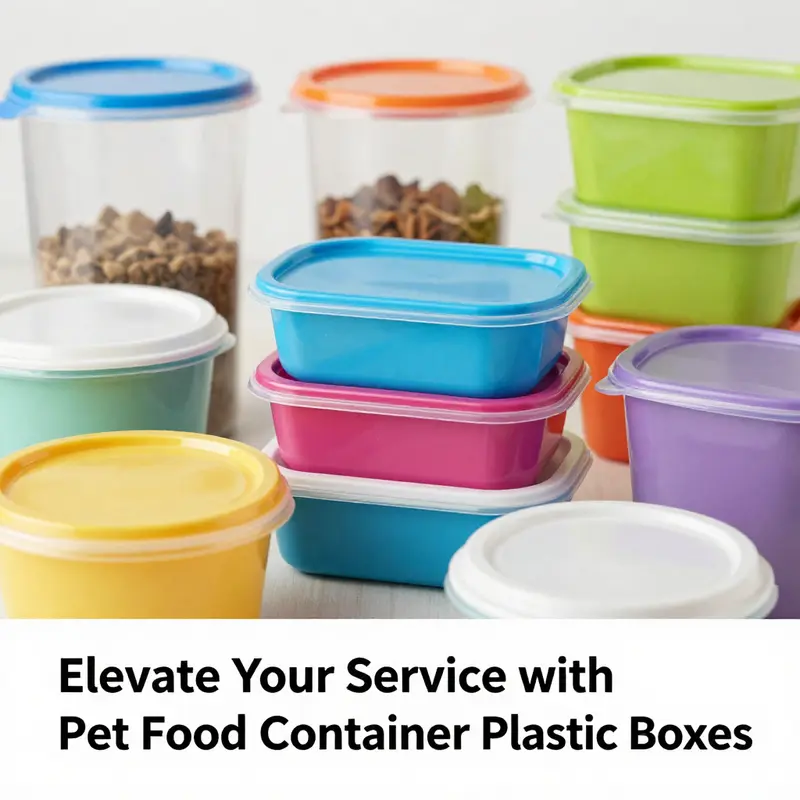
Pet owners instinctively understand that the journey from bag to bowl matters as much as the quality of the kibble itself. The moment food leaves the bag and enters a canister or box, its fate is shaped by a quiet trio of factors: the material that faces the contents, the design that guards against the elements, and the choices a manufacturer makes to align safety, convenience, and sustainability. In the world of pet food storage, plastic boxes are not mere vessels; they are guardians of freshness, safety, and flavor. The materials chosen, from PET through PP to HDPE, bring with them a suite of properties that are not always apparent at first glance, yet they determine how well a container resists moisture, oils, and gases, how easy it is to monitor levels, and how reliably it protects against pests and contamination over time. When we examine these containers as a continuum—from small, household jars to bulk storage solutions for breeders or multi-pet households—we see a layered logic that blends chemistry with everyday practicality. The path to understanding begins with the most fundamental question: what makes a pet food container both safe and effective for long-term storage?
At the core of many modern pet food boxes lies a set of materials chosen for their predictable performance and compatibility with food contact. Polypropylene, or PP, is one of the most common workhorses in this arena. It is lightweight, robust, and resistant to a broad spectrum of chemicals, which makes it well suited for both dry kibble and moist foods that might otherwise permeate ordinary plastics. PP’s thermal stability also translates into practical convenience when owners need to rinse and sanitize containers without fear of warping or cracking. Its recyclability adds a layer of environmental practicality, aligning with growing consumer demand for responsible packaging. Then there is PET, a material often celebrated for its clarity and barrier properties. PET’s ability to slow down the ingress of moisture and gases helps preserve aroma, texture, and nutritional value for longer periods, which is especially valuable for kibble that can lose crunch and flavor over time when exposed to air. The transparent nature of PET containers also offers a simple, intuitive advantage: owners can see at a glance how much food remains, a small but meaningful benefit in households where managing portions and restocking habits matters to budget and waste.
Beyond PP and PET, HDPE takes on a different yet equally critical role. When containers grow large—think volumes suitable for bulk storage, daily feeding for several pets, or space-laden spaces like garages or store rooms—HDPE’s higher strength-to-weight ratio becomes essential. It resists punctures and impacts more reliably than many lighter plastics, making it a sensible choice for heavy, frequently handled boxes. UV resistance may also be relevant for outdoor or bright-location storage, where sun exposure can gradually degrade weaker plastics and potentially alter the container’s integrity or the perceived quality of its contents. For some very large storage needs, especially in commercial or semi-commercial settings, a heavy-duty construction that includes HDPE can provide the reliable, long-term protection pet food requires. In all cases, the material choice is not just about the safety of the food; it is about the owner’s peace of mind that the container will weather daily life without compromise.
The functionality of these containers is amplified by deliberate design decisions that reflect how real households and businesses actually use pet food. Airtight seals stand at the forefront of practical features. Lid designs—twist-on, snap-on, or other secure closures—are tested not merely for ease of use but for their ability to form a formidable barrier against air, moisture, and pests. A tight seal matters because even small amounts of air can initiate oxidative processes or promote moisture migration that invites mold and bacterial growth. Seals also contribute to odor containment; many pet foods carry distinctive aromas that can become inviting to pests if not properly contained. The importance of tamper-evident features cannot be overstated, especially in settings where products pass through multiple hands or where security is a consumer expectation. In larger, multi-pet households or stores, tamper-evident and leak-proof designs contribute to product integrity during transport and storage, reducing the chance of accidental spills that would create mess, waste, or contamination concerns.
Transparency is another frequently celebrated attribute. Containers crafted from clear or translucent plastics allow caretakers to monitor remaining food levels without opening the lid. This not only supports portion planning but also helps prevent the frustration of discovering an empty container only after a meal has begun. It also reduces the number of times a container must be opened, thereby limiting exposure to air and minimizing the risk of spoilage or contamination. Yet transparency must be balanced with the need for color and style in a household where aesthetics matter. Some households prefer colored containers that can distinguish different pet foods or batches, while others lean toward uncolored, crystal-clear designs so that the food’s appearance remains the primary indicator of quality. The materials used enable this versatility—clear PET or PP variants for visibility, with color additives applied to other material formulations when design goals call for them. In practice, many containers pair visibility with a simple, intuitive geometry that makes stacking and storage both space-efficient and accessible.
In the realm of daily use, the interior experience is as important as the exterior design. Easy cleaning emerges as a necessary attribute for hygiene and long-term performance. Containers with smooth interior surfaces and removable lids are easier to sanitize, which is essential when feeding multiple pets with different dietary needs or when switching between dry and moist foods. Smooth interiors reduce nooks where kibble bits can accumulate and become breeding grounds for bacteria. A well-designed interior can also accommodate hygiene practices that matter in busy households: dishwasher-safe components, compatible with warm-water sanitation, and free from edges or grooves that trap moisture. In addition, many designs forego hollow gaps that could trap crumbs or cause snagging during handling, further supporting the pet owner’s routine of routine cleaning between feeders or when changing food types.
As consumers demand more sustainable packaging, the choice of material takes on an environmental dimension that runs parallel to safety considerations. Recyclability has moved from a niche concern to a baseline expectation for many buyers. PET, in particular, is widely recognized for its recyclability, offering a pathway to reduce landfill waste when the containers reach the end of their useful life. The recyclability story becomes more compelling when paired with durability; a container that lasts for years and can be cleaned thoroughly is likely to be recycled rather than discarded prematurely. At the same time, the market for PET also raises questions about the energy and logistics of recycling streams. Manufacturers must balance the benefits of clarity and barrier properties with the practical realities of collection, sorting, and processing. The result is a continuum of product options—ranging from lighter, reusable PP designs for everyday home storage to more robust HDPE variants for bulk or outdoor use—that allow households to select the right combination of performance and sustainability for their needs.
The conversation about materials cannot ignore safety assurances and regulatory expectations. Modern pet food containers typically emphasize BPA-free formulations and other non-toxic, food-grade plastics to ensure that no harmful leachates migrate into the food during storage. This focus on safety aligns with evolving consumer demand for transparent, health-conscious packaging. While the science supports that many common materials are suitable for food contact when properly formulated and manufactured, it is essential to rely on materials tested and certified for direct food contact. In practice, this means adherence to appropriate specifications and standards, which often guide choices about resin type, color additives, and sealants used in lids and closures. For households, the effect is practical: a safer storage experience that minimizes risk while preserving the pet’s nutrition as intended by the manufacturer. For breeders, retailers, and food-service providers handling large volumes, it also means a consistent, predictable product that can be used safely within professional standards.
The design language of these containers also anticipates how people live with pets. Space efficiency is a practical priority, and the shape of a container can influence how many units fit on a shelf or in a pantry. Ergonomic, stackable silhouettes help maximize storage capacity without sacrificing access. The combination of a well-chosen material and a thoughtful geometry can make a box both a practical home for pet food and a tidy addition to a kitchen, garage, or store room. In larger settings, where bulk storage becomes a daily routine, the ability to lock containers into tight stacks without compromising ease of access becomes a differentiator between a cluttered space and an organized one. The chemical and mechanical aspects—barrier properties, impact resistance, and ease of cleaning—are continuously balanced against practical realities: the containers must endure being bumped or dropped, opened and closed multiple times a day, and moved between rooms or vehicles without losing their seal or their composure.
The future of pet food container plastics is likely to be shaped by shifts in consumer expectations and regulatory clarity as much as by advances in material science. Innovations may focus on improving barrier performance without increasing weight, lowering the environmental footprint of production and end-of-life management, and enhancing user experience through smarter lids or modular designs. Imagine a system where a family can tailor a storage solution to the exact size and number of pets, with interchangeable lids or modular inserts that create dedicated pockets for scoops, measuring cups, or flavor-specific kibble. In such a world, materials would still need to check the basics—food safety, cleanliness, and durability—while the design would push toward adaptability and sustainability. The ongoing dialogue among manufacturers, veterinarians, and pet owners will likely drive a continued refinement of both the science and the practice of pet food storage. It will shape what we value in a container: not just the ability to hold kibble, but the assurance that every gram of food remains fresh, safe, and ready for a pet’s daily meals.
In this narrative, one practical takeaway remains clear: the best pet food containers are not chosen by accident. They are selected for their trusted materials, their reliable seals, and their capacity to handle a range of use cases—from the intimate rhythm of a home kitchen to the bustling pace of a breeder’s storage room. The materials must guard against moisture and odor, the closures must resist wear and tampering, and the interior design must support hygiene and easy maintenance. The public conversation around sustainability adds another layer of responsibility, encouraging choices that align with recycling streams and responsible production. When these threads come together, they form a robust framework for understanding why certain plastic boxes perform so well in the demanding world of pet food storage. This is the subtle art of enclosure: a science that protects what matters most—the freshness, safety, and enjoyment of a pet’s daily nutrition—and does so with an eye toward a cleaner, more responsible future.
As you consider different containers for your own pets, you might encounter discussions about the specific materials and features described here. The choice of resin will influence not only the product’s performance but also how easy it is to integrate into your daily routine. A clear container can offer immediate visibility, while a tinted or colored option might better conceal staining from oils or pigments in certain foods. A robust large-capacity option can simplify bulk storage for households with multiple animals or for those who manage pet-food inventory for a small business. Yet the timeless message remains constant: the best storage choice is the one that combines safety, practicality, and respect for the world we share with our animals. It is a simple equation with profound consequences. By prioritizing airtight seals, barrier performance, durability, ease of cleaning, and recyclability, pet owners invest in a kind of responsible stewardship that supports nutrition, health, and long-term sustainability.
For readers who want to explore broader packaging considerations that echo these themes, see a related discussion on modular packaging concepts that prioritize hygiene, portion control, and ease of maintenance in takeout-style designs. eco-friendly-disposable-3-compartment-food-grade-packaging-box-for-fast-food-high-quality-takeout-boxes-for-fried-chicken-french-fries-packaging. This reference illustrates a cross-domain interest in combining functional seals, cleanability, and modularity—principles that translate into pet-food storage when translated to the scale and needs of households and facilities dedicated to animal care. For a deeper practical framework on safety standards and food-contact materials, the U.S. Food and Drug Administration provides comprehensive guidance on what qualifies as appropriate for direct food contact. External resources and official guidelines can be found here: https://www.fda.gov/food/food-contact-materials
Guardians of Freshness: The Subtle Engineering and Everyday Utility of Pet Food Container Plastic Boxes
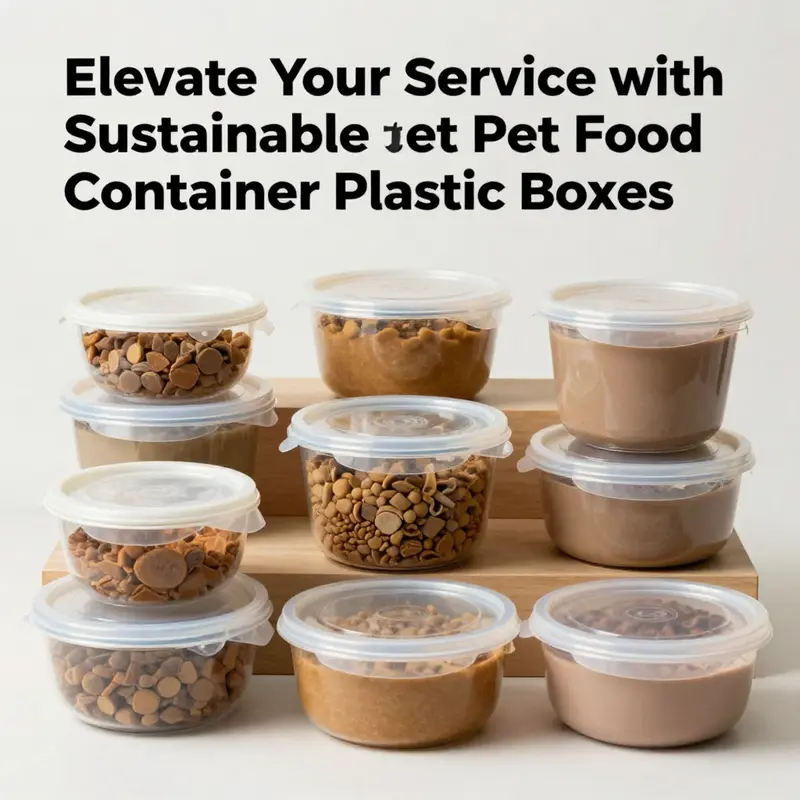
The modern pet owner does not simply stock a box with kibble and call it a day. The humble plastic container that holds dry pet food sits at the intersection of science, daily habit, and sustainability. Its design is not an afterthought but a careful orchestration of sealing, material choice, ergonomics, and space efficiency. When you consider the daily ritual of feeding a dog or cat, the box becomes more than a receptacle; it is a partner in maintaining nutrition, aroma, and texture.
At the core of any good pet food container is the sealing system. Airtightness is not a luxury; it is a practical necessity born from the physics of fats and powders, moisture migration, and odor containment. The sealing mechanism typically centers on a tight fitting lid paired with a gasket and sometimes a locking system. The gasket is often made from flexible materials like silicone, chosen for its food grade safety, inertness, and ability to compress evenly to close the gap between lid and body. Think of the container as a small, controlled environment: when the lid seals, it becomes a barrier to air ingress, which slows fat oxidation in kibble and keeps moisture from creeping in. This matters because many pet foods are sensitive to humidity and temperature fluctuations. Even slight exposure can alter texture, reduce palatability, and shorten shelf life. A well engineered seal also helps to suppress the emergence of odors that might attract pests or tempt curious pets, a practical consideration for households with multiple animals or shared storage spaces.
Material selection underpins the entire performance envelope of these containers. The most common choices are food grade plastics such as PET and PP, each with its own strengths. PET is prized for its moisture and gas barrier properties, clarity, and resilience. It resists oils and vapors in ways that help preserve dry foods and keep the interior looking clean and visible. The transparency of PET also offers a practical benefit: owners can monitor the level of remaining food at a glance, which supports planning and reduces the chance of unexpected runs to the store. PP, meanwhile, is widely used for its toughness, slightly higher heat resistance, and compatibility with a broad range of closure mechanisms. These materials are often selected specifically for their non toxicity and compliance with food safety regulations, including BPA free formulations and the absence of phthalates. In a world increasingly attentive to consumer health and environmental responsibility, the choice of recyclable or reusable plastics is no cosmetic decision. It signals a commitment to safety and stewardship without sacrificing performance.
The design language of pet food containers has evolved to enhance user convenience without compromising safety. Rolling wheels, ergonomic handles, wide openings, and intuitive closure mechanisms transform what could be a cumbersome daily task into a straightforward routine. A heavy food container may sit on a kitchen floor or in a pantry, but wheels enable easy relocation across surfaces, and handles make lifting feel manageable rather than daunting. Wide openings facilitate straightforward pouring and scooping, reducing the risk of spills that can create messes and loss of product. Some models integrate features like built in scoops or dosing mechanisms in the lid, which supports precise portion control and helps households manage feeding guidelines with consistency. In practice, these seemingly small design choices ripple through daily life: fewer spills, more accurate feeding, and less waste, which in turn aligns with longer term goals of sustainability and cost savings.
Beyond the basics of lid, seal, and material, many modern containers embrace more advanced functional features that extend their usefulness far beyond simple storage. Vacuum and pressure release elements are found in higher end designs, where the removal of air after sealing slows oxidation and helps preserve the crispness of dry foods. When such a system is engaged, the container becomes a micro environment engineered to resist the aging processes typical of pet foods. A pressure release valve, when present, makes opening the container safer by releasing internal pressure gradually and predictably rather than all at once. This is particularly helpful for larger, bulk storage units that serve multiple pets or households that stock larger quantities of food. The modular and stackable nature of many containers is another response to real world constraints: space is precious in smaller homes and apartments, and vertical storage can dramatically increase pantry efficiency. Stackable designs also often support nesting when not in use, which reduces clutter and simplifies seasonal storage.
The functional repertoire of these containers also reflects a broader trend toward multi use design. Some models are described as versatile enough to handle other dry goods, including grains and flours, when repurposed with care and appropriate food safety considerations. This reflects a practical kinship with other kitchen storage systems, where the container is not a single use object but a component of a flexible, organized kitchen ecosystem. In homes where households manage multiple pet species or where there is a need to store larger quantities in bulk, the ability to reconfigure storage setups becomes highly appealing. An airtight container that can be repurposed for human food storage, if the materials and seals are appropriate, may contribute to a broader sense of sustainability and reduced waste.
Safety and sustainability sit at the heart of contemporary packaging decisions. Reputable manufacturers insist on materials that are BPA free and free from phthalates, ensuring long term contact is safe for animals that gnaw or paw at containers and for humans who might handle them frequently in household kitchens or storage areas. The sustainability narrative typically centers on recyclability and the minimization of overall material usage. PET and PP are commonly highlighted as recyclable plastics, and many packaging lines promote lighter weight designs that reduce material use and energy required for production and transport. The excitement around sustainable packaging is not merely ecological; it resonates with consumer expectations for responsible products and corporate transparency about end of life disposal. When a container’s design aligns with recycling streams and uses fewer resources, it appeals to pet owners who want their purchases to align with their broader values.
In practice, this design ethos translates into real world benefits for pet owners, breeders, and retailers alike. For households with multiple pets or substantial pantry needs, the capacity of containers ranges from small, round, 200ml units to very large models that can hold tens of liters or even bulk quantities well suited to breeders or pet stores. The large format solutions prioritize volume efficiency and robust sealing, making them viable for long term storage in varied environments, including garages or utility rooms. At the same time, smaller containers offer clarity and handiness for daily use, ensuring that feeding routines remain smooth and predictable. The ability to visually gauge food levels without opening the container remains a simple, powerful feature that reduces the risk of just in case run outs and unnecessary trips to purchase more.
The aesthetic dimension cannot be ignored either. Plastic does not have to look clinical; designers recognize that color, transparency, and ergonomics influence how a product sits within a home. Options range from clear or translucent bodies that reveal the contents to colored shells that add a playful or modern touch to the kitchen. For pet owners, the visual language of a storage box can help convey cleanliness and order, two qualities that matter when managing a home with furry friends. Yet the appearance serves a practical rhythm, too: lids with bright seals, tactile grips, or clearly marked measurement indicators support busy mornings when time is short and focus is split among feeding, work, and family routines. The design microcosm thus blends science, practicality, and a touch of daily joy that comes from a well ordered kitchen.
The interplay between consumer behavior and container design is also worth noting. As consumer demand for sustainable packaging grows, manufacturers are adapting through both material choices and end of life strategies. Recyclability remains a central pillar, but the conversation is expanding to include repairability, part replacement, and ease of cleaning. A container that is easy to wash, resistant to staining, and capable of withstanding repeated opening and closing without losing its seal represents a long term investment in both safety and convenience. The indoor environment in which these containers operate—spills, pet accidents, and occasional rough handling—means that impact resistance, lid integrity, and gasket resilience are not mere durability concerns; they are direct contributors to user confidence and satisfaction.
The broader ecosystem of packaging, including considerations of supply chains, cost, and customization, also shapes how these containers evolve. Suppliers increasingly offer choices in size, color, and material specifications to fit diverse customer needs. Bulk pricing, for large orders, becomes a practical incentive for breeders, pet stores, and community shelters that must manage substantial inventories. This commercial dynamic, while it may seem distant from the mechanics of a lid and seal, ultimately feeds back into the user experience. When high quality, safe materials are accessible at competitive prices, households can choose containers that align with their routines and budgets while maintaining a commitment to safety and sustainability. And when suppliers can tailor dimensions or colors to a customer’s specific space or branding needs, the container becomes part of a larger system of organization, efficiency, and care.
Within this design and function narrative, the container also embodies a philosophy of responsible consumption. The emphasis on recyclable plastics and material efficiency signals a growing awareness that everyday objects can be designed to respect environmental boundaries while still delivering dependable performance. The shift toward easier recycling, lighter structures, and fewer redundant components reflects a broader industry trend toward sustainability without sacrificing the user experience. In this sense, the pet food container becomes a microcosm of modern packaging design, where technical rigor, everyday practicality, and ethical considerations converge.
For the reader navigating this landscape, several guiding principles emerge. First, prioritize airtightness and a reliable gasket system. A strong seal is not optional; it is the first line of defense against spoilage, odors, and pests. Second, select materials that are truly food grade, BPA free, and compatible with your food storage environment. Transparency is a benefit, but not at the expense of safety; ensure the material can withstand the conditions in which you store your pet food. Third, consider ergonomics and ease of use as equally important as capacity. A container that is easy to lift, pour, and clean will be used more consistently, which contributes to improved food management and reduced waste. Fourth, reflect on sustainability as a design criteria, weighing recyclability, durability, and the potential for reuse. A product that minimizes environmental impact while delivering reliable performance aligns not only with personal ethics but with the broader responsibilities we owe to the communities and ecosystems that support our pets.
In sum, the contemporary pet food container plastic box is a carefully engineered system that embodies a blend of science, daily practice, and values. It is designed to preserve freshness through superior sealing and material science, while remaining incredibly convenient through thoughtful features like wheels, clear visibility, and built in dosing tools. It is also part of a larger conversation about sustainability, safety, and the practical realities of pet care in modern households. The result is a storage solution that does more than hold food; it sustains routines, supports well being, and fits elegantly into the rhythms of life with pets. As more households adopt recyclable plastics and seek durable, customizable options, these containers will continue to evolve, balancing the needs of pets, people, and the planet with the same care that goes into the bowls and kibble they protect. The conversation around design, functionality, and responsibility remains open, inviting ongoing innovation that keeps the focus where it belongs: preserving health and happiness for pets and their people alike.
For readers seeking a broader view of packaging approaches that intersect with plastic storage, a related exploration of eco conscious takeout boxes and similar solutions offers useful context.
Guardians of Freshness and Footprints: The Sustainability-Driven Rise of Pet Food Container Plastics
In the lexicon of pet care, packaging has moved from a simple barrier to a strategic interface between guardians and their companions. Pet owners now expect not only safety and convenience but also a packaging story that aligns with responsible consumption. The chapter you are about to read traces how plastic boxes that house pet food have evolved under the twin pressures of regulatory reform and rising consumer awareness. It is a story of material science meeting market strategy, where the choices of resin, closure design, and container geometry ripple outward to influence waste streams, product shelf life, and how families care for animals with different diets and needs. The trajectory is not only about keeping kibble dry or moist; it is about keeping the planet lighter on its feet while ensuring that pets receive the freshness and safety they deserve. In this evolving frame, the plastic box is both a safeguard for daily nutrition and a node in a broader conversation about circular economy practices in consumer packaging.
At the heart of the development is the enduring utility of common packaging materials such as PET and PP. PET, a recyclable thermoplastic, has long been valued for its moisture, oil, and gas barrier properties. These characteristics make it an effective guardian of pet food quality, slowing down the ingress of humidity and aromas that can degrade flavor and aroma, while limiting the escape of volatile compounds that could alter sensory perceptions or encourage spoilage. Polypropylene, PP, complements PET with its resilience, lightweight profile, and relatively straightforward processing for a range of closures and lids. Together, these materials offer a balance between safety standards and practical manufacturing realities. Yet the field acknowledges that large-volume storage needs still prompt some manufacturers to experiment with other robust plastics, including PVC in certain designs. Those choices reflect a pragmatic calculus: when a product must store large quantities in bulk environments such as breeding facilities or pet stores, the material’s structural integrity and cost equation help determine what is feasible. The overarching aim remains intact: to deliver reliable containment that resists moisture, oils, and gases while remaining adaptable to recycling streams after use. The palette of colors—sometimes including purple or yellow options—highlights another dimension of consumer appeal. Color can aid inventory management and consumer perception of product integrity, yet it also has implications for recyclability and downstream processing, a tension the industry increasingly weighs as part of sustainable design.
Design is where theory meets practice in tangible ways. A closer look at the spectrum of container sizes reveals the breadth of use cases that drive sustainability considerations. On the smaller end, common 200ml containers tend to be round, a geometry that supports even heat distribution and, in some configurations, pasteurization processes when needed for safety or shelf-life extension. They come with tamper-evident and leak-proof closures, features that reassure both food safety authorities and end users. The round shape also supports efficient stacking and space utilization in kitchens and on retail shelves, improving handling and reducing incidental damage that leads to waste. In contrast, larger storage solutions—the bulk boxes used for multi-pet households, breeders, or pet stores—exhibit a different logic. A 53L container measuring 411 x 300 x 655 mm reflects a design optimized for bulk intake and long-term storage, where airtightness and structural rigidity are crucial to maintain product quality and prevent oxidation or moisture migration over extended periods. The presence of airtight features in 25kg containers, with varying ventilation characteristics, indicates a nuanced approach to balancing air exchange and oxygen sensitivity. In every size category, the emphasis on leak-proof and tamper-evident closures underscores the industry’s commitment to safety without sacrificing convenience, an equation that becomes more complex as sustainability goals gain emphasis.
Another facet of design that resonates with sustainability is transparency. Many PET containers are transparent, enabling users to monitor remaining food levels at a glance and plan timely reordering. This visibility reduces the likelihood of prematurely discarding food based on misjudgments about shelf life, a small but meaningful efficiency in waste reduction. Yet transparency must be weighed against the choice of color or opacity for films and labels, which can influence recyclability and consumer perception. In practice, manufacturers often navigate this space by selecting materials and finishes that preserve barrier performance while remaining compatible with standard recycling streams. The result is a family of packaging solutions that can be tailored to the particularities of pet foods—be it dry kibble, semi-moist formulations, or specialized diets—without compromising environmental performance or safety. The design ethos extends to closures and seals as well. Tamper evidence remains a non-negotiable feature in many markets, while leak-proof mechanisms are still essential for transportation and home handling. When these attributes are harmonized with recycling compatibility and efficient end-of-life recovery, the packaging ecosystem moves closer to the ideal of long service life punctuated by responsible disposal.
Regulatory pressures, meanwhile, push the industry toward lighter, cleaner, and more recyclable configurations. Across jurisdictions, there is a growing insistence on reducing plastic waste and promoting materials that can re-enter the economy after use. This regulatory climate accelerates shifts in formulation and packaging architecture, as companies rethink the balance between barrier performance and sustainable end-of-life pathways. For consumers, policy signals translate into clearer expectations around recyclability, labeling, and environmental impact. The net effect is a packaging culture that treats sustainability not as a peripheral attribute but as a central criterion in product development and procurement decisions. The 2026 landscape frames these shifts as not merely regulatory compliance but strategic differentiation in a crowded market where pet owners increasingly reward brands that demonstrate environmental stewardship alongside product quality.
Market dynamics reinforce this shift. The global pet food packaging market has reached substantial scale, with a stated value of about USD 12.38 billion in 2026 and a projected compound annual growth rate (CAGR) of roughly 6.11%, anticipated to push the market toward USD 16.63 billion by 2031. This growth reflects more than rising pet ownership; it signals a deliberate industry focus on innovations that align with sustainability goals. In practical terms, manufacturers are investing in research and development to explore biodegradable materials, recyclable designs, and the optimization of material usage without compromising shelf life or safety. The push toward reduced material usage often accompanies a process of lightweighting—maintaining functional integrity while using thinner films or less packaging mass where feasible. But such improvements must be reconciled with the stringent storage conditions required by pet foods, including protection from moisture, oxygen, and odor transmission, as well as the need for airtight seals in certain product segments. The balance between performance and environmental responsibility remains a central engine driving new materials, new closure technologies, and new packaging geometries.
A related market dynamic is customization and scalability. Suppliers report that offerings are increasingly modular, allowing customers to select size, color, and material specifications that fit both household needs and commercial operations. Customization supports efficient inventory management for households managing multiple pets and diets, while bulk packaging strategies address the needs of breeders, pet stores, and commercial kitchens. Even with customization, the economic logic remains favorable: bulk pricing structures are available at scale, with starting rates as low as a few cents per piece when orders move into the tens of thousands, reflecting a broader trend toward standardized, repeatable manufacturing that can support sustainable choices at lower per-unit costs. This confluence of consumer demand for greener packaging and the economics of scale positions recyclability and material efficiency not as add-ons but as core competitive elements in a market that values both safety and sustainability.
What does this mean for the daily practice of packaging design and procurement? The future directions outlined by researchers and industry players point to several convergent pathways. One path is the continued exploration of biodegradable materials, where the challenge is to extend shelf life and maintain barrier properties long enough for distribution and household use, while ensuring that end-of-life disposal does not leave a persistent residue in the environment. Another path focuses on improving recyclability through design for disassembly, reducing the use of multi-material laminates that complicate recycling streams, and increasing the share of materials that are easily accepted by recycling facilities. A third path emphasizes material reduction through smarter geometry, improved closures, and optimized packaging configurations that minimize waste while maintaining performance. Each of these directions requires not only material science innovations but also advances in supply chain coordination, labeling clarity, and consumer education to ensure that recycling and composting pathways are understood and utilized.
Within this evolving landscape, the inclination toward sustainable packaging intersects with broader consumer expectations. Shoppers increasingly scrutinize packaging claims, seeking transparency about recyclability codes, the origin of materials, and the carbon footprint of a product’s life cycle. In response, manufacturers are adopting clearer labeling, investing in supply chain traceability, and collaborating with recyclers to align packaging designs with existing waste-management infrastructures. The result is a packaging ecosystem that is more legible to the consumer and more efficient for waste streams, which in turn reduces contamination rates and enhances the economic viability of recycling programs. The practical benefits extend beyond environmental metrics. When packaging is designed with recyclability in mind, it often translates into more predictable supply chains, lower risk of regulatory noncompliance, and greater resilience in markets where environmental criteria increasingly influence procurement decisions by retailers and distributors.
A practical thread running through these developments is the role of knowledge sharing and cross-pollination across related packaging sectors. The broader packaging industry has seen a surge of interest in sustainable options for fast-moving consumer goods, including ready-to-eat meals and other grab-and-go products. This cross-pollination yields design insights that are adaptable to pet food packaging. For instance, lessons learned about barrier materials, seal technologies, and lightweighting strategies from general food packaging can inform pet-specific solutions that respect animal health and product safety while delivering ecological benefits. The modularity and customization emphasized in pet food packaging echo a wider trend toward adaptable packaging ecosystems, where the anchor is a core set of materials and closures that can be tuned for different use cases without reconstructing the entire box every time. In this sense, the packaging engineer becomes a conductor of sustainability, orchestrating material choice, geometry, and closure mechanisms to balance safety, shelf life, cost, and environmental outcomes.
When considering the consumer experience, the narrative of sustainability must be credible, practical, and visible. Transparent packaging, clear recycling instructions, and visible indicators of freshness all contribute to a consumer’s trust and willingness to invest in eco-friendly options. In households with multiple pets and varied diets, the ability to see product levels helps minimize waste and supports mindful reordering. Yet transparency must be harmonized with design constraints. Some users may prefer opaque or colored packaging to protect contents from light or to differentiate product lines; designers must weigh these preferences against recycling realities, as color additives can influence the value of PET in recycling streams and, in some cases, complicate downstream processing. The industry’s ongoing dialogue with regulators, recyclers, and consumer groups is essential to refining these trade-offs. It is this ongoing conversation that solidifies sustainability not as a tagline but as a measurable driver of product development, procurement choices, and end-of-life outcomes.
For readers seeking a concrete touchstone on the macro trends shaping this space, consider the broader market research landscape that documents the growth trajectory and policy environment shaping pet food packaging. The field’s consensus indicates a growing appetite for innovations that preserve safety and quality while reducing environmental impact. This implies continued development of recyclable PET designs, better barriers with lower material footprints, and ongoing exploration of biodegradable materials that can participate in circular economy loops without compromising pet health or user convenience. The market’s projected expansion underscores both opportunity and responsibility: opportunity to deliver better products and better packaging systems, and responsibility to ensure those systems contribute positively to waste reduction and resource stewardship. As manufacturers refine their portfolios, the call to action for stakeholders—manufacturers, retailers, and pet-care households alike—is to value packaging as a critical interface between nutrition, safety, and sustainability. It is a dynamic balance, one that requires continued innovation, transparent communication, and a willingness to invest in end-of-life solutions that honor both the animals we feed and the ecosystems we share.
From a practical standpoint, readers can look to industry examples of how the standards evolve without losing sight of the core objective: preserve freshness, ensure safety, and minimize environmental impact. The 200ml round containers, with their tamper-evident and leak-proof closures, illustrate how small, everyday packaging choices can embody larger sustainability principles through efficient manufacturing, recyclability, and user-friendly design. The larger bulk containers embody a different facet of sustainability: reducing handling and waste at scale for households and facilities that manage substantial quantities of pet food. The combination of transparent PET and the option of color variants demonstrates how visibility, protection, and consumer preference can be harmonized within a framework that supports recycling streams. In short, the modern pet food container is a microcosm of a broader packaging revolution—one that recognizes the need to marry product integrity with environmental accountability while remaining attuned to the realities of production, distribution, and consumption.
A note for practitioners aiming to translate these insights into tangible products is the value of adopting an integrated perspective. Sustainability is not a single attribute but a spectrum of considerations that spans material selection, design for recyclability, end-of-life pathways, and consumer communication. It invites a holistic approach: engineers must partner with sustainability experts to map life-cycle impacts; procurement teams should weigh recycled-content options and logistical efficiencies; marketers should articulate credible environmental claims backed by data; and retailers can incentivize products that demonstrate verifiable sustainability outcomes. The chapter’s synthesis points to a practical takeaway: invest in packaging configurations that maintain the essential barriers and safety features while enabling responsible disposal. The most resilient packaging solutions are those that prove they belong to a circular flow—designed not just for use but for reintegration into productive life after use.
For readers seeking a compact portal into related sustainability conversations, a broader look at sustainable packaging resources can be helpful. A related exploration of eco-friendly takeout boxes and packaging solutions shows how the same design principles—lightweighting, barrier performance, and recyclability—translate beyond pet foods into other sectors of the food ecosystem. This cross-sector perspective illuminates common challenges and shared opportunities, reinforcing the sense that packaging innovation in one domain echoes across many others. By embracing this larger ecosystem view, stakeholders can capitalize on synergies that accelerate progress toward packaging that protects both pets and the planet. eco-friendly takeout boxes for food packaging
In closing, the sustainability and market trends shaping pet food container plastics reflect a broader commitment to responsible packaging that does not sacrifice safety or convenience. The data points—the regulatory push, the rising consumer demand for eco-friendly solutions, and the robust market growth—signal a future in which materials are chosen not only for barrier performance but also for their compatibility with circular economy infrastructures. The designs will continue to evolve toward lighter, more recyclable configurations that preserve freshness, extend shelf life, and reduce waste. Manufacturers, retailers, and consumers all have a stake in this evolution, contributing to a packaging fabric that protects the health of animals today and the health of the world they share tomorrow. As the sector travels along this path, the pet food container stands as a practical, measurable instrument of sustainability—an everyday object with the potential to alter waste streams and inspire more responsible choices across the spectrum of consumer packaging.
External resource: https://www.marketresearchfuture.com/reports/pet-food-packaging-market-2794
Final thoughts
Incorporating pet food container plastic boxes into your business operations can streamline food storage while promoting sustainability. Their robust materials, practical designs, and alignment with market trends provide a competitive edge for diverse food service sectors. Embracing these innovative solutions not only enhances food safety but also positions your brand as a leader in responsible practices, appealing to eco-conscious consumers. As you consider the right packaging solutions for your business, these containers represent both quality and a commitment to environmental stewardship.