
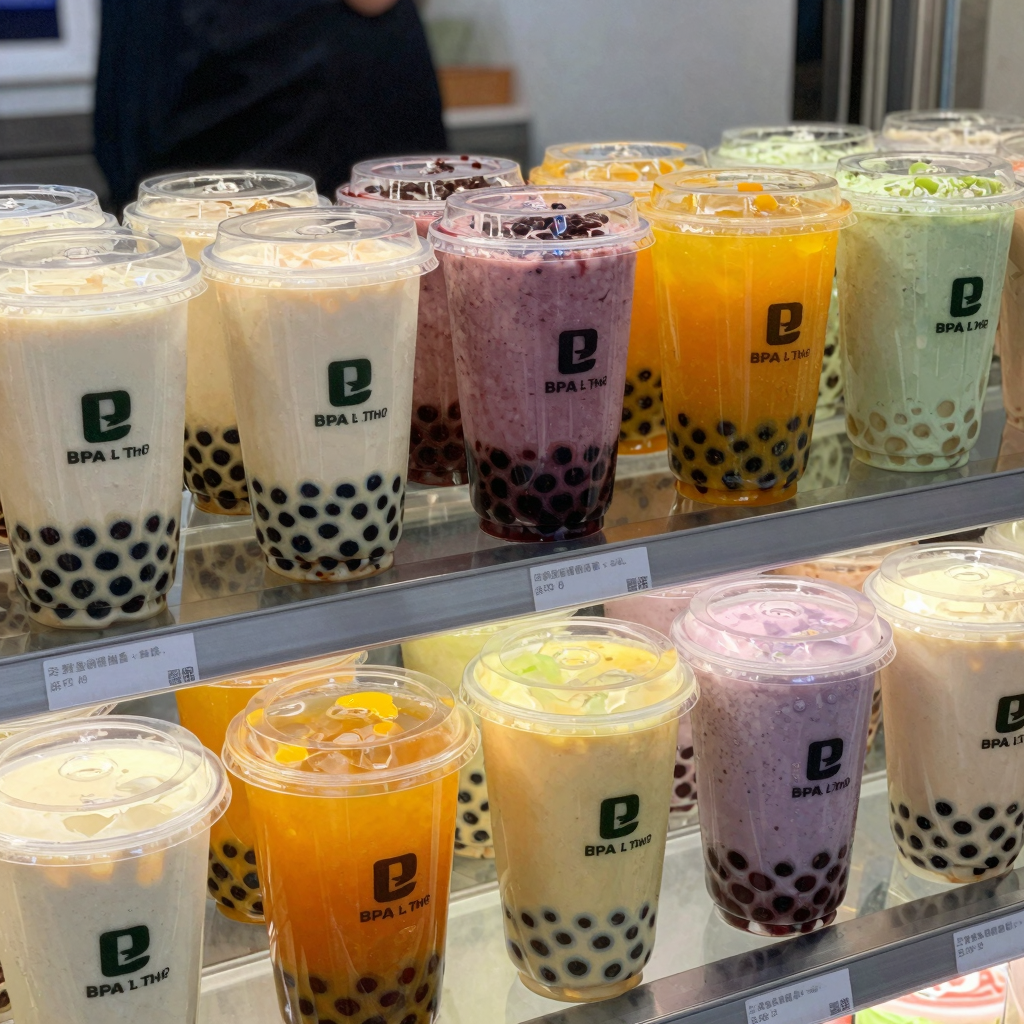
Introduction to the Importance of Plastic Food Containers
In the bustling world of bubble tea shops and related food businesses, ensuring the safety of food handling is paramount. Plastic food containers play a crucial role in this regard, providing a reliable solution for storing, transporting, and serving beverages and food items. These containers are not only lightweight and durable, but they also come in various shapes and sizes to meet the unique needs of every establishment.
Using high-quality plastic containers ensures that your bubble tea remains fresh and uncontaminated, aligning with health regulations and customer expectations. They are designed to prevent leaks and spills, making them perfect for fast-paced environments like food trucks or catering events. Moreover, by choosing containers that are BPA-free and environmentally friendly, you can also contribute to sustainability efforts. Explore our range of takeaway boxes and cups to find options that suit your business while prioritizing safety and quality.
When it comes to using plastic food containers in the food industry, there are several safety concerns that operators should be aware of to ensure food safety and consumer health. Here are five key issues:
-
BPA Presence: Many plastic containers, particularly older ones, may contain bisphenol A (BPA), a chemical linked to various health risks, including hormonal disruptions. Although BPA is being phased out, it can still be found in some food containers. To learn more about safer alternatives, check out these BPA-Free options.
-
Chemical Leaching: Chemicals can leach from plastic containers into food, especially when heated. This is particularly a concern for polycarbonate plastics and containers not labeled as microwave-safe, which can release harmful substances during heating source.
-
Temperature Tolerance: Many plastic containers have a low resistance to high temperatures. Microwaving or exposing them to scorching hot foods can lead to degradation and leaching, increasing health risks, as highlighted by Consumer Reports.
-
Durability: Repeated use can wear down plastic containers, leading to cracks and scratches that may harbor bacteria or allow harmful chemicals to leach into food.
-
Proper Cleaning: It’s essential to clean plastic containers carefully. Harsh detergents or abrasive scrubbing can damage the surface, increasing contamination risks. It’s often recommended to wash by hand with mild soap instead.
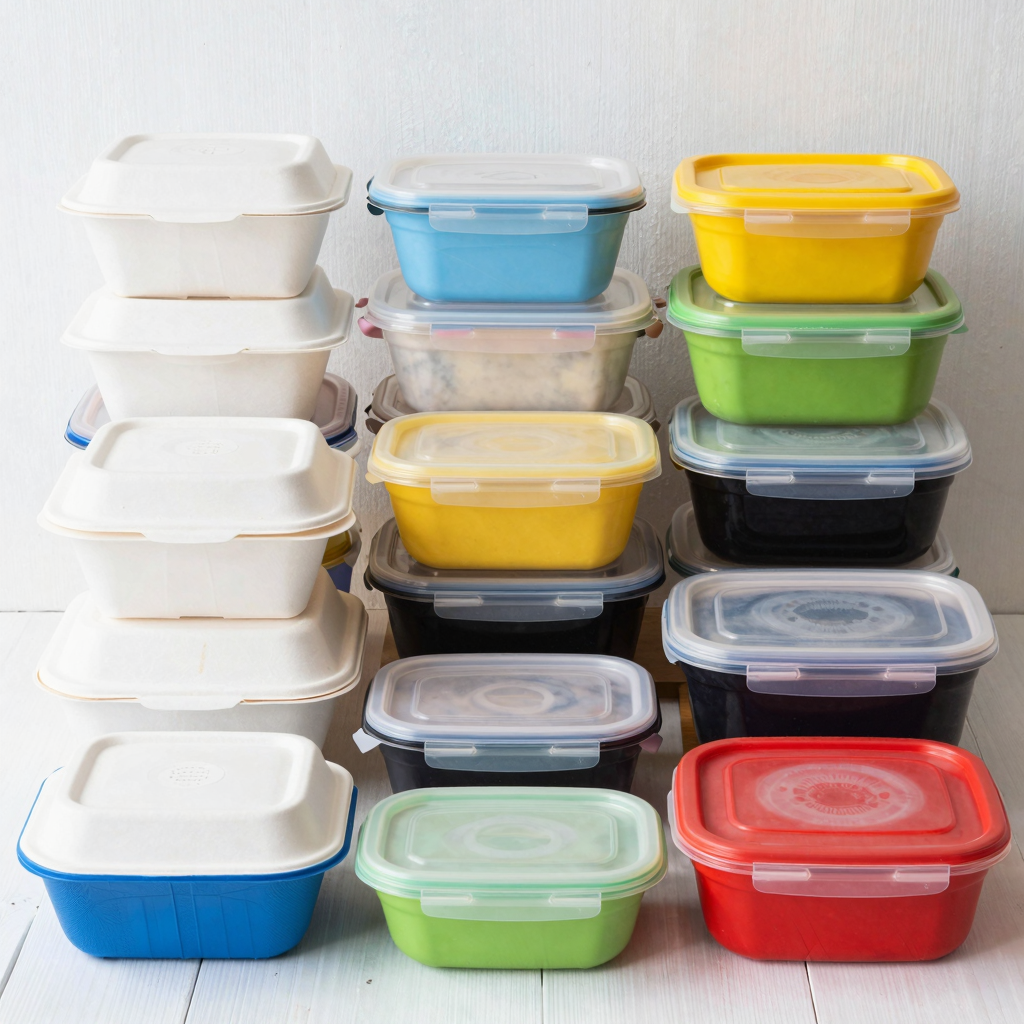
Understanding Bisphenol A (BPA) and Its Risks
Bisphenol A (BPA) is a synthetic compound commonly found in many plastics, especially those used for food and beverage containers. It serves several purposes, including increasing the durability and heat resistance of plastic products. However, BPA has raised significant health concerns, leading to widespread scrutiny among consumers and businesses alike.
Health Risks Associated with BPA
Research indicates that BPA is an endocrine disruptor, meaning it can interfere with hormones in the body. Health risks associated with BPA exposure include:
- Reproductive Issues: BPA exposure has been linked to reproductive disorders, including infertility and developmental abnormalities in fetuses. Studies suggest that even low levels of BPA can affect hormonal functions, particularly in vulnerable populations like pregnant women and young children.
- Increased Disease Risk: High concentrations of BPA in the body have been associated with conditions such as obesity, diabetes, and cardiovascular diseases. Research published in the Journal of the American Medical Association highlighted that BPA exposure significantly increases the risk of heart disease and other metabolic disorders.
- Neurological Effects: Emerging studies, including one published in Nature Communications, found links between maternal BPA exposure and increased autism risk in children, suggesting potential long-term developmental impacts.
Why Businesses Should Be Concerned
For businesses, especially in sectors like food service and retail, the implications of using BPA-laden plastics are profound:
- Regulatory Pressures: Many countries and regions have started banning BPA in baby and food containers. As consumer advocacy grows, businesses face increasing regulatory scrutiny, making compliance essential to avoid legal repercussions.
- Consumer Demand for Safety: There is a growing demand for BPA-free products. A shift toward healthier alternatives can not only protect customer health but also enhance brand reputation. Failing to provide safe packaging options may result in losing health-conscious consumers to competitors.
For those interested in safer packaging options, consider exploring our takeaway box collection to ensure your products align with health-conscious trends, helping you maintain customer trust and satisfaction.
Best Safety Practices for Disposable Food Containers
Disposable food containers are convenient in various food service industries, from bubble tea shops to catering services. However, safety should always come first. Here are some key practices to ensure safe food handling:
-
Choose Approved Materials: Only use containers made from safe materials like polypropylene (PP) for hot foods, identifiable by the recycling symbol #5. Avoid using polystyrene (PS) (#6) for anything above 60°C as it can release harmful chemicals. For cold beverages, polyethylene terephthalate (PET) (#1) containers are appropriate but should not be heated.
-
Read Labels Carefully: Ensure that all containers have proper labeling indicating they are for food contact and include the manufacturer’s details. Using “three-no products (no name, no address, no quality assurance) is discouraged.
-
Avoid Reuse: These containers are designed for single use only. Reusing them increases the risk of chemical leaching and contamination.
-
Proper Storage and Handling: Always store food containers in a cool, dry place to prevent degradation. When heating food, transfer everything to ceramic or glass containers to avoid harmful substance migration from plastics.
-
Check for Damage: Regularly inspect containers for scratches, cracks, or signs of aging and discard any that show damage.
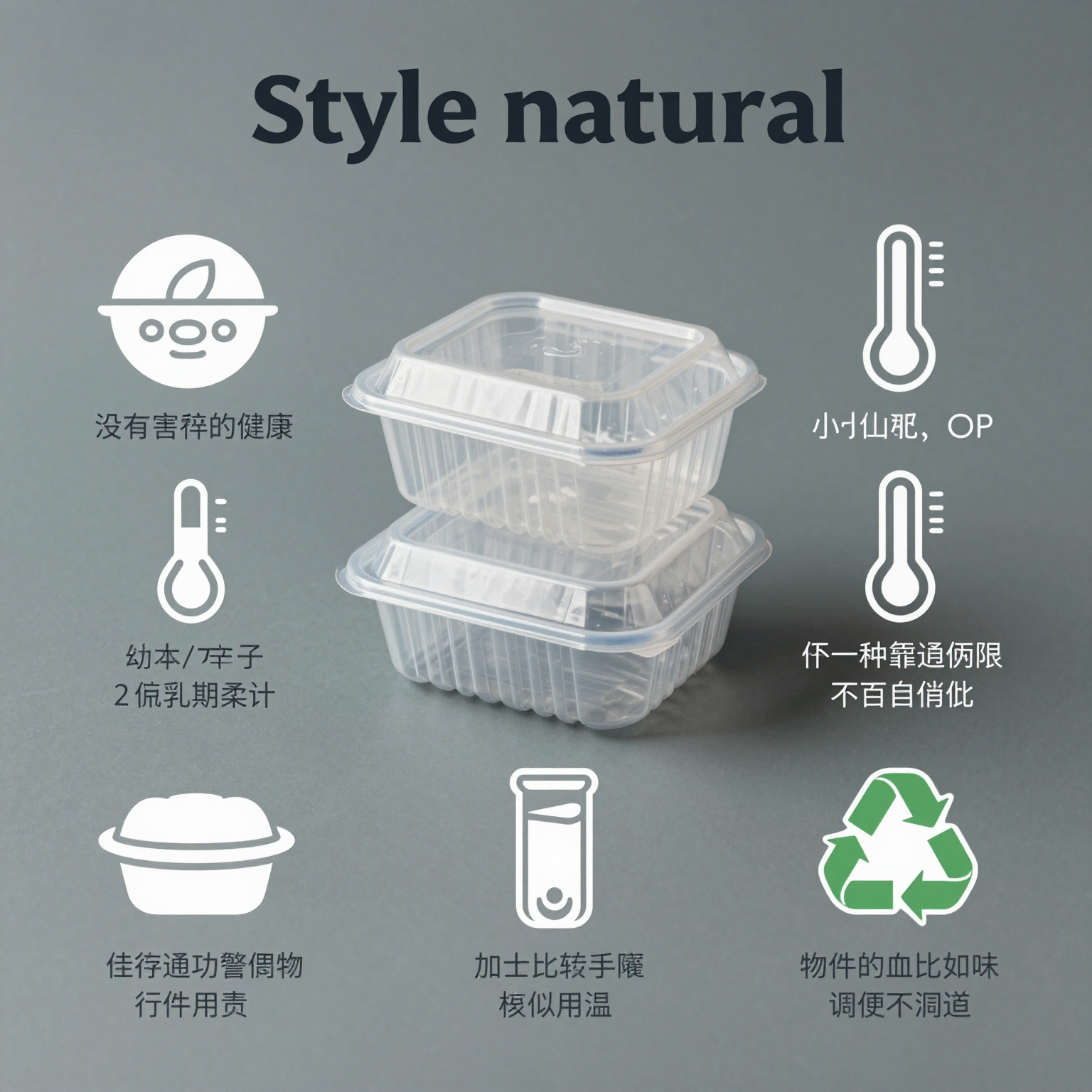
These best practices can greatly reduce risks associated with disposable food containers. For further insights on shipping and storage solutions and disposable food service options, explore our website!
Comparison of Eco-Friendly Plastic Alternatives
Here’s a comparison of various eco-friendly plastic alternatives that are increasingly used in food containers:
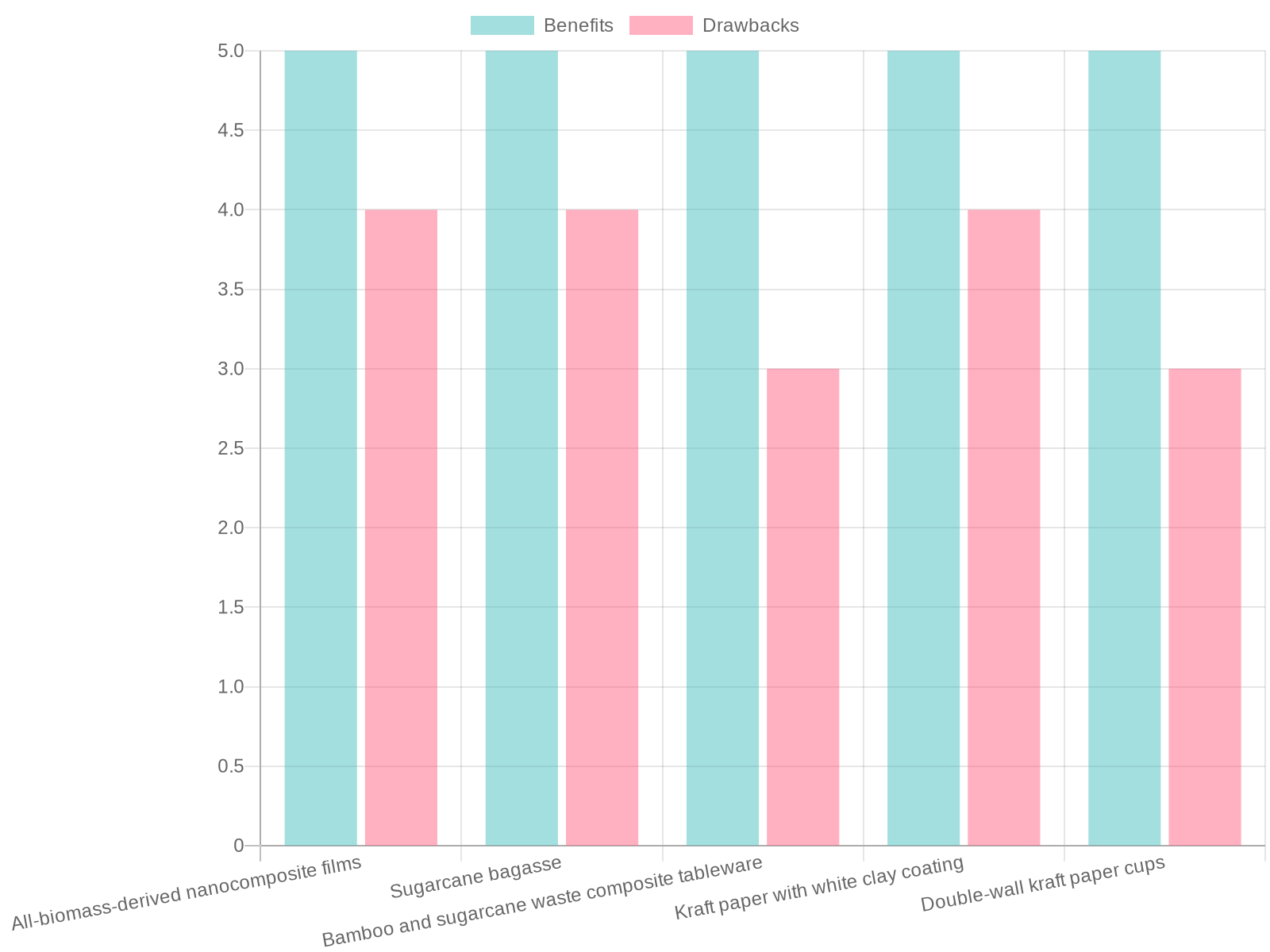
| Material | Benefits | Drawbacks |
|---|---|---|
| All-biomass-derived nanocomposite films (pullulan, nanocellulose, hydrophobic lignin) | – Fully biodegradable in nature without requiring composting or recycling – High mechanical strength (up to 76.6 ± 1.9 MPa) – Water-resistant when layered (e.g., sandwich-like HBL-NC/PNC films) – Suitable for diverse applications: inner packaging, outer packaging, cups, straws, bags – Made from renewable corn stalk via eco-friendly deep eutectic solvent (DES) |
– Requires precise manufacturing processes (e.g., high-pressure homogenization, hot-pressing) – Limited large-scale industrial availability as of 2026 – Performance may vary with layer configuration and environmental conditions |
| Sugarcane bagasse (bagasse pulp) | – Fully compostable and biodegradable (degrades in 30-60 days) – Strong and leak-resistant, suitable for soups, salads, and liquids – Derived from agricultural waste, reducing landfill use – Certified food-safe and compliant with EU standards (EC 1935/2004) – Customizable with UV coating and embossing for branding |
– Higher production cost than traditional plastic ($2,333/ton vs. $2,177/ton) – May require energy-intensive processing for durability – Potential for moisture absorption if not properly coated |
| Bamboo and sugarcane waste composite tableware | – Biodegradable within 60 days – Mechanically stable and strong enough to hold liquids like coffee or takeout meals – Combines long bamboo fibers with short bagasse fibers for structural integrity – Uses eco-friendly AKD chemical for waterproofing – Low environmental impact compared to 450-year-lasting plastic |
– Manufacturing process may still be energy-intensive – Scalability and cost-effectiveness need improvement – Limited data on long-term performance under extreme temperatures |
| Kraft paper with white clay coating | – Fully biodegradable and compostable – Heat-resistant and leak-proof due to clay-coated interior – Lightweight and ideal for transport, reducing shipping costs – Compartments maintain freshness and presentation for mixed meals – Meets strict food safety regulations (EC 1935/2004) |
– Not suitable for very hot or oily foods over extended periods – Limited reusability; single-use only – Can degrade faster if exposed to moisture or humidity |
| Double-wall kraft paper cups | – 30% lighter than plastic alternatives – Excellent heat retention (2x longer than standard paper cups) – Leak-resistant and wide-mouth design reduces spills – Biodegradable and food-grade materials meet sustainability certifications – Ideal for on-the-go use (takeout, delivery, events) |
– Performance may decline with prolonged exposure to liquids – Requires careful sealing to prevent leaks – Higher initial cost than basic paper cups |
Visual Comparison
Sources:
- Eco-friendly and practical plastic food-packaging alternatives of all-biomass-derived nanocomposite films (2026)
- Scientists have designed a set of eco-friendly tableware made from sugarcane waste and bamboo (2022)
- Alibaba.com: OEM 500ml Eco-Friendly Sugarcane Bagasse Container(2026)
- Alibaba.com: Custom-made 700ml-1000ml Disposable Food Containers, Eco-friendly Kraft Paper(2026)
- Alibaba.com: Leepack Disposable Eco-Friendly Double Wall Paper Cup Bowl(2025)
In conclusion, selecting safe plastic food containers is paramount for the health and satisfaction of your customers. It not only protects food from contamination, enhances shelf life, and maintains quality, but it also ensures compliance with safety standards crucial for businesses in the food industry. By choosing EcoCupBowl, you’re partnering with a reliable supplier that prioritizes quality and safety in every product category, from takeaway boxes to disposable utensils. Our dedication to offering food-grade, durable products ensures that you can serve your customers with confidence, knowing that their safety is safeguarded. With EcoCupBowl, you gain not only quality products but also peace of mind in your foodservice operations.
Understanding Plastic Food Container Safety
The safety of plastic food containers is a critical issue for businesses in the food industry, especially with the increasing reliance on these materials for packaging. Here are several noteworthy statistics and findings that highlight safety concerns:
1. Microplastic Release
A research study published in July 2023 in the journal Environmental Science & Technology reports that using microwave ovens to heat plastic containers for just three minutes can release over 2 billion nanoplastic particles and 4 million microplastic particles per square centimeter of the container. This release varies with temperature and the oil content of the food, indicating potential health risks associated with reheating plastics.
2. Prevalence of Plastic in Food Packaging
In 2023, it was reported that over 50% of food packaging in China consists of plastic. Despite the advantages of plastic-such as excellent barrier properties and versatility-its usage raises significant safety concerns, particularly regarding the potential release of microplastics during heating. This statistic suggests the need for careful monitoring and improved safety standards.
3. Quality Control Issues
A review of food contact plastics in Taiwan between 1983 and 2010 showed a non-compliance rate of approximately 6% in hygiene tests for plastics, with issues linked to manufacturing defects, such as surface roughness and improper ink used in printing. These defects can lead to harmful substances leaching into food products.
4. Heavy Metal Pollution
In Mongolia, a study found that 63% of families use plastic containers to store drinking water, where tests showed lead content exceeding World Health Organization standards by 1,800 to 6,900 times. This alarming statistic underscores the danger of using low-quality plastics that may leach toxic metals over time.
5. Regulatory Standards and Safety Measures
According to the Chinese national standard updated in September 2023, which governs food contact plastic materials, quality control is becoming stricter. This regulation includes testing for total migration levels, heavy metal content, and other critical safety indicators aimed at protecting consumer health.
These statistics underscore the importance of choosing high-quality plastic containers and adhering to stringent safety standards. For bubble tea shops, beverage chains, restaurants, and catering services, it is crucial to select containers that meet safety guidelines, such as those available at EcoCup Bowl to ensure customer health and confidence in their products.
“当塑料暴露于热量、脂肪、酸性食物或老化时,其中的双酚A(BPA)等有害化学物质可能会溶解到食物中。即使无BPA的塑料容器也存在风险,应避免将热食、酸性食物和高脂肪食物存放在塑料容器中。”
- 托比·阿米多尔,MS, RD, 《健康生活高蛋白食谱》作者
来源:Healthline
在日常餐饮和食品处理的环境中,了解和遵循安全的食品储存方式至关重要。托比·阿米多尔的这条引言提醒我们,在选择存储器具时要特别小心,尤其是涉及塑料容器时更应谨慎。
 \n\nThe chart illustrates the projected growth in demand for safe disposable food containers, showing an increase from approximately $163.7 billion in 2023 to $227.3 billion by 2032. This growth signifies the rising trend of convenience foods and the expanding food delivery industry. Understanding this trend is crucial for businesses in the food industry, such as bubble tea shops and beverage chains and food trucks.