Introduction to Eco-Friendly Food Packaging
In the evolving landscape of the food service industry, eco-friendly food packaging has emerged as a crucial player in addressing sustainability challenges. As consumers become increasingly aware of environmental issues, they are actively seeking brands that prioritize sustainable practices. The shift toward eco-friendly solutions is not just a trend; it’s a necessity driven by both regulatory demands and consumer preferences. For instance, recent legislation around the globe is encouraging the transition away from single-use plastics to more biodegradable options, highlighting the growing importance of reducing environmental impact.
With statistics indicating that the global sustainable packaging market is set to reach $418.6 billion by 2025, food service providers must adapt to stay competitive. Aspects such as using recyclable materials and rethinking packaging designs contribute to both environmental wellness and enhanced brand value. Food chains, restaurants, and catering services that embrace these innovations not only comply with regulations but also resonate with environmentally conscious customers. This article aims to explore the various facets of eco-friendly food packaging, its significance in today’s market, and how businesses can implement sustainable solutions effectively. For those in the culinary space, discover sustainable packaging options that align with your brand values and enhance your service offerings.
Overview of the Eco-Friendly Food Packaging Market
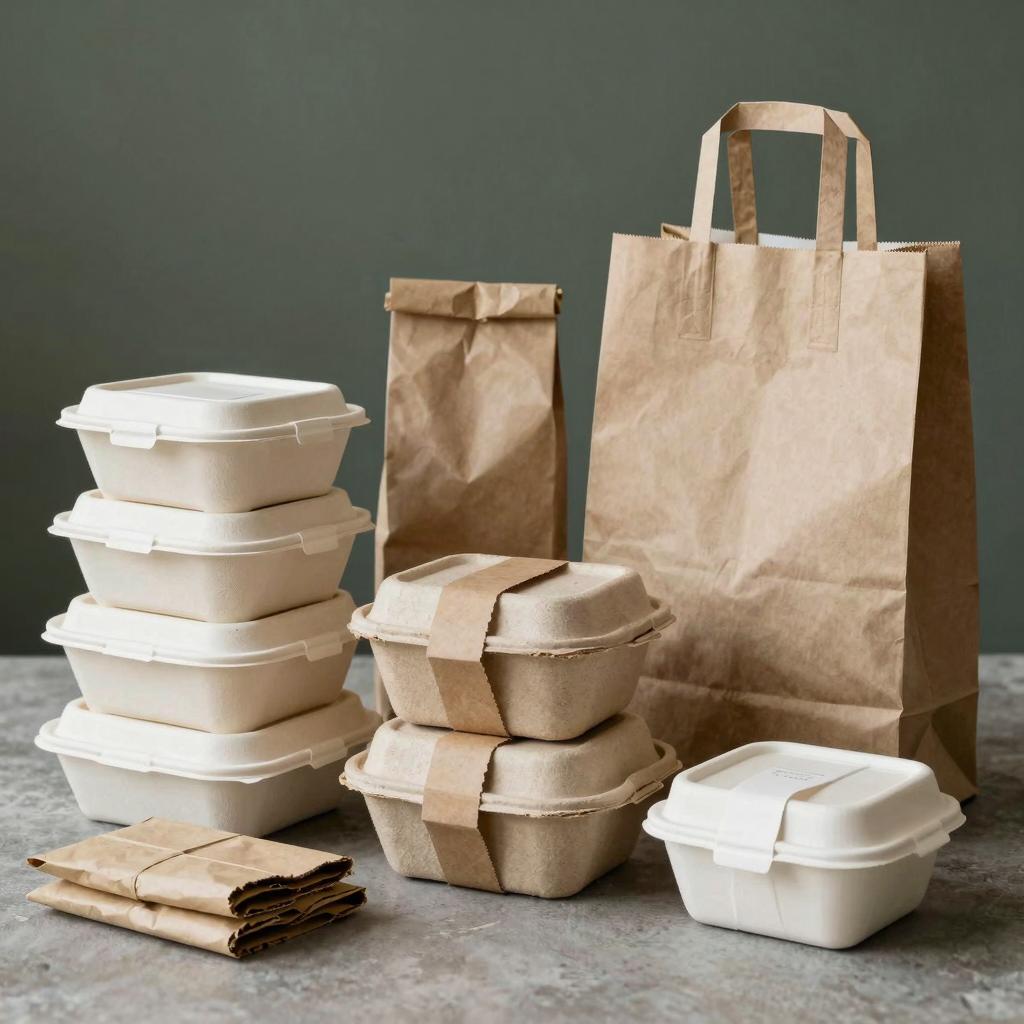
In recent years, the eco-friendly food packaging market has seen significant growth, driven by an increasing consumer preference for sustainable products. As of 2023, the global market value for eco-friendly food packaging is estimated to be around $110 billion and is expected to continue to rise as more businesses make the switch to environmentally responsible options. This trend is bolstered by consumer awareness about sustainability and government regulations promoting the use of biodegradable and recyclable materials. Packaging made from materials like plant-based plastics, molded pulp, and recycled papers is becoming increasingly popular among food service businesses.
Trends in the Industry
A few key trends are shaping the eco-friendly food packaging landscape:
- Biodegradable Materials: Companies are incorporating plant-based and starch-based packaging as a reliable alternative to traditional plastics.
- Paper Packaging: The shift from plastic to paper is accelerating, as consumers favor recyclable materials.
- Smart Packaging: Integration of technology for traceability and transparency is rising, allowing consumers to understand the sustainability of their purchases better, thereby fostering trust in brands.
Several businesses, from bubble tea shops to restaurants and catering services, are recognizing the necessity of adopting eco-friendly packaging solutions. Not only does it meet the growing demand from consumers for sustainable practices, but it also aligns with brand identity when framed as part of corporate social responsibility (CSR) initiatives. With new regulations, like the “Green Takeaway Packaging Management Guidelines,” rolling out in various regions, companies face added incentive to engage with eco-friendly practices.
Transitioning to eco-friendly food packaging is not just a trend; it’s a critical business strategy. By adopting eco-friendly solutions, businesses not only contribute to environmental sustainability but also cater to an expanding market segment that prioritizes ethical consumption. For restaurant and food service operators, using eco-friendly packaging can be a significant differentiator in a competitive market, enhancing customer loyalty and driving sales.
For more information on how to incorporate eco-friendly solutions into your packaging, check out options available here and explore various takeaway box solutions to meet your needs.
Benefits of Eco-Friendly Packaging
Eco-friendly packaging offers numerous advantages to businesses within the food sector, particularly for bubble tea shops, restaurants, food trucks, catering services, event planners, and corporate procurement teams. Here are some key benefits:
-
Cost Savings: Utilizing sustainable packaging can lead to significant cost reductions. Many eco-friendly materials, such as recycled paper and biodegradable plastics, can be more economical in the long run as they reduce waste disposal fees and improve material efficiency.
-
Brand Image Enhancement: With 85% of consumers stating that sustainable packaging influences their purchasing decisions, adopting eco-friendly solutions can strengthen your brand’s reputation. This alignment with consumer values can lead to increased customer loyalty and market share, as shown in this guide.
-
Increased Customer Satisfaction: Eco-conscious customers appreciate brands that prioritize sustainability. Businesses that use eco-friendly packaging can improve customer satisfaction and foster long-term relationships. This commitment to the environment resonates well with consumers, ensuring repeat business.
-
Competitive Advantage: In a crowded marketplace, being an early adopter of sustainable practices can differentiate your brand. As packaging regulations become increasingly stringent, businesses that invest in eco-friendly solutions stay ahead of compliance costs and potential fines, which is crucial for future-proofing your business.
-
Reduced Environmental Impact: Green packaging options, such as compostable materials or those made from renewable resources like cornstarch or sugarcane, significantly reduce environmental footprints. This action not only benefits nature but also aligns with the growing consumer demand for responsible business practices.
-
Enhanced Product Presentation: Innovative eco-friendly packaging often enhances product appeal. Stylish and sustainable designs can attract customers’ attention on shelves, directly contributing to increased sales.
By integrating eco-friendly packaging into your business model, you’re not just investing in your brand’s future but also contributing to a healthier planet. For more options, explore our range of sustainable takeaway boxes.
These benefits illustrate why transitioning to eco-friendly food packaging is more than just a trend; it’s a smart business strategy with long-term implications for growth and sustainability.
Comparison of Eco-Friendly Food Packaging Options
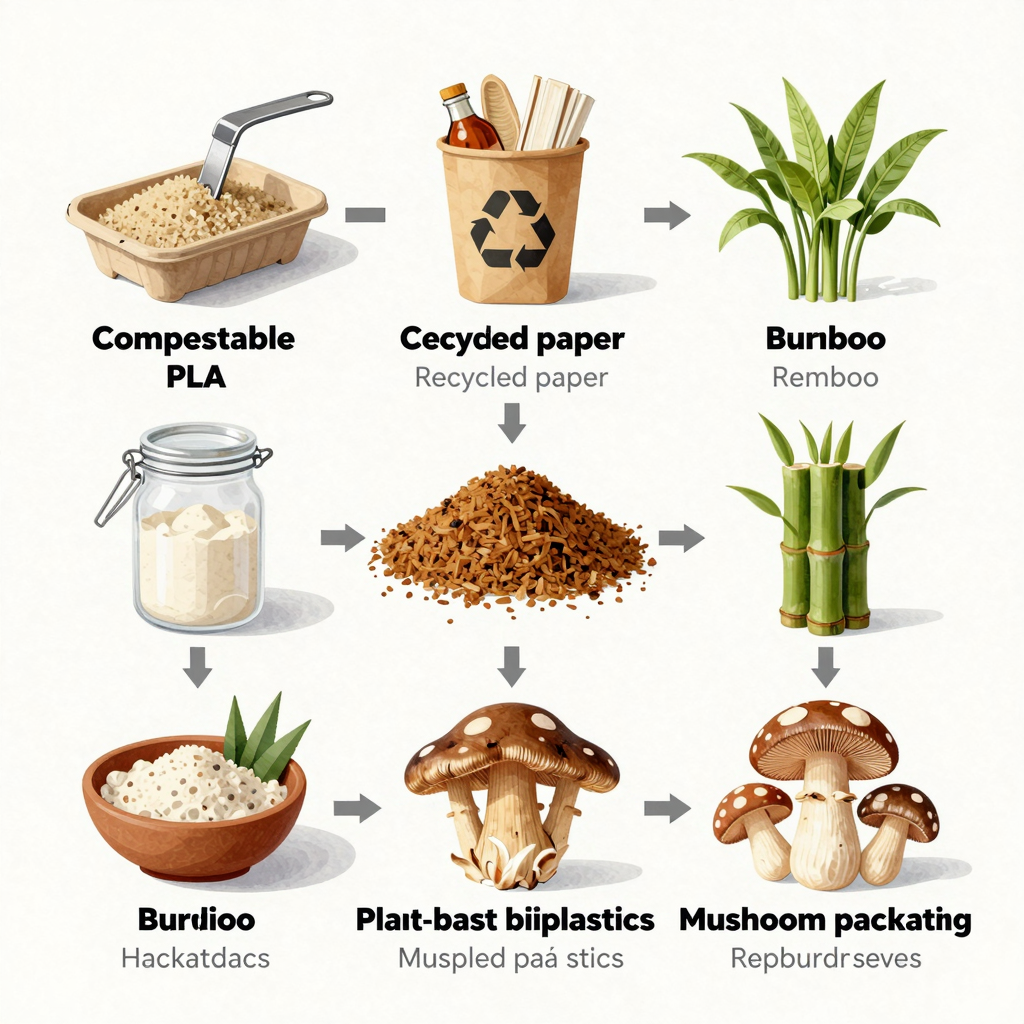
The market for eco-friendly food packaging is rapidly growing, with various options available that suit different needs. Below is a comparison table highlighting some key types of eco-friendly packaging, their benefits, and typical uses.
| Packaging Type | Benefits | Typical Uses |
|---|---|---|
| Compostable PLA | Biodegradable, reduces plastic waste, made from cornstarch | Single-use containers, cutlery |
| Recycled Paper/Board | Excellent recyclability, reduces landfill waste | Boxes, bags, wrapping |
| Bamboo Packaging | Rapid renewability, strong, compostable | Plates, utensils, food storage |
| Plant-Based Bioplastics | Superior biodegradability, low carbon footprint | Fresh produce, ready meals, beverages |
| Mushroom Packaging | Fully compostable, excellent insulation | Fragile items like eggs, baked goods |
For more details on eco-friendly options, check out our takeaway boxes and instock boxes.
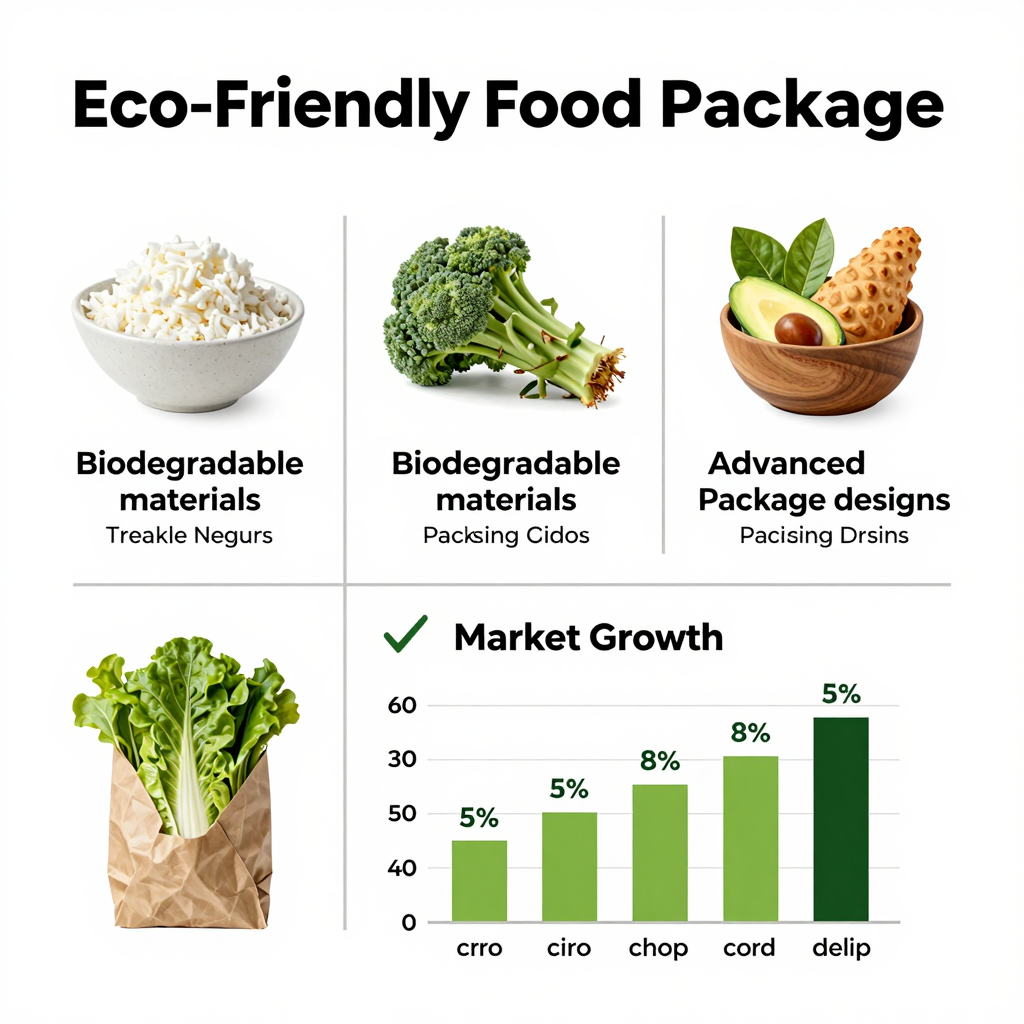
Infographic
Here’s a helpful infographic that visualizes these eco-friendly packaging options:
Environmental Impact of Traditional Food Packaging vs. Eco-Friendly Alternatives
The environmental impact of food packaging has become a critical topic in today’s sustainable practices. Traditional food packaging, primarily made from plastic, has dire consequences for our environment. According to a 2023 report by the World Economic Forum, conventional plastic food packaging contributes to over 380 million tons of global plastic waste annually, with a mere 15% being recycled. In stark contrast, eco-friendly food packaging options, such as compostable bioplastics and paper-based alternatives, can reduce greenhouse gas emissions by up to 60% during production when compared to their plastic counterparts.
Plastic vs. Eco-Friendly Packaging: Emission Comparison
A study conducted by the European Environment Agency highlighted that single-use plastic wraps produce 2.5 times more CO2 emissions per kilogram than plant-based compostable films. Furthermore, while only 9% of plastic packaging has ever been recycled, compostable packaging can degrade effectively within 90 days in industrial conditions, significantly cutting down on long-term pollution and waste.
Benefits of Switching to Eco-Friendly Food Packaging
Switching to eco-friendly food packaging doesn’t just have environmental benefits; it also influences consumer perception positively. A global survey conducted in 2023 revealed that 78% of consumers believe eco-friendly packaging impacts the environment less than traditional plastic. Although 42% expressed concerns about potential greenwashing claims by brands, companies utilizing certified sustainable packaging reported a 30% reduction in their packaging-related carbon footprints between 2021 and 2023.
Conclusion
As food businesses face increasing pressure from consumers who are becoming more aware of environmental issues, transitioning to eco-friendly food packaging can significantly reduce ecological footprints while also appealing to sustainability-minded consumers. For restaurants, food trucks, and catering services, investing in eco-friendly packaging solutions is not only a responsible choice but also a savvy marketing strategy to attract and retain customers. Explore our wide range of eco-friendly packaging options to align your practices with the sustainability values that today’s consumers cherish.
Trends in the Eco-Friendly Food Packaging Market
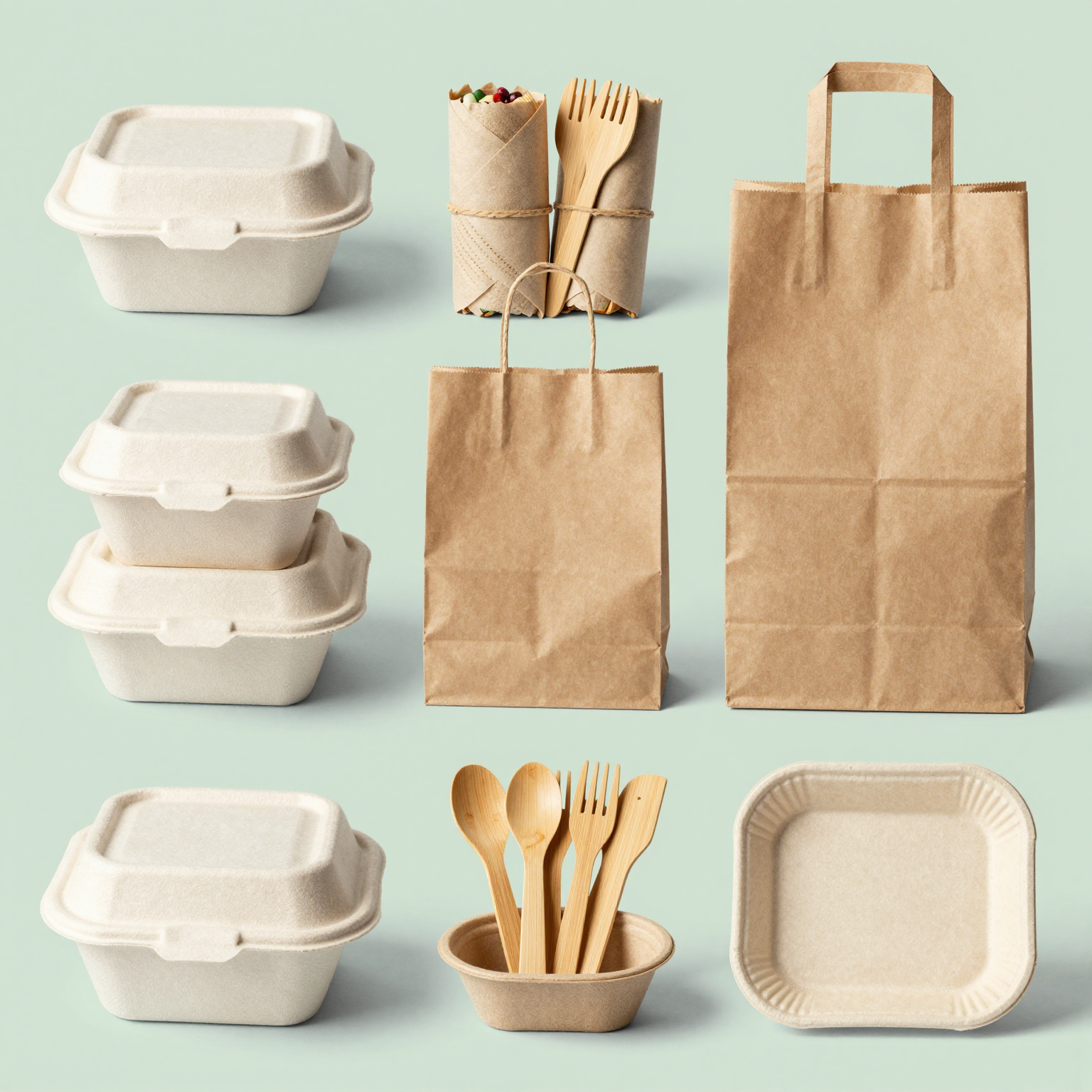
The eco-friendly food packaging market has been evolving rapidly, driven by an increasing awareness of sustainability among consumers and stringent regulations across the globe. Here are some of the latest trends that are shaping this essential aspect of the food industry:
1. Biodegradable Materials
The demand for biodegradable food packaging materials is on the rise. Recent reports indicate that the global biodegradable food packaging material market is set to reach $5.1 billion by 2024, with expectations to soar beyond $10 billion by 2034. Innovations include new biodegradable materials derived from renewable resources like starch, cellulose, and chitosan. These materials not only provide a sustainable alternative but also enhance functionality, such as improved moisture barrier and antimicrobial properties (Grand View Research).
2. Advanced Packaging Designs
A major focus within the market is on innovative packaging designs that prioritize efficiency and minimalism. Trends are leaning towards lightweight and modular packaging solutions that reduce material waste. Additionally, AI-driven packaging optimization designs are streamlining the supply chain, enhancing user experiences (Fortune Business Insights). The introduction of edible packaging films has also gained traction, providing an interactive experience while reducing waste.
3. Focus on Compostable and Recyclable Solutions
The shift towards compostable and recyclable packaging options is becoming a significant factor in many businesses’ packaging strategies. This move is not only in response to the growing consumer demand for sustainable products but also driven by government bans on single-use plastics. Companies are now adopting a more circular approach, ensuring that packaging materials can be reintroduced into the supply chain after use. Compostable packaging is particularly popular in food service applications such as restaurants and food trucks.
4. Freshness Technology and Smart Packaging
There is an ongoing movement towards enhancing food freshness through innovative technologies. Modified Atmosphere Packaging (MAP) combines inert gases to extend food shelf life significantly. Additionally, the incorporation of smart labeling technology is rising, offering consumers insightful information on product freshness, utilization guidance, and eco-friendliness.
Conclusion
In conclusion, as environmental concerns continue to rise, the eco-friendly food packaging market is poised for substantial growth. Innovations like biodegradable materials and clever packaging designs not only meet the regulatory demands but also meet consumers’ desire for sustainability. For businesses involved in food service, staying updated on these trends might not only enhance product offerings but also align with broader sustainability goals.
For more sustainable packaging solutions for your business, explore our collection of takeaway boxes and biodegradable options.
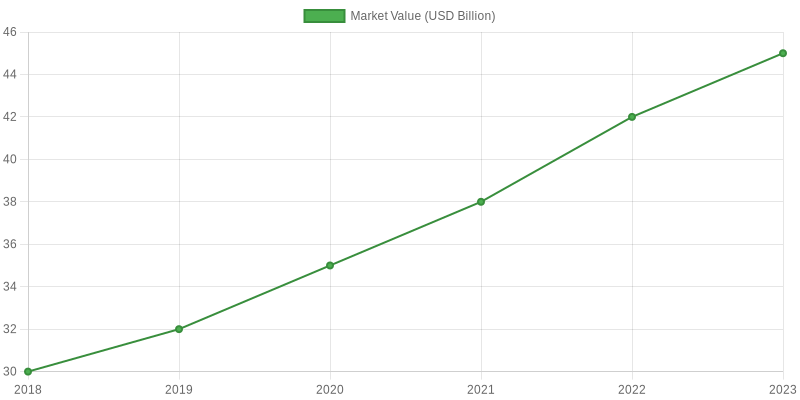
Eco-Friendly Food Packaging Market Growth Trends
The eco-friendly food packaging market has seen substantial growth over the past five years. This growth is attributed to increased consumer awareness and regulatory support for sustainable practices. The following chart illustrates the market value from 2018 to 2023:
| Year | Market Value (USD Billion) |
|---|---|
| 2018 | 30 |
| 2019 | 32 |
| 2020 | 35 |
| 2021 | 38 |
| 2022 | 42 |
| 2023 | 45 |
Note: The data provided is based on projected values for the eco-friendly food packaging market from 2018 to 2023. Actual historical data may vary slightly due to regional differences and reporting methodologies. The consistent upward trend reflects increasing consumer awareness, regulatory support, and industry adoption of sustainable packaging solutions.
For businesses looking to stay ahead in the market, understanding these trends is critical. Learn more about our eco-friendly packaging solutions to meet growing consumer demand.
Take Your Business to the Next Level with EcoCupBowl!
Are you ready to elevate your beverage or food service operation with reliable and sustainable packaging solutions? Look no further than EcoCupBowl! As leaders in the eco-friendly food packaging market, we provide a wide array of disposable tableware and packaging options tailored to meet the dynamic needs of bubble tea shops, restaurants, food trucks, and event planners.
Why Choose Us?
- Sustainability Matters: Our products are designed with the environment in mind, helping you reduce your carbon footprint while offering top-notch service to your customers.
- Reliability You Can Trust: Our disposable tableware and packaging are not only functional but also consistently durable, ensuring that your food and beverages are served with style and safety.
- Tailored Solutions: Whether it’s our stock of takeaway boxes or customized paper cups, we work with you to find the perfect packaging solution for your business.
When you partner with EcoCupBowl, you can rest easy knowing that you are making a responsible choice for your business and the planet. Join the many satisfied customers who have made the switch to EcoCupBowl. Let us help you create a memorable experience for your customers while promoting sustainability.
Contact us today to discover how our reliable packaging solutions can benefit your business and contribute to a greener environment!
Conclusion
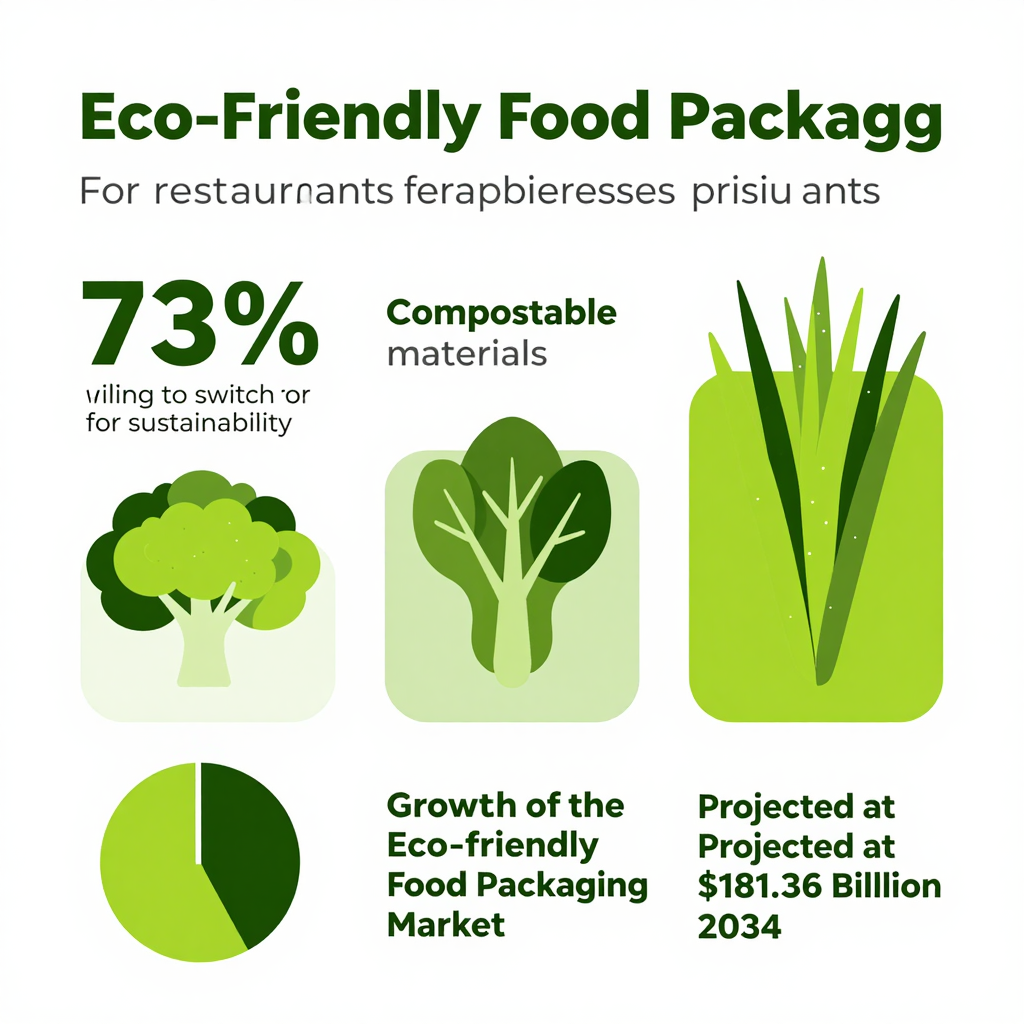
In summary, the significance of eco-friendly food packaging cannot be overstated, especially for businesses in the food service industry such as bubble tea shops, restaurants, food trucks, and catering services. With a staggering 73% of consumers expressing a willingness to change their habits in pursuit of sustainability, the demand for environmentally-friendly solutions is evident. Companies adopting these practices not only contribute positively to the planet but also experience measurable benefits such as increased customer loyalty, enhanced brand perception, and greater compliance with evolving regulations.
The eco-friendly packaging market is projected to reach $181.36 billion by 2034, a clear indication of the growing trend towards sustainability in food service. Restaurants that provide sustainable packaging solutions tend to report higher customer satisfaction scores and stronger social media engagement, reflecting a positive shift in consumer sentiment towards brands that care for the environment.
As more consumers prioritize sustainability when making dining choices, it becomes increasingly important for businesses within the food sector to adapt. Making the switch to eco-friendly packaging is not only a smart business decision but a vital step towards a more sustainable future. Together, we can champion this change for the betterment of our businesses and our planet.
Now is the time to embrace sustainable packaging solutions. Join the movement for a greener future, one package at a time! Explore our eco-friendly packaging options here.