
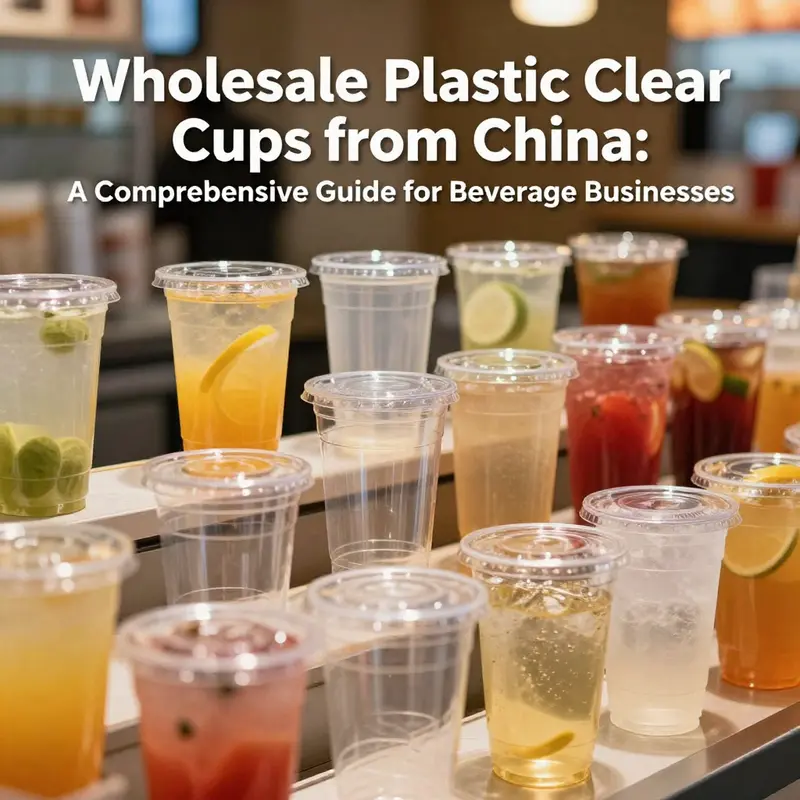
As the demand for clear plastic cups continues to rise across various sectors—including bubble tea shops, restaurants, and event planning—understanding the wholesale market in China becomes vital. This guide aims to navigate the complexities of sourcing high-quality, cost-effective plastic cups tailored to your business’s needs. Each chapter explores different facets of the market, from key production regions to material specifications, empowering you to make informed decisions. Let’s embark on a journey through the landscape of wholesale plastic clear cups in China, ensuring your business stands out to clients and customers alike.
透明之选:把握中国批发透明塑料杯市场的格局与机遇
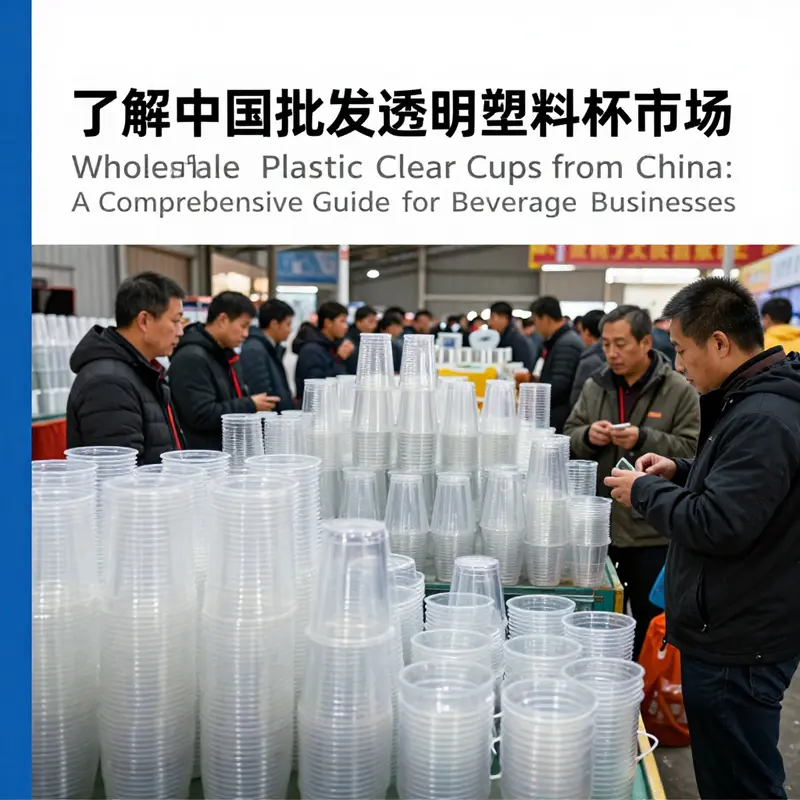
在全球快消品供应链日益紧密的当下,中国批发透明塑料杯市场呈现出一张清晰的区域格局与结构升级并行的画卷。供应源头扎根在浙江、广东与湖北等地,形成以规模化生产、参数化定制、以及高效出口为特征的产业集群。浙江作为重要的生产基地之一,依托完善的制造链条与强大的海关通道,逐步将透明一次性杯具的出口能力推向稳定与可预期的轨道。广东则以PET材质的广泛使用、以及在电商平台上的活跃供货态势,成为价格驱动与技术迭代的另一个核心区域。武汉及周边区域的生产能力也在逐步完善,通过多元化的材料组合和注塑工艺优化,提升了整体供应的响应速度与供货稳定性。这些区域共同支撑着一个以“高性价比”为基础、以功能性与品质为差异化点的成熟市场。市场数据与行业报告共同勾勒出的增长曲线,揭示了一个从数量扩张向质量提升并重的转型过程。2025年的行业规模约达到87.3亿元人民币,同比增长6.4%,这不是简单的出厂产值汇总,而是经过权威机构和行业协会多方交叉验证后的终端消费口径数据,赋予市场以更稳健的解读。不断扩张的消费场景、日益多元的终端需求,以及材料与工艺的持续升级,共同推动了这一领域的结构优化与升级升级的双重动力。
地脉与供给链:解码中国批发透明塑料杯的关键生产区
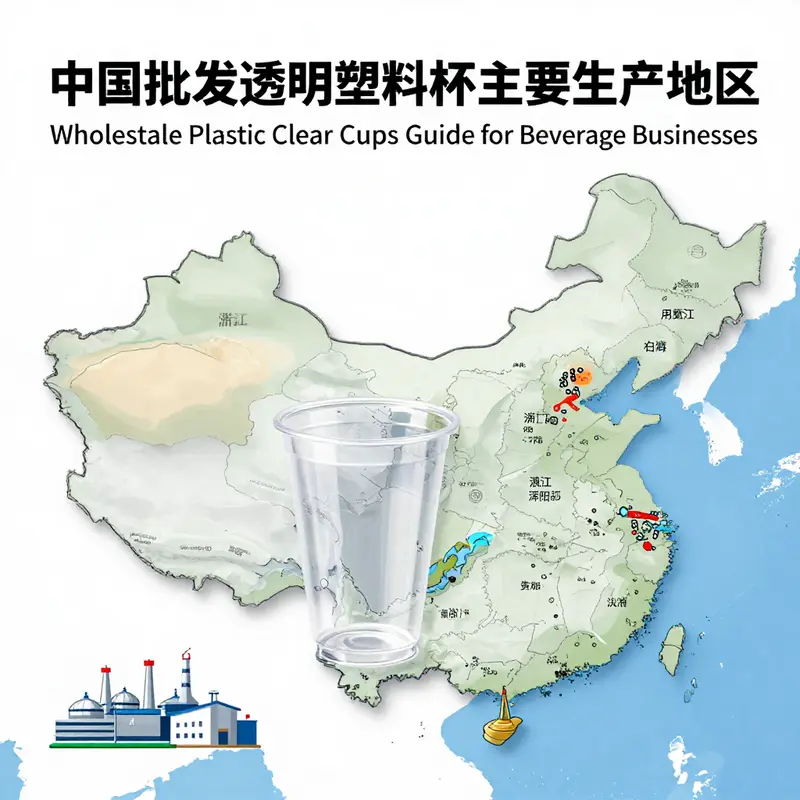
在全球范围内,透明塑料杯的批发市场以中国为核心基地。它不仅承担着国内餐饮、宴会、旅游和快餐行业的日常需求,更通过强大的制造网络,向海外市场提供稳定的供应。构成这一供应链的核心,是若干区域性生产集群,它们在材料选择、生产工艺、定制能力和物流效率等方面形成了各自的优势组合。阅读这些区域的分布与特征,有助于理解价格结构、交货周期、质量控制与可持续性之间的微妙关系。就地理分布而言,东部沿海的浙江和广东显然是最具分量的两大省份。它们不仅聚集了数量庞大的制造企业,也建立了成熟的供应链协同体系,从模具设计到成品出货,往往实现“最短的供应路径、最高的性价比”。在深入考察这些区域时,需认识到地方产业的差异并非简单的“强/弱”对比,而是与区域生产要素、物流节点、以及出口导向程度紧密绑定的综合体。这样的视角,能帮助买家在批量采购中做出更明智的决策。\n\n浙江省的生产集群在透明塑料杯的全球供应格局中扮演着极其关键的角色。金华市及周边地区,尤其是永康、义乌等地,构成了这类产品的核心制造带。大量厂家在这一带聚集,专注于一次性透明塑料杯、水杯、试饮杯等系列,核心诉求是批量供货与价格竞争力。沿海内地的运费结构和港口可达性,进一步放大了这一区域的出口能力。对外贸易中,来自这些区域的产品通常以较低的单位成本实现大批量出货,且对食品级材料和简单的定制需求(如印刷logo、搭配盖子)具备快速响应能力。对于采购方而言,浙江的优势在于“量产性”和“梯度化定制”之间的平衡——既能提供标准化的容量规格,又能在短周期内实现客户化需求。\n\n同样重要的,是广东省在制造体系中的深度与广度。中山市、揭阳市、东莞市等地汇聚了大量具备完整生产线与配套服务的厂家。中山市以综合性塑料制品为主,能够将杯体生产与碗、打包盒等周边品类的制造同步推进,极大缩短了供应链中的切换时间。揭阳市的企业强调“厚、硬、耐用”的杯体结构,适用于高强度日常餐饮场景;这类产品在价位上通常具备更强的竞争力,且在批发市场中具有稳定的回头客。东莞则以制造业的综合实力著称,其工厂网络覆盖从原材料准备到成品组装、再到高阶定制的全流程,甚至为知名茶饮品牌提供定制包装方案。广东的共同点在于强大的产能弹性和对外贸的熟练度:大量企业拥有出口经验、可应对不同国家和地区的食品安全标准要求,以及灵活的生产安排以适应旺季需求。\n\n区域实力的组合,推动了中国透明塑料杯在全球市场上的稳定性。出口能力通常与区域物流节点紧密相关。浙江的生产基地往往通过宁波舟山港和义乌出口物流网络,将产成品迅速对接海外市场;广东则依托广州、深圳等港口的国际航线,及其高效的海运和空运网络,确保对欧洲、北美及亚洲市场的快速供货。对企业而言,这种地理分布带来的直接好处,是更短的交货周期和更低的运输成本。对买家而言,理解各区域的物流优势,能够在谈判阶段就优化运输方案、缩短周期、降低总成本。与此同时,区域内的认证与标准体系也是跨境交易中的关键环节。许多工厂在生产线上实现ISO认证,部分企业还具备FDA或其他食品安全认证,这些认证是确保产品符合不同市场法规、减少合规风险的基础。\n\n选择供应商时,平台化的采购渠道成为普遍实践。像Made-in-China和全球知名的批发平台,提供了大量从7.5盎司到16盎司等尺寸的透明杯选项。对企业买家而言,平台化采购的价值在于对比、筛选和快速样品获取能力。通常,价格会随着订购量的增大而呈现下降趋势,最小起订量(MOQ)和单价在不同厂家之间有明显差异。购买方应关注明确的材料等级(PET、PP等)、食品级安全标准、耐热耐冷等性能指标,以及对回收材料的支持程度。另一个关键点,是定制能力。对于需要印刷Logo、搭配盖子或实现包装一体化的客户,具备OEM/ODM能力的厂家会带来更高的性价比,并且能在较短时间内提供样品与小批量试产。\n\n在采购路径的现实层面,区域差异往往体现在供应商的产能弹性与供货稳定性上。浙江的批量式生产和快速周转能力,使其成为需要大规模出货的项目首选;广东的综合制造实力则为需要多品类协同的项目提供了便利。若要实现批发级别的长期稳定供给,买家需要对供应商进行基本的合规评估:是否有ISO认证、是否具备食品级材料的证明、是否能提供相应的检测报告、是否具备样品和小批量试产的体系等。这些要素共同决定着供货的稳定性、质量一致性以及交付的可预测性。为进一步把控质量,建议在初期阶段就明确表达需要的材料类型、杯体厚度、印刷工艺、以及是否需要符合环保回收标准的材料选项。\n\n在购买和样品筛选的环节,市场上存在大量可选项。对需大量采购的企业而言,先建立一组来自不同区域的样品对比,是理解产品一致性和工艺差异的重要步骤。为进一步增强对比的可操作性,可以对同一规格的杯体,在不同厂家之间进行盲测,关注密封性、边缘做工、透明度以及对冷热饮品的耐久性等方面。若需要对外贸易中的定制化服务,建议将印刷分辨率、盖子配合度、以及包装方案等纳入评估范围,以避免后续的售后与更改成本。\n\n在区域分工与平台渠道之间,存在一个明显的协同效应。区域生产基地通过高效的模具生产、原材料采购和质量控制体系,支撑大规模出货和稳定的交付节奏;而在线采购平台则提供了便捷的价格可比性、快速筛选与样品获取的入口。对于企业买家而言,理解这一地理-渠道的协同关系,有助于在市场波动时保持供应链的韧性。若您正处在寻样和谈判阶段,建议将区域特征、企业认证、以及可持续材料选项作为首要评估维度。通过多维度比较,您将更清晰地看到价格背后的价值、交货背后的可靠性,以及长期合作的潜在收益。\n\n关于探索样品和获取进一步信息,您可以参考一类可用于比较的供应选项页面,以了解不同杯型、材料与定制的组合。disposable clear plastic cup for events\n\n在区域知识的支撑下,买家还应关注材料在不同市场的法规与环境要求。塑料杯的制造材料通常包括聚对苯二甲酸乙二醇酯(PET)和聚丈二甲基(PP)等。PET cups的透明度高、强度好,适合冷饮和日常使用;PP杯则在耐热性和成本方面具有一定优势。不同市场对食品接触材料的安全标准也有所不同,因此,选择具备相应认证的供应商,将降低后续进入市场时的合规风险。在当前向可持续方向发展的行业背景下,一些厂商也在探索可回收材料、增进材料循环利用的生产路径。这类环保诉求在全球采购环境中越来越受到关注,给未来的批发杯市场带来新的竞争维度。\n\n总的来说,中国批发透明塑料杯的主要生产地区呈现出高度专业化的分工与广泛的出口能力。浙江的金华、永康、义乌一带,以及台州黄岩区,构成了核心的产能基地;广东的中山、揭阳、东莞则以更广的制造生态与多品类协同的能力著称。买家在规划采购时,应结合区域生产强项、物流节点、认证资质以及定制需求,制定一份多区域对比的采购方案。通过平台渠道获取样品、进行对比评估,并与具备工厂直供优势的供应商建立长期合作关系,将有助于在保证质量的同时实现成本与供货稳定性的双重收益。\n\nExternal resource: https://www.efsa.europa.eu/en/topics/topic/food-contact-materials
Sourcing Clarity: Strategic Ways to Select Wholesale Suppliers of China-Made Transparent Plastic Cups
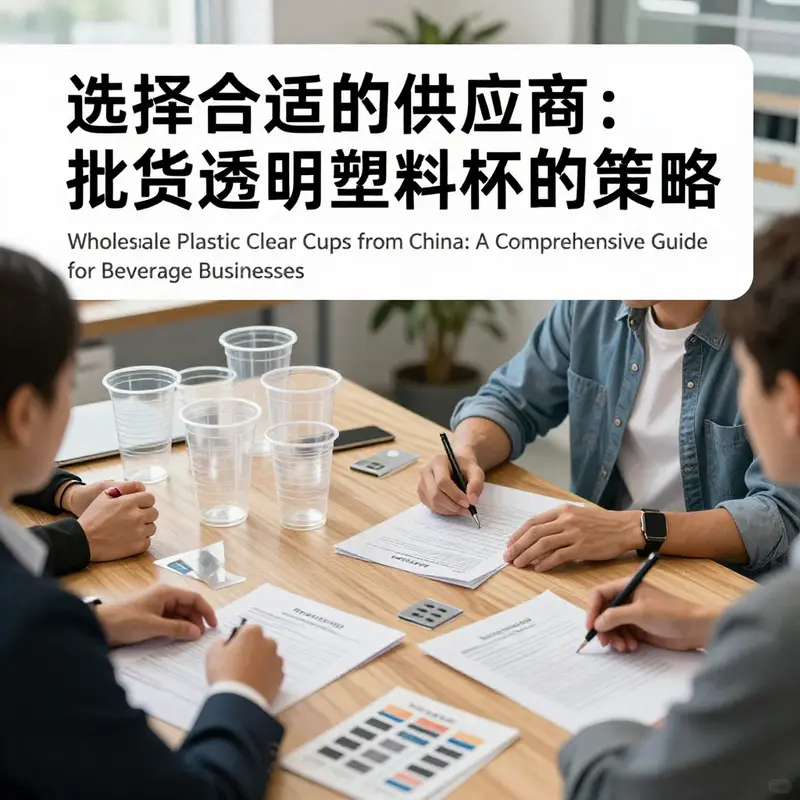
Choosing the right supplier is more than price. It is the hinge of a stable, cost-effective, and scalable supply chain for wholesale transparent plastic cups produced in China. In a landscape where production hubs cluster around Zhejiang and Guangdong, and where demand spans hospitality, events, travel, and branding campaigns, the ability to align product specs with supplier capabilities determines whether a project runs smoothly or stalls at the dock. The following discussion weaves market realities, supplier qualification criteria, and practical tactics to build a sourcing approach that minimizes risk while maximizing value. It is not merely about locating a cheap cup; it is about curating a dependable network of producers that can deliver consistent quality, meet evolving standards, and adapt to changes in demand without sacrificing lead times or margins. To anchor this discussion, consider the baseline that China remains a dominant base for wholesale clear cups, with major clusters in coastal and inland provinces. These clusters support a spectrum of materials, from PET and PS to PP, and offer both standard designs and customization capabilities such as branding and lids. The key is to translate this geography into a concrete sourcing plan that fits a given business model, whether one is placing large-volume orders for a chain of outlets or running a marketing-driven rollout that leverages printed cups as mobile billboards.
A first dimension in building a sound supplier strategy is a precise, even conservative, definition of product requirements. Material choice is not cosmetic; it drives safety, temperature tolerance, and compliance with food-contact standards. PET cups, for instance, enjoy high transparency and robust cold beverage performance, making them ideal for juice, iced coffee, and promotional beverages. They also lend themselves to customization, including branded printing. PS cups, by contrast, tend to be cheaper and extremely clear, which suits cold beverages or ambient-temperature drinks but offers less heat resistance. PP cups provide better heat tolerance, appealing for hot drinks and more rugged service environments. Capacity and mouth diameter matter as well; typical volumes range from roughly 200 ml to 540 ml, with common diameters that correspond to particular cup styles like standard cold beverage cups or airline-style designs. Whether a project needs a cup with a lid or a printed logo can push a supplier from a commodity line into a tier of customization that carries additional tooling, color options, and packaging design considerations. The most reliable sourcing plan treats these decisions not as mode-of-pickiness but as guardrails that guide supplier selection and negotiation.
Having defined what the product must be, the next layer concerns supplier qualification and reliability. Longstanding manufacturers with transparent quality processes and a proven track record are worth prioritizing. In practice this means looking for factories with an extended presence in the market, and with mechanisms that encourage ongoing partnerships—low defect rates, consistent on-time delivery, and prompt responsiveness to inquiries or changes in order scope. Certification and compliance play a central role here. Food-grade certifications and third-party verifications for material safety reassure buyers that cups meet regulatory expectations across different markets. In addition, environmental and workplace standards can influence supplier selection, especially for buyers who aim to emphasize sustainable packaging or maintain a consistent ESG narrative for their brands. The stability of supply is another non-trivial factor. A supplier with export experience and a well-established logistics network tends to manage seasonal surges more smoothly, reducing the risk of stockouts during peak demand. The geographic clustering of production in parts of eastern and southern China—where proximity to ports and a dense network of auxiliary manufacturers exists—also translates into shorter lead times and lower freight variability, provided the buyer negotiates favorable terms and maintains open communication.
Price and procurement thresholds inevitably enter the decision tree, but they should be interpreted through the lens of total value rather than per-piece cost alone. A low unit price loses its appeal if it comes with high minimum order quantities, unreliable delivery, or a lack of post-sale support. Conversely, a mid-market option that offers a robust combination of printing capabilities, packaging customization, and dependable logistics can yield lower total cost over the life of a campaign. In a practical sourcing plan, buyers should map price bands to order sizes and desired service levels. For example, there are tiers where plain, unprinted cups can be economically priced for very large runs, while branded or premium finishes introduce a premium that reflects both the cost of tooling and the value of strong on-brand presentation. The order size—whether it is a large, ongoing program or a short-term test run—directly shapes the negotiation strategy, including price breaks, lead times, and the availability of samples. It is prudent to request small-scale trials when evaluating new suppliers. A reasonable sample policy—whether it involves a handful of units for a quick quality check or a modest trial carton—can reveal print fidelity, clarity of the cup, and tolerance to stacking or shipping impacts. These checks are not perfunctory; they are the early signals of long-term compatibility, enabling a buyer to avoid cascading issues after mass production has begun.
To translate these principles into a practical workflow, a sourcing strategy should align with two parallel tracks: materials and manufacturing capabilities, and the supplier service ecosystem. On the manufacturing side, buyers benefit most from suppliers that can articulate the full range of their capabilities in terms of materials, thickness, flexural strength, and heat resistance. The interplay of these properties affects whether a cup is suited to hot beverages, whether it can withstand stacking in a crowded transport scenario, and whether it accommodates a lid or printed branding without compromising integrity. An ideal supplier demonstrates a clear mapping from product specs to performance outcomes, including how different base resins and thicknesses perform under typical service conditions. On the service side, supplier capabilities extend beyond the production line. They include the efficiency of communications, the responsiveness of logistics teams, and the willingness to support customers through design iterations, packaging optimization, and after-sales service. A capable supplier should provide clear lead times, accurate confirmations of order details, and realistic expectations about customization timelines, especially when proofs or mold changes are involved. The alignment of these two tracks—technical capability and service reliability—creates a foundation for a durable supplier relationship that can absorb market volatility and shifting consumer needs.
In practice, most buyers will operate with a blended supplier approach. Relying on a single source can expose a business to single-point-failure risks, whether due to factory disruptions, regulatory changes, or unforeseen supply chain shocks. A prudent strategy diversifies across a handful of suppliers who share compatible capabilities and can be coordinated to handle peak demands. Diversification does not mean fragmentation; it means building a well-structured network with clear communication channels, common quality expectations, and synchronized procurement calendars. When designing this network, buyers should define thresholds for supplier performance. For example, acceptable on-time delivery rates, defect rates, and responsiveness to design changes become formal criteria in supplier evaluations. Documentation—clear purchase specifications, agreed inspection criteria, and a well-defined escalation path for issues—reduces ambiguity and speeds resolution times when problems arise. It is also wise to establish a formal sampling and testing protocol at the outset of any new supplier relationship. This protocol might include material safety documentation, proofs of printing accuracy for branding, and compatibility checks with lids or secondary packaging. By locking in testing parameters early, the buyer can safeguard downstream quality and minimize the cost of late-stage design changes.
Beyond internal checks, external platforms and marketplaces can accelerate supplier discovery while introducing a layer of due diligence. In major production regions, widely used sourcing platforms connect buyers with factory-level capabilities and verified credentials. Those platforms often host a broad spectrum of options, from standard commodity cups to highly customized offerings with branding and packaging. The crucial discipline remains: verify credentials, request samples, and insist on traceable material certifications. Platforms can streamline negotiations and help standardize terms, but the ultimate decision rests on the supplier’s ability to meet technical requirements, uphold quality, and deliver predictably. When evaluating suppliers through these channels, buyers should also consider logistics configurations that will shape total landed cost. Freight terms, incoterms, and the supplier’s own distribution network can meaningfully affect the final price and the speed with which orders reach distribution centers or stores. A well-structured approach will assess not just the price per cup, but the cumulative impact of lead times, shipping reliability, and post-delivery support.
In summarizing a practical path forward, the sourcing strategy for wholesale transparent plastic cups from China rests on a few core terms: clear product specifications, credible supplier qualifications, balanced pricing with realistic MOQs, reliable service, and a diversified supplier network. It is a strategy that recognizes the importance of regional production strengths while preserving flexibility to adapt to client needs, seasonal demand, and branding opportunities. The geographic concentration of cup production—especially in provinces that offer both strong manufacturing bases and export experience—creates an ecosystem where buyers can negotiate favorable terms for large volumes, while still accommodating testing and phased rollouts. The goal is not to lock in a single price or a single supplier, but to establish a cohesive and responsive supply chain that can scale with demand, maintain consistent quality, and support brand ambitions through well-executed customization. When a buyer asks the right questions early, the conversation with potential suppliers shifts from price shopping to shaping a long-term partnership. And it is in that partnership that wholesale success for China-made transparent cups truly resides.
For readers seeking concrete direction while navigating this landscape, a practical reference is the broader catalog of disposable clear plastic cups and related takeout ware that exists within established marketplaces. The following example can help illustrate how a typical product might be positioned and evaluated during supplier conversations: a disposable clear plastic cup designed for multi-use event setups, suitable for cold beverages and light printing, with a straightforward path to branding and a compatible lid option. This kind of profile highlights the interplay between functional performance, cost, and customization potential that buyers must weigh when selecting a supplier. For additional context and product ideas, you can explore related product pages that discuss packaging and takeout cup options, which reflect the same considerations that drive wholesale decisions and brand-friendly presentations. See also the internal resource linked here for a representative example of a disposable clear plastic cup: disposable clear plastic cup.
As you develop your supplier shortlist, remember that the most robust choices arise when standards are clear, due diligence is thorough, and the path to collaboration is paved with open communication and transparent expectations. The result is not only a reliable supply of cups but a dependable foundation for growth, one that can adapt to new product configurations, evolving consumer tastes, and the continuing demand for cost-effective, high-quality packaging solutions.
External reference: https://www.1688.com/ (Alibaba’s primary market resource for wholesale suppliers and product listings in China)
从材质到容量:中国批发透明塑料杯的规格与市场全景
从材质到容量:中国批发透明塑料杯的规格与市场全景
在中国,透明塑料杯的批发市场像一张覆盖广阔消费场景的织网。无论是餐饮行业、婚礼、活动现场,还是家庭聚会,这些杯子以清澈外观、轻便特性和灵活定制能力,成为供应链中的重要环节。理解这个市场,不能只看单一尺寸或某个品牌,而应把目光放在材质、容量、形状、厚度、盖帽、包装等一揽子规格,以及背后的产地集群、认证体系与采购渠道。以此为框架,浙江、广东和湖北等地形成了批发和出口的核心枢纽,供应链稳定性取决于材料选择、工艺标准,以及与下游客户的对接效率。
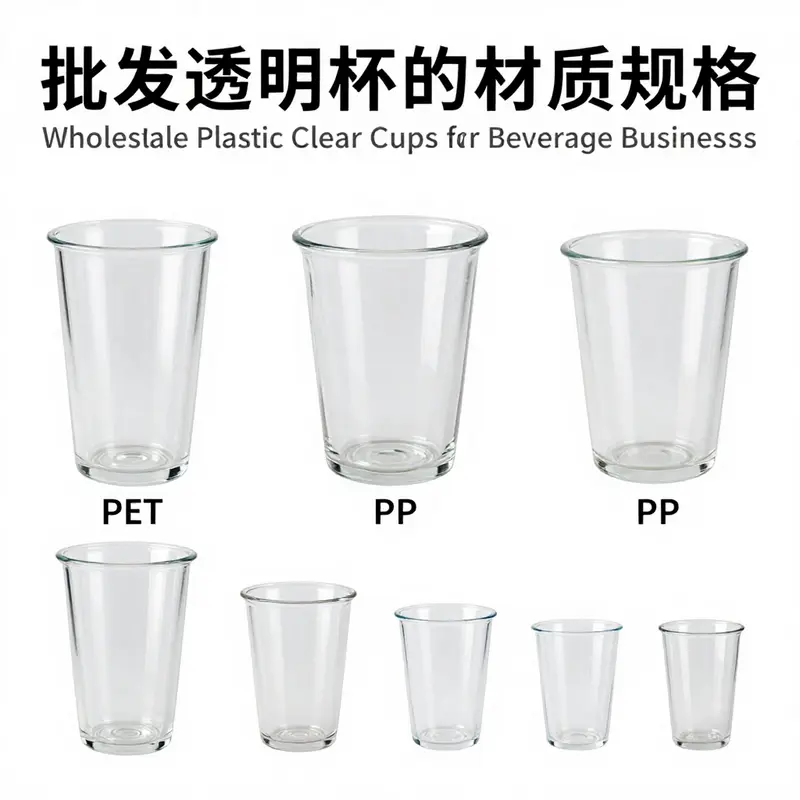
在材质方面,食品级聚丙烯(PP)显然是市场主力。大量产品信息标注采用食品级纯PP材料,具备耐热、耐冻、无毒无味等属性,能胜任冷饮、热饮及常温条件。PP杯在使用过程中保持形状稳定,不易变形、融化或破裂,特别适合一次性饮用场景。常见的250ml透明加厚杯和90口径PP杯等均以PP为核心材质,满足不同饮品的温度需求与手感体验。PET材质在特定款式中也有应用,尽管比例不及PP高,但在宠物杯等特定品类中仍有一定空间,这与消费场景的差异化需求相关。
另一方面,生物降解材料如PLA等虽被提及,作为环保导向的探索性选项在市场中尚未成为主流,这与成本、碳足迹与回收体系的综合考量有关。少量厂商在环保路线中尝试PLA或PLA混合材料,以应对环保法规和企业社会责任的需求,但大多数场景仍以PP为主,兼顾稳定性与成本效率。
除了材质,规格的丰富程度往往决定买家的采购命中率。容量覆盖从极小样杯到大容量桶级别,通常在20ml到1000ml之间波动。常见容量区间包括100ml、130ml、140ml、150ml、170ml、180ml、190ml、200ml、220ml、250ml、300ml等,满足儿童饮品、甜点杯到传统饮品和冷热饮的不同需求。此外,500ml和1L(1000ml)等中大型容量也能见到,尤其在外卖、派对和自助饮品摊位更具性价比。形状以圆形为主,也存在方形、菱角形、斜纹等边角设计,以兼顾美观性与叠放的实际需要。
厚度方面,市场通常分为普通、加厚、特厚等等级,以实现保温、抗渗与手感需求。例如,130ml的厚款、170ml的增厚杯、180ml的特厚杯在门店和批发货源中较为常见,重量(如1.3克、1.4克、2克等)有助于运输与回收成本的平衡。
在实际使用场景中,带盖选项尤为重要,尤其在奶茶、咖啡、冰沙等场景。杯盖设计重点在于密封性、便携性和二次密封能力,能有效防洒、延缓温度下降,提升顾客使用体验。包装方面,箱装、整只数批发是常态,常见包装为“1000只/箱”、“500只/箱”等,便于零售店、活动团队和餐饮企业按需分配。
产地集群对供应链稳定性同样关键。中国透明杯生产基地在地理与产业分工上呈现互补格局。浙江凭借完善的塑料制品产业链和对外贸易经验,帮助杯类产品实现稳定出口;广东制造商以PET材质与合规性在国内外市场广泛分布,具备出口能力;湖北等地的生产与物流也在提升,为区域市场提供近距离供货选项。这种地理分布使买家在价格、交货周期、质量认证与定制能力等方面有更大灵活性。
就出口与合规而言,浙江、广东等地的透明杯在海关编码体系下具备稳定出口能力。对于出口商,获得ISO或FDA等认证往往是进入更多市场的关键门槛,也是向下游客户证明产品质量的重要凭证。对于机构采购者而言,优先选择具备工厂直供、并拥有认证证书的供应商尤为重要。平台筛选方面,Made-in-China.com、Alibaba等渠道提供从7.5oz到16oz等尺寸的认证制造商信息,帮助买家在短时间内完成筛选与下单的过程。通过这些平台,买家往往获得批量报价、MOQ、交货期与样品政策等信息,以便快速进行成本核算与供应链对接。
在采购决策中,价格区间、MOQ与交付周期通常是关键考量。批发价格会因材质、容量、加工工艺、定制程度及包装方式而显著波动。以主要平台的市场情况参考,买家通常可在一定范围内议价,力求在大宗采购中获得折扣与更有利的交货条款。同时,大多数供应商提供样品,用于检验食品级安全、材料无味、耐温与密封效果等关键指标,帮助批量采购前完成质量判断。
为帮助读者快速定位信息,某些供应页面会清晰列出杯型、材质与规格组合,便于对比。跨区域采购还需考虑运输成本、关税以及海运或空运时效。区域优势对交货节奏也有影响,浙江、广东的出口能力与港口连接性相对成熟,湖北等地的供应链协同也在提升,缩短从工厂到客户的时间距离。
在关注材质与规格之余,环保与可持续性成为市场关注点。对回收与再利用的意识日益增强,企业在包装材料、杯身可回收性和供应链碳足迹方面进行评估。虽然主流仍以PP为核心材料,但可降解材料的研发正在推动新选项。对企业客户而言,供应商的可追溯性与生产透明度也成为重要考量,以降低合规风险并提升品牌形象。
要在这个海量市场中做出合适选择,买家需建立清晰采购框架:明确饮品类型与场景、对容量与形状的偏好、对材料安全认证的要求,以及对交货时间和价格的容忍度。采购往往是一个持续关系的建立过程,熟悉区域产业格局、掌握材料与规格逻辑,将显著提升谈判效率与长期成本控制能力。对于初次入门者,可以通过供应商页面、行业资源库查询外部资源与权威资料,了解法规动态与材料科学进展。
外部资源与进一步阅读可帮助深入研究市场趋势、法规动态与材料科学进展。可参考行业权威资源与可持续包装指南,结合具体供应商信息进行综合评估。
null
null
Final thoughts
The wholesale plastic clear cup market in China offers a wealth of opportunities for beverage businesses, ranging from flexible sourcing options to diverse product specifications. By understanding the production regions, selecting the right suppliers, and staying ahead of market trends, you can elevate your offerings and cater effectively to your customer needs. Embracing this knowledge is essential as we move towards a future where quality and sustainability are paramount.