
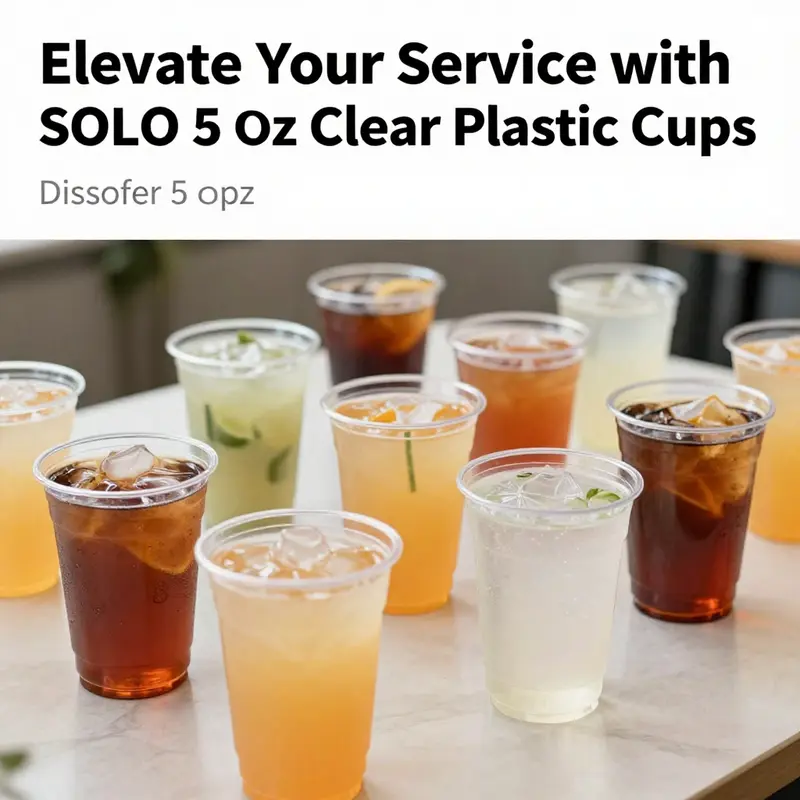
The modern food and beverage industry requires agility and efficiency without compromising on presentation. SOLO 5 oz clear plastic cups provide the ideal solution for bubble tea shops, restaurants, food trucks, catering services, and event planners. These disposable cups are designed for functionality, aesthetic appeal, and economic efficiency. As we dive into this article, we will explore the unique functionality of SOLO cups, their cost advantages, environmental considerations, and current market trends to help you make informed decisions for your service needs.
Small, Clear, Essential: The Functionality and Craft of 5-Ounce Transparent Beverage Cups
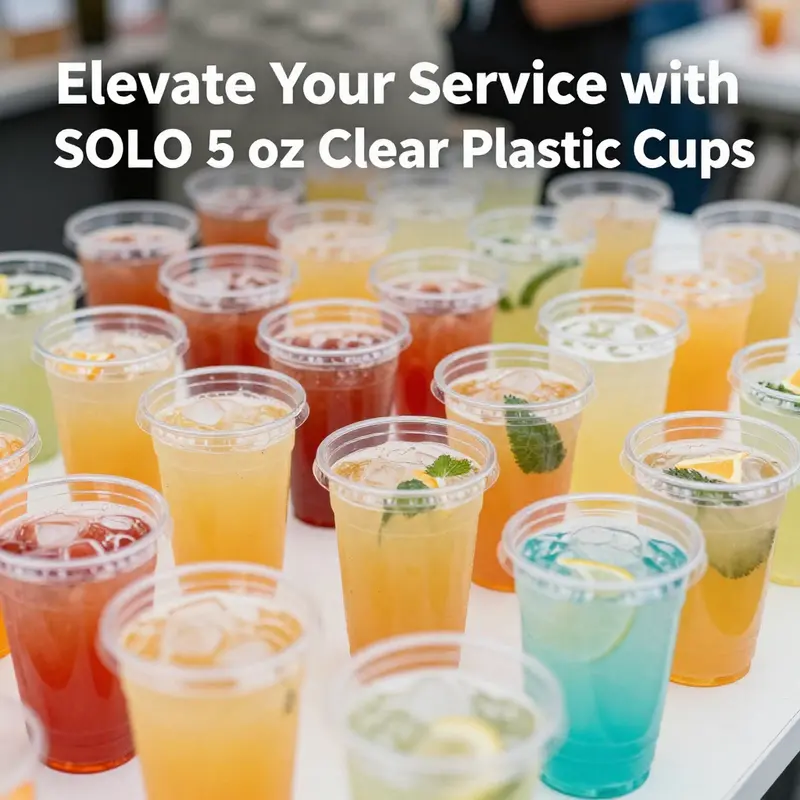
Silence can be as compelling as sound when the glass is thin and the volume is small. In the world of events, cafes, and casual gatherings, a 5-ounce clear plastic cup acts as a quiet facilitator, a simple tool that unlocks a reliable rhythm for service, presentation, and perception. The 5-ounce size is not an arbitrary metric but a deliberate choice that balances portion control with ease of handling. It makes samplers approachable, inviting guests to explore a range of flavors without committing to a larger pour. In many service contexts, the cup functions like a disciplined stagehand: it holds the scene together while remaining almost invisible, allowing the beverage itself to take center stage. The clear material is essential to that dynamic. When the liquid is visible, its color, clarity, and even carbonation can be appreciated at a glance. The drink becomes a visual story, and the cup is the transparent frame through which that story is told. This is especially important in settings where presentation matters—tasting events, weddings, birthdays, and casual gatherings alike—because the eye often leads the palate. The decision to use a cup of this size and clarity is thus both practical and expressive, blending function and aesthetics in a single, unassuming package.
From a materials perspective, these cups are crafted from a durable plastic designed to resist deformation as liquids move within. The rigidity that comes with the chosen plastic helps maintain the cup’s form when held, stirred, or placed on a crowded surface. The material’s lightweight nature is a practical boon for event staff and hosts who must transport, stack, and distribute dozens or hundreds of vessels from kitchen to table. In a crowded room, the last thing a server needs is a cup that buckles under a casual nudge or a dropped corner. The inherent stiffness of the cup reduces spill risk and supports cleaner service, which in turn supports a smoother guest experience. Yet this frame of strength is kept deliberately minimal. The cups remain easy to grab, easy to pass along, and easy to dispose of when the event closes. In the choreography of a well-executed gathering, the cup’s design is a facilitator rather than a focal point, allowing guests to focus on flavor, aroma, and color rather than on the vessel itself.
The transparent design carries its own narrative weight. When beverages are served in a clear cup, the color gradients, the heat shimmer, and the tiny bubbles in a sparkling drink all become part of the overall sensory experience. A light amber tea, a pale lemonade, or a crisp, cold cocktail looks more inviting when housed in a cup that does not compete with the liquid for attention. The presentation becomes an invitation: a guest can quickly assess the drink, its temperature, and even the level of carbonation at a glance. In tasting contexts, where small pours encourage experimentation, visibility is a powerful cue. The cup becomes a stage light that highlights color, clarity, and texture, making the drink itself more legible to the eye. In such moments, the cup is not merely a container but a visual amplifier, shaping how guests approach their tasting and what they notice first.
The functionality of these cups extends beyond aesthetics to a practical, everyday efficiency that matters in real-world service. The 5-ounce capacity supports precise portion control. In environments that require consistent serving sizes—be they a cafe offering flight samplers, a catering event with multiple beverage stations, or a home party with a tasting bar—having a uniform pour helps minimize waste and mismeasurement. Portion control is not merely about cost; it also influences taste balance. A too-large pour can overwhelm palate or dilute delicate flavors, while a well-measured 5-ounce sample preserves the integrity of each beverage. The portability of a package of these cups, often sold in sizable, manageable bundles, means staff can prepare, refresh, and rotate samples with cadence. The lightweight cups, packed conveniently, reduce fatigue during long service periods and support rapid replenishment without sacrificing reliability. In contexts where numerous guests move through a tasting line, the ease of grabbing a cup, filling a small sample, and passing it along is a small but meaningful contributor to flow and guest satisfaction.
Hygiene and practicality are also core to the cup’s functional profile. The disposable nature of these cups aligns with high turnover demands at restaurants, event spaces, and home gatherings alike. Quick disposal after use minimizes the cleaning burden for staff and organizers, allowing more time to focus on guest engagement and service quality. In spaces where counter space is at a premium or where washing facilities are stretched, the one-time-use aspect offers a straightforward way to maintain cleanliness and reduce cross-contamination risks. The design supports this workflow without complicating the post-event process. This is not merely a convenience; it is a hygiene strategy built into the lifecycle of the cup—from the moment it is filled to the moment it is discarded. While sustainability is a broader conversation, the cup’s one-use nature is aligned with scenarios that demand speed, safety, and reliability. That said, it remains essential to consider the broader environmental implications and to balance single-use convenience with responsible disposal practices and recycling options where available.
In terms of usage, the versatility of a 5-ounce clear cup is evident across a spectrum of beverage serving scenarios. In a cafe or restaurant setting, it is ideal for flight tastings, allowing customers to sample a range of beverages—from simple waters to more complex infusions—without overindulgence. At events and parties, the cup serves as a practical vessel for small portions during cocktail hours, mocktails, or cold beverage tastings. The ability to see the drink through the cup supports presentations where color and clarity matter as much as aroma. In home entertaining, a stack of these cups offers convenience for guests who want to sample a selection of beverages, while the compact size fits comfortably on a crowded table or bar cart. The repeated cycle of fill, sip, and discard fits with the rhythm of socializing, enabling hosts to maintain a clean and efficient service without excessive downtime.
From a logistical perspective, the cup’s packaging and storage characteristics contribute to its functional appeal. The standard packaging—multiple bags within a carton—facilitates efficient inventory management and transportation. For organizers and caterers, stacked and compact cups are easier to handle, count, and replenish during an event. The portability extends to transport between locations, where a host or planner might move supplies from a kitchen to a reception hall, then to a tasting area. The lightweight profile reduces carrier fatigue and makes it feasible to set up multiple beverage stations in a timely fashion. The combination of portability, durability, and visual clarity makes the cup a dependable workhorse in the toolkit of any service professional or savvy host.
Practical guidance for using these cups tends toward cold beverages, where their structural integrity and visual appeal are best expressed. Hot liquids pose safety risks and can compromise the cup’s performance. Therefore, when planning for any service, the focus should be on cold or chilled drinks that benefit from the refreshment of a cool glass held at arm’s length. In tasting contexts, where the goal is to sample multiple beverages with minimal cross-influence, a standardized 5-ounce pour supports a clean palate and a straightforward comparison. The host or server can design a tasting sequence that guides guests through a curated progression of flavors, colors, and textures, allowing the cups to serve as a reliable, unobtrusive conduit for the beverage itself.
To weave this into the broader fabric of a successful service, consider how the cup integrates with other disposable tableware and packaging. For example, a single-purpose cup is often paired with compatible lids, small-cap accessories, or accessories designed for sampling setups. The overall experience is enhanced when the vessels align with the visual language of the event space—the clarity of the cup echoing the cleanliness of the tableware and the sophistication of the beverage presentation. In this way, the cup contributes to a larger narrative about hospitality: it signals thoughtfulness in planning, efficiency in execution, and care in presentation, without demanding attention to itself. The end effect is a guest experience that feels easy, organized, and visually coherent.
For readers who want to explore comparable options or gain broader context on disposable clear cups and related packaging solutions, a useful reference point is a catalog of versatile, clear plastic cups suitable for outdoor and indoor events. Such a resource can offer practical guidance on selecting the right size, material, and packaging strategy for varied settings, from casual picnics to formal tastings. See the following linked example for a sense of the practical breadth available in the marketplace: disposable clear plastic cups for parties and picnics.
As a closing reflection, the five-ounce clear cup embodies a blend of restraint and clarity. It refuses to overwhelm a beverage with its own presence, yet it refuses to disappear, too. Instead, it invites the drink to speak for itself while ensuring the service remains smooth, hygienic, and visually confident. In the choreography of a well-run event, this cup plays a quiet but indispensable part: it steadies the tempo, preserves the integrity of the pour, and elevates the guest’s sensory experience by letting color, aroma, and texture take center stage. The iconography here is not about glamour but about dependable utility that respects the guest’s experience and the host’s time. In the end, the 5-ounce clear cup is less about a single moment of consumption and more about the steady rhythm that lets countless moments of tasting, sipping, and socializing unfold with ease.
External resource for further technical context and specifications can be found here: https://www.solo.com/products/cups/5-oz-clear-plastic-cups
Clear-Cut Value: Economic Advantages of the 5 oz Clear Plastic Cup for Food Service and Events
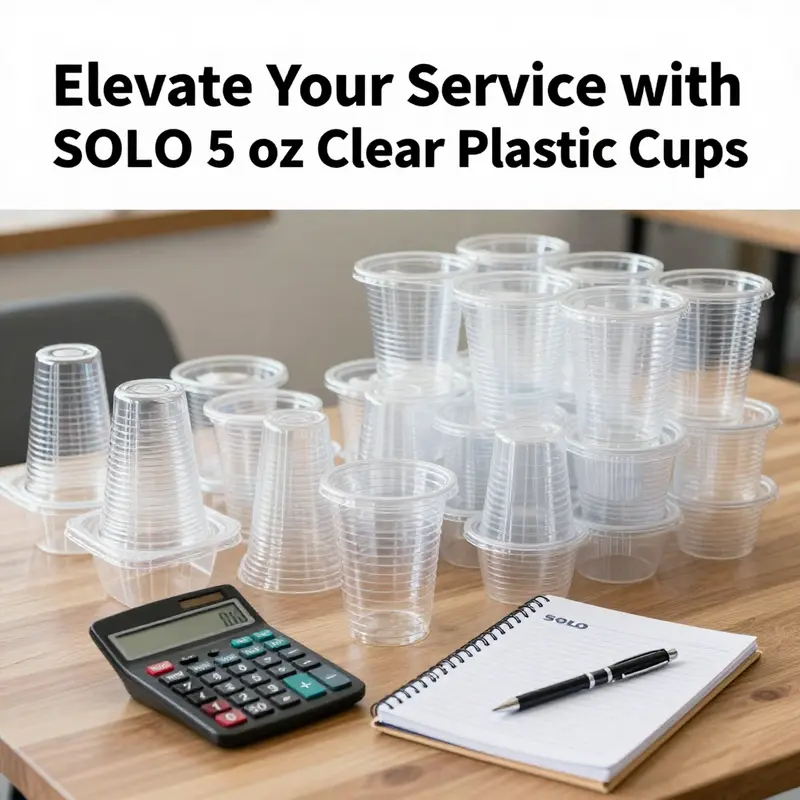
When planners, caterers, and venue managers think about the small tools that quietly keep an operation running, a sturdy, well-designed cup often sits at the bottom of the roster. Yet in the world of service that moves on quick turnovers and brisk costs, the choices around a 5-ounce clear plastic cup can carry outsized influence. The 5 oz size hits a precise niche: it is large enough to showcase a drink or a sampler without inviting waste, yet compact enough to fit into streamlined service workflows. In many food-service contexts, it is the difference between a controlled pour and a messy overage, between a guest enjoying a well-presented drink and one who perceives a wasted opportunity or a compromised experience. The economic advantages—when viewed through the lens of material quality, packaging efficiency, and the practical realities of event-scale operations—become a coherent narrative about value that travels beyond a single event.
Material quality underpins every cost conversation. The backbone of a low-friction, economical service model is a cup that can withstand the rigors of transport, display, and light handling without cracking or deforming. In the most reliable formulations, cups are built from a high-quality, crack-resistant polymer. This choice lowers replacement costs that would otherwise accumulate after a few trips from kitchen to table, and from cart to hall. Fewer breakages mean fewer emergency substitutions, less waste from damaged stock, and less downtime spent chasing replacements in the middle of a crowded service period. The durability of the cup also translates into safer handling during transport and on-site logistics, reducing the risk of spills or contamination that can complicate service flow and escalate costs. A cup that holds its shape and integrity preserves the visual appeal of the beverage, which, in turn, supports the business case for premium presentation without premium price tags. For practitioners who weigh aesthetics and cost, the crystal clarity of the cup is not a luxury; it is a cost-control feature that helps ensure each serving reflects the intended quality and portion size.
Size efficiency is a practical lever for cost containment. The standardized 5 oz capacity aligns with how guests sample, sip, and savor at events, tastings, or casual gatherings. This size tends to minimize over-pouring when staff are pouring quickly for multiple guests and when portion control matters for event budgets or beverage programs. In situations where multiple beverages or samples circulate, a modest volume helps maintain inventory accuracy and reduces the risk that a stream of drinks is left unfinished or discarded because a larger cup invites waste. The economics of portion control feed into the broader cost structure: the same per-serving cost goes further when the cup size is aligned with how much product actually ends up in a guest’s hand, minimizing the quantity that must be discarded due to over-pouring or spoilage. This dynamic matters most for operations that rely on rapid, high-volume service, where even small efficiencies compound into meaningful bottom-line results over the course of a busy weekend or a long convention.
Bulk purchasing is the most conspicuous driver of price discipline in disposable-tableware economics. The cups are typically sold in bulk configurations that translate into tangible savings when the order volume scales. In many standard offerings, the packaging is designed to simplify inventory management—multiple bags, each containing a fixed number of cups, and cartons that consolidate the total quantity for easy storage and counting. When a operation places a large order, the economies of scale kick in: the per-unit price drops as the total quantity rises, transport costs per cup decrease with better load efficiency, and the administrative effort involved in procurement and receiving can be streamlined. The mathematics of bulk buying are straightforward, yet they have a cumulative impact that becomes clear in annual spend analyses. A business that routinely inventories thousands of cups per month can reduce both unit cost and handling time, freeing up capital for other necessities—ice machines, staffing for service floors, or more premium beverage options that enhance guest satisfaction without eroding margins.
The enhanced perceived value of clear plastic cups is frequently underestimated as a financial lever. Clarity is not mere aesthetics; it is a vehicle for presenting drinks in their best light. The visual appeal of a vividly colored cocktail, a delicate sample, or a clear soda is amplified when viewed through a transparent, pristine container. Guests perceive higher quality when the drink’s color and carbonation are visible and unimpeded, and this perception often translates into a willingness to pay slightly more, especially in a setting that emphasizes presentation and attention to detail. The economic takeaway is not about charging higher prices in every circumstance; it is about elevating the baseline experience so that the same drink appears more deliberate and premium even in a casual environment. When you couple the perceived-value uplift with the cost efficiencies of bulk packaging and low-wear durability, the net effect on profitability can be meaningful. In events where guests expect a well-curated experience, a simple, clear cup becomes a critical component of that experience, enabling a seemingly small upgrade in presentation to produce disproportionate value.
Labor and cleanup considerations frequently tilt the balance toward disposables in favor of reusables, especially for large-scale events where the math of labor and time is a major line item. A cup designed for one-time use reduces washing demands, lowers the need for a dedicated dishware setup, and curtails the risk of cross-contamination that can arise when reusables are not managed correctly. The labor savings—re-handling, rinsing, sanitizing, and drying—quickly accumulate over dozens or hundreds of service points. The convenience of disposal after a burst of serving hours translates into shorter turnover times for beverage stations, faster reallocation of staff to other tasks, and a leaner operation with fewer moving parts to coordinate during peak moments. For operators balancing guest flow and service speed, the ability to deliver a clean, visually appealing beverage without tying up staff in post-event cleanup is a direct and measurable economic advantage.
Transportation and storage logistics also bear on the cost equation. The cup’s lightweight profile contributes to lower shipping weights and more efficient freight planning. A smaller, lighter, yet durable cup translates into more units per pallet and more efficient container utilization, reducing freight and handling costs both at the supplier and the venue. The physical footprint of the cups—how many can be stored in a given locker, cabinet, or closet room—matters when a caterer or venue manager must plan for multiple events across a season. The combination of light weight and compact packing means organizations can carry larger stock in fewer trips, which lowers both capital tied up in inventory and the incidental costs associated with warehousing, such as space rental and maintenance. In other words, the economics of scale extend beyond price alone; they touch every facet of logistics, from procurement to delivery to on-site service.
Safety, compliance, and health considerations shape the strategic rationale for disposables. The one-time-use nature of these cups is aligned with best practices for food-contact safety in many service environments. While this reduces the hazards associated with reusing a container, it also underscores a social and regulatory calculus about waste, recycling, and responsible disposal. For managers who must balance hygiene with environmental stewardship, the choice of cup material and its end-of-life handling becomes part of a broader sustainability plan. The practical takeaway is that the cup design supports consistent compliance with food-safety standards while offering the flexibility required to scale operations for large crowds. The challenge, of course, is to pair this convenience with responsible waste practices, such as selecting recyclable materials where possible and communicating clear disposal instructions to guests, so the economic benefits do not come at the cost of environmental performance.
The intersection of these factors—durable material, optimal size, bulk pricing, enhanced display, labor efficiency, transport advantages, and safety considerations—forms a coherent argument for the economic value of the 5 oz clear plastic cup in high-volume service contexts. While the per-unit cost may appear modest, the aggregate impact across a busy service season can accumulate into a meaningful contribution to the bottom line. In practice, planners who model costs across a portfolio of events often find that the aggregate savings from reduced breakage, minimized over-pours, improved guest perception, and leaner labor requirements offset the upfront purchase price and the ongoing disposal costs. The key for managers is not to treat the cup as a mere accessory but as an integral, cost-sensitive instrument of service design—one that shapes not only how a drink is served, but how efficiently a service operation can be organized, how consistently it can perform, and how effectively it can scale.
For readers exploring practical references to this topic, consider reviewing real-world product specifications and current packaging options, such as this disposable-clear-plastic-cup resource that emphasizes easy handling and reliable performance at events and gatherings. Disposable clear plastic cup for parties and events. This example illustrates how a single design choice can ripple through procurement decisions, storage constraints, and day-of-service execution, reinforcing the idea that seemingly small equipment decisions can drive significant economic outcomes over time.
Alongside the internal considerations, external references provide a broader frame for understanding market standards and consumer expectations. A comprehensive look at typical product specifications and safety compliance for disposable cups can be found through widely available consumer-facing sources in the retail space. External reference: https://www.walmart.com/ip/SOLO-Ultra-Clear-Cups-5-oz-Plastic-100-Bag-25-Bags-Carton/
Beyond Clarity: Environmental Footprints and Pathways for 5-Ounce Clear Plastic Cups

The familiar sight of a clear, five-ounce cup at a reception, a tasting event, or a quick service counter hides a set of choices and consequences that extend far beyond surface aesthetics. The appeal of an ultra-clear cup lies in its ability to showcase colors, layers, and textures of beverages, turning a simple drink into a visually engaging experience. Yet behind that glassy transparency lies a lifecycle that begins with petrochemical feedstocks and ends in a landscape that bears the marks of single-use culture. This chapter threads together the practical utility of these cups with the environmental realities that shape their use, disposal, and the evolving search for more sustainable paths. It is not a polemic against convenience but a call to understand the trade-offs that accompany any disposable choice and to consider alternatives that align with longer-term ecological goals.
The material story of a standard five-ounce clear cup centers on two common plastics: polystyrene (PS) and polypropylene (PP). Both are derived from fossil fuels and share the overarching footprint of petroleum-based manufacturing. Polystyrene is valued in many disposable cups for its rigidity and clarity, which helps maintain the perception of freshness and purity of the drink inside. Polypropylene, while also widely used, tends to be more forgiving in handling and is generally marketed as having higher recyclability in many systems. In practice, though, the line between potential recyclability and actual recovery is not as straight as it seems. Recycling systems are uneven, and the fate of these cups depends as much on local waste streams as on the intrinsic recyclability of the resin.
A striking reality is that only a small fraction of disposable cups are successfully recycled. Contamination—residual beverage residues, lids, or labels—often sinks the entire batch in curbside programs. Even when a stream is technically recyclable, bottlenecks in collection, sorting, and market demand for recycled resin can prevent a cup from re-entering the production cycle. The result is a paradox: a material that could be recycled languishes in landfills or becomes litter in the environment, particularly when mismanaged during events, travel, or household disposal. The reliance on a single-use model compounds the issue, turning a convenient, time-saving product into a ongoing nuisance if not managed with care.
From a lifecycle perspective, the production stage of these cups consumes energy and generates emissions tied to petroleum extraction, polymerization, molding, and eventual packaging. The lightweight design—often a deliberate feature to reduce material use and improve transport efficiency—can mitigate some impacts but does not eliminate them. When millions of such cups are produced and distributed in a given season, even modest per-unit environmental costs accumulate. The end-of-life phase then introduces another layer of complexity: disposal options, infrastructure, and consumer behavior all shape whether a cup becomes a resource, a residue, or something in between.
The issue of disposal cannot be separated from the environmental narrative of the product’s small footprint in the sun. Exposure to ultraviolet (UV) light can gradually degrade plastic, especially in outdoor settings such as festivals or al fresco gatherings. While degradation may not be immediately visible in a single event, the long-term exposure of plastics to sunlight can contribute to fragmentation and microplastic formation. Microplastics have become a focal point of environmental concern because they can disperse widely, accumulate in soils and waterways, and potentially enter food chains. The very clarity that makes these cups appealing can become a vulnerability if the material ends up contributing to microplastic release under real-world conditions. The risk is not merely theoretical; it is tied to how the product is used, stored, and disposed of in real settings, from busy catering floors to beachside events where wind and careless handling can scatter small pieces.
Consumers and organizations alike are increasingly asking not only how to dispose of a cup properly but how to reduce the generation of waste in the first place. This line of inquiry pushes practitioners to examine alternatives that balance the desire for convenience with broader environmental implications. Reusable cup options, for instance, present a different set of trade-offs. A durable cup can be cleaned and reused many times, potentially lowering per-usage impacts, but it also requires resources for washing, energy, and water. The overall environmental calculus thus becomes a matter of comparing the lifecycle effects of single-use plastics against the lifecycle impacts of reusables, factoring in the frequency of use, the handling in between uses, and the capacity of facilities to process the associated waste streams.
Another avenue that has gained attention is the development and adoption of compostable materials, such as polylactic acid (PLA) derived from plant starches. In theory, compostable cups can break down in appropriate industrial facilities, transforming into mulch and basic organic matter rather than lingering as microplastics. In practice, the story is more nuanced. PLA and other compostable plastics require industrial composting infrastructure, controlled climates, and specific processing conditions that are not universally available. When compostable cups are disposed of in ordinary municipal streams, or when facilities are lacking, they often behave similarly to conventional plastics in terms of environmental persistence. Even when composting is feasible, the energy input, land use, and agricultural resources required to cultivate feedstocks for PLA must be weighed against the benefits of avoiding fossil-fuel-based plastics. The lifecycle balance is not a straightforward win; it hinges on local capabilities, the maturity of composting markets, and the behavior of users who may misinterpret compostable claims as a universal solution.
The environmental conversation around these cups also intersects with policy and governance. National and regional guidelines shape how waste streams are collected, sorted, and treated. In many jurisdictions, the practical reality is that single-use plastics remain a dominant component of municipal waste, even as recycling rates struggle to keep pace with production. This has driven a shift in corporate and consumer thinking toward materials and designs that can more reliably fit into existing systems. The Environmental Protection Agency has highlighted the need for sustainable management of plastics, emphasizing improved collection, better sorting technologies, and incentives that align economic and environmental objectives. These policy signals encourage industry to pursue smarter packaging choices, not just in the lab but in the field—where cups move through events, venues, and street markets, and where waste handling practices ultimately decide their fate.
For businesses seeking to navigate this landscape, the path is not simply to declare a preference for “greener” cups, but to understand the lifecycle implications of every option and to design strategies that aggregate multiple improvements. A pragmatic approach begins with routine assessments of end-of-life outcomes for the specific contexts in which the cups are used. How often are they used in outdoor settings versus indoor venues? What is the local recycling infrastructure capable of handling PS or PP streams, and what contamination risks are most prevalent at the point of disposal? Such questions help determine whether the best short-term strategy is to optimize disposal processes—ensuring more cups reach a recycling stream while reducing residual waste—or to invest in reusables and, where feasible, in industrially compostable alternatives.
Another practical dimension is the role of labeling and consumer education. Clear, accurate labeling about recyclability and compostability can assist waste handlers and households in making informed decisions. Equally important is the adoption of clear separation at events–providing color-coded or clearly marked recycling bins and reminding staff and attendees about proper disposal practices. The design of event spaces can influence behavior; visible placement of recycling stations, along with staff guidance during peak periods, reduces contamination and improves recovery rates. In the long run, packaging ecosystems benefit from alignment across stages—manufacturers, distributors, venues, and waste management partners working in concert to improve the efficiency and outcomes of the system.
Within this framework, an emerging narrative emphasizes the value of reducing total cup usage by integrating reusable packaging concepts where feasible. For instance, event organizers can offer incentives for attendees to bring personal cups, or they can deploy durable, reusable options with efficient washing and storage workflows. The energy and water inputs for washing these reusables must be considered, but with modern, high-efficiency dishwashing systems, the per-unit impact can be favorable when usage frequency is high. In settings with high throughput and repeated service, reusables can demonstrably lower waste volumes, particularly when combined with robust take-back or return programs that minimize losses and ensure proper processing. For many operations, this approach aligns with broader sustainability goals that extend beyond the immediate event to address foodservice waste streams on a larger scale.
The dialogue around these cups is therefore a dialogue about systems. A single cup is not just a product; it is a node in a network of manufacturing, distribution, consumption, and disposal. When companies recognize this, they begin to ask better questions: How can we choose materials that fit more reliably into our local waste stream? How can we minimize contamination to improve recycling outcomes? How might we pair disposables with a robust, visible recycling and education program to keep materials circulating rather than becoming litter or waste? And how do we balance the apparent convenience of single-use cups with the lifecycle benefits of reusables or compostable alternatives in the contexts where they are deployed?
In this sense, the environmental considerations surrounding five-ounce clear cups are not merely about the cups themselves, but about the design of packaging systems that serve people in moments of quick service and social sharing. The most constructive path lies in embracing lifecycle thinking: evaluating production impacts, optimizing use and disposal, and testing scalable alternatives that reduce environmental burden without sacrificing the clarity, convenience, or aesthetics that cups provide. It also means recognizing the limits of recycling alone and embracing a broader toolkit that includes redesign, material substitution, and behavior change.
The tension between utility and responsibility is not unique to these cups. It reflects a broader shift in how modern economies handle plastics—an acknowledgment that convenience must be balanced with stewardship. As technology, policy, and consumer expectations evolve, the industry can move toward packaging choices that maintain the benefits of clarity and easy handling while progressively reducing environmental footprints. This requires collaboration across value chains, investment in better waste management, and a willingness to experiment with alternatives that may demand changes in workflow, infrastructure, and user behavior. When such coordination occurs, the result is not a loss of simplicity but a refinement of it—where the cups remain a convenient tool, but one that fits more harmoniously with a sustainable, circular approach to materials.
For readers seeking a concrete starting point in exploring greener packaging options, consider looking at broader categories of eco-friendly disposable packaging options, which include materials and designs aimed at improving recyclability and reducing waste in real-world settings. This broader framing helps connect the cup’s lifecycle to practical choices in events, catering, and daily use, guiding decisions that can accumulate meaningful environmental benefits over time. For a broader policy context that informs these decisions, the Environmental Protection Agency’s Sustainable Management of Plastics offers foundational guidance on how to navigate waste streams, recycling challenges, and the evolving regulatory landscape that shapes industry practice. https://www.epa.gov/sustainable-management-plastics
Clear Choices, Lasting Impressions: Navigating Trends and Preferences in the SOLO 5 oz Clear Plastic Cup Market

In the quiet hours before a feast of beverages, the smallest vessels often do the heaviest lifting. The 5 oz clear plastic cup, a staple in events, tastings, and everyday serving moments, becomes more than a mere container. It is the interface between a guest and a drink, the stage on which color, aroma, and texture are revealed. For planners and caterers, the right cup is not just a vessel; it is a strategic choice that shapes presentation, cleanup, and even the pace of service. The market surrounding these cups has evolved in tandem with shifting consumer expectations, and it is in this evolving landscape that the rhythm of demand and supply is set. The conversation today centers on durability, clarity, convenience, and an increasingly urgent thread of sustainability that threads through every decision made in procurement rooms and on event floor plans alike. In this context, the SOLO line, long recognized for its iconic 5 oz clear cups, functions as a bellwether for how the broader disposable tableware category is balancing performance with responsibility, affordability with presentation, and single-use convenience with longer-term environmental goals.
At first glance, the 5 oz cup appears to be a simple choice: a compact vessel designed for sampler pours, kid-friendly portions, and quick-service moments. Yet its success hinges on a constellation of preferences that guests may not articulate but certainly notice. Consumers increasingly expect products that align with ecological values without compromising the clarity that makes a drink visually appealing. The market has begun to reward options that offer transparent visibility of the contents, a feature that is especially important for samplers and tastings where color, carbonation, and texture are part of the sensory experience. The ultra-clear look of these cups accentuates the beverage, turning even modest flavors into memorable impressions. The design engineers behind these cups know that presentation matters as much as performance, which is why the ability to showcase a drink without visual distortion is a small but powerful driver of choice for event hosts and venue managers alike. A single glass-like cup can elevate the perceived quality of a sample, nudging guests toward trying one more option and, in turn, expanding the scope of a tasting program.
But presentation does not travel alone. The same cups that offer a crystal-clear view also carry a weight of practicality that event organizers deeply value. They are lightweight, easy to transport, and simple to stock in bulk, which translates into predictable logistics and faster service at scale. The typical packaging rhythm—packs of 100 cups, distributed in cartons with multiple bags—speaks to a demand for bulk reliability and straightforward inventory management. In a setting where time is money, the ability to pull a batch from a carton and distribute swiftly reduces bottlenecks and keeps lines moving. The conversation around these cups cannot ignore the economics that drive ordering behavior: when an order can reach thousands of units, unit price and packaging efficiency become as critical as the cup’s clear surface. In many operations, a well-stocked supply of 5 oz cups becomes a keystone asset, ensuring that every tasting or refill opportunity remains seamless rather than interrupted by logistic snags.
Another thread weaving through consumer and business expectations is the growing insistence on safety and practicality. These cups are designed for one-time use, a hallmark of food safety protocols in many service environments. The caution against reuse, especially for hot beverages, is not a minor caveat but a principle that influences how operators plan for service duration, equipment needs, and cleaning workflows after an event. This reality can shape decisions about whether to lean into disposable solutions for the sake of cleanliness and efficiency or to explore reusable alternatives in venues with robust washing facilities. The tension between convenience and environmental impact is a defining feature of contemporary purchasing psychology. In practice, this tension pushes manufacturers to innovate while ensuring that the core benefits—clear visibility, rigid form, and reliable performance—are not sacrificed in the name of sustainability alone.
Sustainability, however, emerged as the loudest decibel in the chorus of consumer preferences. A growing segment of buyers looks for eco-conscious attributes, and the market responds with a spectrum of materials and certifications that attempt to balance performance with environmental responsibility. While some references in the broader landscape tout compostability as a selling point, the real-world adoption of compostable or biodegradable plastics is uneven, and the benchmarks are nuanced. Materials like PLA offer a compostable pathway under certain standards and industrial facilities, but its practicality depends on local composting infrastructure and recycling streams. The demand signal, then, is for clear, durable cups that can fit within responsible waste programs, coupled with transparent certifications that reassure buyers about end-of-life outcomes. In this sense, the trend is less about a single material choice and more about a portfolio approach: clear cups that maintain their appearance and integrity while offering a viable route to reduced environmental burden through certified options when feasible. The industry’s path forward involves a careful calibration of compostable, recyclable, and reusable strategies, all while preserving the customer-facing benefits that keep these cups in constant rotation at events and venues.
Clarity, though, remains a central axis around which consumer preference rotates. The visual appeal of the beverage is more than cosmetic; it is a communication about quality and care. A drink presented in a crystal-clear cup can highlight color, carbonation, and dilution in ways that a cloudy or opaque alternative cannot. For samplers and tastings, this transparency helps guests gauge portions, compare varieties, and appreciate subtle differences in composition. It also supports color-based marketing storytelling, where the hue of a beverage becomes part of the event’s sensory narrative. In this context, the material choice must deliver rigidity and edge-to-edge clarity, resisting clouding and warping as handling demands increase. The result is a cup that not only holds a drink but also communicates a standard of service that complements the entire guest experience.
Durability and versatility also shape the market’s expectations. While the 5 oz size is inherently small, the cups themselves are often subjected to a range of handling conditions—from cold beverages to celebratory pours with garnishes and ice. The stability of the cup, its grip, and its lightweight nature all contribute to a seamless guest experience. In practical terms, durability translates to fewer breakages during transport and service, which reduces wastage and promotes a smoother operation during peak moments. The versatility of these cups aligns with the modern demand for multi-use functionality; even as a single-use solution, the cup is trusted to perform consistently across a spectrum of beverages and occasions.
From a consumer perspective, the value proposition ties directly to convenience. The ease of disposal reduces post-event cleanup time, a feature that resonates with planners who must balance guest experience with operational efficiency. This convenience, however, sits within a broader framework of responsible planning. Purchases are often influenced by the total cost of ownership, which includes not just the per-unit price but also the logistical ease of packaging, the reliability of supply, and the predictability of delivery timelines. When orders reach thousands of units, these factors become decisive. And here the SOLO offering has a built-in advantage: a familiar, scalable format that many operators already trust, with a legacy of compatibility with existing service workflows. The market rewards that familiarity because it minimizes training, reduces error, and speeds up service without forcing teams to relearn a new cup every season.
The competitive landscape, too, informs how consumer preferences manifest in actual purchases. Leaders in this space tend to balance the clarity and tactile satisfaction of the cup with the ability to meet sustainability goals, even if that path remains a work in progress. In many buyer cycles, the decision is less about choosing a single attribute and more about optimizing a bundle: clarity, cost, supply reliability, and a credible sustainability story. The result is a market where incremental improvements—whether in polymer formulations, packaging efficiency, or certification transparency—can translate into meaningful shifts in demand. For operators, this means staying alert to the ways in which new materials and new waste-management practices may align with corporate and event sustainability goals, while also preserving the presentation quality and service speed that guests expect.
For those who manage procurement and event logistics, the practical details continue to matter. The standard packaging cadence—packs of 100 cups, with 25 bags per carton, delivering a total around 2500 cups per order—frames how inventory is controlled and how quickly a client can scale a program from a few dozen tastings to a full-blown tasting session at a festival. This scalability is not incidental. It mirrors the broader shift toward modular, predictable supply chains that can flex to match demand without tying operators to long lead times or unpredictable stockouts. In this sense, the cup becomes a backbone of a service model, a predictable constant that supports a dynamic guest experience. The clarity and stability of the product—its ability to resist breakage in transit, to maintain visual appeal over the course of an event, and to meet safety expectations—are what anchor confidence in the planning phase and underwrite successful execution.
The opportunity for growth in this market rests not only in refining the cup itself but also in expanding the ecosystem around it. Operators are increasingly seeking information about end-of-life options, recycling compatibility, and opportunities to integrate with sustainable procurement programs. The idea is not to force a single solution but to broaden the range of viable choices. An updated product line might include certified compostable variants that perform on par with traditional polystyrene in terms of clarity and rigidity, along with clearly labeled recycling streams for facilities equipped to process them. Education plays a crucial role here. Guests are more likely to treat a cup, and by extension a disposal option, with care when they understand the impact of their actions and the available facilities to support responsible waste management. In this sense, market leadership entails clarity about capabilities and limitations, coupled with a credible roadmap for continuous improvement that does not sacrifice the immediate benefits guests expect from a clean, visually appealing cup.
Within these trends, the brand at the heart of the market remains closely tied to the notion of consistency. Operators value a familiar experience that travels well across venues, from intimate tastings to large receptions. The ability to deliver uniform performance—clear visibility, dependable grip, and minimal breakage—across thousands of units in a single order is not merely a logistical convenience; it is a strategic advantage that supports brand equity and guest satisfaction. As the market evolves, the balance between a robust, durable cup and a sustainable story becomes increasingly nuanced. The winning approach will be to preserve the essentials that have earned consumer trust—clarity, strength, and affordability—while embracing transparent, practical steps toward sustainability that align with evolving consumer and corporate standards.
For readers seeking a tangible reminder of the practical dimension, consider how the right cup choice connects to broader event outcomes. A guest who can see the beverage clearly, appreciate its color, and hold a well-formed cup without fear of leakage or breakage experiences a smoother, more confident engagement with the drink itself. The cup becomes the silent facilitator of hospitality, enabling hosts to deliver a seamless experience that feels effortless yet deliberate. In the end, the market trend is not a single shade of green or a single material shift. It is a careful choreography of presentation, convenience, safety, and environmental responsibility that shapes how these small vessels are perceived, purchased, and reused or recycled. As consumer preferences tilt toward sustainability without sacrificing the benefits of clarity and practicality, the sector will continue to adjust, test, and refine. The result will be a market where the iconic 5 oz clear plastic cup remains indispensable, but its evolution is visible—quite literally—in the way it supports both the art of service and the science of waste reduction.
For readers exploring the practical implications of these trends and looking for additional context on how disposable cups fit into a broader packaging and event-supply ecosystem, see the broader catalog of disposable tableware and related packaging solutions available in the industry. This resource helps connect the dots between a single cup’s performance and the larger decisions that shape event outcomes, inventory planning, and sustainability commitments. And for those who wish to see a concrete example of how this category presents to consumers, a widely accessible product listing provides real-time visibility into availability, pricing, and consumer reception, underscoring how integral these cups are to daily commerce and festive occasions alike. External resources can complement internal knowledge, offering a baseline for benchmarking and strategy development across markets and regions. External resource: https://www.walmart.com/ip/Plastic-Cups-5-oz-SOLO-Plastic-Cups-5-oz/1234567890. In parallel, you can explore related solutions and context through a practical reference to disposable drinking vessels that align with event planning needs, including options designed for easy transport and quick setup at venues. Within the live ecosystem of product listings, you may discover variations that emphasize different strengths, all of which contribute to the central objective: delivering an experience that looks as good as it performs.
To reinforce a concrete pathway for readers seeking more concrete guidance, consider this internal link to a practical resource that showcases how disposable clear plastic cups can function across diverse event scenarios. The linked page highlights cups suited for outdoor gatherings, parties, and everyday use, illustrating how a seemingly simple tool translates into reliable service and guest satisfaction: disposable clear plastic cup for parties and events. This connection underscores how a single category—in this case, clear disposable cups—flows through planning decisions, affecting layout design, staffing needs, and post-event cleanups. Embracing these insights helps practitioners anticipate shifts in demand, align sourcing with sustainability goals, and maintain a consistent standard of guest experience across seasons and venues.
As the market continues to respond to evolving consumer expectations, the 5 oz clear cup remains a touchstone of practicality and presentation. Its future longevity will hinge on the industry’s ability to pair that clarity with responsible disposal options, transparent certifications, and supply chains that can scale without compromising performance. The conversation is not about choosing one path over another but about weaving together clarity, durability, convenience, and environmental stewardship in a way that preserves the guest experience while advancing sustainable practices. In this balance lies the ongoing evolution of the category and the enduring relevance of a small cup that plays a surprisingly large role in shaping how we experience beverage moments.
Final thoughts
Incorporating SOLO 5 oz clear plastic cups into your beverage service can significantly enhance presentation while offering practical benefits for your operations. From their multifunctionality and economic advantages to current market trends and consumer preferences, these cups are an indispensable choice for professionals in the food service industry. By aligning your offerings with the unique characteristics of SOLO cups, you can ensure an appealing experience for your guests while optimizing costs and sustainability.