
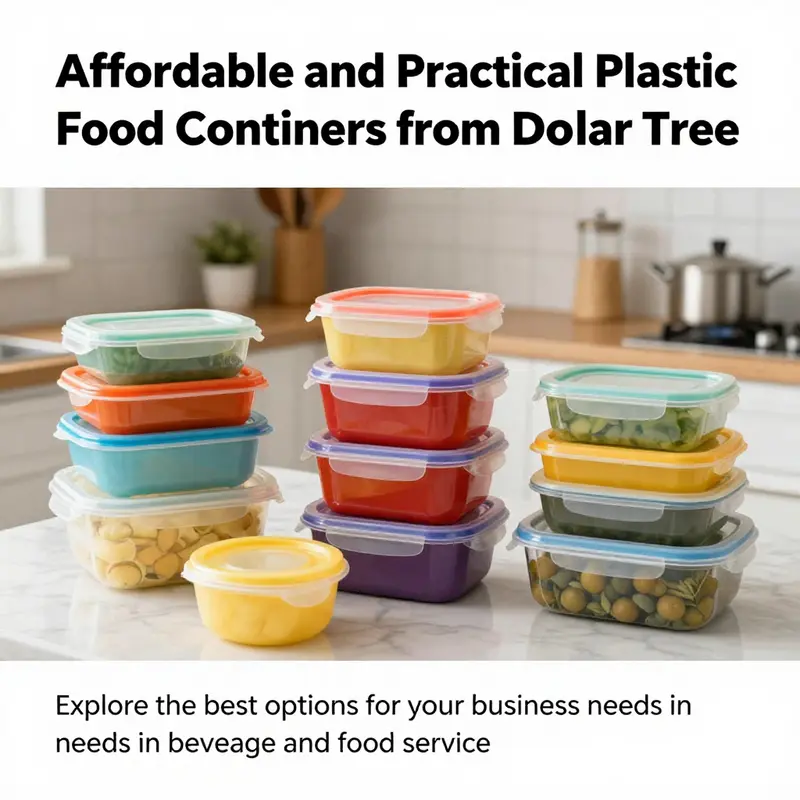
Efficient food storage is not just a matter of convenience; it’s essential for maintaining food quality and ensuring safety. For bubble tea shops, beverage chains, food trucks, catering services, and event planners, choosing the right food storage containers is critical. Dollar Tree offers an array of high-quality, cost-effective plastic food containers designed to meet the diverse requirements of your business. This article will delve into the types of containers available, the safety standards they comply with, and their practical applications, helping you make informed decisions for your operations.
Clear Choices, Tight Budgets: How Dollar Tree Plastic Food Containers Prop Up Organized Kitchens
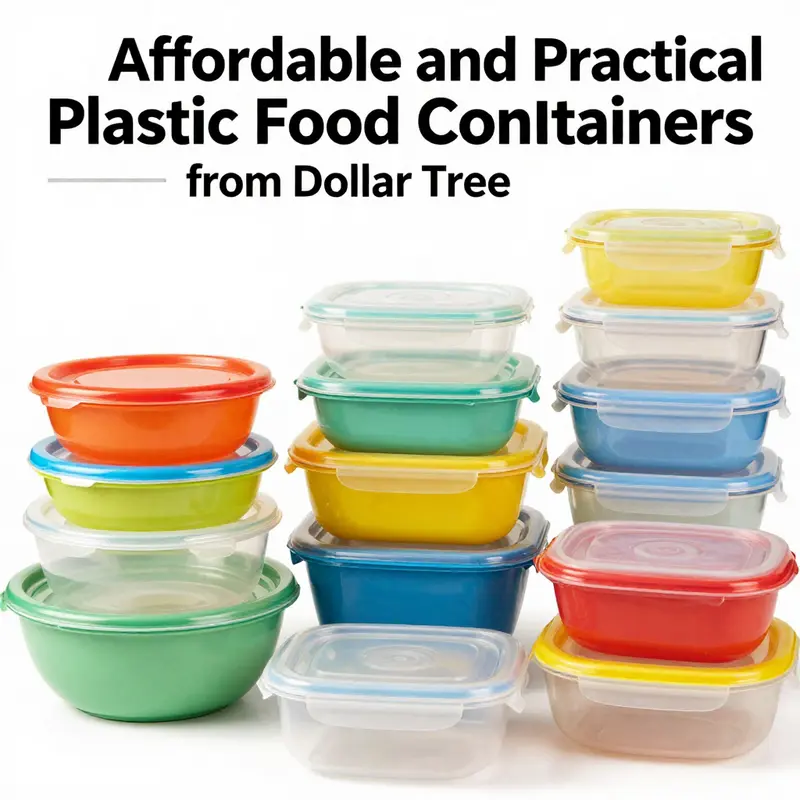
A tidy kitchen often starts with the right container, not the right appliance. In crowded kitchens and compact apartments, buildable organization hinges on simple, reliable tools, and Dollar Tree’s plastic food containers have become a surprisingly sturdy backbone for many homes. The appeal comes not just from a low price, but from a combination of practical design, clear visibility, and adaptable sizing that fits everything from a lone lunch to a week’s worth of meal-prepped ingredients. When you first dip into this shelf of options, you quickly notice how the choices map onto real kitchen needs: a set that stacks neatly on a shelf, an airy box that keeps moisture at bay, and smaller multi-compartment units that corral snacks or sliced produce without scattering. The material at the heart of these products is a familiar ally in kitchen storage—polypropylene, the #5 resin that is widely recognized for its durability and heat resistance. This is not a glamorous materials lecture, but a practical acknowledgment that the containers you choose will see a lot of daily use: hot leftovers reheated in the microwave, frozen vegetables thawing in a week’s schedule, and a dishwasher’s rinse cycle bearing down on the seal and lid. In a world of impulse purchases and constant clutter, Dollar Tree’s plastic storage options offer a predictable balance between cost, performance, and ease of use. The science behind the surface is straightforward: many Dollar Tree containers are crafted from #5 polypropylene, which has a track record for stability under heat and a resistance to deformation when stacked. It is the same polymer found in many food storage applications because it does not warp easily and holds its shape under a workable range of temperatures. The practical implication is simple: you can confidently rehearse leftovers in the microwave, freeze meals for later, and clean the containers in a dishwasher without worrying about the material breaking down or absorbing odors in a way that lingers long after the wash cycle ends. A careful shopper can spot the safety assurances on packaging—labels like BPA-free, microwave-safe, freezer-safe, and dishwasher-safe—that signal the product has been considered for real-world cooking and food storage use. These labels matter because they translate into everyday confidence: you don’t have to guess whether a container is suitable for your reheating routine or whether it will survive repeated freezing without cracking. The interlocking question for many buyers is not only “will this hold up?” but “how will it perform as part of a daily system?” The answer is often found in the little details that Dollar Tree containers tend to emphasize: clear bodies so you can see what’s inside at a glance, airtight seals that slow moisture exchange, and lids that snap into place with a reassuring click. The transparent walls make it easy to see leftovers, pre-portion storage, or spices tucked into a larger pantry bin, a feature that reduces rummaging and waste. When you’re managing a busy kitchen, the ability to quickly identify what you have on hand translates into less time spent opening multiple containers and more time for cooking, snacking, or packing lunches. In many households, the lids themselves are as important as the containers: airtight seals, often with silicone gaskets or secure snap-on designs, keep spills contained and help preserve the freshness of ingredients that might otherwise lose their crunch or moisture. This is not just about keeping a sauce from leaking onto a shelf; it is about turning a cluttered cabinet into a system that can be navigated quickly on a weekday morning. The design philosophy behind these products centers on accessibility and practicality. The lid-and-container pairing is designed to be foolproof enough for casual home cooks yet robust enough to handle repeated use for months. The seal, the snap, the clear plastic, and the stackability all work together to create a modular approach to storage. You can place a stack of rectangular or square bins side by side on a shelf or in a pantry, while using the smaller, compartmentalized units to separate snacks, nuts, or fruit slices. The compact, square shapes often maximize shelf area because they sit flush against each other, allowing you to exploit every inch of vertical space. If you’re reorganizing with the aim of freeing up cabinet real estate, these elements matter: the stackable design reduces the footprint of your storage and the clear bodies reduce the cognitive load of deciding what’s inside. The materials and the seals also matter in the long run. The polypropylene composition is chosen in part for its stability and its resistance to cracking after repeated exposure to cold or heat. This translates to a lower probability of brittle breaks in the freezer or after extended storage in a fridge. It also means fewer worries about the container becoming deformed in a hot dishwasher cycle. The safety labeling—BPA-free, plus references to microwave and dishwasher safety—serves a practical function for households that want to avoid uncertain chemical exposures while preserving institutional confidence in food-grade use. Read the label, as with any food storage product. The FDA standards for food contact materials are the quiet guardrails behind these everyday items, and while the Dollar Tree line often emphasizes economy, the packaging frequently foregrounds the safety assurances that matter when you’re storing leftovers or prepped meals. A powerful part of the story is how these containers fit into a broader approach to kitchen organization. In addition to the mainline containers, Dollar Tree also offers simple plastic baskets with handles, which function as portable organizers for pantry items, produce, or small kitchen tools. These baskets don’t store food blocks the way a sealed container does, but they create a flexible, easy-to-reach layer within a cabinet or on a pantry shelf. They’re especially useful for grouping items by category—snacks, snack bars, or tea and coffee supplies—and they make it easier to move groups of items with a single hand. The addition of natural fiber woven baskets at a price point around a dollar more or less expands the design palette without adding a heavy burden to the budget. These woven pieces bring a soft, decorative touch to storage setups, which matters in spaces where aesthetics and function share the same stage. They can hold not only food items but smaller kitchen accessories, and they offer a way to differentiate storage zones in a way that simple plastic bins cannot. If you’re balancing form and function, this mix of materials provides a pathway to a kitchen that feels organized and approachable without sacrificing practicality. The broader lesson from this approach is clear: you don’t need an expensive, specialized system to gain meaningful control over a kitchen. A handful of well-chosen plastic containers, complemented by a couple of baskets, can transform a chaotic cabinet into a space where leftovers are clearly labeled and accessible. The decision points come down to a few practical checks, and they matter because the difference between a container that becomes part of a repeatable routine and one that sits idle is usually the level of confidence you have in its performance. Look for containers with lids that close reliably and stay closed during transport or drawer slides. Check that the seals are intact and that gaskets aren’t cracked or discolored from heat exposure. Consider the variety of sizes you’ll actually use. In a compact kitchen, you’ll likely lean toward a mix of medium and small containers for leftovers, plus a few larger ones for bulk storage of dry goods like pasta, rice, or beans. The goal is a cohesive system: every container should be able to stack neatly with others of similar height, with clear labeling or a simple, consistent categorization that makes sense to you. The practical payoff is not merely tidiness; it is energy saved each time you cook or pack lunch. If your morning routine includes packing a lunch for a child or yourself, you’ll appreciate the convenience of compartments that keep foods separate and prevent cross-flavor transfer. A compartmentalized container, designed with several sections, can hold cheese slices, fruit, and crackers without the need for multiple small plastic bags. For those who like to stitch a daily meal-prep routine into their week, these multi-section containers offer a straightforward method to portion protein, starch, and vegetables in one hold. When you see a product labeled as microwave-safe or freezer-safe, you’re glimpsing a promise about its endurance during real-world use. If a container carries a dishwasher-safe label, you can expect it to tolerate repeated cleanings. The safety chatter on packaging is not just about compliance; it is about a lived experience—a user who can reheat leftovers in minutes, store portions for later, and clean up quickly with minimal fuss. Yet even with clear advantages, it’s wise to approach any budget line with a few critical habits. First, inspect before you buy. Hold the container up to the light and look for cracks or warping around the lid. Wiggle the lid to ensure a snug seal without excessive resistance. Check the gasket if one is present; silicone gaskets are common and offer reliable seals, but they can tear or deform after repeated use. Second, ensure you’re not relying on a single container for all your tasks. A mix of shapes and sizes—rectangular, square, and round—lets you tailor your storage to your actual food items. Long, slim containers fit odd-shaped leftovers, while square or rectangular bins tend to maximize shelf real estate. Third, think about the end of the line: how will you know what’s inside? The easiest method is a simple labeling habit—date the storage, list its contents, or use a permanent marker on the lid. The more you label, the less you guess, and the less you end up tossing because you forgot what’s inside. This is where a small but meaningful design detail matters: the transparent body. It’s not purely cosmetic; it reduces the cognitive load that comes with guessing what’s behind a closed lid. When you’re juggling a busy kitchen, being able to glance and identify what’s inside saves minutes that compound into meaningful time saved over weeks. The conversation about plastic storage at a price point like Dollar Tree often touches on how far your dollar can stretch without sacrificing essential functionality. The answer is not just about the number of containers in a box; it’s about how they fit into your daily life, how they support you in planning meals, and how they survive the rhythm of a week’s routine. It’s also about choice—the realization that you can mix and match items from the Dollar Tree lineup with other storage options to craft a system that suits you. If you’re curious about packaging ecosystems beyond the kitchen, there are related options that share the same spirit of affordable, practical design. For a broader view of packaging that balances usefulness and style, consider exploring eco-friendly takeout boxes for food packaging, a category that shows how well-crafted, efficient containers can perform across contexts. eco-friendly takeout boxes for food packaging This link points to a resource that expands the conversation beyond rigid, rigidly defined plastic storage and into the wider world of containers that make handling and transporting food easier, cleaner, and more organized. The thread tying these ideas together is a simple one: good organization is about reliable tools, clear thinking, and the confidence that comes from knowing your containers will perform when you need them most. Dollar Tree’s plastic storage offerings deliver a straightforward toolkit for households looking to reclaim pantry space, streamline meal-prep, and reduce waste through accessible, repeatable storage solutions.
Guardrails of Freshness: Safety, Quality, and Trust in Budget Plastic Food Containers
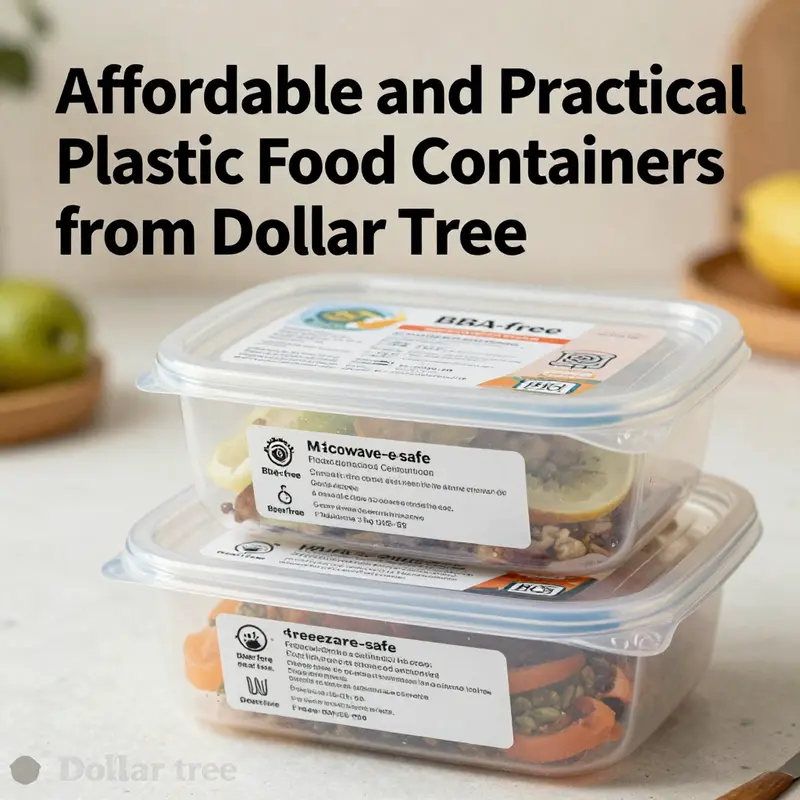
A choice as humble as a plastic food container can quietly shape the everyday routines of a kitchen. In the world of affordable, mass-market storage, the question is not just whether a container keeps leftovers neatly contained, but whether it preserves freshness without inviting unwanted chemicals into the meal. When shoppers scan shelves at a discount retailer for the right plastic containers, they are navigating a landscape that blends practicality with safety considerations that are sometimes easy to overlook. The chapter that follows probes that landscape with care. It situates the practical benefits—clear visibility, stackability, air-tight lids, and budget-friendly pricing—within a framework of safety standards and real-world usage. The goal is not to demonize or to cynically trust every claim, but to cultivate a measured diligence that helps households maximize food quality while minimizing risk. In doing so, the narrative also resonates with a wider trend: the way millions of households balance frugality, convenience, and health when choosing everyday packaging for food.
At the core of any discussion about plastic food containers is the language of safety that manufacturers, retailers, and regulatory bodies use to communicate with consumers. Labels such as “food safe,” “BPA-free,” and “microwave-safe” are more than marketing slogans. They signal that certain tests have been conducted to gauge how a given plastic behaves in contact with food, how it tolerates heat, and how it withstands repeated use and cleaning. In the budget category—where price points are lower and sourcing may shift from batch to batch—labels are especially important. A container may be advertised as microwave or dishwasher safe, yet the conditions under which those claims hold true can differ. A microwave-safe claim often presumes a steady-state heating scenario with typical household power, and it may not fully account for high-fat, high-acid, or long-duration heating. A dishwasher-safe label assumes a standard cycle and a typical dishwasher detergent. These nuances matter because the same container can perform very differently under slightly altered conditions. For a household, the practical takeaway is straightforward: read the label carefully, and when in doubt, test with small amounts of food and shorter heating cycles before committing a container to precious leftovers.
The field of safety for food-contact materials is not a single verdict but a spectrum. The containers in question usually rely on polypropylene (often coded #5) or similar materials chosen for heat resistance, chemical stability, and rigidity. Polypropylene is valued for its balance of clarity, resilience, and a relatively favorable safety profile when used within its recommended limits. However, the specific resin, additive package, and the integrity of the seal are all variables that can influence safety. In practice, a well-made container with a robust lid and a silicone or gasket seal is more likely to perform as intended—locking in moisture, preventing leaks, and providing a barrier against contamination. In contrast, a damaged lid, a cracked body, or a brittle seal can undermine these benefits and increase the likelihood of spills, odor transfer, or uneven heating. The consumer’s vigilance, therefore, is not merely about trusting a seal on the box but about assessing the container’s condition before each use.
Beyond the material and the lid, the labeling ecosystem surrounding budget containers offers a map of safety expectations. The global and domestic frameworks guiding food-contact materials are designed to prevent harmful substances from migrating into food. In the United States, the Food and Drug Administration (FDA) regulates many aspects of packaging that come into contact with food, setting thresholds and testing expectations that manufacturers must meet. This regulatory backbone means that a container marketed as food-safe or BPA-free has been evaluated against standards intended to ensure that, under typical use, the risk of harmful chemical migration remains within accepted limits. Yet the system also recognizes its own complexities. Not all plastics are created equal, and even within a single material family, performance can vary with heat, acidity, and duration of exposure. A consumer who microwaves a fatty sauce in a container not explicitly designed for high-fat foods, or who stores tomato-based sauces for extended periods, may encounter different outcomes than those who follow the label precisely. In other words, safety labels provide a baseline of assurance, but they do not transform a generic plastic into a universal, all-purpose cooking tool.
One practical implication of this nuanced landscape is that safety is best approached as a habit rather than a checkbox. Before purchasing, it is wise to inspect the container for any visible signs of wear or defect. A cloudy window, a seam that looks slightly discolored, or a lid that doesn’t snap shut tightly can be early warning signs that the product may not hold up under repeated use. After purchase, the habit continues with mindful usage. Containers labeled as microwave-safe should not be used for high-heat tasks that exceed the manufacturer’s guidance. When heating, it is prudent to use short intervals and to stir or rotate food to ensure even heating. For acidic or high-temperature foods, it is worth testing a small amount first or choosing a container that explicitly notes compatibility with such foods. These practices reflect a broader objective: to minimize the risk of chemical leaching and to prolong both the container’s life and the quality of the food it holds.
Label literacy, meanwhile, remains a central theme in safe containment. The consumer should look for explicit indications of suitability for food contact, as well as any warnings about heating, oil content, or specific use cases. A container may declare itself as “BPA-free,” signaling that Bisphenol A—a chemical once commonly used in certain plastics—has not been used in the resin formulation. While BPA-free is a positive signal, it is not a universal guarantor of safety, because other bisphenols or additives can play a similar role in migration concerns. Moreover, some plastics that are BPA-free may still release other substances if heated or degraded. The labeling ecosystem is, in effect, a language with caveats. The best approach is to treat every claim as a starting point for verification rather than as a closed verdict. When possible, verify compatibility with the specific conditions you intend to apply: microwave heating, dishwasher cycles, freezing, and the duration of storage.
Another layer of safety concerns how retailers manage quality control across regional shelves. A discount retailer’s sourcing practices can lead to variations from one store to another, reflecting differences in supplier batches, warehouse handling, and stocking cycles. The implication for consumers is practical: if you rely on budget containers for daily meal prep, it is wise to check every batch you purchase, particularly if you intend to heat or store high volumes of food. Damaged or discolored containers are best set aside, not simply because of aesthetics but because surface flaws can harbor micro-crevices where bacteria may linger or where the integrity of the seal can be compromised. A simple mental checklist—inspect the seal, inspect the body for cracks, confirm labeling, and assess the lid’s fit—can go a long way toward preserving food safety over time.
From a consumer education perspective, one takeaway is that safety is a moving target shaped by new testing, evolving guidelines, and the practical realities of everyday kitchen use. Official guidance on food-contact materials is accessible, and it provides a baseline against which retail products can be evaluated. For most households, the practical path is to start with containers that clearly designate food safety and to apply a set of routine practices that minimize risk. These practices include avoiding heating food in damaged containers, avoiding prolonged storage of highly acidic or oily foods in containers not rated for such use, and rotating containers to distribute wear evenly across the kitchen inventory. In effect, the consumer becomes an active steward of both food quality and packaging longevity, reinforcing the idea that safe storage is a shared responsibility among manufacturers, retailers, and end users.
To connect these ideas to real-world choice without getting lost in product names, consider the broad spectrum of packaging solutions that populate kitchens today. The chassis of a budget container—clear, stackable, and seal-tight—offers a foundation for preserving texture, aroma, and color. Yet the true performance emerges when the container is used within its designed limits and when consumers remain vigilant about labeling, condition, and usage. The pathway from purchase to plate is not a single leap but a sequence of decisions: choose containers with explicit food-safety labeling; verify the suitability for the intended heating or storage conditions; inspect for damage before use; and follow best practices for cleaning and re-use. In this sequence, the cheap option can still align with high safety if approached with informed care.
For readers seeking a tangible example of packaging material in action beyond the home pantry, a representative example of eco-friendly and practical design exists in the broader packaging ecosystem. A widely accessible example is found in takeout and home-packaging formats that emphasize leak resistance, microwave compatibility, and ease of reuse. An illustrative reference is a category page on eco-friendly takeout boxes that showcases containers designed for durability and practicality in daily life. This example helps bridge the gap between consumer experiences on store shelves and the larger conversation about sustainability and safety in packaging materials. eco-friendly takeout boxes for food packaging serves as a concrete touchpoint for readers who want to explore how design choices intersect with safety considerations in real-world contexts, even when the specific products differ from what appears on the shelves of a discount retailer.
In sum, safety and quality standards for budget plastic food containers hinge on a blend of clear labeling, regulatory oversight, thoughtful material selection, and disciplined consumer habits. The goal is not to produce a sterile world where every container is perfect but to cultivate a culture of informed use. With careful reading of labels, attention to container integrity, and mindful handling during heating and storage, households can confidently leverage affordable storage options without compromising food safety. The economic appeal of budget containers is still meaningful when matched with a pragmatic approach to safety, one that recognizes both the guarantees offered by regulatory frameworks and the realities of everyday kitchen life. The dynamic between cost, convenience, and care remains at the heart of this topic, inviting readers to adopt a posture of curiosity and verification rather than passive acceptance.
External resource for further reading on safety guidelines: https://www.fda.gov/food/food-contact-materials
null
null
Final thoughts
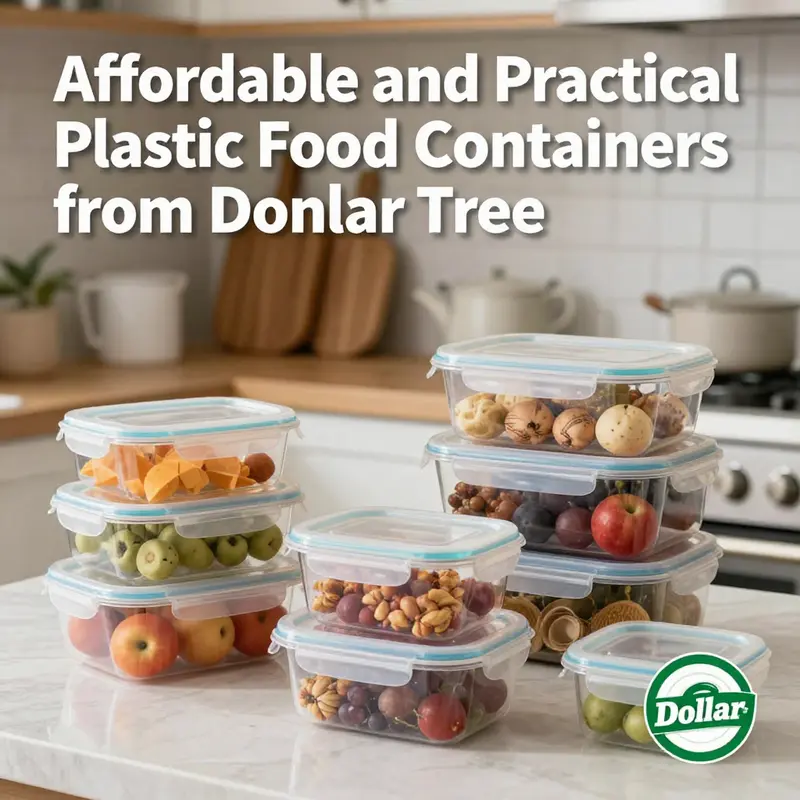
In summary, Dollar Tree provides a wide array of affordable and practical plastic food containers that are an excellent choice for businesses in the food and beverage sector. With a range of types, adherence to safety standards, and versatile applications, these containers can significantly enhance your operational efficiency. By choosing the right containers, you can improve organization, reduce waste, and maintain the quality of your offerings, ensuring customer satisfaction and safety.