
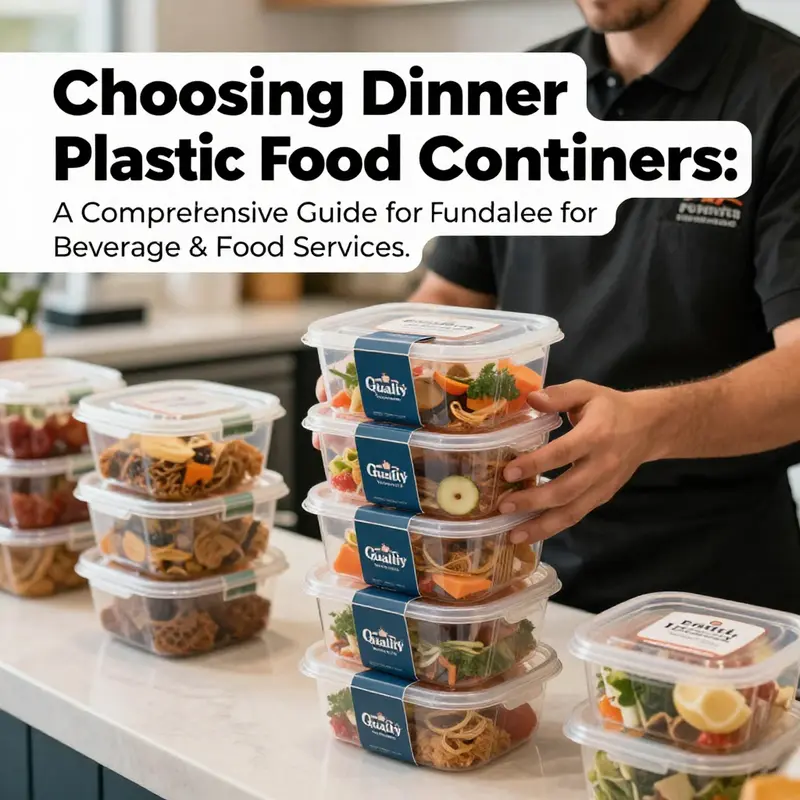
In the vibrant landscape of food service, the right packaging can enhance customer experience and ensure food safety. Selecting suitable dinner plastic food containers is crucial for beverage chains, restaurants, food trucks, and catering services. The materials used, their functionality, and compliance with safety regulations all play a key role in optimizing service efficiency and customer satisfaction. This article will delve into the essential aspects of material safety, functional design, purchasing tips, and summarization of key takeaways, equipping you with the knowledge to make informed decisions for your food-related business.
Materials That Matter: Choosing Safe Dinner Plastic Containers for Everyday Dining
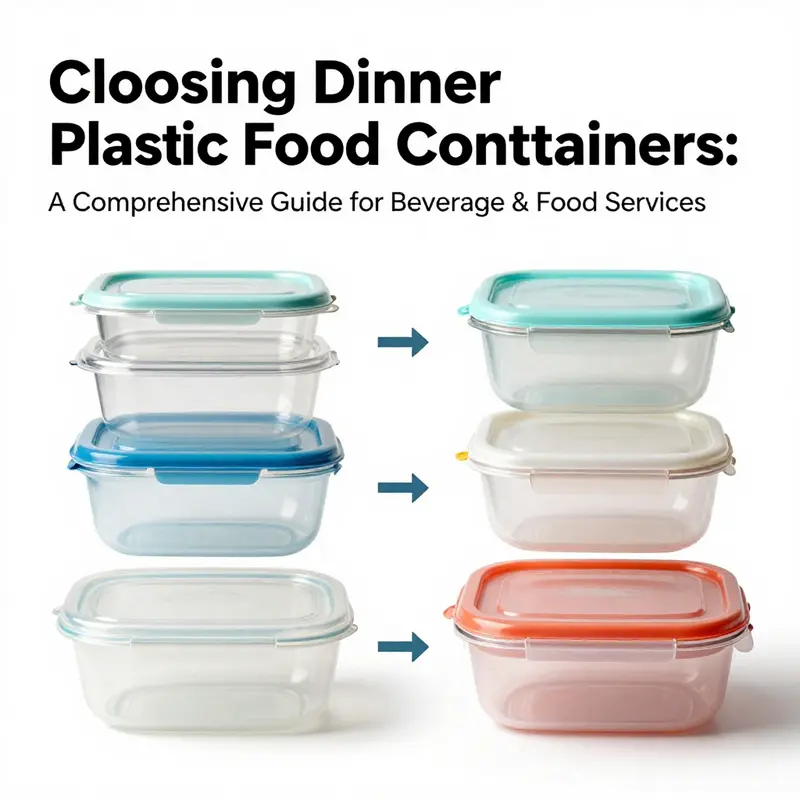
Choosing a dinner plastic container is rarely just about convenience. It is a decision about what touches our food, how heat and acidity interact with that material, and how we sustain health in the rhythm of daily meals. In kitchens around the world, the container layer between plate and pantry is more than a vessel; it is a mediator of safety, flavor, and even the pace of our routines. In recent years, as studies and regulatory updates converge, the path to safer options has crystalized around a few core ideas. The conversation shifts from a broad preference for plastic to a precise, material-driven framework. When we talk about dinner containers, the first question is not what looks nice or what is cheapest, but what material is truly fit for contact with hot, seasoned, or acidic foods over repeated uses. This is where understanding safety markers, heat tolerance, and everyday durability becomes essential for any family, worker, or student who relies on containers to store, transport, and reheat meals. The language of safety is not mysterious: it is a set of tangible signals that can guide a practical choice without turning dinner into a laboratory risk. In this sense, a dinner container is a small but meaningful checkpoint in the larger project of mindful consumption and health protection.
Among the various plastics used in food storage, one material stands out for its combination of stability, heat resistance, and broad acceptance: polypropylene, commonly labeled as PP and, in the municipal recycling code, represented by the number five. Within the triangle that marks a plastic’s recyclability, the number five signals a resin that science and regulation have found generally compatible with food contact for a wide range of temperatures. The most compelling reason to favor PP is its robust performance under heat. PP containers can usually withstand temperatures well above the simmering point of many dinners, which means they can hold hot soup, stew, or curry without softening or leaching under expected household use. The typical heating range for PP is up to and beyond 100 degrees Celsius, with many products specifically designed to tolerate higher temperatures during microwave reheating. This thermal resilience is not a mere technical note; it translates into practical confidence for people who use containers for prep and reheating in everyday life.
A careful look at safety labeling reinforces why PP is frequently recommended. The bottom of the container often carries a clear 05 inside the recycling triangle, a straightforward cue that the material is PP. Equally important is the shift toward BPA-free labeling. For consumers, seeing a BPA-Free claim on PP containers has become a trusted signal that the risk associated with this particular chemical has been addressed for typical consumer use. This is not a one-off assurance but the fruit of regulatory attention and industry standards that have evolved to align with health guidelines. When containers are paired with proper lids and seals, PP’s chemical stability supports a broader goal: keeping food flavors intact and reducing the likelihood of unwanted interactions between food and packaging. Modern PP containers are also designed with food-grade certification in mind, often aligning with national standards that govern the materials used for contact with food.
Of course, no discussion of dinner containers is complete without considering alternatives and the cautions that come with them. HDPE, another widely used plastic, offers strong chemical resistance and UV stability but comes with a caveat: it is typically not recommended for microwaving or for long-term hot-food storage. It can be a reliable choice for cold storage or for dry goods, yet its performance under repeated heating is not as consistently favorable as PP. Other materials frequently appear on lists of materials to avoid for hot food contact. PVC (the 3 in the recycling code) can release plasticizers under certain conditions, raising concerns about endocrine disruption when used in contact with food. Polystyrene (PS, the 6) is common in cold beverage cups and some deli boxes but carries a higher risk of releasing residual styrene monomer when heated. Polycarbonate (PC, the 7) used to be popular for transparent cups and bottles, but concerns about BPA prompted widespread reformulations and a cautious approach to long-term use. Even polyethylene (PE, the 2)—ubiquitous in bags and wraps—presents challenges when repurposed as a long-term hot-food container; it is not designed for high-heat exposure and can be difficult to sanitize thoroughly across repeated uses. The overarching message is simple: when the goal is safe, versatile dinner storage, material identity matters as much as design.
Beyond raw materials, the design and construction of a dinner container influence safety and enjoyment in daily meals. A modern PP container often embraces a multi-compartment design, offering separation of staples like grains, proteins, and vegetables. This layout helps preserve the integrity of different foods and supports balanced meals, but it also raises questions about lid integrity and seal quality. A well-sealed lid that fits snugly minimizes exposure to air, slows oxidation, and extends the perceived freshness of leftovers. Yet, durability matters too. Inexpensive, lightweight containers may begin life with a tight seal, only for repeated cycles of washing and microwaving to wear down the structure. The result is not just a cosmetic issue like a loose lid, but a functional risk: increased air ingress, moisture loss, and a greater opportunity for microbial growth in the seams. For those who value both performance and responsibility, there is growing interest in hybrid materials that combine the resilience of PP with biodegradable components such as PLA blends that can improve end-of-life outcomes without compromising safety. These formulations aim to deliver the best of both worlds: a container that performs reliably during use, and that offers a more sustainable path after it has served its purpose.
From a consumer’s perspective, buying decisions benefit from a careful alignment of safety standards with practical needs. The safest path starts with choosing a container that clearly indicates its suitability for food contact and heat. Regulatory and standards bodies have emphasized that only certified, BPA-free PP containers should be considered appropriate for hot meals and microwave reheating. In many markets, this aligns with specific national standards that stipulate the materials’ compliance with food contact safety and the absence of harmful additives under typical usage conditions. When shopping, it is prudent to verify both the material marking and the accompanying assurances of food-grade safety. The goal is not to chase the latest trend but to secure a container that remains safe across multiple cycles of use, washing, and reheating. To this end, avoiding aging or scratched containers is wise; wear and tear can compromise the surface, increasing the potential for chemical migration or harboring bacteria in micro-scratches.
The conversation about safety, then, becomes a practical discipline rather than a theoretical debate. It is about cultivating habits that maximize safety and minimize risk. For instance, it is wise to heat only those containers that are explicitly labeled microwave-safe and to adhere to recommended heating times. Short bursts of heat with lid off can reduce the accumulation of microplastics released during microwave exposure, a concern that researchers keep closer watch on as consumption patterns evolve. The repeated use of high-temperature cycles should be evaluated against the container’s fit and structural integrity. If a container shows discoloration, dulling of the surface, warping, or a new-off odor, it is time to retire it. The most sustainable choice is often to rotate in durable PP pieces designed for reuse, paired with responsible disposal when they reach the end of their life.
All of these considerations intersect with the everyday act of preparing meals, packing leftovers, and choosing what we carry to work, school, or a picnic. Practical design features—such as leak-proof seals, easy-to-clean surfaces, and the ability to withstand dishwasher cycles without losing form—play a crucial role in whether a container is used and reused or relegated to the discard pile. When a family has several boxes ready for different meal types, the habit of selecting the right container for the right food reduces waste and preserves flavor. A well-chosen PP container supports a routine that respects both health and convenience, making it easier to embrace meal-prep practices that keep fresh ingredients appealing rather than intimidating.
For readers curious about packaging choices that go beyond safety and into everyday practicality, this resource highlights a path that blends safety with design-minded efficiency: eco-friendly takeout boxes for food packaging. It offers a concrete example of how a well-considered container system can support both home cooking and on-the-go meals, without forcing a compromise between health and convenience. You can explore this approach here: https://ecocupbowl.com/product/eco-friendly-takeout-boxes-for-food-packaging-stylish-food-containers-safe-microwave-craft-paper-lunch-boxes-leak-grease-resistant/. The emphasis remains on PP’s central role, the clarity of labeling, and the shared aim of reducing risk while simplifying daily life. As the landscape of food-contact materials continues to evolve, the core message endures: prioritize materials that are proven safe for repeated heating, verify the markings that certify food-grade status, and design your kitchen around calm confidence rather than reactive worry.
In the end, the safest, most practical choice for dinner containers comes down to a straightforward rule of thumb. Look for the polypropylene label, confirm BPA-free status, and ensure the product carries clear food-grade certification appropriate for your region. Favor containers with robust seals and smooth interiors that are easy to clean, and lean toward reusable designs that invite ongoing use rather than quick disposal. When you combine these considerations with mindful heating practices and attentive wear checks, you create a kitchen routine that honors health, taste, and the environment in equal measure. The result is not only safer meals but a more resilient, efficient approach to how we store and reheat dinner every evening. To keep pace with ongoing developments, consider consulting up-to-date guides that summarize material choices, regulatory expectations, and best practices for safe food storage in the home.
External reference for further reading: https://www.plasticstoday.com/understanding-food-container-plastics-complete-guide
null
null
Choosing Dinner Plastic Containers: Safe Materials, Smart Designs, and Real-World Buying Habits
Selecting dinner plastic containers goes beyond aesthetics or convenience. It is a decision point where material science, design practicality, and everyday use intersect to influence flavor, safety, and even environmental impact. In a world where meals move from home to office to takeout boxes, the container you choose can become a quiet gatekeeper of health. The most effective choices start with a clear understanding of what the container is made of, how it behaves under heat and acidity, and how well it can stand up to repeated use and washing. Recent guidance and industry reports underscore that safety hinges not on a single feature but on a combination: the material’s chemistry, the lid’s seal, the ease of cleaning, and the confidence that the product carries appropriate food-contact certifications. When these elements align, a dinner container becomes a reliable partner in maintaining the integrity of a meal while reducing waste and avoiding risky chemical migration over time.
From a material perspective, the field has a clear favorite for food storage and heating: polypropylene, known as PP or 5号塑料. PP stands out for its high heat tolerance, chemical stability, and broad approval for food contact. It often carries BPA-free labeling, a signal that its manufacturers have taken steps to avoid the most scrutinized chemical concerns associated with plastics. The literature also recognizes HDPE, or 2号塑料, as a sturdy option with strong chemical resistance, though it is less commonly approved for repeated microwaving or long thermal exposure. In parallel, there is a constant warning against certain plastics, especially PVC (3号) and PC (7号), due to the potential migration of harmful substances under particular conditions. This triage of materials reflects a broader industry consensus, as summarized in recent guides that emphasize PP as the safest, most widely adopted choice for food storage and reheating. The takeaway for shoppers is straightforward: prioritize containers made of BPA-free PP and confirm the intended use for heat and microwave scenarios before filling them with hot or acidic foods.
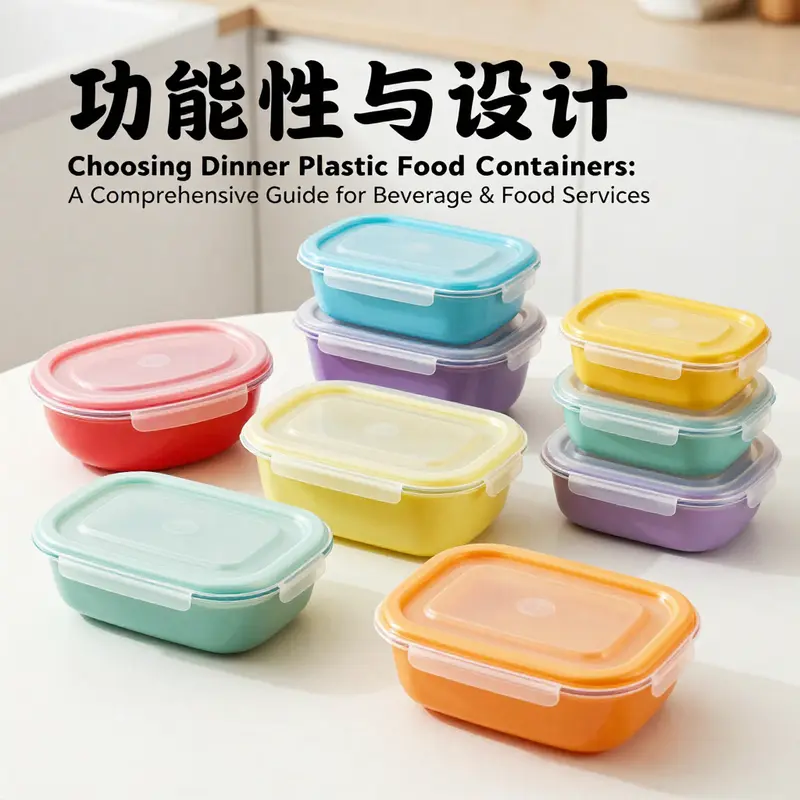
The design and functionality of dinner containers matter almost as much as their material. Modern containers increasingly feature multiple compartments to keep staples separate—think a four-compartment lunchbox that maintains the integrity of grains, proteins, and vegetables. Beyond aesthetics, such configurations help preserve flavors and preserve nutrition by reducing cross-contact between foods with different moisture or fat content. A robust seal is another critical feature. A well-fitting lid that locks in place and resists air ingress slows oxidation, helps maintain freshness, and minimizes the transfer of odors. Yet durability remains a real-world challenge. Lower-cost options, when subjected to repeated usage, dishwashing, and exposure to heat, can deform and lose their seal, undermining both safety and convenience. In response, the market has begun to blend traditional plastics with bio-based materials, such as PLA composites, to offer containers that are more friendly to the environment while retaining practical usability. The trade-off, as industry notes remind us, is that the most durable and heat-tolerant designs are not always the most rapidly biodegradable, and not all PLA blends perform equally under microwaves or dishwasher cycles. Consumers should balance durability with eco-credentials, recognizing that “biodegradable” does not automatically translate into easy, at-home composting.
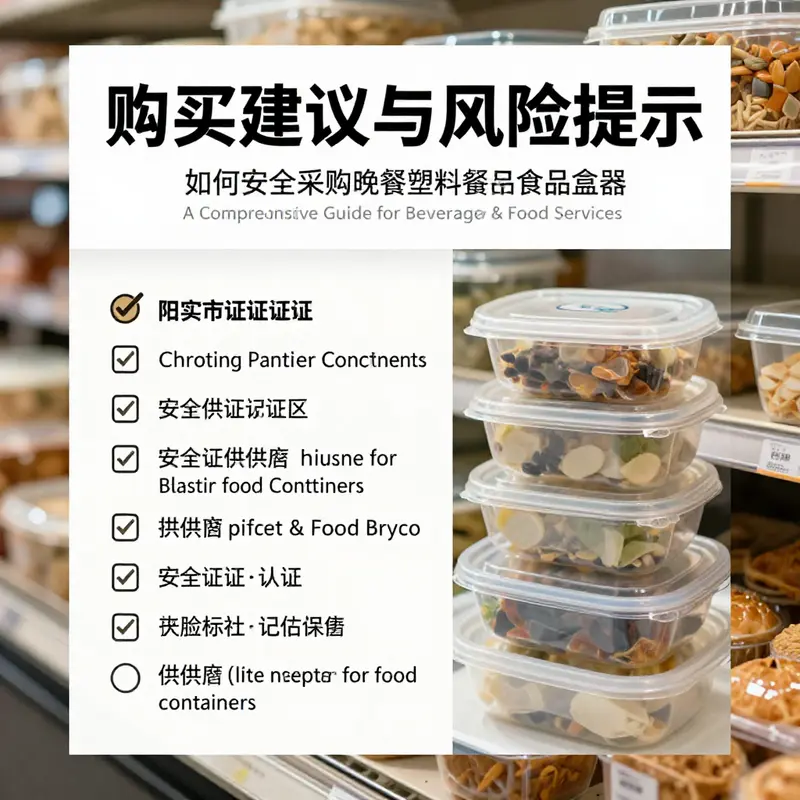
When it comes to choosing what to buy, the buying process itself matters as much as the container, and the labels tell the true story. The safest purchases come from reputable channels—regulated retailers, established supermarkets, or certified suppliers on credible platforms. The labeling you should scrutinize includes a product name, a materials list, the manufacturer and distributor, production date, and any certifications proving compliance with food-contact standards. Pay particular attention to the bottom of the container, where resin codes appear as digits inside chasing arrows. In the familiar system, 1 indicates PET, typically intended for single-use cold applications; 3 signals PVC, which should not be used with food due to plasticizer concerns; 6 indicates PS, which is not heat-stable and can release styrene when heated; and 7 represents other or mixed plastics where explicit safety labeling is essential. When a container lacks a clear microwave-safe designation or proof of food-contact suitability, it is wise to err on the side of caution and avoid using it for hot meals or microwave heating. A careful read of the packaging helps identify whether the container is truly BPA-free and appropriate for the intended use, whether it is dishwashable, and whether it can withstand the temperatures involved in reheating.
The purchasing decision should also consider the practical realities of daily life. For many households, a durable, multi-compartment PP container with a secure locking lid represents a practical compromise between keeping foods separate and ensuring transportability. The storage life of meals can be extended by design features that limit air exposure and oxidative processes. However, longevity is contingent on care. Reusing containers that become scratched or stained can harbor microbes and promote chemical migration from interior surfaces, particularly if the material has degraded. This is why many authorities emphasize not reusing labels or products that show yellowing, deep scratches, or visible warping. An over-reliance on low-cost, high-wear containers typically leads to more frequent replacement and greater cumulative risk, not to mention an increased environmental footprint.
In balancing health, convenience, and sustainability, it is useful to imagine a practical decision-making framework. Start with a material standard: select BPA-free PP when possible, with an explicit statement about heat tolerance. Next, assess design quality: does the lid seal firmly, are there useful compartments, and is the surface easy to clean? Then verify labeling: ensure the product is clearly identified as food-contact safe, with a traceable producer and distributor next to the production and expiration dates. If you intend to microwave the container, confirm the explicit “microwave-safe” claim and heed any directions about venting or removing lids during heating. Finally, consider environmental aspects: can you reuse this container many times, or is it intended for compostable or biodegradable disposal after a single or limited use? The most sustainable choice often lies in selecting a reusable PP container that can withstand daily washing and occasional microwaving, rather than a single-use item that contributes more waste.
As a tangible illustration of practical choices, consider options that combine safety with flexible use. Some multi-compartment boxes incorporate a locking mechanism that minimizes leaks during transit, a feature appreciated by office workers and students alike. Others explore hybrid materials that pair a PP core with biobased layers to reduce environmental impact while preserving heat resistance. While these developments are encouraging, the core guidance remains stable: prioritize clearly labeled, food-contact safe materials; favor heat-tolerant, BPA-free PP; avoid 3, 6, or 7 codes without explicit safety confirmation; and be mindful of heat exposure in non-microwave-safe containers. The cumulative effect of careful selection, proper use, and attentive maintenance reduces health risks, preserves food quality, and supports a more sustainable habit of meal storage and transport.
For readers exploring concrete purchasing paths, one practical route is to explore options that emphasize safety and reusability within a coherent design philosophy. A representative example in the market is a multi-compartment, seal-enabled container designed for repeat use and easy cleaning. It demonstrates how thoughtful design can translate safety standards into everyday convenience. If you want to see a real-world product example along these lines, you can refer to eco-friendly packaging options described here: eco-friendly disposable 3-compartment packaging box. This link illustrates how the marketplace is integrating safety with practical features, while offering insights into the kinds of certifications and labeling that help a consumer make an informed choice.
In the end, the best practice is straightforward: read the label, choose clearly marked, heat-appropriate materials, and weigh durability against environmental considerations. This approach aligns with broader safety standards and reflects a growing industry awareness that what we put into our bodies is inseparable from what we place around them in the form of containers. By adopting these habits, diners can minimize risk, maximize freshness, and choose packaging that supports a healthier, more sustainable dining routine. For readers seeking a broader, standards-focused overview of food-contact plastics and the science behind these materials, a comprehensive external resource offers detailed guidelines and current industry perspectives: https://www.plasticstoday.com/understanding-food-container-plastics-complete-guide
null
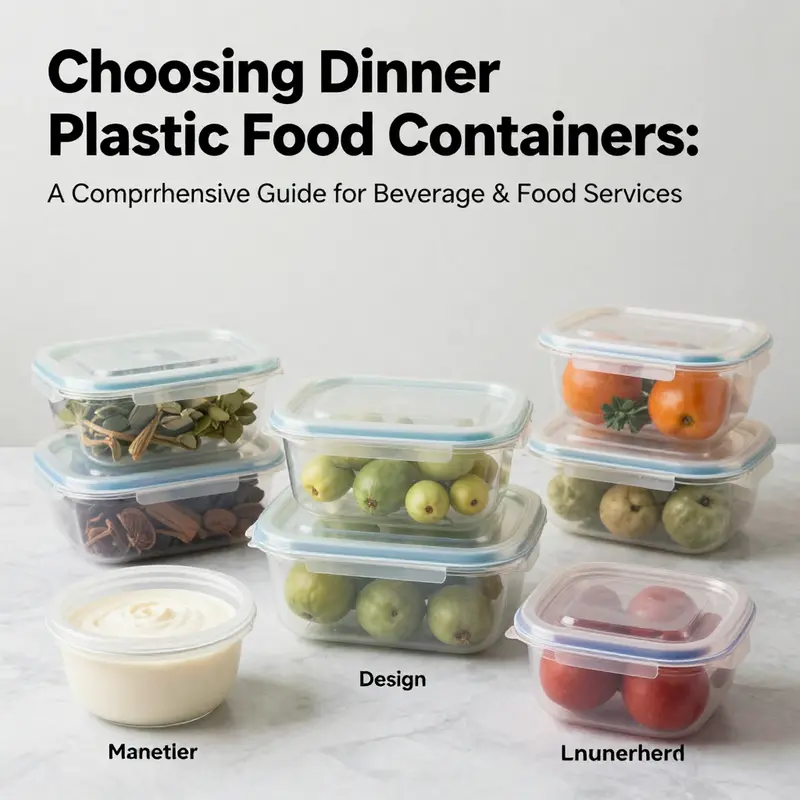
null
Rethinking Dinner Plastics: The Hidden Health Risks of Plastic Containers and the Road to Safer Solutions
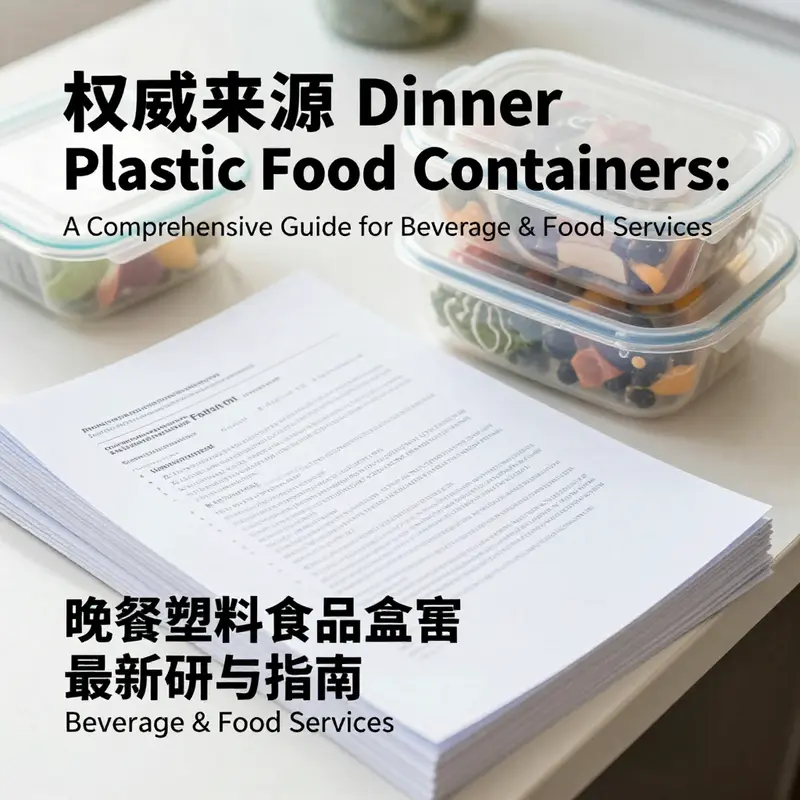
The dinner table has long been a testing ground for convenience and ingenuity, yet the humble plastic container that houses a meal may be doing more work than we acknowledge. When we lift the lid, we are not just unveiling portions of food; we are also exposing them to a material history that began long before the meal was plated. The modern kitchen leans on plastics for their lightness, resilience, and low cost, but behind those practical traits lies a complex web of chemistry, heat dynamics, and consumer behavior that determines how safe a container remains from the moment it is filled to the moment it is eaten. The conversation around dinner plastic containers is no longer about one-off safety warnings. It is about the cumulative safety of daily habits, the realities of industrial standards, and the choices that shape what ends up on the tongue and in the body over time.
Material choice sits at the heart of any sensible discussion. Among the common plastics, polypropylene, or PP, stands out as the most widely recommended material for food storage and reheating. Its high heat tolerance and chemical stability mean it is less prone to leaching under typical kitchen conditions, and many PP products are explicitly labeled BPA-free. This alignment of safety, performance, and practicality has translated into PP becoming a default in both households and the broader food service sector. Other plastics, such as high-density polyethylene, or HDPE, offer resilience against chemicals and light, but their suitability for microwaving or prolonged hot storage is not as robust. Then there are the less favorable materials—PVC and PC—whose potential to release harmful substances under certain conditions has raised persistent concerns. The evolving guidance in professional literature and regulatory advisories increasingly frames PP as the prudent baseline for most dinner needs, especially when heat is involved and the food is not just a simple cold storage scenario. This material narrative matters because it defines safe expectations for shoppers and cooks who want to minimize risk without sacrificing convenience.
Yet the safety profile of plastic containers cannot be discussed in isolation from the heat they endure. Heating is the moment when the chemistry of a container most aggressively interfaces with the food it carries. A study from a team at Ningxia Medical University, published in Science of the Total Environment in 2024, demonstrated that exposing certain disposable boxes to boiling water for as little as 15 minutes can cause substances to migrate from the plastic into the surrounding liquid. In animal models, the extracted liquids produced measurable injury to heart muscle tissue, with signs of cellular damage and inflammatory markers. While extrapolating directly from mice to humans requires caution, the underlying signal is clear: high-temperature contact increases the likelihood that additives or constituents from plastics migrate into food. Other laboratories have reinforced this caution with data on specific monomers and additives. For example, packaging of polystyrene under heat can release styrene monomer at levels many times higher in hot conditions, and styrene has been classified by some agencies as a potential carcinogen. These insights remind us that the safety margin is not universal across plastics or temperature regimes. It also prompts stronger consideration of guidance around heating, especially for takeout meals, ready-to-heat proteins, and high-fat or acidic foods that tend to extract substances more readily.
The everyday rhythm of use further complicates the landscape. A study published in Food Chemistry in 2025 quantified microplastic release from common container materials under routine handling, including washing. The researchers found that even without heating, mechanical action during washing could shed microplastic particles from PS, PP, and PET containers. The situation becomes more nuanced when we pair this baseline release with long refrigeration or freezing. When cold-stored meat is kept in sealed plastic packaging for extended periods, migration of monomers such as styrene can increase, suggesting that cumulative exposure could accumulate over time. The takeaway is not a single dramatic event but a pattern: ordinary actions—washing, refrigerating, reusing—converge to produce a background level of exposure that should concern consumers who pursue long-term health and sustainability.
Market dynamics have amplified both the risk and the opportunity for safer choices. Several categories of packaging have emerged or persisted, and not all of them are aligned with health or environmental goals. The first concern is with foam polystyrene containers, which can release higher levels of styrene when heated and have been flagged by researchers as potential contributors to microplastic load in the body. The second concern involves seemingly inert “white” paper-based containers that may use fluorescent whitening agents to look pristine; these additives can migrate with heat and pose their own health questions. A third concern centers on biodegradable claims that blend plastics with fillers or rely on processes that still leave untested residues. The consumer landscape thus features a spectrum of possibilities—from durable, reusable PP boxes to ambiguous biodegradable branding—and it requires careful scrutiny of material composition, labeling, and testing standards. It is no longer enough to rely on superficial cleanliness cues or color and gloss; a container must demonstrate a credible read on safe use, especially when hot food is involved.
Regulatory landscapes have begun to respond to the urgency of these concerns. In January 2026, the national regulatory agency introduced a new standard for plastic disposable tableware. The update broadens the scope to include a wider range of products—containers, bowls, cups, and cutlery—while refining performance criteria to address heat resistance, leakage, and mechanical integrity. A key shift is the replacement of “heat resistance” with a more precise “heat tolerance” benchmark, accompanied by more robust testing methods for handling heavy food loads. This means products are now expected to withstand higher temperatures and inconsistent stress without failing, a critical factor for safety in busy homes, cafeterias, and food service operations. The policy move is a necessary signal that standardization can reduce what has often been a fragmented market where misleading labels and inconsistent performance misled consumers. Yet standards alone cannot dispel risk; they must be paired with transparent labeling, verifiable third-party testing, and consumer education.
Against this backdrop, expert voices advocate for a practical, value-based shift toward safer, longer-lasting alternatives. Glass, as a non-porous metal and inert material in many uses, offers compelling advantages: no BPA, no phthalates, and high heat tolerance when properly manufactured and maintained. Food-grade stainless steel presents another compelling case: durable, resistant to corrosion, and suitable for acid-rich or hot foods, provided the product is sourced from reputable manufacturers. Ceramics and stoneware, with proper glazes and coatings free from lead and cadmium, add another dimension of safety for households that prioritize timeless materials and microwavable convenience. The overarching counsel is to eschew heating plastic containers unless the product is explicitly labeled as microwave-safe, and to discard any container that shows damage, discoloration, or warping. Labeling matters here—“BPA-free” alone is not a panacea if a product still contains other harmful additives or degrades under typical household conditions. The recommended path is to favor clearly defined “food-grade” and “microwave-safe” tags, and to cross-check with national or regional standards where available. This is not only about minimizing exposure to a few substances; it is about reducing the total load of uncertain compounds entering daily meals, while also supporting higher standards across manufacturers.
To help navigate this complex terrain, one practical approach is to simplify the decision framework around dinner containers. Start with the material that aligns best with safety and reusability: PP with BPA-free labeling for direct contact with hot foods is a reasonable default for many households. Prioritize containers with tight-sealing lids and thoughtful design that supports easy cleaning and complete drying—features that reduce residual moisture and microbial risk while preserving the integrity of the seal over repeated uses. When possible, extend the lifecycle by embracing non-plastic options for regular meals—glass for hot foods or long-term storage, stainless steel for versatility and resilience, and ceramics for occasional, oven-ready dishes. Keep a watchful eye on the provenance of any so-called “biodegradable” or “compostable” containers; the mix of materials and fillers can obscure real safety and may undermine safe food handling in practical kitchens.
For households seeking safer and more sustainable choices, some brands now offer more than just containers; they offer a philosophy of material stewardship. A representative option available in the market speaks to this broader vision: eco-friendly takeout boxes for food packaging that blend durability with a conscientious approach to heat handling and grease resistance. This kind of packaging models a shift from single-use convenience toward reusable or recyclable design principles, a shift that resonates with the rising consumer demand for safer, cleaner meals without sacrificing convenience. [eco-friendly-takeout-boxes-for-food-packaging-stylish-food-containers-safe-microwave-craft-paper-lunch-boxes-leak-grease-resistant] is an example of how this direction translates into practical choices at the point of purchase, guiding shoppers toward products that carry explicit indicators of safe use, materials, and performance.
The stakes are not merely technical; they are deeply personal. A meal shared with family is also a test of trust: trust that the container that touches the plate will not quietly introduce risk, and trust that daily choices, repeated across meals, will not accumulate harm. The science—emerging from the laboratories that test heat transfer, from the clinics that trace exposure pathways, and from the regulators that set new expectations—tavors caution in the kitchen without renouncing convenience. It also invites a constructive response: invest in safer materials, adopt wiser use practices, and support standards that translate lab findings into everyday protections. That combination—better materials, smarter habits, stronger standards—offers a practical, attainable path forward.
External resource for further exploration: https://www.sciencedirect.com/science/article/pii/S0048969724052675. This study provides a detailed examination of how high-temperature exposure influences chemical migration from plastic packaging into food, underscoring the real-world relevance of the precautionary steps described here. The chapter thus remains anchored in the scientific record while translating that record into actionable guidance for households and communities about what to choose, how to use it, and when to replace it.
Final thoughts
The selection of dinner plastic food containers is integral to the success of your food business. Understanding the safe materials, practical designs, and procurement processes ensures that your service not only complies with health regulations but also enhances customer satisfaction. Prioritizing functionality and safety will streamline your operations and contribute to a positive dining experience. Embrace these insights to make informed choices that align with your business goals.