

Maintaining the aesthetic of clear plastic cups is crucial for any beverage-focused business, especially for bubble tea shops and catering services. Coffee stains can detract from the presentation of your drinks and create a perception of poor cleanliness. Fortunately, several household methods can effectively restore the clarity of your cups without introducing harsh chemicals. The following chapters will guide you through efficient techniques using common ingredients like baking soda, vinegar, and lemon juice, as well as provide valuable safety tips for ensuring the longevity of your plastic products.
Bright Stains, Gentle Solutions: Restoring Clarity to Clear Plastic Cups with a Baking Soda Approach

Coffee stains on clear plastic cups can feel like a stubborn badge of morning rituals, a reminder that even the simplest objects in our daily lives carry a memory of what we’ve consumed. Yet the stains themselves tell a story of tannins and oils that have etched their way into the surface just enough to tint the plastic. The challenge is not simply aesthetic; it’s about restoring the cup’s original clarity without compromising the very material that makes it so convenient. In this chapter we follow a single, reliable thread through the knot of options: baking soda. Its reputation as a kitchen staple extends beyond flavor and deodorizing powers into the realm of safe, effective plastic cleaning. Baking soda is gentle enough for clear plastic yet capable of lifting those coffee tannins when used with the right approach. This method respects the integrity of the cup while delivering real results, turning a discolored vessel back into a transparent, almost-new tool for daily use.
Stains form when the pigments in coffee combine with natural oils and minerals that cling to the microtexture of plastic. Clear cups aren’t perfectly smooth on a microscopic level; their surfaces harbor tiny ridges and pores where residue can settle. Over time, these micro crevices become repositories for heat and liquid, especially when hot beverages are involved. Because plastic is a relatively soft, forgiving material, aggressive cleaners or abrasive tools can scratch and dull its surface, creating micro-scratches that trap more grime and harbor bacteria. This is why a gentle, measured cleaning approach is essential. Baking soda, when used with care, acts as a mild abrasive that can dislodge the offending film without creating new imperfections. It also serves as a deodorizer, which matters because coffee leaves behind a residual aroma that can affect future uses unless addressed.
The practical power of baking soda rests on a simple chemistry and a straightforward routine. The key is to create a thick paste that stays put on vertical surfaces, rather than dissolving away too quickly. A typical ratio is about three parts baking soda to one part water, which yields a paste that clings to stained areas and provides enough abrasion to loosen trapped tannins without scratching the plastic. This consistency matters: too thin and the paste runs off, too runny and it lacks the scrubbing action you need. With that paste in hand, the cleaning becomes less a fight against the stain and more of a careful, patient restoration.
A veteran environmental health scientist, Dr. Lydia Chen, has underscored the practical value of baking soda in household cleaning, noting that it is “one of the most versatile and underrated cleaning agents in the home.” Her perspective underscores something accessible and safe: when used properly, baking soda works across a range of surfaces that people rely on every day. In the context of clear plastic cups, that means a product that won’t degrade the material or release unwanted chemicals into the beverage after a wash. The concept is straightforward, and the results can feel almost transformative. The cup reclaims its transparency, and the user gains a quiet sense of confidence that the tools used to prepare coffee will not undermine the cups’ long-term usefulness.
Begin by assembling the scene: a clean sink or basin, warm water, a soft cloth or sponge, and a small bowl to mix the paste. In a cup or small dish, combine three parts baking soda with one part water until a thick, spreadable paste forms. The warmth of the water helps the paste loosen slightly, but you want to avoid pooling water that can rinse the paste away before you have a chance to work. With the paste ready, glide it onto the stained interior and outer surfaces of the cup as needed, ensuring that every visible coffee residue is coated. The intent is not to scrub with the vigor of a heavy-duty scouring pad but to engage the surface with a gentle circular motion that allows the paste to do its work. Once the paste covers the stains, give the cup a moment to rest. Ten to fifteen minutes—the window identified in practical cleaning guidance—lets the mildly abrasive action of the baking soda begin breaking down the tannins and oils that have embedded themselves in the gloss of the plastic.
During this waiting period, you can reflect on the nature of the stain and the choice of tool. A soft cloth or sponge is the right companion for clear plastic; metal or harsh scrub brushes, even if they promise quicker results, can leave fine scratches that become magnets for future staining. The intention is to maintain the cup’s clarity, not to sacrifice it for the sake of immediate gratification. The circular motion employed during the scrub phase should be gentle and consistent. Work along the stain from the center outward, then rotate the cup to tackle other areas. This approach helps maintain an even finish and reduces the risk of creating new smudges or micro-scratches that could catch light differently and make stains appear again later.
After the resting period, rinse the cup thoroughly with warm water to remove the paste and loosened residue. Warm water helps lift away the softened compounds more effectively than cold water, especially when dealing with oil-based tannins. As you rinse, take note of the surface’s clarity. Is the stain fading or nearly gone? If you still detect a stubborn hint of discoloration, you can reapply a fresh layer of paste and repeat the process. In many cases, a single round is enough to restore a clear tone, while in others, a second, gentler round can bring the cup back to near-new transparency. The key is patience and a careful hand; forcing a rapid, aggressive clean can cause micro-scratches that outlast the stain itself.
As the rinse settles and the cup dries, you’ve already moved beyond a mere cosmetic fix. The baking soda method touches on a larger idea: the kitchen is a workshop of small, deliberate actions that cumulatively protect the things we reuse and value. Clear plastic cups are a good example. They’re designed for convenience, but their cost is often the attention they demand after use. Returning them to their original clarity without resorting to harsher chemicals is a small but meaningful win for daily routine. When you’re ready to inspect the results, a quick wipe with a clean towel will reveal whether the interior surface has regained its transparency. If you still notice a faint fog or tint, consider repeating the paste treatment once more. Persistence, when paired with a gentle touch, can yield the best long-term outcome without compromising the plastic’s integrity.
The beauty of this approach is not only in its effectiveness but also in its approach to safety and reuse. Baking soda is non-toxic and widely regarded as safe for household surfaces when used as directed. Plastic, while resilient, can gradually become less clear if exposed to aggressive cleaning agents or abrasive tools. The layered wisdom of using a mild abrasive, coupled with a careful rinsing regime, ensures you preserve the cup’s optical clarity while removing the stubborn coffee film. And because the paste is removable with water, there is little risk of residue that could alter taste or color in future uses. In short, you regain the cup’s original purpose with minimal intrusion into the material’s integrity.
If you’re looking to broaden your repertoire beyond baking soda, you’ll find that other natural acidity-based methods—such as lemon juice or white vinegar—offer similar stain-lifting properties. These can be particularly useful if you happen to run out of baking soda. However, the baking soda route provides a balance of safety, accessibility, and predictability that makes it a reliable default choice for clear plastic cups. You can imagine it as a first-aid approach for plastics that have seen too many coffee mornings. It speaks to a philosophy of careful maintenance: a small, routine intervention can preserve the life and appearance of a reusable cup, which in turn reinforces thoughtful consumption and reduced waste.
As you consider the everyday tasks of cleaning, it’s helpful to keep a few safety reminders in mind. Do not mix bleach with any plastic surface; bleach can degrade plastics and alter their clarity, and it can also create dangerous fumes. Avoid metal scrubbers or high-roughness tools that risk scratching the surface. These scratches are not merely cosmetic; they create micro-niches where stains can lodge more easily in the future. Finally, always rinse thoroughly. Any cleaning agent left behind—whether baking soda paste or vinegar solution—can interact with liquids you pour into the cup later. A thorough rinse means peace of mind that you’re not transferring cleaning residues into your next coffee experience.
Consider anchoring this practice in a simple, repeatable routine. When coffee is poured and the cup is emptied, a quick pre-rinse with warm water helps to loosen the surface oils. If you’ll be using the cup again soon, a light rinse and a quick wipe can help prevent the tannins from setting in. If the stain is already present when you notice it, treat it promptly. The longer a stain sits, the deeper it can become embedded in the microtexture of the plastic, and the more challenging it may be to remove. The baking soda paste method thrives on immediacy and gentleness, delivering results without forcing the material into a confrontation it cannot win. In this way, it becomes not only a practical cleaning technique but a small act of stewardship for the tools that support daily rituals.
For those who are building a broader routine of kitchenware care, keep in mind that the same paste you apply to a stained cup can be repurposed for other plastic surfaces, such as clamshell containers, lids, or even the interior of water bottles. The surface may differ slightly, but the principle remains: a mild abrasive, properly used, can lift the film without sacrificing the surface. This is the essence of a sustainable cleaning mindset—one that respects the materials you rely on while achieving visible improvement. As you move forward, you might explore variations that still align with safety, such as using a soft brush to reach crevices or adding a touch more water to create a slightly looser consistency for some curved surfaces. The aim remains the same: restore clarity with a method that is gentle, repeatable, and trusted.
From a practical standpoint, it’s also worth recognizing the emotional payoff of a clean, clear cup. There is a quiet satisfaction in watching coffee stains recede, in seeing light pass through the cup unobstructed, and in knowing you have maintained a reusable item that reduces waste. The satisfaction is not only aesthetic; it is logistical, too. Clean, stain-free cups reduce the risk of old residues affecting taste, and they simplify future cleaning, since a clear surface is easier to inspect for any new buildup. The story of a simple kitchen cleaning ritual is, in truth, the story of careful maintenance that honors the many cups we rely on daily.
If you’re interested in exploring more about household cleaning science and the role of common pantry staples, you can approach this topic with the same spirit of curiosity. Baking soda’s gentle abrasiveness, when paired with water and time, becomes a surprisingly effective combination for a broad range of surfaces that encounter daily wear. The cup in your hand is a small stage on which this science plays out. It’s a reminder that not all stains demand harsh interventions; sometimes a patient, well-considered approach yields the best long-term result. And in a world where convenience often prevails, the lesson of this baking soda method is simple: treat the cup as you would treat any other important item in your kitchen—with care, respect for its material, and a willingness to use a modest tool to restore its former clarity.
In closing, the baking soda method for removing coffee stains from clear plastic cups is more than a cleaning hack. It’s a testament to prudent homemaking—one that values safety, preserves material integrity, and delivers tangible results with minimal effort. The routine is straightforward enough to be adopted by anyone, yet nuanced enough to reward a patient, attentive approach. And because the principle relies on a common household staple rather than a specialized product, it remains accessible to most households, encouraging sustainability alongside cleanliness. The next time you pour a cup of coffee into a clear plastic vessel, you’ll know that a small, gentle paste can help keep that vessel as clear as the moment you first bought it, ready for the memories of many more mornings to come.
Internal link for further reference on cup options: disposable clear plastic cup for parties and picnics.
External resource for broader baking soda cleaning guidance: Healthline baking soda cleaning guide.
Brighten Clear Plastic Cups Again: A Gentle Vinegar-and-Lemon Method for Beating Coffee Stains

A coffee-streaked clear plastic cup can feel like a small, stubborn souvenir of busy mornings. The interior dulls, a stubborn amber halo settles along the sides, and every rinse seems to leave a ghost of yesterday’s brew. Yet the simplest, most reliable fix can come from pantry staples that are as plain as they are effective: vinegar and lemon. The acidity in both ingredients interacts with the tannins that dye the cup’s interior, loosening them from the smooth plastic surface and making room for a thorough rinse. This chapter follows a natural, chemical-light approach to stain removal that respects the integrity of clear plastic while restoring the cup’s transparency. It is not just about cleaning; it is about practicing a small act of care that preserves your everyday tools and keeps them ready for the next refill without harsh scrubbing, scratch marks, or harsh chemicals.
To begin, gather a few ordinary items that most households already keep nearby. You will need white vinegar, a fresh lemon, warm water, a soft sponge or cloth, and a little patience. If a stubborn edge of stain clings stubbornly even after the first soak, a gentle baking soda paste can be kept in reserve as a backup. The emphasis, however, rests on the duet of vinegar and lemon—the duo that works through chemistry rather than brute abrasion. The theory behind this method is straightforward: tannins from coffee are organic compounds that bond with porous surfaces. Acids like acetic acid (in vinegar) and citric acid (in lemon juice) can disrupt these bonds and dissolve the residues that cling to plastic. The result is a cup that looks clearer, with less of that murky tint that betrays a lingering brew.
The process begins with a careful preparation of a cleaning solution that is both potent and safe for most clear plastics. Mix equal parts white vinegar and fresh lemon juice in the cup. If you are cleaning a cup that has a particularly large interior, you can prepare the solution in a separate container and then pour it back into the cup to ensure complete coverage of all stained areas. The equal-ratio approach matters because it balances the sharpness of vinegar with the bright, fruity acidity of lemon, creating a cleaning medium that is strong enough to lift tannin residues but gentle enough not to dull or scratch the plastic’s surface. As you pour in the solution, you should be mindful of any existing labels or markings inside the cup. If the cup has a lid or a straw hole, ensure the solution can circulate freely around all surfaces. The key is to fully submerge the stained region so every particle of discoloration has a chance to release.
Once the cup is filled, you should let the acidic bath work its magic. A soaking period of at least 30 minutes is recommended, with the option to extend to an hour for tougher stains. The waiting period is not wasted time; it allows the acids to migrate into micro-crevices and to mobilize tannin molecules bound to the plastic. During this interval, you can take the opportunity to prepare the rest of your kitchen or to tidy the sink area. The moment the timer ends, retrieve the cup and prepare for a gentle scrub. The aim is to remove the loosened residues without creating new micro-scratches. Use a soft sponge or cloth, and employ light, circular motions along the interior surfaces. Avoid any metal scrubbers or abrasive pads, which can leave fine scratches that trap new stains in the future. These fine scratches can become the new starting points for staining, particularly with beverages like coffee that contain tannins. Scrubbing should be thorough but gentle, focusing on the areas around the bottom and sides where staining tends to cling most tenaciously.
After scrubbing, rinse the cup thoroughly with warm water. A careful rinse helps remove any residual acids that could potentially irritate the skin if touched repeatedly and keeps the cup free from the faint aroma of lemon and vinegar. A good rinse also ensures that the cup is ready for immediate use, should you wish to reuse it right away. If you notice that a faint haze remains after the initial rinse, a second, shorter pass with the same solution can be performed. Often, a second rinse is all that is needed to restore clarity fully. Drying the cup in the air is the final step. The air-dry method allows any remaining moisture to evaporate naturally and prevents water spots that sometimes appear when towels are used aggressively. The result is a clear interior that reflects light more evenly—an indicator that the tannin layer has loosened and receded.
The elegance of this method lies not only in its effectiveness but in its accessibility. Vinegar and lemon juice are non-toxic when used as directed and are widely available. They are also comparatively gentle on plastic when employed in moderate amounts and with reasonable soaking times. This approach minimizes the risk of long-term damage that can accompany harsher chemicals or abrasive scrubbing. For most clear plastic cups, the acid balance described here preserves clarity while removing stubborn residues. That said, plastic is a varied material. Soft or recycled plastics sometimes respond differently to acidic treatments, especially if the manufacturer’s guidelines suggest careful handling. If you are cleaning a cup with any decorative coatings or special finishes, always perform a small test on a hidden area before proceeding with full-scale cleaning. In most cases, however, the vinegar-and-lemon method is safe, efficient, and friendly to the everyday objects we rely on to support our routines.
The method’s success also depends on consistent practice. Stains form when coffee sits in contact with plastic for prolonged periods or when the cup is not washed promptly after use. Immediate rinsing after use helps prevent tannins from bonding to the surface in the first place, and when combined with the lemon-vinegar soak, it creates a robust defense against stubborn staining. If you find yourself cleaning cups on a recurring basis, you might consider alternating between a quick rinse with warm water and a light soap wash for routine maintenance. The dish soap method is another reliable option for regular cleaning, working well for light discoloration and oil residues that accumulate from daily use. The point is not to overcomplicate the process; it is to apply a simple, repeatable method that preserves clarity and keeps cups looking fresh.
To deepen your understanding of natural stain-removal strategies, you can explore broader guidance on how to handle everyday containers with minimal chemical exposure. For instance, you can consult extended discussions on natural stain removal for travel mugs and similar vessels, which shares practical, science-backed approaches that translate well to cups used around the home. This broader perspective helps connect the vinegar-and-lemon technique to a wider repertoire of safe, effective cleaning practices. If you’d like to skim an extended resource while you’re cleaning, the following internal link points to a page that aligns with the spirit of simple, at-home solutions: disposable-clear-plastic-cup-outdoor-picnic-pet-cup-drinking-cup-for-parties-birthdays-weddings-camping-utensils.
As with any cleaning routine, a few safety reminders help keep the process smooth and safe. Do not use bleach on plastic cups; the harsh chemical can degrade the material, causing brittleness, discoloration, and potential chemical leaching over time. Avoid rough scrubbers that can scratch the surface, inviting more rapid staining and bacterial buildup in the scratches. Always rinse thoroughly to remove any residual cleaning agents, and inspect the cup for any signs of wear that might indicate it should be retired from use. The vinegar-lemon approach is gentle, but it remains part of a broader habit of mindful cleaning that prioritizes the cup’s longevity and your health.
If stains persist despite a thorough application of the vinegar-and-lemon method, consider a second, slightly different tactic before reaching for stronger chemicals. A light baking soda paste applied sparingly to the interior after the initial rinse can provide a gentle abrasive lift that further loosens stubborn residues. The baking soda acts as a mild abrasive and a mild alkali, helping to neutralize lingering acids and lifting stubborn particles from micro-scratches. Leave the paste on for a few minutes, then rinse and scrub again with a soft sponge. This approach should be used sparingly and only on cups that tolerate mild abrasion without scratching. The objective remains to restore clarity without compromising the plastic’s integrity.
This chapter is not a universal manual for every plastic material, but it offers a reliable framework for most clear plastic cups you encounter in homes and offices. It emphasizes accessibility, safety, and a respect for the materials that support daily life. It also reinforces a broader philosophy: simple, well-chosen ingredients can solve common problems without resorting to harsh chemicals or excessive physical wear. The method aligns with a careful, practical mindset—test, observe, and adjust as needed according to the cup’s material and finish. In the end, the goal is not to chase perfection through force but to invite clarity back into your cups with a straightforward, repeatable process that you can rely on next week and next month alike.
For readers seeking a broader context on natural, fast stain removal, an external resource expands on similar themes and offers additional avenues to explore. This external reference provides a broader perspective on how household acids can facilitate stain removal in a variety of containers, including travel mugs and other drinking vessels. If you want to compare approaches, you can review the guidance at this external resource: https://www.cleanipedia.com/en/2025/12/27/how-to-remove-coffee-stains-from-travel-mugs-naturally-and-fast/ .
Restoring Clarity: A Practical, Gentle Guide to Removing Coffee Stains from Clear Plastic Cups
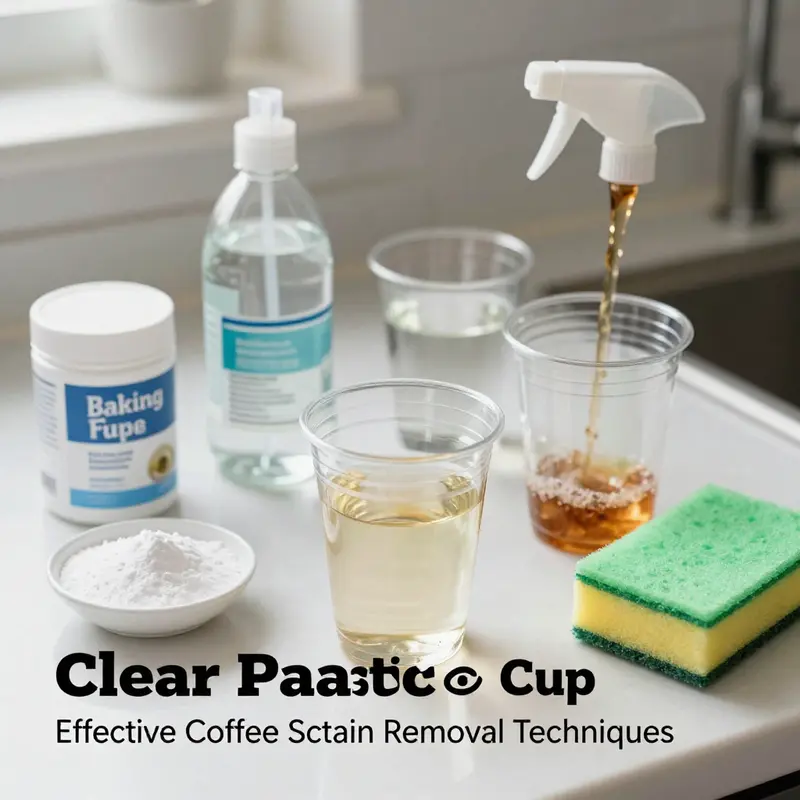
Clear plastic cups carry the promise of a clean slate with every pour. Yet coffee stains have a stubborn way of reminding us that even everyday materials have memory. The tannins in coffee—those natural pigments that give the brew its characteristic hue—cling to plastic surfaces with a quiet persistence. They behave a bit like a stubborn souvenir, a reminder that what we drink leaves more behind than aroma and flavor: a trace of color and, sometimes, a faint hint of oil that rides along in the liquid. For many households, the result is not just a cosmetic blemish but a practical concern. Stains can dull the clarity of the cup, invite future staining, and even, if neglected, create micro-environments where residues accumulate. The good news is that removing coffee stains from clear plastic cups does not require harsh chemicals or harsh scrubbing. It calls for a thoughtful blend of gentle science, common household ingredients, and a mindful approach to material safety that respects the delicate balance between cleaning and preserving the cup’s integrity. In practice, the best method is a layered one: start with the mildest approach and escalate only as needed, always prioritizing the plastic’s health and your own safety in the kitchen. This approach aligns with a broader understanding of how plastics interact with organic stains and how simple acids, mild abrasives, and soap can work together to restore clarity without compromising durability.
The chemistry behind coffee stains on plastic is subtle but meaningful. Coffee’s tannins are complex polyphenolic compounds that can form bonds with the microtextures on the surface of plastic. Clear plastics—whether polypropylene, polycarbonate, or other common polymers—offer a smooth, glossy finish that looks pristine when new. But repeated contact with coffee, especially if the cup is left half-full or if remnants sit for a while, can allow tannins to diffuse into tiny imperfections or sit on the surface as a thin film. Oils in coffee add another layer of adhesion, coating the surface and making stains more resistant to simple rinsing. This is why a combination of cleaning strategies tends to outperform one-off scrubs: water alone is rarely enough, and a single cleaning agent, while helpful, might not fully break the bond between stain molecules and the plastic matrix.
A practical, integrated method begins with the simplest tools and gradually introduces more targeted tactics. The aim is not to erase the cup’s life story in a single pass but to steadily lift the stain while preserving the cup’s transparency and strength. Start with soap and warmth. Warm water acts as a solvent that loosens oils, while mild dish soap reduces surface tension and emulsifies fats that carry pigment. A soft sponge or cloth is essential; abrasive materials can scratch the surface and create micro-scratches that trap future residues more easily. The first approach—soap and a gentle scrub—sets a baseline. If the stain remains, the next step involves a mild, natural abrasive, such as baking soda, which is gentle enough for plastic yet rough enough to aid lifting. Baking soda’s small crystals give a soft scrub that dislodges organic residue without scratching the surface. The paste made from baking soda and a little water forms a concerted, mildly abrasive action that polishes away the film of tannin and oil.
In practice, you might begin by rinsing the cup with warm water and applying a few drops of mild dish soap. Add a tablespoon of baking soda to create a paste, then scrub the stained area with a soft sponge. Let the paste sit for a few minutes if the stain is stubborn, then rinse thoroughly. This sequence—soap, paste, rinse—embodies the gentle, layered approach that respects plastic while still pursuing clarity. For many stains, this is sufficient to restore transparency and brighten the interior. If the stain persists, you can move to a soak that leverages natural acids to help dissolve the organic compounds without attacking the plastic. White vinegar or lemon juice—both natural acids with a track record of breaking down organic residues—are excellent options here. A vinegar soak involves filling the cup with a solution of equal parts white vinegar and water, ensuring the stained area is covered. Let it sit for 30 minutes to an hour. The acid helps to hydrolyze the bond between tannins and the surface, and a gentle scrub after soaking completes the lift. Lemon juice, with its citric acid, offers a similar mechanism. You can rub a halved lemon directly over the stain or pour lemon juice into the cup and allow it to soak briefly before scrubbing. The bright citrus aroma is a pleasant reminder that cleaning can be a sensory as well as a chemical process.
Salt serves as a simple, effective abrasive that complements the cleaning action of soaps and acids. A light sprinkle of table salt, followed by a little water and a scrub with a soft cloth, can lift pigment without doing harm. The crystals act like tiny pucks, gliding over the surface and dislodging pigment-laden residue. For particularly stubborn stains, a combination approach works best: a soap solution to loosen, baking soda paste to lift, and an occasional vinegar or lemon soak to dissolve, all followed by a thorough rinse. Each step is chosen to preserve the plastic’s clarity and structural integrity while reclaiming the cup’s visual transparency.
The safety discipline surrounding these methods deserves careful attention. Clear plastic cups can withstand routine cleaning, but certain practices are unequivocally harmful and must be avoided. Bleach, for example, is a powerful chemical that can degrade the polymer network, leading to brittleness, clouding, and even the potential release of residual chemicals into drinks later on. Harsh scrubbers—steel wool and other aggressive abrasive tools—puncture micro-scratches in the plastic’s surface. Those micro-scratches become gateways for new staining cycles, trapping oils and pigments that will resist later cleaning. The overarching rule is to treat the plastic gently: use mild cleaners, soft tools, and conservative approaches. Rinse thoroughly after each cleaning cycle to remove any residual cleaning agents that could interact with future contents.
Beyond the immediate cleaning acts, long-term care matters. Immediate rinsing after coffee use can dramatically reduce the likelihood of stains setting in. If you know you’ll use a cup again soon, a quick rinse and a light dab of soap can prevent the tannins from settling in. When cups develop cloudiness or persistent discoloration despite repeated cleaning, replacement may be the safest path. Replacing worn or etched plastics is a practical decision that protects both taste (no lingering flavors) and safety (less risk of microtears harboring bacteria). It also signals a mindful approach to kitchenware, where materials are evaluated not only on convenience but on their long-term behavior under real-world use.
An important nuance is that different plastics may respond differently to cleaners. Some polycarbonate and polypropylene cups resist staining more than others, but the fundamental rule remains: start with the mildest method and escalate only as needed. If a cup has features such as a decorative tint, a printed logo, or a special coating, you may want to limit aggressive cleaning that could dull or peel such details. In those cases, it may be wiser to use a dedicated cleaning routine that emphasizes minimal contact with the design elements while still achieving clarity in the main body of the cup. The overarching philosophy is consistent: protect the substrate, respect the surface, and leverage simple agents that work in harmony with plastic chemistry. The result is a practical, economical approach that keeps cups looking clear and feeling safe for daily use.
In practice, a simple, integrative routine can be described as follows. Begin with a warm, soapy rinse to remove surface oils. If stains persist, apply a baking soda paste and scrub gently. If the stubbornness endures, soak the cup in a vinegar-water or lemon-water solution for a short period, then scrub again with a soft sponge. Finish with a thorough rinse, ensuring all residues of cleaning agents are washed away. This sequence balances efficacy and care, reducing the risk of residual chemicals and maintaining the integrity of the plastic.
The human element in this process should not be overlooked. Cleaning cups is not only about restoring appearance but also about fostering habits that protect health and extend product life. A few mindful practices can have outsized benefits. Clean promptly after use to minimize pigment setting. After cleaning, dry the cup completely before storing, as standing water can encourage bacterial growth in any micro-crevices. Store cups in a dry, ventilated space to prevent moisture-related degradation. If you use cups for beverages that are not water, consider investing in a routine to rinse with a mild, neutral detergent first before a final rinse to ensure that oils and pigments have no chance to cling and discolor. These habits knit together to create a sustainable approach to cup care that reduces waste, preserves aesthetics, and supports safe reuse.
As you refine your process, you may discover that your own cups respond a little differently than others. It’s worth noting that the most effective sequence for one cup may be slightly different for another, depending on the exact plastic chemistry, the degree of wear, and how long the stain has been in place. If you’re uncertain, start with the milder methods and observe the results. A patient, stepwise approach will usually yield the desired clarity without risking the surface. If a stain proves recalcitrant after multiple gentle attempts, it may be a sign that the cup’s surface has aged or etched in a way that makes complete restoration unlikely. In such cases, replacing the cup becomes not just a matter of aesthetics but of safety and hygiene.
For readers who want a concise, practical reference woven into their everyday routines, the core idea is simple: treat the stain with the gentlest, most effective tools first, then escalate to mild acids and abrasives only as needed. The process mirrors a broader philosophy in home care: respect the material, use the right tool for the job, and keep safety at the forefront. If you ever doubt whether a method is appropriate for your plastic, run a small test in an inconspicuous area. A quick patch test helps you verify compatibility before you commit to a full treatment.
If you’d like to explore a direction that centers on the practical flexibility of disposables for gatherings, you can look into options designed for events and outdoor use. For instance, there are disposable clear plastic cups crafted for parties and occasions that balance convenience with clarity. This approach is particularly helpful when cleaning up after large or communal events, where the goal is to minimize lasting staining on frequently used cups and to reduce the risk of repeated handling of the same surfaces. The key is to choose materials and designs that remain clear under typical wear and to pair them with a simple, user-friendly cleaning routine should you reuse them. disposable clear plastic cups for parties and events.
Throughout the process, remember that knowledge is your ally. The research around surface cleaning for plastics emphasizes gentleness, patience, and sequential steps. It underlines a practical truth: the simplest tools—warm water, a mild detergent, and a soft cloth—often deliver the best results when used with care. The more aggressive strategies exist for stubborn stains, but they should be reserved for occasions when the plastic’s integrity is not compromised by such methods. The aim is not to chase a perfect, first-pass outcome but to cultivate a reliable, repeatable routine that keeps cups looking clear and feeling safe. In the end, this is less about erasing a single stain and more about establishing habits that preserve clarity, hygiene, and utility for daily use. The small, patient acts of cleaning compound into a larger practice of mindful kitchen maintenance, where even the humble clear plastic cup can tell a story of care rather than neglect.
External reference: https://www.healthline.com/health/food-nutrition/plastic-cup-safety#
Final thoughts
Regular maintenance of clear plastic cups not only enhances the appearance of your beverages but also prolongs the life of your service ware. Utilizing the natural cleaning agents discussed—baking soda, vinegar, and lemon juice—ensures a safe and effective way to handle those pesky coffee stains. With good cleaning practices and immediate attention to stains, you can uphold a standard of cleanliness that reflects positively on your brand. Remember, clean cups contribute not only to presentation but also promote customer satisfaction and repeat business.