
As the culinary landscape in India continues to grow and innovate, so does the demand for reliable and high-quality disposable food containers. Hyderabad, known for its vibrant food culture and bustling commercial activities, has emerged as a key player in this market, offering a diverse array of suppliers who cater to various sectors including bubble tea shops, restaurants, food trucks, catering services, and corporate procurement teams. This article guides you through the fundamental aspects of disposable food container suppliers in Hyderabad, breaking down significant manufacturers, types of products available, compliance with safety standards, and the market trends shaping the future of this essential industry. Each chapter will provide deeper insights tailored to inform and empower your sourcing decisions.
Sourcing the Takeaway: Hyderabad as a Nerve Center for Disposable Food Container Suppliers
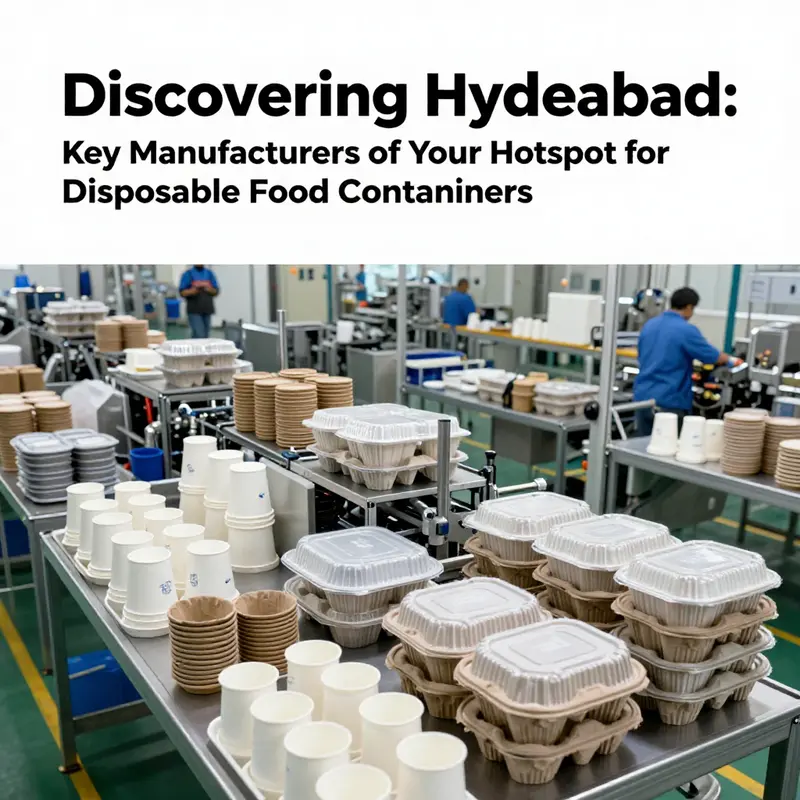
Hyderabad sits at the crossroads of tradition and rapid modern commerce, a city where a thriving hospitality sector intersects with a robust supply chain ecosystem. The demand for disposable food containers in this region mirrors its culinary diversity: quick-service kitchens, large-scale caterers, hotel banquet operations, and community events all rely on packaging that can withstand long hours of transport, maintain hygiene, and present food in an appealing way. In practice, the assortment available to Hyderabad buyers covers the full spectrum of needs. There are food-grade plastic trays engineered for portion control and microwavability, along with paper-based products designed for hot and cold applications. The materials commonly seen in circulation include polystyrene (PS) and polypropylene (PP), both valued for rigidity and low weight. As the industry moves toward sustainability, biodegradable alternatives such as plant-based polylactic acid (PLA) and sugarcane-based fiber are becoming more visible, especially in segments that emphasize eco-friendly takeaway options. The practical reality, however, is that most operators seek a balanced mix: durability for transport, compatibility with reheating or serving, and a price point that supports high-volume usage. In Hyderabad, suppliers respond with a layered portfolio that can satisfy a range of budgets while preserving safety and hygiene standards essential to food contact materials. The result is an ecosystem that blends local distributors with national and regional manufacturers, all attuned to the city’s dense delivery networks and diverse customer base.
The scope of items available in the Hyderabad market is remarkably broad. Compartmentalized plastic trays remain a staple for meal combos and catering platters, while microwave-safe containers address the needs of quick-service restaurants that reheat orders. Paper bowls and kraft paper takeout boxes are favored in sectors looking to reduce reliance on polyolefins, particularly for casual dining and coffee shops that emphasize recyclability and compostability. For the more design-conscious segments—bakeries, dessert shops, and event caterers—eco-friendly takeout boxes with windows or sleek, minimalist lines are increasingly in demand. The commonly observed sizes range across 250 milliliters to 1250 milliliters, with some operators requiring specific dimensions for bulk deliveries or branded packaging. A key factor shaping procurement is the central question of fatigue resistance and grease management. Containers must perform under pressure during transit and maintain their integrity during longer delivery windows, a practical necessity in a market where night-time orders and multi-stop deliveries are common.
Another layer of Hyderabad’s packaging landscape is its diverse material mix. Traditional plastics continue to serve the baseline needs, but there is a clear shift toward sustainability-driven choices. Biodegradable options, such as PLA-based papers and bagasse fiber trays, are increasingly chosen by outlets seeking to align with global and domestic sustainability narratives. This shift is not solely about environmental compliance; it also reflects consumer expectations. Restaurants and caterers note growing demand for packaging that communicates responsibility to customers and aligns with branding that prioritizes ethics and eco-conscious choices. Yet the practical constraints of Indian logistics—cost sensitivity, supply reliability, and a broad range of event sizes—mean suppliers in Hyderabad approach sustainability with pragmatism. They offer a spectrum of products that lets buyers tailor the environmental profile of their packaging without compromising on performance or price.
Compliance and safety underlie every procurement decision. In India, food-contact packaging must align with the standards set by the Food Safety and Standards Authority (FSSAI), and many Hyderabad suppliers go beyond basic compliance to pursue international qualifications such as ISO 22000 for food safety management. This dual compliance posture provides a level of assurance to buyers who operate across multiple markets or who aspire to export. For hospitality operators that have a footprint beyond the city, this guarantees consistency in packaging performance and a foundation for scalable operations. At the same time, Hyderabad’s suppliers emphasize traceability and product integrity. Documentation, material certificates, and clear labeling are commonplace, reducing the risk of regulatory disruption for large orders. A portion of the market is driven by manufacturers and distributors that actively pursue export opportunities. These entities maintain quantities and lead times that can accommodate national and international demand, an attribute that becomes particularly valuable for chain operations or event organizers that plan well in advance.
In practice, Hyderabad’s packaging ecosystem relies on a sophisticated network of sourcing channels. Local distributors play a central role in bridging the gap between distant manufacturers and end users. While a well-known manufacturer with a manufacturing base in a different state may supply products through Hyderabad-based trading houses, the city’s logistics strengths keep transportation costs and delivery times manageable. The result is a procurement dynamic in which buyers enjoy fast access to a broad catalog of products, flexible payment terms, and the option to customize packaging with brand marks, sizes, and packaging configurations. The customization angle is particularly meaningful for Hyderabad’s restaurant and catering sectors. Branded printing, customized labels, and theme-based packaging at scale are increasingly common, allowing operators to align packaging with their marketing and customer experience goals. The ability to order in bulk and receive consistent quality across thousands of units is a decisive factor for many buyers, especially when opening new venues or expanding existing ones.
An important caveat emerging from the most careful reviews of the regional landscape is that Hyderabad may not host a tightly knit cadre of homegrown manufacturers for every type of disposable container. A notable example from the broader market is a major player whose manufacturing base is located outside the state. This company demonstrates the strength of a national network and global reach, exporting to numerous countries and prioritizing long-term client relationships. The implication for Hyderabad, however, is not a lack of capability but a nuanced supply structure. Buyers in the city often access key products via procurement channels that connect with manufacturers in other states, complemented by a robust set of Hyderabad-based distributors who streamline order processing, logistics, and after-sales support. For buyers seeking to identify verified suppliers specifically situated in Hyderabad, localized sourcing research remains essential. The current data landscape suggests that while Hyderabad is a critical hub within the disposable container ecosystem, it relies on a mix of regional producers, national manufacturers, and experienced trading houses to deliver a comprehensive, scalable sourcing solution.
From the perspective of the hospitality and catering communities, the practical advantages of Hyderabad’s supply framework are, first and foremost, reliability and adaptability. The city’s suppliers understand the rhythm of a busy service environment: peak lunch and dinner windows, the cadence of weekend events, and the unpredictability of large orders that require on-time fulfillment. They respond with a broad catalog that can support diverse culinary formats—from street-food-inspired offerings to refined banquet presentations. The ability to customize packaging not only enhances branding but also improves operational efficiency. For example, dual-compartment or three-compartment trays enable more controlled portioning, reducing plate waste and helping operators maintain consistent presentation across orders. Microwave-safe containers support reheating needs for delivery-centric outlets, while grease-resistant coatings protect packaging integrity during transport and brief service windows. Paper-based packaging, often preferred by outlets prioritizing sustainability, remains viable for hot and cold items, particularly when combined with barrier coatings that protect contents from moisture and grease.
The procurement journey in Hyderabad also illustrates a broader trend in which digital marketplaces and industry platforms shape practical sourcing decisions. Platforms such as IndiaMART aggregate verified suppliers, present product specifications, and provide access to customer reviews, helping buyers evaluate options without traveling extensively. For a Hyderabad-based operator, this digital access is a meaningful accelerant for supplier discovery, price benchmarking, and sample testing. It is not uncommon for a buyer to request samples from multiple suppliers to compare weight, leak resistance, and heat retention before committing to a bulk contract. The ability to negotiate terms—such as minimum order quantities, lead times, and private labeling arrangements—becomes a key differentiator in this urban market with a high volume of competing suppliers.
To bring this closer to concrete sourcing practice, many buyers in Hyderabad favor suppliers who offer a balanced mix of standard items and customization capabilities. Branded printing, color variations, and tailored box configurations are seen as strategic investments rather than mere aesthetics. A practical approach is to pilot a new packaging concept in a limited cluster of outlets, monitor performance, and scale up if results are favorable. In addition, the city’s logistics infrastructure—road connectivity, access to major distribution corridors, and proximity to ports in the western coastline—helps ensure that even larger orders reach their destinations promptly. Suppliers frequently emphasize the importance of stable supply chains, the ability to maintain consistent quality, and the capacity to handle seasonal surges in demand around holidays and major events.
For readers seeking a concrete sense of the Hyderabad packaging landscape, it is instructive to recognize that while Hyderabad serves as a thriving regional hub, the supply ecosystem is not confined to city limits. A number of national and regional manufacturers contribute to the pool of available products, and the city’s role as a logistics and distribution nexus amplifies the reach of these products across South India and beyond. This dynamic aligns with the broader national objective of ensuring food-safe, compliant, and economically viable packaging for a rapidly expanding takeout and delivery economy. It also underscores the importance of due diligence when identifying suppliers: verification processes, certifications, and transparent terms help ensure long-term reliability in a market characterized by competitive pricing and high throughput.
For readers keen to explore the customization and branding side of Hyderabad’s disposable container offerings, there is a practical option to look at dedicated customization solutions that align with party, theme, or seasonal needs. One useful example is a supplier that highlights the capacity to offer bespoke takeaway packaging solutions tailored to theme-based occasions. The approach blends functional design with branding elements, enabling operators to create distinctive packaging that resonates with customers and reinforces brand recall. This kind of customization is increasingly relevant in a city with a vibrant event sector and a growing appetite for differentiated customer experiences. If you are considering this path, it is helpful to approach suppliers with a clear brief: desired colors, logos, box dimensions, and the expected order volume. The supplier’s response will often include a range of material options and price tiers, with recommendations on the most cost-effective configurations for your specific use cases.
As Hyderabad’s packaging landscape continues to evolve, it remains essential for buyers to connect with sources that provide not only products but also dependable service levels. The most effective procurement relationships are built on consistent delivery performance, transparent material specifications, and a shared commitment to safety and quality. In this context, the city’s ecosystem offers a practical model: a diversified supplier base that can adapt to shifting preferences, a logistics backbone that supports rapid distribution, and a regulatory framework that encourages safe and sustainable packaging solutions. This combination creates a resilient market that can meet the evolving needs of restaurants, caterers, hotels, and event organizers while maintaining a clear focus on value, compliance, and customer satisfaction.
For readers who want to explore further, a useful resource to begin with is a dedicated repository of customized takeaway packaging options that demonstrate how themes and branding translate into practical packaging designs. This example illustrates how packaging can be more than a protective layer; it can be a strategic touchpoint in the customer experience. By engaging with suppliers who offer both standard catalog items and tailor-made solutions, Hyderabad-based buyers can craft a packaging strategy that supports growth, sustainability goals, and a memorable brand presence across a competitive market. The path from local procurement to scalable distribution is well-trodden in this city, and it continues to unfold as more players enter the ecosystem, bringing fresh ideas, materials, and capabilities to the table.
External resource: For readers seeking a structured overview of international food-safety and management standards that often underpin supplier certifications, see the ISO 22000 standard page: https://www.iso.org/iso-22000-food-safety-management.html
From Tray to Takeaway: Navigating Hyderabad’s Disposable Food Container Landscape
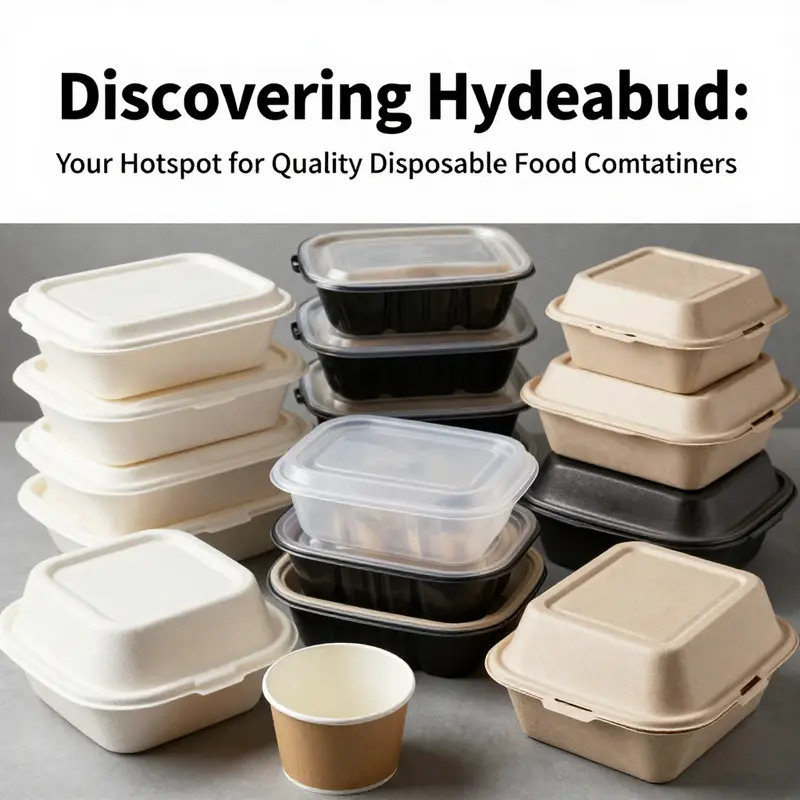
Hyderabad stands at a crossroads of tradition and modern convenience, a city where the food service sector stretches from bustling street-front eateries to polished hotel banquet rooms. In this landscape, disposable food containers are not merely packaging; they are the invisible gears that keep a fast-paced food culture moving. The suppliers operating in and around Hyderabad play a pivotal role in shaping how a meal travels from kitchen to customer, how it preserves its integrity, and how a business controls costs without compromising safety. The breadth of options available to restaurateurs, caterers, and institutional kitchens reflects a mature market that has learned to balance technical standards with practical realities. Materials, design features, and regulatory compliance converge here, enabling a wider ecosystem of dining experiences while offering scale, consistency, and flexibility for buyers managing varying volumes and delivery expectations.
The core material story in Hyderabad’s disposable containers revolves around food-grade plastics such as polystyrene (PS) and polypropylene (PP), which offer reliable moisture resistance, rigidity, and a clean barrier against contaminants. These plastics meet stringent hygiene and safety norms that align with both Indian standards and international expectations. In recent years, there has been a noticeable tilt toward sustainable alternatives, including polylactic acid (PLA) and sugarcane-based fiber, as the food service industry responds to rising consumer awareness and regulatory signals about plastic waste. For many buyers, this translates into a pragmatic mix: a core line of dependable, low-cost containers for everyday use, paired with a growing suite of eco-friendly options for premium offerings, themed events, or brands seeking to highlight their environmental commitments. The result is not a simple binary choice between “plastic” and “green” packaging but a spectrum of solutions that can be tailored to menu, service format, and budget.
Within this spectrum, several container types recur as the backbone of Hyderabad’s daily operations. Plastic trays are ubiquitous, offered in a range of sizes and often with compartmentalized designs. These trays are particularly well-suited for multi-item meals, condiments, and beverages, making them a staple for institutional dining corridors, cafeteria lines, and event catering. They provide a practical, stackable solution for bulk handling and quick portion control, reducing plate waste and streamlining service for cooks and servers alike. Then there are plastic cans, which are designed for storing and serving items such as soups, sauces, or dry components. With secure lids and stackable forms, these containers simplify prep work, inventory management, and transport in larger batches, making them attractive to mid-sized catering outfits and hotel kitchens where flow and portion integrity matter.
Bento boxes have carved out a distinct niche in Hyderabad’s fast-casual and corporate catering scenes. Their multi-compartment layouts support precise portioning and aesthetically pleasing meal presentation, aligning with trends in health-conscious dining and meal-prep concepts. Bento boxes bridge the gap between traditional plating and modern takeout, enabling brands to offer curated experiences in a compact, microwave-safe shell. Lids and covers—whether sold separately or bundled with containers—play a critical role in preserving freshness and preventing leaks during delivery. This simple closure feature reduces the risk of mess and contamination, a concern that becomes especially acute in hot climates and during city logistics that involve multiple touchpoints.
Hyderabad’s geographic and economic context reinforces the value proposition of these products. The city’s proximity to raw-material ecosystems and a well-developed distribution network translate into efficient production cycles and competitive B2B pricing. Manufacturers here benefit from easier access to polymers and paper-based inputs, enabling shorter lead times, reliable supply, and the capacity to scale orders from hundreds to tens of thousands of units per run. For buyers, this translates into more predictable procurement planning, the ability to adjust quantities as demand ebbs and flows, and the flexibility to negotiate terms that suit seasonal surges in wedding seasons, festival events, or tourism-driven spikes.
Customization is a key differentiator in a market that serves a diverse clientele—from small neighborhood diners to large hotel groups and corporate catering services. Suppliers in Hyderabad frequently offer branding options like printed logos, color accents, and even customized artwork on the containers. These features help a business reinforce its identity and elevate the perceived value of the takeaway experience. Beyond aesthetics, customization often extends to practical dimensions: varying sizes to accommodate different portions, specialized vented lids to manage steam and moisture, and design tweaks that improve stackability or heat retention. For buyers balancing quality control with cost, customization can be a strategic tool to align packaging with menu formats and service models, whether it’s a compact, single-serve item for a food court or a larger, family-size container for delivery partnerships.
Another layer of consideration in Hyderabad’s container market is safety and compliance. Suppliers commonly align their offerings with the Indian Food Safety and Standards Authority (FSSAI) regulations, ensuring that materials are non-toxic and suitable for contact with food. This is crucial not only for regulatory compliance but also for sustaining consumer trust, a factor that can influence repeat business and brand reputation in a crowded market. Many producers also pursue international standards such as ISO 22000, which reflects a broader commitment to food safety management across the supply chain. For operators who are expanding beyond local markets or seeking export-ready capabilities, such standards provide a framework for rigorous quality assurance, traceability, and consistent performance across production lots. In Hyderabad, this emphasis on safety is integrated into the supply chain through audits, documentation, and traceable lot numbers, which together reduce risk and enable smoother onboarding of large buyers who require robust supplier qualification.
The sustainability conversation has gained momentum in this region, driven by consumer expectations and, in some cases, regulatory considerations. Biodegradable and compostable options, including PLA and plant-based fibers, are increasingly present alongside conventional plastics. The appeal is not just environmental; it also dovetails with brand storytelling and corporate responsibility goals. Yet, the practical realities of a high-volume delivery economy mean that durability, barrier properties, heat resistance, and price remain essential factors. Hyderabad’s suppliers respond to these trade-offs with a blended approach: maintaining a core line of dependable, recyclable plastic containers while expanding a parallel line of greener options that are compatible with food safety requirements and delivery logistics. This dual approach allows buyers to differentiate their offerings—perhaps using eco-friendly packaging for premium or promotional lines, while sticking with proven, cost-effective options for standard daily operations.
In terms of logistics, Hyderabad’s role as a distribution hub for South India adds another layer of advantage. The city’s logistics networks enable rapid movement to neighboring states and beyond, which matters for restaurants and caterers who operate multiple locations or run large event programs. The ability to source locally and receive consistent product quality reduces the complexity of supply planning, minimizes transit risks, and supports just-in-time inventory practices. For buyers who require bulk purchasing, suppliers in the region are typically prepared to offer factory-direct pricing and scalable fulfillment options, from regular replenishment runs to one-off orders for major events. This capability supports a flexible procurement strategy that can adapt to spikes in demand during holiday seasons, wedding season, or corporate conferences, without imposing prohibitive storage costs or extended lead times.
The procurement process in Hyderabad often intertwines with digital marketplaces and supplier directories, which help buyers identify verified manufacturers and distributors. Platforms that aggregate local capacity provide rich product specifications, material compositions, and batch-related information, enabling comparability and due diligence without the need for extensive on-site audits. For businesses seeking to streamline sourcing, these tools can shorten cycle times, facilitate price negotiations, and improve risk management by surfacing supplier performance data and customer feedback. An illustrative entry point for buyers is a consolidated directory that lists hundreds of registered manufacturers and exporters, along with contact details and product details. Such platforms can also serve as a stepping stone toward establishing private-label or custom-printed packaging lines, allowing restaurant groups, caterers, and institutions to scale responsibly while maintaining stringent quality controls.
For readers exploring specific product types within Hyderabad’s broad container landscape, it is helpful to visualize how a well-curated selection supports diverse service models. A typical takeaway menu benefits from using a mix of compartments and vented lids to preserve texture and temperature, while single-serve cups and paper bowls address beverages and side dishes with a focus on leak resistance. The intention behind design choices is not only to protect food quality but also to enhance the customer’s experience—reducing spill risks during transit, enabling easy handling, and aligning the packaging with the brand’s aesthetic. The decision matrix often balances functional performance with cost per unit, recycling compatibility, and the potential for co-branding opportunities. When a business chooses a short list of trusted suppliers in Hyderabad, it buys more than containers; it gains a partner network that can respond quickly to changing needs, while supporting standards that reassure customers and regulators alike.
As buyers navigate this landscape, a practical touchstone is the availability of online resources that help compare materials, sizes, and service terms. For those who want more direct exposure to Hyderabad-based capacity, a specific internal resource can illuminate the selection process further. Take, for instance, one of the major packaging lines available in the market: Take-away food packaging boxes – hamburger, french fries, popcorn, chicken nuggets, fried chicken. This reference demonstrates how a single solution can be adapted to multiple menu formats, showcasing the interplay between design, capacity, and branding opportunities within a single packaging family. Such examples help buyers imagine how a container’s form factor translates into real-world service scenarios, from a quick-service counter to a catered corporate event.
In the end, Hyderabad’s disposable container market is less about a fixed catalog and more about an adaptable ecosystem. It combines reliability with innovation, cost discipline with quality, and local proximity with global standards. Operators who understand this dynamic can curate a balanced mix of products that meets today’s delivery expectations while remaining prepared for tomorrow’s trends. They can deploy a scalable procurement strategy that leverages local manufacturing strengths, embraces responsible packaging, and aligns with the city’s fast-moving food culture. The result is not merely packaging; it is a carefully engineered support system for Hyderabad’s vibrant food economy, a system that keeps meals intact, customers satisfied, and brands positioned for growth.
External resource reference: https://www.indiamart.com/plastic-trays-hyderabad/
Guardians of Hygiene: Navigating Compliance and Safety in Hyderabad’s Disposable Food Container Supply Chain
Guardians of Hygiene: Navigating Compliance and Safety in Hyderabad’s Disposable Food Container Supply Chain
Hyderabad has emerged as a vital artery in India’s ecosystem of disposable food container suppliers. The city’s warehouses, small-scale mills, and larger manufacturing hubs feed a diverse market that includes restaurants, cafes, hotel chains, and catering operations not just in the metropolis but across the southern region and beyond. In this landscape, the thread that ties every purchase to a consumer seated at a table is safety. It is a thread woven from standards, testing, certification, and the practical realities of getting packaging from mill to mouth in a way that preserves the integrity of the food and the trust of the customer. The chapter that follows unpacks how compliance and safety operate within this complex value chain, what buyers should demand, and how Hyderabad’s suppliers are adapting to evolving expectations without losing the efficiencies that make them indispensable to the city’s thriving food scene.
At the core of any safety discussion for disposable food containers is the responsibility to ensure that packaging materials do not compromise the food they touch. In India, the regulatory framework is centered on standards that govern plastic and other packaging materials used for food contact. The Bureau of Indian Standards BIS plays a central role by setting the IS 13408 standard for plastic food packaging materials. This standard delineates requirements for material safety, mechanical performance, and importantly, chemical migration limits. Migration tests probe how substances in packaging might transfer into food under typical conditions, including exposure to heat during reheating or hot storage. These are not lofty specifications removed from practice; they translate directly into decisions that product developers, buyers, and kitchen operators must make every day. For instance, a container intended for hot or acidic foods should come with evidence that it resists both deformation and leaching while maintaining a barrier against grease, moisture, and odor transfer.
In Hyderabad, as in many Indian manufacturing hubs, the practical reality of compliance is layered. There are formal, well-documented suppliers who maintain BIS certification, work with recognized testing laboratories, and provide a full file of documentation to customers. There are smaller, even informal outfits where enforcement of standards can be inconsistent. This is not a moral judgment but a market reality that shapes how buyers approach procurement. For a business that serves families at a buffet or a hotel dining room that must adhere to hygiene expectations, the risk calculus centers on certification and traceability. A supplier that can present BIS IS 13408 certification, MSDS material safety data sheets, and test reports for thermal stability and chemical leaching offers a transparent foundation. Without those documents, buyers face uncertainty about how a container will behave when hot soup or curry steams inside, or how it will perform when microwaved, if that is part of the service model.
The domestic regulatory posture is complemented by international hygiene norms that many Hyderabad suppliers acknowledge and, in some cases, pursue as a pathway to broader competitiveness. ISO 22000 for food safety management, for example, is referenced by producers whose markets extend beyond domestic borders or who aim to align with multinational buyers seeking a uniform safety language. While ISO 22000 certification is not a substitute for BIS compliance, it signals a structured approach to hazard analysis and critical control points within the packaging supply chain. A supplier that can articulate a formal food safety management system offers customers confidence that there are defined processes for supplier selection, material handling, storage, production controls, and corrective actions when deviations occur. Buyers often view such alignment as a proxy for reliability, a factor that matters when tens of thousands of plates are packed with a single shift and the cost of a single batch failure reverberates through a business’s reputation.
Yet safety is not merely a matter of ticking certification boxes. The choice of material itself—whether a conventional plastic such as polystyrene PS or polypropylene PP, or more sustainable paths like PLA or bagasse fiber—has implications for safety, performance, and environmental impact. In Hyderabad, the trend toward sustainable options is not merely aspirational; it mirrors global and national consumer expectations and the city’s own logistical realities. Bagasse, a sugarcane fiber, and PLA-based options offer the advantage of reduced environmental impact and, when certified, compatibility with food safety requirements. The challenge for buyers is to discern whether a biodegradable or compostable material maintains migration limits and thermal resilience under practical conditions. Certification for these materials often involves independent testing, as standards for biodegradable packaging continue to evolve. Suppliers who invest in third-party testing and certification provide a pathway for customers to meet both safety and sustainability goals without compromising performance.
A practical way to navigate this space is to request a structured documentation package from suppliers. At minimum, this should include BIS certification or equivalent testing laboratory reports that reference IS 13408. It should also include material safety data sheets that enumerate hazards, handling precautions, and composition information. Test reports should cover thermal stability—how a container behaves under hot contents and microwave exposure where applicable—and chemical migration tests, which compare the amount of potential migrants against established limits. The absence of such documentation can place a buyer in a precarious position, especially when dealing with hot foods, acidic sauces, or extended shelf stability where packaging is heated or stored for longer durations.
Hyderabad’s market dynamics influence how documentation is presented. The city’s thriving logistics network supports rapid distribution to South India and adjacent markets, which means suppliers must not only comply but also demonstrate supply chain integrity. A BIS-certified facility that maintains clean, auditable production lines, uses hygienic handling practices, and can trace lots of raw materials back to origin improves a buyer’s ability to perform due diligence. When a supplier can share batch traceability, including raw material lot numbers and production dates, it becomes easier for a buyer to respond quickly to any quality issue. This traceability, coupled with clear labeling of contents, storage conditions, and recommended usage, reduces the room for misinterpretation at the point of use and minimizes the risk of improper handling that could compromise safety.
The shift toward customization also intersects with safety considerations. Many Hyderabad suppliers offer customization options such as branded printing, varying sizes, and configurations tailored to different cuisines and service models. The ability to customize can be a strategic advantage for a brand seeking to communicate cleanliness, reliability, and food safety values through packaging. Yet customization should not come at the expense of safety. Buyers should ensure that any branding or printing processes are compatible with food contact materials and do not introduce migration hazards. In some cases, inks or coatings used in decorations can themselves become a source of concerns if they are not designed for food contact. A responsible supplier will provide documentation or third-party test results for printed or coated surfaces, ensuring that aesthetics do not compromise safety.
For businesses evaluating suppliers, it is useful to consider the broader ecosystem in which Hyderabad’s packaging providers operate. IndiaMART, a widely used platform for identifying verified suppliers, is often the starting point for buyers seeking factory-direct pricing and export capabilities. While IndiaMART itself does not certify products, it aggregates supplier profiles, product specifications, and customer reviews that can illuminate a supplier’s reliability and compliance posture. A buyer might use the platform to shortlist candidates who present BIS documentation, ISO-like process controls, and a clear commitment to quality management. The platform’s transparency helps buyers compare documentation packages across suppliers and align procurement with both safety demands and cost considerations.
In addition to formal documentation, a practical due diligence approach involves a direct conversation with the supplier about how they manage safety across the production cycle. A responsible producer will discuss raw material sourcing, resin grades, and any additive use; the standards for tolerances in wall thickness and container dimensions; and how they manage contamination risks during production, packaging, and dispatch. It also helps to understand the supplier’s approach to waste management and end-of-life considerations, especially for customers who want to emphasize sustainability alongside safety. Even with robust BIS-based compliance, the conversation around environmental stewardship matters to modern buyers who see packaging choices as part of a broader responsibility to communities and the environment.
An additional layer to consider concerns the practical realities of the Hyderabad market—how quickly containers must be produced to meet peak demand, how scalable the supply chain is during festival seasons or large events, and how flexible a supplier is in accommodating sudden changes in order size or material specification. In a city that serves a fast-paced culinary landscape, these operational capabilities are part of safety by ensuring that containers are consistently produced, properly stored, and delivered with the integrity needed for safe use. The best suppliers marry rigorous safety practices with operational excellence so that hygiene standards do not become a bottleneck that slows down kitchens, caterers, or takeaway services.
To the buyer, the path forward in Hyderabad’s supplier network is clear but not simplistic. Demand for BIS or equivalent certification, MSDS, testing reports, and batch traceability should become baseline expectations. The market rewards those who can demonstrate not only compliance but an integrated system of safety culture—from material selection and production controls to packaging design and end-use guidance. In this sense, compliance is not a barrier but a framework that accelerates trust between suppliers, restaurateurs, and end consumers. With the city’s logistics and manufacturing capacity, Hyderabad has the opportunity to set a benchmark for how packaging safety can be embedded in a fast-moving, quality-conscious food economy.
For buyers who wish to explore compliant suppliers further, one practical step is to review supplier catalogs and ask for specific certifications and test results tied to the intended use. If the container is destined for hot or acidic foods, request thermal and chemical migration data and ensure the material’s performance aligns with the use case. If sustainability is a priority, look for evidence of certified biodegradable or compostable materials and ensure they meet safety requirements for the intended application. In a market where standards evolve and enforcement can vary, proactive diligence remains the most reliable shield against risk.
Internal linking example: As packaging design and material choices evolve, buyers may be drawn to examples of eco-friendly takeout packaging that illustrate how sustainability and safety can coexist. For a practical illustration of contemporary options, see this collection of eco-friendly takeout boxes for food packaging that blends form, function, and safety considerations in one accessible package: eco-friendly takeout boxes for food packaging. This link provides a sense of how a supplier integrates safe materials with user-friendly design, a balance that Hyderabad’s packaging providers are increasingly striving to achieve in a competitive market.
External resource for further verification: For an official overview of safety standards governing plastic food packaging in India, readers can consult the BIS website, which details the IS 13408 framework and related guidelines. This resource provides the regulatory backbone that underpins packaging safety across the industry. https://www.bis.gov.in
Greener Trays, Faster Deliveries: How Hyderabad’s Disposable Food Containers Market Is Redefining Food Service
In the shadow of the city’s historic corridors and its modern business districts, Hyderabad’s disposable food containers market unfolds as a telling microcosm of India’s broader packaging shift. Here, the demand for safe, convenient, and cost-efficient solutions has become a driver of equipment choices for restaurants, cafes, hotels, and event caterers alike. The market’s momentum is not a mere reaction to appetite; it mirrors a convergence of urbanization, evolving consumer expectations, and a regulatory climate that increasingly prizes hygiene and sustainability in equal measure. Suppliers in and around Hyderabad have built capabilities that span the entire lifecycle of single-use packaging, from material selection and design to testing, compliance, and distribution. The result is a supply chain that can respond quickly to the food-service calendar—weekend buffets, weekday lunch rushes, late-night delivery windows—while maintaining a level of standardization that is essential for chain operators and franchised concepts seeking predictable performance across multiple outlets.
The expansion of the city’s food service ecosystem is a core driver of demand for disposable containers. Hyderabad has seen a steady rise in the number of standalone eateries, cloud kitchens, and mid-market hotels that require reliable, scalable packaging. The growth in delivery and takeout formats has sharpened the emphasis on leak resistance, temperature resilience, and stackability. Containers must withstand short transport legs, multi-handling by riders, and the occasional delay in traffic without compromising contents or appearance. As orders travel further into suburban corridors and beyond state lines, the containers must retain structural integrity, retain heat or coolness, and resist grease transfer that could undermine presentation. In this context, the cost-per-use becomes nearly as important as the upfront price, because operators evaluate the total cost of ownership—how many times a takeout box can be repurposed or how many times a product can be safely reheated without degradation—over a project horizon that often runs across months and seasons.
Alongside the expansion in volume, there is a parallel shift in the material culture of packaging. Traditional single-use options built entirely from rigid plastics are giving way to a broader palette of materials that balance performance, safety, and environmental considerations. Biodegradable PLA-based solutions, compostable paper-based containers, and sugarcane-fiber composites are increasingly common on supplier catalogs and manufacturer floors. This transition is not mere fashion; it is shaped by a combination of consumer awareness, municipal and state-level policy signals, and the global push toward more sustainable packaging practices. In many instances, Hyderabad’s suppliers emphasize the role of food-grade materials that meet stringent hygiene standards, aligning with both Indian Food Safety and Standards Authority (FSSAI) guidelines and international frameworks such as ISO 22000 for food safety management. While polystyrene and polypropylene remain viable options in some segments, the market is increasingly seeing a preference for materials that a) present a cleaner barrier against moisture and grease, b) handle microwaving and reheating with confidence, and c) offer end-of-life pathways that minimize environmental impact.
In this dynamic landscape, customization has become a strategic differentiator. Large and mid-sized operators alike seek containers that reflect brand identity, provide functional versatility, and support operational efficiency. Compartmentalized trays for meal kits and buffet services help kitchens segment portions for precise nutrition labeling or price differentiation, while takeout boxes with branded printing create a visible, portable touchpoint for customers. The push toward customization has not only influenced aesthetics but also engineering—design features such as vented lids for steam control, reinforced corners for stacking, and microwave-safe additives in container walls are now standard expectations rather than exceptions. For buyers evaluating supplier capabilities, a reliable ecosystem can offer a mix of standard catalog items and build-to-order runs that scale with seasonality and campaign-driven demand. The most capable suppliers maintain a balance between cost discipline and design flexibility, recognizing that branding and performance are not mutually exclusive but complementary in a competitive market.
A key engine behind Hyderabad’s packaging growth is the proliferation of online food delivery and the corresponding demand for durable, leak-proof, and temperature-stable solutions. As riders navigate congested routes and variable weather, containers must resist leaks, maintain structure under load, and stack efficiently in delivery boxes or panniers. The emphasis on resilience extends to the exterior finish as well; customers expect packaging that does not collapse under pressure, that resists moisture ingress, and that preserves a crisp appearance from window to doorstep. In response, suppliers have invested in multi-layer constructions, barrier coatings, and heat-sealed joints that minimize the risk of grease separation and content slippage. The result is a packaging segment that is as much about transportation engineering as it is about culinary presentation. Within this space, the ability to offer customized branding and sizing becomes a strategic advantage, allowing operators to tailor containers to a range of menu formats—from single-serve bowls to shareable family packs—without incurring prohibitive tooling costs.
One practical path through this complexity is the opportunity for suppliers to offer targeted packaging solutions that align with specific service formats. For instance, fast-casual concepts that prioritize speed, portion control, and visual appeal benefit from three- or four-compartment designs that enable portioned meals without the risk of cross-contamination. In Hyderabad, several suppliers have begun to emphasize these multi-compartment configurations, coupling them with flame- and grease-resistant coatings to handle fried items and sauces. To illustrate the practical utility of such designs within the city’s vibrant food scene, consider a representative, eco-friendly option that combines performance with sustainability. eco-friendly three-compartment packaging. This type of packaging responds to the twin demands of efficiency and environmental responsibility, enabling kitchens to portion meals precisely while signaling a commitment to greener practices. The trend is not limited to a single format; it extends to bowls, sandwiches, and snack-pack combinations that can travel well and present cleanly on arrival.
The sustainability thread is not a solitary narrative but a woven fabric that ties together cost, performance, and lifecycle considerations. Suppliers face a balancing act: the more ambitious the environmental profile, the more careful the cost management must be to keep prices attractive for a broad customer base. PLA-based and paper-based options, while increasingly economical due to improved supply chains and process innovations, still carry premium relative to conventional plastics. This premium is often offset by durability, better customer perception, and, crucially, regulatory posture. In many Indian cities, policymakers are tightening guidelines around single-use plastics and encouraging alternatives that can degrade under industrial composting conditions or at least generate less environmental burden in post-use streams. Hyderabadi suppliers, therefore, are not merely selling a product but participating in a broader shift toward circularity and responsible consumption. This shift is reflected in investment patterns as well, with some manufacturers upgrading their operations to meet higher hygiene standards, integrate traceable supply chains, and strengthen quality assurance practices that satisfy both local and international customers. The net effect is a packaging market that aspires to be both safe and sustainable, even as it must remain cost-competitive amid rising input costs and global supply fluctuations.
From a distribution perspective, Hyderabad enjoys robust logistics networks that connect with markets across South India and beyond. The city’s position as a transport hub facilitates relatively efficient inbound material flows and outbound distribution to a diverse customer base. For suppliers, this geography reduces transit times, lowers handling risk, and supports just-in-time replenishment strategies. It also helps mitigate the volatility associated with monsoon seasons and regional demand spikes, ensuring that even large-volume orders can be fulfilled with consistent lead times. For buyers, reliable logistics translate into lower safety stock, more predictable budgeting, and the confidence to enter long-term partnerships with suppliers who demonstrate continuity of supply. The supply chain maturity seen in Hyderabad is, in effect, a form of competitive advantage, enabling regional players to offer factory-direct pricing, flexible MOQs, and scalable production plans that align with the growth trajectories of restaurants expanding into new areas or upgrading their packaging to meet evolving standards.
Regulatory alignment is a recurring theme in the Hyderabad market, shaping both product design and supplier strategy. In India, the legal environment around single-use plastics has become more stringent, with a move toward banning or restricting certain materials and formats while encouraging safer alternatives. Suppliers who anticipate and adapt to these rules can offer customers a smoother path to compliance, reducing the risk of penalties and reputational damage. At the same time, many buyers are drawing on international standards to demonstrate due diligence and to facilitate cross-border sales. ISO 22000 and related food safety frameworks provide a structured approach to managing hazard analysis and critical control points across the packaging value chain, from raw material selection to end-of-life handling. Even when a customer does not require formal certification, having a supplier ecosystem that adheres to such guidelines offers a degree of assurance that goes beyond cosmetic labeling. It signals to customers that packaging choices have been vetted for safety, hygiene, and traceability, which can be decisive in procurement decisions for hotels, caterers, and event venues that handle large volumes of food service operations.
The growth opportunities in this space are not only about meeting current demand but about anticipating future needs. Hybrid packaging models that combine compostable paper with barrier-coated film layers, or that use plant-based fiber composites for ridges and lids, may become standard in more of Hyderabad’s outlets as costs come down and consumer expectations rise. For suppliers, this translates into a pipeline of product development that is both iterative and market-driven. It also opens doors to collaborations with logistics and e-commerce platforms, as packaging performance becomes a differentiator in delivery reliability and customer satisfaction. The relationship between packaging and logistics is increasingly symmetric: better containers reduce spill risk and return-to-sender scenarios, while efficient transport and fulfillment networks create a more predictable demand signal for manufacturers. Those who invest in scalable production capabilities—such as modular lines, automation, and audit-ready quality-control processes—are well-positioned to scale with a market that is growing not only in volume but also in sophistication.
Looking ahead, the confluence of sustainable ambitions, delivery-driven efficiency, and regulatory clarity is likely to sustain Hyderabad’s leadership role in disposable food containers. The city’s suppliers stand at the intersection of consumer preferences, business practicality, and policy direction, translating these forces into packaging choices that help kitchens operate more smoothly and responsibly. The most resilient players in this market are those who can offer cost-effective performance while also enabling brands to communicate a commitment to sustainability. By integrating design with process, and by harmonizing local capabilities with international standards, Hyderabad-based suppliers can maintain relevance as India’s broader packaging story evolves toward greener, smarter, and more integrated supply chains. In short, the future of disposable food containers in Hyderabad rests on balancing value, performance, and responsibility, rather than choosing between one objective or the other. This balancing act will shape competitive dynamics, determine the pace of adoption of greener materials, and influence how quickly customers adopt new formats that align with social and environmental expectations. Industry observers and buyers alike should watch for innovations in barrier technologies, micromatrix coatings that improve heat retention, and packaging systems that support a circular economy without inflating total cost of ownership.
A practical lens on these dynamics emerges when considering how the packaging choices extend beyond immediate food preparation to affect waste streams and lifecycle management. Operators increasingly view packaging as part of a broader service equation, where the container is not only a vessel for nutrition but a signal of a brand’s values and a lever for customer satisfaction. In high-traffic sectors such as quick-service and casual dining, the container can influence the perceived quality of the meal, the ease of handling during transport, and the likelihood of repeat orders. This creates a feedback loop: as operators demand more reliable performance, suppliers respond with innovations that reduce spillage, resist grease, and retain heat longer; as packaging becomes more aligned with sustainability goals, customers begin to associate brands with responsible practices, driving preference and loyalty. The result is a market that rewards thoughtful engineering and disciplined execution, where material science, design thinking, and supply-chain discipline converge to produce packaging that is both practical and principled.
For readers seeking further insights into current supplier capabilities and product offerings in Hyderabad, global trade platforms provide verified listings and reviews that can aid decision-making. A representative resource to explore is the Hyderabad listing on Alibaba, which aggregates hundreds of manufacturers and exporters with product specifications and contact details. This external reference acts as a starting point for buyers evaluating options across the spectrum of materials, sizes, and service levels that Hyderabad-based suppliers can provide. Alibaba Hyderabad food container suppliers
Final thoughts
Understanding the dynamics surrounding disposable food container suppliers in Hyderabad can significantly enhance your business operations. By leveraging the multitude of options available—from varied product types to manufacturers who prioritize compliance and safety—you can ensure that you are providing your customers with quality, eco-friendly, and safe packaging solutions. As this sector continues to evolve, staying informed about market trends will position your business to thrive in a competitive landscape. Embrace the possibilities that Hyderabad’s suppliers offer, and enhance your operational efficiency today.