
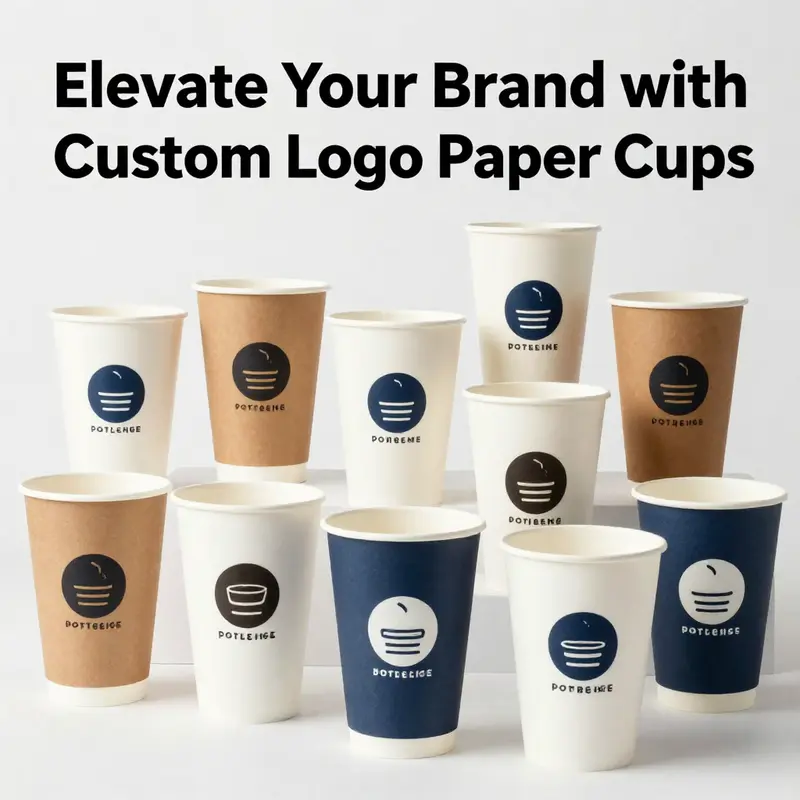
Custom logo paper cups are more than just containers; they symbolize your brand’s identity, especially in the bustling beverage industry. For bubble tea shops, food trucks, and catering services, incorporating your logo into your disposable cups can transform a simple drink into a powerful brand statement. This article guides you through the essential facets of custom logo paper cups—from their significance in branding to selecting the right materials and suppliers, ensuring you can make informed choices that enhance your customer’s experience while promoting sustainability.
Branded at the Point of Contact: Crafting Brand Perception with Custom Logo Paper Cups
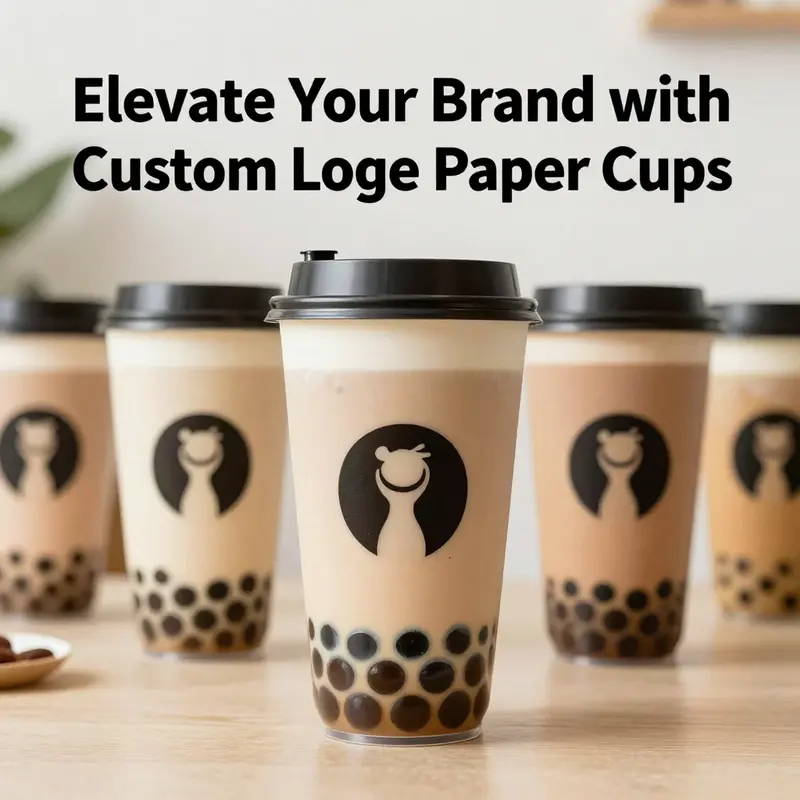
Every sip becomes a signal. In the modern customer journey, the most persistent brand impressions are not confined to a storefront or a glossy ad— they ride along with each cup passed from barista to customer. Custom logo paper cups have evolved from simple vessels into portable marketing canvases that travel, get handled, and eventually reach homes, offices, and events. Their power lies not just in the visibility of a logo but in the way design, material quality, and practical performance converge to reinforce a brand’s values at the precise moment of consumption. In busy cafes, quiet workspaces, and bustling events, these cups do more than hold a drink; they convey a story about taste, service, and attention to detail. An effective cup design is a seamless extension of a brand’s visual identity, turning ordinary moments into memorable touchpoints and transforming a routine purchase into an experience that customers are inclined to repeat and share.
The core of that power rests on three pillars: premium materials and print fidelity, robust functional design, and a sustainability stance that aligns with evolving consumer expectations. On the material side, high-quality custom cups start with food-grade, responsibly sourced paperboard. Virgin paper certified for food safety, often backed by schemes such as FSSC and FSC, ensures that the cup can safely handle both hot and cold beverages without compromising integrity or taste. The choice of material translates directly into the cup’s feel and appearance. Materials like Solid Bleached Sulfate (SBS) provide a crisp, bright white surface with exceptional smoothness, which in turn enables vibrant logo reproduction and sharp typography. A cup that looks premium communicates a brand’s commitment to quality, whether it’s a boutique coffee roaster or a premium tea house. Printing is the second half of the equation. Modern flexographic and offset printing methods allow for high-resolution logos, intricate color gradients, and durable designs that resist moisture and heat. When correctly executed, the print remains crisp through handling, moisture exchanges, and repeated use, maintaining a professional appearance from the first cup to the last. The capacity to cover both sides, or to employ double-sided or wraparound designs, provides brands with room to tell a more complete story without crowding the message.
As important as what is printed is how the cup performs in real-world conditions. Functionality is the other essential pillar. A well-engineered cup supports the brand in two ways: it protects the user’s experience and reinforces the product’s perceived value. High stiffness helps prevent deformation during transport, a small but meaningful detail in a busy takeaway setting where customers juggle cups, lids, and receipts. A short stack height aids efficient storage and quick dispense, an often overlooked yet critical factor in fast-paced environments where every second counts. For hot beverages, double-wall construction is particularly valuable. It provides insulation to keep beverages hot while allowing customers to hold the cup comfortably, obviating the need for sleeves and reinforcing a sense of quality. The internal structure also contributes to the perceived premium nature of the drink, signaling care and modernity in the serving experience. A leak-proof lining—either single or double—helps prevent seepage during handling and transport, preserving the brand’s reputation and reducing waste. Choices around capacities—ranging from compact 8-ounce sizes to larger 20-ounce versions—along with paper weights typically spanning from 150gsm to 340gsm, give brands a spectrum of options to match their beverage offerings and service style. The geometry of the cup, including its lip treatment and body contours, affects how comfortable it is to drink from and how it feels in hand, which in turn colors the consumer’s perception of the entire product line.
Alongside performance, the design language of a custom cup communicates a brand’s sustainability story and ethical stance. In today’s market, a growing share of consumers values eco-conscious packaging. Cups that use recyclable or compostable materials, or that enable a circular lifecycle through recapture and reuse programs, can reinforce a brand’s commitment to the environment. The ability to offer reusable or collapsible cup designs further extends the brand experience beyond the counter, appealing to mobile or socially aware consumers who prize portability and durability. Even at the point of disposal, the cup can reinforce a narrative of stewardship by directing consumers toward proper recycling or composting channels. Thoughtful use of color and texture can also enhance perceived quality; a smooth, bright white surface projects clarity and premium appeal, while textured finishes—such as rippled or stamped surfaces—introduce tactile depth that can elevate the cup’s feel and set it apart on crowded shelves.
A modern custom cup is also a strategic platform for engagement. Beyond placing a logo, brands can incorporate practical design elements that invite interaction. Dual-side logo placement ensures visibility no matter how the cup is held, while strategically placed messaging can increase recall. Including scannable elements, such as QR codes linked to loyalty programs or seasonal campaigns, turns a disposable item into a gateway for ongoing contact with customers. The design approach should strike a balance between legibility and aesthetics; high-contrast palettes, clear typography, and generous white space help ensure a logo stays recognizable even as the cup is held or rotated in different angles. The result is a branded object that works as hard as any billboard or storefront display, serving as a quiet ambassador in the daily routines of customers.
The sourcing and supply-side realities further shape how a brand translates its design into a practical product. A reliable supplier network is essential to ensure consistent quality, certification, and timely delivery. Materials, inks, and process controls must meet safety and environmental standards while supporting the brand’s desired look and feel. The ability to offer a broad range of sizes and finishes—such as smooth finishes for crisp printing or textured finishes for a premium tactile experience—gives brands the flexibility to tailor cups to different beverages, venues, and promotions without compromising coherence in the brand story. Lead times and minimum order quantities are practical considerations that influence how quickly a campaign can scale or how readily a café can refresh its cup program in response to seasonal promotions. In designing a comprehensive branding strategy around custom logo cups, it’s valuable to pair the cup with other branded packaging to create a cohesive ecosystem. For brands looking to extend their branded experience beyond cups, consider custom takeaway packaging supplies to align with cups across earth-friendly packaging. This kind of holistic approach helps ensure that colors, typography, and messaging remain consistent as customers move through different touchpoints.
The conversation around sustainability is nuanced and increasingly central to brand choice. Consumers judge a company not only by its product quality but by its commitments to the environment. Branded cups that are recyclable or compostable, or that support a lifecycle that minimizes waste, align with this evolving expectation. The materials themselves matter: choosing a board with strong recyclability or compostability credentials, and selecting inks that are food-safe and widely compatible with recycling streams, helps minimize the environmental footprint. Beyond end-of-life considerations, sustainability can be reflected in the supply chain through responsible forestry practices, reduced packaging waste, and clear labeling that educates customers about disposal. In effect, a cup’s green credentials become part of the brand’s value proposition—an outward signal of care that resonates with customers who weigh ethical considerations as they choose where to spend their dollars.
To translate these design and material advantages into real-world impact, brands must think about the cup as part of a broader marketing and customer-experience strategy. The cup’s daily visibility—from coffee shop queues to office break rooms and event booths—provides a rare opportunity for persistent, repeated exposure. When a company’s colors and logo appear on a well-made cup with an unambiguous message, the effect is greater than the sum of its parts. It’s not merely about catching attention; it’s about communicating reliability, attention to detail, and a commitment to quality in every interaction. The cup becomes a small, portable ambassador for the brand, a low-friction touchpoint that reinforces loyalty with every use.
In this way, the chapter on custom logo paper cups sits at the center of a broader branding strategy. The cups are a microcosm of brand values—quality, aesthetics, efficiency, and responsibility—and they connect a customer’s sensory experience with a brand’s larger story. The conversation naturally leads to broader packaging decisions, as brands seek coherence across cups, lids, sleeves, and accompanying packaging. The result is a branded ecosystem in which every element, from the boldness of a logo to the texture of the cup’s surface, contributes to a more persuasive and enduring impression. External references offer practical guidance on best practices for printing quality and material choices, while internal collaborations with packaging teams ensure that every element reinforces the same message. For readers seeking deeper insight into the mechanics of printing and the tangible impact of design choices on brand perception, the following resource provides a comprehensive overview of how custom logo cups function as branding assets: https://www.papercups.com/custom-logo-paper-cups
From Board to Brand: The Materials and Printing Path to Custom Logo Paper Cups
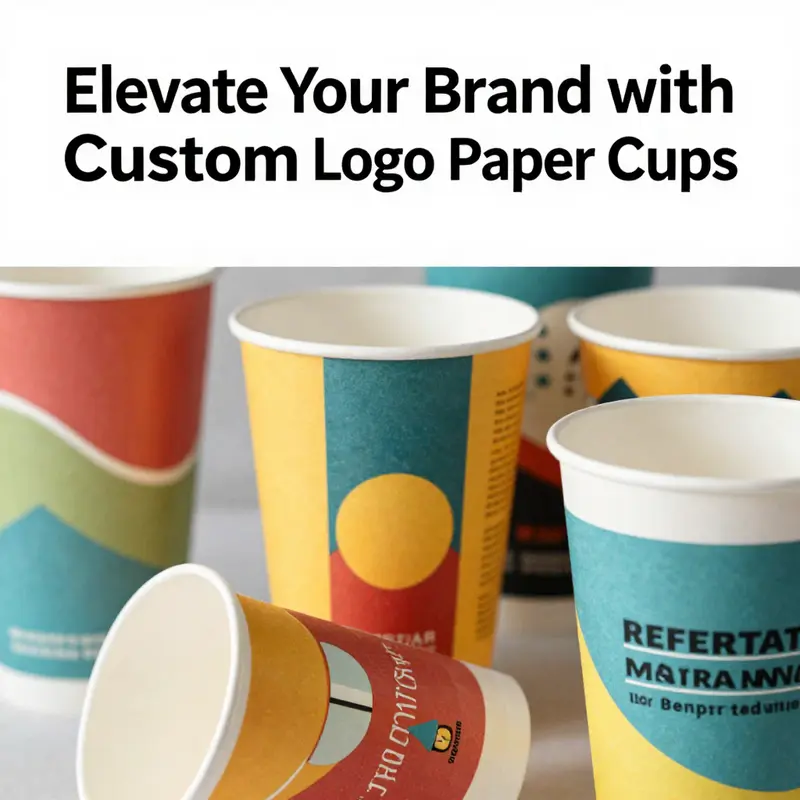
Every cup your customers hold is more than a vessel for a beverage. It is a moving billboard, a tactile reminder of a brand’s personality, and a small stage for storytelling that unfolds with every sip. The materials chosen and the printing techniques applied to a custom logo paper cup do more than protect a drink; they shape perception, influence behavior, and reinforce trust. When brands approach their cups as strategic branding assets rather than mere disposables, the choices around base material, coating, and color become deliberate design decisions, tuned to the brand’s audience, budget, and sustainability goals. The journey from raw sheet to finished cup is a quiet arc of science and artistry, where every layer matters, from the stiffness of the board to the way a logo survives a steam-laden handshake at a busy counter. This chapter explores that arc, tracing how material science and print technology intersect to deliver cups that are functional first and branding second to none.
At the heart of every custom logo cup lies its main architect: the base material. Food-grade paperboard is the backbone, chosen for its balance of strength and lightness. It must withstand the rigors of hot liquids without collapsing mid-transport, and it should perform equally well with cold beverages. Within this broad category, premium options like Solid Bleached Sulfate, or SBS, stand out for their bright white finish and exceptional surface smoothness. The smoother the surface, the more precise a logo can appear. SBS is favored when a brand aims for high-resolution imagery and crisp color against a pristine backdrop. In contrast, kraft paper, with its natural, earthy character, offers a different strategic voice. It communicates sustainability and rustic authenticity, traits that can align with brands seeking a warm, eco-conscious image. Kraft cups are typically coated with polyethylene to ensure resistance to moisture and to limit seepage, a practical necessity for beverage service that sustains brand integrity from the first lift to the last sip.
Coatings are not mere afterthoughts; they are functional decisions that influence how ink sets on the cup and how the cup behaves under heat and humidity. Most cups employ a PE coating, either as a single layer or a double layer, to guard against leakage and to preserve print clarity as the beverage meets steam. The choice between single versus double PE coating often hinges on the beverage type and expected handling conditions. Double-coated cups tend to offer superior moisture resistance and a sturdier feel, which enhances the perceived value of a premium beverage. They also tend to perform better in environments where cups are stacked, shuffled, and transported in high volumes. Beyond performance, coatings contribute to the hand feel of the cup. A targeted, low-gloss finish can elevate the print’s legibility, while a glossy or satin surface can intensify color saturation. The decision is a careful balance between tactile experience and print fidelity.
The gsm, or grams per square meter, of the paperboard is another essential dial that brands tune. Typical ranges span from 190gsm to 400gsm, with higher weights yielding stiffer, more rigid cups that resist deformation during transit. A stiffer cup reduces the risk of collapse when passengers cram a cup into a bag or when a barista stacks multiple cups on a counter. Higher gsm also translates to a more premium feel, aligning with brands that want to signal quality and reliability. Yet, weight comes with a cost: heavier boards demand more material and energy in production, and may impact the sustainability profile of the final cup. Some manufacturers also experiment with clay-coated paperboard to improve print quality and to impart a more luxurious texture under the fingertips. Clay coatings can enhance color reproduction and edge definition, which matters when a brand relies on a small, precise logo to stand out against a busy cup design.
In recent years, sustainability has ceased to be a secondary consideration and has instead become a core consumer expectation. Material choices increasingly reflect commitments to responsible sourcing and end-of-life options. Many brands seek virgin wood pulp that originates from forests certified by bodies like the Forest Stewardship Council or similar programs, ensuring the material is responsibly managed and suitable for food contact. The primary aim is to marry safety with a reduced environmental footprint. Recyclable or compostable options are gaining momentum, driven by consumer demand for products that can return to the takeout ecosystem without compromising the landscape. While compostable solutions are not yet universal across all markets, advances in bio-based coatings and alternative fibers keep expanding what is possible while maintaining food safety standards.
Printing techniques are the other half of the branding equation. Flexographic printing is the workhorse for many manufacturers because it blends efficiency with reliability for long runs. It is well suited to standard branding needs—two, three, or a few-color logos on a repeating surface—and excels when production volumes justify the setup. Flexo uses flexible relief plates and fast-drying inks, delivering consistent color and strong adhesion even as cups are handled multiple times in cafés and offices. For brands seeking vibrant, consistent color at scale, flexographic printing often provides the best balance of cost and clarity. The limitation to note is color count; most flexo runs support a handful of colors in a single pass, so designers must strategize their palette to maximize impact within those constraints.
Digital printing, by contrast, shines in flexibility and customization. It enables full-color, high-resolution graphics and optional personalization without the need for printing plates. For campaigns with limited editions, seasonal designs, or targeted promotions—where each cup might carry a different message—digital printing offers a path to rapid, cost-effective testing and iteration. The trade-off tends to be unit cost at high volumes and the potential for slight shifts in color fidelity compared with offset or flexo in large runs. Digital printing has found fertile ground in on-demand programs, localized marketing, and experiential campaigns where customization drives engagement.
Offset printing sits at the high end of print quality, still favored for precision and detail when the budget allows. It can achieve exceptional color accuracy, even with intricate logos or subtle gradients. Offset is most practical for large-scale production where the investment in plates, cylinders, and long press times yields a lower unit cost at scale and a superior visual result. The approach is chosen when a brand needs absolute fidelity in color reproduction on a consistent, repeatable basis, and when the design demands sharper lines and more complex color transitions than flexo can easily deliver at scale.
The interaction between ink systems and cup substrates is central to print durability. Food-safe inks are a non-negotiable requirement; they must resist moisture and temperature fluctuations without delaminating or bleeding. In practice, this means inks are tested for adhesion to paperboard, resistance to diffusion through coatings, and stability under contact with hot liquids. The finishing steps matter as well: curing temperatures, drying times, and the sequence of lamination or coating treatments influence how well a logo holds up from the moment the cup is filled to its final disposal. When a brand expects heavy handling—such as takeaway cups that pass through busy cafes during peak hours—the printing process must be chosen with an eye toward longevity as well as appearance.
Within this technical landscape, design considerations become a practical guide for brands. A smooth, flat surface tends to yield the cleanest reproduction, which is why smooth SBS or coated kraft boards are favored for premium logos. Textured options, including ripple finishes or stamped textures, can add tactile interest and a sense of craftsmanship to a disposable cup. However, texture can complicate print registration and reduce perceived clarity if not planned carefully. The choice of finish should align with the brand’s persona: a high-gloss surface may feel contemporary and energetic, while a matte or lightly textured surface can convey sustainability and warmth. The interplay between finish, color palette, and the cup’s overall silhouette is a subtle art, balancing legibility, impact, and user experience.
From a procurement perspective, brands must weigh lead times, minimum order quantities, and supplier capabilities. Large buyers often rely on established manufacturers who can guarantee consistent color reproduction across thousands or millions of cups. For smaller campaigns or boutique cafes that want to test a new look, suppliers offering flexible MOQs and scalable production are invaluable. The material choice and printing method should align with the business’s demand forecast, storage realities, and the logistics of restocking shelves or cafes across regions. In this context, the supply chain becomes a partner in design rather than a mere vendor, shaping options to fit a brand’s rhythm and seasonal cycles.
A practical way to think about this decision landscape is to link material and printing strategy directly to brand storytelling. A brand that communicates eco-conscious values might opt for recyclable or compostable papers with a natural kraft appearance, paired with an ink system designed for durability in cold and warm beverages alike. A premium coffee brand leaning into luxury aesthetics might choose SBS boards with double PE coatings to deliver vibrant, long-lasting logos and a tactile sense of quality that echoes the product inside. A tech-forward beverage concept might embrace digital printing with bold colors and personalized cup designs for events, using a lightweight board to optimize cost and transport efficiency. In each case, the cup becomes a canvas that extends the brand story to the point of consumption, not merely the point of sale.
For those who want a deeper technical dive into the raw materials that shape these choices, a comprehensive overview of raw materials used in customized paper cups can be found here. 20-50-200pcs disposable paper cups Kraft options
In closing, the materials and printing choices behind a custom logo cup are not cosmetic details but core strategic decisions. Each option—SBS versus kraft, gloss versus matte, flexo versus digital—carries implications for branding, sustainability, and customer experience. When the cup is designed with intention, it supports a brand’s promise with every handoff, every sip, and every disposal. The chapter that follows will explore how these material and print choices intersect with production realities, supply networks, and consumer expectations to deliver a cohesive branded experience across all touchpoints of a beverage program.
External reference for further technical grounding: https://www.alibaba.com/product-detail/Understanding-Customized-Paper-Cup-Raw-Material_1600537829311.html
How Function Shapes Design: Performance-Driven Features of Custom Logo Paper Cups
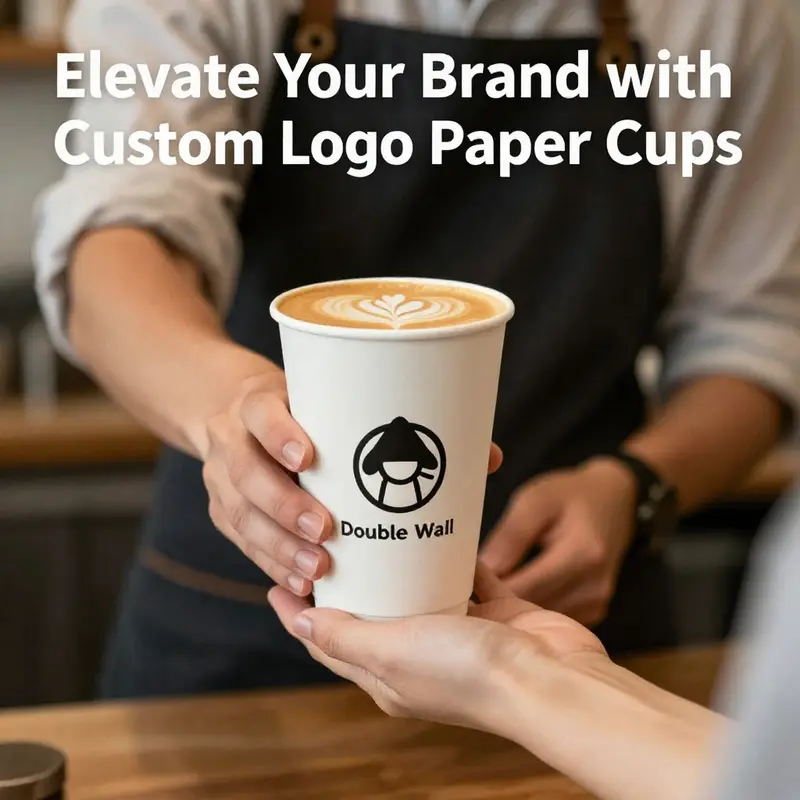
Custom logo paper cups succeed when function and design act as one. A well-crafted cup must keep a drink safe and warm, fit easily into workflows, and convey a brand’s identity without compromise. That balance starts with material choices and flows through structure, printing technique, and ergonomic details that staff and customers notice every time they hold a cup.
The first decision is material. High-quality cups often use a bright, clay-coated board with excellent surface uniformity. This finish allows logos to appear crisp, with true color density and clean edges. When a logo features fine lines or subtle gradients, the difference between a smooth, snow-white surface and a rough stock can be dramatic. Beyond aesthetics, the paperboard weight and reinforcement determine how the cup performs. Reinforced cardstock, fiber infusions, or double-wall constructions add stiffness and heat resistance. These structures keep a cup from collapsing against pressure or heat. They also reduce the need for external sleeves, simplifying service and lowering waste.
Insulation is a practical expression of perceived quality. Double-wall and corrugated designs create an air buffer that improves thermal performance. That buffer keeps beverages hotter or colder for longer and prevents discomfort during handling. When consumers can hold a hot cup confidently, the experience feels polished. Conversely, a thin cup that quickly becomes soft or damp erodes trust in the brand. That is why many businesses choose thicker options for hot drinks and lighter constructions for cold beverages.
Lining and barrier layers are the unseen workhorses. A leak-proof coating, most commonly a polyethylene lining, prevents liquid seepage and maintains structural integrity. For cold, condensation resistance is critical. A proper lining stops moisture migration that would weaken the paper or smear print. When sustainability is a priority, alternative linings made from compostable materials exist. These require close coordination with suppliers to ensure the liner meets food safety and composting standards without sacrificing performance.
Stacking and dispensing matter in daily operations. Cups with a short stack height and an easy-to-pull-out profile speed up service. A tapered design with slight lip relief reduces friction between stacked cups. This small engineering detail prevents jams during peak hours and reduces waste from damaged cups. Storage density is also improved when stack height is optimized, cutting shipping and storage costs.
Print method and ink selection shape both durability and visual impact. Flexographic and offset print processes enable rich, saturated colors and accurate reproduction of brand art. Food-safe inks are essential, and print resolutions should accommodate small text legibility and fine line work. For wrap-around designs, decisions about panel layout and seam placement influence how a logo reads when held. Consider where a consumer’s fingers will naturally sit. Avoid placing critical brand elements where seams or hand contact will obscure them.
Tactile finishes and secondary effects expand emotional impact. Stamped metallic accents, embossing, or textured patterns elevate perceived value. These finishes must be applied with restraint and foresight. Heavy varnishes or lamination can alter stackability and recyclability. When choosing textures or metallics, test how they affect cup stiffness and whether they interfere with printing on adjacent panels.
Functionality also requires clear distinctions for hot and cold use. Not every premium-feeling stock is fit for hot liquids. Some textured or heavier-weight cups are better suited for chilled beverages and events where tactile appeal outweighs thermal needs. For hot drinks, select cups rated for heat and built with sufficient insulation. Labels and training can help staff select the correct cup for each beverage, avoiding damaged service and dissatisfied customers.
Ergonomics extend to lid compatibility and hand comfort. Lid retention needs precise rim geometry to prevent spills. A secure fit works with standard lid profiles and with custom lids if needed. Rim design also affects drinking experience, whether sipping a hot latte or enjoying a cold soda. Smooth inner rims and gentle lip geometry improve comfort and reduce drips.
Functional accessories complete the system. Matching lids, compostable or plastic alternatives, and corrugated sleeves work together to create a cohesive brand experience. When a sleeve is necessary, design it to complement the cup’s printed message. Capacities should align with service style, too. Offering consistent sizes—such as 8oz, 12oz, 16oz, and 20oz—simplifies ordering and helps staff manage inventory.
Durability under real-world use is often overlooked. A cup must survive jostling during transport, exposure to heat sources, and the brief but repeated pressures of hands and lids. Structural testing in realistic conditions reveals weaknesses that might not appear in lab samples. Durability becomes part of brand reliability. Customers equate a sturdy cup with a trustworthy product.
Sustainability is integral to modern design decisions. Choosing certified paper sources reassures customers and staff. Certifications related to forestry and food safety provide tangible proof of responsible sourcing. When modifying barrier linings or finishes for eco-friendly aims, verify how changes affect compostability and recyclability. This matters for cities and venues with strict waste sorting rules.
Visual design principles guide how a logo interacts with the cup’s form. Contrast is crucial. High-contrast palettes maximize legibility at a distance and in dim lighting. Logos should have clear safe zones and minimum sizes to prevent blurring or unreadable type. Wrap designs need artwork that respects panel seams and small-scale uses. Simplicity is often more effective than complexity for disposable items that consumers view briefly.
Color fidelity matters. Paper tone and coating influence how inks appear. Bright white boards render colors more vibrantly than uncoated brown stocks. When a brand relies on precise color reproduction, request printed proofs and sample runs. Proofs make it easier to confirm color matches and ensure that gradients and halftones remain clean in final production.
Order logistics and supplier communication influence the final product. Discuss minimum order quantities and lead times early. Low minimums can help small businesses test designs. Clear technical specifications must include paper weight, liner type, print colors, pantone references, and intended use—hot or cold. Request samples that mimic actual service conditions.
Practical tips help bridge design and function. Avoid placing small, critical text across the cup seam. Keep primary brand marks visible when the cup is held in common ways. Use bold, legible type for regulatory information and recycling instructions. Test lids and sleeves with prototypes before approving large orders.
Texture and finish choices can create memorable touchpoints. Rippled or corrugated exteriors provide grip and extra insulation. Smooth, coated finishes enhance print clarity and lend a premium feel. Each choice brings trade-offs; textured surfaces may reduce available print detail, while glossy coatings can affect recyclability.
For those seeking thicker insulation without sleeves, double-wall cups offer a ready solution. They combine thermal performance with print-ready outer surfaces. If you want to explore these options in a product context, see this example of double-layer paper cups for reference. (https://ecocupbowl.com/product/double-layer-paper-cups-8-24pcs-disposable-paper-cups-for-home-office-party-weddings-coffee-shops-supplies-milk-tea-cups/)
The cumulative effect of these design choices defines customer perception. A thoughtfully engineered cup reduces service friction, protects the beverage, and communicates brand values at a glance. When material science, print technology, structural design, and sustainability align, the cup becomes more than a vessel. It becomes a small but powerful ambassador for the brand.
For technical standards and guidance on sustainable packaging practices, consult the Sustainable Packaging Coalition for authoritative resources and best practices: https://www.sustainablepackaging.org
Brewing Brand Identity: Supplier Ecosystems, Quality Craft, and Market Trends in Custom Logo Paper Cups

The disposable cup has long been a functional artifact, a simple vessel for beverages. Yet in today’s hospitality landscape it also functions as a mobile billboard, a tactile ambassador, and a miniature stage for a brand’s personality. The best custom logo paper cups do more than hold a drink; they carry the brand into the hands, eyes, and routines of customers. This is why the chapter of supplier options and market trends forms a crucial bridge between concept and execution. It explains not just who makes cups, but how the choices a brand makes about materials, printing, insulation, and certification translate into measurable outcomes for loyalty, perception, and sustainability. The modern supplier ecosystem for branded paper cups is defined by capabilities as much as by commitments: high-speed, high-fidelity printing; consistent quality control; scalable production that can accommodate both boutique, small-batch runs and large-volume campaigns; and a transparent, responsible approach to sourcing and disposal. As the market leans toward eco-conscious packaging, the supplier landscape adapts by expanding the use of food-grade, recycled, or compostable materials and by showcasing certifications that reassure buyers about safety and environmental impact. All of these factors interlock with branding to shape a more engaging, more responsible customer experience.
At the core of supplier capability is material design. Premium cups rely on paperboard types that meet food-safety standards and deliver a sharp surface for logos and artwork. Kraft paperboard remains popular for its natural texture and warmth, while more premium finishes favor Solid Bleached Sulfate, or SBS, which offers a clean, bright canvas for vibrant color reproduction. The choice of board is not only about aesthetics; it influences insulation performance, stiffness, and the ease with which a cup can be stacked and dispensed in a busy cafe. For hot beverages, double-wall constructions have become increasingly standard because they reduce heat transfer to the hand, helping prevent burns while elevating the perceived quality of the beverage. Ripple-wall variants add texture and a premium tactile feel, while sometimes enhancing grip and heat retention. Across these options, the capacity range stays broad—from compact, 6-ounce formats for sampling and flight programs to substantial 24-ounce cups for larger beverages. The evolution toward flexible sizing lets brands tailor the experience to different contexts, from quick-service counters to premium tasting events.
Printing technology sits at the heart of visual fidelity. Flexographic and offset methods dominate the field, chosen for their balance of speed, color vibrancy, and durability against moisture and heat. Food-safe inks meet stringent standards to resist smudging and fading through repeated handling and through exposure to steam and condensation. The result is a logo that remains crisp and legible from first use to the last sip, reinforcing brand recognition with every lift. The relationship between print quality and material choice is symbiotic: some substrates demand deeper ink layers or specific coatings to maintain color integrity, while others benefit from lighter inks and a smoother surface for higher-resolution reproduction. In a market where brand identity can be formed in a single cup, suppliers that invest in print capability and rigorous quality testing offer tangible value for marketers seeking consistency across multiple outlets and campaigns.
Certification and safety are non-negotiable in the modern supply chain. Reputable suppliers emphasize materials that are certified for food contact, with criteria such as food safety certifications and responsibly managed fiber sources. Certifications promise not only safety but also a traceable supply chain, which matters when a brand wants to demonstrate accountability to customers and regulators alike. The best suppliers differentiate themselves through a combination of verifiable certifications and a transparent testing program. Full-scale testing facilities enable preproduction sampling and postproduction validation, ensuring that every batch meets performance benchmarks for stiffness, leak resistance, and heat retention. In this context, even the smallest details—such as whether a leak-proof lining is single or double—can influence a barista’s day, a guest’s experience, and the overall brand impression.
Operationally, the supplier landscape has evolved from simple one-off orders to integrated, scalable systems. A modern supplier can transition from a few thousand units to hundreds of thousands with relative ease, thanks to modular production lines and robust outsourcing networks. The capacity to scale is especially valuable for brands that run seasonal promotions, franchise programs, or large events. Many suppliers now offer generous flexibility: low minimum order quantities for test runs, rapid lead times, and a clear path from logo mockups to full production. The strategic logic here is simple. For a brand expanding into new markets or testing a new design, the ability to pilot with minimal risk accelerates learning and reduces the cost of missteps. This is complemented by sample programs that let buyers evaluate quality with real-world handling, not just virtual proofs. Some suppliers provide samples at nominal costs or even free, which lowers the barrier to internal alignment and stakeholder buy-in before committing to a full production run.
From a product-development perspective, the ability to offer multiple customization dimensions has a direct impact on marketing versatility. Beyond size, brands can vary the paper weight, surface finish, color density, and even the presence of tactile textures or embossing. Orlando, ripple, or smooth finishes can transform the “feel” of a brand in a moment of consumer engagement, reinforcing premium positioning or approachable accessibility depending on the target audience. The possibility to coordinate with matching lids and sleeves—creating a complete branded presentation—enhances the unboxing-like moment of the drink and makes the cup more than just a container. In practice, this means that a brand can build a cohesive packaging system that travels across multiple channels, from in-store signage to digital marketing and on-the-go consumption. A unified packaging system reduces fragmentation in brand storytelling and helps ensure that every touchpoint, even one as small as a cup, reinforces the same visual language.
The market trends guiding supplier choice are clear and evolving. The largest shifts are toward eco-conscious materials and the drive for functional, design-forward innovation. Consumers increasingly expect brands to demonstrate environmental stewardship, and suppliers respond with materials that are not only safer for people and planets but also practical for large-scale operations. This means more emphasis on recyclable or compostable components, as well as on fiber sources with credible certifications and transparent supply chains. Designers and product teams lean into the reliability of double-wall or ripple-wall configurations for hot drinks, aligning safety and comfort with aesthetic appeal. The practical benefits—longer drink temperatures, reduced risk of spills, and enhanced customer satisfaction—translate into repeat business and higher average spend per customer, especially in environments where cup handling and service speed are paramount.
The economics of customization also matter. Buyers increasingly expect competitive pricing, but not at the expense of quality or safety. The availability of low-cost samples and flexible MOQs makes it feasible for smaller brands or seasonal pop-ups to experiment with branding without compromising cash flow. This pricing dynamic fosters broader experimentation with logo placement, color schemes, and messaging, enabling brands to test micro-campaigns and regional variations. Simultaneously, economies of scale ensure that larger operators can negotiate favorable terms for ongoing supply, consistent color matching across outlets, and long-term partnerships that support brand continuity. In essence, the market rewards suppliers who can couple advanced production capabilities with transparent, service-minded partnerships that reduce risk and accelerate time-to-market.
To navigate this landscape effectively, brands should approach supplier evaluation as a holistic exercise. Consider material performance in real-world conditions—washing, stacking, shipping, and daily handling in a busy cafe. Verify print durability under hot, humid, or steam-rich environments. Confirm the supplier’s commitment to safety certifications and supply-chain transparency, and look for evidence of responsible fiber sourcing and waste management practices. Beyond technical fit, assess how well a supplier’s processes align with the brand’s strategic goals: speed-to-market for campaigns, sustainability narratives to support marketing claims, and the ability to coordinate with lids, sleeves, and packaging accessories to deliver a complete branded experience. The most forward-thinking suppliers do not merely produce cups; they partner in brand storytelling, offering consultation on design feasibility, color accuracy, and even packaging ergonomics that affect a customer’s sensory perception of the brand.
In practice, a concrete example of the way these capabilities play out can be seen in a high-volume context where a brand seeks a consistent, premium look across a nationwide rollout. A supplier capable of high-speed, multi-color printing up to eight colors, with robust testing protocols, can deliver uniform prints across tens of thousands of units per day. A credible supplier will also provide options for double-wall insulation and secure internal linings that prevent leaks and preserve beverage temperature, while allowing for easy disposal after use. The ability to toggle between different cup configurations, such as 8-ounce, 12-ounce, 16-ounce, and 20-ounce formats, without sacrificing color fidelity or structural integrity, becomes a practical advantage when a brand runs promotions with varied serving sizes. The result is a branded experience that travels seamlessly from the cup sleeve to the drink’s temperature, to the guest’s memory, and back to the brand’s next interaction.
For readers seeking concrete examples of product pages that illustrate the breadth of such capabilities, consider an established catalog of double-layer cups designed for hot beverages. This product family demonstrates how an integrated approach—combining durable heat insulation, precise logo printing, and a standardized set of lids—can coordinate with a brand’s broader packaging strategy. The anchor text below points to a representative option that embodies these attributes and serves as a practical reference for teams drafting supplier briefs and design specs. double-layer-paper-cups-8-24pcs-disposable-paper-cups-for-home-office-party-weddings-coffee-shops-supplies-milk-tea-cups.
In sum, the current supplier landscape for custom logo paper cups rewards buyers who look beyond the leaping colors of a logo to the quiet, steady excellence of materials, process control, and supply-chain ethics. A thoughtful combination of SBS or kraft substrates, food-safe inks, rigorous testing, and a scalable production path creates cups that function as effective branding tools. The right partner will help a brand translate a visual identity into a physical experience—one that feels consistent across locations, travels reliably with customers, and reinforces trust in the brand’s commitment to quality and responsibility. This is the practical alchemy behind branded cups: a blend of design intent, manufacturing discipline, and marketing strategy, all anchored in a supplier ecosystem that values consistency, safety, sustainability, and speed.
External resource for deeper insight into supplier catalogs and capabilities can be found in this representative source: https://www.broadyoung.com/
Closing the Loop: Designing Sustainable Custom Logo Paper Cups for Brand and Planet
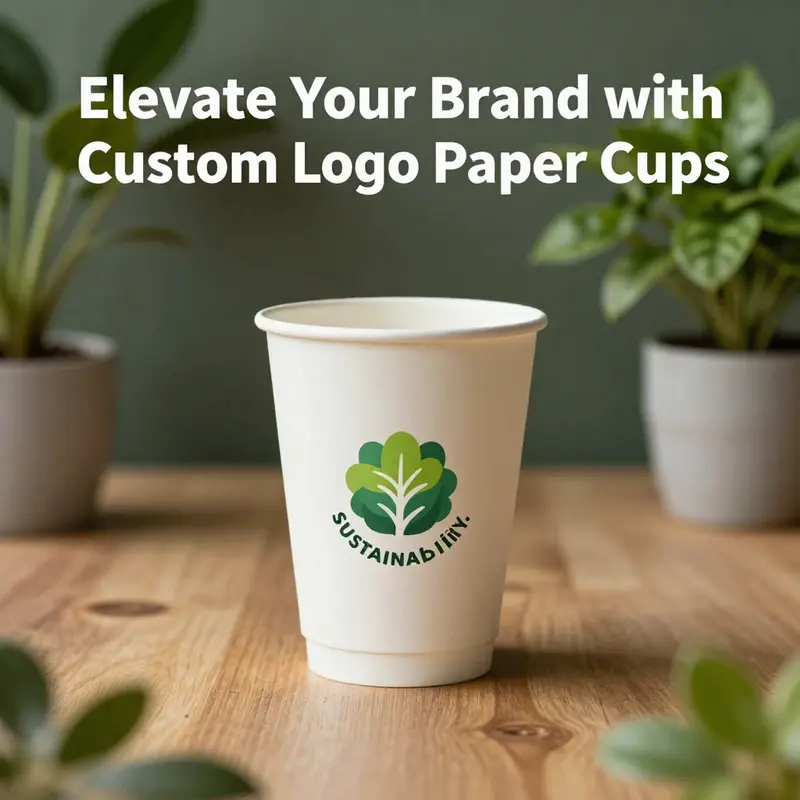
Every time a cup is handed over or discarded, it carries more than a beverage. It carries a message about a brand’s values, its stance on waste, and its readiness to invest in a future where packaging aligns with environmental stewardship. In the evolving world of custom logo paper cups, sustainability is not a niche consideration; it is a core design constraint and a strategic business decision. The journey from raw material to end of life is increasingly mapped with thoughtfulness about forest stewardship, energy use, water efficiency, and the realities of recycling and composting infrastructure. This emphasis on environmental responsibility does not merely appease a growing segment of eco-conscious consumers. It also influences performance, supply chain resilience, and brand trust in tangible, measurable ways. As brands seek to connect with customers through every touchpoint, the cup becomes a portable billboard for responsible practices, a vessel that communicates both aesthetics and accountability in a single gesture.
Material choice sits at the heart of this shift. The traditional cup’s paper foundation is often paired with a barrier that prevents leakage but complicates recycling. Polyethylene linings, common in many cups, create a dual problem: they help the cup perform in hot and cold conditions while also making separation from the recycling stream more challenging. The result is a lifecycle footprint that can be larger than the momentary convenience suggests. The latest solutions embrace eco-friendly materials that decouple performance from wastefulness. Biodegradable or compostable coatings, plant-based alternatives, and even uncoated paper options are increasingly viable without sacrificing the structural integrity or brand fidelity that custom printing demands. The trick lies in balancing durability and printability with end-of-life outcomes. Advanced coatings are designed to break down under industrial composting conditions or to be more readily recyclable in municipal streams, depending on regional infrastructure. This requires careful coordination with suppliers who can certify materials for food safety while meeting sustainability goals. Certifications such as forest stewardship marks and food-safety standards become essential signals to a brand’s procurement team and to customers who scrutinize packaging disclosures.
In practical terms, this translates into a spectrum of material choices across a cup family. For events and everyday coffee service, a recyclable or compostable pathway often starts with a lighter, well-printed shell that can host a protective but removable liner. The design challenge is to preserve the crisp, high-resolution logos that brands rely on while directing users toward responsible disposal options. Print quality remains paramount; vibrant logos and precise color matching are non-negotiable for maintaining professional brand image. Yet the prints must endure the dampness and temperature fluctuations of coffee, tea, or other beverages without fading or bleeding in ways that undermine readability. Modern print methods—ranging from flexographic to high-fidelity offset printing—are calibrated to resist moisture while preserving color fidelity in a single-pass workflow. Ink formulations, too, are chosen for food safety and environmental compatibility, ensuring that the graphics survive the first few minutes of handling and the long tail of disposal. The result is a cup that looks as strong in a post-disposal context as it does in the cafe, reinforcing brand values long after the last sip is taken.
Beyond materials and printing, the structural design of the cup matters for sustainability. The trend toward double-wall insulation, while historically a luxury feature, is increasingly balanced against lifecycle considerations. A well-insulated cup reduces the need for sleeves or additional packaging, driving a cleaner, more compact consumer experience. For hot beverages, double-wall construction can enhance safety and perceived quality, and when paired with a thoughtfully engineered PE lining or its alternatives, it supports leak resistance without compromising recyclability. The stack height and stiffness—attributes that affect storage and handling—also influence waste and energy use across the supply chain. Cups engineered for easy dispensation in busy environments minimize spills and product waste, which, in turn, reduces downstream cleaning and disposal costs for operators. When these functional aspects are aligned with sustainability goals, the cup becomes less of a disposable nuisance and more of a well-considered packaging choice.
A key area of innovation lies in sleeves and secondary packaging. Recyclable kraft paper sleeves that carry a company’s branding offer a practical pathway to sustainability by decoupling aesthetics from the cup body while adding a layer that can be more easily recovered in recycling streams. These sleeves, often produced from renewable fibers and printed with water-based inks, contribute to a greener overall footprint. They can be designed to be reused in-store for customers who frequently visit, or at least to be easily separated from the cup at disposal. The tactile difference—textured sleeves versus smooth, stamped finishes—also contributes to perceived premium quality, a critical factor in consumer acceptance of sustainable packaging. In many cases, the sleeve becomes the prominent branding surface, enabling meaningful environmental messages or calls to action about recycling practices without compromising the cup’s core branding.
From a strategic standpoint, choosing sustainable custom logo cups is not simply a matter of meeting green criteria; it is a long-term competitive tactic. As regulations around single-use plastics tighten and municipalities expand their recycling and composting capabilities, brands that invest early in recyclable or compostable options reduce the risk of stranded assets and mismatched supply chains. A future-facing packaging program can incorporate lifecycle assessments to quantify the true environmental impact of different cup configurations. This analytical approach informs procurement, production planning, and marketing. It also supports a transparent narrative to customers who increasingly demand accountability for packaging choices. When a brand communicates a thoughtful, evidence-based approach to sustainability, it elevates its entire market proposition—from how it sources materials to how it educates and engages customers about disposal.
Certifications and supplier diligence are indispensable in this landscape. The best practice is to partner with suppliers that demonstrate rigorous forest stewardship, food safety, and supply chain controls. Forest Stewardship Council (FSC) certification, along with Food Safety System Certification (FSSC) or similar schemes, are not mere badges; they are signals of a consistent and auditable commitment to environmental responsibility. Material traceability, credible lifecycle data, and third-party auditing provide the assurance that a cup’s sustainability claims hold up from forest to landfill or compost facility. Beyond certifications, brands benefit from suppliers who can offer a reliable pathway to end-of-life success. That might include options for industrial composting where available, or clear guidance on recycling streams that can handle coated paper products. Such guidance helps brands set accurate expectations with customers and avoid greenwashing accusations that erode trust.
Consumer perception is a powerful multiplier for sustainability in packaging. In markets where environmental values influence purchase decisions, a well-executed sustainable cup signals alignment with broader values—responsible sourcing, waste reduction, and a commitment to circular economy principles. The cup’s branding can extend beyond imagery to include concise messaging about disposal and recycling. A simple, honest note on the cup or sleeve can educate customers about how to recycle or compost properly, increasing the likelihood that the product will follow its intended end-of-life path. This educational aspect often resonates with customers who want their purchases to reflect their personal ethics, and it can foster brand loyalty when paired with consistent in-store practices and post-purchase engagement.
The practical path to adoption requires a deliberate sequence of decisions. First, evaluate the intended lifecycle in the target market: what recycling or composting infrastructure exists, and what is feasible given local regulations and consumer behavior? Next, align material choices with these realities. If municipal recycling streams readily accept coated paper with plant-based barriers, then that pathway can be emphasized; if not, compostable coatings with industrial composting facilities may be more appropriate. In either case, choose suppliers who can provide robust documentation about end-of-life outcomes, energy and water use in production, and supply chain ethics. Third, integrate sustainability into the brand narrative through visual design and in-store communications. The cup’s appearance should reinforce the message that the brand is serious about environmental responsibility without compromising visual impact. Finally, monitor and report performance. Gathering data on waste diverted, recycling rates, and consumer feedback creates a feedback loop that helps refine material choices, designs, and messaging. In this way, the cup transforms from a one-off promotional item into a component of a comprehensive sustainability strategy that aligns with the brand’s broader goals.
For brands that want a concrete example of how this translates into product options, there are opportunities to explore pages that feature a spectrum of cup configurations designed for different contexts. See the page double-layer-paper-cups-8-24pcs-disposable-paper-cups-for-home-office-party-weddings-coffee-shops-supplies-milk-tea-cups to understand how insulation, print fidelity, and material choice can be balanced to deliver both performance and sustainability. The page demonstrates how a single product family can offer options that optimize end-of-life outcomes while preserving branding impact. These considerations are not merely theoretical; they are practical, day-to-day decisions that shape how a brand is perceived when a customer finishes a cup and considers disposal.
In the broader context of sustainability discourse, the shift toward eco-friendly cups reflects a growing recognition that packaging must evolve in tandem with consumer behavior and policy momentum. The conversation extends beyond the cup itself to the supply chain, packaging plans, and the on-site workflow of cafes and event spaces. Lids, sleeves, and secondary packaging all contribute to the overall environmental footprint, and each element offers a chance to improve efficiency and reduce waste. When a brand commits to a coherent packaging strategy—one that prioritizes recyclable or compostable materials, clear disposal guidance, and accurate lifecycle information—the impact becomes measurable in customer trust, repeat business, and even in employee pride. The cup becomes a quiet ambassador for a brand’s promise to act responsibly, a tangible link between what customers see in the store and what they experience beyond the store walls.
As this evolving field continues to mature, ongoing collaboration among brands, suppliers, and policymakers will be crucial. The best outcomes arise when packaging decisions are grounded in transparent data, harmonized standards, and a willingness to adapt as recycling and composting infrastructures improve. In this sense, sustainability in custom logo paper cups is less about chasing a perfect, one-size-fits-all solution and more about pursuing a robust, adaptable approach that respects local realities while advancing a universal standard of environmental accountability. The cup, after all, serves a simple function—holding a beverage. The opportunity it presents, though, is far more complex and enduring: to translate brand identity into responsible practice, to encourage mindful consumption, and to reinforce the idea that small, everyday actions can contribute to a cleaner, more circular economy.
External reference for broader context: https://www.eco-friendly-paper-cups.com
Final thoughts
Custom logo paper cups can significantly enhance brand identity and customer experience across various sectors, such as bubble tea shops and food trucks. By choosing eco-friendly materials, effective printing techniques, and ensuring functionality, businesses can create a product that not only represents their brand but also resonates with environmentally conscious consumers. As you navigate supplier options and market trends, remember that investing in high-quality custom logo paper cups can lead to increased visibility and customer loyalty. Start integrating these cups into your business strategy today for maximum impact.