
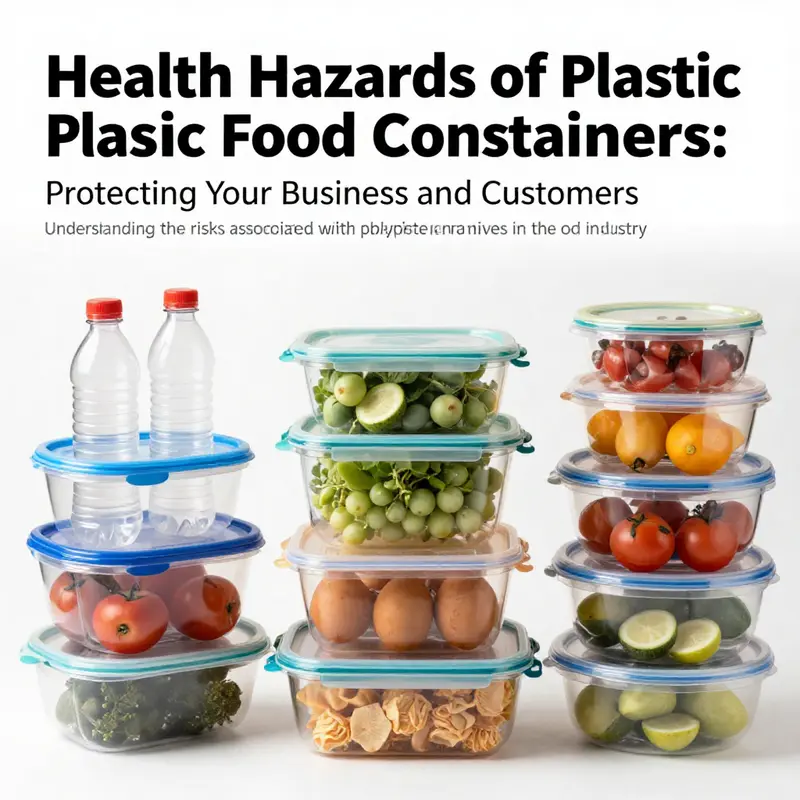
In the food and beverage industry, the use of plastic food containers is ubiquitous, yet many operators may not be aware of the potential health hazards associated with them. From chemical additives that can leach into foods to the troubling presence of microplastics, these risks can have serious implications for both consumer health and business reputation. Chapters dedicated to the chemical additives found in plastics will detail their impact on human health and the environment, while insights into microplastics will highlight the growing concern surrounding this issue. Furthermore, we’ll discuss the environmental implications of plastic waste, review the current regulatory framework designed to protect consumers, and present safer alternatives to plastic packaging. Ultimately, this comprehensive exploration will empower food service providers—ranging from bubble tea shops to catering services—with the knowledge needed to adopt safer practices and improve customer safety.
Understanding Plastic Leaching and Safe Handling
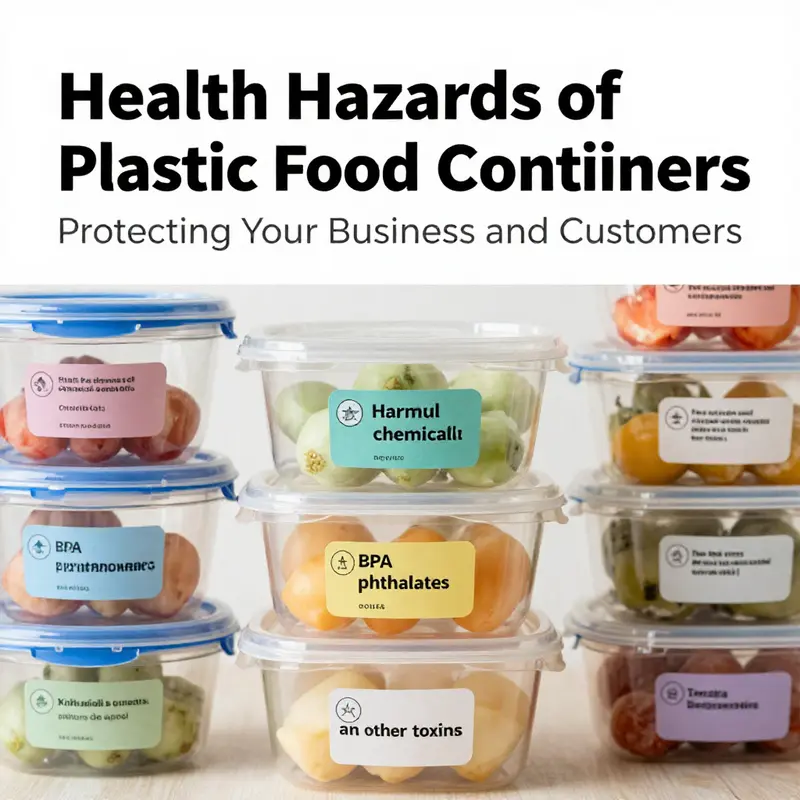
Plastic food containers offer convenience, but chemical additives such as phthalates and bisphenols (including BPA and substitutes like BPS and BPF) can migrate into food, especially when heated or stored for long periods. Heat, fatty content, and acidity enhance leaching, and microplastics are an emerging concern linked to exposure and potential health effects. To reduce risk, avoid microwaving in plastic unless the packaging is clearly microwave-safe, do not reuse single-use containers for hot foods, and choose safer alternatives such as glass or stainless steel. Let hot foods cool before sealing, refrigerate leftovers in non-plastic vessels, and minimize storage time in plastic. Consumers should rely on trusted regulatory guidance and practical safe-handling practices when choosing packaging, and seek updated information from public health authorities.
null
null
From Lunchbox to Lifespan: Unveiling the Health Toll and Sustainability Dilemma of Plastic Food Containers
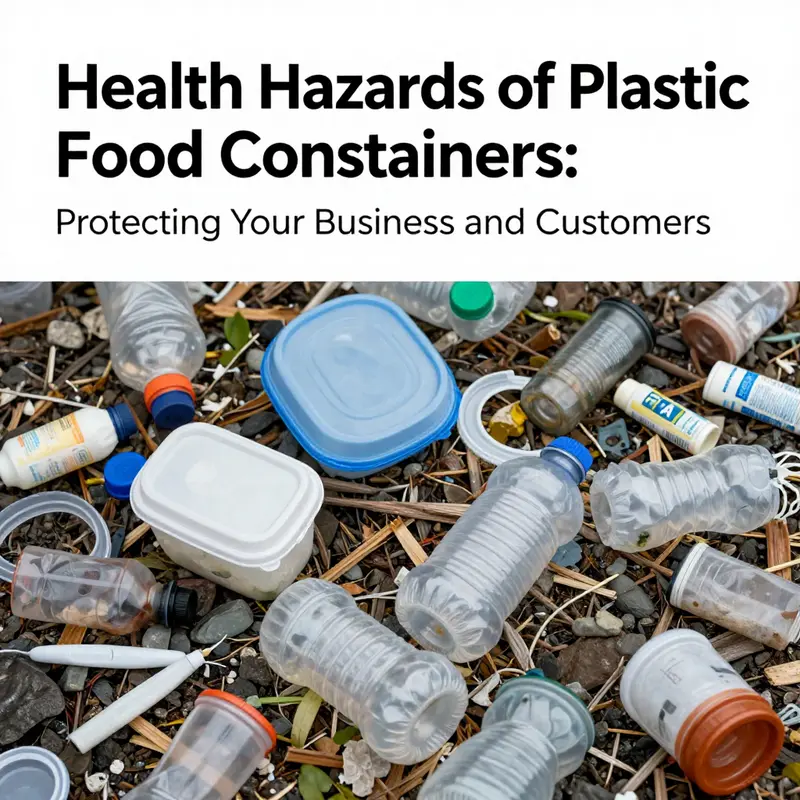
Every day, millions reach for a plastic container to store, transport, or reheat meals. What seems like a small convenience hides a web of health hazards that often goes unseen in the busy rhythms of home life and work routines. The container in the cabinet feels inert, yet it is part of a chemical and physical system that can push microplastics and endocrine-disrupting compounds into the foods we depend on. The problem is layered: plastics are not simply passive packaging; they are engineered with additives that impart flexibility, durability, and heat resistance. When these materials come into contact with food, especially in conditions of heat, fat, and acidity, the boundary between packaging and plate becomes porous. Additives such as phthalates and bisphenols, along with their numerous substitutes, are designed to migrate in small amounts but over time and with repeated use those amounts accumulate. In practice, this means every microwaved meal or stored snack carries a tiny, persistent risk that rises with the length of storage and the intensity of heat exposure.
The migration of chemicals from containers into food is not a simple one-way street. Phthalates, used to increase flexibility, and bisphenols, including bisphenol A and a widening cast of substitutes, are not bound to the plastic matrix. They can seep into foods, particularly when heated in microwaves or when in contact with oily or acidic substances. This leaching is not merely theoretical; it translates into measurable exposures for people who rely on plastic food storage as a daily habit. Endocrine-disrupting chemicals can interfere with hormone signaling at very low doses, and their effects can be broad and long lasting. In adults, this can translate into metabolic and reproductive health issues; in developing fetuses and young children, the consequences may include neurodevelopmental challenges and altered growth trajectories. The precise health outcomes vary with the chemical and the exposure pattern, but the underlying mechanism—hormone system interference—remains consistently troubling. Even as consumer products have shifted away from a few notorious compounds, the landscape of replacements has grown more complex. The shift from BPA to substitutes like BPS and BPF has often preserved the same hormonal disruption risks, illustrating a critical lesson: safer labeling does not automatically equate to safer exposure.
Another dimension of the risk lies in microplastics—the tiny fragments and particles shed by plastic containers during routine use. Microplastics can form and migrate into food during everyday handling, heating, and long-term storage. A 2024 study in Environmental Science & Technology showed that plastic takeaway containers can release microplastics during standard use, and these particles produced cytotoxic effects in human intestinal cells. This finding is a warning about the potential for long-term digestive system damage that may not be evident in the short term. The broader literature on microplastics links ingestion with systemic inflammation, oxidative stress, and potential impacts on organs beyond the gut. The conversation extends beyond the gut because microplastics and their associated chemical mixtures can travel through the body, potentially crossing biological barriers and instigating inflammatory responses that affect the liver, kidneys, and cardiovascular system. The evolving picture of microplastics suggests that the harm is not only localized to the site of contact but may echo through multiple organ systems over time.
The evidence does not stop at cells or animals. Microplastics have been detected in human tissues and bodily fluids, including blood, heart, liver, lungs, placenta, and even breast milk. This distribution signals chronic, real-world exposure for people across age groups and life stages. The incidence of microplastics in placental tissue raises concerns about fetal development, while their presence in breast milk hints at early-life exposure with potentially far-reaching developmental implications. The vulnerability of children compounds these concerns: developing bodies and brains are particularly sensitive to chemical disruptors and to the subtle yet enduring effects of persistent particles. The neurodevelopmental implications of exposure to plasticizers and flame retardants from everyday containers and toys underscore the need for precautionary approaches that minimize contact with these substances during critical windows of growth. The picture is not only about immediate toxicity; it is about cumulative exposure shaping developmental trajectories and later health outcomes.
From an environmental perspective, plastic containers contribute to a global cycle of waste that persists for centuries. The materials begin as products of fossil fuel extraction and processing, and their end-of-life trajectories often involve landfills or oceans where they fragment into microplastics that pervade ecosystems. This contamination is not isolated to wildlife; it feeds back into human health through the food chain, water supply, and soil systems. The environmental footprint of plastic packaging includes not only the waste stream but also the energy and emissions associated with production. The persistence of plastic in the environment makes mitigation a slow process, and this slow pace clashes with the urgency of reducing human exposure to toxic chemicals and microplastics. The policy conversation, therefore, must address both how plastics are made and how they are managed after use, balancing the needs of daily life with the imperative to safeguard health and ecosystems for the long term.
A crucial part of the discussion concerns the allure of eco-friendly and biodegradable plastics. It is easy to assume that alternatives labeled as safer or greener would automatically reduce risk. Yet evidence from recent reviews challenges that assumption. Biodegradable plastics, including polylactic acid microplastics (PLA-mps), have shown toxicity levels that rival conventional polyethylene microplastics (PE-mps) in certain studies. This finding disrupts the comforting narrative that replacing conventional plastics with bioplastics automatically lowers health risks. The reality is more nuanced: all plastic types, regardless of origin or intended sustainability, can shed particles and harbor additives that migrate into food. This complexity underscores why the push for safer practices cannot rely on a single material solution; it demands a broader shift toward storage and preparation methods that minimize exposure while still meeting the practical needs of modern life.
To move from risk awareness to risk reduction, many researchers and practitioners advocate practical changes in daily habits and product design. The safer path often begins with choosing storage and reheating methods that avoid contact with potential leachants. Glass, stainless steel, and certain wood-based options rise to the top of the list for long-term, nonreactive storage and reheating. For meals that must travel or be stored briefly, careful handling—avoiding high-heat exposure, especially in microwaves, and limiting long storage of fatty or acidic foods in plastic—can significantly cut exposure. It is also prudent to avoid reusing single-use plastics for hot foods or for prolonged storage. If a container is scratched, warped, or visibly degraded, replacement is a sensible precaution, because wear can accelerate material migration. In essence, the practical guidance emphasizes reducing the opportunities for chemicals and microplastics to migrate rather than attempting to quantify exact doses in every household scenario.
The shift toward safer practices is complemented by ongoing regulatory and scientific work. Regulators, researchers, and public-health advocates emphasize the need for clearer safety standards, more comprehensive testing of migration under real-life conditions, and policies that reduce reliance on single-use plastics. Public messaging plays a role too: raising awareness about the cumulative nature of exposure, the importance of safer alternatives, and the limitations of seemingly safer labels such as BPA-free is essential to change behavior and demand better products. Safer packaging design, improved labeling clarity, and stronger incentives for manufacturers to pursue inert, non-migratory materials can collectively reduce exposure across the population. The narrative, then, is not simply about avoiding a hazardous material in isolation; it is about reimagining packaging ecosystems so that convenience and health are not at odds.
For a practical route through the clutter of choices, many households turn to packaging options that prioritize safety without sacrificing convenience. By selecting containers that minimize heat exposure, avoid fatty or acidic interactions, and rely on non-migratory materials, families can reduce daily risk. This shift also aligns with broader sustainability goals, since reusable, nonreactive containers often have a longer lifespan and lower environmental impact than disposable plastics when evaluated over time. In this evolving landscape, consumers are not passive recipients of product design; they are active participants in shaping demand for safer materials and more responsible packaging. A thoughtful approach—paired with institutional support for safer design and clearer labeling—can help translate scientific insight into everyday practice while remaining compatible with the realities of work, school, and family life.
Within the broader web of information and product choices, there are resources that specifically address safer packaging options. For those seeking alternatives that combine safety with practical usability, a growing array of options emphasizes eco-friendly takeout boxes and non-plastic packaging solutions. These choices, highlighted in dedicated packaging guides and product lines, illustrate how safer design can still meet the needs of modern takeout and meal-prep workflows. When considering what to store and reheat food in, shoppers and cooks can benefit from accessible, evidence-informed guidance that balances health, convenience, and environmental considerations. An example of this approach is accessible at the following resource, which highlights eco-friendly takeout packaging designed to minimize microwave risk and grease leakage while reducing overall environmental impact: eco-friendly takeout boxes for food packaging.
In the end, the health hazards associated with plastic containers are not merely theoretical. They are grounded in real-world exposure patterns, measured effects in laboratory studies, and growing evidence of microplastic distribution in human tissues. The convergence of chemical migration, microplastic ingestion, and environmental degradation creates a chain of risk that spans personal health and planetary well-being. Reducing exposure requires a combination of informed consumer choices, better product design, and proactive policy measures. It also invites a critical view of the promise that substitutes automatically equal safety. As the scientific community continues to probe the mechanisms and long-term consequences of microplastics and chemical leaching, the call is clear: reimagine daily routines around food storage and preparation in ways that minimize contact with hazardous materials while advancing sustainable, nonpolluting packaging solutions. For readers seeking a broader synthesis of the science and policy implications, the following external resource offers a comprehensive overview of microplastics from food packaging, human exposure, and potential alternatives: https://www.mdpi.com/2071-1052/18/1/123. The path forward lies in informed choices today and continued research that translates into safer kitchens and healthier communities.
Hazards at Every Heat: Regulating Plastic Food Containers and Empowering Public Awareness
Every day, millions of households rely on plastic food containers to store, transport, and heat meals. What seems convenient on the surface hides a more complex risk profile that crosses chemistry, regulation, and everyday behavior. When food sits in plastic, especially under heat or in contact with acidic ingredients, certain chemicals can migrate from the container into the food. The conversation around safety is not about a single culprit but a family of compounds, including phthalates and bisphenols, such as BPA, and their newer substitutes like BPS and BPF. These substances are designed to give plastics their flexibility or durability, but they can behave like endocrine disruptors in the human body. They can mimic or interfere with hormone signaling, potentially altering reproductive development, metabolism, and other physiological processes. The migration of these chemicals is not a distant hazard for some future generation; it can occur with everyday meals, snacks, and reheated leftovers, creating a cumulative exposure that may be difficult for individuals to measure or control without changes in daily habits and broader policy actions.
The risk is intensified by how we use containers. Heat accelerates chemical migration, and acidic foods can increase the rate at which additives leach into the contents. Prolonged storage compounds the exposure, especially when the same container is reused, heated in a microwave, or used for multiple meals over days. What emerges from the scientific literature is not a dramatic, isolated spike in danger but a pattern of low-dose, chronic exposure. While single measurements may vary, the concern grows when these exposures are repeated over years, particularly for developing children whose bodies are more sensitive to hormonal cues and whose brain and reproductive systems are still forming. In fact, a growing body of research connects microplastic contamination in food to broader health questions. Microplastics and nanoplastics can migrate through the gastrointestinal tract, interact with gut mucosa, and provoke inflammatory or oxidative stress responses in animal models. While human data remain evolving, the detection of microplastics in tissues such as blood, liver, and even placenta raises concerns about long-term systemic effects, including inflammation and disruptions to gut microbiota that support immune and metabolic health.
Two layers of risk deserve emphasis. First, the chemical leaching from traditional plastics often involves additives that have well-characterized endocrine-disrupting properties. Phthalates, once common in flexible plastic products, have been linked to altered reproductive development and metabolic dysregulation in multiple studies. Bisphenols, including BPA and its substitutions, show a range of hormonal effects in experimental systems, with concerns persisting even at low exposure levels. Second, the microplastic and nanoplastic burden adds a mechanical and physical dimension to risk. Tiny particles may carry adsorbed chemicals and migrate into tissues, potentially triggering localized inflammation or interfering with cellular processes. Some animal studies have demonstrated organ-specific changes when exposed to microplastics, including inflammatory infiltrates and signs of mitochondrial dysfunction. Importantly, these findings cut across conventional plastics and bioplastics, challenging assumptions that “eco-friendly” or biodegradable materials automatically reduce health hazards.
The public health implications extend beyond the confines of the kitchen. Evidence of microplastics in human tissues, including blood and organs, suggests chronic, low-level internal exposure that could accumulate over time. Children are particularly vulnerable due to their developmental stage, smaller body size, and higher intake of food per body weight. Exposures from toys, packaging, and containers used in schools and homes can compound other sources of plasticizers and flame retardants in daily life. Such cumulative exposure poses a challenge for risk assessment because it spans multiple products, routes, and time horizons. The gaps in exposure data and long-term outcome data underscore the need for precautionary approaches in both policy and practice, especially when a ubiquitous consumer item is involved. When combined with the rising prevalence of takeout culture and the convenience of single-use packaging, the scale of potential exposure becomes a matter of public health significance rather than a purely individual concern.
From a regulatory standpoint, the landscape is uneven and frequently behind the pace of scientific discovery. Some regions have acted decisively to limit certain chemicals in food contact materials, particularly BPA in infant feeding products, but broader constraints on phthalates and other plasticizers remain inconsistent. Jurisdictions differ in permissible migration limits, labeling requirements, and enforcement mechanisms. Even where restrictions exist, gaps persist in coverage—for example, the regulatory focus may hinge on a handful of widely scrutinized chemicals while many others with potential health effects escape close scrutiny. This patchwork makes it difficult for consumers to assess risk accurately and for manufacturers to formulate safer products consistently. The result is a landscape where well-founded concerns about chronic, low-dose exposure coexist with regulatory ambiguity and variable consumer protections.
Addressing these challenges calls for a two-pronged approach: stronger, consensus-based regulation and more robust public education. Regulation needs to codify safe migration limits for a broader set of additives, require transparent labeling about potential risks, and accelerate the phase-out of the most concerning substances. It should also clarify the accountability of manufacturers and retailers, ensuring that safer alternatives are accessible and affordable for everyday use. In parallel, public awareness campaigns must translate science into practical guidance that people can apply at home. Consumers deserve clear, actionable information about which practices minimize exposure—such as avoiding microwaving in plastic, reducing prolonged storage of hot or acidic foods in containers, and favoring safer materials for heating and serving. The aim is not to induce sensational fear but to empower people to make choices that align with the best available evidence.
One practical shift that reflects both necessity and consumer demand is the adoption of safer packaging and storage options. For households that still rely on plastic for convenience, choices matter. Glass, stainless steel, and certain untreated or responsibly sourced wood containers can significantly reduce chemical migration and microplastic exposure, especially when heating is involved. At a societal level, the transition to safer packaging requires coordinated action from regulators, educators, and industry to expand the availability of safer alternatives, set clearer safety criteria, and ensure that safe choices are not financially or logistically out of reach. In this context, the role of manufacturers extends beyond compliance; it becomes a responsibility to innovate without compromising health, to test new materials thoroughly, and to label products in a way that respects consumer capacity to understand risk without overwhelming them with jargon.
For readers seeking a bridge between knowledge and everyday practice, there is a growing space for safer takeout and storage options in the market. Some suppliers now highlight products designed to withstand heating without degrading and to resist grease and leaks, offering practical paths for households and institutions alike. If you are looking for concrete examples of safer packaging choices, you can explore options described in this resource that emphasizes practical, eco-conscious takeout boxes and related packaging strategies. The aim is not to vilify all plastic use but to encourage smarter choices, better design, and clearer risk communication that aligns with current science. This approach supports a healthier food environment without overlooking the realities of consumer needs, from meal-prep routines to quick-service dining habits.
In parallel with policy and practice, public health authorities and researchers are calling for a more proactive information ecosystem. Regulators, scientists, and educators must work together to demystify chemical exposure pathways, translate the latest findings into actionable recommendations, and deliver consistent messages across schools, clinics, and community centers. The public needs to understand not only what to avoid but what to opt for, and why. Clear labeling, accessible explanations of risk, and simple guidance about safe handling can help bridge the gap between laboratory evidence and daily decisions. The World Health Organization has highlighted the broader issue of chemicals in plastics and the need for integrated policies that protect health across the lifecycle of plastic products.
External resource for broader context: WHO chemicals in plastics.
Internal linkage can further support practical choices. For households looking for safer, user-friendly packaging options, many outlets now offer alternatives designed to minimize heat-related leaching and plastic-derived contamination. For instance, a practical option worth considering is eco-friendly takeout boxes and related packaging solutions that emphasize microwave safety and grease resistance while reducing single-use plastic exposure. See an example here: eco-friendly takeout boxes for safe, grease-resistant packaging. This kind of packaging innovation signals that safer design can be compatible with the demands of modern food service and everyday home use, provided the regulatory and educational framework supports it.
The journey toward safer plastic food containers is not a single policy decision or a one-time consumer switch. It is a continuous process of evidence gathering, risk communication, product design, and cultural change. As science clarifies the health implications of chemical leaching and microplastic exposure, policy must translate that knowledge into concrete protections. Meanwhile, public awareness must evolve from passive acceptance of convenience to an engaged, informed stance that demands transparency and safer choices. When this alignment occurs, the kitchen—whether home, school, or workplace—can become a site where health is actively protected by design, not merely by individual restraint. In the chapters that follow, the focus will turn to how risk assessment methods and surveillance systems can be strengthened to guide regulation, monitor exposure trends, and evaluate the effectiveness of public messaging and safer packaging interventions. The ultimate goal is a food environment where safety is built into every container, every reheated meal, and every plate that reaches the table.
The Hidden Price of Convenience: Health Risks from Plastic Food Containers and the Safer Path Forward
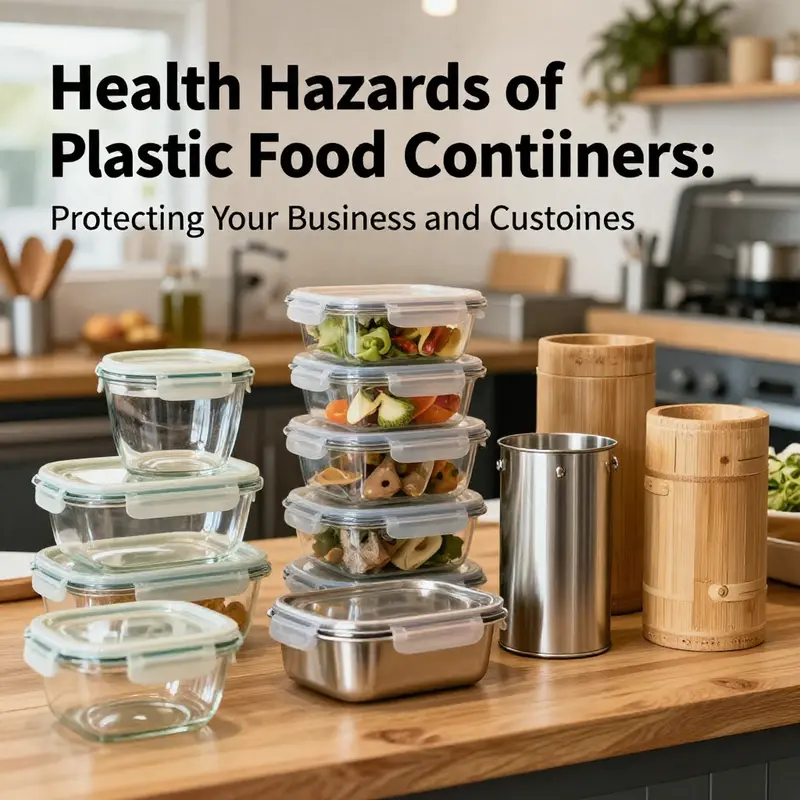
Plastic food storage containers offer undeniable convenience, yet a growing body of research shows they carry meaningful health risks that often go overlooked in our kitchens. The problem begins with the very materials that make these containers cheap to produce and easy to use. Additives such as phthalates, bisphenols (including BPA and its substitutes like BPS and BPF), and other endocrine-disrupting chemicals are engineered into plastics to alter flexibility, durability, and shelf life. When these containers meet food, especially under heat, with acidic contents, or after prolonged storage, the risk that chemicals migrate into the food increases. This migration is not a distant concern; it translates into exposure that can affect hormonal balance, reproductive health, and developmental trajectories, particularly for children whose bodies are still forming and whose brains are highly sensitive to environmental signals. The practical implication for households is simple: heat and plastic together are a bad combination for long-term health, even if the container appears inert and harmless at first glance.
Beyond the chemistry of additives, there is a more insidious form of exposure that has attracted intense scrutiny in recent years: microplastics. These tiny particles, often defined as less than five millimeters in size, have been detected not only in the foods we eat but also in human tissues, including blood, organs, and even placental tissue. The presence of microplastics in living systems raises urgent questions about chronic inflammation, gut microbiota disruption, and systemic health effects that may unfold over years or generations. In experimental studies, irregularly shaped microplastics released from conventional and biodegradable plastic containers have been linked to inflammatory cell infiltration, mitochondrial dysfunction, and structural damage in liver and intestinal tissues in animals. The finding that biodegradable microplastics (PLA-mps) can exhibit toxic profiles comparable to traditional polyethylene microplastics (PE-mps) challenges the assumption that “green” or eco-friendly plastics automatically mitigate risk. If anything, these results underscore a core concern: the safest plastics are those that do not mingle with our meals in the first place.
For families and communities, the vulnerability of children magnifies these concerns. Children eat, drink, and breathe through systems that are still developing. They are more likely to encounter exposures through routine activities—snack containers, water bottles, lunchboxes, and even toys—that can release plasticizers and flame retardants into internal environments. The consequence is not limited to subtle shifts in metabolism; there is a plausible link to neurodevelopmental and reproductive outcomes that requires vigilance from parents, educators, healthcare professionals, and policymakers alike. The public health message becomes clearer over time: reducing exposure to plastic-related chemicals is not a luxury but a precaution with potential payoffs for cognitive development, behavior, and lifelong health.
The mechanisms by which these exposures influence health are multifaceted. Phthalates and bisphenols can mimic, block, or alter the signaling of natural hormones. When they enter the body, they can disrupt thyroid, reproductive, and adrenal axes, with downstream effects on growth, puberty timing, and fertility. In the developing brain, endocrine disruption can alter neural connectivity, learning, and behavior. In adults, there is evidence linking these chemicals to insulin resistance, metabolic syndrome, and certain cancers, though causal pathways vary across populations and study designs. The broader scientific consensus acknowledges significant risk from chronic, low-dose exposure, particularly when exposures accumulate through daily living. The cumulative effect—multiple routes of contact, repetitive heating, and prolonged storage—amplifies the chance that these compounds will reach levels that matter for health.
Then there is the practical reality of how people use containers in everyday life. Reuse of single-use plastics, microwaving in plastic, or storing hot foods in plastic can all intensify leaching. Acidic foods like tomato sauces or citrus-based ingredients, when stored in certain plastics, can act as solvents that help dissolve additives more readily. Prolonged storage, such as meal-prepping for the week, can extend contact times and escalate exposure. The microwave, a common feature in many kitchens, can further degrade plastic materials and increase the rate of chemical migration. These patterns of use are not theoretical; they reflect real-world habits that millions of households employ without noticing the hidden health costs. In short, convenience has a price tag that is not always visible on the container’s surface.
Amid these concerns, experts point toward safer alternatives that minimize chemical contact with food. Glass stands out for its inertness; it does not leach the same chemicals seen in many plastics and is generally compatible with refrigeration and reheating, though care must be taken with hot liquids and thermal shock. Ceramic storage provides another non-toxic option, with good inert properties when properly glazed and fired. Stainless steel offers durability and reuse, but its compatibility with microwaves is limited, and some concerns about trace metal release in highly acidic foods persist if the vessel is damaged or poorly manufactured. The key is to choose materials that minimize chemical migration under typical household conditions and to avoid heating or prolonged storage in containers known to release harmful compounds. The overarching message is practical: when in doubt, favor materials with a long track record of chemical stability and food safety, and match the storage or reheating method to the material’s strengths and limitations.
In the real world of kitchens and meal prep, this guidance translates into a handful of deliberate choices. For refrigeration or room-temperature storage, glass and ceramic containers offer a straightforward safety margin. For daily reuse that involves constant opening and closing, stainless steel provides durability and minimalist risk, so long as it is maintained and free of damaged coatings that could harbor contaminants. When cooking or reheating, avoid plastic altogether unless the product is explicitly labeled microwave-safe, and even then use discretion about the type of food and the duration of heating. Washing also matters: hand washing is gentler on containers than dishwashers, whose heat and detergents can accelerate material degradation and potentially increase leaching for some plastics. And yet even with the best practices, a fundamental limitation remains: plastic-based storage and packaging will always carry inherent exposure pathways that may not be fully mitigated by careful handling alone.
To support households in making better choices, there is a growing movement toward packaging and storage systems designed with safety as a priority. This trend includes not only consumer-grade alternatives but shifts in the wider marketplace toward materials and designs that minimize migration. For those looking to incorporate safer options into everyday routines, a step toward safer takeout and storage choices can be an important part of a broader health strategy. In this regard, some kitchens are turning to solutions advertised as eco-friendly or safer for hot foods, including takeout boxes and containers marketed as microwave-safe or grease-resistant. While these options may offer improvements over conventional plastics, it is crucial to scrutinize labels, confirm heat tolerance, and avoid relying on any material that does not present a clear, evidence-based record of safety. To help with this, readers can explore safe, practical alternatives such as [eco-friendly takeout boxes for food packaging], which emphasize reduced chemical exposure and more robust recycling or reuse potential in many settings. This is not a blanket guarantee of safety, but it represents a meaningful shift toward materials that are easier to scrutinize and regulate.
From a policy perspective, reducing exposure to plastic-associated hazards requires a combination of tighter manufacturing standards, more transparent safety testing, and public education. Regulators can strengthen limits on specific additives and require rigorous migration testing under realistic use scenarios, including microwave heating, long-term storage, and contact with acidic foods. At the same time, public health campaigns can empower consumers to adopt safer practices without sacrificing the practical benefits of food storage and takeout. An informed public can demand safer materials, better labeling, and responsible disposal to curb environmental and health risks in tandem. The broader goal is to align everyday habits with scientific understanding, so that convenience no longer comes at the expense of health.
In sum, while the temptation to rely on plastic for ease and speed is powerful, mounting evidence shows that health costs are not negligible. The risk is not uniform across all plastics or all uses, but the patterns of chemical migration and microplastic exposure are sufficiently pervasive to warrant a precautionary approach. Safer alternatives—glass, ceramic, and carefully chosen steel options—offer meaningful reductions in exposure. Best practices—avoiding heating plastics, opting for hand washing, and minimizing prolonged storage—provide practical safeguards that individuals can adopt now. Policy measures and public awareness efforts can amplify these protections, ensuring that decisions about food storage and packaging are driven by health considerations as much as by convenience. For households seeking a concrete step toward lower exposure, choosing inert, non-plastic storage solutions for most foods, and reserving plastics for non-heated or clearly labeled-refrigerated uses, represents a prudent course of action. Public health researchers and clinicians will continue to study the long-term effects of microplastics and chemical leachates, but the current body of evidence already offers a clear takeaway: prioritize safer materials and smarter handling to protect vulnerable developing bodies and the health of future generations.
External resource: For a broader overview of the health costs associated with disposable plastics and the need for policy action, see Harvard T.H. Chan School of Public Health’s Plastic and Health resource at https://www.hsph.harvard.edu/obesity-prevention-source/plastic-and-health/
Final thoughts
The health hazards associated with plastic food containers extend far beyond mere convenience. Rapid developments in research highlight the urgency for stakeholders in the food service industry to reassess their packaging choices. By understanding the detrimental effects brought about by chemical additives and microplastics, while also recognizing the pressing environmental challenges posed by plastic waste, businesses are urged to take proactive steps towards safer alternatives. Implementing eco-friendly practices not only enhances customer health and safety but also resonates with increasing consumer demand for sustainability. The time to make conscious packaging choices is now—choose to safeguard health and elevate your brand.