
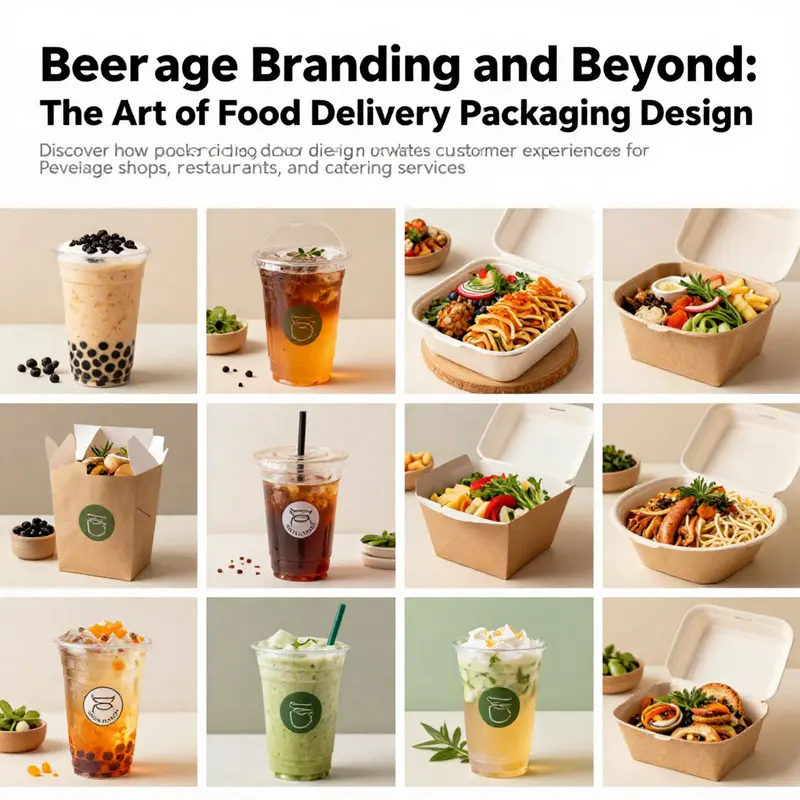
Food delivery packaging design has become a cornerstone of culinary marketing, serving as both a protective vessel and a visual statement for businesses. Suitable for industries from bubble tea shops to catering services, innovative packaging transcends the basics of mere food containment. It represents brand identity, engages customers, and increasingly embraces sustainability. As the packaging landscape evolves, various aspects emerge as critical: aesthetics that captivate, sustainable practices that resonate with eco-conscious consumers, technology that enhances functionality, and understanding consumer behavior that shapes preferences. Each chapter delves into these aspects, creating a comprehensive view of how effective food delivery packaging can significantly impact your business and customer relations.
The Visual Menu in Motion: Aesthetics as a Strategic Ingredient in Food Delivery Packaging
Aesthetics in food delivery packaging is not a garnish on the meal. It is a core component of how the entire experience is perceived, felt, and remembered. In the realm where fast, reliable delivery competes with digital interfaces and crowded menus, the packaging itself becomes a moving billboard, a tactile ambassador that travels with the customer from screen to doorstep. The best designs do more than keep hot food hot or dampness contained; they speak the brand’s voice, cue expectations about quality, and shape the moment of unboxing into a positive, repeatable sensation. This is not vanity; it is strategic, because aesthetics influence how people judge value, trust, and even flavor before the first bite.
The digital storefront has become a precursor to the physical experience. When a customer scrolls through an OFD app, the visual language of the packaging should resonate with the on-screen cues. Colors, typography, and imagery carried over from the brand’s digital identity cue a certain mood—bold and energetic for a fast-casual concept, or clean and restrained for a health-centered cafe. If the app presents a premium, cohesive aesthetic and the same cues appear on the packaging, customers experience a sense of continuity. This consistency reduces cognitive load and elevates perceived quality even before the meal is opened. Conversely, a disconnect between the app’s visuals and the packaging can introduce doubt, as if the meal were a mismatch with the promise held in the digital storefront. A well-orchestrated aesthetic strategy creates a seamless narrative from screen to table, and the packaging becomes a natural extension of the brand story rather than a separate artifact.
Color psychology plays a starring role in this dialogue. Warm tones can evoke appetite and comfort, while cooler hues signal freshness and precision. Yet color is not an isolated cue; it interacts with typography, imagery, and material choice to convey what the meal represents and how it should be enjoyed. A rustic, paper-based box with hand-drawn fonts might imply artisanal care and sustainability, inviting customers to savor slower, mindful eating. A glossy, high-contrast container with bold sans-serif type can communicate speed, clarity, and modernity, aligning with quick-service concepts that prize rapid delivery without sacrificing presence. Typography matters as much as color. The weight, spacing, and character shapes—whether geometric, rounded, or script-inspired—shape how the user reads the brand’s personality in a single glance. A minimalist wordmark may feel refined and trustworthy, while a playful typeface can signal approachability and fun. When typography is legible under dim streetlight or in glare from a mobile screen, it communicates competence and reliability, two ingredients that have measurable effects on customer satisfaction.
Imagery and branding elements on packaging extend the narrative further. A simple emblem or motif can establish recognition in a crowded market, and repeated motifs across boxes, sleeves, and cups reinforce brand memory. But imagery must be purposeful. In a crowded online ecosystem, too many competing visuals can muddle the message and dilute the perceived value of the meal. A restrained, intentional set of visuals communicates clarity and confidence. The most effective aesthetics are those that reinforce the product’s identity without overshadowing the food itself. Subtle patterns, embossed textures, or matte finishes can add tactile depth that encourages customers to handle the package with care, signaling pride in what is inside. In this way, aesthetics become a signal of quality and posture of the brand, before the lid is even lifted.
Material choice and finish contribute as much to aesthetics as color and type. The feel of recycled paper or craft-board can suggest sustainability and earth-friendliness, aligning with consumer values that matter more than ever. A soft-touch exterior can make the act of picking up the package an anticipatory moment, enhancing perceived care. Conversely, a sleek, laminated surface might convey efficiency and a modern edge, signaling that the company values speed and technical precision. The texture of the interior, including coatings that resist grease or resist moisture, communicates a quiet commitment to performance. A well-executed tactile strategy reassures customers that the package will perform under real-world conditions: it will hold up during a bumpy ride, resist leaks, and keep the food at a desirable temperature. The sensory experience—how the package looks, feels, and even smells—contributes to the overall impression of the meal and its brand.
The aesthetic design of a package also has to accommodate functionality. Form should follow function, yet function can be elevated by thoughtful styling. A container with a precise fit, secure closures, and a grease-repellent interior reduces the risk of spills during transit and helps maintain temperature. But clever shapes and forms also offer opportunities for storytelling. A windowed panel that reveals the color and texture of the dish can set expectations and reduce the mental gap between ordering and consumption. A morphing lid or an easy-open hinge can make the experience more convenient for customers who are juggling utensils, beverages, or other items on the go. In this way, aesthetic choices are not simply about surface beauty; they are about reducing friction, supporting safety, and enhancing usability at every step of the delivery journey.
Sustainability remains a central axis around which aesthetics revolve. Designers increasingly recognize that beauty and responsibility are not mutually exclusive. The visual cues on a package—color palettes inspired by natural tones, recycled-material textures, sustainable-fiber rims, or compostable-appearance finishes—signal a brand’s commitment to the environment. Yet aesthetics must be honest. If a package looks eco-friendly but relies on non-recyclable components, the mismatch can undermine trust and invite consumer skepticism. Transparent communication about materials and disposal instructions becomes part of the design language. In some cases, aesthetics can actively educate customers about sustainable practices. Subtle icons, simple infographics, and careful copy can guide users on how to recycle or compost used packaging, transforming a routine discard into a small act of environmental stewardship. This is where form becomes moral content, and where the consumer’s interpretation of a brand’s values is sharpened by the packaging’s appearance and language.
Within the broader ecosystem of delivery platforms, aesthetics also intersects with user experience on screens. The study of app aesthetics shows that visually pleasing and intuitive interfaces increase revisit intentions, underscoring the psychological resonance between digital and physical experiences. When customers encounter a well-designed packaging concept online and then meet it in real life, the cognitive alignment reinforces a premium perception and fosters loyalty. In markets where SMEs are navigating resource constraints, aesthetics can be a powerful differentiator. Subtle design sensitivity—how a box transitions from the order confirmation screen to the doorstep, how a sleeve aligns with the container, how a seal communicates freshness—can become a strategic lever for perceived value. This is especially important in regions where consumer attention is highly competitive and where decisions between brands can hinge on the perceived quality of the entire experience, not just the food.
The cultural dimension of aesthetics cannot be ignored. Expressive aesthetics influence consumer choices in nuanced ways, signaling values such as sustainability, health consciousness, or artisanal craft. A packaging system that resonates with local tastes, sensibilities, or ethical priorities can create a sense of belonging, turning a one-off purchase into a repeat engagement. For small and medium enterprises around the world, this implies tailoring visuals to reflect regional expectations while maintaining a coherent brand story. The challenge lies in balancing localized appeal with scalable design language that can travel across geographies without losing impact. When designers successfully navigate this terrain, they craft packaging that feels both familiar and innovative, a comfort zone that invites customers to choose the same brand again and again.
Inspiration for such nuanced work often flows from broader creative ecosystems. Platforms that curate packaging concepts across cuisines and cultures offer a treasure trove of ideas for color schemes, typographic approaches, and structural innovations. The aim is not to imitate but to learn how different design decisions translate into perceived value and user satisfaction. By examining how various packaging solutions accommodate portion sizes, temperature concerns, and ease of disposal, designers can extract transferable lessons about what resonates with consumers and what falls flat. The path from concept to execution is iterative: sketches become prototypes, which become tested packaging, which eventually informs the next cycle of design refinements. This continuous loop is how aesthetics evolve from a hopeful idea into a trusted, beloved element of the delivery experience.
One practical starting point for teams seeking cohesion is to anchor the packaging design to a few core attributes—the core message the brand wants to send, the primary user task (ease of pickup, temperature retention, or spill prevention), and the sustainability promise. With these anchors, designers can ensure every choice—from color to material to closure mechanism—serves the same purpose. The result is a package that feels inevitable: you see it, you understand it, and you trust it even before you touch it. For practitioners looking to broaden their palette, a careful study of existing examples—such as those found in curated design collections—offers a spectrum of strategies to borrow or adapt. The emphasis should always be on clarity, reliability, and emotional resonance. A strong aesthetic does not obscure the food; it enhances its perceived quality and invites customers to engage more deeply with the brand.
For those exploring concrete inspiration, practical examples can be found in curated resources that showcase visual creativity, material experimentation, and branding integration. Consider the case of sustainable, multi-compartment packaging designed to balance freshness with portability. A compelling example to examine is a packaging solution designed for fast-food categories that emphasizes eco-friendly materials and modular design, demonstrating how aesthetics can align with functional requirements while signaling environmental responsibility. To explore such practical references, see the curated resources on eco-friendly packaging approaches and the visual language that accompanies them. If you’d like to browse a real-world collection, you can view a relevant example here: eco-friendly-disposable-3-compartment-food-grade-packaging-box-for-fast-food-high-quality-takeout-boxes-for-fried-chicken-french-fries-packaging.
As the industry moves toward smarter, more sustainable packaging systems, aesthetics will continue to function as a bridge between product preservation, brand identity, and customer emotion. Designers who master this bridge will not only keep meals hot and intact but also ensure that the packaging conveys care, responsibility, and delight. They will understand that packaging is a narrative device—the visible, touchable chapter of a brand’s story that travels with the consumer. When executed with honesty and intention, aesthetics can elevate the experience in ways that go beyond the moment of consumption, shaping long-term perceptions, fostering loyalty, and encouraging advocacy across both online and offline touchpoints. The visual language of a takeout bag, a box, or a sleeve becomes a microcosm of the brand: consistent, purposeful, and memorable. In this light, aesthetics is not decoration; it is a strategic design discipline that helps define what quality means in the fast-moving world of food delivery.
External resource: https://www.sciencedirect.com/science/article/pii/S092424382500768X
Circular by Design: Building Sustainable Futures in Food Delivery Packaging
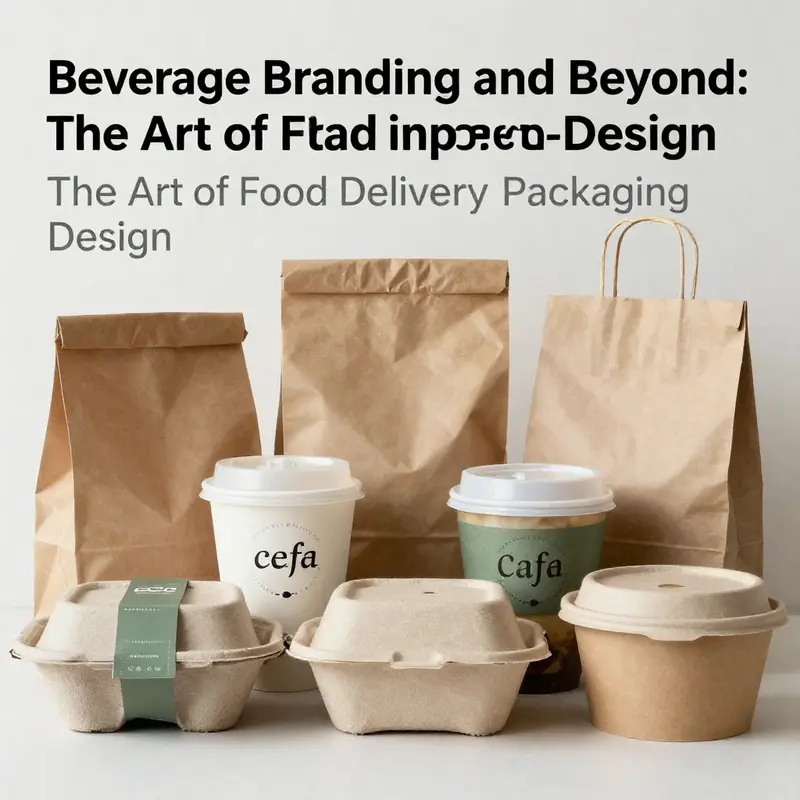
Sustainability in food delivery packaging design is not a fringe consideration but a core design discipline that shapes how a brand is perceived, how food travels from kitchen to consumer, and how resources are stewarded across a lifecycle that extends beyond a single meal. In this chapter, the emphasis shifts from mere containment to a holistic ecosystem where packaging acts as a mediator between the eater, the environment, and the supply chain. To design for circularity is to embed usage patterns, material science, and logistical realities into a single, coherent framework. The result is packaging that performs under real-world conditions—keeps food fresh and hot, minimizes waste, and signals a brand’s responsibility without sacrificing speed or usability. The most compelling advances in this field emerge not from a single breakthrough but from a deliberate rethinking of how products are made, used, reused, and ultimately replaced or upcycled at the end of their life.
At the heart of circular food package design is the idea of closing loops. A circular approach seeks packaging that can be reused, easily recycled, or safely composted, with an emphasis on keeping materials within productive cycles rather than letting them escape as waste. This ambition, however, must be reconciled with practical customer expectations. People expect packages to arrive intact, to protect the temperature of hot meals, to be lightweight for easy carrying, and to look appealing enough to encourage repeat orders. The challenge lies in balancing durability, barrier properties, cost, and environmental impact. A circular system does not mean simply swapping one material for another; it requires a system-level reconfiguration that accounts for how the package is manufactured, how it travels, how it is disposed of, and how it can be reintroduced into production with minimal loss of performance. In practice, this translates into design decisions that favor modularity, clear labeling for easy sorting, and compatibility with existing recycling and composting infrastructures. It also invites new business models, where customers may return or reuse packaging through curbside recycling programs, drop-off points, or brand-led take-back schemes.
The dialogue between consumer preferences and engineering feasibility is central to the adoption of sustainable packaging practices. Research underscores that managers and practitioners must attend to both sides of the equation: what customers want and what is technically and economically feasible. Consumers increasingly value materials that reduce waste and appear transparent about their environmental footprint. They may be willing to accept slight tradeoffs in weight or convenience if the packaging demonstrably minimizes harm to the planet. Yet design teams must be honest about performance constraints, such as barrier properties that keep moisture and oxygen out, or the heat retention needed to preserve food quality during transit. Engineering feasibility emerges not as a constraint but as a partner in problem-solving. It pushes designers to explore alternative materials, coatings, and configurations that maintain performance while improving end-of-life outcomes. This marriage of demand and capability is where circular thinking truly takes root, guiding decisions about whether to pursue reusable systems, compostable formulations, or recyclable architectures that align with local waste-management infrastructure.
Edible packaging stands at the frontier of sustainable design by offering a radical way to eliminate packaging waste. Composed of biodegradable, plant-based ingredients such as starch, chitosan, or seaweed extracts, edible coatings or wraps can be designed to disappear in the consumer’s mouth or in the waste stream without leaving behind problematic residues. The appeal is not only waste reduction but the potential to add functional value. When integrated with nanotechnology, edible packaging can serve as a carrier for bioactives—antimicrobials, antioxidants, vitamins, and nutrients—delivered in controlled ways that preserve safety and stability through transit. Nanoparticles, nanoemulsions, and nanofibers enable slow or targeted release, extending shelf life and adding a layer of nutritional or preservative functionality that traditional packaging cannot offer. The concept invites a deeper conversation about safety, regulatory frameworks, and consumer acceptance. Edible packaging is not a panacea; it demands rigorous evaluation of allergenicity, sensory impact, and cultural contexts around eating packaging materials. Yet it points toward a future where packaging ceases to be a disposable afterthought and becomes an integrated part of the eating experience, one that can be consumed or biodegraded with minimal environmental burden.
Nanotechnology-infused edible packaging further expands the horizon. The same nano-scale tools that enhance flavors, textures, or release profiles in food science can be repurposed to safeguard packaging integrity during rough handling and long journeys. For instance, nanocoatings can improve barrier properties, reducing moisture ingress and oxygen exposure without introducing heavy or non-recyclable substrates. They also enable precise control over the release of active agents, like antimicrobials, that help keep food safer during transit. The advantages are clear: longer shelf life, reduced spoilage, and a potentially reduced need for preservative additives in the food itself. The caveat is substantial: any nano-enabled system must be proven safe for ingestion and compatible with existing waste streams. This is where cross-disciplinary collaboration becomes essential—materials science, toxicology, regulatory science, logistics, and consumer insight must align to realize the promise of nanotechnology in a responsible manner. The discipline is not merely about making finer packaging; it is about reimagining how materials interact with microbiology, food chemistry, and environmental fate.
The broader packaging landscape now emphasizes how materials behave within a circular economy. The circular paradigm challenges designers to anticipate downstream processes long before the first sheet of material is drawn. This is how barrier properties, durability, and compostability are balanced with cost-effectiveness and user convenience. A practical approach involves selecting materials that are either widely recyclable or compostable in most municipal settings and that pair well with standardized processes in foodservice environments. It also means designing for disassembly: adhesives, inks, and laminates should not hinder recycling; parts that can be separated should be easy to retrieve by consumers or waste-management facilities. Clear labeling, universal recycling symbols, and color-coded streams help consumers sort packaging properly. When these details are neglected, even the most innovative material choices can fail to reach their intended environmental potential. A well-executed design prioritizes not only the material itself but the entire system around it—the bin, the truck, the route, the end-of-life facility, and the consumer’s day-to-day routine.
The source of inspiration for designers increasingly includes digital platforms that showcase practical, sustainable concepts from around the world. Platforms like Pinterest offer curated collections of packaging ideas that demonstrate how different cuisines, portion sizes, and delivery formats can be harmonized with sustainability goals. These resources can spark practical experimentation—facilitating iterations that balance aesthetics, branding, and environmental performance. For designers seeking to translate inspiration into actionable packaging systems, a focused evaluation of options such as eco-friendly takeout boxes is essential. For instance, a practical example might be a takeout box that combines lightweight fiberboard with a grease-resistant coating, enabling both hot foods and grease management while remaining compatible with local composting or recycling streams. Such choices illustrate how sustainability considerations can be woven into the fabric of a brand’s identity without compromising speed, safety, or user experience. An accessible reference point for this exploration is the internal resource about eco-friendly takeout packaging, which offers concrete options for L1 food-service operators and product developers to compare performance, cost, and end-of-life outcomes. eco-friendly-takeout-boxes-for-food-packaging
This integrated design mindset also calls for a pragmatic approach to material science and lifecycle analysis. It invites teams to quantify trade-offs with care: what fraction of a package’s environmental footprint is attributed to raw-material production, what portion to manufacturing energy, and how much savings accrue through extended shelf life or reduced waste. The lifecycle lens encourages ongoing optimization across suppliers, production lines, and distribution networks. Lightweighting, for example, reduces transportation emissions but can sometimes require stronger barrier properties or more expensive coatings. The art of the design choice lies in identifying a path to balance weight, performance, and recyclability in a way that makes economic sense and environmental sense alike. In practice, this means close collaboration among design engineers, suppliers, logisticians, and sustainability officers. It also implies an openness to revisiting legacy packaging norms when data indicate that alternative materials or configurations can deliver superior circular outcomes.
Communication is a critical, often undervalued, component of sustainable packaging. Consumers should understand not only what the packaging is made of, but how to dispose of it properly. Transparent labeling, simple sorting instructions, and visible claims about recyclability or compostability help bridge the knowledge gap that can otherwise derail well-intentioned designs. The brand’s storytelling then extends to the logistics of reuse or recycling, clarifying to customers how they participate in the circular system. The design team must also anticipate the realities of different municipalities and regional capabilities. A packaging concept that is fully recyclable in one city may have little value in another if the local waste-stream lacks the infrastructure to process it. Therefore, the most robust sustainable packaging strategies embrace adaptability, standardization where possible, and a humility that welcomes local tailoring without sacrificing core circular principles.
As the field advances, it becomes clear that sustainable packaging is not a fixed endpoint but an ongoing dialogue among materials, users, and systems. Advances in edible and nano-enabled packaging illustrate the breadth of possibilities, while the insistence on lifecycle thinking anchors these innovations in practicality. The broader takeaway is that sustainability must inform every stage of the design process—from initial ideation to end-of-life management. When done thoughtfully, packaging becomes a partner in the delivery experience rather than a passive shell. It can protect, inform, and co-create value, all while participating in a larger environmental economy. This vision challenges designers to think beyond conventional metrics of form and function and toward a more integrated measure of impact—one that accounts for resource conservation, food safety, user convenience, and social responsibility. It is, in essence, design that sustains not only meals but the communities and ecosystems that support them.
For readers seeking a deeper scientific grounding, the literature offers rigorous analyses of edible packaging and sustainable trends in food packaging. A peer-reviewed study, Edible packaging: Sustainable solutions and novel trends in food packaging, provides a scientific foundation for exploring these themes, detailing both opportunities and challenges in translating innovative materials from concept to market: https://doi.org/10.1016/j.foodres.2020.109981. This external resource anchors the ongoing dialogue about how edible and nanotech-enabled packaging might evolve alongside traditional materials, reinforcing the view that sustainability is a dynamic, multidisciplinary pursuit rather than a static set of rules. The conversation is ultimately about balance—balancing performance with responsibility, aesthetics with functionality, and immediate needs with long-term stewardship. The path forward lies in interdisciplinary collaboration, transparent measurement, and an unyielding commitment to designing packaging that serves people, meals, and the planet with equal care.
Smart Signals and Sustainable Carriers: Technology-Driven Reimagining of Food Delivery Packaging
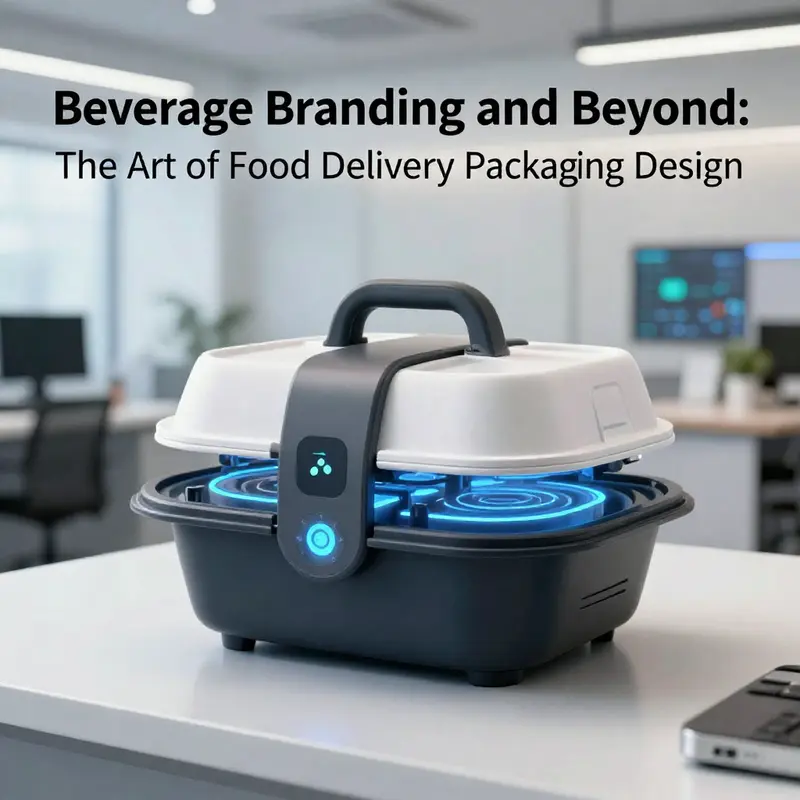
The moment a hot meal leaves a kitchen and begins its journey to a customer, technology already starts doing its quiet, invisible work on the package. Packaging design in the era of on-demand food is no longer about a single box that simply holds contents; it is a living interface between food safety, brand identity, and environmental stewardship. Technology has layered the humble container with capabilities that extend far beyond containment. It now governs temperature stability, monitors freshness, records the journey from origin to doorstep, and even informs the consumer about the package’s story in real time. This convergence of materials science, sensors, and intelligent design marks a shift from static packaging to a dynamic system that protects, communicates, and delightfully reinforces a brand’s values in a crowded, competitive landscape.
Biodegradable and compostable materials have emerged as a central thread in this evolution. The material choices used for delivery packaging can influence not only the environmental footprint of a meal but also the consumer’s emotional response to the brand. Polylactic acid (PLA) and polyhydroxyalkanoates (PHA) have moved from niche laboratory concepts to practical options that can be integrated into multi-functional packaging systems. These materials offer the promise of reduced environmental burden when compared with conventional plastics, yet their adoption is tempered by real-world considerations. Cost remains higher, processing conditions can be more fragile, and performance under extreme temperatures or during long transit needs rigorous validation. For designers, the challenge is to balance these materials’ environmental benefits with the durability, grease resistance, and barrier properties required to protect food and keep it appetizing upon arrival. The conversation around sustainability is not a single decision at the outset of a project; it is an ongoing dialogue among regulatory expectations, supply chain realities, and consumer expectations about how a brand behaves in the world.
Beyond the composition of the box, the materials create a platform for smarter functionality. The packaging itself becomes a sensor-friendly shell, capable of integrating time-temperature indicators (TTIs), micro-sensors, or simple humidity and freshness cues. TTIs, in particular, have begun to shift the way both retailers and consumers think about food safety in transit. When a meal is exposed to temperatures outside an acceptable band, a visual cue can illuminate potential quality loss, guiding both delivery personnel and end users toward appropriate actions. This capability does more than prevent spoiled meals; it builds trust. Consumers gain reassurance that their food has been protected during the journey, while brands can demonstrate accountability to quality standards in a tangible, easily understood format.
The most visible sign of technology’s influence on packaging is the integration of traceability features. Radio-frequency identification (RFID) tags and quick-response (QR) codes can be embedded or affixed to containers to reveal the product’s origin, production date, and handling history. In the realm of delivery, such traceability provides a scaffold for higher-level supply chain management. It can support inventory planning, dynamic routing, and even post-delivery recall procedures with greater speed and precision. For customers, this translates into confidence that the meal not only reached them safely but did so through a transparent, auditable journey. From a brand perspective, traceability becomes a storytelling device—consumers can scan a code to learn about sourcing practices, packaging commitments, and end-of-life disposal options, transforming packaging from a passive vessel into an instrument of brand narrative.
The design discipline accompanying these capabilities has grown increasingly sophisticated. Digital design tools enable optimization that extends beyond aesthetics to manufacturing efficiency and resource stewardship. Computational simulations, for instance, allow designers to model the filling process and the overall dynamics of a package under a variety of transit conditions. By simulating barrier properties, weight distribution, and seal integrity, teams can minimize material usage without compromising performance. The benefits ripple through the supply chain: lighter packaging reduces transport emissions, lowers fuel consumption, and improves load efficiency. In addition, design optimization supports easier assembly and faster line changeovers, which can cut waste and reduce labor costs. The result is a packaging system that is not only safer and more reliable but also leaner and more adaptable to rapid menu changes or seasonal promotions.
Despite these advances, the path forward is not without friction. The costs associated with smart materials and integrated sensing technologies remain a significant hurdle for many operators, especially smaller restaurants or regional chains. Biodegradable polymers can demand higher upfront investment and more exacting processing conditions. Smart features such as TTIs or RFID tags require supply chain compatibility, robust data management, and clear regulatory guidance on how these features are represented in environmental claims. Companies must navigate a landscape of evolving standards and consumer expectations without sacrificing reliability or affordability. In practice, this means that technology adoption often proceeds in incremental steps: replacing one element of the packaging system with a smarter alternative, then layering additional capabilities as scale and certainty improve. The strategic value comes not from a single, glamorous innovation but from a coherent, modular approach that lets a brand grow its packaging capability in step with its broader sustainability and quality goals.
There is also a need to preserve the brand’s narrative within the packaging system. Visual identity remains a critical driver of customer perception, and even as packaging becomes more technologically sophisticated, its first function—communication—must remain clear. The choice of color, typography, and emblemography still communicates the brand’s personality. A strong, cohesive look can signal safety, reliability, and premium quality, or, in the case of bold, quick-service concepts, urgency and energy. The consumer’s unboxing experience—what they see, feel, and read first—still matters, but now it is enriched by data-rich signals that reinforce the brand’s commitment to safety, transparency, and sustainability. In this evolving design language, packaging serves as a mobile, ambient interface: it invites curiosity about technology while delivering practical assurances about performance and responsibility.
In practice, inspiration for these evolving designs often comes from diverse, global sources that showcase how different markets balance aesthetics, functionality, and sustainability. Platforms that curate packaging concepts illustrate how varied cuisines, portion sizes, and delivery formats can be harmonized within a common framework of responsible design. For designers, such references are not mere curiosities; they are a reminder that the most compelling packaging solves real problems while resonating with local sensibilities. The right balance of structure, material choice, and branding details can transform a simple container into a persuasive, trusted ambassador for the food inside and the values behind the brand. When used thoughtfully, this synergy between technology and design yields packaging that not only preserves and protects but also communicates and connects.
The future of technology-enabled packaging is less about a single, disruptive invention and more about the orchestration of capabilities across a system. It envisions a packaging ecosystem where smart materials, real-time data streams, and adaptive manufacturing converge. Imagine packaging that can adjust its barrier properties in response to detected moisture, or a lid that changes color to indicate that a meal has drifted from its safe temperature, or a box that logs every handoff in the delivery chain and makes that information accessible to the consumer with a simple tap. The economic logic supports such a trajectory when life-cycle costs—material, energy, waste, and labor—are weighed against the benefits of reduced spoilage, improved safety, and enhanced brand loyalty. This is not merely an upgrade in durability; it is a redefinition of what packaging can do for a business and for the consumer who depends on it in a demanding, time-pressured context.
To achieve these outcomes, collaboration across disciplines is essential. Material scientists, data engineers, packaging designers, and supply chain managers must align on shared objectives and measurements. A successful technology-enabled packaging strategy begins with a clear understanding of the user journey: where the meal is prepared, how it is packed, who handles it in transit, and how the consumer interacts with the package at delivery. Each touchpoint offers an opportunity to inject meaningful data, optimize performance, and reinforce the brand’s sustainability commitments. It also requires an honest accounting of trade-offs. The most sophisticated packaging should still be simple to open, easy to dispose of, and compatible with existing disposal infrastructure where possible. If a technology adds complexity without delivering commensurate value, it risks alienating customers or overwhelming the operational system. The best designs are those that integrate technology so seamlessly that users rarely notice the complexity behind the scenes, only the consistent reliability and the sense that the brand has thoughtfully stewarded every stage of the food’s journey.
Of course, the consumer-facing benefits must be paired with robust regulatory and environmental stewardship. Regulatory frameworks are still evolving as new materials and sensing technologies reach the market. Claims about biodegradability or compostability must be substantiated with credible life-cycle analyses and transparent disposal guidance. In parallel, the industry is moving toward standardized data formats and interoperable sensors to support traceability without creating data silos. This standardization is essential to enable suppliers, couriers, and retailers to exchange information smoothly, which ultimately reduces waste and improves safety. The dialogue among regulators, manufacturers, and customers is increasingly about trust: how packaging communicates its performance, how data is used and protected, and how end-of-life options are clearly presented. In this landscape, successful packaging design becomes a bridge between innovation and responsibility, delivering value to the consumer while honoring the ecosystem that makes rapid, reliable delivery possible.
Technologists and designers are drawing on a wide array of signals to shape decisions. The sensory cues embedded in packaging—an indicator that changes color, a QR code that reveals sourcing details, a label that confirms the product’s temperature history—serve as tangible touchpoints that anchor a brand’s commitment to quality. Meanwhile, materials researchers continue to push the envelope on performance and sustainability, exploring blends and coatings that reduce barrier failures, improve grease resistance, and lower energy use in production and recycling streams. The integration of these advancements is not a one-time installation; it is an ongoing program of refinement, driven by data, user feedback, and the evolving economic and environmental context in which food delivery operates. The result is a packaging system that keeps pace with changing consumer expectations and changing technologies, while maintaining a focus on the practical realities of packaging, transport, and use.
As this field advances, it will be vital to retain a user-centered perspective. Technology should never overwhelm the user with a barrage of alerts or complicated disposal instructions. Instead, it should offer concise, actionable information that helps consumers make responsible choices. Packaging can empower customers to participate in sustainable practices by providing clear disposal paths and by communicating the packaging’s durability and safety in a way that aligns with everyday decision-making. In the end, technology serves the user when it translates complex data into straightforward guidance and when it reinforces trust without creating friction. The most successful designs feel intuitive, almost invisible, while quietly delivering measurable improvements in safety, sustainability, and customer satisfaction.
Internal reference: for a practical illustration of how multi-compartment packaging can support diverse meals while maintaining responsible design, see the detailed example of sustainable, modular packaging designs here: eco-friendly-disposable-3-compartment-food-grade-packaging-box-for-fast-food-high-quality-takeout-boxes-for-fried-chicken-french-fries-packaging. This example demonstrates how thoughtful partitioning can reduce spill risk, enable more precise portioning, and support a circular approach to waste with compatible disposal options. It is a reminder that the future of food delivery packaging lies not in spectacle alone but in integrated systems that combine safety, sustainability, and meaningful brand storytelling.
Looking ahead, the most enduring packaging solutions will emerge from ecosystems that harmonize smart materials, real-time data, and user-centric design. This synergy promises to curb waste, protect food quality through unpredictable conditions, and give consumers a transparent window into how their meals were handled. The chapter on technology’s impact is thus not a singular snapshot of novelty; it is a forward-looking frame that imagines packaging as an intelligent, responsible intermediary between kitchen and consumer. It invites readers to consider not only how a box carries food, but how it carries the brand’s commitment to safety, efficiency, and the health of the planet. In short, the future of food delivery packaging design lies in thoughtful, data-informed, sustainable systems that deliver trust as reliably as they deliver meals. For a broader look at how these technologies address waste across the chain, see the external resource on smart packaging and waste reduction. https://www.mdpi.com/2306-5729/11/2/148
Packaging That Persuades: How Consumer Behavior Shapes Food Delivery Packaging Design
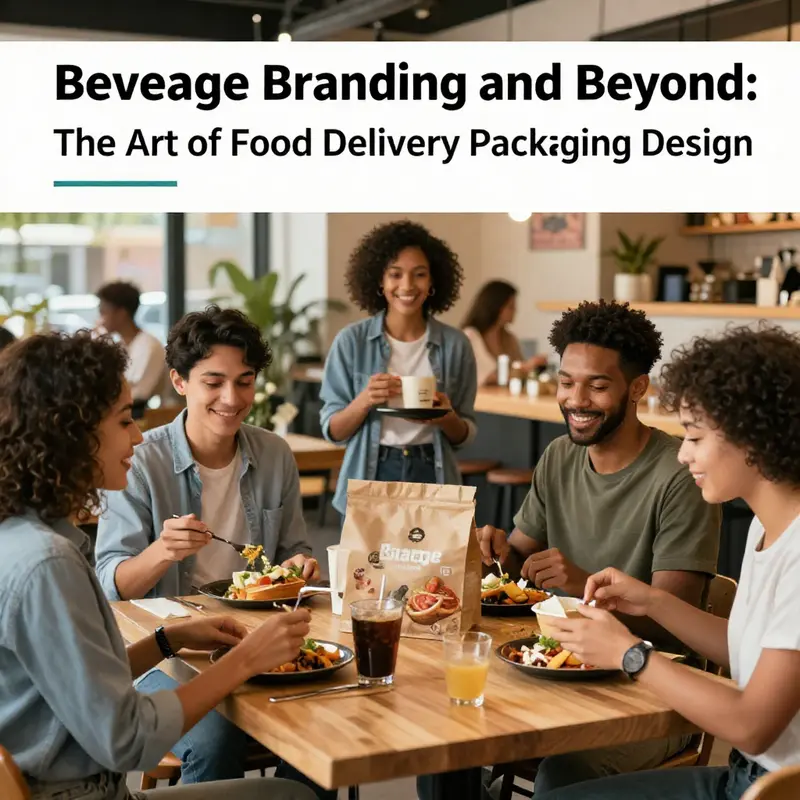
Packaging in the world of food delivery is more than a vessel; it’s a conduit for experience, safety, and identity. It sits at the intersection of practicality, emotion, and brand storytelling, shaping how a user perceives a meal even before the first bite.
Safety cues, such as tamper-evident seals, legible material labeling, and clear freshness indicators, reduce anxiety when the interior is not visible. A small transparent window can confirm freshness if used judiciously, without compromising hygiene.
Convenience and usability drive choices like leak-proof lids, one-hand opening, resealability, and compartmentalization to keep sauces separate. For on-the-go lifestyles, packaging must support easy transition from order to enjoyment and fit into home or workplace routines.
Sustainability matters but requires balance; consumers want eco-friendly options, yet practical concerns about hygiene, cost, and end-of-life handling shape adoption. Transparent labeling and accessible recycling information build trust.
Brand identity and aesthetics influence perceived value; packaging can act as a visual ambassador, capturing the restaurant’s personality through color, typography, and material choices while remaining legible and functional in a delivery setting.
Design process and constraints: manufacturability, cost, supply chain; cross-disciplinary collaboration among designers, engineers, and marketers ensures a cohesive system rather than a series of one-off solutions. A modular approach with thoughtful color systems can accommodate diverse meals while preserving brand voice.
Impact and takeaway: treat packaging as part of the user journey from order to unboxing, and pursue safety, usability, sustainability, and brand storytelling in equal measure to build trust and loyalty. The future lies in systems thinking that integrates material science, UX, and sustainability metrics.
Final thoughts
Food delivery packaging design plays a crucial role in shaping consumer experiences and enhancing brand identities across multiple businesses, including bubble tea shops, restaurants, food trucks, and catering services. Aesthetic appeal grabs attention, sustainability appeals to the modern consumer’s conscience, technology brings innovation to packaging solutions, and understanding consumer preferences ensures that packaging resonates with the target audience. As companies navigate these elements, they can achieve a lasting impact, fostering customer loyalty and enhancing their market presence. Adopting smart, innovative, and beautiful packaging strategies will allow businesses to stand out in the increasingly competitive food delivery sector.