
Tesco’s plastic food storage containers are not only practical and affordable but also ideally suited for businesses looking for reliable food preservation solutions. From bubble tea shops to restaurants and food trucks, these containers cater to various needs. Each chapter will explore essential aspects such as materials, sustainability efforts, product range, pricing, and consumer feedback to highlight how Tesco’s storage solutions can enhance operational efficiency and align with modern values in the food service industry.
Stability, Seals, and Sustainability: Tracing Tesco’s Plastic Food Storage Containers Through the Modern Kitchen
In kitchens across the United Kingdom, a modest plastic box can be the difference between a well preserved lunch and a soggy mishap in the bottom drawer. Tesco, as a major retailer with a reputation for practical choices, has built a private label line of plastic food storage containers that centers on value, simplicity, and dependable performance. These containers are not flashy gadgets; they are the everyday tools that help households keep leftovers fresh, organize ingredients, and simplify meal prep. The goal is to provide something that works consistently, fits neatly on a shelf or in a fridge, and endures the rhythms of a busy family routine.
Material choices lie at the heart of how these containers perform. The typical lineup relies on food-grade plastics that are BPA-free, offering a balance of strength and clarity. Polypropylene, or PP, and polyethylene, or PE, are common choices. PP is prized for rigidity and heat resistance, while PE can provide good impact tolerance and resilience in the freezer. The materials are chosen to keep liquids contained and to minimize the risk of staining or odor absorption. Most of the best options in this range are designed to endure repeated cycles in the fridge, freezer, microwave, and dishwasher, though specific models vary in their exact tolerances. When a consumer looks at the label, the emphasis is on safety and practicality rather than a premium culinary experience. The containers are meant to be workhorses, not luxury items, and the comfort of knowing they can handle daily use is a big part of their appeal.
A central feature that shoppers notice is the design ethos centered on stackability and space efficiency. Stackable containers maximize the often precious fridge and cupboard real estate, which matters in smaller homes or shared living situations. The lids are typically designed to snap on securely and to form airtight seals. Those seals are not cosmetic; they are what prevent moisture loss, keep odors from mingling, and help preserve flavors and textures over multiple days. Many models incorporate lids with grooves or ribbed edges to enhance grip, and a few types offer vented lids for gently reheating foods in the microwave while preventing splatter. The shapes tend to range from rectangular profiles that align neatly on shelves to circular forms that fit standard lunchbox stacks. The practical geometry is deliberate: it reduces wasted space while preserving ease of access during busy mornings or late-night kitchen sessions.
In market terms, Tesco positions these storage solutions as affordable, dependable, and aligned with broader sustainability aims. The private label approach typically emphasizes durability and repeat use as a reasonable cost-per-use proposition. Across recent ranges, the company has increasingly signaled recyclability and transparent material labeling, alongside guidance about disposal. This mirrors a wider industry shift away from single-use plastics toward reusable storage options and circular packaging strategies. The packaging itself often carries cues about the materials used and the intended end-of-life path, nudging consumers toward recycling where possible. It is not a radical departure from past practice, but a measured evolution that acknowledges growing demand for responsible consumption without sacrificing everyday convenience.
For the everyday consumer, the value proposition crystallizes in a few actionable choices. The containers offer a predictable performance envelope: they handle dry goods and liquids with confidence, they survive fridge and freezer storage, and a significant subset is microwave safe for easy reheating. Dishwasher compatibility is a practical bonus, cut from the daily chore list and enabling a quick turnaround during weeknights. The tradeoff is often about durability versus price. Cheaper lines may show thinner walls or less robust seals after many cycles, yet they still deliver the essential function of keeping foods contained and organized. The stronger options, while marginally more expensive, reward users with thicker walls, tighter seals, and better resistance to cracking under cold or hot conditions. In real life, a family might mix a handful of small, snack-sized containers with a few larger rectangles or rounds to accommodate different meals, from midday salads to batch-cooked soups.
Beyond the kitchen counters, the conversation around these containers intersects with broader sustainability questions. Tesco’s private label strategy mirrors a retail sector increasingly focused on lifecycle thinking. Consumers are invited to consider not just the immediate use of a container, but its reusability across multiple weeks and seasons, and finally its recyclability at the end of life. Clear labeling helps demystify what can go where in home recycling streams, and this transparency matters when households are trying to minimize waste rather than simply reduce it on a single purchase. In practical terms, this means opting for sets that cover a spectrum of needs—small containers for snacks and dressings, mid-sized options for leftovers, and larger ones for bulk prep—so fewer new containers are bought and more existing ones are reused. It also means recognizing that packaging decisions made at the store level can influence consumer habits at home; a clear, well-designed set can nudge people toward more mindful portioning and proper disposal.
The consumer experience, as reflected in user feedback and everyday use, often emphasizes reliability and predictability more than novelty. A well-liked set becomes a quiet backbone of weekly meal planning: it can be retrieved from the fridge, used in the microwave if allowed, and tucked back into the cupboard without fuss. Reviewers frequently praise containers that resist staining and odor retention, maintain a strong seal after repeated use, and stack compactly for easy storage. They also weigh the value proposition against life expectancy. A robust, well-made box may outlast several cheaper alternatives, offering lower per-use cost over time and reducing the mental load of replacing worn items. Yet a shopper who needs a temporary solution for a weekend trip may opt for a more economical option that serves its purpose and can be rotated out when unnecessary.
In the broader packaging dialogue, the role of containers like Tesco’s becomes a point of departure for how households think about waste, reuse, and responsibility. It is reasonable to expect that packaging narratives will continue to emphasize recyclability and the use of recycled content where feasible. The push toward clearer labeling helps consumers make informed decisions about whether to recycle lids separately, how to clean containers before recycling, and which items qualify for specific streams. This transparency matters because it builds trust; when people understand the lifecycle of a product, they are more likely to reuse it effectively and to participate in recycling programs that keep materials circulating instead of ending as waste. The balance Tesco seeks here is not perfection but practicality: provide a dependable product, communicate its end-of-life options clearly, and support customers in making choices that align with their values and routines.
Guiding a shopper through the store or online catalog often comes down to a few decisive criteria. First, confirm the material family and the BPA-free claim, recognizing how these influence safety and heat tolerance. Next, inspect the lid-to-container fit; an airtight seal is the practical line between a fresh lunch and a soggy bag of leftovers. If reheating is frequent, verify microwave compatibility and any venting or lid restrictions that speed up warming without leaks. For freezing, ensure the walls can withstand low temperatures and that the seal remains intact after months of storage. For cleaning, top-shelf dishwasher safety is a boon, especially for busy households, but always check the manufacturer’s guidance for extreme heat or harsh detergents. Finally, consider the mix of sizes that best reflect daily routines: a couple of compact four to six ounce boxes for dressings or snacks, a handful of mid-size containers for lunches or sauces, and a few larger ones for bulk prep and leftovers. The goal is to assemble a kit that reduces waste, simplifies routine tasks, and stays within a sensible budget.
To broaden the discussion beyond the kitchen, one can see how these design decisions influence related packaging categories. For instance, a post on eco-friendly takeout boxes for food packaging explores how materials, heat tolerance, and end-of-life options shape consumer behavior in settings beyond home storage. This cross-domain view helps illuminate a core principle: when packaging is straightforward to reuse and easy to recycle, people are more likely to incorporate it into daily life rather than discarding it after a single use. The linked piece offers a complementary perspective on how seemingly separate product categories share a common objective—reducing waste through thoughtful design and transparent information. eco-friendly takeout boxes for food packaging.
Looking inward to the Tesco ecosystem, the private label line sits within a wider network of supplier relationships, sourcing choices, and customer feedback loops. Price remains a strong driver of purchase behavior, but sustainability conversations are increasingly shaping product development and in-store communication. As a result, shoppers can expect to see continued refinements: clearer material data, more recycling-friendly packaging designs, and perhaps sets that better align with specific meal-prep patterns, from weekly batch cooking to daily lunches. The practical consequence for households is tangible. Reuse becomes more second nature, washing becomes a routine once a week, and the choice of set influences how meals are planned and stored. A calm, organized kitchen emerges not from magic but from smart design that respects the realities of modern life—time, budget, and the finite shelf space available in every fridge.
In sum, Tesco plastic storage containers function as reliable scaffolding for daily cooking, storage, and cleanup. They embody a pragmatic approach to safety, usability, and value, with a steady push toward greater recyclability and clearer material disclosure. Their strength lies in consistency: predictable performance, broad compatibility with common kitchen tasks, and an emphasis on reusable, refillable routines rather than disposable convenience. They do not promise to solve every waste issue, but they offer a practical pathway for households to store food safely, reduce waste, and keep kitchens organized in less than glamorous, but profoundly important, ways. The ongoing evolution of these containers—guided by safety data, user feedback, and sustainability goals—will continue to influence how we think about storage, reheating, and the everyday act of turning leftovers into tomorrow’s meals.
External resource: https://www.tesco.com
Holding Freshness: The Craft and Care Behind Tesco’s Plastic Food Storage Containers
In kitchens where practicality meets everyday use, the right storage container is a quiet partner. This chapter explains the materials and construction behind Tesco’s plastic food storage range, focusing on how form and function support safe, simple meal prep. Central to the design are two polymers: polypropylene and high-density polyethylene, both commonly used for food contact and known for their balance of safety and durability. PP handles heat well and stays flexible, while HDPE provides robust walls and chemical resistance for bulkier designs. Both are typically BPA-free, aligning with safety standards for food-contact plastics. The lids feature seals that keep moisture and odors contained and help reduce spills during transport. Stackability saves kitchen space and aids organization in fridges and freezers. The range often highlights microwave compatibility, dishwasher safety, and freezer use where applicable, with care labels guiding each model. Beyond convenience, the choice of materials reflects a broader push toward reuse and responsible disposal, encouraging mindful end-of-life decisions without sacrificing everyday practicality.
Between Convenience and Circularity: The Evolving Narrative of Tesco’s Plastic Food Storage Containers
Behind the cupboard door and the kitchen work top, a quiet but persistent debate unfolds about the plastic containers that keep our leftovers ready to eat, our ingredients fresh, and our meals planned. Tesco’s plastic storage containers sit squarely at that intersection of everyday practicality and larger questions about resource use, waste, and what it means to shop with a future-facing mindset. In the retailers’ own-label universe, these containers are designed for reliability: they seal tightly to preserve moisture, withstand the chill of the fridge, and in some cases tolerate reheating in a microwave. The materials commonly chosen—food-grade polypropylene and polyethylene—reflect a careful balancing act among safety, clarity, rigidity, heat resistance, and affordability. The lids snap into place with a confident click, and the overall shape is engineered for efficient stacking, easy labeling, and predictable storage in a crowded kitchen. The result is a tool that feels simple and indispensable, yet embeds a chain of decisions about manufacturing, packaging, and end-of-life that matters far beyond the kitchen drawer. The story, however, does not end with convenience. A chorus of voices—consumers, scientists, and policymakers—pushes retailers to be transparent about materials and more explicit about recycling pathways. Tesco, like many large retailers, has responded by steering its private-label packaging toward a more sustainable trajectory. The aim is not merely to reduce waste but to redesign the lifecycle of these containers so they are reusable, recyclable, or compostable where feasible, and to increase the proportion of recycled content in their plastic layers. When shoppers encounter the product pages or the packaging itself, they may see marks that indicate recyclability or clear guidance about how to process containers in local facilities. Yet the recycling system is not a single, uniform process; it varies by region, by how municipal programs handle plastics, and by the stage at which a container enters the waste stream. In that sense, the container becomes a small ambassador for a broader system update: one that asks households to participate in sorting, one that asks manufacturers to design for recyclability, and one that asks local authorities to invest in infrastructure that can handle more of what we throw away. The environmental footprint of these everyday aids is far from trivial. Most conventional plastic containers are built from fossil fuel-based polymers, and their production emits greenhouse gases across the life cycle—from resin manufacture to molding, packaging, and transport. Even when containers are recycled, the rate of recovery in many places is modest. The Environmental Protection Agency has long highlighted that only a fraction of plastics ever produced are recycled, underscoring a systemic challenge that requires both reduced consumption and smarter design. Against this backdrop, Tesco’s sustainability program seeks to align practical kitchen needs with a broader ambition: to reduce reliance on virgin plastics, to increase recycled content where possible, and to rethink packaging so it fits more cleanly into post-use systems. In households, that translates into a tougher test than a single product. It requires ongoing use of containers as durable, reusable assets and a commitment to correct disposal or recycling when reuse becomes impractical or unsafe. A core strategy involves increasing recycled content while maintaining performance. For many containers, the challenge is to preserve the features people rely on—flexible lids, strong seals, clear visibility, and optical clarity—while ensuring the materials can be reprocessed by standard recycling streams. It is a delicate engineering problem: higher recycled content can change the color, rigidity, or heat tolerance of plastics, which in turn can affect microwave safety or freezer durability. Tesco’s approach, in line with broader corporate goals, seeks a pragmatic balance. The packaging must still be affordable, it must meet regulatory and safety expectations, and it must be something households can accept as part of their everyday shopping routines. Transparent labeling assists here, offering shoppers the information they need to decide how to reuse, recycle, or, when appropriate, compost packaging waste. In the home, the shift toward sustainability is also a shift in habit. Reusable storage is not just about choosing a container with a tight seal; it is about building routines that minimize waste, reduce spoilage, and extend the life of ingredients. A well-sealed container helps preserve flavors while limiting the exposure of food to air and moisture that accelerate spoilage. This, in turn, reduces waste—not only in the kitchen but upstream, where fewer groceries are discarded and repacked. Yet the benefits depend on sustainable disposal practices as well. When a container reaches the end of its life, the ease with which it can be recycled becomes a crucial determinant of its overall environmental footprint. The labeling language matters here, guiding consumers through correct sorting and providing practical clues about which materials can be processed by nearby facilities. The more households know about the end-of-life options, the more effective these systems become. This is where the conversation broadens from a single product to a system. Tesco’s sustainability commitments outline a mid-decade horizon in which their own-brand packaging is designed to be reusable, recyclable, or compostable, and in which the proportion of recycled content in plastics increases. The practical implications are multiple: product designers may experiment with resins that accept higher recycled content without sacrificing clarity or heat resistance; supply chains may be reorganized to source more recycled plastics; stores may pilot take-back or reuse programs to extend the life of containers and reduce the need for single-use alternatives. The ambition is not to eliminate convenience but to reframe it within a circular economy, where materials circulate rather than accumulate as waste. The challenges are equally clear. The need to maintain safety and price parity with established packaging makes progress incremental and iterative, requiring ongoing collaboration across suppliers, retailers, waste-management authorities, and, crucially, shoppers who decide how to use and dispose of containers. Understanding the day-by-day impact of these containers also invites reflection on how design choices influence behavior. A durable, easy-to-clean container with a reliable seal can encourage more frequent use for leftovers. Clear, durable plastics that stand up to a freezer or microwave can justify keeping foods longer and pre-preparing meals. Conversely, if a container is difficult to clean or fails to seal, it may be discarded sooner, undermining the sustainability objective. The tension between cost, performance, and environmental impact is not resolved by a single product; it requires a sustained, shared effort that keeps the household at the center while lifting the entire packaging ecosystem toward greater accountability. Tesco’s evolving packaging strategy—more recycled content, clearer recyclability signals, and consideration of end-of-life pathways—points toward a future where the kitchen’s tiny tools play a role in a much larger system of resource stewardship. To connect these threads with practical, real-world choices, one can look at the broader packaging landscape that binds retailers’ private-label ranges to consumer behavior. A concrete example from the online ecosystem demonstrates how design supports both portion control and reuse, illustrating how multi-compartment packaging can align with household routines while remaining compatible with recycling streams where possible. [eco-friendly disposable 3-compartment packaging] shows how thoughtful geometry can reduce waste by enabling precise portioning and by supporting a modular approach to meal storage and transport. The takeaway is not that households must abandon plastic storage, but that they can adopt formats that make reuse easier, waste less, and reveal which end-of-life options best fit local programs. In this sense, the container is not merely a tool for storage; it is a practical conduit for a more conscious relationship with packaging. Finally, readers seeking a formal, policy-driven frame for these developments can consult Tesco’s sustainability portal, which outlines goals, milestones, and progress across the private-label packaging spectrum. The site emphasizes the commitment to reusable, recyclable, or compostable packaging, alongside efforts to increase recycled content and to improve recycling information for customers. The page serves as a compass for understanding how kitchen containers fit into broader corporate ambitions and how consumer choices can align with that trajectory. While one page cannot capture the full complexity of global supply chains, it offers a clear lens on why careful packaging design matters, and how small daily decisions can accumulate into meaningful leaps toward waste reduction and resource stewardship. For readers who want a further external reference to place Tesco’s approach in a wider context, the sustainability hub remains a critical touchstone: Tesco Sustainability.
Sealing Freshness, Saving Space: Navigating a Leading UK Retailer’s Plastic Food Storage Range
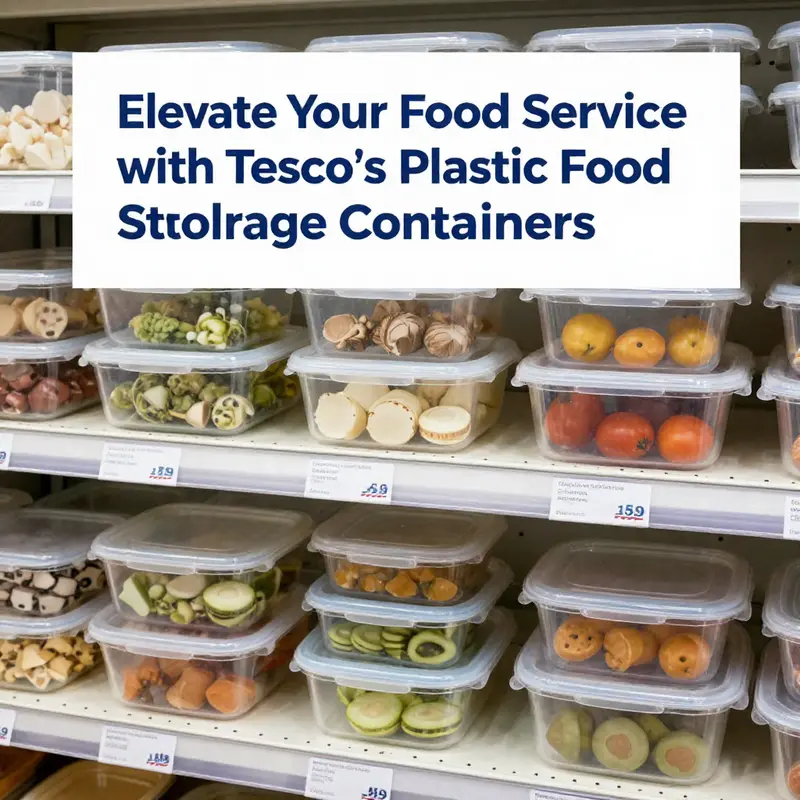
In every kitchen, storage is more than a convenience; it anchors routine, reduces waste, and helps households control time and budget. A leading UK retailer offers a private-label line of plastic food storage containers that has become a common fixture in many homes. The appeal is practical: a broad range of sizes, secure lids, and prices that invite families to stock up without paying a premium. Behind the shelves and price tags lies a careful balance—between performance, safety, and a growing awareness of environmental impact. Reading the range through these lenses reveals how a mass-market program shapes everyday practices while meeting what households now expect from packaging.
The collection spans compact jars to elongated rectangles, with square and circular options designed to fit different kitchen habits. The core advantage is versatility. Leftovers fit neatly in a shallow rectangular container, stacking efficiently in the fridge to maximize cold-storage space. Round options with curved edges accommodate soups or bulk-prepped ingredients with a different footprint. The breadth makes it easy to match a container to a task—portion control for meal prep, spice storage in small jars, or tall slender units for tight crannies. This variety matters not only for convenience but for reducing waste: when containers fit a shelf or cubby, households are less likely to repurpose fragile packaging or abandon food because it is hard to see and access.
Under the hood, the materials balance safety with durability. The private-label line emphasizes food-grade polymers, commonly polypropylene (PP) and polyethylene (PE). These plastics are chosen for clarity in everyday kitchen tasks and for the way their properties support practical storage needs. A key promise is safety: containers marketed as BPA-free address a longstanding consumer concern about chemical transfer. The lids, designed to seal tightly, create an airtight environment that slows moisture loss and contamination. A well-sealed system also helps minimize leaks when transporting meals or stacking containers in a busy fridge.
Heat resistance is another central feature. The range often includes containers that handle cooling and freezing without warping or compromising the lid seal. Some models are described as microwave-safe, suitable for reheating meals directly in the container. This aligns with modern routines: batch-prepping on weekends, portioning for weekday lunches, and occasional quick reheat. Even when a model is not marketed as microwave-safe, the emphasis remains on preserving the integrity of the seal and the food’s freshness. The practical takeaway is simple: choose the container that fits the task and follow manufacturer guidelines on heat to extend both container life and food quality.
Durability and price structure make high-utility storage accessible to households with different budgets. Single containers sit at a low-to-mid price point, while multi-container sets offer savings per item and encourage families to rethink how they organize leftovers or plan meals. Larger or specialty containers with added features such as built-in measurement marks or stacking-friendly designs tend to sit at a higher tier, reflecting the wider range of uses they enable. Promotions and regional availability further influence pricing. Practically, buyers can assemble a flexible system over time, experimenting with combinations that optimize space and food protection without a steep upfront cost.
Sustainability is increasingly part of the conversation. Retailers have started to optimize plastic packaging and highlight recyclable or reusable options more clearly on product packaging. New container models often carry recyclable labels and are designed to be lighter or easier to separate. The goal is not merely to reduce material count but to encourage smarter consumer choices—what to recycle, how to recycle, and how to integrate these containers into sustainable routines. Transparency about material blends and recycling channels helps families compare options with greater confidence. The result is a trend toward products that enable longer lifespans, simpler storage, and clearer end-of-life decisions.
Finally, the design ethos centers on stackability and modularity. Containers nest when empty and occupy a compact footprint when in use, simplifying daily tasks and making pantries and fridges look orderly. Correctly matched lids prevent spills and maintain freshness, reducing the temptation to discard stored foods that look compromised. This focus on reliable seals is part of a broader aim: a predictable, repeatable storage experience that rewards consistent quality in the next meal.
For readers thinking beyond the kitchen, this private-label range offers a useful case study in how mass-market products balance cost, performance, and sustainability. It illustrates how a retailer can tailor a line to different family sizes and routines while staying mindful of safety and end-of-life considerations. The conversation around recyclable packaging and transparent labeling continues to evolve, but the practical takeaway remains clear: choose containers that fit the task, respect the guidelines on heat, and consider end-of-life options to minimize waste while preserving food quality.
Budget Plastic in the Pantry: Consumer Insights on a UK Retailer’s Private-Label Food Storage Containers
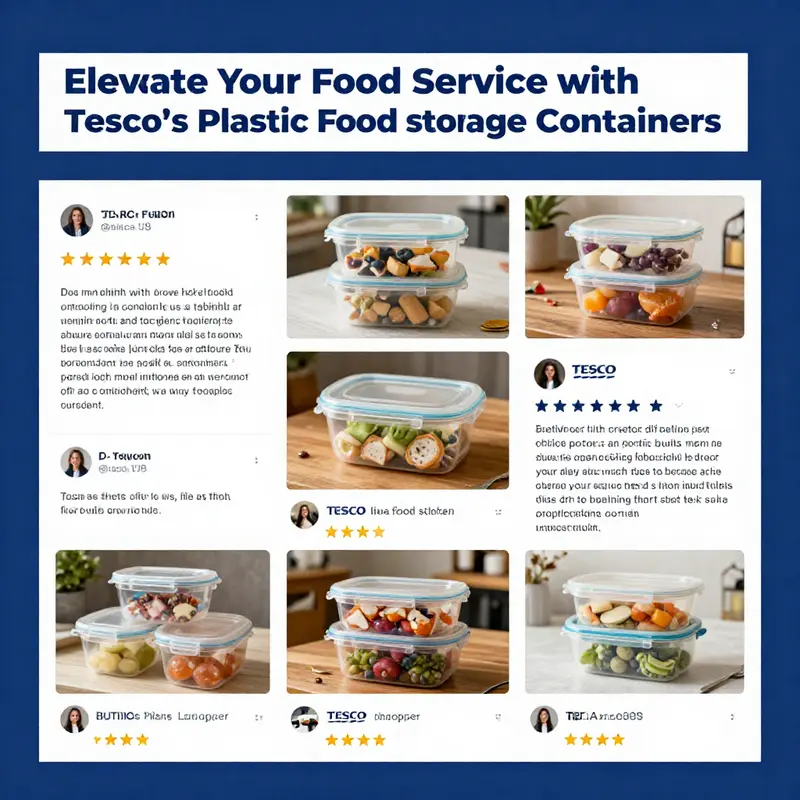
In many households, affordable plastic storage containers are a daily practical choice. A private-label line from a major UK retailer has become a familiar presence in kitchens, valued for usable design and an approachable price. Most products in this range rely on food-grade polypropylene, with occasional use of other plastics for lids or seals. Consumers generally understand that these materials tolerate routine heating, cooling, and dishwashing, making them convenient for batch cooking and lunch prep. Sealing performance remains a frequent point of praise, with lids that snap firmly into bases and minimize spills. Modular design is another common strength: many lids fit multiple bases, and a variety of sizes can be stacked neatly to save cupboard space.
Feedback often highlights practical features such as measurement marks and clear labeling. Graduated markings help with portion control and consistent preparation, while easy-clean surfaces streamline daily use. Some users note that edges can feel rough or that lids may loosen with heavy frequent use, reminders that even mass-produced plastics require careful selection and occasional replacement. Overall, customers value a balance of price, reliability, and practicality that supports busy family life.
Sustainability considerations have grown in importance. Retailers have increasingly disclosed materials and recycling guidance, and some new containers carry clearer recycling labels. While the primary appeal remains convenience and affordability, consumers increasingly look for products that can be recycled or reused at end of life. This trend shapes how packaging is designed, labeled, and marketed, and it influences everyday purchase decisions in the pantry.
For readers curious about how these containers fit into broader packaging trends, the private-label line serves as a case study in balancing cost, usability, and environmental responsibility. When families plan meals, store leftovers, and manage a busy schedule, predictable performance and straightforward care become part of the value proposition. A related product page for disposable items is sometimes consulted to understand how design logic translates across categories, reinforcing the idea that simple, clear features can improve daily life across many plastic goods.
External information and retailer disclosures can offer context about heat tolerance, seal quality, and recycling messaging. Readers who want a deeper comparison can review official product pages or sustainability reports from major retailers to gauge how affordable storage solutions fit into evolving environmental standards.
Final thoughts
Tesco’s plastic food storage containers represent a fusion of quality, affordability, and an increasing commitment to sustainability, making them an ideal choice for businesses in the food service industry. Whether you are managing a bubble tea shop, restaurant, or catering service, these containers help preserve food freshness while aligning with environmentally conscious practices. By opting for these practical solutions, you can improve your operations and demonstrate your commitment to sustainable practices, which resonate with today’s consumers.