
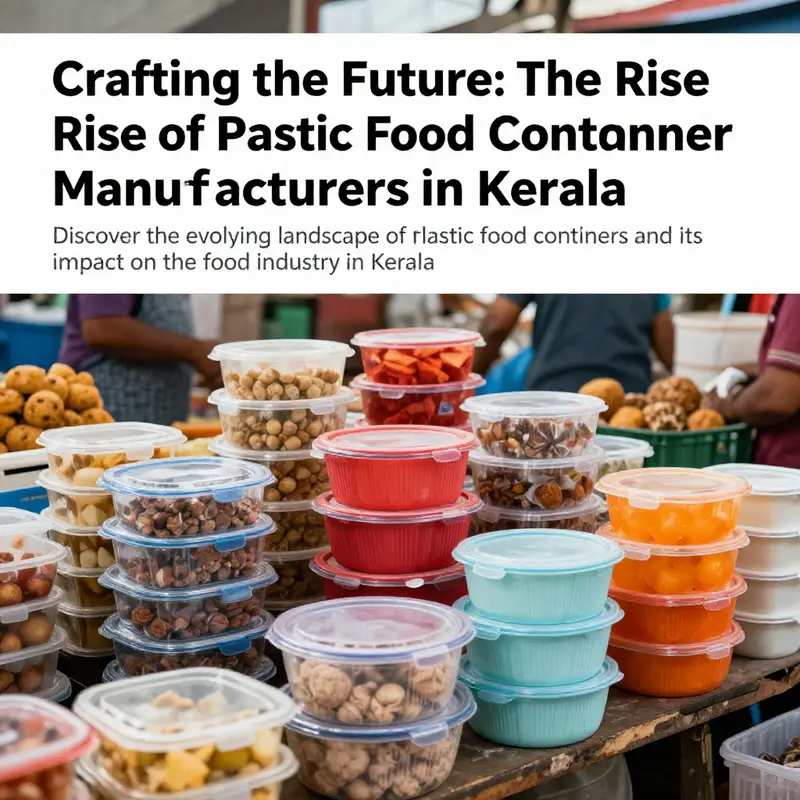
The demand for plastic food containers in Kerala is rapidly growing, driven by the expanding food and beverage industry, along with increasing needs from restaurants, food trucks, and catering services. As businesses strive to meet high standards of safety and quality, local manufacturers are stepping up to the plate with innovative solutions. This article explores emerging trends among local manufacturers, the dynamics of the supply chain, and sustainability practices shaping the industry. Together, these chapters provide an in-depth understanding of how manufacturers adapt to meet the needs of Bubble Tea shops, event planners, and corporate procurement teams, making informed choices in a competitive marketplace.
Balancing Compliance, Sustainability, and Convenience: Trends Steering Kerala’s Plastic Food Containers Manufacturers
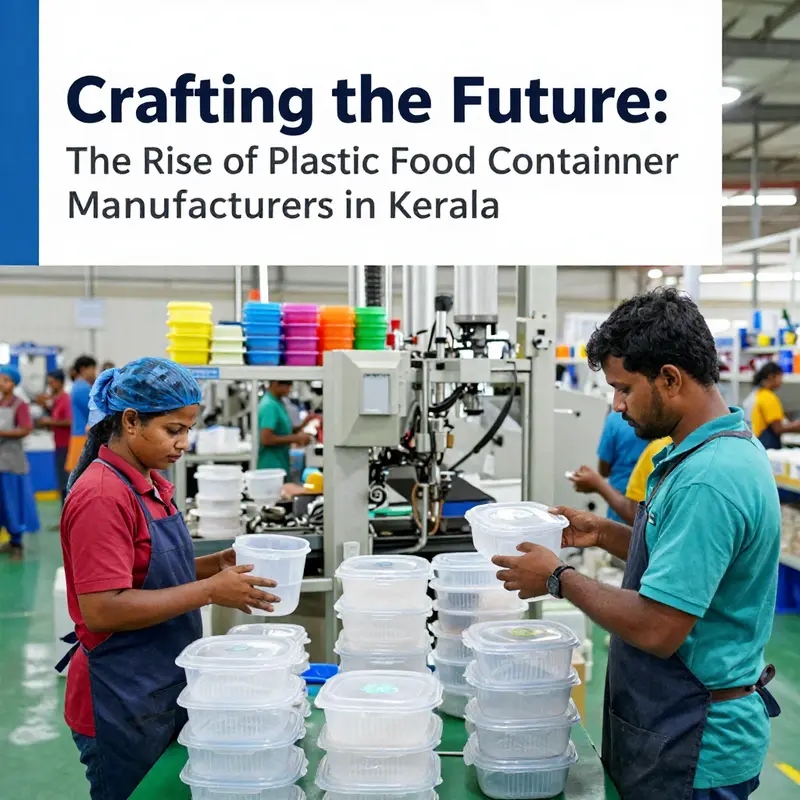
Kerala’s plastic food container manufacturing landscape sits at a quiet yet persistent crossroads. It is not merely a tale of machines and mold sizes, but a story about how a regional industry contends with growing demand, tighter safety regimes, and a global push toward responsible packaging. The state’s food and beverage sector, Ayurveda-based brands, and diverse retail formats create a continuous pull on packaging producers. Local factories are expanding to meet this demand, yet the ripples of globalization are clear. A number of Kerala-based buyers and manufacturers increasingly turn to international suppliers—especially from nearby manufacturing hubs—when they seek advanced technology, cost discipline, and customization options that push domestic capabilities toward new benchmarks. In this evolving ecosystem, the conversation shifts from raw material choice to the broader question of how to deliver safe, reliable packaging at scale without sacrificing environmental considerations or user convenience. The result is a nuanced balance that every serious player in the Kerala market must negotiate with care and foresight. The way a container is made, tested, and presented to customers now communicates a company’s commitment to safety, sustainability, and service quality as much as its product’s function.
The contemporary Kerala packaging narrative is also about how firms manage a spectrum of materials and processes. PET and PP stand out as the workhorse resins, prized for their clarity, toughness, and heat resistance. Virgin PET remains the standard bearer for transparency and rigidity, while recycled PET, or rPET, has moved from novelty to material choice for many firms seeking to reduce environmental footprints. Polypropylene continues to win favor for lightweight durability and versatile performance in a wide range of food-contact applications. The trend line is clear: a growing segment of manufacturers emphasizes food-grade credentials, with verifiable test data and traceable compliance records across batches. This emphasis on test reports and documentation is not a bureaucratic flourish; it is a strategic response to consumer expectations and regulatory scrutiny. In markets characterized by diverse product formats—from ready-to-eat meals to Ayurveda-based tinctures and tonics—the ability to demonstrate low chemical risk and consistent migration performance is a palpable differentiator. For buyers, it means more predictable safety profiles and better vendor performance, even as margins tighten and MOQs become more flexible due to global sourcing arrangements. The shifting resin mix is not a mere supply-side story; it is part of a broader push toward accountable packaging that can withstand transit, storage, and repeated handling without compromising safety or aesthetics.
But the shift toward food-grade resins sits within a larger regulatory and quality framework that producers in Kerala increasingly navigate with discipline. Compliance is no longer a peripheral consideration; it is a central axis around which product development, supplier selection, and production planning revolve. With heightened attention to chemical migration limits, structural integrity under load, and thermal stability across applications, manufacturers must translate regulatory expectations into practical manufacturing controls. This requires access to robust testing, data-driven quality assurance, and a transparent quality-management mindset that can be conveyed to customers and auditors alike. Verifiable test reports become a baseline expectation rather than a luxury, signaling to buyers that a supplier is serious about safeguarding consumer health and meeting diverse distribution requirements. When a factory can present consistent data on migration, burst strength, and thermal behavior, it gains credibility across wholesale, retail, and foodservice channels. The Kerala market, with its mix of small family-owned operations and larger, more professionalized units, demonstrates how quality systems adapt to scale without losing the nimbleness that helps smaller players compete. In practical terms, this means standardized test protocols, clear lot traceability, and an emphasis on supplier capability to reproduce performance across MOQs that reflect local purchasing realities.
Sustainability is more than a trend; it is a policy-driven and market-driven discipline reshaping choices at every layer. In Kerala, as in many other parts of the world, the adoption of sustainable packaging solutions reflects both environmental concerns and consumer expectations. The old shorthand of “cheap plastic” is being replaced by a more nuanced calculus: total cost of ownership affected by freight, storage, regulatory risk, and end-of-life disposal. In practice, this translates into a push toward materials and designs that either minimize environmental impact or optimize recyclability. The current reality is that fully biodegradable materials remain compelling but cost-prohibitive for some applications, at least at scale. Biopolymers, compostable layers, and multi-material packaging face a set of challenges that include higher production costs and complex recycling pathways. For chain retailers and foodservice operators in Kerala, the temptation to use biodegradable substrates must be weighed against performance, shelf life, and overall lifecycle costs. The changing math of packaging economics is prompting manufacturers to explore multi-pronged strategies: incorporating recycled content where feasible, selecting barrier resins that reduce waste by extending shelf life, and investing in end-of-life infrastructure to improve recyclability. In many cases, the preferred path blends conventional polymers with targeted eco-friendly features. This pragmatic approach acknowledges that the market still values reliability, protection against moisture and oxygen, and the visual appeal that brands rely on, while gradually phasing in greener alternatives where feasible.
The sustainability conversation also intersects with a real friction point for many Kerala producers: the recycling ecosystem itself. While the supply of post-consumer resin is expanding, recycling streams for multi-layer films and stand-up pouches are still not as straightforward as those for single-material bottles. Stand-up pouches, often favored for their visual appeal and resealability, pose a particular challenge because their layered structures complicate recycling. Manufacturers are thus navigating a dual path: they are finding ways to maximize recyclability within their product families while also engaging with customers to educate end-users on proper disposal practices. In parallel, there is exploration of alternative packaging formats that maintain consumer convenience while improving end-of-life outcomes. The move toward lighter, easier-to-recycle assemblies is not simply about compliance; it is about delivering a better experience for consumers who increasingly scrutinize how products end up after use.
The rise of takeout and meal delivery service demand intensifies the need for packaging that is tough, versatile, and hygienic, capable of withstanding the rigors of last-mile transport while maintaining food quality. In Kerala’s dynamic food ecosystem, convenience is not just about a container’s lid and seal; it is about how a package supports the entire dining experience—from prep to plate to pantry. Containers must resist leakage and grease, keep contents fresh, and cooperate with a variety of reheating or service scenarios. This is where design innovations come into play. Manufacturers are increasingly focusing on oxygen and UV barriers, tighter seals, and improved stackability. A container that nests efficiently during logistics reduces warehousing costs and lowers damage rates. The evolution of lid technology, seal geometry, and venting mechanisms demonstrates how form and function converge to deliver a smoother customer experience and fewer returns or complaints. The ability to simulate and test performance under different transport conditions becomes a practical advantage for Kerala producers who want to minimize post-sale issues.
All these developments unfold in a procurement landscape that is evolving just as fast as the product lines themselves. Strategic sourcing has emerged as a core capability for many Kerala-based importers and manufacturers. The region’s buyers increasingly pursue a balanced mix of local production capacity and global supply networks to optimize cost, quality, and innovation. A common pattern is diversifying suppliers to hedge against regional disruptions while leveraging offshore automation and scale to reduce unit costs. In this context, the supplier assessment process has become more stringent and more evidence-driven. Proven capabilities matter as much as price. Companies now demand transparent performance metrics, scalable production plans, and consistent quality across multiple SKUs, with particular attention to low minimum order quantities that enable smaller brands or trial runs to enter the market without crippling capital commitments. This is where China-based suppliers—supported by mature supply chains and extensive automation—have become important partners for many Kerala buyers. But the relationship is not one-directional. Kerala manufacturers increasingly insist on joint development programs, supplier audits, and continuous improvement plans to ensure that offshore partners align with local safety expectations and regulatory requirements. The result is a sourcing ecosystem that is more resilient and more capable of delivering complex packaging solutions at scale.
A practical implication of this sourcing shift is a growing emphasis on verifiable compliance throughout the supply chain. For resin suppliers, molders, and finished-packaging manufacturers, the emphasis is on traceability, batch-level testing, and documentation that can stand up to audit scrutiny. When a container passes through multiple hands—from resin melt to blow-molded or thermoformed part to finished product—the chain of custody becomes a narrative of reliability. In Kerala, where small and mid-sized operators often juggle production with distribution responsibilities, having a robust documentation framework provides a way to de-risk partnerships and reassure customers about safety and consistency. In this environment, strategic sourcing is not just about price negotiation; it is about building collaborative ecosystems where technology transfer, quality management, and continuous improvement are shared goals.
For buyers scanning the market, the procurement playbook now emphasizes three pillars: compliance, customization, and logistics efficiency. Compliance ensures that every batch carries credible test data on chemical migration and stability. Customization recognizes the value of adaptable tooling, color, shape, and closure features that align with brand needs and consumer preferences. Logistics efficiency captures the realities of Kerala’s supply chains, where coastal access, regional distribution, and seasonal demand can shape delivery timelines. The modern Kerala packaging ecosystem rewards suppliers who can demonstrate agility, from design changes to MOQs that accommodate startup brands or limited-edition lines. The interplay of these factors pushes manufacturers toward a more integrated operations model, where product development, quality control, and distribution planning are synchronized early in the project lifecycle.
Amid these shifts, one practical pathway for many Kerala players is to foreground a strong product development discipline anchored in testing, data, and clear communication with customers. A container’s safety profile rests on its ability to meet migration standards, withstand transit, and preserve sensory and visual qualities of food products. To translate these expectations into reliable products, manufacturers invest in process controls that span resin selection, molding parameters, surface finish, and post-mold treatments. They also invest in supply chain transparency—documenting raw material provenance, resin lot numbers, and container performance histories. Such practices reduce risk and support a credible relationship with large retailers, hotel chains, and fast-casual operators that require consistent performance across orders and seasons. The result is a market that rewards reliability, not just innovation.
For buyers and brand owners seeking to balance the pressures of cost, safety, and sustainability, Kerala’s packaging ecosystem offers several practical lessons. First, align resin choice with end-use requirements and lifecycle considerations. A careful assessment of barrier needs, heat exposure, and potential contact conditions helps determine when virgin resins are essential and when rPET content can meet performance criteria. Second, integrate testing and documentation into product development rather than treating them as add-ons. This approach shortens design cycles and reduces the risk of post-launch quality issues. Third, recognize the value of strategic sourcing as a structural capability rather than a series of supplier transactions. Build relationships that support joint development, shared risk, and scalable manufacturing plans that adapt to demand waves in the foodservice and retail sectors. Finally, keep a clear view of the end-of-life journey. Even when biodegradable options are not universally viable, communicating a path to recyclability and waste reduction resonates with consumers and regulators alike.
The synthesis of these threads—material science, sustainability considerations, demand-driven design, and strategic sourcing—frames a coherent narrative about Kerala’s plastic food container manufacturers. It is a story of gradual evolution rather than abrupt upheaval. It is about adopting better materials where the economics and logistics permit, while maintaining strict safety and performance standards that underpin consumer trust. It is about designing with the last mile in mind—ensuring containers withstand transport, preserve food quality, and fit into efficient, cost-effective distribution networks. It is about embracing a more nuanced view of sustainability that acknowledges current technological realities while pursuing incremental improvements in recyclability, waste reduction, and consumer education. The chapter of Kerala’s packaging industry is being written with steady steps: rigorous testing, responsible resin selection, thoughtful design, and disciplined sourcing joined together to deliver packaging that respects safety, practicality, and the planet.
Within this guarded optimism, the dialogue between local manufacturers and international suppliers gains new texture. Local capacity continues to grow, yet a steady stream of imports brings scalable automation, precision molding, and new capabilities that local labs can leverage. This synergy supports a market where smaller players can access advanced packaging technologies without bearing the full cost of capital investment, while larger firms can harness offshore scale to sustain competitive pricing and rapid prototyping. The net effect is a more dynamic Kerala market in which packaging solutions are not static commodities but evolving platforms that help brands differentiate themselves through performance, safety, and convenience. The trend toward value-added, functionally superior packaging is thus not simply a matter of material choice or clever design; it is a convergence of strategic decisions across resin sourcing, process controls, regulatory compliance, and supply chain excellence. It is an integrated approach that Kerala’s producers are increasingly adopting as they position themselves for growth in a marketplace that prizes reliability, sustainability, and consumer-focused innovation.
As the sector moves forward, the balance of cost and value remains central. Efficient packaging that protects product integrity and reduces waste translates into tangible savings across the supply chain. At the production level, better material choices and tighter quality controls translate into fewer rejects and less energy spent on rework. For brands, packaging that preserves aroma, flavor, and appearance through transit creates stronger customer satisfaction and repeat purchases. For retailers and foodservice operators, reliable packaging lowers handling risk and improves shelf presentation. The cumulative effect is a packaging ecosystem in Kerala that is both more sophisticated and more resilient, capable of supporting a broader range of food products and consumer occasions—from street-side snacks to premium Ayurvedic offerings and ready-to-serve meals. In short, the trends described here are not isolated developments; they are threads of a larger movement toward packaging that performs better, lasts longer, and carries a smaller environmental footprint while remaining accessible to a wide spectrum of producers and buyers. For stakeholders across Kerala’s packaging value chain, the imperative is clear: continue investing in testing, in collaborative sourcing, and in design pragmatism, so that the region can meet rising demand with containers that are safe, sustainable, and simply better at protecting what people eat.
External resource for broader context and ongoing industry insights: https://www.sourcemap.com/india/plastic-bottles-suppliers-kerala
Currents of Change: Navigating Kerala’s Plastic Food Container Manufacturing in a Global Supply Chain
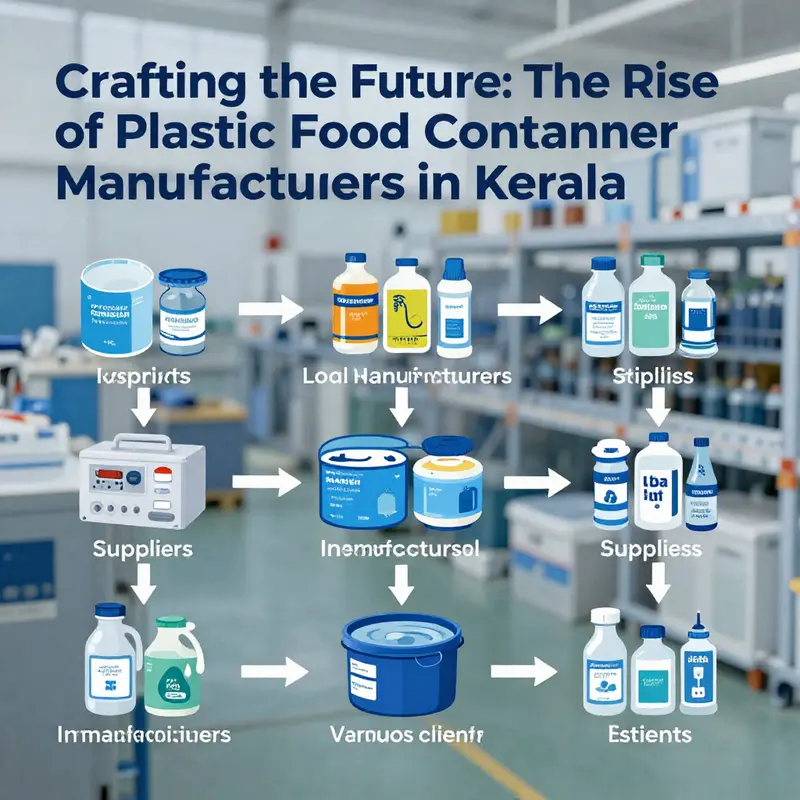
Kerala’s plastic food container manufacturing landscape sits at a crossroads where local growth meets global dynamics. The sector has emerged not merely as a peripheral supplier to the food and beverage industry but as a pivotal node in a regional economy that blends traditional craftsmanship with modern automation. In a state famed for its backwaters and robust co-operatives, the material choices, regulatory expectations, and logistics networks that shape container production reveal more than a production line; they expose a climate of adaptation. The story is not simply about molding polymers into shapes but about aligning capabilities with evolving market demands, sustainability imperatives, and the ever-accelerating tempo of global sourcing.
At the heart of the Kerala supply chain is a durable stock of PET and PP-based containers that serve both single-use and reusable applications. PET’s clarity, barrier properties, and lightweight resilience make it an attractive option for beverages and ready-to-ship foods, while PP offers the versatility needed for microwave-safe, heat-resistant, and stackable packaging. Local manufacturers have built capabilities around these materials, investing in molds, automation lines, and quality control systems that ensure food safety compliance and consistent performance. Yet the trajectory of growth is not isolated to domestic demand alone. The region’s packaging firms increasingly operate within a broader sourcing ecosystem that includes international suppliers, particularly from the mature, automation-driven segments of China’s manufacturing sector. This global engagement is not a retreat from local production; rather, it is a strategic extension that enables cost efficiency, customization, and scale to address the diverse needs of Kerala’s food ecosystems—from street foods and coastal fisheries to Ayurvedic brands and modern retail formats.
The shift toward import-driven balance sheets arises from a well-understood calculus: local production offers proximity to customers, faster turnarounds, and the ability to tailor designs to regional tastes; foreign suppliers bring advanced equipment, precision, and the capacity to deliver at a consistent quality level with lower MOQs. For many Kerala buyers, the decision to source internationally is not an abandonment of domestic capability but an augmentation that preserves speed, quality, and price competitiveness. In this context, the supply chain becomes a network rather than a linear path. Each node—raw material procurement, plastics fabrication, container assembly, quality testing, finished goods warehousing, and last-mile distribution—must synchronize with partners who can deliver reliable performance metrics, robust traceability, and scalable production plans.
Sustainability has moved from a reputational concern to a regulatory and operational imperative. Kerala, like many regions in Asia-Pacific, experiences rising consumer expectations and policy pressure that push packaging toward reduced environmental impact. The broader market signals emphasize eco-conscious packaging, a trend that pushes manufacturers to explore materials beyond conventional HDPE and PP. Biodegradable and bio-based options—PLA, PBAT, and starch blends—are increasingly positioned as viable pathways when performance parameters align with end-use requirements. For Kerala’s producers, the move toward circularity is not a niche endeavor but a core layer of strategic planning. It informs design principles that facilitate end-of-life recovery, supports collaboration with local recyclers and waste-management networks, and shapes product development roadmaps that prioritize durability and reusability alongside recyclability. The emphasis is not merely on meeting existing standards but on anticipating evolving ones and embedding sustainability into value creation.
Yet sustainability alone cannot resolve the logistical and cost pressures that define the supply chain. Kerala’s geographic location confers both advantages and vulnerabilities. The state’s proximity to strategic ports and its integration with India’s broader transportation network enable efficient inbound and outbound flows for petrochemical feedstocks and finished containers. Still, the supply chain is susceptible to disruptions that ripple through production schedules and pricing. Seasonal weather events, port congestion, and longer global lead times remind manufacturers that resilience is as crucial as efficiency. The most successful Kerala-based players hedge these risks by building agile, data-driven networks. They invest in cloud-based supply chain management tools that deliver real-time visibility into inventory, machine utilization, and transport status. These digital capabilities empower managers to re-route shipments, adjust buffer stock, and switch suppliers without sacrificing safety or quality.
A defining feature of the modern Kerala container ecosystem is its embrace of circular manufacturing concepts. The aim extends beyond compliance to a philosophy of value recovery and waste minimization that begins in the design room. Designers and process engineers collaborate to create products that are easier to recycle, reuse, or refurbish. Where practical, container geometries favor standardized molds, which reduces tooling complexity and waste while increasing interchangeability across product lines. Partnerships with recycling facilities and waste processors are no longer distant prospects but integral components of the business model. In a closed-loop scenario, even end-of-life considerations become selling points: brands and retailers seek packaging that can be recovered efficiently, reprocessed into high-quality inputs, and re-entered into the supply chain with minimal environmental impact. For this reason, closed-loop thinking is gradually becoming a differentiator among Kerala’s manufacturers, especially when tied to certifications and traceability that reassure customers about product stewardship.
In practical terms, the channeling of supply chain dynamics in Kerala is shaped by three intertwined forces: cost discipline, compliance discipline, and customization discipline. Cost discipline aims at minimizing total landed cost, which includes raw materials, energy, labor, and transport. Local producers optimize energy use and automate repetitive tasks to reduce unit costs while maintaining high standards of cleanliness and food safety. Compliance discipline keeps pace with tightening food-contact regulations, labeling requirements, and material-safety data reporting. It also demands rigorous supplier qualification processes for imported components, ensuring that every batch meets safety benchmarks and performance metrics. Customization discipline, perhaps most visible in Kerala’s packaging ecosystem, is where the interplay between domestic capability and international supply becomes most evident. Regional food brands and contract manufacturers seek containers that fit precise portion sizes, shelf life expectations, and branded aesthetics. They require high-clarity PET for display appeal, opaque PP for product protection, and occasionally specialized finishes, liners, and tamper-evident features. Meeting these needs with fast, reliable lead times requires a well-coordinated network of domestic producers and foreign suppliers who can scale safely and consistently.
The draw of global suppliers, particularly from China, is not solely about price. It is about the maturity of supply chains, the sophistication of automation, and the breadth of customization options that can be deployed at scale. In Kerala, savvy buyers evaluate supplier performance through a composite lens: on-time delivery, conformance to food-safety standards, and the durability of containers under real-world handling and transit conditions. They also demand predictable MOQs that align with the business’s growth stage. This is where the value proposition of international sourcing becomes more nuanced. With verified performance metrics, manufacturers can plan production capacity around demand surges, seasonal campaigns, or the rollout of new packaging lines without overcommitting capital expenditure. The interplay between local production and overseas supply generates a dynamic equilibrium where price, speed, and quality are continually balanced across the lifecycle of a product line.
In practice, the Kerala packaging network sustains itself through a blend of domestic resilience and international leverage. Local manufacturers often anchor their operations with core competencies in thermoforming, injection molding, and post-consumer recycling partnerships. They build quality assurance ecosystems that integrate inline inspection, random sampling, and third-party testing to verify food-contact safety. These systems are not static; they evolve with cross-border procurement, where supplier audits, certification schemes, and logistics partnerships help stabilize supply. In parallel, foreign suppliers bring advanced equipment to optimize cycle times, achieve tighter tolerances, and enable complex geometries that might be cost-prohibitive to develop locally. The synergy between these capabilities becomes a source of competitive advantage for Kerala’s manufacturers, allowing them to meet the demands of a diverse client base—from hygienic take-out operators and hotel suppliers to fast-growing Ayurvedic product brands that package ingestibles in specialized formats.
A key practical implication of this supply chain mosaic is the importance of strategic sourcing with an emphasis on agility. In a market that prioritizes shorter product lifecycles, containers must transition quickly from design to shelf. Strategic sourcing helps stabilize supply while preserving flexibility. Leading Kerala buyers often pursue suppliers who can deliver performance data, scalable production plans, and quality assurances even with low MOQs. This combination mitigates risk and accelerates time to market, enabling brands to test new formats, adjust to consumer preferences, and respond to regulatory shifts without excessive capital risk. The sourcing philosophy also reflects risk diversification: by blending domestic production with overseas capacity, firms can offset currency fluctuations, tariff changes, and regional supply shocks. The net effect is a supply chain that is less brittle and more capable of absorbing shocks while continuing to meet demanding food-safety standards and sustainability commitments.
Beyond efficiency, the social and environmental dimensions of the supply chain deserve attention. Kerala’s manufacturing ecosystem must consider energy intensity, emissions, and the social footprint of workforce practices. Investment in modern, low-energy equipment, waste-reduction initiatives, and transparent supplier governance contributes to a broader value proposition that resonates with customers who prioritize responsible packaging. The alignment with global sustainability expectations also helps local producers access export markets and attract partnerships with retailers seeking verifiably responsible packaging solutions. In this sense, the supply chain becomes a platform for credible storytelling about a region’s commitment to responsible industry practices, rather than a mere logistics apparatus.
The chapter’s synthesis points to a central insight: Kerala’s plastic food container manufacturers operate most effectively when they treat the supply chain as an integrated system rather than a set of discreet functions. The system must harmonize design, materials, and processes with the realities of global procurement and the urgencies of sustainable packaging. It requires a shared language among local producers, international suppliers, logistics providers, and brand owners—one built on measurable performance, clear expectations, and a common aim to deliver safe, affordable, and environmentally considerate containers to diverse sections of the market. The practical outcome is a supply network that can adapt to shifting mandates, optimize costs, and support innovation in packaging formats that respond to changing consumer behaviors and regulatory landscapes.
For readers exploring how to source or partner with Kerala-based container makers, the narrative offers a few grounded considerations. First, prioritize partners who can demonstrate robust food-safety compliance records and transparent material specifications. Accreditations, supplier audits, and traceability data matter as much as price. Second, look for suppliers that can demonstrate design flexibility—from variable thicknesses to customized finishes—that align with your product’s shelf life and handling conditions. Third, evaluate the digital backbone of the supplier’s operations. Cloud-based analytics, real-time inventory visibility, and predictive maintenance help reduce disruptions and enable smoother coordination across borders. Fourth, consider the end-to-end lifecycle of the packaging you choose. Circularity strategies—design-for-recycling principles, take-back arrangements, and partnerships with recyclers—enhance sustainability credentials and may unlock preferential terms with customers who value responsible packaging. Finally, recognize that the supply chain is a living system that benefits from continuous collaboration. Transparent communication, joint forecasting, and joint development projects can transform a transactional supplier relationship into a strategic alliance capable of sustaining growth in a competitive, sustainability-driven market.
From a narrative standpoint, the Kerala container story reflects a broader trend in Indian manufacturing: regional hubs leveraging global connections to unlock scale while maintaining local accountability. The state’s packaging networks illustrate how a region can maintain cultural and logistical ties to its domestic markets while embracing the efficiencies and customization opportunities presented by international suppliers. The result is not a simple either/or choice between local production and overseas sourcing, but a blended model that leverages the strengths of both worlds. In this blended approach, the supply chain does more than move goods from one place to another; it creates a platform for knowledge transfer, technology diffusion, and capacity building that can elevate the entire packaging ecosystem. In turn, that ecosystem supports a spectrum of customers—small-scale manufacturers, mid-market food brands, and large retailers—each with distinct demands but all sharing a commitment to safe, reliable, and sustainable packaging.
The ever-present undercurrent in this landscape is transformation. As consumer expectations evolve toward transparency and sustainability, and as regulatory bodies tighten standards for food-contact materials, Kerala’s container manufacturers are compelled to innovate. Innovations may include more efficient molding techniques, smarter packaging that integrates with shelf-ready display systems, or coatings and finishes that extend shelf life without compromising recyclability. They may also involve new business models, such as co-design collaborations with brands or packaging-as-a-service arrangements that decouple ownership from usage in a way that reduces waste. Whether these shifts manifest as subtle process refinements or bold new partnerships, they reinforce a central thesis: the strength of Kerala’s plastic container sector lies in its ability to adapt quickly, coordinate across borders, and maintain uncompromising safety and quality while pursuing more sustainable futures.
For readers who want to explore practical examples embedded in the broader market, consider how retailers and food-service operators increasingly demand packaging that minimizes lifecycle costs and maximizes serviceability. Containers that are lightweight yet durable, easy to seal, simple to recycle, and visually appealing are no longer luxuries but baseline expectations. In Kerala, meeting these expectations requires the alignment of material science with logistics strategy and regulatory literacy. It means choosing suppliers who can offer rigorous testing data, clear material declarations for every batch, and reliable service levels that reduce downtime and stockouts. It also means embracing design-for-disassembly practices that facilitate recycling and reuse without compromising product integrity. The endgame is a packaging ecosystem that can support a thriving local economy, deliver consistent value to brand partners, and contribute meaningfully to environmental stewardship while staying competitive in a global marketplace.
As the chapter closes, the image that emerges is of a supply chain that moves with the efficiency of a well-tuned orchestra. Each instrument—raw material sourcing, mold making, processing, quality assurance, logistics, and post-consumer pathways—plays a distinct role, yet it is the conductor’s interpretation that keeps the performance cohesive and forward-looking. Kerala’s plastic food container manufacturers are not passive recipients of global trends; they actively shape how those trends unfold within a regional context. They are learning to read the signals of sustainability, to anticipate disruption, and to weave together domestic strengths with international capabilities. The result is a resilient, adaptable, and increasingly sophisticated packaging ecosystem that can support Kerala’s diverse culinary landscape and its growing export ambitions, all while remaining mindful of the planet’s finite resources.
For practitioners and researchers alike, the takeaway is clear: the future of Kerala’s plastic food container sector depends on integrating sustainability with agility, on balancing local production with strategic global sourcing, and on building partnerships that extend beyond transactional arrangements toward joint value creation. In this sense, the state’s packaging network stands as a compelling case study in modern, responsible manufacturing—an example of how regional strengths can harmonize with global supply chain dynamics to deliver safe, sustainable, and superior packaging that underpins the food economy today and in the years to come.
Internal link reference for practitioners seeking concrete examples aligned with consumer-friendly packaging formats can be found here: eco-friendly takeout boxes for food packaging. This resource illustrates how design and material choices translate into practical packaging solutions that support sustainability goals while meeting operational needs in fast-paced food-service environments. External readers may also consult industry analyses that reflect the broader trajectory of Asia-Pacific packaging markets and how those trends intersect with regional manufacturing strategies. For further reading on industry shifts and sustainability benchmarks, see https://www.plasticsnews.com.
Circular Ambitions: Building Sustainable Plastic Food Container Manufacturing in Kerala
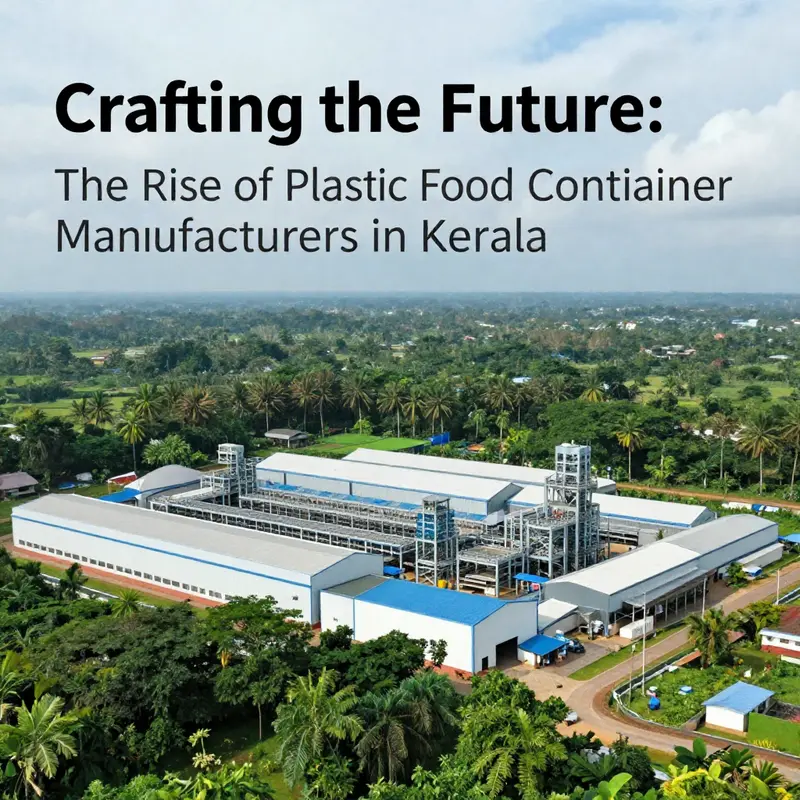
Kerala’s plastic food container manufacturing landscape has long rested on the practical benefits of durable, food-safe plastics. In recent years, however, the sector has begun to navigate a broader pressure—one shaped by evolving consumer expectations, stricter waste management norms, and a growing realization that growth must harmonize with environmental stewardship. The story unfolding in Kerala is not merely about expanding capacity or lowering costs; it is about aligning manufacturing practices with a more circular vision where materials, processes, and end-of-life outcomes reinforce one another. In this sense, sustainability becomes less a peripheral concern and more a core competitive parameter that informs design choices, supplier relationships, and strategic sourcing decisions across the supply chain. The momentum behind this shift is visible in the sector’s approach to materials like PET and PP, in the adoption of better heat-seal and barrier technologies, and in a renewed emphasis on food safety standards that increasingly intersect with environmental safeguards.
At the heart of Kerala’s growth is a rising demand from diverse segments of the food economy. The food processing and retail sectors generate a steady appetite for containers that can protect products during handling, extend shelf life, and withstand the rigors of distribution. Ayurvedic brands, with their emphasis on purity and quality, are especially attentive to packaging that preserves the integrity of herbal formulations while minimizing interaction with packaging materials. In parallel, the retail and quick-service formats that populate Kerala’s urban and semi-urban landscapes demand packaging that is reliable, lightweight, and bankable at scale. Local manufacturers have responded by expanding capabilities in blow-molding and thermoforming, refining the use of PET and PP resins, and sharpening process control to ensure consistent product safety and performance. Yet even as production lines hum and MOQs are adjusted to meet demand, the industry’s gaze is increasingly forward-looking, aiming to reduce environmental footprints without sacrificing functionality.
One of the strongest inflections of this forward-looking stance is the focus on design for recyclability. The materials landscape remains reproductive and familiar: PET, HDPE, and PP—staples of modern packaging that offer food safety, clarity, and resilience. These polymers are well-understood in terms of barrier properties and migration risks, and they lend themselves to recycling streams that can be scaled with appropriate post-consumer collection and processing infrastructure. In Kerala, as elsewhere, the practical challenge lies not merely in selecting a recyclable resin but in ensuring that the entire system—collection, sorting, cleaning, and remanufacturing—remains efficient and low-cost enough to sustain business viability. This is where partnerships with suppliers who bring verified performance metrics, scalable production capabilities, and flexible MOQs become crucial. Inland manufacturers increasingly weigh not just the upfront cost of a given resin or bottle design, but the downstream implications: How easily can a container be recycled at the end of its life? What fraction of the material can be recovered and reintegrated into a new product? How do design choices influence energy use during manufacturing and the potential for material loss during processing? These questions push toward a more holistic approach to packaging, one that blends regulatory compliance with practical waste management considerations.
Sustainability questions also influence equipment selection and production practices. In a landscape where automation and precision govern quality outcomes, manufacturers are rethinking their process lines to minimize waste and energy use. Thermoforming and blow molding—already central to producing PET and PP containers—are increasingly paired with energy-efficient dies, optimized heating zones, and smarter mold handling to cut scrap. The drive toward lean manufacturing in plastics is, in many ways, a drive toward sustainability: less material waste, lower energy consumption, and reduced emissions per finished unit. While the technologies themselves have global roots, the local adaptation is dynamic. Kerala-based producers are balancing the capital outlay required to acquire advanced machinery with the longer-term payoffs in yield, consistency, and regulatory compliance. In practice, this means a careful assessment of tooling life, maintenance regimes, and supply arrangements that keep downtime low and throughput high, while also supporting the broader objective of reducing the environmental burden.
A further dimension of Kerala’s sustainability trajectory concerns the integration of recycled content into new containers. Recycled PET (rPET) and recycled PP are increasingly considered viable options for certain product lines, provided that food safety standards remain uncompromised and that the recycling stream is reliable. The opportunity here is twofold. First, using recycled content can reduce virgin resin demand and the associated carbon footprint, contributing to a lower overall environmental impact for each container. Second, it signals to customers and retailers that the manufacturing ecosystem in Kerala is serious about closing material loops. Yet the path to higher recycled-content usage is not automatic. It requires robust post-consumer collection, clean sorting, and rigorous quality control to prevent contamination that could undermine both safety and performance. It also necessitates transparent supplier credentials and traceability, so buyers can verify that the recycled content meets food-grade standards. In practice, many Kerala manufacturers are experimenting with small, controlled blends of rPET for select line-ups, all while monitoring migration, clarity, and physical performance under typical distribution conditions. Such experiments are not merely technical—they are strategic, reinforcing relationships with retailers who prize stable supply, traceability, and predictable quality, even as they push for more sustainable packaging options.
The regulatory and policy environment in India adds further momentum to these sustainability efforts. The broader national emphasis on reducing plastic waste, enhancing recyclability, and encouraging responsible packaging governance provides a scaffold within which Kerala’s manufacturers operate. The push toward Extended Producer Responsibility (EPR) for packaging, for example, reframes packaging producers as responsible stewards of material lifecycles, incentivizing investments in recycling infrastructure and end-of-life collection. While the specifics of implementation vary by state, the regulatory signal is clear: sustainable packaging is not a voluntary add-on but a growing expectation from regulators, customers, and the public. Within this frame, Kerala’s manufacturers often engage with a spectrum of stakeholders—industry associations, environmental organizations, and local government bodies—to align operations with best practices and to access technical guidance that helps them translate policy into practical action on the shop floor.
The supply chain dynamics that underpin sustainability in Kerala’s plastic container sector also deserve attention. The sector has long relied on a global web of suppliers for resin, additives, molds, and high-precision equipment. In recent years, there has been a pronounced shift toward strategic sourcing that balances local production strength with the advantages of imported technology and materials. For some firms, this means maintaining flexibility in supplier relationships to secure reliable access to materials that meet stringent food-safety criteria, while also leveraging global capabilities for design, optimization, and scale. Many Kerala-based importers and manufacturers are actively partnering with verified international suppliers who can demonstrate performance metrics such as consistency in material properties, durability under standard storage and transport conditions, and compliance with international food-safety norms. This collaboration is especially important when considering advanced features such as high-barrier properties, temperature resistance, or the ability to withstand microwave or conventional heating without material degradation. For buyers, the benefit is clear: access to a broader technology set that can be tailored to local market needs, with the assurance that quality and safety will be maintained across varying order quantities. The trade-off, of course, is the need to manage logistics and MOQs in a way that supports local production rhythms and cost targets. The balancing act requires careful supplier evaluation, not only on the basis of material performance but also on total cost of ownership, including freight, import duties, and post-purchase support.
In practice, sustainability also translates into packaging architecture choices that reduce the number of components and simplify end-of-life processing. A container that is easy to clean, easy to recycle, and free of complex laminates or multi-layer constructions tends to perform better within recycling streams. The trend toward single-material solutions—where feasible—helps circumvent some of the challenges associated with sorting mixed materials. For instance, choosing PET or PP single-material designs over multi-layered composites can improve recovery rates and reduce pollution risks along the value chain. At the same time, manufacturers in Kerala are mindful of functionality requirements like leak resistance, heat tolerance, and mechanical strength, which are non-negotiable in consumer expectations. The design challenge, then, is to integrate sustainability without compromising performance, asking questions such as: Can a container deliver comparable barrier protection with a lighter gauge? Could a lid be designed to couple securely without requiring a complex sealing mechanism? How might surface textures be optimized to reduce friction and contamination during washing? Each answer requires a cross-functional dialogue among product developers, process engineers, quality control teams, and procurement specialists.
The human and organizational dimensions of sustainability are equally vital. A culture that recognizes waste not as a byproduct but as a resource changes daily operations. This cultural shift involves training frontline teams on waste segregation, scrap recovery, and energy-saving practices. It also means strengthening internal governance around supplier audits, material traceability, and the documentation required to demonstrate compliance with food-safety standards while pursuing environmental goals. In Kerala, where technical education and manufacturing know-how are rich, firms can lean on local talent to drive continuous improvement in both product quality and environmental performance. The result is not only better containers but also more resilient operations that can weather fluctuations in demand, material costs, and regulatory expectations. Moreover, a stronger emphasis on sustainability can bolster the sector’s reputation among retailers and end consumers who increasingly prioritize responsible packaging. This reputational uplift can translate into more stable demand, better access to credit, and opportunities to participate in public and private initiatives that reward sustainable supply chains.
It is important to acknowledge the practical constraints and regional realities that shape the sustainability agenda in Kerala. The state’s energy mix, waste management infrastructure, and access to skilled labor all influence how quickly new practices can scale. Even as global best practices inform local experimentation, translating them into capital-intensive equipment upgrades requires careful financial planning and risk management. Manufacturers must balance capital expenditure with expected returns, maintain compliance with food-safety and environmental regulations, and ensure that their sustainability investments align with the needs of customers who operate in a price-sensitive and highly competitive market. The path forward is not a single leap but a sequence of strategic steps: gradually increasing recycled-content usage where feasible, upgrading equipment to reduce energy and material waste, embracing design-for-disassembly principles, and strengthening end-to-end traceability to reassure customers that every stage of the lifecycle is monitored and managed responsibly. In this evolution, Kerala’s plastic container makers can differentiate themselves by articulating a credible sustainability narrative, backed by measurable performance metrics, transparent reporting, and a demonstrated willingness to invest in local resilience.
For buyers and policymakers alike, a critical takeaway is that sustainable packaging is not a generic ideal but a concrete, locally actionable set of practices. Local manufacturers can capitalize on this by building collaborations across the value chain: with resin suppliers that can offer safer, more recyclable options; with processors and recyclers that can handle post-consumer streams efficiently; with retailers and food brands that demand packaging solutions that maintain product integrity while minimizing environmental impact. Such collaborations can help create a more robust circular economy around Kerala’s plastic packaging sector. The practical benefits extend beyond environmental compliance: lower material waste translates into cost savings, improved yield, and more consistent product performance. In turn, a reputation for responsible manufacturing can open doors to partnerships with national and international players who value sustainability as a core criterion for supplier selection. The result is a more integrated, resilient ecosystem in which commercial success and environmental responsibility reinforce one another rather than compete for scarce resources.
To illustrate how these dynamics play out in real terms, consider the evolving expectations around end-of-life management. A container’s life does not end at sale; it continues as an opportunity for recovery and reuse within a formal system. Kerala’s manufacturers, by aligning their product designs with recycling realities, can support better sorting at the consumer end and smoother processing downstream. This alignment often starts with material choices—favoring clear, widely recyclable resins over opaque or highly laminated alternatives—and extends into labeling, which can improve separation during recycling streams. It also involves engaging with waste management stakeholders to understand the practicalities of post-consumer collection in different districts, and to explore collection-point partnerships that encourage consumer participation. When manufacturers participate in or facilitate such programs, they help transform the packaging cycle from a linear path into a more circular one. Of course, this systemic shift requires ongoing communication with customers, clear articulation of the benefits, and transparent reporting of outcomes. In an environment where both environmental benefits and cost considerations matter, credibility and consistency become essential.
Within this broader narrative, one practical strand worth highlighting is the potential for targeted innovation that respects both local realities and global standards. Kerala’s plastic container producers can pursue modular design practices that enable end-of-life flexibility—containers that are easy to disassemble for recycling, lids that are simple to recycle separately, and assemblies that reduce the need for multiple materials. This approach does not require abandoning performance; it reframes performance in terms of lifecycle efficiency and post-use recoverability. It also creates opportunities for collaboration with downstream users, including retailers and brands, who are increasingly seeking packaging that can be customized for different product lines while still fitting within a shared circular system. The underlying principle is to recognize that every packaging decision—from resin selection to cap design—has downstream implications that can either hinder or enhance recyclability. In Kerala, where manufacturing excellence and a pragmatic business environment converge, such decisions can be grounded in rigorous testing, supplier transparency, and an openness to iterative refinement.
The exploration of sustainability in Kerala’s plastic food container manufacturing landscape would be incomplete without acknowledging a simple but powerful truth: credible change requires a measured, long-term perspective. Quick fixes may deliver short-term savings, but durable progress hinges on building partnerships, investing in process improvements, and maintaining a steady focus on end-of-life outcomes. The chapter’s thread, therefore, is not a blueprint for a single initiative but an invitation to adopt a holistic mindset—one that treats sustainability as a design objective, a production discipline, and a market signal all at once. When manufacturers approach packaging as a system with material flows, energy use, and end-of-life opportunities, they reveal a path toward growth that is as resilient as it is responsible. The Kerala context matters here because its unique mix of strong engineering talent, entrepreneurial energy, and proximity to both domestic and export markets provides fertile ground for testing new approaches at scale. If the industry can maintain momentum and keep sight of the lifecycle implications of packaging decisions, Kerala can become a regional exemplar of how plastic container manufacturing can advance economic development while contributing to environmental stewardship.
Finally, it is worth noting that the seeds of sustainable practice are already present in consumer expectations and retailer demands alike. The market increasingly values packaging that performs reliably, travels safely through complex logistics networks, and minimizes waste. When local manufacturers align with these expectations, they do more than simply meet regulatory requirements; they participate in a broader social contract about responsible consumption and production. The opportunity is to translate technical capability into tangible advantages—lower total costs through waste reduction, stronger supplier relationships built on shared sustainability metrics, and a competitive edge derived from transparent, credible environmental performance. For a sector that has learned to balance cost efficiency with reliability, sustainability is not an add-on but a core driver of long-term viability in Kerala’s plastic container ecosystem. And as the global conversation about plastics continues to evolve, the advantages of a locally anchored, sustainability-forward approach will likely become more pronounced, enabling Kerala’s manufacturers to contribute to a broader, positive narrative about plastic packaging in India and beyond.
For readers seeking a concrete thread to explore more, consider how end-user flexibility and green design can intersect with procurement strategies to shape supplier ecosystems. The trend toward sustainability-friendly packaging is not a niche concern; it is a market-moving force that can redefine how containers are designed, produced, and disposed of. In Kerala, where the manufacturing sector sits at the intersection of tradition and modernity, this convergence offers a unique opportunity to chart a path that honors both economic imperatives and environmental responsibilities. The future of plastic food container manufacturing in the region has the potential to be defined not by the volume of output alone, but by the quality of the stewardship that accompanies every container—from resin choice to end-of-life recovery. The chapter’s closing reflection is that sustainability, thoughtfully implemented, can anchor growth in Kerala’s plastics sector by aligning product performance with environmental accountability, customer trust, and a more resilient supply chain. In that alignment lies not just compliance or cost control, but genuine, long-lasting competitive differentiation.
For readers who want to explore related packaging considerations further, consider the broader body of work surrounding eco-conscious packaging options and how modern packaging needs converge with consumer expectations around safety, reuse, and recyclability. See an example of practical packaging solutions at the linked resource that emphasizes eco-friendly takeout packaging, which echoes many of the principles described here and offers concrete illustrations of design choices that support circularity and sustainability in packaging. eco-friendly takeout boxes.
External resource for further reading: https://ecocupbowl.com/product/disposable-kraft-paper-soup-containers-with-lids-ready-bulk-takeaway-bowls-noodle-soup-container/.
Final thoughts
As the plastic food container manufacturing market in Kerala continues to evolve, understanding these key trends, supply chain dynamics, and sustainability practices becomes crucial for businesses in the food and beverage sector. From Bubble Tea shops to event planners, all stakeholders can benefit from engaging with local manufacturers and international suppliers, ensuring quality, compliance, and innovation in their packaging solutions. Embracing these insights will empower teams to make more informed and responsible choices in their procurement strategies.