
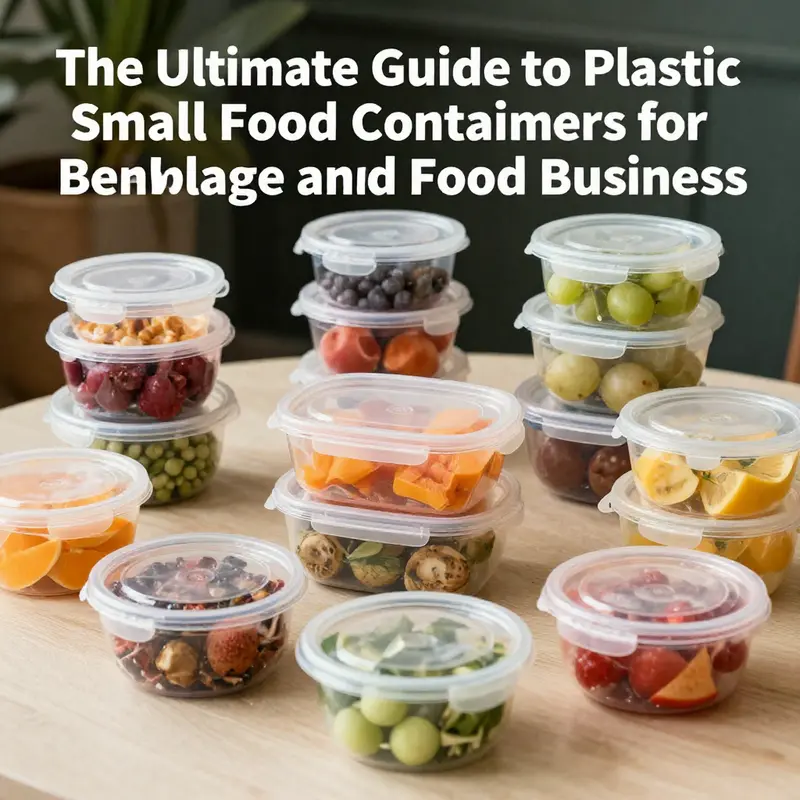
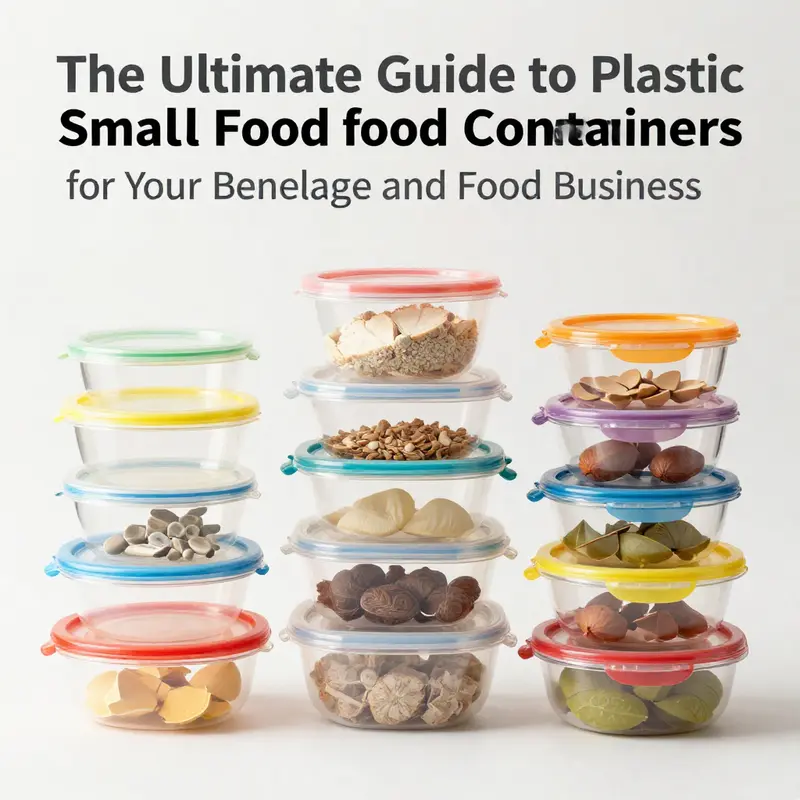
In today’s dynamic food service landscape, having the right packaging can make all the difference for your business. Plastic small food containers, widely utilized across various sectors including bubble tea shops, restaurants, and catering services, provide a practical solution for food storage, transport, and service. These versatile containers come in numerous designs and materials, ensuring that businesses can maintain food quality while maximizing operational efficiency. As we delve into the nuances of these containers, we will examine their various types, their engineering applications in food service settings, and important hygiene and sustainability issues that need addressing.
null
null
Engineering Plastic Small Food Containers for Efficient Food Service
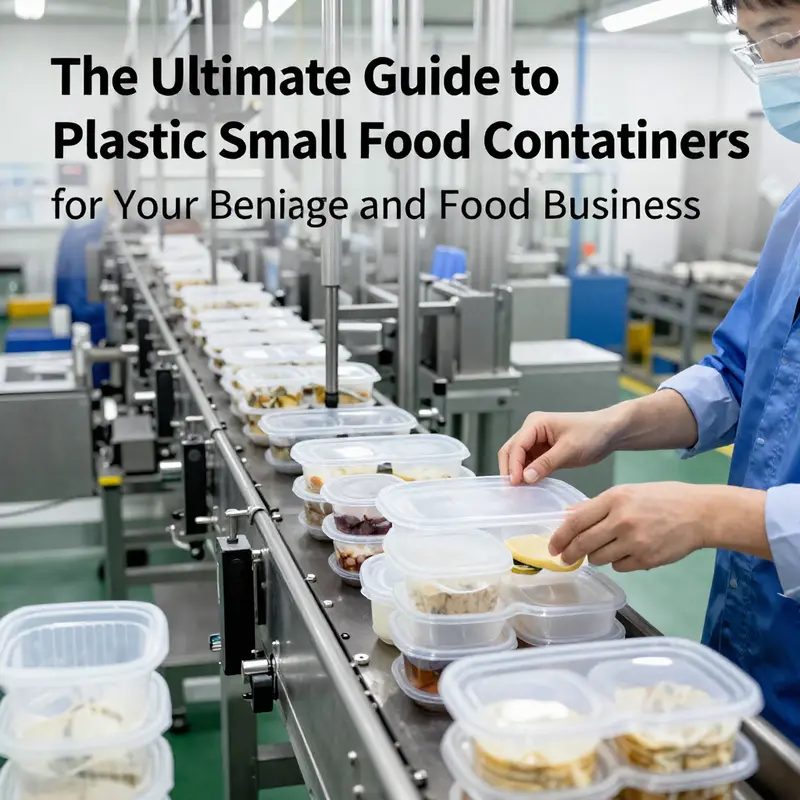
Plastic small food containers sit at the intersection of material science, manufacturing discipline, and service design. They are not merely vessels for holding food; they are components in a larger system that spans kitchen workflows to consumer use. The goal is reliable performance at high volumes, with tight tolerances for sealing, barrier properties, and surface finish. This chapter explores material choices such as PET, PP, and PS, as well as barrier considerations, heat tolerance, and the trade-offs between single-use and reusable options, manufacturing efficiency, and regulatory compliance. It discusses how wall thickness, lid geometry, and printing impact leak resistance, spill safety, ease of cleaning, and lifecycle cost. It covers how Modified Atmosphere Packaging and barrier layers extend shelf life, and how eco-conscious formulations introduce additional design challenges for heat resistance and mechanical stability. It emphasizes space efficiency, stackability, nestability, and standardized dimensions that improve throughput in kitchens and distribution centers. The chapter also outlines the broader ecosystem, including regulatory standards, waste management, and sustainability targets, and ends with a design outlook for a reliable, scalable family of containers that balances performance, cost, and environmental considerations. Practitioners benefit from practical examples of container geometry, lid interfaces, surface finishes, and testing regimes that ensure leak resistance, heat tolerance, and cleanability across a high-volume service context.
Hygiene, Leaching, and the Quiet Footprint: Rethinking Plastic Small Food Containers for a Safer, Cleaner Era
Plastic small food containers have become so embedded in everyday routines that many users treat them as invisible infrastructure. A quick scoop of yogurt, a portion of lunch, a baby’s snack cup, or a takeout box arrives in a container that seems almost disposable by instinct. Yet beneath this convenience lies a set of intertwined hygiene and sustainability challenges that complicate the simple act of storing and carrying food. The very properties that make these containers practical—light weight, shatter resistance, and cost efficiency—also shape how they interact with foods, how they endure cleaning cycles, and how they eventually enter the environment. A careful reading of the research landscape shows that the conversation around plastic small food containers must extend beyond shape, size, and price. It must address how use, reuse, and disposal influence health and ecological outcomes, sometimes in ways that are not immediately obvious to the consumer on a shelf or in a kitchen drawer.
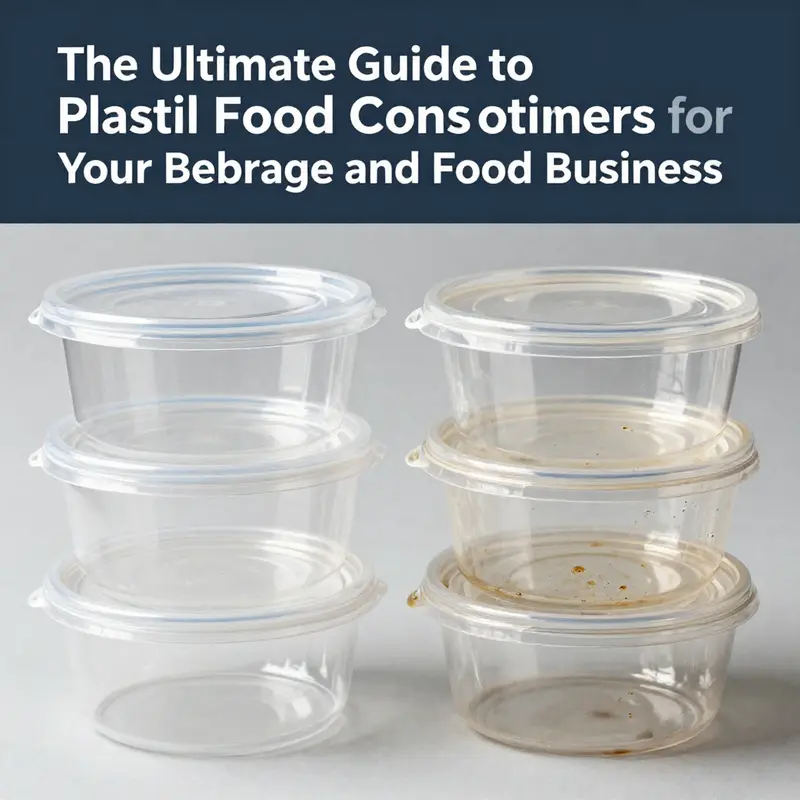
From a hygiene standpoint, the most immediate concern is the repeated use of plastic containers—not all are designed with long-term reuse in mind. When containers accumulate micro-scratches or develop micro-cracks, tiny niches form that can shelter microorganisms. In a busy kitchen or service environment, these niches can become endpoints for biofilms, especially when containers are not thoroughly cleaned between uses. The problem is not only about visible grime but about microscopic crevices that are difficult to scrub away with ordinary dishwashing. Heat intensifies the risk. When hot foods are stored in plastic, or when containers are exposed to dishwashers, some plastics may soften, increasing the potential for residues to migrate. The heat can also drive leaching of chemicals, particularly when the plastic contains additives or when the polymer is known to be more permeable to small molecules.
Chemical leaching is a focal point in the hygiene discussion. Bisphenol A (BPA) has drawn widespread attention for its endocrine-disrupting properties, which has driven regulatory and consumer shifts away from BPA-containing polycarbonate materials in many applications. However, the landscape is more nuanced. BPA-free labeling does not automatically guarantee safe exposure levels, because other structural analogs or additives can have similar endocrine-disrupting potentials. Even beyond BPA-related concerns, phthalates and other plastic additives may migrate into food under certain conditions, particularly with acidic or fatty foods, or when containers are used beyond their intended lifecycle. The implication for vulnerable populations—children, pregnant people, and those with sensitivities—heightens the urgency of safer material choices and clearer guidance on reuse.
These chemical dynamics intersect with the practical realities of household use. Odor absorption is a recurring issue. Foods with strong flavors—curry, tomato, garlic—can leave subtle traces that persist through multiple uses. For many households, this isn’t merely a sensory annoyance; it can be a vector for cross-contamination across meals and days, complicating the maintenance of a clean, neutral storage environment. Even when a container looks pristine, the odor residue can reflect underlying surface interactions between the polymer and the foods stored inside. This is not just about taste transfer; it can signal micro-porosity or surface roughness that invites lingering residues and microbe-harboring environments. The hygiene narrative thus evolves from “clean enough for today” to a more stringent commitment to “clean enough for repeated use and multiple meals without compromising safety.”
The environmental dimension compounds the hygiene narrative. The production of plastic containers relies on fossil fuels, and their end-of-life fate often ends up in landfills or mismanaged waste streams. Even when recycling streams exist, plastics may degrade in quality after several cycles, limiting the performance and usefulness of recycled resin. The lifecycle question is not only about the energy and emissions embedded in manufacturing but also about the capacity of systems to recover and reintroduce plastics into safe service. In many real-world settings, recycling rates for consumer plastics are far below the ideal, and contamination from food residues can complicate the recycling process. The result is a paradox: the very containers designed to protect and transport food can contribute to environmental headaches if their lifecycle is not managed with robust waste stewardship.
A particularly salient environmental concern is the emergence of microplastics and their potential interactions with food. Research notes that takeaway containers can release microplastics into food during ordinary use, including contact with hot or acidic foods. The cytotoxic implications observed in some studies underscore a real, though still evolving, health risk pathway. While the science is not yet settled on precise exposure levels in typical consumer contexts, the possibility that microplastics could be ingested and interact with intestinal tissue reinforces the call for precaution, especially for frequent users of single-use or multi-use plastic containers.
If the hygiene and environmental stories are stark, the humanitarian argument for change becomes even more pressing when considering the scale of everyday behavior. It is common for households and service operations to reuse containers a few times, then discard them under the assumption that they have fulfilled their function. Yet each reuse introduces cumulative risks—more opportunities for residue buildup, more chances for micro-scratches to accumulate, and more moments in which heat or acidity can change the interaction between food and container. A single household reusing five sandwich bags weekly—a measure sometimes proposed as a way to curb waste—could, in aggregate, prevent millions of bags from entering the waste stream, but it also demands stricter cleaning discipline to avoid unintended health consequences. The prevention of waste must be balanced with patient attention to hygiene to avoid transferring risk from one problem to another.
The recommendations that emerge from this dual lens of hygiene and sustainability lean toward safer materials, smarter design, and disciplined lifecycle thinking. Experts increasingly favor reusable containers composed of materials with superior chemical stability, such as glass or stainless steel, and advocate for designs that minimize porous surfaces and crevices. In such designs, cleaning becomes more effective and less labor-intensive, reducing the likelihood of microbe persistence and chemical accumulation. The flip side is that the cost, weight, and fragility of non-plastic alternatives pose challenges for mass adoption in certain settings. Consequently, the conversation shifts from a binary choice—plastic versus non-plastic—to a spectrum in which the best option depends on context, lifecycle expectations, and the ability to properly manage cleaning, reuse, and end-of-life processing.
Within this spectrum, the potential to improve plastic container systems lies in both materials science and process engineering. On the materials side, researchers explore polymers with tighter molecular networks, lower permeability, and reduced propensity to absorb odors and stains. The goal is to create plastics that resist leaching under heat, resist odor absorption, and maintain clarity and integrity after repeated cycles. On the processing side, advanced thermoforming and precision molding can reduce surface roughness and eliminate micro-scratches that trap residues. Manufacturing facilities that operate at scale can also optimize for hygiene by incorporating automated cleaning and surface-finishing processes that minimize human intervention and thereby reduce contamination risk. In places where mass production meets global distribution, these improvements can translate into tangible benefits for food safety and waste reduction.
The practical implications for consumers and food-service operators, then, hinge not only on material specifications but also on proper use guidelines and lifecycle management. A simple, yet essential, hygiene practice is to avoid storing hot foods in plastic containers that are not rated for high temperatures. The safe use of plastics involves awareness of temperature limits, food acidity, and the container’s intended service life. For example, containers designed for single use may not tolerate repeated microwaving or prolonged high-heat exposure without degrading. Establishing clear labeling about heat tolerance, dishwasher compatibility, and intended reuse cycles helps users align their behaviors with the material’s capabilities and reduces health and environmental risks overall.
From an operational perspective, some users find value in selecting containers that are designed explicitly for reuse and that come with robust sealing mechanisms. Airtight and tamper-evident designs help maintain freshness and reduce the chance of spills, which is central to both home kitchens and commercial operations. Stacking efficiency is another practical consideration, enabling better space management in refrigerators, freezers, and service lines. The most successful options balance stackability with a secure lid system, minimizing leakage while preserving the capacity to clean effectively. In evaluating options, it becomes clear that a well-chosen container system represents a confluence of safety, durability, and practical workflow benefits that extend beyond aesthetics or price alone.
An important governance dimension underpins all of these technical and behavioral considerations. Regulations and standards related to food-contact materials shape what is permissible in different markets. Even with BPA-free assurances, regulators may scrutinize other additives and polymer classes for potential health effects. The design and manufacture of plastic containers for food use thus sit at the intersection of science, policy, and consumer expectations. Companies operating at scale must navigate compliance while also communicating clearly with customers about the tradeoffs involved in reuse, cleaning, and disposal. The end result should be a transparent lifecycle narrative: what remains of a container after it has fulfilled its storage function, how it is processed at the end of life, and how much of its material can be efficiently reintroduced into new service without compromising safety or quality.
For readers who want to explore the sustainability angle with a more concrete lens, a practical starting point is to consider the lifecycle of a typical small plastic container—from design to disposal. The production phase consumes energy and raw materials, with emissions tied to resin type and manufacturing processes. The use phase depends on how many times the item is reused and how well it is maintained. End-of-life outcomes hinge on recycling infrastructure, contamination control, and consumer behavior. When these phases are considered together, the total environmental burden is not simply a function of the container’s weight or volume, but of the entire system surrounding its creation, use, and ultimate fate. This holistic view invites a reallocation of resources toward safer materials, more durable designs, and waste-conscious consumer practices that align hygiene with sustainability.
Within this broader frame, one simple but powerful step for households and organizations is to shift from disposable, single-use containers to reusable systems that have clear hygiene safeguards. This may mean investing in glass or stainless steel options for frequent use, coupling them with reliable cleaning protocols, and reserving plastic containers for applications where their properties provide unique advantages and where lifecycle management is feasible. In contexts such as healthcare facilities or childcare settings, where hygiene standards are especially stringent, the argument for safer materials and rigorous cleaning regimens becomes even stronger. Yet even in these settings, the overarching objective remains the same: protect health while reducing environmental impact through responsible lifecycle choices.
To connect the discussion to practical options without diluting the science, it helps to look at the range of container systems that are available to serious users of food storage and takeout packaging. Among these, some designs emphasize airtight sealing and stackable form factors, mirroring the needs of meal prep, catering, and retail food service. The most compelling solutions are not merely about keeping food fresh; they are about creating a dependable interface between food and container that respects hygiene norms, minimizes odor transfer, and supports efficient cleaning. In parallel, there is ongoing interest in materials research and process improvements that push plastic containers toward higher durability, lower permeability, and safer interaction with foods under varied conditions. When consumers, manufacturers, and regulators align on these goals, the overall impact can be meaningful—reducing health risks and extending the usable life of packaging while curbing the downstream burden on ecosystems.
For readers seeking a bridge between the theory of hygiene and sustainability and concrete procurement decisions, consider exploring options that emphasize safer materials and lifecycle accountability. An example of this approach can be found in resources that discuss reusable, food-grade packaging solutions designed for high-volume use while maintaining rigorous cleanliness standards. Such resources can provide practical guidance on choosing container families that balance performance with environmental stewardship, including considerations like heat tolerance, seal integrity, stacking efficiency, and compatibility with standard cleaning equipment. In addition, it may be useful to compare metal or glass alternatives where feasible, given their durability and lower risk of chemical leaching under typical kitchen conditions. The tradeoffs—weight, breakage risk, and logistics—are real, but they are increasingly manageable through design innovations and progressive waste management practices. The overarching objective is not to eschew plastic entirely but to optimize its role within a safe, sustainable, and health-conscious packaging ecosystem.
To deepen the understanding of the hygienic and toxicological considerations, readers can consult scientific analyses that synthesize data on chemical exposures from plastics in contact with food and the broader implications for health and development. These sources underline the importance of cautious use, especially for frequent users and those in vulnerable groups, and they reinforce the broader call for safer materials and responsible disposal strategies. The discussion here aims to synthesize those findings into a practical, consumer-facing narrative while acknowledging that ongoing research and regulatory refinement will continue to shape best practices.
In the end, the challenge is not simply to stock more plastic containers or to condemn them outright. It is to foster an informed, design-centric approach that preserves the functional benefits of plastic small food containers while elevating hygiene, reducing chemical exposure, and shrinking the ecological footprint across the lifecycle. Achieving this balance requires collaboration among material scientists, manufacturers, healthcare and food-service professionals, and informed consumers. It means choosing containers with robust hygiene features, using them within their recommended lifecycles, cleaning thoroughly, and transitioning to safer, more sustainable options where appropriate. It means committing to better end-of-life processing and supporting systems that can recover and recycle plastics without compromising food safety or public health. It also means recognizing that improved container design can act as a frontline measure in safeguarding health, while responsible consumer behavior can amplify that protection and drive meaningful reductions in waste. In this sense, hygiene and sustainability are not competing priorities but complementary objectives that together define a smarter, safer, and cleaner packaging culture for the future.
For readers who want to explore a practical pathway toward sustainable choices without losing sight of hygiene, a concise starting point is to consider reusable systems paired with safer materials and clear usage guidelines. This approach aligns with the broader engineering and manufacturing advances described in the literature, where automation, material science, and lifecycle thinking converge to produce packaging that meets real-world needs. It also creates an opportunity for consumers to participate more actively in waste reduction by adopting habits that minimize disposable use and by selecting containers that are designed to endure multiple cycles with appropriate care. The result is a packaging ecosystem that protects food, promotes health, and respects the limits of our environment, all while maintaining the efficiency and convenience that today’s kitchens and service operations depend on.
For additional reading and a broader scientific context on the hygiene and health implications of plastics in food storage, see the external resource linked here: https://www.ncbi.nlm.nih.nih.gov/pmc/articles/PMC9524877/
Internal resource for further reading and context: eco-friendly disposable takeout packaging boxes
Final thoughts
Plastic small food containers play a crucial role in the efficiency, hygiene, and convenience of food service operations across various sectors. By understanding the diverse materials and designs available, businesses can make informed choices that not only meet their needs but also respect environmental standards. As the food industry continues to evolve, integrating sustainable practices in order to address hygiene and sustainability concerns will enhance your reputation and service quality. Balancing practicality with responsibility will not only meet customer expectations but can potentially elevate the entire dining experience.