
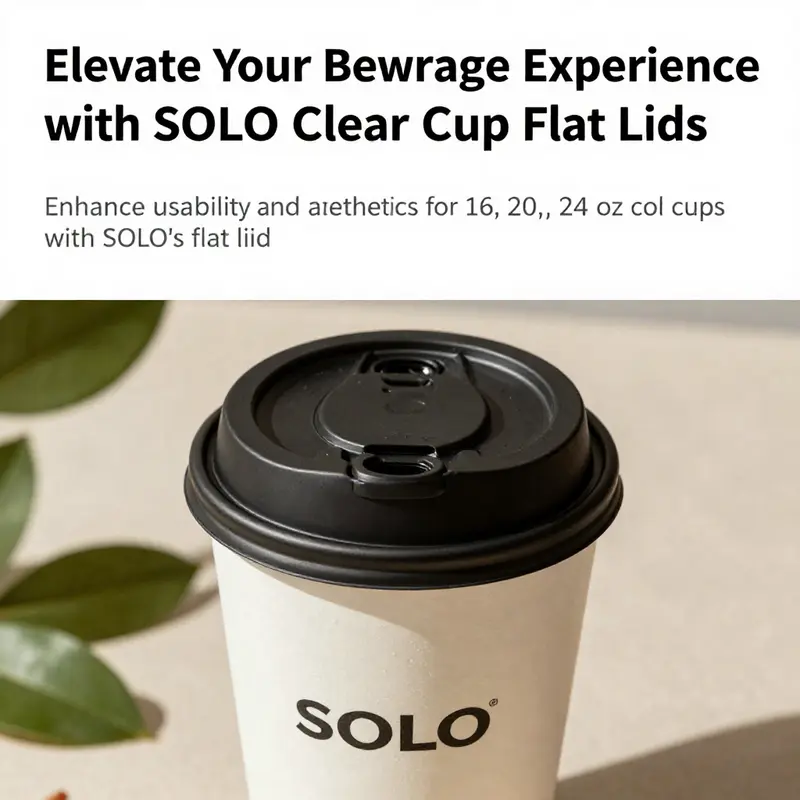
SOLO’s 16, 20, and 24 oz clear plastic cold cup flat lids are designed to improve service efficiency and customer satisfaction. These lids provide secure sealing, clear visibility of the beverages, and compatibility with a range of cold cup sizes, making them a versatile choice for beverage shops, food trucks, caterers, and corporate teams. This article covers the product overview, materials, applications, and environmental considerations that influence choice and performance.
Clarity, Fit, and Flow: The Flat Lid That Complements 16–24 oz Clear Cold Cups

A lid can be the quiet hero of a beverage experience, the component that preserves the drink’s integrity while letting its appearance do the talking. When a cold cup is filled with a lattice of ice, a swirl of milk, or a bold splash of color, the lid around it must do more than just cap the top. It must invite the eye, protect the contents, and support a smooth, deliberate flow from container to straw. In the realm of flat lids designed for 16, 20, and 24 ounce clear plastic cold cups, the interplay between clarity, seal, and usability becomes especially pronounced. The essence of this category lies in a simple yet potent idea: the lid should disappear visually, leaving the beverage to speak for itself while ensuring that every sip is deliberate and secure. The flatter profile of these lids, compared with domed alternatives, also matters. It creates a low, stable surface that stacks efficiently for storage, transports neatly in bulk, and presents a neat line when lined up on a counter or in a display of grab-and-go offerings. A well-executed flat lid respects the cup’s transparency, allowing the drink’s color, texture, and layering to be part of the consumer’s perception from first glance to final swallow.
Material clarity is not a cosmetic choice here. The lids are crafted from a strong, transparent polymer that is well known for its light weight and reliable rigidity. The clarity is more than aesthetic; it is a practical feature. Visibility encourages trust, as customers can quickly assess the beverage’s condition—whether the ice is ample, whether the swirl of a latte or smoothie remains enticing, and whether any separation between layers has occurred during transport. In a surface-level sense, the lid is a window, but in a practical sense it is a shield that guards against spills and leaks, a crucial consideration in fast-paced settings where drinks travel from bar to counter to curbside pickup. The polymer’s reputation rests not only on its transparency but also on its resistance to cracking and its ability to maintain a seal around the cup’s rim. These properties translate into fewer incidents of leakage and fewer sleeves of napkins used to blot damp conditions at the counter, which, in turn, supports a gentler environmental footprint for operations that aim to minimize waste.
The flat lid in this category is designed to fit standard cold drink cups in the range of 16 to 24 ounces. The fit is deliberate, governed by tolerance bands that account for tiny variations in cup walls and rims across manufacturing lots. The result is a reliable seal that minimizes the risk of drips when a beverage is carried, tipped, or passed from hand to hand. The design often includes a modest lip at the outer edge and a carefully placed straw slot. The straw slot is not merely a hole; it is a thoughtfully placed opening that accommodates most conventional straw diameters while maintaining the lid’s structural integrity. A well-positioned slot reduces the chance of unintended seepage around the straw edge and supports a steady sipping experience. The flat profile also helps ensure compatibility with a broad ecosystem of cups and accessories, enabling consistent performance across a range of service contexts—from a compact coffee shop counter to a sprawling catering event.
In practical use, operators appreciate how this lid complements the visual presentation of the beverage. With a high-clarity lid, iced drinks reveal their color and texture in a way that enhances the drink’s perceived quality. A latte’s creamy surface, a cold brew’s deep amber, or a smoothie’s layered hue remains visible, creating an appealing proposition at the moment of pickup. The combination of transparency and secure sealing yields a simple, confident statement: the drink is ready to be enjoyed, and it will arrive in the same condition as when it left the maker’s station. This is particularly meaningful in environments where presentation matters as much as utility, such as cafes that emphasize craft beverages, events that rely on consistent branding through packaging, or takeout operations that want to convey reliability with every cup.
From a usability standpoint, the lid’s flat geometry contributes to a smooth workflow. It is easier to grab, align, and press onto the cup in a high-volume setting, reducing the cognitive load on staff during peak times. The flat lid can be pressed into place quickly, with a simple press that seats the seal and closes the top in one fluid motion. This efficiency translates into faster service times, especially when staff work from a queue or a line that demands speed without sacrificing seal integrity. The flat design also lends itself to stable stacking for storage and transport. When multiple sleeves are loaded into a tray or bin, their uniform geometry minimizes shifting, helping to protect the cups and lids from damage before they reach the customer. In turn, this reduces batch waste and returns, contributing to smoother service and more predictable inventory management.
The range of cup sizes—16, 20, and 24 ounces—speaks to a broad spectrum of beverage needs. The 16-ounce format is popular for standard coffee or tea drinks; the 20-ounce size is a favorite for larger iced coffees, cold brews, or smoothies; the 24-ounce cup serves as a generous vessel for longer coffee runs or celebratory cold beverages at events. The lid’s compatibility across this range is more than convenient; it is a practical advantage for operators who want to standardize their accessory set, simplify ordering, and streamline the procurement process. A single lid family that covers multiple cup sizes reduces the number of SKUs a business must manage, which can simplify inventory forecasting and reduce the risk of mismatched components arriving on a shift. In turn, the service team can maintain a steady rhythm, with one kind of lid meeting a variety of beverage volumes while preserving the drink’s visual appeal and structural integrity.
Beyond the immediate functional benefits, there is a broader narrative about the product ecosystem. The lid and cup combination is a reminder that packaging is a system rather than a single, isolated item. The lid must respond to what the cup is meant to do: hold a cold beverage, be handled in busy environments, and showcase the drink’s appearance to entice the consumer. The emphasis on high clarity reinforces the idea that beverage color and texture are part of the sensory experience—the visual cue that signals flavor, quality, and freshness. In venues where speed and presentation converge, a well-designed flat lid helps ensure that the customer’s first impression is not compromised by condensation or leakage at the moment of purchase or pickup. It is an understated but essential element of hospitality, one that supports both the practical and the aesthetic expectations of modern takeout and on-site service.
For readers who want to explore related packaging options and contexts, a useful reference point is the broader category of disposable clear plastic cups suited for events and everyday use. The linked product page offers a concrete example of how compatible cups and lids can come together to form a coherent, efficient system that preserves beverage integrity while delivering a visually appealing presentation. This kind of ecosystem thinking—considering cups, lids, straws, and sleeves as an integrated set—helps operators design more reliable workflows and customers enjoy a consistently satisfying experience. See the disposable clear plastic cup product page for additional context on compatible vessels and lids that align with the principles described here.
As with any packaging choice, it is also important to consider the practical realities of disposal and recycling. The clear, transparent material used for these lids is commonly categorized as a recyclable plastic in many curbside programs, though local guidelines vary. The emphasis on recyclability does not remove the responsibility to minimize waste; it simply provides a clearer path for end-of-life handling when programs accept this material stream. The lid’s minimalistic footprint—flat, lightweight, and with a precise seal—also supports transportation efficiency and reduces material usage without compromising performance. Operators can optimize their purchasing by balancing the need for sturdy lids that resist cracking with the desire to minimize excess plastic where possible. In settings that prioritize sustainability, it is worth exploring recycling options in the local community, alongside best practices for stacking, storage, and rotation to ensure products are used before expiration or damage occurs. The overarching message is that the lid is a small component with outsized influence on the drink’s journey from producer to consumer.
To convey these dynamics in practice, consider the everyday moment when a staff member hands you a cold drink at a counter. The cup’s transparency invites you to read the beverage’s layers; the lid’s flat profile gives you confidence that the drink is protected from splashes during transit; and the straw slot offers a straightforward pathway to enjoy the sip without wrestling with the package. This combination—clarity, secure fit, and user-friendly sipping access—defines a successful lid design for 16 to 24 ounce clear cold cups. It is not the flashy centerpiece of packaging, but it is the reliable stagehands that keep the performance smooth, clean, and enjoyable for every guest. In the broader arc of beverage service, such attention to a seemingly modest component underscores a fundamental truth: great packaging works quietly to elevate the customer’s experience, enabling the drink to be seen, sampled, and savored just as intended.
External resources can provide further practical insights into the broader landscape of packaging components and their applications. For a broader reference on compatible vessels and related takeout packaging options, you can consult the external resource at the following link: https://www.ebay.com/itm/165783987287
Clarity, Strength, and Fit: The Material Logic Behind Flat PET Lids for 16–24 oz Clear Cold Cups
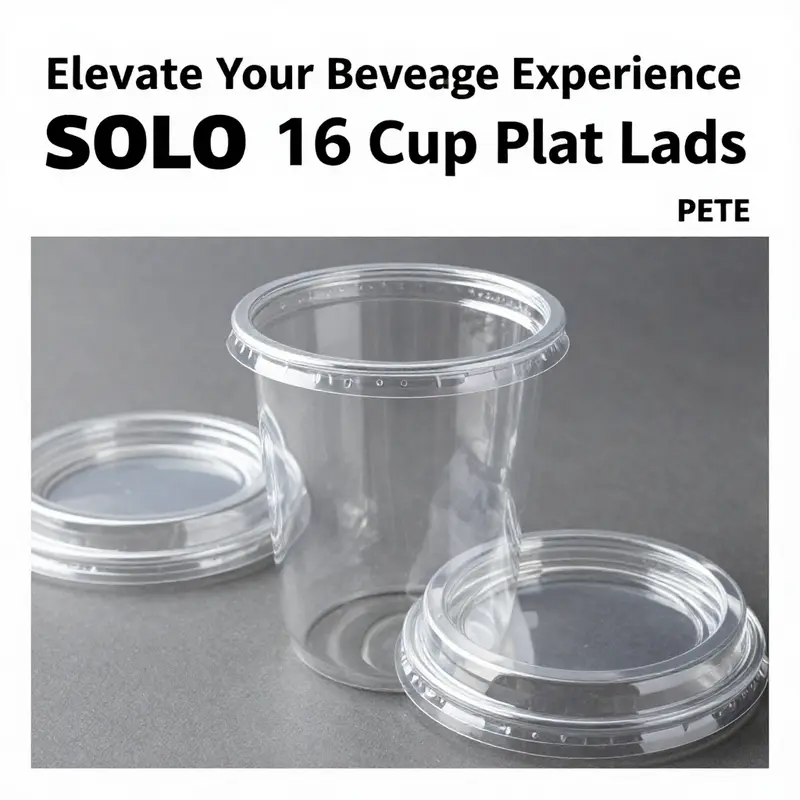
The lid is more than a cap; it is a carefully considered membrane between the cool experience of a beverage and the consumer’s expectation of cleanliness, convenience, and curiosity. In the world of cold drinks, where the cup’s transparency allows the color and fizz of the beverage to speak before the first sip, the material of the lid must support that visual honesty while performing under the practical demands of handling, stacking, and transport. The 16 to 24 ounce range represents a sweet spot in the on-the-go drinking ecosystem: large enough to hold a satisfying amount of beverage, yet compact enough to be easily managed by hands of varying sizes and by customers who are moving through crowded spaces. The decision to employ a flat lid crafted from a clear plastic polymer speaks to a set of material properties that, when balanced with manufacturing realities and consumer expectations, create a lid that is both reliable and visually unobtrusive. At the heart of this choice lies a polymer known for its clarity, toughness, and practical recyclability: PET, or polyethylene terephthalate, in its beverage-grade form.
The case for PET in these lids rests on a suite of interlocking characteristics. First, the optical clarity is essential. A lid that resists yellowing or the appearance of cloudiness over time preserves the visual appeal of the drink inside. Consumers often judge freshness by sight as much as by aroma or taste; a lid that remains crystal clear helps maintain that sense of cleanliness. PET’s high degree of transparency makes it the default material when the beverage’s color is a part of the product’s identity—think a neon-green lime soda, a deep amber tea, or a pale lemon soda—where any tinting from the container would dull the user’s visual impression. In lubrication with the rim, the absence of opacifiers and the smooth, glossy surface also work to reduce the perception of residue on the lid after the first sip, which in turn influences perceived cleanliness and reliability.
But simplicity in appearance does not come at the expense of durability. The flat lid must resist deformation when stacked, taped to a cup or carried in a bag, even as cold liquids exert pressure during transport. PET’s inherent stiffness provides enough structural integrity to maintain a flat profile and to keep the straw slot secure and well-defined. The straw slot, a pre-cut feature designed into cold-cup lids, is not an afterthought; it is a deliberate engineering choice that leverages the ductility and elasticity of PET. The slot is sized to accommodate standard drinking straws while minimizing the risk of tearing or tearing-induced leakage. The plastic’s toughness helps ensure that the slot does not easily propagate into an enlarged or jagged opening, which could compromise spill resistance when the cup is jostled or inverted briefly during a fast-paced commute.
Another dimension of PET’s suitability is its chemical compatibility with beverages encountered in a typical cold-serve environment. Cold drinks—water, juices, sodas, and lightly sweetened beverages—stay in contact with the lid for extended periods, and the material should not impart flavors or odors. PET’s chemistry lends itself to neutral interaction with common beverage constituents. Even in the presence of carbonation, which can heighten internal pressure modestly, PET remains resilient, resisting stress cracking and maintaining a reliable seal around the rim of the cup. This compatibility translates into a more predictable consumer experience: less risk of unusual tastes, less risk of microplastic concerns arising from long contact times, and less risk of visual imperfections that could arise from reactive surfaces.
The practical design aims do not stop at the material’s intrinsic properties. A flat PET lid must align with the cup’s geometry to deliver a secure seal that is easy to remove and replace without slipping. The flat form factor supports straightforward manufacturing, allowing a consistent, uniform edge that relocates the beverage’s roundness into a dominantly planar profile, reducing visual clutter when the lid is viewed from above. The mating tolerances between the lid and the cup’s rim are a product of precise mold design, quality control, and thoughtful material choice. PET’s thermoformability—a characteristic of the polymer that allows it to be heated and formed into the required geometry without excessive crystallization—plays a pivotal role here. In a typical production line, a sheet of PET is heated to a controlled temperature and then formed into a shallow, hollowed lid that sits evenly atop the cup with a snug fit. The result is a lid that looks and feels integrated with the cup, enabling confident handling by staff, customers, and delivery personnel alike.
From a sustainability perspective, PET is widely recognized for its recyclability in many regional streams. That attribute matters in a landscape where brands and operators increasingly weigh end-of-life considerations as part of the product’s overall value proposition. Recyclability is not universal, however, and the practical reality is that curbside programs vary by region. Nevertheless, PET’s recycling footprint is comparatively favorable to many other clear plastics, particularly when the plastic’s purity is preserved by minimizing color additives and printing that would complicate recovery streams. The choice of PET also aligns with a broader packaging ecosystem in which clear PET lids can be visually and functionally compatible with a wide array of cup sizes, reinforcing the notion of a standardized, scalable approach to cold beverage packaging.
In the loop of design and utility, the lid’s flat configuration helps with stacking efficiency and reduces the chance of lid-to-lid interference during storage or transport. When a stack of cups is prepared for a shift or delivered to a point of sale, a flat lid form minimizes the vertical footprint and reduces the risk of lid deformation from pressure. The stacking advantage translates into logistical efficiency: more units per shipment, safer handling, and a cleaner presentation on the counter. Each of these factors matters to operators who manage inventory in fast-paced retail, food service, or event contexts, where space and speed are at a premium. The stainless or glassware alternatives do not apply in the same way here; the PET flat lid’s geometry is calibrated to complement the cup’s cylindrical body, ensuring that the drink remains contained yet accessible at the moment of entry into the consumer’s mouth.
A broader look at the packaging ecosystem reveals how lid materials interact with other elements of the system. The material choice for lids does not exist in a vacuum; it must harmonize with the cup, the straw, and the consumer’s overall experience. The clear PET lid communicates through transparency, allowing the beverage’s color to become part of the sensory narrative without heavy visual interference. In turn, the straw slot facilitates a comfortable sipping experience that mirrors the user’s expectation of convenience in a crowded environment. The slot design leverages PET’s ductility and edge strength to resist tearing at the slot’s perimeter, which would otherwise invite leaks or spillage. In combination, these features create a product that is simple in appearance yet sophisticated in function, reflecting the implicit tradeoffs that come with packaging choices.
Within the conversation about material selection, an awareness of the broader takeout packaging ecosystem is essential. While the primary function of the lid is to contain and facilitate consumption, it also participates in a narrative about sustainability, usability, and brand perception. The lid’s material choices influence how easily the packaging can be recycled after use, how resistant it is to the mechanical stresses of handoffs between customer, cashier, and delivery driver, and how well it preserves the drink’s integrity as it travels from the point of sale to the consumer. The interplay between clarity and resilience defines a practical threshold: a material robust enough to withstand external pressure and internal pressure changes, yet sufficiently transparent to maintain the beverage’s visual appeal. The PET-based solution described here achieves that balance with a form that is at once economical to produce, reliable in performance, and friendly to recycling streams where infrastructure supports it.
From a consumer-facing perspective, the choice of a transparent lid means that the cold-cup presentation remains uninterrupted by opaque or tinted plastics. The drink’s hue speaks for itself, and the lid’s surface—smooth, uncolored, and clean—lets that color play out in the most direct way. This visual fidelity matters in competitive settings where presentation correlates with perceived quality. It is not merely about aesthetics; it is about the confidence a customer feels when they see a lid that does not distort the drink’s appearance, does not exude an unfriendly odor, and does not require extra effort to remove or reseal. The lid must be intuitive to use, especially in self-serve or grab-and-go contexts where customers rely on quick, uncomplicated interactions. In this regard, PET’s inert behavior, clarity, and straightforward manufacturing integrate to deliver a product that is as user-friendly as it is efficient to produce.
As one contemplates the broader choices within the design space of cold-cup ware, a few guiding questions emerge. How does the material choice affect the cup’s tearing resistance when customers nudge the lid against a tray or a counter edge? How does the lid’s thickness balance rigidity with flexibility to minimize cracking at the straw slot during repeated insertions and removals? What implications do these choices have for the recycling stream in different locales, and how might manufacturers communicate end-of-life options to consumers? These considerations underscore the idea that a seemingly simple lid is the culmination of a chain of decisions that link materials science to retail performance. The material logic embedded in a flat PET lid is a testament to the way modern packaging blends optical clarity with mechanical reliability, while keeping an eye on sustainability and the practicalities of everyday use.
To see how the lid’s material story sits within the broader spectrum of packaging options, one can explore resources that discuss similar components in the packaging ecosystem. For a broader context on how takeaway packaging can be customized to fit themes or events, consider resources that discuss custom takeaway packaging supplies and disposable tableware for themed parties, which illustrate how packaging choices extend beyond a single piece to influence the entire consumer experience. custom takeaway packaging supplies.
External references provide additional validation of the material profile described here. For a marketplace listing that explicitly notes the use of PET and the intended cup size range, see the external resource describing PET-based flat lids designed for 16–24 oz cold cups. PET flat lid listing on a marketplace.
Clear Confidence in a Flat Lid: How 16–24 oz Cold Cups Standardize Service Across Venues

The flat, straw-slot lid that fits 16, 20, and 24 ounce clear cups is more than a simple cover. It is a small but powerful tool that underpins the daily choreography of beverages in a wide range of settings. From the quick-serve counter to a bustling festival pavilion, the lid’s design helps crews move with speed, maintain cleanliness, and present a drink that looks as good as it tastes. When the lid is clear, the beverage’s color and texture become part of the customer’s experience. The visual appeal—whether a brisk amber tea, a deep iced coffee, or a vivid smoothie—travels through the cap’s transparent surface and enhances the perception of freshness. In environments where speed matters, the lid’s streamlined form reduces the friction of service. The absence of fiddly mechanisms means a worker can grab a cup, top it up, and seal it in seconds, which translates into shorter line times and more consistent customer flow. In many venues, speed and presentation are not separate goals but a single, integrated standard of service. A crisp, flat lid provides a smooth silhouette when the cup moves through a handoff from barista to customer to vehicle trunk or to a catering cart. Even as beverages are carried, the sleek lid design minimizes bulk and snag hazards, a subtle but meaningful advantage in crowded spaces.
The material choice for these lids—clear, BPA-free PET plastic—addresses two fundamental concerns in cold-beverage service: clarity and durability. Clarity matters because it allows customers to inspect the drink’s color, ice level, and texture without lifting the lid. In practice, a visible beverage reduces hesitation and increases trust. It also communicates quality and cleanliness, signaling that the cup and its contents are handled with care from the point of preparation to the moment the customer takes a sip. Durability matters because cold beverages can be heavy and are often moved between stations, stations, and out the door. A rigid, transparent lid resists bending and cracking under ordinary pressure, ensuring that the sip slot remains aligned with the straw and the cup’s rim remains secure. The straw slot is more than a convenience; it is a functional feature that preserves the drink’s integrity during transport. When a customer leans back and takes a drink without removing the lid, the risk of spills diminishes, and the chance of a customer returning with a sticky mess on their hands or clothing drops. For operations that emphasize hygiene, this is not a small win. The lid becomes a barrier that helps keep dust, debris, and accidental splashes away from the beverage while still permitting a quick, comfortable sip.
All of these practical benefits converge in a core sirocco of standards across different service contexts. In fast-casual restaurants, where a steady stream of drinks is a daily rhythm, the flat lid supports predictable, repeatable assembly. A standardized lid across cup sizes reduces the cognitive load on staff. Whether a barista is refilling a 16-ounce iced beverage or a 24-ounce smoothie, the team relies on a uniform closure that snaps into place with reliable seal and predictable straw access. This uniformity extends beyond the counter, into the backroom operations where cups are stacked for storage and loaded for delivery. The flat design, particularly when coupled with a shallow rim, nests neatly into stackable packaging systems. Space-saving storage is not merely about inventory efficiency; it translates to faster restocking and cleaner scenes on the shop floor, where clutter can slow an operation and alter the customer experience.
In events and catering environments, the same lid plays a quietly dramatic role in scale and presentation. At weddings, stadiums, conferences, and concerts, there is a need to balance elegance with practicality. The lid’s clear profile highlights the beverage’s color and effervescence, complementing the presentation of the service line without overpowering it. A flat, transparent lid communicates a sense of modernity and cleanliness, attributes that event organizers prize when the beverage becomes part of a larger experience. In these contexts, the straw slot is a convenience that reduces lines and crowds, allowing guests to move smoothly from one station to another or from a standing bar to a seated area. For caterers who shuttle drinks across open space, the lid’s superior containment supports efficient transport, minimizing spill risk as people navigate aisles and portable serving stations. The visual content inside the cup, visible through the lid, can also become a component of brand storytelling at events. The color of a beverage—green matcha, ruby-red fruit infusion, or milk tea with caramel—reads as intentional, crafted, and premium when seen through a clear, polished lid.
Retail and takeout settings also benefit from this design. In convenience stores, gas stations, and delivery services, customers often choose beverages for comfort, momentum, and packaging familiarity. A consistent lid across drink sizes reduces the chance of mismatches during order fulfillment. The lid’s ability to seal, protect, and display the beverage aligns with customer expectations for on-the-go consumption. When a delivery arrives, the visible beverage inside the clear cup helps reassure the recipient that the order is intact and ready to enjoy. In these environments, the flat lid is less about a single moment of service and more about a dependable, repeatable protocol that supports a reliable customer experience from pickup to doorstep.
Beverage-dispensing and self-serve contexts also illustrate how the lid performs in high-velocity settings. In self-serve stations, a standardized lid across multiple cup sizes minimizes confusion for guests. The sip-through straw slot invites customers to take a quick taste without the need to remove the lid, which is especially valuable in busy break rooms, campus cafeterias, or office lounges. A consistent lid also reduces the amount of waste and the potential for spillage at the point of service, because staff can predict how the closure will behave when the cup is handled by different people, at different speeds, in different temperatures. This predictability is part of a broader operational philosophy that prizes reliability as a competitive differentiator. When a business invests in uniform closures, it communicates both care for the customer and discipline in operations. That discipline matters: it signals a commitment to smooth, error-free service rather than improvisation or guesswork.
From a design perspective, the flat lid’s geometry supports a seamless handoff between cup and cup holder, making it easier to transport drinks through crowded spaces and into vehicles. The flat surface promotes stacking efficiency, a practical detail that matters in busy kitchens, event venues, and catering fleets. Stacking reduces clutter and simplifies inventory, ensuring that drink service remains organized even on the most demanding shifts. In practice, this translates into fewer misplacements, faster restocking, and cleaner back-of-house workflows. The design also lends itself to visual merchandising opportunities. With a transparent lid, beverages can be showcased in all their color and texture, turning ordinary drinks into eye-catching, crave-inducing visuals. In a world where presentation matters, the ability to observe a drink through a clear lid can influence a customer’s perception of freshness and quality, reinforcing trust at the moment of purchase.
The sustainability dimension, though subtle, is part of the chapter’s broader truth: even disposable components can contribute to more efficient, lower-waste operations when chosen and used thoughtfully. The lids are aligned with safety and food-contact standards, offering a BPA-free option appropriate for cold beverages. While the lids themselves are typically disposed of after use, their clean, stackable, and shippable form can help reduce waste in high-volume settings by enabling more efficient packaging, transport, and handling. Some brands and operation models also promote reusable cup systems that partner with compatible lid designs, creating opportunities to blend disposables with durable, reusable components when a venue seeks to transition toward a more sustainable cycle. In any case, the lid’s clear, secure, and accessible design supports a range of sustainability goals by facilitating efficient service, minimizing spills, and maintaining the pristine appearance of the beverage inside.
The practical utility of this lid type becomes even clearer when we consider the breadth of sizes—16, 20, and 24 ounces—and the spectrum of beverages that flow through modern service channels. The 16-ounce size is a staple for standard cold drinks like iced coffee, cola, and fruit-flavored beverages; the 20-ounce size caters to larger thirsts and premium offerings that might be served on a hot day or in a long event lineup; and the 24-ounce size captures high-volume needs in venues with robust beverage programs, such as sports arenas or bustling cafés. The uniform closure across these sizes creates a unified operational rhythm. Staff can train once and apply the same closure logic across the range, which speeds onboarding and reduces the chance of errors. Customers benefit too, enjoying consistent performance regardless of cup size. They experience the same secure seal, the same easy sip-through access, and the same clear visibility into the beverage. Over time, this consistency becomes part of a brand’s reliability—a quiet but powerful factor in customer loyalty.
To truly appreciate the advantages, consider the moments that often define a drink’s journey: the moment it leaves the bar, the moment it is picked up by a guest, the moment it is passed from one hand to another, and the moment the first sip is taken. In each of these moments, the lid’s performance matters. A flimsy closure slows service and invites spills; a robust, transparent lid accelerates motion and protects the cup. A straw slot that accommodates a standard straw without requiring a tool or a stretch of the hand reduces friction, a small but meaningful improvement in the everyday rhythm of beverage service. The lid thus becomes a quiet enabler of efficiency, hygiene, and aesthetics—an understated workhorse that keeps beverage programs thriving across environments.
For operators seeking to optimize their beverage presentation and service flow, the key is to recognize how a simple component integrates with other packaging and service decisions. The lid’s compatibility with standard cold cups, its clarity for visual appeal, and its seal quality all contribute to a cohesive system that aligns with the broader goals of speed, accuracy, and guest satisfaction. When a team standardizes their closures across cup sizes, it becomes easier to manage inventory, train staff, and maintain a consistent guest experience. In such systems, the lid is not an afterthought but an essential element of the service ergonomics that define how a beverage business operates on a daily basis.
As a closing reflection for this chapter, the role of the flat straw-slot lid is best understood as a mixture of form and function. It merges the clarity of PET plastic with a design that supports the dynamic life of beverages—from the moment the cup leaves the cold prep area to the moment a customer takes that first cool, crisp sip. Its influence extends beyond the counter into events, retail, and self-serve contexts, where speed, hygiene, and presentation converge. The lid’s consistent performance across 16, 20, and 24 ounce sizes makes it a practical standard in modern beverage service, one that helps operators deliver a smooth, visually appealing, and dependable experience to customers who expect both convenience and quality. For those who want to explore packaging options that complement this approach, consider engaging with suppliers who offer customizable takeaway packaging supplies, a resource that can enhance consistency across theme-related events or high-volume venues. Custom takeaway packaging supplies.
External resource for further reference on lid design and material choices: https://www.solocup.com/product/flat-straw-slot-lid-16-20-24-oz/.
Clear Caps, Hidden Costs: Tracing the Environmental Footprint and Recycling Realities of 16–24 oz Clear Plastic Cold Cup Flat Lids
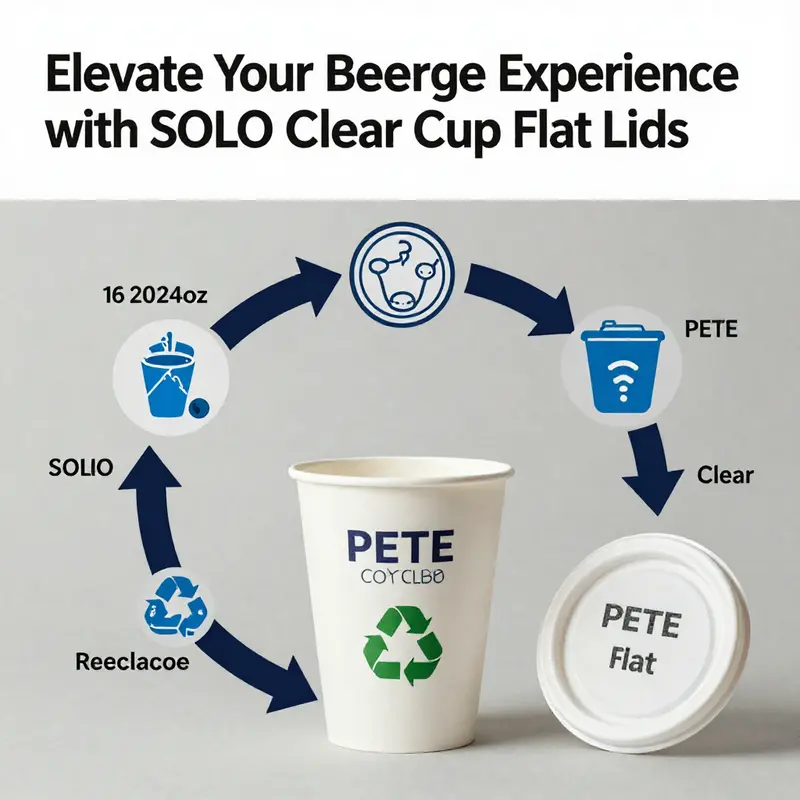
The world of cold beverages relies on a silent companion: the flat lid that seals a clear cup while inviting a casual sip through a pre-cut straw slot. Such lids, designed for 16 to 24-ounce cold cups, are celebrated for their clarity and perceived recyclability. Yet the environmental story behind these transparent caps is more complex than their glass-clear surface suggests. They embody a tension at the heart of modern packaging: the demand for convenience and visual appeal versus the imperative to manage waste responsibly. To understand their footprint, one must move beyond the surface sheen of transparency and examine the materials, the end-of-life pathways, and the systems that decide whether a lid ends up in a recycling stream, a compost facility, or a landfill. In doing so, we glimpse how design choices—down to the specific polymer and the geometry of a straw slot—shape real-world outcomes across regions with vastly different waste infrastructures.
At first glance, the flat lids intended for cold beverage cups can be described as simple, elegant components. They are often made from clear plastics such as polyethylene terephthalate (PET), sometimes joined with polypropylene (PP) or, in some instances, polylactic acid (PLA). Each material carries a distinct set of attributes that influence both performance and end-of-life behavior. PET offers high clarity and stiffness, enabling the visual appeal that consumers expect from transparent cups and lids. In a cold beverage context, PET typically performs well, resisting deformation and maintaining a secure seal around the rim. When a lid is made of PET, it usually falls into a well-established recycling stream in many municipal systems. The broad availability of PET recycling infrastructure means that, in places with robust networks, a PET lid from a cold cup can be collected, sorted, washed, and reprocessed into new PET resin or other selected products. Yet practical realities complicate this ideal. The real-world recycling rate for PET-based single-use closures remains uneven. While the material itself is highly recyclable, a combination of factors—residue from beverages, the small size of the lid, contamination with other packaging, and the fact that many programs do not explicitly sort such items—can diminish the fraction that actually re-enters a productive cycle. In short, the theoretical recyclability of PET does not automatically translate into high recovery rates in every city or country. This discrepancy underscores a broader truth: recycling is not a one-size-fits-all solution but a system-dependent outcome that hinges on local collection, transport, processing capacity, and consumer behavior.
PP is another common option for flat lids. Polypropylene can deliver similar performance characteristics to PET in terms of toughness and heat resistance, though it is typically less transparent. In markets where PP is widely accepted by recycling streams, a PP lid can be efficiently processed through mechanical recycling. However, the same caveats apply: the lid’s small size, potential contamination from beverage residues, and the presence of multi-material components or adhesives can challenge the sorting and washing steps that precede reprocessing. When the market share of PP in single-use cup lids is high, the environmental advantage depends on the completeness of the recycling chain, including consumer participation and the ability of facilities to handle mixed streams where PP competes with other plastics for recognition and processing.
PLA, a biobased alternative, introduces a different calculus. PLA can offer the promise of compostability, particularly under industrial composting conditions that provide the high heat and humidity necessary to break down polylactic acid into compostable residue. In industrial facilities, PLA-based lids can be transformed into compost rather than a new polymer. The caveat is stark: in typical municipal settings, PLA often ends up in the conventional waste stream, where composting conditions are rarely achieved. In such environments, PLA’s degradation becomes extremely slow, and the environmental benefit is severely diminished. Mis-sorted PLA also risks contaminating other recycling streams that are not designed for biobased plastics, complicating downstream processing. The net environmental effect of PLA, therefore, is highly contingent on the availability and use of properly managed industrial composting facilities and consumer adherence to dedicated composting programs. This reality has sparked a growing conversation about the conditions under which “biodegradable” or “compostable” plastics truly deliver environmental gains, versus those that rest on marketing narratives rather than systemic support.
These material choices illuminate a broader pattern: the environmental impact of single-use lids is not merely a function of the polymer’s intrinsic properties. It is a function of what happens after disposal. The design of the lid—its thickness, rigidity, and even its straw-slot geometry—affects how easily it can be sorted in recycling streams and how effectively it can be washed and processed in facilities. A lid with a small footprint may seem efficient, but it can pose challenges for automated sorting systems that rely on accurate recognition of material type and size. The straw slot, though a user-friendly feature, introduces additional interfaces between the lid and the environment. In some recycling facilities, straw-related components are removed during processing, while in others, the slot and any associated straw remnants can complicate cleaning and sorting steps. The cumulative impact of these design decisions becomes clear only when viewed through the lens of the entire life cycle—from raw material extraction to manufacturing, distribution, consumer use, and end-of-life management.
The life-cycle lens helps explain why recycled outcomes vary so dramatically across regions. In places with comprehensive curbside recycling programs that explicitly accept cold cup lids and other PET or PP closures, the recovery rate can be meaningful. In ecosystems where packaging waste is widely mismanaged, lids contribute to litter and flotsam in the environment, potentially fragmenting into microplastics that accumulate in soils and waterways. The end-of-life narrative hinges not only on the material’s technical recyclability but also on the social and logistical frameworks that enable efficient collection and processing. Even when a lid is made from a highly recyclable polymer, if it arrives in the wrong stream or travels long distances before being processed, its environmental advantage evaporates. Conversely, when communities invest in robust separation, mechanical recycling becomes more viable, and the same lid can reemerge as new polymer resin in a closed-loop or near-closed-loop system.
Given these dynamics, it is essential to examine how regional infrastructure and consumer behavior shape outcomes. In many markets, municipal programs operate with limited scope, accepting certain plastics while excluding others based on local capacity and policy decisions. The result is a patchwork of recycling reality: some lids are accepted, washed, and reprocessed; others are collected but not effectively recycled; and some ultimately end up in landfills. The contamination question compounds the issue. Beverage residues, sugary syrups, and even tiny textural features such as micro-grooves around the lid’s edge can complicate cleaning and downstream sorting. Facilities equipped to handle such contaminants exist, but not everywhere, and the gaps are widening as consumer demand for convenience continues to rise without a commensurate expansion of recycling capacity. In short, the environmental performance of these lids reflects both material science and waste-management maturity.
If the conversation is to move from aspiration to action, one must consider practical pathways for reducing the footprint of clear cup lids without sacrificing user experience. A straightforward approach is to design lids that maximize recyclability within existing municipal systems. This can mean standardizing on a widely accepted polymer like PET, or ensuring compatibility with widely available PP recycling streams, while simplifying the geometry to minimize material complexity and contamination risk. Another pathway is to increase the share of post-consumer recycled content, which, while challenging in single-use lids due to resin purity requirements, is a frontier many manufacturers are actively exploring. A third avenue is to encourage consumer and business behavior that prioritizes end-of-life outcomes: rinsing containers lightly before disposal, participating in local composting programs where applicable, and choosing reusable cup-and-lid systems when throughput and hygiene standards allow. Each step—from a quick rinse to opting for a reusable vessel—adds a layer of environmental leverage that compounds through the supply chain.
To connect the discussion with a broader industry context, consider how the knowledge base surrounding plastic clear cup lids informs decisions in related packaging ecosystems. For readers seeking a tangible reference point about the material properties, processing performance, and comparative environmental implications of PET, PP, and PLA in industrial contexts, a detailed technical study offers a comprehensive synthesis. It contrasts material grades, analyzes performance under various conditions, and provides lifecycle perspectives grounded in empirical data. This resource helps translate the surface-level perception of “recyclable plastic” into a nuanced understanding of how each material behaves in practice, particularly in the realm of cold-beverage closures where transparency and rigidity are prized. For readers who want a focused look at the interaction between lid design and recycling outcomes, the study serves as a rigorous benchmark for evaluating trade-offs and identifying opportunities for improvement.
From a practical perspective, the implications for businesses and policymakers are clear. Designs that prioritize recyclability, coupled with robust collection and sorting infrastructure, can materially reduce the environmental burden of disposable lids. Yet such improvements require alignment across multiple actors: manufacturers committing to material choices with proven end-of-life pathways, waste-management systems capable of handling small plastic components, and consumers who understand how to dispose of lids responsibly. When these elements converge, the once-hidden costs of transparency—costs embedded in production energy, transport, and post-use processing—become manageable, and even predictable. The path forward is not a single reform but a portfolio of tactics: material substitution where appropriate, design simplification that eases recycling, increased recycling-rate targets, and behavioral nudges that direct consumers toward better disposal practices.
For researchers and practitioners, it is useful to anchor this discussion in accessible examples from the consumer-packaging landscape. To explore tangible facets of lid and cup ecosystems, readers can examine how disposable clear plastic cups are marketed for casual, on-the-go settings and how such markets influence packaging choices. For convenient access to a practical overview of disposable clear plastic cups used in outdoor or casual settings, see the following resource: disposable clear plastic cups for outdoor use. This example underscores how even seemingly small components tie into broader decisions about sustainability, reuse, and end-of-life processing.
Ultimately, the environmental fate of 16–24 ounce clear plastic cold cup flat lids rests on a system-level negotiation among material science, manufacturing practices, waste-management capacity, and consumer behavior. The most sustainable outcomes arise when design choices reduce material usage without compromising performance, when facilities can efficiently sort and recover materials, and when consumers participate in proper disposal and, where feasible, opt for reusable solutions. Each lid therefore serves as a microcosm of the larger packaging ecosystem, illustrating how the pursuit of clarity and convenience can be reconciled with responsibility for the planet.
External resource for deeper technical insight: https://www.researchgate.net/publication/398752345TheScienceBehindPlasticClearCupFlatLidsIcedCoffeePropertiesMaterialGradesandIndustrialPerformance_Insights
Final thoughts
SOLO’s 16, 20, and 24oz clear plastic cold cup flat lids offer durability, functionality, and visual appeal for a wide range of beverages. They help keep drinks secure while enhancing the customer experience, and align with growing sustainability goals.