
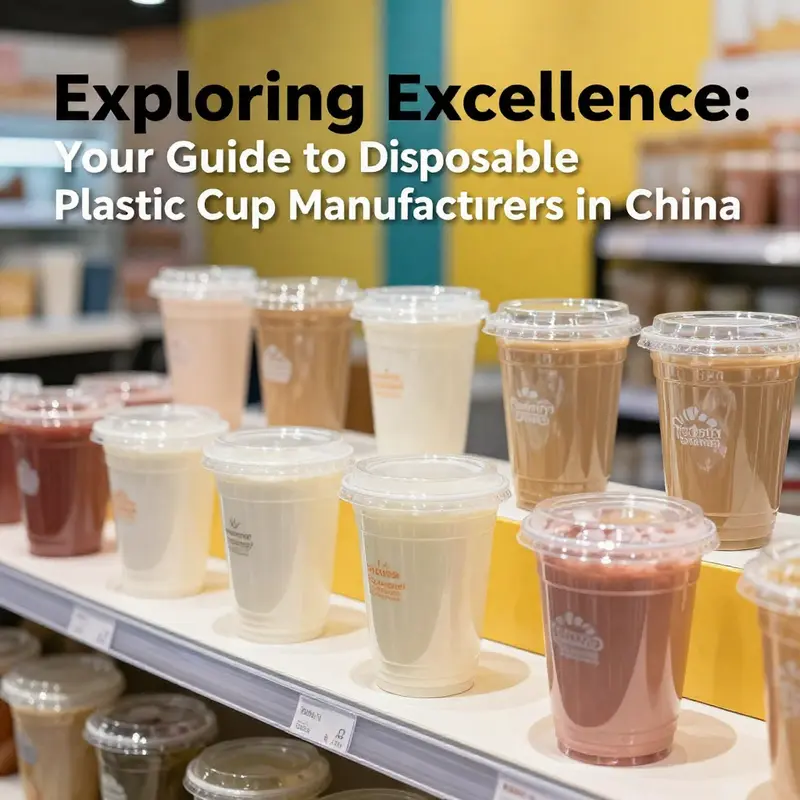
The surge in popularity of bubble tea and beverage chains has led to an increased demand for high-quality disposable plastic cups. As essential tools for service in restaurants, food trucks, catering services, and corporate events, these cups need to meet both functional and branding needs. Manufacturers in China, equipped with robust production capabilities and cutting-edge customization options, cater to these demands effectively. This article will delve into three key manufacturers, spotlighting their unique offerings, expansive product ranges, and how customization can elevate your brand, ultimately supporting your business needs.
From Molds to Markets: The Factory Floor Story of Disposable Plastic Cups with Lids in China
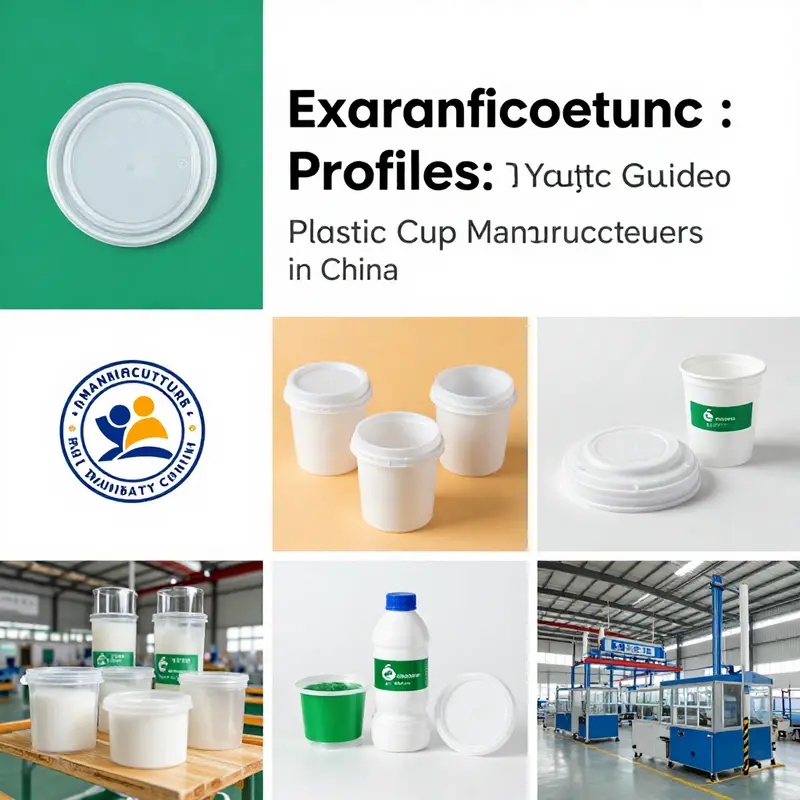
The manufacturing story behind disposable plastic cups with lids in China unfolds across a network of clusters where scale, speed, and sophistication converge. It starts on the factory floor, where pellets melt into clear, rigid cups through a carefully choreographed sequence of injection molding, blow molding, and precision sealing. The best producers command a full spectrum of capabilities—from mold development to finished packaging—so they can move swiftly from design concepts to mass shipments. In these hubs, the integration of research and development, production engineering, quality management, and export logistics is more than a business model; it is a competitive advantage. Companies operating in these clusters emphasize control over every step of the value chain to ensure consistency, safety, and speed. This is not about a single product line but about a family of cup formats designed for cold beverages, smoothies, and desserts, all of which share a common need: reliable lids that seal securely and maintain product integrity across distribution channels. In practice, the capability to manage this continuum under one roof translates into shorter lead times, tighter quality control, and better alignment with buyers who require stable supply chains and predictable costs. The result is a supply ecosystem that can serve global customers while maintaining strict adherence to international food-safety norms and export requirements. A primary driver of this efficiency is vertical integration. When a producer can move from mold development to final packaging, every stage benefits from shared data, synchronized schedules, and reduced handoffs. The best facilities harness this integration with automated inspection, standardized testing, and traceable lot controls. The consequence is not merely compliance but a consistent, auditable track record that buyers can rely on when placing multi-continent orders. Within this context, several profiles emerge as representative of China’s disposable cup with lid manufacturers. These profiles illustrate the range of specialization found in the sector—from hub-based precision engineering to customization-driven suppliers that tailor sizes, prints, and branding to the needs of major beverage brands and event planners. They also reflect a shared commitment to international standards, with many facilities aligning their material origins, production processes, and labeling practices to recognized frameworks such as FDA, LFGB, and EU 10/2011. The broader takeaway is a portrait of a resilient, export-ready sector that has learned to balance the precision demands of high-volume manufacturing with the nimbleness required to meet bespoke client requirements. A cluster mentality underpins this balance. In Guangdong and Zhejiang, for example, factories benefit from proximity to suppliers of PET and PP resins, access to skilled injection mold makers, and established channels for logistics and documentation. The ability to coordinate with external packaging providers, labeling houses, and quality auditors further strengthens the supply chain. In short, the factory floor is no longer just about producing cups; it is about orchestrating a complete, auditable journey from raw material to dispatch-ready product. This orchestration is increasingly visible in the capabilities of the leading players in the field, where production lines are designed to handle diverse cup formats, from compact 0.75 oz portions to large 32 oz servings, all while maintaining optical clarity, impact resistance, and food safety compliance. These facilities invest heavily in automation for sealing and lid alignment, ensuring seals stay secure even during temperature fluctuations or rough handling. The focus on temperature stability and structural integrity is essential for brands that export to markets with stringent packaging standards. Clear cups, in particular, demand glass-like transparency and high impact strength to withstand the rigors of cold drinks, exposure to light, and repeated handling during transport. In practical terms, the best producers implement robust quality management systems, often certified to ISO 9001 standards, which support consistent process control and continuous improvement across all lines. They maintain rigorous incoming material checks, process monitoring at critical control points, and final product testing to verify dimensions, transparency, lid fit, and seal integrity. For buyers, this translates into reduced risk and more predictable containment of costs across large-quantity orders. The export dimension also shapes manufacturing strategy. Factories that serve global markets typically standardize their export packaging to meet international carriers’ requirements. They adopt packaging that safeguards delicate cups and lids from moisture, impact, and contamination during sea or air freight. They also align with common payment terms, often utilizing telegraphic transfers and documentary collections that are familiar to foreign buyers. In this environment, minimum order quantities tend to reflect the scale of production capacity, but many suppliers are willing to discuss flexible terms for long-term partnerships or steady demand. This alignment of capacity, quality control, and export readiness is what makes the category resilient. It means that a brand can source a stable supply of transparent cups in a range of sizes, with lids designed for secure stacking and efficient sealing, while also benefiting from customization options that help the brand maintain visuals across markets. The following profiles illustrate the breadth of capability that exists—profiles that collectively demonstrate how a single product line can be scaled globally through a network of manufacturers that share common values: reliability, safety, and responsiveness to customer needs. Guangdong Cundao Technology stands out as a representative hub within China’s plastic cup industry. Located in a province that has earned its reputation as a central plastic manufacturing powerhouse, Guangdong-based manufacturers often command vertically integrated operations that span from mold development to finished packaging. The core strengths include an integrated tooling and molding capability, a modern injection molding suite, and automated sealing lines. These systems enable high-throughput production with tight tolerances, minimizing reject rates and maximizing consistency. The emphasis on high transparency and high rigidity for food-grade cups is a recurring theme, particularly for cold beverages such as fruit drinks and tea beverages. A notable feature is the ability to deliver a wide variety of cup sizes, including mid-range options around the 16 oz mark, with options for custom printing and branding. Materials commonly used include PET and PP, chosen for their clarity, stiffness, and resistance to cracking, even under temperature stress. Compliance remains central. Materials in use are validated to meet FDA and LFGB standards, and many factories in this region actively pursue additional certifications to demonstrate readiness for EU markets. The manufacturing flow is designed to support large-volume orders while maintaining a degree of customization that appeals to regional brands seeking to differentiate themselves through packaging aesthetics. These capabilities create a loop: the more a factory can offer in terms of vertical integration and flexible finishing, the more it can attract global buyers who require reliable supply across multiple SKUs and seasonal campaigns. Hangzhou Jimi Packaging Technology, anchored in the robust Zhejiang province, embodies another dimension of the sector. Its strength lies in proximity to the broader Yangtze River Delta economic zone, which supports rapid logistics, a dense supplier network, and a culture of integrated manufacturing. Jimi Packaging emphasizes the full-spectrum manufacturing ecosystem: from handling raw materials and precision forming to printing and packaging. For customers seeking product stability, the company’s approach prioritizes structural integrity and resilience to temperature shifts, which are critical for beverages stored in varied climates. The product line is diverse, encompassing a range of cup formats and accompanying lids, all designed to deliver reliable performance from the point of manufacture to the consumer. The emphasis on one-stop solutions means brands can move from concept to delivery with minimal friction. The company’s service model aligns with the needs of brands that value visual consistency across packaging. In practice, this means coordinated design inputs, color matching, and print alignment, ensuring that brand identity remains crisp across lots and shipments. The geographical advantage also translates into efficient logistics and shorter supply chains, which is beneficial for seasonal campaigns or short production runs. A third profile, Ningbo Linhua Plastic, highlights the growing demand for customization within the sector. Ningbo, a city renowned for its port capacity and logistics efficiency, hosts producers that specialize in customizable disposable cups, with an emphasis on polypropylene cups and associated branding options. Linhua’s product suite includes a spectrum of capacities—from small 5 oz portions to larger 32 oz cups—tailored to client requirements. The hallmark here is customization: choices of color, print graphics, and brand identification embedded in the cup itself or on accompanying lids. For many buyers, this is precisely what distinguishes a supplier from a commodity producer. The customization capability often comes with scalable cost structures, enabling cost efficiencies at higher volumes while preserving brand integrity at lower volumes through efficient digital or pad printing. The market orientation is primarily B2B: the hospitality sector, catering, events, and wholesale distributors who need reliable, cost-effective, and predictable stock for large orders. The fourth profile, Dongyang City Plastics, offers a deep historical footprint. Founded in 1968, it claims a pioneering position as the first factory to produce disposable PET cups and lids in the country. This legacy endows the company with a repository of process knowledge, a long track record, and a confidence that comes from experience with diverse packaging configurations. Product breadth remains wide, covering the entire 0.75 oz to 32 oz range, with cups designed for their optical clarity and impact resistance. The company’s capability to manufacture transparent cups that maintain light transmission and resist shattering makes it a preferred supplier for brands seeking premium presentation and dependable performance. The industry reveres such a pioneer for its proven capabilities, consistent quality, and willingness to support clients through scale-driven challenges. The fifth profile, Jiangxi Jahoo Imp. & Exp. Co., represents the eco-conscious and branding-centric segment of the market. Although located away from the traditional manufacturing corridors, Jahoo has carved a niche in paper-based and environmentally friendly disposable cup categories, while maintaining robust plastic cup production capabilities. The strengths include exceptional reliability in delivery and a broad array of branding options, including full-surface graphics that can align with marketing campaigns. The export service dimension is reinforced by overseas third-party after-sales support, making cross-border procurement smoother for buyers who require local touchpoints and post-purchase assistance in foreign markets. Across these profiles, the common thread is clear. The factories sit at the intersection of scale and customization, quality and compliance, and logistics readiness. They leverage the region’s dense supplier networks, skilled labor pools, and sophisticated logistics infrastructure to deliver a consistent product across geographies. Buyers benefit from this structure in several ways. First, capacity guarantees are more reliable when production cells are designed around standard SKUs that can be produced at high volumes without sacrificing customization. Second, the presence of automated sealers, alignment checks, and inline inspection reduces the risk of dimensional or sealing flaws that compromise shelf life and consumer safety. Third, export-readiness—packaging, labeling, and documentation—eases the path to global markets, minimizing delays at customs and ensuring that products arrive with the required certifications and declarations. The typical toolkit that buyers should evaluate includes capacity planning, lead time, and the ability to scale up within the same supplier network. A robust quality management framework is indispensable. ISO 9001 certification is common among leading producers, signaling a commitment to a systematic approach that emphasizes process control, traceability, and continuous improvement. When suppliers demonstrate traceable material sourcing, consistent processing parameters, and rigorous incoming material testing, buyers gain confidence in long-running supply arrangements. In this landscape, price remains a function of volume, customization, and reliability. While base costs may trend with resin prices and energy costs, the most stable long-term agreements hinge on predictable lead times and clear MOQs. For buyers, this translates into negotiations that reward consistency in supply and simplicity in order management. The value proposition is not only about the product itself but about the entire experience of procurement—from initial inquiries to after-sales support. The five profiles collectively demonstrate the breadth of capability in China’s disposable cup with lid segment. They reveal a sector that is not only capable of meeting standard tourist-season demand but also able to align with global branding programs that require precise printing, consistent lid fit, and packaging that protects product integrity from factory to consumer. The regional concentration of these manufacturers provides a robust supply network. It means buyers can source a wide array of cup sizes and lid types from a relatively small geographic footprint, facilitating cross-shipment planning, synchronized restocking, and reduced logistics complexity. This is particularly relevant for companies pursuing multi-region campaigns, where the same supplier network can support packaging uniformity across markets and time zones. To illustrate how a buyer might engage with this ecosystem, consider a representative case of a supplier that offers high-clarity, rigid PET cups with matching lids designed for cold drinks. The production line is engineered to deliver precise wall thickness and crisp optical clarity, with a sealing system that maintains a tight fit across temperature fluctuations. This combination of structural performance and brand-ready customization is strengthened by a full service approach, including design input, print-ready artwork, and packaging options. The end-to-end capability ensures that the final product not only looks brand-consistent but also stands up to the rigors of distribution. A practical takeaway for procurement teams is to map out supplier capabilities against their product requirements and to stress-test the supply chain with realistic demand curves. In today’s market, the ability to predict delivery timelines, maintain consistent product quality, and manage volumes across multiple SKUs is often more valuable than any single price point. For brands seeking to extend their reach across borders, the reliability and flexibility of these Chinese manufacturers offer a compelling combination. The ecosystem described here demonstrates how a factory floor can transform into a global supply solution, delivering not only cups and lids but also the assurances that accompany a mature export operation. disposable clear plastic cup for parties and events acts as a reminder of how design intent, production discipline, and branding considerations converge in the modern supply chain. It reflects a market where high transparency, robust sealing, and consistent branding are no longer add-ons but core expectations. The landscape remains dynamic, with ongoing advances in materials, barrier properties, and printing technologies that further enhance the appeal and resilience of these cups. Meanwhile, buyers should stay alert to regulatory developments, including tighter packaging and labeling requirements in some markets, and ensure their suppliers maintain up-to-date certifications and robust quality management practices. As demand continues to grow across hospitality, events, and consumer packaging, the factory floors of these Chinese clusters will remain central to achieving scale without sacrificing the precision and customization that brands require. External resource: https://ecocupbowl.com/product/disposable-straw-bulk-drink-items-cocktails-soda-shakes-drinkware-birthday-wedding-party-decor-drink-disposable-straw/
Production Pulse: Scaling Capabilities in Plastic Cups with Lids for a Global Market
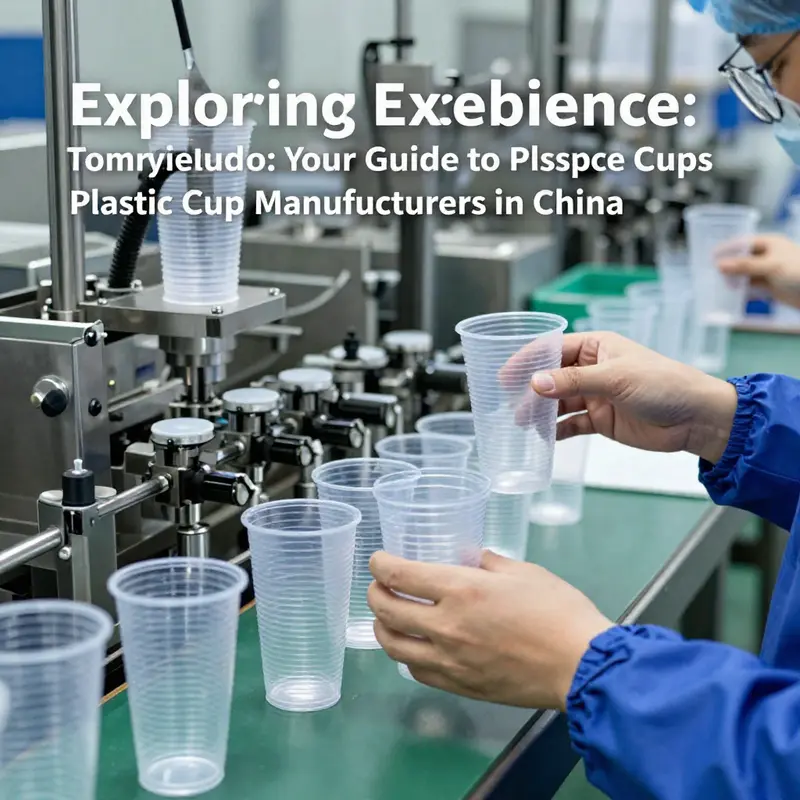
The production capabilities behind disposable plastic cups with lids in China reveal a sector forged for scale, speed, and reliability. What starts as a resin, a melt, and a mold evolves through a tightly choreographed sequence of extrusion, forming, and finishing that can turn raw materials into millions of cups weekly, all while meeting the varied demands of domestic and international buyers. In this landscape, large, purpose-built facilities anchor the market. They combine extensive floor space, sophisticated automation, and integrated workflows that carry product from concept to packaging, and finally to export. The rhythm of these plants is defined by capacity, but it is guided by quality, customization, and the ability to adapt to shifting consumer needs, brand expectations, and sustainability pressures. The narrative is not merely about bulk output; it is about how production ecosystems synchronize every function—from research and development to order fulfillment—into a coherent pipeline capable of delivering consistent results at scale.
A central pillar in this ecosystem is the ability to translate a simple idea—an affordable cup and its lid—into a complete, brand-ready solution. A representative example of this approach is a large Dongguan-based facility that operates on a 12,000-square-meter footprint. The plant houses several high-performance extrusion lines for forming cups and companion lines for lid production, all orchestrated by intelligent control systems that monitor dimensions, wall thickness, and finish quality in real time. The equipment lineup includes automated cup-making machines capable of high-speed cycles and precision tooling that yields uniform walls and transparent clarity for PET cups. Lending further weight to throughput, automated lid-making machines keep pace with cup output, reducing bottlenecks and enabling a seamless, continuous flow. Add in high-speed standard printing presses, and the operation can fulfill orders up to 100,000 units per day, a capability that positions such facilities as indispensable partners for clients facing large-event demand, seasonal peaks, or contract manufacturing arrangements.
The product range emerging from these lines is intentionally broad. Cups range from small cold-drink forms to larger coffee and smoothie vessels, with a suite of lid styles designed to fit different user experiences. Cross-top, dome, high-top, straight-drink, semi-circular, and connected lid configurations are all within the design envelope, ensuring that a single plant can switch among formats to accommodate events, hospitality, and retail packaging needs. The emphasis on pet-friendly materials and clear PET cups also reflects a preference for clarity and consumer confidence—the see-through appeal of a beverage’s contents remains a hallmark of premium or retail-ready packaging. These capabilities do not exist in isolation; they are the outcome of deliberate investment in automation, process control, and a culture of continuous improvement that translates to tighter tolerances, less waste, and faster changeovers.
Beyond the scale of a single plant, the industry’s strength lies in the breadth of capability across multiple facilities. A second type of operation, sprawling over roughly 10,000 square meters and staffed by more than a hundred employees, demonstrates the parallel track of capability. This facility specializes not only in cups and lids but also in related packaging components like sleeves and trays, all of which can be customized to client specifications. The capacity to handle PET and PP materials offers a degree of flexibility that is crucial for customers seeking different performance characteristics or cost profiles. Crucially, this kind of operation emphasizes maturation of technology and process reliability. With a longer industry tenure—dating back to earlier movements of China’s PET cup production—the plant benefits from established practices in tooling, quality checkpoints, and batch-to-batch consistency. For clients planning large, recurring orders, such a facility represents a predictable partner, capable of delivering on strict quality standards and reliable lead times.
Quality management and certifications also shape the production narrative. Some manufacturers approach the market with formal quality systems, such as ISO-based frameworks, to assure customers that every stage—design, molding, extrusion, and assembly—conforms to a defined standard. This quality backbone is not only about preventing defects; it is about enabling traceability, repeatability, and confidence in export processes. In addition to rigorous internal governance, many plants align with export packaging norms and international payment methods that are widely used in cross-border commerce, such as T/T arrangements. The export readiness of these facilities is not a by-product of scale alone; it is embedded in the way they structure packaging, labeling, and logistics to ensure products travel safely, arrive on time, and meet the regulatory expectations of importing markets.
The production ecosystem also speaks to customization as a core capability, not a peripheral service. Several plants offer tiered customization, from basic branding options like color and size to more sophisticated brand storytelling through custom prints on cups and lids. This is where the facilities’ integrated approach—spanning R&D, manufacturing, and sales—delivers tangible value. A plant with a strong R&D orientation can collaborate with brands to develop new cup geometries, lid fits, or printing techniques that align with marketing campaigns or seasonal events. The integration of design feedback into manufacturing cycles reduces iteration time and accelerates time-to-market for branded packaging. Customization also extends to packaging and ancillary components, such as sleeves or trays, enabling a complete packaging ecosystem that brands can rely on for coherent visual identity across products.
Material flexibility rounds out the production profile. While PET remains a staple for clear, rigid cups, the industry’s broader capability set includes materials like PP and even biodegradable alternatives where sustainability goals are a priority. The ability to work with multiple polymers supports various performance needs—rigidity, heat resistance, and compatibility with hot beverages, for instance—while also offering clients options to pursue more eco-friendly packaging ecosystems. The mention of biodegradable possibilities underscores a growing trend: manufacturers are increasingly prepared to integrate or pilot alternative materials without sacrificing the efficiency or scale that high-volume production demands. This adaptability helps suppliers align with consumer preferences and regulatory shifts around single-use plastics, positioning them to guide brands through transitions with minimal disruption to supply.
The strategic value of these production capabilities extends to the procurement and outsourcing decisions brands face. For clients seeking to streamline their supply chain, manufacturers with robust in-house control—from extrusion to lid assembly and beyond—offer end-to-end stability. They can provide standard export packaging, facilitating easier logistics and compliance for customers who ship internationally. They can also discuss MOQs, price bands, and lead times in ways that reflect the realities of mass manufacturing while remaining sensitive to the needs of smaller brands or pilot programs. The capacity to scale up or down in response to demand signals—without sacrificing quality—creates a trusted platform for brands that must navigate fluctuating markets, seasonal campaigns, or new product introductions.
A practical dimension of the production narrative is the flow from concept to catalog. In the real world, a brand might engage a manufacturer to explore a range of options—various cup sizes, lid types, and finishes—and then consolidate the chosen configurations into a formal order with a defined lead time. The manufacturing partner becomes a collaborator, translating a brand’s functional requirements into a repeatable, scalable production plan. The design-to-delivery loop is supported by clear communication channels, standardized specifications, and rigorous sampling protocols that ensure a new run aligns with predetermined tolerances before full-scale production begins. When brands want branding on cups—logos, color schemes, or bespoke artwork—the production platform’s capability to print or decorate on multiple surfaces becomes a differentiator. Even in highly automated lines, there remains room for human oversight during setup, quality checks, and final packaging validation, underscoring that mass production is most effective when it harmonizes machine precision with seasoned human judgment.
Understanding these production capabilities also involves recognizing how facilities position themselves as reliable partners for international buyers. The packaging industry in China has matured to support large-volume orders with consistent quality across multiple lines and facilities. Clients can leverage a network of plants that share standardized processes, enabling flexible allocation of orders if one facility encounters a temporary constraint. The export-readiness philosophy—embracing appropriate packaging, labeling, and documentation—reduces the friction commonly associated with global sourcing. It also allows buyers to consolidate purchases from several product families under a single supplier ecosystem, simplifying procurement and reducing administrative overhead. In practice, this means brands can source cups, lids, and related packaging components from a coherent supplier network, gaining the advantage of uniform packaging aesthetics, consistent quality, and aligned supply timelines.
The scale and sophistication of these facilities echo the broader drivers shaping the disposable cup and lid market. The demand for convenience, predictable quality, and cost efficiency continues to push manufacturers toward higher automation, smarter process control, and deeper customization capabilities. At the same time, sustainability imperatives are guiding material choices and design strategies. The industry is moving toward a more nuanced set of trade-offs that balance performance, environmental considerations, and price. In this context, the production champions are those that can deliver dependable, repeatable results at volume while remaining agile enough to accommodate new materials and branding needs. The result is a supply chain that can support everything from everyday consumer beverages to large-scale events, from standardized products to bespoke packaging experiences.
For readers seeking a tangible example of the mass-market orientation of these capabilities, a widely accessible reference point is the broad family of disposable cups designed for outdoor or high-traffic environments. A representative example can be explored through a product page that showcases a disposable clear plastic cup intended for outdoor use. This example illustrates how design and material choices translate into a product that performs reliably under varying conditions, while remaining compatible with a range of lids and branding opportunities. It also offers a glimpse into how manufacturers balance clarity, cost, and manufacturability at scale, a balance that underpins the production pulse described across facilities in this chapter.
The overarching takeaway is that production capabilities for disposable plastic cups with lids in China are characterized by scalable infrastructure, integrated workflows, and a strong emphasis on quality and customization. The ability to produce large volumes—taster or bulk—alongside the flexibility to tailor sizes, lid configurations, prints, and materials positions manufacturers to serve diverse markets. The export-ready posture—package, document, and payment-ready—ensures these capabilities translate into reliable supply for global brands. As demand patterns evolve, the best production ecosystems will be those that maintain efficiency without compromising on brand fidelity or environmental responsibilities. The chapter’s synthesis points to an industry where scale does not erode specialization; rather, it enables a more responsive, end-to-end packaging solution that brands can trust for both everyday consumption and special events.
External reference: Alibaba supplier profile for a major packaging manufacturer that illustrates the scale and export-ready capabilities described in this chapter. Alibaba supplier page
From Clarity to Convenience: Navigating the Product Range of Disposable Plastic Cups with Lids in Global Manufacturing
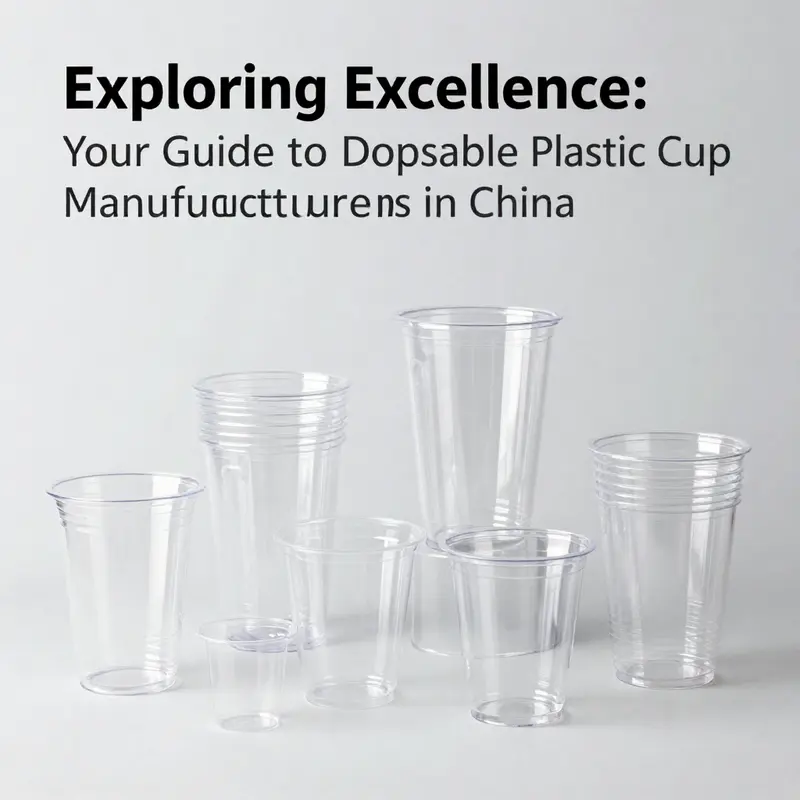
Disposables have become more than a convenience; they are a carefully engineered interface between brand, consumers, and the logistics of food and beverage service. This chapter follows the arc of the product range for disposable plastic cups with lids, tracing how material choices, sizes, lid designs, and customization converge to meet the demands of cold drinks, hot beverages, and takeout meals across continents. In the global supply chain, a cluster of Chinese manufacturers forms the backbone of this category, combining scaled production with evolving standards of quality, safety, and sustainability. The discussion that follows moves beyond the surface of unit price and minimum orders to reveal how these cups and their lids are designed to protect freshness, facilitate branding, and withstand the rigors of transport—from bustling cafés to remote festival sites. The narrative emphasizes the continuum from raw material selection to finished packaging, and it highlights the practical decisions buyers must navigate when aligning product range with market needs and brand identity.
The materials most commonly employed in this segment are polypropylene and PET, choices driven by a balance of clarity, rigidity, edge-to-edge safety, and cost. PET offers exceptional transparency, which is visually appealing for cold drinks and layered beverages, while PP provides heat resistance and a robust barrier for aromatic and viscous contents. The right combination yields a cup that not only showcases product appeal but also performs reliably under pressure, whether it is a smoothie that demands a wide mouth for sipping or a hot drink that requires a lid with a secure seal. Within this landscape, a PET-focused producer built around a full-cycle approach—research, development, manufacturing, and sales—illustrates how a facility can elevate product quality through an integrated quality management system. An ISO 9001 certification, while commonly sought, becomes meaningful when it is paired with rigorous control points across resin handling, molding, inspection, and final packaging. The practical effect is a trackable quality story: every batch is traceable, every lot passes a defined specification, and every shipment reflects a commitment to reliability that buyers can count on in long-running supply relationships.
As with any credible range, the breadth of sizes and lid configurations is essential to meeting diverse use cases. The most typical capacities span roughly 300 to 350 milliliters for standard cold beverages, around 350 milliliters for smoothies, and larger formats—up to about a liter or more—for takeout or specialty drinks. The lids are equally varied. Dome lids, flat lids, and snap-on varieties are designed to minimize leaks while traveling through delivery networks, and some designs even incorporate features that aid in consuming the beverage without removing the lid. For customers with fast-casual or on-the-go formats, the availability of cups with built-in spoons or wider openings for easy consumption can be a decisive factor in brand experience. A number of suppliers also tailor the product to accommodate boba, milk tea, or other specialty beverages by offering cups with specific mouth openings and insert options, enabling brands to optimize the balance between flow and containment.
The product range is also characterized by its emphasis on customization. Flexographic printing enables the application of brand logos and graphics in up to six colors directly onto the cup, transforming a simple vessel into a mobile advertising canvas. This capability matters because the cup is often the first touchpoint a consumer has with a brand in a takeout or dine-in context. MOQs for customized runs vary widely. Some suppliers accommodate relatively modest volumes for co-branding or seasonal campaigns, while others target large-scale programs that run into hundreds of thousands of pieces. The economics of customization are not only about the per-unit price; it is also about the ability to ensure consistent color reproduction, stable print quality across batches, and dependable lead times—elements that become especially critical when coordinating national or regional campaigns.
While the aesthetics of the cup matter, the stability and predictability of the entire range are equally important. The manufacturing rhythm behind these products is built on a disciplined approach to production control, quality assurance, and export readiness. In practice, this means sampling and inspection protocols, standardized packaging systems, and clear documentation for shipments that travel across borders. For buyers, export packaging is not a nominal concern but a logistics determinant: properly designed corrugated cartons, inner liners, and safe stacking patterns reduce the risk of breakage and optimize freight costs. The broader export environment often includes internationally accepted payment methods and terms that facilitate cross-border procurement, with telegraphic transfers lingering as a common mechanism in many supplier relationships. The upshot is a supply base that can scale—from small cafés that need steady deliveries of a few thousand cups to multinational food-service operators requiring tens or hundreds of millions of units per year.
A critical dimension shaping the product range is the growing emphasis on sustainability. Market signals and regulatory expectations are steering manufacturers toward eco-friendly materials, compostable formulations, and end-of-life assurances. Biodegradable or compostable options are increasingly positioned not as niche offerings but as integral parts of a broader portfolio, aligned with consumer demand for responsible packaging. The frame here is not a simple swap of resin; it is a restructuring of product lines to enable brands to communicate a commitment to the environment while maintaining the performance characteristics that customers rely on. In practice, this translates into a tiered assortment: traditional, clear PP or PET cups for standard usage; and eco-conscious variants that balance environmental claims with functional requirements such as heat resistance, clarity, and stiffness. Buyers who prioritize sustainability often place emphasis on supplier transparency about resin sourcing, recycling streams, and real-world authenticity of compostability claims, seeking partners who can provide documentation and certifications that hold up under scrutiny in stores and on regulatory checklists.
Beyond the technical and environmental considerations, the procurement dynamics of the product range reveal a set of practical decision points. For many buyers, MOQs are not merely a price lever but a gauge of a supplier’s capacity and reliability. Some manufacturers are comfortable offering customization at relatively modest volumes, enabling regional brands or events to access tailored solutions without a prohibitive upfront commitment. Others, with more extensive production lines and longer export histories, require larger quantities to achieve favorable unit costs, but they compensate with proven on-time delivery performance, robust supply-chain visibility, and comprehensive branding options. In this landscape, a buyer’s evaluation often hinges on more than price per piece. It includes delivery reliability, the ability to trace production status, the transparency of the manufacturing process, and the flexibility of branding and packaging. A mature supplier will typically provide standard export packaging and accept widely used international payment methods, including telegraphic transfers, thereby reducing the friction that can slow down global orders.
The research material summarized here points to three representative archetypes within the wider ecosystem of disposable cup manufacturers. One emphasizes a fully integrated, PET-centric approach, combining clear product design with rigorous quality management to ensure uniform performance across a spectrum of sizes and lids. A second archetype highlights a long-established capability in PET cup and lid production, a track record of technical maturity, and a focus on delivering consistent output at scale. A third category concentrates on customization, offering tailored solutions in size, print, and branding to meet the distinctive needs of brands seeking a unique visual identity on their takeout packaging. Taken together, these profiles illustrate how the product range is not a single, static catalog but a dynamic landscape shaped by material science, manufacturing discipline, and the branding imperatives of customers across hospitality, retail, and events. The common thread is a robust capability to mass-produce and export, underpinned by a philosophy that quality and reliability justify a broader scope of services—from design consultation to branding, from packaging optimization to cross-border logistics.
For buyers seeking concrete examples of the kinds of cups that are designed for the realities of daily use—from outdoor gatherings to bustling city cafés—one can explore a representative product page that showcases a disposable clear plastic cup intended for outdoor and party settings. This example demonstrates how a single cup design can be adapted to different beverage types and consumption contexts, while maintaining compatibility with a range of lids and printing options. It serves as a touchstone for understanding how the product range translates into real-world performance and branding opportunities. disposable-clear-plastic-cup-outdoor-picnic-pet-cup-drinking-cup-for-parties-birthdays-weddings-camping-utensils
The broader narrative of the product range also benefits from looking at how material science, process engineering, and consumer expectations converge. Clarity remains a compelling attribute for cold beverage presentation, while the rigidity and heat resistance of the cup influence its versatility for hot drinks or transitional uses in takeout contexts. The domed or flat lids are not mere add-ons; they are part of the system that governs spill resistance, product freshness, and user experience during transport. The possibility to print branding directly on the cup is more than cosmetic; it is a strategic channel to reinforce identity at the moment of purchase, creating a tactile and visual signal that can influence消费者 choices in crowded environments. In this sense, the product range is a living framework that aligns manufacturing capability with the strategic needs of brands, balancing the demands of cost, quality, scale, and environmental responsibility.
As the section above suggests, the interconnections between materials, sizes, lid designs, printing capabilities, and sustainability are not merely academic. They translate into concrete opportunities for brands to differentiate themselves through packaging that performs, protects, and communicates. The range, when approached with this integrated mindset, becomes a strategic asset rather than a simple supply item. Buyers can leverage the breadth of the product family to optimize their packaging portfolio—selecting cups that maximize visual impact for branding while ensuring practical reliability for the service model. This approach supports not only the operational aspects of daily service but also the longer arc of brand storytelling—where the cup and lid together become a consistent touchpoint across channels, from quick-service windows to online orders and event-driven sales.
External reference for further context on material and lid specifications can be found here: https://www.alibaba.com/product-detail/China-OEM-Transparent-PP-Plastic-Cup-for_1600477862224.html?src=1&spm=a2700.10011205.0.0.1a5f6e4dXjBmKZ
Customization and Brand Identity in Lidded Disposable Cups
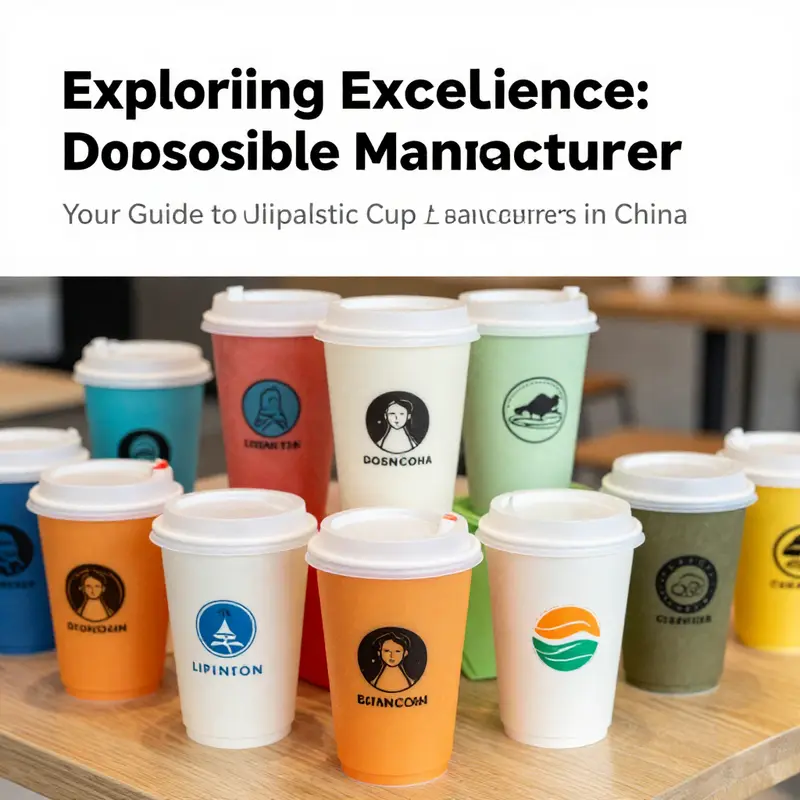
Customization in disposable cups with lids elevates branding to a strategic capability. By combining size variety, color fidelity, printing, and innovative label-in-cup techniques, manufacturers turn a simple cup into a portable brand asset. In China, select producers demonstrate how end-to-end control—from design and prototyping to mass production and export readiness—can deliver consistent brand experiences across markets. Certifications such as ISO 9001, ISO 14001, ISO 45001, and ISO 22000, along with controlled cleanroom facilities, provide buyers with confidence in quality and safety. Practical considerations like MOQs, pricing, and export packaging are addressed through transparent catalogs and sample programs, enabling brands to plan for scalable deployment while maintaining visual coherence from first sip to last.
Final thoughts
Engaging with reputable manufacturers of disposable plastic cups provides a multitude of options for businesses in the beverage sector. From understanding unique product offerings to leveraging customization for brand enhancement, the insights gained from these manufacturers can lead to improved customer satisfaction and operational efficiency. As you consider your next supplier, keep the highlighted manufacturers in mind, and don’t hesitate to reach out for the latest product information and tailored solutions.