
The push for sustainable practices in the food and beverage industry continues to rise, leading many businesses to explore innovative ways to reduce waste. Among these practices is the washing and reusing of plastic food containers, including those from popular chains like Starbucks. However, understanding the right methods and safety protocols is crucial for ensuring health and compliance while also benefiting the environment. This article dives into best practices for washing and reusing these containers, highlights safety concerns, explains the material science behind the plastics used, discusses environmental implications, and provides consumer guidelines that all beverage chains, restaurants, and food service providers should consider.
Beyond One-Use: Safe Reuse of Café Plastic Containers
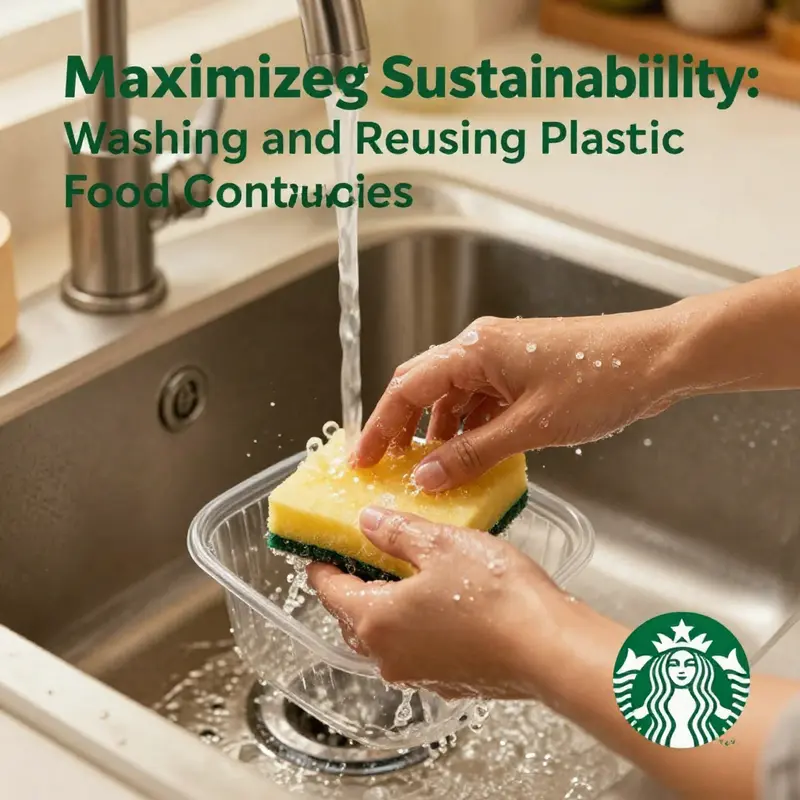
A practical question from a busy café is whether you can wash and reuse plastic containers that once held a salad, sandwich, or pastry. The short answer is yes, but with limits. Most takeaway containers are PET (often labeled as #1) or polypropylene (often labeled as #5). They are not designed for long term reuse, especially with heat or acidic foods, and wear can create scratches or clouding that harbor bacteria. Reuse is possible for a few cycles if care is taken, but it is not a guarantee of safety.
Cleaning matters: rinse with warm, soapy water, use a soft sponge, avoid abrasive pads that scratch the surface. Do not rely on harsh cleaners that can degrade coatings. Let the container dry completely before reuse. Safety considerations: heat can cause leaching, warping, and cracking. Do not microwave or run through hot dishwashers unless labeled as dishwasher safe. Inspect after washing for cracks, deep scratches, cloudiness, or discoloration; if damaged, discard.
When in doubt, use containers designed for repeated use, such as certified reusable containers made from stainless steel or BPA-free plastics. These are built to withstand repeated washing and occasional heat. If you must reuse single use containers, limit to cold or non acidic foods and avoid prolonged storage, especially at room temperature.
A broader approach is to support cafes that offer refill or reusable cup and container programs. Carrying a clean container and learning its limits helps reduce waste while maintaining safety. For those seeking practical options, there are foldable or specially designed reusable transport containers that are compact and light for on‑the‑go use. For official guidance, consult food‑contact materials guidelines from health authorities.
Between Reuse and Risk: Navigating Safety, Washes, and Real-World Limits of Chain-Branded Plastic Containers
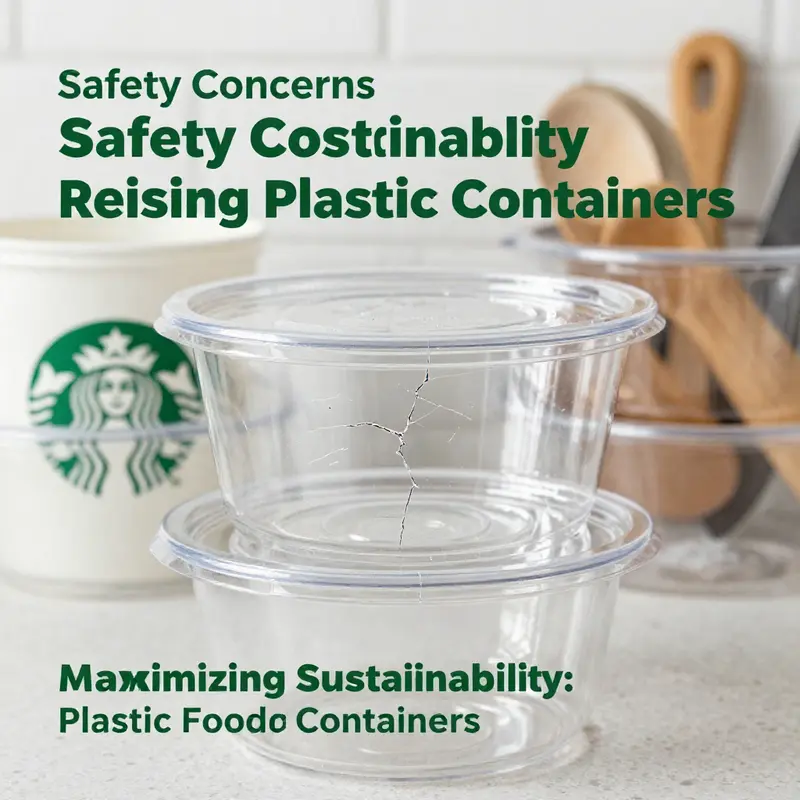
A question that repeats itself in kitchens and quiet living rooms alike is whether you can wash and reuse plastic containers that come with takeout coffee or tea from a popular cafe chain. The short answer is nuanced: yes, you can reuse some plastic containers, but safety and practicality hinge on how they’re cleaned, how hot what you put inside gets, and how long you keep using them. Materials science offers a starting point. Many of these containers are made from a type of plastic known as #5 polypropylene (PP). This material is widely regarded as one of the safer options for repeated use in food-contact applications, provided it has not become scratched, warped, or degraded by heat. PP is generally tough, resistant to certain cleaners, and more stable than some other plastics under everyday use. Yet the leap from “safe for reuse” in a factory setting to “safe for your kitchen counter” rests on careful handling and disciplined habits. The broader question, often overlooked, is not whether the plastic itself can endure, but whether the way we reuse it keeps us safe over time and whether reuse delivers real environmental or personal health benefits when weighed against potential risks. The conversation about reuse is not purely an environmental calculation; it is also a human factors problem, one that blends material science, hygiene, and behavioral realities in a crowded, imperfect world where cups and lids meet hands, sponges, and hot liquids every day.
From the top, the practical path begins with scrupulous cleanliness. After any use, the container should be washed promptly with warm, soapy water. The goal is to remove food residues that can bake onto surfaces or harbor bacteria. The advice is simple but not glamorous: avoid abrasive sponges or harsh detergents that can scratch or cloud the plastic. Scratches can trap bacteria and create micro-environments where microorganisms thrive, and they also compromise the material’s integrity over time. Gentle washing with a soft brush or a non-abrasive sponge is a better choice. If you rely on a dishwasher, proceed only if the container is explicitly labeled as dishwasher-safe. The dishwasher’s high heat and strong detergents can warp PP containers that aren’t designed to withstand such treatment, and repeated thermal cycling can alter the polymer’s structure enough to affect its safety and performance.
The other side of the heat question is equally important. Heat is a powerful accelerator of chemical movement within plastics, and while PP is relatively stable, elevated temperatures can encourage leaching of additives or impurities that migrate into food. The guideline is straightforward: do not microwave or otherwise heat these containers if they are not explicitly labeled as microwave-safe. If you’re unsure, assume that the risk exists and treat the container as unsuitable for hot contents beyond ambient or cool temperatures. Even when heating is labeled as safe, consider limiting how often you reuse and heating with hot liquids. The longer a plastic container is used, especially with hot foods or beverages, the greater the cumulative exposure to any leachables, even in small amounts. This is not simply a theoretical concern; it reflects real-world observations of how plastic materials behave over time under repeated cycles of use and temperature change.
A critical piece of the story is inspection. Before you refill or reuse, hold the container up to the light and inspect for cracks, deep scratches, or cloudiness that seems to change the way you see the interior. A crack is not just a cosmetic flaw; it can serve as a vector for moisture and pathogens to collect and can compromise the container’s barrier properties. Cloudiness can indicate chemical changes within the polymer. If you notice any signs of damage, it is wise to retire the container rather than press it into another cycle. This inspection mindset aligns with conservative food-safety thinking: when in doubt, replace. It may feel wasteful, but the risks of degraded containers—scrapes that harbor microbes, leaching from degraded plastics, or compromised seals—tend to grow with each reuse.
Real-world safety concerns, beyond the idealized home kitchen, add nuance to the conversation. Hygiene, for one, has shown why reuse can become a hazard in practice. Reports and investigations from recent years have highlighted how even containers that appear reasonably clean can carry unseen pathogens if sanitization processes in busy cafes fall short. In some cases, staff handling reusable cups did not consistently sanitize hands or gloves after contact with rims or with various serving tasks. The “clean” state described by frontline workers often emphasizes visible dirt rather than microscopic contamination. Those gaps in hygiene protocols illuminate why home reuse can be a different risk landscape: in the quiet of a kitchen, an individual can control hygiene to a much tighter standard than in a busy, high-mrequency service environment.
In addition to hygiene, the broader product-safety landscape around reusable vessels has included recalls and safety advisories that underscore the limits of reuse across materials. While a particular concern might focus on a metal mug or a stainless steel straw in other contexts, the throughline is the same: materials that are declared safe in one setting can become problematic as practical usage widens. There have been documented cases where plastic- or metal-based containers encountered failures when subjected to hot contents, including incidents where cups cracked or shattered under heat stress. Although those incidents may not involve the exact container you own, they serve as cautionary signals that even well-intentioned reuse must be bounded by an understanding of the material’s limits. Historical recalls—such as those involving other drinkware components—highlight the ongoing safety challenges of ensuring product integrity across different materials. These episodes are not a denunciation of reuse but a sober reminder that thermal and mechanical stresses must be anticipated and managed in everyday use.
So what does responsible reuse look like in a practical sense? First, reuse should be a deliberate decision, not a reflex. Only containers that are clean, undamaged, and clearly compatible with the intended use should be kept in circulation. If a container has any sign of wear, retire it. If your beverage is hot, consider whether the container’s design and materials have the ability to withstand that temperature without compromising safety. If a container is intended for cold contents, still practice caution; chemical leaching does not discriminate by temperature alone, and repeated cold cycles can also influence performance over time. The rule of thumb is to follow the manufacturer’s guidelines, but in their absence, lean toward a conservative approach. This means fewer reuse cycles and more frequent retirement of aging plastics, especially when you notice changes in appearance, texture, or smell.
A useful bridge between personal practice and public guidance is to view packaging decisions through two lenses: material safety and lifecycle safety. Material safety asks whether the plastic, the additives, and any surface coatings are proven to be safe for repeated contact with food and drink under typical household conditions. Lifecycle safety asks how long reuse makes sense given performance and hygiene constraints. The FDA provides a formal, widely recognized baseline for most food-contact questions, reminding readers that the materials in contact with food should be suitable and that any leaching risks should be minimized through proper use. The link between policy and practice may feel distant, but it translates in the kitchen as a clear boundary between careful reuse and unnecessary risk. For more detailed information on the safety of reusing plastic containers, you can refer to the FDA’s Q&A on food-contact materials. This resource helps connect everyday actions—washing, heating, drying—with the official guidance that shapes how manufacturers design containers and which uses they endorse.
Some readers also consider greener pathways by exploring alternatives that align with both reuse and hygiene. One practical option is to seek out containers that are explicitly designed for repeated use in the home, including those that are easy to clean, resistant to scratches, and labeled for durability in hot and cold conditions. If you choose to pursue reuse in a more environmentally conscious way, you might explore a broader ecosystem of containers and lids that are purpose-built for longevity, material safety, and reliable cleaning performance. The goal is to reduce waste while maintaining a high standard of safety. If you decide to explore these alternatives, you may come across options marketed as eco-friendly or designed for microwave-safe or dishwasher-safe use. When you encounter such claims, read the fine print: does the labeling reflect real-world testing, including repeated cycles and temperature exposure? Does it specify safe handling for hot contents? These are the questions that separate marketing claims from truly robust design.
In this balancing act between reuse and risk, a practical tip is to keep reuse aligned with what the container was designed to do. If a cup or box is not explicitly designed for hot liquids or for long-term repeated use, treat it as a single-use or short-cycle item. This isn’t a betrayal of environmental goals; it’s an acknowledgment that true sustainability emerges not from stretching a low-cost container beyond its limits, but from using capacities and materials that genuinely withstand repeated exposure to food, liquids, heat, and washing processes. One way to harmonize reuse with better outcomes is to consider complementary packaging choices in your kitchen. For example, you might keep a dedicated set of containers for cold items and snacks that are easy to clean and clearly manufactured for multiple uses, while reserving other containers for temporary or emergency use only. In practice, this can reduce the cognitive load of deciding when to retire a container and ultimately lead to safer, more reliable reuse over time.
Ultimately, the story of washing and reusing brand-associated plastic containers rests on disciplined habits, honest assessment, and an acceptance that safety sometimes requires saying no to reuse. The long-term health of your kitchen routine benefits from treating plastics as living materials whose properties shift with time, use, and exposure. The best path forward is a moderate one: reuse when the container shows no signs of wear, wash with care and appropriate temperature control, and retire a container as soon as there is any doubt about its integrity. At its core, the practice is not about perfection but about mindful stewardship of the materials we bring into our food and drink rituals. And for those who want to keep environmental aims aligned with safety, there is room to explore purpose-built, reusable solutions that combine ease of cleaning with proven safety and durability. If you decide to explore such options, you can discover a range of takeout and storage solutions that are explicitly designed for repeated use and responsible performance, including some that prioritize microwave compatibility and leak resistance. eco-friendly takeout boxes and containers can be a useful reference as you compare features and warranties, even as you continue to exercise caution with any plastic container that might end up in your kitchen.
In the end, the question is not simply whether you can wash and reuse a plastic container from a chain. It is about whether you should, given the material, the design, and the realities of everyday use. The safeguards—thorough cleaning, avoidance of inappropriate heat exposure, ongoing inspection, and prudent retirement—create a durable framework for safer reuse. And when in doubt, choosing a container designed for repeated use and clearly labeled for hot contents can offer a clearer, more reliable path than pushing an everyday takeout cup beyond its intended life. By pairing mindful practice with a careful choice of containers, you preserve both health and planet-friendly intentions without surrendering the convenience that many of us value in a busy, modern routine.
External resource: For more safety guidance, see the FDA’s Q&A on food-contact materials: https://www.fda.gov/food/food-contact-materials/food-contact-materials-questions-and-answers
Reuse with Care: Navigating the Science, Safety, and Practicalities of Starbucks-Style Plastic Containers
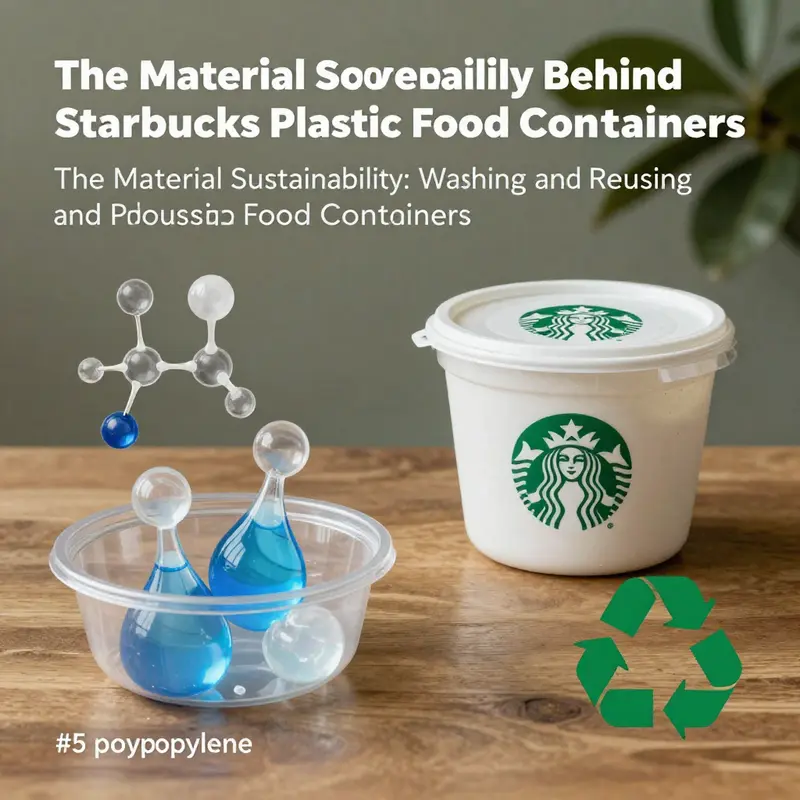
In the mission to cut waste and lower our environmental footprint, many readers wonder if the familiar plastic containers from a popular coffeehouse chain can be washed and reused. The short answer is: yes, with caveats. The longer, more useful answer lies at the intersection of material science, food safety, and real-world practicality. The containers that have carried meals and snacks in busy stores are typically made from polypropelene—an engineering plastic valued for its toughness and chemical resistance. But the story does not end there. How you clean them, how they age, and how heated they get during use all shape whether reuse remains a safe, sensible option. Understanding these factors helps us separate sustainable intentions from potentially risky shortcuts and keeps reuse aligned with real-world habits and health guidelines.
From a material perspective, the classic plastic containers used for grab-and-go meals are designed to withstand repeated use. Polypropylene, often designated as #5, is known for stability in mild heat and its relative resistance to many cleaning agents. Yet, this is not a guarantee of indefinite life. Reuse is a balancing act between durability and the integrity of the container’s surface and microstructure. As the material endures more cycles, tiny scratches can accumulate. Those micro-scratches are not merely cosmetic; they can harbor residues and become foci for chemical leaching when foods are stored for longer periods or heated. While the risk remains low in everyday use, it is not non-existent, and awareness is essential for anyone choosing to reuse these containers.
The foundational step in responsible reuse is meticulous cleaning. Always wash containers with warm, soapy water after each use. This is not simply about removing visible grime; it’s about reducing microscopic residues that could cling to the surface. Abrasive sponges and harsh detergents are not ideal partners for this task. They can scratch the plastic, creating tiny crevices where bacteria or residues may persist and where the surface’s barrier properties can deteriorate. Gentle scrubbing preserves the integrity of the container, which in turn helps keep the food-contact surface less prone to leaching over time. This approach aligns with common food-safety guidance that emphasizes avoiding abrasives that roughen the plastic’s surface.
A critical caveat concerns heat. High temperatures can distort or warp plastic containers and may increase the likelihood of chemical migration from the material into food, particularly if the container is not explicitly labeled as dishwasher-safe or microwave-safe. The overarching principle is simple: do not subject containers to heat beyond their labeled tolerance. If a container is marked as dishwasher-safe, it may endure hot-water cycles; if not, keep it out of the dishwasher and away from microwaves. Temperature history matters. Repeated exposure to heat, especially with fatty or acidic foods, can accentuate the wear on the surface and alter how the material behaves when in contact with food. In other words, heat can magnify the risks where the container’s barrier properties have already begun to degrade from use.
Inspection is the next anchor in a practical reuse routine. Before you reuse any container, give it a careful look for cracks, scratches, or cloudiness that wasn’t there when it was new. Cracks are not merely a visual nuisance; they can harbor bacteria and compromise structural integrity. Cloudiness often signals surface aging or chemical changes within the polymer matrix. If you detect any of these signs, it’s prudent to retire the container from reuse. The door to safe reuse is not always open for every plastic item; wear indicators help determine when continued use may no longer be advisable.
Experts commonly advise limiting reuse to a practical horizon. The intuitive question—how many times can I reuse a plastic container?—has a nuanced answer. It depends on the extent of wear, the nature of the foods stored, the temperatures involved, and how thoroughly the container has been cleaned between uses. While a strong, well-kept PP container might survive several cycles, the likelihood of leaching risk rises the longer it is used, especially with hot foods or liquids. Those days, weeks, or months of repeat use accumulate a history that could alter how the container interacts with food. For many households, treating such containers as a short-to-medium-term solution—perhaps a handful of reuses before retirement—strikes a practical balance between sustainability and safety. If you ever doubt the safety of a container after a few rounds, retire it and switch to a fresh, food-grade option.
Beyond the individual container’s lifecycle, there is a broader landscape of packaging material science that informs how brands design for sustainability. The recent shift in the packaging world, particularly in the context of environmental goals and waste reduction, reveals a move away from traditional plastic-lined formats toward fiber-based alternatives with mineral-based coatings. This is not only about weaving a story of greener packaging but about engineering actual improvements in performance and end-of-life outcomes. The fiber-based options with mineral-based moisture barriers aim to provide the necessary protection for food safety while increasing biodegradability and reducing the shedding of microplastics into the environment. In practice, that means the next generation of takeout packaging could offer safer reuse and disposal trajectories without sacrificing the reliability needed to keep food safe during transport and storage.
The broader sustainability narrative is also noteworthy. Initiatives aimed at greener stores and reduced waste reflect a deliberate strategy to respond to consumer demand for packaging that performs well while relying less on fossil-fuel-derived polymers. In some cases, this has included moving away from plastic lids toward fiber-based lids, a change that reduces conventional plastic usage and aligns with a more circular approach to materials. While these changes primarily target new packaging, they influence consumer expectations and habits. If more of the packaging that people encounter in their day-to-day meals is designed with recyclability or compostability in mind, the temptation to reuse old plastic containers may be tempered by a new sense of what is appropriate and safe to reuse. Yet the practical reality remains: many people will still reuse containers that have served meals, snacks, or beverages, especially in settings where perfectly matched new containers are not at hand.
The consumer mindset around reuse is deeply tied to personal identity and brand values. Reusable tumblers and containers have become symbols of sustainability for many people, signaling a commitment to reducing waste. The materials used in these reusable items—often durable plastics like PP—are chosen not only for performance but also for the way they resonate with everyday life. A reusable container is more than a vessel; it’s a statement about stewardship. When this sentiment meets the practical realities of cleaning, storage, and heat exposure, it creates a nuanced decision matrix for reuse. You may find yourself weighing how many cycles a container has endured, whether it has visible wear, and how it has been cleaned. The better you know your container’s history, the more confidently you can decide whether to continue reusing it.
To illustrate a prudent approach to packaging and reuse, consider a step-by-step mindset that blends curiosity with safety. Begin with an honest assessment of the container’s integrity. If there are scratches, clouding, or warping, retire it from use. Next, commit to a thorough washing protocol that uses warm, soapy water and a gentle scrub. Avoid dishwashers or microwaves unless the product is explicitly labeled as safe for those contexts. Then reflect on the nature of the food stored inside. Hot, oily, or acidic foods can interact differently with the plastic over time than cooler, water-based items. If you routinely store hot meals, you might reframe the reuse plan to focus less on heat exposure and more on cold storage and snacks that don’t involve high temperatures. Finally, if the container has reached a point where its barrier properties feel compromised or you notice any degradation, it is better to retire it. The path to sustainable reuse is not simply using a container more times; it is using it thoughtfully and acknowledging its lifecycle.
For readers who want alternatives that align with the same sustainability goals, there are options that blend practical reuse with progressive packaging design. Some organizations explore fiber-based packaging equipped with mineral-based coatings that deliver moisture resistance while supporting more sustainable end-of-life outcomes. These innovations point toward a future where reuse and recyclability go hand in hand, with less reliance on traditional plastics and fewer microplastic concerns. When faced with the choice between continuing to reuse an aging container and adopting a newer, more durable approach, consider whether your decision will meaningfully reduce waste without compromising safety or food quality. The aim is not to cling to a container indefinitely but to make reuse decisions that are informed, safe, and aligned with your values about the environment.
As you reflect on whether you should wash and reuse plastic containers salvaged from a coffeehouse setting, a few practical guardrails emerge. Cleanliness matters, heat matters, and wear matters. If you treat each container with respect for its material limits and you’re guided by solid safety principles, reuse can be a practical part of a broader sustainability strategy. The evolving landscape of packaging—where fiber-based alternatives with mineral coatings kindle safer, more eco-friendly pathways—adds an encouraging backdrop to these everyday choices. In short, reuse is a viable part of a sustainable lifestyle, provided you stay attentive to the container’s condition, the nature of the food, and the limits of the material you are reusing.
For readers who want a concrete reference to packaging options aligned with the broader supply-chain shift, you can explore eco-friendly takeout packaging solutions that emphasize safety and reusability. A representative example of these options can be found here: eco-friendly-takeout-boxes-for-food-packaging-stylish-food-containers-safe-microwave-craft-paper-lunch-boxes-leak-grease-resistant. This link offers a glimpse into how modern packaging design contends with the dual goals of protecting food and reducing environmental impact, a balance that informs how we use and reuse containers in daily life.
In closing, the question of washing and reusing plastic containers from a coffeehouse context is not a binary yes-or-no. It is a practical exploration of material limits, consumer behavior, and evolving packaging design. By prioritizing thorough cleaning, avoiding unnecessary heating, inspecting for damage, and recognizing when a container has reached the end of its usable life, you can reuse with greater confidence and safety. The broader packaging shifts toward mineral-coated fiber alternatives and redesigned lids point toward a future in which reuse and recyclability are not at odds but are complementary parts of a more sustainable system. This is not a call to abandon reuse; it is a call to reuse smarter, longer, and with a clear eye on safety and the planet’s health.
External resource: For more detailed information on the safety of reusing plastic containers and official guidelines, see the FDA’s food-contact materials Q&A. https://www.fda.gov/food/food-contact-materials/food-contact-materials-questions-and-answers
Rethinking Reuse: The Environmental Toll and Practical Realities of Starbucks Plastic Containers
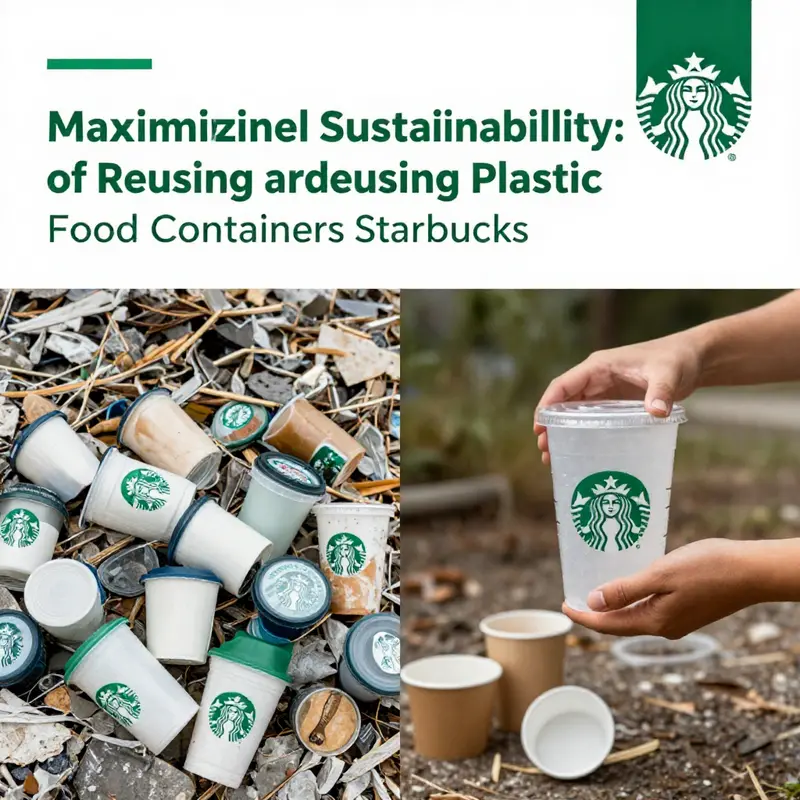
When people walk away from a coffee shop with a container that once held a pastry or a specialty drink, the instinct to reuse can feel almost virtuous. The impulse is tied to a broader wave of consumer habits aimed at cutting waste and squeezing more life from the packaging in front of us. Yet the question at the heart of this chapter remains more nuanced than a simple yes-or-no: can you wash and reuse plastic food containers from Starbucks? The answer, as it turns out, hangs on a careful balance of safety, durability, and a larger environmental calculus. These Starbucks containers, like many plastic packaging items designed for single use, occupy a problematic middle ground. Reuse may extend the container’s life by a few extra cycles, but it can also accelerate material degradation, microplastic release, and potential health risks if the practice becomes routine rather than rare. In this sense, reuse is not inherently bad or good; it is a decision that needs to be grounded in how the container is designed, how it is cleaned, and how many times it will be reused before replacement becomes the safer and more sustainable option.
Fundamentally, the material science of these containers matters a great deal. Many of these takeaway containers are made from polypropylene, commonly labeled as #5, which is widely regarded as one of the more stable polymers for repeated use among consumer plastics. Still, stability is not an absolute guarantee. The longer a container is in service—especially when it carries hot foods, acidic items, or oily substances—the more likely any plastic will begin to show wear. Scratches, micro-scrapes, and cloudiness are not merely cosmetic flaws. They serve as tiny footholds for bacteria and contribute to microstructural changes in the plastic that can influence how it behaves when it encounters heat or vigorous cleaning. The practical upshot is simple: the physical integrity of a used container should be scrutinized as rigorously as its cleanliness. If you notice cracks, deep scratches, or a cloudy surface, it is wise to retire the container from food use.
Cleaning is the first front line in making reuse safer. After every use, wash with warm, soapy water and avoid abrasive scrubbers or harsh detergents that could scratch and weaken the surface. The act of washing becomes more than hygiene; it is a maintenance ritual that preserves the barrier between your food and the polymer. But washing has limits. High-heat processes, like microwaving or dishwashing, should be avoided unless the container is explicitly labeled as dishwasher safe. Repeated exposure to heat can warp the plastic, accelerate chemical leaching, and further degrade the structural integrity of the container. This is not merely speculative; it aligns with broader guidance on food-contact materials that emphasize gentle cleaning and cautious handling to minimize any risk of chemical migration.
The safety question threads through a broader public-health lens as well. Even when a container looks clean, microscopic scratches and crevices can shelter bacteria and other microorganisms, especially when stored in conditions that invite growth—think warm kitchen temperatures or the presence of fats and acids from certain foods. The problem compounds when containers are reused many times or subjected to repeated heating. In such scenarios, some additives in plastics can migrate into food in small amounts, a concern that has been studied for decades and remains a focus of ongoing scientific inquiry. The FDA has addressed questions about food-contact materials and provides guidance intended to help consumers make informed decisions about why and how these materials should be used. For readers seeking a broader regulatory perspective, the FDA’s questions-and-answers resource on food-contact materials offers a clear overview of the factors that influence safety across polymers and coatings. (https://www.fda.gov/food/food-contact-materials/food-contact-materials-questions-and-answers)
Beyond the individual practice of washing and reuse, the environmental implications of repurposing single-use packaging deserve careful consideration. Reusing containers that were designed for a single use might seem like a straightforward way to curb waste, but the long-term environmental logic is more complex. Reuse extends the material’s lifecycle in theory, but the physical wear and tear it tolerates is limited. Repeated use—particularly with hot foods or liquids—can increase the chance of microplastic shedding. A 2026 review on microplastics from food packaging highlights that microplastics are now recognized as pervasive pollutants in ecosystems and, worryingly, in human food chains. These tiny particles can originate from the abrasion of plastics over time, from disintegration under heat, and from imperfect disposal paths that perpetuate fragmentation. The health concerns tied to microplastics include potential inflammatory responses and endocrine disruption, though the full scope and magnitude of risk remain active areas of research. While the science continues to refine our understanding, the precautionary principle suggests minimizing unnecessary exposure to microplastics, especially when there are viable long-term alternatives. The MDPI overview of this topic emphasizes not only the dangers of microplastics but also the broader environmental footprints that accompany plastic packaging throughout its life cycle. (Source: Microplastics from food packaging: An overview of human consumption, health threats, and alternative solutions, MDPI, 2026)
If the logic of environmental stewardship is to be meaningful, it must consider lifecycle impacts. The production of single-use plastics, even when they are repurposed for several additional uses, requires energy, fossil fuels, and associated emissions that contribute to climate change. The question becomes whether reuse of these one-time-use containers meaningfully reduces overall ecological harm or simply defers the need to transition toward more durable, reusable options. The broader sustainability narrative points toward durability and circularity: glass, stainless steel, or other reusable systems designed for repeated cleaning and long service lives typically offer a clearer path to reducing waste and exposure to microplastics across many years of use. In other words, the green calculation shifts as containers move from “reused once or twice” to “used, washed, and kept in rotation for many months or years.”
As consumers, we face a practical crossroads. The allure of reuse is clear: less waste, lower recurring cost, and a sense of participating in a more sustainable economy. Yet this appeal must be balanced by a rigorous assessment of the container’s condition and the reality of how plastics behave under repeated exposure to heat and abrasion. A prudent approach encourages auditing the container’s condition after each cycle and recognizing a ceiling on reuse. A few simple rules can help frame this decision without surrendering the goal of environmental responsibility: never microwave a container that lacks explicit microwave-safe labeling, avoid placing it in the dishwasher unless specified, and retire a container at the first sign of weakening—scratches, cracks, warping, or cloudiness—before it can affect food safety or contribute to microplastic shedding. If you value both health and planet-friendly outcomes, consider extending that logic beyond reuse to a switch toward durable, purpose-built reusable containers designed to minimize both chemical migration and environmental impact over the long term.
In the spirit of practical alternatives and smarter waste avoidance, many advocates point toward durable, reusable systems as the most robust path forward. For consumers eager to expand their repertoire of responsible choices, there are options that blend safety with sustainability. For example, exploring containers designed for repeated use, with clear heat and washing guidelines, can offer a more reliable safeguard against leaching and degradation. There is also a broader conversation about replacing single-use plastics with high-quality, reusable materials made from glass or stainless steel for hot foods, and compostable materials for certain cold or room-temperature applications where appropriate. The core message is not to shame reuse, but to pursue reuse within a framework that prioritizes safety, hygiene, and a lifecycle that genuinely minimizes environmental harm.
For readers who want to explore safer, more durable alternatives in the realm of takeout and food packaging, a practical resource exists that discusses eco-friendly options in greater depth. This resource highlights a range of reusable and compostable choices designed to reduce reliance on one-time-use plastics while maintaining functionality for everyday needs. You can learn more by exploring eco-friendly takeout boxes for food packaging, which discuss stylish, microwave-safe, leak-resistant, and craft-paper options that offer enduring value beyond a single meal. https://ecocupbowl.com/product/eco-friendly-takeout-boxes-for-food-packaging-stylish-food-containers-safe-microwave-craft-paper-lunch-boxes-leak-grease-resistant/ The anchor text for this resource is chosen to reflect the specific topic of the linked page while staying faithful to the spirit of sustainable packaging alternatives.
Ultimately, the journey of reusing Starbucks plastic containers is one that unfolds at the intersection of personal habit and systemic design. On the one hand, reusing a container may seem like a small, everyday act that compounds into meaningful waste reduction. On the other hand, the scientific and environmental record warns that such containers are not ideal long-term solutions when used repeatedly, especially with heat or acidic contents. The most cautious path is to treat reuse as a short-term stopgap—acceptable in a pinch, but not a substitute for investing in durable, purpose-built reusable containers that can be washed safely, withstand regular cleaning, and maintain their integrity over many cycles. In this sense, the broader environmental message aligns with the idea that true sustainability emerges not from quick fixes, but from durable choices that minimize microplastic release, reduce energy use, and promote a circular economy.
As researchers continue to map the real-world implications of plastic packaging, individual choices will increasingly reflect a balance between convenience, safety, and planetary health. It is possible to honor that balance by recognizing when reuse stops being prudent and when it becomes time to transition to other long-lasting options. This nuanced stance is not a concession to pessimism about recycling and reuse; rather, it is a mature, evidence-informed approach to everyday consumption that respects both personal well-being and the health of ecosystems. In the end, the question may not be simply whether you can wash and reuse a Starbucks container, but how you can reuse or replace it in a way that minimizes risk and crime against the wider web of life that sustains us all. The chapter that follows will continue to build on these threads, linking practical hygiene with the broader narrative of responsible packaging and informed consumer choice, without losing sight of the everyday realities that shape our kitchens and our planet.
External reference: https://www.mdpi.com/2071-1050/14/3/1789
Rinsed, Reused, Reimagined: A Practical Guide to Washing and Reusing Coffeehouse Plastic Containers
In the practice of everyday sustainability, many households encounter a familiar dilemma: what should be done with plastic takeout containers after the meal has been enjoyed? A common coffeehouse experience leaves behind a sturdy plastic box or cup lid that seems reusable yet begs for careful handling. The question is not simply about whether these containers can be saved for later use; it is about doing so with a clear eye on safety, hygiene, and long-term practicality. The answer, when framed around the right materials and disciplined cleaning, is that it is indeed possible to wash and reuse these containers. The key lies in understanding the composition of the plastic, the limits of reuse, and the proper way to clean and inspect before each new use. This approach turns a routine habit into a small, tangible step toward reducing waste without compromising health.
At the center of the safety conversation is material identification. The most common reusable candidates in takeout packaging come from the family of plastics known as polypropylene, assigned the recycling symbol with the number five, PP or #5. Polypropylene is widely regarded as one of the safer choices for repeated use, especially when it has not warped or cracked after exposure to heat or food. When you pick up a container and flip it over, the bottom often shows a recycling triangle with a number. If the symbol bears a five, that container is the sort that science and regulatory guidance often deem suitable for multiple uses—provided you treat it with appropriate care. The reality, though, is more nuanced than a single number. A container labeled #5 can handle repeated use under many conditions, but it is not a license to treat plastic as indestructible. The safer practice is to recognize that polypropylene is more resistant to heat and less prone to staining than some other plastics, which makes it a favored option for reheating and storage. Yet nothing about a plastic container guarantees it will remain inert forever. Over time, repeated cycles can introduce micro-scratches, dulling, or faint odors that signal the material’s gradual decline.
In contrast, several other materials commonly appear in takeout packaging and are less friendly to reuse. Polystyrene foam—often called Styrofoam—carries a distinct warning label in many households. It is porous and less robust under heat, which can lead to degradation and the potential for unwanted chemical transfer into food. Paperboard or wax-coated paper containers might look sturdy, but their moisture barriers are designed for single use. When these materials encounter moisture, fats, or hot food, they can lose integrity more quickly than a good PP container. The takeaway is simple: if the bottom shows a number other than five, or if the container is a wax-coated paper product or a Styrofoam variant, it is safer to recycle rather than reuse. Keeping these distinctions in mind helps you avoid the wrong reuse path from the start.
With material identification in mind, the next step is to establish a routine for cleaning and inspection. The cleaning process should be straightforward yet thorough. After each use, rinse the container with warm water to remove loose debris, then wash it with mild dish soap. A soft sponge or cloth is ideal; abrasive sponges can scratch the plastic and create tiny crevices where bacteria can hide. Harsh detergents should be avoided because strong chemicals can affect the surface and potentially leave residues that might migrate into food. After washing, rinse again to remove any soap residue. Finally, allow the container to air-dry completely before storing it. Adequate drying is essential because moisture can harbor unseen microbial growth and can contribute to a cloudy appearance on the surface over time.
A common area of confusion concerns heat. The promise of a “microwave-safe” label can be appealing, but it is not a universal invitation to reuse a container indefinitely in the microwave or to subject it to repeated heating in a dishwasher. The presence of a microwave-safe label often means the container can tolerate one or a few reheating cycles without immediate failure. It does not guarantee long-term durability through dozens of cycles. If a container is not expressly labeled as dishwasher safe or microwave safe for repeated use, it is prudent to treat it as a single-use or limited-use item. Reheating food in a compromised container can cause warping, which in turn may create gaps through which heat and chemicals can migrate. In practice, this means reserve microwaving for containers explicitly designed for repeated heating, and avoid slamming a questionable container into the dishwasher, particularly on high-heat cycles.
Beyond heat considerations, visual and olfactory checks play a crucial role in determining whether a container should be retired. Before every reuse, inspect for signs of degradation. Look for cracks or hairline fractures that could worsen with handling. A cloudy appearance on the surface can indicate surface wear, while warping is a telltale sign that the plastic has lost some of its structural integrity. Odors are a useful signal as well; a persistent plastic scent—even after washing—may indicate that the resin has absorbed odors and perhaps dissolved residues over time. If degradation is present, discard the container to prevent potential health risks. It may be tempting to overlook minor imperfections, but the most cautious approach honors both safety and sustainability by recognizing when a container has outlived its usefulness.
Even with a sturdy #5 container, there is a broader environmental calculus to consider. Reuse is not simply a matter of personal convenience; it is a practice that can contribute meaningfully to waste reduction when done wisely. The longer a single container remains in circulation, the more impact it can have by displacing single-use options. Yet extended reuse also increases the likelihood of chemical leaching in certain conditions, particularly when hot foods or liquids are involved. The balancing act is clear: reuse should occur within a reasonable timeframe, with ongoing vigilance for signs of wear. Informed decision-making about when to retire a container protects health and keeps reuse benefits intact.
A practical frame for this approach includes a few core habits. First, clean after every use. Warm, soapy water is sufficient for most plastic containers. Second, avoid the dishwasher and microwave unless the container carries explicit, repeated-use labeling that covers those specific applications. High heat and abrasive cleaners can accelerate wear. Third, set a threshold for reuse. Some households track cycles, others rely on visible wear. The key is consistency—treat each container as a candidate for reuse only if it shows no cracks, clouding, or persistent odors. Fourth, consider dedicated systems for reusable containers. If you value aesthetics, durability, and reliability, a system designed for repeated use can offer a more robust safety profile and easier maintenance. Such systems often come with a cohesive design language that makes them a natural fit for daily life, removing some of the guesswork around cleaning and storage. Within this broader practice, you may even encounter a dedicated line of containers designed specifically for repeated use, which aligns well with a conscious, eco-friendly approach to takeout packaging.
To ground these practices in established guidance, it is helpful to consult recognized sources that address food-contact materials. The U.S. Food and Drug Administration provides a resource-rich overview of the safety considerations surrounding reused plastic containers. It emphasizes the importance of choosing containers made for repeated use, understanding the limitations of heat exposure, and recognizing that not all containers labeled as microwave-safe are intended for long-term reuse. While the FDA page covers a range of materials and scenarios, the core takeaway aligns with what many households experience: use polypropylene (#5) when possible, avoid materials that degrade easily, and prioritize cleanliness and inspection to reduce risk over time. In summary, reuse is a reasonable and achievable goal when guided by material type, careful cleaning, and mindful usage. For readers who want a deeper dive into safety considerations, an accessible resource is the FDA’s Q&A on food-contact materials, which offers practical guidance and clarifications that help shape everyday decisions about reusing takeout containers.
In the daily rhythm of groceries, lunches, and takeout, there is also a social and practical dimension to reuse. Some households choose to formalize their approach with a dedicated set of containers that are designed specifically for repeated use. These systems blend form and function—comfortable lids, durable walls, and a design language that makes them a pleasure to carry and reuse. The idea is not to convert every container into a lifetime item, but to build a habit that reduces waste while preserving safety. The benefit goes beyond individual health; it echoes in the broader environment as fewer single-use boxes enter landfills and fewer resources are consumed to manufacture new packaging. In short, reusing polypropylene containers from takeout meals can be a sound choice when done with diligence, moderation, and respect for the material’s limits.
To connect these ideas with practical avenues for ongoing reuse, consider a broader packaging ecosystem that supports responsible reuse. There is value in exploring options such as dedicated reusable systems that are designed for repeated use, including containers and accessories tailored for everyday meals. For readers who want a tangible example of a product family that emphasizes sustainable reuse and thoughtful design, an example in the packaging space highlights the kind of options that can complement a home routine. This approach keeps the practice grounded in real-world choices while preserving the integrity of the foods you store and transport. For readers seeking a direct link to a product line that aligns with this philosophy, you can explore the concept of eco-friendly takeout boxes for food packaging designed to be reused, as described here: eco-friendly takeout boxes for food packaging stylish food containers safe microwave craft paper lunch boxes leak grease resistant. This link offers a concrete example of the kind of durable, reusable packaging that can complement mindful cleaning and inspection routines.
The central message remains steady: reuse is feasible and beneficial when you prioritize material safety, repeatable cleaning, and cautious ongoing assessment. The practice of reusing takeout containers from a coffeehouse setting does not require heroic feats of hygiene or extraordinary spend. It requires a simple routine, a clear sense of when to retire a container, and an openness to integrating safer options into daily life. If you take these steps, you will not only extend the life of a useful container but also contribute to a more sustainable takeout culture—one where the habit of washing and reusing becomes a natural part of how you manage leftovers, meals, and daily convenience.
For those who want to explore more formal guidance about reuse in the home, the EPA offers a concise, practical cleaning guide that outlines strategies for safely reusing takeout containers in a household setting. This resource emphasizes cleaning, selecting safe materials, and recognizing when a container has outlived its usefulness. It complements the FDA guidance by providing a broader environmental framing for why reuse matters and how to approach it responsibly. To consult this external resource, visit the EPA’s guide on reusing takeout containers at your convenience.
Final thoughts
Incorporating the practice of washing and reusing plastic food containers from Starbucks can foster sustainable habits within the beverage industry. By following best practices, addressing safety concerns, understanding material properties, contemplating environmental impacts, and adhering to consumer guidelines, businesses can harness the dual benefits of reducing costs and minimizing waste. This not only aligns with growing consumer preferences for sustainability but also enhances your brand image in an eco-conscious marketplace. By taking these steps, food and beverage operations can contribute significantly to environmental stewardship while maintaining high standards of safety and service.