
Food plastic containers designed for refrigeration have become essential tools for businesses in the food and beverage sector, from bubble tea shops to catering services. These containers ensure safe, organized, and efficient food storage, allowing for better management of inventory and food safety. This article explores the important aspects of food plastic containers, detailing the materials and safety standards that govern their use, innovative designs that enhance functionality, the economic impacts these containers have on the market, and the pressing environmental considerations that businesses must address. Each chapter will interlink these themes, providing comprehensive insights into the effective use of food plastic containers in your refrigeration practices.
Guardians of Freshness: Materials, Safety Standards, and the Science Behind Refrigerator Plastic Containers
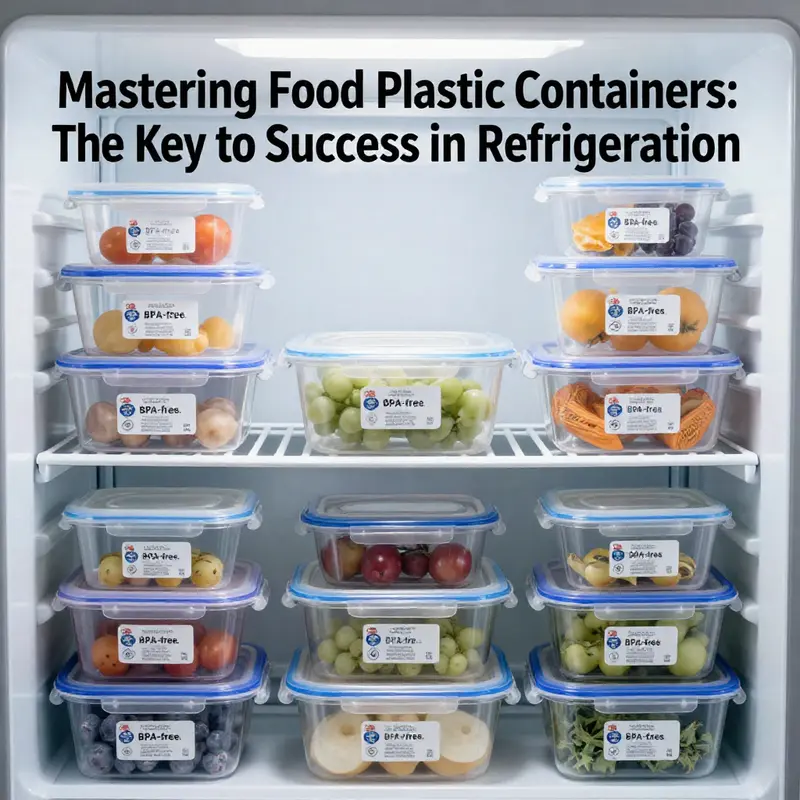
The refrigerator is more than a cold box where leftovers hide between meals. It is a controlled environment where the choice of container material directly influences safety, taste, texture, and shelf life. When we tuck a container into the fridge, we rarely pause to consider the chemistry that protects food from spoilage or migrations of additives. The everyday act of storing meals is a practical case study in material science meeting kitchen pragmatism. The most common workhorse plastics in refrigerator storage—polypropylene (PP), polyethylene terephthalate (PET), and high-density polyethylene (HDPE)—are each chosen for durability, chemical resistance, and ease of use. They are designed to be safe for direct contact with food, withstand cold and temperature swings, and tolerate washing. Understanding how these materials function helps explain why multi-compartment designs with tight seals have become standard in homes and professional kitchens alike.
Polypropylene stands at the center of reusable containers for fridge storage. Its chemistry gives a favorable blend of toughness and flexibility. PP resists cracking across many open/close cycles, tolerates hot cleaning water, and survives both cold storage and microwaving when labeled for it. In material terms, PP’s semi-crystalline structure supports a broad thermal delta with minimal permanent deformation. In everyday terms, it means confident handling from fridge to table and back, with reduced risk of cracks and odor transmission.
PET is prized for clarity. The glass-like transparency helps identify contents at a glance and supports quick visual checks in busy kitchens. PET’s barrier properties against moisture and gases can slow aroma and moisture exchange, helping maintain freshness for shorter storage times. However, PET is typically favored for items not subjected to repeated freezing and thawing; frequent cycling between freezer and microwave can, over time, impact performance. In practice, PET containers excel for portioning and easy access, but many users reserve them for items not repeatedly reheated or frozen as aggressively as PP options.
HDPE brings a different profile: toughness and chemical resistance. HDPE is well suited for opaque containers that carry liquids or perishable goods requiring durable, leak-resistant packaging. It performs well across hot and cold ranges, making it common for both fridge and freezer use. Opaque HDPE can shield contents from light, offering added protection for light-sensitive foods. The trade-off is reduced visibility, which can be mitigated with clear labeling or translucent lids.
Safety frameworks: In the United States, the FDA sets guidelines to ensure materials in contact with food do not release harmful chemicals under typical use. In the European Union, EFSA enforces migration limits for substances to ensure compliance across packaging. These frameworks aren’t guarantees; they define permissible migration under typical conditions, including refrigeration, occasional freezing, and microwave reheating where allowed. Migration limits (SMLs) and guidance reflect how consumers actually use containers, balancing safety with practicality.
A key concern is chemical migration. Repeated cycling through temperature extremes can alter surface properties and internal chemistry, potentially accelerating migration in scratched or degraded surfaces. For many households, this is a reason to replace plastic containers after several years or whenever wear is evident. Glass or stainless steel offer near-zero migration risk but lack the convenience and cost-effectiveness of plastics. The safer practice is to choose containers labeled freezer- and microwave-safe when appropriate, BPA-free and food-grade, and to check that the packaging material aligns with your intended use. Codes such as #2 for HDPE or #5 for PP provide quick hints, but code alone does not guarantee suitability for every extreme condition.
Design and usage guidance: Multi-compartment containers with clear walls and reliable lids help separate different foods while preserving freshness. For many households, PP-based containers offer a good combination of reheating durability and durability, PET-based ones provide visibility for quick access, and HDPE-based options give ruggedness and leak resistance for liquids. Always verify the product labeling for freezer safety and microwave safety if reheating is planned, and follow safe handling and replacement practices when wear appears.
To put it into action: Use clearly labeled, food-grade containers; aim for BPA-free products; prefer those marketed as freezer- or microwave-safe; replace containers that show cracks, cloudiness, or persistent odors. Read the recycling code as a guide, but rely on official labeling for intended uses. A materials-first approach to fridge storage supports safer, neater food organization and reduces waste, from home kitchens to professional settings.
Chill, Seal, and Stack: The Design Logic Behind Fridge-Ready Food Plastic Containers
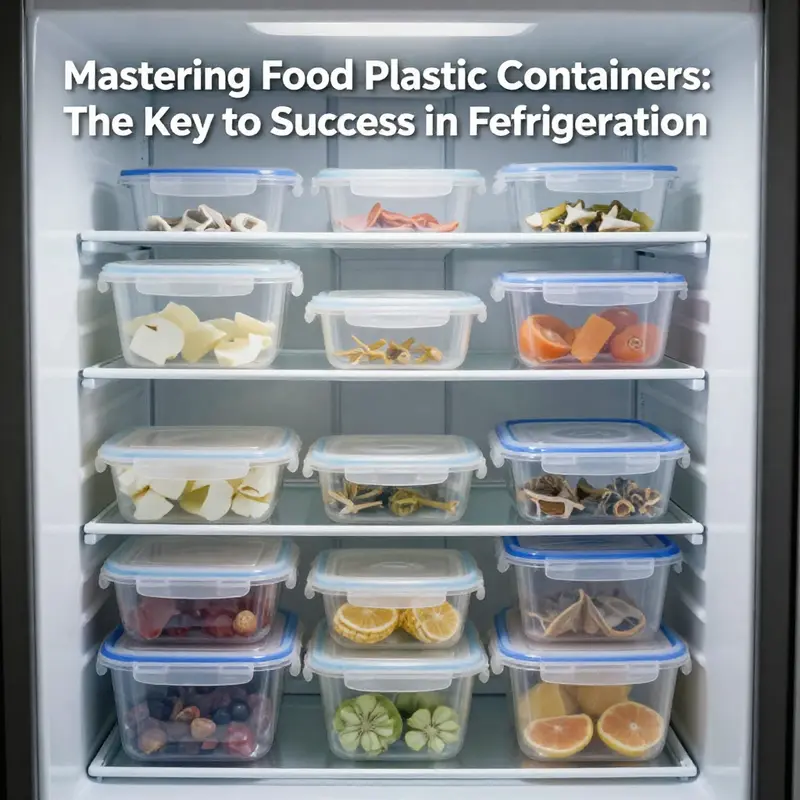
The everyday kitchen is full of small, purposeful choices, and among the most quietly influential are the containers that hitch a ride with our groceries into the cold. Fridge-ready food plastic containers are not merely receptacles; they are instruments of preservation, organization, and hygiene. They operate at the intersection of chemistry, engineering, and daily habit, tuned to perform reliably in a chilly environment where temperatures hover near the freezing point of water and condensation constantly tests a seal. The best designs anticipate how people actually use cold storage—how leftovers accumulate, how ingredients are prepped for rapid retrieval, and how solutions for odor control, moisture management, and space optimization can coexist without demanding constant rearrangement. In this sense, fridge containers embody a careful balance between form and function, where the choice of material, the integrity of the seal, and the geometry of the container together determine whether food remains safe, fresh, and appealing minutes before a meal or days later in a busy week.
Materials sit at the base of this system. Polypropylene, a durable thermoplastic, and high-density polyethylene, prized for rigidity and chemical resistance, are the workhorses of fridge storage. These plastics are selected precisely for their ability to withstand the cold without becoming brittle, a common problem with some other polymers that contract and crack when temperatures dip. The transparency that often accompanies these materials is not merely cosmetic; it is a practical feature that reduces food waste by letting you see contents at a glance. In many households, this visibility translates into fewer forgotten containers and shorter trips to the back of the fridge in search of last week’s leftovers. Alongside PP and HDPE, there are cases where PET shows up for its clarity, enabling an easy read of what rests inside. In all cases, researchers and designers emphasize food-grade standards and careful avoidance of substances that could migrate into food. The phrase BPA-free is more than a marketing cue; it signals a commitment to minimizing the risk of chemical transfer under typical fridge conditions, including repeated opening and closing, mild microwave reheating, and long-term storage.
Airtight seals are the second pillar of effective fridge storage. The lids of modern containers often carry tight-sealing designs that combine a lid with a gasket or a ridge-and-channel system to create a near-impermeable barrier to air and moisture. This is essential for maintaining texture and flavor while also limiting odor transfer between different foods. When liquids are involved—such as soups, sauces, or dressings—the seal’s integrity is tested by movement and temperature shifts. A spill-resistant, leak-proof lid system becomes an everyday relief, especially in households where shelves are crowded and containers are stacked. The ability to carry out a spill-free experience from the fridge to the lunchbox or the shelf in the office cabinet reduces anxiety around refrigeration, especially for caregivers who manage meals for children or for anyone who sometimes multitasks with liquids in the mix.
Lid systems come in a few archetypes, with snap-on and press-fit designs topping the commonly used repertoire. Snap-on lids snap firmly into place, aided by shallow lips and ridges that click when fully seated. Press-fit lids rely on precise tolerances and a snug fit that resists shifting during movement. Each approach has trade-offs. Snap-on lids tend to be quick to use, making them a favorite for busy kitchens, while press-fit lids can offer a tighter seal with fewer moving parts that might degrade over time. Some more advanced designs even blend the two approaches, incorporating hinges, integrated drains for produce, or removable dividers that let you tailor the interior to different foods. The lid is not merely a cap; it is a functional interface that controls moisture exchange, keeps aromas in check, and contributes to the modularity of a fridge system designed to maximize vertical space.
Space efficiency, a theme that surfaces repeatedly in user anecdotes and design briefs, follows directly from the fridge’s cramped personality. Containers are engineered to be modular and stackable, letting households create a visual map of meals and ingredients across shelves. The ability to stack without fear of tipping relies on flat, robust bases and interlocking rims that maintain stability even when the fridge is crowded during meal-prep bursts. Removable dividers and shallow wells add another layer of versatility, enabling a single container to adapt from a place for cut produce to a home for separated sauces and sides. In this regard, the container becomes a small, personal organizer, a choreographed stack of compartments that reduces the mental load of meal planning.
Moisture management is another subtle yet critical design concern. In the fridge, moisture can either prolong freshness or accelerate spoilage, depending on how it is managed. Containers designed for cold storage combat this through a combination of air-tight seals, venting concepts when needed, and the geometry that encourages proper drainage or condensation control. A well-crafted container helps to limit freezer burn when used in freezer compartments and minimizes anaerobic conditions that could lead to off-flavors. Even the act of transparency plays a role here, as it allows for quick visual checks of moisture or condensation inside a container, prompting timely action and reducing the risk of overlooked food that has slipped past the memory of a busy cook.
Beyond the basic pieces, some designs push the concept further into practical innovation. You will hear about built-in drainage features intended for washed produce stored temporarily in the fridge, where a valve and removable partition help keep items separated while allowing water to drain away. These elements might not be the first thing you notice when you open the fridge, but they demonstrate how consciousness about food preparation and hygiene can shape even the most mundane container. The more advanced features show up as small conveniences that deliver long-term benefits: fewer spills, easier organization, clearer labeling, and a more hygienic storage environment. A visually clear container reduces forgotten food by making its contents legible at a glance, while the combination of a sturdy lid and a precise seal helps preserve texture, color, and aroma, which in turn enhances the likelihood of a pleasant reheating experience.
The overall narrative of fridge storage is one of light, durable engineering meeting daily use. The choice of material, the seal’s reliability, the lid’s grace under pressure, and the container’s willingness to play well with other modular pieces all contribute to a system that can adapt as life changes. A family’s weekly routine may begin with a fresh batch of ingredients, then morph into an ongoing cycle of leftovers and meal-prepped portions. The container, through its design, becomes a silent facilitator of that cycle, helping to keep ingredients stable, odors contained, and planning simple enough to fit into a crowded schedule. This is not just about keeping food cold; it is about maintaining sensory quality, reducing waste, and offering a practical, responsible answer to how we sustain meals in a modern kitchen.
For readers who want to widen the lens beyond the kitchen and think about scale, it is worth noting a related domain where similar materials and design strategies are employed. In bulk storage or industrial contexts, disposable flexitanks made from food-grade plastics are used to transport liquids like sauces or soups within large shipping environments. While these are not fridge containers per se, they illustrate a shared language of safety, cleanliness, and containment that informs consumer-grade fridge products. The principles of safety, leak resistance, and implementable design choices ripple outward, shaping how engineers approach every tier of food handling from household shelves to warehouse floors. In homes, the most common practical expression of these ideas remains a set of modular, transparent, BPA-free, microwave-feasible containers designed to survive the cold, while keeping flavors intact and odors from crossing between foods.
The narrative of refrigerator containers is also a lesson in accessibility and consumer behavior. The simple act of choosing the right container can reduce food waste and make daily routines smoother. When containers are easy to clean, nest neatly, and resist staining or odor transfer, people are more likely to reuse them and repack leftovers rather than discard them. The clear plastic case becomes, in effect, a small broker of organization, translating the chaos of yesterday’s meals into the order of today. It is a reminder that design in this space is less about flashy features and more about thoughtful, repeatable routines that help households manage nourishment with confidence. In this light, the design of fridge storage is not an isolated craft; it is part of a broader conversation about safety, sustainability, and everyday practicality.
To connect these design choices with practical shopping decisions, many consumers look for containers that are clearly labeled as food-grade and BPA-free, materials known to tolerate cold and occasional reheating without compromising integrity. The best choices also offer clear, readable indicators of capacity and content type, so you can quickly decide which container to pull for a particular leftover or ingredient. When you combine material resilience with airtight seals, stackable form factors, and flexible interior configurations, you create a fridge system that breathes less life into food and more life into your weekly meals. The goal is a kitchen where every stored item has a clear purpose, every lid sits securely, and the cold environment supports rather than undermines the sensory and nutritional quality of food. The result is not merely organization; it is a sustainable, repeatable practice that makes a busy life simpler and meals more reliable.
For readers who want to explore a broader category that intersects with fridge storage, consider the option of versatile, multi-purpose containers designed for varied contexts, including takeout and home storage. These pieces, when chosen with the same care as fridge-specific products, can complement a kitchen system that values longevity, recyclability, and practical usability. In short, the fridge container is more than a tool for cold storage; it is an active participant in how we plan, prepare, and preserve meals throughout the week. Through thoughtful design choices—materials that withstand cold, seals that prevent spoilage, modular forms that maximize space, and features that streamline day-to-day use—we arrive at a simple, reliable answer to a complicated question: how to keep foods safe, fresh, and ready to eat with minimal fuss.
To learn more about safe food storage practices that accompany these design choices, you can consult dedicated food safety resources that outline best practices for keeping items in the refrigerator and freezer within safe timeframes, appropriate temperatures, and proper handling. This broader safety lens helps anchor the practical design details in a real-world context, reminding us that the container is only as good as the practices that surround it. The refrigerator becomes not just a cold box but a controlled environment in which good container design, responsible handling, and mindful consumption work together to extend shelf life and preserve flavor. In this way, the simple act of selecting a fridge container becomes a step in a larger, thoughtful approach to food management that starts with material science and ends with everyday usefulness.
Internal link note: If you’re looking for a category of containers that demonstrates how thoughtful design can translate to everyday versatility, consider exploring eco-friendly takeout boxes and related packaging solutions that emphasize leak resistance and microwave-safety while still fitting into a fridge-organizing mindset. You can explore examples in this collection: eco-friendly takeout boxes for food packaging.
External resource for safety: For a concise overview of safe storage guidelines and temperature considerations, see the Food Safety Education pages on keeping food safe in the refrigerator: Food Safety Education – Safe Food Storage.
Fridge-Side Economies: The Hidden Market Dynamics of Food Plastic Containers in Modern Refrigeration
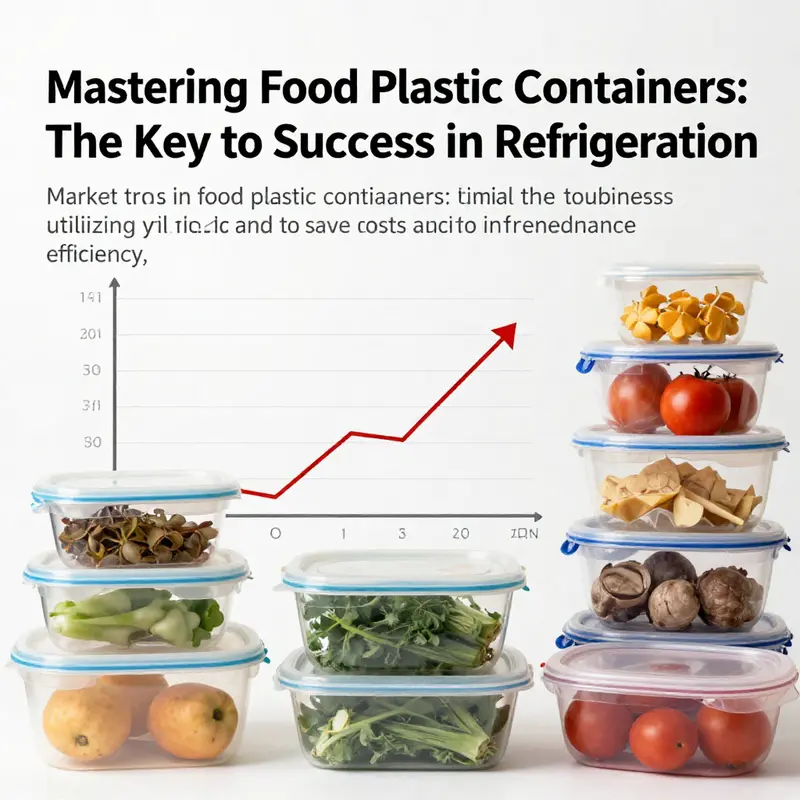
The refrigerator, often taken for granted as a simple cold box, operates as a microcosm of modern consumption, logistics, and budgeting. Within its chilled shelves, a quiet but consequential economy unfolds every day. Food plastic containers are the unglamorous yet indispensable actors in this drama. They enable freshness, organization, and efficiency at scale, turning disparate ingredients into a coherent system of storage, rotation, and accessibility. When we look beyond pretty designs and glossy claims, what emerges is a story about how plastic, in forms that are food grade and safe for long-term use, shapes behavior, cost structures, and even environmental footprints in households and commercial kitchens alike. It is easy to overlook the fact that the shape, material, and durability of a container can influence everything from how much food families save by using leftovers to how restaurants manage inventory across fluctuating demand cycles.\n\nPreservation of freshness sits at the heart of why these containers matter. Plastics chosen for fridge storage are designed to minimize the migration of odors and flavors, resist staining, and maintain structural integrity under typical refrigerator temperatures. This matters because food safety and quality are not just about the immediate eating experience but about the probability of spoilage over days. Containers made from food-grade plastics, commonly PET or PP, strike a balance between clarity, strength, and chemical safety. The transparency of PET, for instance, lets a household or a kitchen manager see at a glance what remains, reducing the likelihood of forgotten leftovers and unnecessary waste. PP contributions, with their heat resistance and durability, support versatile use in meal prepping, reheating, and organization. The emphasis on BPA-free formulations reinforces a broader consumer expectation: packaging that keeps pace with safety standards while remaining compatible with microwave and cold-storage routines.\n\nAlongside preservation, space optimization emerges as a practical virtue of fridge containers. A well-designed system is more than a stack of boxes; it is a modular approach to keeping perishables accessible and the fridge interior navigable. Transparent, stackable designs with compact footprints multiply the usable volume of a refrigerator. A typical configuration—such as a compact, multi-compartment container with lids—allows different ingredients to be stored separately within the same footprint, reducing cross-contact and preserving flavors. The dimensions that frequently enter consumer and commercial planning, like compact, rectangular profiles around 21 by 15.6 by 3.5 centimeters, exemplify how form factors support pantry and refrigerator organization. These attributes matter because they translate into real-world benefits: faster meal planning, fewer trips to the back of the fridge, and less rummaging that can lead to accidental waste or spoilage. In households, this translates into fewer leftovers forgotten at the back of shelves; in commercial settings, it translates into more accurate inventory rotation and less over-ordering.\n\nA further practical payoff is the potential to reduce food waste. When food is stored properly and organized efficiently, the likelihood of spoilage declines. The economics of waste are rarely discussed in kitchen design, yet they are central to the bottom line for households and foodservice operations alike. Even modest reductions in waste can translate into significant annual savings, turning what may seem like minor waste-prevention practices into meaningful financial and environmental gains. Containers designed for long service life—reusable, easy to clean, and resistant to odors and stains—support a culture of responsible storage without demanding constant replacement. This durability is a key driver of long-term cost efficiency, particularly in households that batch-cook or in kitchens that rely on meal-prepping routines to smooth demand across peak service periods.\n\nMarket dynamics around fridge storage containers reveal a landscape still dominated by plastic, despite growing scrutiny of sustainability. Plastic containers account for a substantial majority of refrigerator storage solutions—an indicator of the material’s advantages in weight, cost, and impact on supply chains. The market share figures point to plastic’s ongoing dominance and suggest that consumer demand for practical, versatile storage continues to be a major driver. The reasons for this dominance are pragmatic: plastic is lightweight, manufactured at scale, and highly versatile in terms of shapes, sizes, and lid configurations. It is durable enough to withstand daily handling, and its relatively low cost makes it accessible to a broad spectrum of households and small businesses. For commercial kitchens, the value proposition extends to inventory control and standardized portioning, which helps with forecasting and reducing spoilage across menus and service types.\n\nLooking forward, the market for food storage containers is projected to grow significantly toward 2035. The trajectory reflects a sustained reliance on plastic-based solutions for everyday storage, meal prep, and shelf life extension. Yet the conversation is not simply about more plastic; it is about smarter plastic—forms that offer better reuse, easier disassembly for recycling, and compatibility with evolving waste management systems. As environmental concerns rise to the top of many consumer and policy agendas, the industry is responding with innovations aimed at reducing environmental impact without sacrificing the core storage benefits that plastics provide. Biodegradable and reusable options are expanding, and this tension between durability and sustainability is redefining purchasing choices for both households and foodservice operators. The outcome is a market that continues to favor practical, resilient storage while experimenting with materials and designs that align with circular economy principles and stricter end-of-life handling.\n\nMaterial considerations anchor much of this evolution. Polystyrene, often used in disposable packaging, is emblematic of the trade-offs that permeate fridge storage. Its insulating properties and light weight make it appealing for short-term, single-use contexts. However, PS also raises concerns about temperature stability over longer storage periods and end-of-life recyclability. In contrast, the broader spectrum of plastics used in food containment—such as PET and PP—offers different balances of clarity, rigidity, and heat tolerance. For households and small businesses, the BPA-free claim has become a baseline expectation, signaling safety and consumer trust. As sustainability narratives intensify, there is growing attention to material lifecycles, including how containers are recycled, repurposed, or diverted from landfills. The push toward biodegradable or highly durable, reusable designs indicates a shift from a one-and-done mindset to a more intentional approach to storage that reduces the environmental footprint of frequent fridge usage.\n\nAlongside material choices, purchasing strategies reveal how buyers—whether individuals, food trucks, or restaurant chains—navigate the economics of storage. Bulk purchasing, a mainstay in food service, reflects a practical calculus: stock out risk avoidance during demand spikes, price stability through volume discounts, and predictable replenishment cycles that smooth operations across busy and quiet seasons. Reliable supply chains become a strategic asset because any interruption in storage solutions can cascade into losses in productivity, menu planning, or customer satisfaction. In a world of fluctuating commodity prices and shifting regulatory landscapes, buyers seek containers that are not only safe and functional but also easy to source, stack, and store in sufficient quantities. The practical reality is that space, throughput, and ease of cleaning converge with cost to shape the purchase decision. The ability to standardize container sizes across a kitchen or household simplifies training, organization, and workflow, which, in turn, improves accuracy in meal prep and inventory checks.\n\nFor those managing a broader packaging ecosystem, the move toward reusable and reusable-capable solutions remains central. The industry often emphasizes redesigns that reduce overall material use, improve washability, and extend the usable life of containers. In tandem with these shifts, there is a push to align with sustainability narratives that resonate with consumers who are increasingly mindful of the environmental consequences of their choices. These currents influence not only what is purchased, but how it is used: how leftovers are portioned, how meals are preplanned, and how families track the contents of their refrigerators through visible, clear containers that encourage responsible consumption. The interplay between practical storage needs and environmental goals continues to shape product development, marketing strategies, and policy discussions around waste and recycling.\n\nIn this context, the silent logic of the fridge becomes more than a preference for neatness. It is a key lever in daily economics. A well-chosen container system reduces miscounts, cuts spoilage, and supports meal-prep routines that align with busy schedules. It also communicates a broader value proposition: that mundane storage choices can contribute to a disciplined approach to shopping, cooking, and waste. The economic implications extend beyond the kitchen. When households invest in durable, safe, and efficient storage, they indirectly influence demand signals for waste management infrastructures, recycling streams, and consumer education campaigns about reducing food waste. In commercial settings, these dynamics feed into menu planning, supplier negotiations, and overall profitability, as containers become a strategic tool for maintaining quality, compliance, and customer satisfaction.\n\nWithin this evolving landscape, the possibility of improved storage solutions continues to unfold. Innovations in smart storage, while not eliminating the fundamental need for reliable containment, promise to augment the fridge’s functionality. The scholarly and industry discussions around intelligent containers—integrating sensors or connectivity to monitor temperature, humidity, or shelf life—hint at a future where storage decisions are informed by data. Such developments can influence purchasing choices, encourage more precise inventory management, and further reduce waste by alerting users to changes in food quality before spoilage occurs. This convergence of material science, design, and digital capability suggests that the fridge’s interior may become a more responsive, data-informed environment without sacrificing the core benefits of safety and practicality that plastic containers provide today.\n\nFor readers seeking practical pathways that connect these macro trends to everyday usage, the literature points to concrete considerations when evaluating storage options. When selecting containers, households and businesses alike should weigh not only price and aesthetics but also lifecycle considerations, washing practicality, and the ease with which containers can be integrated into existing storage systems. The dominant role of plastic in the fridge storage box market is unlikely to vanish overnight, but its evolution toward safer, more sustainable, and easier-to-manage solutions will continue. In this light, a well-chosen set of fridge containers becomes part of a broader strategy—one that links consumer habits, supplier capabilities, and policy directions into a coherent approach to food storage that minimizes waste, enhances safety, and supports efficient operations.\n\nIn practice, this means recognizing that storage is not merely a container problem but a systems problem. The container is the interface between food, people, and the cold chain. A simple, reliable design can encourage better meal planning and more thoughtful use of ingredients. A durable material can withstand daily handling while resisting odors, stains, and leaks. A clear, compact form can optimize visibility and access, turning the fridge into a well-organized workspace rather than a cluttered pantry. As supply chains stabilize and consumer preferences lean toward practical, affordable, and safe storage options, the container continues to be an anchor of household and commercial food storage. It is where science, design, and everyday routines meet, shaping not only what we store but how we store it, how we shop, and how we think about waste in a world that increasingly expects efficiency without sacrificing safety.\n\nTo connect these ideas with the practical realities of procurement and usage, consider the broader packaging ecosystem that supports fridge storage. There is value in exploring options that balance performance with sustainability, especially for those managing multiple storage scenarios—from home meal-prep to small-scale catering. For readers who want to explore practical choices in durable, space-saving options, a useful reference point is a range of eco-friendly takeout boxes and containers that exemplify how modern packaging design can align with microwave safety, grease resistance, and reuse potential. See the following resource for a representative example: eco-friendly takeout boxes for food packaging. This kind of option illustrates how the same design principles that optimize household fridge storage also enable more sustainable practices in food service, where the lifecycle and end-of-use handling of containers are critical to overall environmental impact.\n\nFor further technical insight into the trajectories shaping food storage containers, including developments in smarter, sensor-enabled storage, see Smart Containers for Food Storage in Refrigerators. This external resource discusses how evolving technology can augment the practical value of storage solutions within the fridge, complementing material choices and design improvements that already define the market. Smart Containers for Food Storage in Refrigerators
Fridge-Side Choices: Environmental Considerations and Sustainability of Plastic Food Containers
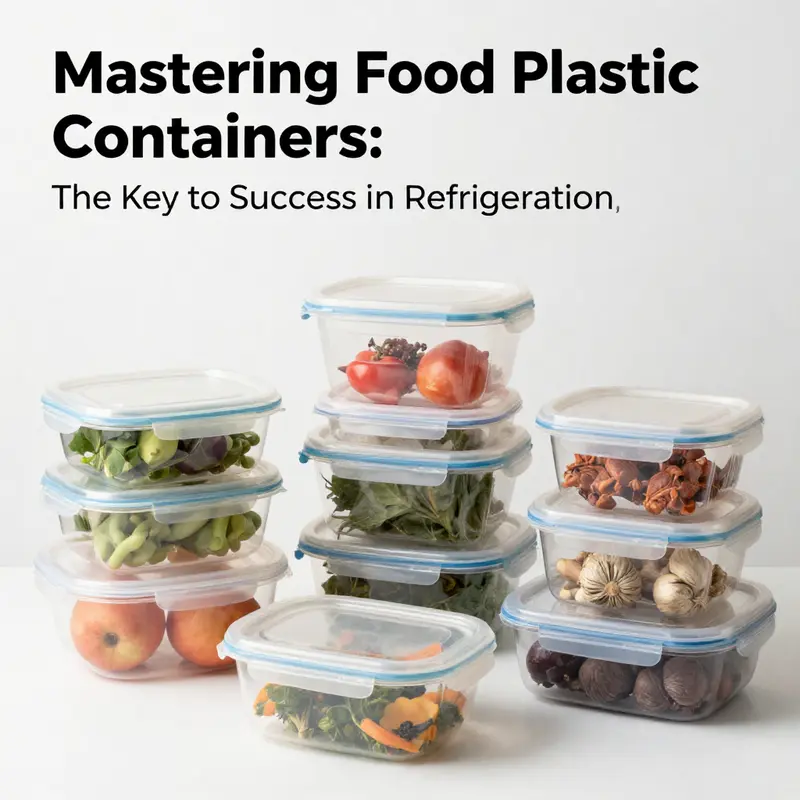
Every kitchen begins its day with a routine that feels mundane yet matters deeply: placing yesterday’s leftovers into a container, sliding it into the fridge, and trusting that the seal will protect flavor and safety. Behind this everyday act lies a web of choices about materials, design, and long-term consequences for the planet. Plastic food containers designed for refrigerator use are engineered to keep foods fresh, to resist stains and odors, and to withstand a spectrum of temperatures from cool to freezer, yet they exist within a broader conversation about sustainability. The most common materials for these purposes are polypropylene (PP) and high-density polyethylene (HDPE). They are favored because they are durable, freezer-safe, and capable of enduring repeated cycles of chilling and warming. They are also widely regarded as food-safe when manufactured to appropriate standards, and many are marketed as BPA-free to reassure health-conscious households. But even with safety assurances and convenience, these containers do not exist in a vacuum. Their production relies on fossil-fuel resources, their use adds to household waste streams if not reused, and their end-of-life fate—recycling, downcycling, or landfilling—carries environmental implications that can ripple far beyond the kitchen door.
To understand the full picture, it helps to connect material properties with health and environmental outcomes. PP and HDPE are chosen for stability and resistance to the temperature fluctuations common in refrigeration and freezing. In practical terms, that means less worry about cracking or warping, and a longer window for safely storing a diverse range of foods—from soups and stews to raw vegetables and prepared meals. The upside is clear: better food preservation with less spoilage translates into reduced food waste, which is a meaningful environmental benefit in its own right. Yet, even when a container is labeled BPA-free, there is ongoing scientific attention on other additives and plasticizers that can migrate under certain conditions. Phthalates or similar compounds, though less emphasized today than in earlier decades, have been investigated for their potential to appear in bodily metabolites with regular use. The act of refrigerating, freezing, and then reheating can interact with the plastic’s polymer matrix, subtly influencing whether small amounts of chemicals might migrate into food, particularly if containers are reused many times or subjected to repeated temperature shocks. These considerations do not overturn the utility of plastic containers; they refine how households choose, care for, and dispose of them. They also point toward healthier, longer-lasting storage practices that minimize both health and environmental risks.
From an ecological standpoint, the life cycle of reusable plastic containers constitutes a balancing act between durability and end-of-life management. Life cycle analyses often reveal that reusable containers can meaningfully reduce overall waste compared with single-use plastics. The story, however, does not end with reuse. The energy and materials consumed during production, the emissions associated with manufacturing, and the means by which containers are recycled or disposed of at the end of their usable life all factor into their true environmental footprint. In some scenarios, recycling rates for plastics vary widely by region, and a container that is recycled may still contribute to microplastic shedding as long as it remains in circulation and eventually degrades. Microplastics have emerged as a notable environmental concern because tiny particles can migrate through ecosystems and potentially enter the food chain. The takeaway is not to abandon reuse but to optimize it within a framework of responsible material choice, proper care, and robust recycling streams. If a household can extend the life of a container through careful cleaning and proper storage, the environmental footprint can shrink considerably. Yet there is a legitimate counterpoint: the same container, after years of service, can become a source of microplastic particles if it becomes thin, brittle, or scratched. Therefore, the nuanced conclusion is that sustainability depends not only on the material but on how it is used, cared for, and eventually treated at the end of its life.
In weighing alternatives, glass often enters the conversation as a compelling option for environmental reasons. Glass is chemically inert, does not leach into food, and boasts a remarkable recyclability profile. It can be recycled repeatedly without a loss of quality, which contributes to a durable circular economy when systems for collection and reprocessing exist. The durability advantage of glass is a double-edged sword, however. Glass is heavier, more prone to breakage, and sometimes less convenient for flat-pack storage compared with stackable plastic options. In compact kitchens or busy households, the weight and fragility can limit practicality, nudging people toward plastic options despite the environmental advantages of glass. The key insight is not a rigid prescription but a spectrum of choices that aligns with lifestyle, kitchen space, and local recycling infrastructure. For some households, the pragmatic middle ground involves using sturdy, long-lasting plastic containers for day-to-day storage, and reserving glass for frequently reheated or long-term storage of meals where chemical leaching is a particular concern. The broader point is that sustainability has to account for both consumer behavior and infrastructure—how materials are produced, how they are used, and how they are recovered.
A practical path to sustainability emerges through mindful usage and informed choices. First, prioritize durability: select containers designed for repeated use, with robust seals and resilient walls that resist cracking. Look for certifications of food-grade safety and for labeling that indicates suitability for freezing and microwaving if those are common modes of use. Second, invest in proper care. Clean containers thoroughly to prevent residue buildup, which can accelerate wear. Avoid using metal scrubbers that might scratch surfaces; gentle washing preserves the integrity of the polymer and reduces micro-scratching where microbes could harbor. Third, be deliberate about recycling. Do not assume all plastics are equally recyclable in every community. Check local guidelines for the specific resin type and what is accepted at the curbside or at drop-off locations. If recycling is limited, think about repurposing containers for non-food uses once they reach the end of their usable life. Fourth, consider multi-use designs that support organization and portion control. A four-compartment configuration can be advantageous for meal prepping and for separating ingredients, which can reduce waste and simplify portion management. However, even in well-designed systems, the cumulative environmental impact hinges on how long the container remains in service and how gracefully it can re-enter the recycling stream at the end of its life.
In discussing storage needs, it is worth noting that the architecture of the container itself matters. Clear, transparent plastics enable quick visual checks of contents, supporting better meal planning and reducing the likelihood of forgotten foods decaying in the back of a shelf. A transparent design also helps in monitoring the freshness cycle of foods, potentially leading to less energy use in the fridge as compartments are more efficiently organized and space is used more effectively. On the flip side, the color or opacity of some plastics can influence how users perceive the storage environment; lighter, clearer materials can psychologically encourage shorter storage times and more frequent rotation of meals. The underlying science is less about aesthetics and more about behavior: design can nudge people toward safer, more sustainable habits by reducing the cognitive load of tracking dates and contents.
For readers seeking a broader lens beyond household routines, the literature on reusable food savers provides a comprehensive framework for evaluating sustainability across scales. A widely cited study in Environmental Science & Technology emphasizes how the life cycle assessment of reusable food savers reveals that longevity and end-of-life management significantly alter environmental outcomes. The takeaway aligns with what many households know intuitively: the most sustainable choice is the one that is used often, used well, and disposed of correctly. The study also underscores the importance of regional differences in recycling efficiency and infrastructure, which can tilt the environmental balance in unexpected ways. In other words, a plastic container that travels through a highly efficient municipal recycling system may outperform a glass container that is seldom recycled in a system with limited capacity. This nuance invites readers to consider not only the material’s chemistry but the system around it.
To bridge practical decisions with this broader context, one can consider a pragmatic rule of thumb: maximize reuse potential, minimize waste, and align with local recycling pathways. That means choosing containers that are overtly designed for long life, avoiding designs that tempt frequent mid-cycle discarding, and acknowledging when a container has reached the end of its usable life and should be responsibly recycled. It also means recognizing that storage habits influence the environment as much as the materials themselves. For instance, portioning meals into smaller containers can reduce spoilage and energy usage in refrigeration by preventing the accumulation of large quantities that must be chilled for longer periods. Simultaneously, it calls for thoughtful organization; mismatched lids, scratched bases, or containers that barely stack can degrade efficiency and encourage premature disposal. Sustainability is the sum of many small choices, each with a measurable impact on waste, resource use, and food safety.
Within this landscape, one avenue some households explore is embracing packaging options that lean toward reduced environmental footprints while maintaining function. An example might be an option designed for heavy use and easy reuse, with clear labeling about durability and recyclability. If you are curious about such alternatives, explore options like eco-friendly, multi-compartment packaging that balances practicality with sustainable design. For a concrete example of how durable, user-focused packaging choices can be integrated into daily life, you can refer to resources that discuss multi-compartment and reusable container concepts in everyday contexts. eco-friendly disposable 3-compartment packaging box. This resource illustrates how thoughtful design and material selection can support both organization and reuse, while pointing readers toward real-world packaging innovations that are accessible to households and small food-service operations alike. It does not replace a rigorous life cycle assessment, but it helps translate broad sustainability principles into actionable choices at the fridge door.
Ultimately, the conversation about refrigerator containers sits at the intersection of health, convenience, and planetary stewardship. The goal is not to vilify plastic storage but to elevate choices that extend product life, protect food quality, and align with responsible waste management. Designers, manufacturers, retailers, and households share responsibility for creating systems in which material performance, user behavior, and infrastructural capabilities reinforce one another. When these elements align, the humble plastic container becomes more than a tool for keeping leftovers fresh: it becomes a tangible node in a sustainable food system. By prioritizing durability, proper care, and an informed approach to end-of-life pathways, individuals can reduce environmental footprints without sacrificing the practical benefits of fridge storage. And as the science evolves, households can adapt with confidence, knowing that the everyday act of storing food can be both convenient and kind to the planet. For readers who want to connect these ideas to broader packaging discussions, the external study on life cycle assessment offers a rigorous framework for thinking about reuse, material choices, and systemic recycling outcomes, inviting ongoing reflection and informed decision-making in kitchens around the world. https://pubs.acs.org/doi/10.1021/es2045678
Final thoughts
In the competitive food and beverage industry, understanding the nuances of food plastic containers for refrigeration is essential. These containers not only ensure food safety and organization but also offer potential economic benefits and contribute to sustainability efforts. As your business navigates these facets, remember that the choices you make today with food plastic containers can significantly impact both your operations and environmental footprint. Embrace innovation and responsibility to remain ahead in this evolving market.