
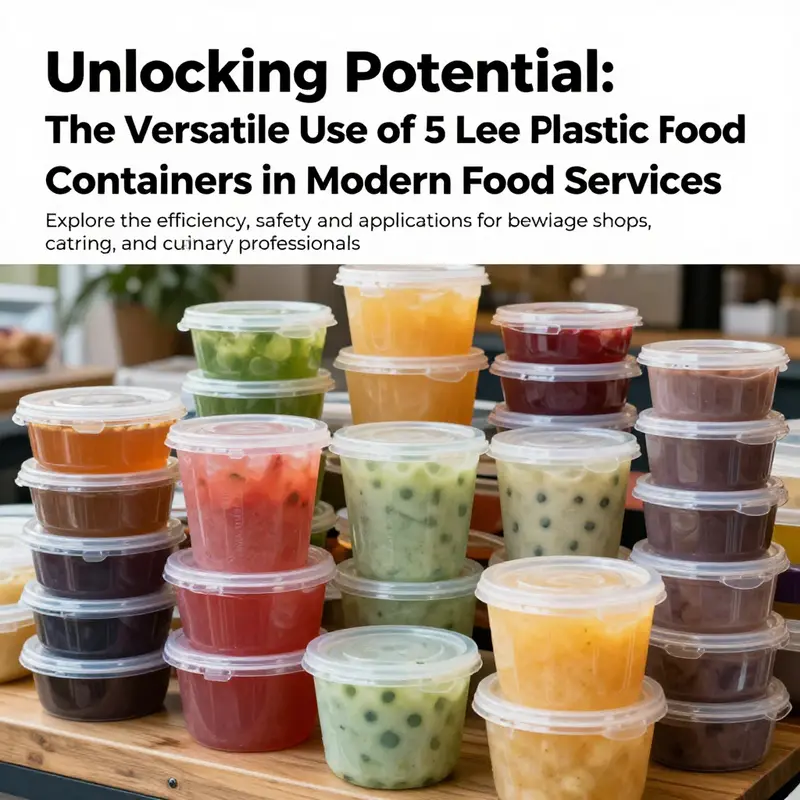
The role of 5-liter plastic food containers goes beyond simple storage; they are vital for maintaining order, efficiency, and atmosphere in any kitchen or beverage service. For bubble tea shops, restaurants, food trucks, catering services, event planners, and corporate procurement teams, understanding how these containers can enhance operational workflows is essential. This article delves into their design and efficiency, material selection, diverse applications, and important safety and sustainability considerations, empowering professionals to make informed choices about food storage and service.
Rethinking Five-Liter Plastic Food Containers: Design, Use, and Efficiency
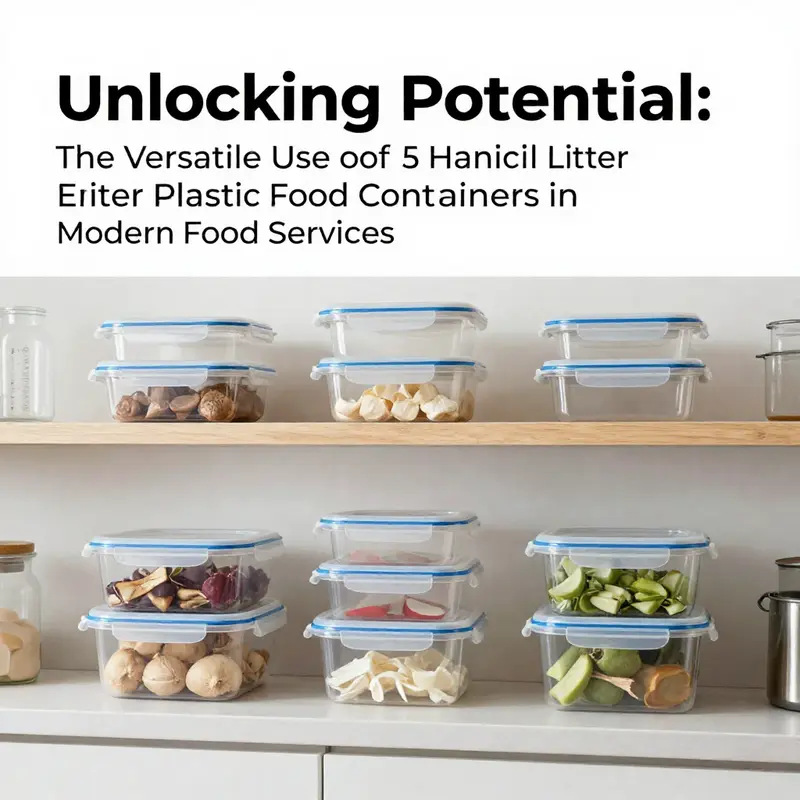
Five-liter plastic food containers sit at a practical crossroads of form and function in kitchens and storage operations. They are not flashy; they are built for daily use. Yet their design matters for handling, hygiene, and throughput. In distribution, catering, and home pantries, the five-liter size represents a deliberate compromise between capacity and manageability. It is large enough for bulk staples, sauces, or prepped ingredients, yet compact enough to lift, stack, and store with relative ease.
Design for bulk use starts with accessibility and space economy. A common feature is a stackable silhouette: a slightly tapered body and a flat base that nest securely with identical units. This reduces footprint on shelves, in cabinets, and on delivery pallets. The geometry is a practical balance of strength, tolerances, and seal integrity, intended to prevent shifting and damage during repeated cycles of stacking and unstacking.
Material choice anchors performance. The typical plastics are HDPE (high-density polyethylene) and PP (polypropylene). HDPE provides robustness and chemical resistance, tolerating moisture, oils, and many cleaners. PP offers higher temperature tolerance and good chemical stability, supporting hot-fill or brief reheats where permitted by product specifications. Both materials are commonly certified as food-grade to ensure safety in contact with edible contents.
Visibility and hygiene often steer design decisions. Transparent or translucent variants—using PET or clear PP—allow users to see contents at a glance, supporting quick stock checks and reducing waste. This is balanced with secure closures: airtight screw-thread lids with gaskets to block air ingress and moisture loss while keeping odors contained. A well-mated seal protects texture, limits microbial growth, and withstands routine sanitizing cycles.
Ergonomics and cleanability matter too. Handles, ribbing for grip, and smooth interior corners improve daily handling and reduce residual buildup. Wide-mouth openings simplify filling, pouring, and cleaning, especially for viscous ingredients or powders. Interiors that are smooth and non-porous are easier to sanitize between uses and to rinse free of residues.
Operational efficiency extends beyond the container itself. Stackability improves pallet density, loading efficiency, and inventory visibility. Uniform shapes enable safer stacking in transit and in storage racks, reducing damage risk and facilitating faster replenishment on food-service lines. These practical benefits help drive consistent product quality by minimizing handling-related variability.
From a sustainability perspective, many five-liter designs emphasize durability and reuse. Repeated sanitation and long service life can lower the environmental footprint relative to disposable options, provided facilities follow appropriate cleaning protocols and end-of-life recycling pathways. The choice between HDPE and PP often reflects trade-offs among impact resistance, temperature tolerance, and recyclability.
Choosing the right container comes down to use-case: select HDPE or PP with an airtight lid and a wide mouth if volume and protection are priorities; opt for transparent variants if visibility drives efficiency. The five-liter format is a versatile tool for storage, prep, and transport in kitchens, bakeries, catering operations, and light manufacturing. Its ongoing evolution depends on advances in polymer science, sealing technology, and sustainable packaging practices.
For readers seeking deeper technical context, industry standards and guidelines provide benchmarks for material grades, processing, and performance. Practical references can illuminate how five-liter containers meet the demands of modern food systems, including considerations for reuse, sanitation, and compatibility with various handling equipment. Additional resources on eco-friendly packaging and waste reduction offer complementary perspectives on integrating these containers into broader sustainability programs.
Choosing the Right Material for 5-Liter Plastic Food Containers: Safety, Strength, and Sightlines
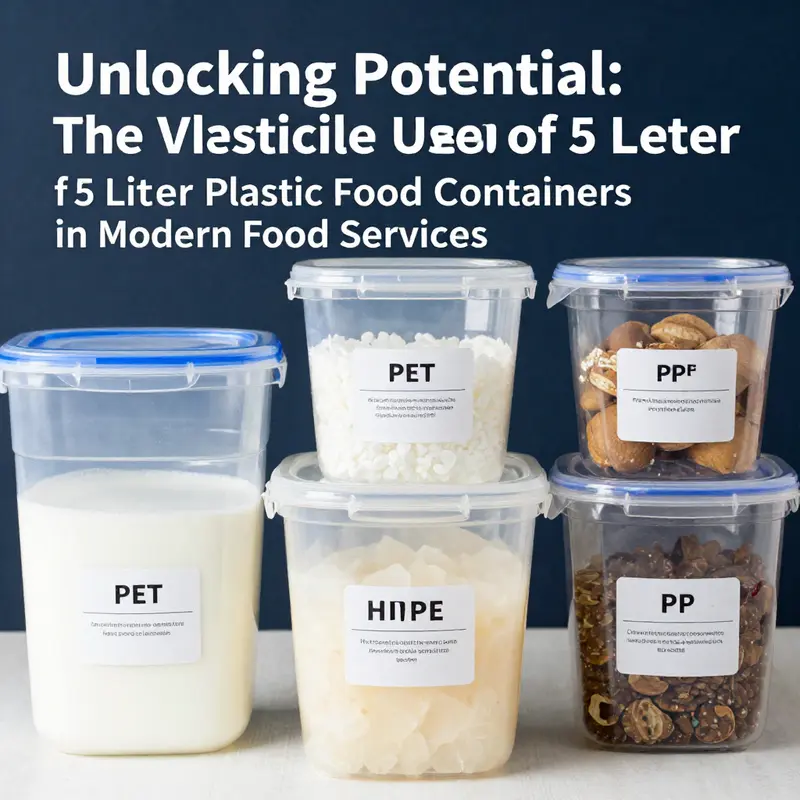
In the world of practical food storage, a 5-liter plastic container is more than just a receptacle. It sits at the intersection of safety, durability, and everyday convenience. The material chosen for these containers does not merely determine how long food stays fresh; it also defines how confidently a kitchen or a catering operation can move, mix, and measure. When you scale a recipe to feed a crowd or organize a pantry for a family, the decision about which plastic polymer to use becomes a quiet but powerful driver of reliability. The core questions revolve around three interwoven strands: food safety, long-term durability, and the suitability of the material for the contents and the workflow. Material choice is rarely a matter of aesthetics alone; it is a practical commitment to consistent performance across temperature fluctuations, chemical exposure from ingredients, and the rigors of repeated use and handling in busy environments.
Among the materials most commonly employed for five-liter containers, High-Density Polyethylene (HDPE) rises to the fore. This polymer earns its position not by a single standout property but by a balanced profile that aligns with the realities of kitchen life. HDPE offers chemical resistance that stands up to many of the everyday substances stored in large containers—oils, syrups, dressings, and a wide range of liquid seasonings—without the rapid degradation that lighter polymers might show under similar conditions. This resistance is not incidental; it is rooted in the molecular structure of HDPE, which gives it a robust barrier against many fluids and a resilience that translates into fewer cracks, chips, and leaks during typical handling, stacking, or transportation through a bustling back-of-house workflow. In commercial kitchens, catering events, and even home settings where a container is filled, moved, and resealed multiple times, this durability becomes a practical assurance that the container will perform when it is needed most.
Safety, unsurprisingly, sits at the core of material selection. HDPE’s prominence in food contact applications is reinforced by regulatory oversight in many regions, including adherence to standards that certify food-grade status. When a container carries the appropriate certifications, operators gain a clear signal that it has been evaluated for direct contact with consumables and that it meets thresholds designed to limit migration of substances into food. In practice, this means less concern about unwanted flavors, odors, or unwanted chemical interactions with common ingredients. The 5-liter scale makes this reassurance particularly valuable: in bulk storage or batch preparation, even small, cumulative leaching can become a practical concern if the material is not well suited to the contents. HDPE’s track record of safety and its compatibility with a wide range of food products—especially oils and liquids—make it a sensible default in many settings.
Another critical facet of HDPE’s appeal lies in its physical robustness. Containers used in kitchens and food processing environments must withstand daily handling, including transport from prep areas to storage zones, stacked shelving, and occasional drops or bumps that occur during busy service. HDPE’s impact resistance and toughness help minimize the risk of cracks or deformation that could compromise seal integrity or contaminate contents. The value of a sturdy container extends beyond safety: it reduces waste from damaged containers, lowers replacement costs, and contributes to a smoother workflow where operators can rely on consistent performance rather than adjusting to fragile packaging.
A closely related factor is the medium- or long-term durability under storage conditions. HDPE’s opaque or semi‑opaque offerings also play a functional role. While a transparent container is advantageous when visibility of its contents is essential, opacity can be a strategic choice for contents that degrade when exposed to light. For certain liquids and oils, blocking light can slow the rate of oxidation or color change, helping to preserve subtle flavors and extend shelf life. The material’s versatility in both opaque and clear forms adds a practical dimension to the decision: a single polymer can support varied storage strategies without requiring a switch in packaging platform.
Yet HDPE is not the sole path for every application. PET (Polyethylene Terephthalate) offers remarkable clarity and rigidity, traits that make it highly attractive for displays where seeing the actual contents matters. In a 5-liter context, PET can illuminate the appearance of dry goods, pre-mixes, or other non-oily contents, aiding quick identification with a glance. However, PET’s superior clarity comes with a trade-off: lower resistance to heat and certain chemical environments compared to HDPE. In scenarios where hot liquids, essential oils, or long-term storage under variable temperatures are common, PET’s vulnerability to certain stress cracking and chemical interactions can become a constraint. The ability to view the contents is valuable, but it must be weighed against potential safety and durability concerns in the specific use case.
Another material in the conversation is polypropylene (PP). PP offers notable heat resistance, and its performance under high temperatures makes it a tempting option for containers that might face hot-fill processes, steam, or microwave exposure, provided such use is permitted by the product’s documented specifications. PP’s chemical stability and consumer safety credentials further support its place in the material mix for 5-liter containers intended for versatile handling in kitchen environments. The caveat is that not all PP formulations are identical; some grades balance clarity with opacity, while others emphasize strength and temperature tolerance. As with HDPE and PET, the exact grade and certification determine how well a PP-based container fits a given task.
The practical takeaway from this material triad—HDPE as the workhorse for durability and chemical resistance, PET for visibility and rigidity, and PP for higher temperature tolerance—is that the choice hinges on the intended contents and the expected workflow. The overarching principle is that “food-grade” labeling and compliance with applicable regulatory standards are non-negotiable regardless of the polymer chosen. A five-liter container designed for oils and sauces will differ in performance and lifecycle considerations from one intended for dry goods or refrigerated storage. The value of a well-matched material shows up in how reliably it maintains seal integrity, how easily it withstands repeated opening and closing, and how its barrier properties support maintaining freshness and safety over time.
In practice, the design of a 5-liter container often reflects a careful blend of material science and user-centered design. Wide-mouth accessibility, a shallow body, and sturdy handles are features that improve ergonomics and cleaning efficiency. When a container is frequently opened and closed, the material’s surface properties start to matter as well: slicker surfaces may reduce residue buildup, while more textured surfaces can improve grip in wet or oily hands. The seals and lids designed to work with a chosen material complete the cycle of reliability. A cap or seal that matches the polymer’s chemical and thermal tolerance ensures a dependable barrier against moisture loss, odors, and external contaminants. The interaction between lid design and material choice can be decisive in preserving the quality of the contents, especially in environments with fluctuating temperatures or long storage times.
The conversation about material selection inevitably touches on sustainability. HDPE’s recyclability, typically identified by the recycling code #2, makes it a mainstream choice for programs aiming to reduce plastic waste and encourage circular use. Recyclability, however, is not a single metric; it depends on local recycling streams, the cleanliness of contents, and the presence of compatible recycling infrastructure. While HDPE is widely accepted in many systems, the end-of-life story for any container hinges on the broader waste management ecosystem. PET, with its excellent clarity and high recyclability in many markets, offers distinct advantages when the use-case prioritizes visibility and consumer appeal, particularly for dry goods or non-oily contents that do not demand the highest chemical resistance. PP’s recyclability varies by region and grade, but its thermal resilience broadens the scenarios in which it can be reused or repurposed, particularly in settings that demand higher-temperature performance.
Cost and supply considerations also shape material selection in the real world. HDPE often offers favorable balance between performance and price, which is why it remains a default in many bulk storage solutions. PET’s higher clarity may justify its use in applications where product presentation matters, such as visible labeling for ingredient differentiation or for consumer-facing storage in markets where visual inspection is a key decision factor. PP can command a premium in some cases due to its temperature resilience and mechanical properties, but for 5-liter containers that are intended for oils or long-term cold storage, HDPE frequently provides the most reliable overall value. The decision is rarely purely about upfront cost; it is also about lifecycle costs, maintenance, and the avoidance of waste from damaged containers or compromised contents.
To guide choices in a holistic way, practitioners should weigh their specific use cases against the material profiles. For example, in a kitchen that routinely handles cooking oils, sauces, and refrigerated ingredients, HDPE’s chemical resistance and durability are compelling. In a scenario where a display-friendly container is needed for non-oily dry goods or where the product’s presentation matters at point-of-sale, PET’s clarity can be a decisive advantage. If high-temperature exposure is a routine part of the process—such as steam sanitation or microwave reheating when permitted by the product’s documentation—PP becomes a strong candidate, provided the grade aligns with food-contact safety standards. Across all these options, the consistent thread is the emphasis on food-grade certification and alignment with local regulatory expectations. A cautious approach—verifying certifications, confirming compatibility with intended temperatures, and ensuring compatibility with the chosen seal and lid system—pays dividends in the long run. The result is a container that does not just hold ingredients; it supports a predictable, safe, and efficient storage and serving workflow.
Because material choice is inseparable from practical performance, it is also worth noting how container design evolves to accommodate different contents without compromising safety. The five-liter scale invites designs that balance capacity with ease of use. Wide-mouth openings permit straightforward scooping and cleaning, while shallow bodies reduce the chance of tipping when the container is set on crowded work surfaces. Some models incorporate built-in stacking features to maximize storage efficiency, a feature that becomes especially valuable in small kitchens or compact storage rooms. The lid system, whether threaded, snap-on, or gasket-sealed, is often tuned to the polymer’s properties to guarantee a reliable seal under a range of temperatures and humidity conditions. In tandem, the material, the seal, the form, and the labeling work together to create a product that supports consistent performance across a broad spectrum of food types and environments.
For those assembling a catalog of 5-liter containers or evaluating replacements, the decision framework remains practical and straightforward: identify the primary contents and their handling requirements, confirm the temperature and storage conditions, assess the need for visibility versus protection from light, and verify regulatory compliance and recyclability. The conversation should also consider the lifecycle of the container—from purchase through daily use to end-of-life management. This lifecycle perspective helps ensure that the choice of HDPE, PET, or PP aligns with environmental goals as well as operational needs. In the end, the best material is the one that harmonizes safety, durability, and usability within a given context, enabling kitchens to function smoothly, homes to store essentials securely, and businesses to move products with confidence.
For readers seeking a practical touchpoint in the broader discourse on material safety and food contact, an external resource provides a foundational overview of how materials like HDPE and PET are evaluated for food contact uses. This resource helps translate regulatory language into actionable considerations for procurement and product specification. External resource: https://www.plasticseurope.org/en/industries/food-contact-materials
Within the landscape of online reference and supplier information, the following internal resource aligns with the theme of material choices in packaged-food packaging contexts. It showcases how sustainable packaging concepts are applied in various forms, including containers with attention to sealing, reusability, and user-friendly design. eco-friendly takeout boxes for food packaging. This link offers a lens into how packaging decisions extend beyond plastics to broader sustainable packaging practices, illustrating the spectrum of options a modern operation might weigh when evaluating five-liter containment in a broader system of storage and service.
Five-Liter Versatility: Redefining Storage, Freshness, and Service in Home and Commercial Kitchens
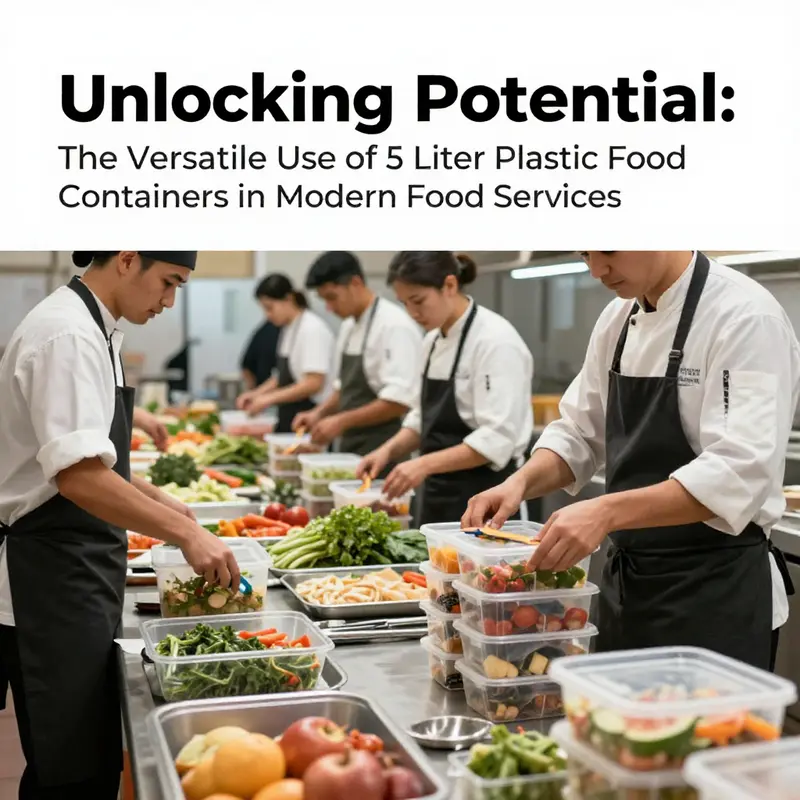
A five-liter plastic container is more than a simple box for bulk storage. It is a quiet workhorse of the kitchen, a first responder in the pantry, and a trusted partner in the back of a busy restaurant. When you size up a five-liter container, you are evaluating a compact ecosystem that can hold rain, shine, and everything in between—grain, oil, sauces, soups, and even prepared foods—and do so with a blend of visibility, resilience, and ease that few other vessels can match. The value of this relatively modest capacity lies not only in the volume but in the design choices that accompany it: the materials that touch food, the integrity of the seal, the comfort of a carry handle, and the way the container stacks with others for efficient storage. In domestic kitchens, the aim is practical organization and food safety; in commercial settings, the goal is speed, hygiene, and predictable performance under frequent use. Both realms benefit from a container that is reliable, economical, and adaptable to a range of tasks. And for the modern kitchen, that five-liter footprint often becomes a bridge between bulk storage and ready-to-serve portions, a middle ground that reduces waste, speeds prep, and keeps ingredients at their best from shelf to table.
The materials that commonly form the backbone of these containers—PET, HDPE, and PP—carry distinct advantages and trade-offs that shape how the five-liter vessel is used. PET offers exceptional visibility; you can see the content with minimal fuss, a feature that speeds selection, reduces the need for unnecessary openings, and supports inventory control in both home pantries and bustling kitchens. This visibility, however, comes with a caveat: PET is not inherently heat-tolerant. It excels in viewing and cold or room-temperature storage but is less ideal for hot contents or high-temperature processes unless the product is specifically engineered for such use. HDPE, by contrast, is a robust choice for liquid or semi-liquid storage. It is tough, chemically resistant, and widely regarded as safe for direct contact with food. Yet HDPE is generally opaque, which means you lose at-a-glance visibility of the contents; in a busy kitchen, that trade-off can matter when staff need to quickly confirm what is inside without opening the container.
A high-performing five-liter container can be engineered with a third material—polypropylene, or PP—for a balanced set of properties. PP is notable for its heat tolerance, often handling temperatures near or above 100°C when the product is designed for it. That makes PP-compatible containers attractive for cold storage, freezing, and even certain reheating steps, provided the manufacturer clarifies temperature limits and microwave compatibility. PP also offers chemical stability and a reassuringly inert feel, which matters when containers are repurposed for different ingredients or when long-term storage is involved. In other words, the PP option often represents a best-of-both-worlds scenario: it can cope with the everyday rigors of a busy kitchen while maintaining food safety and flavor integrity. For home cooks, the chance to warm a sauce or gently reheat leftovers inside a five-liter PP container—if the product specifies microwave use—can simplify meal prep and reduce dishwashing. For food-service operations, PP’s resilience helps withstand the frequent cycle of washing, stacking, and re-stacking that defines back-of-house logistics.
The seal and lid design are equally important. A good five-liter container is not merely a hollow shell; it is a system with a lid that can be airtight, water-tight, and bolt-on secure. A gasket—often silicone or a soft rubber—around the lid can create an effective barrier against moisture, odors, and external contaminants. When such a seal is present, it supports longer shelf life for spices, dried fruit, and even delicate sauces that might otherwise oxidize or degrade when exposed to air. For sauces and dressings, an airtight seal helps maintain flavor profiles, prevents freezer burn, and reduces the risk of cross-contamination when containers are stored near raw ingredients. The lid itself can be designed for easy handling, sometimes featuring a textured edge for grip or a wide mouth that makes grasping a full container straightforward, especially when wearing kitchen gloves or when handling it with wet hands. In a bakery or deli setting, the ability to snap the lid closed securely can also contribute to a cleaner display and a more hygienic environment, where cross-contact with other foods is minimized during quick transfers and restocking.
One hallmark of the five-liter design is its balance between visibility and containment. The transparent variants—often PET or clear PP—let staff and households identify ingredients at a glance without removing the lid. This is not a mere convenience; it is a practical improvement for food safety. When staff can verify contents quickly, they spend less time fumbling with bags and labeling, and they are better positioned to apply proper rotation practices. Transparent containers also support portion control, an important consideration in commercial kitchens where consistency matters for customer satisfaction and cost control. Nevertheless, transparency must be weighed against the performance of the seal and the container’s tolerance to temperature fluctuations. In many cases, the trade-off is well worth it: the clarity of content and the airtight seal together create a tiny, efficient system that preserves freshness while reducing waste and spoilage.
In daily domestic use, such containers excel as a solution for bulk dry goods and liquids alike. A household might fill a five-liter vessel with rice, flour, or beans to reduce packaging clutter and protect against moisture. The same vessel is equally capable of holding cooking oils, sauces, or larger quantities of homemade beverages like juice or syrup. The ability to view what’s inside, combined with a secure seal, helps households monitor supply and detect any spoilage early. The design also accommodates a range of storage environments—from pantry shelves to refrigerators and, when appropriate, freezers. In smaller kitchens, the lid’s secure closure and the container’s stackable shape contribute to efficient use of vertical space, a valuable asset when cabinet real estate is limited. The practical benefits extend beyond storage, reaching into meal prep and organization. Bulk ingredients can be portioned into five-liter containers, labeled with simple, readable tags, and then pulled from the fridge or cabinet as needed. The result is a kitchen that feels calmer and more organized, a place where a household can plan ahead and reduce the frequency of last-minute shopping trips.
For commercial kitchens, the equation grows more complex but follows the same core logic: a five-liter container is a reliable module in a larger system. In catering operations, the vessel can be used to pre-portion ingredients for different menus, making it easier to assemble plates with consistent weights and textures. In bakeries, the containers can store doughs, fillings, or bulk ingredients that are used across multiple productions. The ability to seal the container tightly helps keep items stable through transportation and storage; it also supports hygiene standards by limiting exposure to air and potential contaminants. In all these contexts, durability is essential. The containers must withstand repeated cycles of filling, sealing, washing, and stacking, and they must do so without deforming or losing seal integrity. The more robust the container, the longer it will serve in a fast-paced environment, and the more cost-effective it becomes when viewed across a year of operations. This is why many kitchens, whether domestic or commercial, gravitate toward five-liter options that emphasize a combination of stability, ease of cleaning, and reusability. Reusability matters not only for cost but for environmental stewardship, a factor that increasingly informs procurement decisions and supplier selection in professional kitchens.
In practice, storage strategy matters as much as the container itself. When a kitchen adopts a five-liter system, the organization becomes simpler. Staff can batch-cook and store ingredients in uniform containers, streamlining the workflow from prep to service. The uniformity of container size improves inventory control: it’s easier to count, rotate, and monitor what remains in stock. The containers also reduce the risk of cross-contact, especially when color-coded lids or clear labeling is used to separate spice blends, marinades, or allergy-sensitive ingredients. The result is a kitchen where speed does not come at the expense of safety or quality. The five-liter container, in this sense, functions as a pragmatic standard, whether the setting is a family kitchen aiming for tidy storage or a bustling food-service operation that must maintain consistency across dozens of dishes and dozens of staff.
Selecting the right five-liter container, however, is not about chasing the biggest or the most transparent option alone. It is about balancing contents, anticipated temperature exposure, cleaning routines, and the expected lifecycle of the product. For foods that will experience heat, such as sauces or ready-to-heat meals, PP-based containers with clear temperature guidance are typically preferred. For items that must be seen to confirm freshness, PET might be favored for its transparency, provided the temperature stays cool or moderate. When the need for a robust, opaque container takes priority—perhaps for storing oils or concentrates in a warehouse setting—HDPE can offer durability and chemical resistance while maintaining resilience under repeated handling and washing. It is essential to check product specifications, including whether a container is explicitly labeled as food-grade, whether it can tolerate the intended temperatures, and whether there is guidance on microwave or dishwasher compatibility. In many regions, these safety assurances are not merely preferences but regulatory requirements that influence supplier choice and the long-term viability of a storage system.
Beyond the material and seal, the five-liter container often serves as a hub in a broader packaging strategy. In high-volume settings, larger containers are often used alongside smaller ones to create a tiered system that supports clear labeling and fast retrieval. When assembled thoughtfully, this approach minimizes waste, reduces the risk of spoilage, and improves overall operational efficiency. It is not unusual to see five-liter containers used in tandem with smaller, clearer units that hold spices or dry ingredients, enabling cooks and staff to access a complete set of ingredients at a glance. The design compatibility with other containers—whether in shape, lid type, or stacking dimensions—becomes a quiet, practical factor that helps a kitchen scale operations from prep through plating.
To illustrate how the five-liter container sits within a spectrum of packaging choices, consider a practical scenario in which a kitchen needs to stock multiple bulk ingredients: flour, sugar, dried beans, oil, and a batch of tomato sauce. Each item benefits from a storage solution that protects against contamination and moisture while allowing quick access. A transparent PP-based five-liter container can house flour and sugar, offering visibility and a seal that keeps these dry goods free from pests and humidity. A PP or HDPE option with a robust gasket could hold tomato sauce or colored sauces, where the airtight seal helps preserve flavor and reduces oxidation. An opaque HDPE container might be used for oils or liquids that pair well with a strong, leak-resistant lid. In a bakery, five-liter containers are well-suited for storing pre-measured doughs and fillings, where consistent portioning supports throughput during busy service periods. In a catering operation, these containers enable batch preparation for multiple menus, allowing staff to grab the necessary components with less risk of cross-contact and more control over inventory.
As with any storage solution, maintenance matters. The best five-liter containers are designed with cleaning in mind. Durable plastic withstands repeated washing and, in many cases, is dishwasher-safe. Still, it is wise to follow manufacturer guidance about heat exposure and washing cycles. Avoiding harsh cleaning agents is prudent, as some chemicals can degrade seals or cloud transparent surfaces over time. When used for liquids, it is important to ensure lids remain sealed after washing to prevent moisture from entering again. For kitchens and households seeking longevity, rotating containers and keeping lids clean helps sustain performance and extend useful life. In this light, five-liter containers emerge as a practical investment that pays dividends through reduced waste, improved organization, and better control over food safety.
The value proposition of five-liter plastic food containers also embraces sustainability in a practical sense. Reusability translates into fewer single-use packaging items, and the ability to wash and reuse containers aligns with a circular approach to food storage when done responsibly. Recyclability is another consideration. While not all plastics recycle through every local program, many of the common five-liter materials—depending on the exact formulation—are recyclable where facilities exist. This makes careful disposal and recycling planning another layer of the decision matrix when choosing between PP, HDPE, or PET variants. In other words, the five-liter container is not merely an incremental storage tool; it can fit into a broader, more sustainable food system when used with care and paired with appropriate recycling streams.
In practical procurement terms, it is helpful to consider a few core questions when selecting five-liter containers. Is the container marketed as food-grade, and is the seal proven to be airtight for the intended contents? What are the temperature limits, including any microwave or dishwasher guidance? Does the design support stacking and efficient shelving so that storage space is maximized? Are there features like ergonomic handles that simplify handling, especially when the container is full or when transferring from fridge to prep area? Finally, does the container offer visibility if this matters for the specific use case, or is opacity preferred for storage stability and light protection? Answering these questions helps align the container choice with the operational realities of the kitchen or home pantry, ensuring that the five-liter unit delivers consistent performance over time.
In closing, the five-liter plastic food container is a tool whose value grows with thoughtful application. Its success rests on a synergy among material choice, seal quality, ergonomic design, and disciplined storage practices. It supports a kitchen’s rhythm by enabling bulk storage that stays fresh, protects flavors, and facilitates efficient workflows. Whether used by a family planning meals for the week, a bakery organizing fillings for multiple pastries, or a restaurant preparing a large batch of sauces and dry goods, the five-liter container becomes a steady partner in craft and routine. To those who organize food for others, this modest vessel embodies a straightforward principle: when you combine visibility, durability, and a reliable seal in the right size, you unlock a dependable, scalable approach to storage and service. For kitchens that value simplicity without sacrificing safety and efficiency, the five-liter container remains a compelling and versatile option. As with any packaging choice, it should be selected with attention to materials, seals, and intended use, and evaluated against the broader goals of waste reduction, cost control, and operational reliability.
Internal reference for a packaging alternative: disposable-kraft-paper-bowls-food-containers-with-lids-bulk-500ml-to-1000ml-rectangular-bowls-for-takeaway. This comparative option highlights how packaging choices can vary by material, form, and use case, offering a broader perspective on how different containers fit into a storage strategy without compromising safety or efficiency. For those seeking a deeper dive into product specifications and wholesale options, external resources provide technical detail and procurement context. External reference: https://www.alibaba.com/product-detail/High-Quality-food-grade-plastic-5-liter-container_1600783492573.html
Safety, Reuse, and a Greener Footprint: Rethinking 5-Liter Plastic Food Containers
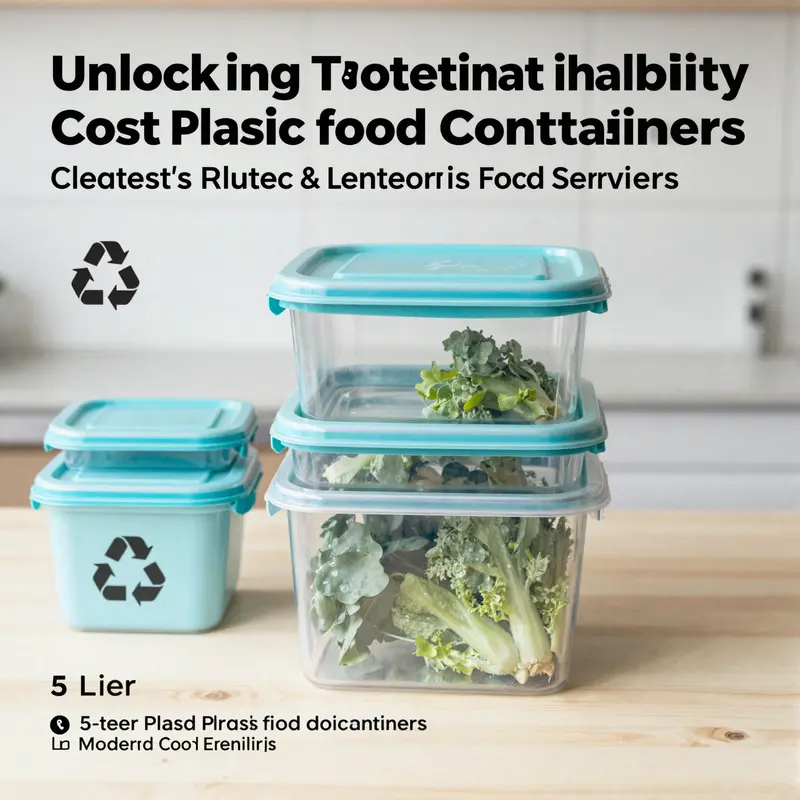
The 5 liter plastic food container sits at a practical intersection of form and function. In kitchens of all scales, from home pantries to bustling food service lines, this size strikes a balance between capacity and manageability. The wide mouth and shallow body are designed for quick access and thorough cleaning, while the clear or semi clear walls let cooks scan contents at a glance. The human benefits are tangible: fewer trips to the pantry, faster portioning, and more confident inventory management. Yet behind this convenience lies a complex interplay of safety and sustainability that deserves careful attention. Understanding how these containers perform over time, and what they mean for the environment, helps ensure that a tool meant to protect freshness and reduce waste does not become a hidden risk or a burden on the planet.
At the heart of safety in 5 liter containers are the materials themselves. The most common workhorses for food contact are high density polyethylene, HDPE, and polypropylene, PP. Both are widely regarded as safe for repeated use and for holding a range of foods under typical temperatures. HDPE is durable, resistant to many chemicals, and typically tough against impact. PP, meanwhile, gains a place of distinction for its higher heat tolerance and chemical stability. It can withstand higher temperatures than many other plastics and, when labeled as food grade, is designed to minimize the leaching of substances into food. This combination of properties makes HDPE and PP reliable choices for large volume storage, particularly in contexts where containers must stand up to daily washing and frequent handling.
Despite these advantages, safety is not a fixed state. Repeated washing, especially with hot water or aggressive detergents, gradually wears down the plastic surface. Scratches and micro-abrasions create new pathways for substances to migrate, particularly when fats and oils are stored for extended periods or when containers are exposed to heat. It is here that a nuanced caution emerges: even materials that are generally safe can lose their protective edge through lengthier exposure, surface damage, or improper use. The risk is not an abrupt failure but a slow trend toward increased potential for chemical migration. In the context of 5 liter containers, this means vigilance over wear and the conditions of storage becomes part of routine use.
One recurring concern in consumer guidance is the migration of additives used to enhance performance, including certain plasticizers and antioxidants. In recent years, attention has also focused on substances like bisphenols and related alternatives. Even when a product is labeled BPA free, there can be other bisphenol family compounds or substitute chemicals that behave in similar ways under particular conditions. The practical implication is not alarm but prudent use. Do not heat plastic containers unless the label explicitly states microwave safety. Avoid storing or heating highly acidic or fatty foods in containers that show signs of wear. If the surface has clouded, scratched, or discolored, or if odors persist after washing, it is reasonable to retire the container from food use. This is not a condemnation of the material but a recognition that the protective barriers have been compromised and may no longer be reliable.
The size of a 5 liter container amplifies some safety considerations in ways that smaller vessels do not. The larger surface area increases the potential for residue and odors to linger, which can become especially problematic if the seal around the lid does not maintain a tight fit. A compromised seal raises the likelihood of air exchange, odor diffusion, and microbial exposure. Warping or deformation of the lid, misalignment of threads, or persistent odors are not cosmetic issues; they can be indicators that the container is no longer delivering the intended barrier against contamination and moisture loss. In kitchens that routinely reuse containers, routine inspection becomes a safety practice, not a chore. A quick check for cracks, warps, and seal integrity before each use is a small habit with meaningful payoff for food safety and for user confidence.
Sustainability enters the conversation at two points: what happens to the containers after their usable life, and what choices in the moment reduce downstream impact. HDPE and PP plastics are widely recyclable where infrastructure exists, but recycling rates depend on local facilities and the degree of contamination. A container used for fatty or acidic ingredients, or one that has seen repeated aggressive cleaning, can become less attractive to recyclers because of residue and degraded material quality. In practice, successful recycling hinges on careful rinsing, avoiding cross contamination, and using containers that are clean and free from visible damage at the time of disposal. The path from container to recycled resin is not guaranteed; it depends on collection systems, sorting technologies, and downstream markets. This reality makes a strong case for a circular mindset: reuse whenever safe, retire worn pieces, and seek recycling options that actually process the material.
Beyond recycling, the very choice of material and design shapes environmental outcomes. PP is favored for its durability and heat tolerance, which supports multiple reuse cycles. Yet the environmental ledger also tracks the energy and materials used to manufacture and transport these large vessels. In contrast, glass and stainless steel can offer long term durability and chemical inertness with different waste profiles. Glass does not leach chemically and can be endlessly recycled, but it adds weight, fragility, and sometimes higher energy costs in distribution. Stainless steel combines toughness with cleanability, yet it too carries weight and a higher upfront energy footprint in production. The tradeoffs are real: the most sustainable option is often the one that aligns with a user’s routine and the local waste and recycling ecosystem. The goal, then, is to maximize safe reuse and minimize waste, while choosing storage solutions that fit the real life of a kitchen rather than a theoretical ideal.
To support safer and more sustainable use of 5 liter containers, several practical guidelines emerge. First, select containers that clearly bear a food grade designation and where the material is specified as HDPE or PP. Look for evidence of a proper seal on the lid, with threads that screw smoothly and do not bind. Check for a uniform wall finish without deep scratches or clouding. When in doubt, replace containers that show signs of wear, not just for safety but for the reliability of performance in storage. Second, avoid heating in containers unless the manufacturer confirms microwave or oven safety. When heating is needed, transfer contents to an appropriate vessel designed for heat to prevent chemical migration and deformation. Third, maintain a habit of clean storage. Rinse promptly after use, use mild detergents, and air dry completely. The absence of lingering odors is a practical cue that a container has been kept in good condition and is less likely to harbor residues or microbes. Fourth, consider the long arc of use. Reuse has clear advantages for waste reduction, but after several cycles, or if the container has sustained damage, move away from food use and repurpose or recycle appropriately. Finally, for those who want a longer term, non plastic storage strategy, glass or stainless steel options can offer meaningful advantages in durability and inertness, albeit with different handling characteristics and costs.
From a design perspective, the 5 liter container often features a wide mouth and a shallow profile, with optional sturdy handles and, crucially, reliable sealing lids. The wide mouth makes access and cleaning straightforward, which lowers the barrier to maintaining hygiene during repeated use. Lids that thread on securely create a robust barrier against moisture loss and external odors, reducing the chance of contamination during storage or transport. Some lines also introduce subtle design features to minimize creasing around the lid gasket and to improve stacking stability. In a kitchen that juggles bulk ingredients, the ability to safely stack multiple containers without compromising seal integrity becomes a meaningful space saver. Over time, as kitchens optimize workflows, these design choices translate into tangible gains in efficiency and accuracy in portioning, which in turn reduces waste.
A final layer of consideration connects the safety and sustainability conversation to the broader realities of consumer choices and standards. The safety framework for large plastic containers rests on a combination of material science, handling practices, and informed use. The sustainability narrative, in turn, depends on how storage tools fit into a system of responsible production, responsible use, and responsible end of life. In this light, the 5 liter container is not simply a container; it is a node in a larger chain that includes procurement, cleaning, reuse, disposal, and, ideally, recycling. The most resilient practice blends practical in-house workflows with a growing recognition that the easiest option today should not automatically become a problem tomorrow. That is why individuals and institutions alike benefit from keeping an eye on how a container travels from purchase to post use, and from there to a new life, whether as a recycled input or as a non food use if wear warrants retiring it from food contact.
For readers seeking a concrete example of how packaging choices inform practice, consider the wider landscape of take-away packaging boxes and other large scale storage solutions. These contexts illuminate how design choices that optimize for visibility, ease of transport, and stacking safety also intersect with safety standards and end of life considerations. If you want to explore practical packaging options used in take-away contexts, you can find related discussions at Take-away food packaging boxes, which illustrates how container design matters across food service workflows. This perspective helps bridge the gap between the home kitchen and the commercial food environment, underscoring that good storage choices can be both safe and sustainable across settings.
In sum, the 5 liter plastic food container delivers meaningful benefits in terms of capacity, usability, and visibility. Its safety hinges on material choice, seal quality, and appropriate use under heat and storage conditions. Its sustainability hinges on how long it lasts, how well it is cleaned and reused, and how effectively it enters recycling streams when it finally leaves active service. When these elements come together, the result is a storage solution that supports freshness and efficiency while aligning with a thoughtful approach to planetary health. As the chapter on broader material choices and lifecycle thinking unfolds, this lens helps readers weigh practical storage needs against safety assurances and environmental responsibilities.
External reference for further reading on safety and performance of plastic food containers: https://www.consumerreports.org/plastic-food-containers/
Final thoughts
In the food industry, the importance of 5-liter plastic food containers cannot be understated. They blend functionality with safety while catering to a variety of commercial and domestic needs. From their practical design to the diverse materials used, these containers serve as a backbone for efficient storage and handling, essential for bubble tea shops, food trucks, and catering services. As businesses strive for sustainability, integrating safe and eco-friendly practices with these containers becomes equally important. Investing in the right type of storage solution ensures operations run smoothly, and food safety is maintained effectively.