
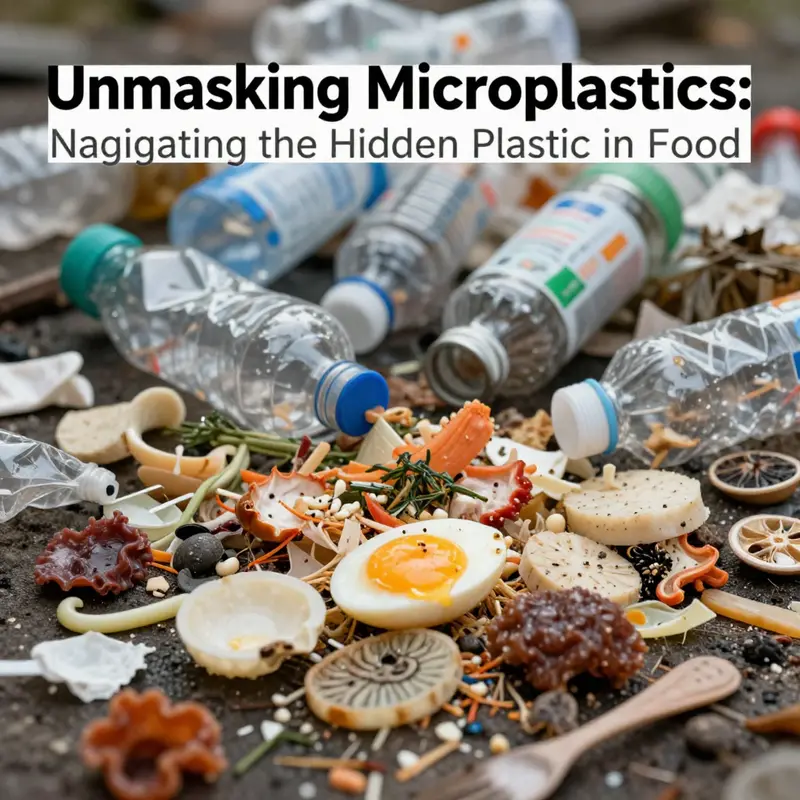
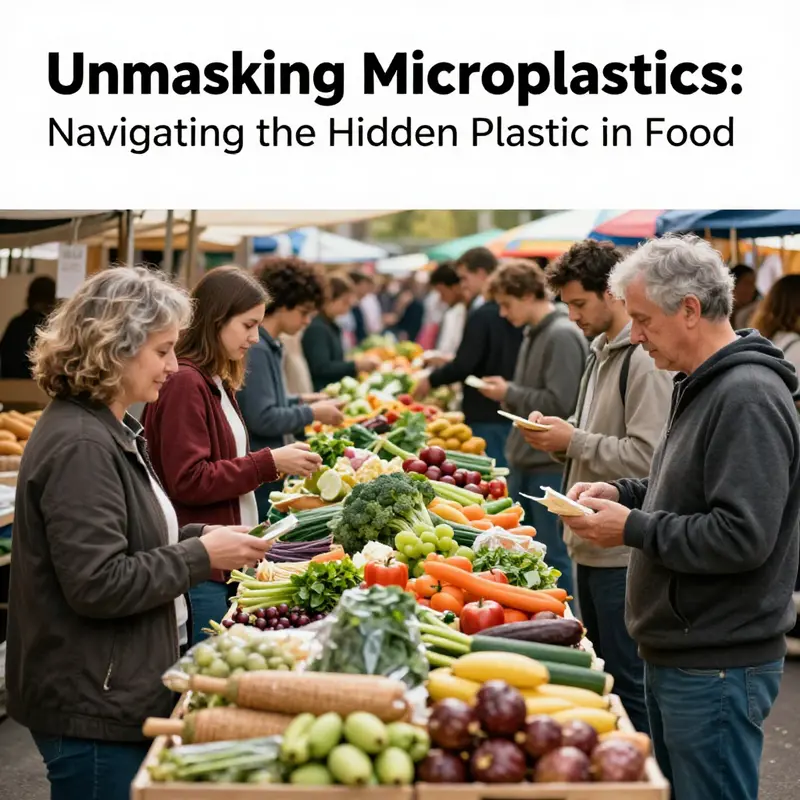
Microplastics have crept into our food supply, causing growing concern among consumers, businesses, and regulatory agencies alike. The UK is grappling with the implications of microplastics in our diets, raising questions about safety, regulatory approaches, and the responsibility of food service providers. For Bubble Tea Shops, Restaurants, Food Trucks, and Event Planners, understanding the sources and risks of microplastics is essential for protecting your customers and community. This article delves into how microplastics infiltrate our food, the current regulatory landscape, potential health implications, and the crucial role of consumer awareness and action. Equip yourself with the knowledge to mitigate the effects of plastic in your food service operations.
Plastic at the Table: Tracing Microplastics Through UK Foods and Packaging Pathways
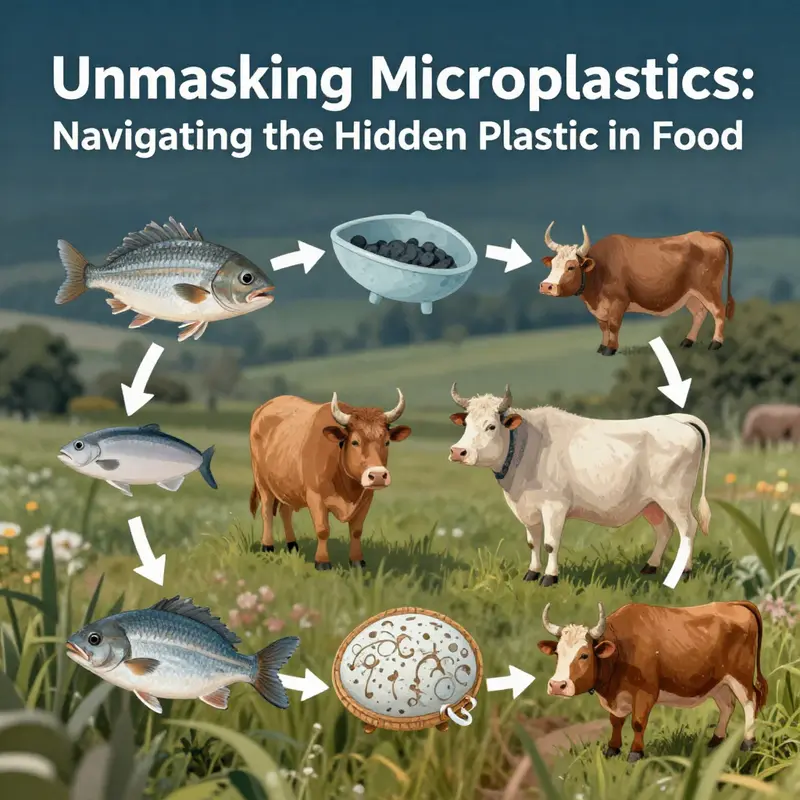
In the United Kingdom, the table holds more than the expected nutritional sum when microplastics drift into everyday meals. The problem is not a deliberate ingredient but a shadowy intrusion from a web of packaging, farming practices, and consumer habits. The latest findings from 2025, including a rigorous study led by researchers at the University of Newcastle, illuminate a troubling reality: microplastics have penetrated a range of commonly consumed foods, and packaging materials are a principal source. Polyethylene terephthalate (PET), polypropylene (PP), and polystyrene (PS) fragments have been detected in foods that people routinely buy and prepare. These particles do not appear in the diet because they were added as a component of a food product; instead they shed or leach from packaging during storage, transport, warming, and even everyday handling. The implications extend beyond a single contaminated product. They reveal a systemic exposure that touches seafood, drinking water, honey, and various processed foods. What this means for a nation’s eating patterns is not a single checkbox in a risk assessment but a chain of interactions that connect farming practices, processing, retail environments, and domestic kitchens.
The Newcastle study marks a turning point because it provides concrete evidence that the packaging itself is a measurable conduit for microplastics into the food chain. When packaging degrades, or when heat, acidity, or mechanical stress accelerates shedding, plastic particles can move from the wrapper, bottle, or tray into the food. In the UK context, where a substantial share of food is sold in or transported in plastic packaging, this pathway is particularly salient. A simple truth emerges: the more plastic touches the journey from farm to fork, the greater the potential for microplastics to accompany the food to the dinner table. The particles vary in size and composition, but their ubiquity across diverse food types underscores a need for both risk communication and preventive action at multiple points along the supply chain.
From the farm to the home, the routes of plastic intrusion follow several parallel tracks. Direct contact with plastic packaging is the most obvious route. Beverages stored in plastic bottles, ready meals packaged in plastic trays, and snacks wrapped in plastic are especially vulnerable. Temperature and time intensify the exchange. When flasks and containers are heated, or foods sit inertly during storage for extended periods, the migration of microplastics accelerates. Canned goods and milk cartons that use plastic linings or coated materials also contribute to contamination, as they come into contact with the contents throughout shelf life and use. The skyline of modern food packaging—thin films, multilayer laminates, and composite structures—offers multiple interfaces where microplastics can be released into food.
Another significant dimension is how microplastics enter the food chain beyond direct packaging contact. Agricultural practices themselves can become conduits for contamination. Plastic films used in farming for crop protection, irrigation, or mulch can fragment into microplastics that settle into soil, drift into water courses, and enter crops. Once present in soil, plastics can be taken up by plant roots or become part of the soil’s dust and microclimate, later appearing on edible parts or in animals that feed on contaminated vegetation. The cycle does not stop at the farm. When animal manure is used as fertilizer, microplastics can re-enter fields, water systems, and crops, reintroducing plastics into the food chain and returning some particles to livestock and even dairy products. It is a compelling reminder that the problem is not simply a packaging issue but a broader environmental one tied to how we manage waste, land, and agricultural inputs.
The preparation phase further compounds exposure. Domestic cooking and handling—using plastic utensils, microwaving in plastic containers, or reheating leftovers in conventional plastic packaging—can release microplastics directly into meals. Even foods that appear non-packaged may carry detectable levels because of aerosolized particles in kitchens, or because they were grown in soil or watered with water containing microplastics. The Newcastle findings emphasize how widespread the phenomenon is, challenging assumptions that only highly processed or heavily packaged foods are at risk.
As troubling as these pathways are, the regulatory landscape in the UK has yet to introduce a prohibition on microplastics in foods. There is no blanket ban, and there is no comprehensive cap on microplastic levels in the food supply. What exists, and what is growing, is a heightened attentiveness by regulators and public health entities. The Food Standards Agency (FSA) has signaled the importance of expanding research into microplastics in food and water, framing the issue as an evolving field requiring better surveillance and more robust data on exposure and health effects. This is not a declaration of safety or danger on its own, but a recognition that knowledge gaps remain and that policy must be informed by ongoing science.
What do these shifts mean for consumers navigating daily meals? The evidence points toward pragmatic steps, albeit steps that acknowledge uncertainty and aim to minimize exposure where feasible. Reducing reliance on heavily packaged foods is a straightforward approach. When feasible, choosing organic options might offer indirect benefits, not because organic foods are inherently free of microplastics, but because production systems that emphasize soil health and reduced reliance on plastics may help interrupt some contamination pathways. Equally practical is the move away from single-use plastics in storage and reheating. Transferring leftovers to glass, ceramic, or stainless steel containers before heating can limit direct contact with plastic during a high-heat process. Packaging design innovations, while promising, are not yet a guaranteed shield; changing consumer behavior remains a critical lever for reducing contamination in the near term.
Beyond personal choices, there is a broader imperative to rethink packaging systems and supply chains. The growing attention to sustainable packaging reflects a recognition that the problem originates not only at the consumer’s kitchen table but in the way products are packaged, transported, and marketed. Packaging materials, from thin films to multilayer laminates, are engineered for performance, shelf life, and protection, but their very design sometimes creates a surplus of particles that, under certain conditions, can detach and migrate into foods. The development of alternatives—materials that shed fewer particles, or packaging that limits heat exposure and mechanical abrasion—could materially affect the scale of contamination. Yet such innovations must be balanced against safety, cost, and functionality, and they require coordinated efforts across manufacturers, regulators, and researchers.
In discussing pathways, it is essential to consider the downstream implications. If microplastics are present in foods, what does that mean for cumulative exposure in an average person? The current literature does not yet provide a definitive, health-based threshold for daily intake, partly because microplastics vary in size, polymer type, and associated chemical additives. Still, the presence of MPs in seafood, honey, drinking water, and various processed foods indicates a pervasive exposure route that deserves continued monitoring. The FSA and other public health bodies stress that the aim is to quantify exposure levels, identify high-risk foods, and illuminate the sources of contamination. This is not merely an academic exercise. For families, it translates into more informed choices, better storage practices, and a clearer awareness that the kitchen is a frontline in a broader environmental challenge.
The evidence increasingly points to a shared responsibility among policymakers, industry, and consumers. On the policy side, more extensive research into microplastics in foods, standardized measurement methods, and transparent reporting will help create a clearer picture of risk and progress. Industry stakeholders face the dual challenge of meeting consumer demand for convenience and sustainability while mitigating contamination pathways inherent in packaging and processing. Consumers, for their part, can adopt habits that reduce the likelihood of exposure as part of a broader commitment to environmental stewardship. Small, consistent actions—renovating kitchen storage practices, favoring less plastic-intense packaging, and supporting products that prioritize recyclable or compostable materials—collectively contribute to a cultural shift that can influence the market and spur innovation.
The story of microplastics in UK foods is not a sensational tale of impending doom, but a sober examination of how a modern food system operates in a plastic-saturated world. It invites careful, measured action rather than panic. It invites a collaboration among researchers, regulators, industry players, and everyday households. The Newcastle findings provide a compelling starting point for this conversation, offering concrete examples of how packaging and agricultural practices intersect with the foods we eat. They also highlight the importance of ongoing transparency about what is known, what remains uncertain, and what steps can be taken now to limit exposure while the science continues to evolve. In this sense, the visible kitchen becomes a microcosm of a larger environmental challenge: a society seeking to balance convenience, safety, and sustainability in the face of plastic pollution that travels from field to fork.
As researchers and policymakers refine measurement techniques and establish exposure profiles, the public health conversation will likely pivot toward more precise guidance on high-risk foods, storage conditions, and dietary patterns that minimize unnecessary contact with plastics. The ultimate objective is not to eliminate plastic from daily life overnight, which would be impractical and detrimental to many aspects of modern life. Rather, it is to reduce the unnecessary shedding of particles, strengthen the resilience of food systems, and empower consumers with actionable choices. In this journey, the role of packaging design, agricultural practices, and domestic habits becomes interwoven with regulatory science, creating a continuum from raw materials to tableware that can be optimized for safety and sustainability.
For readers seeking a deeper dive into the scientific studies behind these conclusions, the broader literature provides a robust picture of where microplastics in food originate and how researchers are approaching risk assessment. The 2025 article on microplastics in commercial UK food products, accessible through the external source, offers a detailed account of measured particles and specific polymer types found in different foods. This work underscores the practical reality that plastics do not merely accompany food in a passive sense; they actively participate in the journey from packaging to plate, influenced by the conditions of storage, preparation, and consumption. It is a reminder that the choices made in the kitchen and the policies crafted in laboratories and laboratories’ halls are connected through the common thread of material leakage and environmental stewardship. To explore the broader context of these findings, the external reference provides a comprehensive entry point for readers who want to examine the methodologies, limitations, and implications of the study described above.
In sum, the emergence of microplastics in UK foods is a complex, multi-layered issue anchored in the everyday realities of packaging, farming, and cooking. It calls for a balanced response that does not rely on fear but on informed action, innovation, and transparent governance. Consumers can reduce exposure through mindful storage and reduced reliance on single-use plastics, while industry and regulators can pursue safer packaging solutions and more rigorous monitoring. The chapter on sources and pathways thus serves as a bridge—linking what is known about plastic particles in food to what can be done to safeguard the public health while supporting sustainable, practical progress across the food system. As the conversation evolves, it will be essential to maintain an open dialogue about new data, evolving risk assessments, and the shared responsibility to minimize plastic intrusion from packaging to plate.
Internal link: For a look at practical, sustainable packaging options used in fast-food takeout settings, see the discussion of eco-friendly disposable packaging boxes for fast-food takeout.
External resource: The study detailing microplastics in commercial UK food products, including the direct linkage to packaging materials, is available here: https://www.nature.com/articles/s41598-025-87345-w
Between Packaging and Plate: Navigating the UK’s Evolving Regulatory Frontier on Plastics in Food
In the United Kingdom, the question of whether the foods we eat contain plastic has moved from a fringe concern to a central element of public health and environmental policy. This shift is not about a new ingredient on grocery shelves but about microplastics and nanoplastics—tiny fragments that flow through the environment and quietly accumulate in the food chain. They are not added to foods on purpose; rather, they hitch rides from a world saturated with plastic packaging, industrial discharges, and degraded consumer products. The latest research landscape, dated across 2024 and 2025, shows that a substantial portion of human exposure to microplastics is mediated by what ends up on or in our food. The commercial meat production system, due to its tightly interconnected supply chains, can concentrate these particles within the food chain. Animals may ingest microplastics through contaminated feed or water, and those plastics can accumulate in tissues and organs. When manure is applied to farmland, plastic fragments can re-enter the soil, creating a cycle that is hard to break about as quickly as society aims to reduce plastic use. The narrative thus unfolds across the farm, the factory, and the dinner table, binding together food safety, environmental integrity, and consumer trust in a single regulatory thread.
The regulatory response in the UK has followed this complex path. There is no current, blanket prohibition on microplastics in foods, but oversight bodies are increasingly alert to the issue. The Food Standards Agency (FSA) and related authorities have begun to fund and support more systematic research into the levels and sources of microplastics in the food supply. This is not simply an academic exercise; it is a practical matter that touches labeling, risk communication, and the design of safer food systems. Studies have already detected microplastics in seafood, drinking water, honey, and a range of processed foods, underscoring that the problem is not isolated to one category of goods. Importantly, the UK’s regulatory culture is anchored in precaution, transparency, and continual revision as new data become available. The aim is not to sensationalize risk but to calibrate responses so that public health protection remains robust even as the science sharpens.
Beyond microplastics, the regulatory conversation now increasingly centers on the use of hazardous chemicals in packaging, notably per- and polyfluoroalkyl substances (PFAS), often dubbed forever chemicals for their persistence. A notable recent development is the restriction on PFAS in food-contact packaging, which is set to take effect in January 2025. Regulators have pursued this restriction to prevent migration of PFAS into foods, thereby reducing consumer exposure to substances that have sparked health concerns in various contexts. This action signals a broader, more proactive posture: the packaging that comes into contact with food is not a neutral barrier but a potential source of risk that must be managed through policy, industry practice, and consumer information. The framing is not simply about banning a substance; it is about rethinking packaging choices, life-cycle impacts, and the trade-offs between convenience, safety, and environmental responsibility.
At the same time, new evidence about microplastics in everyday diets has emerged. A study published in October 2025 provided experimental proof of microplastic contamination across commonly consumed items, highlighting that packaging materials are a major, and perhaps dominant, source of this pollution. This finding has energized regulators and stakeholders to push for more comprehensive monitoring, better manufacturing controls, and more explicit labels about plastic-derived risks. The immediate implication is clear: even foods that do not contain plastics by design can become contaminated through the packaging systems that deliver them to consumers. The regulatory challenge is therefore twofold—addressing direct exposure from packaging and reducing secondary exposure arising from environmental pathways that feed plastic particles back into soils, water, and agricultural ecosystems.
The public health dimension of this issue cannot be separated from the environmental narrative. Microplastics traverse boundaries—from rivers and seas into fish and shellfish, and from fields into edible crops—posing questions about cumulative exposure, vulnerable populations, and long-term effects that science has yet to fully map. The UK regulatory approach is, in part, a learning curve: regulators seek to tighten rules where evidence of harm or practically demonstrable exposure exists, while also encouraging innovation in safer materials and packaging technologies. This is not about eliminating all plastics overnight but about decoupling food safety risks from packaging design choices and waste-management habits so that the food system becomes less of a reservoir for plastics.
In response, industry players are increasingly exploring safer packaging options and alternative materials. The PFAS restriction in packaging represents a pivot point: it is both a regulatory constraint and a catalyst for reformulation. Companies are experimenting with paper-based and compostable packaging, with varying degrees of success in terms of barrier properties, shelf life, and consumer appeal. The shift invites a broader conversation about end-of-life options—recycling streams, compostability, and the potential for material innovation to reduce reliance on plastics that migrate into foods. For consumers, the changes can appear subtle—labels may emphasize “lower plastic content,” or packaging may look different on shelf shelves—but the underlying aims are concrete: to minimize cross-contamination, lower exposure to hazardous substances, and create a food system that is auditable and accountable.
An essential part of this evolving landscape is the practical guidance that helps people reduce their exposure while the system adapts. The public health message emphasizes a portfolio of actions. Reducing the intake of heavily packaged foods can limit direct exposure to packaging-derived contaminants. Where possible, using glass or stainless steel containers for storage, reheating, and transport can reduce ongoing contact with plastics. For those who want to vote with their purchasing choices, selecting products that employ more sustainable packaging—without compromising food safety or quality—can contribute to a broader industry shift. The consumer voice matters in this regulatory moment: demand for transparency, safer packaging, and clear information about processing and sourcing can accelerate change from both policy and market sides.
The policy discourse is also advancing beyond immediate packaging concerns to the broader fabric of the food system. A more comprehensive monitoring framework is anticipated, one that not only tracks levels of microplastics in foods but also maps the sources along the supply chain. This entails better data on contamination in raw materials, better traceability in processing, and more rigorous checks at points where food and packaging interact. The UK authorities recognize that microplastics and PFAS are transboundary concerns that require collaboration with research institutions, industry associations, and international partners. The goal is not to stonewall debate with delays but to close knowledge gaps in a way that informs risk management and supports evidence-based decisions for producers, regulators, and consumers alike.
From a regulatory vantage point, the future directions outlined by policy observers point toward a more enhanced and nuanced framework. First, there will likely be tighter restrictions around the materials used in food-contact packaging, with an emphasis on safer alternatives and life-cycle assessments that account for disposal and environmental fate. Second, there will be a heightened emphasis on comprehensive monitoring systems that can detect microplastic contamination across diverse food categories and geographic regions. Such systems would enable regulators to set actionable thresholds and to verify industry compliance in a transparent manner. Third, consumer awareness and industry compliance will need to advance in tandem. Clear labeling about packaging materials, migration potential, and steps taken to minimize risk will empower shoppers to make informed choices and encourage producers to prioritize safety in design. Fourth, policy guidance and regulatory outlooks will continue to evolve as new evidence emerges. Stakeholders are encouraged to consult authoritative futures and sector analyses that map regulatory trajectories, best-practice standards, and enforcement priorities. In this context, the chapter’s topic—regulatory landscape and future directions—becomes a lens through which to view the entire food system’s resilience to plastic pollution.
No single solution will fully resolve the issue, but a combination of precaution, innovation, and collaboration offers a plausible path forward. The regulatory framework will continue to adapt as better data surface, but the underlying ethos is clear: protecting public health requires reducing exposure to plastics, improving the safety of packaging, and ensuring that environmental stewardship feeds back into policy, product design, and consumer behavior. In the UK, this means continuing to refine risk assessments, expanding the evidence base through targeted research, and aligning regulatory actions with practical outcomes for households, farmers, processors, and retailers. It also means recognizing the feed-and-fertilizer cycle that connects farm fields to plates and to seas—and implementing controls that interrupt that cycle where possible while maintaining food security and affordability. In this sense, the topic is not a niche regulatory concern but a defining thread that links food safety, environmental health, and social trust in the modern food system.
As readers consider the broader implications, a tangible step toward reducing plastic exposure can be found in the choices surrounding takeout and everyday packaging. For those who want to explore safer packaging options in practice, there are alternatives that aim to preserve food quality while lowering plastic content. For instance, some producers are turning to packaging solutions that rely on paper-based barriers, compostable coatings, or reusable designs. These approaches illustrate how the conversation moves from abstract risk to concrete products and practices that can be integrated into daily life. A sample of such options, represented by a range of eco-conscious packaging designs, can be explored here: eco-friendly takeout boxes for food packaging. This kind of shift, while incremental, contributes to the broader regulatory and research agenda by creating demand for safer materials, better performance, and clearer labeling.
Ultimately, the UK’s regulatory landscape around plastics in food is less a fixed set of rules than a living dialogue among scientists, policymakers, industry, and the public. It reflects an evolving understanding of the ways plastics move through ecosystems and the ways in which those movements intersect with human health. The next steps will likely combine tighter packaging standards, more systematic monitoring, and continued consumer education, all aimed at reducing exposure without compromising access to safe, affordable food. The interplay between regulation, innovation, and behavior will determine not only how much plastic appears on our plates but how confidently we can trust that what ends up there has been safeguarded by deliberate, evidence-based choices at every link in the chain.
For stakeholders seeking a broader policy frame, the UK regulatory outlook reflects a momentum toward more rigorous food-law governance in response to evolving science and public expectations. This outlook emphasizes clarity, consistency, and accountability across agencies, industry, and research communities. It invites ongoing dialogue about safe packaging alternatives, the role of recycling and waste management in reducing contamination pathways, and the practical steps that households can take to limit exposure. The ethical dimension—that we owe future generations a food system that minimizes environmental harm while preserving affordability and access—underscores why this issue transcends any single market sector. It binds together agriculture, food processing, packaging design, and consumer behavior into a shared project of safeguarding health and the environment in the face of systemic plasticization.
As the chapter closes, two truths emerge with increasing clarity. First, plastics in food arise not solely from what is added to a product but from a web of factors spanning harvest, processing, packaging, distribution, and disposal. Second, policy responses work best when they combine precise scientific insight with practical, scalable changes in packaging design and consumer choices. The UK’s experience—characterized by PFAS restrictions in packaging, proactive monitoring, and ongoing research into microplastics—offers a template for balancing safety with innovation. It invites further inquiry, continuous improvement, and a shared commitment to transparency, so that the foods we eat do not carry hidden hazards, but instead reflect a food system built on robust safeguards, resilient supply chains, and informed, empowered consumers.
External perspective and policy context can be found in ongoing regulatory analyses and industry foresight documents. For a comprehensive view of current regulation and anticipated directions in UK food law, see Osborne Clarke’s UK Regulatory Outlook as of January 2025: https://www.osborneclarke.com/insights/uk-regulatory-outlook-january-2025-food-law
Hidden on the Plate: Health Risks and the Unfolding Concerns of Plastics in UK Foods
Microplastics and nanoplastics have moved from the margins of environmental science into the daily terms of public health discussion. In the United Kingdom, where diverse coastal ecosystems meet dense urban networks and a highly mechanized food system, the idea that tiny plastic particles could accompany meals has shifted from a scenario of distant pollution to a practical concern for households, regulators, and industry. The overarching narrative is not one of a single ban or a straightforward risk calculation, but rather a complex web of exposure pathways, biological interactions, and governance gaps that shape how we understand what ends up on our plates. The evidence base is evolving, and while the precise health consequences of microplastics remain under active study, the convergence of laboratory findings, observational reports, and risk assessments suggests a need for cautious, proactive thinking about everyday choices and long-term policy directions. The UK perspective is particularly instructive because it sits at the intersection of a robust public health apparatus, a large and dynamic food sector, and a landscape of environmental pressures that includes sea spray, agricultural runoff, and urban waste streams. In this context, foods that contain plastic are not products of misuse or mislabeling; they are the byproduct of a material that fragments, travels, and concentrates through ecosystems and production chains. This is a chapter about health in that sense: about how unseen particles travel through air, water, soil, and tissue, and how those travels become part of a larger conversation about food safety, sovereignty, and the trust we place in the systems that feed us.
What makes microplastics troubling is not just their presence in isolated samples but their ubiquity across a wide spectrum of foods. Seafood has repeatedly emerged as a notable vector, given the ecological realities of oceans and estuaries where plastics accumulate and where marine organisms ingest or physically absorb fragments. Bottled water, often perceived as a pure and controlled product, has also shown detectable levels in some tests, challenging assumptions about purity in even the most carefully marketed beverages. Honey, salt, and certain processed foods—where packaging, handling, and manufacturing processes intersect with environmental exposure—have added further weight to the concern. The mechanisms by which plastics reach the human body extend beyond direct ingestion. Animal feed and water can contain microplastics, leading to accumulation in animal tissues and, in agricultural systems, the use of manure as fertilizer can reintroduce plastics into soil. In regions where agricultural practices reuse manures and composts, a cycle can emerge that recycles microplastics from the environment back into crops, vegetables, and edible products. These pathways matter because they frame a narrative of exposure that crosses scales—from molecules in water to tissues in humans, and from fields to kitchens.
In essence, the health implications hinge on a balance of dose, duration, and the specific properties of the plastics involved. Microplastics are not inherently toxic agents in the same way as a concentrated chemical spill; their risk profile is more about potential physical effects, chemical sorption, and the body’s responses to foreign particles. The literature points to inflammation, oxidative stress, and cellular interaction as potential outcomes of sustained exposure. When microplastics carry absorbed environmental contaminants—heavy metals, persistent organic pollutants, and industrial byproducts like PCBs or phthalates—there is concern that these substances could be released into the body during digestion or interact with tissues over time. Endocrine-disrupting compounds linked to reproductive health, developmental trajectories, and cancer risk have raised red flags within toxicology and public health circles. It is not a simple cause-and-effect equation, but a series of plausible mechanisms supported by emerging evidence that warrants continued investigation and precautionary public health messaging.
From a regulatory vantage point, the UK has adopted a stance that prioritizes monitoring and research while acknowledging that complete avoidance of microplastic presence in food is not currently achievable with existing waste-management and production practices. The Food Standards Agency (FSA) and Public Health England (PHE) have emphasized transparency, ongoing surveillance, and the fundamental understanding that microplastic contamination is an environmental reality rather than a deliberate contaminant. This stance reflects a cautious risk management approach: acknowledge exposure, quantify levels where possible, communicate uncertainties clearly, and support research to refine safety thresholds as new data emerge. It also implies that consumer guidance will need to evolve in step with scientific advances, balancing reassurance with practical steps individuals can take to reduce exposure. In the meantime, there is broad consensus that long-term risk mitigation will require changes at multiple points in the food system—from upstream waste management and packaging design to agricultural practices and food processing. The regulatory conversation, therefore, is less about banning microplastics in food today and more about reducing the overall burden of plastic pollution that feeds into the food chain, and about strengthening surveillance so that any shifts in exposure or risk are detected quickly and communicated clearly to the public.
The social and ethical dimensions of this issue compound its health implications. When a country’s citizens continually encounter microplastics in diverse food categories, trust in the safety of the food system can erode. Consumers may grow wary of processed items, day-to-day packaging, and even the water and soil landscapes that support agricultural production. This erosion of trust can have consequences beyond health, touching food security, consumer behavior, and policy legitimacy. It also elevates the role of scientists, regulators, and industry in maintaining a credible dialogue about what is known, what remains uncertain, and what steps can be taken now to limit exposure without compromising affordability, accessibility, or nutritional quality. The UK experience, therefore, illustrates how a society can confront complex, layered risks with a mix of precaution, openness, and pragmatic changes to practice and policy.
For individuals seeking to reduce exposure, the practical steps align with broader public health prudence: choose fresh, minimally processed foods when feasible, reduce dependence on single-use packaging, and favor containers and storage materials with proven inert properties. Where possible, filtering tap water can be a sensible precaution, and limiting consumption of foods with higher reported levels of microplastics—such as certain shellfish or bottled water—appears prudent in the absence of definitive evidence about safe thresholds. Yet it is essential to balance these actions with the realities of dietary habit, cost, and cultural preference. The goal is not to foster a climate of fear but to encourage informed choices that reduce exposure while maintaining nutritional adequacy and enjoyment of food.
The conversation around packaging is particularly salient in this regard. The industry and regulators recognize that plastic is a durable and versatile material that supports food safety in many contexts, from shelf stability to hygiene. However, it is also a source of the microplastics problem through fragmentation and shedding during use and disposal. As a result, the sector is increasingly exploring alternatives and redesigns that minimize environmental leakage and human exposure. Innovations in packaging, particularly those oriented toward reuse, recyclability, and materials with lower propensity to shed microplastics, are central to this shift. Consumers can support this transition by choosing food and packaging that emphasize sustainability, and by being mindful of the life cycle of the packaging they interact with. In this evolving landscape, a single dietary choice is less about avoiding plastics entirely and more about aligning consumption with packaging practices that reduce waste and potential exposure over time. This is where the idea of sustainable packaging moves from abstract principle to everyday practice, and where a sentence like the internal link to packaging innovations begins to feel more than cosmetic.
To illustrate this point, consider how packaging solutions are moving toward design choices that reduce microplastic release. The adoption of thicker, more durable materials, the use of barrier layers that slow degradation, and the shift toward reusable or returnable systems can all influence the amount of microplastic fragments that enter the environment and eventually the food chain. It is not a silver bullet, but a practical, systemic adjustment that mirrors broader expectations about responsible production and consumption. When people think about the health implications of plastics in foods, they should also see the parallel need to reimagine how food is packaged, transported, stored, and disposed of in the modern economy. In this way, consumer behavior, industry innovation, and public policy converge toward a common objective: to minimize unnecessary plastic exposure while preserving the nutritional integrity and affordability that define the modern diet.
The evidence base continues to grow, and with it the call for a more integrated approach to food safety. The FSA and allied agencies emphasize ongoing research and clear communication about what is known and what remains uncertain. This requires not only better analytical methods to quantify microplastics in diverse foods but also harmonized reporting that makes risk comparisons meaningful for non-expert readers. The health implications discussed here— inflammation, oxidative stress, and potential interactions with endocrine disruptors—are built on a body of work that is still evolving. Researchers are exploring dose-response relationships, particle size effects, and the role of particle composition in determining biological outcomes. Until these threads coalesce into a coherent risk assessment, it remains prudent to interpret current findings as a call for minimal yet practical adjustments in everyday life and in policy design. That prudent interpretation is consistent with a public health ethos that values precaution without alarm and that prioritizes transparent, accessible information for all citizens.
For readers who want a grounded sense of how national health authorities frame this issue, the UK government’s public health and food safety channels provide ongoing updates and context. These resources acknowledge that microplastic contamination in food is not easily eliminated in the present environment, while also outlining sectors of focus for reducing pollution at its source and for improving detection in food. The practical implication for households is straightforward: adopt a mindful approach to packaging and consumption without succumbing to overreaction. In the long run, structural changes in waste management, packaging design, and farming practices will shape the trajectory of exposure in the population. Consumers who stay informed and engaged in these conversations become part of a broader societal effort to reconcile the benefits of modern convenience with the imperative to protect health, ecosystems, and future food security.
A few overarching themes emerge when we stitch together the threads of exposure, health, regulation, and behavior. First, microplastics in UK foods reflect a systemic environmental challenge rather than isolated incidents. Second, the health risks are plausible and biologically credible but require more data before definitive thresholds can be defined. Third, governance will need to balance scientific uncertainty with the moral imperative to reduce harm, which translates into measures that can be implemented now—such as promoting better packaging practices, supporting research that informs risk communication, and reinforcing consumer guidance that is clear and actionable. Fourth, the consumer role matters: food choices, storage practices, and engagement with packaging innovations can contribute to a gradual decrease in overall exposure when combined with broader policy actions. Finally, the UK experience reinforces an important point for all readers: health concerns about plastics in food are not a call to retreat from modern diets but a motivation to strengthen the guardrails around how food is produced, packaged, and consumed in a world where plastics touch nearly every link in the supply chain.
For readers seeking a concise anchor to the science and guidance in this space, official resources offer ongoing updates, risk assessments, and practical advice. In particular, the Food Standards Agency provides current information on microplastics and food safety, reflecting the evolving nature of the evidence and the public health response. As science advances, the relationship between diet, environment, and health will continue to be refined, and the public dialogue will adapt accordingly. The path forward is not a single policy or a single product reengineered; it is a coordinated effort across research, regulation, industry, and household behavior aimed at safeguarding health while preserving the benefits of a diverse and accessible food system.
For those who want to explore the packaging and consumer behavior side more deeply, a representative example of how packaging innovation is moving toward reduced plastic leakage can be explored through eco-friendly takeout boxes for food packaging. This example reflects a broader trend toward materials and designs that minimize plastic shedding while preserving safety and convenience. eco-friendly takeout boxes for food packaging. In the end, the question remains not only what is on the plate, but how it arrived there and what we can do to make that journey safer, more sustainable, and more trustworthy for all.
As this chapter closes its loop, it anchors a practical sense of agency for readers: choices matter, but they are most powerful when they are part of a larger shift that spans research, policy, and industry practice. The ongoing work to quantify exposure, understand health implications, and reduce environmental pathways is not a sterile academic pursuit. It is a living process that touches farms, fisheries, laboratories, kitchens, and homes across the country. The longer-term outcome—one of reduced microplastic ingress into the food system—depends on the same collaborative energy that drives advances in food safety, environmental stewardship, and public health communication. Until those efforts bear fruit in clearer risk benchmarks, individuals can engage with the issue by staying informed, advocating for transparent data, and supporting packaging innovations that seek to minimize plastic loss without compromising food safety or affordability. In this sense, the health discussion becomes a practical roadmap for incremental, achievable improvements that align personal well-being with environmental resilience.
External resource: For more detailed information on how public health authorities evaluate microplastics in foods and what steps they recommend, see the Food Standards Agency at https://www.food.gov.uk.
null
null
Final thoughts
The integration of microplastics into our food chain is a complex issue that affects everyone in the food service sector. As we navigate the challenges posed by microplastics, thorough knowledge of their sources, regulations, and health risks becomes paramount. Businesses should not only safeguard their customers through better sourcing and packaging practices but also foster an awareness that encourages consumers to make informed decisions about the foods they consume. By supporting sustainable practices and advocating for clearer regulations, food service providers can play a crucial role in reducing plastic pollution in our diets. Together, we can pave the way for a safer, healthier food environment that prioritizes the well-being of our customers and communities.