
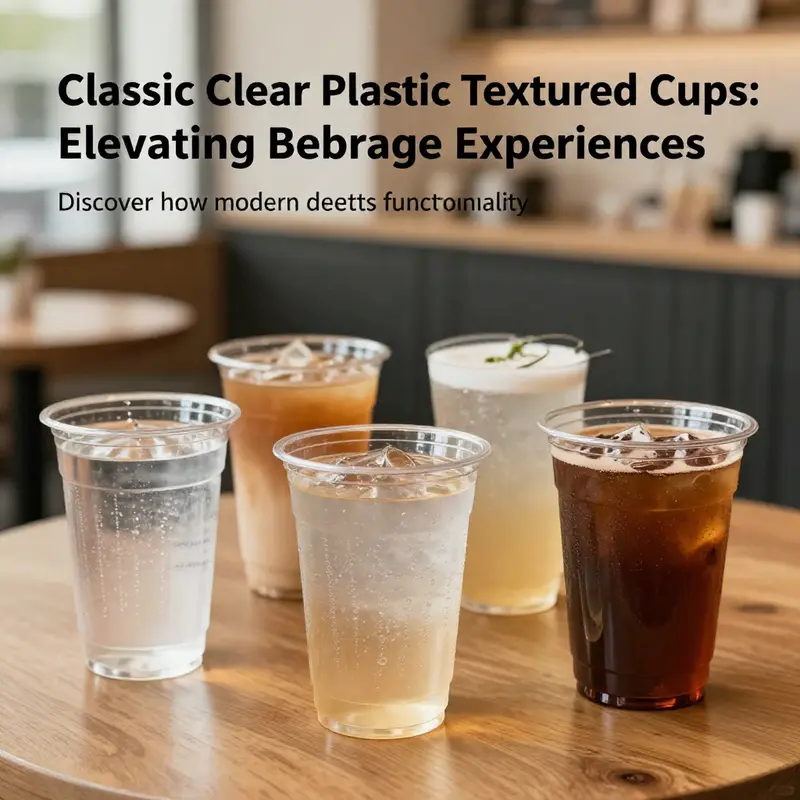
Classic clear plastic textured cups blend aesthetic appeal and functional durability, setting the stage for captivating beverage presentations. Perfect for bubble tea shops, restaurants, and catering services, these cups cater to diverse needs across the hospitality sector. In this exploration, we’ll delve into their varied applications, the importance of sustainability, unique design options, and current market trends that make these cups an essential choice for your business. Each chapter provides insight into not only the practical benefits but also the branding potential of these versatile drinkware solutions.
null
null
Clarity, Craft, and Conservation: The Reusable Promise of Classic Clear Plastic Textured Cups
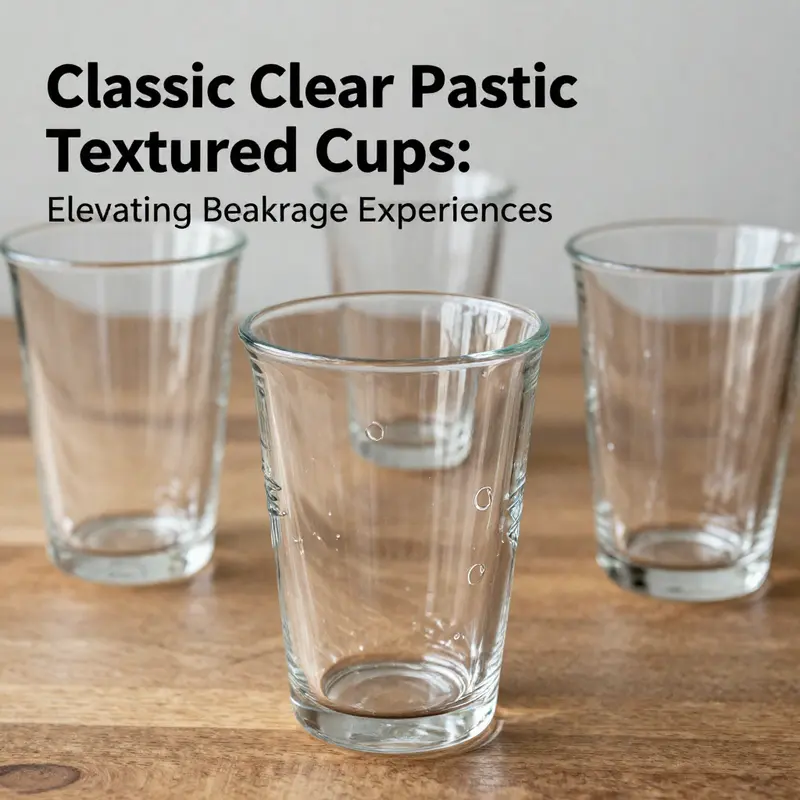
The modern disposable-drinkware landscape has evolved beyond mere convenience. Classic clear plastic textured cups sit at a crossroads where visual appeal meets practical durability, and where the small design choices can ripple into substantial environmental outcomes. These cups, molded from rigid, high-clarity polymers, harness the transparency that showcases beverages in all their vibrancy while embracing a textured exterior that elevates grip, reduces slips, and invites a tactile experience that feels almost premium. The chapter that follows traces how their textured geometry, material choices, and lifecycle patterns converge to shape a more sustainable approach to everyday drinking occasions, weaving the individual user’s routine—whether in a cafe, at a festival, or during a family gathering—into a broader narrative about reuse, responsibility, and resilience in reusable drinkware.
Material choices lie at the heart of the sustainability argument around these cups. Durable, high-clarity polymers—most frequently polypropylene (PP) and certain polyesters such as PET variants—offer a compelling balance of stiffness, chemical safety, and optical clarity. Their robustness translates into real-world longevity: cups that resist warping after repeated use, withstand the rigors of dishwasher cycles, and maintain the visual appeal that makes beverages pop in a crowded display case. The non-toxic dimension is not an afterthought but a core promise. When properly sourced, these cups are typically free from BPA and related residual concerns, aligning with public interest in safer, cleaner, and more trustworthy beverage vessels. The textured exterior is no mere ornament. It provides a reliable grip that helps prevent accidents and spills, particularly in fast-paced environments or outdoor settings where condensation can turn a smooth surface into a slippery challenge. That tactile element also contributes to a broader consumer experience—one that feels intentional and premium, even when the underlying economics favor bulk purchases and reuse over disposable impermanence.
Transparency remains a defining feature, and not just for aesthetics. The clear walls allow for immediate visual appraisal of the drink’s color, level, and presentation. This visibility supports operators who rely on display integrity to entice purchases and to guide customers’ choices. It also creates a universal appeal; no matter the beverage, the cup becomes a transparent stage for color and texture, a small but meaningful stage in the theater of hospitality. The texture, meanwhile, complements the clarity by offering grip in damp conditions and a surface that resists fingerprinting and minor smudges, which can otherwise erode the perceived cleanliness of a serving piece. Taken together, the materials and textures deliver a product that can function effectively over many cycles of use, in a way that single-use alternatives rarely achieve.
The environmental argument for these textured, clear cups hinges less on a single attribute and more on a lifecycle that emphasizes durability, reuse, and end-of-life options. When used hundreds of times, a high-quality cup can dramatically reduce plastic waste compared with single-use alternatives. That regression from disposable to repeat-use is not simply about one-off purchasing decisions; it’s about a procurement mindset that favors sturdy, reusable stock for events, venues, and even everyday service. In practical terms, a well-made cup can survive the dishwasher rack and the tumbling of a commercial washing line without losing its shape or leaching harmful substances. The careful construction—sturdy walls, reinforced bottoms, and a textured exterior designed to mask minor imperfections—keeps the cup looking presentable across countless cycles. This longevity is not purely an environmental consideration; it translates into reliable cost per use for businesses and households that commit to reusability for the long haul. The lifecycle perspective, then, reframes what counts as value: it’s not only the initial cost but the cumulative savings accrued through repeated use and reduced waste streams.
End-of-life considerations complete the sustainability picture. Modern versions of these cups are designed with recycling in mind, aligning with broader circular economy goals. PET and PP, when accepted by local recycling facilities, can re-enter the production cycle, reducing demand for virgin resin and closing the loop on material use. Yet the actual end-of-life outcome depends heavily on local infrastructure and consumer behavior. If cups are not rinsed properly or are discarded in mixed-waste streams, their recyclability can be compromised. This is where consumer responsibility becomes not a burden but a practical leverage point: meticulous cleaning, proper disposal, and a willingness to participate in recycling programs materially impact the environmental footprint. For hosts and operators, this means integrating simple, repeatable care rituals into daily workflows—rinsing, scrubbing, and loading into dishwashers according to manufacturer guidelines, then ensuring cups are sorted correctly at the waste stage. The small acts of maintenance and mindful disposal accumulate into a meaningful reduction in waste, a quiet but persistent shift toward more sustainable consumption patterns.
The conversation about sustainability is not limited to raw materials and end-of-life mechanics; it also encompasses design choices that influence how these cups are used in real-world settings. The textured exterior, while primarily a tactile and aesthetic feature, also supports visibility and brand expression in dynamic environments. In cafes and event spaces, textured cups can pair with a clear body to host logos, color palettes, and promotional messaging in ways that colored or opaque variants may not. The sense of premium tactility can elevate the overall customer experience, encouraging guests to reuse rather than discard, especially when paired with a practical reuse program or a visibly robust dishwasher workflow. The potential for branding through texture—subtle geometric motifs or vintage-inspired patterns that still allow the beverage’s truth to shine through—can be a powerful differentiator for venues seeking to balance visual impact with functional efficiency.
Despite their advantages, the sustainability case for clear textured cups also rests on avoided trade-offs. The goal is not merely to substitute a single-use item with a reusable one but to ensure that the lifecycle of the cup remains truly advantageous compared with alternatives. In practice, this means selecting materials that are durable enough to withstand repeated cleaning, avoiding additives or coatings that might complicate recycling, and choosing designs that minimize waste during production. It also means acknowledging the environmental costs embedded in manufacturing processes themselves and seeking suppliers who adhere to responsible practices. In this sense, the modern textured cup becomes a case study in responsible manufacturing as much as in sustainable consumer behavior. It invites buyers to weigh initial purchase costs against long-term dividends in reduced waste and improved service quality.
From a consumer standpoint, the long-term viability of these cups rests on everyday habits. Maintenance routines matter: regular cleaning, careful drying, and avoiding harsh abrasive treatments that could chip or scratch surfaces will extend the life of the cup. While many cups advertise dishwasher safety, repeated exposure to high heat can, over time, degrade texture integrity or optical clarity. Users should follow care labels and consider complementary practices, such as using a gentle cycle and avoiding prolonged exposure to heat sources beyond what the material can tolerate. This attentiveness is not about micro-level rituals; it is about fostering a culture of reuse that aligns with broader environmental goals. The more thoughtful the practices—from storage to washing to eventual recycling—the greater the cumulative impact on reducing plastic waste.
In workplaces and event ecosystems, the economic and ecological rationale for choosing reusable textured cups grows clearer when examined through the lens of total lifecycle cost. Initially, the investment appears higher than a stack of disposable cups, but the payoffs compound. Fewer replacements, less waste, and a more stable supply chain during busy periods translate into measurable savings. The textured grip reduces accidents and product loss caused by spills, an outcome with tangible cost implications in crowded venues or mobile service contexts. The clear body and the ability to showcase vibrant drinks contribute to a perception of quality that can influence consumer behavior toward reuse-oriented programs, loyalty, or even informally adopted sustainability commitments within organizations. Together, these factors create a robust value proposition that extends beyond surface aesthetics to operational performance and environmental accountability.
To connect this discourse with practical actions, it helps to consider the broader ecosystem of disposable and reusable tableware, including how a segment of customers might reinterpret “recyclable” and “reusable.” The cups’ clear, textured design is particularly well-suited to seasonal promotions and youth-oriented branding, where color and clarity can be paired with bold visual storytelling. Yet the same design also applies to more refined settings, where a minimalist, timeless glass-like transparency can communicate a sense of purity, cleanliness, and reliability. The textured motif acts as a counterpoint to the transparency, creating a tactile rhythm that customers remember, which, in turn, reinforces the choice to reuse rather than replace after a single use. The overarching narrative is one of continuity: a line of drinkware that remains visually relevant and technically capable across countless service cycles, while keeping a keen eye on the environmental footprint of its lifecycle.
In closing, the sustainability and reusability of classic clear plastic textured cups are not a singular attribute but a composite of thoughtful material selection, durable design, disciplined maintenance, and responsible disposal. They represent a practical strategy for delivering high-quality drink experiences without sacrificing ecological integrity. The cups’ clarity invites the beverage to shine; their texture invites confidence in reuse. When these elements are aligned with conscientious consumer habits and supportive recycling pathways, the result is a set of vessels that can serve as a model for how modern drinkware can be both functional and forward-looking. For more on related outdoor and party-ready disposables and their reuse potential, you can explore related options such as the disposable clear plastic cup designed for outdoor picnics and gatherings at https://ecocupbowl.com/product/disposable-clear-plastic-cup-outdoor-picnic-pet-cup-drinking-cup-for-parties-birthdays-weddings-camping-utensils. This kind of reference point helps frame how texture, transparency, and reuse fit into broader practices of responsible consumption. For broader guidelines on plastics sustainability, see https://www.plasticsindustry.org/sustainability/.
Texture and Transparency in Motion: Exploring the Design Variations and Aesthetic Allure of Classic Clear Plastic Textured Cups
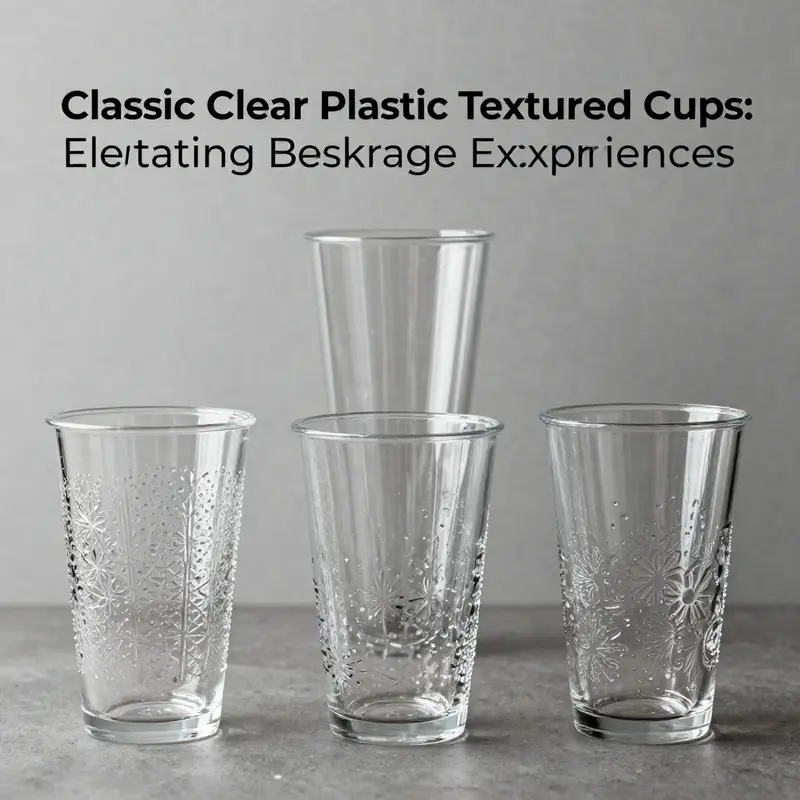
Across the spectrum of beverageware, the classic clear plastic textured cup marks a quiet frontier where utility meets invitation. Crafted from rigid, transparent polymers, these cups deliver dependable strength while letting the color and sparkle of the drink take center stage. The signature feature is the exterior texture, a deliberate tactility that engages the sense of touch and subtly alters light as it travels across the surface. In practice, texture improves grip during crowded events and reduces the risk of slips. Yet texture also serves a visual function: it breaks the flat plane of transparent plastic, creating micro-contrasts that catch the eye and guide attention to logos, color gradients, or the natural layering of a beverage. The result is a disposable cup that feels tactile and refined, even when designed for quick disposal or reuse. The interplay between clarity and texture becomes a language of its own, a way to elevate ordinary drinkware into something that communicates brand personality without shouting.
Design variations in these cups range from understated geometric etches to bold embossing. Some textures are fine crosshatches that gently grip the fingers, while others form three dimensional ridges that catch light from multiple angles. The material stays clear, so the drink remains vibrant, yet the surface play adds depth. For marketers, texture is a strategic asset; it can imply premium quality without raising costs or complicating production. When light enters the cup, the pattern tessellates across the inner surface, creating a shimmering halo that hints at craftsmanship. Even in a crowd, a textured cup gains a moment of attention because the eye follows the movement of light across its surface. The clarity remains intact, but the texture provides a repeatable cue for brand identity, whether the setting is a festival, a coffee bar, or a banquet hall. Texture thus becomes a visual signature that travels well across different service contexts.
Modern aesthetics extend beyond physical samples into digital visualization. Designers rely on advanced modeling tools to render textured cups against transparent backgrounds. These isolated visuals reveal how specific textures read at scale, how relief translates into shadow, and how a logo or icon can ride the cup without distortion. Clean renderings help teams evaluate perceptual qualities and prepare marketing assets for catalogs and social media. The realism of such images invites viewers to imagine handling the cup, to feel its resistance to tilt, and to sense how the texture would soften or sharpen a grip as fingers traverse the surface. The outcome is not merely cosmetic; it becomes a practical reference for packaging engineers who must preserve clarity while accommodating texture features that affect molding, sealing, and stacking. In short, digital visualization makes texture legible in the crowded marketplace where first impressions count.
Thermochromic plastics introduce another dimension to the aesthetic story. A textured cup can reveal color shifts as beverages change temperature, giving the drink a visible timbre that mirrors its flavor profile. The texture acts as a canvas for this dynamic effect, turning a simple transparent surface into a micro-stage where temperature informs tone and contrast. Subtle transitions can offer a blush when the drink is cold, while more dramatic shifts can amplify a promotional moment. In practice, these innovations are paired with safety and sustainability assurances, such as BPA-free formulations and dishwasher-friendly designs, aligning with consumer demand for responsible disposable solutions. The result is a playful yet purposeful design language that supports branded experiences from seasonal campaigns to youth-oriented events, where discovery keeps guests engaged and talking about the moment.
Within the design community, the trajectory of clear textured cups reflects broader conversations about material integrity and user experience. The best examples balance transparency with tactility, allowing the drink to shine while ensuring grip and durability. Recognition in contemporary design culture, including awards that honor transparent elements and material innovation, signals a shift toward products that feel premium without sacrificing practicality. These acknowledgments mirror a growing appreciation for how texture can elevate a disposable item into a tangible experience, a concept resonant with venues ranging from casual gatherings to curated affairs. The emphasis on precise molding, consistent texture, and reliable surface finish demonstrates that even everyday items can embody thoughtful craft. In this context, the textured cup becomes a compact case study in how form, function, and brand storytelling converge within a single, affordable form factor.
For event planners and brand teams, texture offers a versatile canvas for identity expression. A cup can carry logos, color gradients, or symbols that become part of the event narrative. Because texture remains legible even when condensation coats the surface or a cup is half full, it supports brand visibility in crowded spaces. A subtle pattern can be repeated across a suite of products, from cups to lids to serving platters, creating a cohesive visual system without overwhelming the drink itself. This approach helps managers mix and match styles for different venues while maintaining a consistent language of texture and transparency. For planners seeking a cohesive visual language for themed events, consider a curated set of disposable tableware that pairs texture with clarity, such as this example: a packaged concept of custom takeaway packaging and disposable tableware for theme party. The linked resource illustrates how texture can anchor a design brief across multiple touchpoints, from packaging to tableware to display environments. The idea is not to overwhelm but to offer a recognizable, tactile memory cue guests carry with them long after the last sip.
Beyond aesthetics, the production realities of textured clear cups matter. The choice between polystyrene and PET hinges on clarity, rigidity, and environmental considerations. PET often offers superior moisture resistance and easier recycling where facilities exist, while polystyrene can deliver crisp edges and robust embossing even at thin gauges. Texture features must survive stacking, washing, and temperature variations without flattening or flaking. Modern molds capture fine detail without introducing hotspots where material might fail. The result is a reliable, experience-forward cup that remains cost-effective for mass events, while enabling brands to deliver a sense of premium on a disposable platform. In practice, producers emphasize safety factors such as BPA-free formulations and compliance with top-rack dishwasher strengths where applicable. The interplay between material choice, texture fidelity, and lifecycle expectations shapes a product category that faces scrutiny but also opportunity as more users pursue reuse or responsible disposal. The ongoing refinement of molding processes and surface finishes ensures textures stay crisp across dozens or hundreds of cycles, preserving the intended tactile and visual cues.
As the language of drinkware evolves, the textured clear cup stands at a crossroads of clarity and tactility, memory and moment. Its textures carry a quiet vocabulary: grip, glow, and a touch of complexity that invites closer look. The best designs navigate a spectrum where the cup remains almost invisible because the beverage commands attention, yet the texture surfaces as a recognizable cue of quality. Digital visualization, safer materials, and interactive color shifts are not distractions but extensions of the drinking experience. For designers, suppliers, and hosts, the goal is to harmonize functionality and aesthetics in ways that travel beyond the event space into consumer memory. In acknowledging this, the field moves toward textures that feel bespoke yet scalable, precision-engineered textures that can be produced at festival scale while preserving the subtle elegance that makes the clear cup so compelling. External resource: https://www.ifdesignaward.com/en/awards/2026/winner/transparent-elements-material-innovation
Clarity with Character: Navigating the Market, Craft, and Economics of Classic Clear Plastic Textured Cups
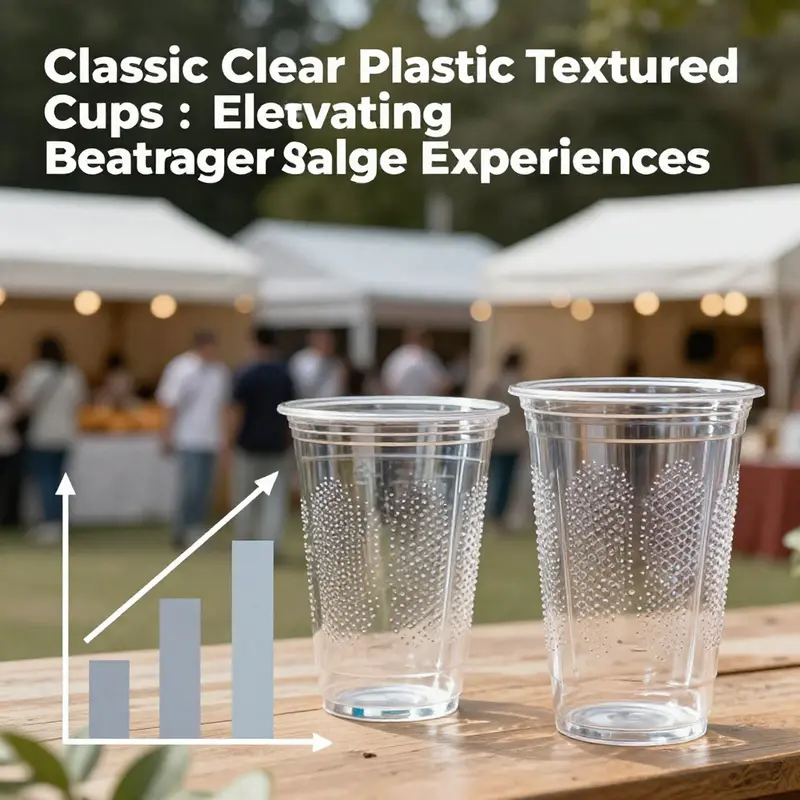
Classic clear plastic textured cups sit at a crossroads where visual clarity meets everyday practicality. They are built from transparent polymers that aim to disappear as objects and let the beverage take center stage. The exterior texture adds a quiet layer of sophistication, improving grip and reducing visible fingerprints while preserving the drink’s true color and layers. Clarity remains essential, whether the cup is made from PET, polystyrene, or newer materials that promise improved sustainability. Texture here is not decoration alone; it is a functional feature that informs handling, presentation, and perceived value.
The texture design can range from light geometric reliefs to more tactile, patterned surfaces. In use, these textures provide a predictable grip, even with condensation or slick surfaces, which supports faster service and safer handling in high-volume environments. They also help mask micro-scratches that can accumulate with repeated washing or stacking, helping maintain a clean exterior over time. In this way, texture serves as a quality cue that guests feel more than they articulate.
Beyond function, texture becomes part of a brand story. A cup can carry a mood or theme through subtle sculpted patterns that echo seasonal campaigns or beverage narratives. When a beverage relies on color layers, gradients, or toppings, the clear exterior frames the spectacle without competing for attention. A textured cup can act as a stage prop that complements the drink, making social media moments more reproducible and visually cohesive. In markets where shareable content drives exposure, texture-enabled clear cups become part of the storytelling toolkit rather than a mere container.
The supply chain for these cups reflects broad usage patterns. They are deployed across hospitality, catering, and retail, available in single-use formats for speed and in reusable forms for durability and programmatic sustainability. In each case, manufacturers aim to preserve clarity and texture while controlling cost, waste, and lead times. Operators often standardize on a common cup family to streamline procurement, glassware coordination, and promotional displays. The ability to mix and match beverages with a stable cup form aids menu engineering and seasonal campaigns without introducing new stockkeeping units at every turn.
Sustainability considerations have moved texture into the center of material selection. PET remains prized for its clarity and barrier properties, while Tritan or other durable copolymers offer better resistance to wear and dishwasher exposure. A growing segment of PLA-based cups points toward compostable options, aligning with regulatory shifts and consumer demand for lower-impact packaging. The balance remains delicate: eco-conscious choices must still meet the performance and cost expectations of busy venues. Texture thus becomes a way to maintain a premium appearance while exploring more sustainable material futures.
From an economic perspective, the dual role of the cup as container and branding surface creates value that goes beyond the raw material cost. A well-chosen texture can reduce breakage in service, lower the need for frequent polishing, and enable a cleaner presentation that supports higher perceived quality. When paired with branding elements such as logos or color accents inside promotional campaigns, a textured clear cup can lift average order value and support stronger brand recall without sacrificing the beverage’s visual appeal. In many cases, the most effective strategy is a cohesive system where cup, lid, and display materials align to deliver a consistent look across points of sale and service.
Industry analytics reinforce a message of resilience and adaptation. Operators are finding that the right texture plus high clarity allows for more flexible recipes and color storytelling, while supply chain resilience and local production capabilities help reduce lead times and risk. Market intelligence suggests continued growth in both single-use and reusable segments, driven by urban on-the-go lifestyles and the desire for convenient, hygienic packaging that still communicates care and quality. Texture serves as a differentiator that travels well from the cup to the consumer’s social feed.
In closing, the texture on a classic clear cup embodies a broader idea: consumer delight is often rooted not just in what is inside the cup, but in how the cup feels, looks, and behaves throughout the experience. The simplest gestures—a secure grip, a clean silhouette, a drink that gleams behind a patterned surface—combine to shape perceptions of value, safety, and style. As brands navigate a landscape that weighs speed, sustainability, and storytelling, textured clear cups offer a practical, adaptable canvas where form and function meet in a quiet, durable way.
Final thoughts
Classic clear plastic textured cups are redefining the beverage experience across various sectors by merging visual appeal with practical functionality. Their applications in hospitality, sustainability initiatives, aesthetic variations, and positive market trends represent a significant opportunity for businesses to enhance customer experiences while staying aligned with eco-conscious values. Utilizing these versatile drinkware solutions can elevate your service operations, making these cups not just a choice but an investment in your brand’s future.