
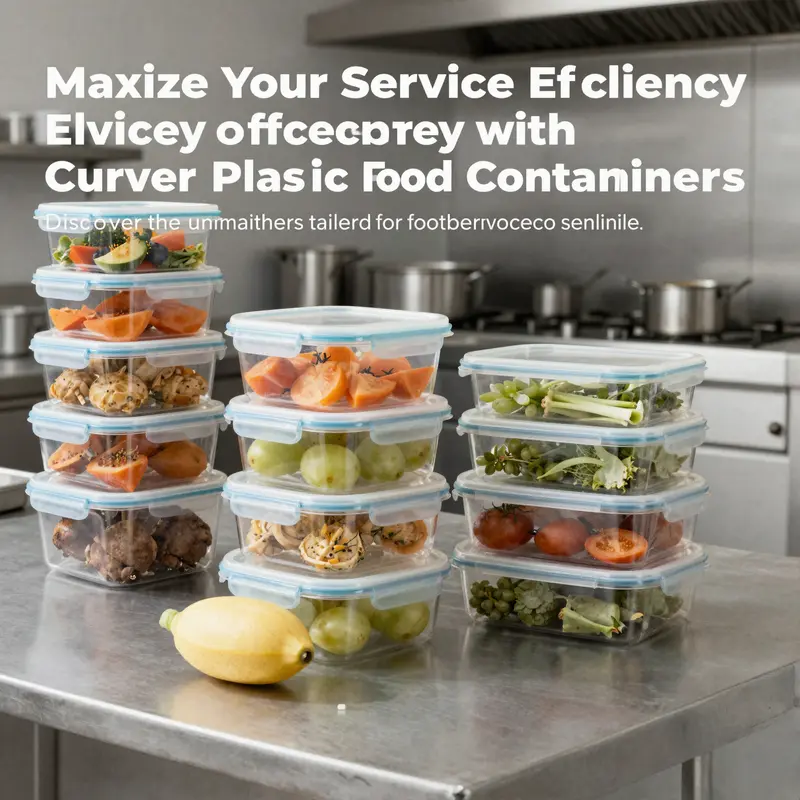
As the demand for quality food storage solutions grows across various food and beverage services, having reliable containers is crucial. Curver plastic food containers stand out in the market due to their innovative designs and functionality. From beverage chains to catering services, understanding the advantages of these containers can significantly enhance operational efficiency. This article will delve into the core features and benefits of Curver containers, explore common models, and provide practical purchasing options while also emphasizing safety and the functional versatility these containers offer in any modern kitchen.
Seal, Stack, and Serve: The Core Promise of Plastic Food Storage Containers
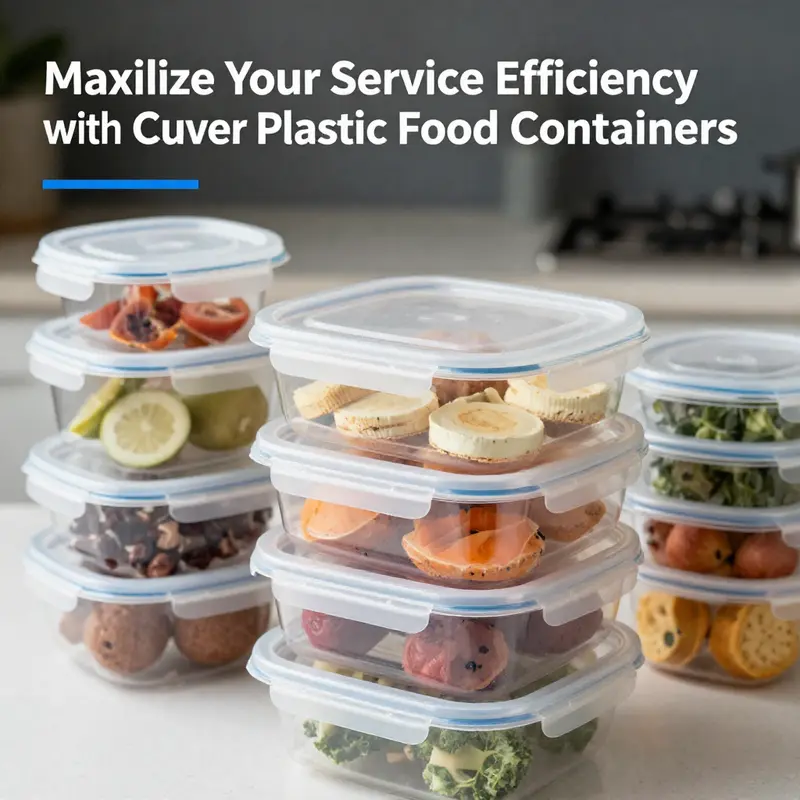
Every kitchen relies on a storage container that seals tightly, stacks neatly, and travels well from fridge to table. In a line of plastic food storage containers this trio of capabilities becomes a promise about freshness, safety, and efficiency. The design centers on turning everyday tasks—storing leftovers, portioning meals, and transporting food for work or school—into a streamlined workflow. At the heart is a seal that you can hear, a lid that clicks into place with a clear snap, and a body that resists the bumps of ordinary use. This is not about novelty but dependable performance that scales with a busy life. When you deal with liquids and sauces, the assurance of a leak-proof enclosure changes how you plan your day. The best containers deliver that assurance without a complicated ritual of assembly. A simple press of the lid confirms the seal, and the rest of the routine—rinse, upper-rack dishwasher, or freezer—feels incidental to keeping food safe and organized. Material choice underpins this experience. Containers are crafted from durable, lightweight plastic that resists everyday shocks. The result is a container that feels sturdy yet easy to carry, stack, and store. The emphasis on lightweight toughness translates to fewer trips to the kitchen and more reliable performance when transporting meals. Safety features matter too. BPA-free plastics are standard, reflecting a commitment to health-conscious design. They resist staining and odors and stay stable under common kitchen temperatures. The practical implications extend to weeklong meal prep and professional use, where reliable seals, easy cleaning, and predictable storage matter. The sealing system itself deserves attention. The lid’s closure combines a precise fit with a tactile cue—the lid snaps into place—helping users confirm sealing even when multitasking. A fully sealed container minimizes air exchange, slowing dehydration and oxidation that can degrade texture and flavor. It also locks in moisture and aroma, so sauces and soups stay close to their original state when stored or reheated. Many containers are designed to tolerate the fridge, freezer, microwave, and dishwasher, often with the upper rack in mind. This flexibility supports everyday prep and long-term storage without juggling multiple vessels. Internal layouts offer versatility. Removable dividers help keep components distinct, preserving texture and reducing cross-contamination. Stackable designs nest securely to save space in the fridge, freezer, or pantry. Shapes vary to suit different foods, with round variants sometimes promoting even heat distribution when reheated. Transparency is another practical benefit, allowing contents to be identified at a glance and simplifying inventory management. Durable construction and thoughtful design support long-term use, resisting warping and maintaining seal integrity under typical freezer temperatures. BPA-free materials add an extra layer of safety. In short, this line of containers can shoulder the full spectrum of modern kitchen life, from everyday meals to batch prep. It aims to make planning, storing, and reheating simpler and more reliable, with fewer leaks, odors, and hassles. For readers exploring related packaging concepts, a broader view of storage and labeling can help, including how different shapes and materials affect performance. External resources can provide context and examples of how durable plastics balance containment with ease of use.
Curver Containers Unpacked: How Common Models and Specs Shape Everyday Kitchen Efficiency
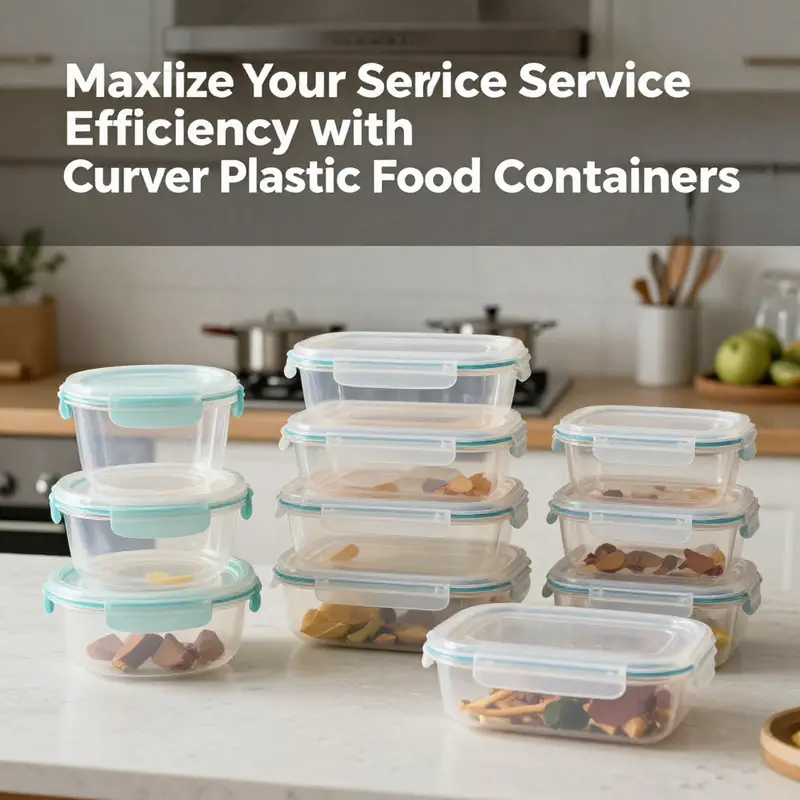
Curver’s lineup of plastic food containers doesn’t just store ingredients; it encodes a workflow. Across domestic kitchens and professional prep rooms, three characteristics keep surfacing: a reliable seal, flexible sizing, and a design that makes the most of storage space. The best models derive from answering practical questions: How much should you portion for a meal? Will the lid stay tight on a moving commute? Can you heat, chill, wash, and stack without swapping containers? When these questions align, the result is a family of containers that feels almost tailor-made for modern routines. In the following pages, we look at the common models and their specifications, not as marketing blur but as a map of how design translates into everyday use.
Take, for instance, a compact 200 milliliter PET container. PET is a familiar material in food packaging because it’s lightweight, clear, and widely recyclable. The small capacity makes it ideal for storing bite-sized portions, spice blends, dried herbs, or semi-solid ingredients that travelers or guests may want to portion out. The screw-top lid design creates a secure, leak-proof seal, a critical feature when the container travels with sauces, dressings, or liquids that otherwise might creep out during transit. The opening often includes a tamper-evident mechanism, adding a layer of safety for packaged samples in a food-processing or catering context. Because the structure is round rather than square, heat distribution during pasteurization or reheating can be quite uniform, which improves processing efficiency in a lab or a kitchen where consistent heating matters. This model, while small, embodies a philosophy: keep the cap tight, keep the contents contained, and keep the material friendly to circular economy goals through recyclability.
Beyond the small format lies the workhorse 5.4 liter rectangular container offered in transparent or blue. The large capacity targets bulk storage and bulk prep tasks. With dimensions around 30 cm in length, 20 cm in width, and 16 cm in height, it strikes a balance between ample volume and practical footprint in a fridge, a prep table, or a warehouse shelf. The plastic used in these larger units is chosen for strength and chemical resistance, enabling safe storage of sauces, prepped ingredients, or ready-to-serve products across days. The transparent option seems tailored to classification and quick visual checks; the blue variant, meanwhile, gives operators a quick color cue for different product lines in a busy kitchen. The lid-and-seal relationship remains a central feature, and many of these containers are designed to be stacked. Stacking aligns with the real-world constraint of limited cold storage shelves, allowing teams to maximize vertical space without sacrificing accessibility. In addition, their size makes the 5.4 L container a natural candidate for bulk meal prep, batch cooking, or centralized packaging operations that feed into multiple service points during a workweek.
Another staple in the Curver lineup is the 3.3 liter Snap Box Lunch Box. Its defining attribute is the removable interior divider, which lets cooks separate different items within a single container without cross-contamination. For home lunch packing, this means you can contain main courses, sides, and salads in one travel-ready box. For school meals or workplace cafeterias, it simplifies portioning and reduces waste. The lid features a distinctive click closure system—the audible confirmation that the seal is complete. That sonic feedback matters in environments where containers are jostled during transport or stored in crowded fridges. The divider is detachable, so the unit scales from a compact single meal to a more open layout when needed. There’s also attention to shape: square-ish geometry supports efficient stacking in both cupboards and transport bins, while the removable divider adds a degree of customization that is highly valued by operators aiming to minimize cross-contact between flavors.
Material safety ties these designs together. The core plastics used are BPA-free and certified to meet food-safety standards, which matters whether a container is used for cold storage, microwaving, or reheating. The absence of BPA is not merely a label; it’s a commitment to reducing the risk of chemical migration into foods as temperatures and storage conditions vary. These containers are typically designed to be compatible with home kitchen routines: they can go in the refrigerator or freezer, and many models tolerate microwave use with caveats—usually proceeding with heating on the upper rack and removing lids to allow steam to escape. Dishwasher compatibility varies by model, but the prevailing guidance is top rack dishwasher use to protect the seals and extend the container’s life. This emphasis on safety and durability tracks with a broader industry trend toward materials that withstand routine kitchen cycles while maintaining the integrity of the stored food. It also aligns with a longer-term sustainability narrative: if a container lasts for years and remains safe for food contact, it reduces the need for frequent replacements and thus supports resource efficiency.
From an operational perspective, the clarity of the packaging matters almost as much as the seal. The straight edges and modular shapes optimize space in the fridge and across transport pallets. The rectangular form factors tend to nest when empty, enabling a compact stack that saves shelf and warehouse space. The variety in shape—from square-ish to round—gives users choices that fit different storage constraints and culinary styles. The divider-equipped 3.3 L model further enhances this efficiency by keeping ingredients visually separate, which helps with inventory planning and reduces the risk of cross-merging flavors during meal prep. In professional environments, such design details ripple outward: fewer spill incidents, easier portioning, and a smoother flow from prep line to service area. On the consumer side, a family that uses several sizes can pre-portion meals for the week, portion snacks for children’s lunches, and reorganize leftovers with minimal effort. The end effect is a kitchen that feels organized by design rather than by improvisation.
Beyond individual containers, the ecosystem around Curver’s models also reflects a commitment to circular economy principles. Replacing single-use disposables with durable, recyclable plastic items reduces the waste footprint associated with everyday storage. While the most visible green credentials come from materials and manufacturing choices, long-term value rests in the containers’ lifecycles: how many times they can be cleaned, repurposed, and reintroduced into storage cycles before replacement is considered. In industrial and commercial settings, this translates into lower total cost of ownership. A unit that adsorbs shocks well, resists staining, and remains clear enough for quick product identification pays dividends in both labor efficiency and accuracy of inventory control. It is noteworthy that Curver’s designs are frequently tested under real-world conditions—heat exposure, frequent washing, stacking pressure, and the abrasion of everyday use—to ensure that the brand can sustain performance through months and years of daily operations. This resilience is not incidental. It is the outcome of deliberate engineering that anticipates how containers must behave when subjected to the realities of a busy kitchen or a bustling warehouse.
Carefully balancing form and function, the common models also reflect a broader industry pattern: container design that supports safe, predictable handling from preparation through service and cleanup. The 200 ml option speaks to portion-control strategies and sample packaging, where uniformity of size matters for recipes, feeding programs, or research studies. The 5.4 L rectangular container, with its generous capacity and robust profile, serves bulk ingredient storage and batch preparation without forcing operators into awkward compromises about space or accessibility. The Snap Box Lunch Box, with its integrated divider and secure lid, embodies the ethos of versatile meal containers that travel as neatly as they’re used at the table. In combination, these models create a coherent system where capacity, seal integrity, and stackability align with the rhythms of a kitchen’s day—precisely the kind of coherence that helps minimize waste, support consistent portioning, and simplify compliance with food-safety standards.
For readers who want to explore related packaging formats that complement these containers in different contexts, this resource on eco-friendly takeout boxes for food packaging offers a useful parallel. It shows how design choices—from material to closure mechanisms to inner layouts—shape operator workflows and consumer experiences. The ways in which containers are grouped, labeled, and visually distinguished can influence how teams manage inventory and how households plan meals for the week. Internal links to such practical examples can illuminate the real-world relevance of these common models, helping readers translate the theory of specifications into tangible improvements in daily routines. See the linked resource for a broader view of container design in takeout and home packaging.
External resource: Curver Plastics – Eco-Friendly Food Containers: https://www.curverplastics.com/en/products/food-containers
From Click to Kitchen: Navigating Purchasing Channels for Curver Plastic Food Containers
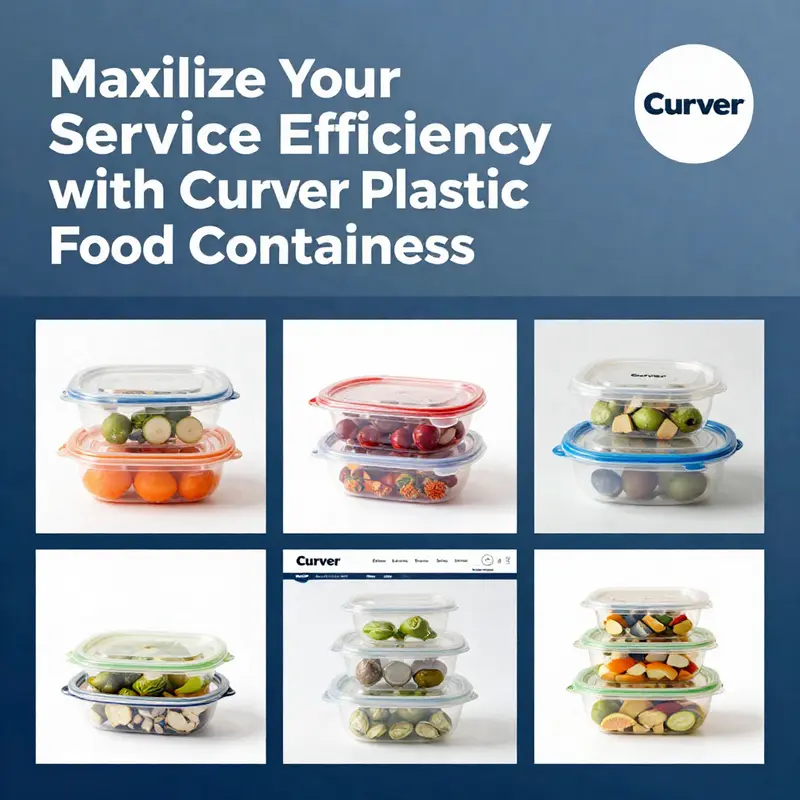
The act of choosing storage containers begins long before the lids snap shut. In kitchens that prize efficiency, every purchase channel becomes a lever you can pull to unlock better organization, lower waste, and smoother daily routines. Curver has earned a reputation for practical design and reliable sealing, so the question becomes not only which container to buy, but where and how to buy it to match your needs—whether you’re stocking a family pantry, outfitting a cafe, or building a scalable supply for a school, hospital, or office. The channels you pick shape not just price, but risk, speed, and the ability to tailor your purchase to exactly the sizes and configurations you rely on. Across consumer sales, bulk sourcing, and general online marketplaces, three paths emerge—each with its own rhythm, its own checks, and its own potential for finding the right fit at the right moment.
First, consumer marketplaces offer immediacy and breadth. On platforms that aggregate many sellers, you will encounter a wide spectrum of Curver-inspired storage solutions, from the familiar square and rectangular boxes to the modular sets that include removable dividers for separating mains, sides, and salads. The beauty of these channels lies in the velocity of discovery. A shopper can compare sizes, shapes, and features at a glance, and then read a chorus of user reviews that reveal real-world performance—how well a leak-proof seal holds up under transport, how fragile or durable the hinges feel after several cycles in a busy kitchen, and whether the dishwasher or microwave instructions hold up under daily use. When exploring the range, it is prudent to sort results by popularity or orders, a simple signal that a model has earned trust in the marketplace. This approach helps identify models that consistently perform for typical storage tasks: keeping liquids contained, preserving flavors, and supporting a lunch routine that travels from fridge to desk to microwave without incident. The key is to read product specifics with care: confirm that the container is BPA-free, that the lid seal is robust, and that the material is rated for the appliances you expect to use it with—top rack dishwasher safety, microwave compatibility, and even freezer viability. The balance between price and reliability becomes visible here; you can snag a good deal on sets that stack neatly, yet you still gain the assurance that comes from robust user feedback and clear safety certifications.
In the realm of consumer online retailers, the experience often mirrors a guided tour through a curated catalog rather than a free-for-all. These platforms emphasize precise product details—capacity, material composition, dishwasher and microwave safety notes, and the presence of features like non-slip bottoms or built-in dividers. When you peruse these listings, you gain access to a language of features that speaks directly to real kitchen needs: leak resistance for sauces and soups, compatibility with meal-prep workflows, and the promise of easy stacking to maximize fridge organization. The caveat is that this channel can be a little more product-filter driven, which means you should be prepared to sift through a handful of options that look similar at first glance. In practice, this means paying attention to the fine print: exact dimensions to ensure a model fits your shelf or crate, the exact shape of the interior to accommodate your typical meals, and the presence of dividers that may or may not be removable. The advantage here is that you have a strong safety net of retailer warranties, straightforward returns, and robust customer service channels that can help when a product does not meet expectations in the first few uses.
The bulk path, anchored in B2B platforms, is where decisions take on a different scale. Alibaba.com and similar business-oriented marketplaces cater to professional buyers who need to procure large quantities, sometimes with customization, branding, or packaging considerations that align with a business’ identity or regulatory requirements. This route shines when you’re outfitting a kitchen, canteen, or enterprise-level cafeteria operation where the count of containers is measured in hundreds or thousands rather than dozens. The conversations here tend to be about minimum order quantities, bulk pricing tiers, lead times, and the logistics of importation and storage. You can negotiate with manufacturers or authorized distributors who can offer you a spectrum of Curver-style storage solutions in bulk, often with options to tailor sizes, finishes, or internal layouts. For businesses, the calculus includes not only unit price but total landed cost, including shipping, duties, and any necessary certifications for food-contact safety in bulk packaging. The B2B channel also invites a more strategic approach to supply chain risk and continuity. If you run a campus dining hall or a corporate kitchen, you may want to secure a stable supplier with a reliable track record, an agreeable lead time, and the capability to provide consistent imagery, dimensions, and performance data for your procurement records. Sampling programs, pre-production trials, and clear communication on material safety standards become central to ensuring that the bulk order delivers the same performance you expect from consumer purchases.
For a thoughtful buyer, the decision of which channel to favor is less about chasing the lowest price and more about aligning access with expected usage. If you simply need a handful of reliable containers for quick meal prep and occasional transport, consumer marketplaces and general online retailers are perfectly adequate. They enable you to see a variety of configurations—the standard 3.3-liter Snap Box Lunch Box and other shapes that accommodate different meals while still delivering a reliable seal and a stackable footprint. If, however, you’re responsible for outfitting a team or a facility where repeatable performance, uniform sizing, and brand continuity matter, the bulk path offers a different value proposition. You gain consistency, a stable supply line, and the possibility of tailoring containers to fit your branding or your institutional needs. One can conceive of a scenario where a café chain or a school cafeteria uses bulk procurement to standardize lunch-service containers across hundreds of staff and students, while managers of a home kitchen optimize stocking by purchasing smaller sets through consumer channels for family use and weekend meal prep.
The practical realities of each channel also highlight the importance of due diligence. On consumer marketplaces, it is wise to verify the reputation of sellers, examine the product’s stated safety credentials, and seek visual confirmation of the seal’s reliability in real-world use through user-submitted photos. On general online retailers, you should compare technical specifications side by side, ensure that the labeling clearly states BPA-free materials, and confirm that the product is compatible with the care routine you intend to follow. When considering bulk purchases, it is essential to establish a direct line of communication with the supplier. Request samples to validate the material’s safety and durability, and test the container’s sealing performance under the real conditions you expect—transport, stacking, and temperature variations in a storage facility. Ask for documentation that confirms food-contact compliance and request a clearly stated warranty or replacement policy if a batch arrives with defects. If your operation relies on consistent packaging, you may also want to discuss lead times, packaging configuration, and the possibility of private labeling or branding for a cohesive service experience.
The channels discussed here do not operate in silos. They interweave as part of a broader shopping ecology, where the best path often depends on a hybrid strategy. A consumer buyer might begin with a broad online search, identify a favorite model that suits a recurring daily routine, and then place a bulk order later through a supplier that can offer a better long-term price per unit for repeat purchases. Conversely, a business buyer might start with Alibaba.com to overview available capacities and then use consumer platforms to validate the product’s market acceptance or to supplement stock during peak periods. The critical skill is to maintain a clear view of your needs—capacity, usage patterns, and safety expectations—and to map those needs onto the characteristics highlighted in product listings and supplier communications. In this sense, your purchasing channel becomes a tool for shaping kitchen life, not merely a conduit for moving products from seller to buyer.
To illustrate how a specific packaging option can play into this decision, consider the practical example of a dividable lunch solution. A 3.3-liter Snap Box Lunch Box with a removable divider is a model that many households and small offices find ideal for balancing portion control with ease of use. The removable divider supports seasonal variations in meals, enabling a quick switch between a heartier main and lighter sides without reshuffling containers. For those curious about related packaging formats beyond Curver’s line, this product page offers a concrete, real-world example of square food-box design with a transparent lid, illustrating how customers react to form and function in a crowded market. paper-sandwich-box-square-food-box-with-transparent-lid-square-white-bread-box-cookie-paper-boxes-cake-roll-packaging-boxes
In the end, the purchasing channel you choose should reflect your priority: speed and flexibility for personal use, or scale, consistency, and potential customization for institutional needs. The modern kitchen benefits most when buyers approach procurement with a plan that accounts for fit, safety, and total cost of ownership across time. By balancing the ease of consumer marketplaces with the reliability of bulk suppliers and the clarity of retailer listings, you can build a storage system that not only protects food but also streamlines daily life. This approach aligns with the larger arc of kitchen efficiency, where durable, well-sealed storage becomes a quiet backbone of organization, freeing mental space for cooking, planning, and enjoying meals rather than worrying about leaks, mismatches, or last-minute replacements.
External resource: for broader context on how e-commerce packaging trends shape buying behavior and product discovery, see Shopify’s overview of ecommerce statistics. Shopify Ecommerce Statistics
Sealed for Freshness: The Safety and Material Realities Behind Plastic Food Containers
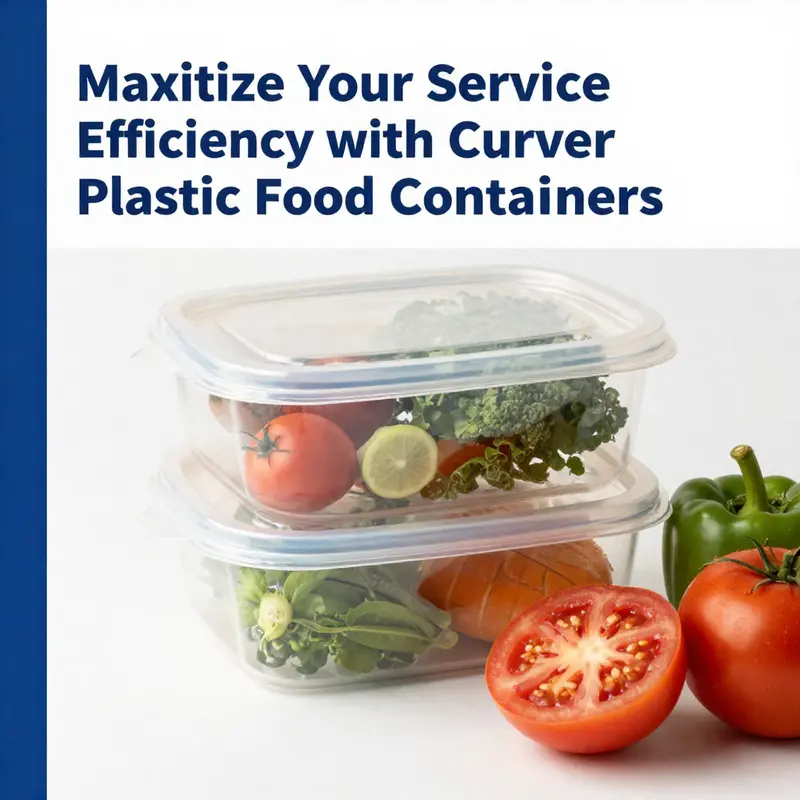
In the cadence of a modern kitchen, plastic food containers do more than hold leftovers or meal-prep portions. They shape safety, influence texture, and steer daily routines toward efficiency. A well-designed container is a quiet partner in the week’s logistics: it seals in flavors, resists leaks, endures the heat of a microwave or the chill of a freezer, and survives the scrubs of a busy dishwasher. Yet behind the convenience lies a careful chemistry and a set of practical rules that all users should know. This chapter explores the safety and material considerations that keep these everyday tools trustworthy from the first use to the last. It also invites readers to connect design choices with everyday practice, showing how the right material and labeling translate into peace of mind at every stage of a container’s life, from storage to reheating to clean-up and disposal.
At the heart of most plastic storage options are robust thermoplastics such as polypropylene and polyethylene. Polypropylene is valued for its strength and relatively high heat tolerance, making it a reliable choice for containers that will be opened and closed repeatedly, stored in the fridge, or warmed briefly. Polyethylene, in its various forms, complements polypropylene with flexibility and impact resistance; LDPE, for instance, brings resilience to the lid gasket and side walls, helping a container withstand the bumps and knocks of daily life. When someone checks the label before buying, a few key signals matter most: food-grade credentials, safety clearances for heating or freezing, and whether the material is BPA-free. BPA-free labeling has become a common and reassuring sign for many households, reflecting a shift toward reducing potential exposure to certain additives when plastics encounter hot foods or acidic contents. The absence of BPA is not a blanket guarantee of safety in every scenario, but it is a meaningful indicator that the product aligns with contemporary consumer expectations about safer materials in contact with food.
Labeling communicates essential, easy-to-parse guidance that informs how a container should be used. A container marked microwave-safe signals that the material has been tested for stability under typical microwave conditions. Using a non-labeled container in a microwave is not merely a matter of taste or texture; it risks deformation and, in some cases, the possibility of substances leaching into food. The same logic applies to heat exposure in the freezer or oven, where materials can become brittle or warp if the limits are pushed. It is worth noting that repeated heating and cooling can slowly alter a polymer’s microstructure. Scratches, cloudiness, or warping may appear gradually, and each sign should prompt a closer look at whether the container still performs as intended. If there is any doubt about integrity, replacing the item is the safest course. A prudent consumer keeps an eye on these wear patterns and approaches replacements as a routine part of kitchen maintenance.
The design language of these containers often includes features that extend safety through everyday use. A removable internal divider is a common and practical element, enabling separate portions so sauces and sides do not mingle. This feature supports both food safety—by reducing cross-contact risks—and quality control, because it preserves distinct textures and flavors. A lid that closes with a clearly audible click offers a tangible cue that the seal has engaged properly. That audible confidence reduces the likelihood of leaks during transport—crucial for liquids, dressings, and other spill-prone items. The stacking and nesting capabilities of many models are not merely conveniences; they help maintain an orderly kitchen and limit the chances of accidental damage when containers are stored in crowded cabinets or tight refrigerators. The intersection of these design choices—sealability, divider compatibility, and stackability—reframes a simple tool as a versatile system that adapts to different meals, portions, and occasions while maintaining safety margins.
A second set of considerations concerns the materials themselves and how they hold up over time. The standard workhorse plastics used in home containers are designed for repeated use, but no plastic lasts forever. Heat accelerates wear, and harsh cleaning agents can dull a surface’s shine and erode its seals. Users should be mindful of the signs of aging: scratches that trap food, dull or hazy surfaces, and seals that no longer grip firmly. These indicators are not cosmetic; they point to potential leakage, reduced barrier properties, and the risk of odors or residues that are harder to remove. When wear becomes evident, replacing the container is the safest option. The same logic applies to aging seals and gaskets, which can degrade even if the body remains intact. Regular inspection is part of responsible use, and it helps prevent health concerns by avoiding long-term storage in vessels that have started to show wear.
Material choices influence how a container handles food types. For some contents—acidic sauces, oils, or highly pigmented foods—the interaction with plastic can be more pronounced. Clear, rigid plastics offer a practical advantage in monitoring contents at a glance, which helps minimize waste and ensures proper cleaning. Yet not all materials perform equally across these scenarios. A well-constructed container should be able to stand up to the intended culinary partner: a reheat cycle, a brief stint in the freezer, or a cold, crisp salad stored for later. Designers and manufacturers often balance transparency, rigidity, and odor resistance to deliver a product that remains legible and functional after multiple cycles. In premium lines, these goals are pursued with materials designed to resist odors and stains, maintain clarity under light exposure, and sustain airtight seals that guard against spoilage. While such features add resilience, they must be coupled with careful use and proper care to realize their full lifespan.
Beyond the chemistry and the hardware lies an ongoing conversation about cleaning that is essential to safety. Gentle dishwashing remains a cornerstone of safe maintenance. Warm water with mild detergent, thorough rinsing, and air-drying reduce the risk of residual soils and odors. Abrasive scrubbers should be avoided; they can scratch the interior and undermine the seal over time. Seams, corners, and gasket channels are common culprits for hidden grime, so a careful rinse in these areas is a worthwhile habit. If stubborn stains linger, a brief, gentle soak followed by a thorough rinse often restores cleanliness without compromising the material. For households that rely on dishwashers, recognizing that top-rack placement is typically recommended for many models helps protect lids and gaskets from intense heat and potential warping. When the interior and lid look and smell clean, users can proceed with the next cycle of storage or reheating with greater confidence. This disciplined routine—inspect, clean, dry, and store—creates a reliable baseline of safety that compounds over time, letting everyday meals pass through the system without issue.
The conversation is incomplete without acknowledging the environmental context that frames choices about durability and recyclability. A significant portion of a container’s lifecycle rests on how it ends. BPA-free labeling and recyclability are important signals, yet they do not automatically guarantee an ideal end-of-life outcome. Recycling depends on local facilities and consumer participation, which vary widely from place to place. Practically, this means separating containers from other plastics after washing, and then seeking guidance from local programs about acceptable resin codes and packaging types. When a container reaches the end of its usable life, responsible disposal requires awareness of local options and a commitment to reducing waste wherever possible. In parallel, the ability to monitor contents through clear walls supports waste reduction by helping to see what remains before it gets spoiled. The design emphasis on durability and ease of cleaning harmonizes with a broader ethic of responsible consumption: use what you need, keep it clean and intact, reuse where possible, and retire items when wear compromises safety and performance.
For readers who want to extend their understanding beyond the kitchen, a related reference exists that surveys three-compartment packaging designs for takeout or prepared meals. It offers context on how such layouts help preserve portion integrity while traveling. Explore it here: eco-friendly-disposable-3-compartment-food-grade-packaging-box-for-fast-food-high-quality-takeout-boxes-for-fried-chicken-french-fries-packaging.
The practical upshot of these safety and material considerations is a simple, reliable expectation: use the labeling as your guide, inspect wear regularly, and honor the limits of heat and cleaning. A well-chosen container will seal firmly, resist leaks, and tolerate a range of foods and reheating scenarios without compromising safety. It will also be produced from materials that are demonstrably safe for food contact, with clear signals about what is and is not allowed in terms of heating and cleaning. The real value lies in the daily discipline of reading labels, recognizing signs of wear, and replacing items when necessary. In a kitchen that balances efficiency with health, this approach turns a common tool into a dependable ally. It aligns with a broader lifestyle that honors simplicity, order, and safety—principles that show up not only in how meals are stored but in how a home negotiates the complex relationship between convenience and wellbeing.
External resource: https://www.curver.com/products/curver-grand-chef-transparent-rectangular-plastic-container-blue-5-4-litre
Functional Versatility Reimagined: How Curver Plastic Containers Transform Modern Kitchens
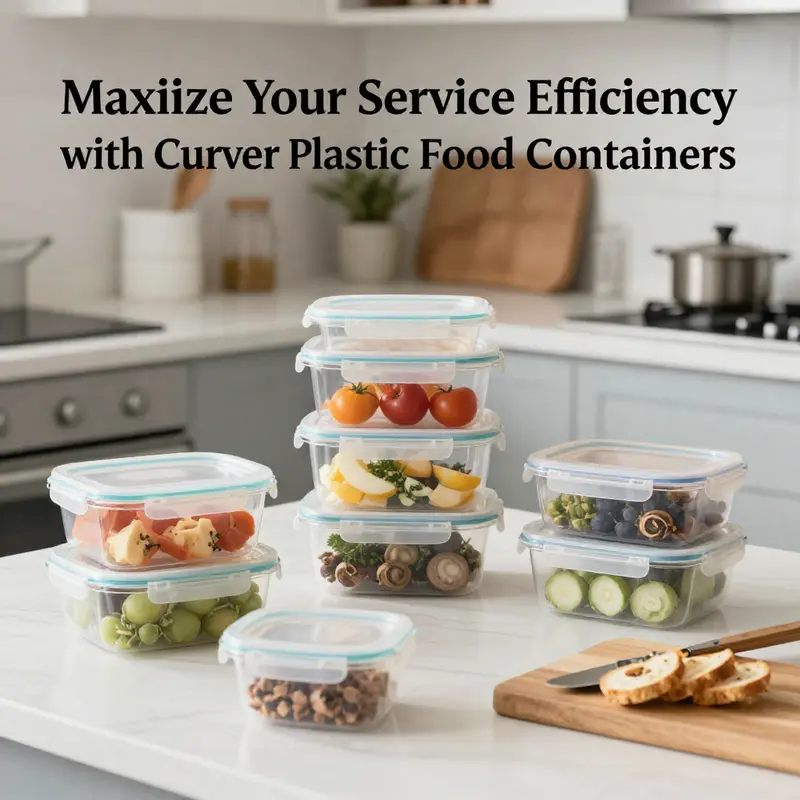
In the rhythm of a modern kitchen, where daily routines hinge on speed, reliability, and clean organization, the right storage system can feel like a quiet partner in the cooking process. Curver plastic containers have earned their place in many homes not merely for keeping food fresh, but for enabling a kitchen to function with a gentler, more deliberate pace. The true strength of these containers lies not in a single virtue but in a whole constellation of practical capabilities. They combine airtight seals with thoughtful designs, and they do so across a range of forms that adapt to how people cook, store, heat, and transport meals. The result is a toolkit that supports healthier eating habits, reduces waste, and makes everyday tasks feel less like chores and more like part of a streamlined routine. In this chapter, the emphasis is on versatility as a daily practice—how durable, adaptable containers can become the backbone of a kitchen that values efficiency, order, and moments of calm in the midst of busy days.
Airtight seals and leak-proof lids are often the first detail that catches the eye of anyone who cooks in advance. The seal is not just a feature; it is a promise. When a container closes with a decisive click, it signals that the contents are shielded from the constant churn of fridge doors, pantry clatters, and the bumps of a meal-prep schedule. This is especially valuable for perishables, where freshness can be a delicate balance between planning and consumption. Fruits and vegetables can stay crisper longer when stored in a container that minimizes exposure to air, while grains, nuts, and snacks don’t lose their texture or aroma through contact with moisture and ambient humidity. The practical upshot is straightforward: extended shelf life translates into less food waste, a quieter kitchen counter, and more predictable meal planning. The same seal that preserves freshness also plays a crucial role when meals travel. Whether a lunch is packed for a commute or a family road trip, the assurance of a secure latch reduces the chances of spills and the mess that inevitably follows a loose lid in transit. In this way, airtightness becomes a daily ally, empowering cooks to prepare ahead without sacrificing spontaneity when the moment to eat arrives.
Stackability is another hallmark that speaks to modern kitchens where space is a premium. In households where counter space contracts as the week grows busier, every square inch matters. Containers designed to stack neatly, with flat lids and uniform footprints, transform a crowded fridge into a logical, accessible archive of ingredients and prepared meals. The effect is not merely aesthetic; it is functional. A well-ordered stack minimizes the time spent searching for the right container and allows for quick, confident retrieval. It also makes it easier to plan meals around what is already on hand, reinforcing efficient shopping and batch cooking. This kind of space optimization is particularly valuable for small urban kitchens, where a single cabinet or a compact pantry must function as both a storage room and a staging area for daily cooking. The ability to nest or stack without wedging items into awkward gaps means fewer compromises and more room to experiment with new recipes or simple weeknight twists.
Dishwasher-safe construction adds another layer of practicality that modern kitchens rely on. Cleaning up after meals should not become a marathon; it should be a straightforward, predictable routine. Dishwasher compatibility means less hand scrubbing and more trust that the containers will maintain their clarity and integrity after repeated cycles. The ease of cleaning supports hygiene standards across households, from busy families to single professionals who value a streamlined kitchen routine. In a practical sense, dishwasher safety also reduces the friction involved in reusing containers for cold leftovers or reheated meals, ensuring that equipment can keep pace with the pace of everyday life. The goal is not to replace careful hand washing but to provide reliable options that can be trusted to hold up under real-world use, where time pressures and the occasional spill are part of the ordinary narrative of cooking and storage.
A distinctive feature that underpins much of the everyday utility of these containers is the Click Closure mechanism. The audible confirmation of a fully sealed lid is more than a sensory cue; it is a user experience signal that a container is ready for storage or transport. When moving from preparation to portioning, the click acts as a safeguard against accidental openings, and it reinforces confidence in carrying liquids, sauces, or soups without fear of leaks. This is particularly meaningful in households that rely on portioned meals or that manage families with varying dietary needs. The ability to separate components within a single container, or to seal multiple portions for the week, is amplified by a dependable closure that minimizes the risk of cross-contamination or spillage. In practice, the click closure supports a kitchen philosophy that prioritizes reliability as a daily habit, not a luxury feature.
The practical versatility of Curver containers extends to their internal layouts. In many models, the option to install removable dividers allows users to separate components within the same vessel. This simple design detail makes a container much more than a single-purpose box; it becomes a compact, adaptable lunchbox and a modular meal-prep system. The divider can be removed and reconfigured to accommodate larger portions, a separate sauce, or a side dish that benefits from being kept separate until serving. This flexibility aligns with the varied needs of a household—from a quick weekday lunch to a more elaborate meal-prep plan that fuels the family through the week. The capacity to switch from a single large compartment to a multi-compartment layout supports a broad spectrum of eating patterns, ensuring that the containers remain useful as dietary preferences evolve, kids’ lunches expand, or culinary experiments push the boundaries of what can be stored in advance.
Beyond their functional mechanics, the aesthetic dimension of these containers matters as well. Many users appreciate a range of color options and design finishes that allow containers to blend with kitchen decor or to stand out for easy identification in a crowded fridge. A well-chosen palette can make organization feel less like a task and more like a design choice, transforming storage into a little moment of personal expression within the home. At a time when the kitchen is increasingly seen as a hub of daily life, where food preparation intersects with family routines, having containers that look appealing can subtly reinforce healthy, organized habits. This is not about cosmetics alone; the visual coherence of a neatly arranged fridge or pantry can reduce decision fatigue, making it easier to plan meals, track leftovers, and reuse ingredients creatively rather than discarding them.
The versatile function of these containers is not limited to everyday home use. They adapt to a range of contexts—from refrigerated storage to heating, freezing, and even occasional on-the-go moments. While many foods are best enjoyed fresh, a reliable storage system can preserve flavors and textures well enough to make leftovers an attractive option rather than a compromise. In the freezer, containers with sturdy walls resist cracking and maintain shape even when their contents expand. In the microwave, the lack of metal components and the BPA-free composition support safe reheating, provided the manufacturer’s guidance is followed for lid position and venting. In other words, a practical storage system can support a cook’s continuity of plan—from batch cooking on Sunday to quick lunches on busy workdays—without demanding constant adjustments or specialized equipment.
The value proposition grows when we consider how these containers support a broader lifestyle: reducing waste, encouraging healthier meals, and enabling efficiency for professionals and families alike. A well-structured set of containers makes it easier to portion meals and track what is in the fridge. This clarity supports mindful eating, helps ensure balanced portions, and minimizes the chance of letting perishables slip past their prime. In turn, fewer missed spoilages mean less waste and a more sustainable approach to food, which resonates with households seeking practical ways to live more consciously without sacrificing convenience. The combined effect is a kitchen that feels more organized, resilient, and responsive to the day’s changing needs, rather than a space that requires constant, reactive management.
The conversation about versatility would be incomplete without acknowledging the practical realities of everyday use. A container system that can transition from fridge to table to takeaway is a powerful tool for people who value time and discipline in the kitchen. The ability to move smoothly through meal prep, storage, heating, and transport reduces friction and fosters a more confident cooking rhythm. It is not about owning many different, specialized containers; it is about choosing a core set of adaptable vessels that cover a wide range of tasks. When a family learns to lean on a consistent, reliable storage solution, the kitchen grows more predictable. Grocery planning becomes more precise, leftovers are less likely to be wasted, and the overall pace of mealtime slows down just enough to allow intentional choice rather than rushed improvisation.
For households that also pack meals for a commute, there are eco-friendly takeout boxes with multiple compartments. This link points to how multi-compartment packaging can complement the concept of versatile containers you keep at home. The idea is not to replace home storage but to acknowledge a shared ecosystem of containers that can handle a spectrum of needs—from home-prepped lunches to portable meals for on-the-go days. When design and material choices emphasize safety, durability, and ease of use, they enable a kitchen to behave as a single, cohesive system. The result is that food stays fresher longer, preparation feels more manageable, and the entire cooking process becomes more humane—less clutter, less waste, more time for what matters most.
In contemplating the broader landscape of kitchen tools, it is striking how a well-made container can influence daily thinking about food. The interplay of airtight seals, dishwasher-friendly materials, and modular internal configurations creates a platform that supports both practical needs and aspirational goals—healthier meals, less waste, efficient routines, and a kitchen that adapts to the user rather than the other way around. The practical versatility of these containers thus extends beyond mere storage. It shapes how people plan, cook, and enjoy meals, turning routine tasks into reliable, even enjoyable, parts of a day. The modern kitchen, with its emphasis on efficiency, cleanliness, and flexibility, benefits from such tools that do not demand constant adjustment. Instead, they offer steady performance, quiet confidence, and a design language that speaks to a philosophy of thoughtful completeness in everyday life.
External resource: Curver Official Website: https://www.curver.com
Final thoughts
Embracing Curver plastic food containers means enhancing your operational capabilities with top-notch safety and versatility. Their unique design caters to various food service needs—from storage and transportation to meal preparation and serving. Investing in these containers can not only improve organizational efficiency but also ensure that your food remains secure and fresh. Whether you’re managing a bustling restaurant, a food truck, or catering services for a corporate event, Curver containers are an essential addition to your kitchen arsenal.