
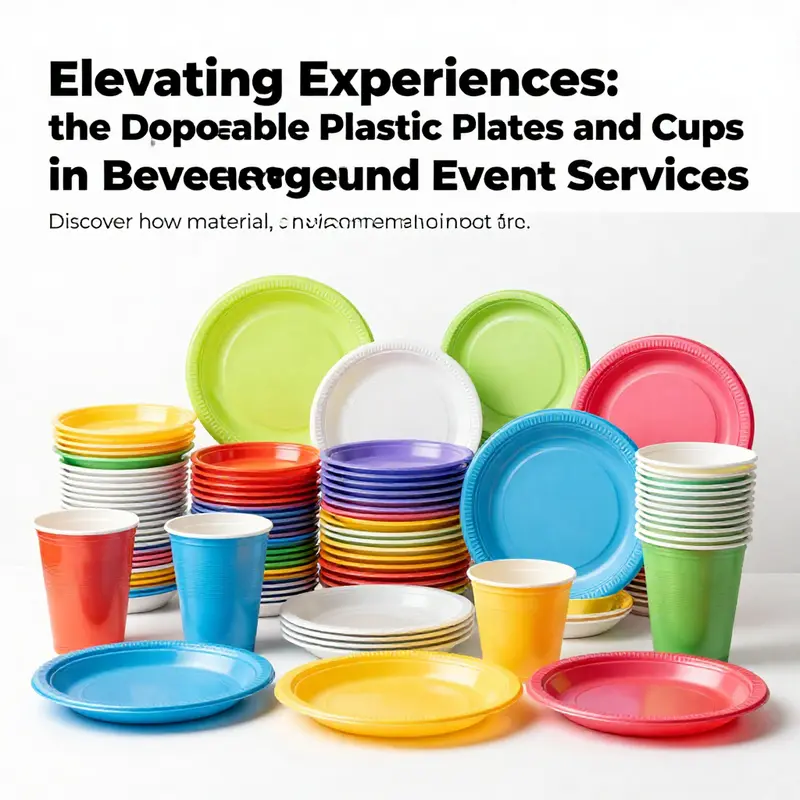
Disposable plastic plates and cups are vital components in sectors like beverage chains, catering services, and event planning. Their convenient nature makes them essential for quick service without compromising quality. This article delves into the material composition of these items, shedding light on various plastics used and their safety standards. Following this, we examine the environmental implications of single-use plastics, highlighting the balance between convenience and eco-friendliness. We will also explore the manufacturing processes that ensure efficiency and quality, leading us to contemporary market trends and shifting consumer preferences towards sustainability. Each chapter will provide insights tailored to professionals in beverage and food service fields.
From Molecules to Mealtime: Material Choices in Disposable Tableware
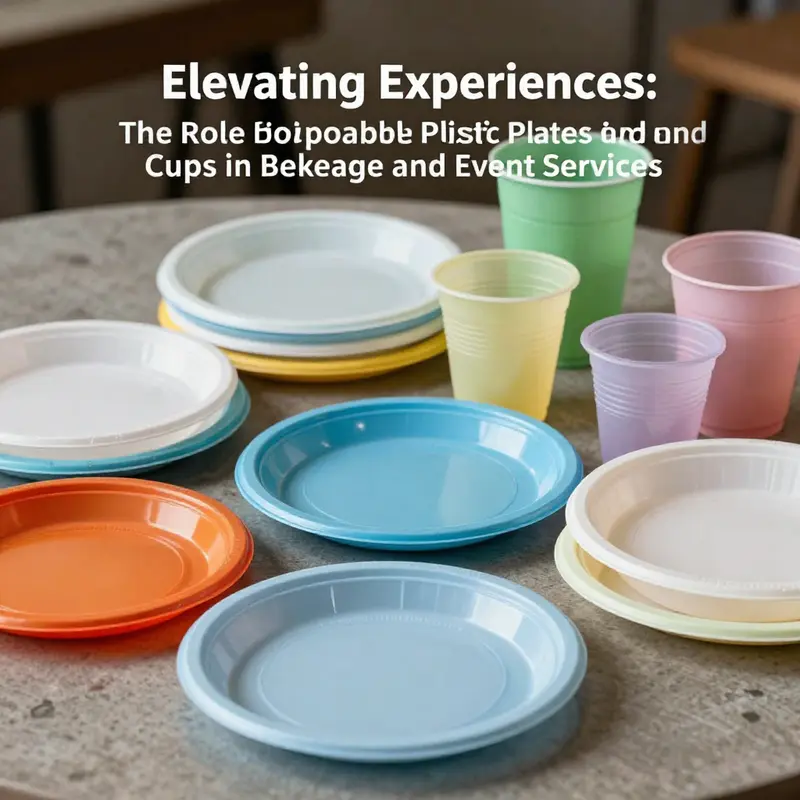
The everyday convenience of disposable plastic plates and cups rests on a quiet foundation of chemistry and engineering. At the surface, these items look simple, but their performance, safety, and environmental footprint arise from a focused selection of thermoplastic materials, each chosen for a set of properties that match how the product will be used, processed after use, and handled at end of life. In practice, buyers ask not only if a plate will hold soup or a dessert, but also whether it tolerates heat, resists moisture and grease, withstands busy cleaning cycles, or fits into local recycling streams.
Polymers such as polyethylene (PE), polypropylene (PP), polystyrene (PS), and polyethylene terephthalate (PET) each bring strengths and tradeoffs. PE is durable and flexible, forming a moisture-resistant surface that handles cold and warm foods. PP adds higher heat tolerance and chemical resistance, making it a common choice for hot-service items. PS offers stiffness and clarity, which reads as quality but comes with heat limitations and more brittleness under impact. PET provides excellent clarity and rigidity, often chosen for transparent cups or plates, yet it has limited heat resistance and is not always microwave-safe.
The decision between PE and PP often centers on expected temperature ranges and grease exposure. For hot beverages or meals, PP is favored for its resistance to deformation, while PE remains a versatile baseline for many cold and ambient-service applications. PS is favored for presentation and rigidity in lighter-duty uses, but its microwave unsuitability and lower impact tolerance require careful design in service environments. PET’s strength and translucence enhance display but require clear guidance on heating and recycling options. This spectrum shows that a single category of disposable tableware can span a wide range of performance and disposal paths.
End-of-life considerations increasingly shape material choice. Biodegradable and compostable options, including plant-based blends such as bagasse, bamboo fibers, or PLA-influenced formulations, aim to reduce long-term persistence in landfills. They can perform safely with many foods and resist moisture and oils, but they often require industrial composting facilities and may not yield the same durability as conventional plastics. Temperature extremes and local waste infrastructure strongly influence whether these alternatives are a net environmental win in a given region.
Manufacturing backbones such as thermoforming lines enable high-volume production with tight tolerances across complex shapes. The choice of resin affects not only performance in service but also how efficiently the product can be recycled or diverted from landfill after use. In practice, the material story is inseparable from waste management realities: PS and certain PE items may be accepted in some municipalities but not others, and surface residues can complicate recycling.
Finally, practical decision making blends safety, aesthetics, and logistics. For safety and hot/cold functionality, PP often serves as a pragmatic default. For a dessert display where rigidity matters, PS may be selected with the awareness of heat limitations. For beverages served in clear cups, PET offers visibility with cautions about heating. When sustainability dominates, renewable-resource options offer compelling possibilities where proper composting streams exist. Across these pathways, material composition remains a driver of performance, safety, end-of-life outcomes, and overall lifecycle footprint.
For readers seeking real-world illustrations, the broader landscape includes paper- and fiber-based tableware alongside plastic. Designers might sample different sets to balance function with disposal pathways, aesthetics with recyclability, and price with reliability. In the end, the material choices discussed here anchor decisions that affect safety, performance, and the destiny of waste after use.
External resource: https://www.plasticinstitute.org/disposable-tableware-materials-and-standards
The Hidden Footprint: Tracing the Environmental Toll of Disposable Plastic Plates and Cups
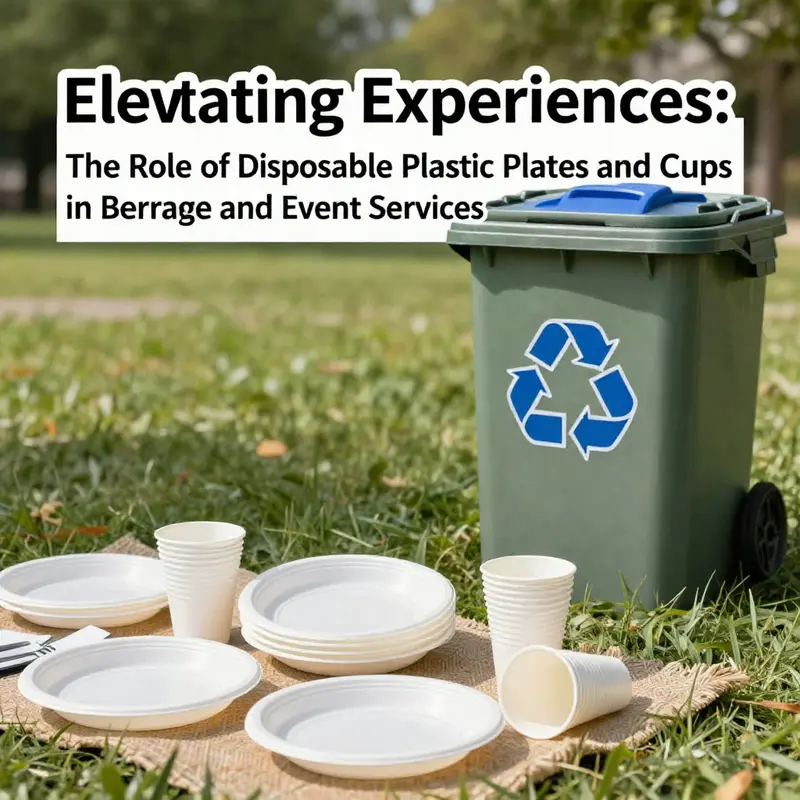
The ease of grabbing a disposable plastic plate or cup at a party, a café, or a catered event feels like a small triumph of modern life. Yet the convenience hides a stubborn, long-term environmental toll. Disposable plastic tableware is designed for moments of use and then discarded, a abrupt break with the cycles that sustain ecosystems. The result is a chronic pressure on natural resources, climate systems, and the integrity of soil and water. This chapter follows that footprint from cradle to grave, tracing how a seemingly inexpensive, single-use item travels through supply chains, enters waste streams, and challenges communities that strive for cleaner, healthier environments. The narrative is not merely about waste; it is about a loop in which everyday choices influence planetary health, and where policy, technology, and consumer behavior intersect to determine the shape of that loop in the years ahead.
The material story begins with the raw feedstocks and the energy that powers their transformation. Most disposable plates and cups are molded from polypropylene (PP) and polystyrene (PS), plastics derived from fossil fuels. The process of turning resin into a finished dinnerware item is a story of precision and scale. Thermoforming machines, including fully automated servo-driven systems, shape flat sheets into curved forms that resist moisture and grease and can be produced at volumes that meet the demands of catering, food delivery, and mass events. These machines enable rapid production with consistent quality, and their efficiency helps keep prices low but at a cost that becomes more evident when examined through an environmental lens. The energy intensity of manufacturing, the emissions associated with processing, and the ongoing demand for virgin materials all contribute to a lifecycle that begins with resource extraction and ends in waste.
When we consider the broader environmental calculus, several issues rise to the top. First, the longevity of these plastics is remarkable. Items designed for a few minutes of use can persist for hundreds of years in landfills, waterways, or the natural environment. As sunlight and air gnaw away at the plastic, it gradually fragments into microplastics—tiny particles that infiltrate soils and oceans and are found in the bodies of wildlife as well as in some seafood. Microplastics are not just an aesthetic problem; they are physical intruders that can alter habitats, affect feeding behavior in birds and marine organisms, and potentially enter the food chain in ways that researchers are still mapping. The persistence of these materials means today’s trash can become tomorrow’s ecological stressor, long after the original event is over.
The resource dimension of the problem is immediate and concrete. Plastic production depends heavily on fossil fuels, tying the fate of everyday dining ware to the broader energy landscape. The extraction, refining, and processing stages release greenhouse gases and consume vast amounts of energy. In a world aiming to curb emissions, the climate footprint of disposable tableware can appear disproportionately large for items that are used for only a short period. The tension between utility and impact is not just a question of end-of-life management. It runs through every stage of the product’s life—from the choice of resin and the energy mix of the manufacturing facility to the design decisions that influence how much material is used per plate or cup. Reducing material intensity without sacrificing performance has become a key objective for both manufacturers and buyers who seek to lower their indirect emissions.
A second, closely related challenge is recycling. In many regions, the path from disposal to recycling is uneven and imperfect. A sizeable portion of disposable tableware ends up in landfills or escapes into the environment because recycling streams are fragmented, mis-sorted, or reliant on infrastructure that is unevenly distributed. For many items, single-stream recycling is not a viable option due to contamination, color, or the complexities of separating different resins and coatings. The result is a relatively low actual recycling rate for disposable plastics, which means most of the material in use today will require long-term management somewhere downstream in the waste system. This is not simply a local concern; microplastics generated in one watershed can travel through streams and rivers to coastal ecosystems, carrying the footprint of countless small consumer decisions across borders and continents.
In policy terms, the chapter’s themes intersect with decisive governance actions that shape production, consumption, and disposal. A clear example is France’s approach to disposable tableware, which moved from discussion to action with a ban implemented on 1 September 2024. The policy requires that, by 2025, at least 60 percent of the material used in disposable plastic items be organic—that is, biodegradable or compostable—reflecting a push toward a circular economy and away from purely linear models of consumption. The French plan embodies a broader recognition that solutions must move beyond simply increasing recycling rates. It signals a shift toward materials and designs that align with waste management realities, fostering a demand for alternatives that can re-enter natural cycles rather than linger as persistent pollutants.
For readers seeking more on policy-level responses and their environmental implications, the official plan provides a detailed, country-specific lens on how legislation can drive market and behavioral changes. The plan underscores the idea that strong regulatory frameworks, when paired with industry readiness and consumer acceptance, can accelerate the transition away from single-use plastics and toward materials that perform as well in the kitchen as they do in the environment. The broader implication for businesses is clear: regulatory risk and regulatory opportunity sit on the same spectrum, and the most resilient suppliers will be those that anticipate policy shifts and adapt product design accordingly. This is not merely a compliance exercise; it is an opportunity to reimagine a category that is deeply woven into modern life.
At the market level, consumer demand for sustainable choices is nudging companies toward alternative materials and certifications. A growing subset of suppliers offers eco-friendly options that meet environmental standards in Europe and North America, including certifications that address compostability, recyclability, or cradle-to-grave performance. These developments are not merely marketing narratives; they reflect real investments in material science, product design, and end-of-life pathways. The design challenge remains to deliver durability and convenience while reducing the material burden and ensuring that the chosen solutions actually deliver on the environmental promise in real-world waste streams. This is where product design must be harmonized with waste management realities, so that what ends up in the bin is as close as possible to a loop that can be closed by composting, recycling, or safe disposal.
A natural question arises: how can the industry reconcile the demand for light, sturdy plates and cups with the need to curb their environmental impact? One path is through lighter-weight designs and optimized resin use that preserve performance without unnecessary material. Another path lies in expanding the share of bio-based or biodegradable materials, provided that those materials can be processed within existing municipal systems or dedicated industrial facilities. The conversation also extends to the packaging of these items—how they are presented, marketed, and disposed of. In this sense, the environmental story is not only about the product but also about the entire packaging ecosystem that accompanies it and how it informs consumer behavior at the point of use and beyond.
The manufacture of disposable tableware reflects a broader industrial logic: mass production with a price point that makes convenience ubiquitous. Yet markets are increasingly attuned to the externalities of that logic. Some buyers are now considering not just the immediate cost but the life-cycle cost, including end-of-life management, supply chain resilience, and reputational risk associated with environmental impacts. Within this shifting landscape, resource stewardship becomes a competitive differentiator. Suppliers who can demonstrate lower material intensity, higher recyclability, or proven compostability will find buyers more willing to pay a premium for products that align with circular economy ideals. The challenge is translating these abstractions into reliable performance on the ground—ensuring that a compostable plate can perform in a busy event setting, or that a recyclable cup can consistently re-enter the material loop rather than ending up as litter.
The path forward also hinges on consumer education and infrastructure. Proper disposal is a simple but essential part of reducing environmental harm. When consumers understand whether a given item is suitable for home composting, industrial composting, or recycling, and when local systems are equipped to handle those streams, the likelihood that materials will be diverted from landfills increases. Yet education cannot stand alone. It must be matched with waste systems that are capable of processing the materials in question. Without this alignment, even well-intentioned choices can falter, and the environmental benefits of switching away from conventional plastics can be undermined by leakage into poorly managed streams.
To bring this discussion into a concrete frame, consider the broader implications of a key digital channel for procurement and education: the availability of eco-conscious packaging options. In the industry’s current ecosystem, buyers can source materials that are positioned as environmentally friendlier, from those that emphasize compostability to those that aim for greater recyclability. A notable example of the growing emphasis on sustainable packaging is the emergence of offerings described as eco-friendly disposable packaging solutions designed for fast food and takeout contexts. These offerings illustrate how design, certification, and practical end-of-life pathways can converge in ways that align with policy goals and consumer expectations. For readers who want to explore these options in practice, a representative example of the category can be found in resources that present a range of eco-friendly packaging alternatives, including 3-compartment packaging boxes that are promoted as environmentally responsible choices for quick-service settings. This pathway demonstrates that small shifts in product design and packaging can ripple through supply chains, altering waste outcomes and consumer experiences in meaningful ways.
The environmental narrative of disposable plastic plates and cups, then, is a story about systems as much as it is about objects. It is about the interplay of material science, industrial engineering, policy design, and human behavior. It is about weighing moments of convenience against long-term costs and rethinking what “single-use” really means in a world of finite resources and fragile ecosystems. The transition toward sustainability in this space does not demand wholesale abandonment of single-use dining ware. It asks for smarter design, responsible material choices, and robust end-of-life infrastructure that can capture value rather than waste. It invites a shift in procurement culture—from cheapest upfront price to a holistic assessment of environmental impact across the product’s life cycle. It invites policymakers to craft rules that encourage innovation while protecting public and environmental health. And it invites consumers to translate everyday decisions into cumulative improvements for the places they live, work, and dine.
For readers who want to explore practical pathways to more sustainable takeout and partyware, see the broader category of eco-friendly packaging options highlighted in industry catalogs and supplier pages, including designs that emphasize environmentally responsible materials and end-of-life pathways. These options, when paired with clear labeling and accessible disposal streams, can help households and businesses reduce the odds that disposable tableware ends up as litter or long-lived pollution. In turn, this supports broader climate and biodiversity goals by reducing the material footprint and by encouraging a circular approach to material use. As research and policy continue to converge on the need for sustainable design and responsible consumption, the chapter’s core message remains: the choices made at the point of purchase, the quality and end-of-life pathways of the products, and the structures that process waste together determine whether a disposable item remains a fleeting convenience or becomes a durable part of a healthier, more resilient environment.
Internal reference note: for readers exploring practical options in eco-friendly packaging, one relevant example in the industry’s catalog is the concept of eco-friendly disposable 3-compartment packaging boxes. These products are designed to support fast-food operations and takeout contexts while aiming to align with more sustainable waste-management practices. eco-friendly disposable 3-compartment packaging box
External resource for policy context: the French Government Plastic Waste Reduction Plan provides a concrete policy framework that illustrates how regulation can drive innovation and waste reduction across the disposable tableware sector. https://www.gouvernement.fr/en/plan-to-reduce-plastic-waste
Melt, Mold, and Market: The Hidden Engineering Behind Disposable Plastic Plates and Cups
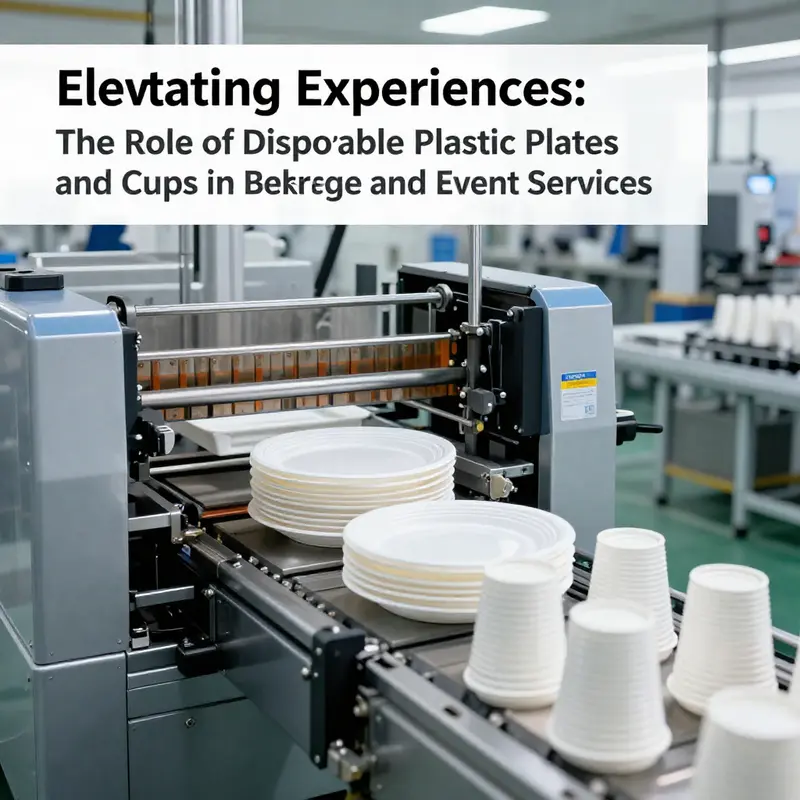
Disposable plastic plates and cups occupy a paradoxical space in modern sustenance: they promise convenience and speed, yet their production, use, and end-of-life choices ripple through environmental, economic, and social dimensions. This chapter weaves together the technical choreography that turns simple raw polymers into a functional dinnerware suite, tracing not just the steps of manufacture but the broader implications for performance, safety, and sustainability. At the heart of the story is material science: the choice of resin, the precision of molding, and the way each path shapes what happens after the last bite is taken. Across settings as varied as backyard parties, quick-service takeout, and large catered events, these single-use items are engineered for moisture and grease resistance, light weight, and reliable compatibility with fast-moving service. The engineering decisions behind them—material selection, processing methods, and post-processing considerations—determine how well they perform under heat, how quickly they can be produced to meet demand, and how responsibly they can be disposed of when the meal is over.
The journey begins with material choice. Traditional, petroleum-based plastics such as polypropylene have long dominated the spectrum of disposable dinnerware because of their robustness, clarity of molding, and low cost. In the manufacturing world, this material is primarily processed through injection molding. Molten polymer is injected under high pressure into a precisely machined mold cavity. The cavity is cooled, the part solidifies, and then the mold opens to eject the finished plate or cup. The process hinges on tightly controlled temperature and pressure: mold temperatures are often kept in a narrow band, and injection pressures must be high enough to fill complex geometries before cooling speeds set in. The result is a fast, scalable cycle that can produce large volumes with consistent dimensional accuracy.
Yet, as environmental awareness intensifies and consumer expectations shift toward responsible consumption, the industry has expanded its repertoire beyond simple PP. Biodegradable and compostable alternatives have moved from niche to near-mainstream in certain segments. Polylactic acid, or PLA, is a prominent example. Derived from renewable feedstocks such as corn starch, PLA can be molded using high-pressure or high-temperature techniques. Injection molding remains common, but HPHT molding is also used to optimize the crystallinity and mechanical strength required for plates and cups that must hold up for a period after dispensing, yet still break down under the right composting conditions. The processing window for PLA demands careful temperature and humidity control, because the material’s properties hinge on how evenly it crystallizes as it cools. The energy profile of PLA-based production does differ from conventional PP, and that difference factors into decisions about where and how these items are manufactured, whether in regions with robust industrial composting infrastructure or in markets aiming to minimize plastic persistence through bio-based routes.
A further path is the use of starch-based composites. These blends marry natural starch with biodegradable polymers such as PLA or PBAT, often yielding a product with a reduced reliance on fossil-based content. The manufacturing approach for starch-based materials typically centers on HPHT molding as well, where the mixture is extruded into a melt that can be formed under substantial pressure and temperature. The formulation must balance the starch’s natural tendency to attract moisture with the film-forming capabilities of the biopolymers, ensuring the final item has adequate structural integrity and a surface finish suitable for serving foods. The process is more nuanced than simple injection molding because the rheology of bio-based melts and the behavior of water in the system influence flow, fill, and finalProperties. The plant-based route emphasizes sustainability but also introduces processing intricacies that must be managed to maintain consistent performance across batches.
A third major family in the eco-conscious spectrum relies on plant-fiber pulps, including sugarcane bagasse or wheat straw. These materials are transformed through a process often described as paper pulp molding. Raw fibers are pulped, then suspended in water to form a slurry. The slurry is poured into a mold with a wire-mesh bottom; a vacuum draws water away, leaving a formed sheet of fibers that takes shape on the mold. The wet form is then transferred to a hot press where high temperature and significant pressure—approaching tens of tons if necessary—drive off moisture and consolidate the structure. The resulting product is typically more absorbent and offers a different texture and rigidity compared with plastic films. Afterward, edges may be trimmed, and a sterilization step, sometimes using UV light, can be employed before packaging. This route is remarkably sustainable in terms of raw material waste, converting agricultural byproducts into useful tableware, but it requires industrial-scale equipment, careful control of moisture content, and energy-intensive drying steps. The environmental tradeoffs are nuanced: while plant-fiber alternatives reduce plastic persistence, they also necessitate energy for drying and can demand specialized facilities to ensure consistent performance and safe composting.
Across these material families, the equipment landscape highlights a shared theme: modern disposable tableware production hinges on advanced, automated systems capable of high throughput and tight quality control. In a typical plant, fully automatic servo-driven systems orchestrate the cycle. The servo-driven machinery can handle complex geometries and maintain consistency from one cup or plate to the next, a critical factor given the need for tight tolerances in stacking, heat resistance, and sealing surfaces. High-speed presses, precise molding stations, and integrated quality sensors all contribute to a reliable supply for foodservice environments where margins are tight and customer satisfaction hinges on predictable performance. It is not unusual for these lines to be designed so they can switch between products with minimal downtime, an essential capability given the seasonal ebbs and flows of demand. While a single set of lines may be optimized for PP, it may also be adaptable to PLA or starch-based blends with adjusted temperature profiles, material feed rates, and mold configurations. In this sense, the factory floor becomes a flexible arena where chemistry and mechanical engineering converge to produce a spectrum of disposables with different end-of-life narratives. One concrete implication is the height of cups that lines can reliably form; many modern systems are capable of producing cups up to substantial heights, which broadens the range of beverages that can be served and reduces the need for supplementary packaging.
From the manufacturing floor, the chain moves quickly to the consumer and the fast-paced world of takeout and catering. In this space, material choice and processing speed intersect with safety and regulatory compliance. Food safety remains a non-negotiable baseline: products must be food-safe, free from hazardous additives, and suitable for the temperatures involved in serving hot or cold foods and beverages. The wrong plastic—such as a non-microwave-safe composition—can melt or release unwanted chemicals if exposed to heat. This is why certifications and rigorous testing underpin modern disposable tableware: they offer confidence to restaurants and event organizers that the items will not degrade under typical use, will not impart unwanted flavors or contaminants to food, and will withstand the rigors of stacking, transport, and short-term service. The safety narrative also extends to labeling, ensuring that temperature guidelines are clear and that the intended context of use—cold drinks, hot soups, or greasy foods—aligns with the material’s performance envelope.
On the market side, the proliferation of disposable tableware is propelled by consumer demand for convenience and by business models that prize speed and scale. Buyers increasingly seek options that deliver a lower environmental footprint without sacrificing performance or cost-effectiveness. Eco-certified products, especially those aligned with stringent environmental standards recognized across regions, are gaining momentum as a credible alternative to traditional plastics. This shift does not, however, erase trade-offs. Biodegradable and compostable options frequently require industrial facilities capable of achieving industrial composting conditions; otherwise, claims of compostability may not translate into meaningful end-of-life outcomes. In practice, this means manufacturers and buyers must be clear about the intended disposal infrastructure and regional regulations when selecting materials.
The lifecycle question extends beyond materials and processing. It encompasses the design choices that influence how many times a given item can function before disposal, the packaging and logistics required to move products efficiently, and the cultural expectations surrounding disposability. For event planners and food-service operators, the decision matrix includes cost per unit, performance under heat and moisture, compatibility with napkins and utensils, and the ease of disposal at the point of service. The problem is not simply to replace one material with another but to understand how each path affects energy use, water demand, waste streams, and downstream waste treatment capacities. In this sense, the manufacturing story is also a story about infrastructure—where the items are produced, how they are transported, and where they end up when customers finish their meals.
Within this evolving landscape, there is room for practical, incremental progress that respects both service needs and environmental considerations. Materials science continues to drive improvements in barrier properties, stiffness, and heat resistance while simultaneously reducing reliance on fossil fuels. Processing innovations, such as more efficient cooling in molding cycles, smarter mold designs that minimize scrap, and better integration between material formulation and molding parameters, can yield tangible gains in energy use and waste reduction. Designers also contribute by exploring multi-material approaches that balance performance with composting or recycling compatibility, a research frontier where collaboration among material suppliers, equipment manufacturers, and waste handlers becomes essential. The end-of-life conversation remains a critical driver of change, guiding where investments are most impactful and how policy frameworks can shape responsible practice.
For readers seeking a tangible example of the broader ecosystem around disposable tableware, consider a convenient reference to a compact, eco-conscious packaging and tableware option for casual events. This example demonstrates how a single link in a supply chain can connect materials science to user experience, logistics, and disposal. disposable paper plate-tableware set with wooden utensils provides a snapshot of how a simple set-up can combine sustainability with practicality. It underscores the potential for appraising products through a lifecycle lens—how a sturdy paper-plate alternative with a wooden utensil can align with a composting pathway, while a plain PP plate might excel in bulk performance but pose different end-of-life considerations.
Looking ahead, the trajectory of disposable plastic plates and cups will likely be shaped by continued investments in materials innovation, smarter manufacturing, and more precise alignment with disposal infrastructure. The balance among cost, performance, and environmental impact will not settle into a single formula; instead, it will reflect the diverse needs of foodservice operators, event planners, and households across regions with varying waste management capabilities. In practice, this means ongoing attention to material design, process optimization, and transparent communication about end-of-life options. It also means recognizing that the chain—from raw resin to consumer plate—depends on a network of decisions made at every stage. When factories optimize supply chains for energy efficiency, when biobased and pulp-based routes improve in strength and reliability, and when consumers understand how their choices influence compostability or recyclability, progress becomes a shared achievement rather than a solitary claim. As the field evolves, the core insight remains: the apparent simplicity of a disposable plate belies a sophisticated interplay of chemistry, mechanics, and logistics that makes modern dining possible in a world that is increasingly conscious of its environmental footprint.
External reading: https://www.amazon.com/dp/B0CQYXZV7D
From Convenience to Conscious Choice: Navigating the Market Currents of Disposable Tableware
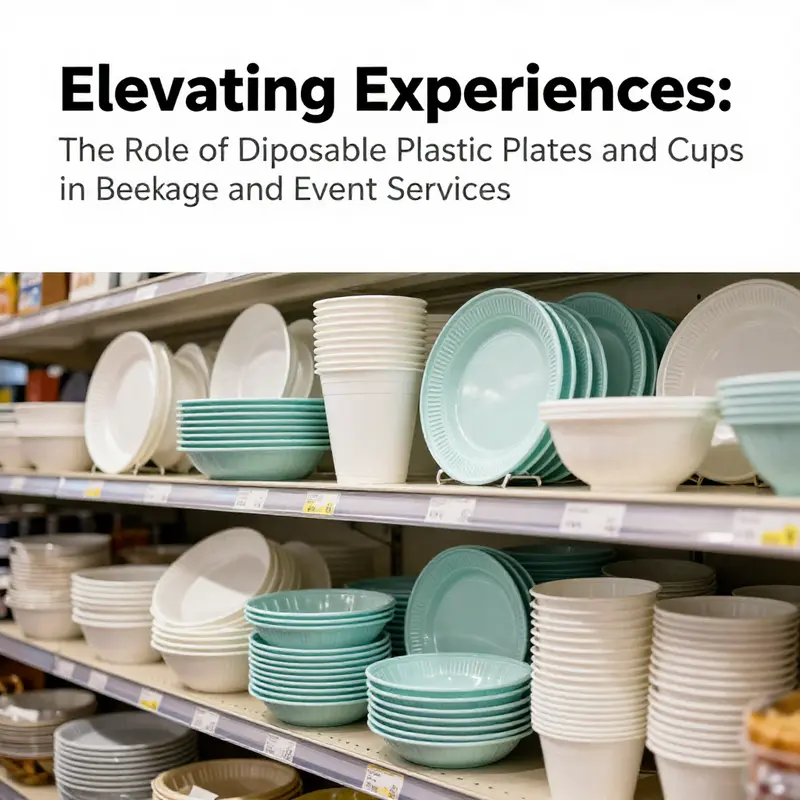
The market for disposable plastic plates and cups sits at a crossroads where convenience, policy, and perception collide to shape every decision a manufacturer, a retailer, or a food service operator makes. It is not merely a product category anymore; it is a living system that must respond to evolving standards, shifting consumer values, and the relentless push of technology. The growth trajectory remains positive, with projections suggesting a global compound annual growth rate around 5.9 percent from 2026 to 2033. Yet that growth is no longer uniform. It is increasingly bifurcated between traditional plastic and a rising family of sustainable options, each carving out space in different regions, price segments, and use cases. In this sense the chapter of disposable tableware is less about replacing one material with another and more about stitching together an integrated ecosystem—materials, manufacturing, logistics, consumer behavior, and end-of-life pathways—that can meet today’s needs without compromising the prospects of tomorrow.
A fundamental shift underpins the material landscape. For decades, petroleum-based plastics dominated the disposable dinnerware market because they offered low cost, strong moisture and grease resistance, and predictable performance. Now, policy environments in many regions are nudging producers toward alternatives that align with environmental goals. Biodegradable and compostable materials, such as polylactic acid (PLA) and polybutylene adipate terephthalate (PBAT), are moving from niche applications to mainstream roles. This structural shift is most pronounced in areas with stringent environmental regulations, where the cost of inaction is measured not only in dollars but in the social license to operate. As a result, material science has become a central driver of the industry. PLA/PBAT composites, once limited by heat resistance and mechanical performance, now show improved durability that makes them practical for hot foods and beverages. In parallel, large-scale producers have driven down the cost of bio-based materials. Over the past five years, the expense gap between traditional plastics and bio-based alternatives has narrowed by roughly forty percent, a development that makes sustainable options more accessible to both brand owners and consumers.
The consumer mindset is another powerful engine reshaping demand. Across generations born in the 1980s and 1990s, environmental awareness has become a mainstream consideration rather than a niche concern. Many consumers are now willing to pay a premium for products that align with their values, particularly when the benefits are clear and the packaging signals a tangible commitment to sustainability. The online food delivery ecosystem, sweeping across markets with billions of daily transactions, intensifies this dynamic. Packaging is not a mere afterthought; it is a critical element of the customer experience and brand storytelling. A user-friendly, eco-friendly package can reinforce trust and influence repeat choices, even if it comes at a modest extra cost. In this context, the packaging decisions of large, multi-channel operators become influential signals for the entire supply chain. The appetite for sustainable packaging extends beyond the final consumer to the wholesale and service providers who supply everything from single-use plates to takeout containers. In practical terms, this means suppliers and manufacturers must offer a spectrum of options—standard plastic for cost-sensitive segments, and certified eco-friendly alternatives for markets and customers prepared to invest in environmental stewardship.
The market’s outward appearance is undergoing what industry observers call a bifurcation. On one axis sits the traditional plastic, still dominant in many urban and rural pockets where price and convenience carry the day. On the other axis, sustainable materials—paper, bamboo, and plant-based composites—are gaining ground, particularly in developed markets with high environmental consciousness. The urban core often becomes a testing ground for new solutions, where consumers can be more discerning about sustainability and where regulatory push-pull is strongest. Meanwhile, in lower-tier markets or among more price-sensitive segments, traditional plastic remains a reliable option. This dual path creates a dynamic tension: the pressure to innovate and migrate toward greener options on one side, and the inertia of established cost structures on the other. For practitioners, the lesson is clear. A successful strategy must be anchored in flexibility—capacity to scale bio-based solutions where policy and taste converge, while maintaining robust price-performance options for the segments where cost remains the dominant driver.
Technology is both a driver and a facilitator of this transition. Material advancements—improved heat resistance, better barrier properties, and stronger compatibility with composting streams—are expanding the practical envelope of sustainable tableware. PLA/PBAT composites, for instance, are being engineered to withstand higher temperatures, enabling hot-food applications that were once beyond reach. The scaling of bio-based components has a knock-on effect: producers can offer longer-lasting products without sacrificing environmental credentials. Moreover, the manufacturing frontier is embracing smart, flexible production lines. Modern facilities can switch between product types with minimal downtime, enabling short-run customization alongside mass production. This not only broadens the design space but also improves energy efficiency in factory operations, aligning cost structure with the broader sustainability agenda.
End-of-life considerations complete the circle. The path from consumer use to final disposition determines the actual environmental impact of disposable tableware. Certification standards and third-party assessments provide a framework for consumers to compare claims and for businesses to meet regulatory expectations. In many markets, certified compostable or biodegradable options signal a commitment to lifecycle responsibility. Yet certification alone is not sufficient; consumer education and local waste management infrastructure are equally crucial. A product designed for compostability requires compatible processing facilities; otherwise, it risks ending up in landfills where it does not degrade as intended. This reality pushes companies to think beyond the product itself and toward a holistic program that includes partner networks for collection, sorting, and end-of-life treatment. The potential benefits are significant: reduced environmental burden, enhanced brand value, and the ability to participate in new revenue models that couple product use with take-back or recycling initiatives.
For businesses navigating this evolving landscape, the practical implications are multi-layered. First, product portfolios must reflect a clear segmentation strategy. In price-sensitive channels, traditional plastic remains essential for competitiveness. In premium or policy-driven markets, certified eco-friendly options should be the default. Second, packaging design and branding play an outsized role in signaling commitment to sustainability. Consumers do not only buy a product; they buy a story about how it was made and disposed of. Third, supply chain agility becomes a strategic asset. The ability to source bio-based inputs, switch between materials, and coordinate with recycling or composting partners reduces risk and creates resilience in times of policy or supply disruption.
To illustrate how these ideas translate into market practice, consider the availability of customized and thematically designed tableware. In the digital marketplace, buyers increasingly expect bulk options with the flexibility to align with specific events and branding needs. For operators planning a themed gathering or a promotional campaign, the choice to invest in custom disposable tableware can be a meaningful expression of a brand’s sustainability stance while also delivering practical advantages such as ease of cleanup and predictable performance. A practical example is the option to source themed or color-rich disposable plates and cups that can be tailored to event aesthetics and audience preferences. For businesses seeking such customization and scale, one can explore a resource focused on takeaway packaging and disposable tableware designed for theme parties, which demonstrates how suppliers are responding to the demand for both style and responsibility. Accessing this resource provides a tangible sense of how design, material choice, and sustainability considerations converge in real-world sourcing decisions. custom takeaway packaging and disposable tableware offers an illustration of how the market is expanding the design space while maintaining functional performance.
The broader market narrative also includes an awareness that the online marketplace, procurement platforms, and mass retailers play pivotal roles in shaping demand. They create an exposure effect: consumers encounter a wider array of options than ever before, including competing claims about compostability, recyclability, and certified environmental safety. As buyers and end-users encounter these claims, they increasingly expect transparency. They want to know what the product is made from, how it behaves in use, and what happens after disposal. This is where the convergence of regulation, certification, and consumer education becomes vital. It is not merely about whether a material can claim to be eco-friendly; it is about whether that claim translates into real-world benefits in a local waste system. In response, producers are adopting clearer labeling, more robust testing, and stronger partnerships with waste-management providers to ensure that the end-of-life story matches the promise at the point of sale.
The commercial implications extend to procurement and branding strategies as well. When buyers evaluate options, they weigh total cost of ownership against life-cycle benefits. A solution that looks marginally more expensive upfront may prove financially advantageous if it reduces handling costs, improves customer satisfaction with a sustainable narrative, or aligns with regulatory incentives. This makes the case for a diversified portfolio stronger than ever. It also incentivizes collaboration across the value chain—from raw-material suppliers and machinery manufacturers to logistics providers and recyclers—to ensure that each link in the chain contributes to lower overall environmental impact.
As the market continues its trajectory, one can anticipate a more cohesive ecosystem that treats disposable tableware as part of a circular or near-circular economy. In practice this means a blend of bio-based materials with scalable production, smart manufacturing that minimizes waste and energy use, and end-of-life channels that transform used items into feedstock for new products. The research landscape reinforces this expectation: material science breakthroughs, large-scale bio-based material production, and advances in flexible, automated production lines are converging to reduce costs and expand applicability. The result is not a single technology leap but a coordinated set of innovations that together push the industry toward a more sustainable equilibrium.
Visitors to the market can also consider how the online and offline worlds intersect. The ease of online purchasing enables rapid experimentation with new materials, designs, and certifications. It lowers the barriers to entry for small players who seek to test demand for eco-friendly options and gather feedback on performance in real-world settings. Meanwhile, brick-and-mortar foodservice environments still value reliability, speed, and simplicity. The most successful players will be those who balance speed to market with rigorous sustainability claims, offering a clear value proposition that resonates with customers who care about the planet as much as their plates and cups.
In sum, the future of disposable tableware is not a simple substitution of one material for another. It is the cultivation of an ecosystem that harmonizes sustainable materials, adaptive manufacturing, and responsible end-of-life management with the everyday realities of convenience and cost. Growth will continue, but it will cluster around those who can demonstrate authentic environmental stewardship without sacrificing performance. This means more transparent certifications, smarter material choices, and greater collaboration across suppliers, manufacturers, and waste managers. For practitioners, the path forward is clear: adopt a portfolio that reflects both the price-sensitive need for reliable disposables and the rising demand for products that align with environmental values. And stay attentive to policy signals, which will continue to steer investment toward materials that make ecological sense and business sense at the same time.
External context for further reading helps frame these dynamics. For a deeper dive into the market prospects and regional trajectories of disposable tableware, see the Global and Chinese Disposable Tableware Market Prospect Report. https://www.reportlinker.com/p07213465/Disposable-Tableware-Market-Global-and-China-Prospects-Research-Report-2026.html
Final thoughts
As disposable plastic plates and cups continue to play a crucial role in catering and beverage services, understanding their material composition, environmental impact, manufacturing processes, and market trends is essential for making informed choices. By balancing convenience with sustainability, businesses can meet consumer needs while embracing eco-friendly practices. Moving forward, stakeholders should prioritize safety, explore sustainable options, and stay ahead of market trends to enhance their service offerings.