
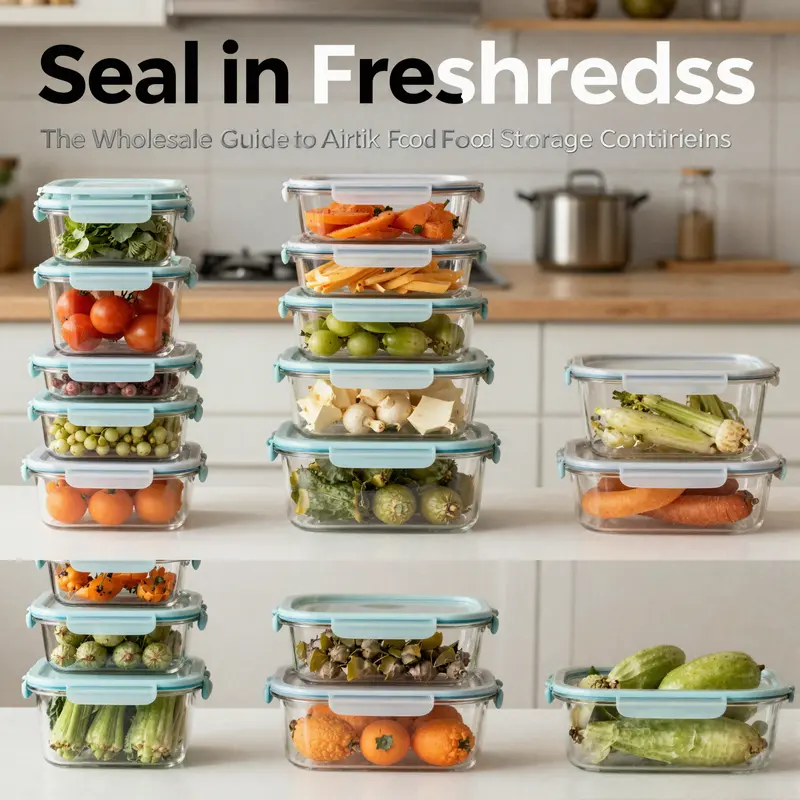
In the competitive landscape of food service, ensuring ingredients and products are stored properly is crucial for both quality and safety. Airtight food storage containers play a vital role, especially for businesses like bubble tea shops, restaurants, food trucks, catering services, and event planners. This guide delves into key aspects such as durability and material safety, sustainable solutions, innovative designs, compliance with industry standards, and the dynamics of market suppliers. By navigating these chapters, you’ll gain insights into making informed wholesale purchasing decisions for airtight food containers that meet your demands and elevate your service.
Built to Last: Durability and Safety in Wholesale Airtight Food Storage Solutions
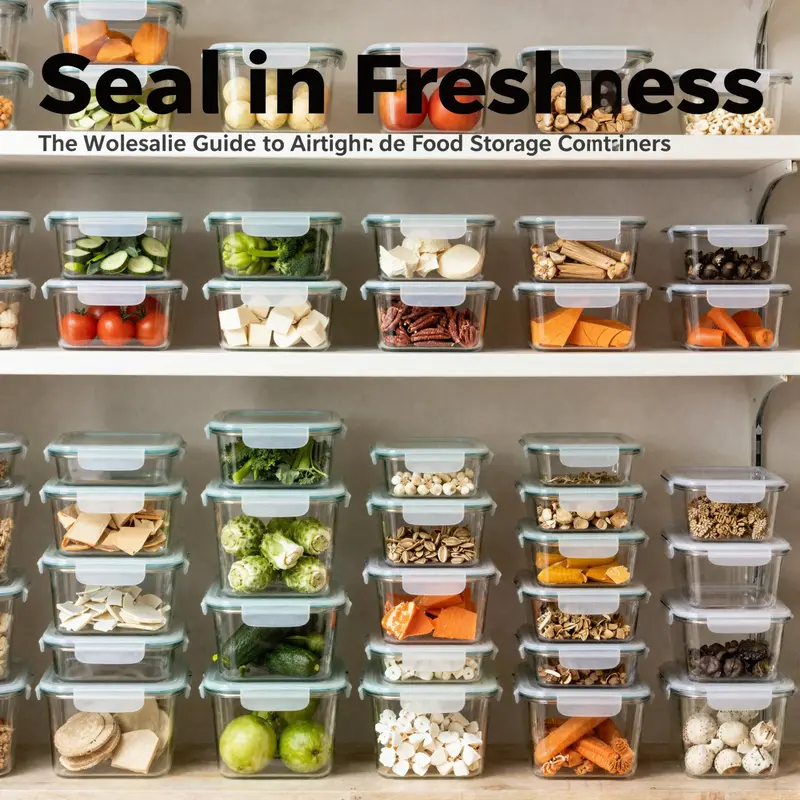
Durability and safety sit at the core of wholesale decision making for airtight food storage containers. In bulk, the consequences of choosing the wrong material or seal can ripple through inventory costs, waste, and brand perception. The market responds with a spectrum of designs intended to withstand daily washing, temperature swings, and the rigors of commercial handling, while also meeting exacting food-safety standards. Buyers who source at scale know that a container must perform beyond a single use. It must resist cracking under impact, retain its seal through repeated cycles, and maintain its integrity as it travels from warehouse to kitchen, back rooms to retail shelves. In this context, durability is not just about a sturdy rind; it is about a coherent system of materials, lids, gaskets, and manufacturing controls that work together to preserve product quality, reduce waste, and support efficient logistics. The most reliable options tend to align with three interdependent pillars: advanced material science, robust sealing technology, and certified safety compliance that travels across borders with every shipment.
Material choice is the foundation of real-world performance. Among the options most consistently valued for wholesale applications are high-density polyethylene (HDPE), borosilicate glass, and BPA-free plastics such as durable polypropylene (PP). HDPE stands out for its impact resistance and chemical stability. In environments where containers are dropped or stacked in tight spaces, HDPE resists cracking and shows admirable resilience to repeated washing with hot water. It also handles a wide temperature range, which is essential for bulk storage that might transition from dry goods rooms to cold storage or even mild reheating stages in some workflows. Borosilicate glass, by contrast, offers exceptional chemical inertness and a surface that does not readily absorb flavors or odors. While heavier and more fragile than plastic, borosilicate glass earns premium status through long-term reuse, easier long-term cleanliness, and a high-end appearance that can reinforce brand positioning when used in consumer-facing product lines. For households and commercial kitchens prioritizing safety and simplicity, BPA-free plastics—especially those engineered for high strength—combine light weight with dependable resilience. Polypropylene, in particular, provides a favorable balance between rigidity and flexibility, and it tends to stand up well to frequent cycles of freezing and warming when designed with compatible lids and seals.
Durability is amplified by the design of the sealing system. A truly airtight container relies on more than a tight lid. The gasket material, the precision fit, and the locking or interlocking mechanisms determine whether the seal can resist oxygen, moisture, and pests during storage. Silicone gaskets remain a preferred option for many wholesale products due to their flexibility, chemical stability, and ability to return to shape after compression. A well-engineered lid often features an interlocking rim that prevents accidental disengagement during transport and stacking. In practice, these features reduce clumping in dry goods like grains and flour, which are particularly sensitive to moisture ingress and can become breeding grounds for pantry pests when seals fail. The USDA explicitly emphasizes that tightly sealed containers help maintain both freshness and safety, recognizing that effective confinement of air and moisture limits spoilage pathways and infestation risks. In a wholesale setting, the cost of a robust seal is quickly offset by diminished waste, lower return rates, and smoother fulfillment cycles, especially when orders scale into large kitchens, food service operations, or distribution centers where handling can be rough and storage spaces constrained.
Safety certifications act as the global passport for wholesale buyers who must move products across multiple regulatory regimes. Reputable containers commonly carry a suite of certifications that assay food-grade safety, environmental responsibility, and performance under diverse conditions. FDA alignment in 21CFR 177 confirms suitability for direct contact with food, while CE marking demonstrates conformity with essential health and safety standards within the European Economic Area. ISO certification signals a widely recognized quality management framework, which is crucial for buyers who require consistency across large batches. BV certification, too, remains a marker of third-party verification that adds confidence for distributors handling shipments on behalf of brands. Beyond traditional food-safety credentials, Extended Producer Responsibility (EPR) standards—particularly those reflected in European markets—signal a commitment to end-of-life stewardship and recyclability. These certifications collectively transform a simple storage solution into a reliable component of a brand’s risk management and sustainability narrative. In this context, a buyer’s due diligence often includes requesting documentation of the supplier’s quality management systems, batch traceability, and test reports that demonstrate seal integrity after repeated exposure to realistic temperature and wash cycles. It is here that the value of a well-documented, cert-backed product emerges plainly: durability and safety are not abstract assurances but verifiable performance through standardized testing and transparent reporting.
The perspective of industry researchers adds another layer to the decision framework. A food safety researcher has underscored the practical implications of truly airtight, non-reactive containers. The takeaway is that proper storage can extend shelf life significantly when the containers deliver a reliable barrier against air exchange and chemical interaction with foods. This insight reinforces why wholesale buyers increasingly scrutinize material safety as an interlocked variable with performance. It is not merely about whether a container can sit on a shelf for months; it is about whether it can preserve quality through routine cleaning cycles, temperature fluctuations, and the logistics choreography of bulk distribution. In parallel, material science advances have yielded increasingly sophisticated plastics and glass formulations that resist micro-cracking, staining, and flavor carryover, even after repeated use. The integrated effect is a family of products that deliver durable, safe storage at a scale compatible with bulk procurement goals.
As a purchasing strategy, durability and safety must inform the trade-off calculus among plastic, glass, and even cardboard-based designs that have emerged for specialized wholesale applications. Plastic options are typically favored for cost efficiency, light weight, and ruggedness; they excel in high-volume, fast-moving environments where space and weight translate into tangible savings. Glass options, while heavier, convey a premium image and offer chemical inertness that is appealing for brands targeting health-conscious markets. Cardboard and other eco-friendly materials, engineered for airtight performance through moisture-resistant coatings and precise closures, provide an increasingly attractive option for certain cold-chain and farm-to-market contexts. In each case, the decisive factor remains the reliability of the seal and the credibility of safety certifications, which together mitigate risk during large-scale distribution and consumer use. Customizable and stackable designs further support operational efficiency, enabling warehouses to maximize racking density and streamline picking processes in busy facilities. Grid partitions, modular stacking, and nesting features help reduce the footprint of mute containers during storage, which translates into meaningful savings on warehousing and shipping costs over time. This space optimization, when paired with durable bodies and seals, creates a durable, scalable solution that can adapt to the evolving demands of bulk food storage and distribution.
One practical facet of supplier evaluation in wholesale contexts is the emphasis on traceability and risk management. Buyers increasingly demand transparent supplier credentials, comprehensive testing documentation, and a clear path to certifications. The combination of material safety data with performance test results creates a robust evidentiary base for decisions about long-term contracts. In parallel, the market rewards designs that reduce waste and simplify recycling, aligning with broader environmental obligations and consumer expectations for sustainability. In some cases, suppliers highlight stackable, partitioned, or interlocking configurations that optimize space and minimize the total cost of ownership. Such designs may incorporate features like moisture-resistant coatings or easy-clean surfaces that withstand repeated wash cycles without degradation. The ongoing evolution of materials science also points toward increasingly durable, reusable solutions that align with circular economy ideals. These innovations do not merely promise better performance; they offer tangible improvements in waste reduction, energy use, and overall lifecycle impact.
From a strategic vantage point, the synthesis of durability, material safety, and responsible packaging shapes not only product performance but brand credibility in wholesale channels. When buyers select containers that maintain their form and seal through the daily grind of bulk operations, they reduce spoilage, boost yields, and foster trust with end-users who rely on consistent, safe storage solutions. The reputational benefits extend to distributors, manufacturers, and retailers who can point to verifiable certifications and durable performance as proof of value. The ripple effects touch procurement strategies, inventory planning, and even marketing narratives that frame these containers as dependable, safety-forward components of food storage systems rather than disposable commodities.
To illustrate the breadth of design thinking in this space, consider how space-efficient, airtight options can be integrated into high-volume operations without compromising safety. Contoured lids, gasket materials engineered for long-term resilience, and locking mechanisms designed to endure frequent handling all contribute to a holistic product that performs reliably in warehouse racks and in consumer kitchens. A well-executed combination of material choice and sealing technology reduces the likelihood of moisture intrusion, flavor transfer, or pest exposure—issues that can derail a bulk program and invite costly returns. In parallel, the sustainability dimension—balancing durability with recyclability—becomes a strategic differentiator. Consumers increasingly associate brands with responsible end-of-life practices, and wholesalers who align with robust EPR or similar standards position themselves to meet evolving regulatory expectations while delivering measurable environmental outcomes. The net effect is a more resilient supply chain, a stronger value proposition for buyers, and an enduring image of quality that travels from the factory floor to consumer hands.
For readers seeking to broaden their understanding of wholesale options and supplier capabilities, a practical resource is a major wholesale marketplace that aggregates a broad spectrum of airtight storage solutions in plastic, glass, and other materials. This resource can help buyers compare certifications, MOQs, and real-time specifications, supporting informed decisions across large-scale requirements. As with any procurement decision, verification remains essential: request test data, confirm batch traceability, and cross-check certificates against the product’s intended markets and usage scenarios. Internal diligence, combined with an emphasis on reliable sealing systems and high-integrity materials, translates into wholesale purchases that perform, endure, and reassure customers about safety and quality.
Internal link for further context on packaging design and sustainability: eco-friendly takeout boxes for food packaging.
External resource for broader wholesale options and standards: https://www.alibaba.com/showroom/wholesale-airtight-food-storage-containers.html
Sustainable Solutions for Wholesale Airtight Storage: Glass and Cardboard Containers Redefining Freshness and Footprint
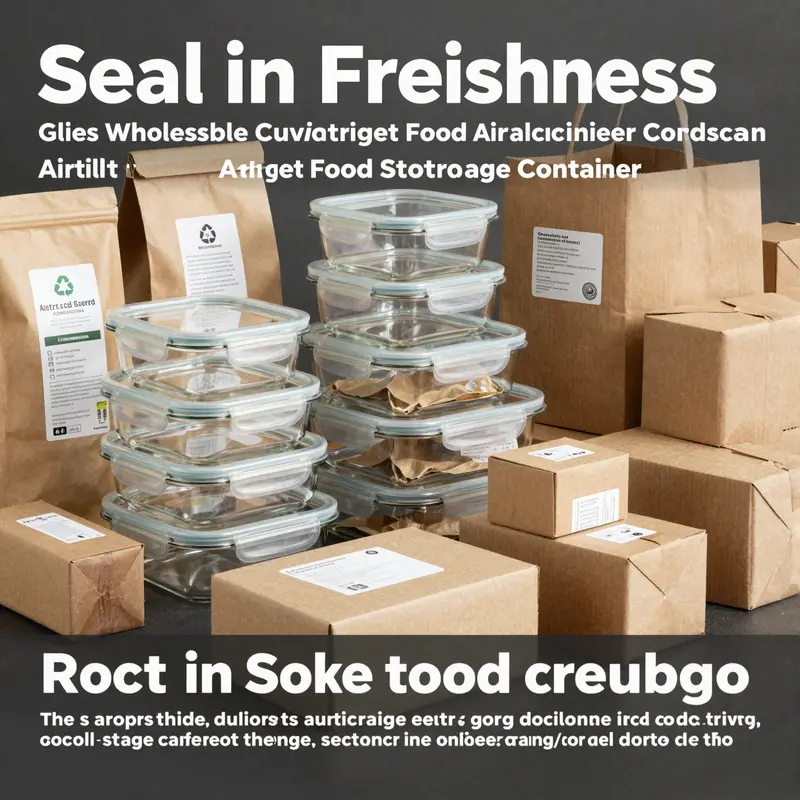
The push toward sustainable, bulk-friendly storage solutions has reshaped how wholesale buyers evaluate airtight containers. In the realm of large orders that must perform consistently from first stock rotation to months of shelf life, glass and cardboard stand out not merely as alternatives to plastic but as strategic choices that align with brand integrity, waste minimization, and supply chain resilience. When buyers scan the landscape for bulk options, they weigh not only price and capacity but also the underlying lifecycles of the materials, the safety of contact with food, and the broader implications for a company’s sustainability commitments. In this context, glass and cardboard airtight containers offer a complementary balance: glass delivers long-term durability and inert performance, while cardboard introduces space efficiency and circular economy potential that fits the demands of high-volume logistics and packaging design.
Glass airtight containers have earned their place in wholesale catalogs because they couple chemical inertness with a timeless aesthetic. They do not interact with dry goods the way some plastics can over time, which makes them particularly well suited for long-term storage of staples like flour, sugar, and a variety of spices. The inert nature of glass translates into a lower risk of flavor carryover and staining, a practical advantage when storage regimes rotate between different product lines in a distribution center. When a supplier offers glass in wholesale quantities, the advantages accumulate: durability that, with proper care, can extend over five to ten years; the transparency that makes inventory management visually intuitive; and a premium appearance that enhances brand storytelling in consumer packaging or in-store displays. From the perspective of food safety, glass is a robust choice because it resists absorbing residues and odors, contributing to a cleaner, more reusable storage ecosystem.
Yet no material operates in a vacuum, and glass presents its own set of trade-offs. Weight is a fundamental consideration in transportation economics, and heavier containers raise handling costs in warehouses and during outbound logistics. Fragility, though manageable with well-designed lids and packaging, demands careful handling in high-volume environments where pallets, forklifts, and routine daily rigors test durability. Lids, in particular, require attention: their seals are essential for airtight performance, and in some setups, lid maintenance may involve careful washing to preserve a tight seal over time. These practical realities do not negate glass’s value; they merely require wholesalers to design operations that accommodate the handling characteristics of glass while preserving the airtight integrity that matters to customers. For premium or premium-branded lines, the ability of glass to project quality and permanence often justifies the added weight and handling considerations.
Cardboard airtight containers introduce a contrasting set of strengths that resonate strongly with the realities of high-volume distribution and sustainability targets. Modern cardboard solutions—engineered with moisture-resistant coatings and precision-fit lids—deliver reliable airtight seals without the weight burden of glass. The most compelling attribute for wholesale buyers is space efficiency. Interlocking designs enable secure stacking when full and efficient nesting when empty, reducing the overall footprint of storage and transport by as much as a full order of magnitude in some configurations. The reported potential to cut storage space by up to 60 percent speaks directly to warehouse throughput, route optimization, and reduced freight costs. In addition, cardboard aligns with circular economy goals because many options are recyclable and, in some cases, biodegradable at the end of life. For brands seeking image alignment with eco-friendly messaging, cardboard containers offer a tangible, repeatable narrative that can accompany reusable or recyclable packaging programs.
The environmental tradeoffs between glass and cardboard are not simply a matter of weight or cost. Glass shines in chemical inertness and reusability. It is highly recyclable, and with proper recycling streams, can be reborn into new glass products with minimal loss of quality. In practice, the durability and recyclability of glass support a long-term ownership model that reduces the consumer and business burden of frequent replacements. Cardboard, conversely, excels at lightweight efficiency and logistics optimization. Its recyclability is compelling within a well-structured waste-management program, and its low density translates to lower transport emissions for many bulk shipments. Taken together, these materials form a duo that allows wholesalers to tailor solutions to specific use cases: glass for premium lines and bulk dry goods that benefit from longevity and a premium consumer impression; cardboard for high-volume distributions, eco-conscious branding, and supply-chain efficiency.
A key part of wholesale decision-making lies in aligning material choice with standards, certifications, and safety assurances. The market increasingly expects suppliers to demonstrate compliance with recognized food-safety regulations and industry standards. For glass, that often includes evidence of inert performance and compatibility with food-contact applications, along with clear labeling about heat tolerance and safe handling practices. For cardboard, it means clarity about coatings, barrier properties, and whether the container is suitable for certain storage conditions or re-use cycles. Wholesalers also look for third-party certifications that signal a robust quality-management system and consistent production processes. These signals matter far beyond a single order; they influence supplier reliability, warranty considerations, and the potential for long-term contracts that depend on predictable performance across multiple lots and seasons.
In the wholesale context, the practical realities of procurement are intertwined with the realities of the market. Glass and cardboard products are frequently sourced through global platforms that connect buyers with verified suppliers. Buyers benefit from detailed specifications, minimum order quantities, and real-time communication channels, which help align production calendars with demand spikes in the food industry. The decision to move toward glass or cardboard often hinges on more than unit price; it hinges on total-cost-of-ownership, which includes storage costs, damage rates, and the frequency of product transitions in warehouses and retail environments. The ability to project a reliable lifetime cost becomes a decisive factor when planning multi-year procurement that spans seasonal peaks, new product launches, and evolving consumer expectations around sustainability.
When wholesalers chart a path toward glass and cardboard, they also consider branding and consumer experience. Glass, with its clear visibility, lends itself to premium packaging concepts in-store and on shelves. The glass choice signals a commitment to durability and a long-term relationship with the consumer—the kind of messaging that can support higher price points or more favorable shelf positioning. Cardboard, on the other hand, offers an opportunity to harmonize packaging with eco-labels, recyclable streams, and narratives about reduced environmental impact. For many businesses, the decision is not to abandon plastic but to weave a diversified portfolio of containers that can be deployed strategically to match product category, market segment, or distribution channel. A wholesale buyer might, for instance, reserve glass for high-value dry goods and premium lines while using cardboard for bulk storage and logistics-intensive ranges where space and weight savings have outsized effects on the bottom line.
As with any wholesale choice, the path to sustainable procurement is also a path through the supplier ecosystem. Platforms that connect buyers with manufacturers in regions with established glass and cardboard production capacities can provide the reliability and scale needed for large orders. Buyers should seek suppliers with transparent certifications, robust quality-management systems, and a track record of on-time delivery across batches. It is not enough to assume that a given material is inherently sustainable; the actual environmental benefit emerges when the entire lifecycle—manufacture, use, reuse, and end-of-life processing—is managed conscientiously. For wholesalers, this means evaluating not only the product’s performance but also the supplier’s commitments to responsible sourcing, waste reduction, and policies that support circularity.
In practice, the best wholesale decisions often involve a balance between practicality and aspiration. Glass delivers longevity and a premium feel, enhancing brand perception and reducing the need for frequent replacements in slow-turning SKUs. Cardboard delivers efficiency in stacking, storage, and transport, supporting lean logistics and faster reload cycles. The two materials can coexist within a supplier’s catalog, enabling customers to build a diversified storage strategy that scales with demand and aligns with evolving sustainability benchmarks. As buyers navigate this landscape, they increasingly rely on supplier credentials, environmental declarations, and performance data to make choices that withstand scrutiny from auditors, retailers, and consumers alike. In short, the wholesale shift toward glass and cardboard is not simply about substituting one material for another; it is about constructing a storage ecosystem that preserves freshness, respects the planet, and remains resilient in a changing market.
For readers seeking a practical glimpse into how sustainable packaging trends translate into procurement decisions, a broader look at industry shifts can be informative. The evolution of material science and market adoption across the food industry highlights how innovations in coatings, seals, and container geometry enhance both airtight performance and end-of-life outcomes. It is no small feat to design containers that perform reliably in cold storage, transit, and consumer kitchens while also fitting into established recycling streams. Yet the story of glass and cardboard in wholesale airtight storage is precisely about achieving that balance: delivering products that safeguard freshness, support responsible waste management, and reinforce a brand’s commitment to a more circular economy. To explore related guidance on sustainable packaging trends and supplier information, see broader industry resources that chart these developments and offer practical insights for scale-minded buyers. For further reading, The Guardian’s Sustainable Packaging Guide provides a comprehensive, up-to-date overview of innovations in material science and market adoption across the food sector.
Internal resource for reference: for wholesale buyers seeking practical packaging options that emphasize sustainability and performance, consider exploring examples of eco-conscious takeout and storage packaging. Such resources illustrate how interlocking, moisture-resistant cardboard designs and inert glass solutions can be integrated into a cohesive storage strategy that supports both operational efficiency and responsible branding. This approach helps bridge the gap between warehouse realities and consumer expectations, ensuring that airtight integrity, cost discipline, and environmental stewardship are not mutually exclusive but mutually reinforcing. To dive deeper into supplier options that emphasize eco-friendly takeout packaging and durable, recyclable designs, you can review materials and product configurations that align with this chapter’s themes. eco-friendly-takeout-boxes-for-food-packaging-stylish-food-containers-safe-microwave-craft-paper-lunch-boxes-leak-grease-resistant
External reference for further context: The Guardian’s Sustainable Packaging Guide offers insights into advances in packaging materials, certifications, and market adoption that inform wholesale decisions around glass and cardboard storage containers.
Sealed at Scale: How Innovative Airtight Containers Redefine Wholesale Food Storage
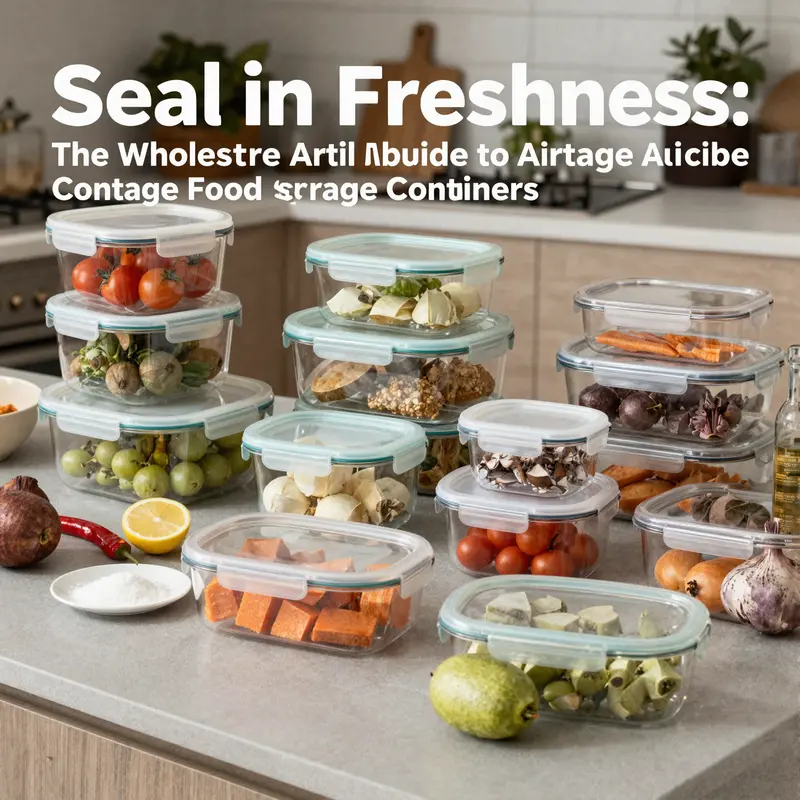
Airtight storage is no longer a simple matter of keeping moisture out. In wholesale markets, the best designs fuse durability, safety, and space efficiency with smart functionality that scales from a single warehouse to a multinational distribution network. Buyers are increasingly practical about what works in bulk: a container must protect integrity during long transit, withstand repeated handling in busy kitchens, and present a clean, reliable image when brands line up their shelves. The global market reflects this pragmatism, offering options that range from sturdy plastic solutions to premium glass and even eco friendly cardboard systems. The most telling shifts occur where material science meets modular thinking. A standout example in the wholesale segment demonstrates how a 24 pack of airtight containers can balance performance with packable efficiency. These sets, typically made from BPA free PET, emphasize precise tolerances and stacking compatibility, with a reported 1.0 millimeter dimensional tolerance. That narrow tolerance is not just a number; it translates into tighter packing, fewer misfits, and a pantry or warehouse that can be reorganized with surgical precision. Stacking that fits like a puzzle reduces wasted space and speeds up inventory management. In practical terms, that means a kitchen or distribution center can store more product in the same footprint, a basic yet powerful lever in a sector where space costs money and speed wins orders. The consequences extend beyond physical arrangement. An airtight seal preserves freshness for dry goods such as cereals, coffee beans, and pasta, enhancing shelf life by a meaningful margin. In bulk storage and distribution contexts, even a modest extension of shelf life reduces spoilage risk, lowers waste, and helps maintain consistent quality across large consumer or institution channels. The 24 pack also embodies a design philosophy that is increasingly common in wholesale offerings: customization without complexity. Black labels, modular dividers, and multifunction designs allow buyers to tailor the container set to a wide range of SKUs within a single family. Spices, snacks, and dried goods that share the same outer dimensions can be separated by different lids or labeled compartments, preserving clarity in the warehouse and on retail shelves. The result is a product line that feels purpose built for wholesale procurement, capable of handling the high-volume realities of bulk storage and distribution while remaining accessible to smaller operators who still demand reliability. Safety is the backbone of these decisions. Materials described as BPA free meet a baseline standard for consumer health and regulatory compliance, a critical consideration when containers pass through multiple hands—from suppliers to large retailers to kitchens in schools, hospitals, and corporate cafeterias. The most common materials include durable plastics such as polypropylene and PET, sometimes reinforced with HDPE for structural rigidity. Glass remains a compelling option for premium branding or long-term reuse, particularly borosilicate or tempered soda-lime variants that resist chemical interactions and withstand microwave, oven, or freezer use. Yet glass has tradeoffs in weight and fragility, which wholesale buyers evaluate against durability and lifecycle costs. Cardboard based designs, especially those engineered for cold storage and farm-to-market chains, offer a different set of advantages. They can be nested and interlocked to reduce footprint, and when moisture resistant coatings are added, they maintain airtight integrity while cutting shipping and warehousing expenses. In each material category, the promise is clear: performance that scales without sacrificing safety. The broader market for airtight containers reflects a spectrum of use cases. For bulk grains, dried foods, and pet foods, 5-liter or larger units are common, designed to balance durability with portability. In institutional settings, modular plastic systems with microwave, freezer, and dishwasher compatibility simplify meal prep and bulk service. For retailers seeking a higher-end impression, stackable glass jars grid across display walls, preserving freshness while elevating branding through clarity and tactile quality. The wholesale landscape also rewards intelligent engineering that reduces waste and enhances sustainability. A growing number of buyers weigh the lifecycle impact of each option. Glass systems, while heavier and more fragile, offer near limitless reusability and full recyclability. Plastic options, when BPA free and responsibly sourced, provide durability and lower transport weight. Cardboard alternatives, with moisture resistant coatings, offer a compromise that leans toward eco friendly industrial packaging. In all cases, the focus is not merely on sealing but on maintaining quality through the supply chain. This is where the procurement process itself becomes a design problem solved at scale. Platform based sourcing, especially large international marketplaces, gives buyers access to a wide range of suppliers who can provide MOQs that fit wholesale needs. Real-time chat, detailed specifications, and certification documentation help buyers assess compatibility with FDA standards and ISO certifications, which are crucial for both commercial and consumer markets. The ability to review supplier credentials, verify certifications, and read customer feedback reduces risk and speeds up procurement. It is not unusual for buyers to chase volume discounts on multi-piece sets, with bulk configurations like 32-piece or larger sets motivating suppliers to align pricing with long-term relationships rather than one-off transactions. In this context, the design breakthroughs we see are not isolated feats of engineering; they are the result of a market that demands scalable, repeatable performance. A 1.0 millimeter tolerance is not simply a measurement; it is a signal that a supplier has mastered the precision needed to ensure uniform stacking, nestability, and consistent seal performance across thousands of units. The push-button sealing systems observed in top rated models, reminiscent of the best designs from recent years, illustrate another axis of wholesale optimization. These mechanisms provide a strong, reliable barrier with minimal user effort, a combination that reduces training time for staff and speeds up daily workflow in busy kitchens and warehouses alike. In practice, such features translate into fewer complaints about leakage, faster product turnover, and happier customers downstream. The capacity to customize, to adapt a single container family for diverse SKU requirements, also matters. Wholesalers benefit when a set can accommodate cereals, spices, snacks, and even small office snack lines without forcing separate packaging families. The ability to label and segregate items within a single basket of containers simplifies inventory control and reduces the number of SKU SKUs a business must manage. The interplay between design and logistics cannot be overstated. When a wholesale buyer evaluates options, they are not just choosing a container; they are choosing a system that will shape how products move through warehouses, how stores present them, and how end users at home or in a cooking space interact with them. The larger implication is branding. A transparent, well-sealed container conveys care for product integrity and for the consumer. It underlines a commitment to quality that can be reflected in premium packaging choices, marketing messaging, and in-store displays. Buyers who optimize space, safety, and usability often find that these improvements ripple outward to reduce waste, lower operating costs, and strengthen customer trust. The wholesale market rewards those who think in terms of lifecycle value rather than single transactions. In this context, the market is not simply supplying empty vessels; it is shaping how food is stored, transported, and perceived across the entire supply chain. To illustrate the breadth of options, consider the wider ecosystem of packaging and storage solutions featured on wholesale and B2B platforms. A number of modular systems exist that are microwave safe, freezer friendly, and designed for easy cleaning. These options, along with glass and cardboard alternatives, present a spectrum of choices, each with its own cost-benefit profile. For buyers aiming to balance performance with sustainability, the decisions hinge on fit for purpose. Plastic containers offer affordability and lightness, with the caveat of ensuring BPA-free compositions and a robust end-of-life plan. Glass containers promote a premium image and long-term reuse, but must be weighed against weight and fragility in transit. Cardboard based designs emphasize space efficiency and eco credentials, with specialized coatings to maintain airtight seals. In the end, the most successful wholesale deployments emerge from a disciplined assessment of use cases, regulatory compliance, and lifecycle cost. The 24-pack BPA free PET example stands as a microcosm of a broader trend: the market is moving toward highly engineered, space conscious, and regulation compliant solutions that can scale in both volume and complexity. Buyers who recognize this shift are better positioned to negotiate with suppliers who can deliver consistent quality, predictable lead times, and durable performance across thousands of units. They also benefit from the marketplace intelligence that platforms provide, including detailed product specifications, minimum order quantities, and real-time supplier support. For those who want to see a concrete manifestation of these trends, the 24-pack airtight container set serves as a reference point. It embodies a synthesis of material science, sealing technology, and packaging engineering that wholesalers are increasingly seeking as they build more resilient and efficient cold chains and dry storage networks. The implications extend beyond the pantry. They influence how brands communicate quality, how distributors price and stock products, and how households experience meal prep and everyday storage. The result is a wholesale market that rewards durability, safety, and space efficiency, all wrapped in a design language that signals reliability and value. As buyers navigate this landscape, they will continue to weigh the tradeoffs among plastic, glass, and cardboard options, but they will do so with a sharper lens for how each choice affects volume, cost, sustainability, and the customer experience. The future of airtight storage in wholesale comes down to design that anticipates use across channels, from a warehouse corner to a kitchen island. The result is not a single best option but a spectrum of solutions that can be tuned to fit the needs of large distributors, small- to mid-size operators, and premium brands seeking to elevate their image while protecting product integrity. To explore a representative wholesale product and its market context, you can refer to the detailed listing on a major sourcing platform: eco-friendly-disposable-3-compartment-food-grade-packaging-box-for-fast-food-high-quality-takeout-boxes-for-fried-chicken-french-fries-packaging. This example underscores the broader pattern of modularity, safety, and efficiency driving wholesale choices today.
External resource: https://www.alibaba.com/product-detail/24-Pack-Airtight-Food-Storage-Container_1601089937881.html?src=api&spm=a2700.121075.0.0
Compliance and Certification Standards for Wholesale Airtight Food Storage Containers
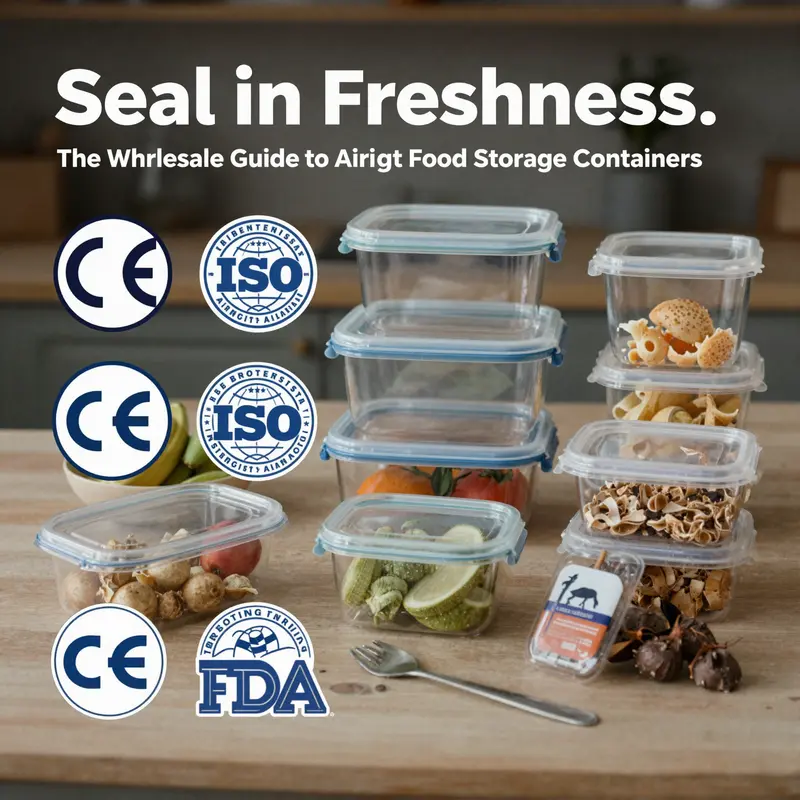
Compliance and certification are not afterthoughts in the wholesale market for airtight food storage containers. They are the backbone of trust, compatibility, and safety that enable bulk buyers to move product from supplier shelves to commercial kitchens, retail shelves, and facility warehouses with confidence. In a space where materials meet food, humidity, and temperature cycles, the expectations for safety, performance, and traceability are high and non-negotiable. Buyers who understand the regulatory landscape can distinguish between viable options and a risk-filled purchase, ensuring that every container not only seals tightly but also behaves predictably under the rigors of daily use and long-term storage. The core of this landscape rests on two pillars: material safety for direct contact with food and the certification systems that validate that safety across geographic markets and industrial settings.
At the heart of the U.S. market is the Food and Drug Administration (FDA) rulebook on food-contact materials. The FDA governs substances intended to come into contact with food, focusing on preventing the migration of harmful substances into edible products. In practice, this means wholesalers and manufacturers must demonstrate that the polymers, additives, coatings, and colorants used in airtight containers do not leach substances in amounts that could pose health risks. The importance of this framework extends beyond a single batch; it creates a durable expectation that containers used in bulk packaging or in kitchens will remain inert to the foods they cradle, even after repeated exposure to oils, acids, and varied temperatures. The administrative clarity provided by FDA guidance helps buyers quantify risk and gives manufacturers a clear roadmap for material selection, testing, and labeling.
Across the Atlantic, the European Union imposes its own stringent regime for plastics and plastic materials intended to contact food. Regulation (EU) No 10/2011 governs the safety assessment and authorized use of plastic materials and articles designed for food contact. This regulation requires pre-market safety assessments and, in many cases, migration testing to ensure that plastic materials do not release substances above safe limits into food under foreseeable conditions of use. For wholesalers, EU compliance is a signal that a container is designed with a high standard of risk management, quality control, and supply-chain transparency. The EU framework often intersects with REACH—Registration, Evaluation, Authorization, and Restriction of Chemicals—ensuring that chemical substances used in production are documented, evaluated, and restricted where appropriate. The combined effect of FDA and EU standards is to establish a global hygiene and safety threshold that manufacturers must meet if they aspire to serve diverse markets, from regional distributors to multinational chains.
In the wholesale arena, certifications act as third-party validations that provide rapid, objective assurances of safety and quality. NSF International certification, for instance, is a recognized mark of compliance with rigorous public health and safety standards. When a product bears NSF certification, buyers gain confidence that the container’s design, materials, and manufacturing processes have undergone independent testing and auditing. BPA-free labeling is another widely referenced standard, borne of ongoing scientific evaluation of bisphenol A’s health implications. While many markets have moved toward BPA-free formulations, the emphasis in wholesale procurement is not merely about labeling—it’s about incontrovertible evidence that no BPA-related migration risks exist under the expected conditions of use. REACH compliance goes further in the European context, underscoring that chemical substances used in production meet environmental and consumer safety expectations and that manufacturing processes minimize hazardous substances.
Beyond certification labels, the materials themselves demand scrutiny. Plastic containers, typically made from high-density polyethylene (HDPE) or polypropylene (PP), must be evaluated for resistance to cracking, staining, and chemical migration. Glass containers, whether borosilicate or tempered soda-lime, bring exceptional chemical inertness and long-term durability, yet introduce considerations of weight, handling, and breakage risks. Cardboard-based or paperboard designs, increasingly used in eco-conscious supply chains, demand coatings and laminates that preserve airtightness while maintaining recyclability and compostability where applicable. Each material pathway—plastic, glass, or cardboard—poses unique regulatory and testing challenges, and understanding these nuances helps buyers align product choices with specific use cases and compliance requirements. The chapter of compliance, then, is not a single rule but a mosaic of testing regimes, certification dialogues, and documentation that together prove a container’s fitness for wholesale distribution and end-use.
Testing regimes underpin this whole framework. Migration testing probes whether trace levels of monomers, plasticizers, or additives migrate into food under realistic storage scenarios. Thermal resistance tests simulate temperature fluctuations, from cold storage to microwave or oven reheating where applicable, testing the integrity of seals, lids, and joints. Mechanical durability tests examine drop, compression, and stackability—critical in warehouse handling and in consumer environments when bulk stock transitions to retail packaging. Hygienic-control tests assess cleanability and resistance to microbial buildup, especially in containers designed for long-term dry storage or multi-use cycles. Each test yields a data package that, in many markets, translates into a certificate of conformity, COA, or material safety declaration. For wholesalers, a strong testing narrative is practical because it reduces post-sale risk, facilitates rapid batch qualification, and streamlines quality-control workflows across multiple distribution points.
Documentation is the connective tissue of compliance. Declarations of conformity, material safety data sheets (MSDS), and detailed certificates that enumerate approved substances, resin grades, and additive formulations are essential. Labels should reflect safety decisions—BPA-free claims, clear temperature and usage instructions, and storage guidance that aligns with the container’s actual performance envelope. Across markets, traceability becomes more than a buzzword. It encompasses lot-level information, supplier pedigrees, and batch-specific test results. For wholesale buyers, this traceability is indispensable when negotiations turn on risk allocation, recall readiness, and consistency of performance over time. When suppliers can present a complete compliance dossier, buyers gain a reliable basis for bulk commitments, longer lead times, and predictable inventory management that minimizes disruption.
As buyers navigate the procurement landscape, the choice of container type interacts with compliance in meaningful ways. Plastic containers, favored for cost efficiency and lightness, must be designed to minimize leaching while still delivering robust airtight seals. Glass containers, valued for premium appearance and inertness, bring longer reuse cycles and higher-end branding opportunities but require attention to impact resistance and safe handling in large-scale warehousing. Cardboard or paper-based designs, increasingly featured in eco-focused segments, must prove that moisture barriers and seal integrity persist through cold-chain exposures and stacking pressures. The regulatory and certification story thus informs not only how a container is built but how it is used, stored, and recycled—ensuring that wholesale operations align with environmental and health expectations across all stakeholders.
Practical supplier verification is an ongoing discipline. Buyers must request and scrutinize supplier credentials, certifications, and production controls before placing bulk orders. This due diligence includes verifying the scope and expiry of certifications, validating that testing laboratories are accredited, and confirming that manufacturing facilities adhere to hygienic and quality-management standards. A robust compliance posture also includes the ability to perform or witness factory audits, review batch-based test results, and confirm that packaging components, coatings, and adhesives meet declared specifications. The aim is not to chase every certification for every material, but to assemble a credible, market-relevant compliance profile that matches the intended sales channel, whether that channel is a hospital commissary, a large-scale distributor, or a home-meal-prep brand seeking to maintain a premium image.
Within this landscape, buyers often source wholesale containers through global platforms that connect them with verified suppliers. While such platforms can streamline access to bulk configurations and competitive pricing, they also heighten the importance of due diligence. A well-structured compliance conversation with a supplier should include requests for test reports, certificate numbers, and production traceability data. It should also cover whether the materials used comply with both FDA and EU requirements, and whether the supplier can provide ongoing updates as regulations evolve. In the spirit of practical guidance, consider a resource that discusses eco-conscious packaging solutions and their regulatory implications as a reference point for evaluating supplier capabilities. eco-friendly-takeout-boxes-for-food-packaging-stylish-food-containers-safe-microwave-craft-paper-lunch-boxes-leak-grease-resistant offers a concrete example of how packaging choices intersect with safety claims, usability, and sustainability expectations in wholesale conversations. You can explore that resource for a sense of how design features, material choices, and labeling language converge in real-world wholesale decisions. eco-friendly-takeout-boxes-for-food-packaging-stylish-food-containers-safe-microwave-craft-paper-lunch-boxes-leak-grease-resistant
The overarching obligation in wholesale markets is to translate complex regulatory requirements into reliable, repeatable performance across thousands of units and many storage and distribution scenarios. This is where documentation, testing, and supplier collaboration coalesce. Engineers and quality managers must agree on the acceptable performance envelope for each material path, align on the minimum testing package needed to support claims, and ensure that labeling and usage instructions reflect real-world conditions. The result is a supply chain that does not merely deliver airtight containers but delivers confidence: a confidence that the product will retain its integrity through dry storage, moisture exposure, temperature shifts, and routine handling in high-volume settings. It is this confidence that enables wholesalers to negotiate better terms, offer consistent lead times, and steward brands that need dependable performance across markets with divergent regulatory expectations.
The regulatory and certification terrain is not static. It evolves with scientific findings, industry practice, and shifting geopolitical priorities. Wholesalers who stay engaged with the latest standards—through industry associations, official regulatory portals, and independent certification bodies—can anticipate changes and adapt procurement strategies accordingly. This proactive approach reduces the risk of non-compliance, which can trigger recalls, shipment delays, or withdrawal from key markets. It also aligns with consumer expectations for safety, transparency, and responsible packaging. The partnership between manufacturers, distributors, and retailers rests on shared commitment to these standards, and the better the alignment, the smoother the flow from factory floor to consumer kitchen.
For readers seeking authoritative regulatory context, official guidance from regulatory agencies remains the most reliable source of updates and clarifications. In practice, this means cross-referencing supplier documentation with FDA food-contact materials guidance and EU plastic materials regulations, and confirming that all third-party certifications cited by a supplier are current and applicable to the intended market. The regulatory reality is multi-layered, but the practical outcome is straightforward: wholesale buyers should treat compliance as a competitive differentiator, a risk mitigator, and a platform for compelling brand storytelling about safety, quality, and responsible packaging.
External reference: https://www.fda.gov/food/food-contact-materials
Navigating Scale, Safety, and Verification in the Wholesale Market for Airtight Food Storage Containers
In markets that move as quickly as the wholesale space for airtight food storage solutions, buyers must balance demand with durability, safety with cost, and speed with scrutiny. The sector has shown robust momentum as operators seek reliable means to protect freshness, reduce waste, and streamline operations across kitchens, warehouses, and distribution centers. A growing body of evidence points to a global market value in the vicinity of fourteen billion dollars in the mid-2020s, with projections that place growth around the high teens in the coming years. That expansion is not a flat line; it reflects a convergence of consumer expectations, commercial logistics needs, and regulatory expectations that together shape how wholesalers source, qualify, and scale their inventories. As the market scales, the path from supplier to storefront or backroom becomes less about a single purchase and more about building resilient supplier ecosystems that can sustain large orders, meet stringent safety standards, and adapt to evolving packaging demands.
The most visible shift in market dynamics comes from three interlocking factors: health consciousness, meal-prepping culture, and the practicalities of pantry management. Health-minded buyers are paying closer attention to material safety, inertness, and non-toxicity, especially when products may be in contact with dry goods for extended periods or repeatedly reheated. This heightened sensitivity fuels demand for storage solutions that minimize flavor carryover and chemical interaction, while still offering the convenience and stackability necessary for busy environments. Meal-prepping trends compound this demand, as households and food service operators alike seek containers that compartmentalize meals, extend shelf life, and support efficient portion control. The upshot is a preference for durable, airtight designs that maintain freshness across a week or more and through rough handling during transport and storage. Finally, efficient pantry management—whether in a bustling commercial kitchen or a warehouse serving bulk-distribution customers—drives interest in containers that maximize space, simplify inventory, and reduce return trips for mis-sorted goods. Containers that nest, stack, and interlock without sacrificing seal integrity become highly valued assets, especially when operating at scale.
Beyond consumer-oriented motivations, the wholesale proposition depends on the alignment of several structural factors. Material choices—ranging from plastics to glass to innovative cardboard composites—must balance safety, cost, and lifecycle considerations. Plastics, for example, offer lightness, resilience, and affordability in daily storage, while glass brings premium branding and long-term usability in premium segments. Cardboard-based systems present opportunities for space efficiency and eco-conscious packaging in industrial contexts, where interlocking designs and moisture-resistant coatings can reduce handling footprint and streamline warehouse operations. Across these material families, the presence of robust certifications and risk controls becomes a defining feature of credible suppliers. Buyers increasingly expect, and sometimes require, third-party attestations that products meet specific safety and regulatory criteria. In practice, this means considering documentation that demonstrates compliance with widely recognized food-safety standards, along with evidence of traceability, batch integrity, and clear labeling that supports end-use requirements in diverse markets.
The procurement landscape itself is evolving. Buyers seek partners who can deliver consistent quality, respond to demand spikes, and provide transparent, auditable supply chains. While large-scale buyers may work with established manufacturers capable of fulfilling bulk MOQs and lead-time commitments, many also engage a broader ecosystem of vetted suppliers who can offer modular configurations, such as multi-piece sets, varying capacities, and different sealing technologies. This flexibility helps wholesalers tailor inventories to seasonal demand, distribution formats, and client specifications without sacrificing reliability. In addition, the ability to verify supplier credibility becomes a core competency. The best buyers treat supplier verification not as a single checkpoint but as an ongoing program that encompasses certifications, facility controls, and performance history. The aim is to reduce the risk of non-compliant products entering the pipeline and to secure a resilient supply chain capable of withstanding disruption or shift in regulatory expectations.
To navigate verification effectively, buyers pursue a disciplined set of practices that extend beyond surface-level platform checks. One essential step is the collection and review of third-party certifications that attest to material safety and product performance. Certifications such as those recognizing food-grade safety and non-toxicity offer assurance that containers will not leach undesirable substances into stored goods. A second pillar is the performance of factory or facility audits when feasible. An on-site assessment provides deeper insight into manufacturing conditions, quality control processes, and the consistency of output. Third-party testing and lab reports further reinforce confidence, offering objective data on seal performance, resistance to temperature variation, and compatibility with various storage environments. A fourth pillar is the rigorous review of customer feedback and order histories. A supplier with a track record of timely shipments, quality consistency, and responsive after-sales service tends to be a more reliable partner, particularly when orders scale up or require customization.
In practice, buyers integrate these verification steps into a broader sourcing strategy that balances risk, cost, and speed. They begin with a careful definition of use cases for the storage solutions: daily office pantry storage, industrial bulk packaging, or premium consumer branding. This categorization informs material selection, sealing technology, and the durability thresholds required for long-term performance. It also clarifies the expected MOQs and price tiers, enabling procurement teams to negotiate bulk terms while maintaining quality thresholds. As part of this strategy, buyers often pursue diversified supplier portfolios. A mixed approach—with a primary trusted partner supported by a network of vetted secondary suppliers—provides resilience against supply-chain shocks and yield flexibility for large, multi-site operations. The rationale is not to hoard risk with a single source, but to distribute it across partners who share a commitment to safety, traceability, and consistent performance.
To illustrate how these principles play out in real-world sourcing, consider the practical implications of applying a rigorous verification framework. First, request documentation that demonstrates regulatory alignment and safety, including food-grade certifications and any country-specific approvals relevant to key markets. Second, insist on transparency around manufacturing processes, including batch controls, quality assurance checks, and defect rates. Third, require access to customer references and verifiable order histories that reveal how suppliers handle high-volume orders, lead times, and post-sale support. Fourth, implement a staged sampling program for onboarding new suppliers. A controlled sequence—prototype samples, pilot orders, and ultimately full-scale allocations—helps ensure that product performance meets expectations before committing significant capital.
The sourcing workflow for airtight storage solutions naturally intersects with a broader packaging ecosystem that emphasizes sustainability, performance, and branding. Buyers weigh the tradeoffs among plastic, glass, and alternative materials, keeping in mind end-use realities. Plastic containers offer cost efficiency and resilience for day-to-day storage and large-scale distribution. Glass containers bring perceived premium value and chemical inertness that can reinforce brand storytelling for health-conscious markets. Cardboard or other paper-based stackable options appeal for eco-friendly packaging initiatives and space-saving logistics in cold storage or farm-to-market workflows. Each material choice carries implications for weight, shipping charges, breakage risk, and end-user safety. Across all options, the central thread is the airtight seal and its reliability across a range of temperatures, shelving conditions, and handling scenarios.
Within this context, wholesale buyers increasingly rely on structured procurement platforms that help them connect with verified suppliers while offering a transparent view of product specifications, minimum orders, and delivery terms. While platform-level checks can reveal basic business details and order histories, they rarely substitute for the depth of verification described above. Buyers should view platforms as starting points rather than final arbiters of credibility. The strongest strategies combine platform transparency with independent due diligence, including third-party certifications, factory visits where possible, and practical testing of samples. The goal is not merely to purchase a product but to establish an ongoing, quality-focused relationship with manufacturers capable of delivering consistent performance as orders scale and requirements evolve.
An additional dimension of this landscape is the need to manage storage and transportation costs without compromising product integrity. For wholesalers handling large cargoes, interlocking designs and nested configurations deliver meaningful space savings. Packaging innovations that reduce container footprint without sacrificing airtight integrity can translate into lower warehousing and shipping costs, lower carbon footprints, and improved logistics efficiency. Suppliers that offer scalable configurations—ranging from compact 10-piece sets to larger bulk packages—enable buyers to respond quickly to demand fluctuations and seasonal promotions. This flexibility often comes with a price differential, but when weighed against total cost of ownership, the right mix of configurations can yield superior value for distributors and retailers alike.
In communicating with potential suppliers, a measured emphasis on safety, reliability, and service helps align expectations and accelerate the path to scalable procurement. Buyers should seek partners who can demonstrate consistent product performance, reliable delivery cadence, and accessible support channels for issue resolution. A robust supplier relationship is anchored in trust, built through consistent quality, predictable lead times, and transparent communication about changes in materials, production capacity, or regulatory requirements. The consequence of a disciplined verification program is not only reduced risk; it is a foundation for strategic growth in a market where demand continues to rise and where the ability to supply consistently can define competitive advantage.
For readers seeking a concrete example of how eco-conscious packaging options fit into a wholesale strategy, consider options designed to optimize both performance and footprint. These solutions emphasize durability and airtight integrity while offering a design that can be efficiently stacked and stored within industrial facilities. They also align with a broader shift toward sustainable packaging, where recycling and end-of-life considerations matter for brand reputation and regulatory compliance. As demand pressures intensify, the inventory mix—balancing plastic, glass, and cardboard-based systems—helps wholesalers tailor offerings to diverse client needs, from budget-conscious chain performance to premium branding initiatives.
To maintain coherence across the chain, procurement teams frequently link these material and verification considerations back to practical operations. A well-structured supplier development program fosters continuous improvement, inviting suppliers to share performance data, production plans, and quality control metrics. Regular performance reviews, run-rate analyses, and post-shipment testing help prevent drift in product quality over time. In a market where freshness and shelf stability are central, maintaining airtight integrity across thousands of containers requires a culture of consistent process discipline, clear specifications, and mutual accountability between buyers and suppliers. This is the backbone of a wholesale market that can scale with confidence, deliver on promises, and support brands and distributors in presenting reliable, trustworthy storage solutions to end customers.
For those who want a tangible entry point into practical sourcing decisions, explore the broader packaging ecosystem linked to sustainable and versatile storage solutions. eco-friendly-takeout-boxes-for-food-packaging-stylish-food-containers-safe-microwave-craft-paper-lunch-boxes-leak-grease-resistant. This example highlights how eco-conscious design can coexist with airtight performance, space efficiency, and scalable manufacturing—an important consideration as buyers construct supplier networks capable of meeting both current demand and future growth. As the market continues to evolve, the central lesson remains clear: successful wholesale procurement of airtight storage containers rests on a disciplined mix of market insight, rigorous verification, and strategic supplier collaboration that can sustain growth across diverse channels and regions.
External resources for standards and safety frameworks can further inform this work. For those seeking formal guidance on quality management and safety standards that underpin reliable product performance, internalizing recognized frameworks is advisable. https://www.iso.org
Final thoughts
Investing in high-quality airtight food storage containers is essential for businesses in the food and beverage industry. By considering durability, sustainability, innovative designs, compliance standards, and supplier credibility, companies can make effective purchasing decisions that enhance their service offerings. Embrace these insights to elevate your operations in the culinary realm and meet your customers’ needs with confidence.