
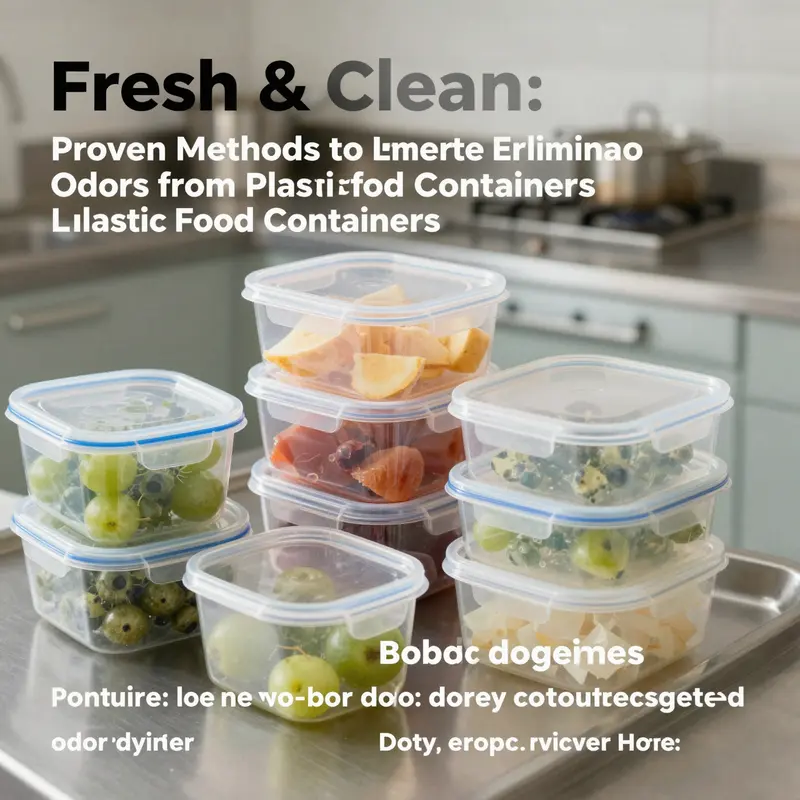
Maintaining the freshness of food containers is vital for preserving the quality of your culinary creations. For businesses such as bubble tea shops, restaurants, and catering services, the lingering odors in plastic food storage can compromise the flavor and freshness of your served products. This article explores effective, natural methods to eliminate unpleasant smells from plastic food containers that will enhance your service and maintain customer satisfaction. From the cleansing powers of baking soda and vinegar to natural brighteners like lemon and sunlight, and the odor-absorbing secrets of activated charcoal and coffee grounds, each method provides simple yet powerful solutions. Read on to discover a detailed guide on how these techniques can keep your containers odor-free and your food fresh.
Gentle Alchemy: Baking Soda and Vinegar as a Practical Path to Odor-Free Plastic Food Containers
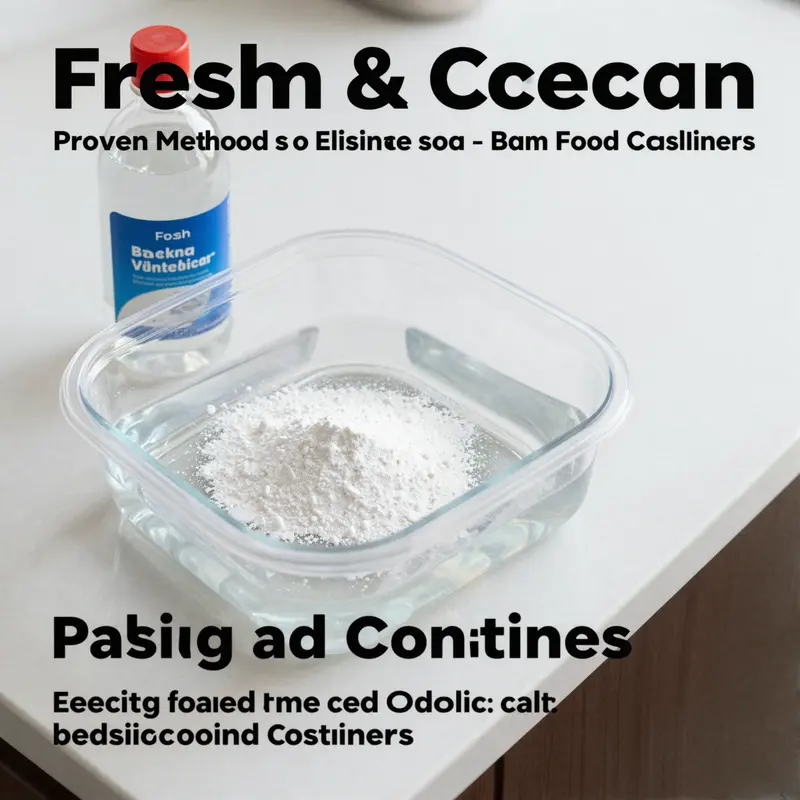
Odor in plastic food containers is a surprisingly common nuisance. It lingers after a routine wash, stubbornly clinging to the crevices where lids seal and hinges twist. These smells often originate not from surface grime alone but from microscopic residues of oils, spices, and aging foods that seep into the plastic itself. Over time, a mix of fatty acids, aroma compounds, and moisture can embed themselves in the microtextures of the container wall. What makes this problem tricky is that detergents alone may remove visible grime while leaving behind a faint odor signature. The result is a container that smells “off” even after it looks clean. In tackling this challenge, many people reach for natural, non-toxic solutions that are effective while remaining gentle on food safety. Two of the oldest and most trusted household agents—baking soda and white vinegar—offer a surprisingly potent combination when used with care. They work not by masking odors with fragrance but by altering the chemical environment around the odor molecules and by physically loosening residues that trap odors in the plastic’s pores. This chapter explores how these two simple substances can restore freshness to plastic containers, why they work, how to use them safely, and how they fit into a broader approach to odor control that includes prevention and thoughtful material choices for future storage needs.
Baking soda, or sodium bicarbonate, has a long-standing reputation as a gentle cleanser and deodorizer. Its power comes from its ability to act as a mild base that can neutralize acidic odor compounds. When fats and oils break down, they produce a range of acidic molecules that cling to plastic surfaces. Baking soda raises the pH in the immediate environment, making it less hospitable for those acids to linger. In practical terms, a baking soda soak lifts residues from the bottom and sides of the container, softening the stubborn traces that can harbor smells. But baking soda does not operate in isolation. White vinegar, a simple solution of acetic acid, brings its own strengths to the table. It disrupts a broader spectrum of odor molecules and also offers natural antibacterial action. The fizz that results from mixing baking soda and vinegar is not just theater; it helps to dislodge grime and loosens film that would otherwise cling to the plastic. When these two agents meet in a container, they create a temporary, mildly reactive environment that unsettles and loosens odor carriers. The chemical reaction is gentle enough for most food-grade plastics and is free from harsh solvents, making it a practical option for households aiming for safe, non-toxic cleaning.
To begin with, imagine a routine that centers on a simple, repeatable sequence. Rinse, fill, wait, rinse again, and dry. This rhythm is the core of how baking soda and vinegar can tackle odors without requiring expensive products or specialized equipment. The steps are accessible to beginners and flexible enough to handle variances in odor intensity. The approach can be adapted to different container materials and designs, provided that the plastic is free from cracks that might harbor bacteria or where seals are compromised. For containers that are less porous or that have tighter seals, the same principle applies: the combination of alkaline baking soda and acidic vinegar lifts away films and residues that standard dish soap may miss. The result is a container that smells less like last week’s lunch and more like a neutral, fresh space ready for today’s contents.
The practical steps are straightforward and can be internalized as a routine. First, remove any remaining contents and give the container a rinse with warm water. The heat helps to loosen oils and makes subsequent steps more effective. Next, measure equal parts baking soda and white vinegar and pour them into the container. The fizzing reaction is a useful indicator that activity is underway, but the fizz is not the signal of finish—it’s just part of the cleansing process. Allow the mixture to sit for at least 30 minutes to an hour, and for the most challenging odors, you can leave the solution inside overnight. After the waiting period, rinse thoroughly with warm water to remove all residues of the solution. Finally, air-dry the container completely before you reuse it. This sequence, simple as it is, can dramatically reduce odor presence and restore the sense of “new container” cleanliness that many households seek.
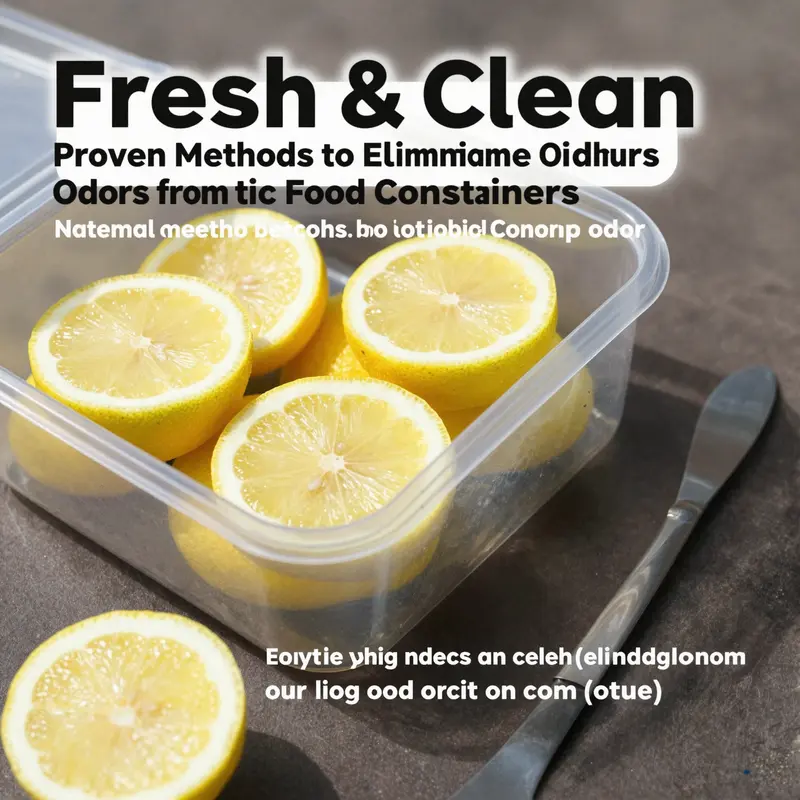
The lemon alternative and the citrus-based approach can be integrated into the same routine to deepen the deodorizing effect. Adding a few drops of lemon juice to the baking soda and vinegar mixture can lift additional greases and impart a fresh scent. The lemon’s citric acid acts in concert with baking soda’s neutralizing effect, while the citrus oils contribute a natural aroma that many people associate with cleanliness. For those who prefer not to mix ingredients directly, another option is to place lemon slices or citrus peels inside the container after washing, cover it, and leave it overnight. The citrus compounds can volatilize and absorb lingering odors, further reducing the chance that familiar food smells will re-emerge.
The sun, always a reliable ally in the fight against odors, can be incorporated into the routine after a thorough washing. A period of direct sunlight can help break down volatile organic compounds and can assist in reducing odor-causing bacteria, especially for polypropylene (PP) containers that are heat-resistant. A few hours in the sun, with the container placed upside down to ensure airflow through the seals, can yield an extra boost in odor elimination. Still, caution is wise. Prolonged exposure to direct noonday sun should be avoided to prevent warping or damage to delicate seals and plastic structures. When used judiciously, sunlight can be an effective, chemical-free finishing touch that complements the baking soda and vinegar treatment.
In addition to these primary methods, absorption-based techniques have broad appeal for their simplicity and their capacity to handle stubborn odors. Tea leaves or coffee grounds can be used to great effect inside a cleaned container. The porous materials act like a sponge, soaking up volatile odor compounds and reducing aroma strength. The process is straightforward: fill the container with used tea leaves (green or black) or coffee grounds, seal it, and leave it for 12 to 24 hours. Afterward, discard the used material and rinse the container thoroughly. The tannins and polyphenols in tea and coffee contribute to odor neutralization, and the physical presence of the material within the container creates microenvironments that trap smells until they dissipate.
Activated charcoal is another powerful option that works through adsorption. A small sachet placed inside the container, sealed, and left for 24 hours can dramatically reduce odors without leaving residue on the plastic. Charcoal binds a wide range of odor molecules in the air and within porous spaces, offering a clean, non-scented result that many people appreciate. The key with charcoal, as with the other methods, is to rinse the container well afterwards and ensure it dries completely to avoid any residual moisture that could foster new odors.
While these methods are effective, there are practical considerations that help determine which approach to use. The type of plastic matters, particularly whether the container is made from food-grade PP (polypropylene) or a Tritan-based material. PP tends to be more heat-resistant and can tolerate longer soaks or sun exposure without warping, while Tritan is known for durability and clarity but may require a gentler approach to avoid stressing seals or lids. In general, the baking soda and vinegar combination is safe for a wide range of food-contact plastics, but it pays to read the manufacturer’s guidance when you have a container with unusual coatings or complex sealing mechanisms. If a container shows signs of wear, deep scratches, persistent discoloration, or a thinning seam, it may be time to consider replacement. Odor persistence in aging containers is often a symptom of material fatigue more than a simple surface film. When this happens, moving toward higher-quality, odor-resistant options can be a prudent long-term choice. In this sense, the goal is not merely to remove the current odor but to reduce the likelihood of future odors taking up residence in the same space.
The broader principles behind these techniques—neutralizing acids, breaking down residues, and enabling the evaporation of volatile compounds—align with what many readers seek in safe, household cleaning. The baking soda and vinegar pairing provides a practical, accessible entry point for those who want a straightforward, chemical-friendly method that avoids synthetic fragrances or harsh solvents. It is, in effect, a gentle alchemy: a simple chemistry that makes room for a fresher, more trustworthy storage experience. The approach is flexible enough to be adapted to different household rhythms. For families with busy mornings, a short, efficient rinse and a quick fill of baking soda solution can suffice. For those dealing with more stubborn odors, the overnight soak offers a deeper cleansing. Either way, the process contributes to hygiene and food safety by removing odor-causing residues that can otherwise tempt a new batch of stale scents to settle in.
From a safety perspective, this method remains gentle for most food-contact plastics. It avoids stronger chemical cleaners that can degrade plastic over time or leave behind residues that might migrate into food. The natural composition of baking soda and vinegar means that there is little risk of harmful byproducts when used correctly. It is still wise to rinse thoroughly and to dry completely, as moisture can promote microbial activity if left in tightly closed containers. A robust drying routine—air-dried in a well-ventilated area—helps ensure that the interior surfaces stay dry and ready for the next use. This is especially important for containers with intricate seals. Moisture that remains behind in seals can become a reservoir for odors, and a thorough drying step reduces that risk.
Practically speaking, odor control is not only about fresh scents but also about reliable sanitation. When odors persist, it is tempting to assume that the container will never be truly clean. However, the combination of washing, deodorizing, and drying often restores a sense of confidence that the container is truly ready for another round of foods. And while the baking soda and vinegar approach is robust, it should be viewed as part of a broader hygiene mindset. Regular cleaning after each use, immediate washing when a container stores strongly scented foods, and careful drying are all essential components of a long-term strategy to keep plastic containers fresh. In many cases, a container that looks worn or discolored may be signaling a deeper issue—one that is best addressed by replacing it with a new, food-safe option that is resistant to odor retention. This perspective aligns with practical food storage principles that emphasize safety, durability, and user-friendly design.
In addition to these specific techniques, there is value in considering the holistic care of containers. Proper washing with warm water and a mild dish soap can remove surface films before applying baking soda and vinegar. It is helpful to focus cleaning efforts on the most odorous areas: the bottom, the corners, the grooves of the lid, and the seal edges where odors can become trapped. Taking a moment to rinse, scrub if necessary, and then dry thoroughly can dramatically improve outcomes. To support long-term odor control, it can be useful to store clean containers with a small bowl of baking soda or activated charcoal inside. This proactive step creates a quiet, ongoing deodorizing presence that helps prevent odors from returning in everyday use. The small habits of routine care, combined with the core cleaning steps, build a durable defense against odor buildup and help ensure that plastic containers remain reliable partners in everyday meal planning.
For readers who want to explore additional perspectives on cleaning and material safety, a broader reference to safe cleaning practices and material safety can be helpful. The topic sits at the intersection of culinary hygiene and consumer science, where simple household agents like baking soda and vinegar demonstrate how everyday chemistry can deliver meaningful, practical results. This approach is consistent with guidelines that emphasize safety, simplicity, and effectiveness, rather than relying on harsh, synthetic cleaners. The result is a pragmatic method that fits into daily routines without demanding specialized equipment or costly products. It also resonates with a growing preference for sustainable, non-toxic solutions that minimize exposure to synthetic chemicals while still achieving real cleanliness and odor control.
In the end, the goal is not merely to hide odors but to restore the container to a condition where it can confidently hold foods, seal well, and maintain freshness between uses. Baking soda and vinegar provide a simple, evidence-based pathway toward that goal. When combined with mindful prevention measures—careful selection of containers with robust seals, regular cleaning routines, and thoughtful storage practices—the odor problem becomes manageable rather than inevitable. The process underscores a broader truth: the best solutions to everyday challenges often sit in plain sight, in the cupboards already stocked with common household staples. By embracing these staples thoughtfully and applying them with care, readers can enjoy a fresher, more reliable storage experience that supports healthy eating and reduces waste from discarded containers.
Internal link note: Readers who want to explore container design choices that support easy cleaning and odor control can learn more about practical packaging options at this resource: eco-friendly takeout boxes for food packaging. This page highlights how modern container designs aim to simplify maintenance and improve overall usability, aligning with the goal of long-lasting, odor-resistant storage. While the focus there is on packaging materials beyond rigid plastic, the underlying principle—design for ease of cleaning and odor control—applies broadly to the practice of preserving freshness in plastic storage as well.
External resource for further guidance: If you want a concise, evidence-based walkthrough that reinforces the chemistry behind these methods, see The Kitchn’s guide on cleaning cloudy plastic food containers with baking soda and vinegar. It offers practical steps and explains why the fizzing action helps lift grime and neutralize odors. https://www.thekitchn.com/how-to-clean-cloudy-plastic-food-containers-with-baking-soda-and-vinegar-256874
null
null
Natural Odor Removal for Plastic Food Containers: Charcoal and Coffee
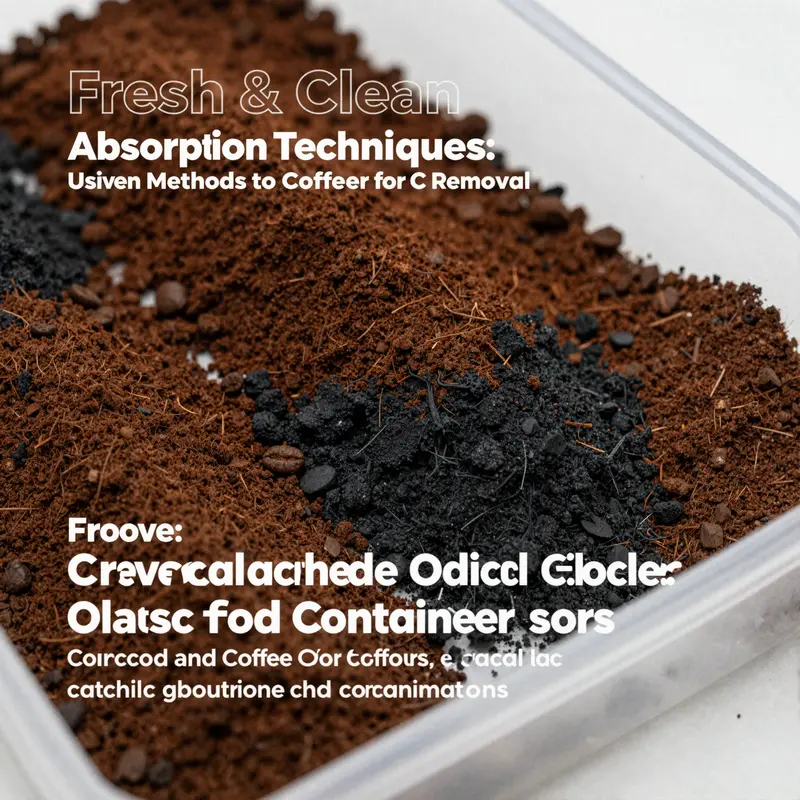
Plastic containers can retain odors from garlic, fish, or sauces. Natural absorbers offer an effective, safe companion to washing. Activated charcoal is highly porous and traps odor molecules; use a small food grade sachet placed inside a clean, dry container, seal it, and leave it for 24 hours; for stronger odors, up to 48 hours. Remove the sachet and rinse before reuse. Coffee grounds provide a milder option; fill the container with used coffee grounds, spread evenly, seal, and leave for 12 to 24 hours; discard the grounds and rinse. Pair absorption with thorough washing with detergent and hot water, followed by complete drying. For best results, begin with cleaning to remove oils, then apply absorber, and finish with airing. Use breathable pouches or cloth bags for charcoal to keep dust under control. Always ensure absorbers are food safe and do not contact stored foods. If odors persist after multiple cycles, consider replacing the container. These methods reduce the need for harsh chemicals and fit into a regular cleaning routine.
Final thoughts
In summary, the methods discussed offer effective and natural solutions for removing odors from plastic food containers. Whether it’s the scientific approach of baking soda and vinegar, the refreshing nature of lemon and sunlight, or the absorptive qualities of coffee and charcoal, these techniques can elevate your business by ensuring that your containers remain clean and ready for use. Adopt these strategies to enhance customer satisfaction and maintain the integrity of your culinary products. Fresh, odor-free containers not only improve the presentation of your food but also provide a better eating experience, ultimately leading to repeat customers in your food service venture.