
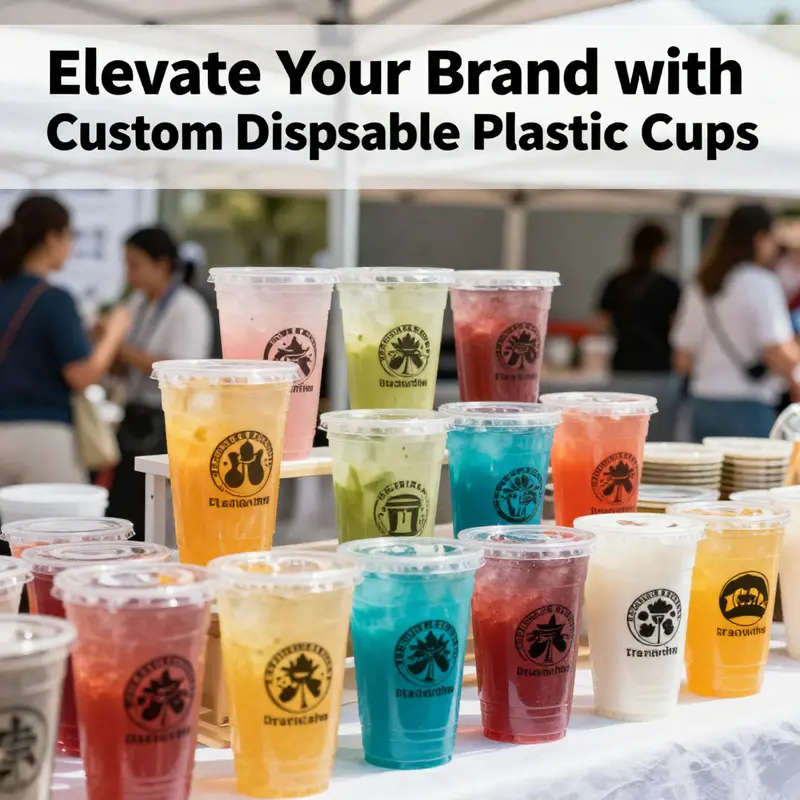
Custom disposable plastic cups have become essential for beverage chains, restaurants, food trucks, and event planners. These cups not only serve drinks but also amplify brand visibility. In this guide, we will explore the materials that make these cups effective, the innovative designs enhancing user experience, and the environmental impacts associated with their use. By understanding these aspects, businesses can better leverage custom cups to strengthen their market positions and enhance customer engagement.
Common Materials Used in Custom Disposable Plastic Cups
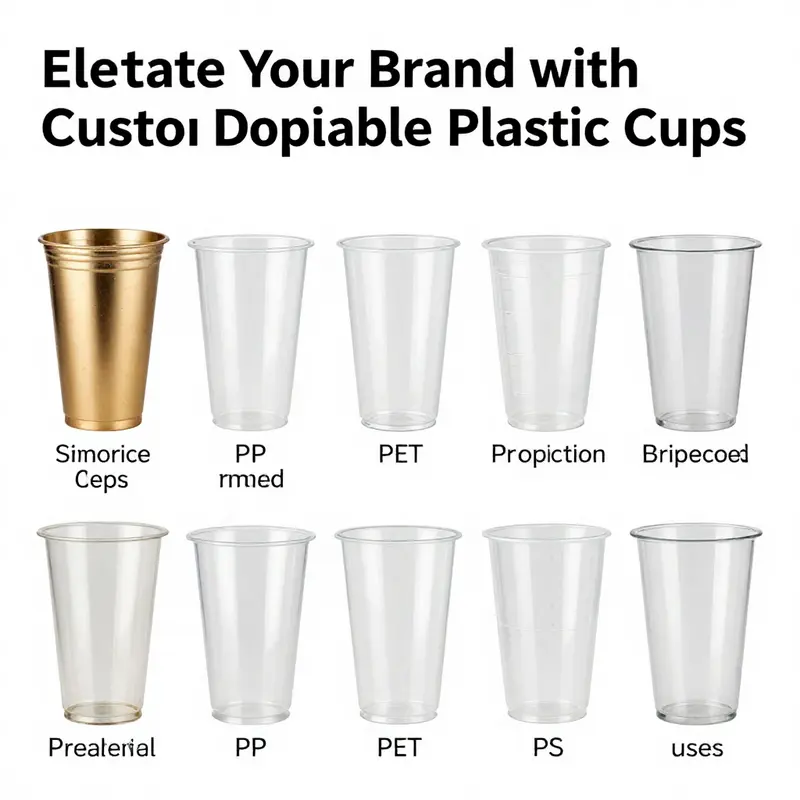
The material choices behind custom disposable plastic cups do more than determine how a cup feels in a hand or how long it lasts on a table. They shape the entire brand experience, influencing everything from how a drink looks through a clear wall of plastic to how safely it meets regulatory standards for food contact. In the world of promotional and event marketing, where a cup often travels from a brand ambassador to a guest within seconds, the material profile can amplify or undermine a message. When designers and buyers consider custom cups, they weigh durability, temperature tolerance, appearance, and the environmental footprint as tightly as they weigh cost and printing compatibility. The core materials—polypropylene (PP), polyethylene terephthalate (PET), high-density polyethylene (HDPE), and acrylic—each bring a distinct set of properties that can be tuned to different beverage needs, branding goals, and lifecycle considerations.
Polypropylene, commonly abbreviated as PP, has become a workhorse in the industry. Its reputation for durability and chemical resistance is not accidental. PP cups are robust enough to handle both cold and warm beverages without losing shape, a critical attribute for beverages like juice, soda, iced tea, and even milk teas that come with bubbles or pearls. The thermal stability of PP makes it a credible option for hot drinks as well, which expands its versatility beyond cold offerings. For the brand manager, PP also offers a reliable platform for multi-color printing. Flexographic printing on PP can reach multiple colors with crisp edges, supporting logos, gradients, and subtle brand elements without sacrificing legibility. The material’s surface takes ink well and resists the kind of creasing or warping that can distort a logo on a thinner or less stable substrate. In many sourcing cycles, PP cups are selected precisely because they maintain their structural integrity at the temperatures typical of beverage service, from a chilled soda to a hot tea finished with steam curling above the cup rim.
From a consumer experience perspective, PP’s subtle advantages extend into handling and usability. The material’s rigidity provides a predictable feel when gripping the cup, a factor that interacts with the hand’s natural lines and the cup’s curvature. It also contributes to a clean pour, with a stable base that reduces the likelihood of tipping when the cup is set down briefly or passed from one person to another. This stability becomes especially important at crowded events, where bilateral handoffs occur rapidly and a small but real risk of spills might dampen a moment of celebration or a brand reveal. The U-shaped design, highlighted in product innovations across the market, complements PP’s stiffness by fitting naturally into the palm while maintaining a balanced center of gravity. Although ergonomics is often presented as a design flourish, it ties directly to a cup’s material properties. A cup that fits better in a hand reduces the chance of accidental drops, which, in turn, protects the integrity of the beverage and the brand visuals printed on the cup’s surface.
As a material for branding surfaces, PP’s printing compatibility is a practical advantage. Modern campaigns often demand up to six-color flexographic printing to reproduce logos, color blocks, and messaging with fidelity. PP’s surface accepts volatile inks and resists fading under typical exposure conditions, such as sunlight in outdoor events or the glare of a well-lit trade show booth. This fidelity becomes a critical factor when a brand invests in a shimmering red logo or a multi-color gradient that must remain legible across dozens of thousands of cups distributed at a festival or conference. In addition, PP is recognized as food-grade and heat-resistant enough to meet standard safety expectations for beverages, a factor that helps sustain consumer trust at scale.
Yet the PP narrative isn’t without trade-offs. While PP cups perform well for many beverages, they may not always offer the lowest cost at smaller print runs or when ultra-high clarity is essential. For beverages that rely on visual cues—such as transparent reveals of a layered drink or the sparkle of infusions—PET’s crystal clarity often makes it the preferred choice. PET, or polyethylene terephthalate, is prized for its transparency and lightweight feel. A PET cup gives customers an unobstructed view of the beverage inside, a feature that can be particularly important for cold drinks where color and ingredients matter. The visual punch of a bright juice or a layered smoothie can be elevated by PET’s glass-like clarity, which contributes to the perception of freshness and quality. From a branding perspective, a crisp, clear wall around the beverage allows a logo or label to be encountered in a visually direct way, which can improve recall and the probability of a guest sharing images on social platforms.
In practical terms, PET is an excellent barrier material for many cold beverages. It helps resist oxygen and moisture to preserve flavor and appearance during transport and on shelves or at events. Its lighter weight also translates into cost efficiencies in packing and logistics, a subtle but meaningful factor when orders scale into hundreds of thousands of units. However, PET’s durability under heat is not on par with PP. When hot liquids approach or exceed typical beverage temperatures, PET may become more pliable or less stable than PP, which means that temperature considerations drive the selection. For hot beverages—such as hot chocolate or tea with steam—designers often favor PP to ensure a comfortable hand feel, fewer deformation issues, and a consistently solid user experience.
Another material in play, though used less widely in standard disposable cups, is HDPE, or high-density polyethylene. HDPE is known for its toughness and chemical resistance, which can be valuable in certain disposable applications. While HDPE cups are generally less transparent than PET, they offer color stability and improved impact resistance. This makes HDPE a good candidate for cases where durability is essential, or where the cup might be subject to rough handling during transport or in storage environments that demand ruggedness. The trade-offs with HDPE involve optical clarity and a slightly different surface interaction with inks and coatings. For brands prioritizing vivid, see-through visuals, HDPE may not be the first option; for those prioritizing durability or a reuse-friendly ethos, it presents an interesting pathway.
Acrylic stands apart in this landscape as a premium, specialty option rather than a staple for high-volume disposable cups. Acrylic offers exceptional clarity and rigidity, delivering a premium, glass-like appearance that can elevate the perceived value of a beverage presentation. It is more commonly found in premium, limited-run, or reusable-capable designs where the goal is to project an upscale image. The trade-off is clear: acrylic cups are not typically used in mass-market, single-use contexts due to cost, weight, and the scale required to justify production. When a brand seeks to make a statement at a gala, a product launch with a curated sensory experience, or a temporary flagship pop-up, acrylic can be a compelling choice that aligns with a larger narrative about quality and attention to detail.
Beyond these core materials, certain design choices and environmental considerations influence how a cup material is perceived and managed over its lifecycle. The environmental conversation surrounding disposable cups has grown more nuanced. While the convenience of disposables remains high, consumers increasingly expect responsible disposal options and clearer indications of recyclability. Manufacturers respond by using food-grade, recyclable materials such as PP and PET and by actively promoting recycling initiatives or offering biodegradable options where feasible. The dominance of PP and PET in the current market underscores their balance between performance, cost, and scalability. In many introductions to a new beverage program or an event rollout, buyers lean toward these two materials as the default due to their robust performance profiles and established recycling streams. Still, the industry is experimenting with biodegradable blends or compostable coatings to reduce environmental impact, especially for campaigns that emphasize sustainability as a core brand value.
When planning a custom cup program, teams often navigate not only the material properties but also the regulatory and safety framework that governs food contact in their regions. Food-safety standards emphasize the need for materials approved for contact with beverages, inert inks, and coatings that resist leaching or interaction with flavors. The choice of material then interacts with printing methods, which themselves impose practical limits. For instance, a six-color printing plan on PP must consider ink adhesion, drying times, and potential interactions between ink and cup surface during handling. The print surface on PET, with its smooth, high-gloss finish, may yield exceptional color fidelity but can be more sensitive to certain inks, requiring careful formulation. Designers and procurement teams therefore adopt a holistic view: the cup’s material, its surface treatment, the stability of printing, and the overall sustainability profile must converge to deliver a coherent brand experience.
The conversation around materials also intersects with the supply chain dynamics that shape each program. Current sourcing data points to major manufacturing hubs in Asia as the backbone of production, with large-scale facilities supporting the high-volume demand for disposable cups. In these markets, standard export packaging and payment terms, such as milestone deposits and balance settlements, reflect the realities of global trade and the need to synchronize production with event calendars and promotional campaigns. While minimum order quantities can range widely, a typical program designed to project reach for a large event or a multi-city campaign might begin with tens of thousands of units and scale up into the hundreds of thousands or more, depending on the printing complexity and material choice. The economics of material selection, therefore, becomes a balance between performance requirements, consumer expectations, and the logistical realities of large-scale distribution.
In practical terms, the choice among PP, PET, HDPE, and acrylic often comes down to the beverage’s temperature range, the brand’s desired look, and the event context. A bright, cold, highly visual drink at an outdoor festival might rely on PET for its clarity and attractiveness, paired with a bold multi-color print. A corporate gala with a hot beverage service could favor PP for its heat tolerance and comfortable grip, turning the cup into a reliable canvas for a premium, tactile branding experience. A rugged festival environment might benefit from an HDPE option for its durability, while a limited-edition, high-end tasting event could incorporate acrylic cups to deliver an unmistakable sense of luxury. In all cases, the design must harmonize with the printing method, the cup’s surface chemistry, and the end-of-life story, whether the cup is intended for single-use or for a longer lifecycle within a reuse-oriented program.
An additional design consideration emerges when considering nesting and stacking efficiency, a practical concern of logistics that becomes more pronounced at scale. PP’s rigidity supports stable nesting without excessive surface deformation, helping distributors pack more cups per freight unit and reducing storage costs. PET, while lighter, can be more prone to slippage during stacking if not properly engineered with interlocking features or subtle texturing. HDPE’s toughness can aid in resisting cosmetic damage during transit, but its lower clarity may reduce the perceived attractiveness of the brand on the outer surface. In markets where space optimization is essential for promotional footprints, the balanced combination of material selection and a carefully designed cup geometry—such as a smoothly contoured U-shape that anchors the hand and allows efficient nesting—can deliver both aesthetic appeal and logistical efficiency.
The environmental and lifecycle considerations continue to shape how these materials are perceived by consumers and retailers. Recyclability remains a critical factor in the selection process, with PP and PET occupying relatively mature streams in many regions. Yet even as recycling infrastructure expands, the reality of post-use behavior means brands must communicate disposal guidance clearly at scale. The best-performing cup programs often pair material choices with explicit labeling that educates users about recycling options and, where feasible, support take-back or recycling partnerships that align with the event’s footprint. In turn, these practices reinforce a brand narrative that values responsibility and transparency, which can resonate deeply with audiences seeking alignment between marketing messages and everyday actions.
For readers seeking a direct example of a disposable clear plastic cup product page, see this resource that illustrates how a clear PET-based option can present a beverage with maximum visual impact while delivering practical performance: disposable clear plastic cup product page. This example echoes the broader themes discussed here: clarity, grip, and printability as essential attributes that drive choice when a brand seeks to capture attention in a crowded venue.
In summary, the selection of materials for custom disposable plastic cups is a nuanced decision that integrates performance needs, branding objectives, and lifecycle considerations. PP offers durability and heat tolerance with strong printing potential, making it a reliable default for many beverage programs. PET provides unmatched clarity and a lighter footprint for visually driven campaigns that rely on color and presentation. HDPE offers an alternative path when durability and chemical resistance are paramount, especially in contexts where the cup may experience rough handling. Acrylic delivers premium aesthetics for selective opportunities where the brand aims to make a lasting impression with high-end impression and reusable contexts. Each material contributes to the narrative a brand wants to tell—one that blends practical serviceability with the possibility of compelling, shareable consumer experiences. The most successful programs recognize that material choice is not a solitary decision but a narrative thread woven through printing, handling, environmental responsibility, and the logistical choreography of large-scale distribution.
External reference: For a detailed overview of PP-based cup applications and supplier considerations, see the external resource: https://www.alibaba.com/product-detail/Custom-Disposable-PP-Plastic-Cups-for-Cold-Beverages_1600598247748.html
Design by the Sip: Innovations that Redefine Custom Disposable Plastic Cups
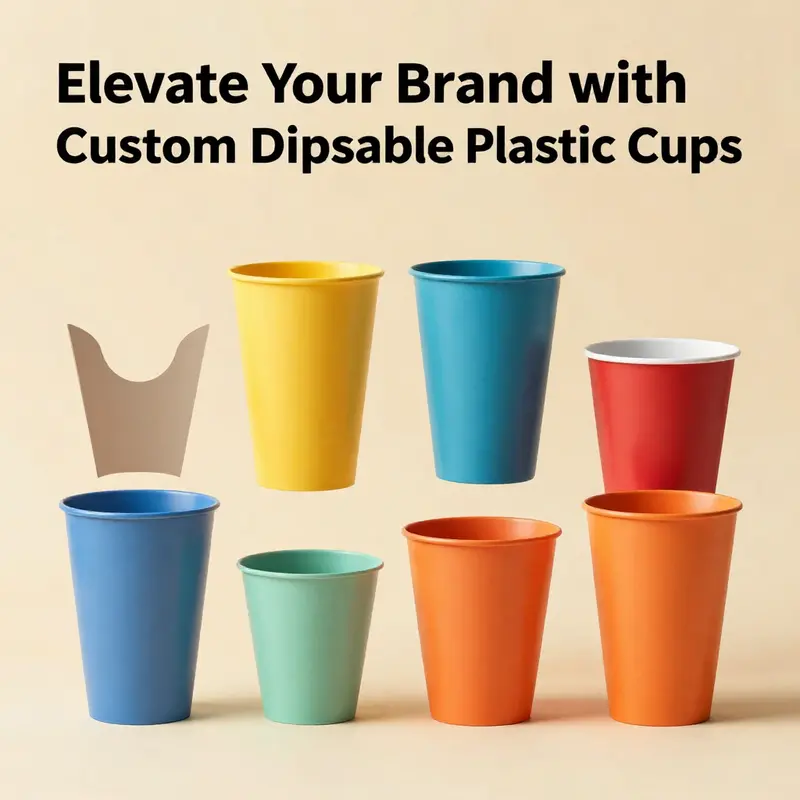
Every cup that leaves a branded event or a café counter carries more than a beverage. It carries a message, a tactile cue, and a promise of consistency. In the evolving world of custom disposable plastic cups, design is the compass that guides function, sustainability, and brand storytelling in equal measure. Where once cups were simple vessels, today they are canvases for interaction, engineered to improve grip, preserve temperature, and spark engagement at a glance. Innovations in this space are not merely about making a cup look good; they are about making the experience of drinking from it safer, more convenient, and more memorable, all while aligning with growing expectations around environmental responsibility and digital touchpoints. The shift is not only about new shapes or brighter printing; it is about a coherent design language that integrates material science, manufacturing efficiency, user psychology, and brand strategy into every sip.
Eco-friendly materials form the foundation of this design evolution. Food-grade polypropylene, often paired with biodegradable variants of other thermoplastics, offers a compelling blend of performance and safety. PP cups handle cold beverages with ease, resisting cracking and flavor transfer, while increasingly robust formulations are extending their use to hot drinks through improved thermal stability. This matters not just for the consumer experience but for the operational reality of cafés, supermarkets, and large-scale promotional events where drinks must endure hand-to-hand transitions, outdoor conditions, and extended service windows. The push toward sustainability also nudges designs toward clarity and recyclability. Clear PET remains popular for its visual appeal and light weight, yet its recyclability profile requires careful waste management. In response, many producers emphasize end-of-life pathways—recyclability, reuse options, and reduced material thickness without compromising performance. The result is a middle ground where durability, safety, and environmental considerations coexist, enabling brands to meet demand for responsible packaging while keeping costs predictable at scale.
Printing technology has grown from a simple imprint to a disciplined craft that draws in the eye through color, detail, and texture. Flexographic printing, in particular, has matured into a reliable workhorse capable of delivering vibrant, multi-color graphics directly onto curved cup surfaces. Advances in ink chemistry and color management mean brands can achieve high-resolution logos, taglines, and artwork with up to six colors per cup, maintaining legibility from a distance and under varied lighting. The practical upside is clear: campaigns can extend across multiple touchpoints within a single vessel—color-coded drink lines, seasonal graphics, and event-specific branding—without requiring multiple stock-keeping units. This capability dovetails with the dedicated design of lids and straws, enabling cohesive packaging that aligns with the beverage’s identity. A lid can become an extension of the cup’s brand narrative, featuring translucent windows, microtext, or color accents that echo the cup print and enhance the user experience by signaling temperature or flavor emphasis.
Ergonomic and functional innovations further redefine how these cups perform in real-world settings. The U-shaped design, highlighted as a standout development in recent materials, nests comfortably in the palm, reducing slip risk during outdoor events or on crowded festival grounds. The curved profile also contributes to pouring stability, minimizing splashes and spills when the user is multitasking or moving through a crowd. A transparent body remains a practical choice here—liquid levels are easy to monitor, aiding refills and reducing the guesswork that can lead to over-pouring. This clarity, paired with a grip-friendly exterior texture, promotes user confidence and reduces the likelihood of accidental drops, which in turn supports smoother service flows for operators and a more positive brand impression for marketers. The design language expands beyond the silhouette to include molded-in handles or ergonomic indentations on specific cup sizes, along with non-slip bases and dome-shaped lids that lock in place with a simple twist or snap. In practice, manufacturers now offer a range of sizes, commonly around 9 oz to 16 oz, each with a shape tuned to particular beverage profiles—juice, tea, coffee, or iced drinks—so that the cup fits not only the drink but the moment in which it is consumed.
The random sheen of a printed cup and the tactile satisfaction of its surface can be complemented by what some manufacturers are starting to call smart packaging features. The integration of QR codes printed on the cup surface creates a bridge between the physical and digital worlds. A consumer can scan a code to access loyalty rewards, promotional games, or recipe ideas tailored to the beverage. This approach transforms a disposable item into a gateway for ongoing brand interaction, turning a single serve into a channel for data collection, feedback, and continued engagement. The idea is not to replace a traditional loyalty card but to extend brand chemistry into the moment of consumption, wherever the event or venue might be. Such features require careful design to avoid compromising the cup’s primary function—food safety and ease of handling—while still offering meaningful micro-interactions that encourage repeat purchases or attendance at future events.
Smart packaging and interactive design also have implications for the supply chain. The modern cup must be manufactured at scale with consistent color fidelity and print durability, ready for bulk distribution to event organizers, retailers, and food-service channels. Real-time insights into supplier capabilities—such as minimum order quantities, lead times, and printing options—shape how a design transitions from concept to curbside delivery. Current market dynamics show that MOQs can range widely, depending on the complexity of the print and the size of the run, with higher-color, multi-graphic jobs typically requiring volumes in the tens of thousands or more. The ability to lock in favorable pricing at higher volumes creates a practical incentive for brands to invest in a cohesive, reusable cycle of campaigns rather than singling out one-off, low-volume orders. From a logistical standpoint, many manufacturing hubs are concentrated in Asia, with major centers near export gateways. This geography supports efficient production, but it also places emphasis on clear specifications, accurate color matching, and robust quality assurance to ensure that a promotional cup meets expectations across continents and climates.
On the topic of sustainability, the conversation cannot ignore the broader end-of-life landscape. The industry is responding to consumer demand for responsible disposal by promoting recyclable materials and encouraging recycling practices among end users. Some suppliers are experimenting with biodegradable PET variants and other compostable or partially compostable compositions, while others advocate for programs that collect, reprocess, and reintroduce cups into the manufacturing cycle. In practice, this means brands can pursue campaigns with a stronger environmental narrative without sacrificing performance or cost efficiency. The trade-offs, of course, are nuanced: while biodegradable options can reduce long-term waste, they may require specific waste streams to achieve the desired outcomes, and not all facilities are equipped to handle every material variant. The design challenge is to choose a material and finish that align with the event’s geography, the audience’s expectations, and the brand’s sustainability commitments, all while maintaining the tactile and visual impact that make a custom cup memorable.
Beyond material choices and printing, the cup’s physical relationship with the lids, straws, and sleeve components shapes the overall user experience. Custom lids with integrated straw slots or spill-proof features can dramatically improve usability in fast-paced environments. Dome-shaped lids, designed to provide a sense of containment without bulk, often pair with a through-lid straw arrangement that minimizes leakage while ensuring easy drinking on the go. This integrated packaging approach supports rapid service in high-traffic settings such as festivals, airports, or stadiums, where every millisecond saved in handling translates into smoother queues and better impressions for the brand. When combined with a color palette and typographic system that carries through the cup to the lid, the whole package becomes a coherent marketing device rather than a standalone container.
To illustrate how these interconnected design choices translate into real-world impact, consider the end-to-end journey of a typical promotional batch. A brand might begin with a clear set of objectives: attract attention at a high-footfall event, reinforce the company’s color language, and deliver a reliable, hygienic experience for hundreds of thousands of attendees. The materials choice would favor PP for its balance of rigidity, heat resistance, and safety; printing would leverage flexo to deliver a bold logo and a limited color set, ensuring legibility even at a distance. The ergonomic profile would be tuned for comfortable grip, with optional molded-in handles for taller cups or slightly concave sides to enhance palm contact. A smart packaging element—the QR code—could be embedded in a discreet corner of the print area, inviting interaction without cluttering the design. The result is a unit that performs well in the hand, communicates the brand message at a glance, and yields valuable consumer insights through digital interactions. The production plan would specify MOQs aligned with the campaign scale, with pricing that reflects the volume and print complexity. In this scenario, a strategic approach to design yields not just a better cup but a more cohesive brand experience that travels from the manufacturing floor to a consumer’s memory.
The connection between design and business outcomes becomes even more pronounced when we consider the broader market context. While the technical capabilities—material science, printing fidelity, ergonomic thinking, and digital integration—drive the quality of the cup, the ultimate measure is how it enhances brand perception and consumer behavior. An elegantly designed cup signals care and consistency, which in turn reduces decision friction for the consumer at the moment of consumption. It can boost recall, support cross-promotions, and encourage sharing of experiences at events or in social media, where the cue is often the cup’s design itself. In bustling venues, the cup acts as a portable, durable advertisement, and the best designs do more than catch the eye; they invite interpretation, participation, and memory formation. The most successful campaigns treat the cup as part of a larger ecosystem—a brand’s event experience, packaging strategy, and post-event engagement plan—rather than as a standalone piece of merchandise.
While the elegance of a well-made cup is undeniable, designers must also stay mindful of the practical realities that shape production and distribution. The complexity of customizing on a wide range of cup sizes, coatings, and finishes means clear, precise specifications are indispensable. Color tolerance, print adhesion, and cup geometry all influence the final result. Suppliers commonly provide guidelines on minimum order quantities, lead times, and payment terms; understanding these constraints helps ensure that the design brief remains realistic and executable. The industry has begun to emphasize modularity: a core cup platform with interchangeable print sleeves or lid designs that can be swapped to suit different campaigns. This approach reduces the need for wholly new tooling with each refresh and helps brands maintain continuity in their visual language while exploring fresh narrative angles for each event.
A practical takeaway for brands is to view the cup not as a one-off asset but as an adaptable element of a broader marketing toolkit. When conceived with an eye toward future reuse—whether through sleeve-based branding, compatible lid ecosystems, or reprintable codes—the cup becomes a flexible carrier of messages across seasons and geographies. The ability to recycle and repurpose, paired with a design system that travels well across border constraints and waste-management regimes, positions custom disposable cups as a sustainable channel for experiential branding. This perspective helps reconcile the tension between the convenience of disposable items and the growing demand for responsible packaging. It also explains why designers and procurement teams increasingly collaborate with sustainability officers, packaging engineers, and field marketers early in the project. The most successful outcomes arise from this cross-functional alignment, where every design decision—shape, material, print, and digital integration—serves both the user’s momentary need and the brand’s long-term narrative. To glimpse a tangible facet of this alignment, consider a cup page that showcases a clear, durable plastic vessel designed for outdoor use in varied weather conditions; such a page illustrates how ergonomic form, printing precision, and practical packaging features coalesce into a product that performs on day one and continues to tell the brand story long after the event closes. Disposable Clear Plastic Cup for Outdoor Use.
For readers seeking a deeper dive into supplier capabilities, current tooling, and market options, platforms that aggregate bulk-supply information can be valuable resources. They provide a window into what is feasible at scale, including typical pricing ranges, MOQs, and regional production footprints. This broader lens helps brands calibrate expectations and plan campaigns that balance impact with cost efficiency, especially when coordinating across multiple event locations or retail channels. External resources can complement the design perspective with practical intelligence about lead times, batch consistency, and the logistical realities of shipping cups from manufacturing hubs to venues around the world. As with any design-led manufacturing effort, the goal is to translate thoughtful form into reliable performance—so that every cup not only carries a beverage but also carries a story that resonates with consumers and remains legible under the pressure of a busy event.
External resources and supplier intelligence offer one more layer of assurance: they confirm that the innovations described here are scalable and reproducible. They remind us that the cup’s design language—its materials, its print, its ergonomic features, and its digital touchpoints—must be harmonized with real-world constraints. When a brand aligns aesthetics with practicality and sustainability, the result is a durable promotional instrument that can withstand the rigors of mass distribution while delivering a consistent, on-brand experience for every consumer. In the long arc of promotional and event marketing, these design innovations turn a simple drinking vessel into a strategic asset, capable of delivering measurable engagement, reinforcing brand identity, and shaping the moment in which a beverage is enjoyed.
External resource: https://www.made-in-china.com
Balancing Utility and Responsibility: The Environmental Footprint and Market Shaping of Custom Disposable Plastic Cups
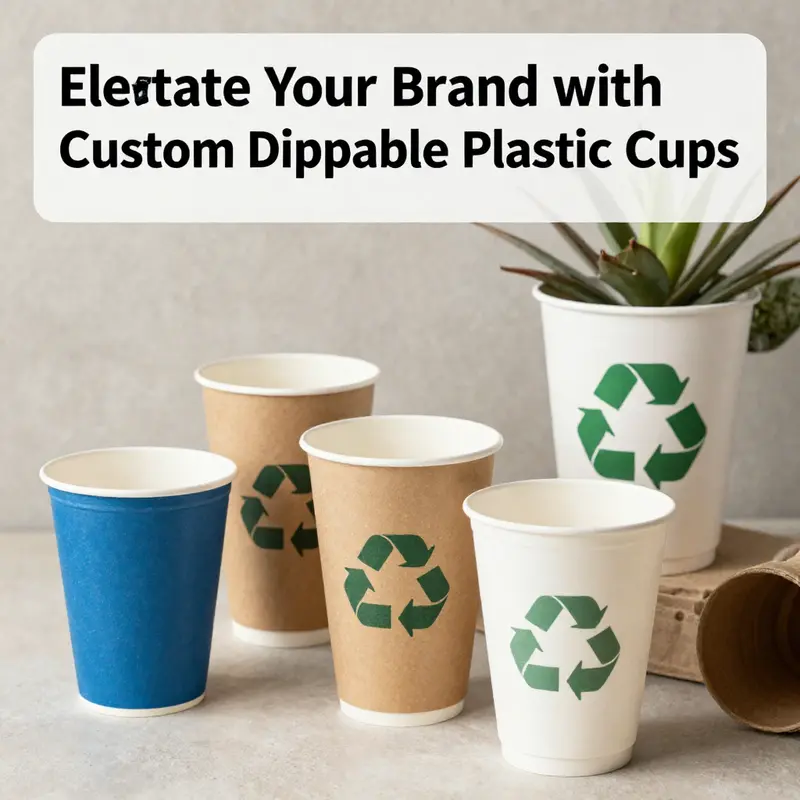
Custom disposable plastic cups have long stood at the intersection of practicality and promotion. They are not merely vessels for beverages but vehicles for brand stories, moments of celebration, and everyday interactions in coffee shops, event venues, and festival sites. Yet beneath their ubiquity lies a set of environmental challenges that increasingly shape how brands design, source, and use these everyday items. This chapter weaves together the material realities of production and disposal with the evolving market dynamics that push toward more sustainable choices, all while acknowledging the continued demand that makes these cups a fixture of modern consumer culture. It is not a retreat from the benefits they offer but a reckoning with the responsibilities that accompany scale.
At the core of the environmental discussion is material composition. The most common cup materials—PP, PET, PS, and HDPE—each carry a distinct profile of performance, cost, and end-of-life considerations. Polypropylene, or PP, is favored for its durability and heat resistance, making it a reliable option for cold beverages and, increasingly, hot ones as thermal stability improves. Its popularity is closely tied to its compatibility with food-grade safety standards and its relative recyclability when collected through appropriate streams. PET, noted for its clarity and light weight, provides an appealing option for single-use cups that emphasize visibility of the beverage and ease of branding. It remains widely used due to its cost-effectiveness and familiarity in consumer packaging, though it tends to be less robust than PP. PS, often associated with foam-like insulation, can deliver cost advantages and insulating properties but poses limitations in heat resistance and, more critically, environmental sustainability debates. HDPE, while less common for standard disposable cups, finds niche applications in reusable or semi-reusable designs where toughness and chemical resistance are paramount.
What these materials share is a relationship with energy use and greenhouse gas emissions across the life cycle—from resin production and cup fabrication to transport, use, and end-of-life processing. Manufacturing these cups is energy-intensive, and the carbon footprint compounds when production runs scale to tens or hundreds of thousands, or even millions, of units. In a global market that relies heavily on centralized production hubs, the geographic source of cups and the logistics of moving them to event sites influence both cost and environmental impact. As of the 2026 data snapshot, major production nodes remain concentrated in key manufacturing hubs, with supply chains designed for high-volume output and efficient export packaging. The reality is that even small x-factor efficiencies in production—such as reductions in resin waste, improvements in mold design, or tweaks to drying and curing cycles—can compound into meaningful environmental savings when measured across millions of units.
But the environmental story does not end at factory gates. End-of-life processing for disposable cups hinges on whether the local waste system can separate, collect, and reprocess the resin into new products. Recycling rates for plastic cups are highly contingent on infrastructure and consumer behavior. A cup that is clean, dry, and free of food residue stands a better chance of entering a recycling stream; contamination with organic matter or mixing with other materials can derail recycling efforts and push waste toward landfills or incineration. The practical reality is that many cups are technically recyclable in theory but fall short in practice due to curbside sorting limitations, insufficient recycling capacity, or lack of consumer follow-through. In other words, the fate of a custom cup on a windy city street or at a beach festival often rests as much on public habits as on the chemistry of the cup itself. In terms of carbon accounting, the energy required to collect, sort, and reprocess plastics can be substantial, and this is amplified if the recycled resin is of lower quality or if market demand for recycled content wanes.
From an environmental perspective, the discussion around options beyond conventional fossil-fuel-based plastics has gained momentum. Biobased and biodegradable alternatives—such as PLA and other plant-based polymers—are increasingly explored as potential substitutes for traditional cups in some segments. These materials promise reductions in certain environmental footprints, particularly if they are composted industrially rather than simply discarded. Yet even biodegradable options come with caveats: they require specific composting conditions to achieve biodegradation, they can contaminate traditional recycling streams if not properly sorted, and they may introduce new complexities into supply chains and end markets. The shift toward these materials is not a universal answer but part of a broader portfolio approach in which brands weigh performance, cost, consumer acceptance, and regulatory alignment.
Market trends over the past years—and especially around 2026—reveal a nuanced picture. The demand for custom disposable plastic cups remains robust across corporate events, promotions, the food service sector, and large-scale gatherings. The lure of a low unit cost and high branding value ensures that cups will continue to be used widely where speed, hygiene, and portability matter. The ability to print logos, slogans, and colorways in up to six colors through flexible processes has made cups a flexible canvas for marketing campaigns, sponsorships, and experiential branding. The economic logic of bulk production supports the competitiveness of these cups in price-sensitive categories, with reported rates that can dip toward very modest per-unit costs as volumes climb. In a market often dominated by mass quantities, even a small improvement in unit cost can translate into meaningful savings when applied to campaigns that require tens or hundreds of thousands of cups.
However, the market is not static. Consumer expectations and regulatory pressures are quietly reshaping product design and distribution strategies. There is a consistent push toward reducing environmental impact without sacrificing the reliability and familiarity that brands rely on. This pressure comes not only from conservation-minded consumers but also from municipalities and policymakers who seek to curb plastic waste and encourage better waste management. In response, manufacturers and suppliers are increasingly presenting options that blend the old with the new: PP remains the standard-bearer for performance, but with enhanced recyclability, improved post-consumer collection, and clearer labeling of resin types. Some suppliers emphasize partnerships with recycling programs, providing guidance on how to dispose of cups properly and how to participate in take-back schemes or deposit programs when feasible. The net effect is a market that remains broadly buoyant but more complex to navigate for brands striving to balance cost, brand impact, and environmental responsibility.
From a branding perspective, the environmental conversation can be reframed as a narrative about responsible stewardship rather than a mere trade-off in functionality. Brands increasingly communicate sustainability as a core value in their campaigns, not just as a compliance checkbox. The visual identity of a cup—the color palette, the logo, and even the message about how to recycle—can align with broader corporate commitments to reduce plastic waste. This alignment matters because the public is learning to evaluate not only the product’s appearance and price but also the ethics of its lifecycle. In this context, the choice of cup becomes part of a larger storytelling framework about brand integrity and environmental accountability. It is no longer acceptable to rely solely on the sheer convenience of disposables; the success of campaigns increasingly depends on how well the packaging reflects a brand’s stance on sustainability and how well that stance translates into real-world outcomes, such as improved recycling rates at events and better end-of-life stewardship in everyday use.
With these dynamics in mind, the practical implications for brands, event organizers, and retailers become clearer. The decision to invest in custom disposable cups must account for more than initial print quality or per-unit cost. It also involves considerations of how cups will be transported, stored, and disposed of, and how these steps fit into a comprehensive environmental strategy. For major promotions and festivals, the sheer scale of distribution makes logistical efficiency crucial. Nesting efficiency, a feature highlighted in contemporary cup designs, reduces storage and transport space, which can lower the overall carbon footprint of a campaign by decreasing fuel consumption and the need for warehousing. The U-shaped cup geometry discussed in recent innovations serves this purpose well: it enhances grip and stability during use yet nests efficiently when not in use, aligning with the practical realities of large-scale merchandizing and catering operations. Aesthetics, ergonomics, and performance converge with environmental considerations, creating a more holistic solution that brands can stand behind.
The economics of sustainability in this space are complex and multi-faceted. On the one hand, a durable PP cup with strong printing capabilities offers lasting brand visibility and reliability, which translates into better return on investment for promotional activities. On the other hand, the environmental costs of production, distribution, and waste management create a counterbalance that brands must manage. The latest market data indicate that the price floor for large-volume custom cups can start from surprisingly low levels, reflecting efficiencies of scale and the relative affordability of resin materials. But price is only one variable in a matrix that also includes lead times, minimum order quantities, and the ability to customize the print with fidelity and color accuracy. Supply chain realities—such as the concentration of manufacturing capacity in specific regions and the standard payment terms used by suppliers—add further layers of consideration for procurement teams. The combination of these factors means that buyers must engage in careful planning, balancing immediate campaign needs with longer-term environmental commitments and supplier relationships that reflect shared goals around sustainability.
In parallel with ongoing production and market pressures, there is an unmistakable trend toward greater transparency and accountability in the entire lifecycle of these cups. Brands are increasingly expected to disclose not only the recyclability of the cups but also the practicality of recycling in the markets where campaigns will run. This means clarifying whether cups are easily separable from food waste and whether local facilities can accept them in their standard recycling streams. It also means recognizing the risk of contaminants—food residues and mixed materials—that can undermine recycling processes. The conversations around circularity are not abstract; they influence how cups are designed, how they are labeled, and how they are used in the field. For instance, the push toward better nesting and space-saving design has an environmental dimension beyond cost: less space in transit means fewer trips, reduced fuel usage, and lower emissions, all contributing to a more sustainable footprint for campaigns that rely on disposable cups.
To navigate this evolving landscape, brands often partner with suppliers who can offer a suite of options aligned with sustainability goals. A common approach is to anchor campaigns with PP-based cups that deliver reliable performance and recyclability where infrastructure supports it, while simultaneously exploring alternative materials for specific use cases. In addition, brands are increasingly embracing end-of-life solutions, such as guidance on proper disposal, availability of recycling programs, or even deposit schemes where feasible. These strategies do not eliminate the environmental footprint, but they can reduce it meaningfully when implemented at scale. The broader lesson is clear: sustainability in the context of custom disposable cups is best achieved not by a single material choice but by an integrated approach that considers design, production, distribution, and post-use behavior as a connected system.
Within this framework, one can also recognize the value of practical design innovations that amplify both user experience and environmental performance. The U-shaped design, previously noted for its ergonomic advantages, also contributes to more efficient nesting and stacking during transport and storage. This translates into tangible reductions in warehouse space, fuel consumption for distribution, and associated emissions. When paired with clear labeling that supports proper disposal, such design choices can help ensure that cups find their way into recycling streams rather than landfills, assuming local infrastructure can accommodate such flows. The interplay between form and function is thus not merely aesthetic; it is a functional response to the realities of waste management and resource constraints. In practice, brands may use these design features as part of a broader message about responsible consumption, reinforcing the idea that even a small, everyday item can embody a commitment to stewardship when crafted with intention.
The environmental dialogue around disposable cups is not a call to eschew all disposables but a call to align marketing, design, and supply chain decisions with the realities of waste generation and resource use. For readers seeking to explore concrete examples of how these ideas translate into practice, a closely related resource on consumer-ready packaging and related disposable items offers a comprehensive overview of product breadth, customization options, and logistical considerations. This internal resource can serve as a practical starting point for brands that want to balance branding impact with sustainability outcomes while maintaining the operational agility that large-scale campaigns require. You can learn more by visiting the disposable clear plastic cup page, which illustrates how a single product line can embody both branding flexibility and practical design features suitable for outdoor events and general use: disposable clear plastic cup for outdoor use.
The broader environmental context is reinforced by authoritative external reading that underscores why the plastics life cycle matters and how policy and public awareness are evolving. The Environmental Protection Agency’s Plastics and the Environment resource provides foundational context on how plastic materials interact with ecosystems, waste systems, and climate considerations. These insights frame the discussion of cups as part of a much larger system where material choices, recycling capabilities, and consumer behavior converge to shape environmental outcomes. Keeping abreast of such guidance helps brands align their cup programs with scientific and regulatory perspectives, ensuring that promotional efforts do not outpace the capacity of communities to manage waste effectively. For readers who want to dig deeper into the environmental implications of plastics in daily life and industry, the EPA resource offers a rigorous, evidence-based backdrop to the market trends described here.
In sum, the environmental impact and market trajectory of custom disposable plastic cups reflect a complex balance of utility, branding value, and ecological responsibility. The cups’ role in promotion and hospitality remains potent, but the conditions under which they operate are shifting toward greater sustainability. The industry is neither abandoning disposables nor ignoring environmental stakes. Instead, it is embracing a spectrum of strategies—improved materials, smarter design, better end-of-life practices, and transparent communication—that together can help reconcile business needs with environmental stewardship. Brands that succeed in this transition will likely keep the advantages that make custom cups attractive while contributing to a circular economy model where waste is minimized, resources are reused, and consumer trust is earned through action as well as intent. The future may see a broader adoption of materials and systems that maintain performance and branding power while reducing the overall footprint, with providers continually refining their processes to deliver value at scale without compromising the planet.
External reference for further reading: https://www.epa.gov/plastics
Final thoughts
Custom disposable plastic cups are more than just functional items; they are powerful branding tools that can enhance visibility and customer engagement. By understanding the materials used, the design innovations available, and the environmental implications of your choices, you can select the best cups for your business. Embracing eco-conscious practices while ensuring your cups remain practical and appealing is essential in today’s market. Make these cups a key part of your promotional strategy to stand out and build lasting customer relationships.