
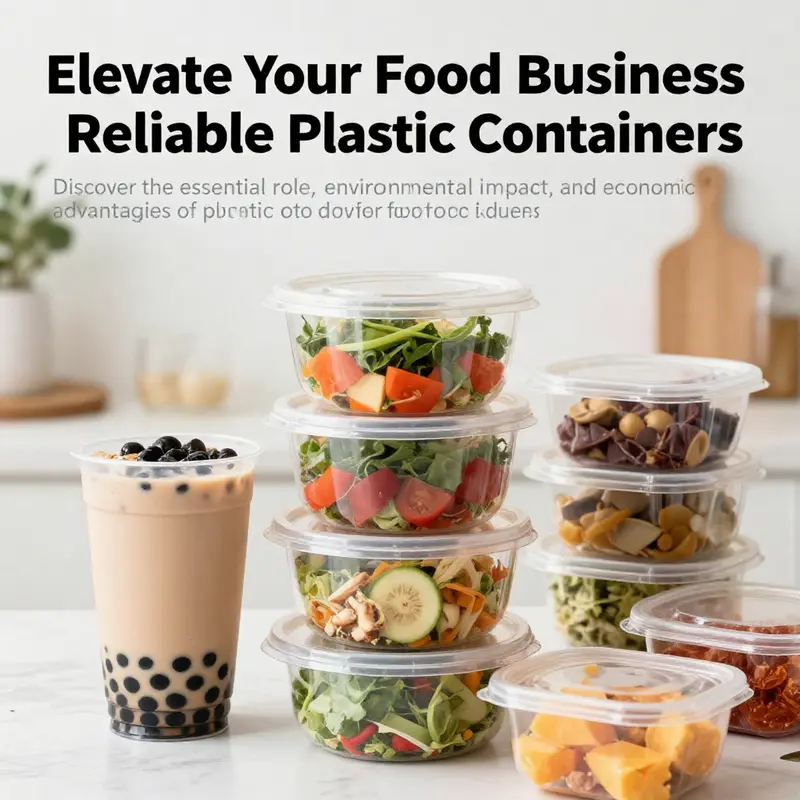
Plastic containers for food products are more than just a storage solution; they play a critical role in keeping food fresh, organized, and accessible. For bubble tea shops, restaurants, food trucks, and catering services, the right containers help maintain quality and ensure customer satisfaction. The efficiency of storage, the materials used, and the production scale are all essential factors in the success of food management systems. This article dives into the function of plastic containers, explores their environmental implications, and examines the industrial production aspects that shape their availability and pricing. Together, these insights will equip food service businesses with the knowledge to make informed decisions for their packaging needs.
Guardians of Freshness: How Plastic Containers Sustain Safe and Efficient Food Storage in a Modern World
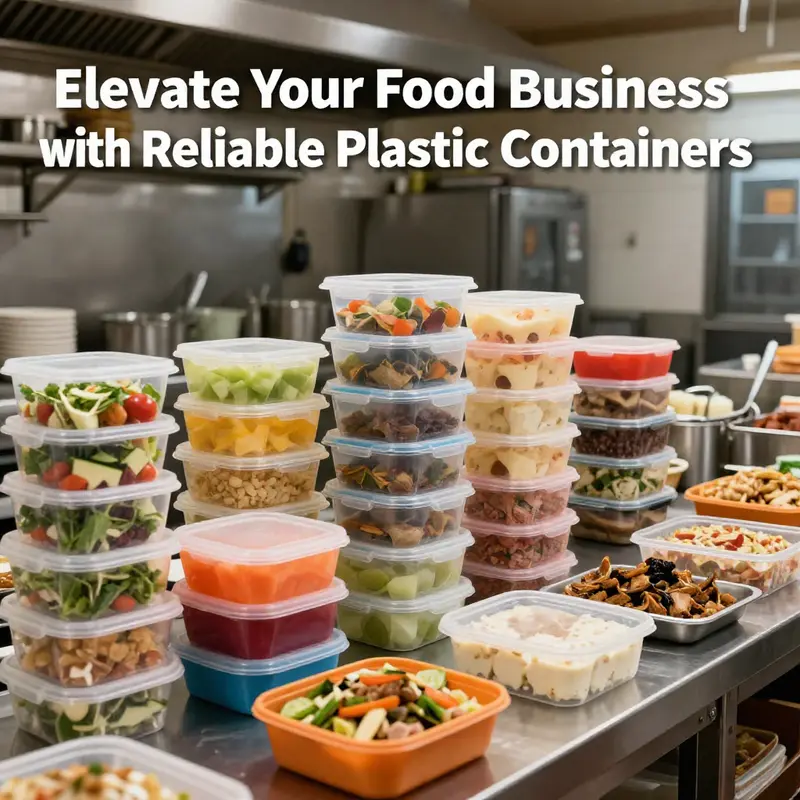
Plastic containers have become the quiet stewards of contemporary food storage, quietly shaping how we preserve, transport, and enjoy meals from the kitchen to the back room of a restaurant and onto store shelves. They are not just passive vessels; they are engineered interfaces between food, humans, and the environment. The most enduring value they bring lies in a careful balance of safety, shelf life, and practicality, all calibrated by material choice, lid design, and the ability to withstand repeated cycles of use and cleaning. In this light, plastic containers are central to a broader story of how modern food systems manage risk, reduce waste, and support convenient, healthy eating without sacrificing efficiency or cost-effectiveness. The story begins with the basics of safety—creating an effective barrier against contamination—and extends into the more nuanced realms of preservation, usability, logistics, and a shifting sustainability agenda that continues to redefine what it means to store food responsibly in the 21st century.
At the heart of any container’s safety profile is the material itself. Food-grade plastics, most commonly polypropylene and high-density polyethylene, are selected for their intrinsic strength, cleanliness, and inertness under typical use conditions. These polymers are designed to resist leaching, microbe migration, and the cumulative effects of handling, reheating, and repeated washing. The walls of modern containers are typically smooth and nonporous, a deliberate feature that minimizes bacterial harborage relative to more textured or porous materials. Transparency also plays a practical role here: clear walls let users see the contents without opening the lid, reducing the temptation to handle food unnecessarily and thus lowering the risk of contamination. Yet transparency is more than convenience; it aligns with safe food practice by enabling quick visual checks for spoilage, color changes, or separation of ingredients that might signal a breakdown of quality before any risk becomes invisible.
Beyond the material is the lid, a critical line of defense against contamination and oxidation. Airtight or near-airtight seals are the first line of defense against moisture loss and air exposure, both of which accelerate spoilage and flavor deterioration. Sealing systems vary—from snap-on and locking lids to twist-lock and push-pull configurations—but the core function remains constant: to minimize the exchange of air and water vapor with the surrounding environment. In practice, this means reducing oxygen ingress, which is a major driver of lipid oxidation in meats and oils and a key factor in the staling of bread and baked goods. It also means limiting the ingress of dust, microbes, and kitchen odors that can permeate a closed container through imperfect seams. The result is a controlled microenvironment that helps preserve texture, aroma, and freshness over days or weeks, depending on the product and storage conditions. The lid’s reliability matters not just for household use but for food service operations and cold-chain logistics, where any leakage can cascade into waste, safety concerns, and costly recalls.
A well-chosen container design also reflects an understanding of portion control and space optimization. Rectangular shapes, in particular, have become a mainstay because they align neatly with shelves, drawers, and refrigerator interiors, enabling efficient stacking and predictable organization. This spatial efficiency translates into tangible benefits: fewer misplacements, easier inventory management, and a cleaner work environment where food safety can be maintained with a steady rhythm rather than a constant search for mismatched lids or awkwardly shaped boxes. The ability to nest or stack containers without damaging seals or compromising lids is an often overlooked but essential feature. In domestic kitchens, this translates into less clutter and more predictability when planning meals, prepping ingredients, or storing leftovers. In commercial settings, it supports standardized warehousing and streamlined workflows, where uniform dimensions reduce handling time and enable smoother automated processes in cold storage rooms and distribution centers.
The internal environment within these containers is a deliberate microclimate. When food is sealed, the internal atmosphere is a product of the material’s barrier properties and the lid’s seal integrity. This environment can maintain moisture where appropriate, prevent rapid moisture loss that leads to wilting of greens or dryness in bread products, and slow enzymatic or microbial activity that would otherwise shorten shelf life. Some containers are designed with vacuum compatibility, allowing users to remove air before sealing, which further slows oxidation and microbial growth. Vacuum storage has become a practical extension of home meal prep and a core technique in food service operations seeking to maximize the time foods stay within safe quality thresholds. While not every item benefits from vacuuming, the option broadens the spectrum of products that can be safely stored with minimal waste, from cut vegetables and pre-cooked grains to marinated proteins and prepared meals.
The everyday convenience of plastic containers also emerges in their compatibility with common kitchen tasks. Most models are microwave-safe for reheating, freezer-safe for long-term storage, and dishwasher-safe for straightforward cleaning. These features reduce the number of separate vessels needed for food preparation, storage, and service, simplifying routines and encouraging better portion control. When a single container can go from fridge to microwave to table, it supports healthier eating habits by making it easier to plan ahead and reuse leftovers. The ability to withstand repeated dishwasher cycles is a practical reliability measure, though it remains important to monitor lids for warping or seal wear over time. This caveat underscores a broader theme in container design: durability is not a static attribute but a dynamic balance between materials, construction, and the realities of daily use. Sustainable reuse depends on this balance, ensuring that containers continue to perform as intended through many cycles rather than failing prematurely and contributing to waste.
In the broader commercial and industrial landscape, plastic containers function as a vital component of supply chains that must be reliable, scalable, and cost-effective. The use of durable, consistent containers supports standardized handling across warehouses, distribution centers, and retail shelves. In cold chain logistics, containers designed to withstand sub-zero temperatures help ensure that frozen foods remain safe and intact from processor to consumer, with integrity preserved through packing, transport, and storage. The reusability of these vessels translates into lower long-term packaging costs and reduced waste compared to single-use options. But the sustainability story does not end there. The modern focus on recyclability and recyclate content has spurred investments in post-consumer recycling streams, along with process innovations that enable post-consumer plastics to be recovered for new, food-grade containers. This transition requires stringent quality control and regulatory alignment to ensure that recycled materials meet safety standards and do not introduce contaminants into food contact environments.
Scholarship and industry practice also highlight the nuanced choices behind material selection. Polypropylene remains a staple for its heat resistance, chemical stability, and robust performance under daily wear. High-density polyethylene offers impact resistance and clarity suitable for visibility of contents. While some containers use other plastics such as PET and polystyrene for specific properties like rigidity or enhanced clarity, each material choice carries an impact on safety, microwave performance, and suitability for freezing. The selection process is thus a balance of functional requirements, cost considerations, and end-of-life concerns. It is not merely about making a vessel that holds food; it is about stewarding food safety and minimizing waste through thoughtful design, responsible material use, and an eye toward future innovation.
Sustainability remains a central narrative as society increasingly demands packaging that aligns with environmental goals without compromising protection or convenience. Biodegradable and bio-based options are evolving, offering possibilities that align with broader waste-reduction strategies when used in appropriate facilities. Polylactic acid and other biopolymers demonstrate the potential to deliver similar functionality to conventional plastics with a different end-of-life profile. Meanwhile, advances in recycling technologies and impact-reducing manufacturing practices promise to close the loop on post-consumer plastics, enabling more food-grade containers to be produced from recycled content. Antimicrobial additives, when carefully formulated, can offer additional safety benefits by inhibiting bacterial growth on container surfaces, though they require rigorous evaluation to avoid negative implications for human health or environmental impact. Smart packaging concepts, such as indicators that track time and temperature, are beginning to find real-world applications, empowering producers and consumers with actionable data about freshness and safety.
Safety, sustainability, and scalability intersect with regulatory frameworks that govern food-contact materials. Authorities in various jurisdictions establish limits on substances that can migrate from packaging into foods under normal use. Compliance requires a robust science base, transparent testing, and ongoing surveillance to ensure that containers continue to perform as intended in real-world conditions. The regulatory landscape reinforces the responsibility of manufacturers and suppliers to provide clear guidance on approved materials, loading temperatures, cleaning protocols, and safe reuse practices. In practical terms, this means that containers must not alter the food’s flavor, aroma, or nutritional quality, and they must not introduce contaminants or toxins during conventional use or cleaning cycles. For businesses, this translates into a commitment to quality assurance, traceability, and ongoing monitoring throughout product lifecycles—from design and production through distribution and end-user handling.
The cumulative effect of these considerations is a clearer picture of why plastic containers occupy such a central role in modern food storage. They underpin safe, efficient, and scalable operations across households, foodservice establishments, and the broader supply chain. They enable portion control, reduce waste, and simplify logistics in ways that are tangible to consumers and essential to professionals. Yet this role is not static. It evolves with advances in material science, innovations in sealing technologies, and a growing emphasis on sustainability and responsible stewardship. As we move forward, containers will continue to adapt through smarter designs, enhanced recyclability, and, where appropriate, integrated features that support real-time monitoring of storage conditions. The result will be a more resilient, more efficient, and more ethical food system that keeps safety at the forefront while expanding the possibilities for how we store and enjoy foods in a rapidly changing world.
Internal links and external resources can deepen understanding without interrupting the narrative flow. For readers seeking practical examples of sustainable packaging choices, an accessible reference to broadly available solutions shows how the market is responding to demand for reusable, recyclable, and microwave-safe options. For those looking to explore the regulatory backbone behind food-contact materials, official guidance from health authorities provides essential context about safety, migration limits, and compliance expectations. As this chapter has shown, plastic containers do more than hold food; they contribute to a safe, efficient, and adaptable food system that supports healthy eating, reduces waste, and aligns with evolving environmental and regulatory standards. Their ongoing development—through material innovation, improved sealing, and smarter packaging—will shape how households and industries manage food from purchase to plate with confidence and care.
For readers who want to see practical, real-world packaging decisions reflected in product choices, consider exploring options that emphasize recyclable and reusable designs while maintaining performance. A representative example in the broader market illustrates how sustainably minded packaging can coexist with everyday practicality, without sacrificing safety or convenience. In the same spirit, the industry continues to refine best practices for cleaning, sterilization, and reuse to maximize the lifespan of containers and minimize waste. Ultimately, plastic containers are not merely containers; they are adaptable systems that enable safer storage, more efficient workflows, and a more thoughtful approach to how we handle food, from the moment it is produced to the moment it is enjoyed. They embody a pragmatic fusion of science, design, and responsibility that sustains modern food storage in a world that demands both reliability and stewardship.
One practical takeaway for practitioners and home cooks alike is to align container choice with the specific needs of the food being stored. Temperature tolerance, anticipated reheating methods, and anticipated shelf life should guide material and lid selection. Clear walls help with quick visual inspections, while secure seals minimize leaks and odor transfer. For those managing larger-scale operations, standardization of container formats supports automation, reduces handling errors, and improves inventory control. The convergence of smart packaging ideas with durable materials holds particular promise for reducing waste and extending the window of safe consumption, especially when coupled with proper cold-chain maintenance and disciplined cleaning practices. If used thoughtfully, these containers contribute to a broader culture of safety and efficiency that benefits producers, retailers, and consumers who rely on dependable packaging every day.
In closing, plastic containers for food products occupy a central and enduring position in modern storage systems. They are at once simple in concept and sophisticated in execution, delivering barrier protection, controlled environments, and practical versatility. They enable households to plan, store, and reheat meals with confidence, while supporting large-scale logistics that move with speed and precision. As technology advances, containers will continue to evolve—becoming lighter, stronger, smarter, and more sustainable—without compromising the core commitments to safety and usability that have made them indispensable. The ongoing dialogue among material science, manufacturing practices, consumer expectations, and regulatory oversight will shape how these vessels adapt to new foods, new storage challenges, and a future where waste reduction and safety go hand in hand. In that sense, plastic containers are not just vessels; they are active participants in a more resilient and responsible food system, ever ready to safeguard freshness, protect health, and simplify daily life for people around the world.
Internal link opportunity: For a practical example of sustainable packaging solutions aligned with the themes discussed, explore this option focused on eco-friendly takeout packaging. eco-friendly takeout boxes for food packaging.
External reference: For regulatory context and safety considerations related to food-contact materials, see the U.S. Food and Drug Administration guidance on food-contact materials and packaging. FDA guidance on food-contact materials.
From Polymer to Planet: Tracing the Composition and Environmental Footprint of Plastic Food Containers
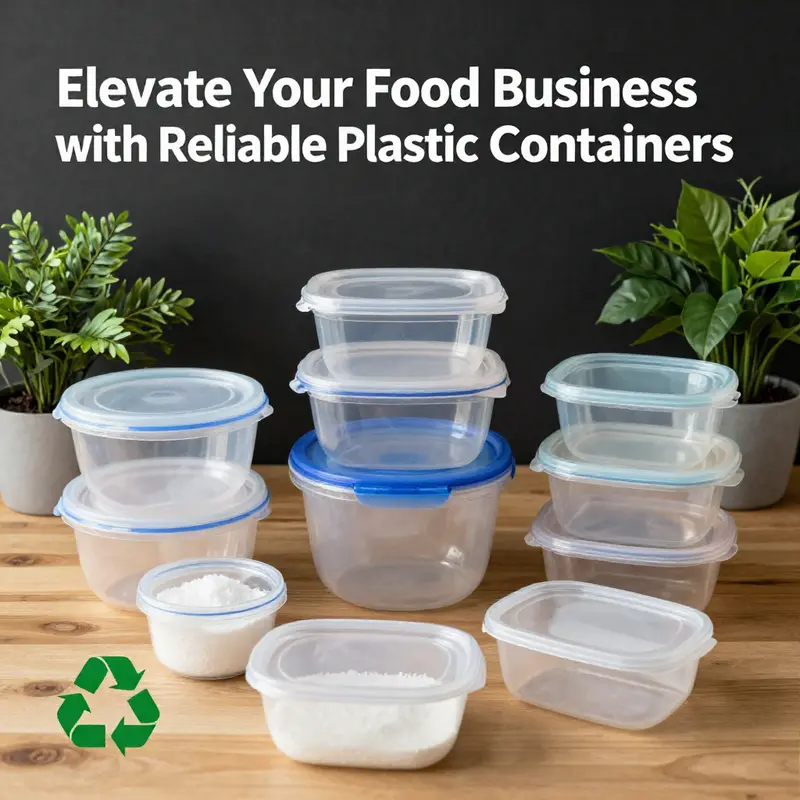
Plastic food containers sit at the intersection of everyday practicality and global responsibility. They are the quiet workhorses of homes, groceries, restaurants, and industrial kitchens, designed to preserve freshness, organize meals, and streamline service. Yet beneath their transparent walls and snap-on lids lies a complex story about chemistry, performance, and the environment. Understanding this story requires tracing how these containers are formed from simple building blocks into durable, versatile packaging, and then following the life cycle from production to disposal, where the choices we make about materials and design reverberate through ecosystems and future waste streams. In this light, the chapter does not merely catalog materials; it invites a holistic view of how composition shapes functionality and how that same composition becomes a touchstone for sustainability in a world increasingly anxious about plastic waste and microplastic pollution.
At the core, plastic food containers are polymers—long chains of repeating chemical units that confer specific properties. Among the polymers most often chosen for food packaging, polypropylene (PP) stands out for its combination of durability, heat resistance, and light weight. These traits translate into practical benefits: a PP container can withstand repeated handling, mild drops, and the rigors of washing in household or commercial contexts. Most PP-based containers are designed to be microwave-safe and, in many cases, oven-safe, which makes them especially convenient for meal prep, storage, and reheating. A practical implication of these properties is the ability to transition from raw ingredients to ready meals with less risk of material deformation or failure, provided the temperatures stay within the material’s safe range. The result is containers that can go from fridge to microwave to plate with confidence, reducing the need for multiple dishware and simplifying kitchen workflows.
Yet PP is only one thread in the broader fabric of plastics used for food storage. The family of materials used in this domain also includes PET, PS, PVC, and various polystyrene derivatives, each selected for particular strengths. PET offers excellent clarity and barrier properties, making it a frequent choice for transparent, rigid containers. PS provides rigidity and a crisp surface, useful for certain display and stacking needs. PVC and related materials can contribute to specific rigidity and durability profiles, especially in multi-layer packaging or specialized forms. BOPS, or biaxially oriented polystyrene, further tweaks barrier and mechanical performance. The choice among these materials is not arbitrary; it reflects a careful balance of temperature tolerance, mechanical demands, clarity for content visibility, barrier properties to limit moisture and gas exchange, and the intended mode of use—freezer, microwave, dishwasher, or oven—each of which imposes different requirements on the polymer matrix.
The material choice directly informs how a container handles food types and processing conditions. For instance, for meal-prep scenarios that involve chopped vegetables, grains, or pre-cooked dishes, a container fit for freezing and reheating is invaluable. The ability to withstand freezing without becoming brittle and to perform reliably during microwave reheating reduces waste from damaged packaging and protects the integrity of the packaged food. Transparent walls contribute to user convenience by enabling quick visual checks of contents, which in turn reduces the need to open multiple containers as a guesswork inventory method. The design often includes airtight, snap-on, or locking lids that minimize air exposure, slowing oxidation and moisture loss while also reducing the likelihood of leaks during transport. All these functional benefits hinge on the chemical structure of the polymer and the engineering of the container’s geometry, wall thickness, and sealing mechanism.
But any discussion of composition quickly turns to the environmental dimension, because the same materials that deliver performance also drive concerns about waste, resource use, and ecological impact. The environmental narrative of plastic containers is multifaceted. On one hand, life cycle analyses have shown that plastic packaging can contribute relatively modest portions of total life cycle emissions for a wide range of foods—often less than 10 percent in many studies. This suggests that, per unit, the production and distribution of certain plastic containers may have a smaller carbon footprint than some alternative packaging options, especially when the containers are designed for reuse and long service life. The caveat, of course, is that these numbers are highly context-dependent. They reflect factors such as the efficiency of manufacturing facilities, the energy mix used in production, the durability and longevity of the containers, and whether the packaging is reused multiple times before disposal. When these elements align—high reuse rates, robust durability, and efficient post-consumer collection—the environmental case for well-designed plastic containers can be favorable relative to single-use alternatives.
However, environmental concerns extend beyond carbon accounting. One of the most challenging issues is microplastic pollution. As plastics age or break down under stress from heat, sunlight, or mechanical wear, fragments can shed from the container’s surface or, in some cases, from the complete material during processing. In extreme examples related to heating and sterilization of certain PP-based items used in food contexts, reports have documented very high microplastic release under intense conditions. This kind of microplastic generation has raised questions about human exposure and ecological impact, because microplastics can migrate through soils and waters and accumulate in organisms. Such findings underscore that the environmental profile of plastic containers is not a fixed tally but a dynamic story that depends on how containers are used, cleaned, and disposed of, as well as the broader systems for waste management and recycling.
Disposal practices further complicate the environmental calculus. A significant portion of plastic packaging is designed for single-use convenience. In many regions, recycling infrastructure remains uneven, and even when recycling streams exist, a relatively small fraction of plastic packaging is ultimately diverted from landfills or the environment. The result is a global waste challenge that multiplies when consumer behavior intersects with limited collection, sorting, and processing capacity. In such contexts, the environmental cost of a container is not merely the energy consumed to manufacture it but also the likelihood that it will persist in the landscape for centuries, contributing to land, water, and soil pollution as well as to the cumulative load of microplastics that permeate ecosystems.
Facing these realities, the research and industry communities have begun to articulate a path forward through better waste management and the exploration of sustainable alternatives. Improved waste management encompasses technologies and systems for collection, sorting, and recycling that can recover materials more effectively and reduce leakage from the economy into the environment. In parallel, sustainable alternatives are being pursued in several directions. Biodegradable polymers and compostable packaging aim to minimize environmental persistence, though they introduce new considerations about end-of-life conditions, composting infrastructure, and actual performance under typical usage. Reusable, durable designs that withstand repeated cycling can dramatically reduce waste, provided the consumer or operation commits to high-use, proper sanitation, and reliable return or repurposing streams. The interplay between material science, product design, consumer behavior, and policy frameworks thus emerges as the central arena where improvements can lead to meaningful reductions in environmental impact.
This broader lens is complemented by practical guidance for consumers and businesses seeking responsible packaging choices. When evaluating containers, attention to lifecycle considerations matters as much as immediate performance. Materials that are clearly labeled as recyclable or compostable, and that come from suppliers who provide transparent information about recyclability and end-of-life processing, offer better chances of real environmental benefit. Design decisions that favor multi-use durability over single-use disposability, while preserving safety and hygiene, can shift the balance toward more sustainable outcomes. The social dimension also matters: packaging choices can influence waste production in commercial settings, where bulk purchases, centralized washing and sanitization, and standardized containers can reduce per-meal waste and streamline recycling workflows.
For many readers, the practical takeaway centers on how to balance function with responsibility. In kitchens and facilities where safety and food integrity are non-negotiable, the primary imperative remains to select containers that perform reliably under intended conditions—whether that means freezing, heating, or long-term storage—while remaining mindful of end-of-life options. This means not only choosing appropriate materials but also engaging with suppliers who demonstrate commitment to recyclability, reuse, and reduced environmental footprints. The conversation is not about eliminating plastic but about designing systems where plastic packaging serves food needs without becoming a persistent burden on ecosystems. As new materials and processes emerge, the dialogue between composition and environmental impact will continue to evolve, guiding both policy and practice toward packaging that respects safety, convenience, and planetary health.
An accessible way to connect this chapter to real-world choices is to explore container designs that emphasize sustainability without sacrificing usability. For instance, there are designs featuring multi-compartment layouts, tamper-evident lids, and resealable features that extend shelf life and reduce food waste. Some of these designs are marketed as recyclable or reusable, offering pathways to lower overall waste when integrated into effective waste management or reuse programs. A consumer-friendly example is the availability of robust, microwave-safe, and oven-safe PP-based systems that can be washed and reused multiple times before retirement. In commercial contexts, suppliers and manufacturers increasingly promote equivalents that balance performance with recyclability, aiming to close the loop through material recovery, reprocessing, and renewed use.
The narrative of composition thus becomes a narrative of potential and responsibility. PP’s durability and heat resistance are directly linked to how it can support convenient food storage and safe reheating. The same properties that enable reliable performance also shape the container’s fate at the end of its life. If designed with durability and reuse in mind, a PP container can outlast a single cycle, reducing waste per meal. If not, the container may contribute to the persistent cycle of consumption and waste that characterizes much of modern packaging. The path forward lies in aligning design intent with end-of-life infrastructure, and in acknowledging that the chemistry of plastics—while essential to performance—must be married to systems that can meaningfully handle the material after use. In this way, composition becomes not only a technical specification but a lever for environmental stewardship.
To deepen the practical perspective, consider the broader ecosystem of supply, production, and retail that supports plastic containers. Large-scale manufacturing in this sector relies on specialized processes—thermoforming, extrusion, and molding—that translate raw polymers into structured, stackable forms. These processes are optimized to balance speed, material yield, and quality control, enabling economies of scale that make conventional packaging affordable. Yet scale alone does not guarantee sustainability. The environmental discourse now emphasizes end-of-life outcomes, lifecycle thinking, and transparency about material streams. Industry-led strides toward improving recyclability, reducing additives that hinder recycling, and increasing the share of recycled content reflect a broader commitment to closing the material loop. At the same time, consumer demand for convenience, safety, and affordability continues to shape design choices and the pace of innovation. The tension between these forces—material performance and environmental responsibility—drives ongoing experimentation with new polymers, novel recycling technologies, and alternative feedstocks that aspire to reduce both carbon footprint and ecological impact.
In exploring the topic further, it is useful to visualize a typical lifecycle path for a plastic food container. It begins with feedstock processing, where the polymer is synthesized and formed into resin pellets. Next comes fabrication, where the resin is melted and formed into shapes through thermoforming or injection molding. Then comes filling and sealing, where the container is prepared for storage, transportation, and use. After consumption, the post-consumer phase follows, which depends on local waste management infrastructure. If recycled, the container re-enters production as a new resin or a different product, reducing the demand for virgin material. If it ends up in a landfill or the environment, it may persist for decades, fragmenting into microplastics and contributing to broader pollution challenges. Each of these stages is shaped by material choices, design features, and policy incentives, all of which can push performance toward greater sustainability when aligned with effective waste systems and responsible consumer behavior.
A crucial insight from the literature is that the safety and sustainability of plastic food containers hinge not only on the chemical composition but also on the full lifecycle context. For example, even materials with favorable heat resistance must be evaluated in light of how they are cleaned, reused, and ultimately disposed of. Dishwasher use can stress lids and seals, potentially causing warping that compromises seal integrity and food safety. Stacking efficiency can influence how effectively warehouses, kitchens, and households store containers, thereby affecting overall waste and energy use. The practical implication is clear: optimize both materials and designs to maximize reuse, minimize leakage, and facilitate efficient recycling. This dual focus—performance plus end-of-life clarity—offers the most robust path toward packaging that serves both people and the planet.
There is no denying the complexity of the decisions involved. Material scientists, designers, and policy makers must collaborate to ensure that choices about composition translate into real environmental benefits. This collaboration includes transparent labeling, lifecycle assessment data, and consistent standards for recyclability and compostability. It also means acknowledging the trade-offs that arise in pursuit of safety and convenience. A container that excels in heat resistance may pose recycling challenges if it contains additives or multiple incompatible polymers. Conversely, a design that prioritizes recycling compatibility may require compromises in stiffness or thermal performance. The challenge—and opportunity—lies in identifying configurations that meet safety and performance criteria while remaining compatible with practical, scalable waste management systems.
One practical takeaway for readers seeking to apply these principles is to view packaging not as a standalone material but as a link in a broader system. When evaluating options, consider not only the immediate utility of the container but also its compatibility with recycling streams, its potential for reuse, and its impact across the lifecycle. In this sense, the composition becomes a lens through which to assess environmental responsibility. For audiences managing food operations, this might translate into choosing containers with strong durability, resealability, and standardized shapes that support efficient inventory and washing cycles. For households, it could translate into prioritizing containers that are truly reusable, have clear end-of-life pathways, and align with local recycling or composting capabilities. The aim is not perfection but continuous improvement, with an emphasis on minimizing waste, maximizing reuse, and strengthening the link between material choice and responsible stewardship.
To connect these ideas to concrete opportunities for action, consider the design of container systems that encourage reuse. A well-thought-out system reduces the per-use impact by distributing the energy and resources invested in production across many cycles. In parallel, investment in infrastructure that supports high-efficiency sorting and recycling improves the odds that containers re-enter the production cycle rather than becoming waste. The outcome is a packaging ecosystem in which the initial material choice—PP or another polymer—becomes a catalyst for sustainable behavior rather than a solitary determinant of waste. And because consumer choices matter, clear guidance about safe reheating, proper disposal, and available recycling channels empowers individuals to participate in a packaging system that aims to be both safe and responsible.
For readers who want a deeper dive into the environmental implications of plastic packaging for food products, a detailed study exploring the broader lifecycle and ecological effects offers valuable context. This resource examines how packaging choices influence emissions and environmental outcomes across diverse food categories, highlighting both the potential benefits and the challenges of mitigating microplastic pollution. Access to this material can illuminate how the pieces—composition, processing, use, and disposal—fit together in a real-world framework that governs packaging strategies and environmental outcomes. external resources like this underscore that the discussion around plastic food containers is not merely about a material’s properties; it is about how those properties interact with production systems, consumer behavior, and waste governance to shape a more sustainable food landscape.
In sum, the composition of plastic containers for food products is a tale of technical capability and environmental consequence. PP’s popularity stems from a practical blend of durability, heat resistance, and cost, while the broader family of polymers enables a spectrum of designs tailored to specific food handling needs. Yet the same plastic that delivers convenience also carries the burden of end-of-life management and environmental risk if not paired with effective waste systems. The path forward invites a balanced approach: preserve safety and convenience, optimize for reuse where feasible, and strengthen the chain of custody from production to post-consumer processing. With thoughtful design and responsible use, plastic containers can remain a core component of modern food management without surrendering to the waste challenges that have become central to public discourse. For practitioners seeking to implement these ideas, a practical touchstone is the integration of packaging that blends robust performance with end-of-life clarity, such as designs that support multi-use reuse cycles, straightforward recycling streams, and transparent communication about how to dispose of or recycle at the end of life. And for readers exploring real-world examples and product concepts that align with these principles, the following resource provides a pathway to practical, sustainable options: eco-friendly disposable 3-compartment packaging box for fast food.
External reference for further reading and context: https://www.sciencedirect.com/science/article/pii/S095965262402789X
Industrial Pulse: The Machinery, Materials, and Markets Shaping Plastic Food Containers
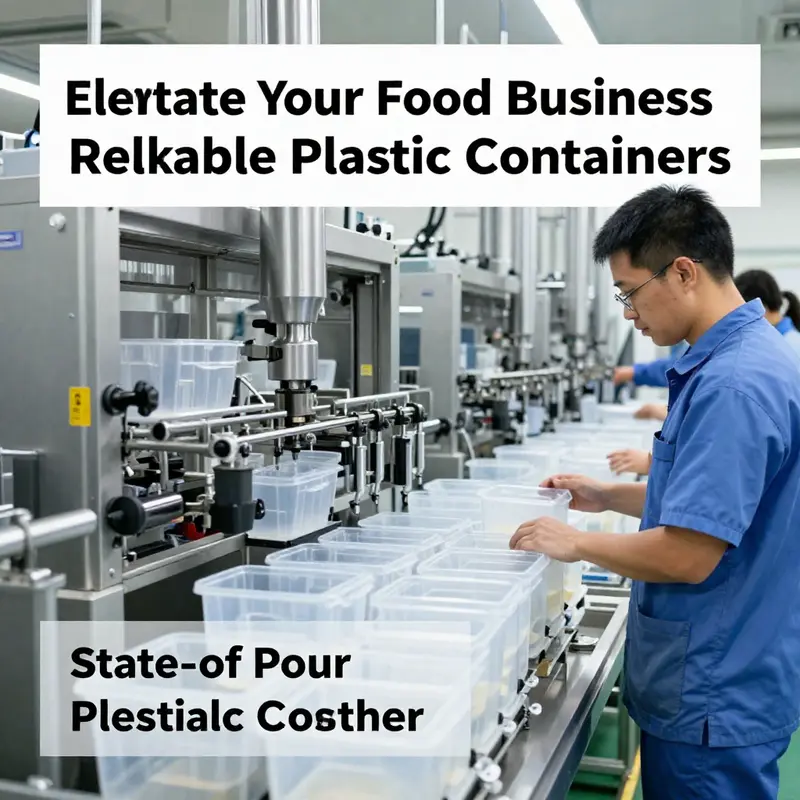
A plastic container for food products is more than a simple vessel. It is the product of a carefully choreographed industrial process that blends material science, precision engineering, and global logistics into a reliable tool for storage, transport, and service. The chapter you are reading follows the industrial currents that animate this sector, tracing how urbanization and rising middle classes in key regions create demand, how manufacturers translate that demand into scalable production, and how material choices and sustainability goals shape both design and price. In this narrative, we move from the factory floor to the broader market, showing how decisions at the machine and resin level ripple through the supply chain to affect retailers, food-service operators, and ultimately everyday households. The result is a dynamic, interconnected system in which efficiency and adaptability are as valued as clarity and containment, and where the future of packaging is increasingly tethered to both economic realities and environmental responsibilities.
One of the most powerful forces shaping industrial production is rapid urbanization and the emergence of new middle-class consumers in regions such as Asia-Pacific and Latin America. These populations not only demand more convenient meal solutions but also expect packaging that can withstand the rigors of storage, reheating, and distribution. Market forecasters have linked these demographic trends to a growing global appetite for ready-to-serve and pre-packaged options, a shift that drives a steady expansion in the plastic food containers market from 2025 into the next decade. The logic is straightforward: urban living tends to compress time for households and businesses alike, while standardized packaging allows retailers, caterers, and food-service chains to manage inventories with greater confidence and less waste. The economics of scale emerge as a key multiplier. When a production line is running at or near capacity, the unit cost of each container declines, given that downstream costs of handling, labeling, and palletizing are amortized over larger volumes. In practice, this means a factory can offer competitive prices on bulk orders while maintaining margins through process optimization and waste reduction.
Behind this macro view sits a constellation of producers that operate at scale, blending robust machinery with sophisticated material handling. A prime example is a factory like Guangzhou Jianxin Plastic Products Factory, which has grown around thermoforming and printing capabilities to meet diverse demand. Established in 2001, it demonstrates how a single site can deploy multiple thermoforming lines and printing stations to produce a wide range of container styles, from basic rectangular bowls to multi-compartment meal boxes and specialized packaging for fruit and vegetables. Such facilities are designed to push output up while maintaining consistent quality and safety standards. They leverage continuous improvement in tooling, automation, and quality control to reach daily production capacities that translate into reliable supply for restaurants, caterers, retailers, and e-commerce vendors. In terms of output, manufacturers can reach substantial daily tonnages by combining modular lines with flexible conversion processes, enabling a rapid response to shifting demand without sacrificing performance in areas such as heat resistance, rigidity, or clarity.
The choices manufacturers make about materials are central to both performance and economics. Polypropylene, commonly abbreviated as PP, remains a workhorse for many containers, prized for its balance of lightness, toughness, and chemical resistance. It is a workhorse not only because it is sturdy enough to withstand repeated use but also because it can be heated for reheating in many settings, offering versatility in both home and professional kitchens. PP is frequently positioned as a recyclable option within modern waste-management systems, contributing to a more sustainable narrative for bulk buyers and municipalities alike. Beyond PP, other widely used resins include PET, PS, and, in some instances, less common blends or formulations tailored to particular requirements such as microwave safety, transparency, or rigidity. The material mix is not a random choice; it is a calculated decision that weighs performance in freezing or reheating conditions, resistance to oils and fats, compatibility with printing and labeling, and the economics of resin procurement. In the broader market discourse, even modest advantages in weight reduction can translate into meaningful energy savings during transport and lower emissions across the supply chain. For example, a product line citing a 400 ml yogurt container made from food-grade PP being roughly 20 percent lighter than glass illustrates how material science can contribute to energy efficiency and sustainability goals while preserving user comfort and usability.
The economics of this sector hinge on several intertwined factors: the upfront cost of resins, the efficiency of manufacturing lines, scrap recovery, and the ability to customize without sacrificing throughput. In high-volume manufacturing, material selection is as crucial as the efficiency of the thermoforming cycle. A typical thermoforming line can be optimized to deliver precise wall thickness, smooth surface finish, and well-defined features such as internal dividers or tight-fitting lids. When a line is engineered for flexibility, it can switch quickly between container formats, enabling a single facility to serve multiple market niches without costly downtime. This flexibility becomes especially valuable as retailers and food-service operators seek packaging that can adapt to seasonal menus, promotional packaging, and region-specific labeling requirements. In such environments, manufacturers are not simply making containers; they are offering modular solutions that integrate with labeling, tamper-evident features, and resealability. The economics of this approach are supported by the demand for designs that preserve freshness, reduce spoilage, and enable accurate inventory management, all of which contribute to lower total cost of ownership for buyers.
Sustainability considerations increasingly shape both design and process. The industry is moving toward materials and configurations that support recyclability, while also addressing the practical needs of freshness preservation. Designers pursue polymer blends and monomer compositions that resist micro-cracking, allow for safe freezing and reheating, and maintain clarity for product visibility. The emphasis on recyclability extends beyond the resin alone; it includes the entire life cycle of the container, from the ease of disassembly to the compatibility of used packaging with recycling streams. In parallel, manufacturers are exploring packaging that minimizes material usage without compromising strength or barrier properties. This balance is not only about reducing waste but also about extending shelf life and maintaining product quality during distribution. For retailers, fewer spoilage events mean steadier margins and a more predictable supply chain, a factor that resonates with the demand for reliable, cost-efficient packaging on a global scale.
From the technical vantage point, the industry also relies on a toolbox of materials that can be fused with modern manufacturing techniques. Polymer diversity—spanning LDPE, HDPE, and PET, among others—enables container designers to tailor performance to specific application classes. Internal features such as dividers or multi-compartment configurations cater to ready-to-eat meals and pre-portion portions, reducing the need for secondary packaging and simplifying assembly lines at point-of-sale or in food-service operations. The concept of compatibility with child-resistant lids, tamper-evident seals, or resealable closures illustrates how containers can extend product integrity and consumer trust, particularly for pre-packaged meals and snacks. In addition, UV resistance and barrier properties can be tuned to protect visibilities and aromas, particularly for products sensitive to light or oxygen exposure. These material and design choices, in turn, influence the equipment map inside factories. More advanced lines may integrate UV-blocking inks, laser-engraved branding, and precision-cut sealing systems that ensure a tight and uniform seal around the lid, contributing to reliability in both cold-chain and ambient conditions.
On the procurement and manufacturing side, the industry is agnostic about geography when it comes to scale yet acutely aware of regional cost structures and logistics constraints. Large-scale producers balance the cost of resin procurement with the efficiency of automation and the reliability of supply. They navigate currency fluctuations, regional energy prices, and labor costs, all of which affect the bottom line. The push toward more sustainable materials and processes is not a mere ethical stance; it is an economics-driven strategy that recognizes the long-term savings from reduced waste, longer shelf life, and more efficient transport. And as consumer expectations evolve toward easier recycling and less waste, the market responds by investing in recyclable resins and closed-loop programs that lend themselves to industrial partnerships and municipal recycling streams. This integration of design, material science, and sustainability is not an incidental variation; it is the central engine powering new product development, pricing strategies, and competitive differentiation in a crowded market.
In parallel with these broad movements, the industry reports a steady interest in features that deliver practical value to end users. For instance, internal dividers and multi-compartment configurations can transform a single package into a versatile meal-prep solution, allowing consumers to separate components and maintain texture and flavor separation during storage. Compatibility with microwaving while preserving structural integrity is another area of focus, driven by consumer expectations of convenience and quick reheating. The development of tamper-evident and resealable lids aligns with food-safety requirements and a desire to minimize leakage and spoilage during handling and transport. These innovations ripple through the supply chain, influencing what retailers demand, how distributors package the products, and how food-service operators plan their menus and prep workflows.
The competitive landscape remains robust, with established players and niche manufacturers expanding capabilities to meet diverse demand profiles. Industry analyses highlight a mix of polymer expertise and processing know-how, confirming that successful players harness both material versatility and advanced machinery. The combination of resins such as PP, PET, and PS with flexible thermoforming lines, UV-resistant printing, and precision sealing technologies creates a value proposition that extends beyond the container itself. It translates into lower spoilage, improved presentation, and a packaging system that can withstand the rigors of both domestic kitchens and high-volume retail channels. In this context, the ability to customize—whether through internal dividers, color or translucence, or compatible lid designs—becomes a meaningful differentiator for manufacturers seeking to serve specific market segments and regional preferences.
The industrial narrative also brushes against the realities of cost and infrastructure. Equipment costs, including thermoforming machines, cutting tools, and inline printing systems, come with substantial capital outlays. Yet the per-unit cost declines with higher throughput and better scrap management. Technical resources note that modern machines offer precise control over wall thickness and form, enabling complex shapes without sacrificing cycle times. The economics of this machinery are closely tied to resin cost, energy consumption, and maintenance needs. As a result, producers seek ways to optimize energy efficiency, minimize downtime, and extend machine life through proactive maintenance and smart factory practices. In practice, this translates into longer equipment lifespans, steadier production, and consistent product quality, all of which feed into buyer confidence and long-term procurement planning.
To see how these dynamics translate into real-world outcomes, consider the end-to-end implications for retailers and food-service operators. A reliable supply of high-quality containers reduces the risk of product spoilage and packaging failures, which in turn lowers waste and protects brand reputation. The capacity to tailor container formats to seasonal menus or promotional campaigns supports flexible merchandising strategies and can shorten time-to-market for new offerings. When containers are designed with ease of use in mind—clear walls for quick content identification, tight lids that minimize leaks, and compatibility with quick-cleaning workflows—operators experience lower handling costs and faster service. All of these factors accumulate into a more resilient packaging ecosystem that can withstand the uncertainties of global logistics, shifting consumer preferences, and evolving regulatory landscapes.
The industry does not pursue sustainability as a fringe objective; rather, it frames it as an operational imperative tied to cost, performance, and consumer trust. Recyclability and reusability are not only environmentally responsible choices but also financially prudent strategies. As buyers increasingly demand packaging that fits within established recycling streams or supports reuse programs, manufacturers are incentivized to design containers that perform across life cycles while meeting regulatory and labeling requirements. This alignment between environmental goals and economic viability is part of a broader transition in packaging, where the burden of waste is increasingly shared among producers, retailers, and consumers, and where the marketplace rewards efficiency, clarity, and durability.
For readers seeking a broader market context, the industry literature highlights the evolving landscape as a balance between scalable production and material innovation. The market forecast emphasizes the importance of balancing cost pressures with the desire for more sustainable and versatile packaging. In this light, one can think of the modern plastic container as a system rather than a standalone product: a modular, adaptable, and trackable element of a larger supply chain that includes resin procurement, tooling, print capabilities, consumer-facing branding, and recycling or disposal. The system perspective helps explain why even incremental improvements in wall thickness, seal reliability, or barrier performance can yield meaningful competitive advantages when multiplied across millions of units. It also clarifies why manufacturers invest in research and development to experiment with new composites, barrier layers, and smart features that keep containers relevant as consumer tastes evolve and as the regulatory environment becomes more stringent.
As with any large-scale manufacturing sector, information about the detailed technical specifications, equipment costs, and material properties is continually updated. For practitioners seeking current, data-driven insights into the economics and technicalities of plastic container production, authoritative industry analyses provide a structured view of capacity, supply chain resilience, and pricing trends. The overarching message from these sources is clear: success in this field depends on a delicate mix of capability, adaptability, and responsibility. Providers who can offer reliable throughput, customizable designs, and sustainable end-to-end performance are positioned to thrive as global demand for food packaging continues to rise. The chapter therefore not only describes how plastic containers are made and sold but also explains why decisions at the machine level and in resin selection matter so profoundly for quality, cost, and environmental outcomes.
The narrative would be incomplete without acknowledging how knowledge of the broader market informs product strategy. For instance, manufacturers and buyers monitor industry forecasts that project growth through the late 2020s and beyond, with particular attention to regional demand patterns and regulatory shifts that affect packaging choices. When procurement teams evaluate candidates for long-term relationships, they weigh factory capabilities, material certifications, and the ability to deliver consistent quality at scale. They also consider the supplier’s commitment to sustainability, including recyclability and the potential for circular-design approaches that facilitate reuse and recovery of containers after use. In this way, the industrial production story becomes a continuous feedback loop between factory floor performance and market expectations, with each iteration pushing packaging toward greater efficiency, resilience, and responsibility.
For readers who want a concrete touchpoint on the sustainability and innovation thread, a practical example of how design intersects with environmental goals can be found in the growing emphasis on recyclable materials and fresh-keeping features. As producers and buyers collaborate on packaging that can endure freezing, heating, and washing without losing form or function, they also consider end-of-life options and waste reduction. The ultimate aim is to deliver containers that preserve product quality, minimize waste, and are integrated with systems that allow for recycling or responsible disposal. In this evolving landscape, the container becomes a compact, engineered solution that supports safer food handling, more efficient storage, and leaner logistics across a broad spectrum of food products and services.
Internal links within related content can provide readers with deeper dives into specific packaging formats, manufacturing approaches, and design innovations. For example, readers seeking examples of eco-conscious takeout packaging can explore resources such as eco-friendly takeout boxes for food packaging, which illustrate how sustainable design can coexist with performance and cost efficiency in a high-throughput environment. This kind of reference helps connect the industrial realities described above with practical applications in restaurants, caterers, and food-delivery operations. It also demonstrates how packaging decisions align with consumer expectations and environmental goals without compromising convenience or affordability. To learn more about these specific formats, you can visit the linked resource here: eco-friendly takeout boxes for food packaging.
In closing, the industrial production and economic factors driving plastic containers for food products reveal a sector that remains intensely pragmatic and relentlessly forward-looking. Producers must balance material performance with manufacturing efficiency, all while navigating the pressures of globalization, urban growth, and sustainability. The interplay between resin choice, tooling capabilities, and market demand shapes what is possible on the factory floor and what ends up on supermarket shelves. The result is a packaging system that supports modern food management by offering dependable containment, adaptable design, and a pathway toward reduced waste and improved shelf life. This interconnected dynamic ensures that plastic containers will continue to evolve as both a practical necessity and an arena for innovation, as they transform raw materials into products that enable countless meals, snacks, and meals-ready-to-eat experiences every day. For readers seeking a broader market perspective, detailed industry analyses provide comprehensive data on production statistics, cost structures, and future outlooks that help frame strategic decisions in this essential segment of the packaging economy: https://www.fortunebusinessinsights.com/plastic-food-containers-market-106789.
Final thoughts
In summary, plastic containers are indispensable for food service businesses aiming to optimize storage and packaging solutions. Their versatility and durability make them ideal for diverse applications, while ongoing advancements in composition and manufacturing processes promise a more sustainable future. By choosing high-quality, eco-friendly containers, businesses not only ensure food safety but also contribute to environmental goals. Investing in the right packaging solutions is key to enhancing your food service operations.