
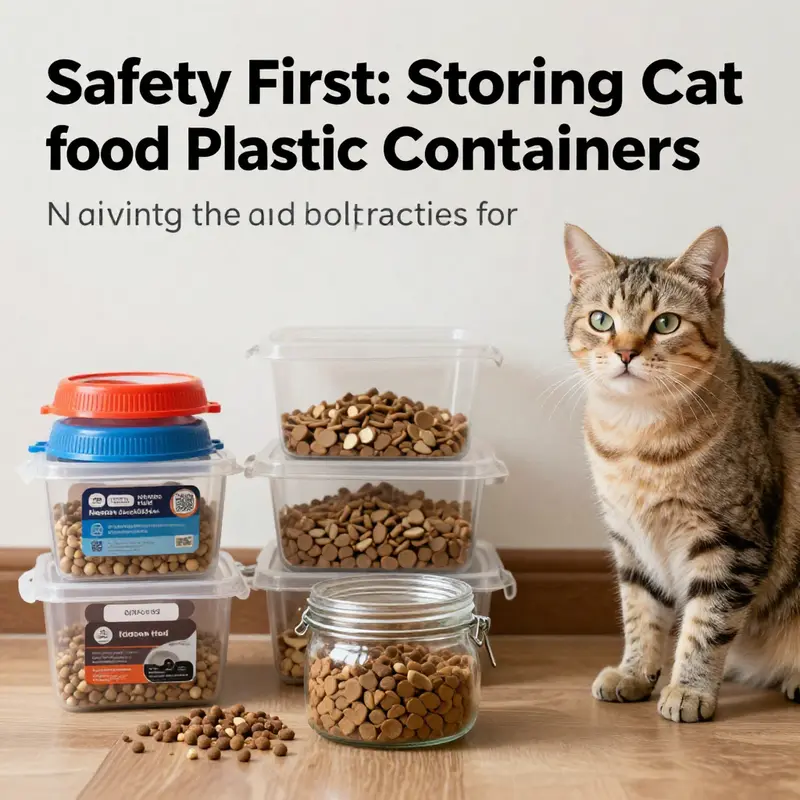
The importance of safe cat food storage extends beyond mere convenience; it’s about safeguarding our pets’ health. In the world of food service and procurement, understanding how materials like plastics can impact food safety is crucial. This article will delve into the risks associated with storing cat food in plastic containers, explore best practices for ensuring safety, and highlight the best alternatives available. By examining these factors, beverage and food service providers can make informed choices that prioritize both human and feline welfare.
Guarding the Bowl: Hidden Dangers and Safe Choices for Cat-Food Storage
Storing cat food in the home is more than a matter of convenience; it is a daily decision that touches the health, energy, and longevity of a companion. The most common storage impulse—tossing a bag or can into a plastic bin for easy access—seems harmless enough. Yet the broader science behind plastic storage reveals a web of risks that can quietly compromise nutrition and safety over time. A cat’s daily meal is a blend of carbs, fats, proteins, and micronutrients that must remain stable from bag to bowl. When storage fails to protect those nutrients, the resulting changes can alter taste, aroma, texture, and, ultimately, a cat’s willingness to eat. They can also open doors to unintended health consequences. The central tension is simple: plastic offers convenience and affordability, but not all plastics behave well when they are in long contact with pet food, especially when heat, moisture, and fat are involved. Research and expert commentary converge on a cautious stance about long-term storage in ordinary plastic containers, urging owners to look for more durable, inert, and well-sealed options if they want to preserve freshness and minimize risk.
A key line of concern centers on the chemicals that can migrate from plastics into food. Bisphenol A, historically common in many plastics, has been a flashpoint in public health discussions for years. It is linked to endocrine disruption and potential associations with obesity, metabolic issues, and certain cancers in broad animal and human studies. The caution does not end with BPA itself. Even when a container is labeled BPA-free, it may rely on alternatives such as bisphenol S (BPS) or bisphenol F (BPF). Emerging evidence suggests these substitutes may carry similar risks to BPA, especially under practical use conditions that involve repeated handling, contact with fatty foods, exposure to warmth, or extended storage. This means the label BPA-free does not automatically translate to safe storage for cat food. The idea of safety in plastics becomes more complicated when one considers how the material behaves in the kitchen: heat and moisture can accelerate chemical migration, while the high-fat content of many cat foods can drive leaching from the container walls into the kibble or treats. The antimicrobial and protective benefits we seek from storage can be undermined by chemistry that works its way into each scoop. In short, what seems like a small, everyday decision can become a source of ongoing chemical exposure for a cat that eats daily from bowls filled from a plastic bin.
The problem is not only chemical migration. Even when the initial materials appear inert, the physical integrity of plastic containers degrades with time. Micro-fissures can develop with repeated use, impact, or exposure to fluctuating temperatures. Bacteria and mold thrive in the damp, nutrient-rich environment created when a container is not perfectly sealed or when minute cracks provide tiny reservoirs for moisture. Over time, fats from the kibble oxidize and break down, and the combination of air exposure, warmth, and moisture can promote spoilage. Mold growth is not just spoilage; it can introduce mycotoxins and other compounds that pose real risks to a cat’s liver, kidneys, and gastrointestinal tract. The moisture barrier that might seem to protect freshness can, paradoxically, become a pathway for contamination if the container’s seal has degraded or if micro-cracks have formed at the lid interface. Even without overt spoilage, slight changes in texture and aroma can signal a drift in quality that some cats will turn away from, leading to waste and the owner’s sense of failure.
A practical consequence of these dynamics is that ordinary plastic containers—especially those intended for household, non-food-grade use—should not be relied upon for long-term storage of pet food. The safety guidance that professionals commonly cite emphasizes avoiding long-term contact between pet food and non-food-grade plastics. The FDA and other health bodies caution that plastics not designed for food contact are not appropriate for preserving the integrity of edible products, including dry kibble. For pet owners, this translates into a preference for materials that remain inert under typical kitchen conditions and do not readily shed chemicals or degrade into micro-particles that could be ingested.
If owners still choose plastic for short-term storage or for convenience in transporting a small amount of food, the guidance becomes precise and guarded: seek containers that are explicitly designed for food storage, have proven barrier properties, and offer reliable seals. The seal is not a mere lid snugness; it is the difference between a dry, oxygen-reduced environment and one in which air and humidity can intrude. A robust seal slows oxidation, reduces the chance of moisture-driven mold growth, and minimizes the entry points that insects can exploit. However, even the most well-sealed plastic bin may not match the protection level offered by other materials that resist chemical migration and maintain a more stable internal environment over time.
From a materials science perspective, several alternatives offer a clearer path to preserving freshness and safety. Stainless steel storage containers are favored for their corrosion resistance, ease of cleaning, and resilience against chemical migration. They present no risk of leaching like some plastics can, particularly in situations where the container is exposed to heat or oily residues from the kibble. Stainless steel is also non-porous, which helps maintain a sanitary storage environment and reduces the likelihood of micro-crack formation that can harbor bacteria in minute crevices. While metal does demand careful handling to prevent dents and scratches that could compromise the seal, modern designs often incorporate tight-sealing lids that maintain an oxygen barrier and a predictable internal climate.
Glass containers offer another robust option. When chosen as an opaque or frosted variety, glass is chemically inert and does not release materials into food under typical storage conditions. Glass is especially attractive for those who want to monitor how much food remains without opening the container. The downside—fragility—can be mitigated by selecting tempered or otherwise reinforced glass and by using protective storage setups that minimize risk of impact. For cat owners, the benefit of seeing food levels clearly can reduce unnecessary waste and help with timely rotation of stock. Glass also tends to be easier to clean thoroughly, with a non-porous surface that resists odor retention when properly washed, ensuring that residues from last week’s feeding do not linger and influence the next meal.
Food-grade ceramic containers sit at an intersection of aesthetics and safety. When manufactured and glazed according to strict guidelines, these ceramics offer a stable, non-reactive environment for dry kibble. The glazes used by reputable brands are tested for leachables and are designed to withstand repeated cleaning without micro-pitting where food particles can accumulate. Ceramics can be both attractive and functional, giving a kitchen a clean, organized look while maintaining a protective barrier against light and air. The caveat with ceramics is the potential for breakage, which can create safety hazards in a home with curious pets and children. Still, with responsible handling, a high-quality ceramic container can combine long-term durability with peace of mind about chemical migration and contamination.
For cat owners who want to honor both science and practicality, the recommended approach is clear: prioritize containers that are airtight, opaque, and constructed from materials with proven inertness and durability. The emphasis is not on fashion or price alone but on how well a container maintains the food’s integrity over time and minimizes exposure to external contaminants. In this sense, the discussion moves beyond the bin itself and into a broader routine of food hygiene. Daily cleaning of food bowls and timely removal of leftover food become an essential complement to choosing the right container. Even the best container cannot compensate for neglectful feeding practices; stale leftovers and crumbs can quickly attract pests and contribute to spoilage, dampened by the same moisture that threatens the storage environment. A responsible routine acknowledges that the storage vessel and the daily feeding habits work in concert to preserve freshness and safety.
To illustrate how the ecosystem of storage choices can align with practical needs, consider the variety of durable, sealed containers available in the market that emphasize food-grade safety and robust sealing mechanisms. A well-sealed glass or stainless steel bin can significantly reduce the rate at which oxygen penetrates the container, thereby slowing fat oxidation in kibble and limiting mold growth. The cost of these options may be higher upfront compared with generic plastic bins, but they offer a longer horizon of safe storage and easier maintenance. The total cost of ownership, when one weighs the risk of chemical migration and spoilage against the price of a long-lasting container, supports the case for investing in higher-quality materials. The choice becomes even more important for households that store large quantities of kibble or those that live in warmer climates where heat accelerates chemical migration and spoilage processes.
It is also important to debunk a common workaround that some households adopt. People sometimes layer plastic bags within a metal or glass container to create a barrier between the food and the container wall. While this can offer an extra line of defense against direct contact, it is not a long-term solution. The barrier is not foolproof; bags can degrade, and gaps can form at the seam where the lid seals. In addition, the bag itself introduces an additional interface where air can interact with the food, potentially accelerating moisture transfer and microbial growth if the bag is not perfectly sealed. In practice, this approach tends to be temporary and ad hoc rather than a reliable storage system for long-term pet food safety. The guidance from researchers and health experts remains consistent: aim for containers that are inherently safe for food contact and that resist chemical migration without needing improvised barriers.
When we translate these insights into an everyday routine, the practical advice becomes a blend of caution, investment, and discipline. Keep dry kibble in a sealed, opaque container made from stainless steel or glass, or opt for high-quality food-grade ceramic if preferred for aesthetics and breakage resistance. Choose a container with a tight, reliable seal that blocks out air and moisture as much as possible. Store the container in a cool, dark place away from direct sunlight and heat sources, which can accelerate chemical migration and spoilage. Clean the container thoroughly on a regular schedule, avoiding abrasive cleaners that could scratch the interior and create micro-porosities where bacteria can lurk. Wipe the lid’s gasket and seal to preserve the barrier against air ingress. Finally, maintain a feeding routine that minimizes leftovers; discard any kibble that shows signs of stale odor, discoloration, or unusual texture, and rotate stock so that older portions are used first. This approach does not merely extend the shelf life of food; it reduces the chance that a cat will encounter degraded nutrients or contaminants at feeding time.
To help connect these ideas to a real-world resource that emphasizes safety and practical choices—without oversimplifying the problem—consider the following example of container options that align with the principles described above. The selection emphasizes durability, tight sealing, and the avoidance of direct food contact with low-grade plastics. For pet households seeking a mix of practicality and safety, this kind of product category offers a tangible path forward that respects both science and daily life. For readers who want to explore a concrete example of sealed, durable storage options, see this resource: eco-friendly takeout boxes for food packaging. It illustrates how modern, well-sealed containers can combine convenience with protective design, a reminder that the best choice for cat food storage is not merely about keeping things inside a container but about maintaining a stable, safe environment that supports the kibble’s integrity from bag to bowl.
Finally, the broader conversation about plastic storage and food safety is not a matter of alarm but of informed caution. The scientific community continues to encourage careful material selection and responsible use. The implications extend beyond pet food to human food storage as well, reinforcing the idea that chemical migration and oxidative processes are real phenomena that demand attention in everyday kitchens. For cat owners, that translates into a practical philosophy: treat every storage decision as part of the cat’s long-term health, not just a momentary convenience. While plastic containers may still have a place in some households, their role should be limited to situations where the container is explicitly designed for safe, long-term food storage, is kept clean, and is replaced when signs of wear appear. This approach honors the integrity of cat nutrition, supports consistent feeding routines, and limits the risk of exposure to substances that science continues to scrutinize. In that sense, guarding the bowl becomes a small but meaningful act of preventive care, one that reflects an informed balance between convenience, cost, and the well-being of a beloved feline companion.
For readers who want to explore the scientific context behind these practical recommendations, a recent overview from a leading public health institution provides a concise summary of how plastics can interact with stored foods. It highlights that even BPA-free products are not a guaranteed safeguard and underscores the importance of material choice and storage conditions in minimizing chemical exposure. This resource complements the practical guidance presented here and reinforces the message that food safety is a dynamic, ongoing process rather than a one-time decision. You can read more about plastic food storage safety in the following externally sourced article: https://www.jhsph.edu/news/stories/2026/02/plastic-food-storage-safety
Sealed for Freshness: Practical Wisdom for Storing Cat Food in Plastic Containers
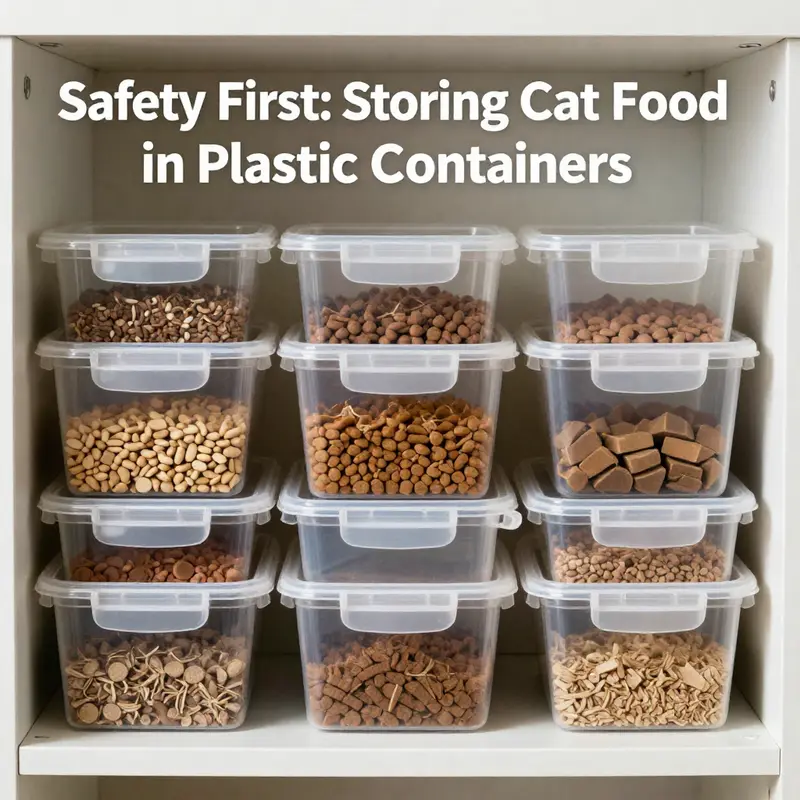
Storing cat food in plastic containers is a practice that sits at the crossroads of convenience and caution. The need for a container that can keep kibble dry, free from pests, and easy to access is real for many pet owners. Yet the science behind plastic storage reminds us that not all plastics are harmless, and not all storage practices safeguard freshness and health equally. This chapter weaves together the practicalities of using plastic containers with the nuanced risks highlighted by research. It aims to provide a coherent, realistic path forward—one that honors the comfort of a tidy kitchen and the health needs of a feline companion. The core idea is simple: if plastic is used, it should be handled with an informed, careful discipline that minimizes exposure to moisture, air, light, and potential chemical migration, while maximizing cleanliness and predictability in daily feeding routines. At the same time, it remains clear that for long-term storage and for minimizing any risk of chemical transfer, options beyond ordinary plastics offer stronger protection. The tension between convenience and safety is not a paradox but a practical design problem to solve in a home where a cat’s well-being matters as much as the ease of routine living. The research landscape makes this tension tangible. It cautions that even plastics marketed as BPA-free may still participate in chemical migration, especially when fats and oils are involved. The concern is not isolated to a single compound but to a family of substitutes that can behave similarly under real-world conditions: materials that mimic hormones, that migrate into food, and that risk long-term health consequences if exposure accumulates. For cat food, which often contains fats and fats’ oxidation products, the risk can be more pronounced because fats are more likely to interact with plastic surfaces and to migrate into the contents if there is any contact at all, especially through micro-fissures that can occur with time. The moral of this part of the story is not that plastic storage is categorically dangerous, but that plastic storage is not neutral; it requires thoughtful choices about material quality, container design, and how the container is used day to day. In daily practice, you can reduce risk while preserving convenience, but you should also know when to favor other materials for long-term storage. The guidance that follows builds on those precautions and threads them into a seamless routine that supports freshness, nutrition, and safety without turning the kitchen into a laboratory. First, the material itself matters. Not all plastics are equal when it comes to food contact. A crucial distinction is whether a container is labeled as “food grade” and whether its material has been tested to meet safety standards for the storage of dry pet foods. Even within the realm of food-grade plastics, there is a spectrum of performance. Some plastics show better resistance to moisture invasion and oxygen diffusion, while others can become brittle or develop micro-cracks with repeated opening and closing. The small fissures that can form over time may seem inconsequential, but they create pathways for air and moisture to seep in. This can accelerate the oxidation of fats in cat food and make the contents more susceptible to rancidity and mold growth. The risk is not just cosmetic; mold and spoilage can lead to nutritional loss and, in rare cases, health issues for a sensitive stomach. The practical implication is straightforward: choose a container made from a plastic that is explicitly designed for long-term food storage, and monitor its condition regularly. Yet even with the best plastics, the risk of chemical migration remains a consideration. The literature emphasizes that even when a container is promoted as BPA-free, alternative bisphenols or other additives can migrate into the contents, especially during practical use where heat and fats are involved. The phenomenon is not limited to high temperatures; it can occur under ordinary storage conditions if the material is stressed by repeated handling, flexing, or exposure to light and oxygen. For a cat owner, this means that the box you reach for every day should be chosen with an eye to the smallest details: the composition of the plastic, its seals, and whether it is resistant to scratching or cracking that would invite micro-fissures to form. The message here is nuanced. Plastic offers undeniable convenience: a lightweight, stackable, affordable solution that fits neatly on a pantry shelf or inside a kitchen cabinet. But safety is not a binary condition of plastic versus non-plastic. It is a spectrum shaped by material selection, container integrity, and how you store and handle the contents over time. A key practical takeaway is that if plastic is used for cat food, it should be not merely inert enough to hold contents but robust enough to keep out moisture, light, and pests. The best practice is to select containers with airtight, dependable seals that create a quasi-vacuum feel when closed. A proper seal minimizes exchange with the outside environment and slows the ingress of oxygen, which can degrade nutrients and contribute to rancidity in fats present in the food. The seal is not a decorative feature; it is a functional barrier. A tightly sealed lid reduces the risk of spoilage and helps preserve the cat’s palatability and nutrient profile across the storage period. The design of the lid matters as well. Some lids include gaskets or locking mechanisms that enhance the seal, while others rely on friction or simple snapping to close. The important detail is that the lid should stay secure through daily handling and should resist accidental pop-offs when a curious whisker nudges it during feeding. In addition to airtightness, opacity is a practical attribute to seek. Light exposure can degrade certain vitamins and fatty acids, so an opaque container helps shield sensitive ingredients from photodegradation. If you opt for a transparent plastic, you should ensure the container sits in a dark cupboard or on a shelf away from direct light. The goal is not to create a cave-like storage environment but to reduce the cumulative impact of light on nutritional quality over weeks and months. The choice of storage location follows naturally from the properties of the container. A cool, dry, and stable environment is essential. Heat and humidity can accelerate spoilage and mold formation, particularly in a container that may experience temperature fluctuations from a sunny room or a stove nearby. A consistent ambient temperature near room level—away from heating vents, appliances that generate heat, and direct sun—helps preserve both the texture and the aroma that entice a cat to eat. It is tempting to place a food container near a warming appliance for convenience, but this is exactly the kind of mild stress that compounds risk over time. Beyond the container itself, the way you manage the opening routine matters. The original packaging of cat food often has best-by dates and storage instructions that do not always translate neatly to a transferred container. Transferring the cat food from its original bag into a clean, dry, opaque container is a widely recommended practice. The bags that come with dry kibble are often not resealable after initial opening, or they may have incurred some compromise during handling. Transferring to a dedicated container creates a standardized storage environment that you can inspect visually for clumps, moisture, or signs of mold. The transfer process should be performed with care to avoid contamination. Clean, dry hands or clean utensils should be used, and the container should be dry before the transfer. The act of transfer itself is an opportunity to assess the food for any signs of spoilage, unusual odor, or texture changes. If anything seems off, it is prudent to discard and replace rather than risk compromising a cat’s health. In this regard, the recommendation that many veterinary and public health sources stress is: use the cat food within a reasonable timeframe after opening, not months on end. The reason is simple. Once a container is opened, oxygen and moisture exchange with the air inside is more likely, and the protective environment can gradually degrade. The ideal practice is to monitor the open state, inspect the contents weekly, and plan to rotate stock in a manner that ensures no portion of the supply sits unused for too long. This is particularly important for households with multiple cats or for families that purchase in bulk to save money. A practical rhythm emerges: open the container, feed what you need for a short cycle, and then reseal at the end of the day. The aim is a steady flow of fresh kibble rather than a long, creeping exposure of a larger portion to air and light. A crucial nuance is the product’s composition. The fats and oils in cat food are prime drivers of rancidity once exposed to air. An airtight container helps, but it cannot stop an initial oxidation if the stored food has already begun to degrade before the transfer. That is why a clean, fast transfer from the original bag into the storage container is valuable: it minimizes the time the food spends in a packaging environment that may have been compromised during shipping, handling, or storage. If you ever notice a change in odor, texture, or color, act with caution. Do not rely on memory alone; a noticeable rancid smell or unusual tang is a signal to set aside the current batch and sanitize the container thoroughly before re-use. The sanitation routine deserves equal weight in this discussion. Plastic containers require regular cleaning, and the cleaning method should be thorough but gentle enough to avoid scratching the interior surface. Mild dish soap with warm water is typically sufficient. Rinse thoroughly to remove all soap residues, and allow the container to air-dry completely before refilling. Residual moisture is a magnet for mold growth, and even a tiny droplet can support fungal colonization in the interior corners of a box. A dry container is a safer container, and the process should extend to the lid and any seals. If the lid has a gasket or a locking mechanism, ensure those components are cleaned and dried as well. The goal is to prevent any dampness from accumulating in the seal area, where moisture can linger and foster microbial growth or odor issues that your cat might notice and turn away from. The micro-environment inside a sealed box is not a static vacuum. Over time, the combination of air exchange, moisture, and slight temperature shifts can influence the food. The more you control those variables, the more you protect the cat’s nutrition and palatability. It’s worth noting that many pet guardians find the transition from plastic to metal, glass, or ceramic containers beneficial for the peace of mind it provides. In those cases, the choice to switch materials often reflects a broader concern about chemical migration and long-term safety. Yet, plastic remains a practical option when used intentionally and with vigilance. When you accept plastic as your storage option, you also accept responsibility for maintenance and monitoring. There is another aspect to consider: pest prevention. A well-sealed container is a barrier, but pests can be attracted by even a small opening or by the scent of food lingering around a container that is easy to access. The lids should fit snugly, and the container should be kept in a location that reduces the chance of pest intrusion. This may mean elevating the container off the floor or placing it in a cabinet with a tight door seal. It also means not leaving opened portions of food exposed for extended periods, which invites not only rodents or insects but also weathering at the edges of the bag or container that could introduce contamination. The daily routine becomes a practical expression of the science behind it: a sealed, opaque, cool, dry environment; careful transfer from original packaging; attentive monitoring of odor, texture, and appearance; a consistent cleaning regimen; and a readiness to act if sensory cues indicate the food is no longer suitable for feeding. The more you invest in a robust routine, the more the container becomes a reliable ally in maintaining freshness and reducing risk. It’s also helpful to maintain a longer view of the storage system as part of the broader kitchen and pet-care ecosystem. For instance, when discussing storage you may occasionally encounter the idea of lining a plastic container with a barrier, such as a clean, disposable plastic bag from the supermarket, to minimize direct contact between the cat food and the interior of the plastic. While this might seem like a clever workaround, the best practice is to rely on a container that is designed to be the primary food-contact surface. The barrier technique is a stopgap and should be viewed as temporary or situational rather than a habit. If you use a plastic container with a barrier, ensure the barrier is food-grade, clean, and that you are maintaining hygiene across both materials. The fundamental principle remains: limit direct exposure to plastic, limit light, heat, and air, and maintain a predictable, easily controllable storage environment. The narrative about plastic storage would be incomplete without recognizing the value of visible cues. Even when a container is opaque, you can implement a simple labeling system on the outside that helps track when the food was transferred and when it nears the end of its safe window. A small, consistent labeling practice reduces the risk of feeding stale or degraded food to a cat and helps a household keep a clear sense of inventory. The broader takeaway is not to demonize plastic but to engage with it intelligently. The practical philosophy is to embrace the least risky approach that still respects the realities of daily life: convenience, cost, and accessibility. If you are committed to plastic storage, seek out options that carry explicit food-grade certification and sturdy sealing mechanisms. Prioritize containers with scratch-resistant interiors and gaskets that close tightly and remain intact after repeated use. Inspect containers regularly for signs of wear, such as tiny cracks near the rim or a lid that no longer seals as effectively as it did when new. If you discover any wear, replace the container rather than continuing to use it in a way that might compromise the food’s safety. In this practical framework, you can still maintain a high standard of freshness and safety without denying yourself the ease and affordability that plastic storage can offer. The key is to balance the ease of routine with the vigilance required by science-driven cautions. For many households, this balance means making a deliberate choice: use plastic storage when it is the simplest, most reliable option available, but do so with a disciplined routine that mirrors the safeguards described above. And when possible, consider alternatives for long-term storage, such as stainless steel, glass, or certified food-grade ceramics, especially in households with multiple cats, high food turnover, or when you detect any concern about chemical exposure. Beyond storage, these considerations ripple into broader pet care practices. Daily cleaning of food bowls, timely removal of leftovers, and prompt disposal of spoiled food reinforce health and reduce the chances of mold or bacterial growth. A clean feeding environment contributes to a cat’s comfort and willingness to eat, which in turn supports stable weight and overall health. The interplay between container choice and daily habits matters. Even the most carefully chosen plastic container cannot compensate for a sloppy routine. The behavior of a cat—its appetite, its eating pace, and its sensitivity to food odor—interacts with storage in subtle but meaningful ways. A fresh, well-presented bowl is more inviting, and the sense of safety that comes from a sealed container helps sustain a cat’s confidence in the food’s quality. In concluding this reflection, the best-practice posture is clear: minimize risk where possible, optimize the routine where necessary, and stay informed about the evolving science of plastic storage. It is entirely reasonable to rely on plastic when you adopt a rigorous approach to selection, transfer, sealing, storage environment, and cleaning. It is also prudent to recognize when plastic is not the best long-term solution and to switch to materials that offer deeper inertness and stability. The overarching purpose is simple and noble: to preserve the cat’s nutrition and joy in feeding while preventing avoidable hazards. For readers who want a broader perspective on safe packaging practices that extend beyond pet food, there is value in reviewing expert guidance on plastic food storage. A notable resource discusses how chemical migration can occur even in BPA-free plastics and emphasizes the importance of fat content and practical use conditions in determining safety. This broader, science-informed lens can help you refine your own storage setup in a way that respects both convenience and health. For those looking to explore related packaging considerations beyond the kitchen, a useful gateway is the broader context of eco-friendly and safe packaging materials, which aligns with the goal of reducing chemical exposure in everyday storage. If you would like to see a practical example of packaging design considerations that prioritize safety and redesigns for better containment, you can find additional context in discussions about eco-conscious food packaging. In this spirit, consider how other packaging domains approach sealed, light-protective, and chemically inert design features as a reminder that the goal of safe storage crosses product categories. For an externally accessible, science-forward overview of plastic food storage safety, readers may consult authoritative analyses that synthesize laboratory findings with real-world use. This helps connect the day-to-day practice of storing cat food with the larger public-health conversation about how everyday materials interact with our meals. The central thread is clear: when plastic is involved, the safest path is informed, deliberate, and proactive in monitoring—an approach that protects both the cat’s health and the owner’s peace of mind. In closing, the question is not whether plastic storage is possible, but how to use plastic storage wisely. The answer lies in selecting containers that are truly food-grade, that seal tightly to minimize air exchange, that are opaque to shield sensitive nutrients from light, and that sit in a cool, dry place away from heat sources. It means transferring food from its original packaging promptly, labeling to track freshness, and cleaning and drying containers thoroughly between uses. It means recognizing the limits of plastic and remaining open to stronger, inert options like stainless steel, glass, or certified ceramic when long-term storage and extreme safety considerations call for it. By weaving these practices into a single, cohesive routine, cat guardians can enjoy the practicality of plastic storage without losing sight of the science that seeks to keep every meal as fresh, safe, and satisfying as it should be. As you continue to refine your storage habits, you will find that small, consistent steps yield a stable, reassuring routine for both you and your feline companion. If the topic of packaging ever prompts broader questions about safe storage in other contexts, you can explore related discussions in the context of modern packaging design and the growing emphasis on safety, sustainability, and performance. The practical upshot is a home where convenience and care coexist, where a sealed container helps preserve freshness, and where daily habits reinforce the health and happiness of the cat you care for. Internal link reference: eco-friendly takeout boxes for food packaging. External resource for further reading: https://www.jhsph.edu/news/stories/2026/02/plastic-food-storage-safety
From Glass to Stainless: Safe, Sealed Storage for Cat Food
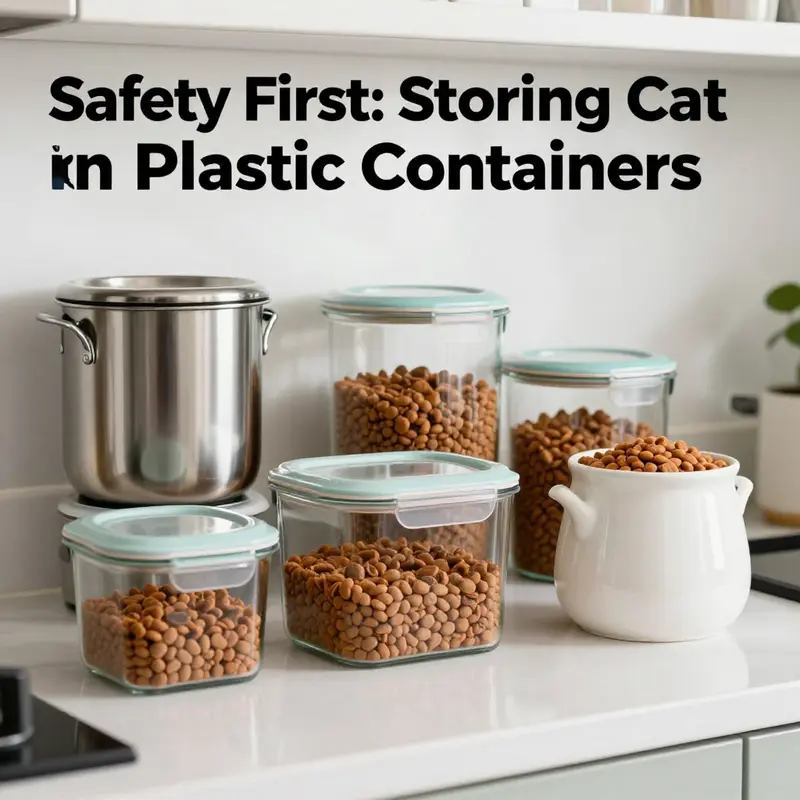
Storing cat food in plastic containers has long seemed convenient, but a growing body of research invites a more cautious approach. The safety of plastic storage hinges on the material itself, how the container is used, and how long the food sits inside. Even a product labeled as BPA free does not guarantee safety, because many plastics substitute other bisphenols or migrate additives under real-use conditions. When fats, heat, or acidity are involved, chemical migration can occur despite industry assurances. The concern extends beyond the kitchen counter into the broader household environment, where microplastics and residual chemicals can become part of daily life. For cat owners who want to protect their companions and reduce chemical exposure, the takeaway is clear: extended storage in ordinary plastic boxes is not the best long term option. A more careful approach involves selecting containers made from materials with inert properties, strong seals, and a track record of safe use with dry pet foods, and then integrating them into a routine that keeps food fresh and free of contaminants over time.
The stubborn reality behind the plastic question is twofold. First, plastics vary in composition, and not all are suitable for storing food, especially for high-fat or high-oil foods that can act as a solvent for certain plastics. Second, even when a container looks pristine after months of use, micro-fissures can develop. These tiny cracks may harbor moisture, allow mold growth, and trap fats that oxidize and degrade the kibble’s quality. The cat’s digestive system is not a guaranteed shield against potential hazards, so it is prudent to limit direct contact between pet food and plastics, particularly when the storage period extends beyond a few weeks. In this light, reassessing storage choices becomes an act of responsible stewardship for a household’s health and welfare.
A practical path forward centers on a small set of durable, inert storage options that minimize chemical contact while maximizing freshness. Glass containers stand out for their inertness and ease of cleaning. When you seal glass tightly, the container preserves the kibble’s crunch and aroma without inviting chemical migration. The transparency of glass is not just aesthetic; it is functional, letting you see at a glance how much food remains and whether any clumps or odors have formed. Glass is not without its caveats—fragility and weight can be a concern in busy homes or households with energetic pets. Yet with careful placement on sturdy shelves and perhaps a secondary protective case, glass becomes a reliable anchor in a safer storage system. In addition, the ability to clean glass thoroughly without leaving residue supports a hygiene standard that is particularly important for households with multiple pets or for households that rotate different foods.
Stainless steel presents another strong contender in the quest for safer storage. It resists corrosion, does not absorb odors, and can be sealed with airtight lids that keep out moisture and pests. Stainless steel containers are robust enough to withstand daily handling, which makes them a natural choice for households that juggle busy feeding routines or require containers that travel well during trips or holidays. The key with steel is to select designs that emphasize an airtight seal and a smooth interior surface that is easy to scrub. A properly sealed steel canister protects dry cat food from humidity and preserves its texture longer than many plastic options. It also avoids the risk of chemical migration altogether, as long as the container is composed of food grade stainless steel and kept clean. The upfront investment is higher than a basic plastic bin, but the long term payoff—reduced risk, extended freshness, and fewer replacements—often justifies the cost.
Ceramic storage jars offer an appealing third option, especially for households that value aesthetics alongside safety. When sourced from reputable brands, ceramic containers with lead free glazes provide a nonreactive environment that helps preserve flavor and texture. Ceramics can be nearly impervious to odors, a quality that supports a consistent feeding experience for curious cats who might otherwise associate the kitchen with scent cues that encourage begging behaviors. However, ceramics are heavier and more fragile than glass or steel, so handling requires care. Breakage is a legitimate concern, particularly in households with clumsy cleaners or enthusiastic pets. If you choose ceramic, look for high quality, food grade glazes, and consider a protective, non-slip base or storage stand to prevent tipping. The result can be a stylish, durable, and safe container that blends into a kitchen or pantry while delivering reliable food protection.
A more niche but increasingly discussed option is bamboo or wood storage with food grade coatings. Sustainable by design, these containers can reduce plastic usage and bring a warm, natural look to the pantry. Still, wood requires attention. Moisture and temperature fluctuations can cause warping or mold if the coating is not truly food safe. When considering wood, ensure the coating is non toxic, durable, and designed for food contact. Regular inspection and maintenance become part of the routine, because any breach in sealant or finish can create microenvironments where mold or bacterial growth may thrive. For households drawn to sustainability, bamboo and wood storage can be a meaningful compromise, provided the piece is purpose built for dry pet foods and carries trustworthy safety certifications.
No matter which material you choose, the fundamental design principle remains the same: an airtight, light blocking container that can be cleaned thoroughly and kept dry. Light accelerates oxidative processes in fats, which makes the combination of air exposure and heat particularly harmful to kibble. The best containers for cat food are not merely non plastic; they are engineered to create a controlled microenvironment that minimizes oxidation and preserves nutritional integrity. This means lids that seal with a pronounced snap or a precise gasket, bodies that do not harbor odors, and interiors that resist staining. In practice, the difference between a good container and a merely adequate one often comes down to the ease of cleaning and the reliability of the seal. A container that is easy to wash, dries quickly, and does not retain residues will help sustain a hygienic food storage system for months.
The larger environmental and health context also matters when evaluating storage choices. Plastic production and disposal contribute to microplastic pollution and chemical exposure on multiple fronts. By embracing non plastic options, households can reduce the potential for chemical migration and support a more sustainable, circular approach to kitchenware. This does not demand perfection but invites small, deliberate shifts in daily practice. The shift toward glass, steel, or certified food grade ceramic is a practical step that aligns with broader goals of healthier homes, lower chemical exposure, and a lighter environmental footprint. In turn, the cat benefits from a more stable feeding experience, with fewer abrupt changes in texture or taste that might occur when kibble is compromised by heat, moisture, or odors.
To keep this transition manageable in real life, it helps to see storage as part of a system rather than a single choice. The system begins with your pantry layout and ends with your nightly cleanup. Begin by selecting one reliable container type for the bulk of the kibble, and keep a second, smaller container for occasional supplements or treats. This approach minimizes disruption while building confidence in the new method. The next step is to organize by food type and by portion size, so that the contents of each container can be used efficiently without exposing the rest of the bag to air or moisture. A simple labeling system—date opened, month of expiration, and contents—reduces the risk of rotating stale stock into the cat’s bowl. In practice, owners often find that a well designed glass jar or a stainless steel canister becomes the anchor piece of their pantry, a steady, dependable element among many daily routines.
There is a subtle but important behavioral dimension to this change as well. Cats are creatures of habit and sensitive to subtle sensory cues. A glass or metal container that shows the food clearly can reduce the sense of novelty that invites excessive sniffing or scavenging around the kitchen. A sealed, light resistant container not only preserves the kibble but also reduces the aromas that might attract pests or prompt a cat to reach for the wrong target. The long run benefit is not solely nutritional; it includes a calmer feeding environment and less kitchen clutter, which supports an overall sense of order in the home. When changes are introduced gradually, most cats adapt more quickly and show less resistance to the new routine.
As you consider the options, a practical tip is to explore non plastic packaging options that still deliver convenience. For readers curious about safe, non plastic approaches used in everyday storage, a helpful reference point is a guide on eco friendly packaging options that emphasize airtight, non plastic solutions. You can explore a concrete example through this link labeled with accessible anchor text such as eco friendly disposable packaging boxes for fast food. This resource illustrates how a careful choice of container type and closure system can support both safety and practicality, even if the exact materials differ from pet food storage. While the page might focus on general packaging, the underlying principles—air tightness, ease of cleaning, durability, and inertness—translate directly to the pet food context and can inspire a broader rethinking of kitchen storage.
The overarching message is straightforward: prioritize sealed, light blocking, and inert materials for cat food storage. Glass, stainless steel, and certified food grade ceramics each offer distinct advantages and trade offs, but all share the central goal of reducing chemical exposure and preserving freshness. Replacing ordinary plastic with one of these options is not a fashionable trend; it is a practical, scientifically grounded step that improves safety for your cat and the household environment. The effort pays off in several concrete ways: fewer spoilage episodes, less exposure to potential chemical migrants, and a pantry that is easier to clean and maintain. And because the health of a cat depends on consistent nutrients and appetite, avoiding plastic related contamination becomes an essential part of responsible pet care.
In closing, the path toward safer cat food storage is not about abandoning plastics altogether but about choosing storage systems that align with what science shows to be safest over the long run. The emphasis is on materials with inert properties, robust sealing mechanisms, and straightforward maintenance routines. It is about building a small but meaningful set of habits—regular cleaning of food bowls, timely removal of leftovers, correct stocking practices, and a steady transition away from containers that display signs of wear. The result is a more resilient feeding routine that protects the cat against potential chemical exposures and supports a calmer, more predictable household. The choice of container then becomes a quiet but powerful contributor to a broader vision of health and well being for both pets and people.
External resource for further reading: https://www.jhsph.edu/news/stories/2026/02/plastic-food-storage-safety
Final thoughts
In conclusion, the safety of storing cat food should never be an afterthought. By understanding the risks associated with plastic containers and implementing best practices, as well as exploring safer alternatives, pet owners and food service providers can ensure the wellbeing of their feline companions. Prioritize safe storage solutions to maintain the nutritional value of cat food and ultimately, the health of your pets.