
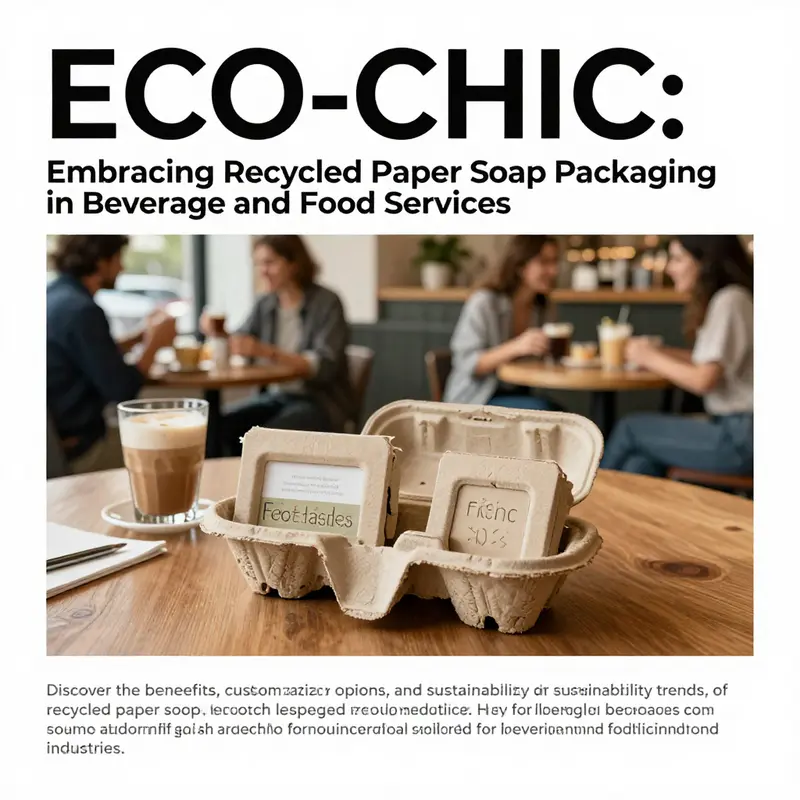
Recycled paper soap packaging is quickly becoming a favorite among businesses aiming to embrace sustainability while enhancing their customer experience. In today’s eco-conscious marketplace, it’s essential for bubble tea shops, restaurants, food trucks, and event planners to adopt environmentally friendly practices. This article delves into the benefits of recycled paper soap packaging, customization options available to businesses, and the growing consumer trends favoring sustainable solutions. You will emerge with a comprehensive understanding of how recycled paper soap packaging aligns with your business goals and sustainability commitments.
null
null
Shaping Sustainability: Customization as the Gateway to Market-Ready Recycled Paper Soap Packaging
Customization has moved from a value-add to a core competency in recycled paper soap packaging. In a market where environmental responsibility converges with brand storytelling, the packaging itself becomes a canvas for identity, promise, and performance. Brands aspiring to connect with eco-conscious consumers must navigate a broad spectrum of materials, structures, and finishes, all while maintaining the practical demands of shipping protection, shelf presence, and consumer experience. The result is a dynamic ecosystem in which material science, design aesthetics, and supply- chain logistics intersect to create packaging that is as functional as it is responsible.
At the heart of this evolution is material choice. Recycled paper packaging can be crafted from post-consumer or pre-consumer fibers, with kraft paper, corrugated board, coated paper, and art paper forming the core family. Kraft paper offers a natural, warm texture that communicates sustainability through its tactile honesty; it is sturdy and easy to print on, making it a favorite for brands seeking a rugged yet refined look. Corrugated board provides rigidity and cushioning, a practical choice for ensuring that soaps survive transit, especially when multiple bars or gift sets are stacked for distribution. Coated paper introduces a more controlled barrier against moisture and smudging, preserving label integrity and color vibrancy while still using recycled fibers. Art paper, with its smooth surface and high print fidelity, elevates color-rich branding, enabling bold graphics, photography, and intricate logos that capture consumer attention on crowded shelves. Each material choice does not exist in isolation; it informs imprinting possibilities, surface textures, and even the structural language of the packaging.
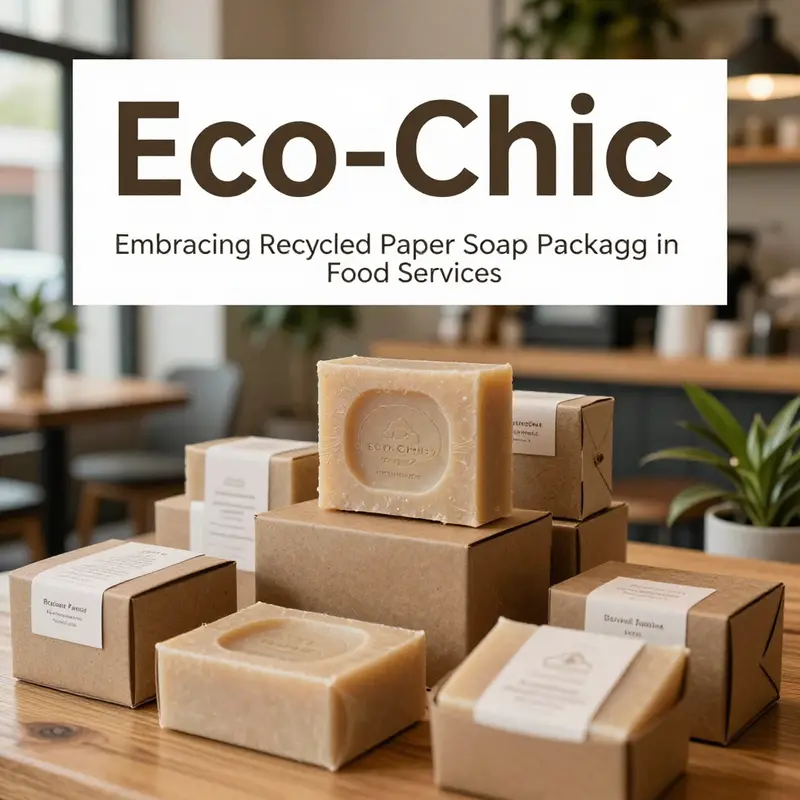
Functionality follows form in this space. Molded pulp packaging, created through a wet-forming process, has earned a niche role for premium handmade soaps. It brings a natural, rustic aesthetic that resonates with artisanal brands while delivering excellent cushioning. Yet it comes with trade-offs: higher material costs, longer lead times, and the need for custom molds. For brands aiming at scale without sacrificing dignity, pulp die-cut packaging offers a compelling alternative. It supports inserts, trays, and secondary components with consistent quality and quick turnaround, delivering cost efficiencies suitable for larger runs. Rigid or folding cartons, often built from recyclable kraft paper, strike a balance between durability and design flexibility. Die-cut windows, embossed elements, and subtle texturing can reveal product glimpses and reinforce the story of sustainability without compromising strength.
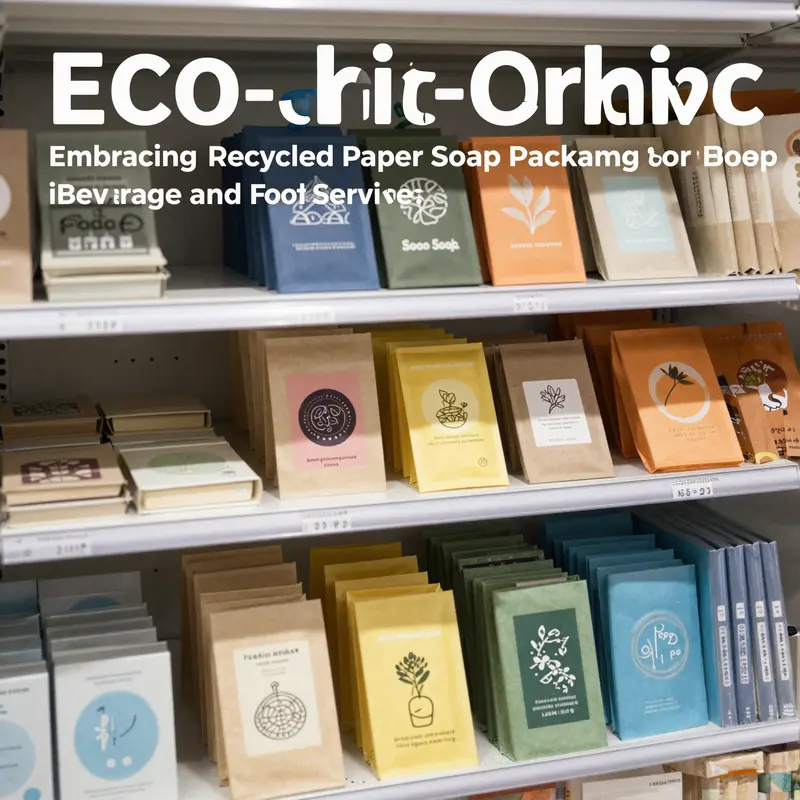
The realm of customization extends far beyond the box itself. Printing techniques range from CMYK and Pantone to flexographic and UV printing, unlocking a wide spectrum of color, finish, and branding impact. Full-color printing on FSC-certified recycled art paper can reproduce high-resolution imagery and nuanced branding palettes, while spot UV finishes add controlled gloss that invites touch and optical interest in a way that flat color cannot. Surface finishes, including glossy, matte, laminated, or varnished options, alter the tactile and visual vocabulary of the packaging. Embossing and foil stamping offer a tactile and luminous quality that can elevate a simple carton into a premium experience. A well-executed combination of these effects can transform a basic recycled box into a premium signal that communicates care, quality, and a lighter footprint.
In practice, customization is not merely decorative. It is a strategic tool for aligning packaging with brand identity while honoring environmental commitments. A brand that positions itself as luxurious and eco-conscious might combine a kraft base with a soft-touch matte finish, a restrained color palette drawn from nature, and a delicate emboss—paired with a transparent window to reveal the product while preserving the rustic charm of recycled fibers. An artisanal or small-batch brand, seeking to communicate both individuality and sustainability, may lean into full-bleed color printing on art paper with tactile textures and a hand- drawn logo that reinforces a one- of- a-kind impression. A larger consumer goods player might prefer robust molded pulp structures or rigid folding cartons with die-cut windows and protective trays to ensure consistency across complex multipack configurations. In all cases, the printing technology, the surface finish, and the window design become storytelling devices—capable of communicating the brand’s values at a glance, both online and on the shelf.
The market offers a wide array of production methods to support this spectrum of needs. Molded pulp packaging delivers natural aesthetics and strong cushioning, but its custom molds and longer lead times can constrain agility. Pulp die-cut packaging, by contrast, provides a cost-effective route for inserts, trays, and secondary components, delivering speed and scalability for broad distribution. Rigid or folding cartons, produced from recyclable kraft or cardboard, fuse durability with design freedom, enabling a broader range of die-cut windows, embossed elements, and color-rich branding. For brands that require precise color reproduction and sophisticated branding, full-color printing on recycled substrates ensures visuals are bold and on-brand across print and digital representations.
Geography matters in this landscape. China remains a dominant hub for recycled paper soap packaging manufacturing, bringing substantial scale, efficiency, and a wide array of customization options. Suppliers offer large-capacity production, sometimes reporting outputs in the hundreds of thousands or even millions of units per month, with pricing that scales favorably with volume. The ability to tailor orders to specific markets is enhanced by ISO-certified materials and processes, including third-party audits (such as SGS) and quality-management systems (ISO 9001). Compliance considerations extend beyond the factory floor; regulators in various regions increasingly expect packaging to align with circular economy principles, including end-of-life handling and take-back programs. EPR certifications in France and Germany, for instance, reflect a growing demand for packaging systems that contribute to extended producer responsibility across supply chains. RoHS compliance further guards against hazardous substances in packaging components, ensuring acceptance in global retail channels. In this complex ecosystem, suppliers often pair production with design and engineering services, delivering end-to-end solutions that reduce time-to-market while preserving sustainability claims.
From the buyer’s perspective, customization also means clarity about performance requirements. Soap packaging must protect moisture-sensitive contents, resist scuffing, and withstand a variety of handling conditions from warehouse floors to consumer doorsteps. This is where the practical realities of material science meet the ethics of sustainable design. A paperboard box may be lined or treated to minimize moisture ingress, while an art paper exterior can carry vibrant branding without sacrificing structural integrity. When designing multipack configurations, the packaging must accommodate nested products, weight distribution, and stacking behavior. The integration of inserts, such as molded trays or pulp die-cut components, becomes a key lever to optimize protection and presentation in a single, cohesive system. The ability to tailor the packaging to the distribution network—be it direct-to-consumer fulfillment, e-commerce, or traditional retail—speaks to the strategic value of customization beyond aesthetics.
The commercial dynamics of this market are equally important. Volume-driven pricing, such as examples where suppliers quote per-unit costs for large orders, makes sustainable packaging economically viable at scale. For instance, some providers offer custom-printed brown recycled boxes at competitive unit prices when order quantities reach tens of thousands. These economics, combined with the environmental benefits, have lowered the barrier for small brands to adopt premium, recyclable packaging without sacrificing cost efficiency. The ongoing availability of OEM and ODM services allows brands to collaborate with manufacturers to translate concepts into production-ready designs. This collaborative model supports rapid prototyping, iterative design refinements, and scalable production runs, ensuring that packaging evolves in lockstep with product development and marketing campaigns.
Beyond the physical construct of the box lies the power of branding. Recycled paper offers a print-friendly canvas that can accurately reproduce intricate graphics, vivid color palettes, and nuanced logos. The material’s natural texture often complements earthy color schemes and minimalist typography, reinforcing a narrative of responsible stewardship. Conversely, higher-gloss finishes or metallic foils can be layered onto recycled substrates to create a hybrid of sustainability and luxury—an approach well-suited to premium or gift-oriented lines. The ability to pair branding with sensory cues, such as embossed textures that mimic natural fibers or a soft-touch coating that invites tactile exploration, makes packaging a multi-sensory ambassador for the product inside.
In terms of category breadth, the market supports a spectrum of packaging formats that align with product strategy. For single bars or small gift sets, compact display-oriented boxes with window cutouts can entice impulse purchases while enabling clear product visibility. For multipacks, rigid cartons with partitioned interiors or molded pulp inserts provide organized presentation and robust protection. For travel-sized offerings or sampler sets, slim folding cartons, compact sleeves, and modular inserts can optimize space efficiency and reduce packaging weight. Moreover, brands can combine packaging components with sustainability-oriented value propositions—such as plantable seed pencils nestled in recycled paper sleeves or packaging that can be repurposed as drawer organizers or gift boxes—thereby extending the life cycle of the packaging beyond its initial use.
A practical thread that runs through this chapter is the emphasis on accessibility and transparency in sourcing. Buyers increasingly seek suppliers who can provide full transparency on fiber origin, post-consumer content, and the environmental footprint of production processes. This transparency dovetails with consumer expectations for truth-in-labeling and credible sustainability claims. Suppliers with ISO certifications, third-party audits, and robust supply chains can reduce risk for brands that require consistent quality and regulatory compliance across markets. In addition, the ability to produce custom-printed packaging with precise color control, matched to a brand’s defined palette, supports a coherent omnichannel presence. The convergence of robust structural design, responsible material choices, and precise branding yields packaging that is not only protective and legible but also emotionally resonant with consumers who value sustainability as a core product attribute.
As brands consider the next steps in their packaging journey, the most successful paths tend to be those that couple authentic material confession with thoughtful, strategic customization. The packaging should tell the brand story while serving practical needs: shielding soap from moisture, communicating ethical commitments, and inviting tactile exploration. The interdependence of function and aesthetics is particularly evident in recycled paper soap packaging because the material itself embodies sustainability. When paired with a well-engineered structure, vibrant, precise printing, and delightful finishing touches, recycled paper packaging transcends its utility to become a deliberate, enduring statement about a brand’s relationship with the earth. This is not merely about choosing a green material; it is about embracing a design language that honors both people and the planet, delivering a compelling consumer experience from first glance to first use.
For readers seeking tangible examples of how design and packaging engineering come together in this space, a broader look at adaptable, windowed packaging formats can illuminate options that balance visibility with sustainability. The concept of foldable, color-rich boxes with window elements demonstrates how a single design can be customized across product families—from artisan soaps to gift sets—while maintaining a consistent ecological message. foldable cake boxes with window packaging.
In sum, customization in recycled paper soap packaging is less a trend and more a strategic platform. It enables brands to translate a commitment to sustainability into tangible, distinctive packaging that protects, persuades, and persists. The market’s breadth—from materials to finishes, from moldings to mass production—offers pathways that align environmental responsibility with compelling consumer experiences. As supply chains mature and consumer expectations evolve, the ability to tailor packaging at multiple points of the design and manufacturing process will remain a critical driver of brand differentiation and long-term loyalty. This alignment of form, function, and philosophy is how recycled paper packaging moves from a green choice to a powerful market differentiator.
External resource: https://www.alibaba.com/product-detail/Full-Colors-Custom-Printing-Recycled-Small_1600548722534.html
Weaving Green Grace: The Rise of Recycled Paper Soap Packaging and the Consumer Mindset
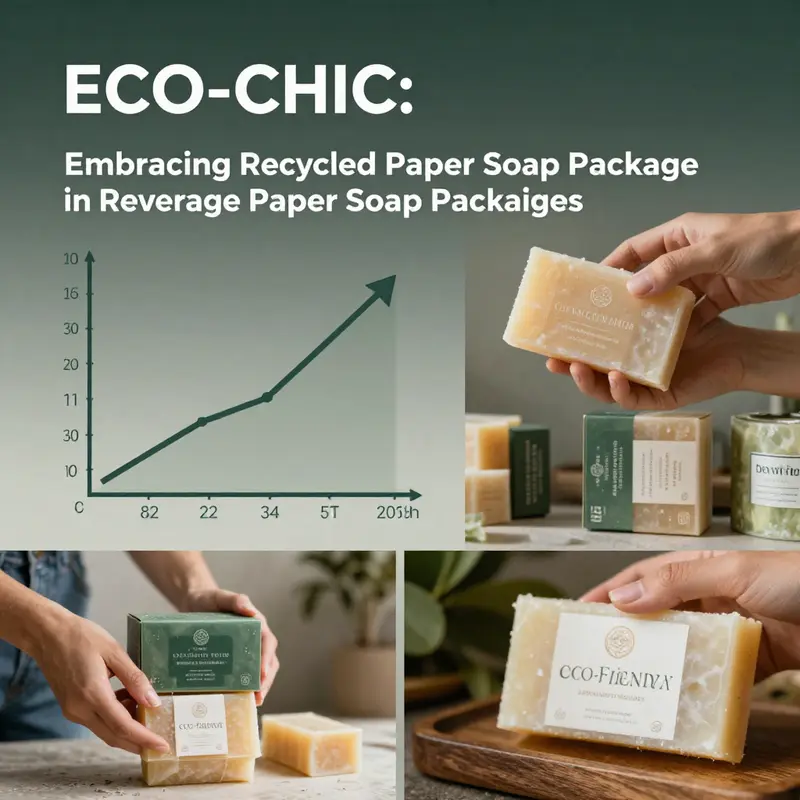
The shift to recycled paper soap packaging is more than a materials choice; it is a statement about how a brand negotiates value with consumers who increasingly measure products by their environmental footprint as well as their sensory appeal. In the personal care space, packaging has become a silent ambassador for a brand’s ethics, and the move toward recycled paper speaks to a larger realignment in which sustainability is not an afterthought but a core design principle. The environmental logic is straightforward: post-consumer and pre-consumer paper fibers can be repurposed to form sturdy, functional packaging that protects the product while reducing the demand for virgin wood pulp. This creates a lower overall footprint when compared to many traditional plastic alternatives, and it sets up a compelling narrative for consumers who want to align their purchases with a broader commitment to responsible consumption. But the appeal goes beyond the lifecycle of the material. Recycled paper packaging also offers a premium, tactile experience that resonates with shoppers who equate quality with natural textures, weight, and finish. The paperboard forms, especially when they are rigid or carefully folded, communicate a sense of value and care. They invite consumers to touch, feel, and appreciate the craft of packaging, turning a simple soap bar into a ritual that begins at the moment of selection on the shelf. This experiential aspect matters because the modern shopper often judges product virtue before they even lift the lid. In that context, recycled paper becomes both a sustainable choice and a design opportunity, a combination that strengthens the emotional connection between brand and consumer. The material’s print-friendliness is another critical dimension. Recycled fibers readily accept high-quality graphics, bold logos, and nuanced color work without sacrificing legibility or vibrancy. This is especially important for products positioned as premium or gift-worthy, where the packaging must convey as much care as the product inside. Techniques such as embossing, foil stamping, and die-cut designs are not mere ornamentation; they are signals of quality and intention. A subtle deboss on a kraft surface can evoke a sense of craft and heritage, while a metallic foil accent can catch light and draw attention in a crowded retail environment. The result is packaging that speaks to the consumer’s values and their aesthetics at once, creating a coherent brand story across multiple channels and formats. The manufacturing and supply-side considerations behind recycled paper soap packaging reveal a landscape of both constraint and opportunity. Premium rigid or folding cartons made from recyclable kraft paper, high-quality art paper, or durable cardboard provide a substantial, giftable presentation. These materials support detailed branding through printing and surface finishing, and they accommodate secure closures that enhance usability. Adhesive seals, twist ties, and drawstrings are not merely functional components; they contribute to a consumer experience that feels deliberate and thoughtfully engineered. The closure system can influence perceived freshness, protection, and convenience, all of which bear on consumer satisfaction and repeat purchase. At the same time, flexible packaging options offer complementary routes to market, particularly for travel-sized bars or products targeting on-the-go routines. Recyclable paper-based flexible formats, when paired with bioplastics or compostable cellulose layers, can deliver moisture resistance and product protection while maintaining sustainability credentials. The challenge for manufacturers lies not in the absence of options but in selecting the combinations that align with the brand’s position, cost structure, and distribution strategy. In practice, this means a careful balance between rigidity and flexibility, between a premium unboxing experience and the realities of shelf life, transport, and waste streams. The growing importance of supply chain transparency and certification cannot be overstated. ISO-certified materials provide reassurance to customers and retailers that the packaging is produced under standardized safety and sustainability protocols. For brands, this translates into a clear quality story that can be communicated across packaging inserts, product pages, and in-store displays. The global supply network supporting recycled paper packaging is large and diverse, with manufacturers and suppliers offering a broad spectrum of customizable options. Bespoke recycled kraft boxes with logo printing, plantable seed pencils paired with recycled paper sleeves, and multipack configurations are among the many possibilities that brands can explore. The capacity to tailor packaging to different product formats—single bars, gift sets, or travel-sized bundles—allows brands to present recycled paper as a versatile platform rather than a niche material. The argument for adoption is strengthened by consumer research that shows a meaningful willingness to pay for sustainability. A recent 2026 market perspective from a leading sustainability-focused industry coalition highlights that more than seventy percent of consumers are prepared to pay a premium for products packaged in recyclable or compostable materials. This is not a marginal preference but a substantive driver of brand strategy and product development. The implication for soap brands is clear: investing in recycled paper packaging can be a forward-looking differentiator that supports regulatory compliance, reinforces corporate sustainability goals, and strengthens customer loyalty. As consumer awareness deepens, many shoppers interpret a brand’s packaging choices as a direct reflection of its values, ethics, and long-term commitments. The packaging itself becomes a medium for storytelling—a way to communicate responsible sourcing, responsible manufacturing, and the intent to minimize environmental impact without compromising on presentation or performance. The sensory and experiential dimensions of recycled paper packaging should not be treated as add-ons but as integral components of the value proposition. The texture and weight of a well-constructed carton, the tactile feel of embossed lettering, and the warm, natural color of recycled fibers can all contribute to a perception of authenticity and trust. In a marketplace crowded with options, such sensory cues help a product stand out in a way that feels genuinely aligned with sustainability. To maximize impact, brands can lean into design strategies that enhance the natural character of recycled paper. Embossing can accentuate logos or motifs without introducing heavy inks, preserving a clean, organic aesthetic. Foil stamping can add a touch of refined luxury, catching light and drawing the eye while still respecting the material’s earthy roots. Die-cut shapes can introduce playful or elegant silhouettes that echo the product’s values, providing a memorable shelf presence without resorting to plastic embellishments. These techniques, when applied thoughtfully, also support brand differentiation across product lines and seasons, enabling flexible merchandising while maintaining a coherent sustainability narrative. The market dynamics surrounding recycled paper packaging extend beyond consumer preference to encompass regulatory and policy developments. Governments and industry bodies are increasingly pushing for packaging that is recyclable, compostable, or derived from renewable resources. This regulatory context often intersects with corporate sustainability goals and investor expectations, reinforcing the case for brands to integrate recycled paper packaging into their core strategy. The result is a packaging ecosystem in which recycled paper is no longer a niche material but a standard consideration for responsible brands. The supplier landscape mirrors this momentum, with a wide array of customizable options that can meet diverse price points, product formats, and retail channels. From premium rigid cartons to flexible sleeves, the spectrum enables brands to craft a packaging solution that fits their product’s shape, fragility, and branding requirements while staying true to environmental commitments. The practical upside is still tangible. Recycled paper packaging reduces the environmental burden associated with virgin fiber production, supports recyclability and end-of-life recovery, and often aligns with consumer expectations around responsible packaging. For brands seeking a tangible example of how this plays out in practice, the broader category of paper-based packaging demonstrates that a premium, natural aesthetic can coexist with robust performance in shipping, storage, and consumer handling. The combination of durability, printability, and eco-credibility strengthens the value proposition for recycled paper soap packaging as brands navigate a consumer landscape that increasingly prizes sustainability as a defining attribute of quality. In this sense, the packaging becomes a bridge between ethical sourcing and everyday beauty rituals. Consumers are not just buying a soap bar; they are choosing a product that signals care for the planet, fosters a sense of personal well-being, and affirms a shared commitment to responsible consumption. The literature and market data discussed in this chapter point to a future in which recycled paper packaging for soap is not merely a trend but a durable, scalable approach that supports brand differentiation, consumer trust, and sustainable growth. As brands continue to invest in material science, surface design, and supply-chain transparency, the packaging will increasingly reflect a convergence of craft, science, and values. For readers seeking a concrete starting point on exploring recycled paper packaging options, consider examining the breadth of kraft paper packaging solutions available online, such as kraft paper packaging options and boxes, which illustrate how recyclable materials can be shaped into premium, gift-ready presentations. This kind of exploration helps teams translate sustainability goals into tangible product experiences that resonate with shoppers on multiple levels. External research and industry commentary reinforce the sense that consumer expectations are evolving toward packaging that not only protects the product but also embodies ethical responsibility. To deepen understanding of broader trends and predictions, see the Sustainable Packaging Coalition’s trends report, which offers a comprehensive view of how recyclable and compostable materials are reshaping the packaging landscape and influencing brand strategy across sectors. External resource: https://www.packagingcoalition.org/sustainable-packaging-trends-2026
Final thoughts
In conclusion, recycled paper soap packaging offers a unique opportunity for beverage shops, restaurants, and event planners to align their offerings with current consumer preferences for sustainability. By taking advantage of its numerous benefits, customizable features, and the shifting market trends toward eco-friendly products, businesses in the food and drink sector can not only enhance their brand identity but also contribute positively to the environment. Making the switch to recycled paper soap packaging is not just about packaging—it’s about embracing a sustainable future.