
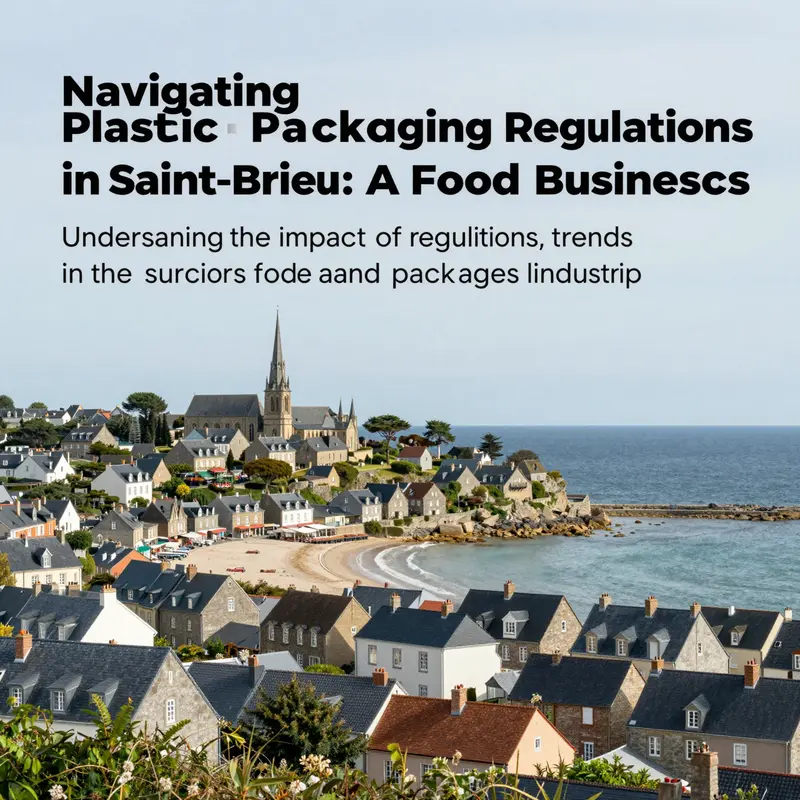
As the culinary scene in Saint-Brieuc continues to thrive, understanding the dynamics of plastic packaging food containers is crucial for businesses such as bubble tea shops, restaurants, food trucks, and catering services. With stringent regulations set to reshape the landscape of food packaging by 2026, businesses must adapt to new norms while also embracing evolving trends that favor sustainability and consumer preferences. This article delves into the critical regulations affecting plastic packaging, explores the latest trends shaping usage, and provides insights into sourcing suitable containers in Saint-Brieuc and beyond.
Policy Currents and Plateware: European and French Rules Shaping Saint-Brieuc’s Packaging Landscape
Saint-Brieuc sits on the Breton coast, a port town where market traditions and a close-knit hospitality network intersect with a growing awareness of how packaging shapes waste streams. Cafes, bakeries, and take-out venues in the city reflect a wider Breton pattern: customers increasingly read the packaging on their meals as part of a larger story about environmental responsibility and resource stewardship. The regulatory currents from France and the European Union are felt in everyday choices, from the design of take-out containers to the way waste is sorted and recycled in municipal facilities. The regulatory frame is not a distant abstraction but a set of practical constraints that influence daily operations, supplier relationships, and the customer experience.
At the core of this shift lies a layered regulatory architecture. France has integrated EU standards into national law under a comprehensive Environment and Climate Law that targets single-use plastics and pushes both producers and users toward reuse and recyclability. Practically speaking, this has meant moves away from polystyrene trays and certain disposable items toward alternatives that perform in real-use conditions and can be reused or recycled. The implementation occurred in phases through the early 2020s and touched Saint-Brieuc as it did towns across the country: kitchens reorganized, suppliers adjusted, and customers educated about why a different container matters.
The French framework sits atop a broader European canvas shaped by the Single-Use Plastics Directive (2019/904) and by the principle of Extended Producer Responsibility. EU rules require producers to finance the lifecycle costs of the packaging they place on the market, a responsibility that translated into national mechanisms that fund collection, sorting, and recycling. In Saint-Brieuc this translates into a push toward materials that are recyclable or certified as compostable under EU standards and into municipal efforts to reduce contamination and improve recycling rates. In Brittany, as elsewhere in France, the policy mix is experienced as a practical constraint and an opportunity to design service concepts around durability, end-of-life clarity, and lower waste footprints.
Looking ahead, the European Union’s Packaging and Packaging Waste Regulation (PPWR) introduces another layer of texture by harmonizing standards across member states and accelerating the shift toward a more circular economy for packaging. In practical terms, this means tighter rules for on-site packaging, a move away from certain single-use items in dine-in settings, and a push to rethink the form and reuse potential of packaging. In Saint-Brieuc, restaurants, cafes, and markets are likely to adjust their packaging options toward larger, reusable or washable containers for bulk items, while ensuring that any disposable containers meet strict recyclability or compostability criteria and are aligned with local waste streams.
For operators, these regulatory layers translate into strategic decisions about procurement, supplier selection, and investment. The aim is not merely to meet a compliance checklist but to embed sustainability into service design, inventory planning, and customer engagement. A bakery or casual dining venue might experiment with refillable sauce dispensers and reusable serveware for on-site dining, alongside compostable or recyclable disposables for take-out; efficiency, hygiene, and cost will shape the pace and scale of these changes. The regional supply chain—local distributors, regional manufacturers, and cross-border partners—plays a key role in providing materials that fit both performance needs and regulatory expectations. The overarching objective is to reduce waste, lower lifecycle costs, and maintain the quality and convenience that customers expect.
From the consumer perspective, Saint-Brieuc’s evolving packaging landscape becomes visible on menus, at curbside pick-up, and in markets. Shoppers increasingly link packaging choices with broader environmental narratives about litter, resource stewardship, and producer accountability. This awareness, especially in Brittany’s coastal towns, nudges both operators and customers toward a shared standard of care. Clear labeling for end-of-life options, visible reuse incentives, and well-communicated recycling guidance help align daily practice with public values without sacrificing service speed or presentation.
In practical terms, the current phase of change emphasizes core criteria: recyclability, compostability, durability for transport, and consideration of lifecycle costs in reuse programs. Where repeat use is feasible, operators test bulk dispensing systems and reusable serving ware, paired with washing and sanitizing processes that ensure reliability and safety. When reuse is not practical for a given context, compostable or highly recyclable disposables keep the flow clean and simple for waste streams. The local market benefits from packaging that is easy to recycle, that meets EU standards, and that supports a balance between convenience and environmental responsibility. The aim is to create a packaging ecosystem that works with the city’s waste infrastructure and coastal geography while supporting Brittany’s tourism and culinary culture.
Procurement and supply chain adaptation are central to this transition. The EU’s regulatory architecture encourages producers to take responsibility for packaging waste, which shifts some cost burdens and decision-making toward lifecycle thinking. In Saint-Brieuc, this translates into tighter specs for vendors, a preference for modular and reusable options, and a willingness to experiment with regional solutions that minimize transport and support local markets. The outcome is a more resilient supply chain that can adapt to evolving rules while maintaining product quality and customer satisfaction. The region benefits from proximity to suppliers who understand local waste facilities and environmental expectations, enabling suppliers and operators to push the boundaries of reuse, recyclability, and responsible disposal.
A practical pathway emerges from this regulatory environment: invest in packaging that preserves product quality while enabling reuse and easier recycling at end of life. The sensory fidelity of prepared foods relies on packaging that resists moisture migration and leakage, yet is designed for repeated use or controlled disposal. Paper and compostable alternatives are favored for many applications, provided they meet performance and cost targets. In Saint-Brieuc, the choice often reflects a service model: high-throughput venues may favor durable, reusable sets for dine-in, while smaller shops lean toward compostable options with selective reuse for certain items. The result is a nuanced, non-binary approach that balances practicality, cost, and environmental considerations.
To guide local practice, policymakers and industry associations can offer clear recommendations on preferred packaging types that align with municipal waste streams, while suppliers adapt product lines to emphasize modular, reusable configurations alongside recyclable or compostable single-use options. A transparent end-of-life pathway reduces contamination in sorting streams and improves recycling efficiency. Education and training matter: staff must understand why packaging choices matter, how to handle reusable items, and how to communicate end-of-life options to customers without diminishing the dining experience. The long-term payoff is a packaging ecosystem that supports higher recycling rates, lower waste volumes, and a strong local economy that values sustainable choices.
The Saint-Brieuc experience resonates beyond the city, reflecting broader European aims to align policy with daily business realities in kitchens, markets, and dining rooms. The local supply chain serves as a test bed for new materials and handling practices, and hospitality operators become participants in policy adaptation through testing, feedback, and collaboration. For readers seeking a concrete sense of policy interpretation, the EU single-use plastics framework emphasizes producer responsibility and the development of waste-management infrastructure, linking local practice to continental goals. The resulting alignment among policy, practice, and public sentiment supports a vibrant regional dining culture while reducing environmental impact. As policies evolve, the directional pull remains toward packaging that is fit for reuse, recycling, or composting, designed to respect Brittany’s ecological assets and the city’s economic vitality.
For Saint-Brieuc operators, the practical takeaway is to start with a waste audit, pilot reusable systems where feasible, and solidify end-of-life responsibilities in supplier contracts. Invest in staff training on handling, cleaning, and return logistics, and educate customers about why these changes matter for the local environment and community well-being. A phased, data-informed approach reduces risk and yields a clearer picture of the most sustainable and economical packaging mix. In concrete terms, a feasible pathway might include a line of foldable containers designed to present baked goods while remaining compatible with recycling streams, providing both visual appeal and end-of-life clarity. This example illustrates how policy aims can align with operational feasibility and customer expectations, creating a practical blueprint for coastal cities navigating the packaging transition.
Ultimately, Saint-Brieuc’s packaging evolution is part of a broader narrative about translating European and national policy into everyday choices in kitchens, markets, and dining rooms. The guiding principle remains consistent: packaging should support good food, enable safe transport and handling, and contribute to a waste system that is cleaner, more efficient, and capable of delivering long-term environmental benefits for coastal communities and inland markets alike. The regulatory frame—French policy, EU directives, and the PPWR—offers guardrails and impetus: designs that deter throwaway culture while encouraging service models and packaging forms that fit with local waste infrastructure. Saint-Brieuc’s response will be shaped by the city’s needs and values but will share a common thread with Brittany’s readiness to embrace sustainable packaging that sustains both culinary tradition and environmental stewardship.
Shifting Currents in Saint-Brieuc: Reusable Solutions and Regulatory Readiness Amid Europe’s Plastic Packaging Reforms
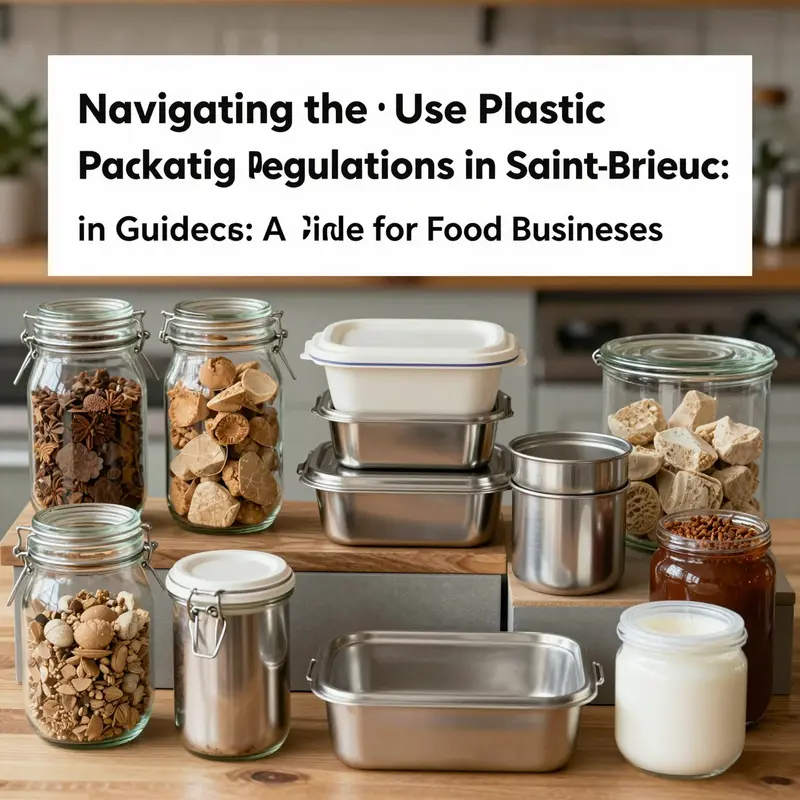
Saint-Brieuc sits at the edge of Brittany, a coastal city where daily life – markets, harbor activity, and casual dining – shapes how packaging is imagined and used. The European Union’s PPWR drives changes in design, recyclability, and reuse, which will affect how condiment packaging is provided in dine-in and takeout settings. From August 12, 2026, certain single-use plastic condiments may be restricted, pushing restaurants toward reusable dispensers and bulk options. In practice, local operators will increasingly adopt durable, washable containers, standardized pump mechanisms, and front-of-house refill stations. The Brittany region’s supply chains offer opportunities to source locally produced, reusable solutions and to coordinate with municipal programs for cleaning and return logistics. While city-specific data are limited, the broader policy and market signals indicate a gradual shift toward reusable and durable packaging across Saint-Brieuc’s hospitality sector, with emphasis on safety, efficiency, and environmental responsibility. The transition also raises questions about material choices; plastics such as PP and PS are common, but concerns about microplastics motivate a move toward materials with better end-of-life performance and reduced shedding. Local data gaps point to an opportunity for waste agencies and researchers to track adoption rates, return flows, and consumer participation in reuse schemes. In practical terms, expected approaches include bulk condiment stations, reusable serveware, and modular, multi-compartment containers designed for easy cleaning and reuse. While up-front costs may be higher, the long-term savings from waste reduction, lower disposal fees, and strengthened supply-chain resilience can benefit small operators in Saint-Brieuc and across Brittany. The broader European context and France’s strict food-contact standards provide a supportive environment for this transition. The chapter closes with a forward-looking note: Saint-Brieuc can become a local testing ground for durable packaging, regional collaboration, and consumer education that aligns with Europe’s reform agenda while respecting the city’s coastal economy and culinary traditions.
From Saint-Brieuc to Brittany: Sourcing Plastic Food-Grade Containers Ahead of France’s Packaging Reform
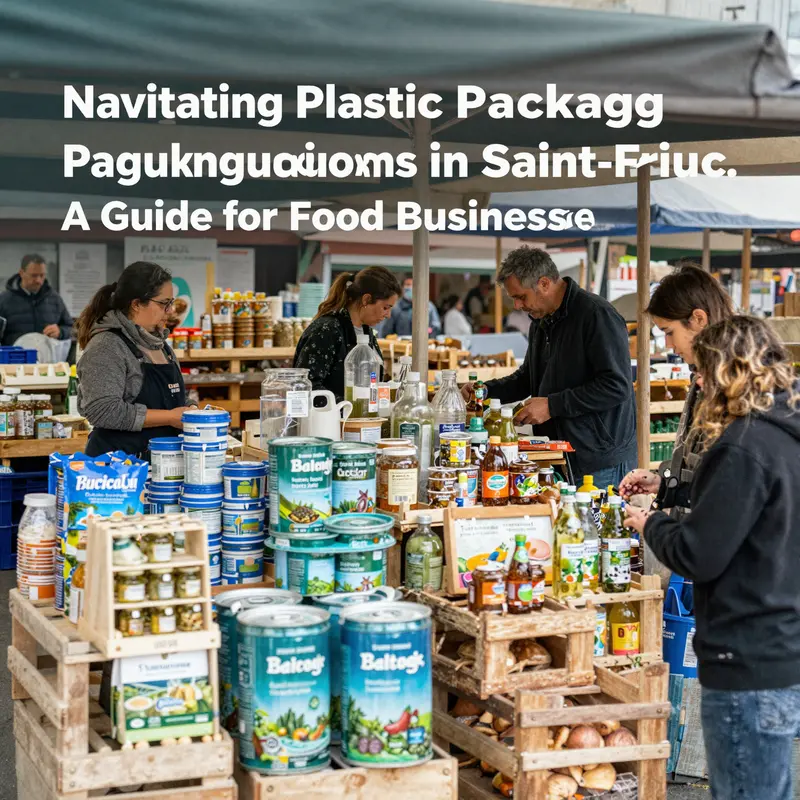
In Saint-Brieuc, a city known for its coastal markets and proximity to Brittany’s rich agri-food network, the hunt for plastic food-grade containers now intersects with a sweeping regulatory shift that stretches across the European Union. The region’s food producers, distributors, and hospitality operators are navigating the practicalities of sourcing packaging that can withstand the rigors of transport, storage, and service, while aligning with a regulatory framework that is steadily tightening the rules on plastic use in the in-store and in-dining environment. The demand does not arise in a vacuum. It is shaped by a dense supply chain that runs from Brittany’s farms and dairy operations through regional logistics hubs to the ports that ease cross-border trade within Europe. In this setting, sourcing becomes less about chasing the lowest price and more about building resilient relationships with suppliers who can guarantee compliance, quality, and traceability across the lifecycle of a container, from production to reuse or end-of-life disposal.
The backbone of the current sourcing landscape is the European Packaging Regulation, commonly known as PPWR, which, as of August 12, 2026, imposes a broad prohibition on providing single-use plastic packaging for condiments in dine-in settings across France. The practical upshot for Saint-Brieuc’s restaurants, takeout venues, and hotels is a powerful incentive to shift toward reusable or washable packaging systems for items like sauce portions, sachets, and other condiment presentations that had previously relied on one-time plastic sachets. This is not a blanket ban on plastic packaging; rather, it is a targeted policy that redirects the market toward containers designed for repeated use, cargo-appropriate durability, and improved end-of-life outcomes. The regulatory emphasis is on reducing waste at the source, encouraging product design that supports recycling streams, and requiring robust supply chains capable of meeting higher standards for food contact materials. This policy landscape compels local buyers to rethink not only what they buy but how they store it, how they clean and reuse it, and how they coordinate with partners who can operate under the new norms.
Within Brittany, the sourcing ecosystem benefits from a robust agri-food foundation and a network of regional logistics nodes that link Saint-Brieuc to larger urban centers. Rennes, roughly an hour away by road, hosts a cluster of packaging manufacturers and distributors that are familiar with the strict standards demanded by food-grade plastics. While Saint-Brieuc itself is not a production hotbed for containers, its access to Brittany’s ports, highways, and rail corridors translates into a logistics advantage. This proximity helps reduce lead times and allows smaller local buyers to engage directly with regional factories or with nearby distribution centers that can handle batch orders, customized molds, and compliant labeling. The materials commonly used for food-contact packaging—PET, PP, and HDPE—offer a balance of clarity, heat resistance, and chemical stability that supports a wide array of products, from sauces and spreads to ready-to-eat meals. In all cases, these materials must meet stringent food safety standards and carry certifications that reassure buyers about consistent performance and safety in the hands of consumers.
A critical dimension of the sourcing journey is compliance. In practice, responsible suppliers in Brittany and neighboring Normandy pursue certifications such as BRCGS, ISO 22000, and FSSC 22000, signaling that their processes for production, handling, and storage meet international food-safety expectations. For buyers, these certifications are not mere marketing points; they act as reliable indicators of disciplined quality management, hazard analysis, and rigorous control of critical parameters such as cleanliness, sanitation, and traceability. The presence of such certifications helps Saint-Brieuc buyers navigate audits, satisfy tender requirements, and reduce the risk of non-compliance that could derail shipments or complicate closures with retailers and hospitality groups that demand high standards. In this region, the preference for PET, PP, and HDPE is not just a material choice but a reflection of a region-wide commitment to stable supply chains, predictable performance, and a clear path toward reuse and recycling as mandated by the PPWR framework.
To secure reliable sources in Brittany and its surroundings, buyers often engage with regional trade bodies and business networks. The local Chamber of Commerce and Industry in Rennes acts as a bridge to suppliers who understand regional procurement realities, while broader Francophone and cross-channel networks in Normandy add another layer of capacity, allowing for scale or specialized solutions when needed. Platforms that list verified French suppliers frequently feature firms capable of handling bulk orders, customizing containers for different foods, and offering services such as injection molding, lamination, labeling, and even turnkey packaging solutions that integrate with cold-chain processes. In a market where regulatory compliance and operational efficiency are converging, such regional affiliations can be the difference between stumbling blocks and reliable, predictable supply.
For buyers who want to see the spectrum of packaging options available in the broader Brittany-Normandy corridor, it helps to understand the typical packaging systems that are widely used for food applications. High-quality plastic containers used for sauces, spreads, and ready meals are often molded in PET, PP, or HDPE, materials known for their inertness and food safety performance. The form factors range from straightforward jars and tubs to more specialized configurations such as round sauce containers, multi-compartment trays, and sealed pouches that can be rinsed and reused after washing. In the context of the PPWR, the emphasis shifts toward durable, reusable designs that withstand repeated cycles of use and cleaning, while maintaining the integrity of the food contact surfaces. This shift nudges manufacturers and buyers toward close collaboration with designers who can tailor containers to specific food types, portion sizes, and service formats, whether for dine-in, takeout, or delivery.
One practical reality for Saint-Brieuc buyers is the balance between in-house dining policy and takeout operations. While the PPWR targets in-dining condiment packaging, takeout and retail packaging remains an active market segment that must still comply with general food-contact material standards. That means sourcing decisions must account for both the regulatory landscape and the operational needs of different sales channels. Restaurants that offer dine-in experiences may experiment with larger, washable dispensers or refillable sauce containers that reduce waste and labor costs associated with frequent restocking. Convenience-oriented outlets, such as fast-casual eateries and hotels with room service, can pilot reusable packaging systems using standardized, easily sanitized components that fit into established cleaning protocols. The operational practicality of washing, sanitizing, and reusing containers in a high-turnover environment is a real constraint, requiring equipment, processes, and staff training that align with food-safety standards and local health regulations.
Sourcing in this space also involves considering the end-of-life dimension. The PPWR encourages a shift toward circular economy principles, which in Brittany translates into partnerships with suppliers who can provide take-back programs, easy-to-clean designs, and compatibility with recycling streams. Buyers may find value in container systems that are designed for disassembly, with components that can be separated for recycling or repurposing. This is not a mere environmental ideal; it translates into practical considerations such as standardized lids, compatible closures, and durable materials that resist wear during repeated washing cycles. In a regional context, the ability to recycle or responsibly dispose of packaging is closely linked to the availability of local facilities and the presence of traceability data that shows where a container originated, how it was processed, and where it will go next. For Saint-Brieuc operators, building such traceability into procurement choices strengthens supplier relationships and reduces risk across the supply chain.
Beyond formal certifications and material choices, effectiveness in sourcing also depends on how well buyers harness regional networks. Trade associations and business councils can connect restaurants and distributors with vetted manufacturers who understand the specifics of food-contact plastics and the constraints of French and European packaging regulations. The Brittany and Normandy regions offer a shared platform for exchange on best practices, regulatory updates, and market intelligence. Buyers who participate in these ecosystems often gain access to prototypes, customization options, and preferential terms for long-term contracts that favor stability over short-term price competition. The advantage for Saint-Brieuc is that a robust local or near-local supply chain can shorten lead times, simplify customs clearance for cross-border orders, and reduce the carbon footprint associated with long-haul transport.
In practice, a local sourcing team in Saint-Brieuc may begin with a needs assessment that maps which foods require specific packaging forms, sizes, and materials, and which channels will carry those products. They can then identify a few regional suppliers capable of meeting those needs while offering flexibility in minimum order quantities and lead times. From there, a trial program can validate the performance of different containers under routine cleaning, stacking, and temperature exposure. The goal is to achieve a reliable, repeatable supply cycle that aligns with the PPWR timelines and the French market’s expectations for quality and safety. The process also invites a broader conversation about multi-channel packaging strategies—how to tailor packaging for dine-in service, delivery, and in-store display—so that each channel reinforces a sustainable brand narrative while staying within regulatory boundaries.
To illustrate the practical reach of regional sourcing, consider how a typical distributor in Brittany might operate. They would maintain a small but diverse catalog of containers in multiple sizes and configurations, all designed to meet food-contact safety requirements. They would offer value-added services such as labeling, batch tracking, and packaging customization that respects the legal frameworks and the customer’s brand identity. They would also manage the logistics of moving containers from a regional production site to Saint-Brieuc, coordinating with transport providers who understand both the regulatory landscape and the seasonal demand cycles that characterize Brittany’s market, from the peak tourist months to harvest season lull. This integrated approach is what makes sourcing in Saint-Brieuc not simply a procurement activity but a strategic component of regulatory adaptation, waste reduction, and business resilience.
For readers seeking concrete, action-oriented guidance, a useful reference to the broader options available in the region is a catalog of disposable packaging solutions that showcases the range of formats commonly used for takeout and catering needs. This resource provides a snapshot of size options, closure types, and stacking configurations that may be appropriate for a Brittany-based operation looking to bridge the transition from single-use to reusable systems. disposable kraft paper soup containers with lids
As Saint-Brieuc and Brittany move toward a more circular packaging economy, the sourcing question broadens beyond immediate availability and price. It becomes a question of long-term reliability, regulatory alignment, and the capacity to evolve with a policy environment that is likely to introduce new standards, extended producer responsibility considerations, and evolving recycling technologies. Buyers who invest time in building relationships with regional manufacturers, who participate in trade associations, and who adopt standardized, reusable packaging concepts will be better prepared for the changes ahead. They will also be better positioned to demonstrate to customers and regulators that their packaging choices reduce waste, preserve food safety, and support the local economy. In this way, sourcing is not merely about acquiring containers; it is about stitching together a resilient supply chain that can absorb regulatory shocks, respond to consumer expectations for sustainability, and help Saint-Brieuc retain its standing as a hub of responsible, forward-looking food service in Brittany.
For authoritative details on the regulatory framework guiding these changes, see the European Commission’s overview of the new packaging law and its implications for restaurants and foodservice businesses in 2026. This external resource provides formal context for the shift many Saint-Brieuc operators are beginning to plan for now, long before compliance deadlines tighten supply-chain constraints and drive pricing dynamics across the region.
Final thoughts
In conclusion, the landscape of plastic packaging food containers in Saint-Brieuc is shaped by regulatory changes that necessitate a shift towards sustainable practices. For food businesses—whether bubble tea shops, restaurants, food trucks, or caterers—adapting to these regulations is not just a legal obligation but a strategic opportunity to align with the growing consumer preference for eco-friendly options. By embracing innovative packaging solutions and efficient sourcing strategies, businesses can thrive in this evolving environment, ensuring compliance while also appealing to the growing market of environmentally conscious consumers.