
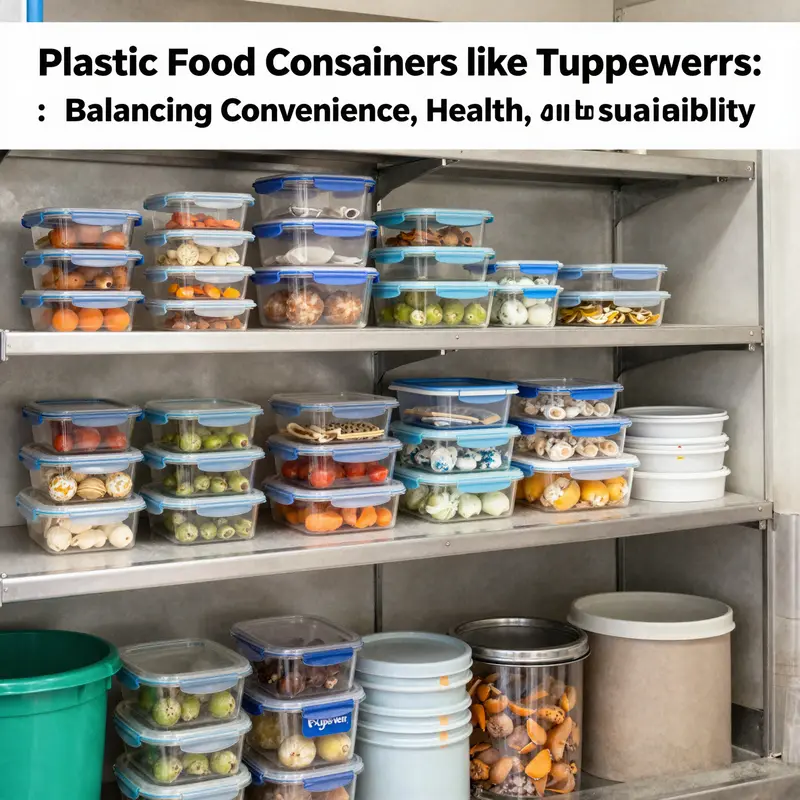
Plastic food containers, notably those branded under well-known names like Tupperware, have become indispensable tools across bubble tea shops, restaurants, food trucks, catering services, event planners, and corporate procurement teams. Their convenience, portability, and durability make them a staple for storing and transporting food and beverages. However, growing evidence urges a closer look at the health risks posed by the chemicals used in these plastics, especially when subjected to heat or acidic contents. Beyond health concerns, understanding how plastic compares with safer alternatives like glass and recognizing the environmental footprint plastic containers leave behind have become crucial for businesses committed to responsible service. Moreover, employing best practices to maintain container safety and longevity ensures both health and efficiency in daily operations. This article provides a comprehensive exploration—starting with health considerations, moving to safety comparisons, environmental impact, and concluding with practical tips—helping food service professionals make informed, sustainable choices for their businesses.
Rethinking Plastic Food Containers: Health Risks, Microplastics, and the Way Toward Safer Storage
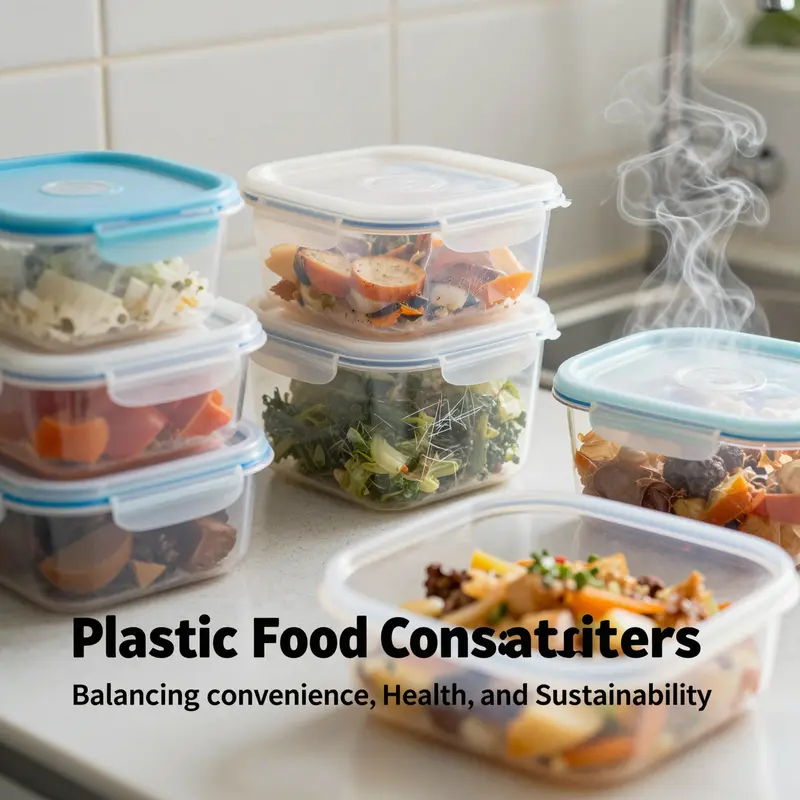
In kitchens around the world, plastic storage containers have long served as the effortless workhorses of daily life. Their lightness, resilience, and stackability make them a default choice for everything from leftovers to school lunches. Yet as science sharpens its focus on how plastics interact with food, a clearer picture emerges: the convenience of plastic storage comes with potential health trade-offs that become especially salient when heat, acidity, or repeated use are involved. The core concern centers on chemical leaching. Even when containers look intact, microscopic wear and tear from utensils, dishwashing, and repeated heating can alter their internal chemistry. Substances embedded in the plastic can migrate into food, and the temperature and fat content of the stored item can accelerate that transfer. This is not a hypothetical risk reserved for laboratory settings; it translates into everyday choices that may influence long-term health, particularly for children, pregnant people, and anyone who relies on plastic for regular meal storage.
A central point in the current discourse is that the label BPA-free does not guarantee safety. BPA, once the poster child of debates about plastic safety, has led manufacturers to substitute other bisphenols such as BPS and BPF. Yet these replacements are not risk-free. Endocrine-disrupting properties often persist across these substitutes, meaning that the hormonal signals our bodies rely on for development, metabolism, and reproduction can be subtly perturbed even at low levels of exposure. In practice, this means that a heated plastic container storing fatty or acidic foods can become a site where harmful compounds migrate into the meal. The risk profile changes with use: a container that has been dropped, scratched, or subjected to microwaves may be more vulnerable to leaching than a pristine, untouched one. The phenomenon is cumulative, and the effects of low-level exposure over time remain an area of active study, particularly for vulnerable populations.
What the research has begun to quantify is not just the chemical migration itself but its broader biological implications. A notable study published in Environmental Health Perspectives in 2019 demonstrated that plastics marketed as BPA-free can still release estrogenic compounds when exposed to heat or ultraviolet light. The implications extend beyond a single chemical; the hormonal signals that regulate reproduction, metabolism, and development may be influenced by even trace amounts of these substances. This realization shifts the conversation from a single chemical culprit to a broader understanding of how everyday materials interact with food and the body across a lifetime. In clinical circles, pediatric environmental health specialists stress that there is no safe threshold for chronic, low-dose exposure to endocrine disruptors, underscoring the importance of cautious consumption patterns, particularly for children and pregnant people who may be more susceptible to disruptions in hormonal balance.
Beyond chemical leaching, another dimension of risk concerns the ingestion of microplastics. When plastic containers are used repeatedly—especially under heat—the smallest fragments can shed from the material and remain in the food or liquid. People who frequently store meals in plastic containers may ingest thousands of microplastic particles over the course of a week. While the full health implications of microplastic ingestion are still under investigation, researchers worry about potential impacts on the gastrointestinal tract and systemic health, given the persistence and ubiquity of these particles in the modern environment. The takeaway is not that every plastic container will instantly harm health, but that cumulative exposure, varying by frequency of use and conditions of storage, deserves serious attention.
The narrative does not end with risk articulation. It also highlights practical, evidence-based pathways toward safer storage in the kitchen. If plastic remains part of daily routines, several strategies can reduce risk while keeping the benefits of convenience. One straightforward approach is to limit heating in plastic containers whenever possible. Even containers labeled microwave-safe can exhibit greater leaching when exposed to high temperatures, so opting to reheat in alternatives or using non-heating modes can be a prudent precaution. Yet risk mitigation should not stop at heating practices. The overall lifetime exposure to leachables from plastic can be influenced by the container’s durability, the quality of the plastic, and how thoroughly it is cleaned and maintained. Scratches and micro-damage that accumulate in the course of daily use are not purely cosmetic; they can become conduits for chemical migration, especially when oils, acids, or sugars are present.
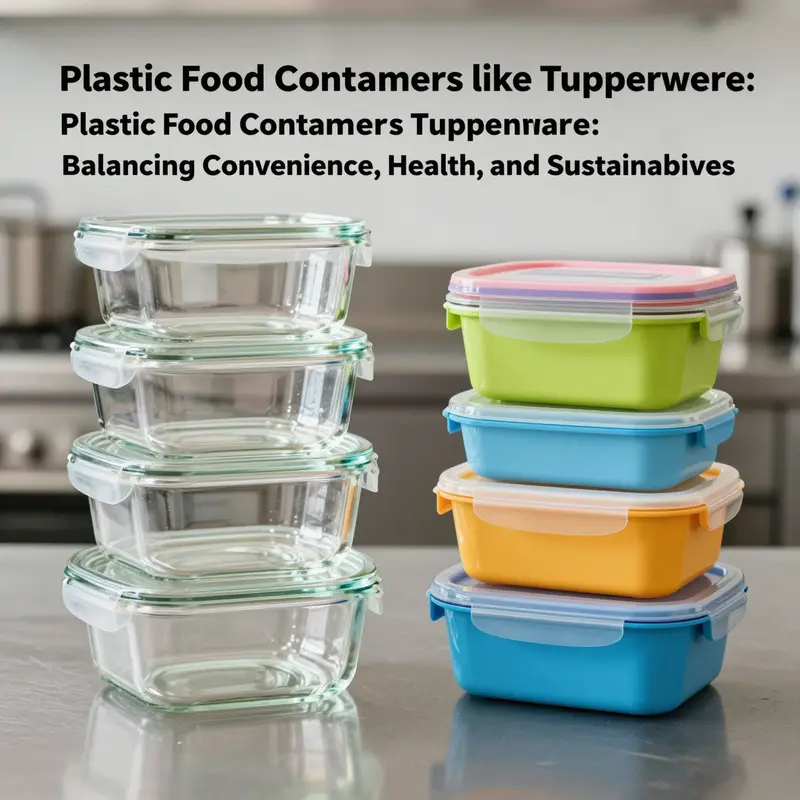
This is where the case for alternatives becomes compelling. Glass storage containers, particularly those made from tempered soda-lime or borosilicate glass, sit at the forefront of safer storage options. Glass offers a chemically inert profile; it does not contain synthetic additives that can migrate into food, and its non-porous nature resists odors, stains, and microbial buildup. The visibility of glass is another practical advantage: being able to see exactly what is inside at a glance helps reduce the need for frequent rummaging and, by extension, unnecessary reheating or contamination. Temperature compatibility is a major plus as well. Glass handles heat without warping, and borosilicate glass in particular is designed to withstand thermal stress, making it suitable for both refrigeration and reheating (when used with compatible lids and, where appropriate, without direct flame exposure). In short, glass containers provide a stable and inert resting place for meals and ingredients across a range of storage scenarios.
The benefits of glass extend beyond safety. Non-porous glass resists absorbing flavors and aromas, so a garlicky curry stored in glass won’t leave a lingering, cross-contaminating scent in other containers. It also preserves freshness by limiting air and moisture exchange compared with some plastics, potentially extending the usable life of leftovers. This is particularly meaningful for those who plan ahead, batch cook, or keep pantry staples for longer periods. And because glass is transparent, you can visually monitor the contents over days without opening the container, a small but real advantage in quality control. Still, the case for glass carries practical trade-offs. Glass is heavier and more fragile than plastic, and it can require more careful handling and storage choices to prevent chips or breakage. From a sustainability perspective, the long-term environmental footprint of glass can be favorable when it is kept for years, cleaned with care, and reused, though the production and transport of heavier glass ware can add to its energy costs. The balance tends to tilt in favor of glass when the goal is to minimize chemical exposure and maintain inert contact with food across repeated uses.
Within households, the way we organize and manage containers also matters. Experts often advise categorizing by size to maximize efficiency: small containers in the 4–8 oz range for snacks and condiments, medium containers in the 16–32 oz range for single servings, and larger ones 64 oz or more for meal prep and leftovers. Such a system supports practical rotation, reduces waste, and helps avoid overuse of any single material. When stacking stored items, it is wise to avoid placing heavy pieces on top of lids, a simple safeguard that protects the integrity of seals and prolongs the life of containers whether plastic or glass. Good lid care matters too: fragile lids and seals can crack under thermal shock or repeated dishwasher cycles, which increases the risk of leaks and microbial growth.
For those who still rely on plastic for certain tasks, mindful practices can reduce risk. Replace or limit the use of plastic for hot or fatty foods, which are particularly prone to leaching. When possible, transfer hot contents to a non-plastic vessel before reheating. For fresh preparation or weekly meal planning that involves acidic ingredients like citrus or tomatoes, glass or stainless steel can be a safer default. The idea is not to phantomize plastic altogether, but to recognize where the material remains relatively inert and where it becomes a liability under common kitchen conditions. The trade-offs are pragmatic: glass demands careful handling and more mindful portability, yet offers a clearer path to minimizing chemical exposure and preserving sensory and nutritional quality.
As households navigate these choices, there is a broader ecosystem of safer packaging options that address convenience without compromise. For example, there are packaging formats designed to replace conventional plastic with materials that are more inert or sustainable. If you are exploring safer, microwave-friendly options that align with a health-focused approach, consider alternatives that prioritize materials not prone to chemical migration. To see a practical example of safer packaging options that still support daily use, you can explore eco-friendly takeout boxes for food packaging, which illustrate a shift toward safer, paper-based, and microwave-friendly designs: eco-friendly takeout boxes for food packaging.
Still, the ongoing research landscape reminds us that no single material is a perfect solution for every scenario. The 2019 Environmental Health Perspectives study serves as a reminder that labeling alone cannot capture the full spectrum of risk, especially when products are exposed to heat or sunlight. In practice, this means making informed compromises that align with personal health priorities, cooking habits, and the likelihood of frequent heating. It also means recognizing the environmental dimension. Glass, while heavy and breakable, is generally more durable over the long term and easier to clean thoroughly, potentially reducing waste and exposure when used consistently and with proper care. Plastic, on the other hand, offers compelling convenience for on-the-go lifestyles and certain storage needs but requires careful management to limit potential health and environmental impacts. It is a matter of balancing everyday practicality with a precautionary approach to long-term well-being.
In sum, the conversation about plastic storage is not a binary clash of good and bad materials. It is a nuanced assessment of exposure pathways, material chemistry, and usage patterns. As research continues to evolve, the most durable guidance favors minimizing exposure to heat-affected plastics, reducing reliance on single-use and traditionally coated plastics where possible, and embracing safer alternatives for routine storage, especially for hot, acidic, or fatty foods. By rethinking storage choices and implementing a simple, scalable system for organizing containers by size, households can preserve freshness, protect health, and light the way toward more sustainable kitchen practices. The shift is gradual, but it is grounded in a growing body of evidence that translates into tangible, daily decisions about what we store our food in, how we heat it, and how we care for the containers that accompany our meals from fridge to table.
External resource: Environmental Health Perspectives – estrogenic activity in BPA-free plastics. https://ehp.niehs.nih.gov/doi/10.1289/EHP1565
Between Plastic and Glass: A Wellness-Oriented Review of Safe Food Storage
Between Plastic and Glass: A Wellness-Oriented Review of Safe Food Storage
In daily kitchens, the choice between plastic and glass storage is more than a matter of convenience; it is a set of health and environmental decisions that play out with every lunchbox and pantry rotation. When many households reach for a familiar plastic container, they may trust that a label such as BPA-free guarantees safety. Yet science over the last decade has taught a more cautious lesson: replace one chemical risk with another that behaves similarly in the body. BPA free does not mean risk free; substitutes like BPS and BPF can mimic hormones and disrupt endocrine signals just as BPA did. The combined message from researchers is nuanced: certain plastics are designed to be stable under expected kitchen use, but the long arc of wear and tear changes the story. Micro-scratches, repeated dishwashing, and the repeated exposure to heat or acidic foods can create pathways for chemical migration. Even when a container looks intact, microscopic microchannels may develop that permit additives to leach into meals. The food system does not exist in isolation; what migrates from the container can ride along with heat into the meal, and repeated cycles of heating increase the odds of release.
In practice, many modern plastic containers are produced from polypropylene, sometimes identified as PP number 5, or high-density polyethylene, HDPE number 2. These materials are categorized as safe for food contact and for microwave use under standard guidelines. They are chosen for their lightness, resilience, and clarity. They resist impact well, resist some chemicals, and withstand freezer temperatures. The assumption behind many labels is that their performance remains within safe bounds when used as designed. But a growing portion of the literature invites a more measured approach. The older generation of plastic containers, especially those made before 2010, can carry legacy materials that raise questions about exposure. The elimination of BPA from mainstream products is a public health gain, but it is not a blanket approval for all that comes after. When households use older containers or those from unverified sources, the risk calculus changes. The food safety authorities emphasize that older plastics may still shed substances that behave like hormones, and some manufacturers do not claim full elimination of all additives, so caution is prudent.
Beyond chemical content, the durability of plastic under household regimes matters. Repeated heating, air handling, and aggressive dishwashing can degrade polymers, leading to clouding, cracking, and micro-scratching. The thin films and resin layers that hold a container together can lean toward microstructural fatigue. The FDA has warned that plastics can break down with repeated heating and washing, increasing the chance of contamination. This is not a distant concern; it translates into real-world exposure when containers are used for hot soups, sauces, or fatty foods. The leaching risk is not uniform; it is highest when plastic meets heat, oil, or acid, and when the container is old or visibly worn. It is also not uniform across brands; some packaging may hold up for years with minimal issues, while others degrade more quickly because of variances in resin formulations and design.
Glass presents a contrasting physics of safety. Tempered soda-lime glass, and more high-end borosilicate glass variants, are celebrated for their inert coat of safety. Glass does not leach chemical additives into food, regardless of temperature or moisture exposure. The non-porous surface resists odors, stains, and microbial buildup, making maintenance simpler and more thorough. When you store garlic, curry, or fish in a glass container, you typically notice fewer lingering smells than with plastic, which is a practical daily benefit that translates to cleaner refrigerators and easier pantry auditing. High-quality glass can withstand a broad range of thermal conditions, enabling use in ovens, microwaves, freezers, and direct boiling practice in some cases. It is not immune to breakage, but its damage tends to be more conspicuous and less insidious than the gradual erasure of a plastic surface.
Durability and lifecycle shape a fundamental divide. Plastic is engineered to flex and endure a steady stream of cooling and heating cycles without immediate catastrophic failure. Yet the long-term compromise can be microplastic shedding and additive migration that progress invisibly. Glass, especially borosilicate glass, endures many cycles with minimal degradation of its core properties. It is heavier, and drops or bumps can cause shattering, but a well cared-for glass set can outlive several generations of plastic containers. From an environmental standpoint, glass offers a strong argument. It is 100 percent recyclable and can be reused almost indefinitely with minimal loss of its properties. Plastic, by contrast, contributes to microplastic pollution and requires thoughtful waste management to minimize environmental harm. The difference is not only about current use, but about the end of life and how a container returns to cycles of production and consumption.
The practical implications of these differences emerge in how kitchens are organized. For many households, the urge to minimize clutter intersects with safety concerns. A common strategy is to categorize by size: small vessels for condiments and snacks, medium containers for single servings, and larger options for meal prep and leftovers. This approach reduces the temptation to misuse containers for tasks beyond their design and helps maintain seals. When stacking, it is wise not to place heavy items on lids, which can warp the gasket or reduce the effectiveness of the seal. The human factor is essential; when people stack or nest containers improperly, the risk of leaks or contamination rises. A tidy system can help ensure that a hot meal stored in the right vessel remains at a safer temperature for longer, while a poorly organized system invites cross-contamination or scent migration.
For those driven by health and sustainability, glass storage is a compelling pathway. Reheating, storing acidic or oily foods, or long-term pantry use tend to favor glass. In the short term, glass provides stability against heat and oil that plastics often struggle with, particularly in repeated cycles. In the longer term, its inert nature reduces the need for worry about chemical migration. Practically speaking, a well-chosen glass set will be transparent, which makes visual inventory simple. Seeing what is inside at a glance reduces the need to move containers around and reduces the chance of forgetting stale or spoiled items. The experience of use also matters: glass feels stable in the hand, can be cleaned thoroughly in ways that remove residues that cling to plastics, and can be stored in the freezer or oven when the product specifications permit. The overall impression is of a kitchen that breathes more easily because it is not carrying the risk of hidden leachables and stubborn odors.
For many households the trade-off is not absolute safety but the rhythm of family life. Glass is heavier and can break if dropped, a practical downside that means careful handling in kitchens with children or during moves. Plastic can be more forgiving in those scenarios, and some families rely on soft plastics for on-the-go solutions, such as lunch boxes and small snack containers. But as the daily use adds up, the cumulative exposure to plastic-derived chemicals may become more relevant, especially with deliberate heating or the storage of fatty or acidic meals. In this sense, the choice becomes a matter of aligning daily habits with a broader view of health and environment. If your routines involve reheating leftovers in the microwave, a cautious shift toward glassware for the reheating step reduces exposure risk. If you routinely store a variety of ingredients with pungent odors or seasonings, you may find glass keeps odors contained and releases fewer volatile compounds over time. If you want to cut down on plastic waste and microplastics entering the environment, glass offers a higher likelihood of long-term reuse or recycling.
A practical pathway toward safer storage emerges when you consider the materials in light of the meals you prepare. For hot soups or curries, for example, plastic often carries a higher risk of chemical migration when the container is heated or when the container is not perfectly intact. A glass container is typically the more conservative choice for these foods, as it tends to maintain its integrity while avoiding leaching altogether. For dairy, oils, or citrus-rich recipes that can behave aggressively toward plastics, glass again proves advantageous. But it would be imprudent to pretend that glass solves every problem; it does not. Exchanges of heat to cold, the occasional accidental bump, and the reality of busy households mean that any storage solution has to be selected with care. Hence, prudent practice includes inspecting containers regularly, replacing worn pieces, and following the manufacturer’s guidance for use, cleaning, and heat exposure.
Replacement and maintenance come to mind as well when considering overall life cycles. Plastic contends with the possibility of bright, cheerful colors and long-lasting shapes, yet signs of wear should trigger replacement. Cracks, persistent odors, cloudiness, or a memory of past stains are cues to consider switching to a new piece. The guidelines offered by experts emphasize hand washing and air-drying to prolong plastic life, as high heat on the bottom rack of dishwashers accelerates breakdown of polymer surfaces. Glass, by comparision, rewards attention to leakage prevention and handling. A crack or chip can compromise the entire vessel for safe use, particularly in the oven or microwave, if that is part of the product’s intended use. With glass, the decision to retire a piece is often clear and immediate; when a crack appears, the risk of shards or compromised structure becomes nontrivial, and the cost of potential injury becomes a factor in the decision to retire the vessel.
The environmental argument adds a broader perspective to the kitchen decision. Glass is recyclable and inherently circular; it does not degrade in the same way plastics do. Recyclability depends on the local system, yet glass typically lends itself to multiple cycles of reuse without losing structural clarity. Over time, glass reduces the demand for new resources and lowers the footprint of storage and packaging waste. Plastics present a more complex narrative. They offer practical convenience but carry a spectrum of concerns about microplastics and chemical migration, plus the energy and resources required for production and recycling. As the market continues to diversify, there is growing interest in safer plastic blends and alternative materials that aim to reduce hazard. Yet for many households, the simplest and most immediate step toward health and sustainability is to incorporate more glass into daily use, especially for reheating tasks and long-term storage, while reserving plastics for nonheated contexts and short-term use.
The chapter cannot ignore that food safety is not only about the material but about behavior. Safe storage requires avoiding compromised containers and heeding heat exposure. It requires washing and drying thoroughly to prevent microbial growth or odor transfer. It requires proper labeling and rotation so that foods are consumed within safe time frames. It requires awareness that newly introduced plastic blends, even when labeled BPA-free, carry data that still demands scrutiny. It requires acceptance that older plastics may still pose a risk, and that even microwave-safe labels have limits. The overall take is not to demonize plastic but to balance the benefits of convenience with the precaution of health and environmental stewardship. For readers seeking a bridge between convenience and caution, there are practical options available that do not force a hard dichotomy. For instance, in kitchens that still rely heavily on plastic for everyday snacks, a strategy of reserving plastic for cold or room-temperature storage reduces exposure risk. When truly hot contents are involved, glass or ceramic alternatives provide a safer route. Where possible, upgrading to a glass set with tight-seal lids can dramatically reduce leaks and odor transfer, contributing to longer freshness and fewer wasted leftovers. For cooks who value compact storage or portability, there are hybrids that combine the convenience of durable containers with a design that limits heat exposure to the body of the container. And for households exploring the market, the link to eco-friendly packaging solutions can serve as a guide for integrating safer storage with practical needs: eco-friendly disposable takeout boxes for food packaging.
The point remains that the kitchen is a system, and safety comes from aligning materials with cooking habits, cleaning routines, and environmental awareness. In this evolving landscape, guidelines from trusted authorities remain important references. The broader science supports a cautious approach to heating plastics and selecting inert materials for long-term storage. Household chemistry is complex, and the decisions we make about containers ripple into health outcomes and ecological footprints. As researchers refine their understanding of how chemicals migrate under real-world conditions, consumers gain leverage by choosing materials with a clearer safety profile and by using them in ways that minimize exposure. The ongoing conversation is not a simple choice between good or bad; it is a nuanced practice of balancing risk, convenience, and responsibility. The net effect is a kitchen culture that privileges clean storage, careful heat management, and thoughtful waste reduction without oversimplifying the truth about plastics.
External resource: FDA guidance on food contact materials: https://www.fda.gov/food/food-contact-materials
Beyond Convenience: The Environmental Toll of Plastic Food Containers and the Case for Reusable Glass Solutions
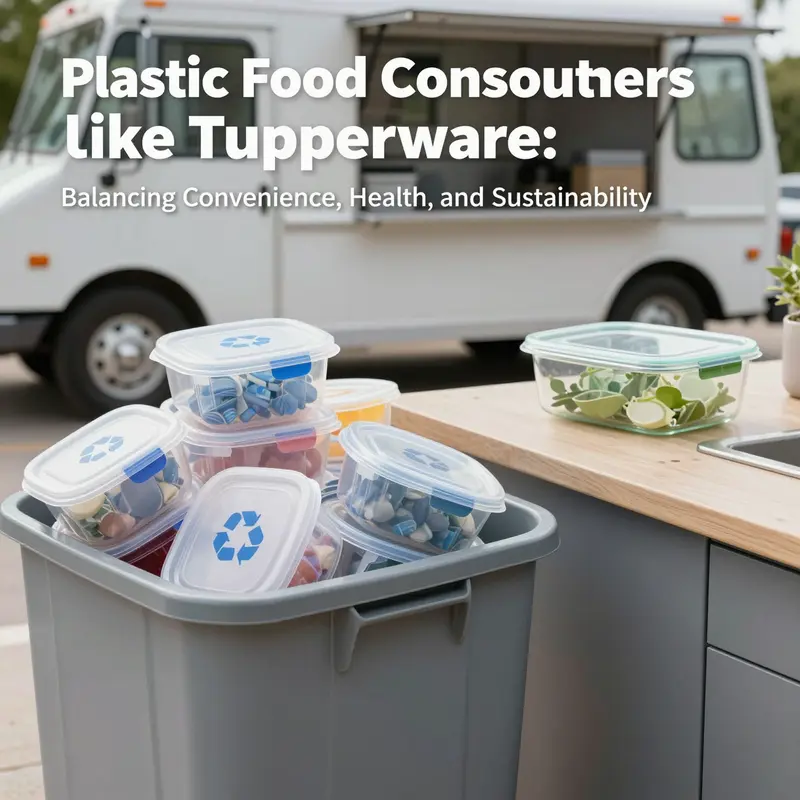
Every day, kitchens around the world hinge on plastic food containers for storage, transport, and reheating. Their light weight, shatter resistance, and stackable design make them a default choice for households, schools, and workplaces alike. Yet behind that convenience lies a complex environmental calculus that stretches far beyond a single meal. The lifecycle of a plastic container begins with petroleum-based polymers and ends in a web of waste, energy use, and emissions that can persist for centuries. When the health concerns often discussed in popular discourse are folded into environmental considerations, the picture becomes more nuanced: the same conditions that can affect chemical migration into food also reflect overarching patterns of resource extraction, manufacturing energy, and end-of-life fate. To speak meaningfully about sustainability in food storage, we must follow the material through its entire journey from cradle to grave and consider how those journeys interact with the rhythms of modern consumption and waste management.
Life cycle assessments have become a central tool for disentangling these pathways. The notable 2018 study published in Environmental Science & Technology offered the first comprehensive comparison of reusable plastic and glass food containers across their lifespans. It found that, on average, plastic containers impose a higher environmental footprint when production energy, greenhouse gas emissions, and the need for replacement are all tallied. Plastics are derived from fossil resources, and their manufacturing process is energy intensive. Even when used repeatedly, plastics accumulate micro-damage and microplastics over time, complicating the end-of-life equation because fragments can escape collection systems and linger in soils and waterways. Those fragments are more than a pollution marker; they are a reminder of the energy and materials required to create and move plastics through the economy, only to see them persist long after a meal has been eaten.
By contrast, glass—especially tempered soda-lime or borosilicate varieties—tells a different environmental story. Glass relies on abundant natural materials and, crucially, is nearly endlessly recyclable without loss of quality. When used and recycled properly, glass can be reused repeatedly with minimal risk of chemical migration into food under a wide range of temperatures and moisture conditions. This inertness makes glass a strong candidate for long-term pantry storage and reheating, where the integrity of the container and the purity of the food are both purposes served. It is true that glass is heavier and its production is energy-intensive, factors that elevate transport emissions and demand more energy per unit than plastic. Yet multiple lifecycle analyses converge on a consistent conclusion: glass’s superior recyclability and chemical stability yield lower long-term environmental harm than plastic, particularly when end-of-life management is robust and recycling streams are well established.
The contrast between plastic and glass is not a simple dichotomy of good versus bad. The real-world outcomes hinge on durability, reuse, and the effectiveness of end-of-life systems. The 2018 assessment underscores that the environmental performance of a container depends more on how long it lasts and how it is disposed of than on the material alone. If a plastic container is used for a long period, kept clean, and recycled responsibly at the end of its life within a functioning waste system, some of the perceived gaps in environmental performance can narrow. But the report also emphasizes that plastics face higher energy demands at every stage of the life cycle, and that poor disposal can result in material losses and fragmentation that undermine recycling efforts. The scenario worsens when heat is involved. Microwaving food in plastic—even if labeled microwave-safe—can increase the release of substances into food, and this, in turn, complicates recycling streams because contaminated materials are harder to process.
In households seeking to shrink their ecological footprint, the conversation often centers on durability, reuse, and circularity. Glass presents a clear path toward high reuse potential, stable shelf life, and recyclability, especially when designed for modular stacking and easy cleaning. Yet glass is not a universal remedy. Its production is energy-intensive, and its weight translates to higher transport emissions. This reality invites a balanced approach: a durable system that minimizes waste from the outset and maximizes recycling rates at end of life. In practice, this means using glass for long-term storage and reheating, especially for acidic or oily foods and pantry items where transparency aids freshness, while keeping high-quality yet practical plastics in contexts where glass would be unwieldy. The crux lies in choosing materials that fit into local recycling streams and life plans. For those actively seeking alternatives, there is growing emphasis on packaging solutions designed for reuse or easy recycling, a trend that now permeates the broader conversation about sustainable meal solutions. One pathway toward accessible, practical options is to explore packaging that emphasizes longevity and end-of-life compatibility. This concept is captured in discussions of eco-friendly packaging options that highlight durability, reusability, and clear disposal guidance. eco-friendly disposable packaging.
Policy makers, industry, and consumers all influence how these dynamics unfold. The 2018 life cycle assessment invites cautious optimism: when reuse is designed into products and when end-of-life systems are reliable, glass can offer tangible environmental benefits over the long haul. The same study points to the need for better recycling streams and for product designs that minimize energy use during production. For households, the implication is not simply to switch materials but to align buying choices with local infrastructure, to invest in containers built for longevity, and to assemble a storage system that minimizes waste and maximizes recycling potential. In this sense, sustainability becomes a daily practice—a continuous alignment of habit with infrastructure, design, and policy. It is less a single decision and more a framework for evaluating materials against the realities of energy use, emissions, and waste management in a given community.
As society moves toward more resilient storage systems, several broader shifts become evident. The first is the growing emphasis on circularity: products are designed with the expectation that they will be reused, remanufactured, or recycled rather than discarded. The second is the improvement of recycling infrastructure, including facilities capable of handling glass and plastics separately and efficiently, and the third is a move toward transparency in product design. Manufacturers increasingly disclose the materials and adhesives used, the ease of disassembly, and the potential for contaminant migration. These factors collectively influence how households evaluate the environmental costs and benefits of different storage choices. In the everyday kitchen, this translates into decisions about what to store, how to heat, and how to dispose. It also implies a shift in behavior: cultivating habits that extend the life of containers, such as careful handling to avoid cracks, thorough cleaning to prevent odors and residues, and adherence to local recycling guidelines that can salvage valuable materials rather than consigning them to landfills.
The environmental argument thus becomes a practical, daily guide rather than a theoretical debate. When a family chooses glass for certain applications—like long-term storage of pantry staples and reheating of foods that benefit from inert containment—their decisions ripple outward: fewer virgin materials sourced, reduced energy demands in new product creation, and more material kept in circulation through recycling. At the same time, the realities of daily life—cost, weight, fragility, and accessibility—shape which containers are feasible in a given household. The ideal of a perfectly circular system is aspirational, yet the ongoing research and evolving technologies offer a clearer roadmap. Investments in durable design, enhanced recycling, and consumer education can substantially improve outcomes. In the meantime, the environmental story of food storage becomes a decision framework: weigh durability, recyclability, transport implications, and end-of-life options for each material in your local context, and favor solutions that keep materials in use longer and out of landfills. The practical takeaway is straightforward: favor containers that align with your recycling system, maximize reuse, and minimize energy-intensive production while avoiding practices that force waste or contaminate recycling streams.
External resource: https://pubs.acs.org/doi/10.1021/acs.est.7b05638
Guarding Your Food: Safe Use and Longevity of Plastic Storage Containers in a Health-Conscious Kitchen
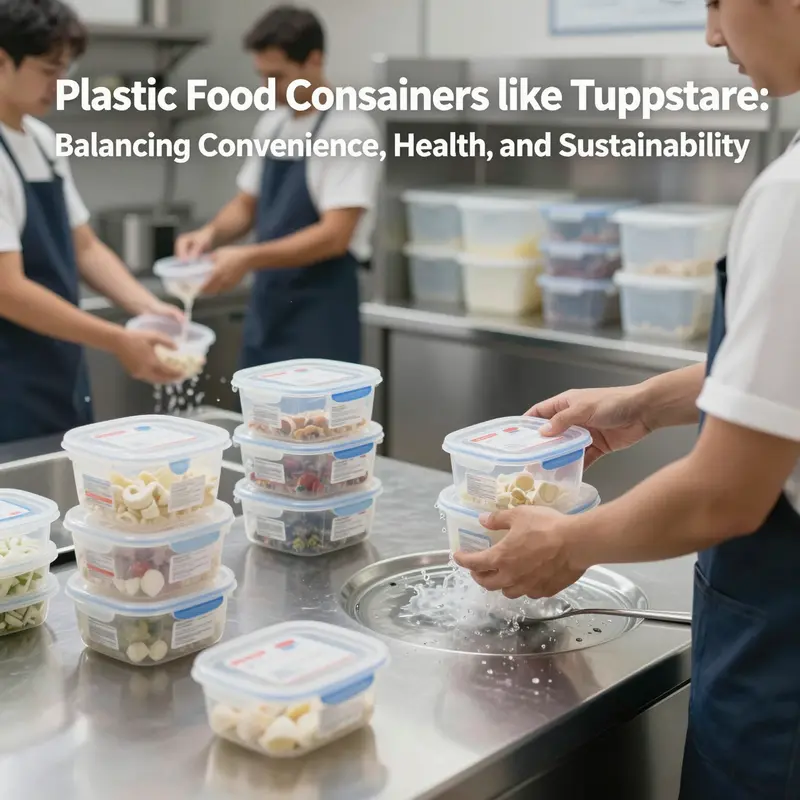
Beyond heat and wash conditions, the physical integrity of containers is a marker of safety. Regular inspection should be routine, not ceremonial. Cloudiness that spreads across the surface, a noticeable yellowing, warping that distorts the shape, odors that refuse to fade, or visible scratches are all signals. They indicate polymer degradation, micro-cracking, and potentially a shift in how the material interacts with its contents. When any of these changes appear, it is wise to retire the container rather than risk ongoing leaching. It might feel wasteful to discard plastic after only a few years, yet the cost of exposure can be higher than the cost of replacing a worn item. An important part of responsible use is the mindful choice of container size. The widely recommended sizing framework—small for dressings and snacks, medium for single servings, and large for leftovers—helps reduce clutter and minimizes the temptation to repurpose containers beyond their intended use. It also helps preserve the seal integrity of lids, which can degrade with time and use. For those who organize their kitchens for efficiency, this sizing discipline dovetails with the need to minimize repeated heating and the exposure of contents to ambient conditions. When food is stored, how it is sealed can influence both safety and flavor. Strong-smelling foods such as garlic, curry, or certain fish can permeate plastics over time, imparting odors to future contents and complicating flavor profiles. The recommendation is not to fear odors, but to respect them as early warning signs. Separate containers for notably aromatic foods can prevent cross-contamination of flavors and reduce the likelihood of long-term odor transfer. There is also value in understanding the resin identification codes printed on the containers. These codes are useful guides for material families. The numbers indicate the type of plastic and the general properties that accompany it. In practice, a conservative approach is wise: prioritize containers with codes that are more commonly accepted for food storage at room temperature, namely those in the HDPE (#2) and PP (#5) families. However, it is important to stress that none of these codes guarantees safety under repeated heating or with highly acidic or fatty substances. PVC (#3), polystyrene (#6), and the “other” category (#7) should be avoided for hot or highly acidic foods, as they carry greater risk of chemical migration under stress. Replacement cycles are another essential element of safety planning. A container that has endured years of sunlight, heat, and oil exposure may have lost stiffness, flexibility, and its overall resilience. Experts generally advise replacing plastic containers every few years, or sooner if visible wear is evident. The logic is straightforward: older plastics demonstrate increased susceptibility to micro-damage that can foster leakage and contamination. This practical rule of thumb aligns with a broader strategy of minimizing cumulative exposure, particularly for households with vulnerable individuals, such as young children or anyone with endocrine sensitivity. If you are weighing the environmental footprint of plastic versus glass, a simple framing helps. Glass offers an inert, non-porous alternative that does not introduce synthetic additives into food under typical kitchen temperatures. Its resistance to flavors, odors, and stains makes it a strong option for long-term storage. The trade-offs are clear: glass is heavier and can be more susceptible to breaking if mishandled. But when you prioritize health and safety, the inert nature of glass becomes a compelling advantage. It also supports sustainable kitchen practices because it can endure many years of use with proper care. For those who want to maintain the convenience of plastic while limiting exposure, there are practical compromises. Reserve plastic storage for cool, dry shelf storage or for pre-portioned items that are not intended for heating. Use glass for reheating or storing hot, acidic, or oily meals. This hybrid approach is not a contradiction; it is an informed strategy that leverages the strengths of each material while mitigating their weaknesses. It is important to recognize that the debate around plastic safety is dynamic. New research continues to emerge, refining our understanding of which plastics pose the greatest risks and under which conditions. A responsible kitchen approach stays flexible and informed. Keeping abreast of reputable sources and translating findings into everyday routines is part of a healthy, evidence-based cooking philosophy. For readers who want a practical baseline to expand their knowledge, one credible, comprehensive resource discusses the safety landscape of plastic food containers, including testing methods, specific plastic types, and practical recommendations for everyday use. eco-friendly takeout boxes for food packaging provides a useful point of reference for households that want to reduce plastic reliance while maintaining functional storage solutions. This link offers a broader look at packaging choices that align with cautious handling of food and heat exposure, reinforcing the idea that material choice is part of a continuum rather than a single decision. For readers seeking a more formal safety framework, an external, well-regarded evaluation of plastic container safety is available. It compiles testing data, identifies which plastics tend to perform better under typical kitchen stressors, and offers guidance on practical use. You can explore this deeper analysis here: a leading consumer safety publication’s article on plastic food containers safety. https://www.consumerreports.org/plastic-food-containers-safety-what-you-need-to-know-a260349/
The takeaway is straightforward. The kitchen is a place where science meets daily life, and subtle adjustments can yield meaningful benefits. By combining prudent material choices with mindful usage, households can preserve the integrity of their meals while protecting health and reducing environmental impact. The decision landscape is not binary; it is a spectrum that invites personalization. If you cook frequently with heat, if you prepare meals ahead for the week, or if you store leftovers for longer periods, the conversations about safety and maintenance become practical design choices in your home. The goal is not to impose a universal rule but to empower you with a clear set of guidelines that help you navigate the choices with confidence. In that spirit, consider building a small, evidence-informed routine: use glass for hot and acidic foods, reserve plastic for cool storage, keep lids intact and free of cracks, wash gently by hand when possible, replace aging containers on a reasonable cycle, and stay attuned to signs of wear. When you do encounter a storage challenge—whether it is an aromatic curry stored overnight or a batch of citrus-marinated vegetables—think through the container’s material properties, the likely heat exposure, and the potential for odor transfer. In time, these small habits become second nature, and the kitchen becomes a space where safety and efficiency reinforce one another. The endgame is a kitchen that supports flavorful, varied meals while minimizing the risks that plastics can pose when misused. By approaching plastic storage with care, you preserve both the quality of your food and your peace of mind, making room for creativity, health, and responsible stewardship of resources.
Final thoughts
Plastic food containers like Tupperware offer undeniable convenience and practicality, especially in dynamic industries such as bubble tea shops, catering, and restaurants. Yet, it is essential to approach their use with a clear understanding of the associated health risks, especially regarding chemical leaching when exposed to heat or acidic foods. Comparing plastics to safer, inert alternatives like glass highlights opportunities to safeguard both customer health and brand reputation. Beyond direct health concerns, businesses should also consider the environmental impact of plastic container usage and disposal, integrating sustainable solutions where feasible. Finally, adopting best practices for maintenance and storage extends the containers’ usability and minimizes potential risks. By embracing these insights, foodservice professionals can make smarter choices that enhance safety, sustainability, and operational excellence.