
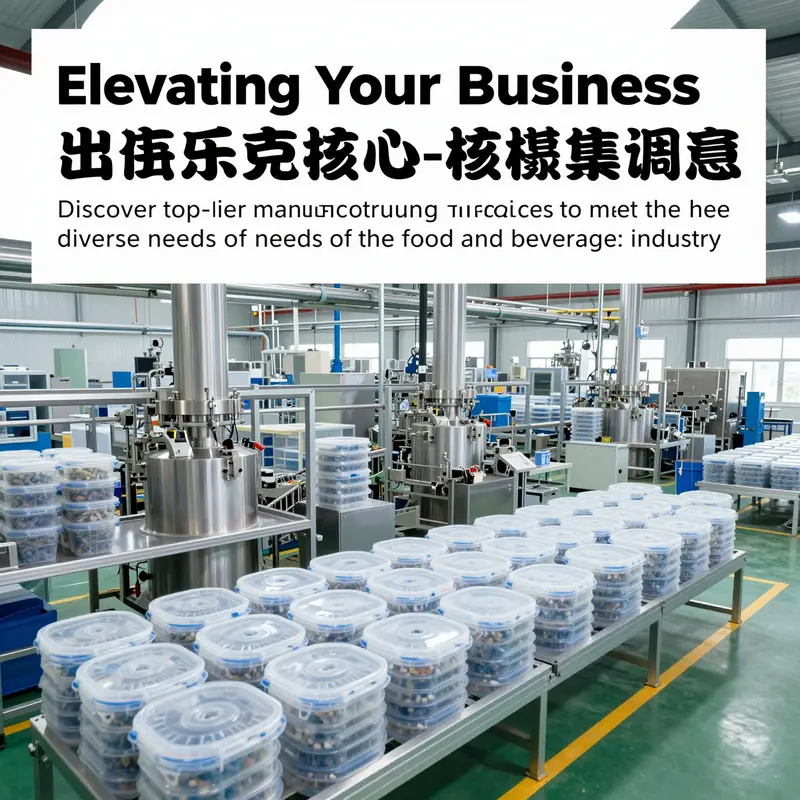
Malaysian factories are leading the way in manufacturing high-quality plastic food containers, providing essential packaging solutions that cater to various businesses. From bubble tea shops to catering services, the need for durable, safe, and eco-friendly packaging has never been more crucial. This article delves into the essential materials and manufacturing technologies utilized in Malaysia, highlights product features tailored for your needs, discusses sustainability and quality control efforts, and explores the market dynamics and export potential of this vibrant industry. Each chapter will provide insights through which your business can benefit from Malaysia’s rich manufacturing landscape.
From Resin to Resealable: Materials and Manufacturing Technologies Shaping Malaysia’s Plastic Food Container Industry
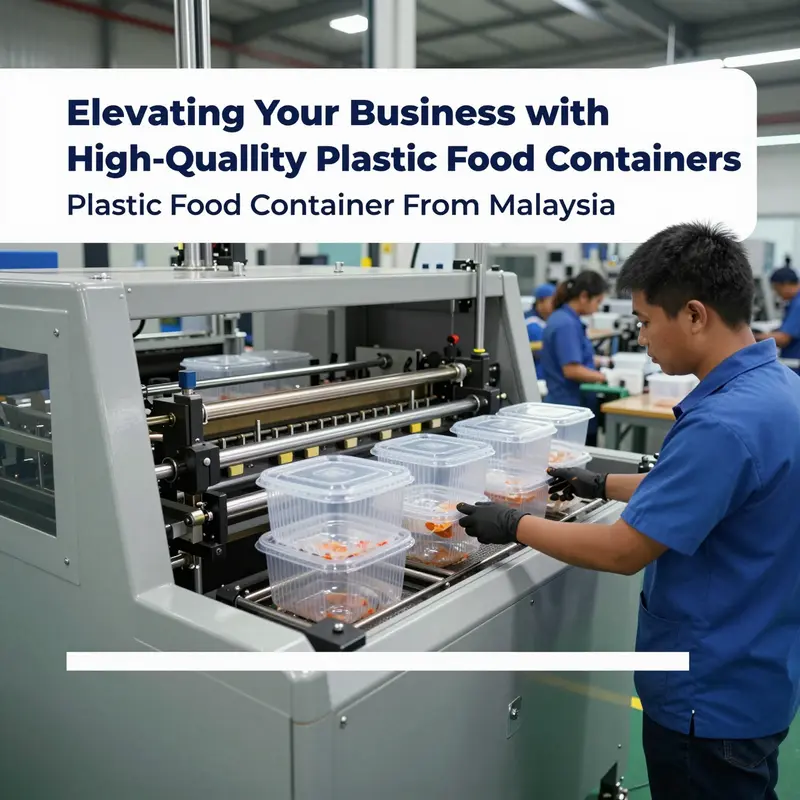
In Malaysia, the journey from resin to a ready-for-shelves plastic food container is a carefully orchestrated blend of material science, precision engineering, and regulatory discipline. The country’s plastic packaging sector has matured into a robust ecosystem where reputable manufacturers deploy a suite of polymers chosen for safety, performance, and cost efficiency. Across many plants, the emphasis rests on translating global standards into local capability, ensuring packaging protects food while aligning with consumer expectations for convenience, durability, and sustainability within dynamic regional markets.
The primary materials used in these factories are HDPE, LDPE, PP, and PS. Each resin offers distinct advantages for different packaging formats, and the choice is guided by regulatory compliance and performance needs. HDPE provides rugged stiffness and chemical resistance, making it a staple for sturdy trays and containers that endure stacking and transport. LDPE contributes flexibility and excellent seal integrity for bags and flexible packaging components that shield moisture and minimize oxygen exposure. PP is prized for its balance of rigidity and heat tolerance, essential for containers destined for microwave reheating and hot-filling processes. PS remains the go-to when clarity and crisp edges are needed for display-oriented packaging and lid assemblies. Selection considers not only mechanical properties but also migration characteristics, surface finish, and tolerance to repeated thermal cycles.
Beyond the basic resin choices, the manufacturing environment is shaped by how materials interact with the production line. Regulations from the Malaysian Ministry of Health and international authorities shape the allowable additives, migration limits, and testing regimes. Factories run audits to verify resin suppliers meet purity standards, while finished containers undergo barrier tests, leak tests, and thermal shock assessments. The result is a portfolio of products that can pass FDA- or EFSA-style scrutiny while remaining cost-competitive in local and export markets. The interplay between materials and standards is not incidental; it is the backbone of trust in a region that serves both regional consumers and global brands. In practice, Malaysia’s factories leverage a tight feedback loop between resin selection and process design. This loop ensures that the shrink rates, wall thickness, and surface energy of a container remain consistent from tool to tool and batch to batch. It also enables rapid scaling when demand shifts from domestic retailers to international buyers. When a plant aims to produce a 750 ml rectangular PP container, for example, engineers profile the wall geometry to balance rigidity with stackability and heat resistance. The result is a dependable product line that supports a wide range of uses—from meal prep and take-out to pet food storage—while keeping performance predictable at high volumes. This is where the internal link becomes tangible; a representative example of the broader packaging landscape in the region, such as take-away food packaging boxes, illustrates how a single design principle—durability paired with ease of transport—shapes material and process choices across dozens of SKUs.
On the manufacturing floor, a trio of core technologies dominates the volume and precision demands of these containers. Injection molding, extrusion blow molding, and standard blow molding are deployed in complementary ways to produce a broad spectrum of shapes and sizes. Injection molding shines for rigid, precisely dimensioned components such as lids, inner dividers, and tightly fitting closures. It offers high repeatability, tight tolerances, and the ability to integrate sophisticated gating, shut-off systems, and in-line quality checks. The speed and accuracy of modern servo-driven machines reduce cycle times and conserve energy, while automated vision systems verify wall thickness and surface finish in real time. The result is a dependable production stream that can consistently hit tight tolerances across thousands of cavities and multiple molds in a single shift.
Blow molding, particularly extrusion blow molding, is the workhorse for hollow containers. In this approach, a molten parison is extruded and then inflated to take shape inside a cooled, instrumented mold. The method is cost-effective at scale and well-suited to producing bottles, jugs, and storage jars with uniform walls and predictable burst strength. When a plant must switch from one bottle size to another, the transition is often achieved with minimal tooling change and quick color changes, thanks to automated material handling and colorant dosing systems. The same family of machines often handles neck finishes and cap interfacing, streamlining the supply chain from resin to closure to finished package. The capacity to run multiple blow molding lines in parallel translates into economies of scale, supporting both domestic demand and export requirements.
Thin-walled PP and PS components sometimes rely on thermoforming for certain shapes where windowed lids or shallow trays demand a clear surface or a specific texture. Thermoforming, once a niche technique, has grown in Malaysian plants that serve food service and retail packaging due to its cost efficiency for large-format trays and clamshells. The approach uses heated plastic sheets formed over male or female molds to generate a close-to-net shape with relatively short lead times. This method integrates well with downstream printing and decoration, enabling on-site branding and product differentiation. The synergy between thermoforming and injection or blow molding creates a versatile toolkit that can adapt to seasonal promotions or regulatory changes without sacrificing throughput.
Automation and data-driven quality control underpin these production lines. Robotic pick-and-place for inserts, inline thickness sensing, and non-destructive testing systems ensure that every container meets the same high standard. Defect rates fall as sensors monitor temperature profiles, cooling rates, and mold temperatures, while operators receive real-time dashboards that indicate machine health and maintenance needs. Energy efficiency is not an afterthought; plants optimize hydraulic and pneumatic circuits, recover heat from extrusion lines, and reuse trimmed scrap in approved recycling streams. In this context, sustainability becomes not just a policy but a practical operating parameter that reduces total cost of ownership over the life of a line and enhances corporate responsibility profiles for local and international buyers.
The push toward more sustainable plastics aligns with both global trends and regional priorities. Malaysian plants increasingly implement post-industrial recycling programs, converting scrap from trimming, runners, and rejected parts back into the resin stream. Some facilities partner with certified recyclers to ensure material compatibility and traceability. In parallel, researchers and plant managers explore bio-based or fully recyclable plastics that align with clean-label branding and eco-conscious consumer preferences. These efforts do not exist in a vacuum; they require close collaboration with suppliers, packaging designers, and regulatory bodies to ensure that product performance remains intact while the environmental footprint shrinks. The continuous evolution of material science in this region thus supports a broader trajectory toward responsible manufacturing without compromising clarity, barrier properties, or form stability.
Standards and guidelines form the invisible scaffold that keeps this complex system aligned. In Malaysia, regulations from the Ministry of Health guide what is permissible for food-contact plastics, including permissible additives and migration limits. At the same time, international parallels from the FDA and EFSA underpin the export dimension of the industry, ensuring that containers designed for one market do not inadvertently fail another. This dual framework helps manufacturers design with both safety and cross-border logistics in mind. The Malaysian Standards (MS) and the Department of Standards Malaysia (DSM) publish guidelines that harmonize material specifications, performance tests, and labeling requirements. For technical details, producers reference these official documents to calibrate resin grades, resin suppliers, and testing regimes, ensuring traceability and consistency across all lines. The result is a resilient, transparent supply chain that supports Malaysia’s position as a regional hub for high-quality, food-safe packaging.
In the end, the story of Malaysia’s plastic food container industry is a story of alignment. Material choices, process architectures, and regulatory frameworks align with the demands of modern food service and retail markets. The factories described here share a common language: precision engineering, safety-first design, and a commitment to continuous improvement. The capacity to adapt to shifting consumer preferences—whether spurring a wave of eco-friendly takeout boxes or a demand for clear, display-ready containers—rests on the ability to translate raw materials into reliable, cost-effective packaging at scale. The industry’s footprint across Malaysia’s ports and industrial parks is a testament to a country that has woven its manufacturing strengths into the fabric of regional supply chains, delivering containers that travel from solvent-checked resins to ready-to-use meals in kitchens across the region.
External resource: details on standards and guidelines underpinning this ecosystem can be found at https://www.dsm.gov.my
From Material to Meal: Inside Malaysia’s Feature-Rich Plastic Food Container Factories
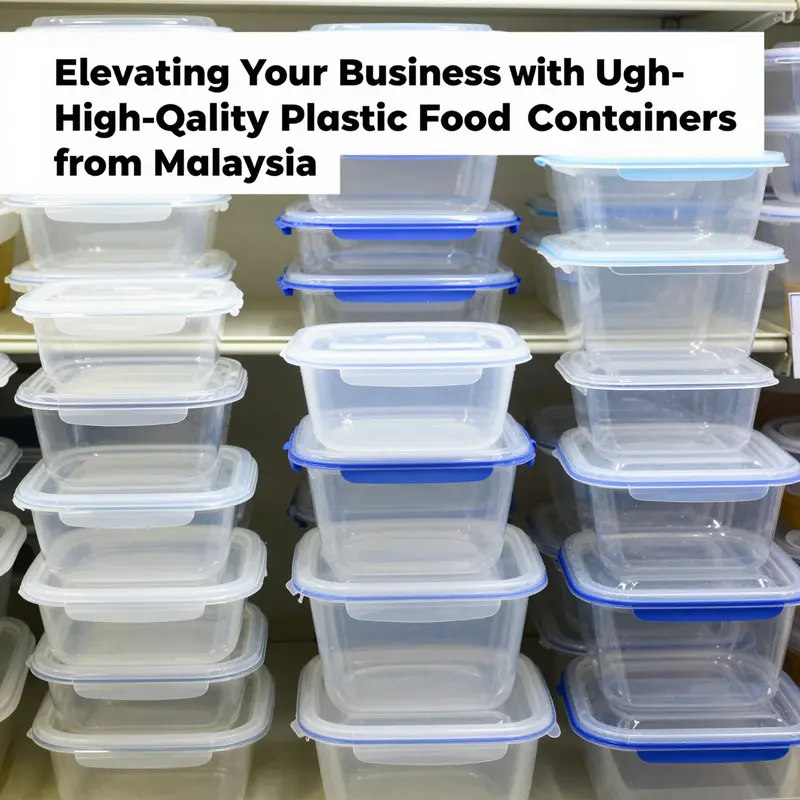
In Malaysia, a quiet industry hums with the steady precision of machines and the quiet confidence of engineers who treat packaging as part of the food system itself. The country has developed a robust manufacturing ecosystem for plastic food containers that blends material science with design thinking, regulatory rigor, and a growing commitment to sustainability. This ecosystem does not simply produce boxes; it crafts solutions that protect, preserve, and present food across a wide range of contexts—from bustling urban bodegas to high-volume catering operations and the rapid cadence of e-commerce fulfillment. What makes these factories distinctive is not only their capacity but their disciplined approach to safety, performance, and adaptability. They operate with a clear understanding that packaging is the first line of defense for food safety, the visible signature of a brand, and, increasingly, a statement about environmental responsibility. The result is a family of containers designed to meet diverse needs while maintaining consistent standards that buyers—whether product developers, retailers, or food service operators—can trust across markets and seasons.
At the core of these facilities is a careful selection of materials, a decision that influences everything from how a container withstands heat to how it behaves in transit. The most common workhorses are polypropylene and PET, chosen for their complementary properties. Polypropylene offers notable heat resistance, which makes it well suited for reheating or hot-food service without compromising safety. Its resilience under temperature fluctuations helps prevent warping and maintains seal integrity in the kitchen and during storage. PET, by contrast, brings clarity and strength to the equation. The transparent, glass-like appearance of PET enhances product visibility on shelves while lending durability that helps containers survive the rigors of long transport and rough handling. Together, these materials enable a spectrum of packaging options—from simple, single-use containers to more sophisticated configurations that support longer shelf life and more controlled environments for sensitive foods.
The production lines in Malaysia’s plastic container factories hinge on thermoforming, a technology that has evolved far beyond its early, labor-intensive roots. Modern thermoforming combines precision tooling, automated handling, and careful control of temperature and pressure to shape flat sheets into complex forms. The result is a family of containers with consistent wall thickness, reliable seals, and predictable performance under thermal stress. The machinery ecosystem often includes multiple parallel lines, allowing factories to scale up for bulk orders while maintaining tight quality control. In practice, this means a streamlined flow from sheet to finished container, with checks at every stage to confirm dimensions, surface finish, and sealing criteria. The emphasis on process control translates into high repeatability, a key factor for buyers who need to reproduce packaging across large campaigns or seasonal launches.
Product features in these factories go beyond a simple seal and a neat exterior. Seal strength is a primary performance criterion because it directly affects food safety and user experience. Containers are engineered to resist leaks and maintain integrity through handling, stacking, and transportation. Puncture resistance is another vital attribute, especially for foods packed with sauces, oils, or moisture-rich ingredients. Chemical stability matters as well; the materials and inks used for branding must not migrate into food, even under heat or long storage. In addition to these baseline capabilities, the most sophisticated containers incorporate multi-layered structures that act as formidable barriers. Aluminum-laminated Mylar or co-extruded PET layers can significantly slow the ingress of moisture, oxygen, and light. This barrier technology is especially important for snacks, baked goods, or ready-to-eat meals where preserving flavor, texture, and appearance can determine a product’s success in competitive markets.
Design versatility is another hallmark of Malaysia’s container manufacturing. Beyond the raw materials and barrier properties, factories offer a range of customization options that help brands differentiate their products. Sizes, shapes, and configurations can be tailored to meet specific usage scenarios, whether that means compact single-serve portions for grab-and-go meals or larger family-sized packs for home storage. Colors and branding can be implemented through printing or labeling, enabling on-brand presentation that travels well from shelf to table. In this sense, packaging becomes a strategic asset rather than a mere protective shell. The ability to customize without sacrificing performance is particularly valuable in markets that demand rapid product turnover and frequent package redesigns to reflect promotions, seasonal themes, or evolving consumer preferences.
The uses of these containers span a broad spectrum of sectors. In retail, the containers serve as portable, hygienic vessels that preserve freshness and enable easy display. Food service relies on reliable, heat-tolerant solutions that support takeout and dine-in experiences alike. Catering operations depend on practicality—containers must be stackable, durable, and capable of withstanding the rigors of transport between venues. E-commerce has sharpened the emphasis on tamper-evident features, secure closures, and dependable performance during last-mile delivery. Home meal preparation has grown alongside the rise of convenient cooking, where consumers value portion-controlled packaging that reduces waste and simplifies cooking or refrigeration. Across these contexts, the design philosophy remains consistent: minimize contamination risks, optimize logistics, and enhance consumer convenience. Resealability and portion control are not just features; they are strategic responses to consumer needs for freshness, safety, and control over consumption.
Sustainability is no longer an afterthought in the Malaysian packaging landscape. Factories increasingly integrate recyclable materials and pursue processes that reduce waste, conserve energy, and lower emissions. The emphasis on recyclability aligns with global expectations around circular economy principles. At the same time, the packaging ecosystem is learning how to extend the life of plastic containers through design—making them easier to recycle, more compatible with recycling streams, and less prone to contamination. This is complemented by efforts to optimize the production footprint, for instance by improving energy efficiency, reducing water use, and selecting materials that support closed-loop recycling where feasible. The narrative around sustainability is evolving from “how do we meet demand?” to “how do we meet demand responsibly, today and tomorrow?”
For buyers, the sourcing process in this region is a careful balancing act among performance, cost, and compliance. A practical entry point is to request formal documentation that confirms technical capabilities and safety commitments. Material Data Sheets help buyers understand the exact polymers used and any additives that could influence food contact safety. Test reports on seal strength provide objective benchmarks for performance under practical conditions, including temperature changes and prolonged storage. Ink migration studies, where applicable, help ensure that branding elements do not migrate into food. Certifications that demonstrate compliance with food safety regulations are essential signals of reliability. In practice, a well-prepared procurement approach also considers logistical factors such as lead times, production scalability, and the supplier’s capacity to support customization without compromising quality.
Within this landscape, buyers increasingly seek partners who can blend reliable mass production with responsive, design-driven solutions. The ability to scale from pilot runs to full-scale production without reengineering the core process is a key capability. A factory that can offer a range of container formats, compatible with different sealing systems and barrier structures, positions itself as a versatile supplier for brands navigating changing consumer demands. The value proposition extends beyond the product itself. Technical support, design collaboration, and clear communication about timelines and regulatory requirements contribute to smoother development cycles and fewer quality surprises during market launches. It is this combination of technical rigor and adaptive capability that makes Malaysia an attractive sourcing destination for durable, safe, and cost-conscious plastic food containers.
In practice, the regional supply ecosystem also benefits from a networked approach to procurement. Buyers often combine the strengths of local production with curated capabilities from nearby markets, leveraging favorable logistics and shorter lead times. This regional integration supports a steady supply of containers that meet stringent standards while enabling competitive pricing. It also provides resilience in the face of demand fluctuations and regulatory changes, a consideration that has grown more salient as food safety expectations tighten globally. The long ascent of online marketplaces and B2B procurement platforms has further enhanced visibility into capabilities, certifications, and performance histories, making due diligence more transparent and efficient for teams tasked with safeguarding product integrity from factory floor to consumer hands.
To illustrate the practical dimension of these capabilities, consider the way a typical buyer negotiates the path from concept to carton. The process begins with material choices that align with the product’s shelf life, storage conditions, and consumer expectations. Designers collaborate with suppliers to translate brand aesthetics into packaging that still maintains seal integrity and barrier performance. Prototyping allows teams to validate fit, function, and branding before mass production. Once a design passes rigorous testing, production ramps up, and the supply chain shifts toward predictable, on-time delivery. Throughout this journey, documentation and certifications travel with the container, providing reassurance to retailers and food service operators about compliance and safety. The upshot is a packaging solution that does more than guard a product; it helps shape its market reception by delivering reliability, clarity, and a coherent brand story across channels.
Within this dynamic, one practical example of regional expertise is the emphasis on customization that still respects export requirements. Factories in Malaysia increasingly offer adaptable branding options through printing or labeling, enabling brands to unify their packaging visuals across multiple markets without compromising the performance characteristics of the container. The approach supports campaigns that require seasonal colorways, limited editions, or co-branding with retailers, all while maintaining consistent barrier protection and heat resistance. The ability to tailor the container’s appearance and messaging, while preserving core quality attributes, reflects a mature manufacturing philosophy that recognizes packaging as a strategic instrument for product storytelling as well as protection. For those curious about real-world sourcing guidance, a practical reference point can be found in the region’s resource catalogs, where suppliers outline capabilities, testing regimes, and compliance narratives in a format designed to support thorough evaluation. It is this blend of robust engineering and customer-centric service that keeps the Malaysian plastic food container sector both competitive and resilient.
As the conversation about packaging continues to evolve, so too does the role of these factories in shaping consumer experience. The containers that emerge from Malaysia’s thermoforming lines are more than utility items; they are enablers of safer meals, better brand visibility, and more efficient logistics. They are designed to withstand the rigors of quick-turn retail cycles and the growing demands of sustainable consumption. In a market where performance, safety, and environmental considerations are increasingly interlinked, the factories’ ability to offer reliable basics plus meaningful enhancements becomes a compelling proposition for global buyers seeking to balance cost with confidence. The story of these facilities is thus a story of continuous improvement—an ongoing dialogue between material science, process engineering, and market needs—that keeps them at the heart of a vibrant regional food economy.
For readers seeking a broader context on how regional packaging narratives intersect with global supply chains, an external overview provides additional texture. External resource: https://www.alibaba.com/product-detail/An-In-Depth-Guide-to-Plastic-Food-Packaging-Malaysia_1600785394824.html
Within the spectrum of sourcing options, prospective buyers can also explore practical examples of packaging design and application through regional catalogs and supplier websites. One accessible pathway is to examine custom takeaway packaging solutions that emphasize versatility and scale. A practical example can be found in the domain of custom takeaway packaging supplies where flexibility in shape, size, and branding is paired with dependable performance. This reference illustrates how packaging choices can align with both consumer expectations and operational realities, reinforcing the idea that material selection, process control, and design collaboration are inseparable elements of a successful packaging program. The broader lesson is clear: in the Malaysian container manufacturing landscape, high performance and responsible practice go hand in hand, and buyers who embrace this integration tend to see more consistent results across product launches and across markets.
Green Precision in Malaysia’s Plastic Food Container Industry: Sustainability, Quality, and Global Reach
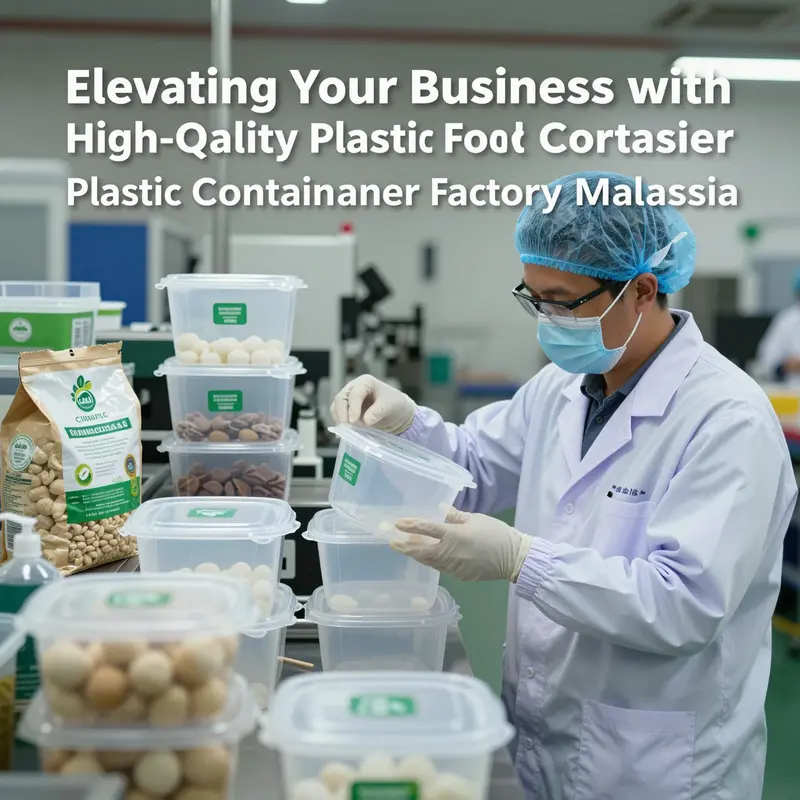
Malaysia has established itself as a pivotal manufacturing chorus in Southeast Asia, where the production of plastic food containers blends engineering precision with a growing imperative for sustainability. The country’s factories sit along a spectrum of capabilities, from well-instrumented thermoforming lines to automated lines that weave together cutting-edge printing, inspection, and packaging automation. The result is a manufacturing ecosystem capable of supplying durable, food-safe packaging to a diverse range of sectors, from street-level food service to large-scale retail distribution. In practice, this means containers designed to protect product integrity, optimize shelf life, and withstand the rigors of transport, all while aligning with a rising tide of environmental expectations from regulators, business partners, and end consumers. The long arc of Malaysia’s packaging sector thus pivots on how factories marry technical capability with responsible production, a balance that will shape the sector’s competitive edge for years to come.
Sustainability in Malaysia’s plastic container sector is not a marketing add-on but a strategic obligation that informs material choices, process design, and supply chain partnerships. The government has signaled this shift through policy instruments and incentives that encourage green investment and the adoption of cleaner technologies. The Green Investment Tax Allowance (GITA), for example, provides a fiscal framework to support modernization that reduces energy use, emissions, and waste. This policy backdrop, combined with a growing consumer preference for sustainable packaging, creates a powerful impetus for factories to rethink raw materials, end-of-life options, and the overall lifecycle impact of their products. It is not merely about compliance; it is about creating packaging solutions that resonate with brands aiming to tell a responsible story while maintaining performance parity with traditional plastics. In practical terms, this means a more deliberate exploration of recyclable and biodegradable materials, as well as the development of closed-loop or take-back programs that keep packaging in circulation rather than in landfills.
Among the material choices commonly seen in Malaysian facilities, conventional thermoplastics such as polypropylene (PP), polystyrene (PS), polyethylene terephthalate (PET), and biaxially oriented polystyrene (BOPS) continue to provide the backbone for many product lines. These materials are valued for their clarity, strength, lightness, and compatibility with high-volume thermoforming. Yet, as the sustainability conversation intensifies, factories increasingly diversify their material palette to reduce dependence on fossil-based plastics. The shift includes accelerating exploration of biodegradable and recyclable alternatives like polylactic acid (PLA), polybutylene adipate terephthalate (PBAT), and starch-based blends. Sourcing for these materials often leverages Malaysia’s abundant agricultural and natural rubber feedstocks, which can enable innovative formulations that degrade more readily under appropriate industrial composting conditions or recycling streams. While the transition is gradual and not without technical and cost considerations, the momentum is clear: green materials are being folded into design briefs, with performance and safety remaining uncompromised.
The technical backbone of quality in these facilities rests on well-established food safety and quality-management frameworks. Malaysia’s plastics container manufacturers regularly align with international standards such as ISO 22000 for Food Safety Management and HACCP (Hazard Analysis and Critical Control Points). These frameworks provide a structured approach to preventing contamination, ensuring consistent product safety, and protecting public health across the supply chain. In parallel, many factories implement real-time monitoring and automated inspection throughout manufacturing lines. Modern sensors track parameters from material temperature profiles to thickness uniformity and seal integrity, while automated print registration and color control systems ensure branding accuracy and legibility on every batch. Third-party testing laboratories and certifications further validate that containers are compliant with global food-contact regulations. This combination of rigorous internal controls and external verification creates a robust quality net that reassures buyers in domestic and export markets alike that each shipment meets exacting standards.
Sustaining this level of quality requires more than sophisticated machinery; it demands disciplined process control and a culture of continuous improvement. In practice, this translates to a suite of operational practices that are embedded in daily production. Standard operating procedures detail how raw materials are received, stored, and tested before they enter production, while calibration routines keep process instruments aligned with specified tolerances. Statistical process control tools are deployed to monitor variability, enabling quick interventions before defects propagate. Traceability is a priority, with batch records capturing material lots, machine settings, and test results. In this way, any deviation can be traced to its source, enabling targeted corrective actions and product recalls if necessary. Such rigor protects not only the consumer but also the brand integrity of buyers who rely on consistent container performance for product quality and safety.
The geography of Malaysia’s manufacturing strength also matters. Industrial hubs in Penang, Kedah, and Melaka offer integrated supply chains, skilled labor, and well-developed logistics networks that connect production lines to ports and regional markets. The proximity to Southeast Asia’s growing foodservice and packaging demand creates a favorable balance of cost, speed, and access to raw materials. A well-structured local ecosystem supports scale without sacrificing responsiveness. Factories near these hubs often coordinate with a network of suppliers and contract manufacturers to streamline procurement, tooling, and finishing processes. The result is a capability to deliver large volumes with consistent quality while also supporting customization for different customers, whether those requirements involve unique shapes, dimensions, or branding needs. The local advantage, coupled with the region’s broader trade connections, positions Malaysia as a reliable sourcing destination for durable, safe, and cost-effective food containers.
The sustainability narrative in these factories is not one-dimensional. It encompasses design for recyclability, optimised use of materials to reduce waste, and investments in energy-efficient equipment and processes. Innovations extend from material substitution to process optimization, where thermoforming lines are configured to minimize scrap, reduce energy consumption, and enable faster changeovers between product families. Digitalization plays a growing role, with data-driven monitoring guiding maintenance scheduling, yield improvements, and quality assurance. For brands seeking to align their packaging with sustainability claims, factories now demonstrate traceable environmental performance data, including material recovery rates and energy intensity metrics. This transparency helps buyers make informed decisions and sets the stage for collaborations that extend beyond single shipments to long-term packaging strategies.
The broader market context reinforces the strategic value of this alignment. Malaysia’s packaging manufacturers operate in a competitive landscape where cost, reliability, and compliance determine market access. Verified platforms such as wholesale directories and sourcing gateways serve as channels for buyers to compare capabilities, certifications, and lead times. The capacity to offer not only standard containers but also customized solutions positions Malaysian factories as partners in a dynamic supply chain that must respond to shifting consumer preferences, regulatory updates, and evolving environmental expectations. In this sense, sustainability and quality are not additive but integrative, shaping product development, supplier selection, and customer collaboration across the lifecycle of packaging—from design and manufacturing through use and end-of-life.
Incorporating sustainability into packaging design also reflects broader branding and consumer expectations. In an era where end users are more attuned to the environmental footprint of products, packaging suppliers are increasingly expected to support eco-conscious narratives. This includes offering recyclable options and communicating the recyclability or compostability of materials in a clear, credible manner. It also means engaging in responsible marketing practices that avoid greenwashing and instead provide verifiable information about material content, processing methods, and end-of-life pathways. For many buyers, the choice of a packaging supplier in Malaysia goes beyond a single transaction; it becomes a strategic decision about partnerships that can contribute to sustainable brand stories while maintaining performance benchmarks. The factories that are most successful in this regard are those that marry technical mastery with a genuine commitment to environmental stewardship, delivering packaging solutions that meet safety and durability requirements while aligning with evolving sustainability metrics.
A practical expression of this balance can be seen in how suppliers communicate options for greener packaging. For example, online catalogs increasingly highlight eco-friendly takeout boxes for food packaging as part of broader sustainability portfolios. These offerings reflect a trend toward packaging that supports waste reduction, recyclability, and responsible disposal. The emphasis on eco-friendly design is not merely aesthetic; it reflects a structural shift in how packaging is conceived—from cradle to grave—within the context of regional manufacturing capabilities and global supply chains. For buyers evaluating Malaysia-based suppliers, such emphasis on sustainable takeout options signals a readiness to integrate with circular economy models, reduce post-consumer waste, and align with environmental, social, and governance (ESG) expectations that increasingly influence procurement decisions.
From a practical standpoint, integrating green packaging into production requires suppliers to balance performance with environmental performance. Containers must retain their mechanical integrity during handling, storage, and transport, while also offering predictable recycling or end-of-life outcomes. This dual objective often requires collaboration across the supply chain: material scientists, process engineers, quality assurance teams, and logistics partners work together to define acceptable trade-offs and implement monitoring that demonstrates ongoing compliance. In Malaysia, such collaboration is supported by an ecosystem that values both technical proficiency and sustainable outcomes. The result is a packaging sector that can deliver on the dual promises of safety and stewardship, enabling brands to protect their products and reputations while contributing to a cleaner, more sustainable regional economy.
For organizations seeking reliable suppliers in this landscape, the choice often centers on those who can demonstrate both robust quality control and a credible sustainability narrative. This means factories that can show ISO 22000 and HACCP compliance alongside documented energy reductions, waste reductions, and material substitution progress. It also means suppliers who can provide transparent data on recyclability or compostability and who can articulate end-of-life pathways for their products. The practical implication is clear: the most resilient packaging partners will be those that marry rigorous process discipline with a forward-looking materials strategy, ready to adapt as regulatory expectations and market demands continue to evolve. In this sense, sustainability and quality are not competing priorities; they are two faces of a single objective: delivering safe, reliable, and responsible packaging that supports a thriving, export-oriented economy.
To illustrate the practical side of this integration, consider the availability of online resources that showcase ongoing innovations in eco-friendly packaging. For instance, a catalog entry on eco-friendly takeout boxes highlights how designers are rethinking container shapes, materials, and finishes to optimize recyclability and waste reduction without compromising performance. This kind of resource helps buyers visualize how sustainability can be embedded in packaging selections, and it underlines the importance of choosing suppliers who can translate green design principles into scalable production processes. The ability to scale green solutions while preserving consistency and safety is what sets leading Malaysian manufacturers apart in a crowded market. Such capabilities reinforce the idea that sustainability in packaging is not a mere trend; it is a core capability that supports long-term resilience, global reach, and the trust of customers and regulators alike.
Ultimately, the trajectory of Malaysia’s plastic food container industry rests on a simple alignment: safety and performance must be delivered within a framework of environmental accountability. The factories that succeed do so by combining world-class process control with the continuous adoption of more sustainable materials and closed-loop thinking. They invest in automation and analytics to maintain product quality at scale, while also exploring new materials and recovery options that reduce the environmental footprint of each container. They cultivate partnerships that extend beyond a single purchase, forming collaborations that advance sustainable design, responsible manufacturing, and efficient logistics. In this integrated approach, sustainability becomes a differentiator not just for compliance, but for competitiveness in a global marketplace that increasingly rewards packaging that performs well and protects the planet.
For readers who want to explore concrete examples of sustainable packaging in action, consider looking at industry resources and supplier catalogs that discuss green materials and end-of-life options. For a broader context on sustainability standards in the region, see the industry overview provided by Tetrapak Malaysia’s sustainability section, which outlines how global best practices translate into local food packaging operations. [External resource: https://www.tetrapak.com.my/sustainability]
If you are seeking more detailed product experiences and examples of eco-conscious packaging designs that align with these principles, an accessible reference is found in online catalogs that highlight recyclable and compostable takeout options. For a direct, practical example that ties to the themes discussed here, you can review one supplier’s catalog entry on eco-friendly takeout boxes for food packaging, which presents a range of styles and finishes that balance usability with sustainability. This resource demonstrates how a Malaysian packaging provider can translate advanced material science and stringent quality control into tangible, green, scalable solutions. The link provides a glimpse into how green design translates into product choices and supplier capabilities, helping buyers assess whether a given partner can deliver on both safety and environmental promises.
In summary, Malaysia’s plastic food container industry is navigating a convergence of rigorous quality standards, advanced manufacturing practices, and a growing emphasis on environmental responsibility. The factories that lead in this space are not simply producing containers; they are shaping a system in which safety, efficiency, and sustainability reinforce one another. Through robust quality management, strategic material choices, and an openness to innovative, greener options, these factories are building a resilient, export-ready packaging sector. The result is packaging that protects products, supports brand narratives, and contributes to a more sustainable regional economy, without sacrificing the performance that buyers rely on for everyday food experiences. And as demand for responsible packaging grows, Malaysia’s factories are well-positioned to stay at the forefront, guiding the industry toward a future where sustainability and quality are inseparable facets of excellence.
null
null
Final thoughts
As the demand for food-safe, durable, and aesthetically appealing plastic food containers continues to grow, Malaysian factories stand as a beacon of quality and innovation in the packaging industry. Their commitment to sustainability and adherence to rigorous quality control protocols ensure that businesses across the food and beverage sector can confidently source high-quality products tailored to their specific needs. Leveraging Malaysia’s strategic location and competitive production costs can give your business the necessary edge in today’s marketplace. Embracing these solutions not only enhances your operations but also aligns with environmental consciousness, ultimately driving success for your enterprise.